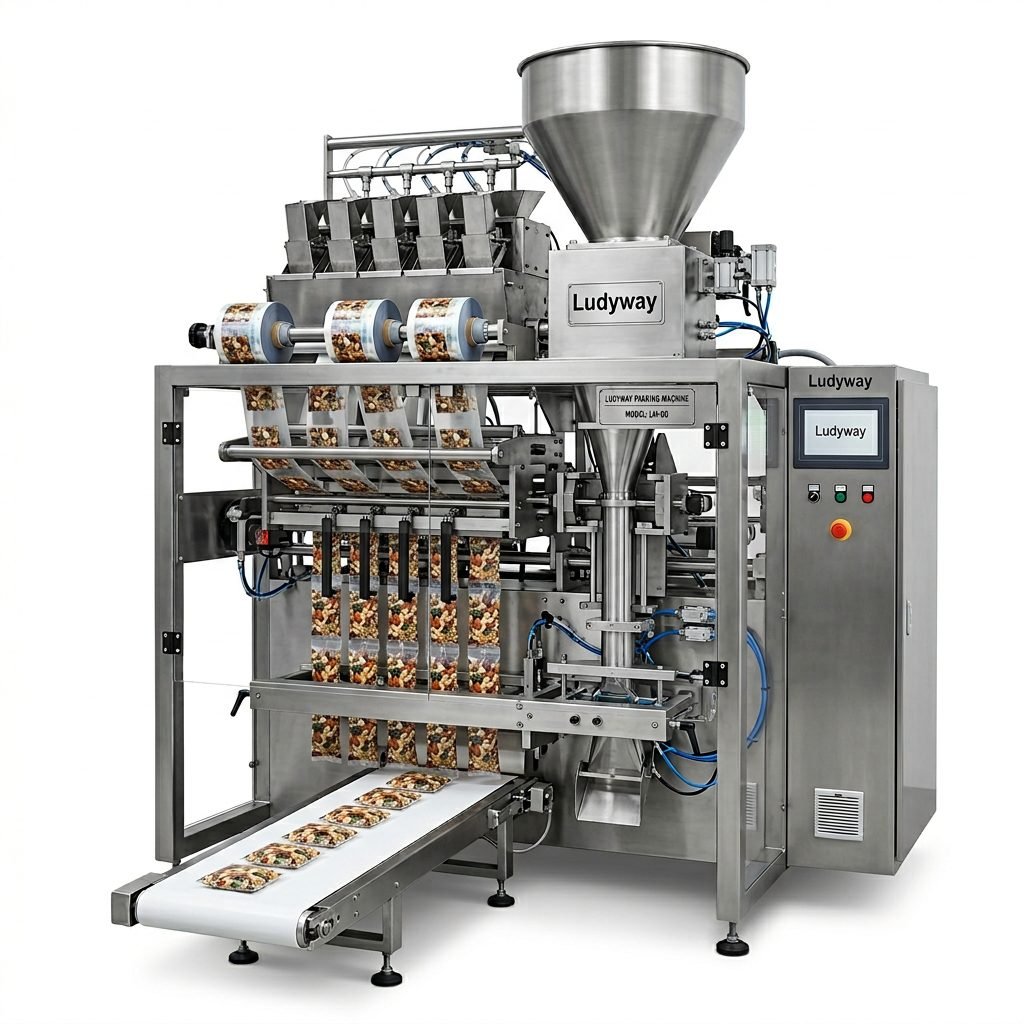
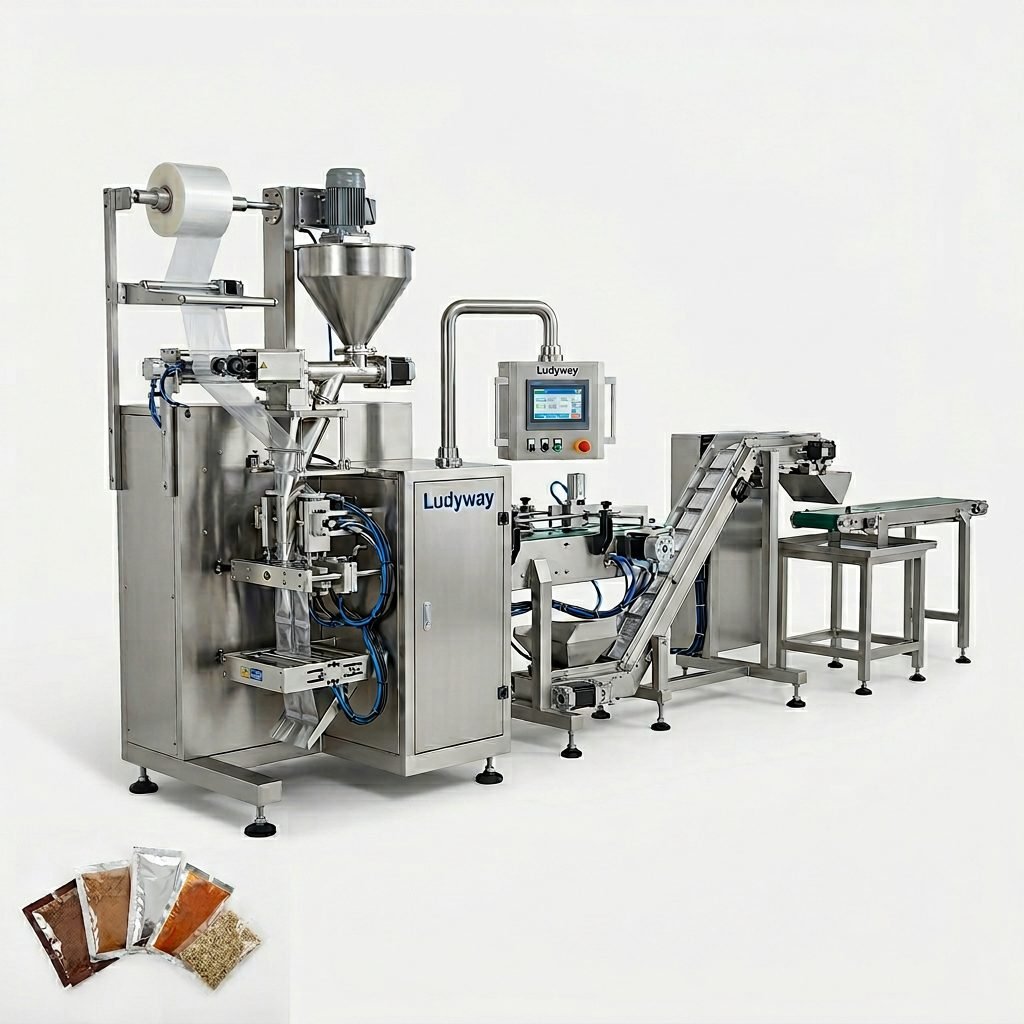
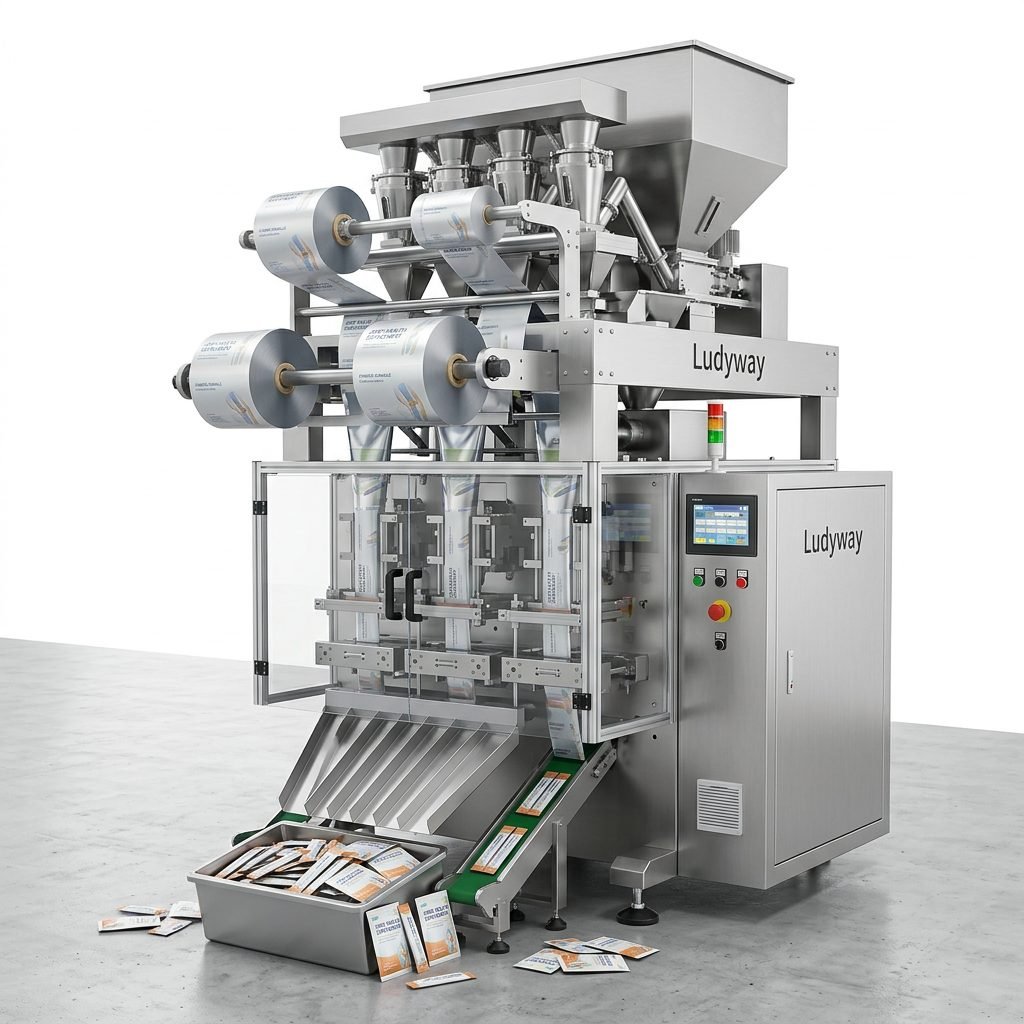
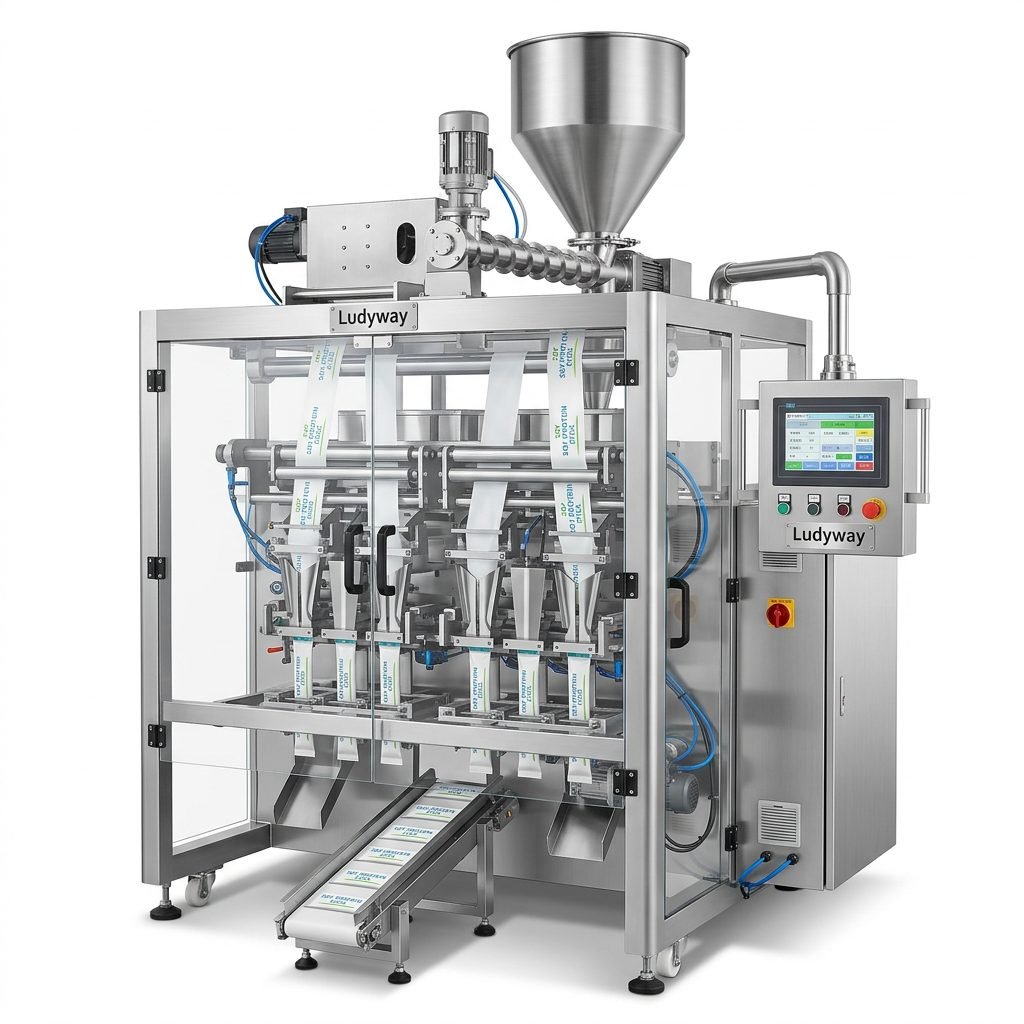
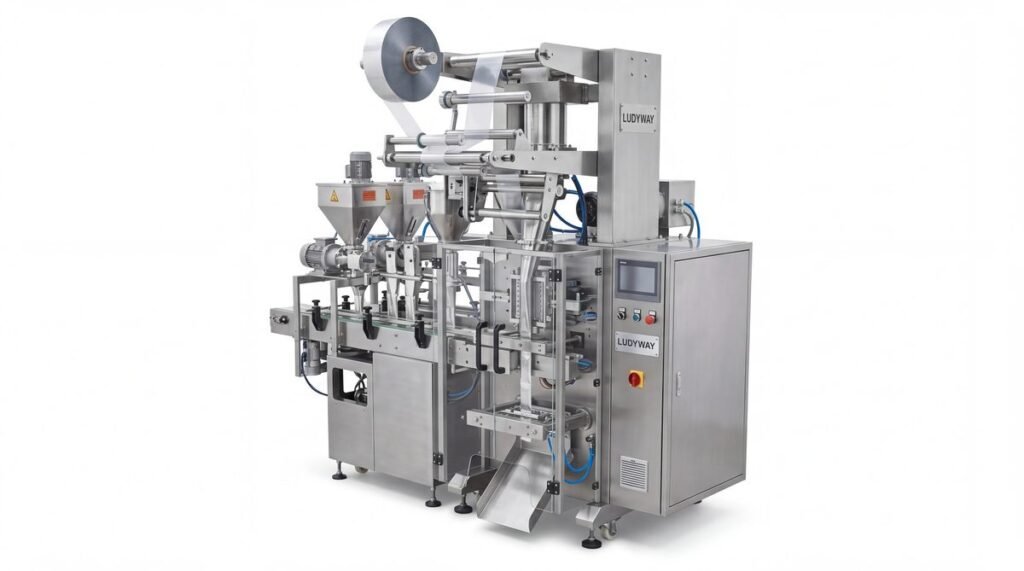
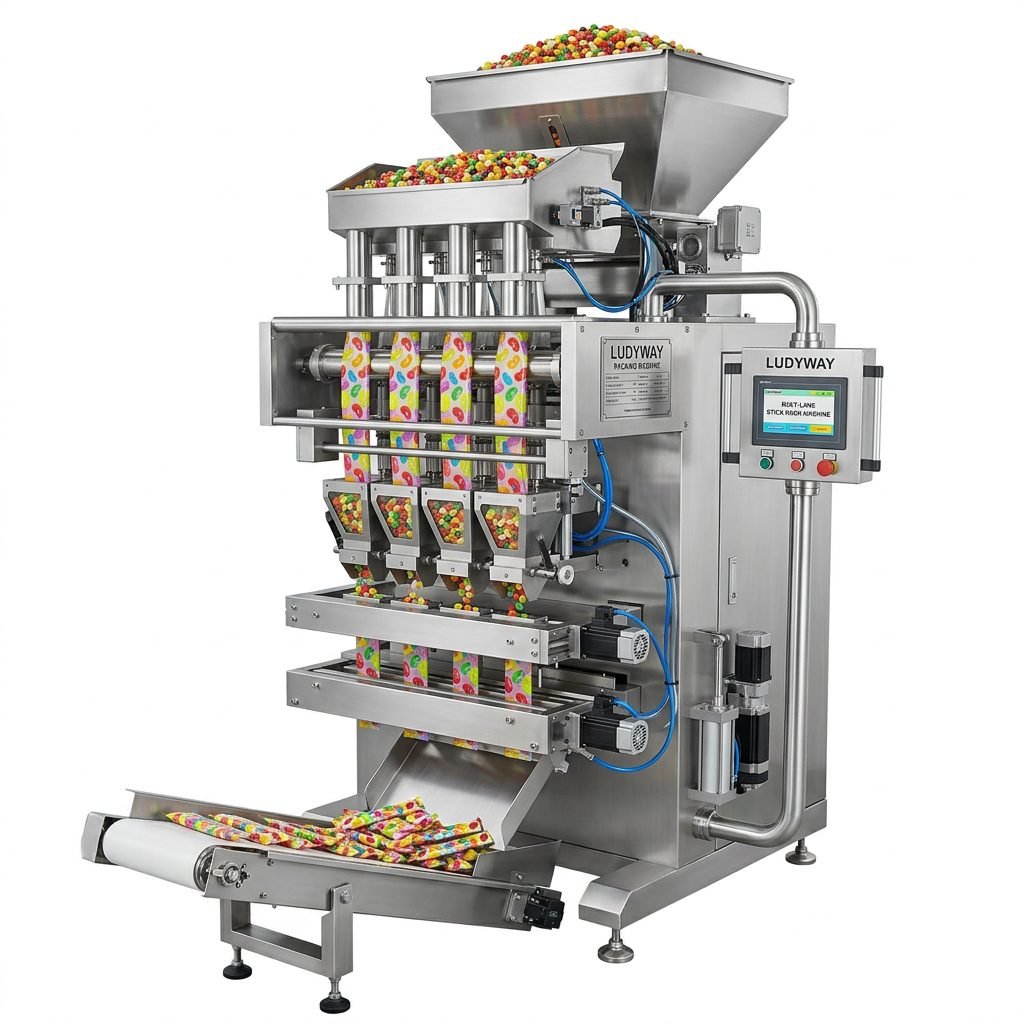
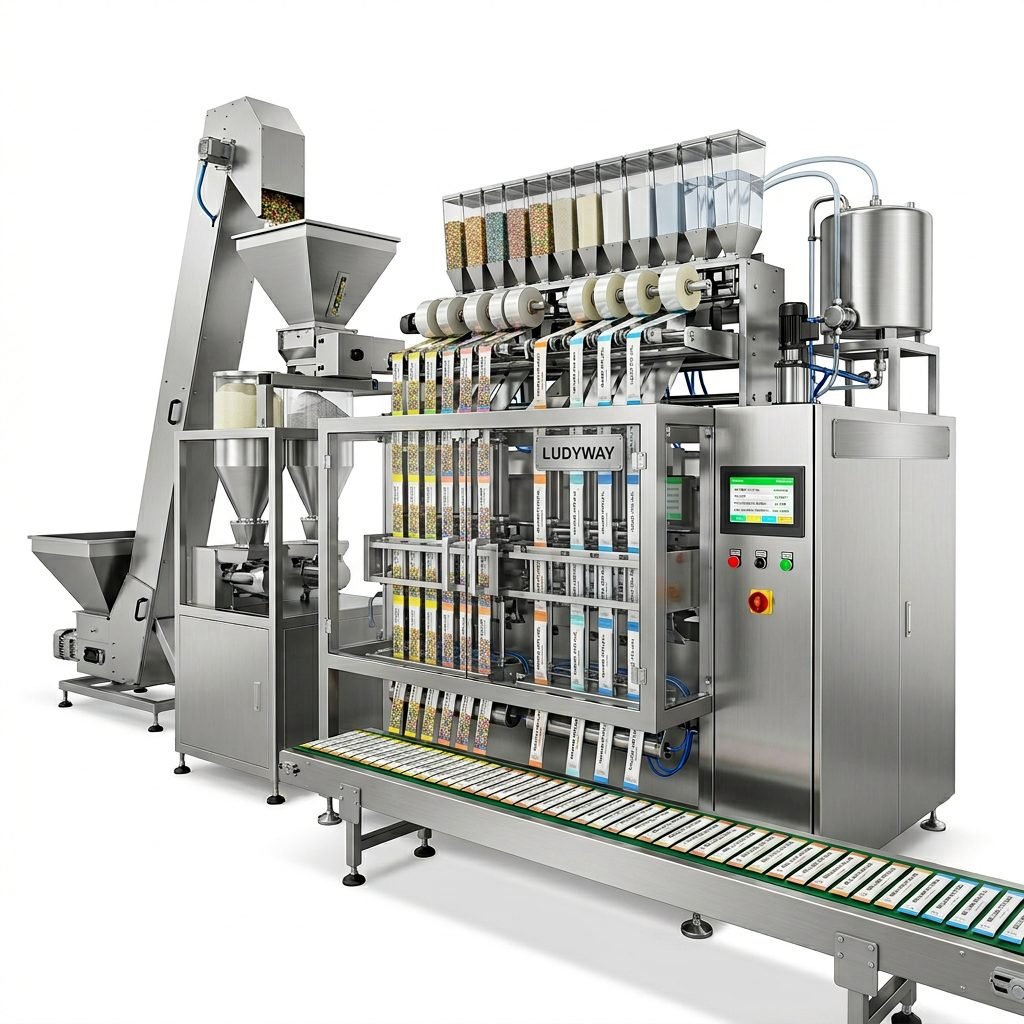
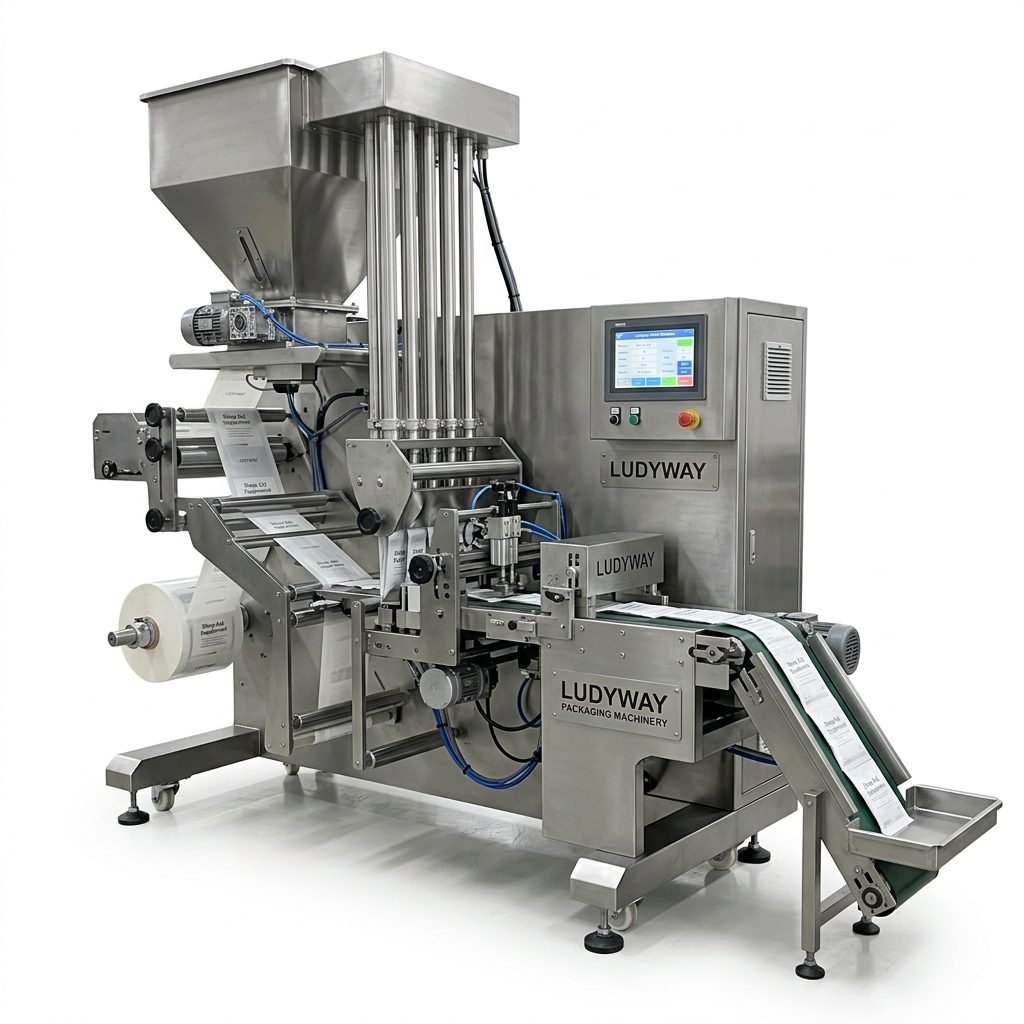
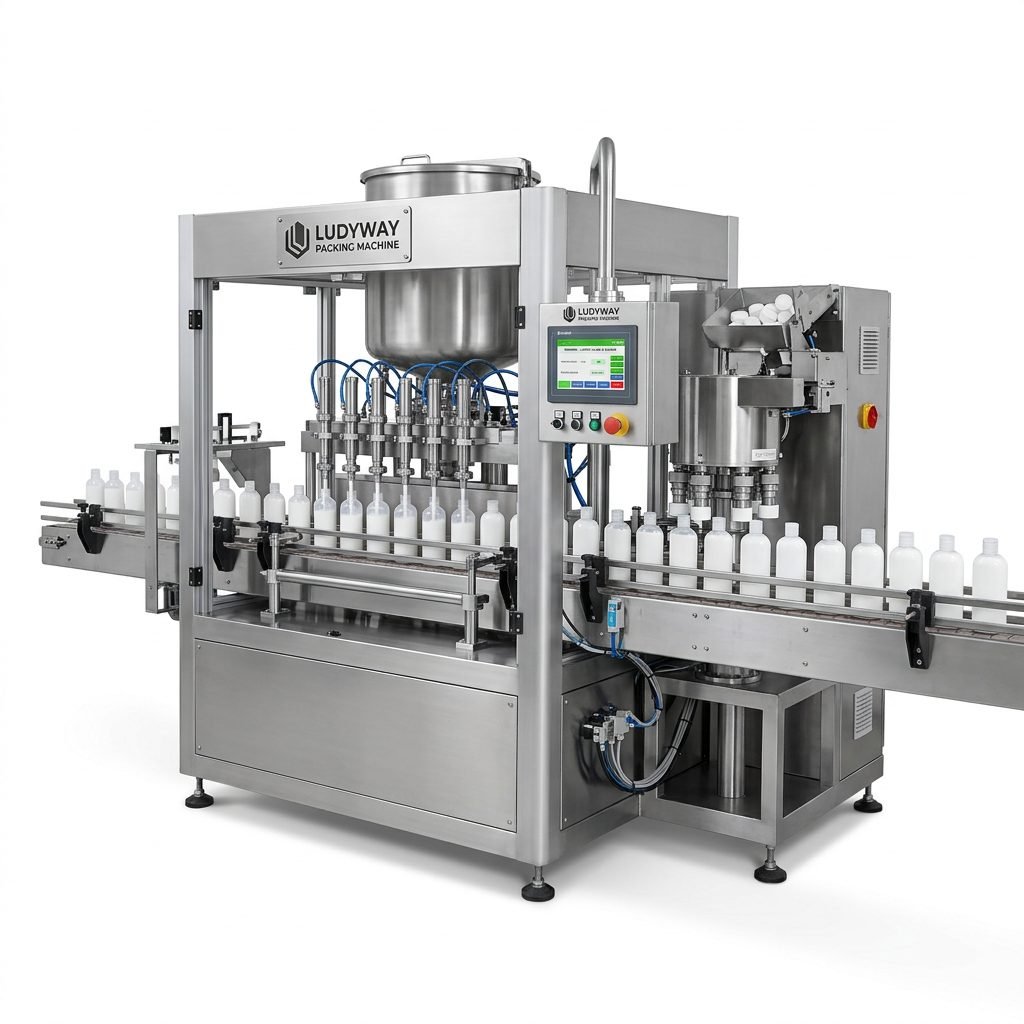
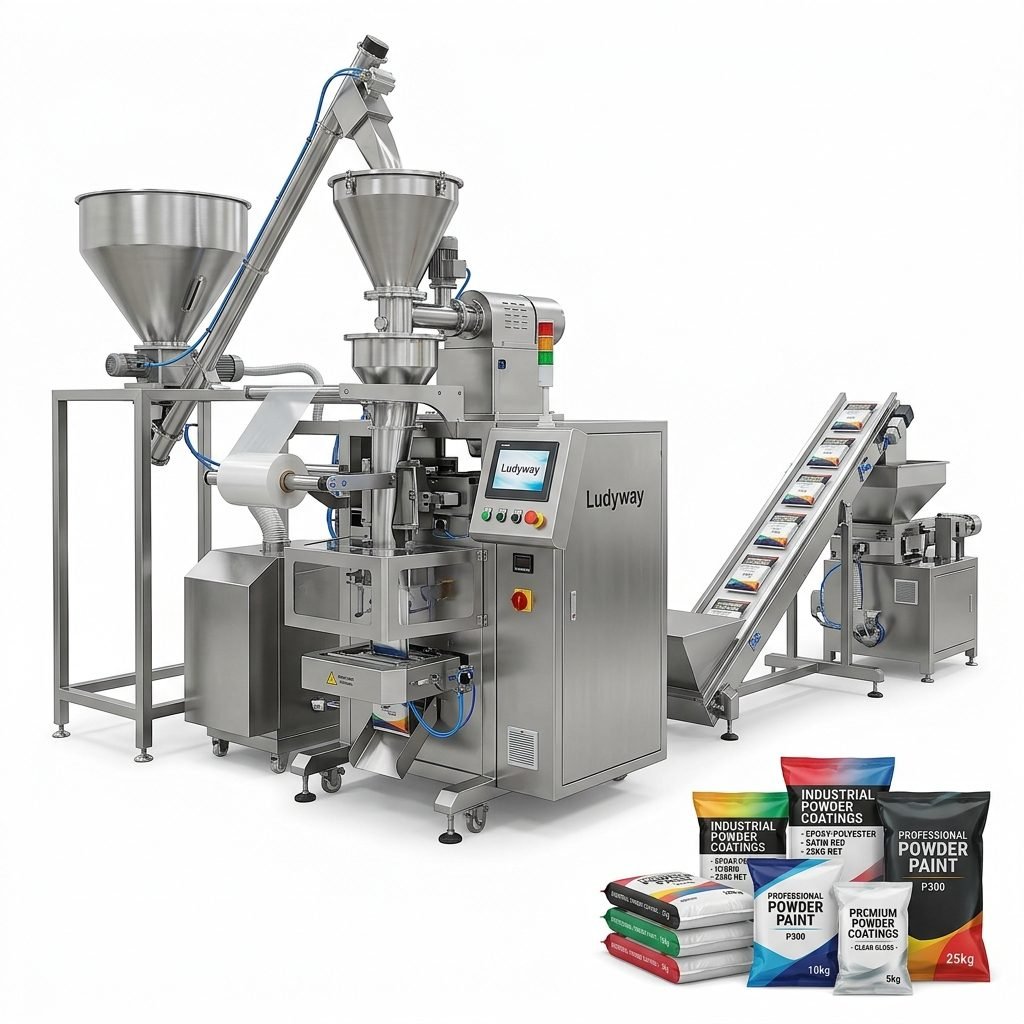
Investing in the right seal packing machine is one of the most critical decisions for manufacturers in the food, pharmaceutical, chemical, and cosmetic industries. The wrong equipment can result in inconsistent seal quality, material waste, production downtime, and missed delivery deadlines. With a wide range of machine types, configurations, and technologies available, a structured evaluation approach is essential to identify equipment that matches your product, production goals, and operational requirements.
1. Define Your Product Characteristics
Before evaluating any packaging machinery, start with a thorough analysis of the product you need to package. Different products demand different filling, dosing, and sealing approaches.
- Physical State: Is your product a free-flowing granule, a fine powder, a liquid, a paste, or a combination? Powder packaging machines often require different sealing mechanisms than liquid filling machines.
- Flow Characteristics: Does the product flow freely, or is it cohesive and prone to bridging? This affects hopper design and dosing system selection.
- Hygroscopicity and Sensitivity: Products that absorb moisture or are oxygen-sensitive may require machines with nitrogen flushing capabilities and high-barrier packaging materials.
- Particle Size and Density: Variations in density and particle size distribution influence weighing accuracy and filling speed.
Accurately defining these characteristics helps narrow down the appropriate packaging technology and ensures the machine can deliver consistent seal integrity across all production runs.
2. Determine Your Target Packaging Format
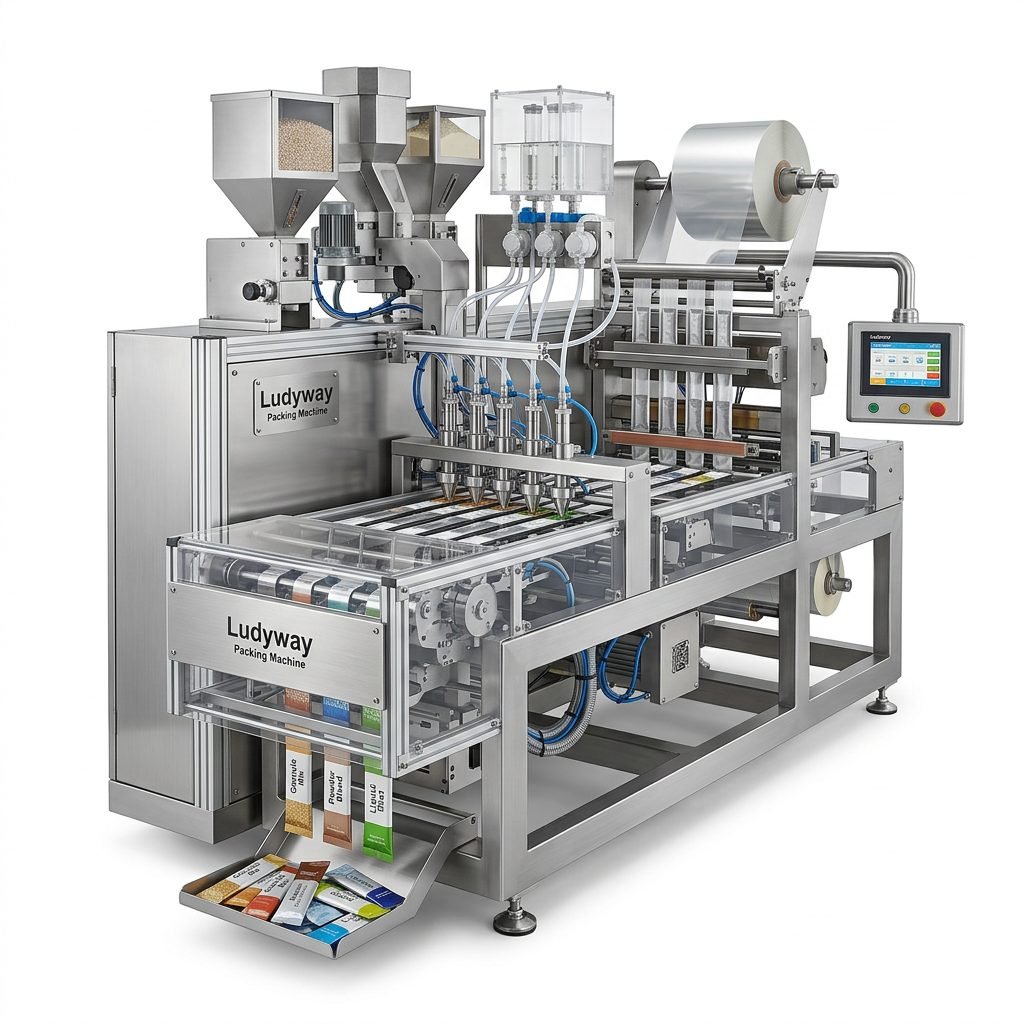
The packaging format directly influences machine selection. Common flexible packaging formats include stick packs, sachets, pouches, and larger bags. Each format serves different market segments and consumer preferences.
| Packaging Format | Typical Applications | Key Machine Features |
|---|---|---|
| Stick Pack | Instant coffee, sugar, supplements, energy powders | Narrow, elongated seal; high-speed multi-lane capability |
| Sachet / Flat Pouch | Shampoo samples, condiments, pharmaceutical powders | 3-side or 4-side seal; suitable for single-dose applications |
| Stand-Up Pouch | Snacks, pet food, detergent refills | Bottom gusset formation; zipper and resealable options |
| Pillow Bag | Cereal, frozen vegetables, hardware parts | Back seal or fin seal; versatile for various product types |
3. Assess Production Speed and Output Requirements
Production speed is measured in packs per minute (PPM) and must align with both current and projected demand. Underestimating speed requirements can create bottlenecks, while overestimating can lead to unnecessary capital expenditure.
- Current Throughput: Calculate your required output per shift, factoring in changeover times and maintenance windows.
- Scalability: Consider whether the machine can be upgraded or reconfigured for higher speeds in the future.
- Multi-Lane vs. Single-Lane: For high-volume stick pack and sachet production, multi-lane machines that run 4, 6, 8, or more lanes simultaneously can dramatically increase total output without requiring proportionally more floor space.
Multi-lane seal packing machines have become increasingly popular for manufacturers looking to scale production of single-serve and portion-pack products. According to industry data from the PMMI Business Intelligence Library, flexible packaging machinery demand continues to grow across multiple verticals.
4. Evaluate Machine Configuration and Automation Level
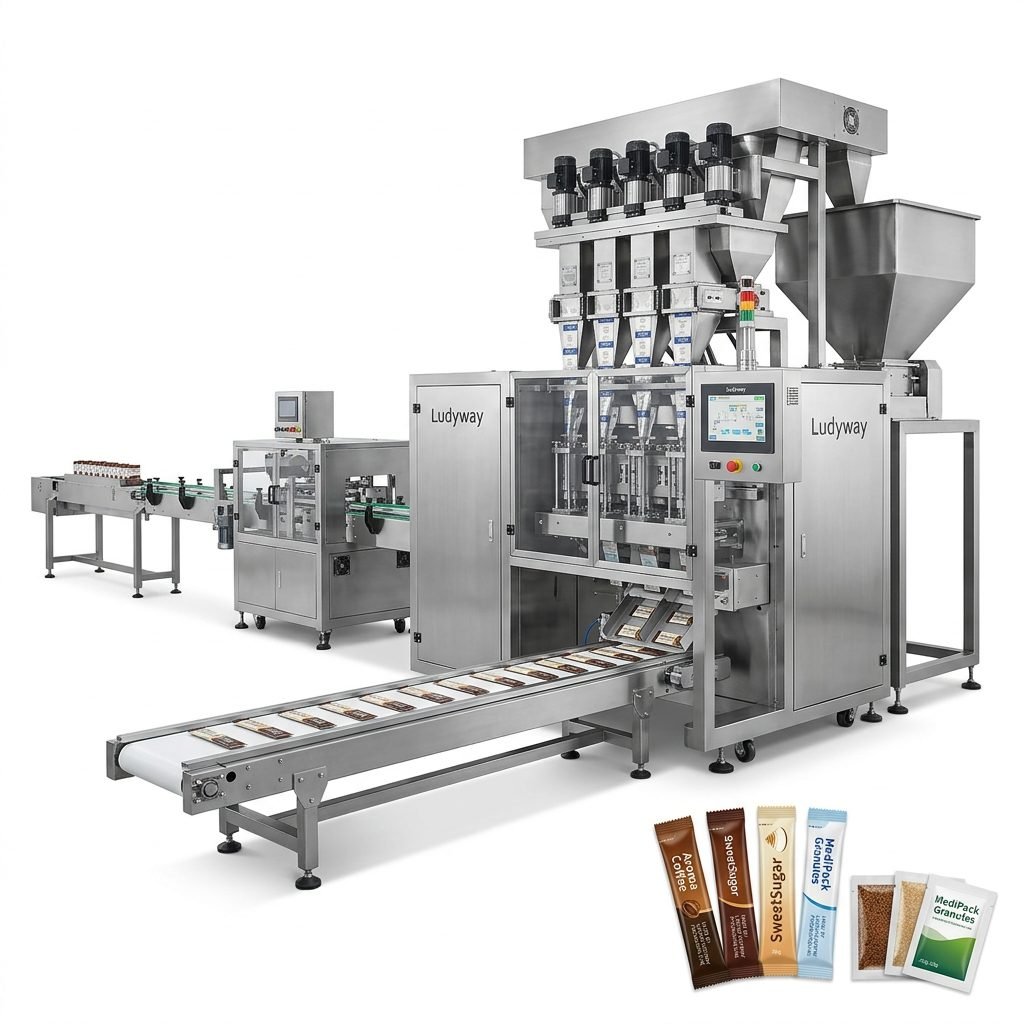
Modern packaging equipment ranges from semi-automatic stand-alone machines to fully integrated, turnkey packaging lines. The right level of automation depends on labor costs, production volume, and integration needs with upstream and downstream processes.
Key Configuration Considerations
- Filling and Dosing System: Auger fillers for powders, volumetric cup fillers for granules, piston pumps for liquids, and multi-head weighers for precise portioning.
- Sealing Technology: Heat sealing, ultrasonic sealing, or impulse sealing—each suited to different film materials and product requirements.
- Coding and Marking: Integration with batch coding, date printing, and serialization systems for traceability.
- Inspection Systems: In-line checkweighers, metal detectors, and vision inspection to ensure quality and regulatory compliance.
- End-of-Line Automation: Cartoning, case packing, and palletizing can be integrated into a complete packaging solution.
Equipment designed with modularity and integration in mind provides manufacturers with the flexibility to start with core functions and add capabilities as production needs evolve. Working with a packaging machinery manufacturer that offers engineering and integration expertise—such as Ludyway Machinery, which provides customized packaging solutions ranging from individual machines to complete turnkey lines—can simplify this evaluation process significantly.
5. Verify Quality, Compliance, and Industry Standards
Packaging machines must meet applicable regulatory and safety requirements, especially for food, pharmaceutical, and medical applications. Key areas to verify include:
- Material Compliance: Contact parts should be made of food-grade stainless steel (typically 304 or 316L) and designed for easy cleaning and sanitation.
- GMP and cGMP Readiness: For pharmaceutical packaging, machines should support FDA packaging and food contact substance requirements and other relevant guidelines.
- Packaging Validation: Reference standards such as ISO 11607 for medical device packaging validation.
- CE, UL, and Other Certifications: Depending on the target market, relevant certifications and documentation should be available.
Reviewing resources from organizations like the Flexible Packaging Association can help manufacturers understand evolving packaging regulations and industry best practices.
6. Analyze Total Cost of Ownership (TCO) and ROI
The purchase price of a seal packing machine represents only one component of its total cost. A comprehensive TCO analysis should include:
- Initial Investment: Machine cost, shipping, import duties, installation, and commissioning.
- Operational Costs: Labor requirements, energy consumption, and consumables such as packaging film.
- Maintenance and Spare Parts: Routine maintenance schedules, wear part replacement intervals, and spare parts availability.
- Downtime and Efficiency: Reliable equipment with accessible technical support minimizes unplanned downtime and protects revenue.
- Film Material Waste: Precision sealing and tension control reduce film waste, which directly impacts per-unit packaging cost.
Evaluating industry economic reports and benchmark data can provide context for expected machine performance and operational costs in your specific sector.
7. Prioritize After-Sales Support and Service Capabilities
Even the most robust packaging equipment requires ongoing technical support, operator training, and maintenance. Before finalizing a purchase, assess the following:
- Technical Support Availability: Does the supplier offer remote troubleshooting, on-site service, or both?
- Operator Training Programs: Comprehensive training reduces errors, improves efficiency, and extends machine life.
- Spare Parts Logistics: Verify lead times for critical spare parts and whether the manufacturer maintains a reliable parts inventory.
- Warranty and Service Agreements: Understand warranty coverage and available service contracts for ongoing preventative maintenance.
Strong after-sales support is especially important for manufacturers operating in regions with limited local packaging machinery service providers. A supplier with global service experience and remote support capabilities can help maintain equipment performance and resolve operational issues efficiently.
8. Compare Suppliers and Request References
Not all packaging machine manufacturers offer the same level of quality, customization, and support. A thorough supplier evaluation should include:
- Industry Experience: Look for manufacturers with demonstrated experience in your specific product category and packaging format.
- Manufacturing Capabilities: In-house engineering, machining, and assembly capabilities often translate to better quality control and faster customization.
- Customer References: Request references from companies with similar packaging applications and production scales.
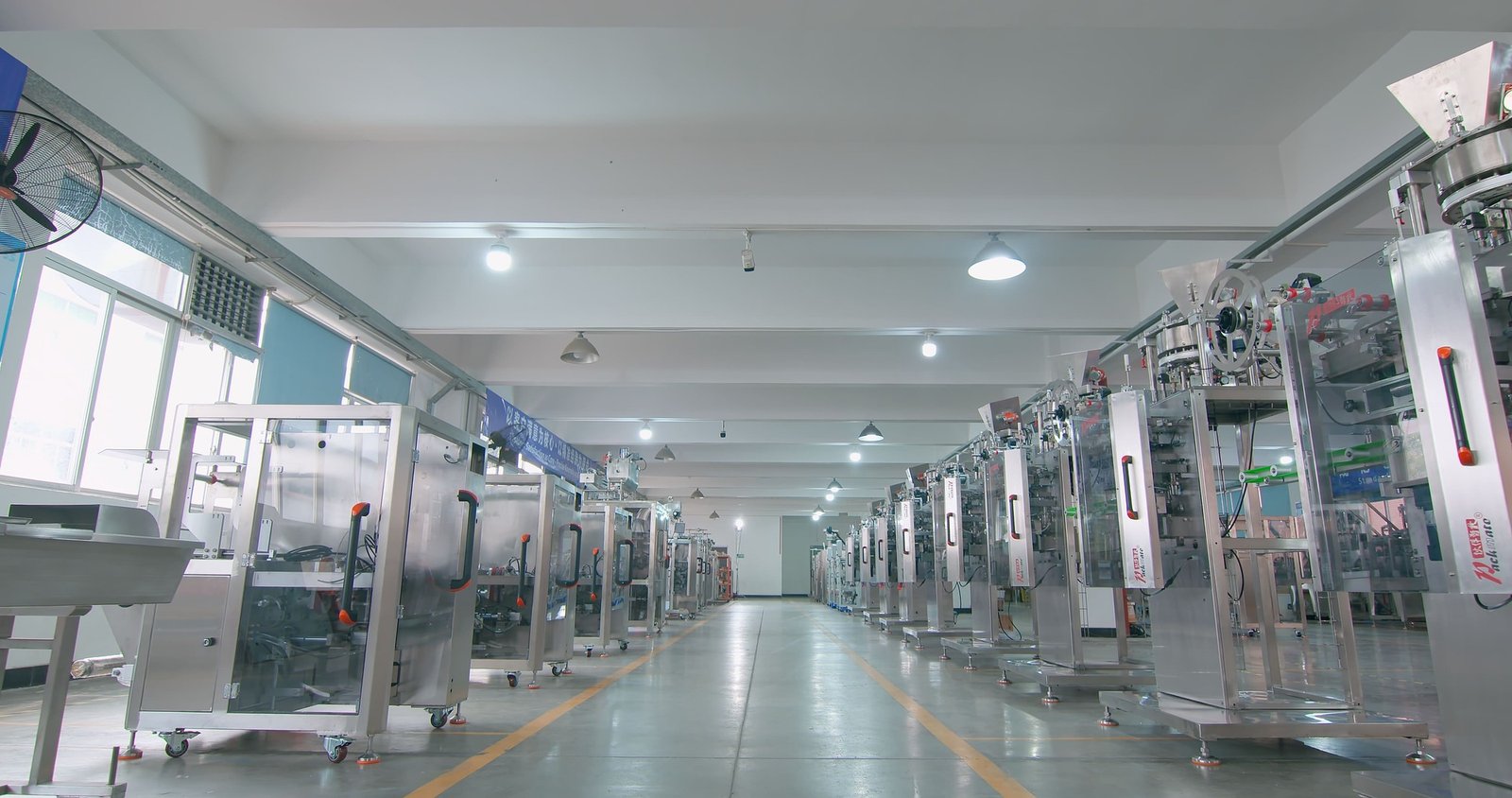
- Factory Audits: If feasible, visit the manufacturing facility to assess build quality, testing procedures, and engineering depth.
Industry events such as PACK EXPO International provide opportunities to see equipment in operation and meet multiple suppliers in one setting.
Making an Informed Decision
Choosing the right seal packing machine is a strategic decision that impacts production efficiency, product quality, and overall operational costs. By systematically evaluating your product characteristics, packaging format, speed requirements, automation needs, compliance obligations, and total cost of ownership, you can identify equipment that delivers consistent, reliable performance over the long term.
Consider starting with a clear packaging specification document, engaging with experienced manufacturers, and prioritizing equipment that offers flexibility to adapt to future production demands. A well-chosen machine is not simply a piece of equipment—it is a long-term production asset that supports business growth and market competitiveness.