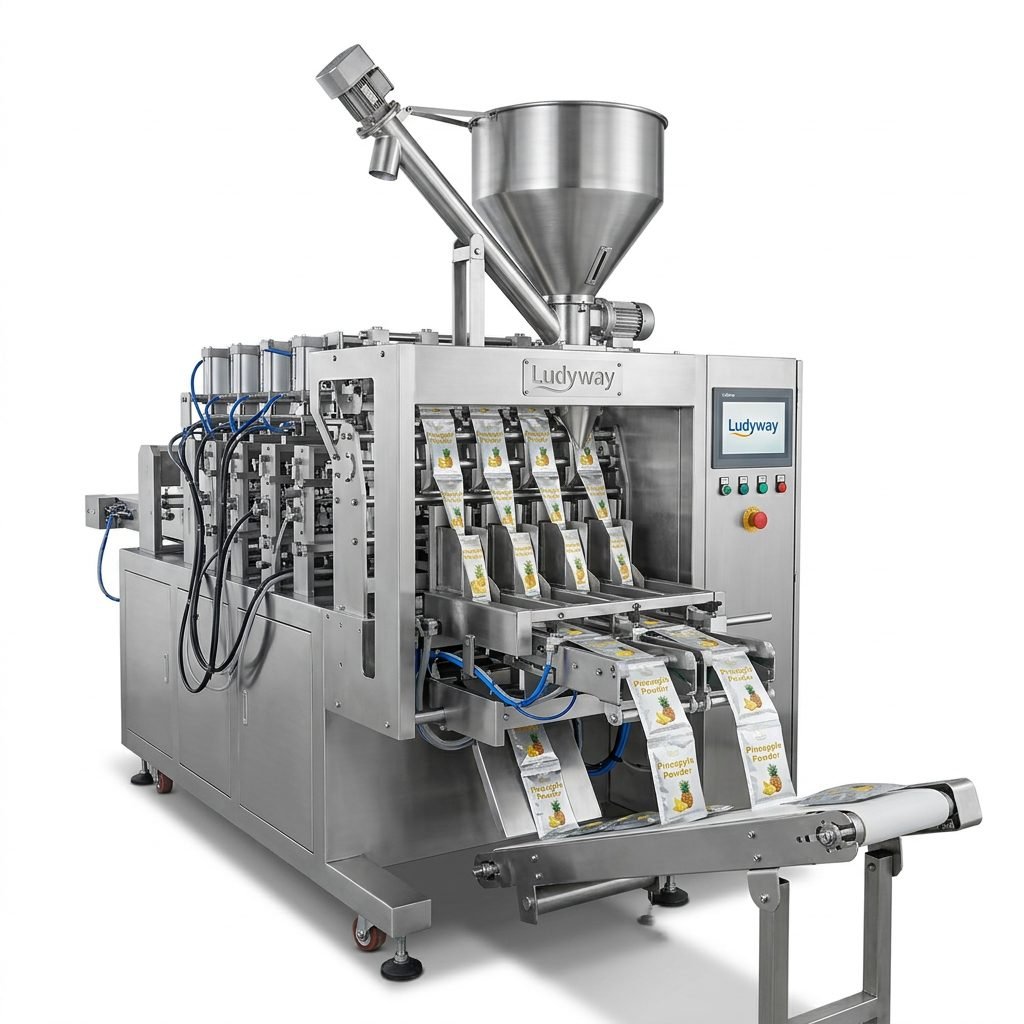
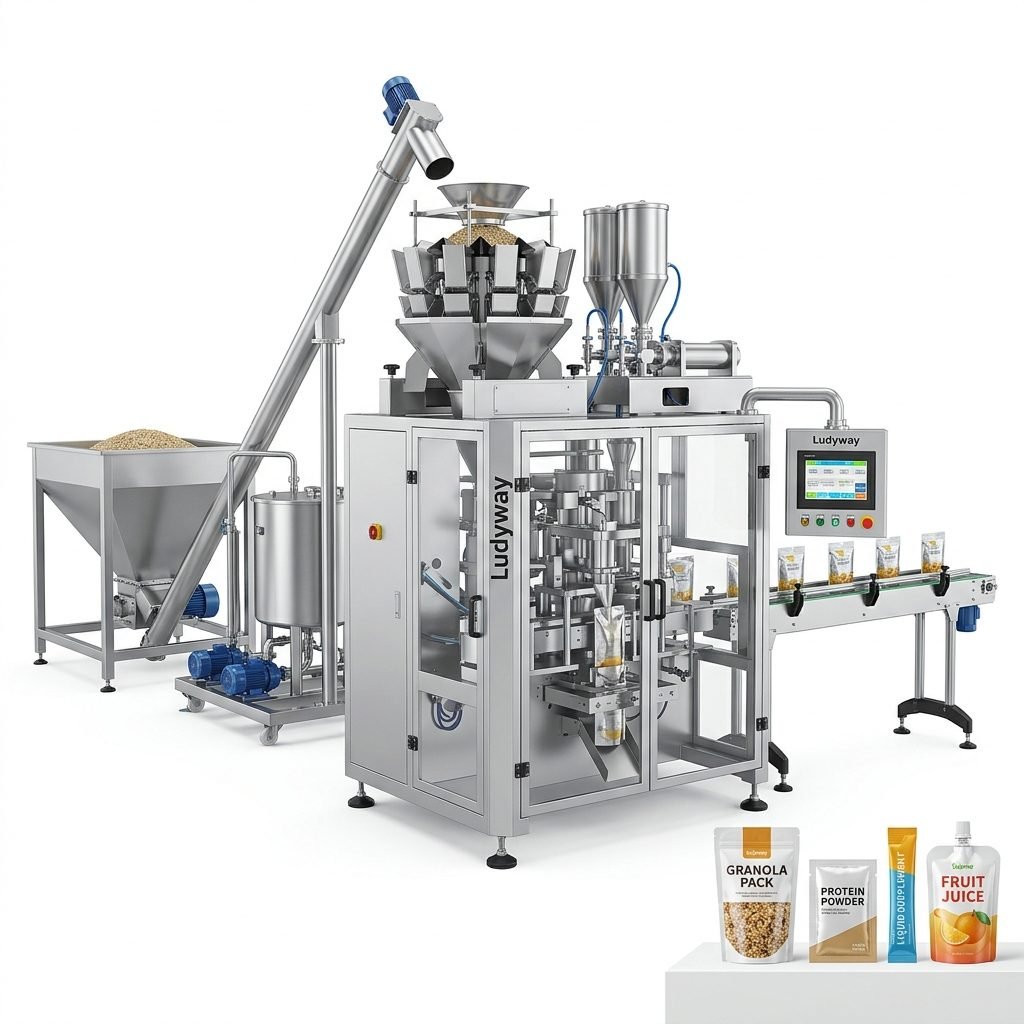
Investing in a butter packing machine is a critical decision for any dairy processing facility, food manufacturer, or co-packing operation. Butter presents unique challenges—it is a semi-solid, temperature-sensitive product with strict hygiene requirements. Selecting equipment that can handle varying consistencies while maintaining precise portion control directly impacts product quality, shelf life, and operational profitability.
This guide walks you through the essential factors to evaluate before making a purchase, helping you navigate machine types, technical specifications, and long-term operational considerations.
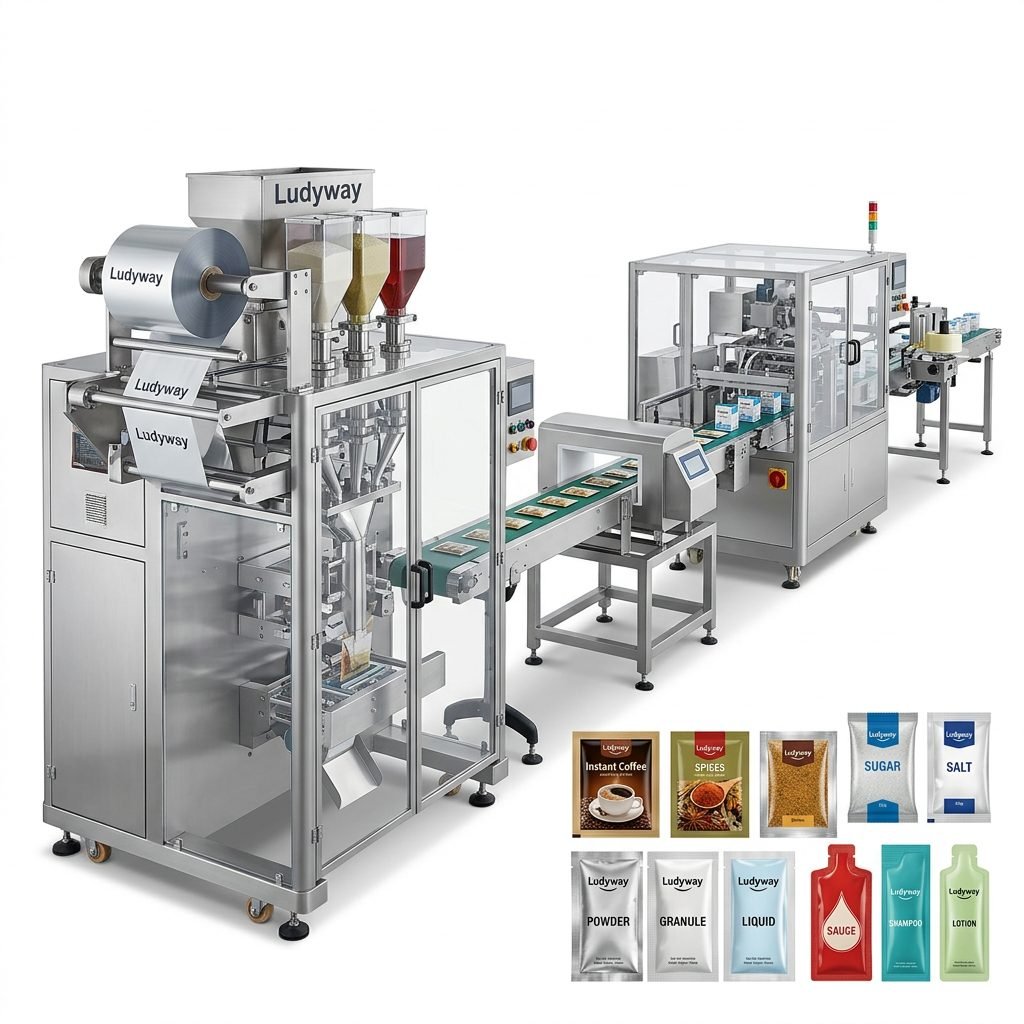
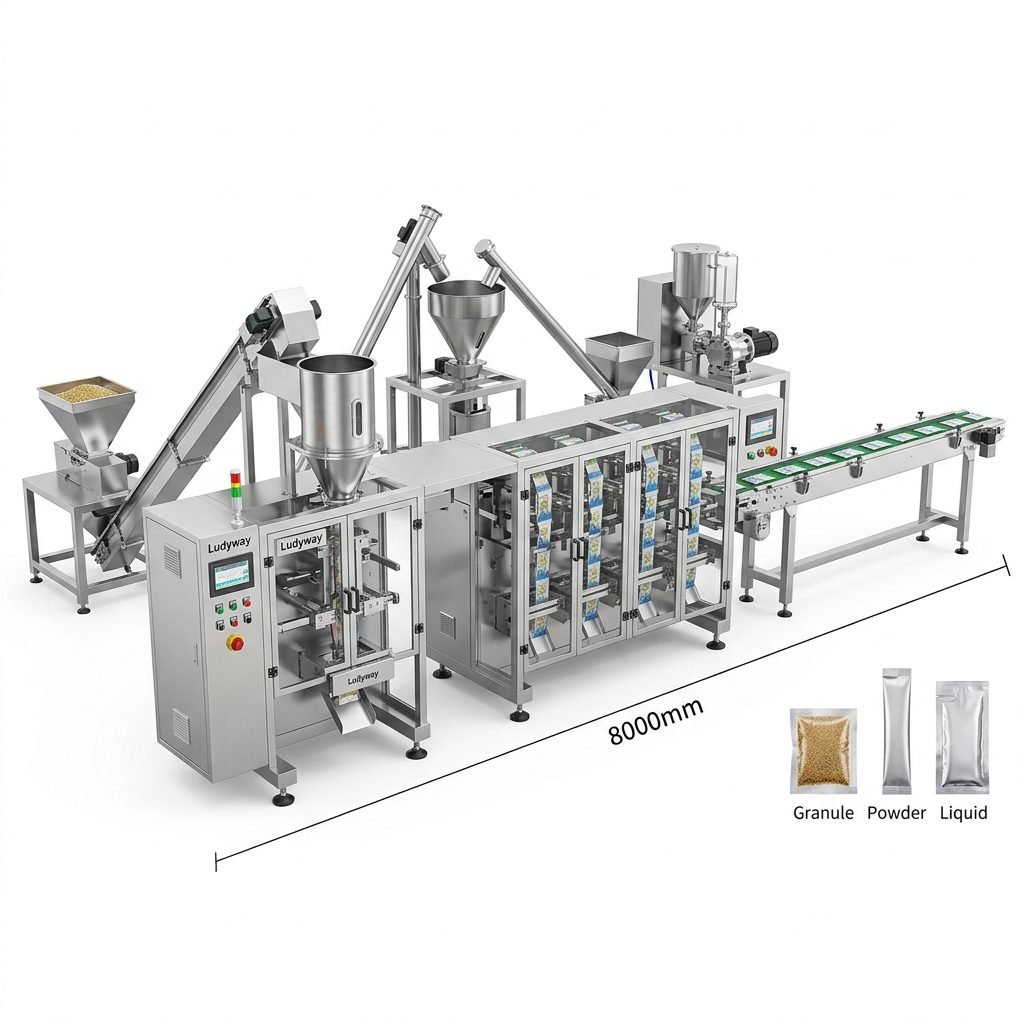
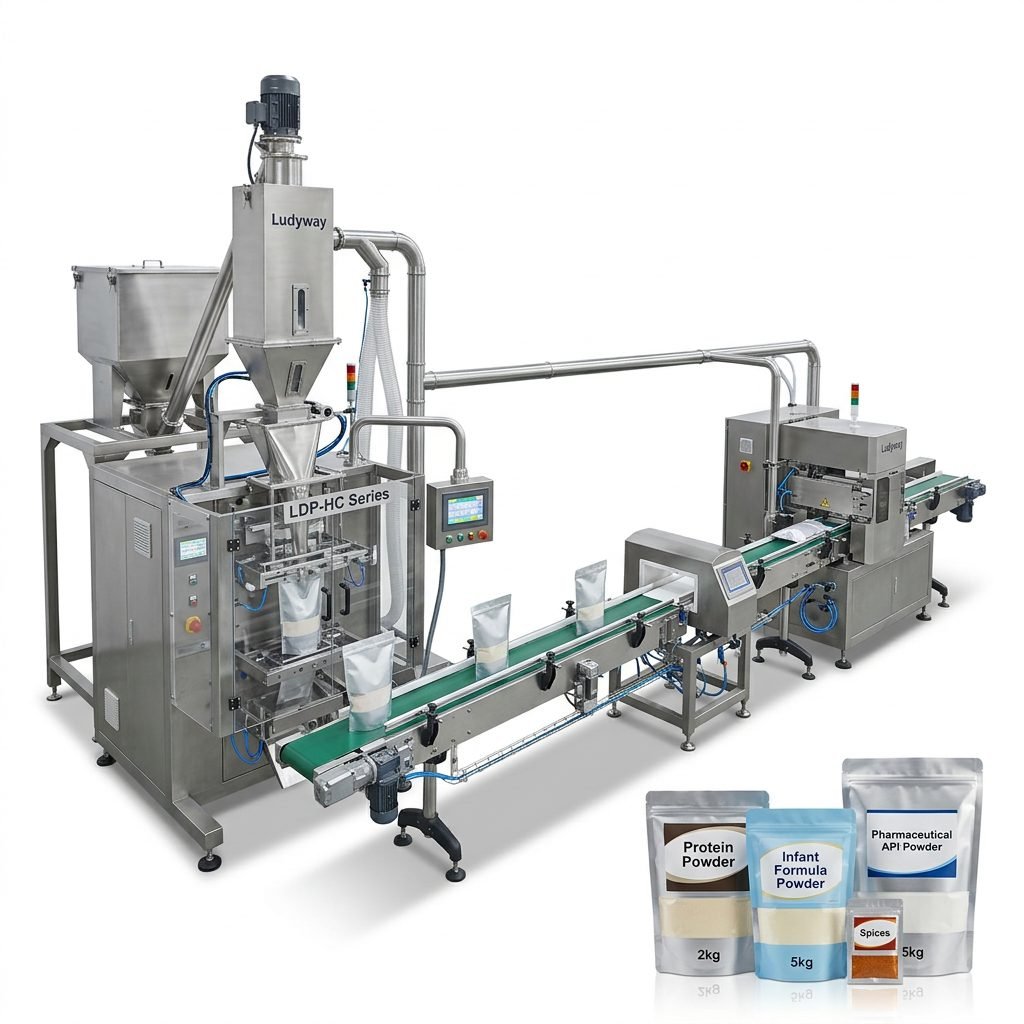
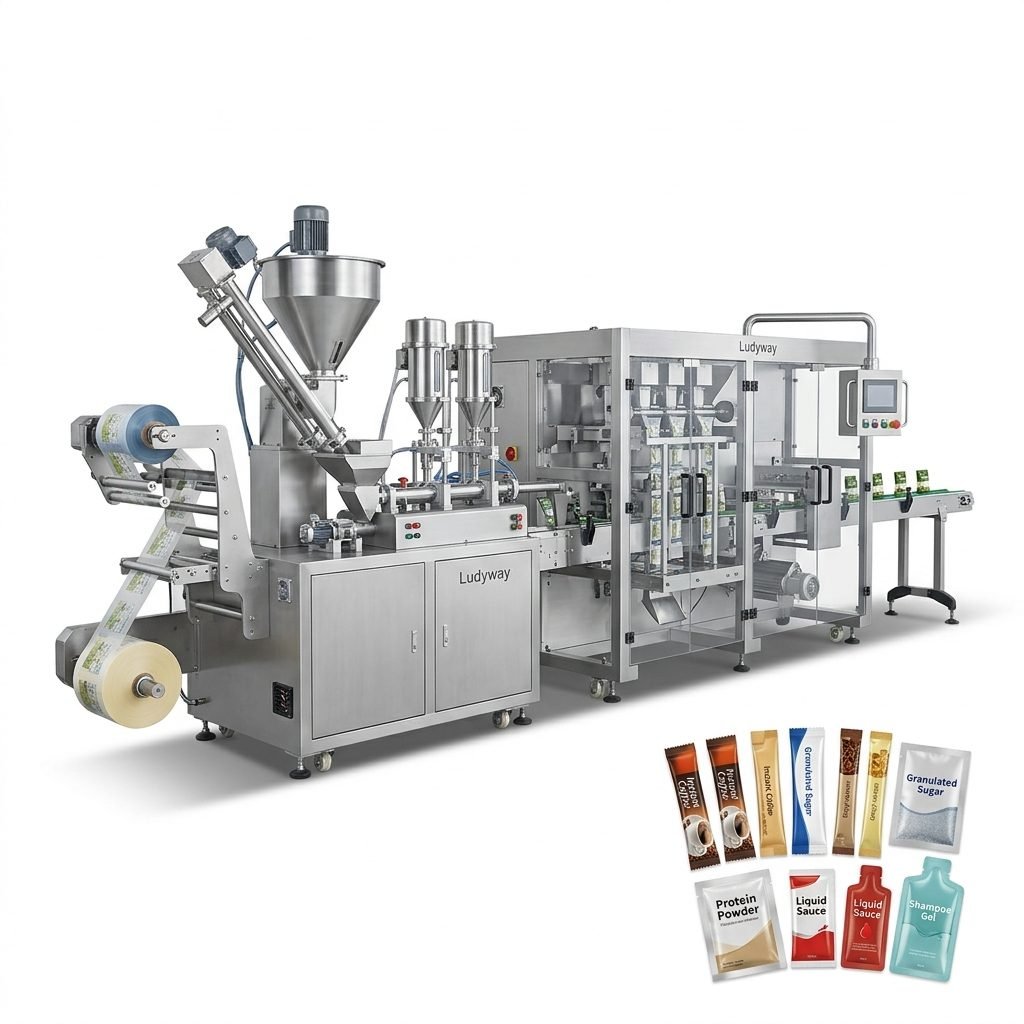
A modern automated packaging line suitable for butter and dairy product filling applications.
Understanding Butter Packaging Machine Types
Not all butter packing machines are built the same. The right configuration depends on your target packaging format, production volume, and the physical state of your butter at the time of filling.
- Block and Brick Packing Machines — Designed for standard butter blocks (e.g., 250g, 500g) wrapped in parchment, foil, or laminated film. These often include moulding, portioning, and wrapping stations.
- Portion Cup Filling Machines — Ideal for single-serve butter portions used in food service and hospitality. These machines fill pre-formed cups or tubs and apply foil or film lids.
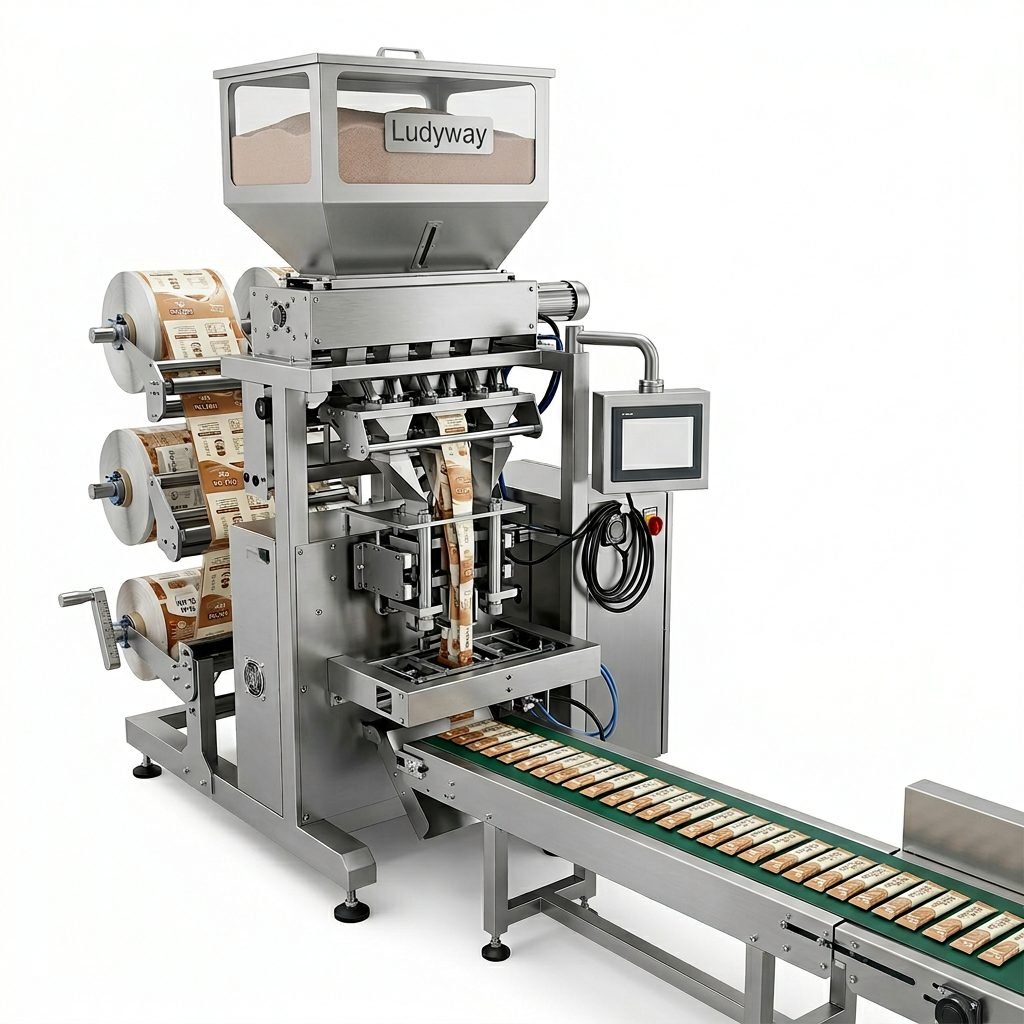
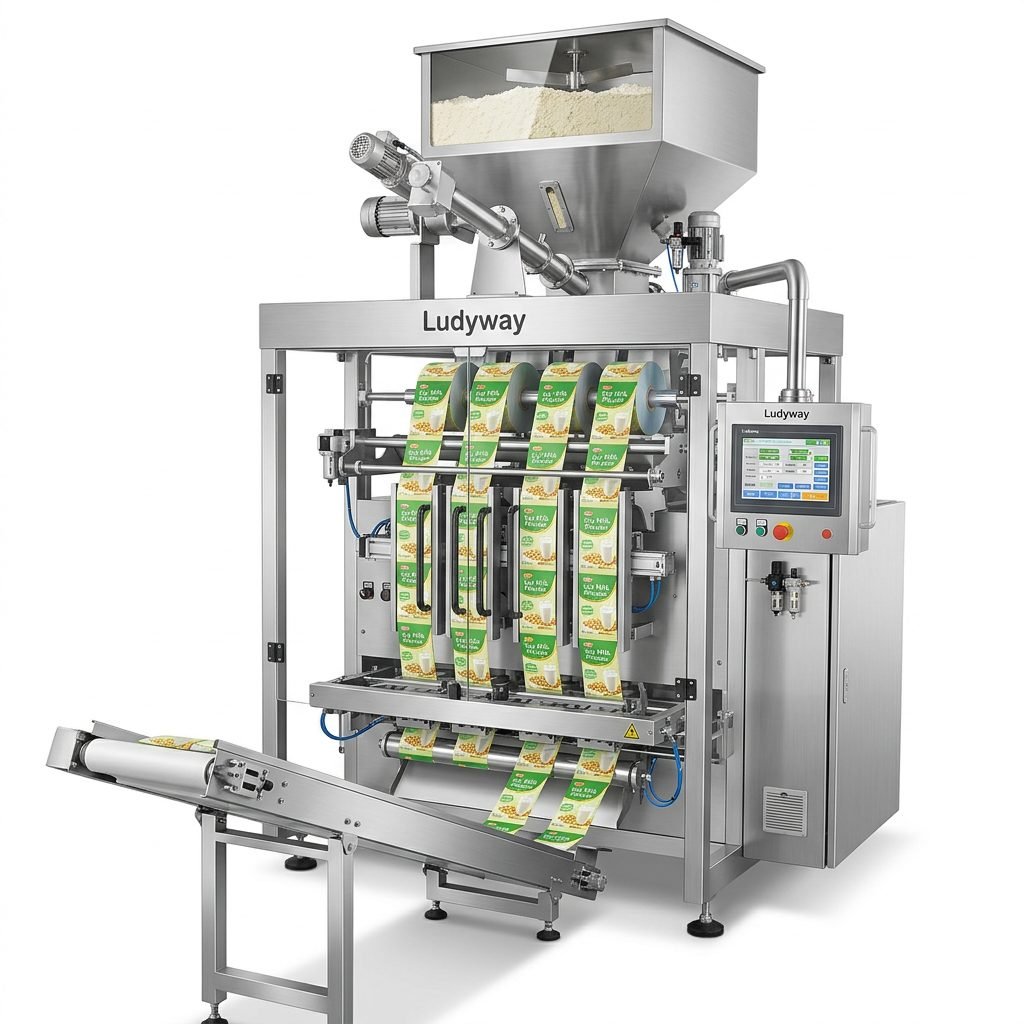
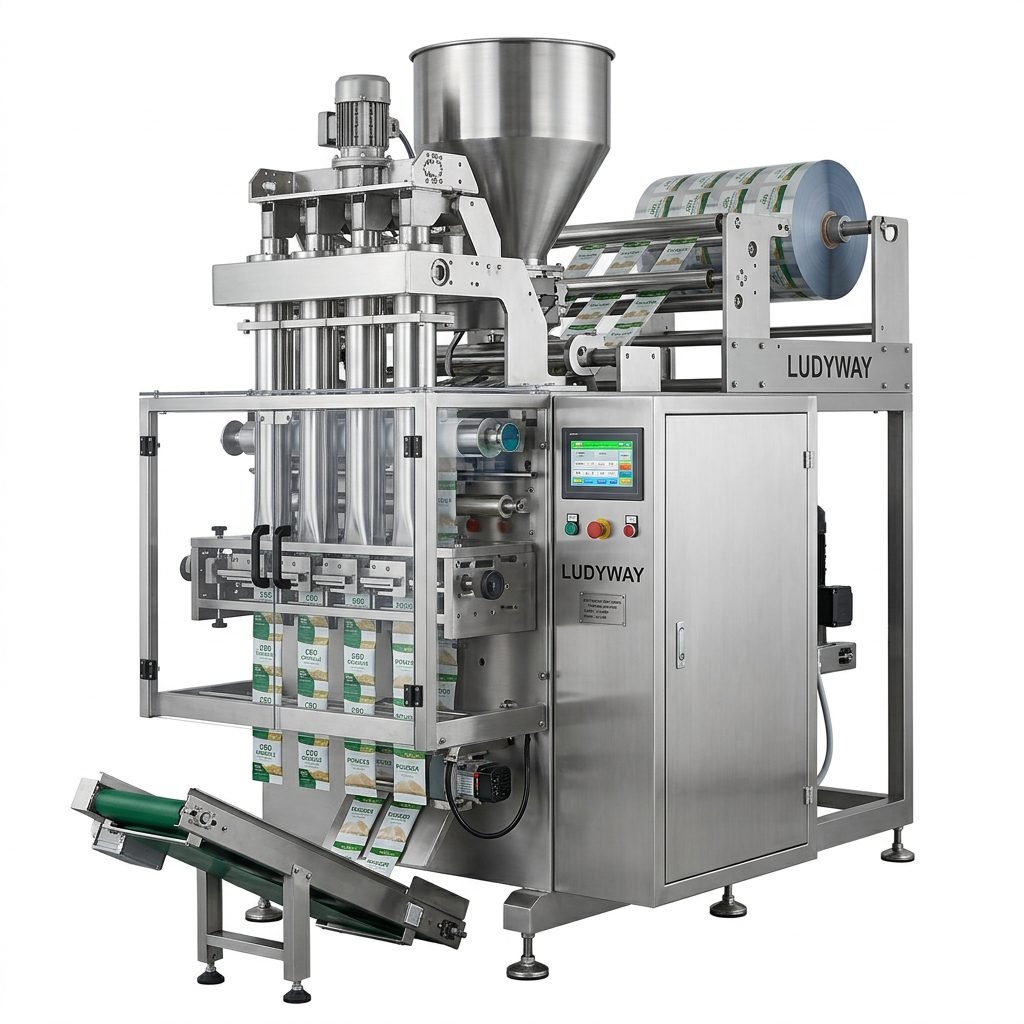
- Sachet and Stick-Pack Machines — Increasingly popular for butter-based spreads, flavoured butters, and clarified butter (ghee) in single-use formats. Flexible packaging solutions like sachets offer extended shelf life and convenient consumer use.
- Pouch Filling and Sealing Machines — Used for larger quantities of butter or butter blends in stand-up pouches or flat pouches, offering excellent branding space and resealability options.
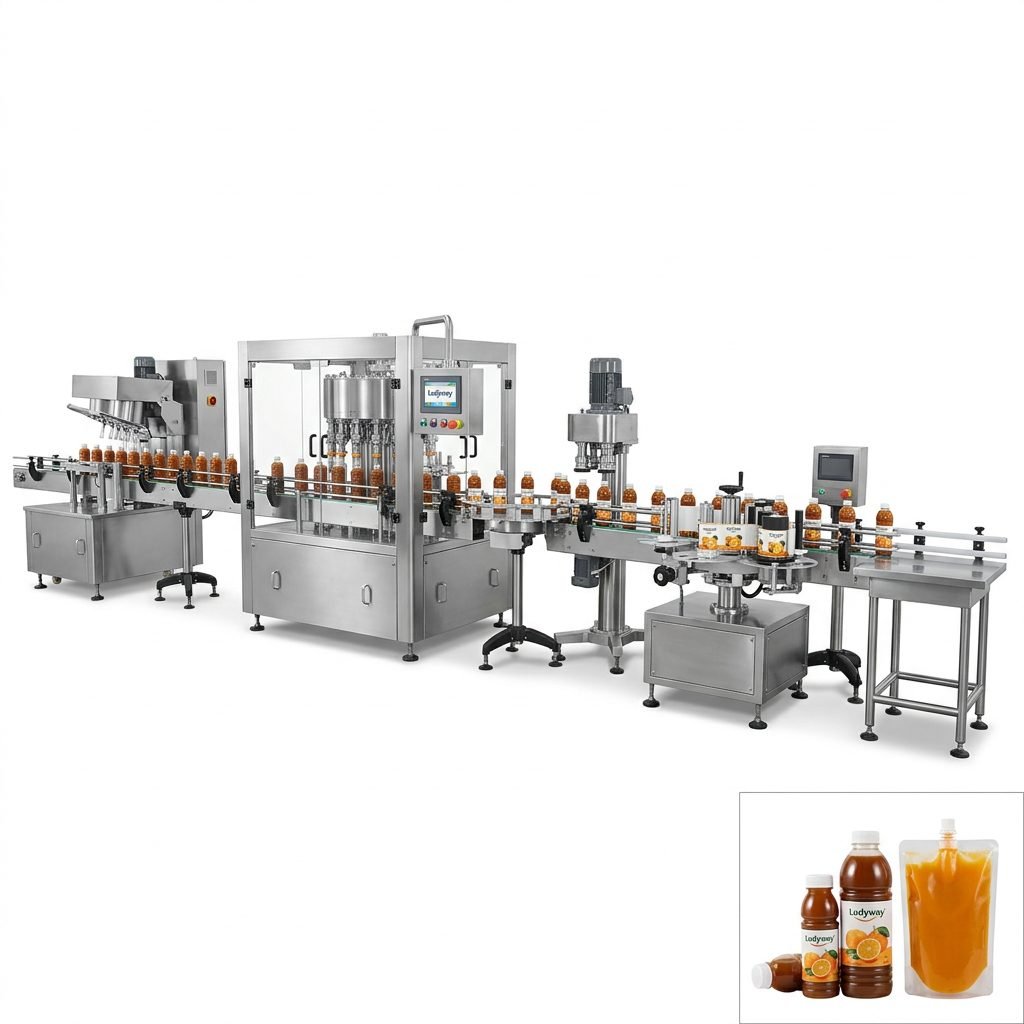
- Tray and Tub Filling Lines — For butter packed in rigid containers, these machines handle filling, lidding, and sometimes tamper-evident sealing in a single integrated system.
Key Technical Specifications to Evaluate
When comparing different butter packing machines, focus on the following critical parameters to ensure compatibility with your production environment:
Filling Accuracy and Weight Control
Precision is paramount. Butter is a high-value product, and even small deviations in fill weight can accumulate into significant revenue loss over time. Look for machines with servo-driven filling systems and integrated checkweighers that provide real-time feedback and automatic adjustment.
Production Speed and Throughput
Machine speed must align with your current and projected production demands. Consider whether you need a single-lane or multi-lane configuration. Multi-lane systems dramatically increase output but require more floor space and higher capital investment.
Temperature Management
Butter consistency changes with temperature. The ideal machine should maintain a controlled temperature zone or be compatible with your upstream cooling and tempering systems. Some machines include jacketed hoppers and temperature-controlled filling nozzles to prevent separation and ensure smooth, consistent flow.
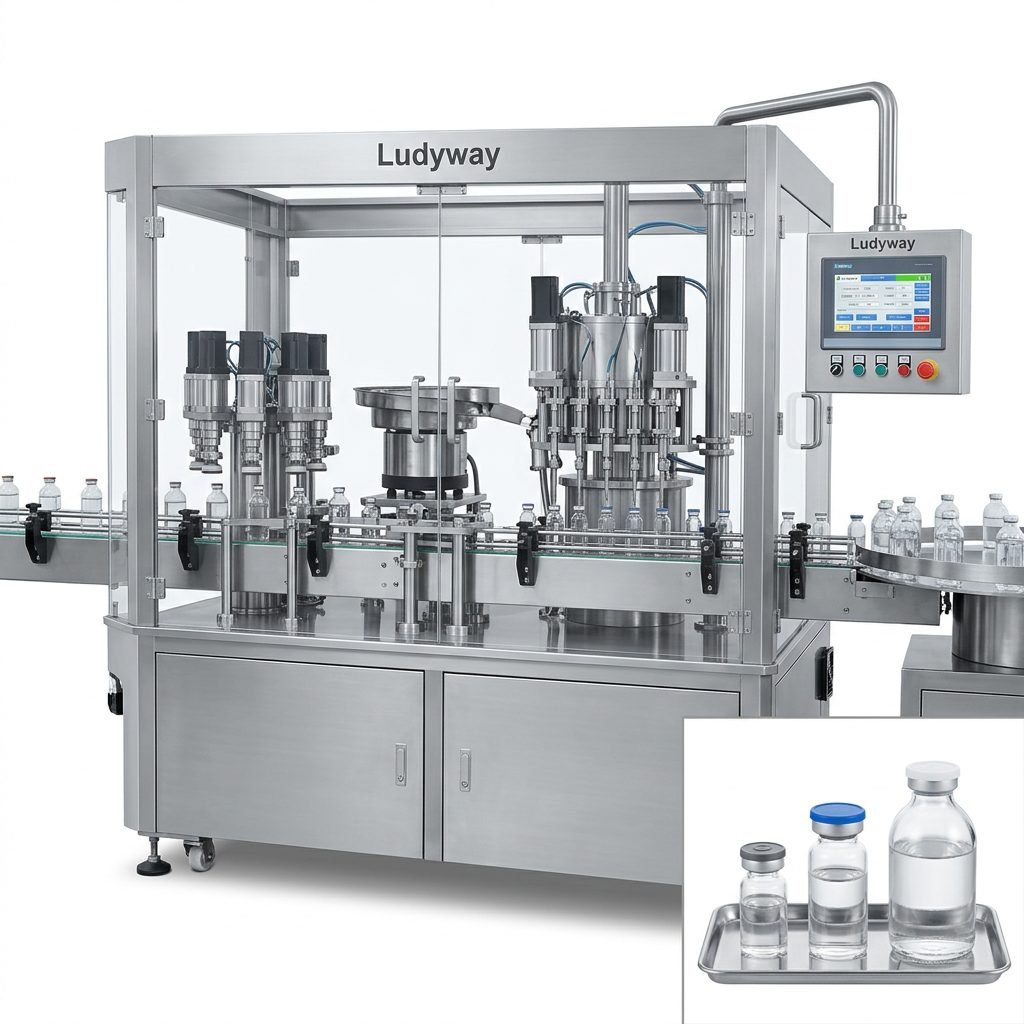
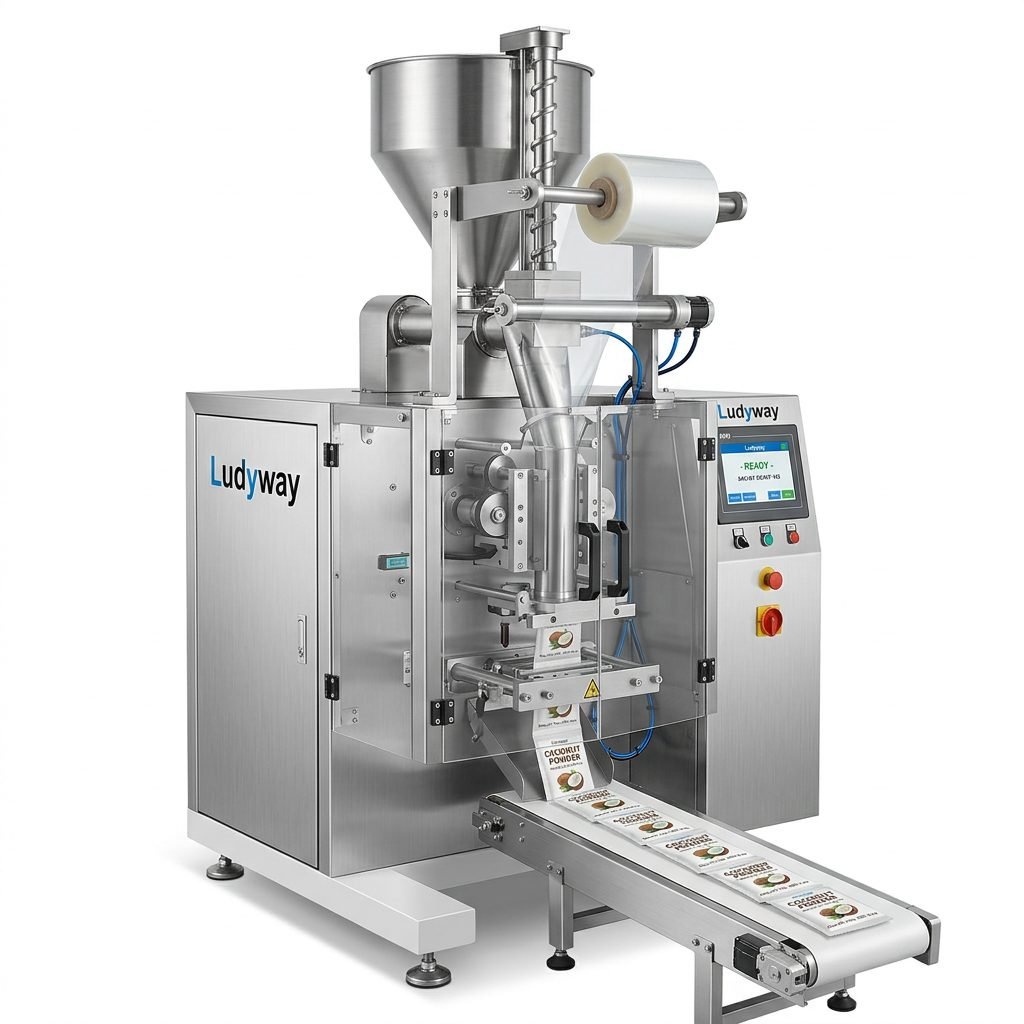
Precision filling systems with temperature management capabilities are essential for consistent butter portioning.
Material Compatibility and Packaging Formats
The type of packaging material you intend to use significantly influences machine selection. Common butter packaging materials include:
- Aluminium Foil Laminates — Excellent barrier properties against light and oxygen; ideal for block butter.
- Parchment or Greaseproof Paper — Traditional material for butter blocks; may require specific folding mechanisms.
- Multi-Layer Flexible Films — Used for sachets and pouches; must be compatible with heat-sealing systems.
- Rigid Plastics (PP, PET) — Common for tubs and portion cups; requires different sealing technologies.
Verify that the machine can handle your specific film gauge, sealing temperature range, and packaging dimensions. Machines with quick-changeover features allow switching between different formats with minimal downtime.
Automation Level and Line Integration
Modern butter packing machines range from semi-automatic units requiring manual loading to fully automated systems that integrate upstream processing and downstream packaging.
| Automation Level | Description | Best Suited For |
|---|---|---|
| Semi-Automatic | Manual loading of packaging materials; automated filling and sealing | Small-scale dairies, artisan producers, low-volume specialty butter |
| Fully Automatic | Automated feeding, forming, filling, sealing, coding, and discharge | Medium to large-scale production facilities |
| Turnkey Packaging Lines | End-to-end integration including conveying, cartoning, palletizing | High-volume operations seeking single-vendor responsibility |
When evaluating automation options, consider total cost of ownership rather than just upfront equipment cost. Higher automation often reduces labour dependency, improves consistency, and lowers long-term operational expenses. Industry research from PMMI consistently shows that automated packaging lines deliver faster ROI in high-volume dairy operations.
Hygiene, Cleanability, and Regulatory Compliance
Butter is a dairy product subject to stringent food safety regulations. Your packing machine must meet applicable standards, including:
- Food-Grade Contact Materials — All product-contact surfaces should be made of stainless steel (preferably 304 or 316 grade) and food-safe polymers.
- CIP (Clean-in-Place) Compatibility — Machines designed for hygienic cleaning without full disassembly reduce downtime between product changeovers.
- IP Rating — In washdown environments, electrical components need appropriate IP65 or IP66 protection against water ingress.
- Regulatory Certifications — Depending on your market, equipment may need to comply with FDA, EU, or other regional food safety frameworks.
Assess how easily operators can access critical areas for routine cleaning and maintenance. Machines with tool-free disassembly and smooth, crevice-free surfaces minimize contamination risks.
Stainless steel construction and accessible design are critical for dairy-grade packaging equipment.
Budget Considerations and ROI Analysis
The cost of a butter packing machine varies widely based on automation level, speed, packaging format, and build quality. Rather than focusing solely on the purchase price, calculate the following:
Direct Operational Savings
- Reduction in labour costs through automation
- Decreased product giveaway through precise filling accuracy
- Lower packaging material waste from improved sealing and forming efficiency
- Reduced downtime from reliable, well-engineered machinery
Indirect Value Factors
- Brand consistency — Uniform, professionally packaged butter enhances consumer perception.
- Extended shelf life — Superior sealing technology protects product integrity longer.
- Scalability — Equipment that can grow with your business prevents premature reinvestment.
- Technical support availability — Reliable after-sales service minimizes costly production interruptions.
Selecting the Right Equipment Partner
Your choice of machinery supplier is as important as the machine itself. Look for a partner with proven experience in dairy and food packaging applications, ideally with a track record of installations in your target production scale and geographic market.
Key supplier evaluation criteria include:
- Engineering and manufacturing capabilities suitable for food-grade equipment
- Customization options to match specific butter product characteristics
- Installation, commissioning, and operator training services
- Ongoing technical support, spare parts availability, and remote assistance
- Compliance documentation for international standards and certifications
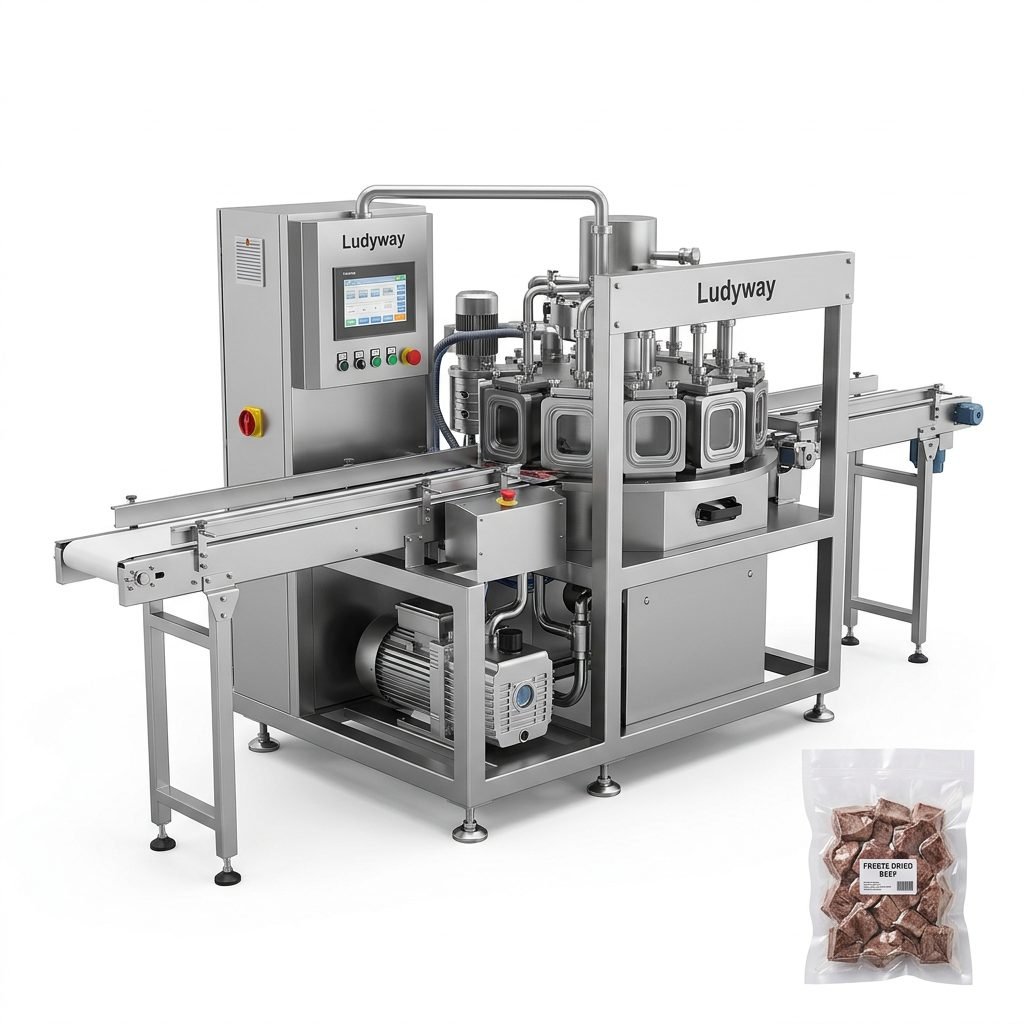
For manufacturers seeking comprehensive packaging solutions, Ludyway Machinery provides automatic packaging equipment and turnkey packaging line solutions designed for a wide range of products including powders, granules, liquids, and semi-solid dairy products. With over 30 years of experience, a 20,000-square-meter manufacturing facility, and service coverage in more than 100 countries, the company combines engineering expertise with application knowledge to support manufacturers in improving packaging efficiency and production consistency.
Common Pitfalls to Avoid
When purchasing a butter packing machine, watch out for these frequent mistakes:
- Underestimating production growth — Buying a machine that barely meets current needs leaves no room for expansion. Plan for at least 3–5 years of projected growth.
- Overlooking material trial requirements — Always run trials with your actual butter product and packaging materials before finalizing equipment selection. Different fat contents, moisture levels, and additives can affect machine performance.
- Ignoring changeover complexity — If you produce multiple butter variants or packaging formats, evaluate how quickly and easily the machine can switch between them. Excessive downtime erodes productivity.
- Neglecting spare parts strategy — Confirm the availability and lead time for critical spare parts in your region. A machine that sits idle waiting for a replacement part costs far more than a slightly higher initial investment.
- Choosing based on price alone — The cheapest machine rarely offers the best value over its operational lifetime. Consider reliability, efficiency, support, and total cost of ownership.
Key Questions to Ask Before Buying
Use this checklist when evaluating potential equipment and suppliers:
| Category | Questions to Ask |
|---|---|
| Product Fit | Has the machine been tested with butter of similar fat content, temperature, and viscosity? Can it handle both salted and unsalted variants? |
| Speed & Capacity | What is the rated output in packs per minute? How does speed vary with different packaging formats? |
| Changeover | How long does a full format changeover take? Are change parts required, and what is their cost? |
| Maintenance | What is the recommended preventive maintenance schedule? Are service contracts available? |
| Support | What warranty terms are offered? Is remote technical support available for troubleshooting? |
Final Thoughts
Choosing the right butter packing machine is a strategic investment that influences product quality, operational efficiency, and market competitiveness. By carefully evaluating machine types, technical specifications, automation levels, hygiene compliance, and supplier capabilities, you can make an informed decision that supports your business goals both now and in the years ahead.
Take the time to visit supplier facilities, run product trials, and speak with existing customers where possible. A well-chosen butter packing machine is not just a piece of equipment—it is a foundation for consistent quality, brand trust, and long-term profitability.