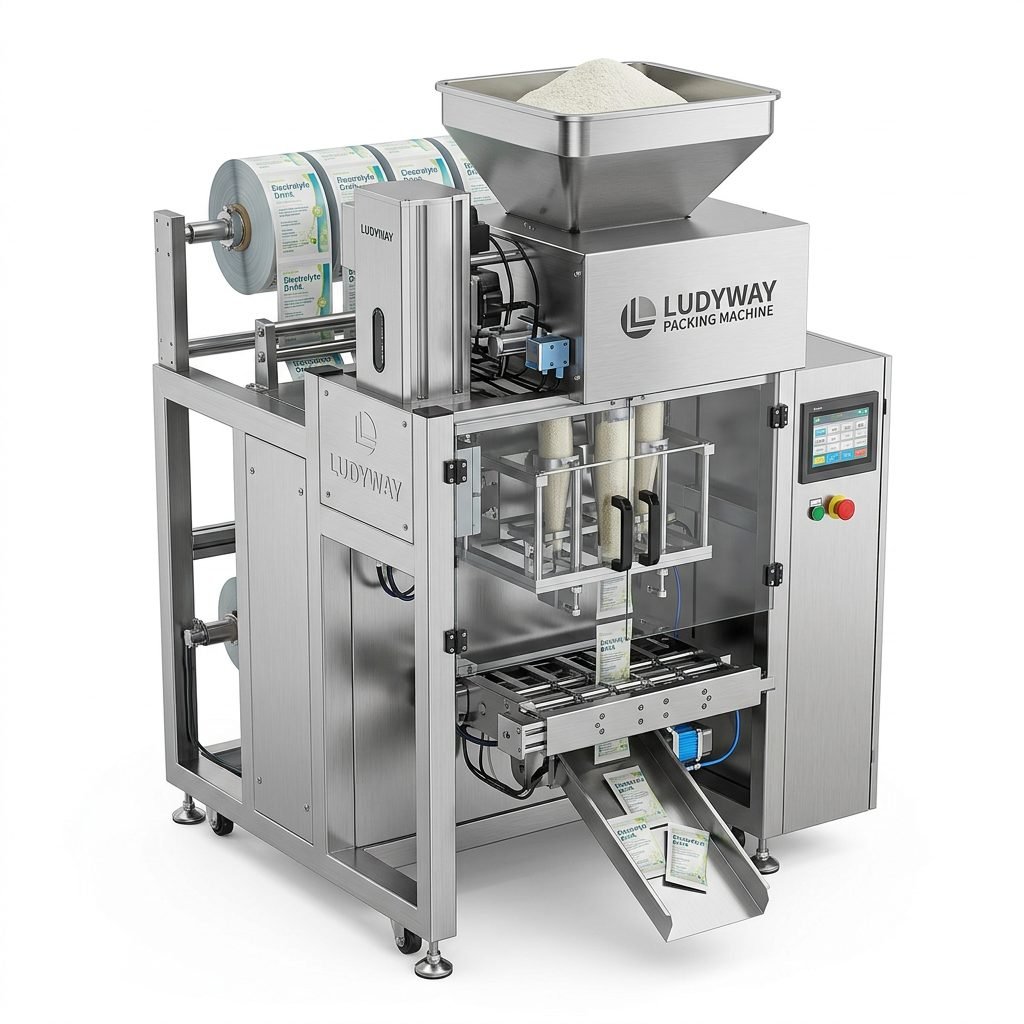
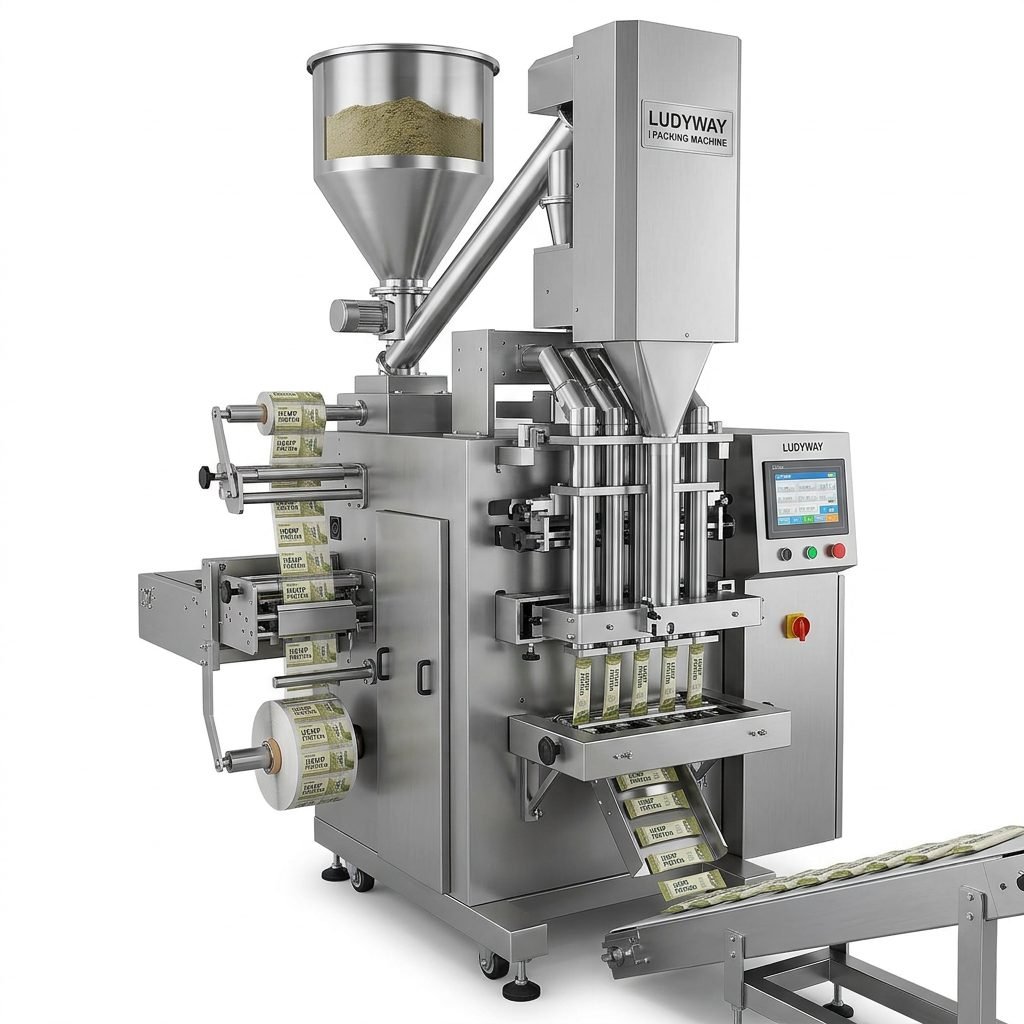
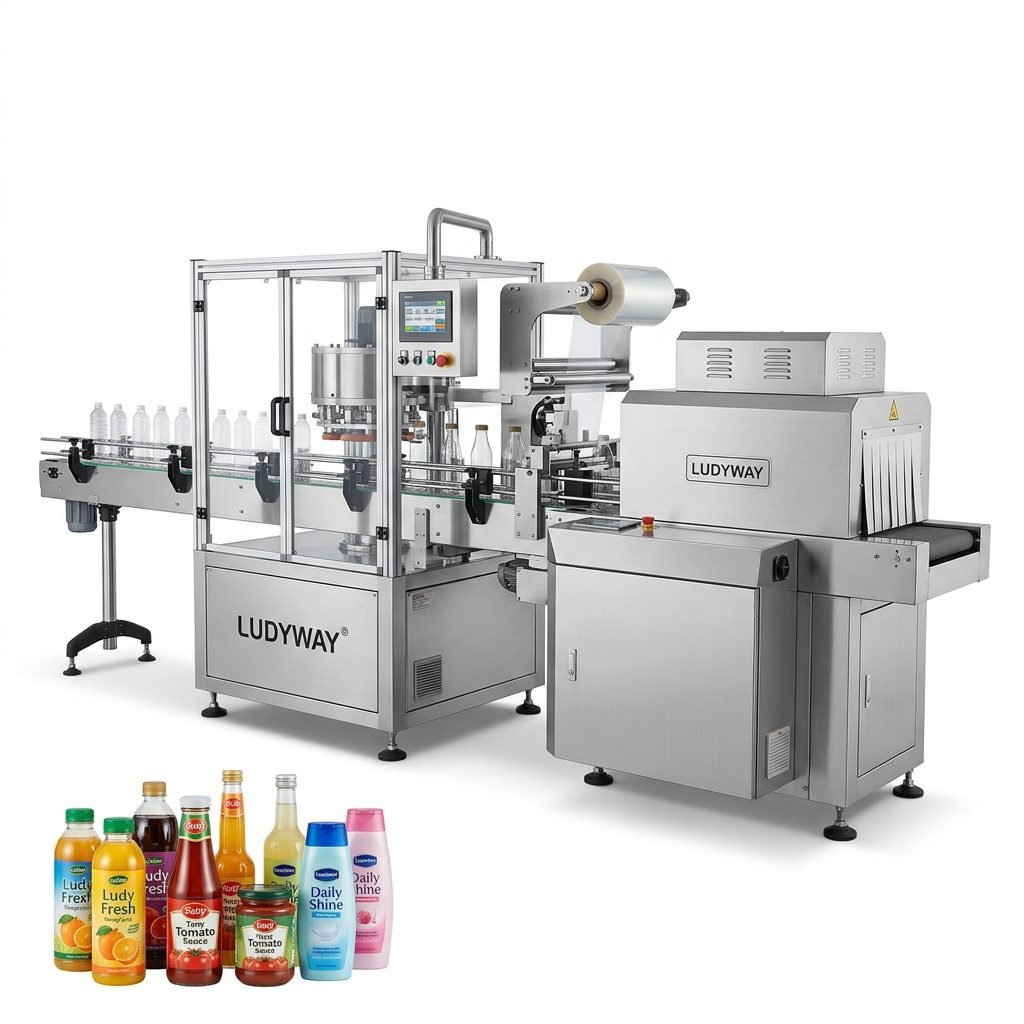
Investing in a food packaging printing machine is a critical decision that directly impacts your brand’s shelf presence, production efficiency, and long-term operational costs. With so many technologies, configurations, and suppliers on the market, narrowing down the right choice can feel overwhelming. This guide walks you through the essential factors, helping you evaluate your needs and make an informed purchase.
Understanding Food Packaging Printing Technologies
Before comparing machines, it is important to understand the primary printing technologies used in food packaging. Each method offers distinct advantages depending on your substrate, run length, and quality requirements.
Flexographic Printing
Flexographic printing uses flexible relief plates and fast-drying inks. It is one of the most common methods for flexible packaging applications, including bags, pouches, labels, and wrappers. Modern flexo presses deliver high-speed production with excellent color consistency, making them ideal for medium to long print runs. According to the Flexible Packaging Association, flexography remains a dominant technology in the food sector due to its versatility across different materials.
Digital Printing
Digital printing eliminates the need for plates, enabling short-run production, variable data printing, and rapid job changeover. This technology is growing rapidly in the food packaging industry, particularly for craft producers, seasonal promotions, and personalized packaging. While digital offers unmatched flexibility, the cost per unit is generally higher than flexo for large volumes.
Rotogravure Printing
Rotogravure is a high-quality, high-speed process that uses engraved cylinders. It is best suited for very long print runs where image quality and consistency are paramount. The initial cylinder costs are significant, but the per-unit cost drops dramatically at scale. This method is commonly found in major snack, confectionery, and beverage packaging operations.
Key Factors to Consider When Choosing a Machine
Selecting the right food packaging printing machine goes beyond the printing technology itself. Evaluate these critical factors before making a commitment.
- Substrate Compatibility: Ensure the machine handles the specific films, foils, papers, or laminates your products require. Some machines are optimized for porous substrates while others excel with non-porous materials.
- Print Width and Repeat Length: Match the machine’s specifications to your most common bag or label dimensions. A machine with limited repeat length can restrict your packaging design options.
- Production Speed: Determine your required output in meters per minute or impressions per hour. Underestimating speed needs can create bottlenecks as your business grows.
- Color Capacity: Modern food packaging often demands 6 to 10 colors plus spot varnishes. Assess whether the machine supports the color gamut your brand requires.
- Changeover Efficiency: Frequent job changes demand quick plate mounting, automated register controls, and minimal waste during setup. Evaluate the machine’s total equipment effectiveness metrics.
- Regulatory Compliance: Food packaging inks and processes must meet FDA packaging and food contact substances regulations. Verify that the machine and its consumables are suitable for food-grade applications.
Comparing Printing Technologies for Food Packaging
The table below provides a side-by-side comparison of the three most common printing technologies used in food packaging production. Use this as a starting point for evaluating which approach aligns with your operational needs.
| Feature | Flexographic | Digital | Rotogravure |
|---|---|---|---|
| Setup Cost | Moderate | Low | High |
| Cost Per Unit (Long Run) | Low | Medium | Very Low |
| Short Run Viability | Limited | Excellent | Poor |
| Image Quality | Very Good | Good to Excellent | Excellent |
| Substrate Range | Wide | Growing | Wide |
| Typical Run Length | Medium to Long | Short to Medium | Very Long |
Evaluating Machine Build Quality and Supplier Support
A printing machine is a significant capital investment, and the relationship with your supplier matters as much as the hardware itself. When evaluating potential partners, consider the following checklist:
- Manufacturing Standards: Review the machine’s construction quality, frame rigidity, and component sourcing. Machines built with industrial-grade automation components from recognized suppliers tend to deliver better long-term reliability.
- Installation and Commissioning: Clarify whether the supplier provides on-site installation, operator training, and process validation support. Comprehensive commissioning reduces the time to full production.
- After-Sales Service: Evaluate spare parts availability, remote diagnostic capabilities, and response times. Downtime in food packaging can be extremely costly.
- Upgrade Path: As your production needs evolve, can the machine be upgraded with additional color stations, inspection systems, or automation modules?

Budget and ROI: Making the Business Case
Purchasing a food packaging printing machine requires a clear understanding of both upfront costs and long-term return on investment. Beyond the purchase price, factor in installation, training, facility modifications, and ongoing consumable costs such as inks, plates, and maintenance parts.
A higher-priced machine with lower operating costs and faster throughput may deliver superior ROI over a 5 to 7 year period compared to a budget option. Calculate your total cost of ownership carefully, including energy consumption, waste rates, and labor requirements. Industry resources such as PMMI business intelligence reports provide valuable benchmarking data for packaging machinery investments.
Common Mistakes to Avoid
Many buyers make avoidable errors when selecting a packaging printing machine. Being aware of these pitfalls can save substantial time and money.
Focusing Only on Purchase Price
The lowest upfront cost rarely translates to the best value. A machine with poor efficiency, high ink consumption, or frequent breakdowns will erode profits over time. Always calculate total cost of ownership over the expected service life.
Underestimating Substrate Requirements
Food packaging involves diverse materials ranging from thin films to heavy laminates. A machine that cannot handle your full range of substrates may force you to outsource certain jobs, negating the benefits of in-house printing.
Ignoring Workflow Integration
A printing machine operates within a larger ecosystem of prepress, finishing, and automated packaging equipment. Ensure the machine integrates smoothly with your existing workflow, including color management software, inspection systems, and downstream converting or filling lines.

Frequently Asked Questions
What is the best printing method for small food businesses?
For startups and small producers with shorter runs and frequent design changes, digital printing typically offers the best combination of flexibility, low setup costs, and speed to market. As volumes grow, transitioning to flexographic printing often becomes more economical.
How important is ink selection for food packaging?
Ink selection is critical. Food packaging inks must comply with migration limits and safety regulations. Low-migration inks are essential for primary food contact packaging, and your printing machine must be compatible with these formulations. Always verify that both the machine and consumables meet applicable food safety standards.
Can I print on recyclable or compostable materials?
Yes, many modern machines support sustainable packaging substrates including recyclable mono-materials and compostable films. However, ink adhesion, drying, and curing requirements differ from traditional materials. Discuss your sustainability goals with machine suppliers during the evaluation phase.
Connecting Print with the Complete Packaging Line
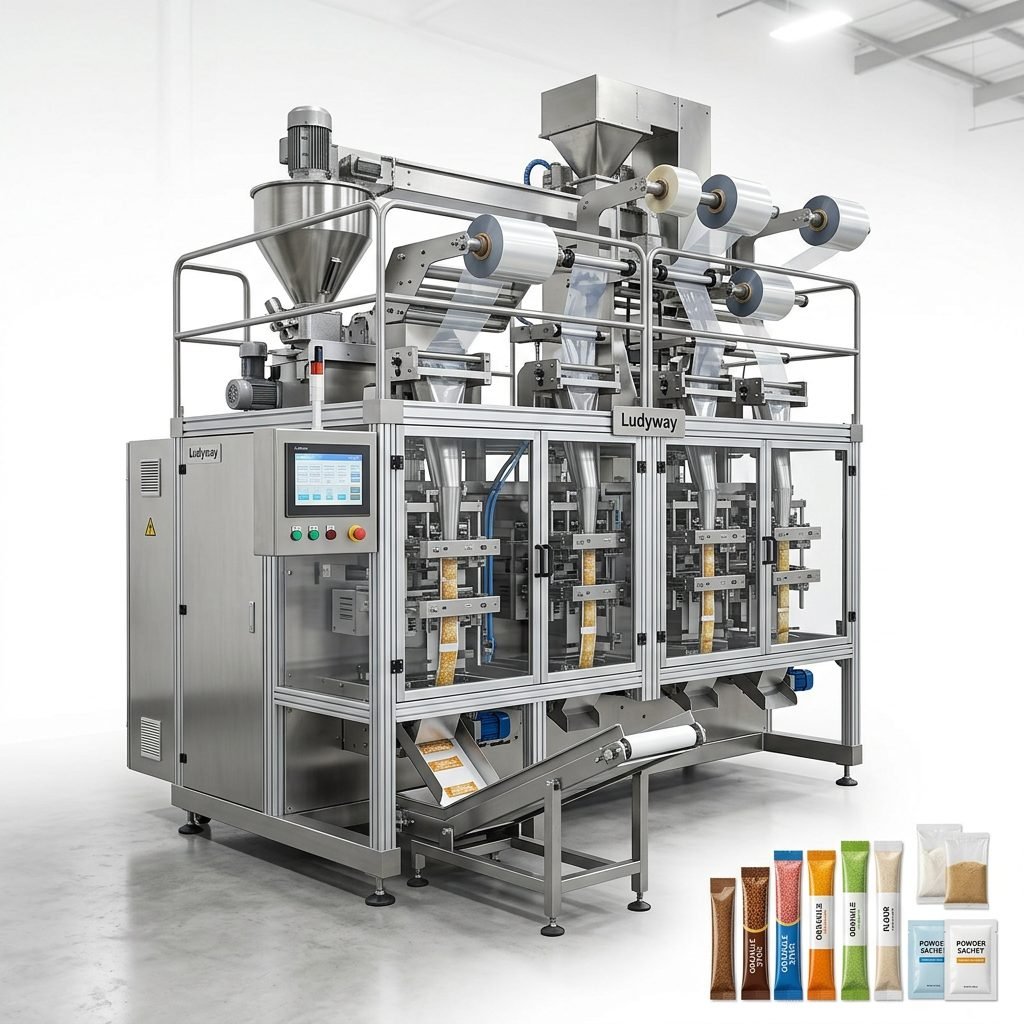
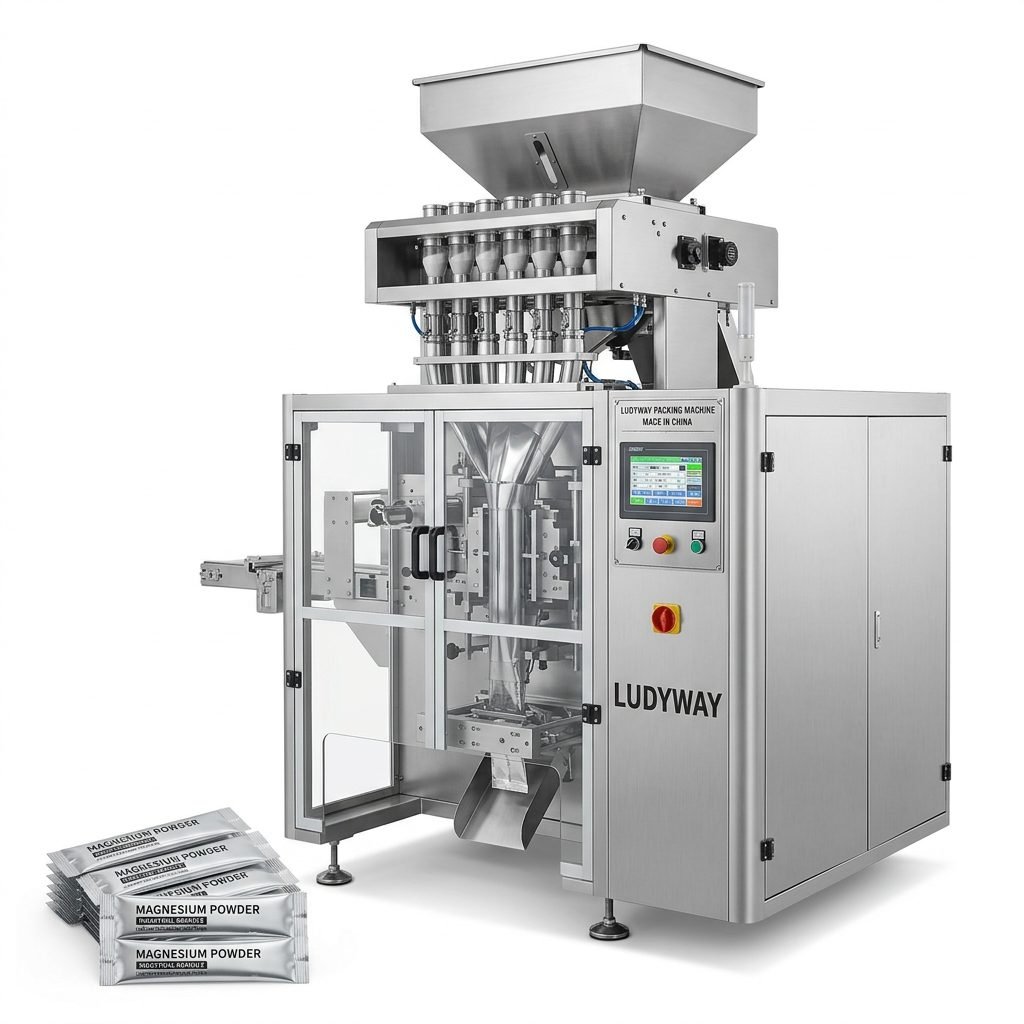
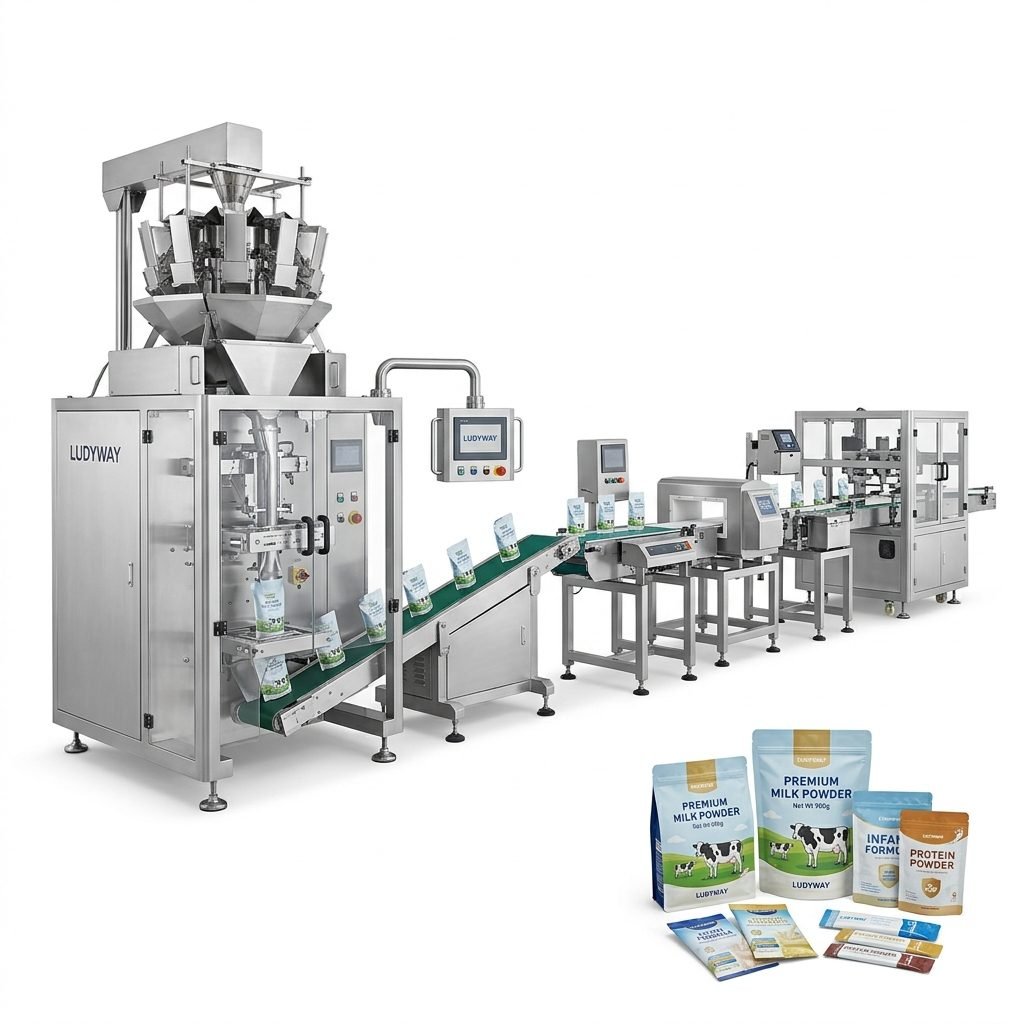
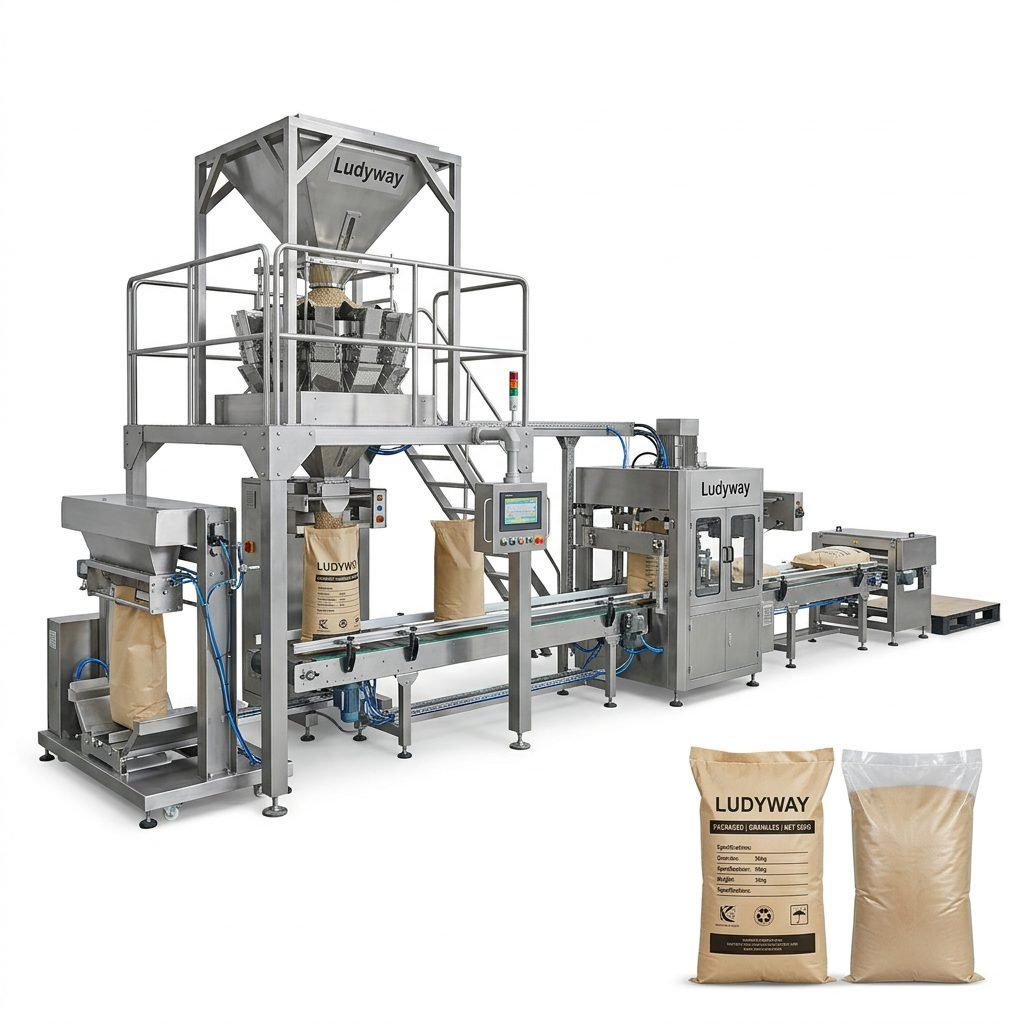
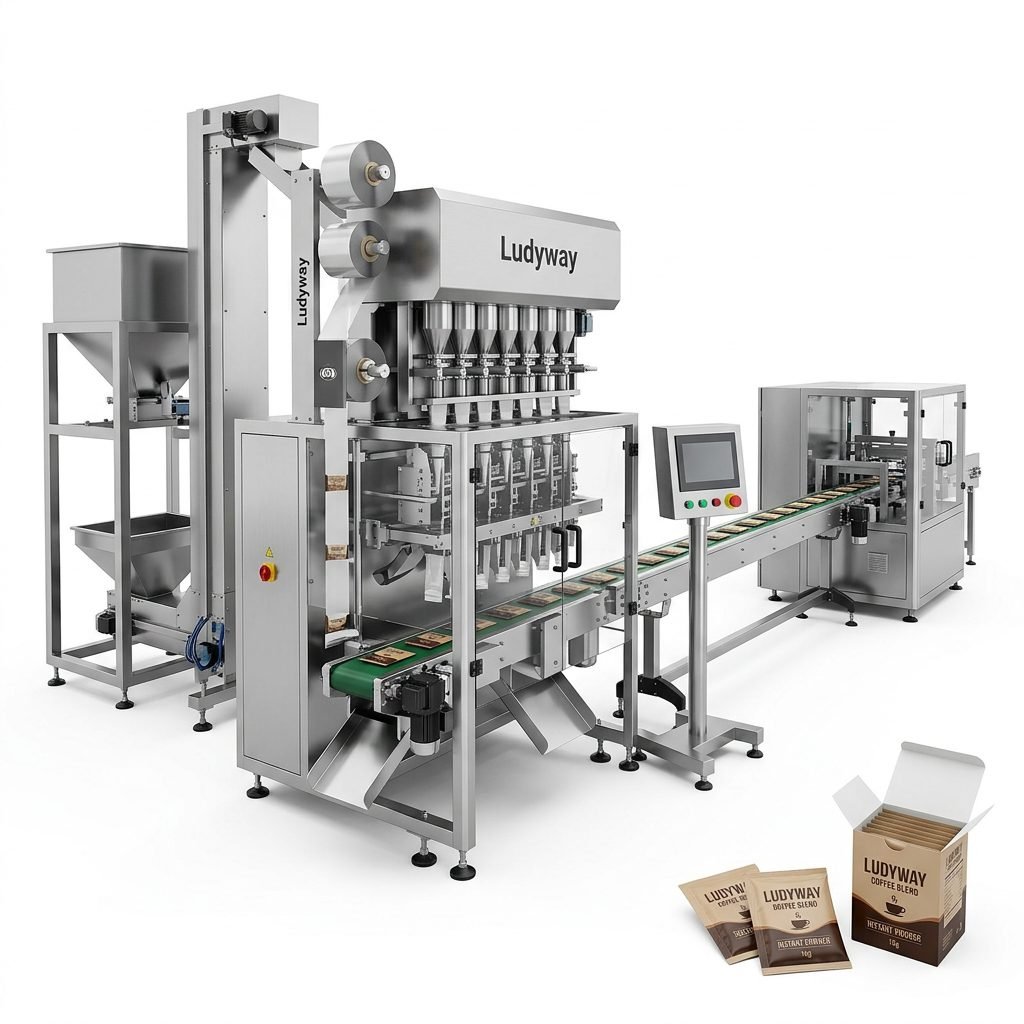
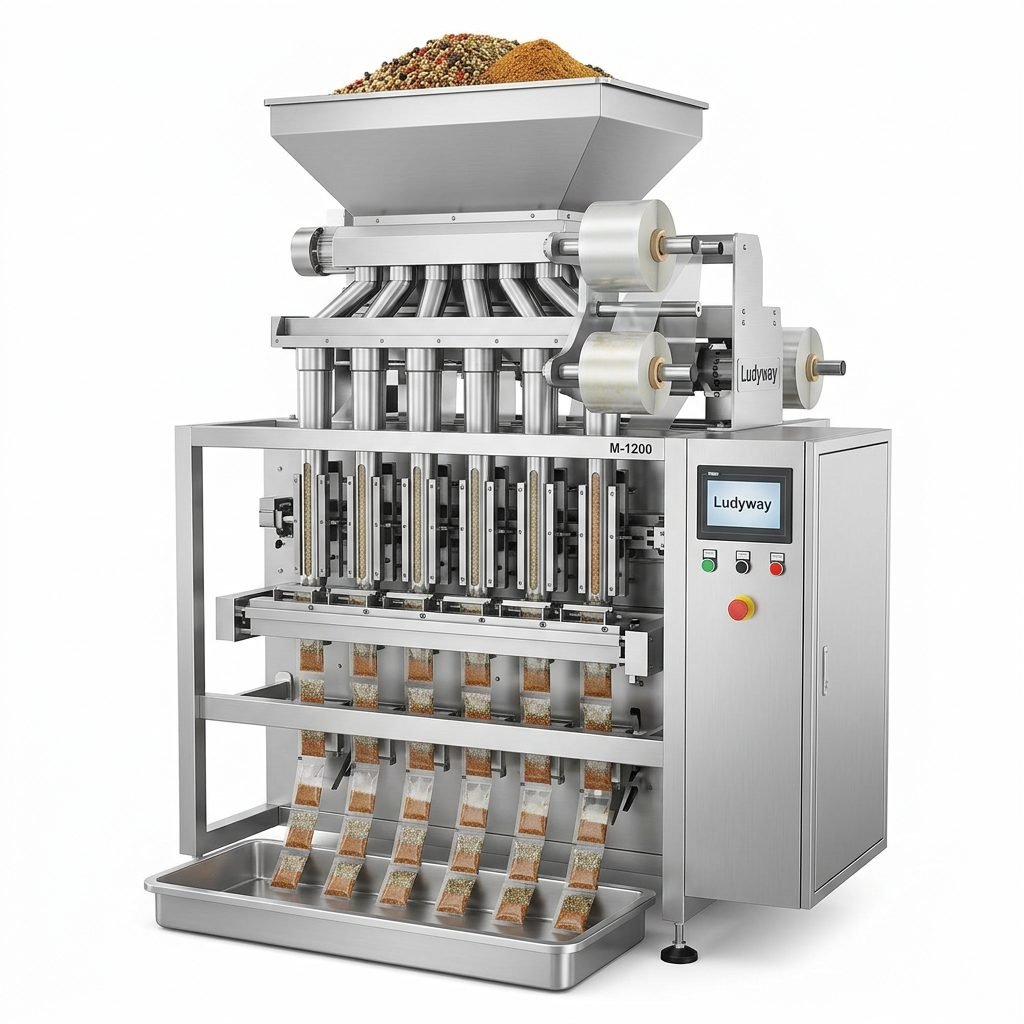
While the printing machine is a vital investment, it represents one stage in a broader production workflow. After printing, packaging materials move through converting, filling, sealing, and secondary packaging processes. Working with an experienced packaging machinery manufacturer that understands the complete production chain can help ensure all equipment is properly sized, compatible, and integrated. Ludyway Machinery, with over 30 years of experience and more than 50 packaging machine models, provides turnkey packaging solutions that span multiple stages of the packaging process for manufacturers worldwide.
For deeper industry insights, the PMMI 2026 State of the Industry report offers comprehensive data on packaging machinery trends, market growth, and technology adoption that can inform your purchasing decisions.