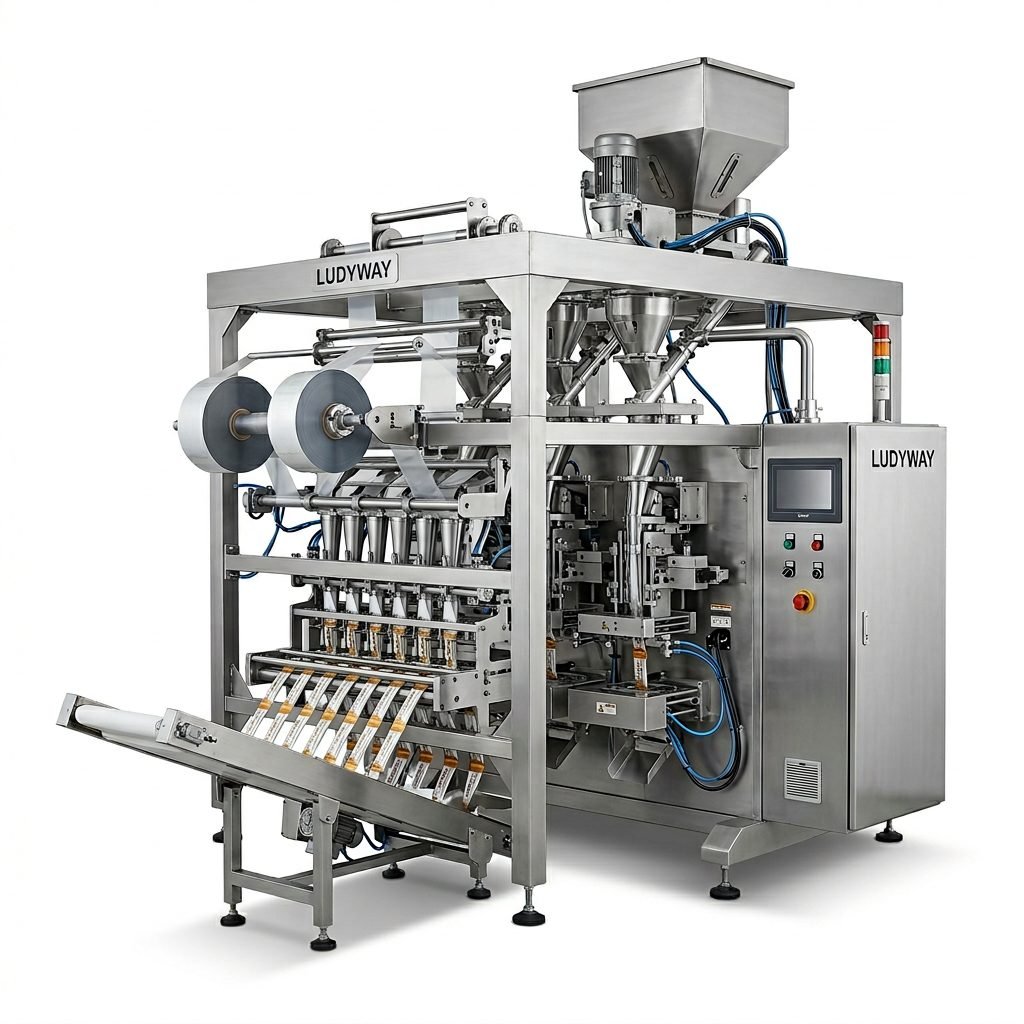
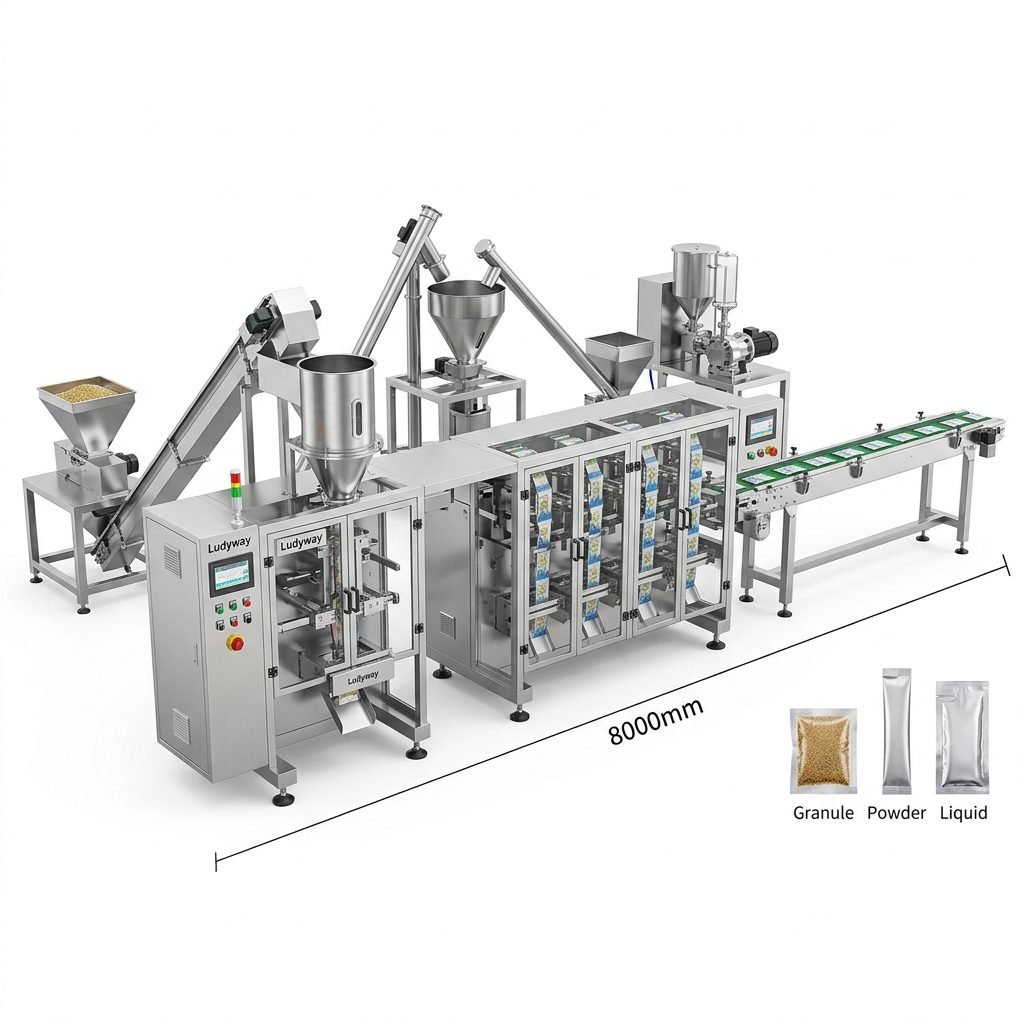
Investing in a mineral water packing machine is a significant decision that directly impacts your production efficiency, product quality, and bottom line. Whether you are a growing bottling plant or an established brand looking to upgrade your packaging line, the sheer variety of technologies and configurations can be overwhelming. Selecting the wrong system can lead to costly downtime, inconsistent fill levels, and packaging waste. This guide walks you through the essential factors to evaluate, helping you make a confident, informed purchase.
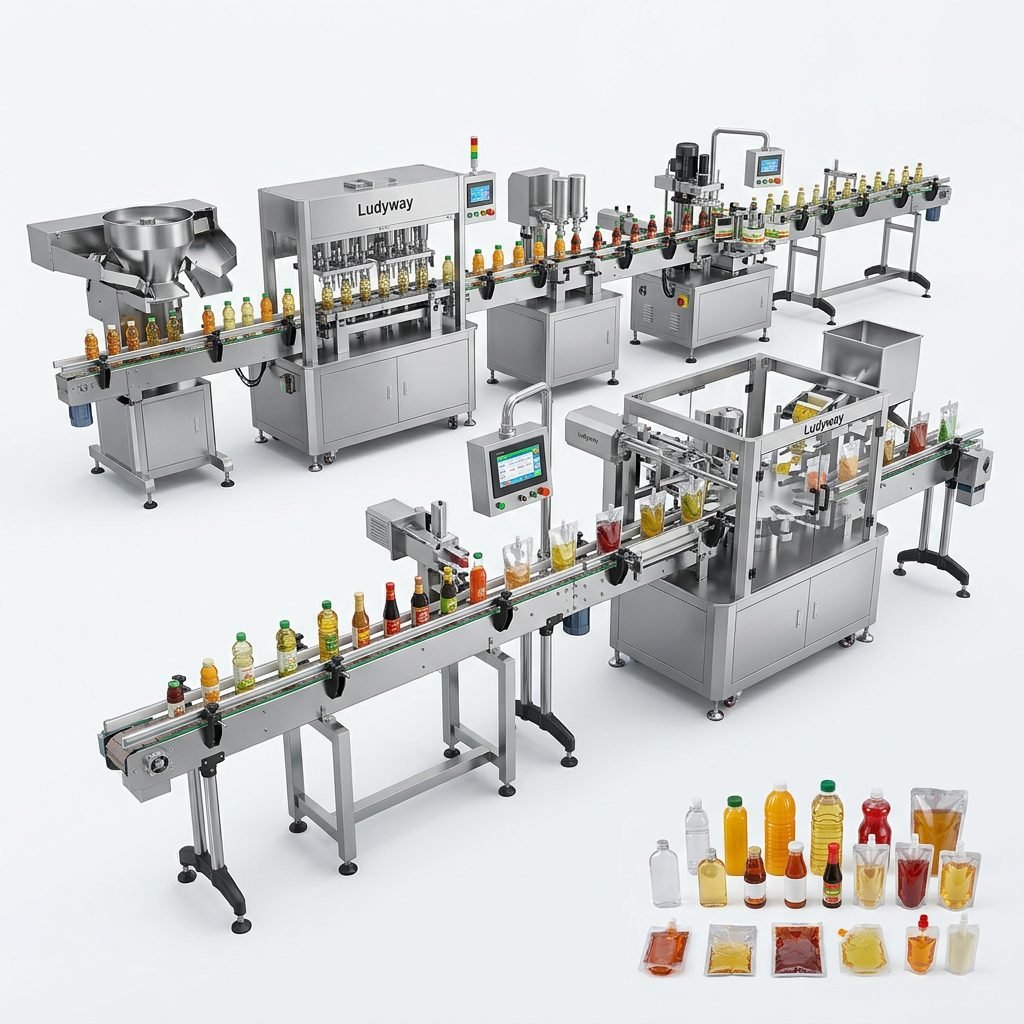
Understanding Your Production Requirements
Before comparing models, you must define your operational needs. The right mineral water packing machine must align with your current output targets and allow room for future growth. Start by asking these critical questions:
- What is your target output? Machines are rated in bottles per hour (BPH) or pouches per minute. A small-scale artisanal brand has vastly different requirements than a high-speed industrial facility.
- What packaging formats do you use? Mineral water is packaged in various formats including PET bottles, glass bottles, sachets, pouches, and even stick packs for concentrated formulas.
- What are your product characteristics? Still water, sparkling water, and mineral-enriched water each have different filling requirements. Carbonated beverages require isobaric filling systems to maintain carbonation levels.
Choosing a machine that can handle multiple formats provides valuable operational flexibility. Modular systems that allow format changeovers give you the ability to respond to market trends without investing in entirely new equipment.
Key Machine Types and Technologies
The packaging machinery landscape includes several distinct technologies designed for specific applications. Understanding these categories helps narrow your options significantly.
Liquid Filling Systems
For bottled mineral water production, the filling technology determines both speed and accuracy. Common systems include:
- Gravity fillers – suitable for thin, free-flowing liquids like still water; cost-effective for basic operations
- Pressure and isobaric fillers – essential for sparkling and carbonated mineral water, preventing foam and maintaining dissolved CO₂ levels
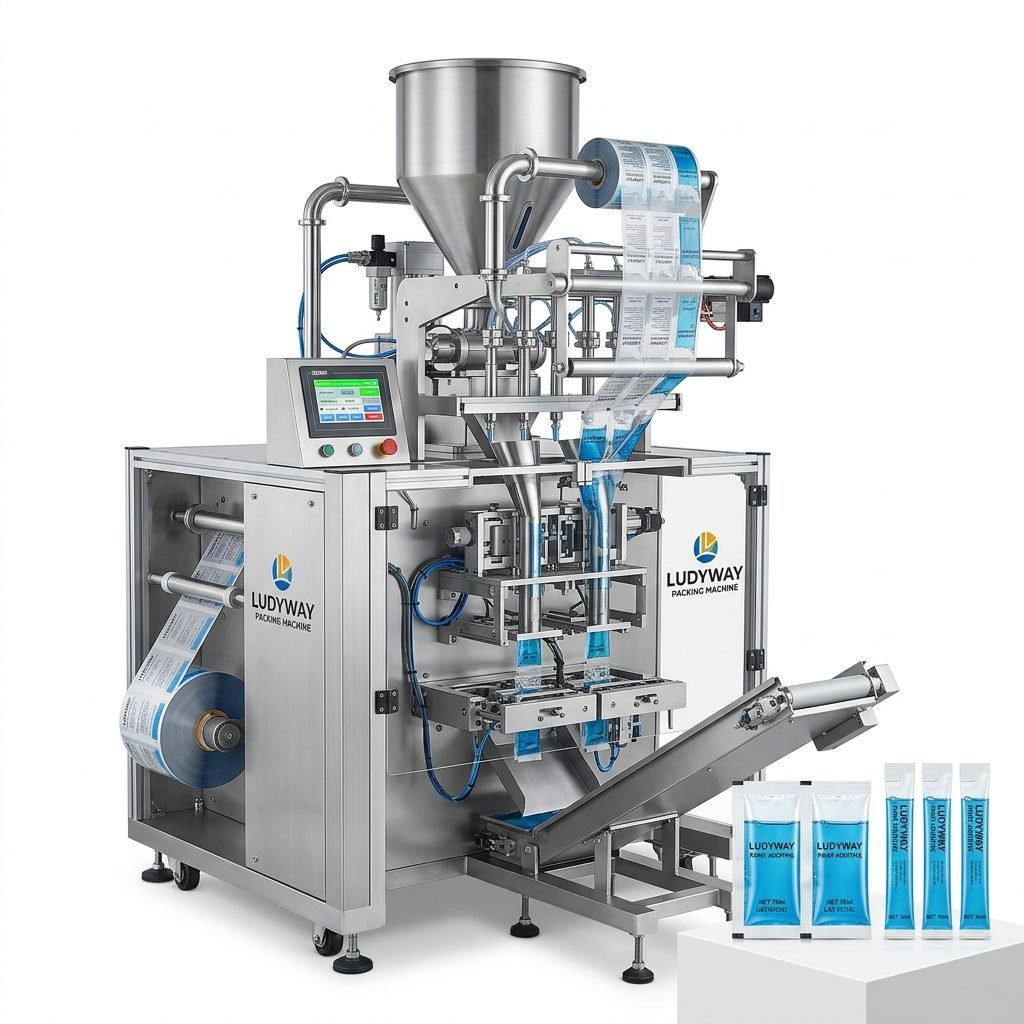
- Volumetric piston fillers – ideal for precise dosing in smaller sachet or pouch formats
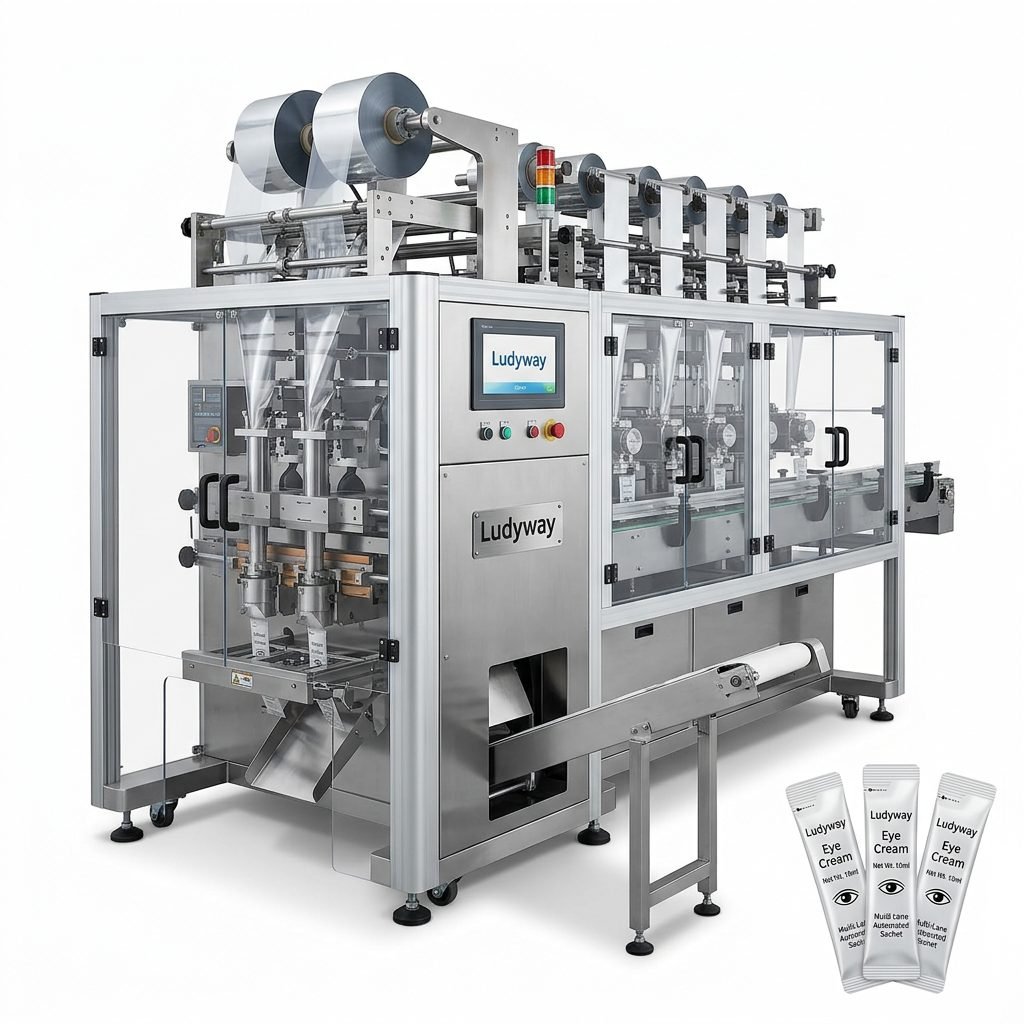
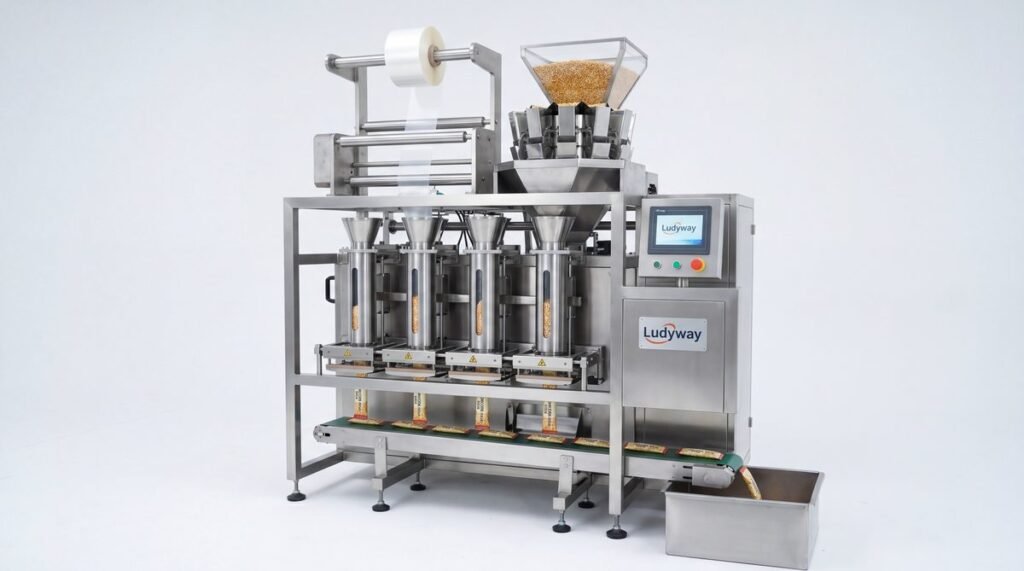
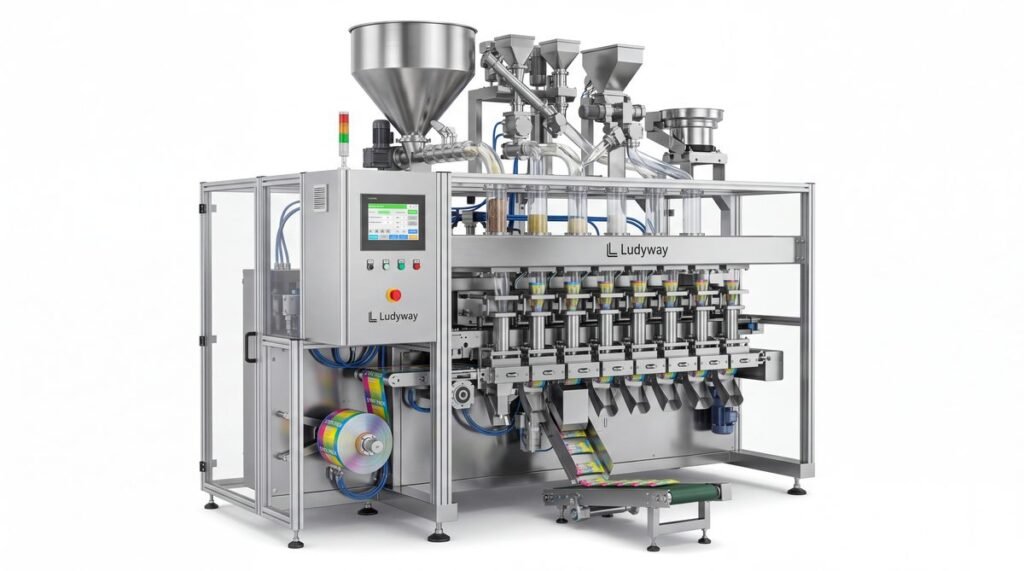
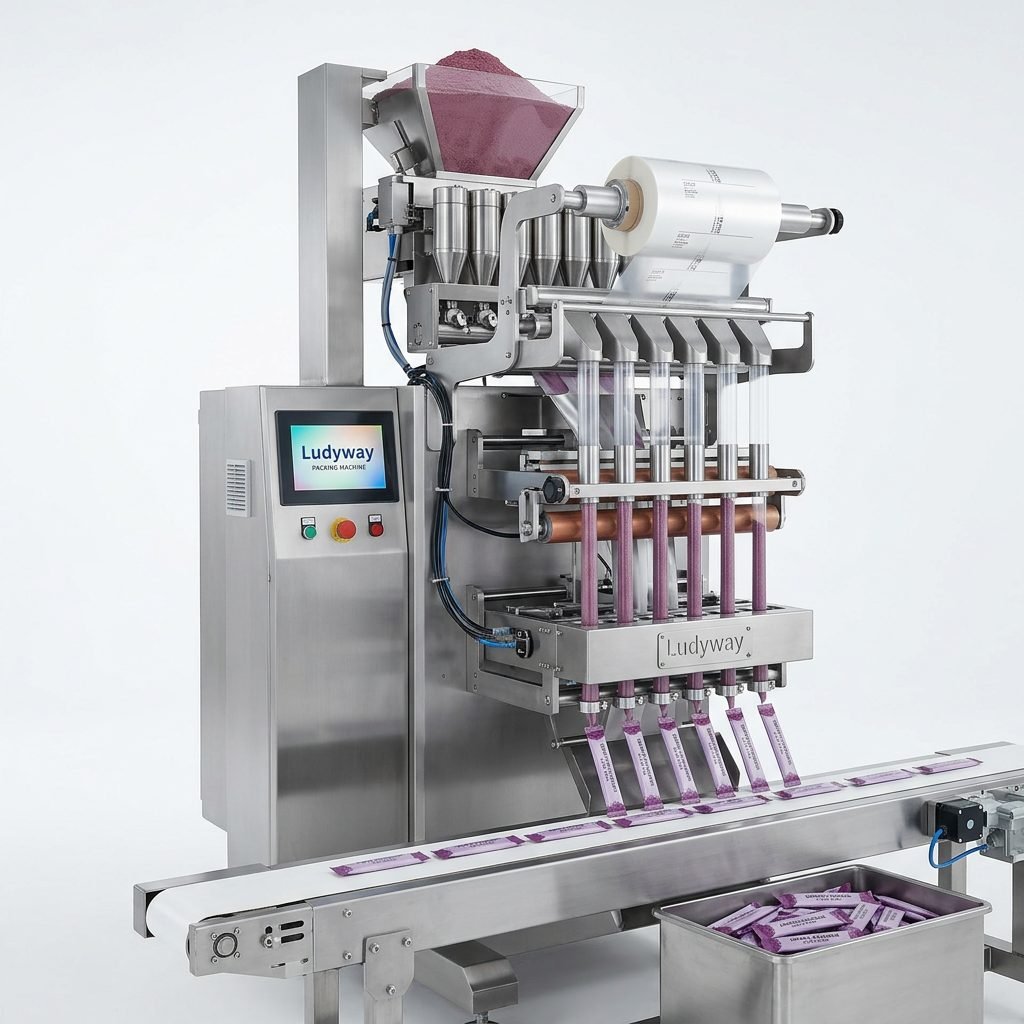
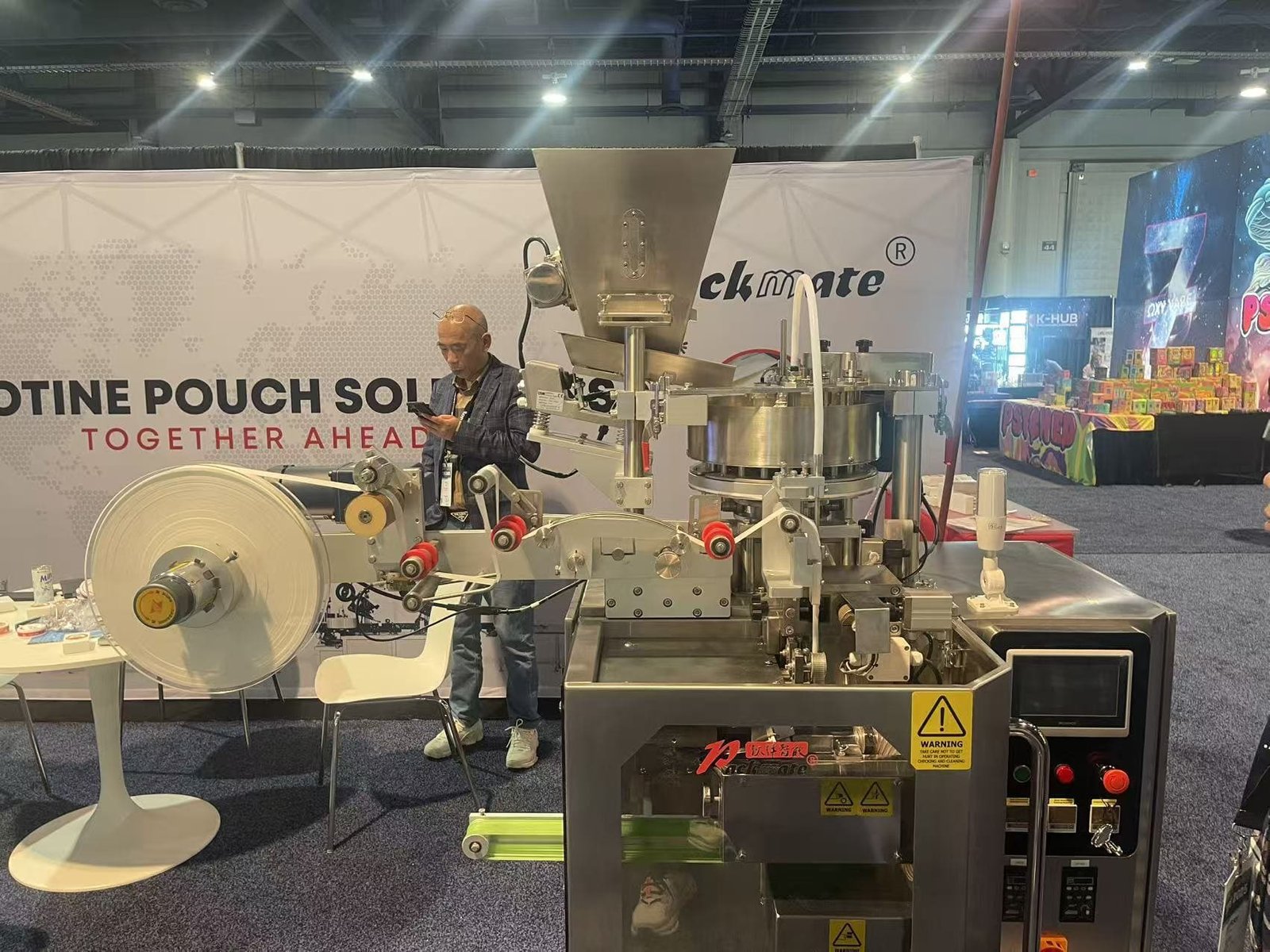
- Multi-lane stick pack machines – increasingly popular for single-serve mineral water sachets, electrolyte powders, and concentrated liquid minerals
Packaging Format Configurations
Modern packaging machinery can handle multiple bag and bottle styles. According to the Flexible Packaging Association, flexible packaging continues to grow in market share due to convenience and sustainability advantages. Consider whether you need:
- PET or glass bottle filling and capping lines
- Sachet and pouch filling for single-serve mineral water
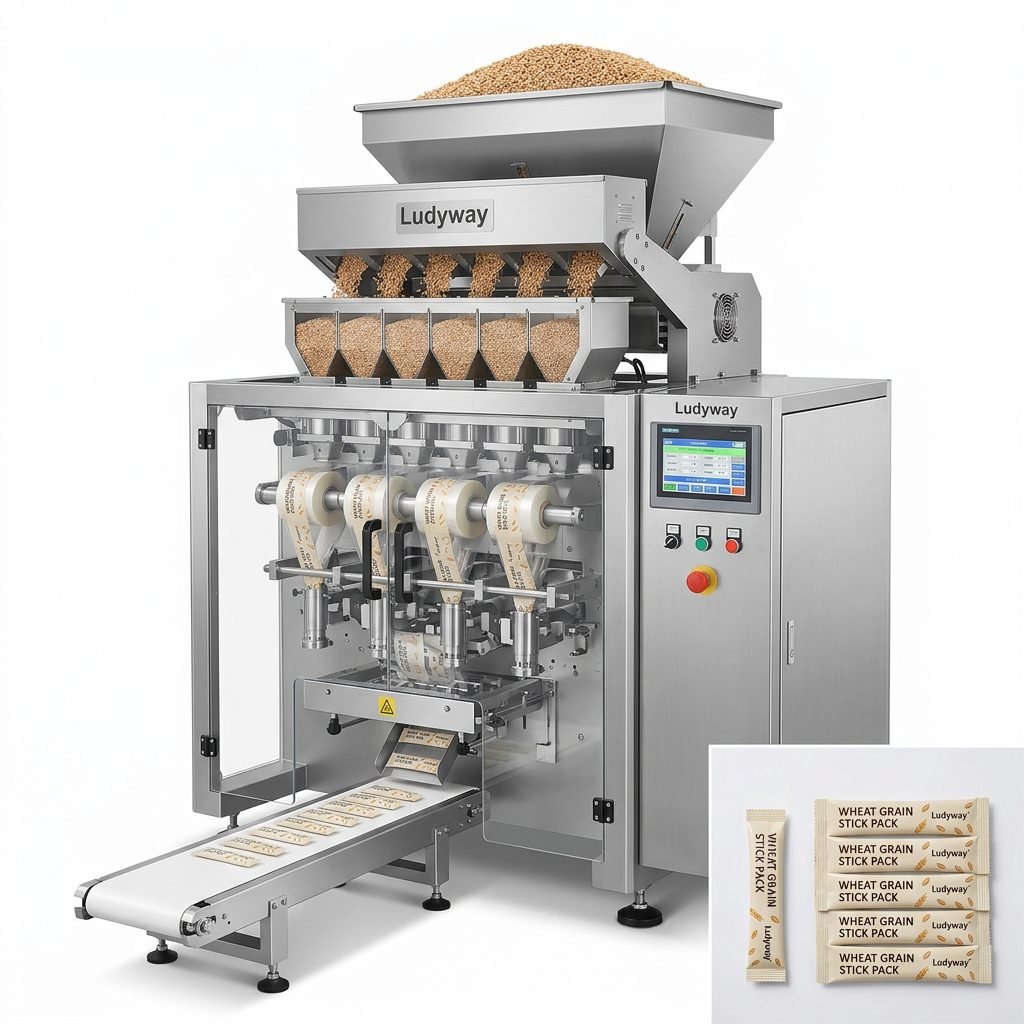
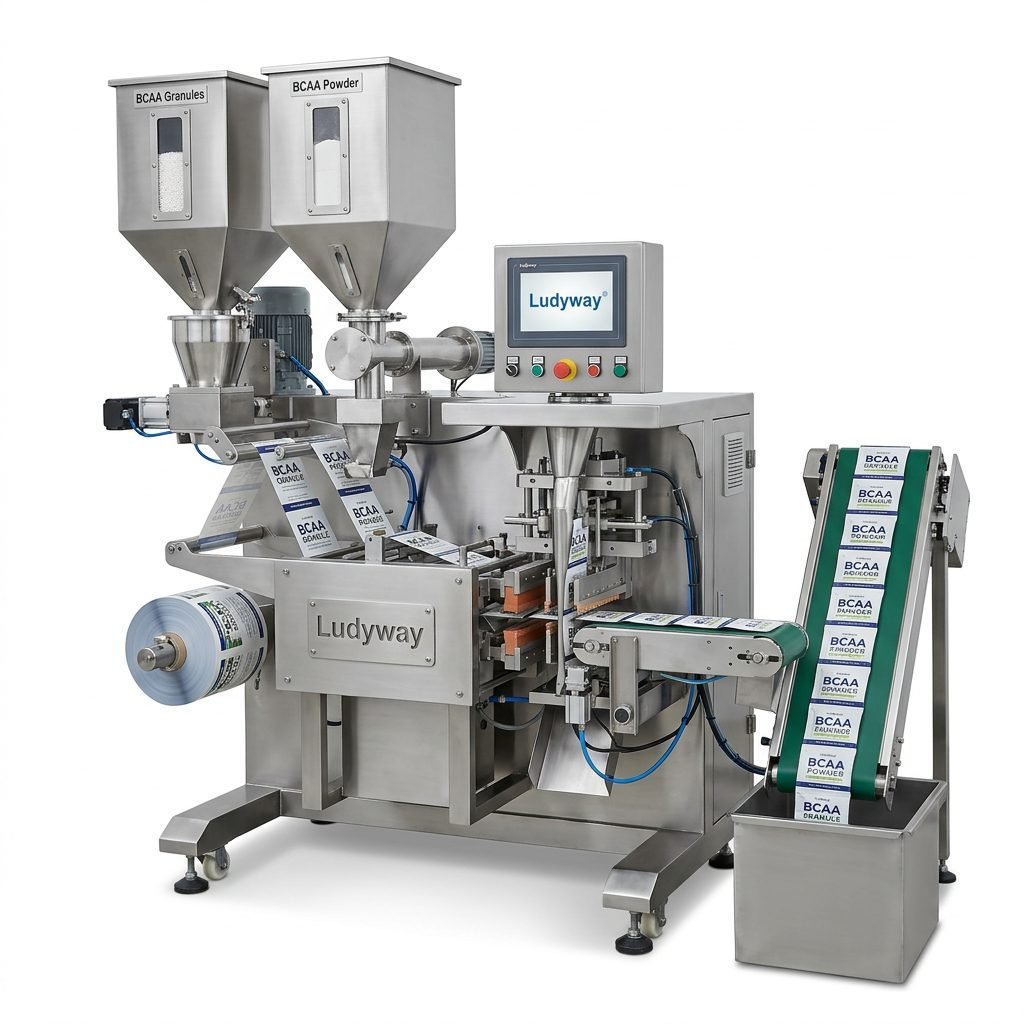
- Stick pack systems for powder-based mineral supplements
- Bag-in-box or bulk water packaging for commercial distribution
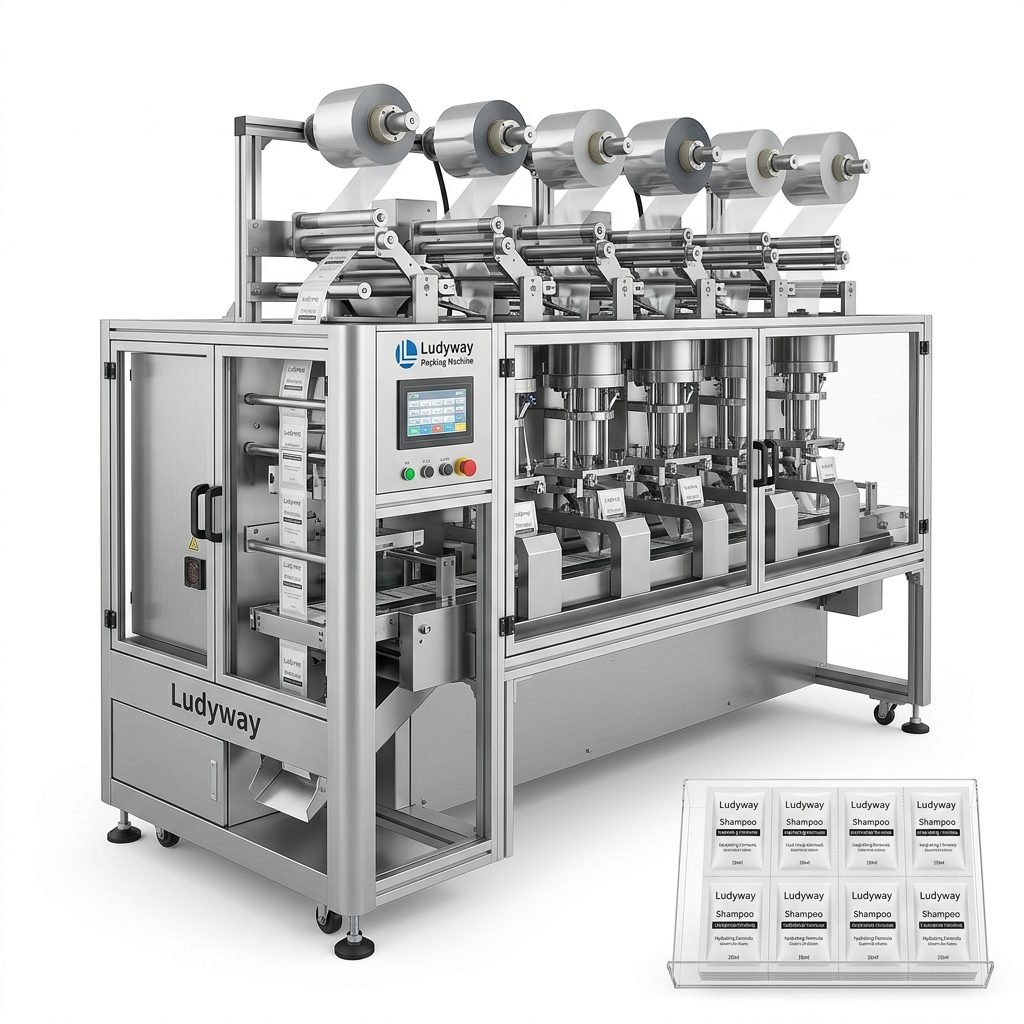
Automation Level and Integration Capabilities
The degree of automation you select has far-reaching implications for labor costs, operational consistency, and throughput. Fully automated mineral water packing machines reduce human error and maintain consistent fill levels even at high speeds. Key automation features to evaluate include:
- Automated feeding and dosing systems – minimize manual handling and ensure precise fill volumes
- Inline quality inspection – vision systems and checkweighers detect underfills, defective seals, and labeling errors before products leave the line
- Robotic palletizing – automates end-of-line stacking for consistent warehouse throughput
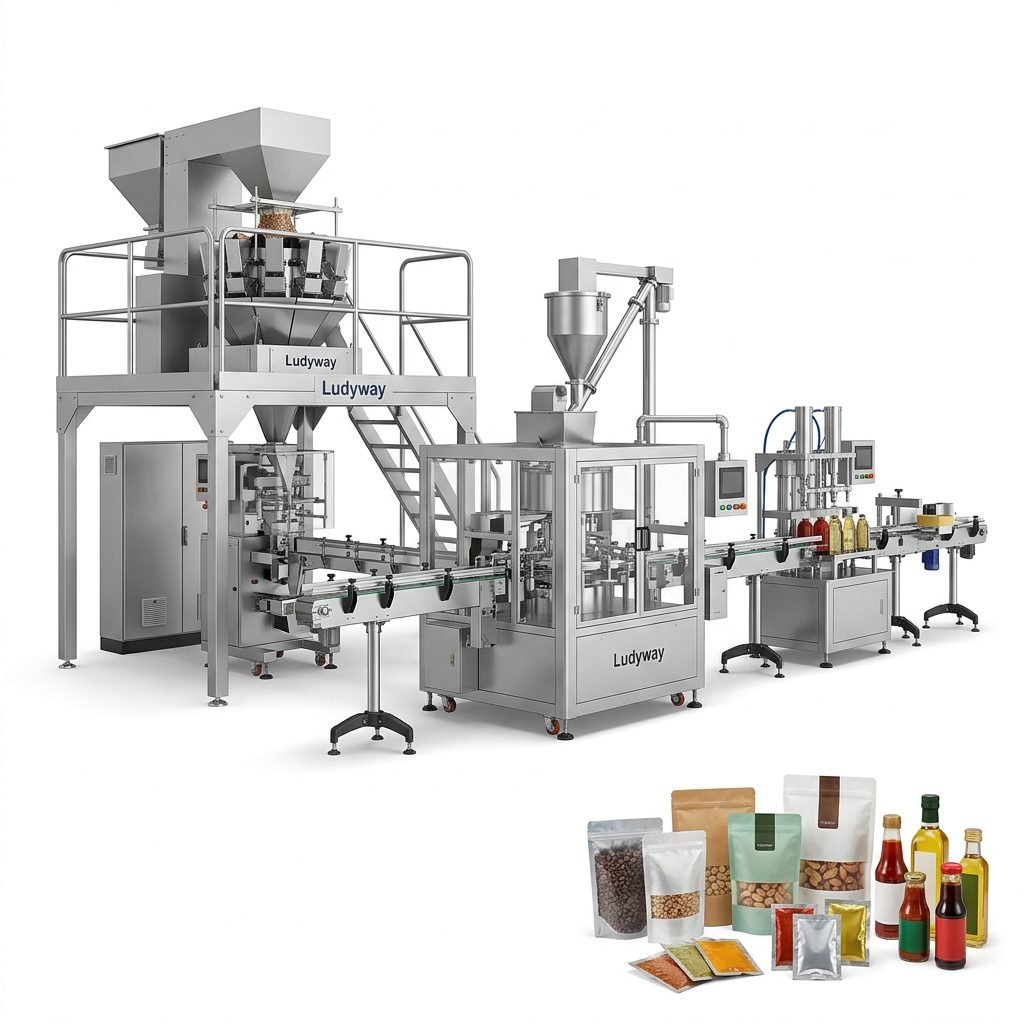
- Line integration flexibility – the ability to connect filling, capping, labeling, coding, and cartoning into a seamless production flow
A well-integrated packaging line provides turnkey efficiency, where each component communicates with upstream and downstream equipment, reducing bottlenecks and product accumulation. When evaluating packaging industry resources, consider whether a single-source provider can supply the entire integrated line rather than coordinating multiple vendors.
Material Compatibility and Container Specifications
Not every machine handles every packaging material effectively. Your mineral water packing machine must be compatible with your chosen bottle or pouch materials. Critical considerations include:
| Material Type | Key Considerations | Machine Requirements |
|---|---|---|
| PET Bottles | Lightweight, shatter-resistant, requires precise capping torque | Servo-driven capping, gentle handling to prevent deformation |
| Glass Bottles | Premium presentation, heavier, breakage risk | Robust conveying, controlled bottle handling, specialized rinsing |
| Flexible Pouches | Lightweight, compact, growing consumer preference | Form-fill-seal technology, spout insertion capability |
| Multi-layer Films | Barrier properties for extended shelf life | Adjustable sealing temperature and pressure control |
Hygiene, Safety, and Regulatory Compliance
Mineral water is a consumable product, meaning your packaging equipment must meet stringent hygiene standards. Stainless steel construction, sanitary design principles, and compliance with FDA food packaging regulations are non-negotiable. Look for these hygiene features:
- CIP (Clean-in-Place) systems – allow internal cleaning without disassembly, critical for multi-product facilities
- Open-frame construction – facilitates visual inspection and manual cleaning access
- IP-rated electrical enclosures – protect components during washdown procedures
- Food-grade seals and gaskets – prevent contamination from wearing components
For international markets, verify that equipment can be configured to meet ISO packaging standards and regional requirements. Leading manufacturers design their mineral water packing machines with global compliance in mind, providing documentation for CE, FDA, and other relevant certifications.
Evaluating Total Cost of Ownership
The purchase price is only one component of the true cost. A comprehensive evaluation must account for the total cost of ownership (TCO) over the machine’s service life:
- Energy consumption – high-efficiency servo motors and optimized pneumatic systems reduce ongoing operational costs
- Spare parts availability – reliable access to critical wear components minimizes downtime
- Changeover complexity – quick-change designs reduce labor hours and production interruptions between product runs
- Preventive maintenance requirements – machines designed with accessible service points lower maintenance labor costs
- Operator training needs – intuitive HMI interfaces reduce training time and operator errors
Machines with standardized, off-the-shelf components generally offer lower maintenance costs and faster repairs compared to highly customized proprietary systems. However, customized configurations may deliver superior performance for specialized applications, making this a balance between standardization and operational optimization.
Supplier Capabilities and Support Infrastructure
Your relationship with the equipment manufacturer extends far beyond the initial sale. A reliable partner provides comprehensive support throughout the machine’s lifecycle. When assessing potential suppliers, examine their:
- Manufacturing and engineering capabilities – in-house production and design expertise often translate to better quality control and customization options
- Installation and commissioning support – on-site setup and integration assistance ensures proper machine startup
- Technical training programs – comprehensive operator and maintenance training reduces learning curves
- After-sales service network – accessible spare parts, responsive troubleshooting, and remote technical assistance
- Industry experience – a track record in mineral water and beverage packaging indicates proven application knowledge
Customization Versus Standardization
Packaging requirements vary significantly between manufacturers. Product characteristics, bag sizes, filling volumes, production speeds, factory layouts, and automation requirements all affect the appropriate equipment configuration. Standardized machines offer faster delivery and lower upfront costs, while customized packaging solutions deliver optimized performance for unique production environments.
For manufacturers looking to increase production capacity, automate manual packaging processes, introduce new packaging formats, or integrate packaging equipment into an existing production line, a customized approach often provides the best long-term value. The key is working with a supplier that can evaluate your specific product and packaging requirements and recommend appropriate machine configurations or complete packaging lines.
Making the Final Decision
After evaluating all technical, operational, and commercial factors, compile your findings into a structured comparison. Key decision criteria should include production speed capability, format flexibility, quality and reliability track record, supplier experience and support infrastructure, and total cost of ownership. Rather than focusing solely on initial purchase price, prioritize long-term operational efficiency and partnership quality. The right mineral water packing machine is not just a piece of equipment—it is a critical asset that supports your production goals for years to come.
Ludyway Machinery is a China-based mineral water packing machine manufacturer with more than 30 years of experience, providing automated packaging equipment and turnkey solutions to manufacturers worldwide. With a 20,000-square-meter manufacturing facility, more than 130 professionals, and over 50 packaging machine models, the company’s expertise spans powder, granule, liquid, and flexible packaging applications across food and beverage, pharmaceutical, cosmetic, and industrial sectors. For buyers evaluating equipment options, working with an experienced packaging partner that offers comprehensive application support, customization capabilities, and global service can simplify the selection process and help ensure a successful packaging line implementation.
For further guidance on packaging machinery selection and industry standards, explore resources from the PMMI Business Intelligence Library and the Flexible Packaging Association industry data.