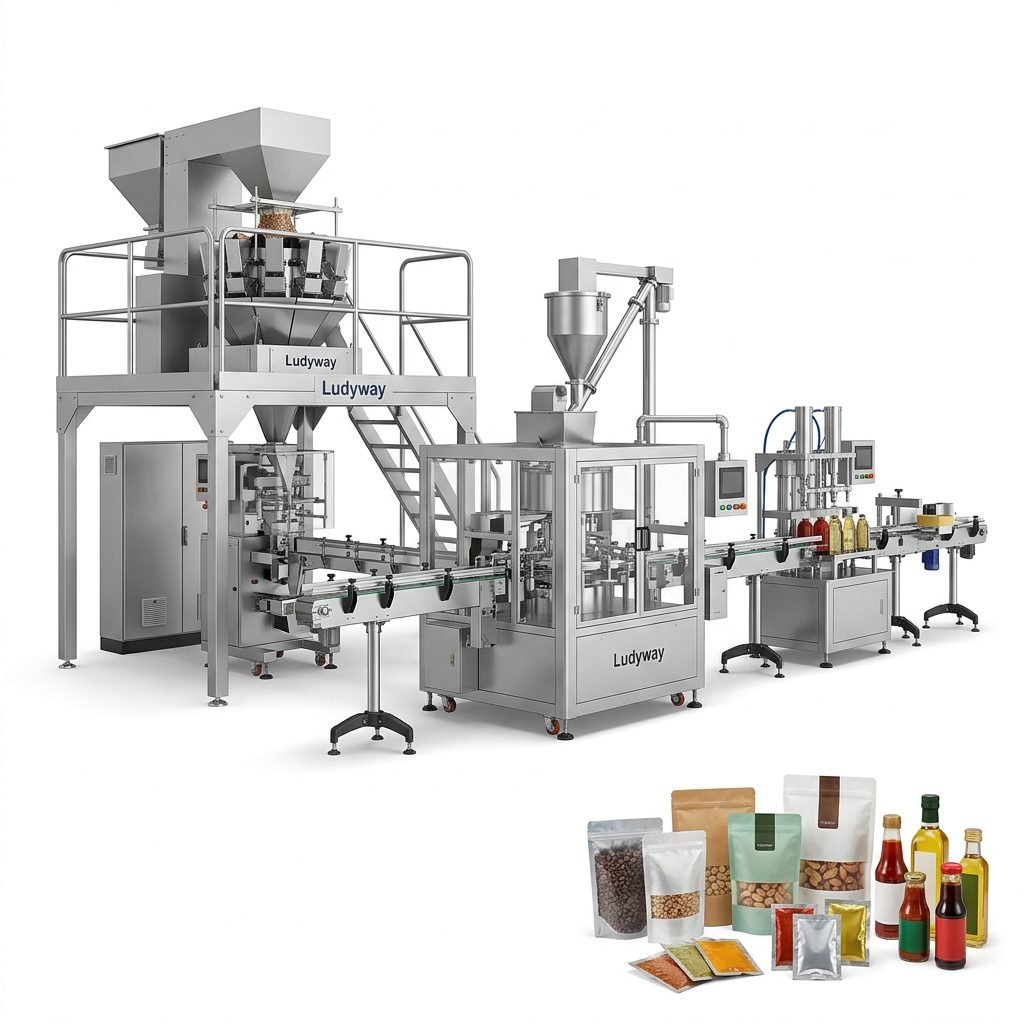
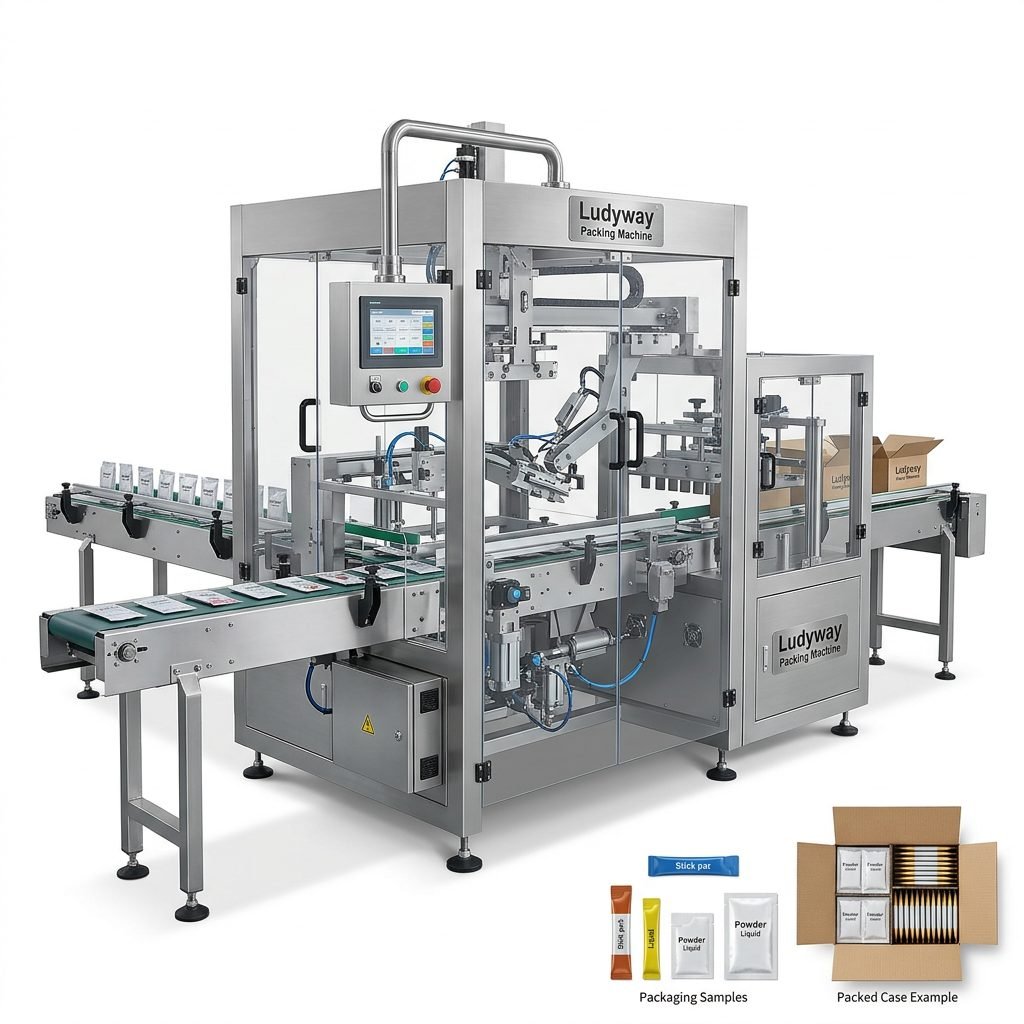
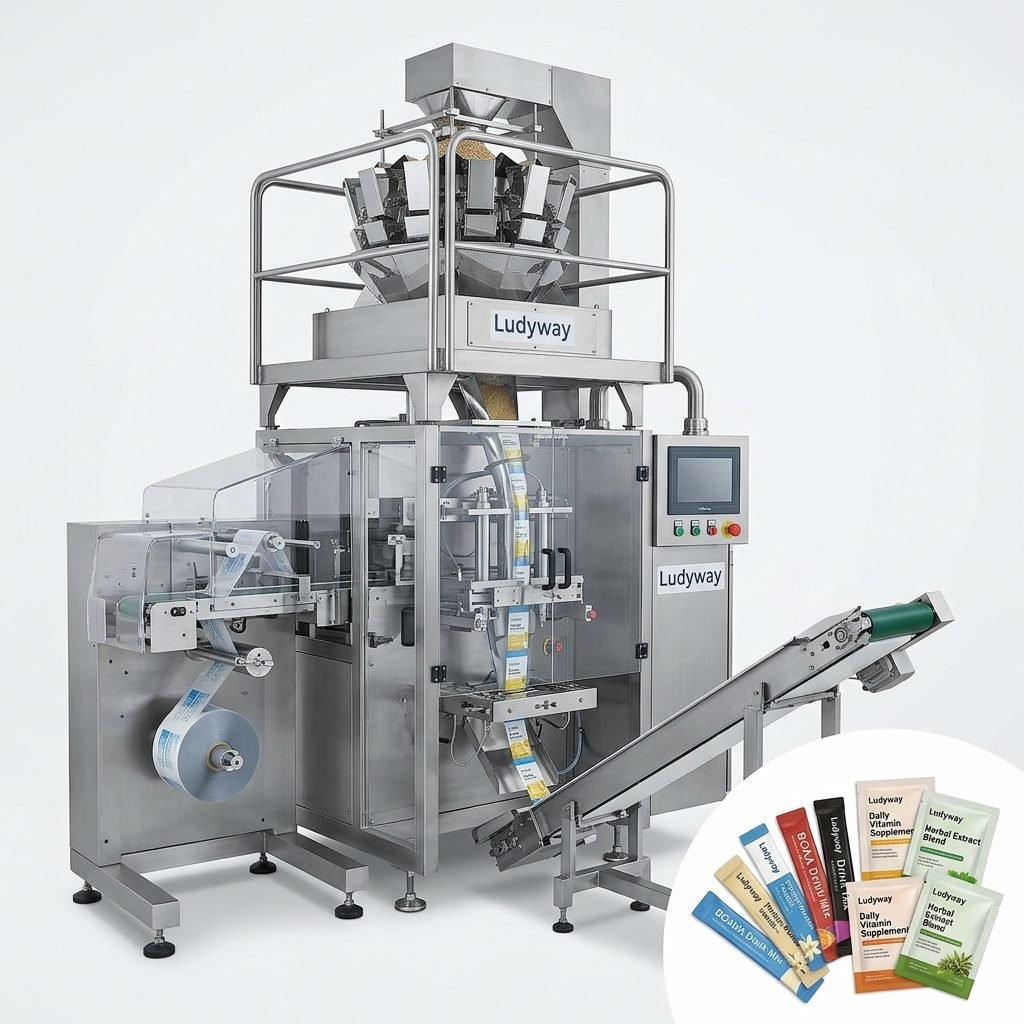
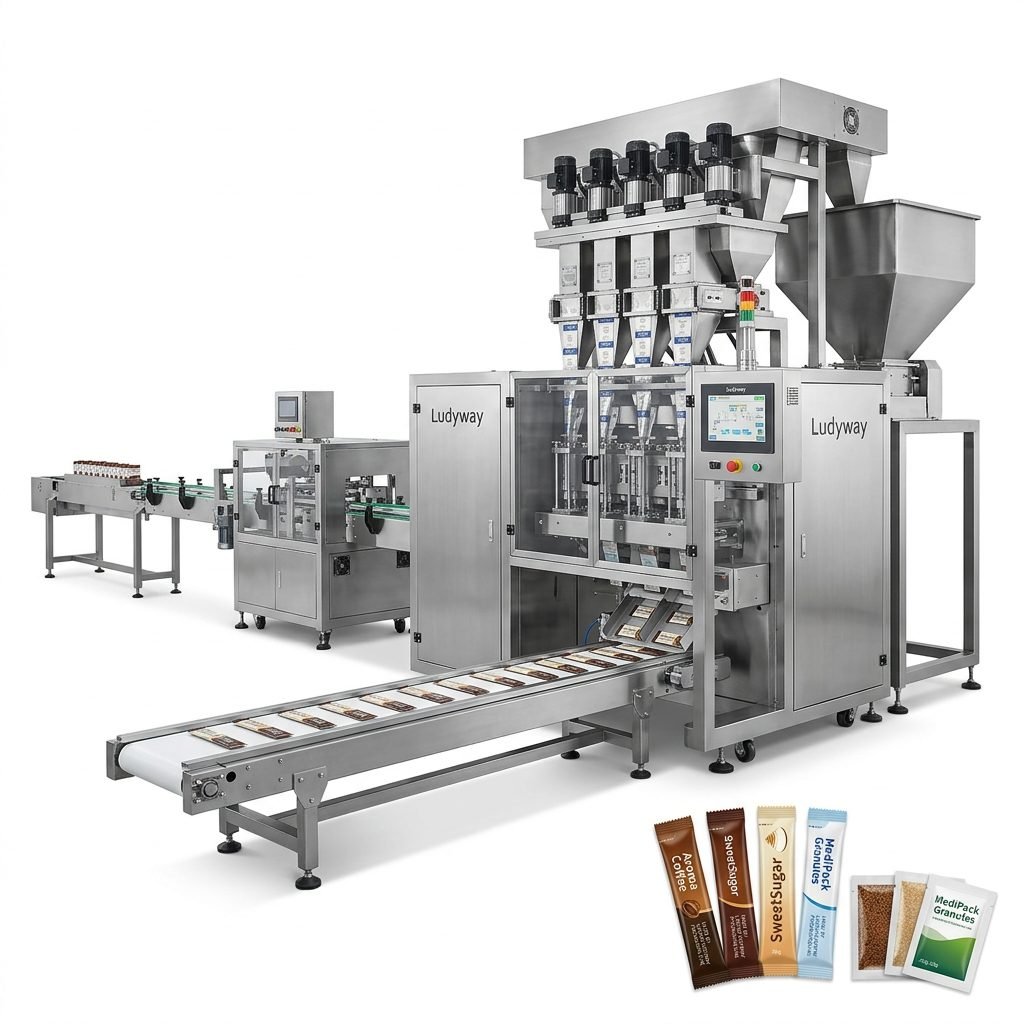
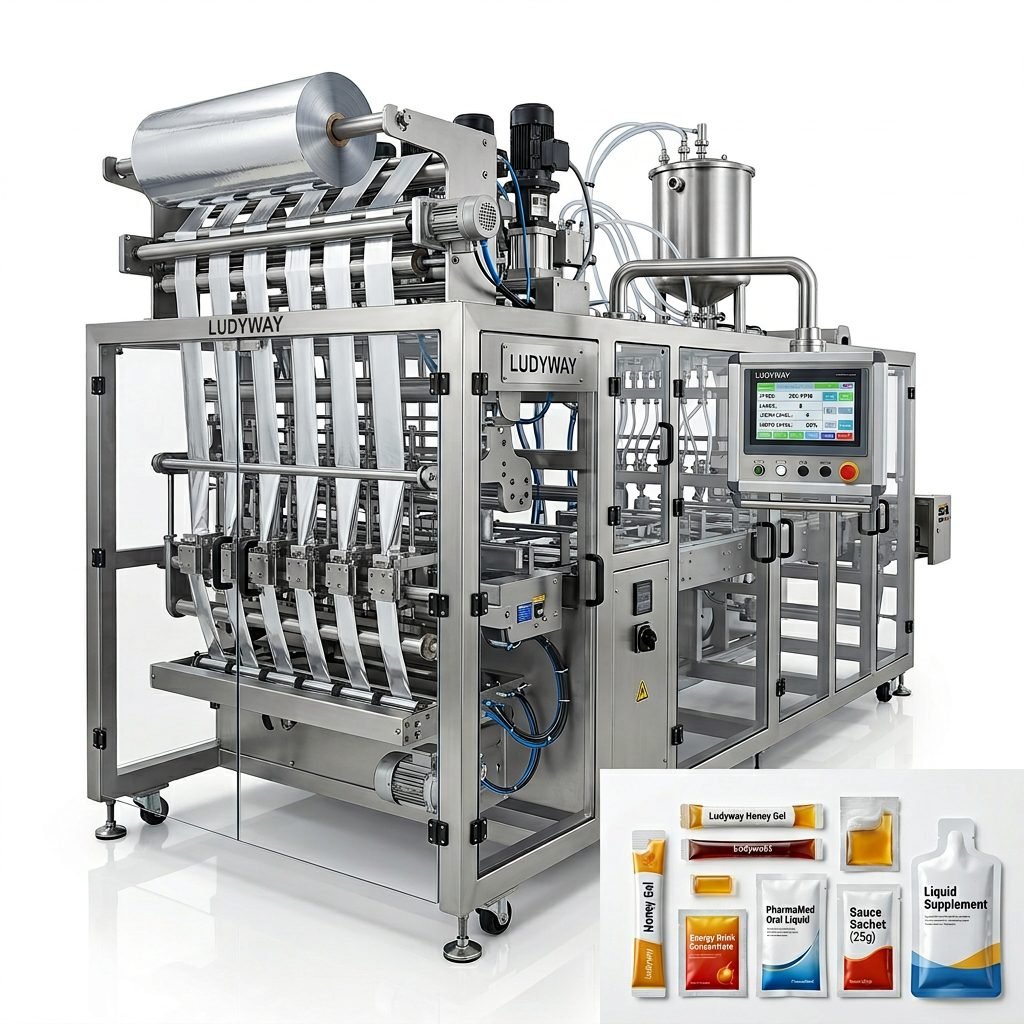
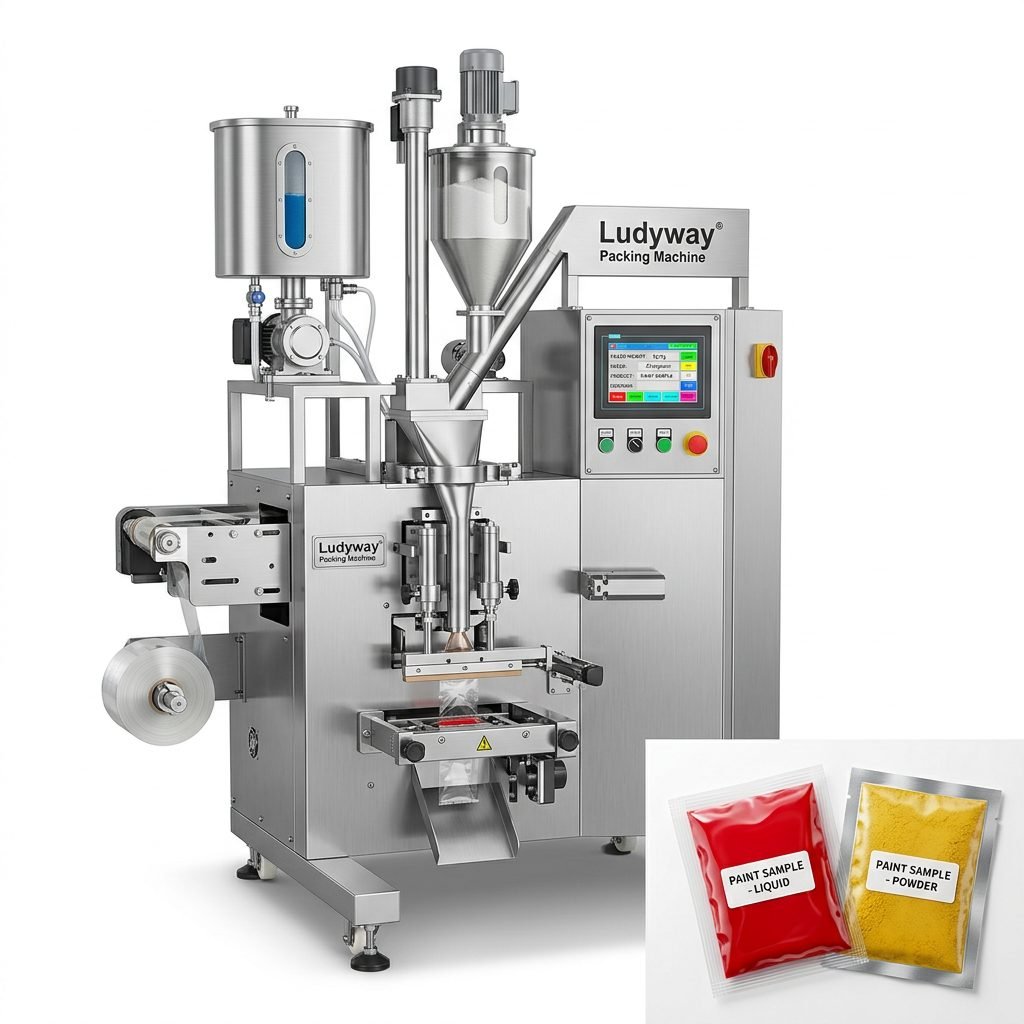
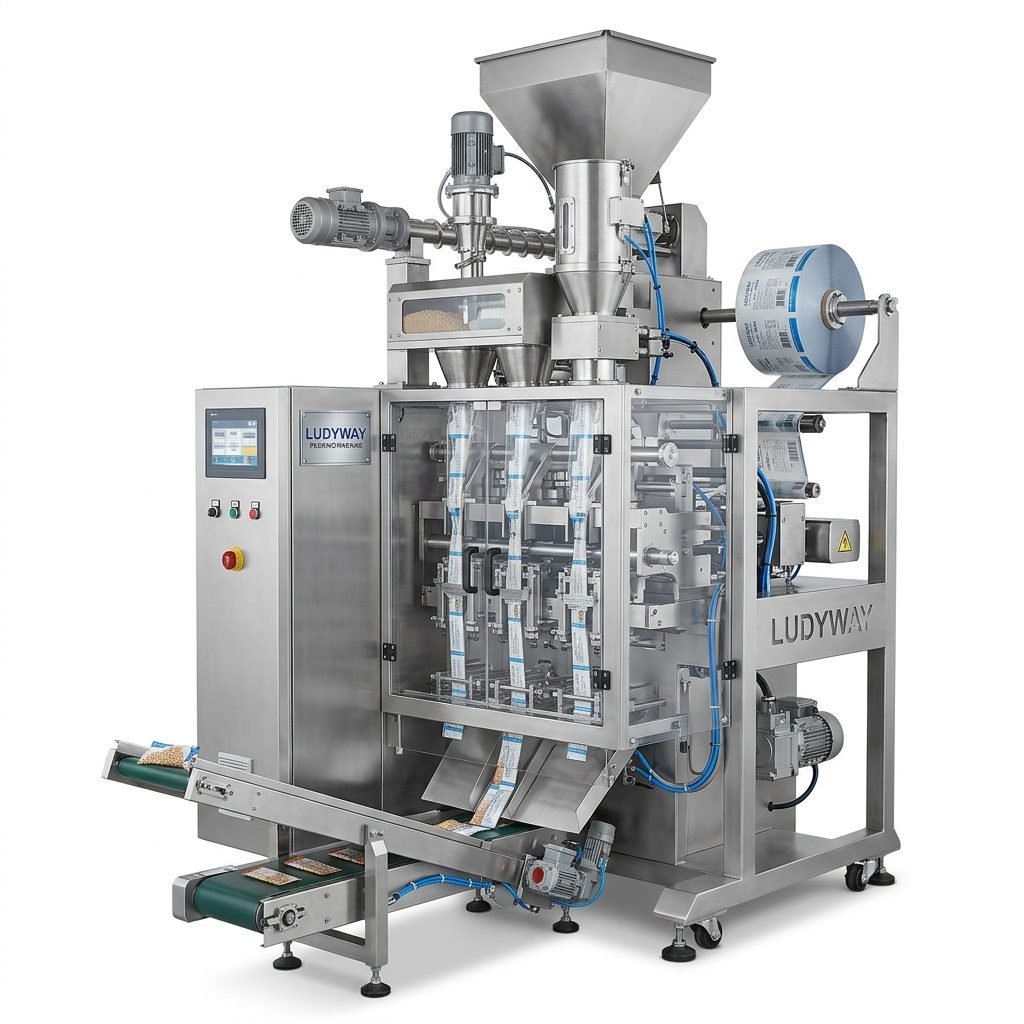
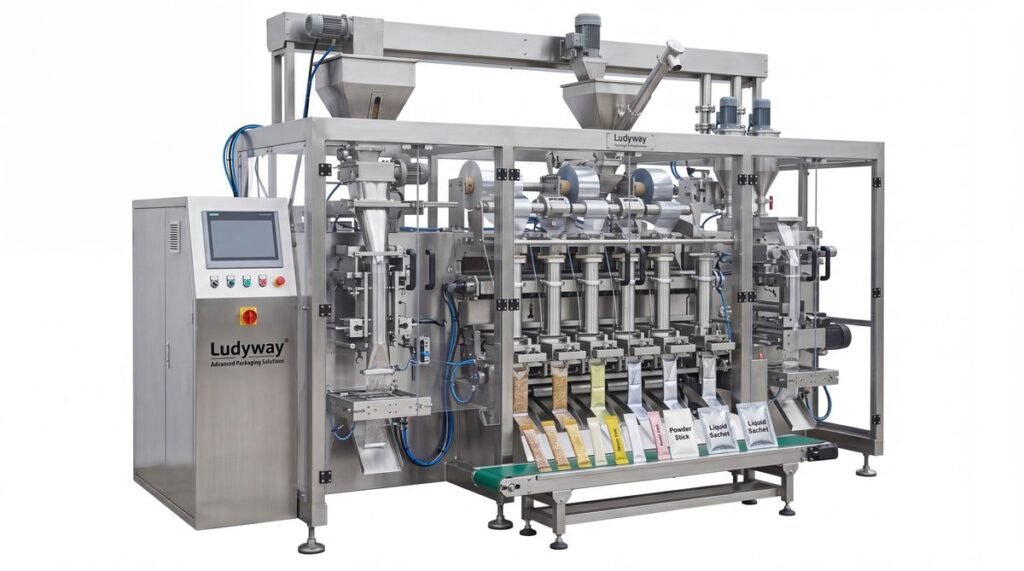
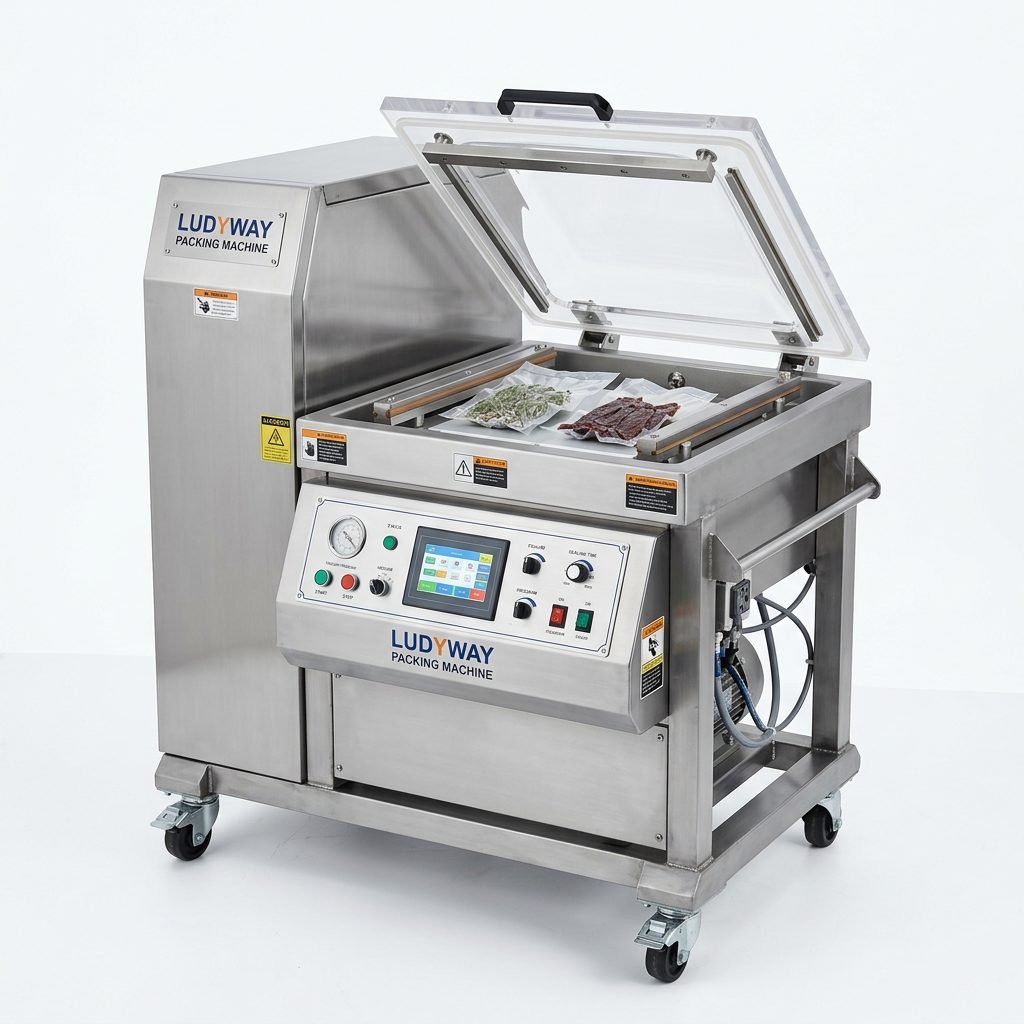
Investing in a capsule blister packing machine is a critical decision for pharmaceutical and nutraceutical manufacturers. The right equipment directly impacts product stability, patient safety, regulatory compliance, and overall operational efficiency. Whether you are packaging hard gelatin capsules, softgels, or combination products, selecting a machine that matches your production requirements requires careful evaluation of several interconnected factors. This guide walks you through the essential considerations to help you make an informed purchasing decision.
Understanding Blister Packaging Machine Types and Configurations
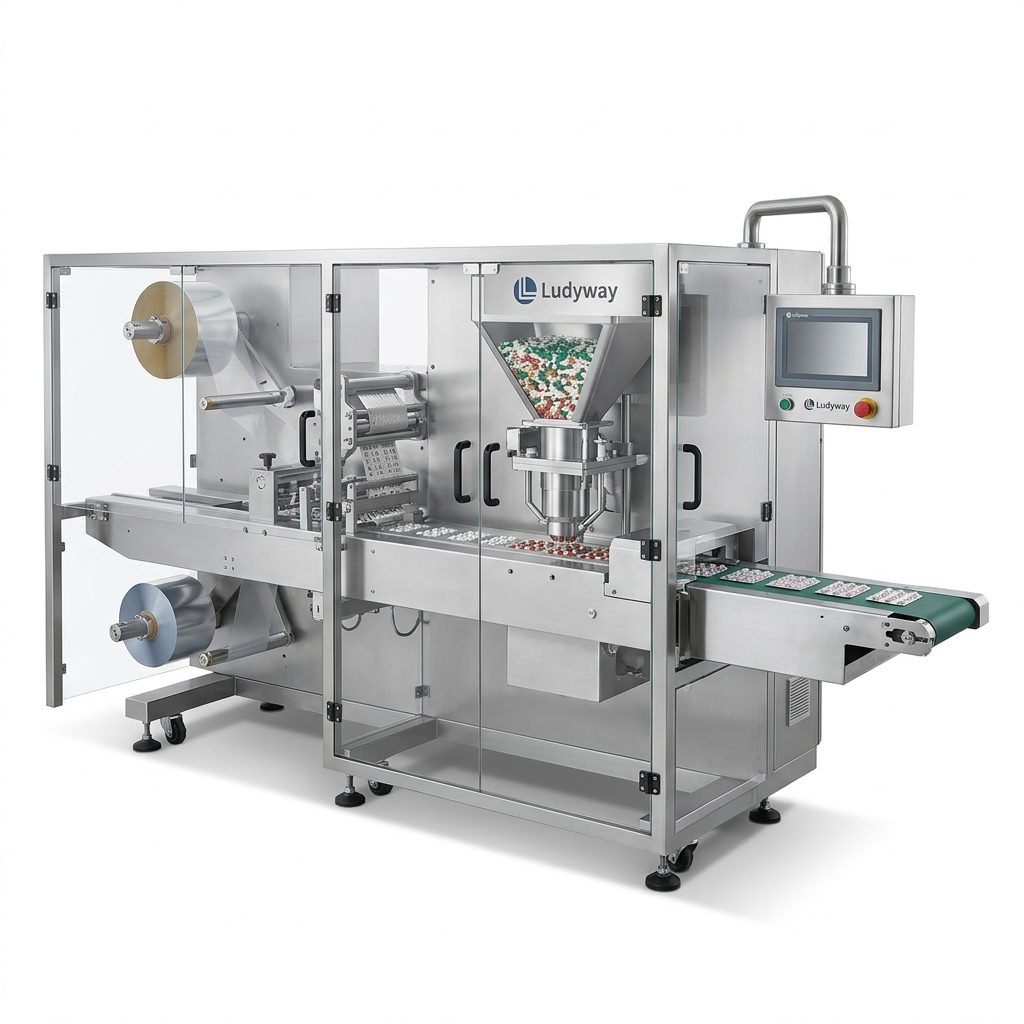
Before comparing technical specifications, it is important to understand the fundamental machine types available. Capsule blister packing machines are generally categorized by their forming method, sealing technology, and automation level. The two primary forming technologies are thermoforming and cold forming. Thermoforming uses heat to shape plastic films and is widely used for non-moisture-sensitive capsules. Cold forming uses aluminum-based laminates that provide superior barrier properties against moisture, oxygen, and light, making it the preferred choice for highly sensitive formulations.
Machine configurations range from semi-automatic flat-plate models suitable for small-batch production and clinical trial materials to fully automatic continuous-motion rotary systems designed for high-volume commercial manufacturing. According to PMMI packaging machinery market research, the trend continues toward integrated systems that combine blister forming, capsule filling, foil sealing, coding, perforating, and cartoning in a single automated line.
Key Technical Specifications to Evaluate
Your product characteristics should drive the technical evaluation. The following parameters require particular attention when assessing a capsule blister packing machine:
- Maximum Output Speed: Measured in blisters per minute or cycles per minute, this must align with your current and projected production volume.
- Forming Area Dimensions: The maximum forming depth and indexing length determine how many capsules can be packaged per blister card.
- Material Compatibility: Verify that the machine can handle your specified forming film, lidding foil, and any secondary packaging materials.
- Changeover Time: For facilities running multiple products, quick-change features significantly impact overall equipment effectiveness.
- Sealing Temperature and Pressure Control: Precise control ensures consistent seal integrity without damaging the capsules or packaging materials.
- Inspection System Integration: Modern machines should support vision inspection for blister completeness, foil integrity, and print quality verification.
Forming Film and Lidding Material Considerations
Packaging material selection directly affects machine configuration. PVC, PVDC-coated PVC, Aclar laminates, and cold-form aluminum each require specific forming station parameters. The lidding foil type — whether push-through, peelable, or child-resistant — determines the sealing station design and tooling requirements. Pharmaceutical manufacturers must also ensure that all food contact substances and packaging materials comply with applicable regulatory standards.
Cold-forming machines require higher forming pressures and more robust tooling compared to thermoforming equipment. If your product portfolio includes both moisture-sensitive and non-sensitive formulations, consider a machine that supports both forming technologies or plan for dedicated equipment for each process. The Flexible Packaging Association provides comprehensive resources on material properties and industry trends that can inform your material selection process.
Regulatory Compliance and Validation Requirements
Compliance with current Good Manufacturing Practices and relevant regulatory frameworks is non-negotiable. Equipment destined for pharmaceutical production must meet standards such as ISO 11607 for packaging of terminally sterilized medical devices and applicable pharmacopoeia requirements. Key compliance features include:
| Compliance Feature | Requirement | Validation Support |
|---|---|---|
| 21 CFR Part 11 Compliance | Electronic records and signatures | Audit trail, user access controls |
| IQ/OQ/PQ Documentation | Installation, operational, and performance qualification | Pre-packaged or customizable protocols |
| Material Traceability | Batch record generation and reporting | Integration with MES and ERP systems |
| Cleanroom Compatibility | ISO 14644 classification requirements | Stainless steel construction, HEPA filtration options |
Requesting a comprehensive validation support package from the equipment manufacturer can significantly accelerate your qualification timeline. Verify that documentation meets current regulatory expectations in your target markets, including FDA, EMA, and other relevant authorities where you plan to distribute your products.
Automation and Line Integration Capabilities
Modern pharmaceutical packaging lines demand seamless integration between the blister machine and upstream or downstream equipment. A capsule blister packing machine should communicate effectively with capsule filling machines, checkweighers, cartoners, case packers, and serialization systems. Industrial communication protocols such as OPC-UA and Ethernet/IP enable real-time data exchange and centralized line control. The PMMI 2025 State of the Industry report highlights integrated automation as a leading trend driving packaging machinery investment decisions.
Consider whether the machine supports automated format changeovers, recipe management, and remote diagnostics. These features become increasingly valuable as production complexity grows. Additionally, evaluate whether the control system architecture allows for future expansion, such as adding vision inspection modules or track-and-trace capabilities required by serialization regulations.
Total Cost of Ownership Analysis
Purchase price alone does not reflect the true investment in a capsule blister packing machine. A thorough total cost of ownership analysis should account for the following elements:
- Initial capital expenditure: Machine cost, tooling, installation, and facility modifications
- Operating costs: Energy consumption, compressed air requirements, and consumable parts
- Maintenance expenses: Preventive maintenance contracts, spare parts inventory, and technician training
- Material waste: Film and foil waste rates during startup, changeover, and continuous operation
- Production downtime: Mean time between failures and mean time to repair metrics
- Quality costs: Rejection rates, rework, and potential recall exposure from packaging defects
Supplier Evaluation and After-Sales Support
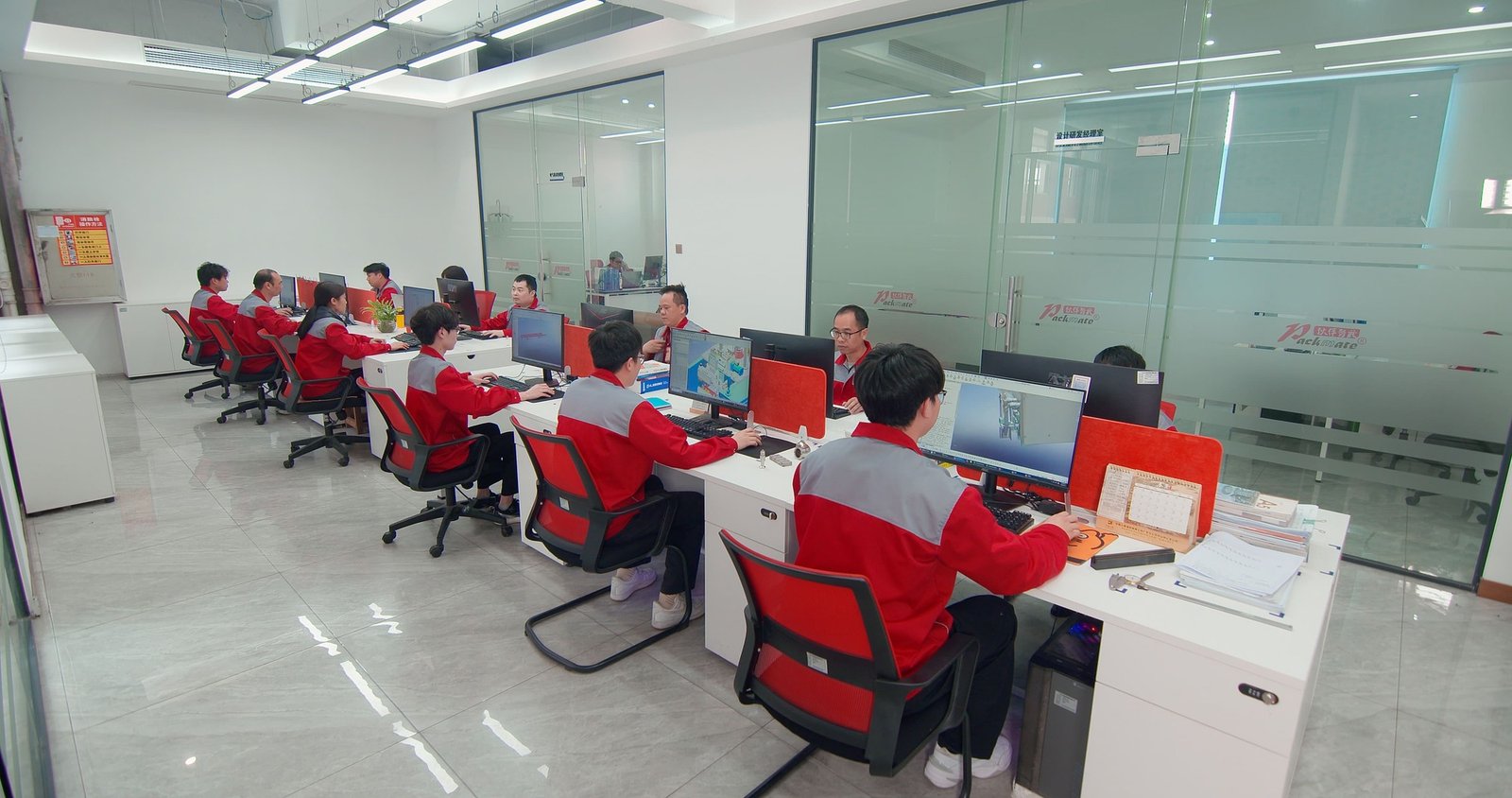
Selecting the right equipment partner is as important as choosing the right machine. Evaluate potential suppliers based on their industry experience, technical expertise, and service infrastructure. A supplier with established pharmaceutical packaging knowledge can provide valuable guidance on machine configuration, regulatory compliance, and process optimization. Companies like Ludyway Machinery, a China-based packaging machinery manufacturer with more than 30 years of experience and a presence in over 100 countries, offer integrated packaging solutions that span the entire project lifecycle — from machine selection and customization through installation, commissioning, and ongoing technical support.
Investigate the supplier’s spare parts availability, technical support responsiveness, and training programs. Request references from customers with similar applications and visit operating installations when possible. Understanding the supplier’s engineering capabilities and commitment to supporting your equipment throughout its operational life will help ensure a successful long-term partnership.
Final Selection Recommendations
Choosing the right capsule blister packing machine requires balancing technical requirements, regulatory obligations, operational needs, and financial considerations. Start by clearly defining your product characteristics, production volume targets, and quality standards. Then evaluate machines against these criteria while considering total cost of ownership and supplier capabilities. Engaging with packaging industry resources such as PMMI packaging industry resources and European Commission packaging regulations can provide additional context for your decision-making process. By methodically addressing each consideration outlined in this guide, you can select equipment that delivers consistent quality, regulatory compliance, and reliable performance for years to come.