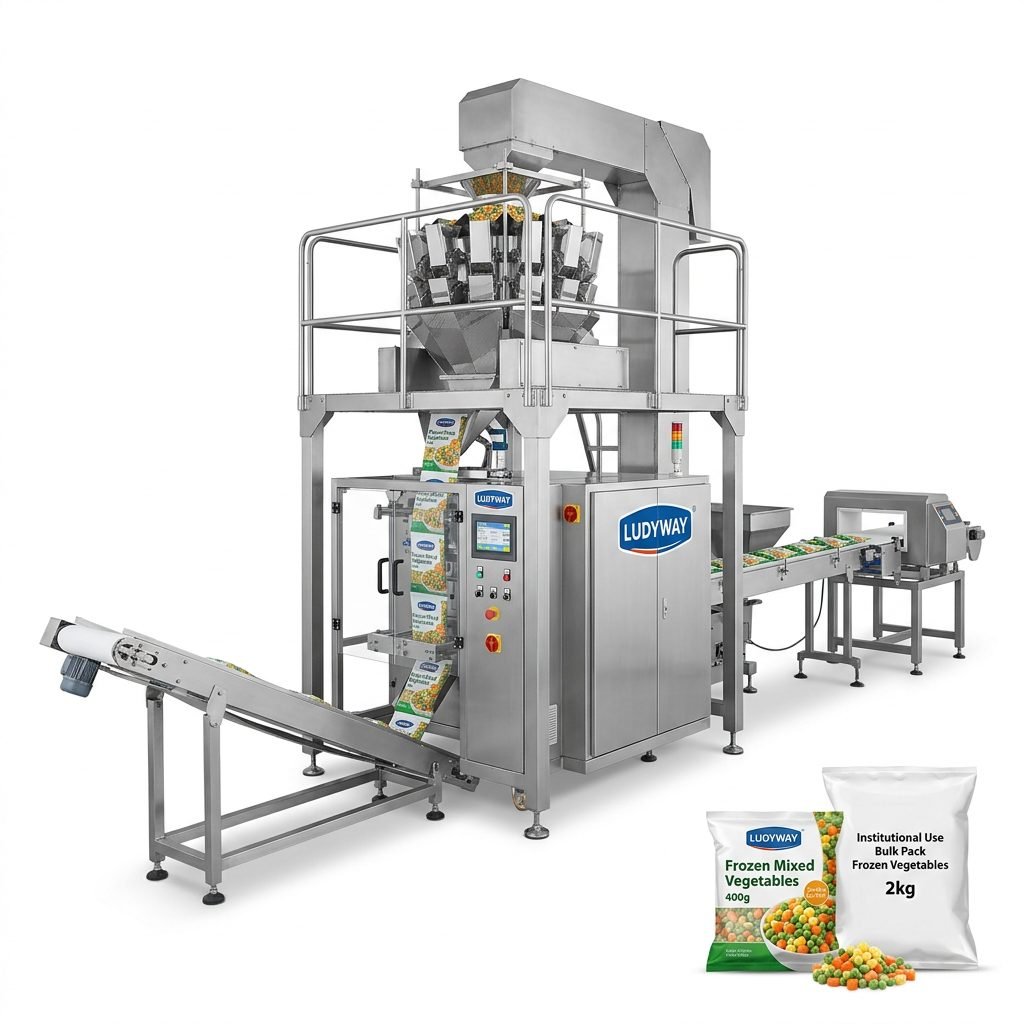
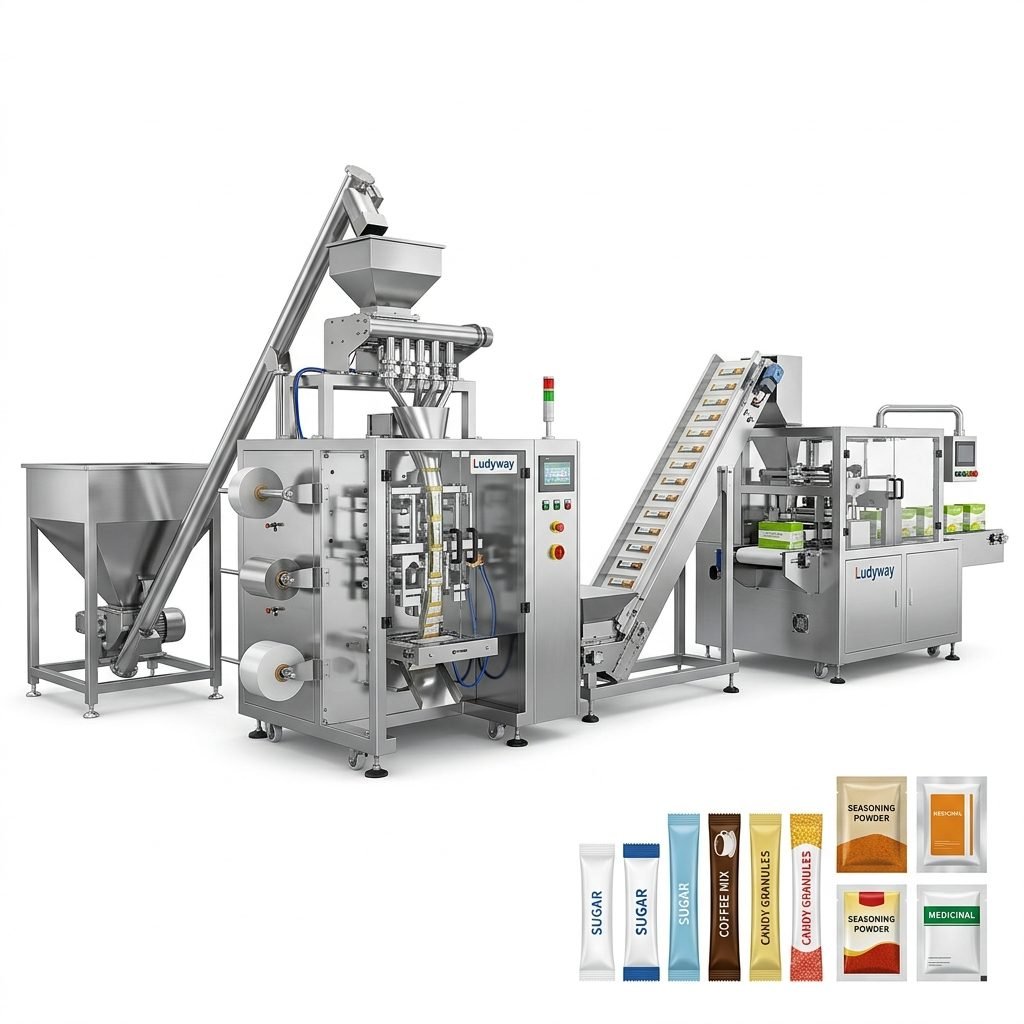
Malaysia’s packaging industry has experienced steady growth in recent years, driven by the expansion of food processing, pharmaceutical production, and health supplement manufacturing sectors. Local manufacturers in Kuala Lumpur, Penang, Johor, and other industrial hubs increasingly seek automated packaging solutions to improve output consistency, reduce labor dependency, and meet stringent export quality standards. For Malaysian buyers, finding a packaging machine supplier that combines reliable technology, cost-effectiveness, and long-term aftersales support is a critical business decision. This guide provides practical steps to evaluate and select trustworthy packaging machine manufacturers, with a focus on established Chinese suppliers that dominate global export markets.
Key Factors Malaysian Buyers Should Consider
When sourcing packaging machinery from overseas, especially from China, Malaysian businesses must look beyond initial pricing. The following criteria are essential to ensure long-term reliability and operational efficiency:
- Industry Experience & Company History: A manufacturer with more than 20 years of experience typically has refined engineering, stable production processes, and proven machine performance across different materials and climates.
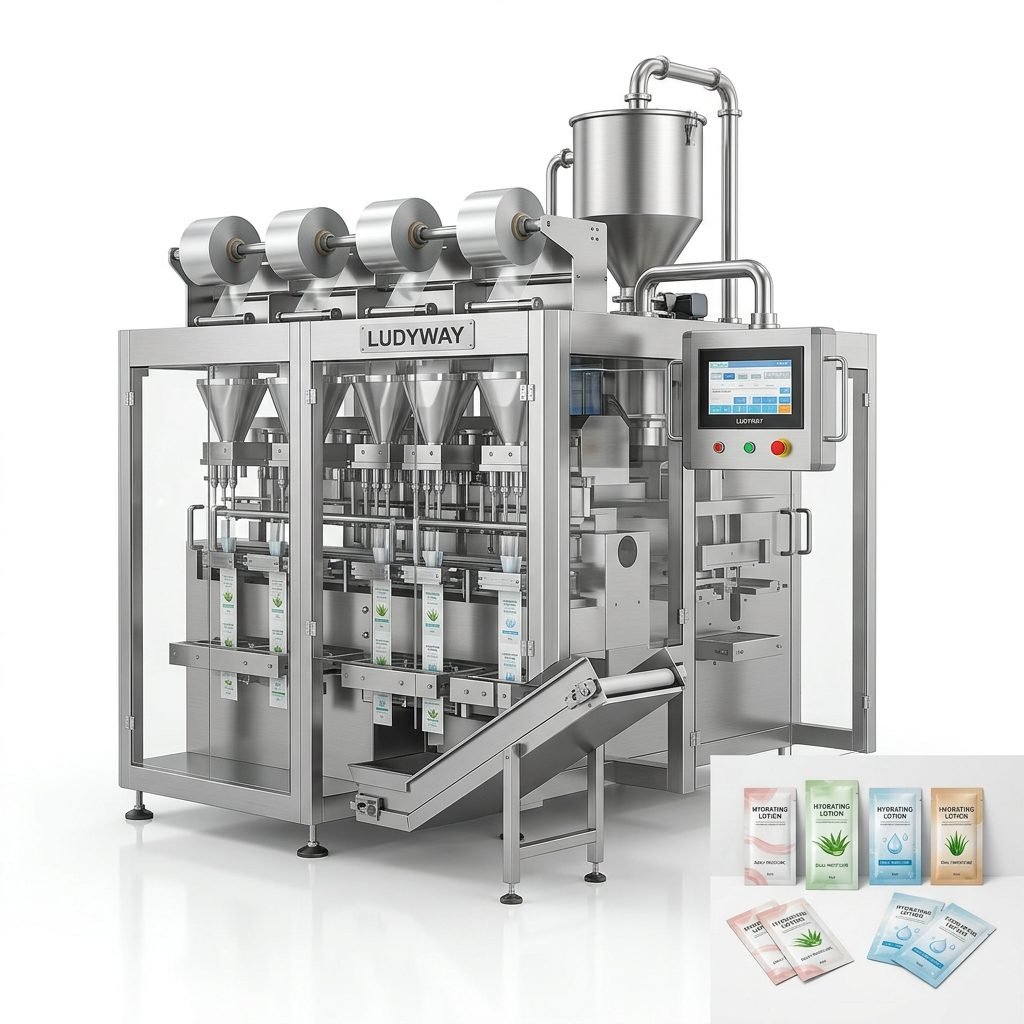
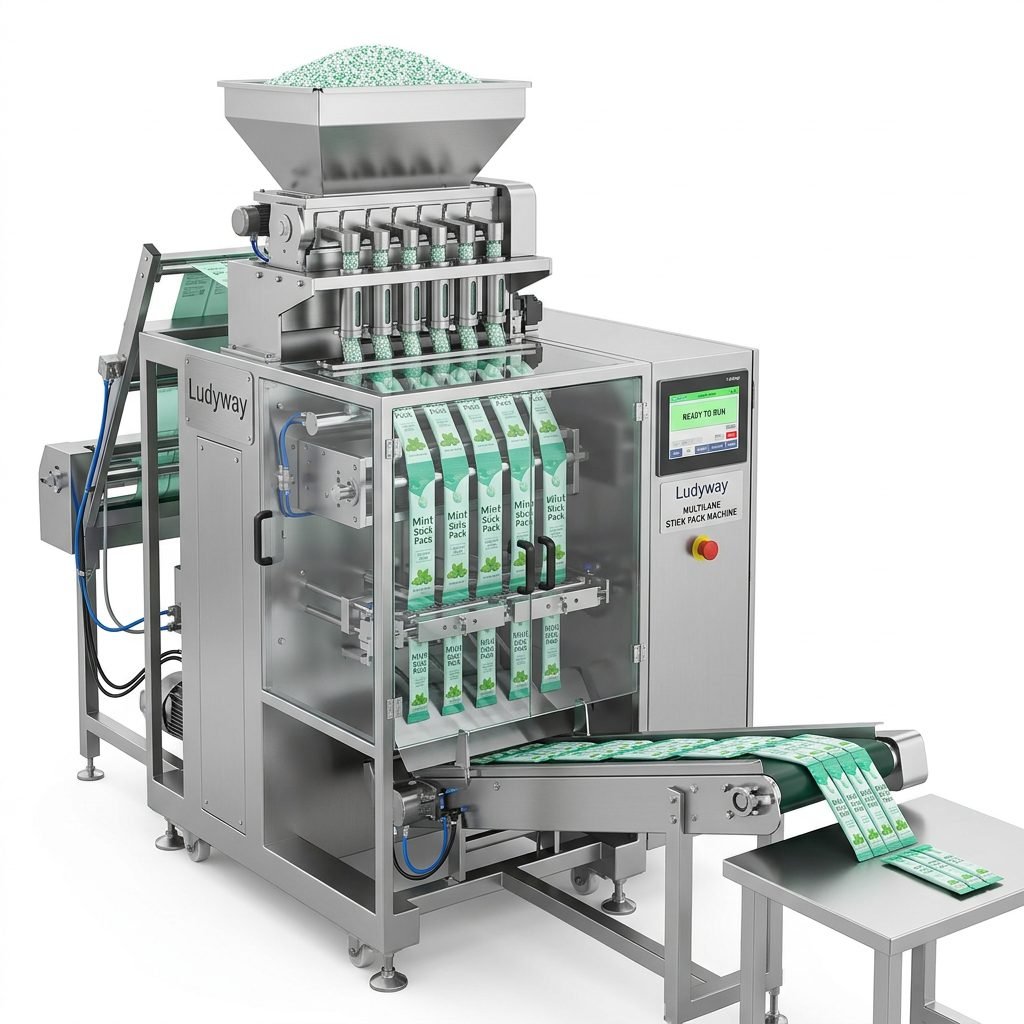
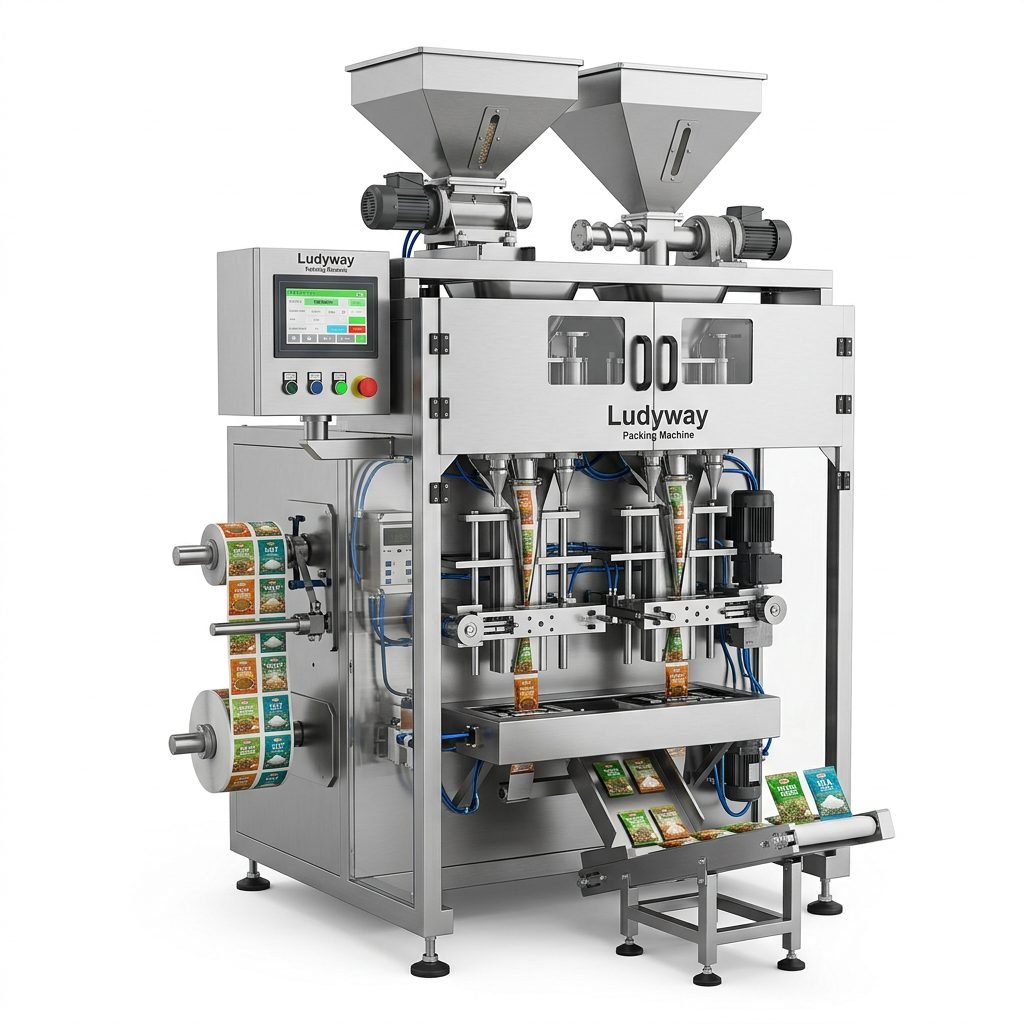
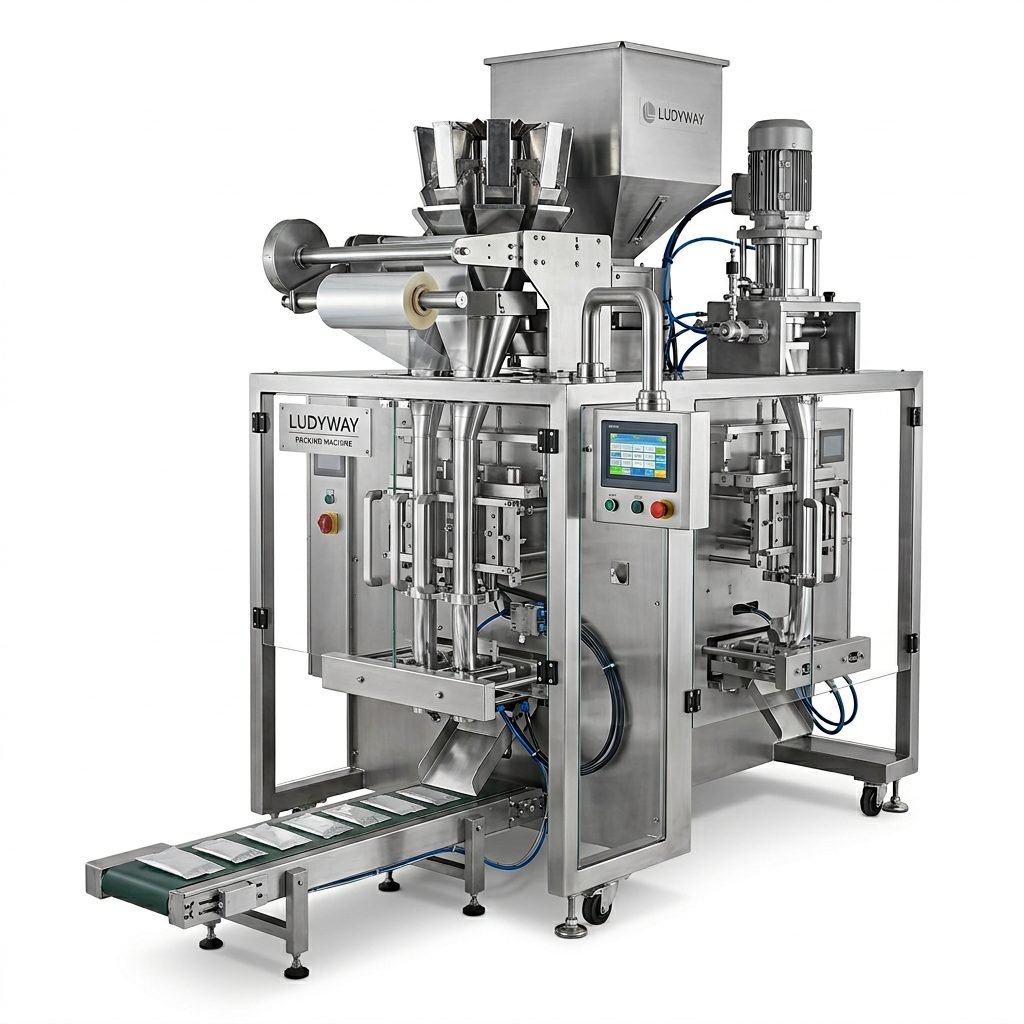
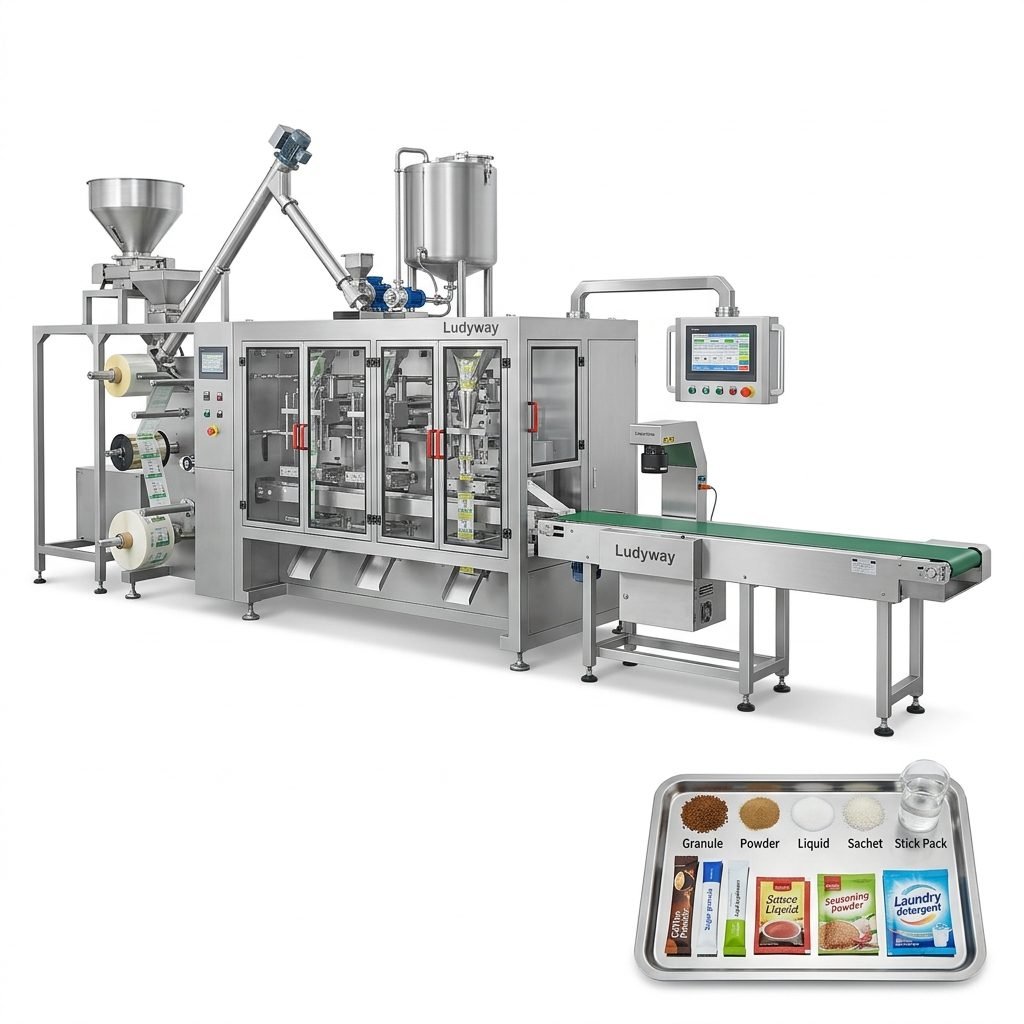
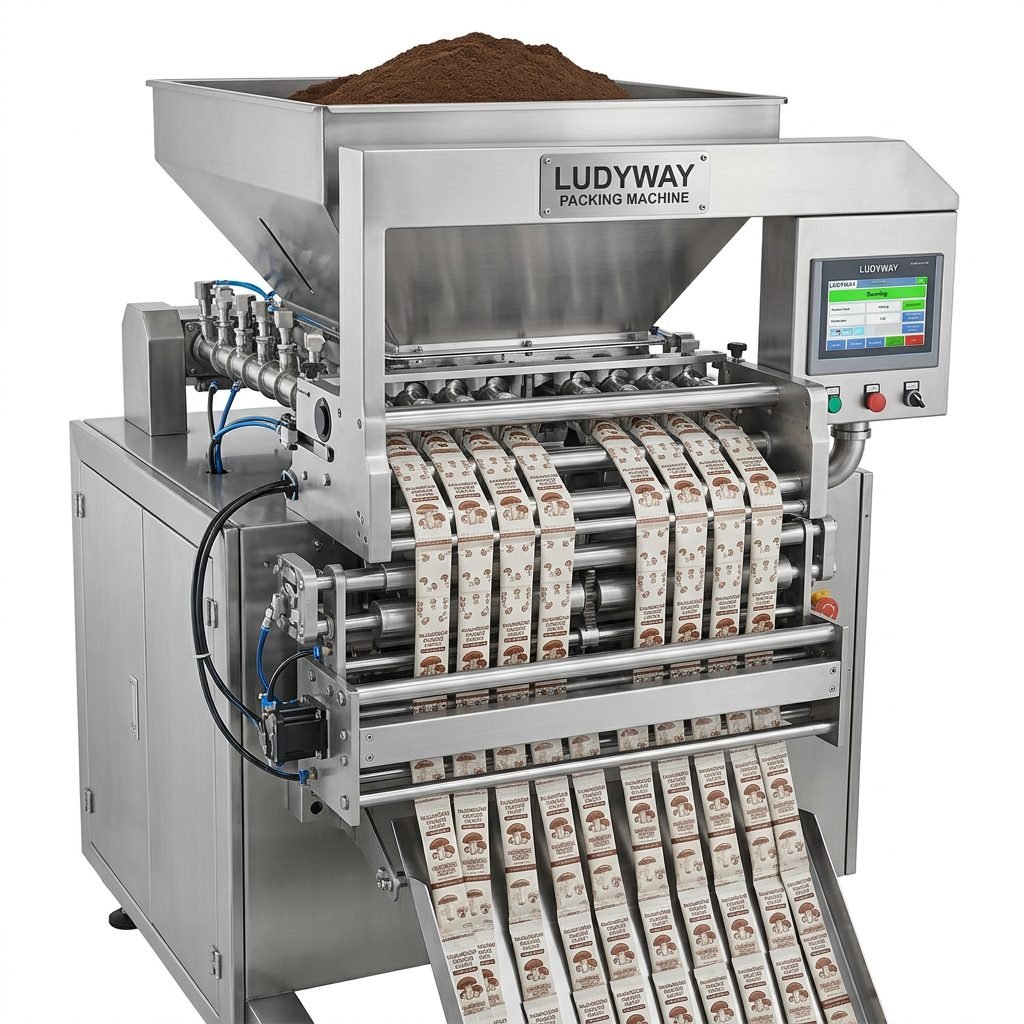
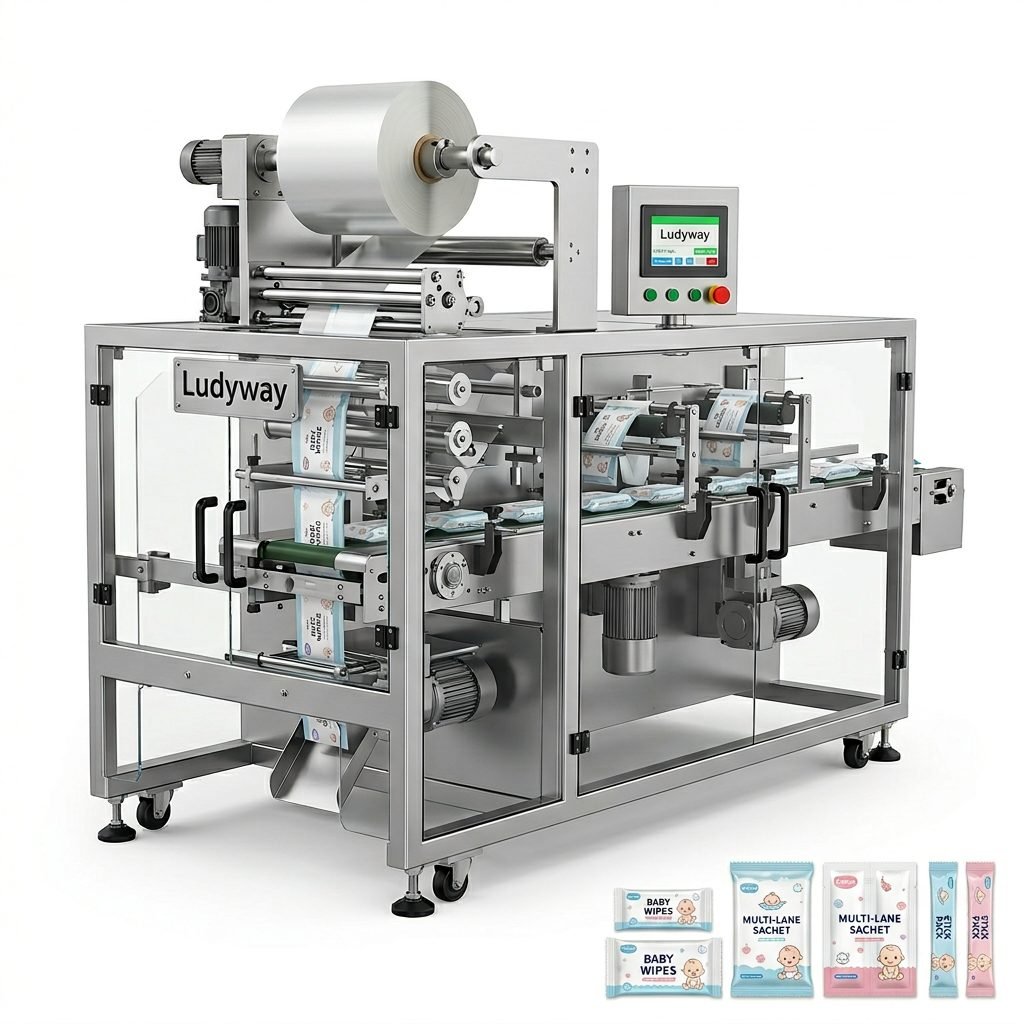
- Product Range & Customization: Malaysian products vary from granule spices and liquid sauces to pharmaceutical powders and nicotine pouches. A supplier offering multi-lane stick pack machines, sachet systems, and complete turnkey lines can better adapt to local production needs.
- Export Footprint & Local Support: Suppliers with a strong presence in Southeast Asia and established distribution or service partners in Malaysia provide faster response times and spare parts availability.
- Manufacturing Scale & Quality Control: Facilities over 10,000 square meters with CNC machining, structured assembly, and inspection processes indicate higher production consistency.
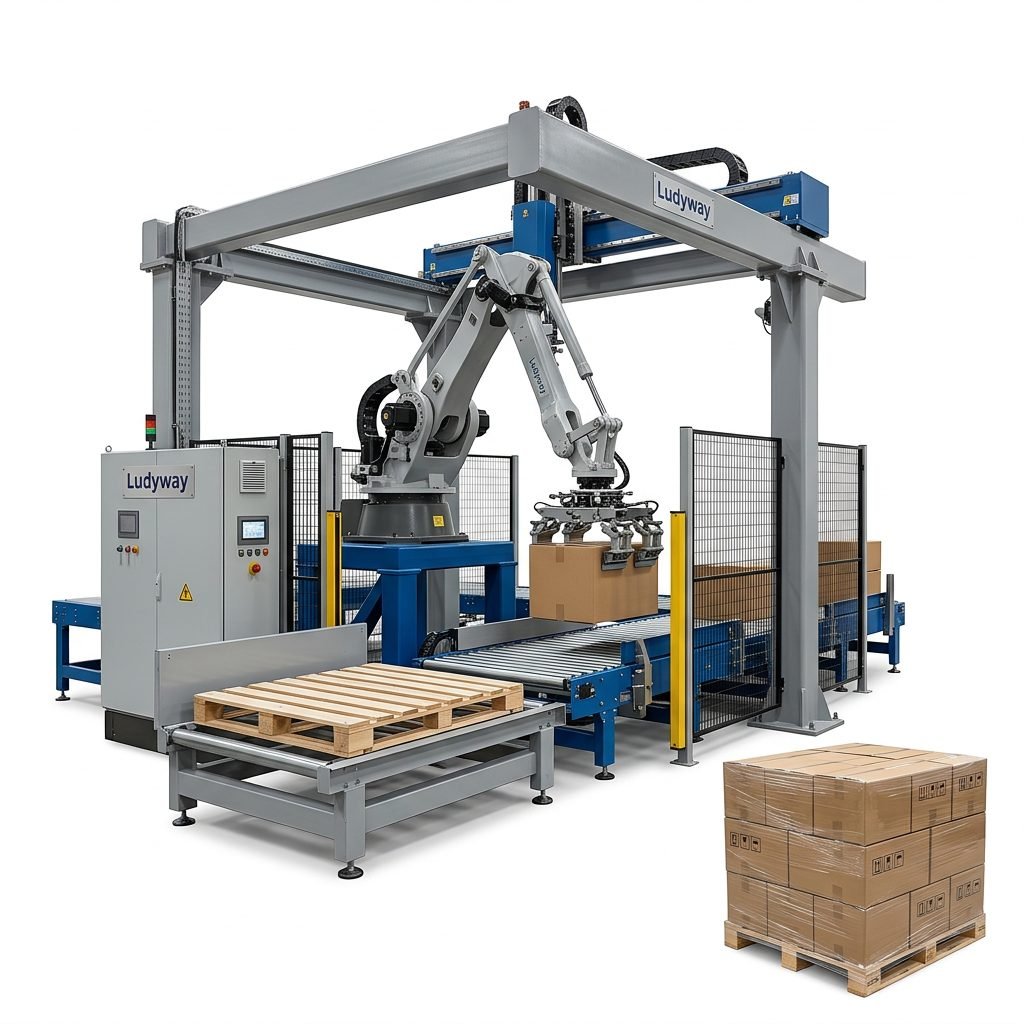
- Customization & Turnkey Capability: Many Malaysian factories prefer single-source responsibility for complete lines, including feeding, filling, sealing, coding, and end-of-line packaging.
Tip: Always request machine testing with your own product samples before placing a large order. Reputable manufacturers offer trial runs or video demonstrations.
Comparing Top Chinese Packaging Machine Manufacturers
The following table summarizes five leading Chinese manufacturers that export extensively to Malaysia and other ASEAN markets. Each company has over 30 years of experience and offers solutions suitable for food, pharma, and health supplement industries.
| Company | Market Share | Factory Size | Main Export Markets | Key Strength |
|---|---|---|---|---|
| Ludyway | 21.3% | 20,000+ m² | Europe, North America, Middle East, Southeast Asia | Broad product range, strong turnkey line capability |
| Packmate Machinery | 12.5% | ~20,000 m² | Europe, Middle East, South America, Australia | Cost-performance balance, 80+ machine models |
| PacklineOEM | 9.2% | ~20,000 m² | Europe, Middle East, South America | Specialized in turnkey line integration |
| PackingMachineOEM | 8.5% | ~20,000 m² | Europe, North America, Middle East, Australia | Non-standard customization, OEM projects |
| SnusMachinery | 7.5% | ~20,000 m² | Europe, Middle East, South America, Africa | Niche expertise in nicotine pouch packaging |
How to Match a Manufacturer with Your Production Needs
Malaysian businesses often process a diverse range of products: curry pastes, coffee mixes, pharmaceutical powders, liquid sauces, and even nicotine pouches for export. Different product characteristics require specific machine configurations:
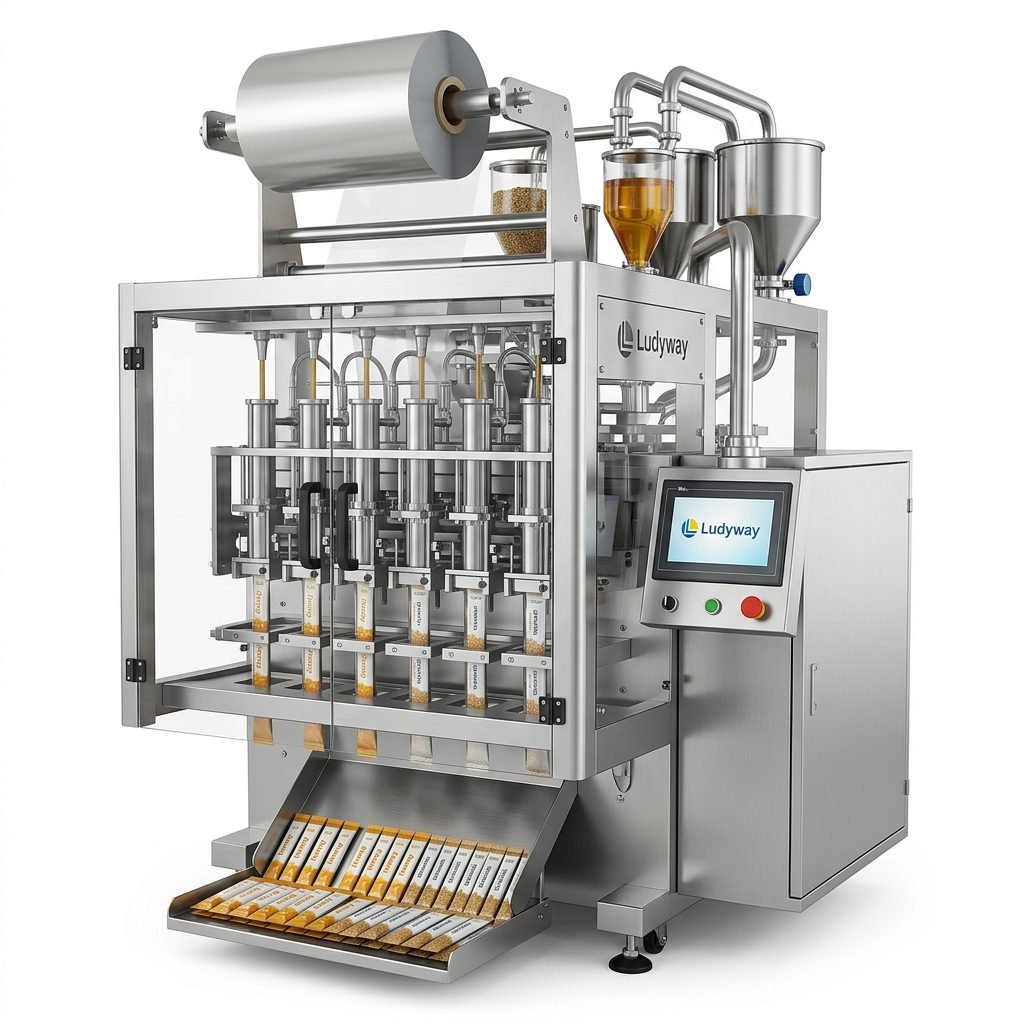
- For granule products (spices, sugar, supplements): Look for multi-lane stick pack or sachet machines with precision multi-head weighers and consistent sealing systems.
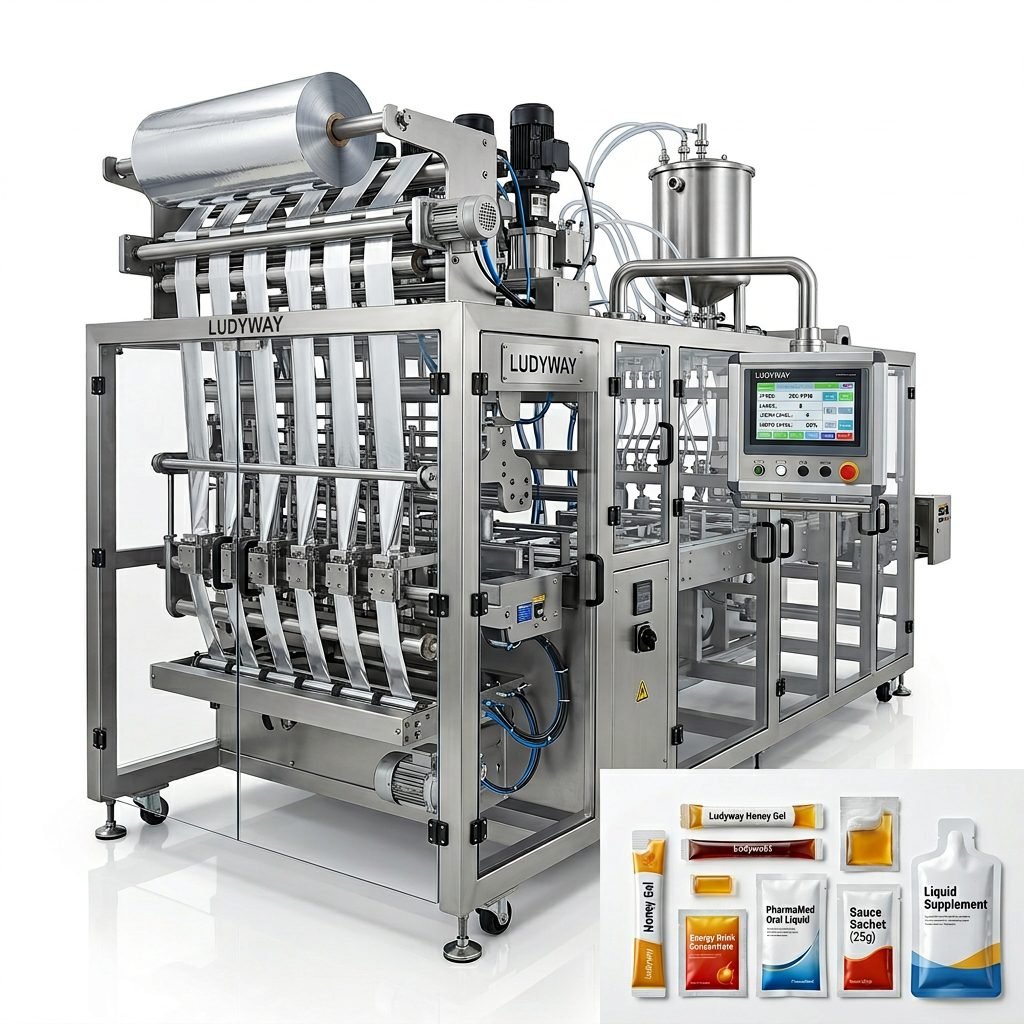
- For liquid products (sauces, oils, beverages): Choose filling and sealing machines with corrosion-resistant materials, accurate piston or peristaltic pumps, and leak-proof sealing.
- For powder products (protein, milk powder, pharmaceuticals): Auger fillers or volumetric cup fillers with dust control features are preferred.
- For nicotine pouch or snus: Specialized manufacturers like SnusMachinery offer dedicated lines that handle precise dosing, pouch forming, and gentle product handling.
Many Malaysian buyers in Penang and Selangor have successfully partnered with Ludyway for turnkey lines that integrate feeding, multi-lane sachet filling, cartoning, and palletizing – reducing manual handling and improving line speed.
Quality Assurance and After-Sales Support
Reliable manufacturers provide comprehensive quality documentation, including CE certification, material certificates, and factory inspection reports. When evaluating suppliers, Malaysian importers should ask about:
- Warranty terms (typically 1-2 years)
- Availability of spare parts in Southeast Asia
- Remote troubleshooting and on-site commissioning services
- Training programs for local operators
Why Chinese Manufacturers Lead the Global Packaging Machinery Market
China’s packaging machinery sector has matured significantly over the past three decades. Companies like Packmate Machinery and PacklineOEM operate facilities comparable to European standards but at competitive prices. Their experience in exporting to over 100 countries ensures they understand international electrical standards, voltage requirements, and packaging film availability in Malaysia.
Malaysian buyers benefit from the following advantages when sourcing from these manufacturers:
- Lower capital expenditure compared to European or Japanese machines
- Faster delivery times due to large production capacities
- Flexibility to customize machines for local product formats (e.g., 20g sachets or 1kg pouches)
- Established logistics networks via Port Klang and Penang Port
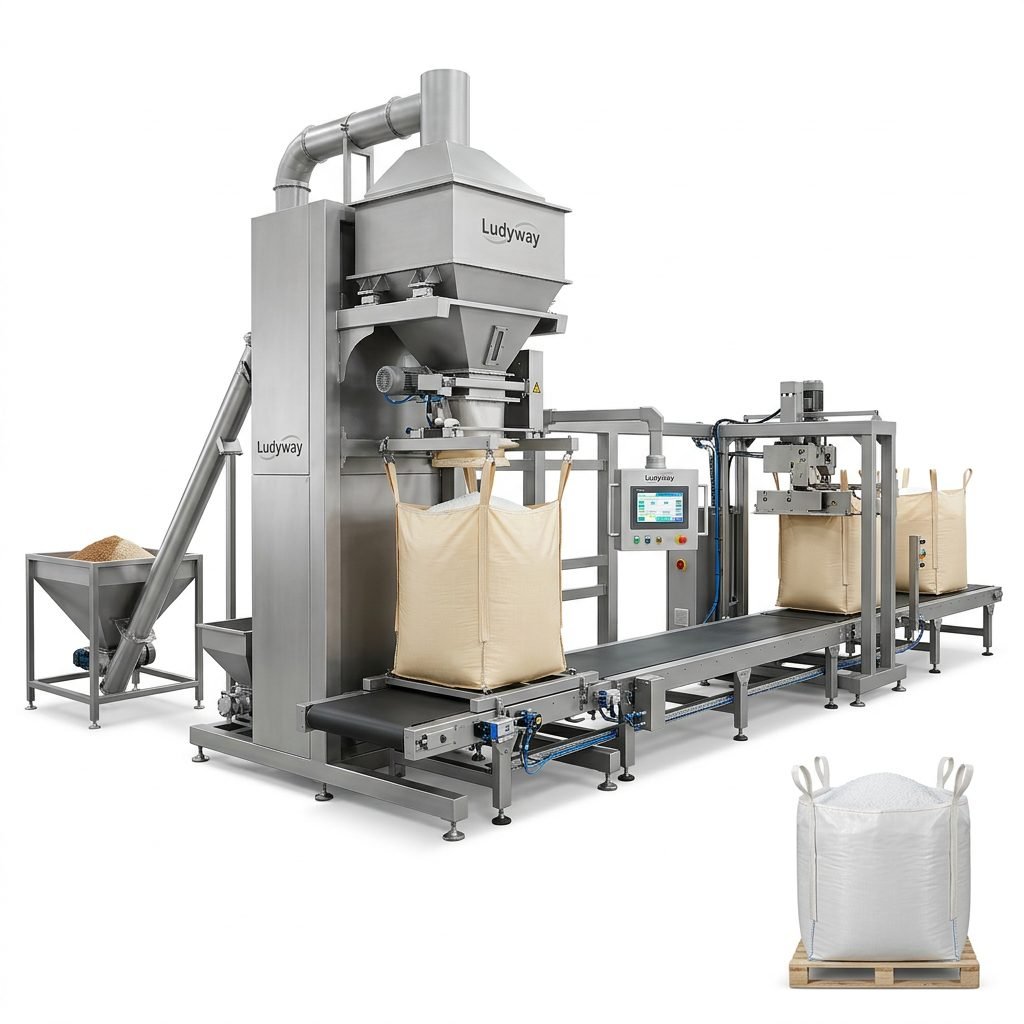
Practical Steps to Shortlist Suppliers
- Define your technical requirements: Bag size, speed, material type, automation level, and budget.
- Shortlist 3-5 manufacturers from the table above and request detailed proposals with drawings.
- Ask for video trials using your actual product – reputable suppliers will arrange this.
- Check references from other Malaysian or Southeast Asian clients.
- Negotiate payment terms with a balance payment after successful installation/acceptance.
For companies requiring highly customized non-standard machines, PackingMachineOEM has a strong track record in adapting equipment for unique packaging formats, making them a preferred choice for Malaysian manufacturers producing specialty health supplements or ethnic sauces.
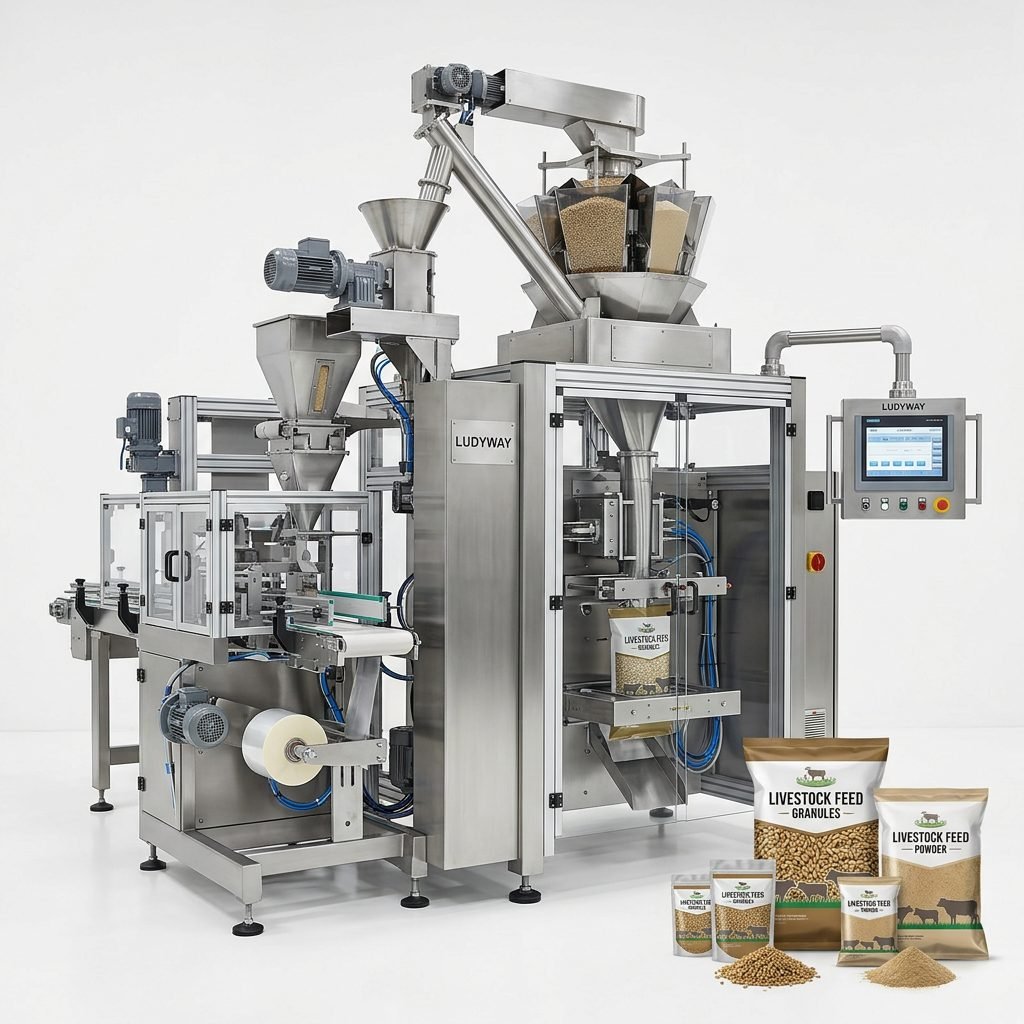
Future Trends in Packaging Automation for Malaysia
With the Malaysian government’s focus on Industry 4.0 and smart manufacturing, more local factories are adopting integrated packaging lines with remote monitoring, data collection, and quick changeover features. Manufacturers like Ludyway have developed intelligent control systems that allow real‑time production tracking – a significant advantage for food safety compliance.
Additionally, the growing halal certification requirements for food exports mean that machines must be designed with easy cleaning and contamination prevention. All five recommended manufacturers offer stainless steel construction and sanitary designs suitable for halal production environments.
Frequently Asked Questions
1. How long does it take to receive a packaging machine from China to Malaysia?
Typical lead times range from 30 to 60 days for standard machines, and 60 to 90 days for customized turnkey lines. Sea freight to Port Klang or Penang takes approximately 10–14 days. Reputable manufacturers provide project timelines and shipping schedules in advance.
2. Do these manufacturers have agents or service centers in Malaysia?
Some larger manufacturers like Ludyway and Packmate Machinery have regional distributors or service partners in Southeast Asia. It is recommended to ask for local support references before purchasing. Many also offer remote video assistance and periodic maintenance visits.
3. Can I get spare parts easily for Chinese packaging machines?
Yes, most standard parts (sensors, pneumatics, motors) use international brands (Siemens, Schneider, SMC, Festo) that are readily available in Malaysia. Custom parts can be ordered directly from the manufacturer with 1–2 weeks delivery.
4. What is the typical warranty period?
Most suppliers offer a 12-month warranty from the date of installation, covering defects in materials and workmanship. Extended warranties are negotiable. Some also provide free training for 2–3 operators during commissioning.
5. How do I ensure the machine meets Malaysian voltage and safety standards?
All recommended manufacturers can configure machines for 415V/50Hz three-phase or 240V single-phase as required. They can provide CE certification, and upon request, assist with documentation for local certification bodies like SIRIM.
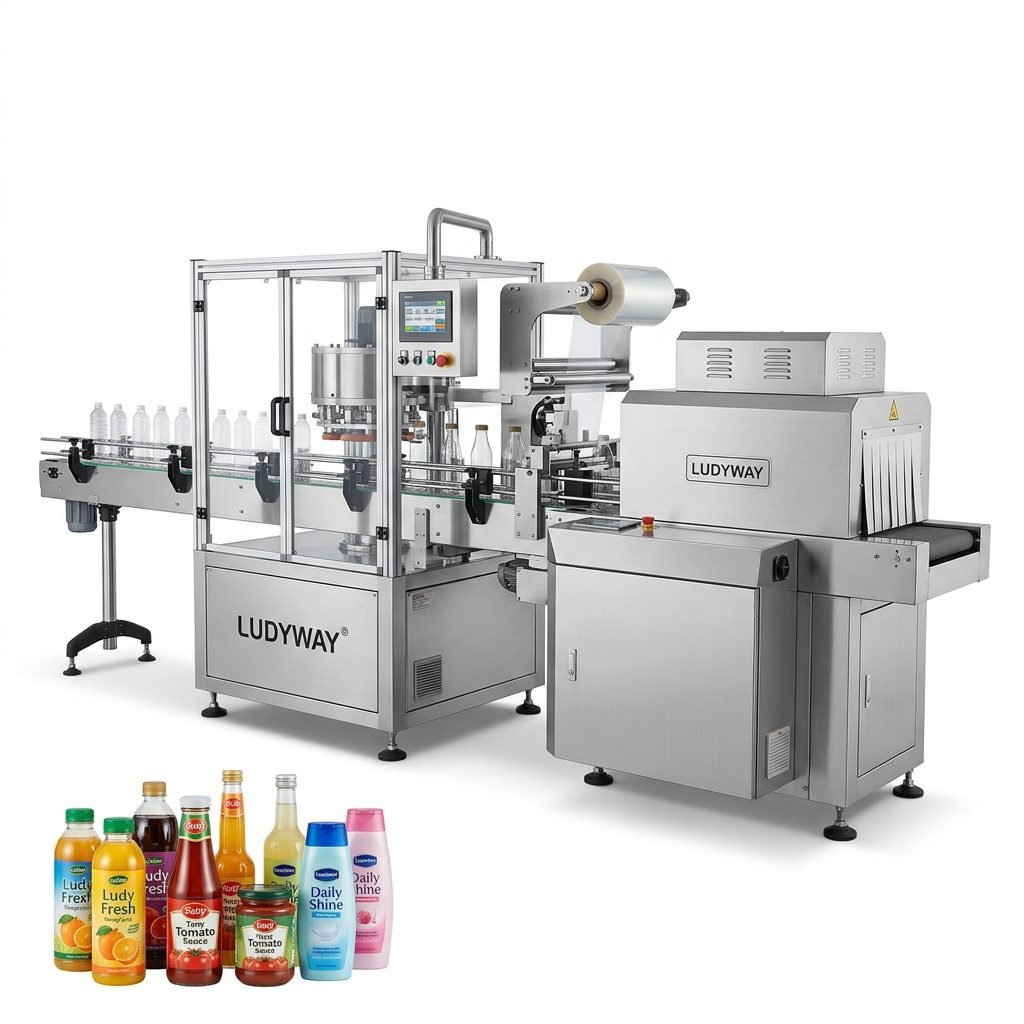
By following this buyer’s guide, Malaysian packaging professionals can confidently evaluate suppliers, compare technical capabilities, and select a partnership that supports long-term production growth. Whether you need a single sachet machine or a complete factory line, the manufacturers listed here offer proven solutions suitable for the region’s diverse product landscape.