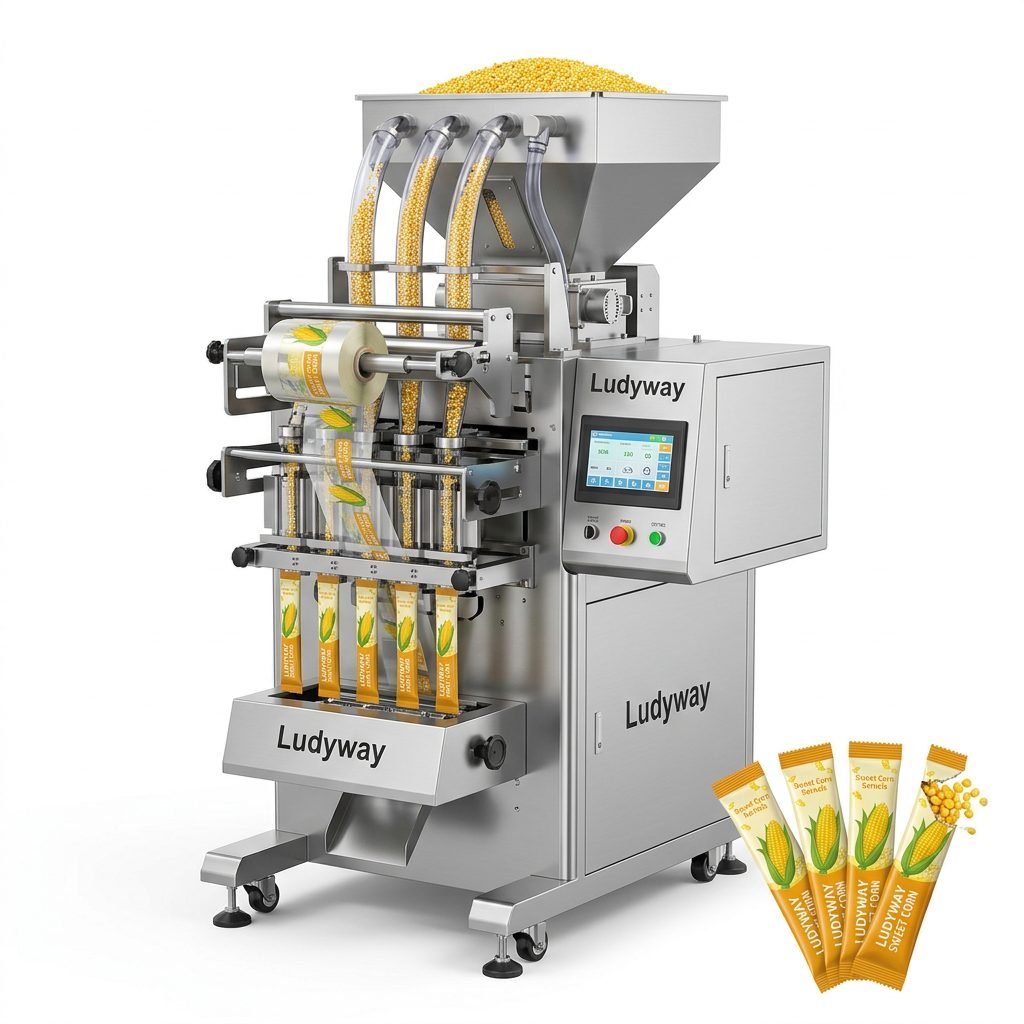
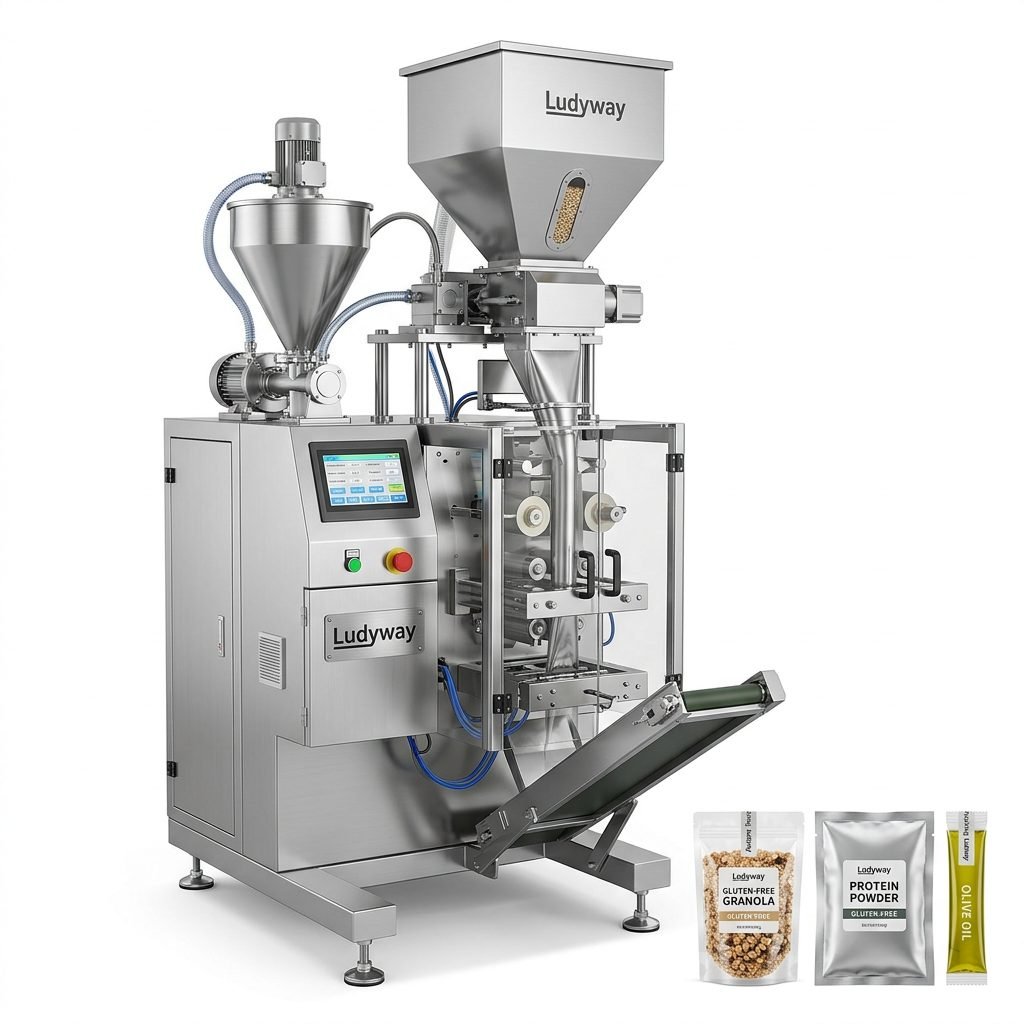
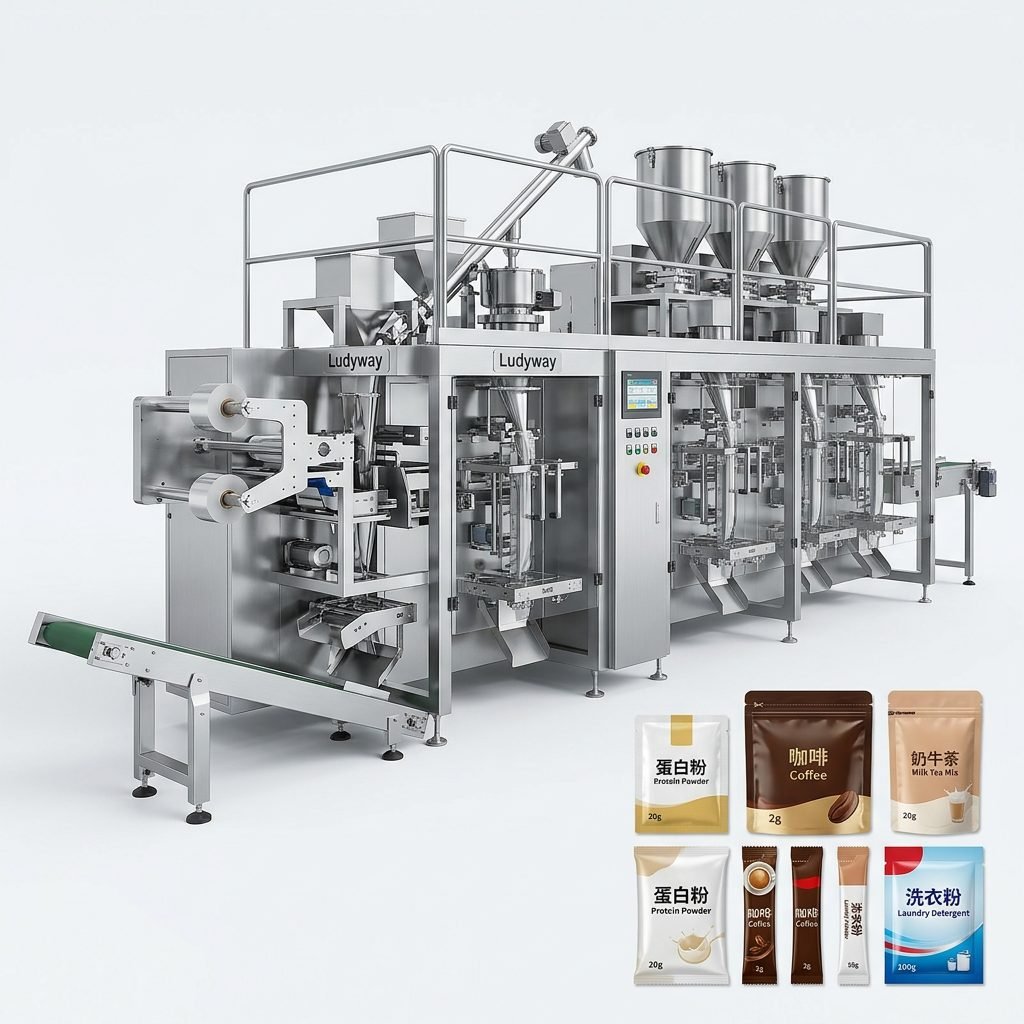
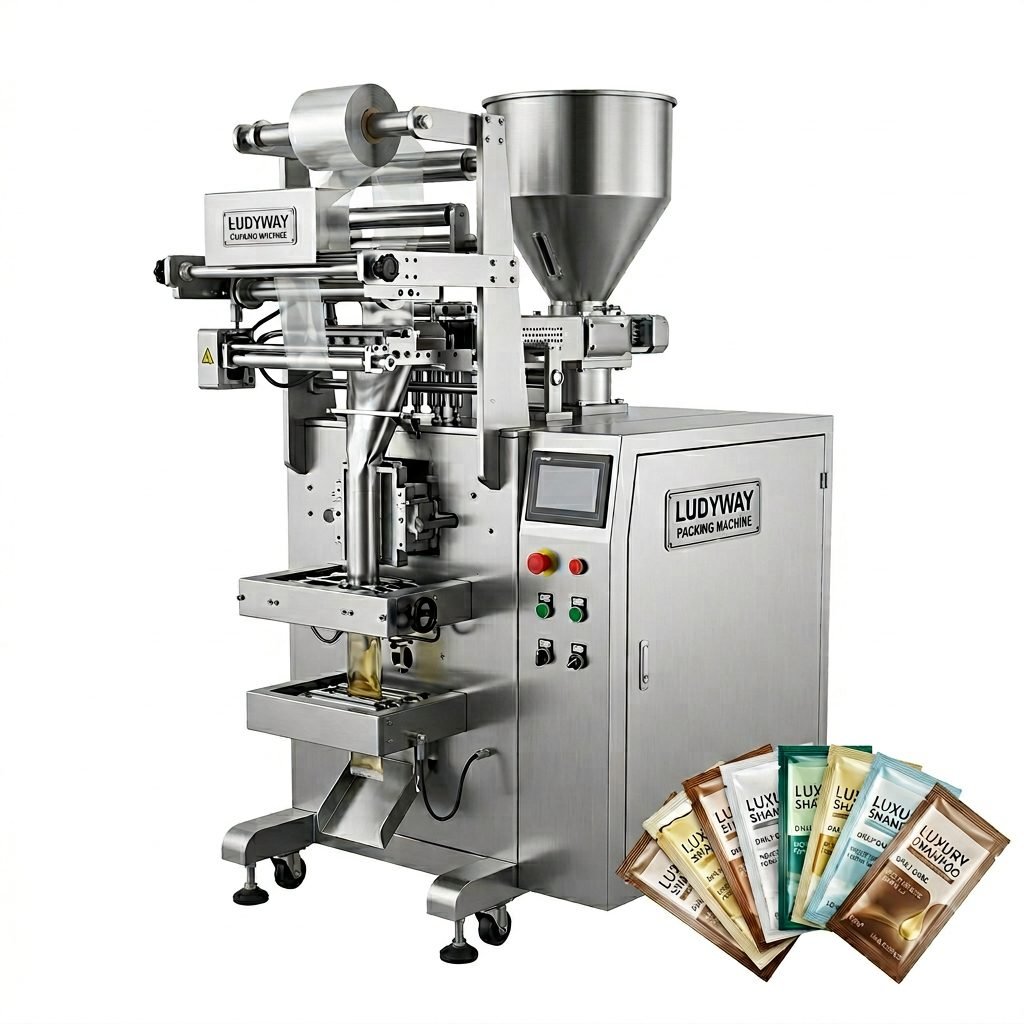
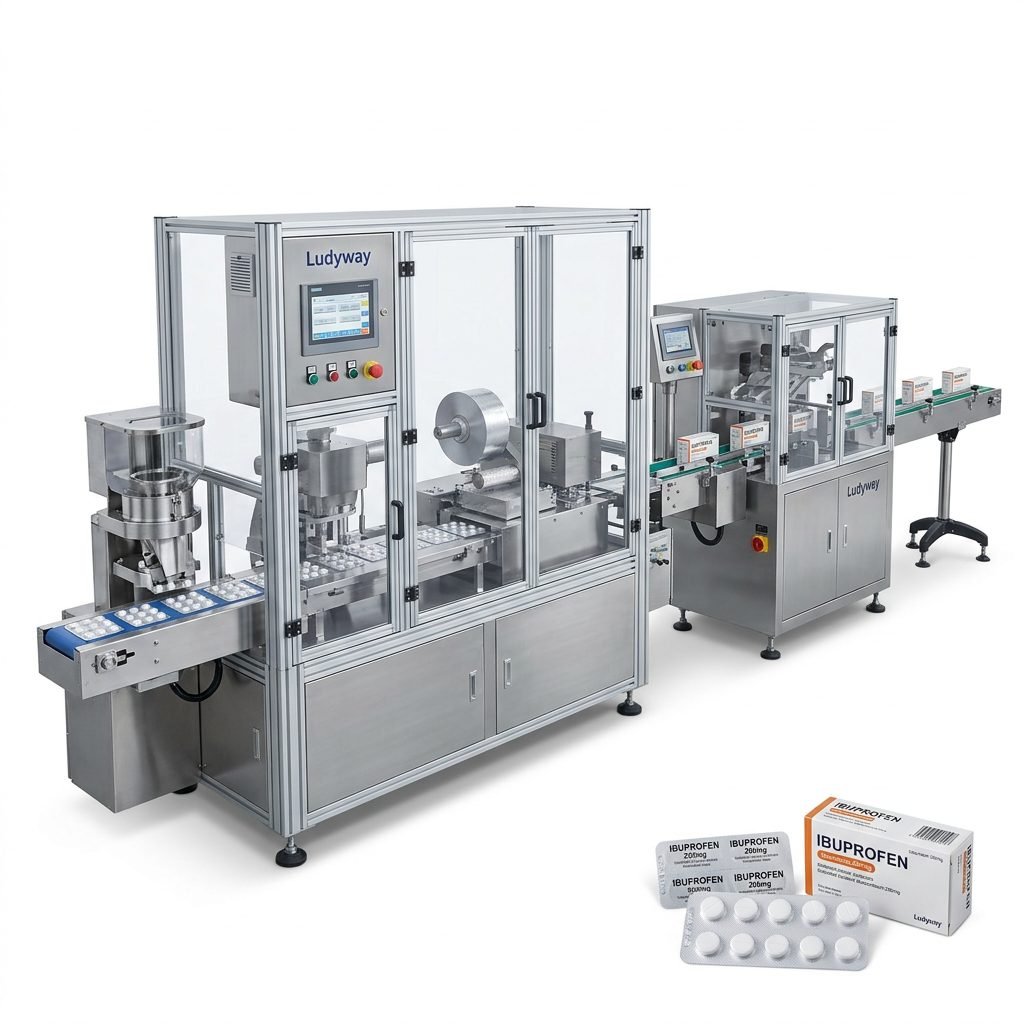
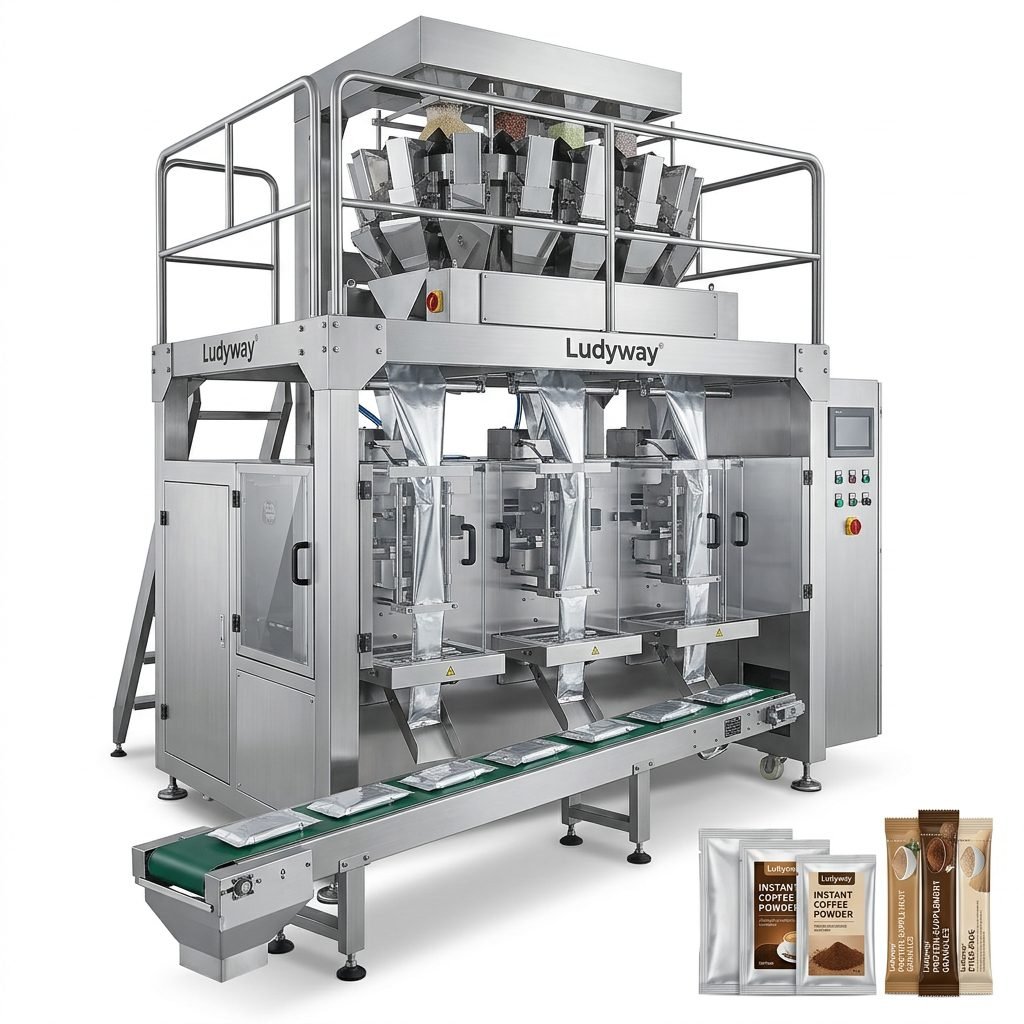
Investing in a sauce sachet packing machine is a critical decision for food manufacturers, condiment producers, and co-packers looking to scale production while maintaining product quality. Whether you are packaging ketchup, soy sauce, chili paste, mayonnaise, or specialized cooking sauces, selecting the right equipment directly impacts your operational efficiency, product shelf life, and bottom line. This comprehensive buyer’s guide walks you through every key factor to consider before making your purchase.
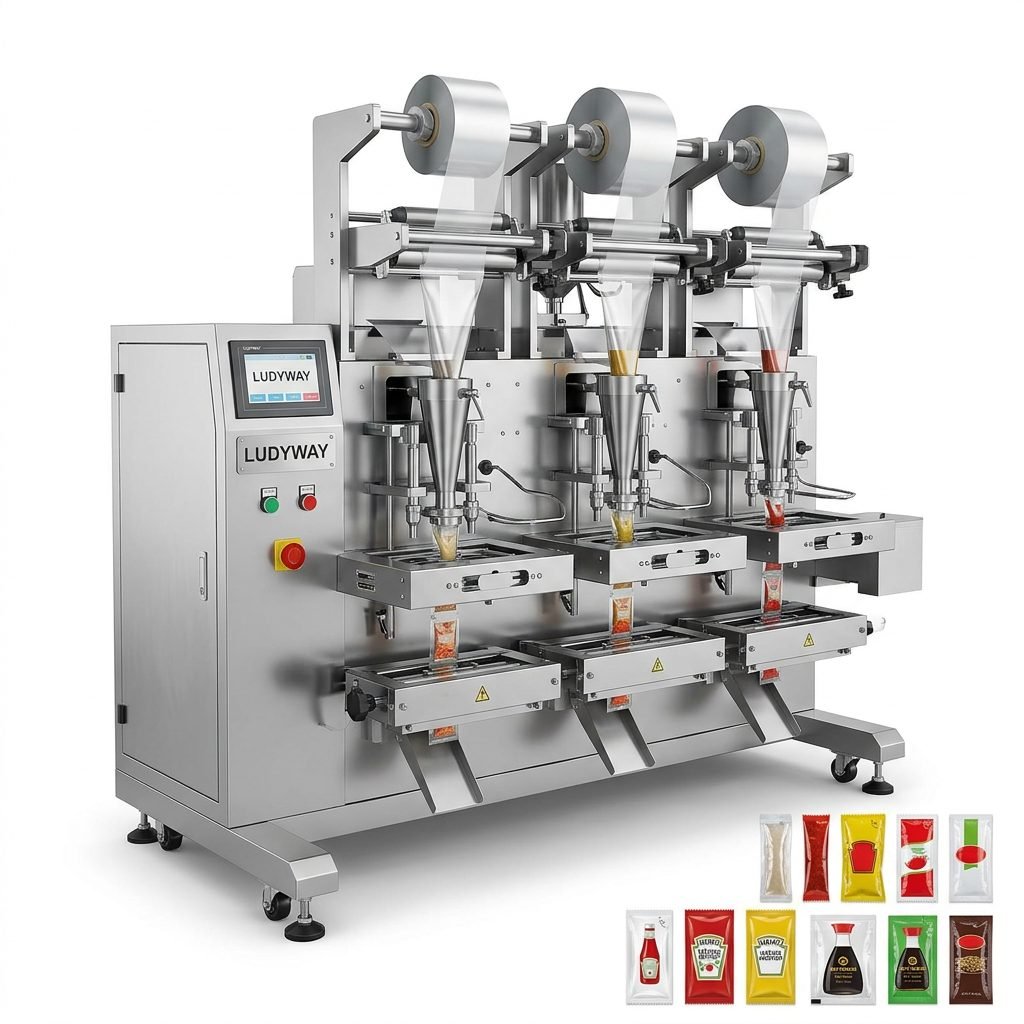
Understanding Sauce Sachet Packaging Requirements
Sauces present unique challenges in packaging due to their varying viscosity, particulate content, temperature sensitivity, and chemical composition. A thin soy sauce requires a different filling mechanism than a thick chili paste with seeds. Before evaluating machine specifications, you must clearly define your product characteristics:
- Viscosity range – Watery liquids versus thick pastes require different pump types and filling nozzles
- Particulate size – Sauces containing herbs, seeds, or vegetable pieces need specially designed filling valves
- Temperature at filling – Hot-fill applications demand heat-resistant components and sealing systems
- pH level and corrosiveness – Highly acidic sauces may require stainless steel or food-grade material contact parts
- Foaming tendency – Products that foam during filling need bottom-up or submerged filling techniques
According to the Flexible Packaging Association, liquid and semi-liquid food products represent one of the fastest-growing segments in flexible packaging, driven by consumer demand for portion-controlled, convenient formats.
Key Factors to Consider When Choosing a Sauce Sachet Packing Machine
Filling Technology and Accuracy
The filling system is the heart of any sauce sachet packaging machine. The right choice depends on your product’s viscosity and required fill accuracy. Piston fillers excel with thick pastes and chunky sauces, delivering consistent volumetric fills even with particulates. Peristaltic pumps offer gentle product handling and are ideal for shear-sensitive sauces. Magnetic flow meters provide exceptional accuracy for free-flowing liquids and are commonly used in high-speed applications where precision dosing is critical.
Production Speed and Lane Configuration
Production capacity requirements vary dramatically between businesses. A small artisanal sauce maker may only need a single-lane machine producing 30-50 sachets per minute, while a large-scale condiment manufacturer might require a multi-lane system capable of 400-800 sachets per minute. Multi-lane machines run multiple filling lanes simultaneously, multiplying throughput without proportionally increasing floor space. When evaluating speed, consider not just the machine’s maximum rated speed, but its sustainable production rate under real-world conditions with your specific product and packaging material.
Packaging Material Compatibility
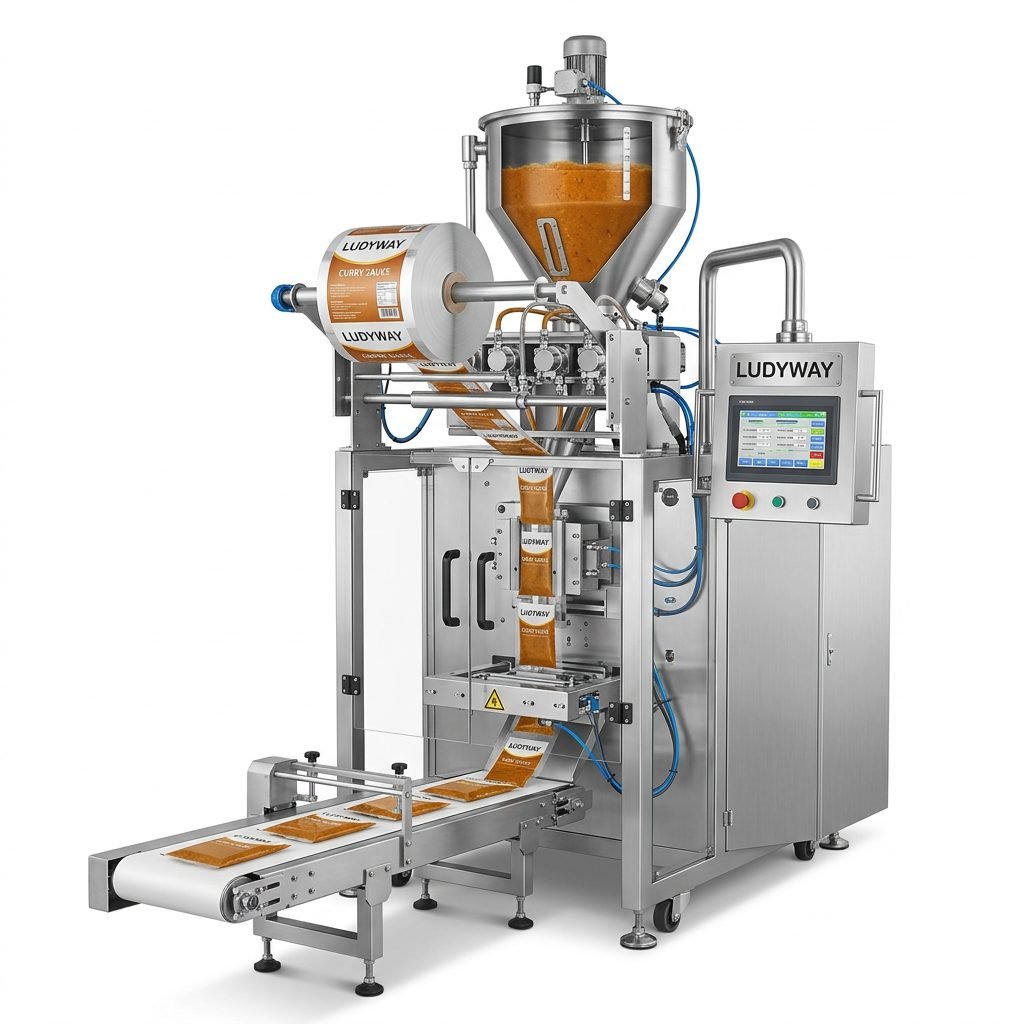
The machine must handle your chosen packaging film efficiently. Common materials for sauce sachets include laminated films with barrier layers such as PET/Aluminum/PE, PET/Metallized CPP, or specialized high-barrier structures. Key considerations include the film’s heat-sealing temperature range, coefficient of friction, and tear properties. The PMMI Business Intelligence reports that material compatibility issues remain one of the leading causes of packaging line downtime, making this evaluation step particularly important.
Sealing Integrity and Quality
For liquid products like sauces, seal integrity is non-negotiable. A leaking sachet not only wastes product but can contaminate entire cases and damage brand reputation. Look for machines with precise temperature control on sealing jaws, consistent pressure distribution, and options for features like ribbed or cross-hatch sealing patterns that enhance seal strength. Some advanced systems include automatic seal inspection capabilities that detect weak or incomplete seals before products leave the machine.
Cleanability and Hygiene Design
Sauce packaging demands rigorous sanitation protocols. Machines designed with tool-free disassembly, sloped surfaces for drainage, IP65 or higher washdown ratings, and quick-change product contact parts significantly reduce cleaning downtime between production runs. For manufacturers producing multiple sauce varieties, rapid changeover capability directly impacts overall equipment effectiveness.
Comparing Machine Configurations
| Machine Type | Best For | Speed Range | Key Advantage |
|---|---|---|---|
| Single-Lane Vertical | Small to medium batches, artisanal sauces | 30-80 sachets/min | Lower investment, simple operation |
| 4-Lane Vertical System | Mid-volume condiment production | 150-320 sachets/min | Good balance of output and footprint |
| 8-12 Lane High-Speed | Large-scale sauce manufacturers | 400-800 sachets/min | Maximum throughput per square meter |
| Horizontal Sachet System | Thick pastes, chunky sauces | 60-200 sachets/min | Handles particulates effectively |
Essential Features That Drive Long-Term Value
Beyond basic functionality, several features separate reliable workhorses from problematic investments. Servo-driven systems offer programmable motion control that enables precise adjustments and recipe storage for different products. Machines with automatic film tension control maintain consistent bag length and print registration, reducing material waste. No-product, no-bag sensors prevent empty sachets from being produced, saving both product and packaging material.
Consider also the availability of remote diagnostics and support capabilities. Modern packaging machines increasingly feature connectivity that allows technicians to troubleshoot issues remotely, minimizing production interruptions. For businesses targeting international markets, machines that comply with FDA food packaging regulations and other relevant standards provide a smoother path to market access.
Evaluating Total Cost of Ownership
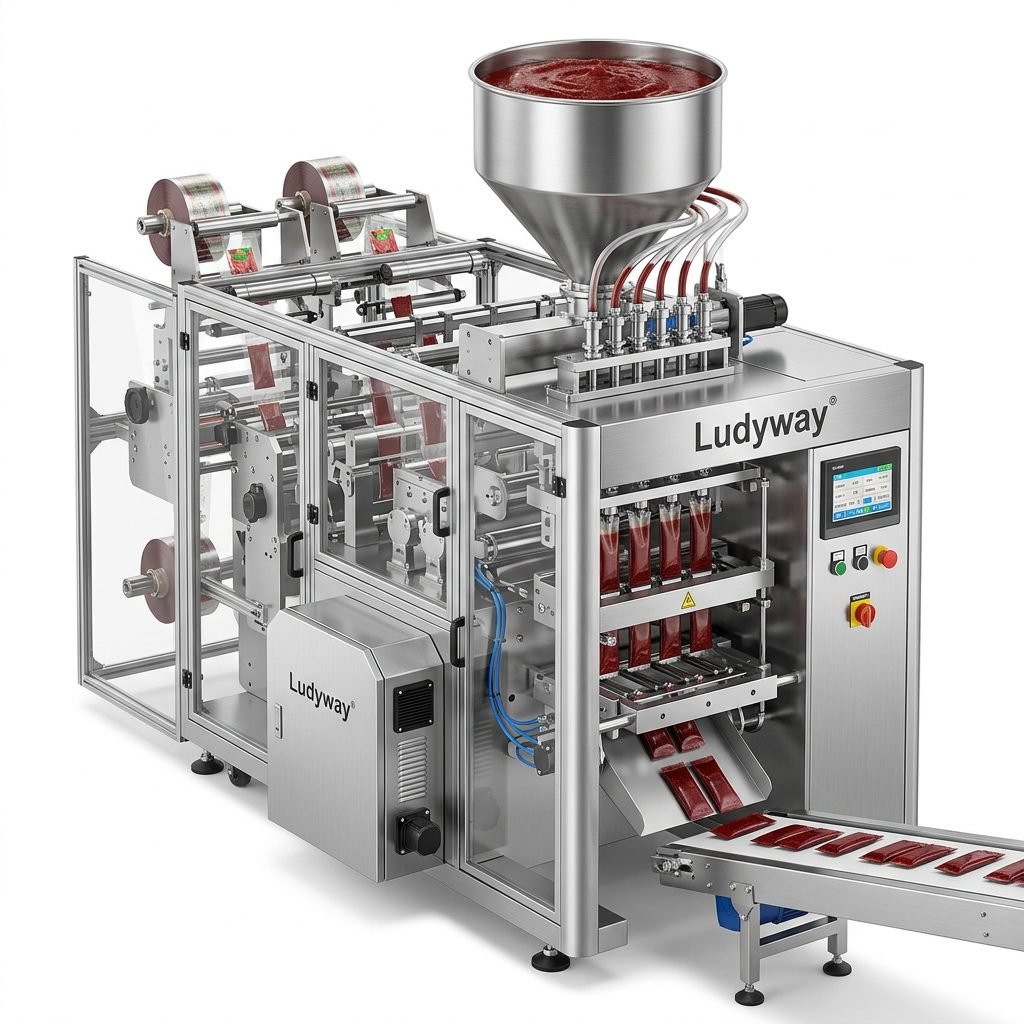
The purchase price of a sauce sachet packing machine is only one component of its total cost. Smart buyers evaluate the complete ownership picture, which includes spare parts availability, maintenance labor requirements, energy consumption, film waste rates, and expected service life. Machines built with standardized, globally available components generally offer lower long-term maintenance costs compared to those relying on proprietary parts. Request detailed information about recommended spare parts inventories and typical maintenance intervals from potential suppliers.
Integration with Production Lines
A sachet packing machine rarely operates in isolation. Consider how the equipment will integrate with upstream product supply systems, downstream cartoning machines, checkweighers, metal detectors, and case packing equipment. Manufacturers offering turnkey integration capabilities can simplify project management and ensure compatibility across all line components. The PMMI packaging industry resources provide valuable guidance on line integration best practices and automation standards.
Working with an Experienced Packaging Machinery Partner
Selecting the right machine is significantly easier when working with a knowledgeable supplier who understands both the technical requirements and the practical realities of sauce production. An experienced partner can help evaluate your product characteristics, recommend appropriate filling technologies, and configure a machine that meets your current needs while accommodating future growth.
For manufacturers seeking a reliable packaging machinery partner, Ludyway Machinery brings over three decades of packaging industry experience, with a 20,000-square-meter manufacturing facility and more than 50 packaging machine models designed for powder, granule, liquid, and paste applications. The company provides customized packaging solutions and turnkey production line integration, serving customers across more than 100 countries. From individual sachet packing machines to complete automated packaging lines, Ludyway combines engineering expertise with global service and technical support to help manufacturers achieve efficient, reliable packaging operations.

Questions to Ask Before Buying
- What is the machine’s realistic output with my specific product and film? – Request video demonstrations or factory acceptance tests with your actual materials
- How long does a complete product changeover take? – Evaluate the number of steps, tools required, and whether the process can be performed by a single operator
- What is the expected seal quality consistency over extended runs? – Ask about temperature control precision and sealing jaw design
- Are spare parts readily available, and what is the typical lead time? – Confirm regional parts distribution and emergency support options
- What training and documentation are provided? – Comprehensive operator training and technical documentation reduce the learning curve
- Does the machine meet relevant food safety and electrical standards for my target markets? – Verify certifications such as CE, UL, or equivalent requirements

Making the Final Decision
Choosing the right sauce sachet packing machine involves balancing technical requirements, production goals, budget constraints, and long-term operational considerations. By thoroughly evaluating your product characteristics, desired output, packaging material specifications, and supplier capabilities, you can select equipment that delivers reliable performance and supports your business growth. Take the time to visit supplier facilities when possible, run product trials, and speak with existing users to validate real-world performance before finalizing your investment.
For further reading on packaging machinery selection and industry trends, explore resources from the Flexible Packaging Association and PACK EXPO International, which showcase the latest innovations in food packaging technology.