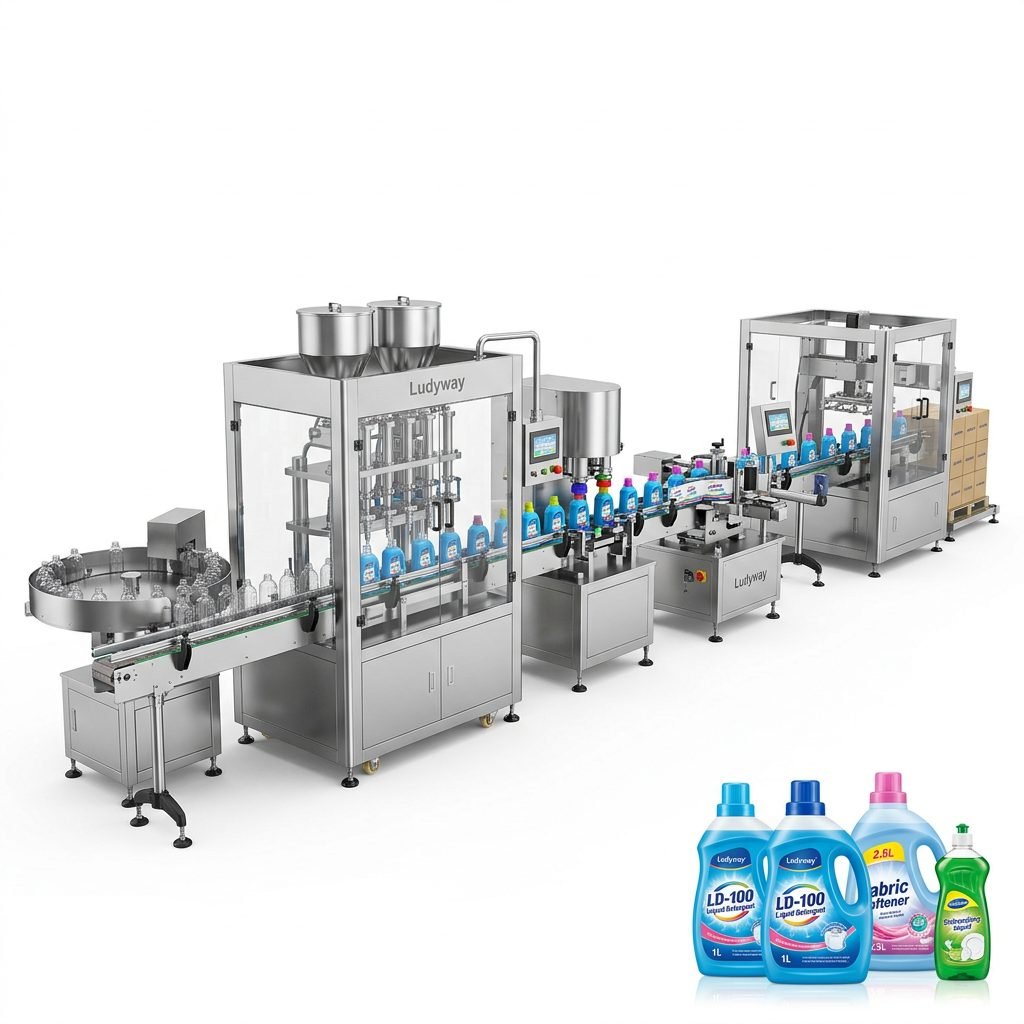
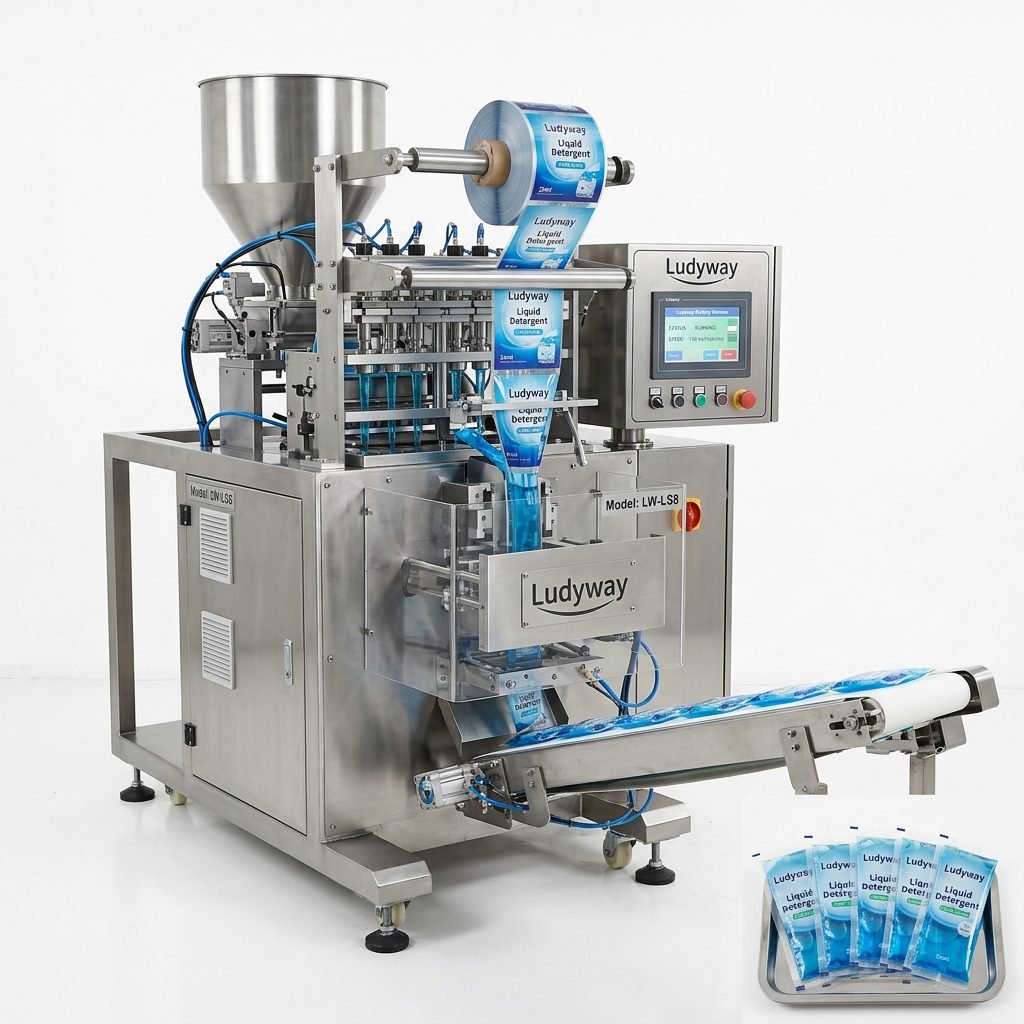
Investing in a cardboard packing machine is a strategic decision that directly impacts your production efficiency, labor costs, and product protection. Whether you are running a food processing plant, a pharmaceutical facility, or an e-commerce fulfillment center, the right equipment can transform your packaging line. However, with dozens of machine types, configurations, and suppliers available, making the wrong choice can lead to costly downtime and packaging waste.
This guide walks you through every critical factor to consider — from understanding your production volume to evaluating machine automation levels, floor space requirements, and long-term maintenance costs. By the end, you will have a clear framework for selecting a cardboard packing machine that aligns with your operational goals.
Understanding Cardboard Packing Machine Types
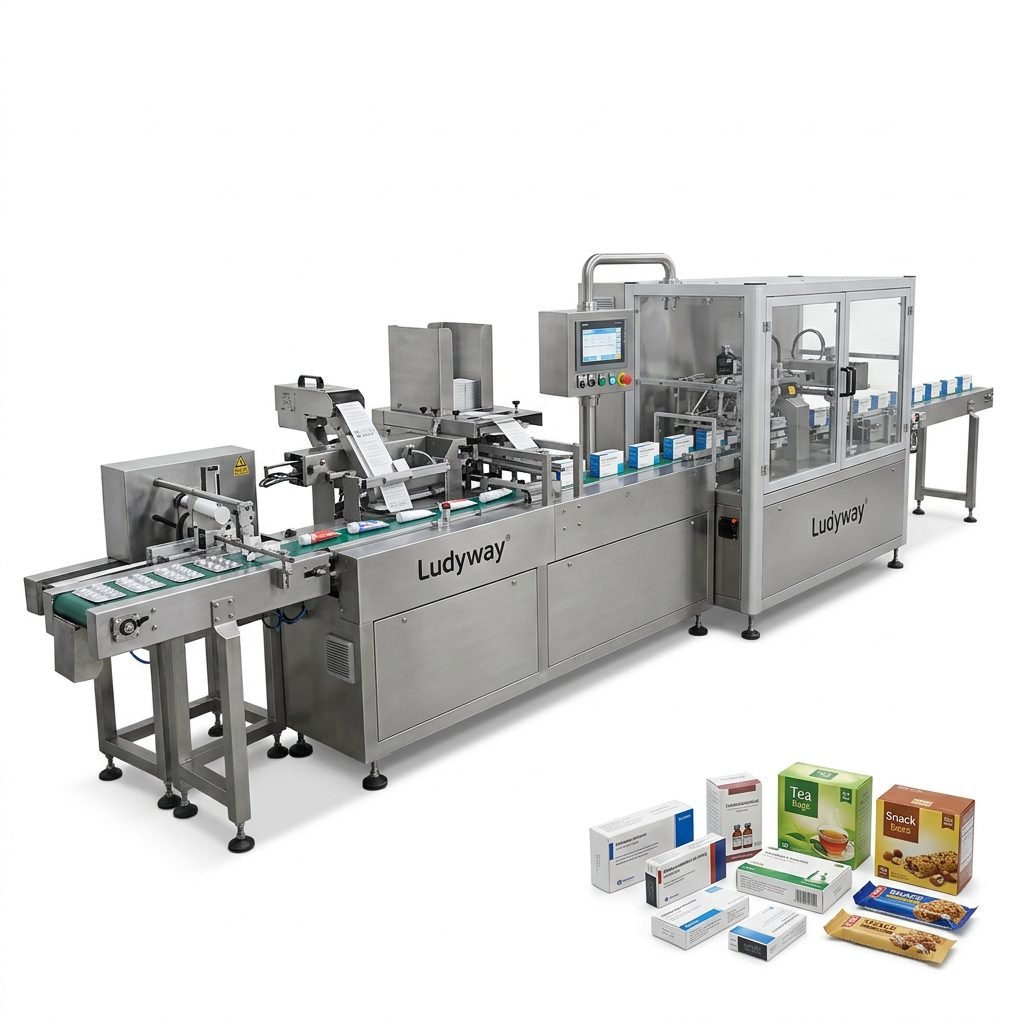
Not all cardboard packing machines serve the same purpose. The term broadly covers equipment that forms, fills, seals, or wraps products using corrugated cardboard or paperboard. Understanding the distinct categories is the first step toward narrowing your options.
Case Erectors and Formers
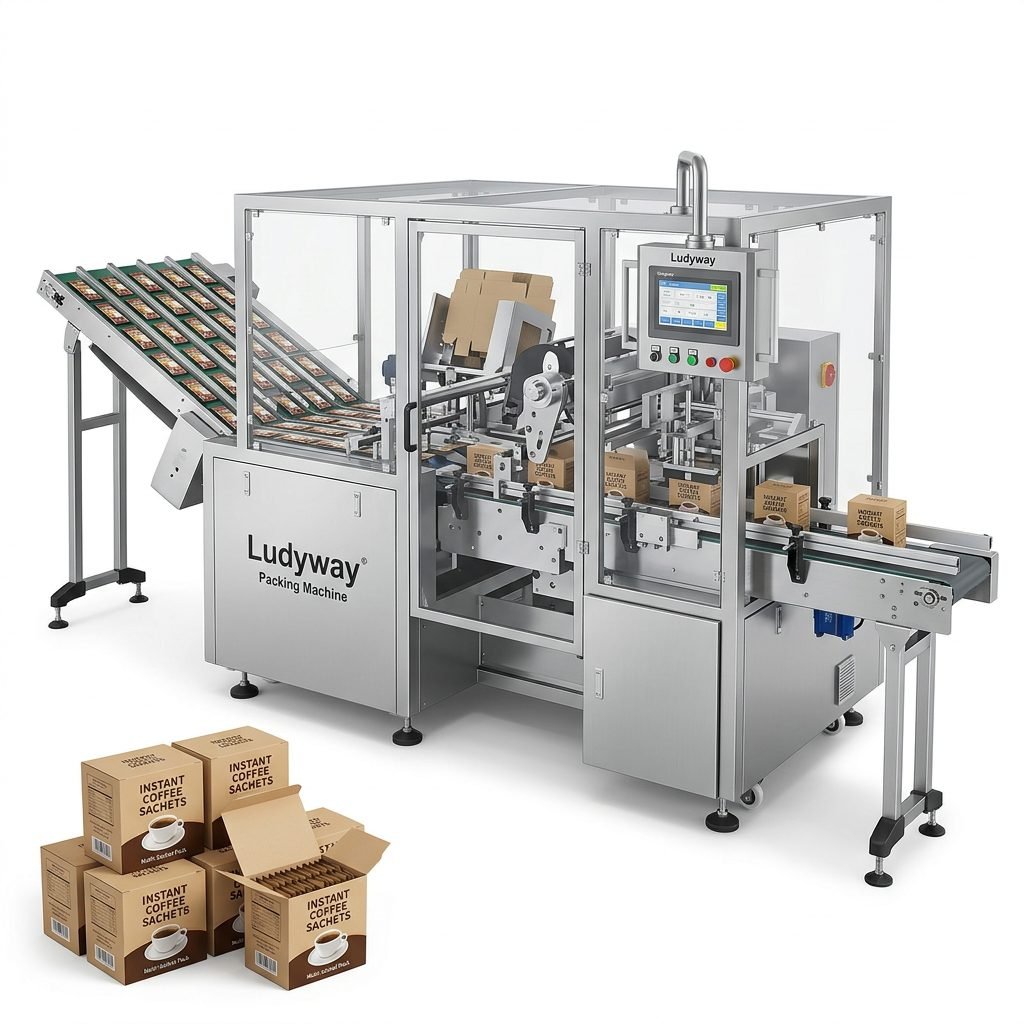
Case erectors automatically unfold flat cardboard blanks and form them into open boxes ready for filling. These machines are ideal for high-volume operations where manual box assembly would be too slow or inconsistent. Modern case erectors can handle multiple box sizes with quick changeover features, making them versatile for facilities that run varied product lines.
Case Packers and Loaders
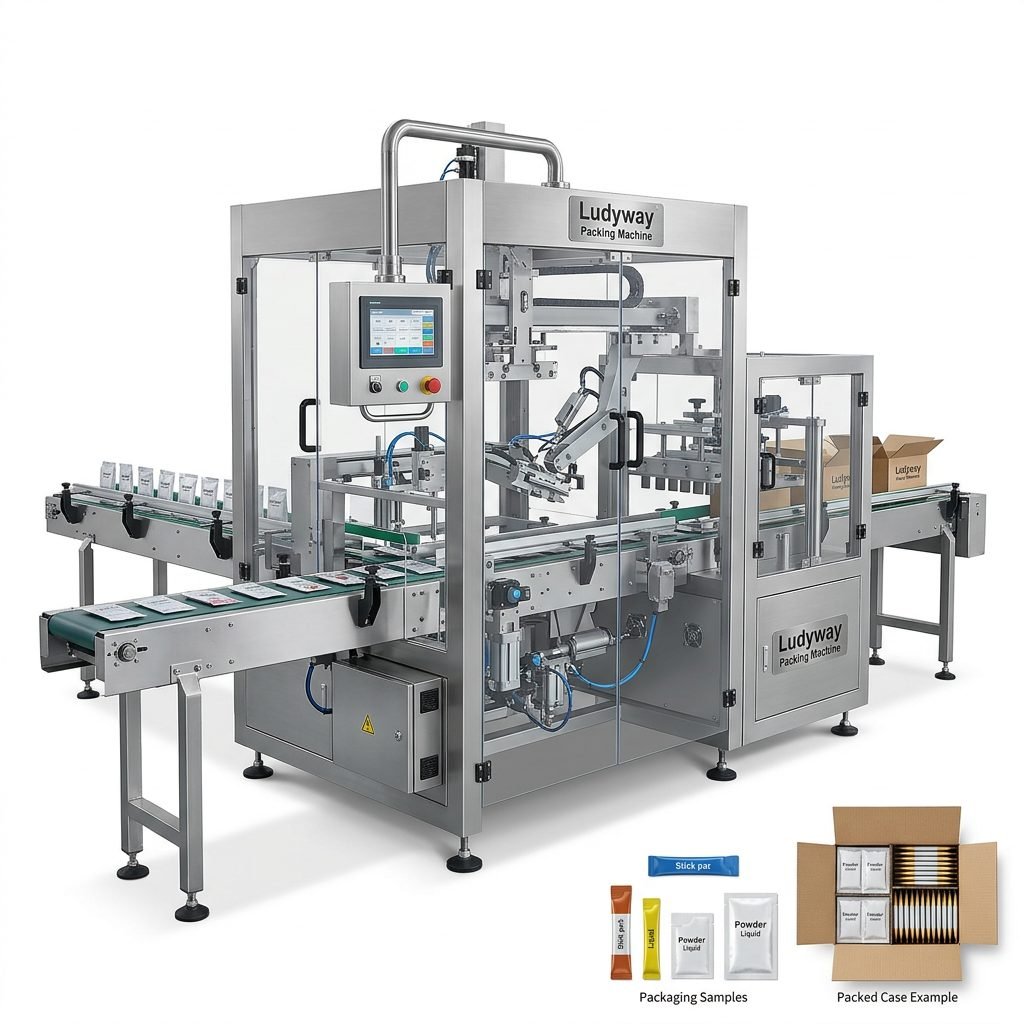
Once boxes are formed, case packers load products into them. These machines come in several configurations: top-load, side-load, and wrap-around styles. Top-load case packers are common for fragile items, while side-load variants excel at high-speed applications. Wrap-around case packers form the box around the product itself, reducing material usage and providing a tighter fit.
Case Sealers
After filling, boxes need to be sealed securely. Case sealers apply tape or hot-melt adhesive to close both the top and bottom flaps. Uniform sealing is critical for product protection during transit. Some advanced models integrate with coding and labeling systems for complete end-of-line automation.
Cartoning Machines
Cartoning machines handle smaller paperboard cartons rather than large corrugated cases. These are widely used in pharmaceutical and food packaging applications. Both horizontal and vertical cartoning systems are available, depending on how products are inserted into the carton.
Assessing Your Production Requirements
Before contacting suppliers, you need a clear picture of your operational needs. Answering the following questions will help you and potential vendors identify the most suitable cardboard packing machine configuration.
- What is your target output speed? Machines are rated in cartons per minute (CPM) or cases per minute. Match the machine’s rated speed to your line’s throughput, allowing for future growth.
- What box sizes and styles do you use? If you run multiple SKUs with different box dimensions, look for machines with quick-changeover capabilities and adjustable guides.
- What is your product type? Fragile, irregularly shaped, or heavy products may require specialized handling systems integrated into the packing machine.
- What is your available floor space? Measure your facility carefully. Some machines have compact footprints, while others require significant infeed and outfeed conveyor space.
- What level of automation do you need? From semi-automatic to fully automatic inline systems, the right choice depends on your labor costs and production consistency goals.
Key Features to Evaluate
Once you have defined your basic requirements, dig deeper into the technical specifications and features that differentiate one cardboard packing machine from another. These details significantly affect long-term performance and total cost of ownership.
Changeover Speed and Flexibility
If your facility runs multiple product lines, rapid changeover is essential. Look for machines with servo-driven adjustments, digital recipe storage, and tool-less changeover mechanisms. The time saved during format changes directly translates into higher overall equipment effectiveness (OEE).
Build Quality and Materials
Machines constructed with stainless steel frames and corrosion-resistant components offer greater durability, especially in washdown environments common in food and pharmaceutical industries. Pay attention to the quality of bearings, pneumatic cylinders, and electrical enclosures — these components determine the machine’s reliability over years of operation.
Control System and Integration
Modern cardboard packing machines feature PLC-based controls with intuitive human-machine interfaces (HMI). Compatibility with your existing line control architecture — whether Ethernet/IP, PROFINET, or Modbus — simplifies integration. Advanced systems offer remote diagnostics and data collection for predictive maintenance.
Safety Features
Safety should never be compromised. Look for interlocked guarding, emergency stop buttons at multiple positions, light curtains where operators interact with the machine, and compliance with relevant ISO packaging standards and local safety regulations.
Budget Considerations and ROI Analysis
The purchase price of a cardboard packing machine is just one part of the financial equation. A comprehensive cost analysis should account for installation, training, spare parts, ongoing maintenance, and the efficiency gains the machine delivers.
| Cost Factor | Description | Typical Range |
|---|---|---|
| Machine Purchase | Base equipment cost including standard tooling | $30,000 – $250,000+ |
| Installation & Commissioning | On-site setup, integration, and testing | 5% – 15% of machine cost |
| Training | Operator and maintenance personnel training | $1,500 – $5,000 |
| Annual Maintenance | Preventive maintenance, wear parts, and consumables | 3% – 8% of machine cost |
| Spare Parts Inventory | Critical spare parts recommended by manufacturer | 2% – 5% of machine cost |
A well-chosen machine typically delivers ROI within 12 to 24 months through labor reduction, increased throughput, and decreased packaging material waste. Calculate your expected payback period by comparing current manual or semi-automatic costs against the automated solution’s operating costs.
Supplier Evaluation and Selection
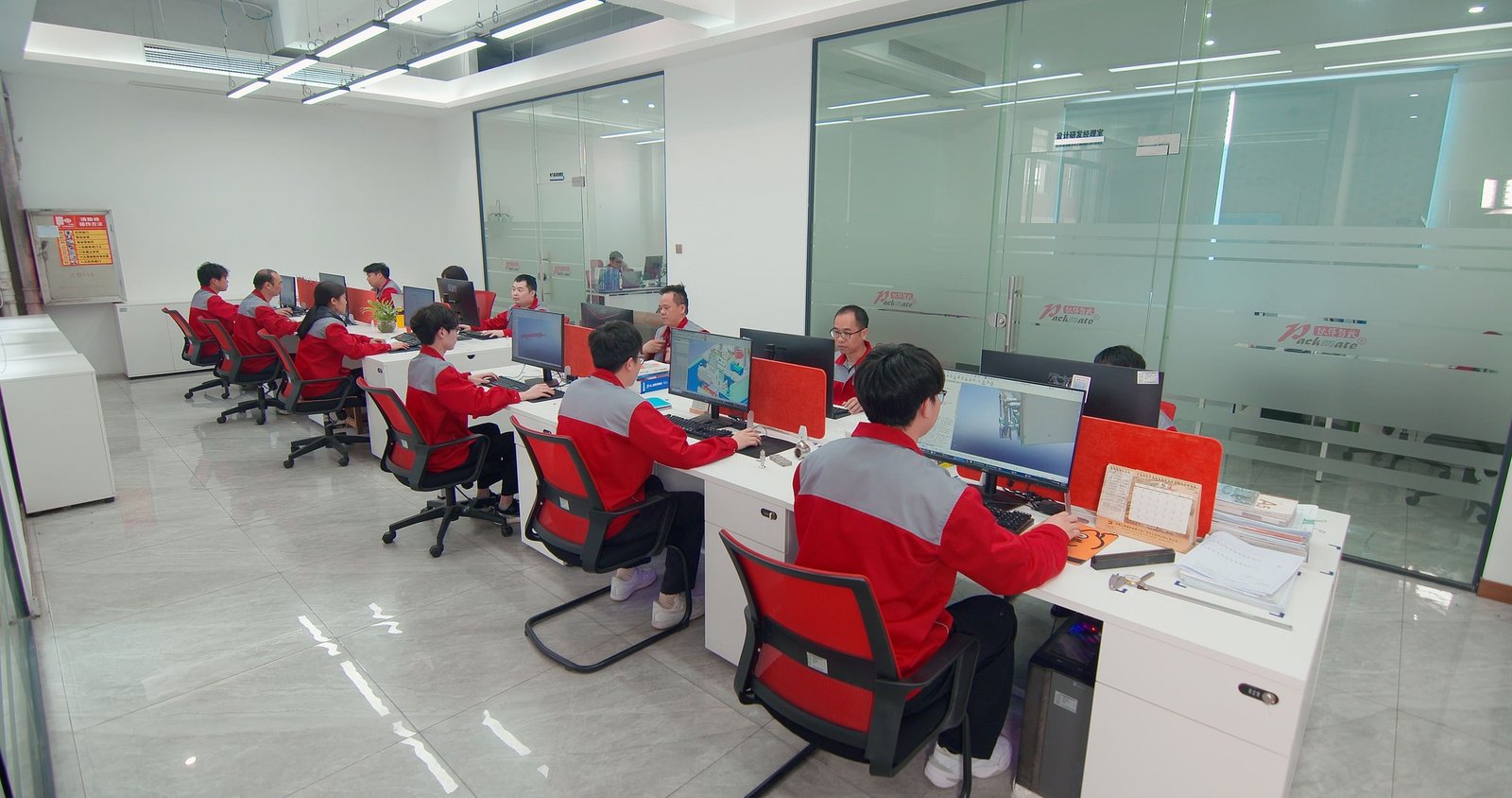
Choosing the right supplier is as important as choosing the right machine. A reliable partner provides not just equipment but ongoing technical support, spare parts availability, and application expertise. When evaluating suppliers for your cardboard packing machine, consider the following criteria.
Industry Experience and Track Record
Look for manufacturers with proven experience in your specific industry. Packaging requirements vary significantly between food, pharmaceutical, chemical, and consumer goods sectors. A supplier familiar with your industry’s regulatory environment — such as FDA food packaging requirements or pharmaceutical GMP standards — adds value beyond the equipment itself.
After-Sales Support and Service
Machines require maintenance, and downtime costs money. Evaluate the supplier’s service infrastructure: Do they offer remote technical support? What are their response times? Do they have service engineers available in your region? Comprehensive after-sales support including operator training, troubleshooting assistance, and spare parts availability should be non-negotiable selection criteria.
Customization Capabilities
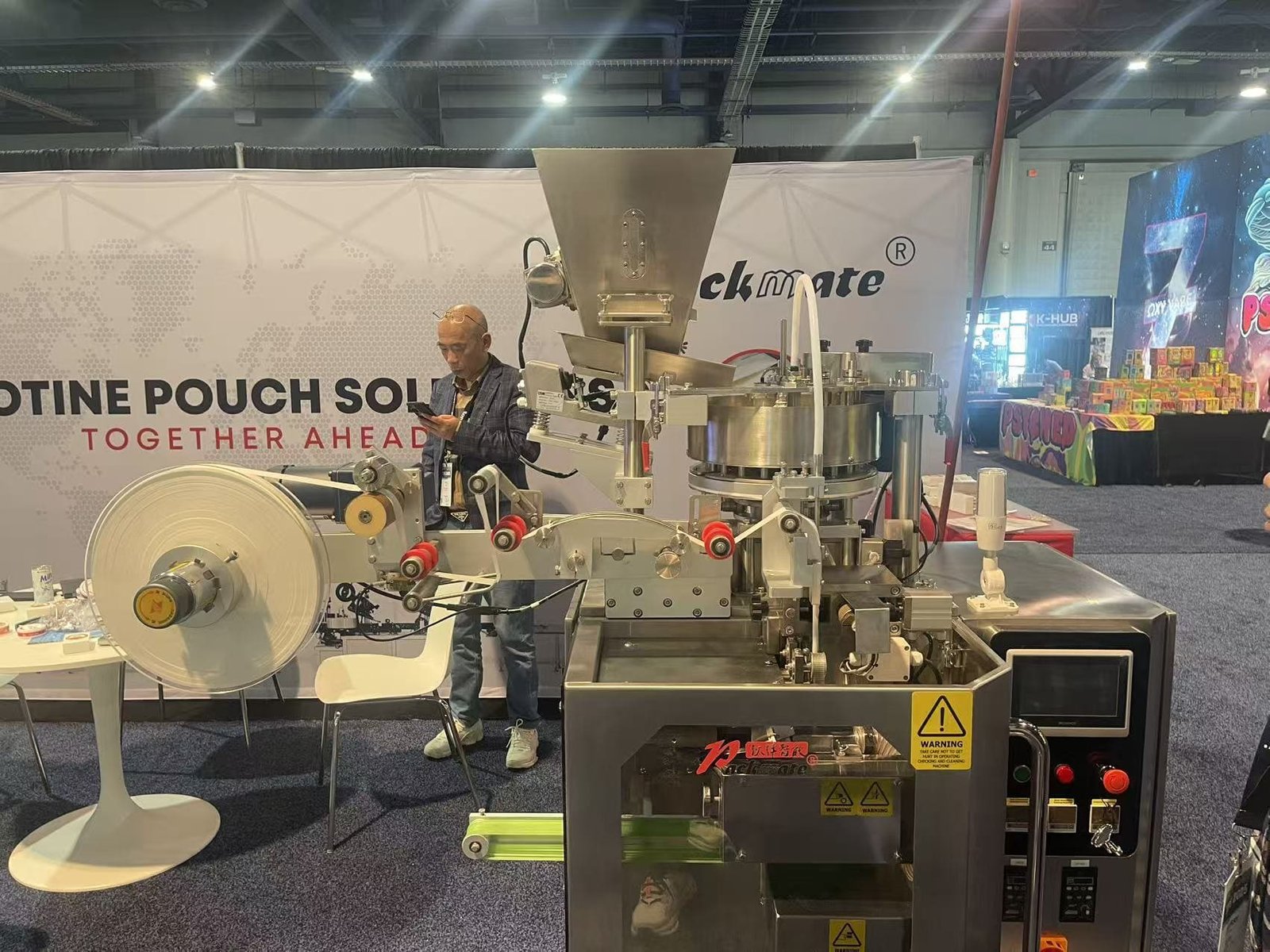
Standard machines may not fit every application. Some manufacturers, such as Ludyway Machinery — a China-based packaging machinery manufacturer with over 30 years of industry experience and a 20,000-square-meter manufacturing facility serving customers in more than 100 countries — offer customized engineering solutions that adapt equipment to specific product characteristics, packaging materials, and production layouts rather than relying solely on standardized configurations.
References and Site Visits
Whenever possible, request customer references and arrange to see similar machines in operation. Observing a machine running products comparable to yours provides insights that specification sheets cannot convey. Pay attention to noise levels, changeover procedures, and the operator’s interaction with the equipment.
Technology Trends Shaping Cardboard Packing
The cardboard packing machine market continues to evolve with advancements in automation, sustainability, and digital connectivity. Understanding these trends helps future-proof your investment.
Sustainability and Material Optimization
With increasing regulatory focus on packaging waste — including European packaging waste regulations — manufacturers are designing machines that minimize cardboard consumption. Right-sized packaging, thinner yet stronger materials, and adhesive systems that facilitate recycling are becoming standard features. Machines capable of handling recycled and recyclable materials without compromising performance offer a competitive advantage.
Servo-Driven Precision
Servo motors are replacing pneumatic and mechanical systems across packaging machinery. Servo-driven cardboard packing machines offer precise control over forming, filling, and sealing operations, resulting in higher quality outputs and reduced material waste. The ability to store unlimited recipes digitally also enables faster, repeatable changeovers.
Industry 4.0 and Smart Factory Integration
Connected machines with IoT sensors enable real-time performance monitoring, predictive maintenance alerts, and integration with manufacturing execution systems (MES). This data-driven approach helps packaging operations achieve higher OEE and reduce unplanned downtime. When evaluating new equipment, PMMI business intelligence reports indicate that smart packaging machinery adoption continues to accelerate across industries.
Installation, Commissioning, and Training
A successful cardboard packing machine implementation extends beyond the equipment purchase. Proper installation, thorough commissioning, and comprehensive operator training determine how quickly your investment delivers value.
Site Preparation
Before the machine arrives, ensure your facility is ready. This includes verifying electrical supply requirements, compressed air availability, floor load capacity, and adequate clearance for operation and maintenance access. Coordinate with your supplier’s installation team to confirm all utility connections meet specifications.
Operator Training Programs
Well-trained operators maximize machine productivity and minimize errors. Look for suppliers that offer structured training programs covering normal operation, changeover procedures, basic troubleshooting, and safety protocols. Training should be documented and include both classroom and hands-on components.
Common Mistakes to Avoid
Even experienced buyers can overlook critical factors when selecting a cardboard packing machine. Awareness of common pitfalls helps you make a more informed decision.
- Underestimating future capacity needs. A machine that meets today’s requirements may become a bottleneck within two years. Plan for at least 20% growth in throughput capacity.
- Overlooking material compatibility. Not all cardboard grades perform equally on every machine. Test your specific materials during the evaluation process to confirm consistent forming and sealing quality.
- Ignoring total cost of ownership. A lower purchase price may be offset by higher maintenance costs, shorter service life, or inferior after-sales support. Evaluate the complete lifecycle cost.
- Skipping factory acceptance testing. Always conduct thorough testing at the manufacturer’s facility before shipment. Identify and resolve issues before the machine reaches your production floor.
- Neglecting operator input. Your operators understand the day-to-day challenges of your current packaging process. Involve them in the evaluation and selection process for practical insights.
Frequently Asked Questions
What is the difference between a case packer and a cartoning machine?
Case packers handle larger corrugated shipping cases used for tertiary packaging, while cartoning machines work with smaller paperboard cartons typically used for retail-ready primary or secondary packaging. The choice depends on whether you are packing for distribution or retail display.
How long does it take to install a cardboard packing machine?
Installation timelines vary based on machine complexity and site readiness. A standard case sealer may be installed in 1 to 3 days, while a fully integrated case packing line with conveying systems can take 1 to 3 weeks including commissioning and operator training.
Can one machine handle multiple box sizes?
Yes, most modern cardboard packing machines offer adjustable guides and digital recipe management for multiple box formats. However, the range of sizes a single machine can accommodate is limited by its design specifications. Quick-changeover features significantly reduce downtime between format changes.
What maintenance does a cardboard packing machine require?
Routine maintenance includes daily cleaning, periodic lubrication of moving parts, inspection and replacement of wear components such as belts and sealing elements, and calibration checks. Preventive maintenance schedules recommended by the manufacturer help avoid unexpected breakdowns.
How do I justify the investment in automated cardboard packing equipment?
Calculate the labor savings, increased throughput, reduced material waste, and improved packaging consistency against the machine’s total cost of ownership. Most operations achieve payback within 12 to 24 months. Additionally, automated systems reduce ergonomic strain on workers and minimize product damage during packaging.
Making Your Final Decision
Selecting the right cardboard packing machine requires balancing technical specifications, budget constraints, and supplier reliability. Start with a clear definition of your production requirements, then evaluate machines against objective criteria including speed, flexibility, build quality, and after-sales support.
Request detailed proposals from multiple suppliers, conduct on-site demonstrations when possible, and check customer references. Pay attention to warranty terms, spare parts availability, and the supplier’s commitment to ongoing technical support. The right machine, backed by a dependable manufacturer, becomes a long-term asset that drives efficiency and supports business growth.
For additional guidance on packaging machinery selection and industry best practices, resources from organizations like the Flexible Packaging Association and PMMI packaging industry resources provide valuable, up-to-date information on packaging technology trends and standards.