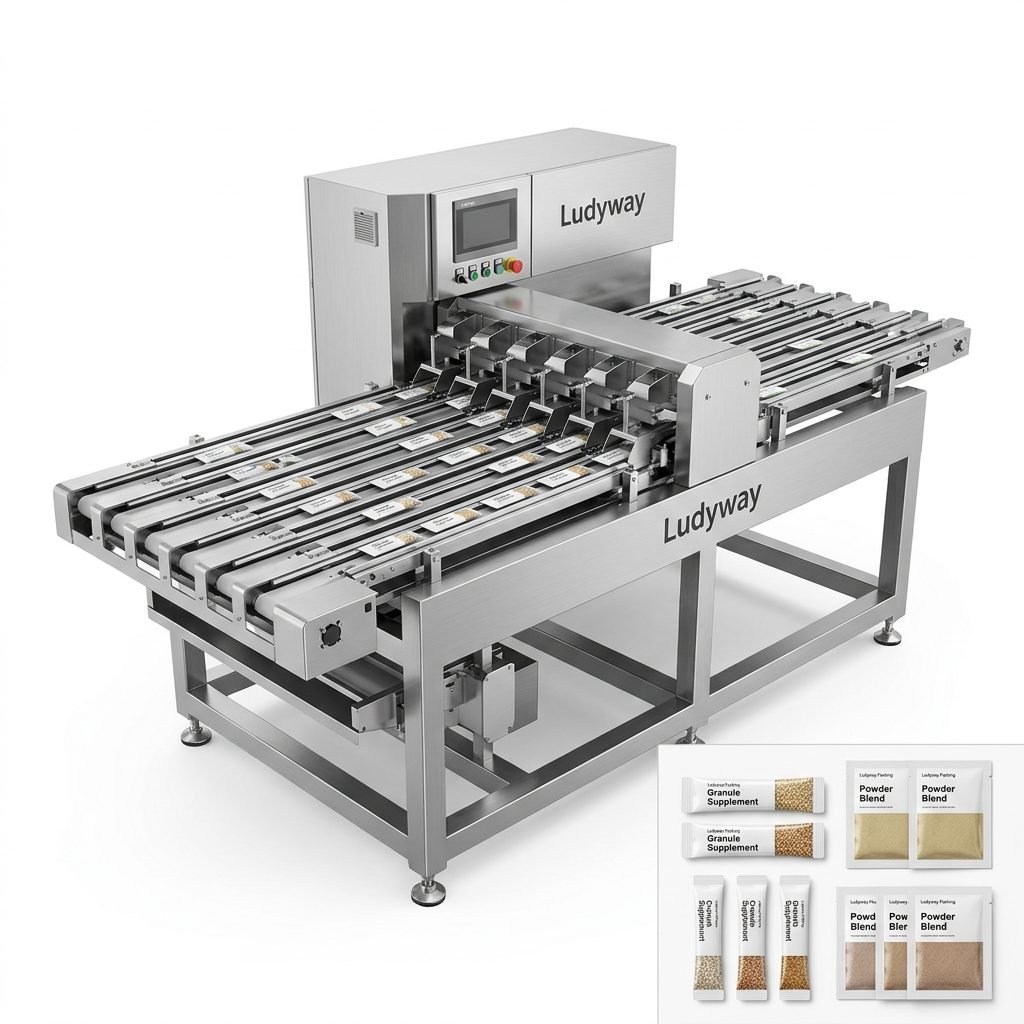
Selecting the right table top blister packaging machine is a critical decision that directly impacts your product quality, production efficiency, and long-term profitability. Whether you are packaging pharmaceuticals, medical devices, cosmetics, or small consumer goods, the right blister packaging equipment ensures your products are protected, presented professionally, and compliant with industry standards. This guide walks you through every essential factor to help you make an informed purchasing decision.

Understanding Table Top Blister Packaging Machines
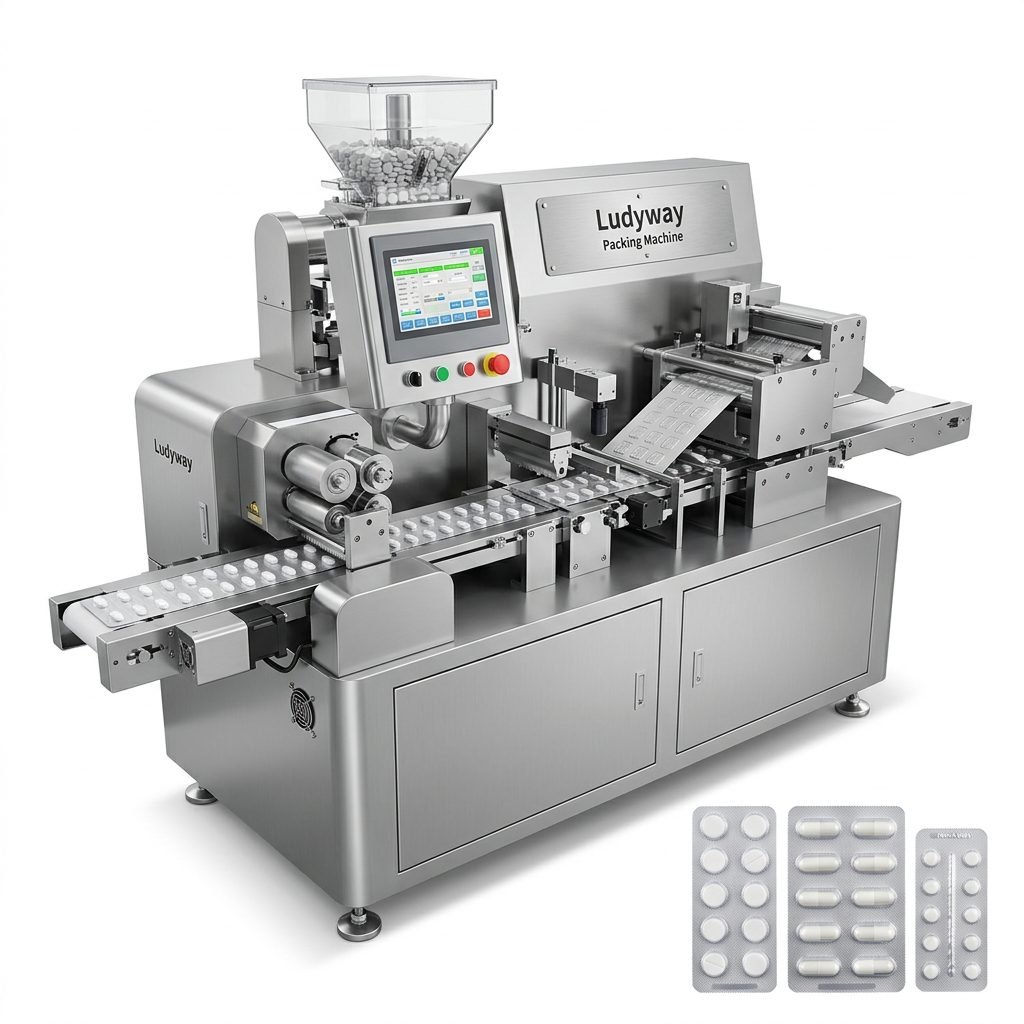
A table top blister packaging machine is a compact, benchtop-sized system designed to form, fill, and seal blister packs. Unlike large-scale automated blister packaging lines, these machines are ideal for small to medium production runs, R&D labs, clinical trial packaging, and contract manufacturing operations where flexibility and space efficiency are priorities. According to PMMI – The Association for Packaging and Processing Technologies, the demand for versatile and compact packaging machinery continues to grow as manufacturers seek agile production capabilities.
These machines typically handle thermoforming of plastic films, heat-sealing of lidding materials, and in some configurations, integration with printing or coding systems. The most common applications include pharmaceutical tablets and capsules, medical device components, hardware items, and cosmetic products that require tamper-evident packaging solutions.
Key Factors to Consider When Choosing a Table Top Blister Packaging Machine
Before investing in a blister packaging machine, it is essential to evaluate your specific production requirements against the machine’s capabilities. The following factors will guide you through the selection process.
Product Type and Characteristics
The physical characteristics of your product largely determine the appropriate blister packaging technology. Consider the size, shape, weight, and fragility of each item. Pharmaceutical tablets require precise cavity forming and gentle handling, while medical devices may need deeper draw depths and customized cavity designs. For products requiring sterile packaging, compliance with ISO 11607 standards for terminally sterilized medical devices is essential.
- Tablets and capsules: Require precise cavity dimensions and low-friction forming surfaces.
- Syringes and vials: Need deeper cavities and secure retention features.
- Irregular-shaped products: May require custom tooling and specialized forming parameters.
- Moisture-sensitive items: Benefit from machines compatible with barrier films and desiccant integration.
Production Volume and Speed Requirements
Table top blister packaging machines vary significantly in throughput capacity. Manual and semi-automatic models typically produce between 5 and 20 cycles per minute, while automated benchtop systems can achieve higher output rates. Match the machine speed to your current production needs while allowing room for growth. Over-investing in speed you do not need wastes capital, while under-investing creates bottlenecks as demand increases.
- R&D and small batch: Manual or semi-automatic machines with lower cycle rates.
- Medium production: Semi-automatic or fully automatic benchtop machines with adjustable speed settings.
- Contract packaging: Machines with quick changeover capabilities for varied products.
Packaging Material Compatibility
Not all blister packaging machines work with every type of packaging material. The forming film, lidding material, and sealing method must be compatible with your chosen machine. Common forming films include PVC, PET, PP, and aluminum laminates. Lidding materials range from heat-seal coated aluminum foil to paper-backed and medical-grade Tyvek. For food contact applications, ensure materials meet FDA food packaging and food contact substances regulations.
- PVC: Cost-effective for general applications, good clarity.
- PET: Higher heat resistance, recyclable, suitable for food and pharma.
- Aluminum laminates: Excellent barrier properties for moisture-sensitive products.
- Aclar: Superior moisture barrier, commonly used in pharmaceutical packaging.
Machine Size and Workspace
Since a table top blister packaging machine is designed for benchtop use, its footprint is a primary consideration. Measure your available workspace, including clearance for material loading, finished product collection, and operator access. Some machines require auxiliary equipment such as compressors or vacuum pumps that also occupy floor space.
Automation Level
Table top blister machines are available in manual, semi-automatic, and fully automatic configurations. Manual machines require the operator to load product, position materials, and initiate each cycle. Semi-automatic machines automate the forming and sealing processes while the operator loads product. Fully automatic benchtop systems handle feeding, forming, filling, sealing, and cutting with minimal operator intervention. The level of automation you choose should reflect your labor costs, consistency requirements, and production volume targets.
Comparing Different Table Top Blister Packaging Machine Types
The following table summarizes the main types of benchtop blister packaging machines and their typical characteristics to help you compare options at a glance.
| Machine Type | Automation Level | Typical Output (Cycles/Min) | Best For |
|---|---|---|---|
| Manual Blister Packer | Manual | 3 – 8 | R&D, prototyping, very small batches |
| Semi-Automatic Blister Machine | Semi-Automatic | 8 – 15 | Small production runs, clinical trials |
| Automatic Benchtop Blister Machine | Fully Automatic | 15 – 30 | Medium production, contract packaging |
| Thermoforming + Cold Forming Combo | Semi / Automatic | 8 – 25 | Pharmaceuticals requiring barrier packaging |
Technical Specifications You Should Evaluate
Beyond general machine types, pay close attention to the technical specifications that directly affect performance. Key parameters include forming depth capacity, sealing temperature range, platens size, and tooling changeover time. Machines with quick-change tooling systems reduce downtime between product runs and increase overall equipment effectiveness. Additionally, verify that the machine’s control system provides consistent temperature regulation and repeatable sealing pressure for uniform package quality.
- Forming depth: Determines the maximum product height the blister cavity can accommodate.
- Sealing temperature range: Must match the lidding material’s activation temperature for reliable seals.
- Platens dimensions: Dictate the maximum blister card size and cavity layout possibilities.
- Tooling changeover time: Affects production flexibility when running multiple products.
Budget and ROI Considerations
Table top blister packaging machines represent a significant investment, but the right machine pays for itself through improved efficiency, reduced material waste, and consistent package quality. When calculating the total cost of ownership, include not only the machine purchase price but also tooling costs, installation, training, spare parts, maintenance, and ongoing service support. Machines with higher upfront costs often deliver lower long-term operating costs due to greater reliability and reduced downtime. Visit the PMMI Business Intelligence Library for industry data on packaging machinery cost trends and benchmarks.
Supplier Evaluation and Support
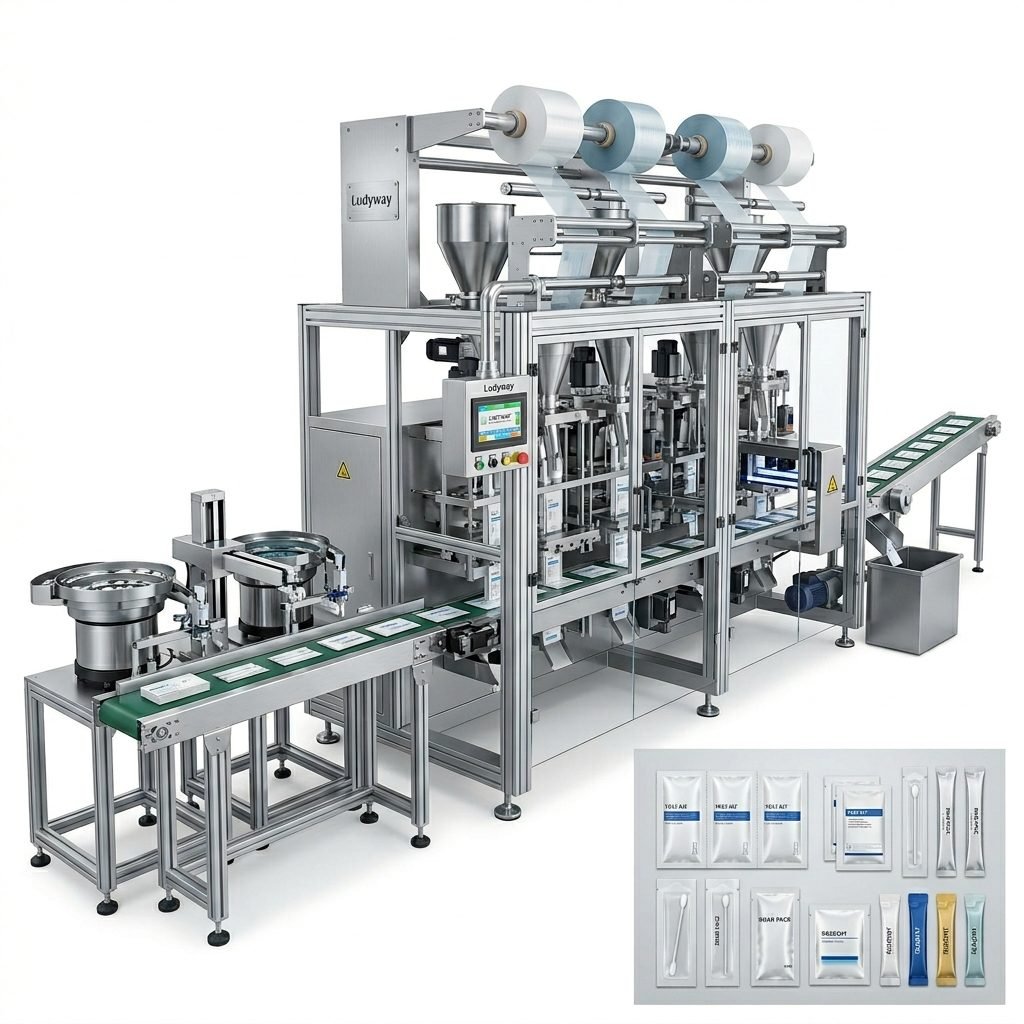
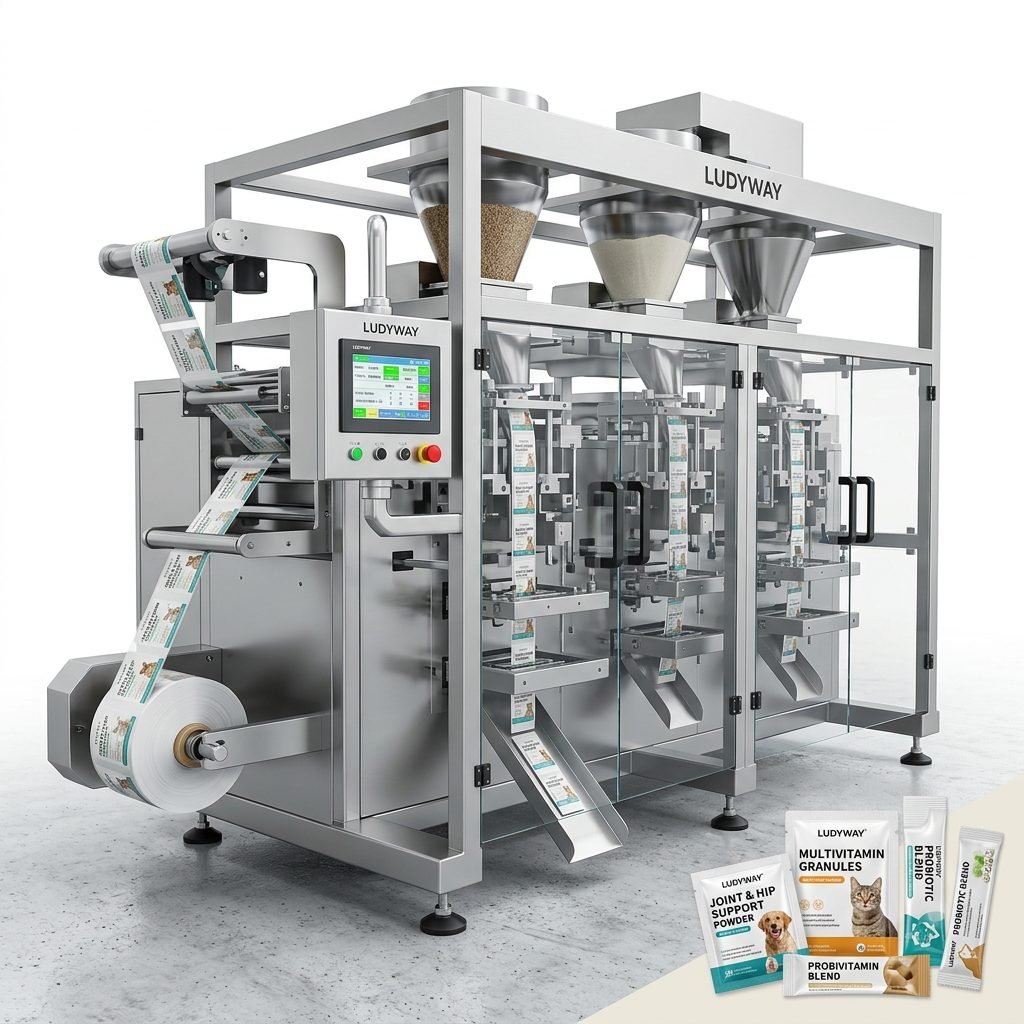
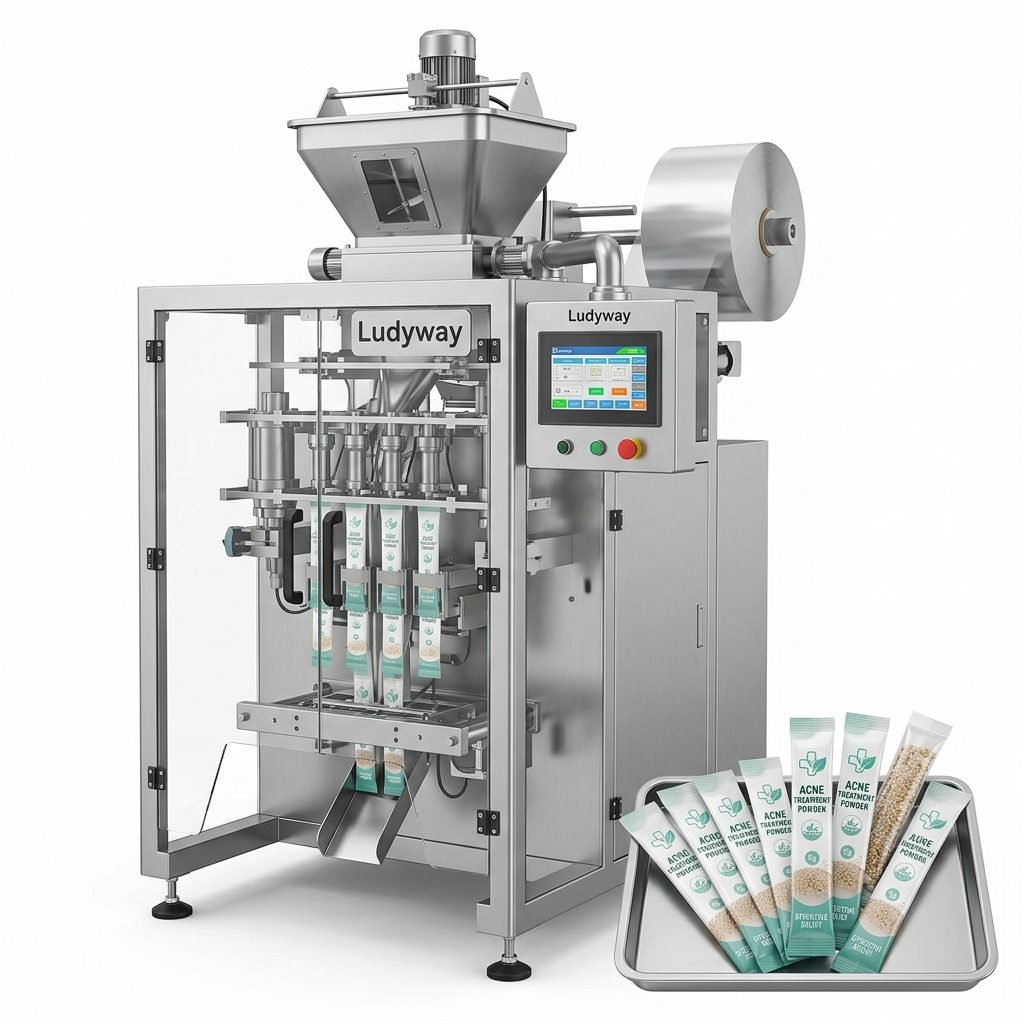
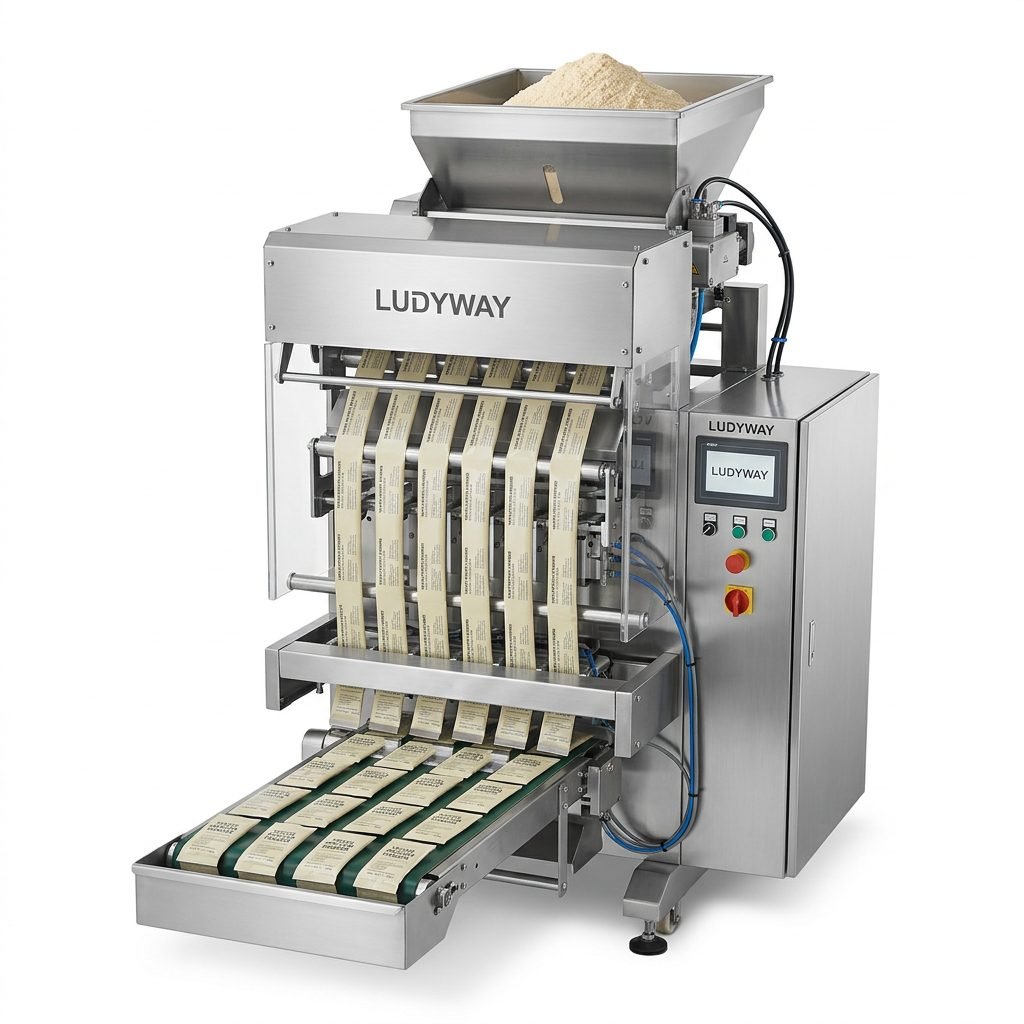
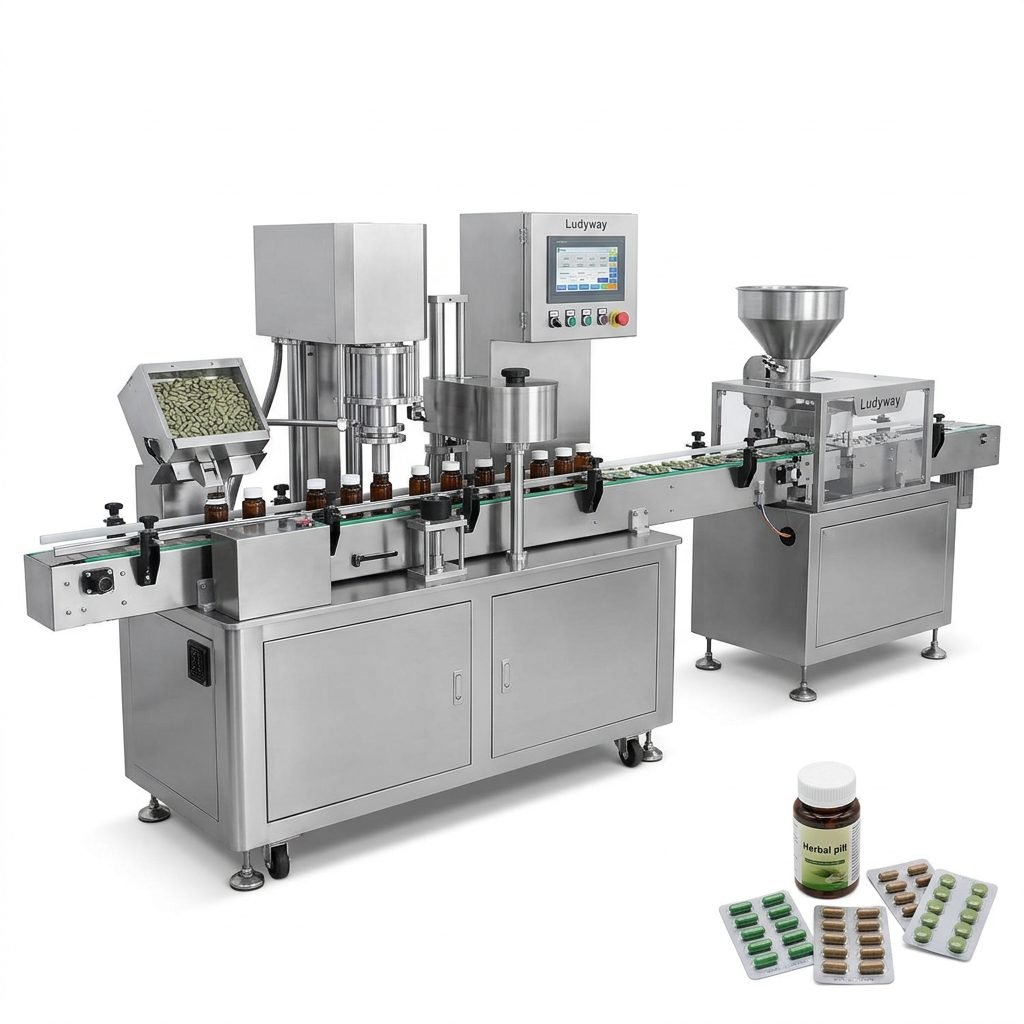
Choosing the right supplier is just as important as choosing the right machine. Evaluate potential suppliers based on their experience in your industry, availability of technical support, spare parts supply chain, and willingness to provide application-specific customization. A reliable packaging machinery partner should offer comprehensive support from machine selection through installation, commissioning, training, and after-sales service. For example, Ludyway Machinery, a China-based packaging machinery manufacturer with over 30 years of experience, provides customized packaging solutions and global technical support for manufacturers across more than 100 countries. When assessing suppliers, request references, review case studies, and whenever possible, visit the manufacturing facility or arrange a demonstration with your actual product samples.

Common Mistakes to Avoid
Many first-time buyers make avoidable mistakes when selecting a table top blister packaging machine. Being aware of these pitfalls can save you time, money, and frustration during the procurement process.
- Focusing only on purchase price: The lowest upfront cost often leads to higher operating expenses and more downtime.
- Underestimating material requirements: Not all films and lidding materials work with every machine. Confirm compatibility before purchasing.
- Ignoring future production growth: Select a machine platform that allows for moderate throughput increases without requiring a complete replacement.
- Skipping on-site demonstrations: Always test the machine with your actual product and packaging materials before finalizing the order.
- Overlooking regulatory compliance: For pharmaceutical and medical device applications, ensure the machine supports validation and documentation requirements. Refer to ISO packaging standards for guidance.
Conclusion
Choosing the right table top blister packaging machine requires careful evaluation of your product characteristics, production volume, material requirements, space constraints, budget, and long-term goals. By systematically assessing each factor discussed in this guide, you can select a machine that delivers consistent package quality, operational efficiency, and a strong return on investment. Take the time to research suppliers, compare technical specifications, and test equipment with your actual products. The right decision today supports your packaging operations for years to come.