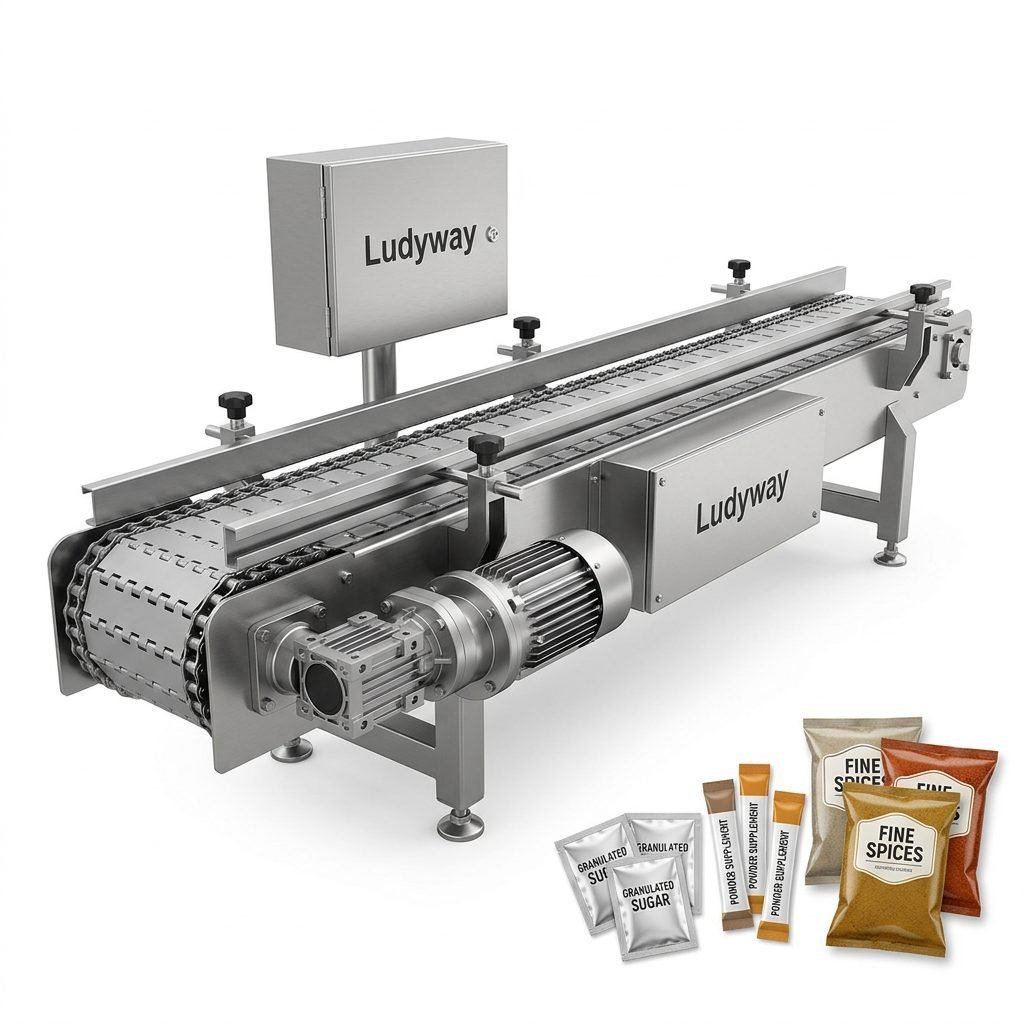
Investing in the right e-commerce packaging machine is one of the most critical decisions for any online retail fulfillment operation. Whether you are running a startup brand or scaling an established marketplace business, the quality, speed, and flexibility of your packaging line directly impact customer satisfaction, shipping costs, and operational efficiency.
Understanding Your E-Commerce Packaging Requirements
Before exploring specific machinery, you need to clearly define your packaging parameters. E-commerce packaging differs significantly from traditional retail packaging because products must withstand multiple touchpoints in the fulfillment chain.
- Product characteristics: Is your product a powder, granule, liquid, solid, or fragile item? Different filling systems handle different consistencies.
- Packaging format: Are you looking for sachet, stick pack, pouch, box, or mailer formats?
- Production volume: Small-scale operations may only need 30-50 packs per minute, while high-growth e-commerce brands often require multi-lane systems.
- Packaging material compatibility: Flexible films, biodegradable materials, foil laminates — each requires different sealing technologies.
Types of E-Commerce Packaging Machines
The e-commerce sector relies on several categories of packaging machinery. Understanding each type helps narrow your selection significantly:
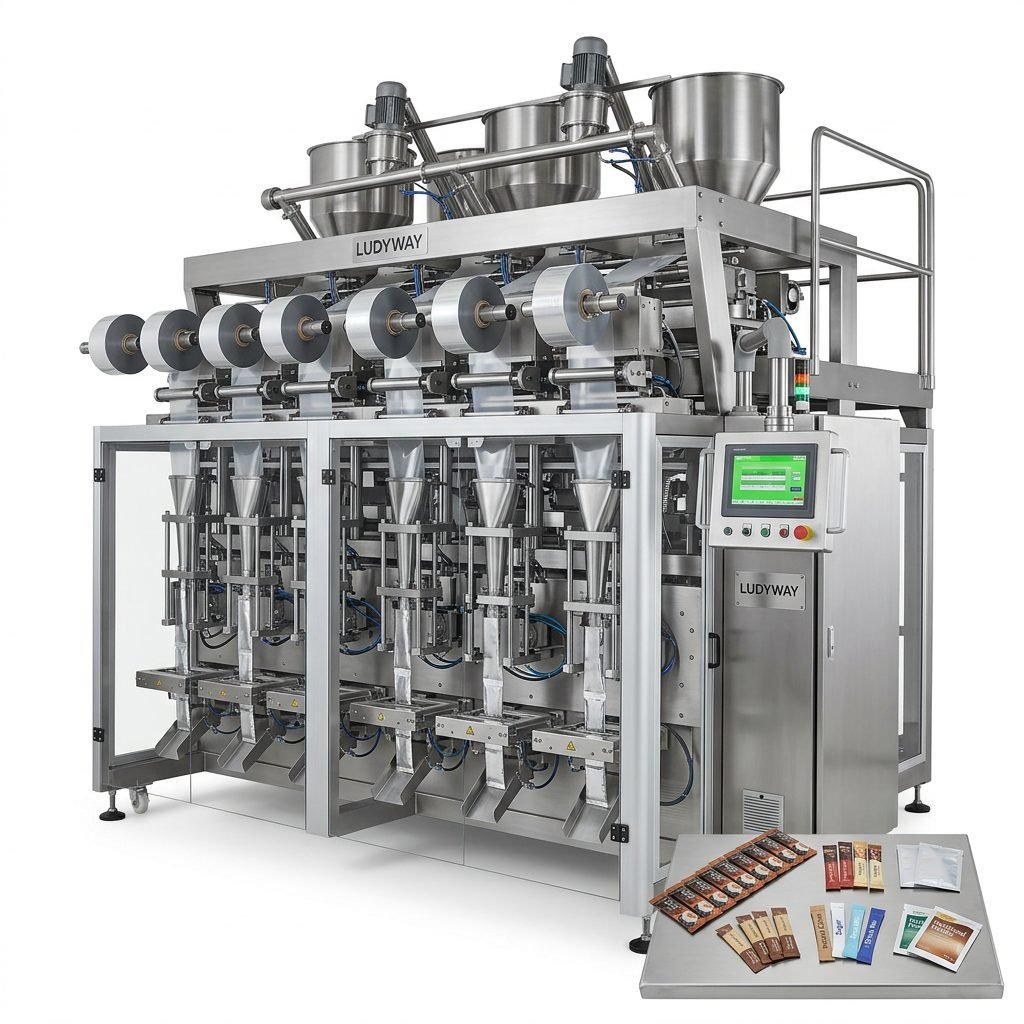
Multi-Lane Stick Pack Machines
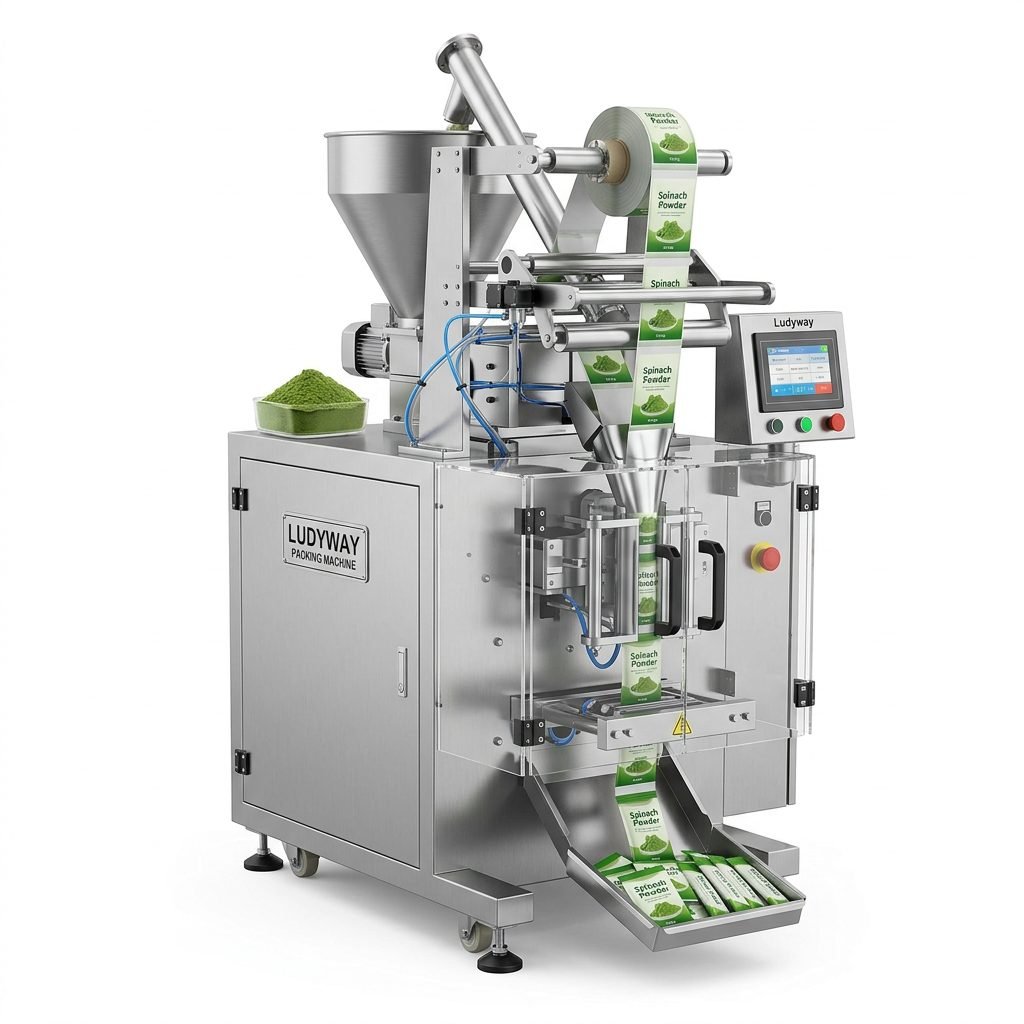
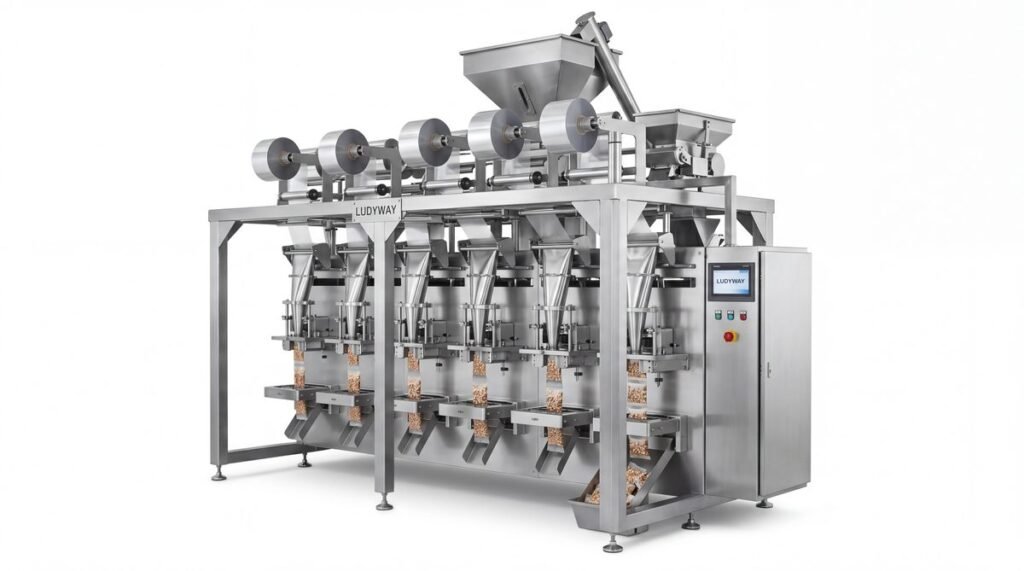
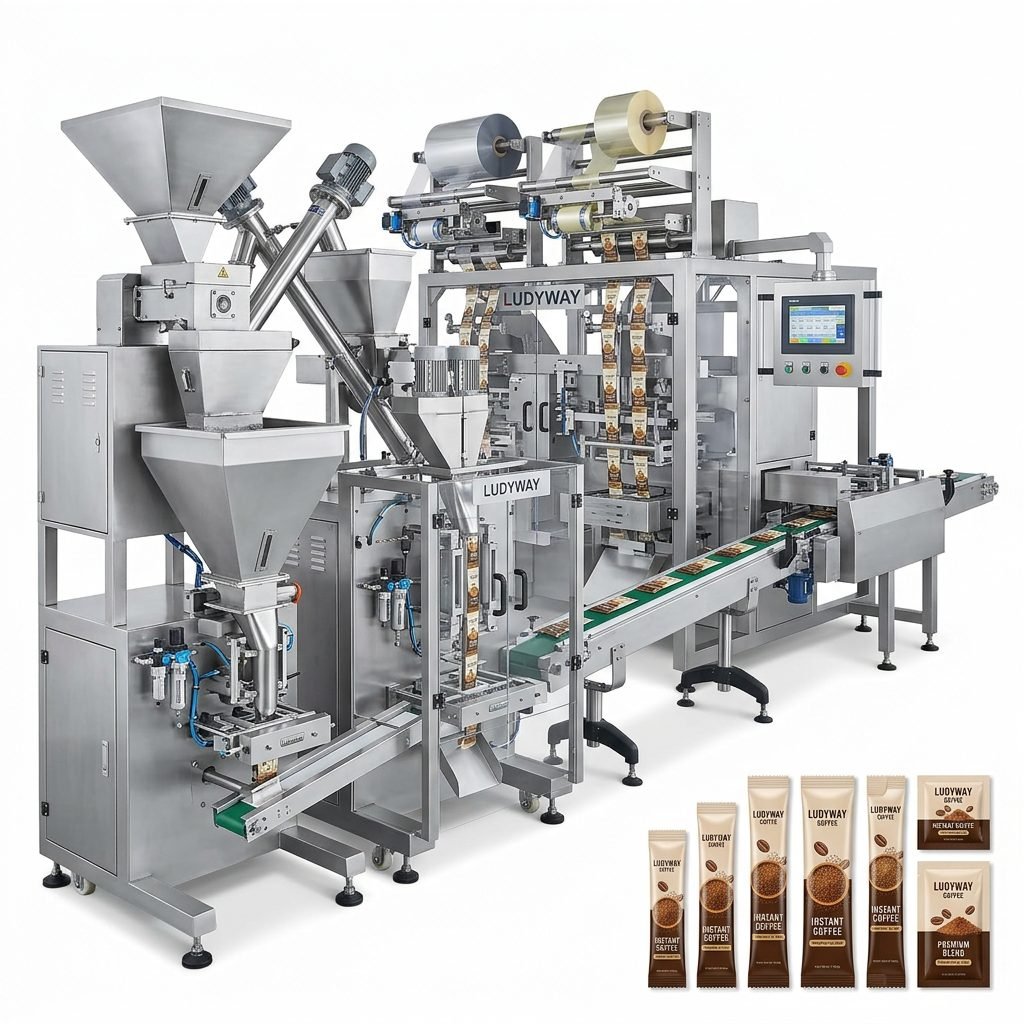
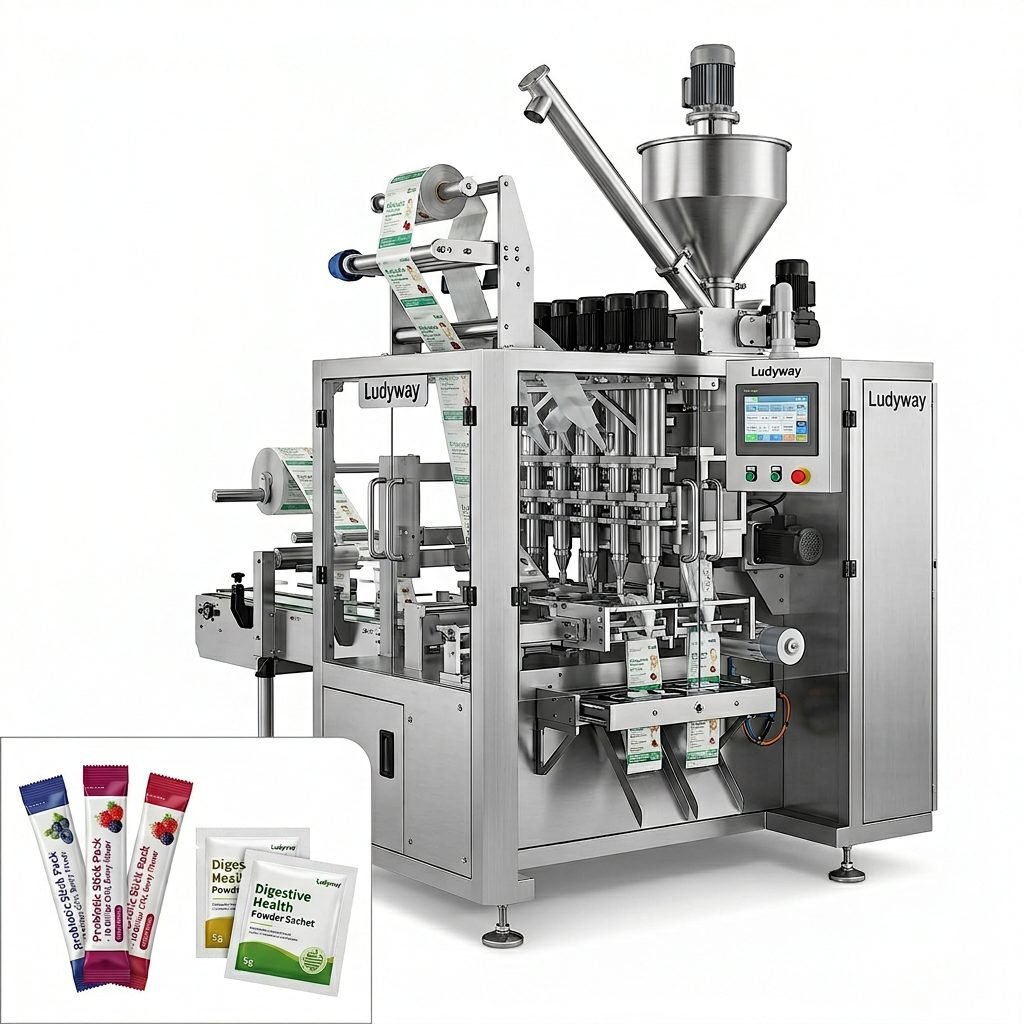
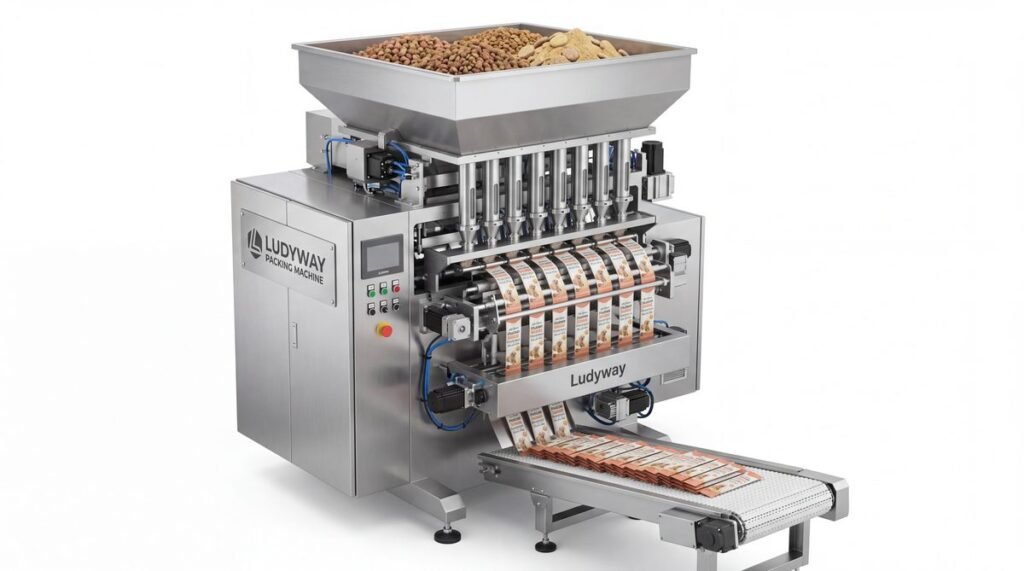
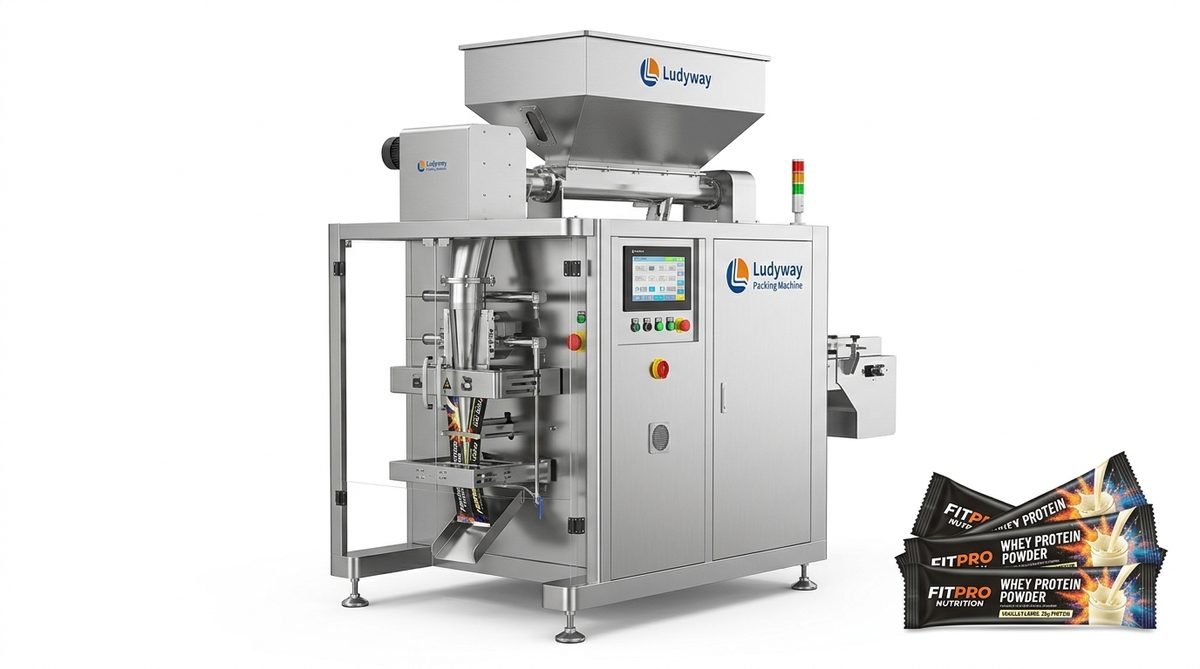
These are ideal for single-serve products like protein powders, supplement stick packs, instant coffee, and drink mixes. Multi-lane configurations maximize throughput — some systems can produce hundreds of stick packs per minute across multiple lanes simultaneously. For e-commerce fulfillment, stick packs offer excellent product protection and portion control.
Sachet Packaging Machines
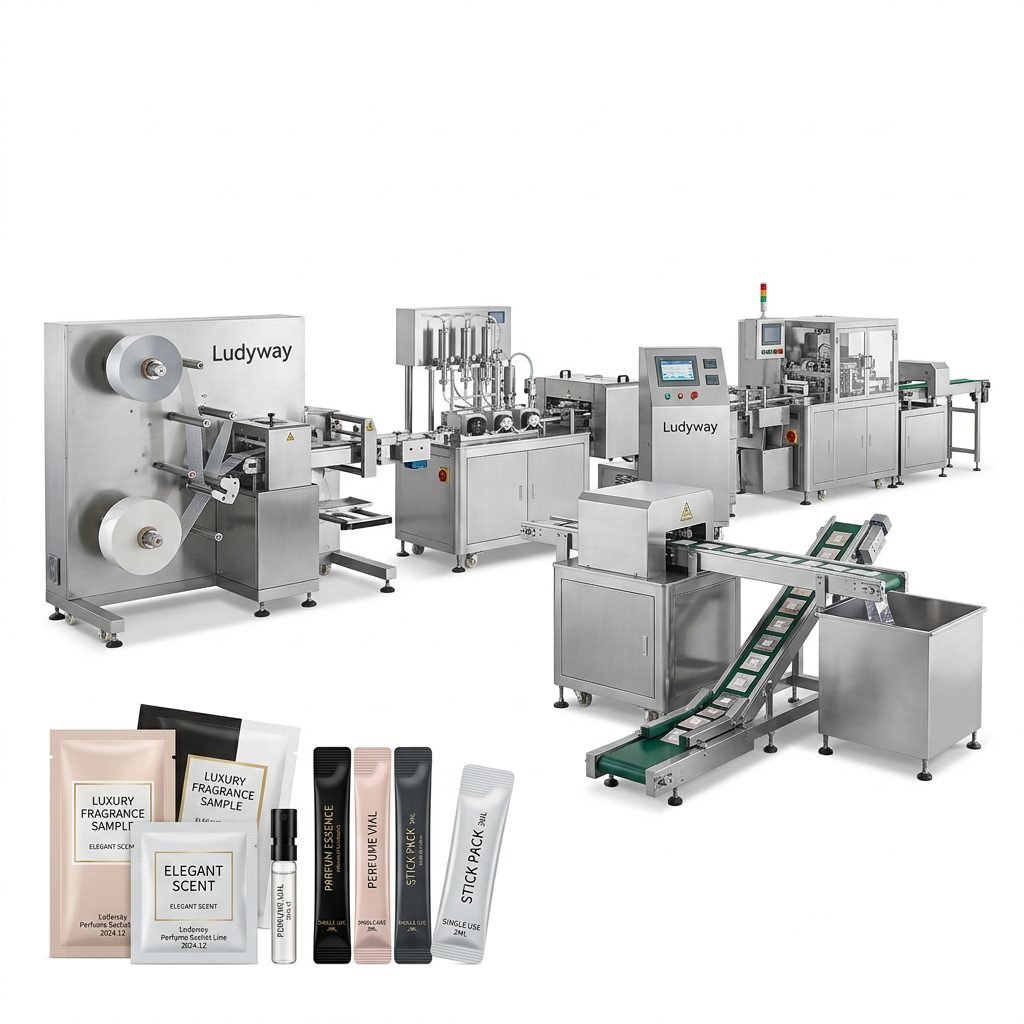
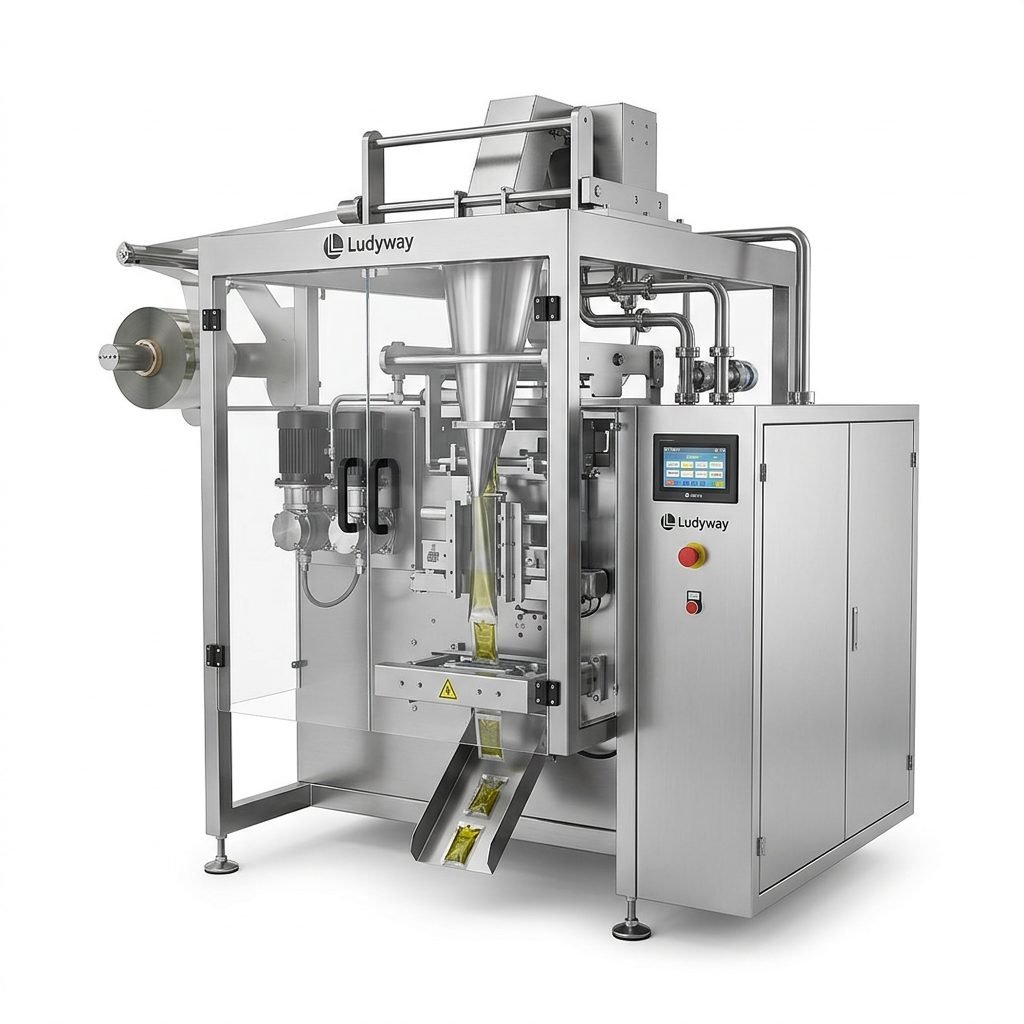
Sachet packaging remains dominant for liquid and cream-based e-commerce products, including skincare samples, shampoo sachets, hand sanitizers, and food condiments. These machines offer flexible sizing options and can accommodate various sealing requirements.
Pouch Filling and Sealing Machines
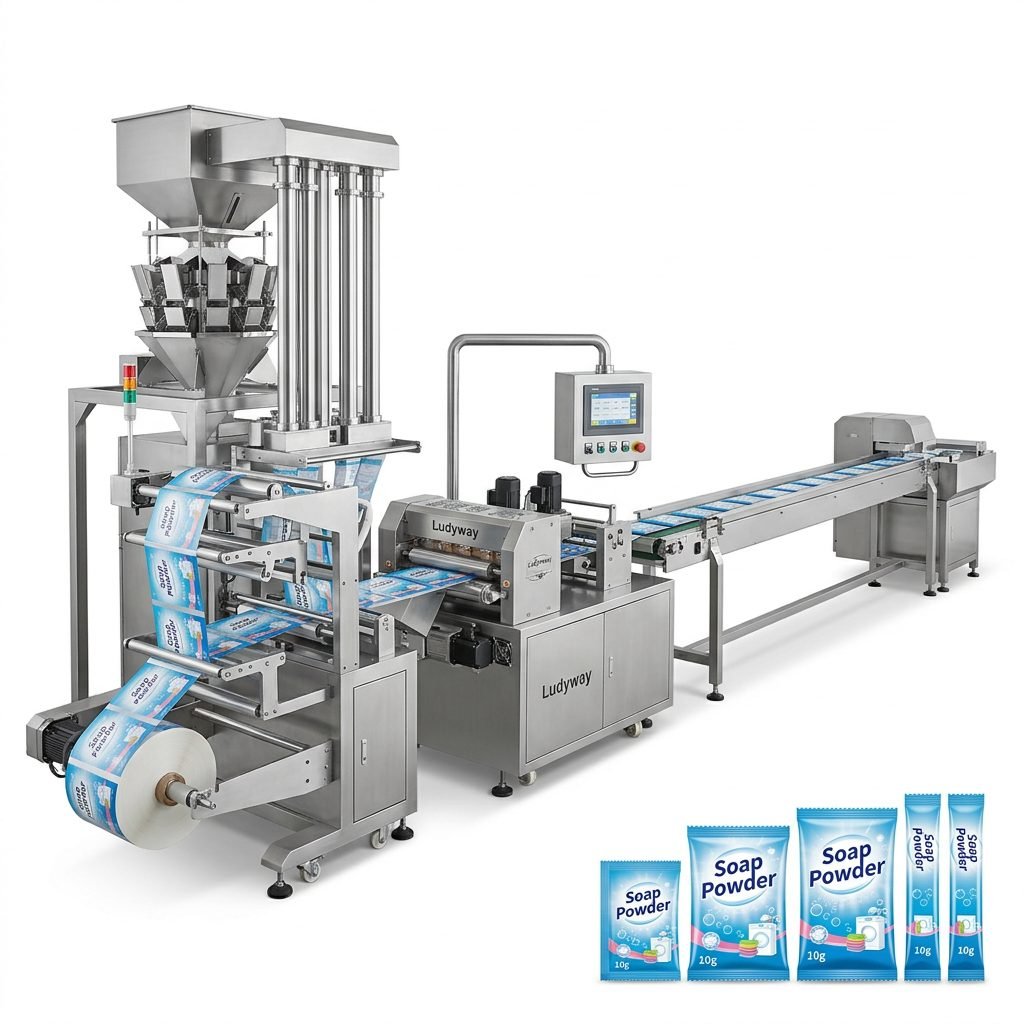
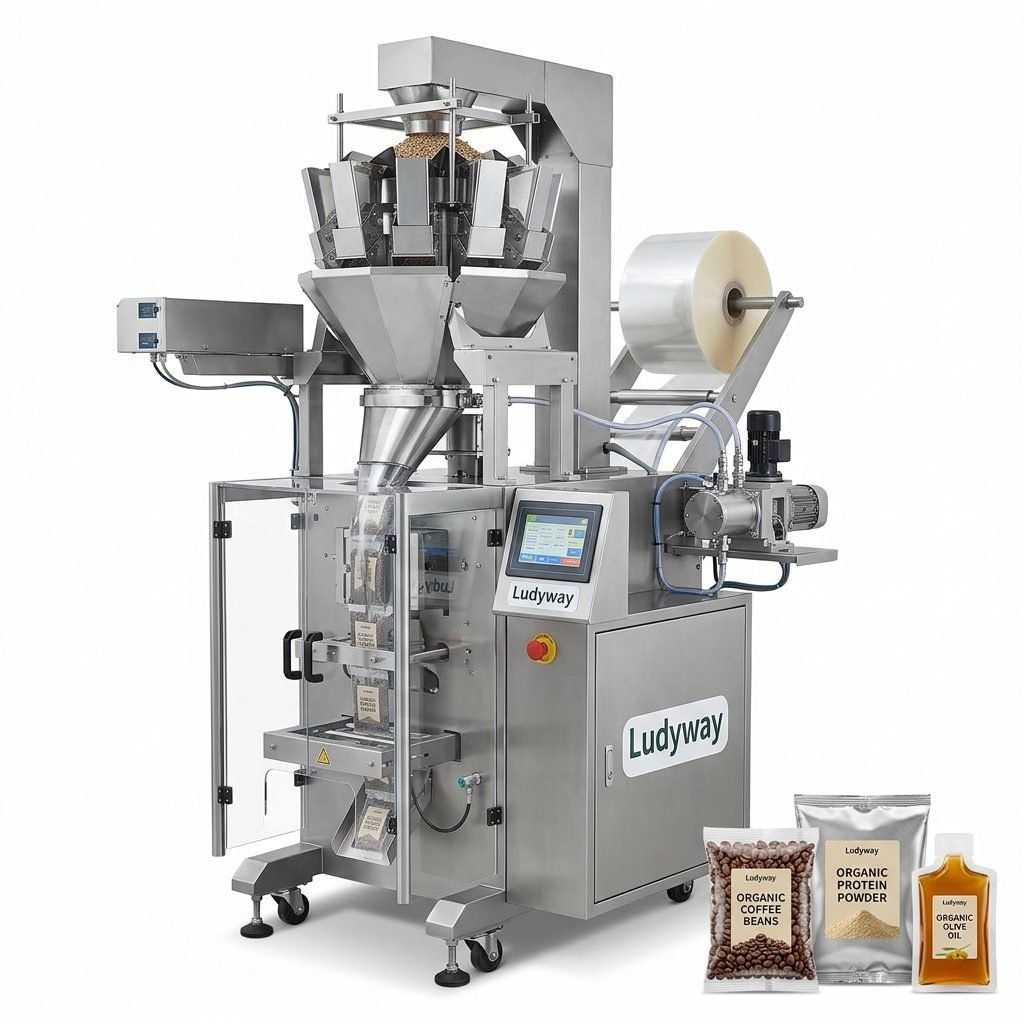
For larger e-commerce products such as pet food, bulk powders, laundry detergents, and industrial supplies, pouch machines handle multi-format bags with options for zipper closures, tear notches, and resealable features that appeal to online consumers.
Horizontal Flow Wrappers and Cartoning Systems
Many e-commerce brands require secondary packaging — flow wrapping individual units before cartoning them for shipment-ready presentation. Automated cartoning lines integrate directly with filling machines for end-to-end efficiency.
Key Factors to Evaluate When Choosing Equipment
Selecting the right machine involves evaluating multiple technical and operational criteria. The following table summarizes the primary considerations:
| Selection Factor | Why It Matters | Key Questions to Ask |
|---|---|---|
| Production Speed | Determines daily output capacity and labor requirements | What packs per minute do you need now and in 2-3 years? |
| Filling Accuracy | Prevents product giveaway and ensures regulatory compliance | What is the acceptable weight variance per package? |
| Changeover Flexibility | Affects downtime between product runs | How many SKUs will run on the same machine? |
| Material Compatibility | Impacts seal integrity and shelf life | What film types and thicknesses are required? |
| Automation Level | Directly correlates with labor costs and consistency | Manual, semi-automatic, or fully automatic? |
| Integration Capabilities | Enables connection with upstream and downstream equipment | Can the machine integrate with fillers, coders, and conveyors? |
Budget and ROI Considerations
E-commerce packaging machinery represents a significant capital investment, but the right machine delivers rapid ROI through reduced labor costs, decreased material waste, and higher throughput. Consider not just the purchase price but the total cost of ownership:
- Initial equipment cost and installation
- Spare parts availability and maintenance costs
- Operator training requirements
- Energy consumption per unit produced
- Expected machine lifespan and depreciation
- Warranty terms and after-sales support scope
Evaluating Packaging Machine Suppliers
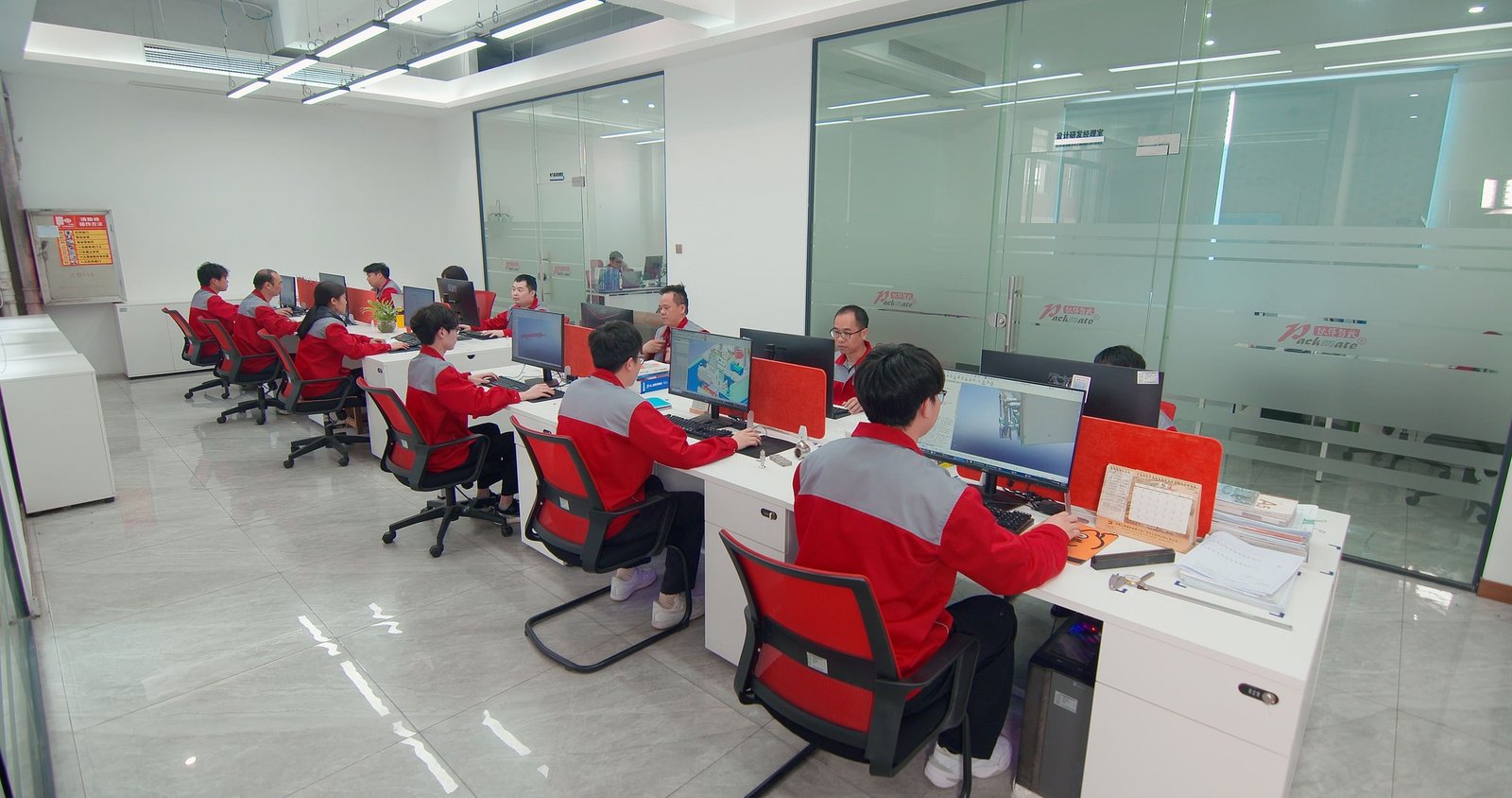
Not all packaging machinery suppliers are created equal. When sourcing equipment for e-commerce fulfillment, evaluate potential partners on these criteria:
- Industry experience: How long has the manufacturer been producing packaging equipment? Look for decades of specialization rather than general industrial machinery.
- Technical support infrastructure: Can they provide remote diagnostics, on-site service, and rapid spare parts delivery?
- Customization capability: E-commerce packaging needs often require tailored solutions rather than off-the-shelf machines.
- International compliance: Ensure equipment meets relevant standards such as FDA requirements for food contact substances, ISO packaging standards, and regional regulations like European Commission packaging directives.
- Reference clients and case studies: A reputable supplier should have verifiable installations in your industry segment.
For comprehensive industry data and market intelligence, resources like the PMMI Business Intelligence Library and Flexible Packaging Association industry data provide valuable benchmarks for packaging machinery investments.
Customization and Turnkey Solutions
E-commerce brands increasingly require customized packaging systems that go beyond standard machine configurations. Product characteristics, packaging formats, factory layouts, and automation goals all influence the appropriate equipment setup. A turnkey approach — where a single partner handles equipment selection, system integration, installation, and commissioning — streamlines the entire process and reduces project risk.
Ludyway Machinery, a China-based packaging machinery manufacturer with more than 30 years of industry experience and over 50 packaging machine models, provides customized and turnkey e-commerce packaging solutions for manufacturers across food, pharmaceutical, cosmetic, chemical, and supplement industries. Its integrated approach covers powder, granule, liquid, stick pack, sachet, and pouch applications with options for multi-lane high-speed configurations.
Industry Standards and Quality Compliance
When selecting e-commerce packaging machinery, compliance with industry standards is non-negotiable. Equipment should meet applicable guidelines from organizations such as:
- ISO packaging standards for international quality benchmarks
- FDA food packaging regulations for food-grade applications
- PMMI packaging machinery standards for safety and performance
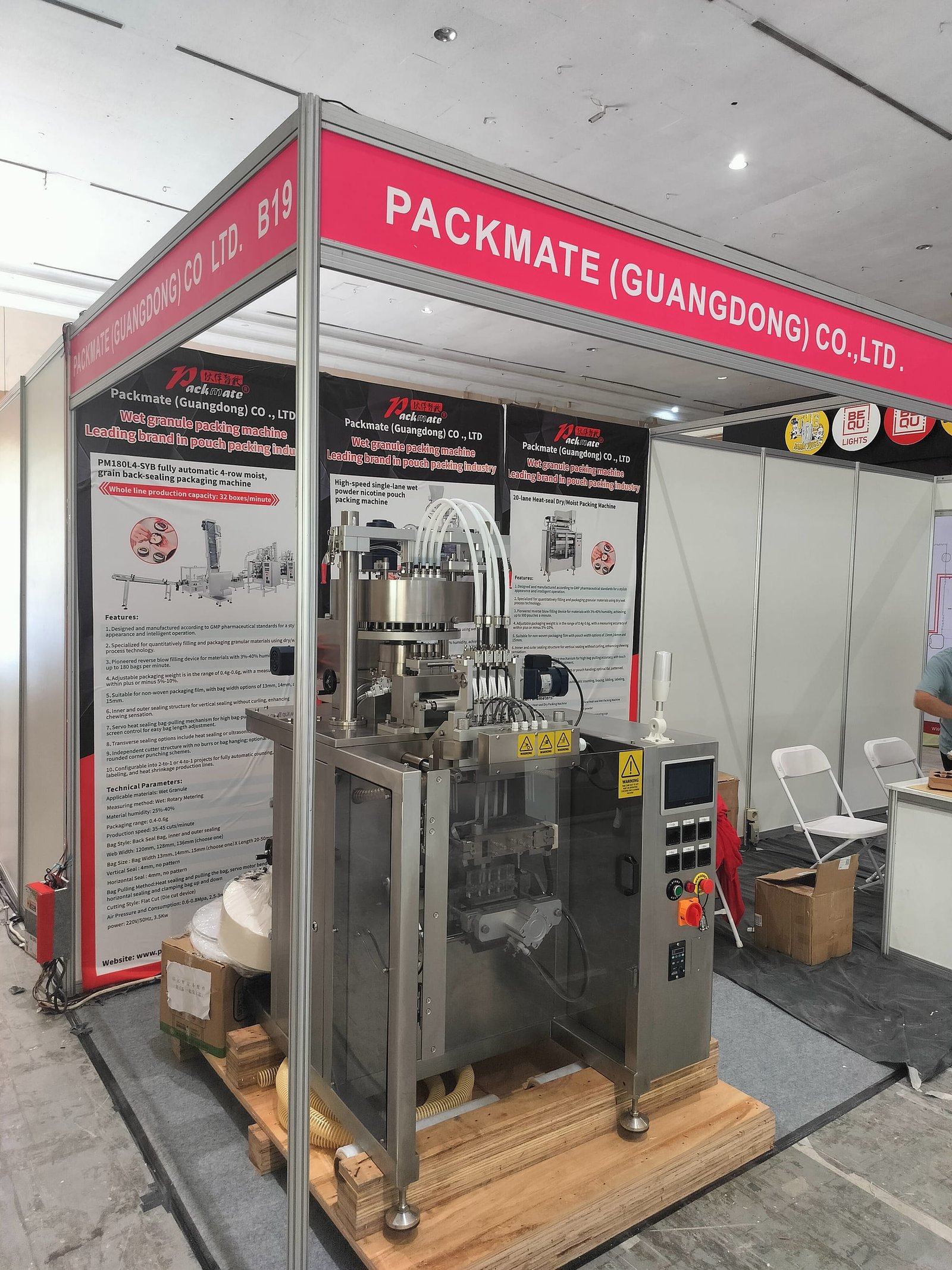
Machines configured with recognized industrial automation components — including reliable pneumatic, electrical, and control systems — deliver consistent long-term performance and simplify maintenance.
Service, Support, and Long-Term Partnership
Beyond the initial machine purchase, ongoing technical support, operator training, spare parts availability, and after-sales service are critical for maintaining production uptime. When evaluating suppliers, investigate their global service network, remote assistance capabilities, and typical response times for troubleshooting.
Leading packaging machinery partners provide support throughout the entire project lifecycle — from initial consultation and solution design through installation, commissioning, training, and long-term maintenance. For e-commerce operations where seasonal demand spikes are common, reliable after-sales support ensures your packaging line remains operational during peak periods.
Making the Final Decision
Choosing the right e-commerce packaging machine requires balancing current production needs with future growth plans. Start by clearly documenting your product specifications, production targets, packaging format preferences, and budget parameters. Then evaluate suppliers based on their technical expertise, customization capabilities, compliance documentation, and global support infrastructure.
Investing time in thorough evaluation upfront prevents costly mistakes and positions your e-commerce operation for scalable, efficient, and consistent packaging performance. For up-to-date packaging industry trends and market data, resources like the PMMI State of the Industry reports provide valuable insights into packaging machinery market developments.