Investing in a fabric roll packing machine is a significant decision for any textile manufacturer, wholesaler, or distributor. The right equipment can dramatically reduce labor costs, improve packaging consistency, and protect your fabric rolls during storage and transit. However, with so many configurations, automation levels, and technical specifications available, the selection process can feel overwhelming. This guide walks you through every critical factor to consider before making a purchase.

Understanding Fabric Roll Packaging Challenges
Fabric rolls—whether textile, non-woven, or technical fabrics—present unique packaging challenges. Unlike rigid products, fabric rolls are cylindrical, often heavy, and susceptible to damage from moisture, dust, and physical compression. A properly selected packing machine must account for roll diameter variations, weight capacities, wrapping material compatibility, and throughput requirements. According to the Flexible Packaging Association, the demand for protective roll packaging has grown steadily as global textile trade expands.
Key Operational Questions to Ask First
- What is the range of roll diameters and widths you need to package?
- What is your target output per hour or per shift?
- Will you be packaging single rolls or multiple rolls together?
- What wrapping material do you plan to use—polyethylene film, shrink film, kraft paper, or composite materials?
- Do you require automatic labeling, coding, or weighing integration?
- What are the environmental conditions in your facility—dust, humidity, temperature extremes?
Types of Fabric Roll Packing Machines
Not all roll packing equipment is created equal. The market offers several distinct machine categories, each suited to different production scales and packaging formats. Understanding these options is crucial before engaging with suppliers. The PMMI – Association for Packaging and Processing Technologies provides extensive resources on packaging machinery classifications that can supplement your research.
| Machine Type | Best For | Typical Output Range | Automation Level |
|---|---|---|---|
| Semi-Automatic Roll Wrapper | Small to medium workshops | 30–60 rolls/hour | Manual loading, automatic wrapping |
| Fully Automatic Roll Packing Line | High-volume textile mills | 120–300+ rolls/hour | Fully automated with conveyor integration |
| Shrink Wrap Roll Packer | Moisture-sensitive fabrics | 60–150 rolls/hour | Semi or fully automatic |
| Stretch Film Roll Wrapper | Heavy or large-diameter rolls | 40–100 rolls/hour | Semi-automatic, operator-assisted |
| Kraft Paper Roll Packer | Eco-conscious brands, export packaging | 50–120 rolls/hour | Automatic with manual material replenishment |
Critical Technical Specifications to Evaluate
When comparing different fabric roll packing machines, technical specifications should be examined in detail. These parameters directly affect machine longevity, operational efficiency, and product quality. Skipping this step often leads to costly mismatches between the machine and your actual production needs.
Roll Dimension Compatibility
The machine must accommodate your full range of roll sizes. Pay close attention to the minimum and maximum diameter, roll width, and weight capacity. Some machines offer quick-change adjustments for different roll sizes, while others require significant downtime for changeovers. If your product range includes rolls from 200mm to 800mm in diameter, ensure the machine can handle that spectrum without compromising wrap quality on either extreme.
Wrapping Material Specifications
Different wrapping materials require different handling mechanisms. Polyethylene film demands precise temperature control for heat sealing, while kraft paper needs mechanical folding and gluing systems. The machine’s material compatibility determines not only the packaging outcome but also ongoing consumable costs. Verify that the machine supports the film thickness, roll width, and material type you intend to use.

Sealing and Closure Systems
The sealing mechanism is a critical quality control point. Heat sealing, impulse sealing, and adhesive closure each have advantages depending on your packaging material and speed requirements. For high-speed lines, continuous heat sealing often provides the best balance of speed and seal integrity. The PMMI Business Intelligence Library offers detailed reports on packaging technology trends that can inform your decision.
Automation and Integration Considerations
Modern fabric roll packing machines rarely operate in isolation. They are increasingly part of integrated production and logistics systems. Consider how the machine will connect with upstream and downstream processes.
Conveyor and Handling Integration
Automatic roll feeding systems can significantly boost throughput. Look for machines that offer compatible conveyor interfaces for seamless roll transfer from production lines. Some advanced systems include automatic roll centering, orientation adjustment, and rejection mechanisms for out-of-spec products.
Data Connectivity and Industry 4.0 Readiness
Leading packaging equipment now includes PLC controls with Ethernet/IP or Modbus connectivity, enabling real-time production monitoring and integration with plant-wide manufacturing execution systems. Features like remote diagnostics, production data logging, and predictive maintenance alerts are becoming standard expectations rather than premium add-ons.
Evaluating Build Quality and Durability
A fabric roll packing machine represents a long-term capital investment. The machine’s construction quality directly impacts maintenance costs, downtime frequency, and service life. When assessing build quality, examine these aspects closely:
- Frame construction: Welded steel frames generally offer superior rigidity compared to bolted aluminum alternatives, especially for heavy roll applications.
- Component sourcing: Machines using internationally recognized pneumatic, electrical, and control components tend to offer better reliability and easier spare parts availability.
- Surface treatments: In humid or corrosive environments, stainless steel construction or protective coatings on critical components extend machine life significantly.
- Wear parts accessibility: Easy access to belts, heating elements, and cutting blades reduces maintenance time and technician dependency.
Cost Analysis Beyond the Purchase Price
The sticker price of a machine tells only a fraction of the total cost story. A comprehensive cost analysis should account for the full ownership lifecycle. Here is a breakdown of cost components that buyers frequently overlook:
| Cost Category | Details | Estimated % of TCO |
|---|---|---|
| Initial Purchase | Machine cost, shipping, import duties | 55–65% |
| Installation and Commissioning | Site preparation, utilities, technician fees | 8–12% |
| Consumables | Wrapping film, paper, labels, ink | 10–15% (annual) |
| Maintenance and Spare Parts | Routine servicing, wear part replacement | 5–8% (annual) |
| Operator Training | Initial and ongoing training programs | 3–5% |
Supplier Evaluation Criteria
Choosing the right supplier is as important as choosing the right machine. A reliable manufacturer with proven industry experience can make the difference between a smooth implementation and ongoing operational headaches. When evaluating potential suppliers for your fabric roll packing machine, consider the following criteria:
Industry Experience and References
Look for suppliers with demonstrated experience in textile or roll packaging applications specifically. General packaging machine manufacturers may lack the specialized knowledge required for fabric roll handling. Request customer references and case studies from businesses with similar roll dimensions and production volumes. Visiting existing installations, when possible, provides invaluable firsthand insight into real-world machine performance.
After-Sales Support and Service Network
Packaging machinery requires ongoing support. Evaluate the supplier’s service response times, spare parts availability, and technical support capabilities. Manufacturers with global service networks and remote diagnostic capabilities can significantly reduce downtime risks. Ask specific questions about typical response times for both remote support and on-site service visits in your region.
Customization and Engineering Capabilities
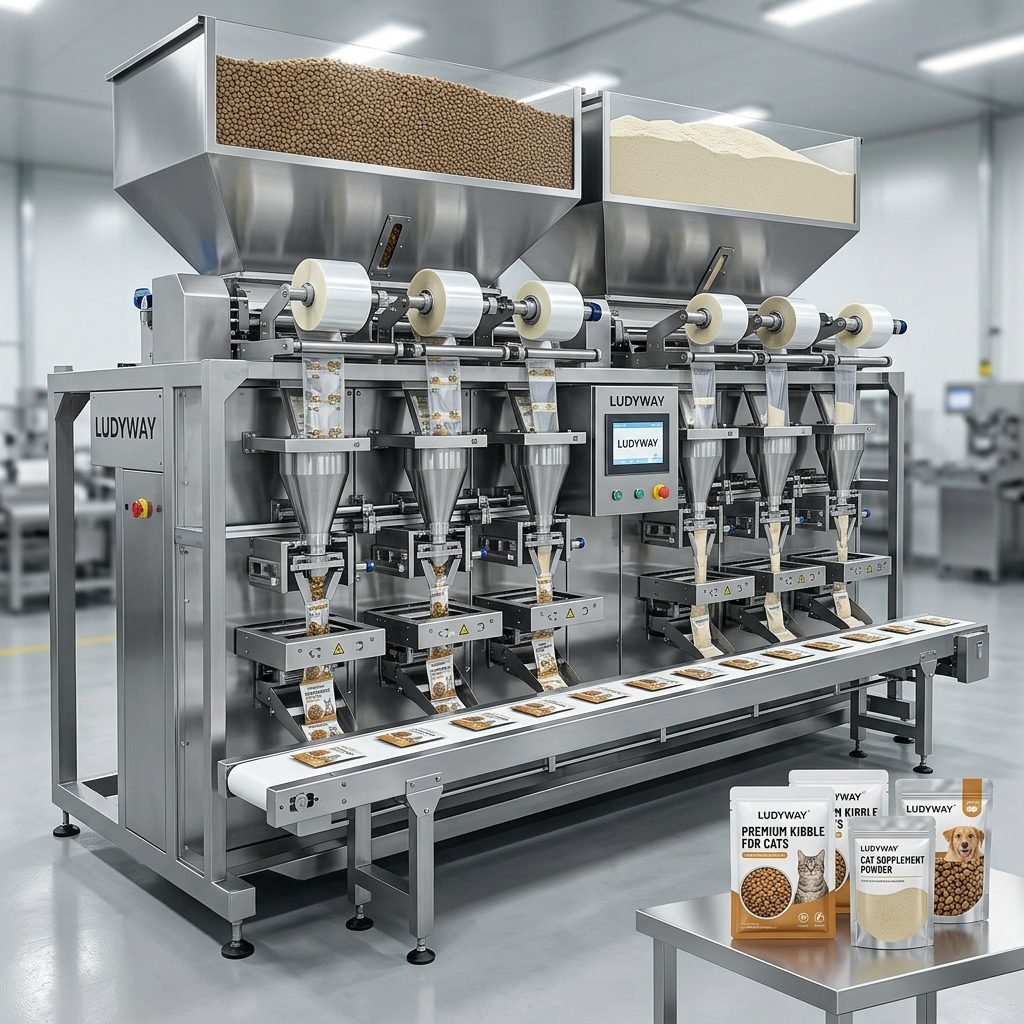
Standard machines rarely fit every application perfectly. The best suppliers offer engineering flexibility to adapt machines to your specific roll dimensions, wrapping materials, and production environment. This includes the ability to configure dosing, sealing, coding, and inspection systems according to your requirements. Companies like Ludyway Machinery, with over 30 years of packaging industry experience and a 20,000-square-meter manufacturing facility, exemplify the kind of integrated engineering and manufacturing capability that supports effective customization for diverse roll packaging applications.
Regulatory Compliance and Safety Standards
Depending on your target markets, your fabric roll packing machine may need to comply with specific safety and quality standards. For manufacturers exporting to multiple regions, this becomes particularly important. Key standards to verify include CE marking for European markets, UL certification for North America, and relevant ISO packaging standards. Machines should also incorporate appropriate safety features including emergency stops, guarding, and electrical safety systems. The ISO packaging standards provide comprehensive guidance on international requirements.
Environmental and Sustainability Considerations
Sustainability is increasingly shaping packaging decisions. Modern fabric roll packing machines should support recyclable and biodegradable wrapping materials where possible. Some machines now offer film optimization systems that reduce material consumption by precisely calculating the minimum film required for each roll. This not only reduces environmental impact but also lowers ongoing consumable costs—a win-win for both sustainability goals and operational budgets. The Flexible Packaging Association’s sustainability resources offer valuable guidance on material selection and waste reduction strategies.
Testing and Validation Before Purchase
Before committing to a purchase, insist on product testing with your actual fabric rolls. Most reputable manufacturers offer trial runs where you can send sample rolls and evaluate the packaging quality firsthand. During testing, pay close attention to:
- Wrap tightness and consistency across multiple roll sizes
- Seal integrity—especially important for moisture-sensitive fabrics
- Package appearance—wrinkles, loose ends, or inconsistent folding affect brand perception
- Actual throughput speed compared to the manufacturer’s rated specifications
- Material consumption rates to verify cost projections
Making the Final Decision
Selecting the right fabric roll packing machine requires balancing multiple factors: technical specifications, budget constraints, supplier reliability, and future scalability. Start by clearly documenting your current requirements and anticipated future needs. Use the criteria outlined in this guide to create a structured evaluation framework. Engage with multiple suppliers, request detailed proposals, and whenever possible, conduct on-site visits or product trials.
Remember that the lowest purchase price rarely equates to the best long-term value. Factor in total cost of ownership, supplier support quality, and machine adaptability. A well-chosen fabric roll packing machine will deliver consistent, high-quality packaging for years, protecting your products and enhancing your brand’s reputation in the marketplace. For additional industry insights, the PACK EXPO International event provides an excellent opportunity to compare different packaging technologies and connect with machinery manufacturers in person.