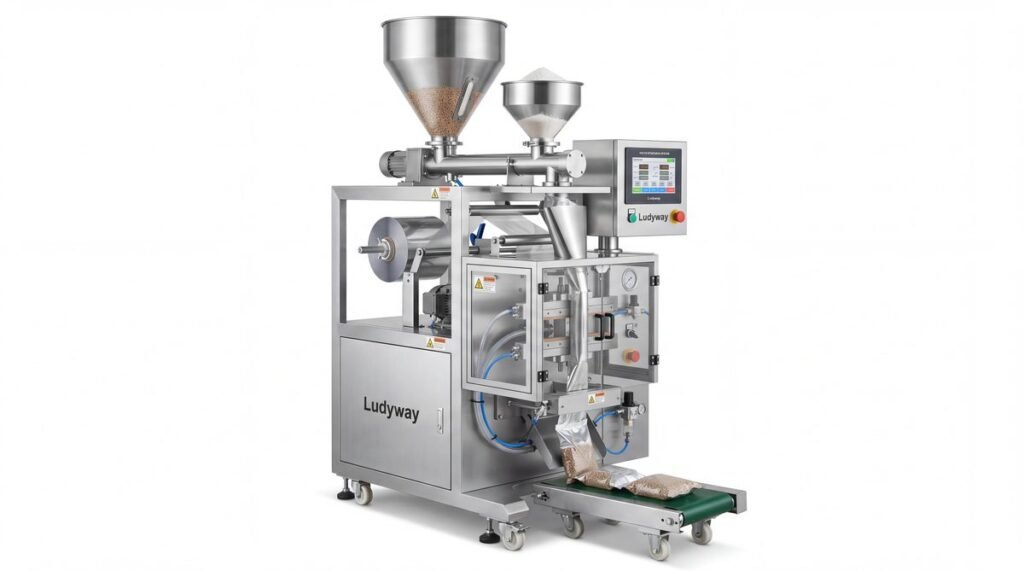
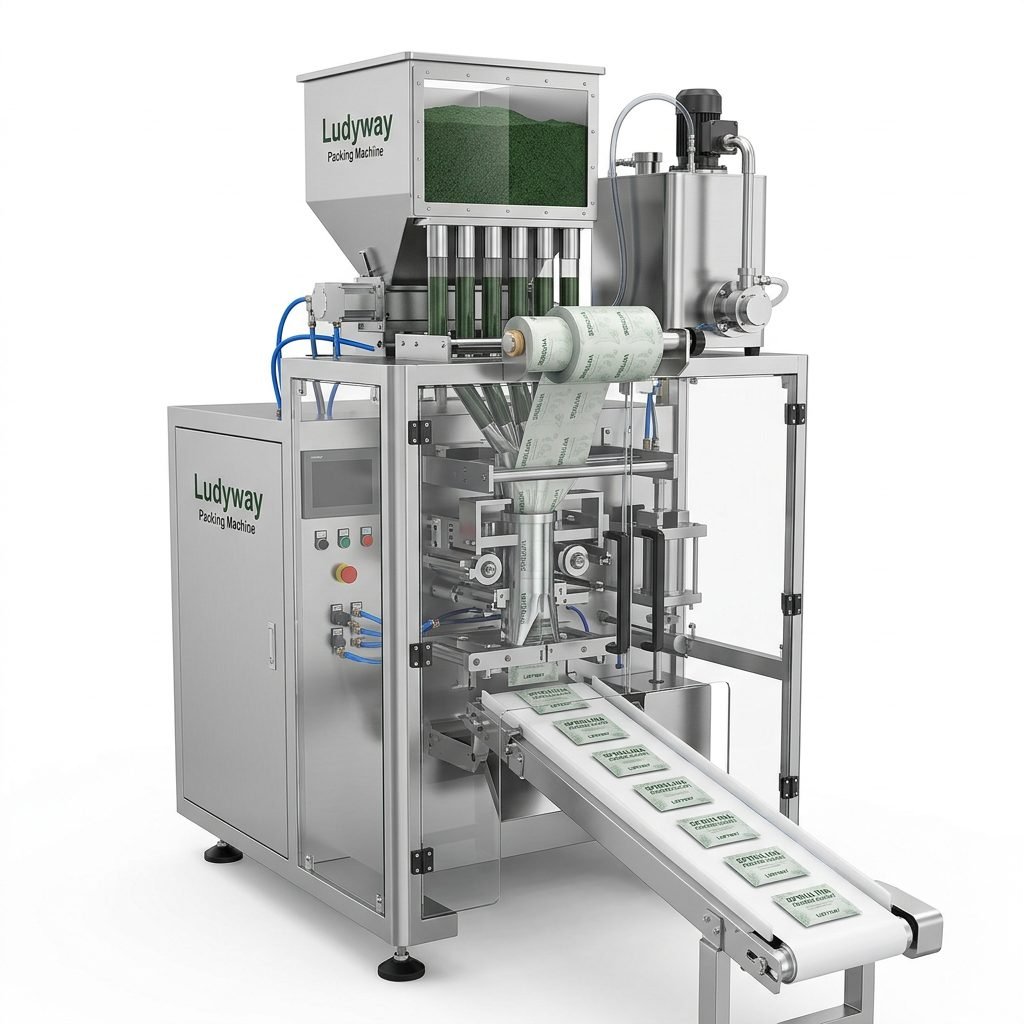
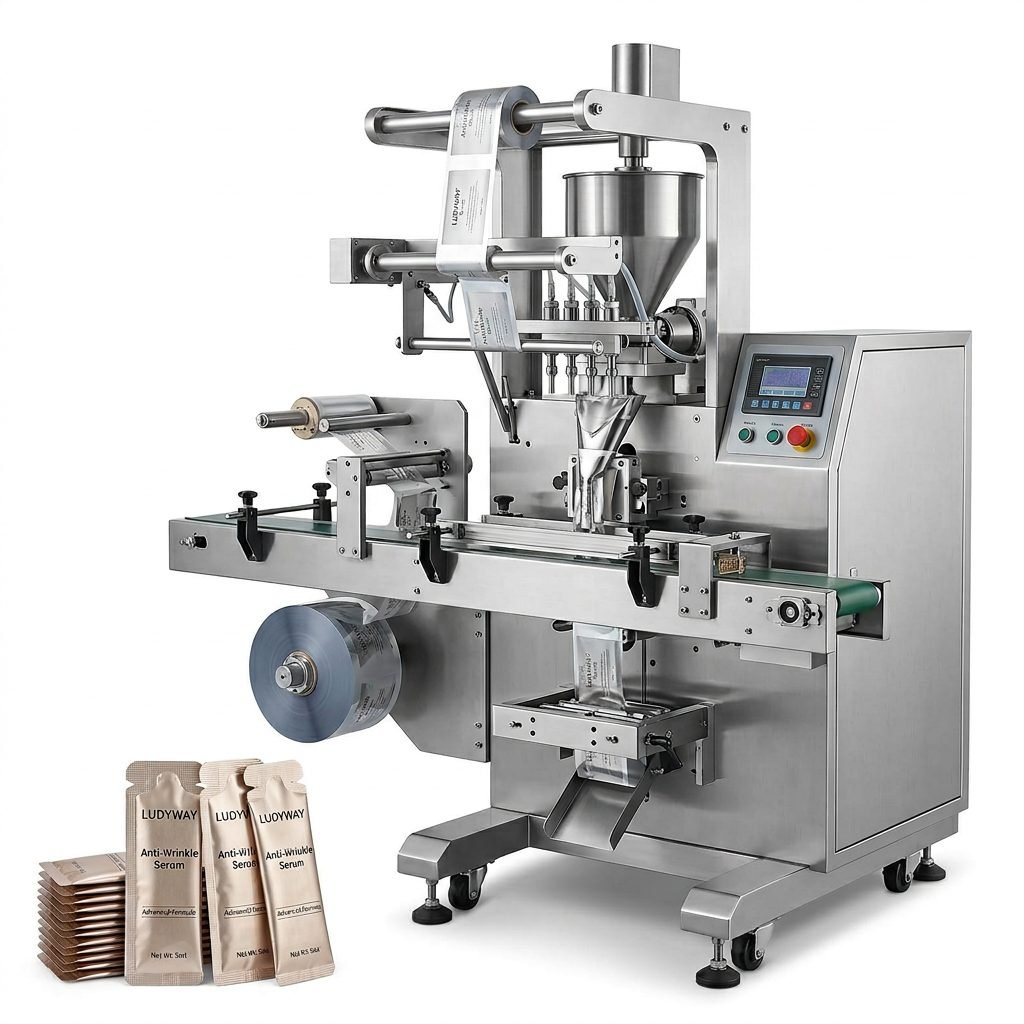
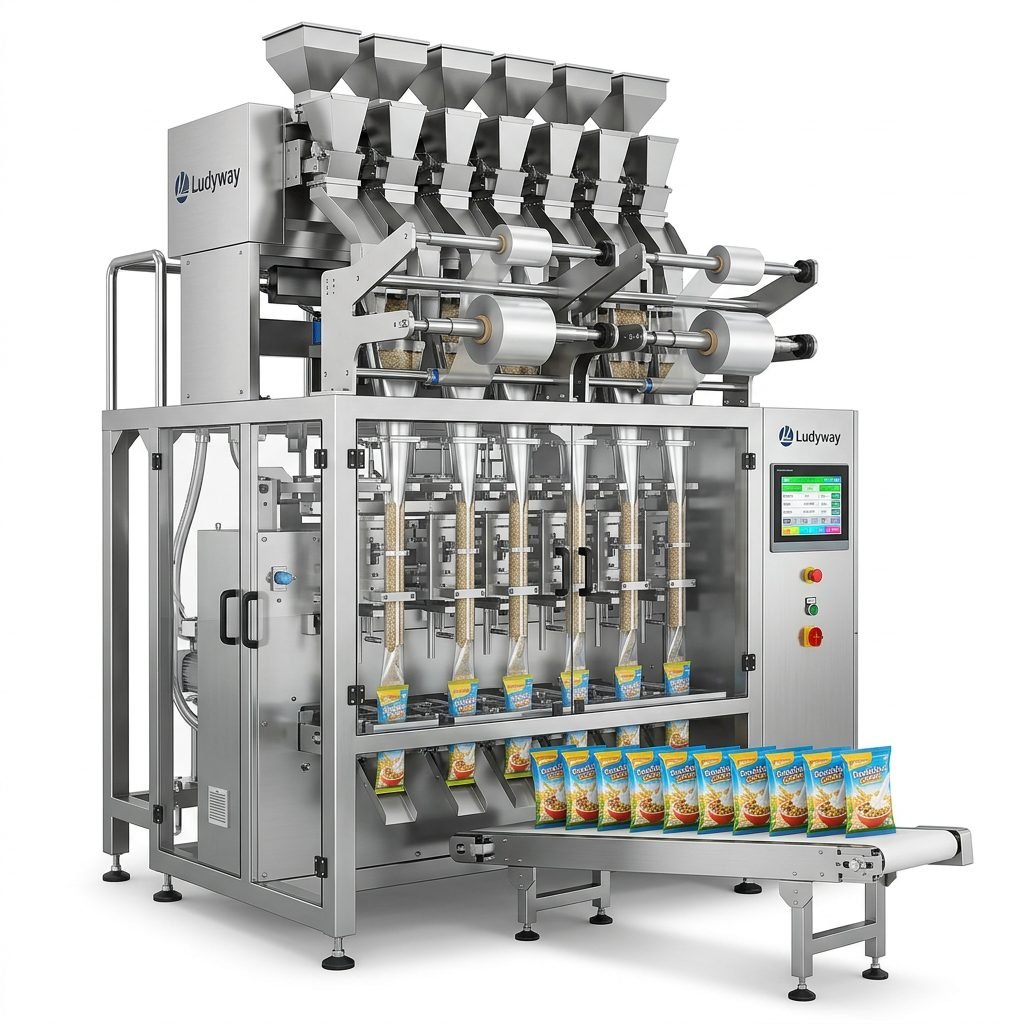
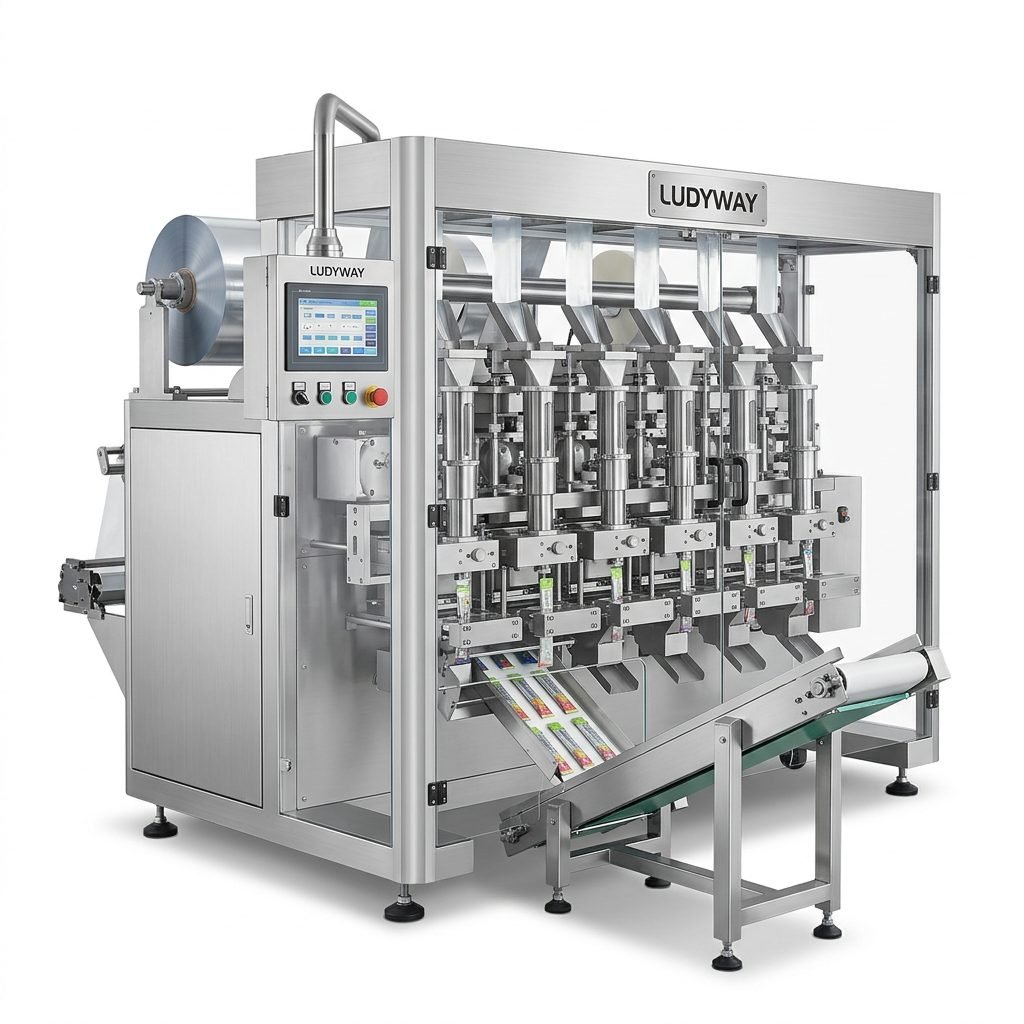
Investing in a plantain chips packaging machine is a strategic decision that directly affects your production efficiency, product freshness, and operational costs. Plantain chips are a fragile, moisture-sensitive snack that requires specific engineering to maintain texture and prevent breakage. Whether you are scaling up from manual packing or launching a new automated line, understanding the core selection criteria helps you avoid costly mistakes and secure a system that grows with your business.
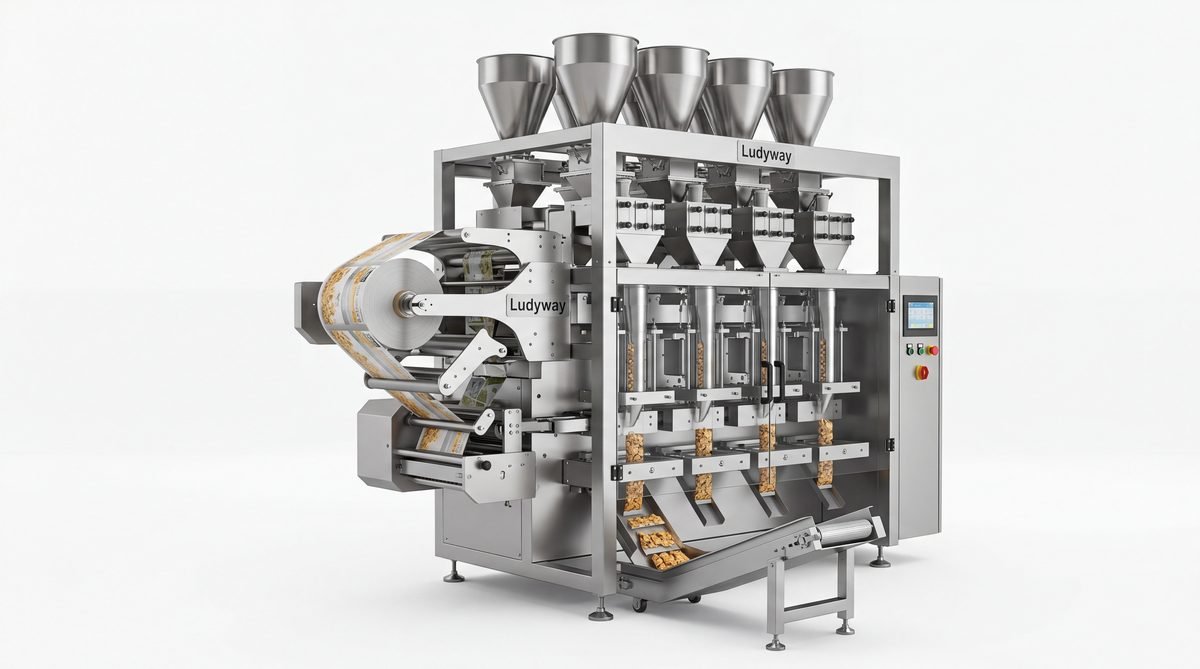
This buyer’s guide walks you through the essential technical, operational, and commercial factors to evaluate before purchasing a plantain chips packaging solution. By the end, you will have a clear framework for comparing equipment and selecting a machine that aligns with your product characteristics, target output, and factory environment.
1. Understand Your Plantain Chip Product Characteristics
Before you look at machine specifications, you need a complete understanding of your product’s physical properties. Plantain chips vary significantly depending on slicing thickness, frying method, and seasoning. These variables directly dictate what type of weighing, feeding, and sealing systems are appropriate.
Key Product Variables to Document
- Chip Size and Shape Uniformity: Irregularly shaped or broken chips may require multi-head weighers with gentle handling features to avoid further breakage during dosing.
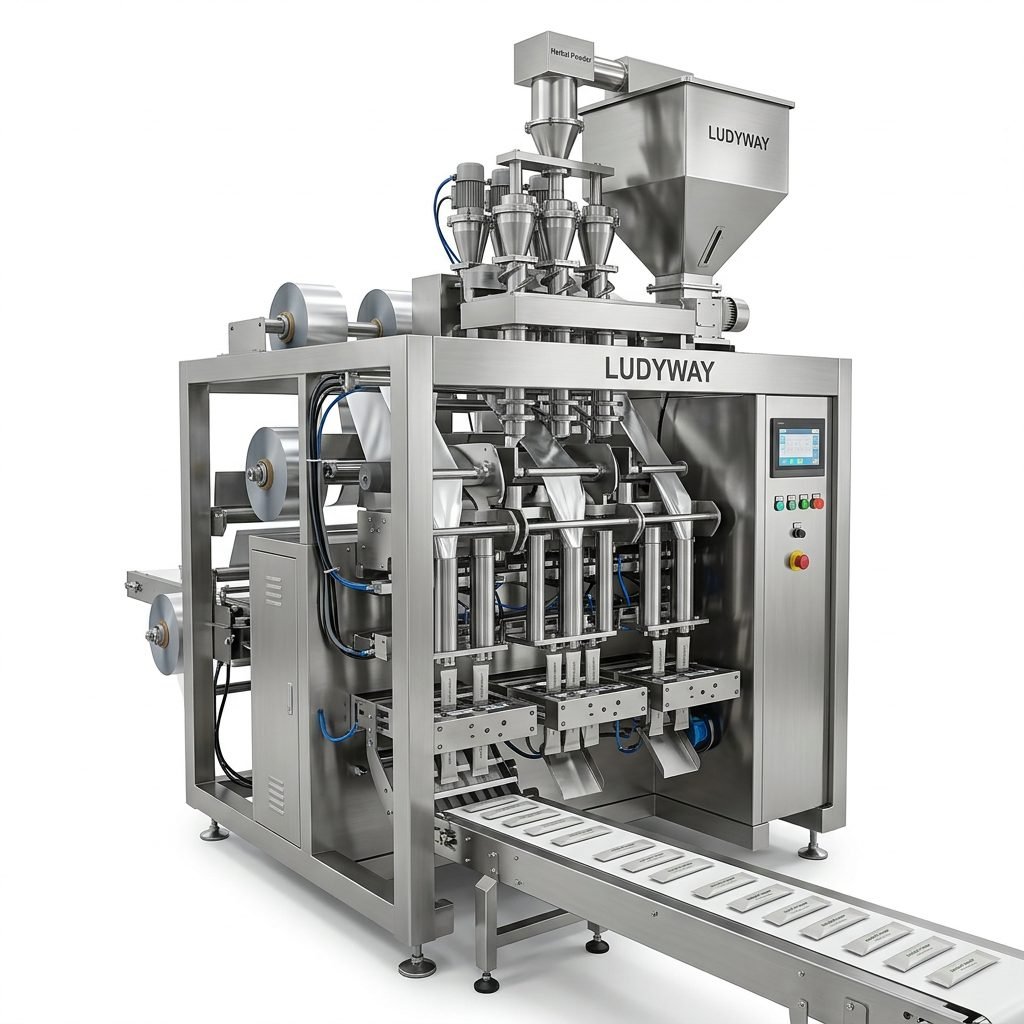
- Fragility and Breakage Rate: Highly fragile chips demand vertical form fill seal (VFFS) machines equipped with vibration-dampened feeding and lower drop heights. Excessive breakage leads to rejected bags and customer complaints.
- Oil Content and Surface Condition: Residual oil can affect film seal integrity and cause slippage during bag forming. Machines must be configured with compatible film tracking and sealing parameters.
- Seasoning and Additives: Salt, spices, or flavor coatings can introduce dust and abrasive particles. Sealing jaws and filling paths must resist corrosion and buildup.
- Moisture Sensitivity: Most plantain chips are hygroscopic. A packaging machine that integrates nitrogen flushing or vacuum sealing helps extend shelf life by reducing oxygen and moisture inside the package.
2. Determine the Right Packaging Format and Bag Style
Plantain chips are sold in a variety of formats, from small snack packs to large family-size bags. The packaging style you choose determines the machine type required. Below is a comparison of common formats and their associated machinery.
| Packaging Format | Typical Bag Size | Recommended Machine Type | Key Advantage |
|---|---|---|---|
| Pillow Bags | 30g – 200g | Vertical Form Fill Seal (VFFS) | High speed, cost-effective film usage |
| Gusseted Bags | 100g – 500g | VFFS with Gusset Device | Better shelf presentation and stability |
| Quad Seal Bags | 200g – 800g | VFFS with Quad Seal Capability | Premium look, flat bottom, excellent shelf stand |
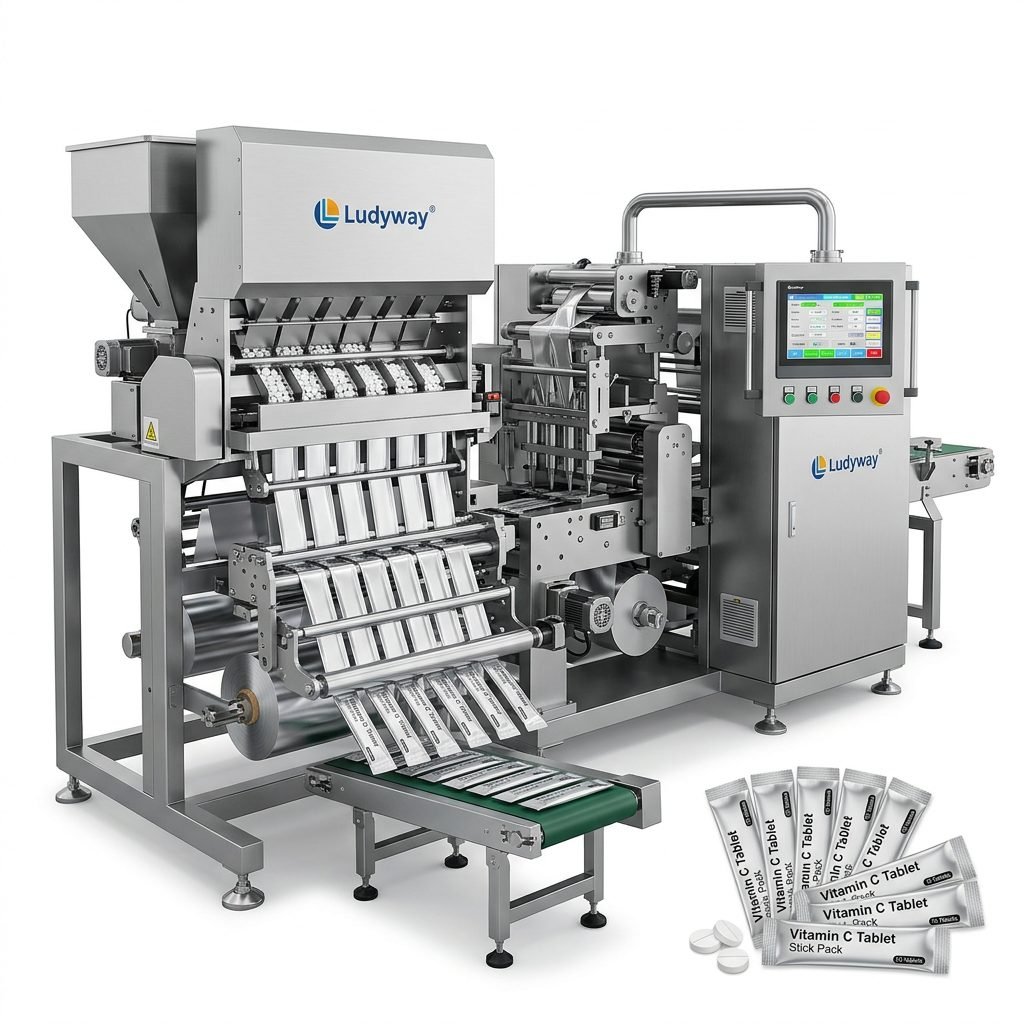
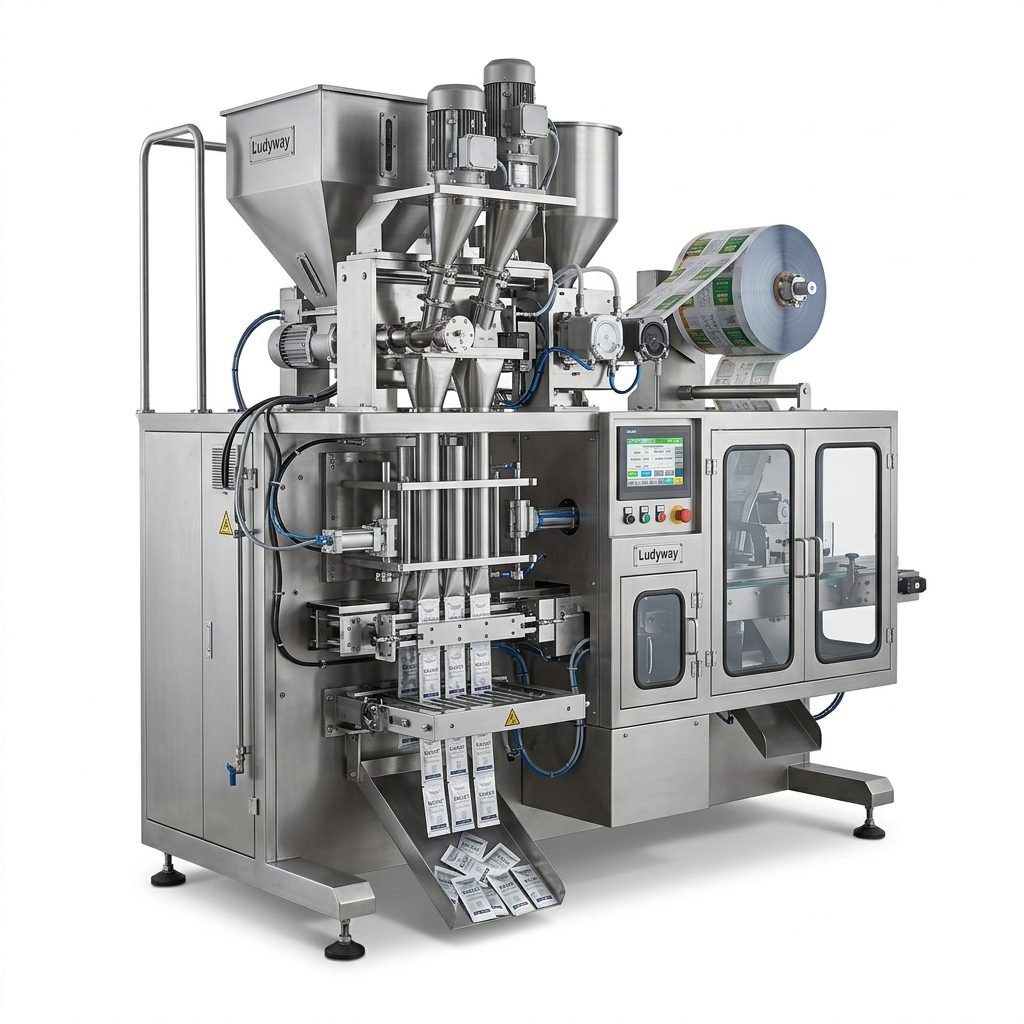
| Stick Packs / Sachets | 10g – 80g | Multi-Lane Stick Pack Machine | High output for single-serve portions |
| Pre-made Pouch (Doypack) | 100g – 1kg | Rotary or Inline Premade Pouch Machine | Extra durability, zipper options, high barrier |
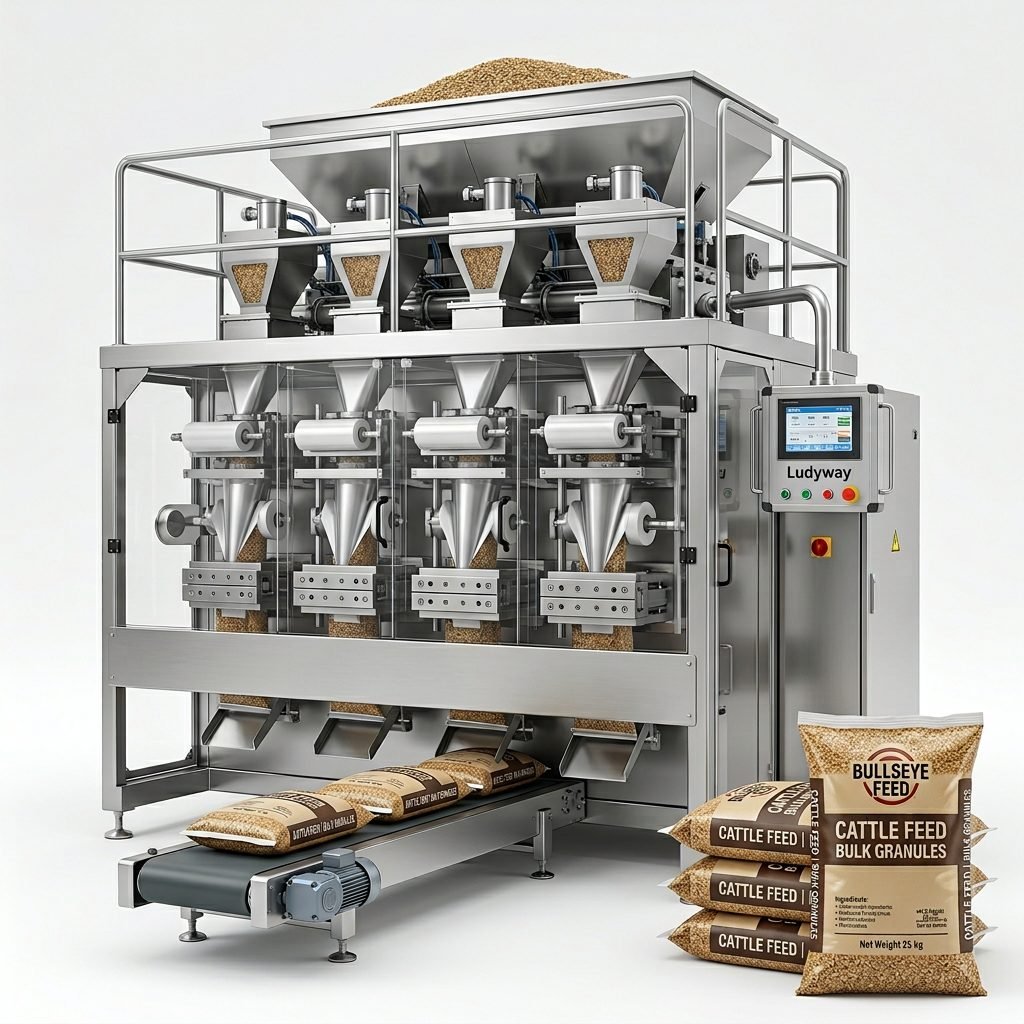
For high-output snack production, VFFS machines with multi-head weighers remain the industry standard. However, if your brand focuses on premium, resealable pouches, a premade pouch packaging system may provide better value despite higher film costs. For more industry data on packaging machinery trends across formats, the PMMI business intelligence library offers extensive market reports.
3. Evaluate Throughput Requirements and Machine Speed
Packaging speed is often the first specification buyers request, but it must be viewed in context. A machine rated at 80 bags per minute may only achieve that speed under optimal conditions with uniform product flow. Real-world throughput depends on weighing accuracy, film type, bag length, and operator efficiency.
Questions to Calculate Your Real Speed Needs
- What is your daily or hourly production target in kilograms or units?
- Do you run single-SKU shifts or frequent changeovers between different chip flavors and bag sizes?
- Is your upstream frying or seasoning line capable of continuous material supply to match the packaging machine’s speed?
- Will you operate single or multiple shifts? Higher shift demands favor more robust, industrial-grade machinery.
For small to medium producers, a single-lane VFFS machine may suffice. Large processors often deploy high-speed multi-lane systems to achieve the required output without running multiple separate lines. Multi-lane stick pack machines, for instance, can deliver significantly higher bag counts per minute compared to single-lane VFFS models for small portion packs.
4. Weighing and Dosing Technology for Accurate Filling
The filling system is the heart of any plantain chips packaging machine. Inaccurate fills result in product giveaway, which erodes profit margins, or underweight packs, which violate regulatory standards. Several weighing technologies are commonly used for snack packaging.
| Weighing Type | Accuracy Level | Best For | Considerations |
|---|---|---|---|
| Multi-Head Weigher | ±0.5 – 1.5g | Irregular chips, mixed sizes, high speed | Highest accuracy and speed; gentle handling options available |
| Linear Weigher | ±1 – 3g | Uniform, free-flowing chips | Lower cost but less accurate for inconsistent pieces |
| Volumetric Cup Filler | Moderate | Budget-sensitive projects, uniform product | Less precise; not ideal for expensive or fragile chips |
| Checkweigher (In-line) | ±0.1 – 0.5g | Compliance verification | Typically paired with multi-head weighers for feedback control |
For most commercial plantain chip operations, a multi-head weigher is the recommended choice. It combines high accuracy with the ability to handle product fragments without jamming. Advanced models feature individual weigh hopper control and software that optimizes combination calculations to minimize giveaway. Pairing the weigher with a feedback checkweigher creates a closed-loop system that auto-adjusts fill targets, which is especially valuable in markets governed by strict average quantity regulations such as those outlined by FDA food packaging requirements.
5. Packaging Material Compatibility and Seal Integrity
Plantain chips demand high-barrier packaging films to protect against moisture, oxygen, and light. Common structures include metallized BOPP, PET/Alu/PE laminates, and high-barrier coextruded films. The machine’s sealing system must be precisely controllable for dwell time, temperature, and pressure to create consistent, hermetic seals without burning or wrinkling the film.
Critical Sealing and Film Considerations
- Film Thickness Range: Verify that the machine’s film handling system (unwind, tension control, forming tube) accommodates your chosen film thickness, which may range from 35 to 100 microns depending on the format.
- Sealing Jaw Configuration: Serrated jaws, flat jaws, or pattern-sealed jaws affect seal strength and appearance. For oily products, serrated seals may provide more reliable closure.
- Residual Product in Seal Area: Fine chip dust or oil in the seal region compromises integrity. Evaluate machines with features such as secondary top-seal pre-cleaning, vibration during filling, or gas flushing to minimize product entrapment at the seal.
- Gas Flushing (Modified Atmosphere Packaging): If you plan to integrate nitrogen flushing to extend shelf life, the machine must support gas injection nozzles with proper timing control and a sealed forming tube design.
Another important resource is the Flexible Packaging Association’s industry resources, which provide data on film developments and barrier performance standards that can guide your material selection process.
6. Automation Level and Production Line Integration
A standalone packaging machine is one piece of a larger production system. The level of automation you choose affects labor requirements, line balance, and overall equipment effectiveness (OEE). Consider how the packaging machine connects to upstream frying, seasoning, and distribution systems, as well as downstream cartoning, case packing, and palletizing.
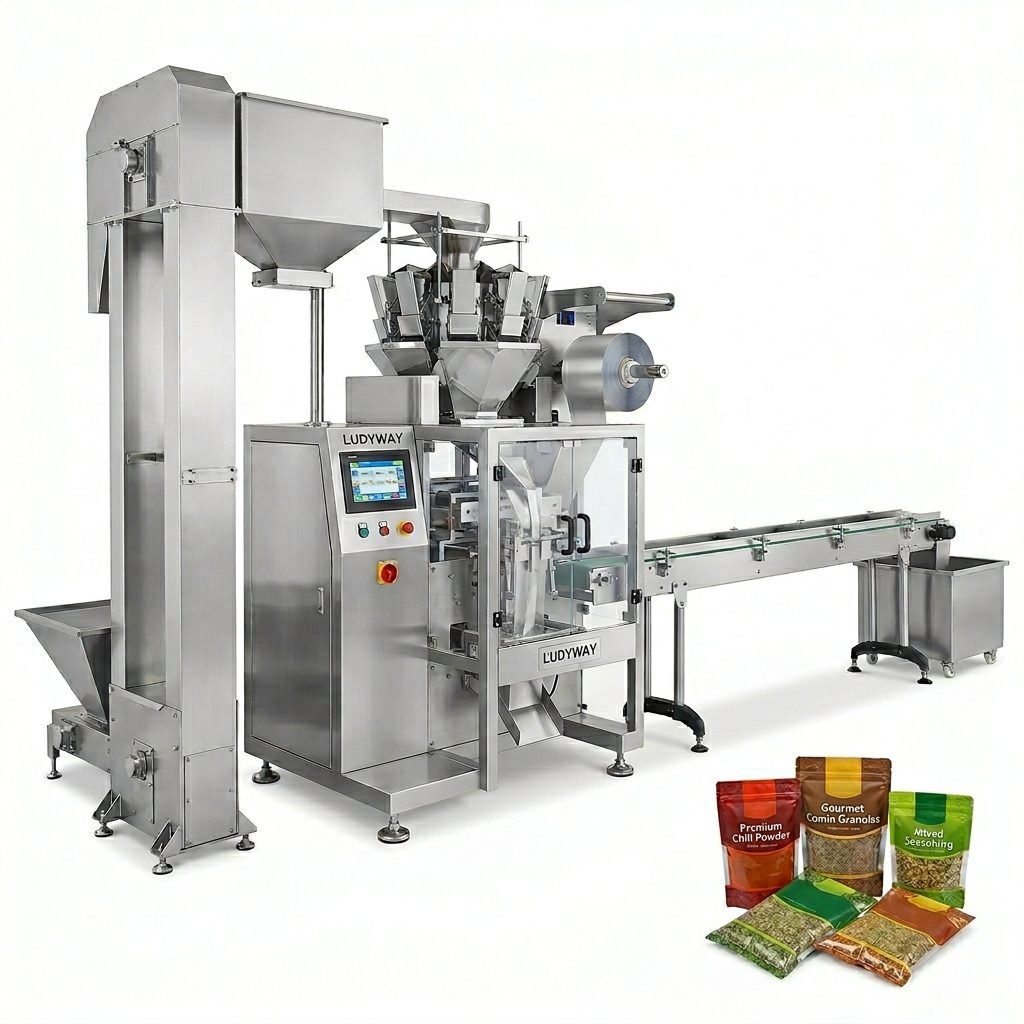
- Manual Loading: Operators manually feed product into a bucket elevator or directly into the weigher hopper. Suitable for low to medium throughput or frequent changeovers.
- Semi-Automatic Integration: A conveyor links the seasoning drum or fryer to an inclined feed conveyor for the packaging machine’s multi-head weigher. Operators monitor and manage the transition points.
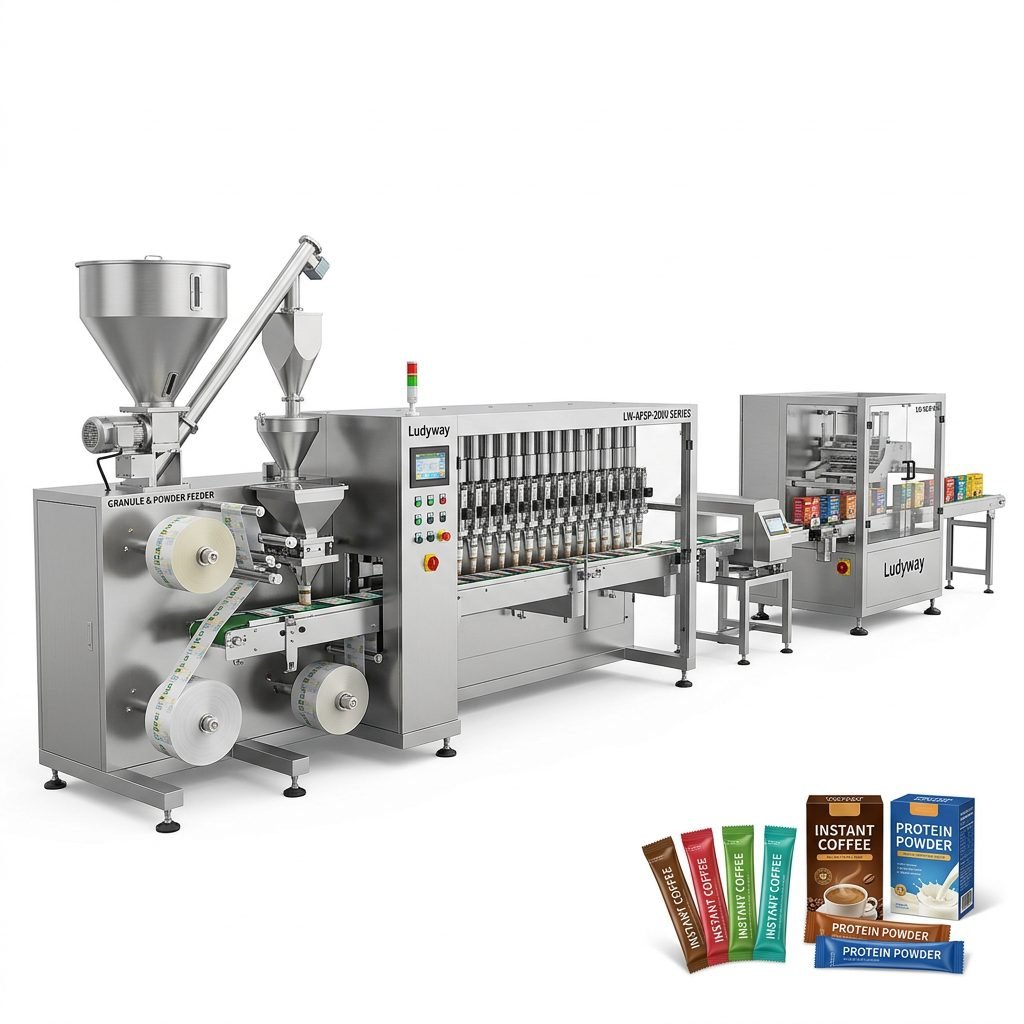
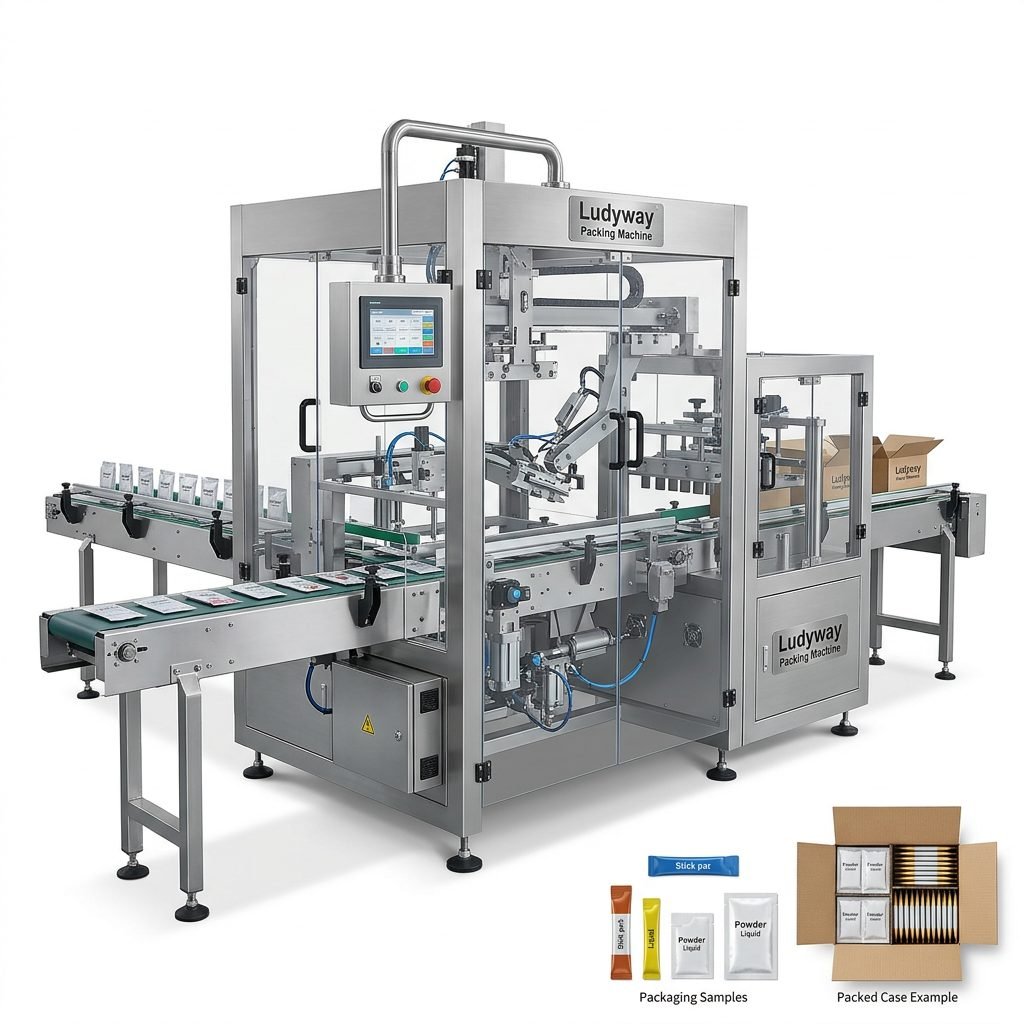
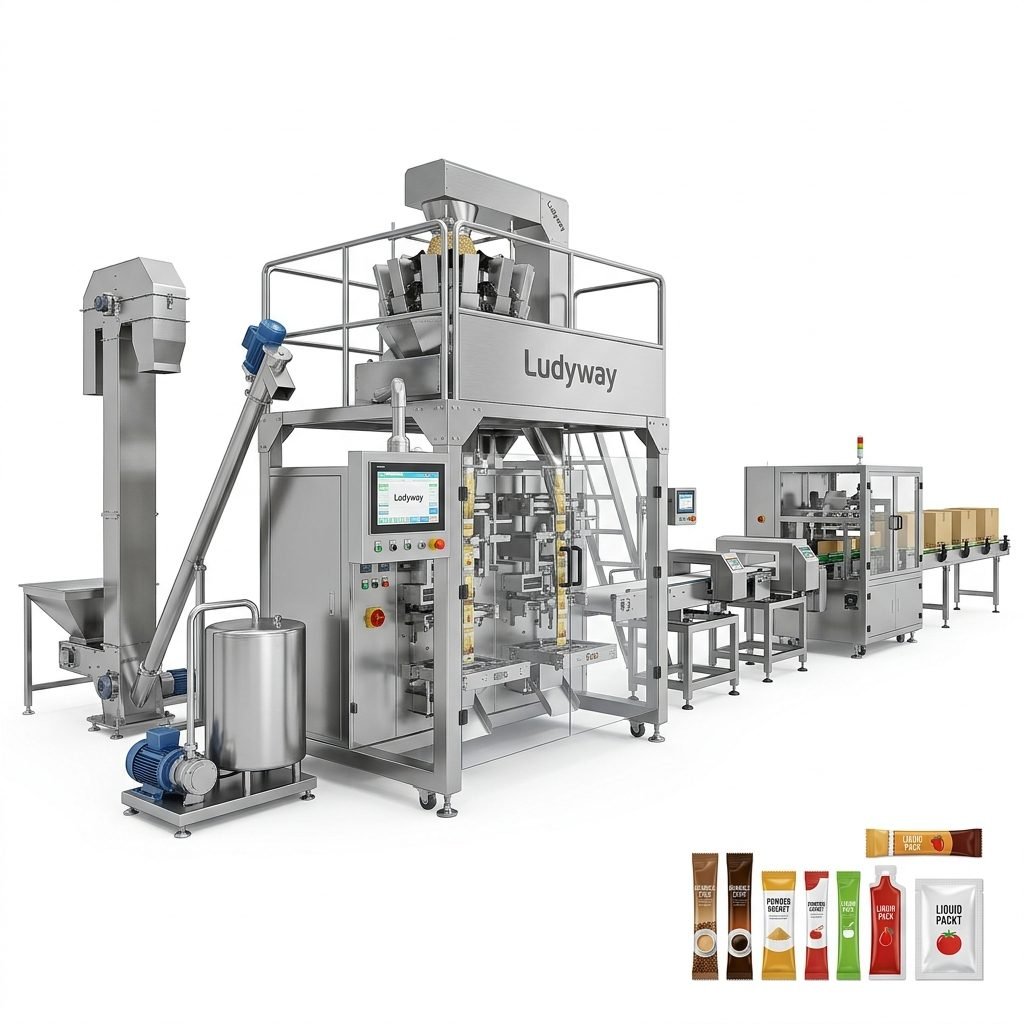
- Fully Automatic Turnkey Line: Product travels from the fryer through seasoning, cooling, metal detection, multi-head weighing, bagging, checkweighing, and cartoning without manual intervention. This configuration minimizes labor and maximizes consistency but requires comprehensive planning and control system integration.

Ludyway Machinery, a China-based packaging machinery manufacturer with more than 30 years of experience and a 20,000-square-meter manufacturing facility, works with snack producers to design customized, fully automated packaging lines that connect multiple stages of the production process. Their approach covers machine selection, integration, and technical support throughout the project lifecycle, helping manufacturers scale from manual packing to complete automatic solutions in a single project.
7. Machine Construction, Cleanability, and Sanitary Design
Snack packaging environments require equipment that can be efficiently cleaned and maintained. While plantain chips are low-moisture products, salt, oil, and seasoning dust can accumulate and promote corrosion or bacterial growth if not addressed. Material selection and machine frame design directly impact food safety compliance and maintenance efficiency.
Sanitary and Construction Features to Prioritize
- Frame Material: Stainless steel (SUS304 or SUS316) for product contact surfaces and washdown areas. Painted mild steel frames may be acceptable for non-contact zones but require inspection for corrosion over time.
- Sloped Surfaces: Horizontal ledges collect dust and debris. Machines designed with sloped surfaces are easier to clean and reduce pest harborage risks.
- Tool-Free Disassembly: Parts requiring regular cleaning, such as forming tubes, weigher contact buckets, and sealing jaws, should be removable without specialized tools.
- IP Rating: Evaluate the required ingress protection for electrical enclosures, especially if your sanitation protocol includes washdowns.
- Access Points: Ample access doors and quick-release guards streamline inspection and maintenance.
8. After-Sales Support, Spare Parts, and Technical Service
The purchase of a packaging machine marks the beginning of a long-term operational relationship. Downtime in snack packaging lines quickly translates to lost production and product backlog. Before finalizing a machine order, evaluate the manufacturer’s service infrastructure thoroughly.
| Support Element | Why It Matters | What to Ask |
|---|---|---|
| Spare Parts Availability | Critical for minimizing downtime after wear or unexpected failure | Do you stock parts locally? What is the average lead time for shipped parts? |
| Remote Technical Assistance | Enables fast troubleshooting without waiting for an on-site visit | What remote support tools do you use (video call, VPN diagnostics)? |
| Installation and Commissioning | Improper setup reduces machine performance and lifespan | Do your technicians provide on-site setup and operator training? |
| Preventive Maintenance Programs | Reduces unplanned downtime and extends equipment life | Can you provide a preventive maintenance schedule and checklist? |
| Warranty Terms | Protects your investment against manufacturing defects | What is the warranty period and what components are covered? |
For a deeper understanding of packaging machinery standards and quality benchmarks, the PMMI packaging industry resources page provides useful documentation on machine safety, sanitation, and performance criteria that can inform your evaluation.
9. Budget, ROI Analysis, and Total Cost of Ownership
The initial machine price is only one component of total cost of ownership (TCO). To accurately calculate return on investment (ROI) for a plantain chips packaging machine, account for film waste rates, labor allocation, maintenance parts, energy consumption, and the cost of potential downtime.
Components of Total Cost of Ownership
- Capital Expenditure: Machine purchase price, shipping, import duties, installation, and facility modifications.
- Operating Costs: Packaging film consumption and waste percentage, electricity, compressed air, and labor for operation and changeover.
- Maintenance Expenses: Scheduled replacement parts (sealing jaws, belts, Teflon tape, knives), unscheduled repairs, and service contracts.
- Quality Costs: Product giveaway from overfilling, rejects due to poor seals, and returns from packaging defects.
- Downtime Cost: Lost production hours multiplied by your hourly output value.
A seemingly inexpensive machine that generates high film waste, frequent seal failures, or inaccurate fills can cost more over five years than an industrial-grade machine with superior performance and reliability. Request detailed estimates from manufacturers on expected film waste rates, electricity consumption, and recommended spare parts schedules.
10. Factory Acceptance Testing and Sample Verification
Before a machine leaves the manufacturer’s facility, insist on a Factory Acceptance Test (FAT) using your actual product and your specified packaging film. This step verifies that the machine meets the agreed performance parameters, including speed, fill accuracy, seal integrity, and bag appearance. Never skip this step, even if the machine is a standard model.
During the FAT, evaluate several key performance indicators: bag quality (no wrinkles, consistent cuts), fill weight variation over 100 consecutive bags, seal strength via burst or tensile test, film tracking stability at maximum speed, and effective integration of auxiliary devices such as nitrogen flushing, date coders, and gas analyzers. Request a detailed FAT report with all measured data, which becomes the reference baseline for on-site commissioning.
Selecting the right plantain chips packaging machine involves a structured analysis of your product properties, packaging format, throughput targets, weighing technology, film compatibility, automation level, sanitary requirements, and after-sales support infrastructure. By methodically evaluating each of these dimensions, you position your business to invest in equipment that delivers consistent output, protects product quality, and supports long-term growth objectives.