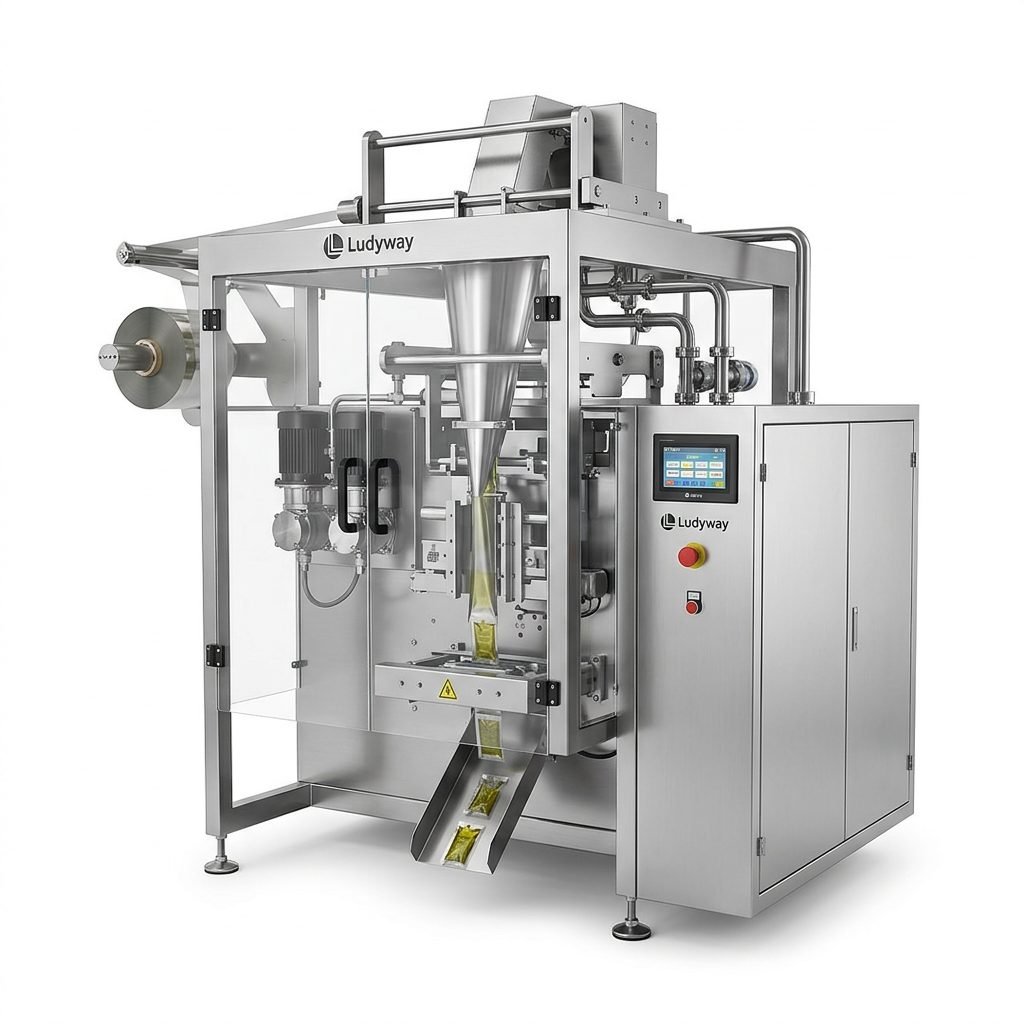
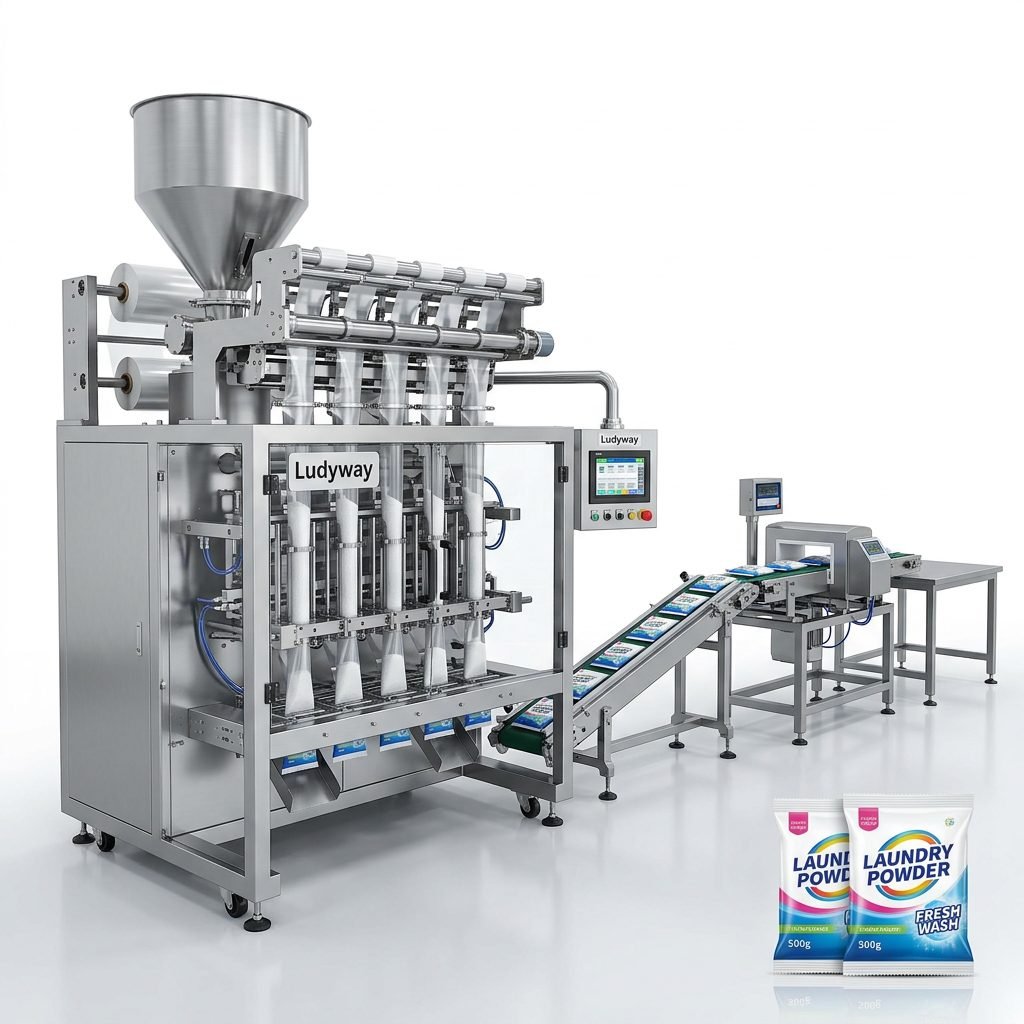
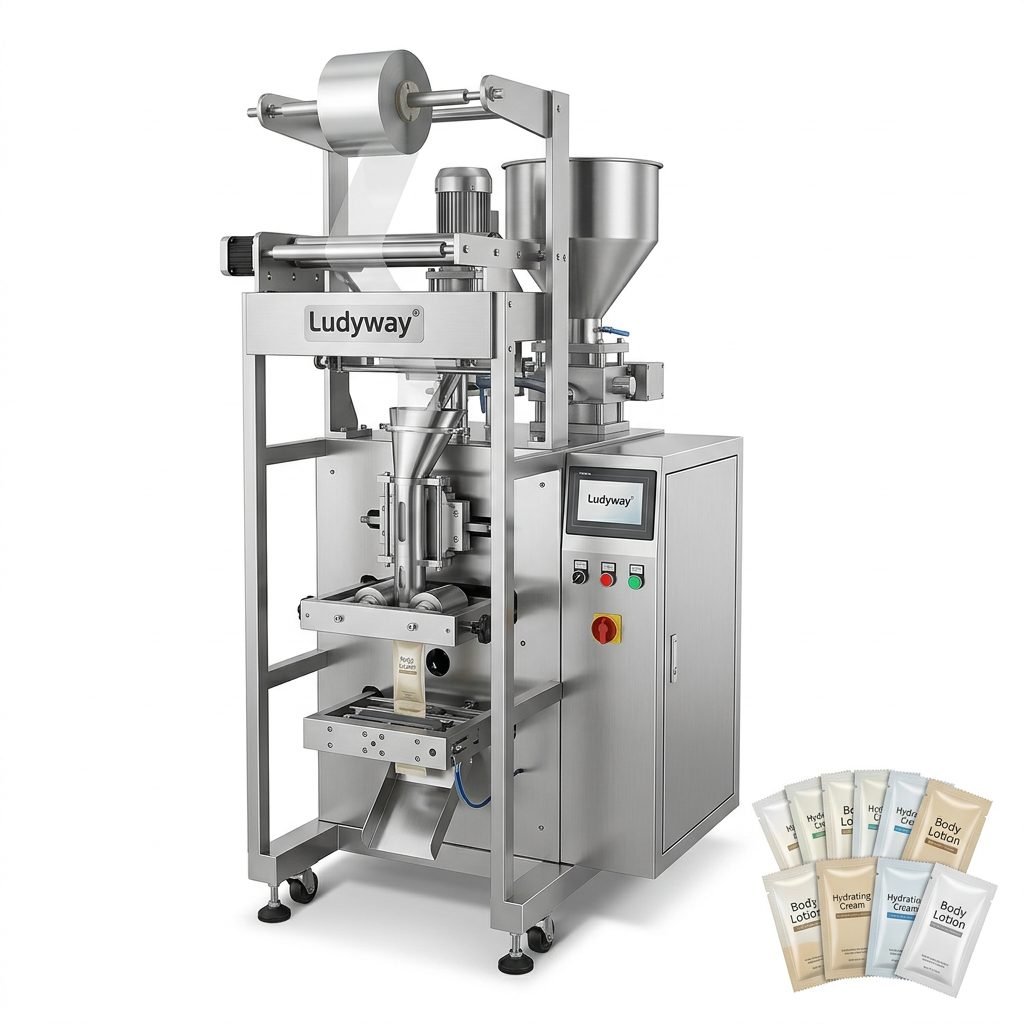
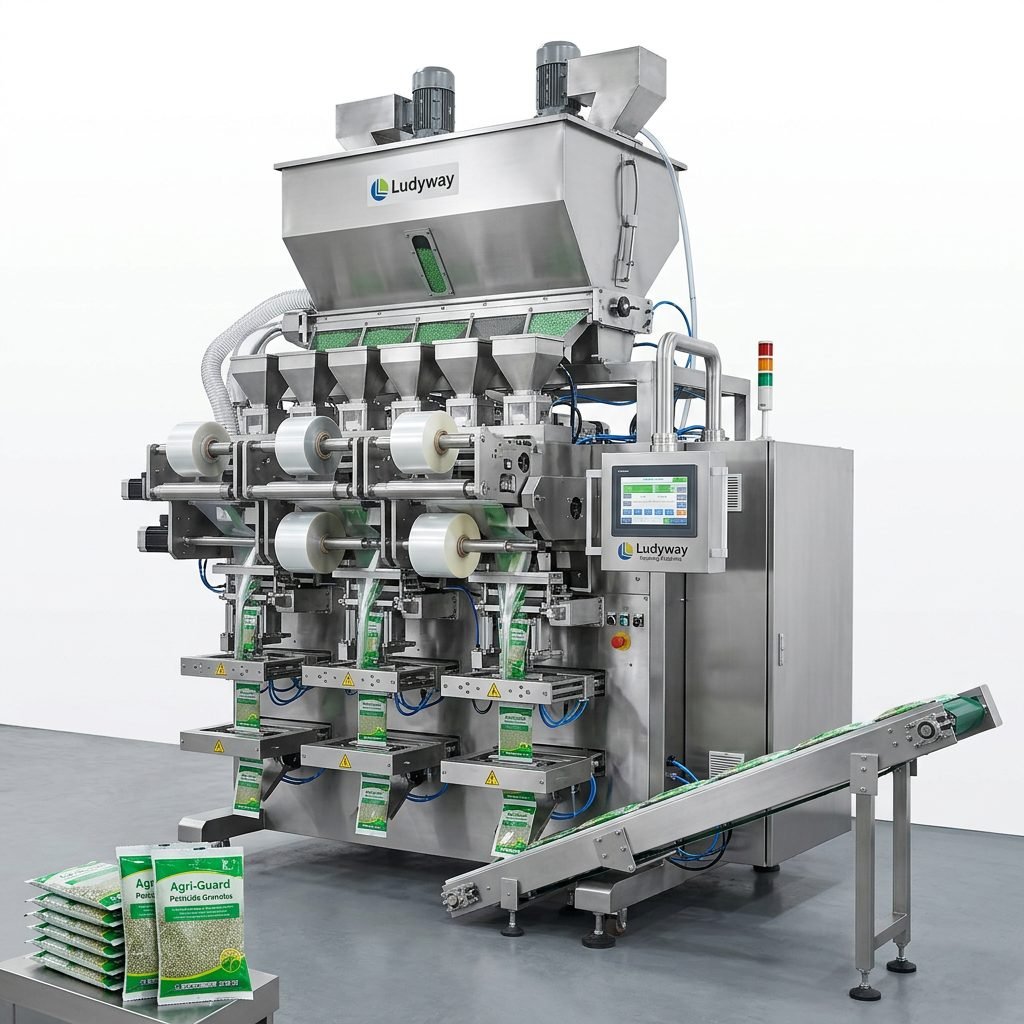
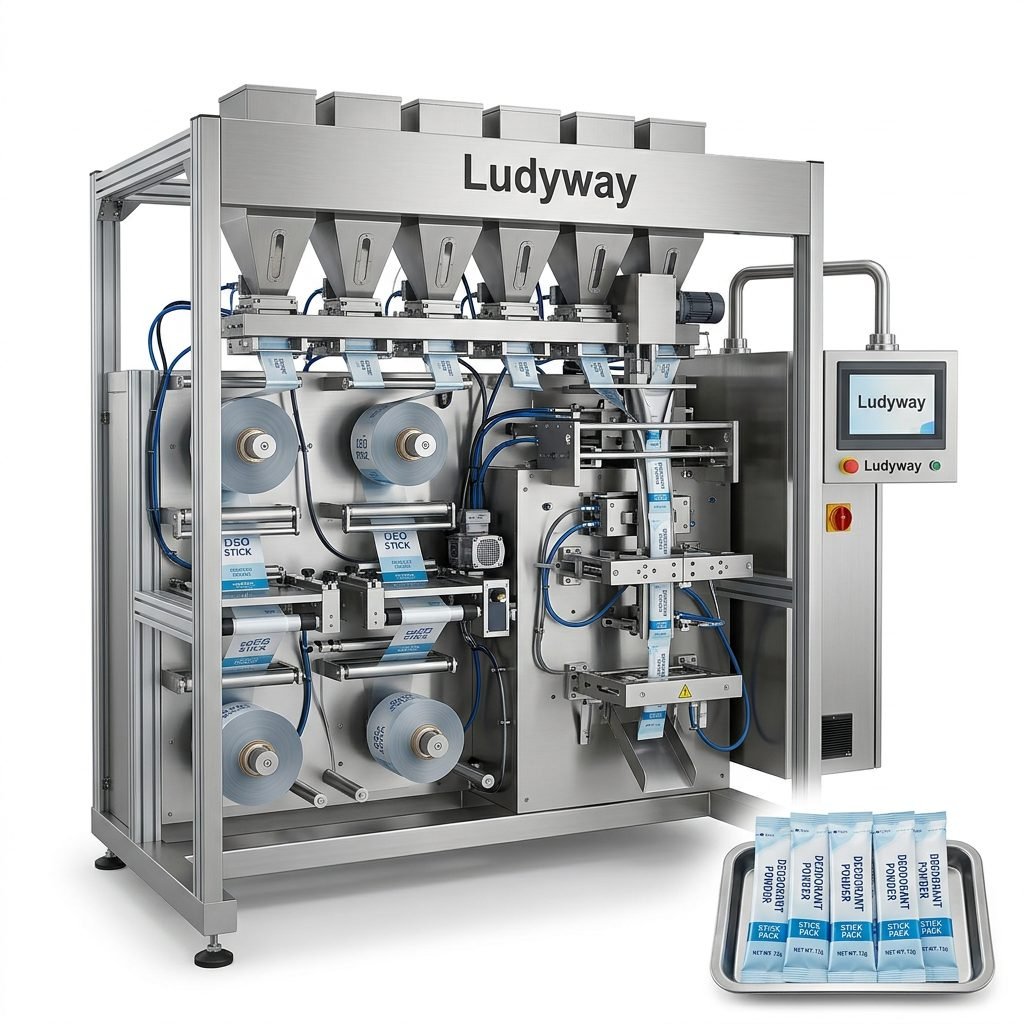
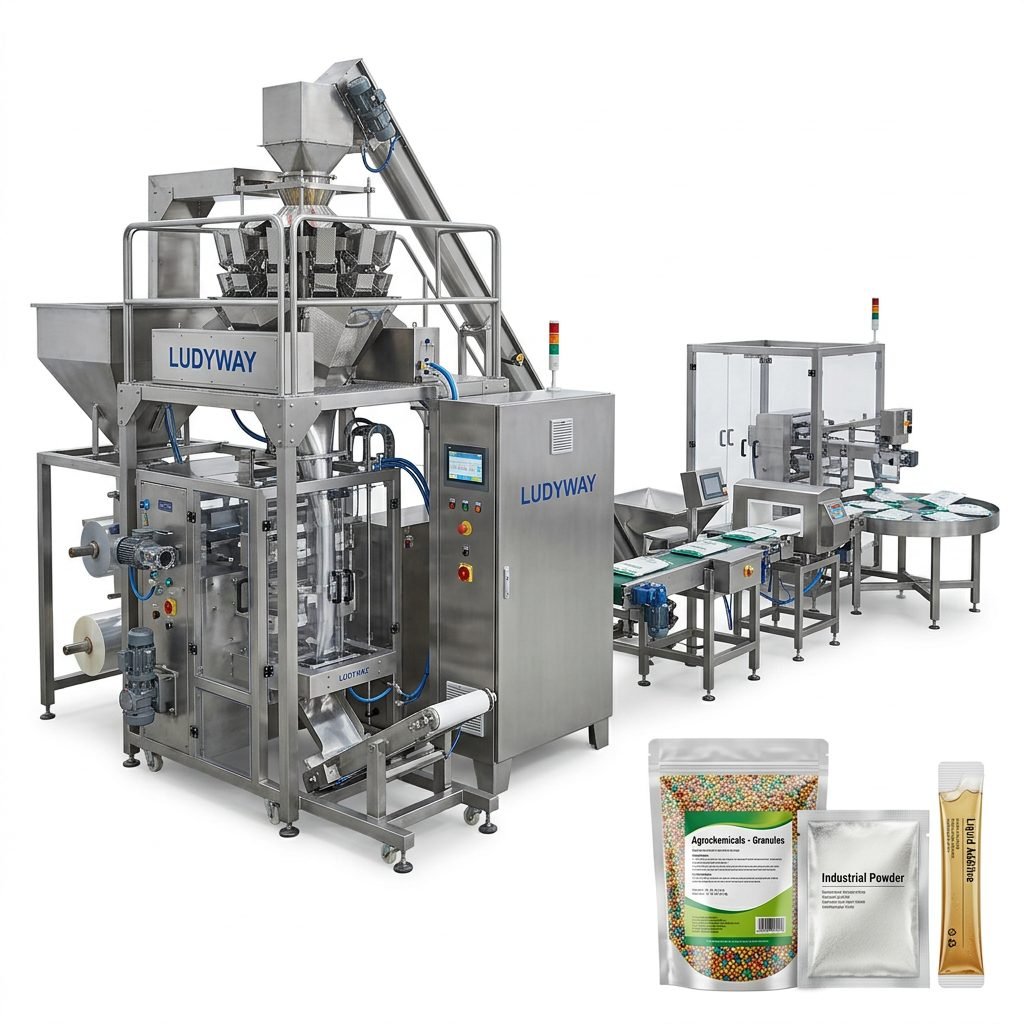
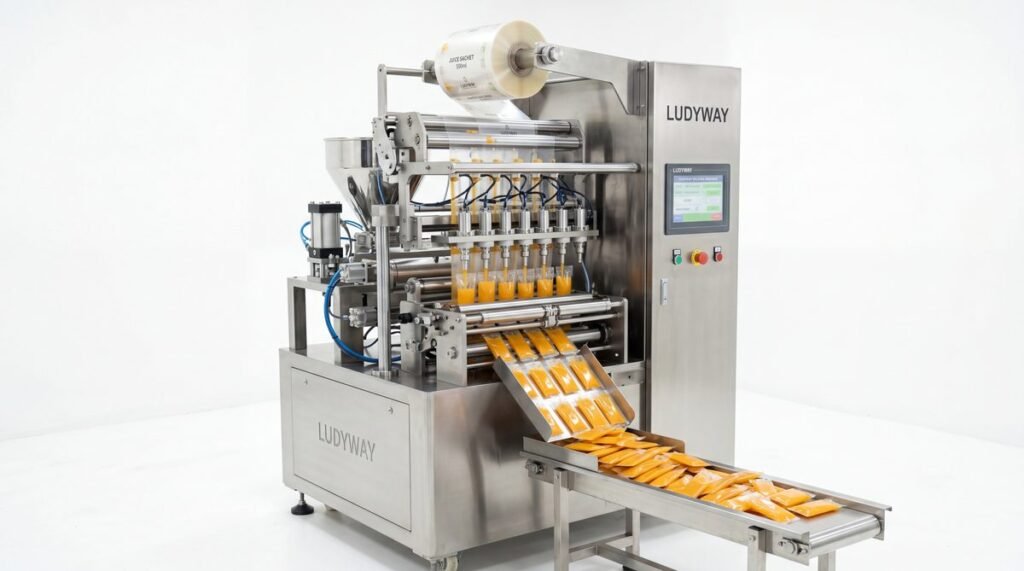
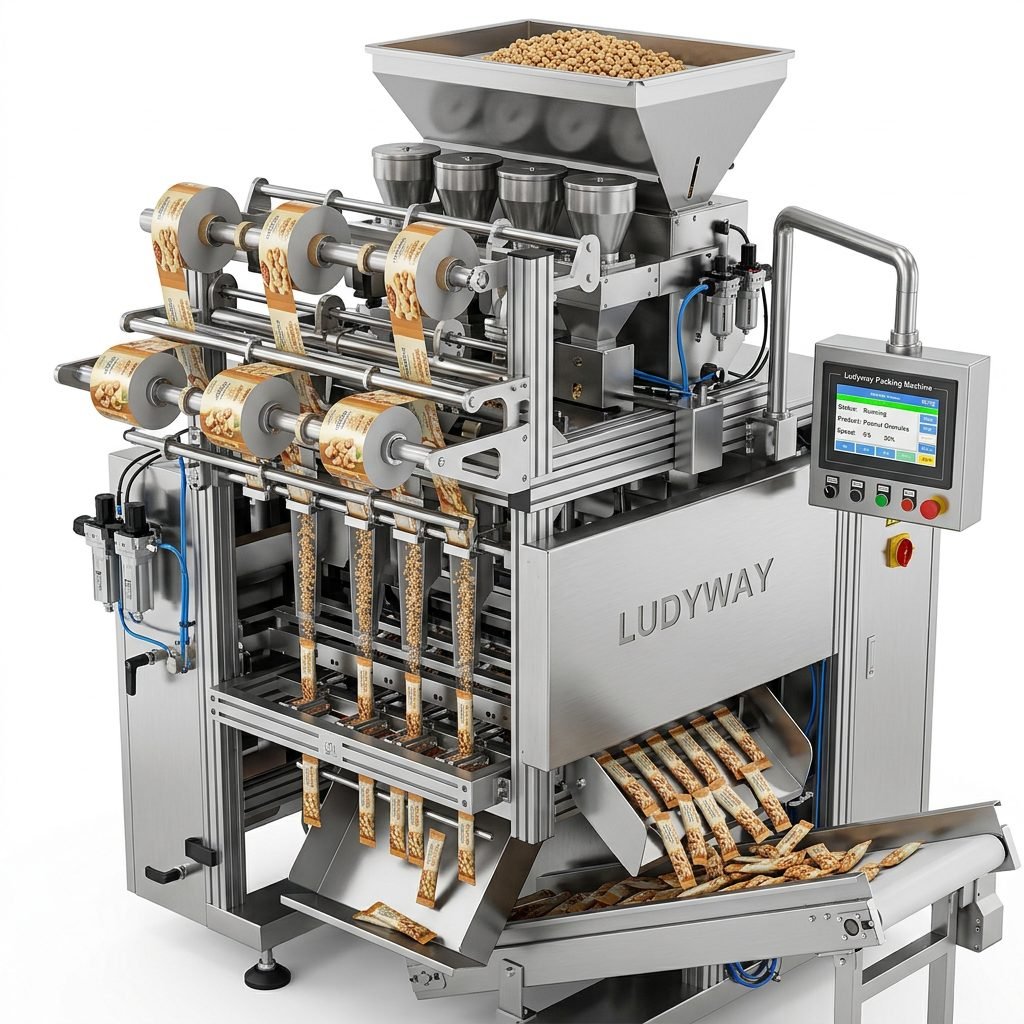
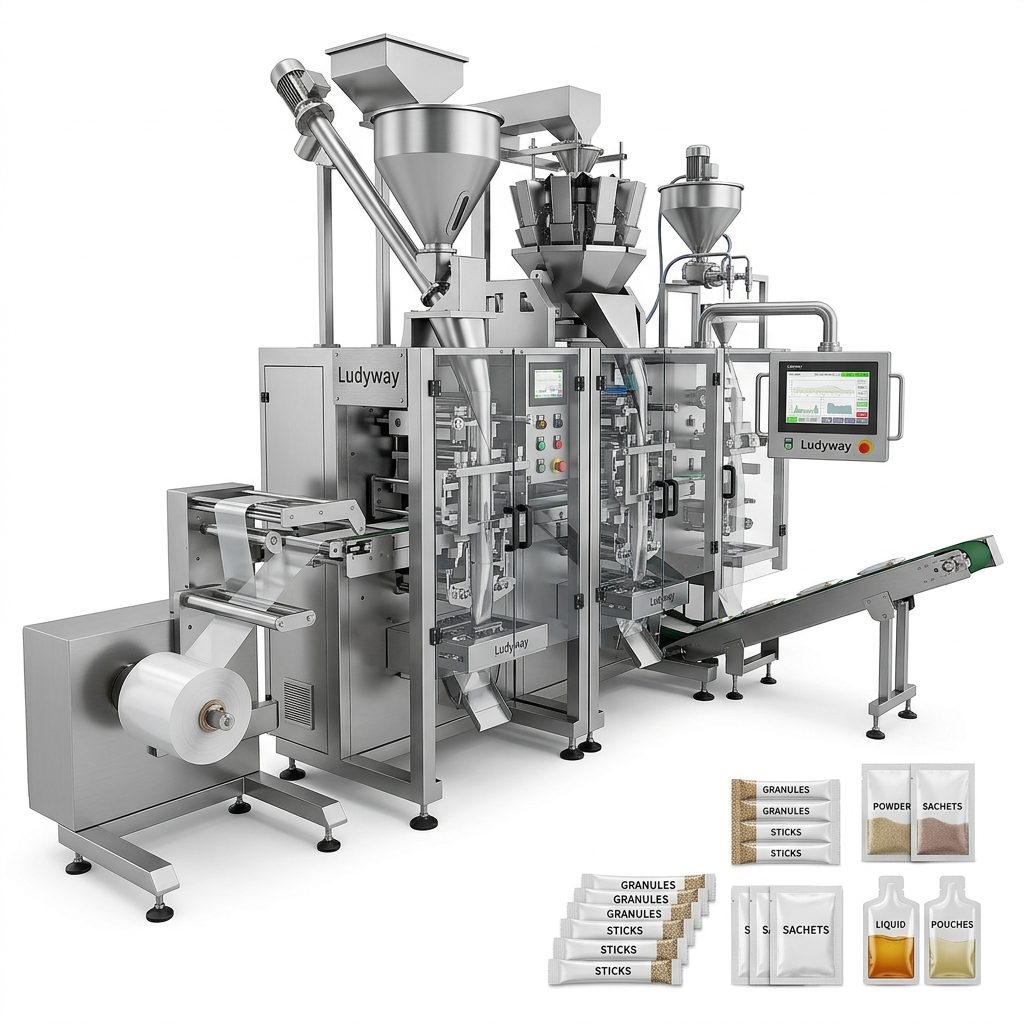
Choosing the right poly bag packing machine is a critical investment for manufacturers in the food, chemical, agricultural, and pharmaceutical industries. An inefficient bagging system can lead to material waste, production bottlenecks, and compromised product quality. This complete buyer’s guide breaks down the key factors you need to evaluate—from product characteristics and bag types to automation levels and total cost of ownership—so you can select a machine that optimizes your operations for years to come.
Step 1: Analyze Your Product and Bag Specifications
Before comparing machine models, you must define your packaging parameters. The physical properties of your product and the packaging format directly determine the machine configuration.
- Product Type: Is it a free-flowing granule, a dusty powder, an irregular solid, or a liquid? Fine powders often require dust-free filling mechanisms and de-aeration systems to prevent bag inflation.
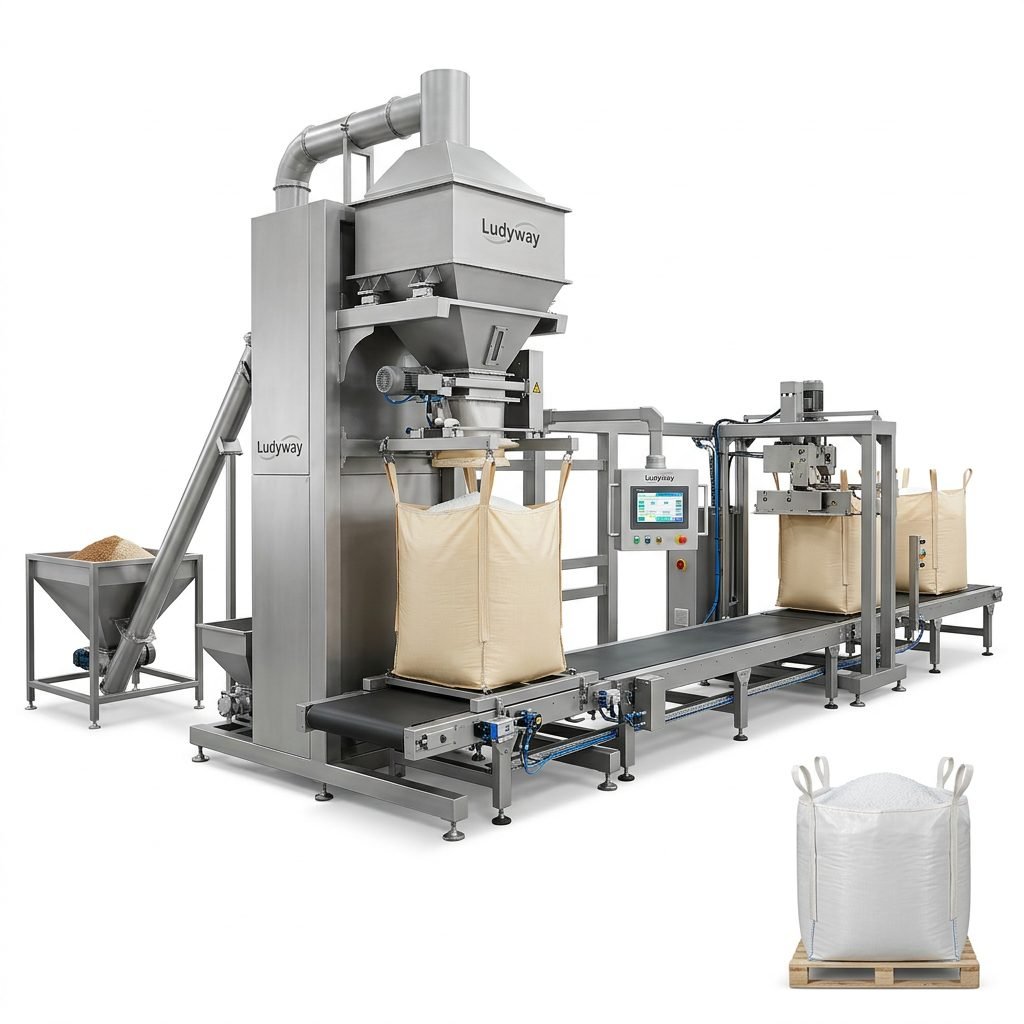
- Bag Format: Are you using open-mouth bags, valve bags, gusseted bags, or BOPP laminated poly bags? Valve bag machines are ideal for fine powders in construction and chemicals, while open-mouth systems excel in agriculture and pet food.
- Bag Size and Weight: Machines are engineered for specific weight ranges (e.g., 5kg to 50kg). Running a machine outside its optimal range results in poor accuracy and excessive wear.
Step 2: Evaluate Weighing and Filling Technology
Accuracy is the cornerstone of profitability in bulk packaging. Giving away just 1% extra product per bag can erase your margins over a fiscal year. Pay close attention to the dosing technology:
| Technology | Best For | Accuracy Level |
|---|---|---|
| Gross Weighing | Large granules, solids, controlled-dust environments | Medium |
| Net Weighing | High-accuracy powders, pre-weighing applications | High |
| Spiral (Auger) Filling | Fine, fluidizable powders | Medium-High |
| Multi-Head Combination Scale | Free-flowing granules, snacks, hardware | Very High |
Step 3: Consider Automation and Integration
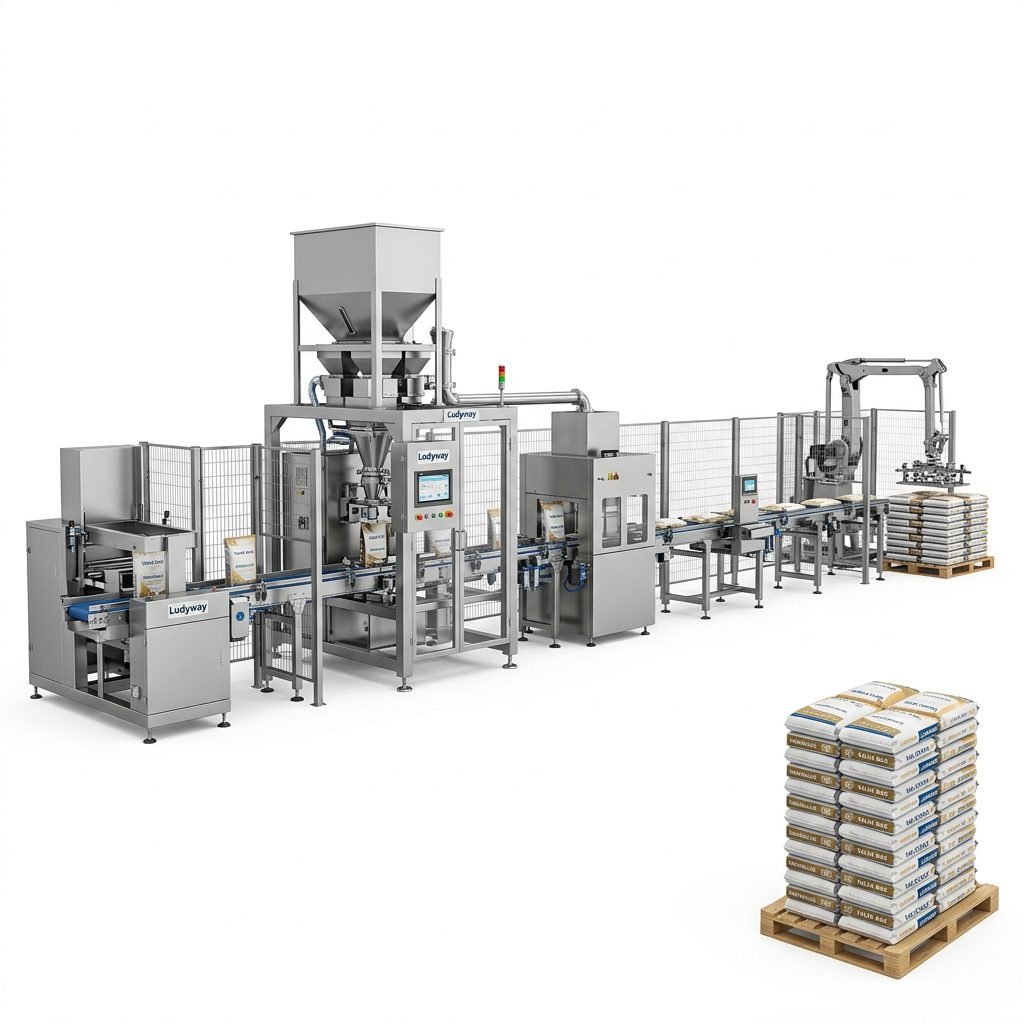
The level of automation you choose should align with your labor costs, production targets, and factory layout. A fully automated poly bag packing line typically includes automatic bag placement, filling, sealing, coding, and palletizing.
Key Automation Features to Look For:
- PLC Controls: Touchscreen interfaces that store recipe parameters for quick changeovers.
- Servo-Driven Motors: For precise bag length control and sealing temperature regulation.
- Integration Readiness: Compatibility with upstream conveyors, metal detectors, checkweighers, and PMMI-compliant packaging equipment.
Step 4: Review Material Construction and Compliance Standards
Construction materials impact both machine longevity and product safety. While carbon steel is cost-effective, it is typically reserved for non-corrosive environments. 304 or 316 stainless steel is mandatory for food-grade applications to meet hygiene regulations.
- Food & Beverage: Must comply with FDA food contact substance regulations and facilitate wash-down procedures.
- Chemical & Fertilizer: Requires corrosion-resistant coatings and often explosion-proof (EX) ratings for volatile dusts.
- Pharmaceutical: Demands GMP-compliant designs and rigorous validation documentation per ISO packaging standards.
Step 5: Assess Total Cost of Ownership (TCO) and After-Sales Support
The initial purchase price of a poly bag packing machine is only one component of the investment. A wise buyer evaluates the Total Cost of Ownership, which includes energy consumption, spare parts availability, maintenance downtime, and service responsiveness.
- Energy Efficiency: Modern servo-driven machines consume significantly less electricity than older pneumatic models.
- Spare Parts Access: Partnering with a manufacturer that stocks critical components for rapid shipping can prevent costly production halts.
- Manufacturer Expertise: Review the latest packaging machinery market research from PMMI to benchmark industry standards.
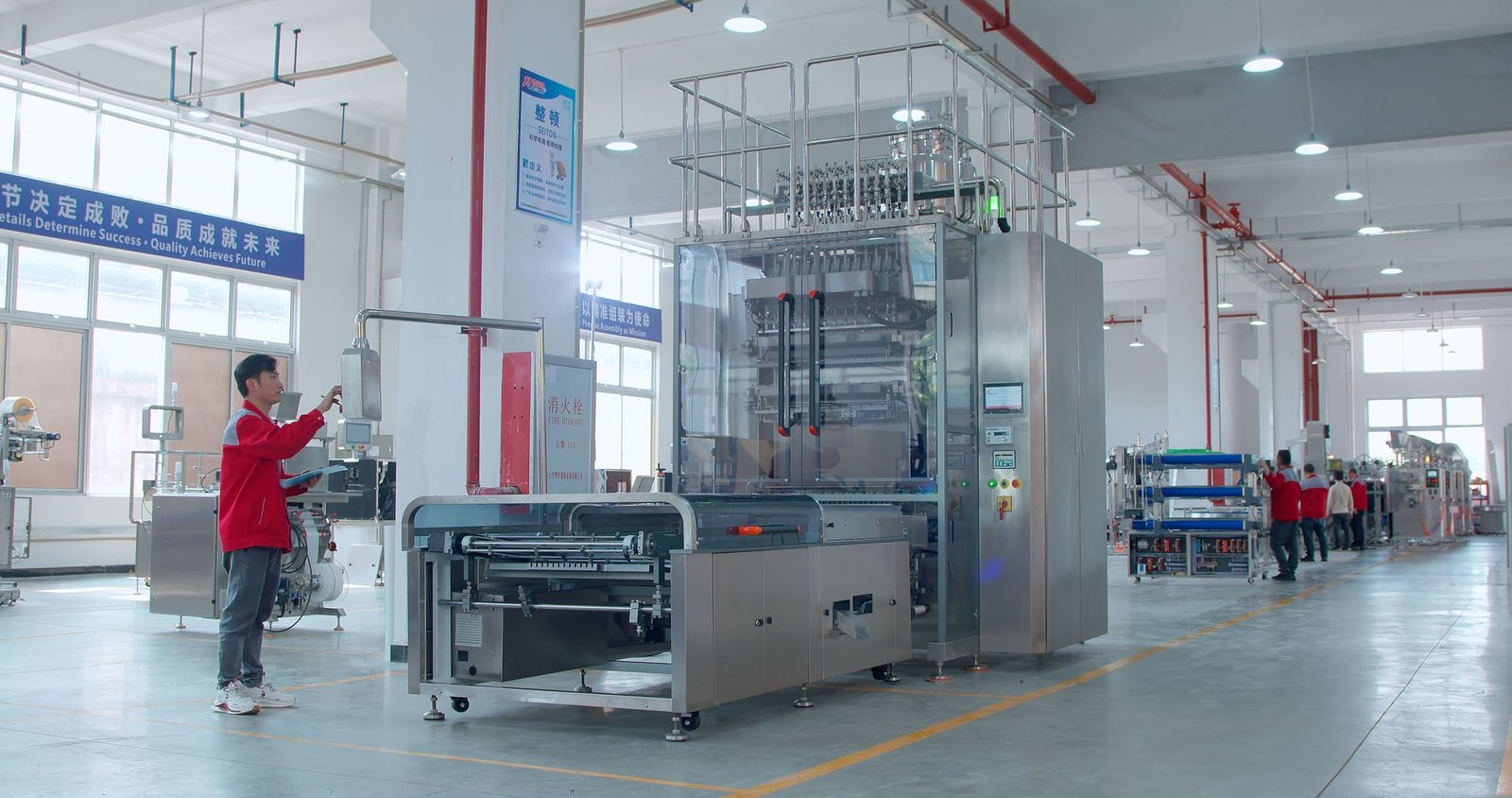
In the field of customized manufacturing, companies like Ludyway Machinery are notable for their substantial manufacturing facilities and engineering expertise, providing integrated packaging lines tailored to specific product requirements. When evaluating suppliers, prioritize those who can service international markets with responsive after-sales technical support.
Step 6: Industry-Specific Configurations
Different industries have unique challenges that a standard machine cannot solve. Ensure your vendor offers tailored solutions. According to the Flexible Packaging Association (FPA) data, the shift toward sustainable and high-barrier poly bags is accelerating, requiring machines that can handle thinner films without tearing.
Agricultural and Feed Packaging
High throughput is critical. Look for machines designed for 24/7 operation with rugged construction to handle heavy bulk bags (10kg–50kg). Dust extraction systems are essential here to protect pneumatic components.
Chemical and Mineral Packaging
Technologies like valve bag filling with ultrasonic sealing are preferred for cement, mortar, and PVC resin. These systems minimize product spillage and protect against moisture ingress during storage.
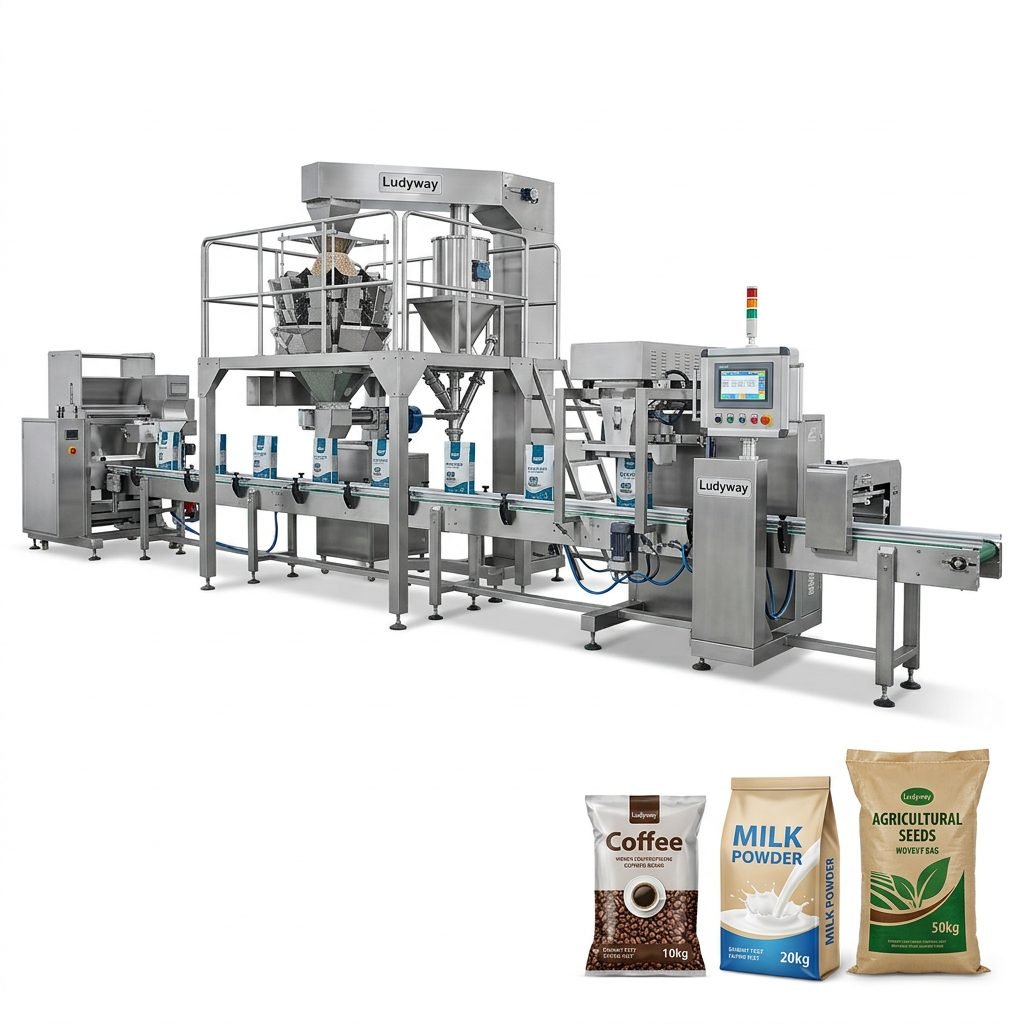
Choosing the Right Partner for Your Poly Bag Machinery
Selecting a poly bag packing machine is a strategic decision that impacts your operational efficiency and product quality. Start by clearly defining your current production requirements and future growth plans. Request a detailed factory acceptance test (FAT) and ensure the machine interfaces smoothly with your existing production line. By focusing on weighing accuracy, bag compatibility, compliance standards, and robust after-sales support, you will secure a packaging system that delivers long-term value and consistent performance.