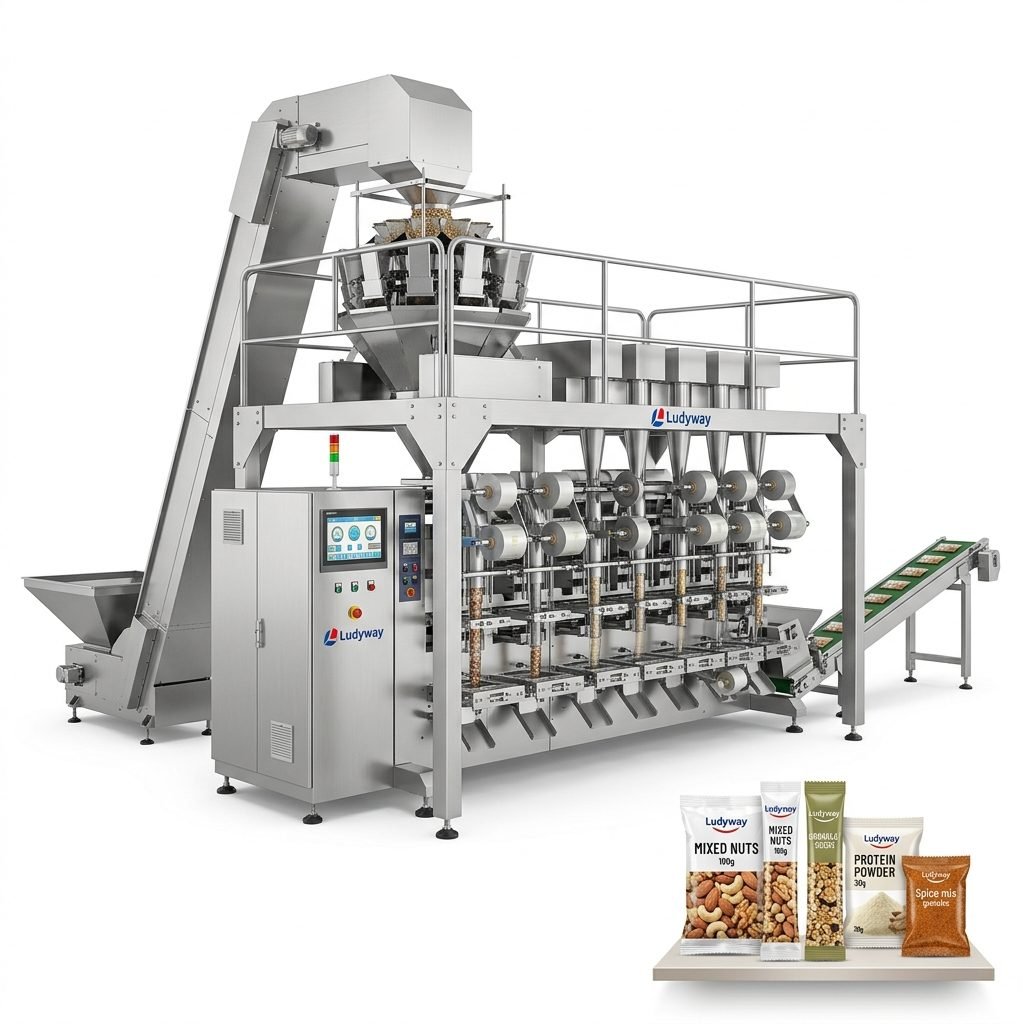
Investing in a grease packing machine is a significant decision for manufacturers in the lubricant, automotive, and industrial chemical sectors. The right equipment directly impacts filling accuracy, production speed, packaging quality, and long-term operational costs. This comprehensive buyer’s guide outlines the essential factors to evaluate before making your purchase, helping you navigate the selection process with confidence.
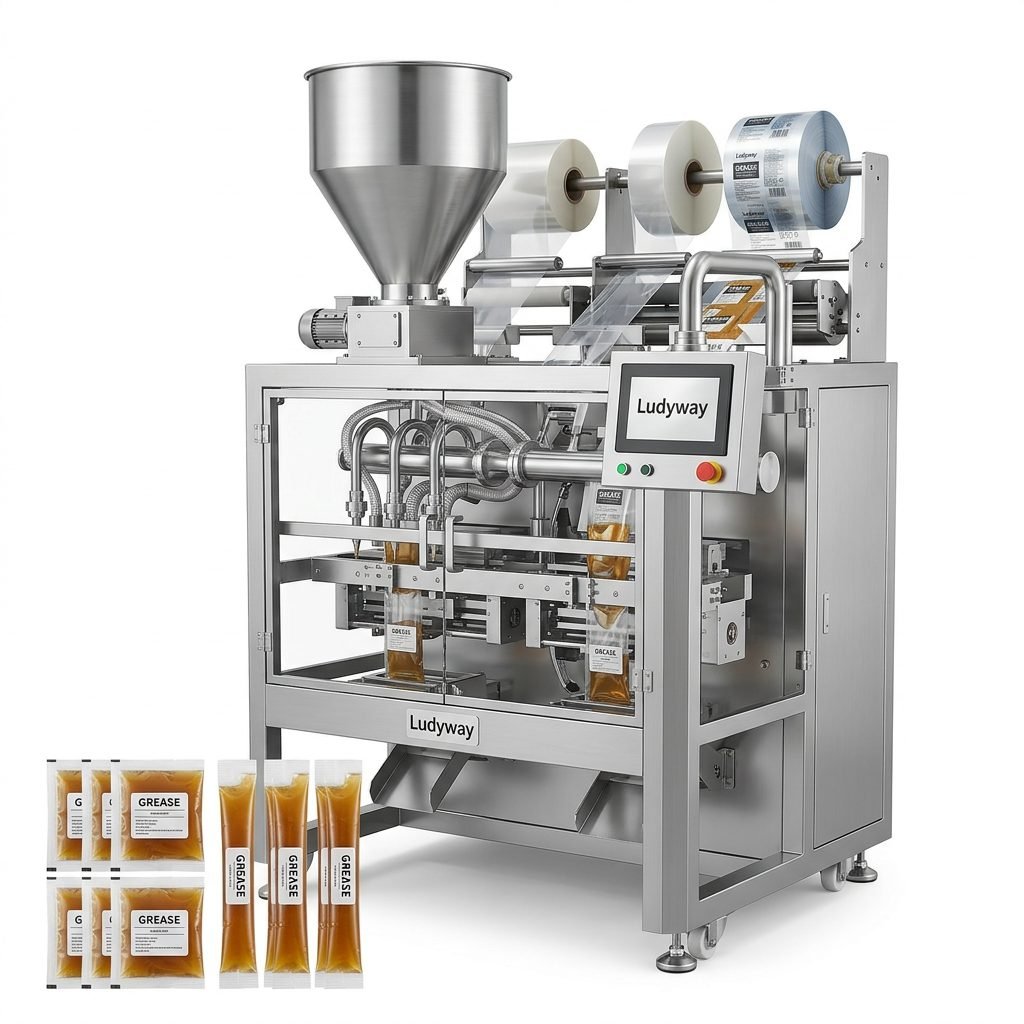
Understanding Grease Packaging Requirements
Grease presents unique packaging challenges compared to free-flowing liquids or dry powders. Its high viscosity, stringy consistency, and temperature sensitivity require specialized filling mechanisms. Before comparing machine specifications, clearly define your product characteristics and packaging goals.
Key Product Parameters to Identify
- Viscosity range – Grease consistency varies by NLGI grade, affecting pump selection and filling nozzle design
- Temperature behavior – Some greases thin at elevated temperatures and thicken when cooled
- Additive content – Abrasive or corrosive additives influence material compatibility for machine components
- Fill volume per package – Determines dosing system requirements and machine throughput capabilities
- Target output rate – Packages per minute needed to meet production demand
Types of Grease Packing Machines
Different packaging formats require distinct machine configurations. Understanding the available options helps narrow your selection to the most suitable technology for your application.
| Machine Type | Packaging Format | Best Suited For | Typical Output Range |
|---|---|---|---|
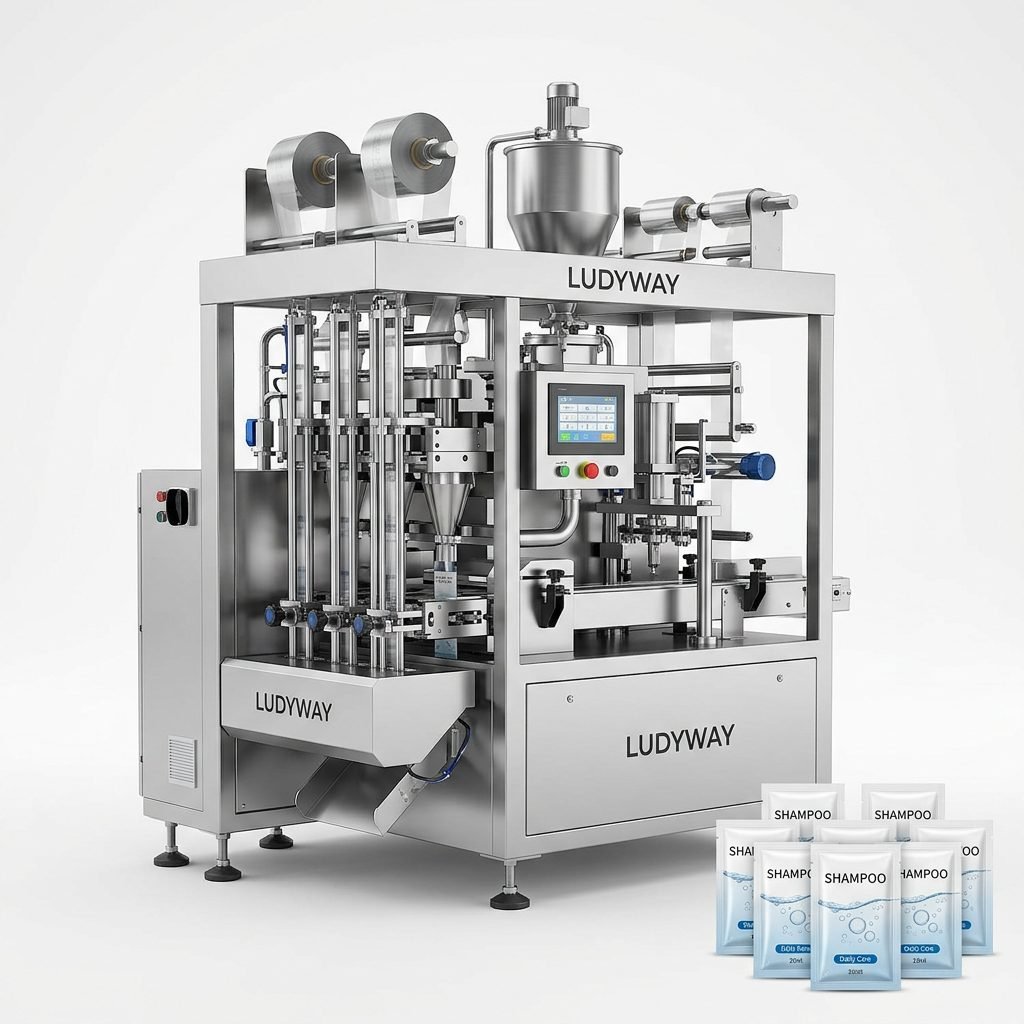
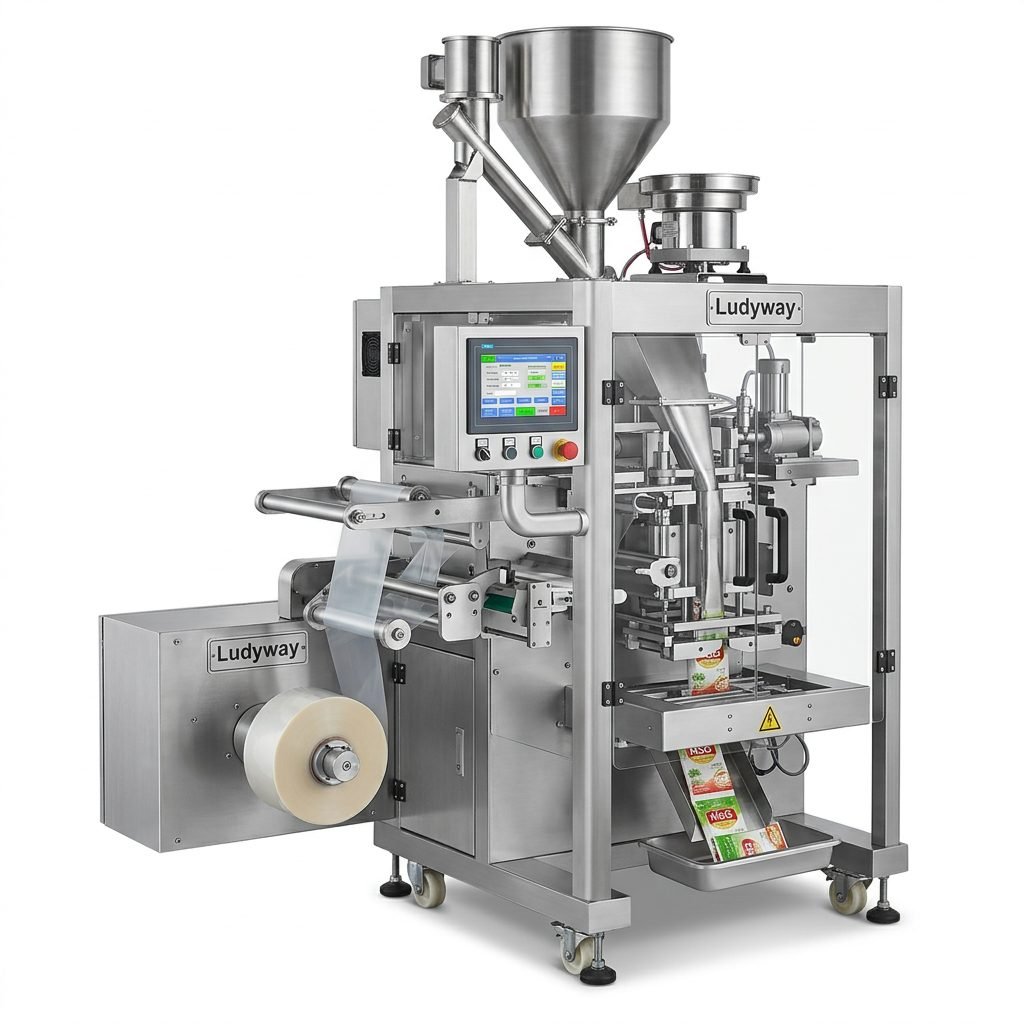
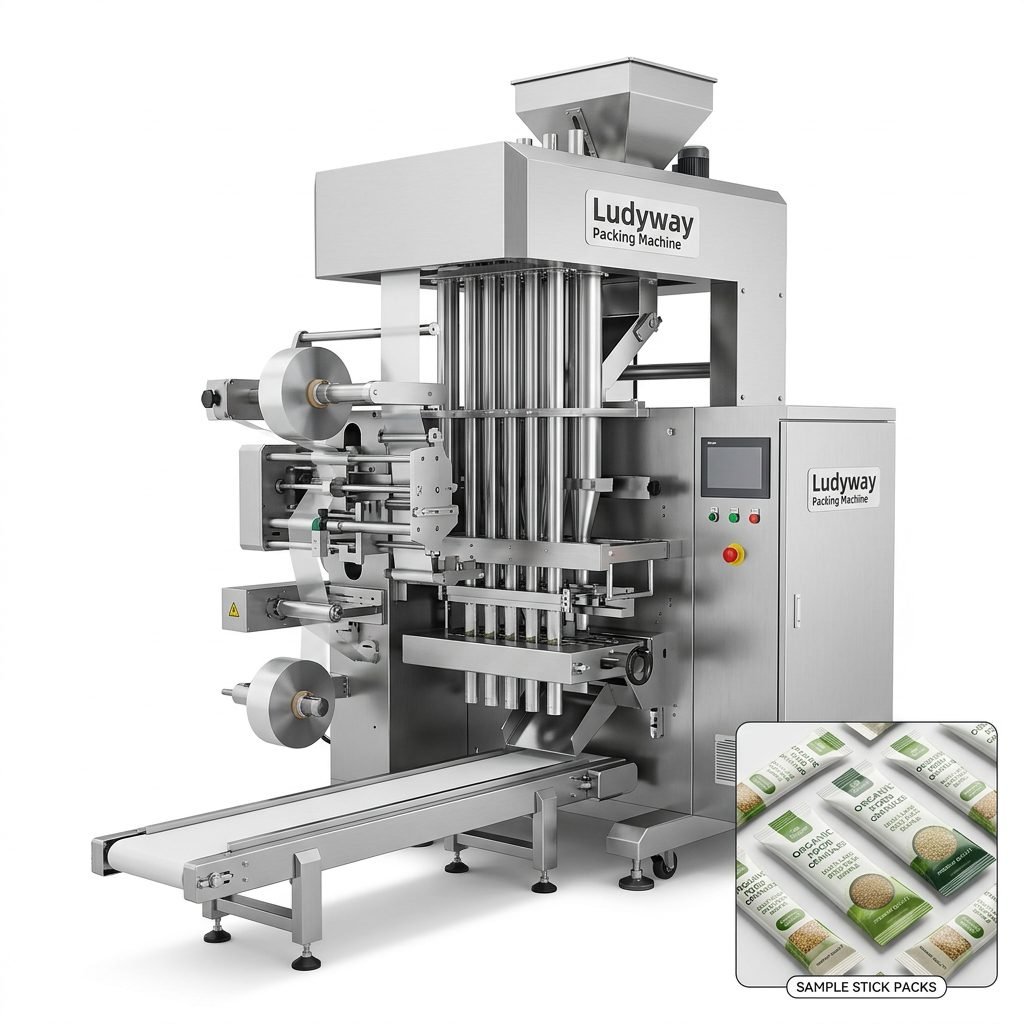
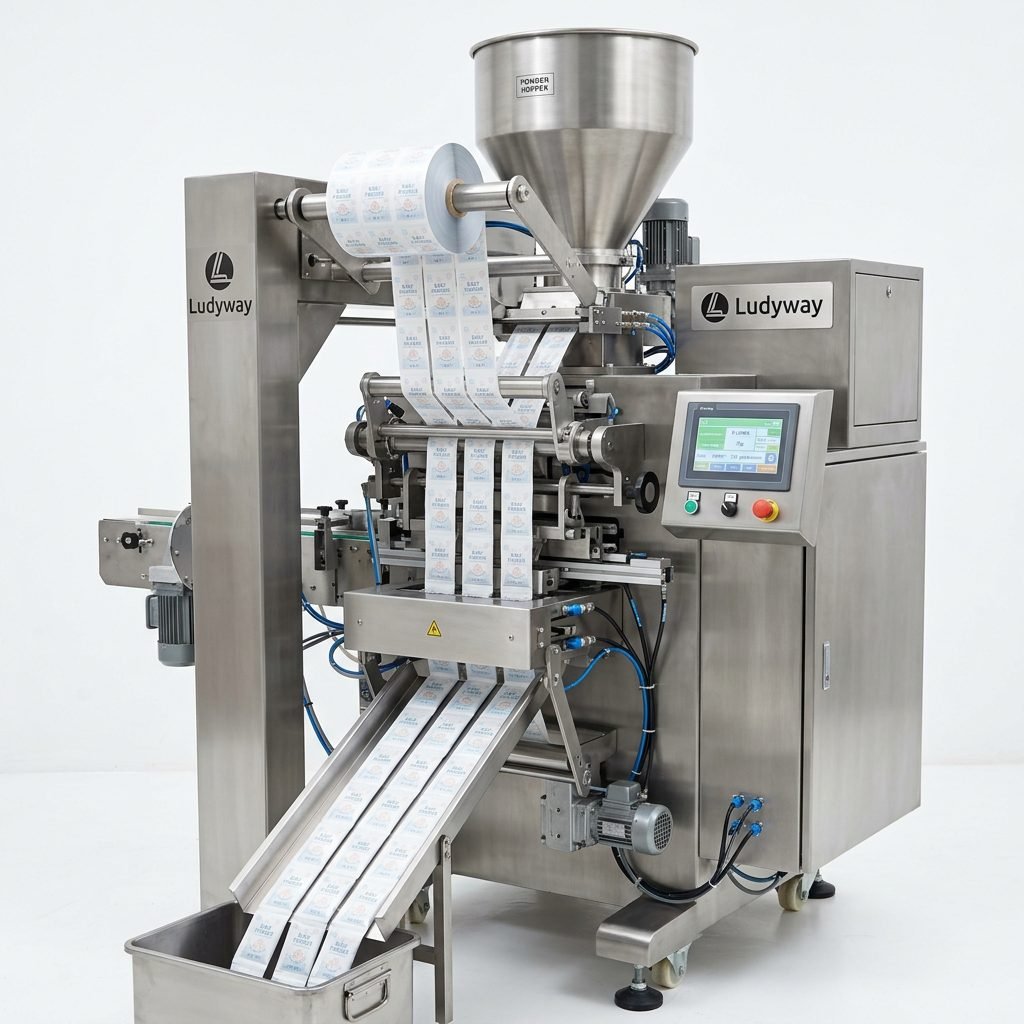
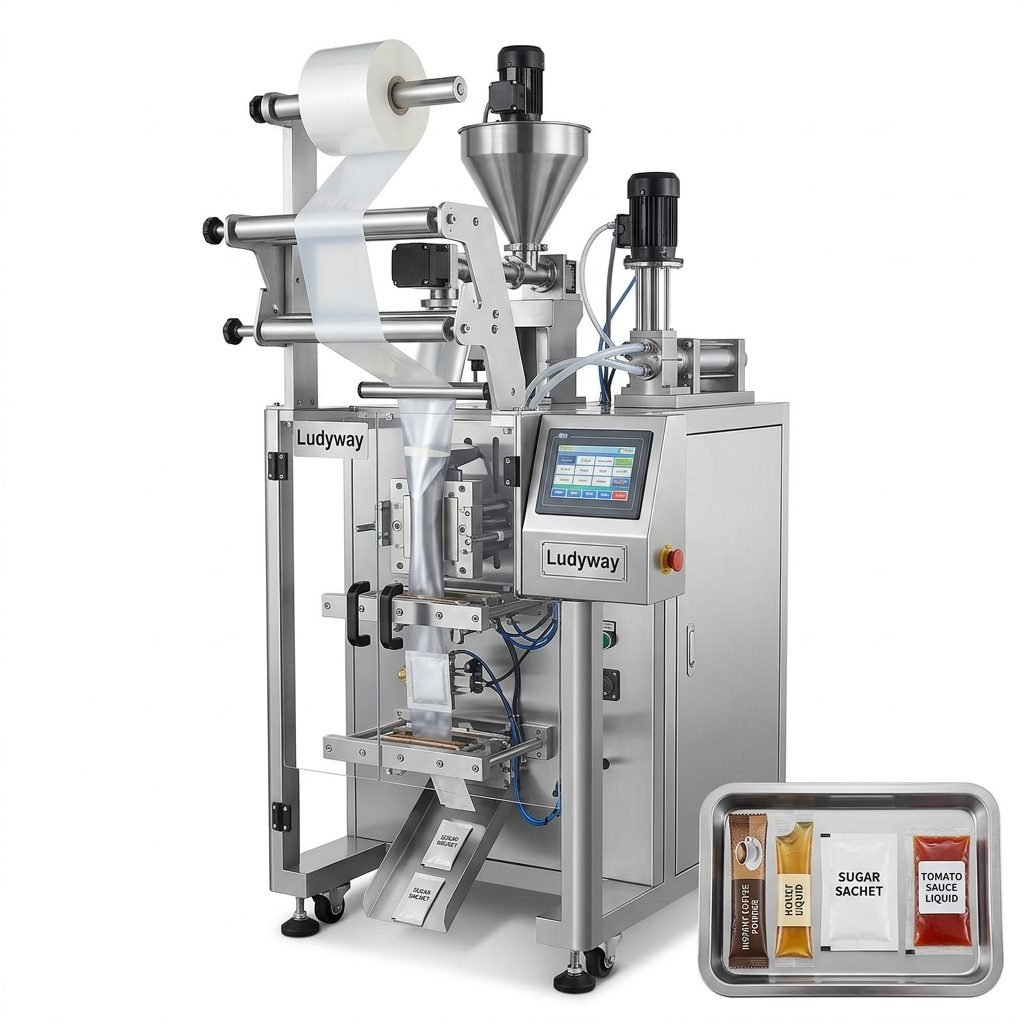
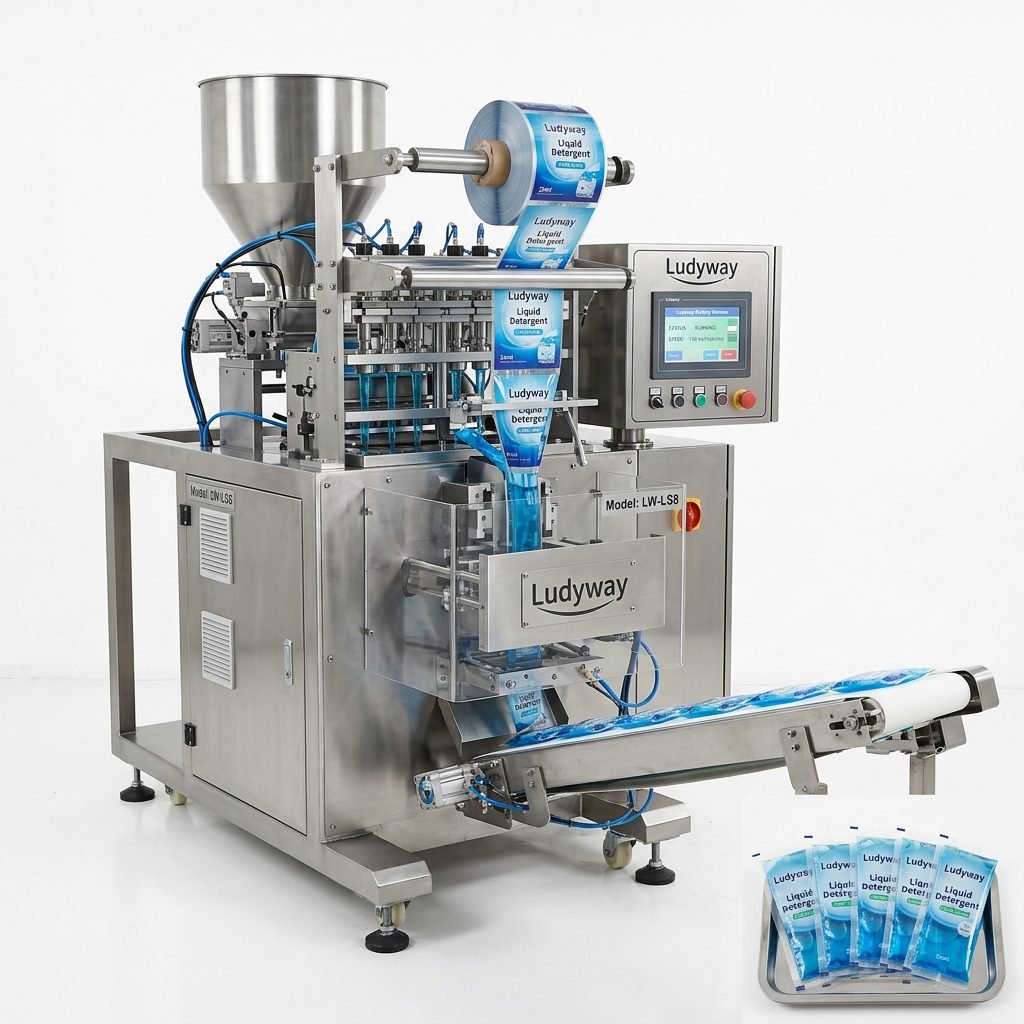
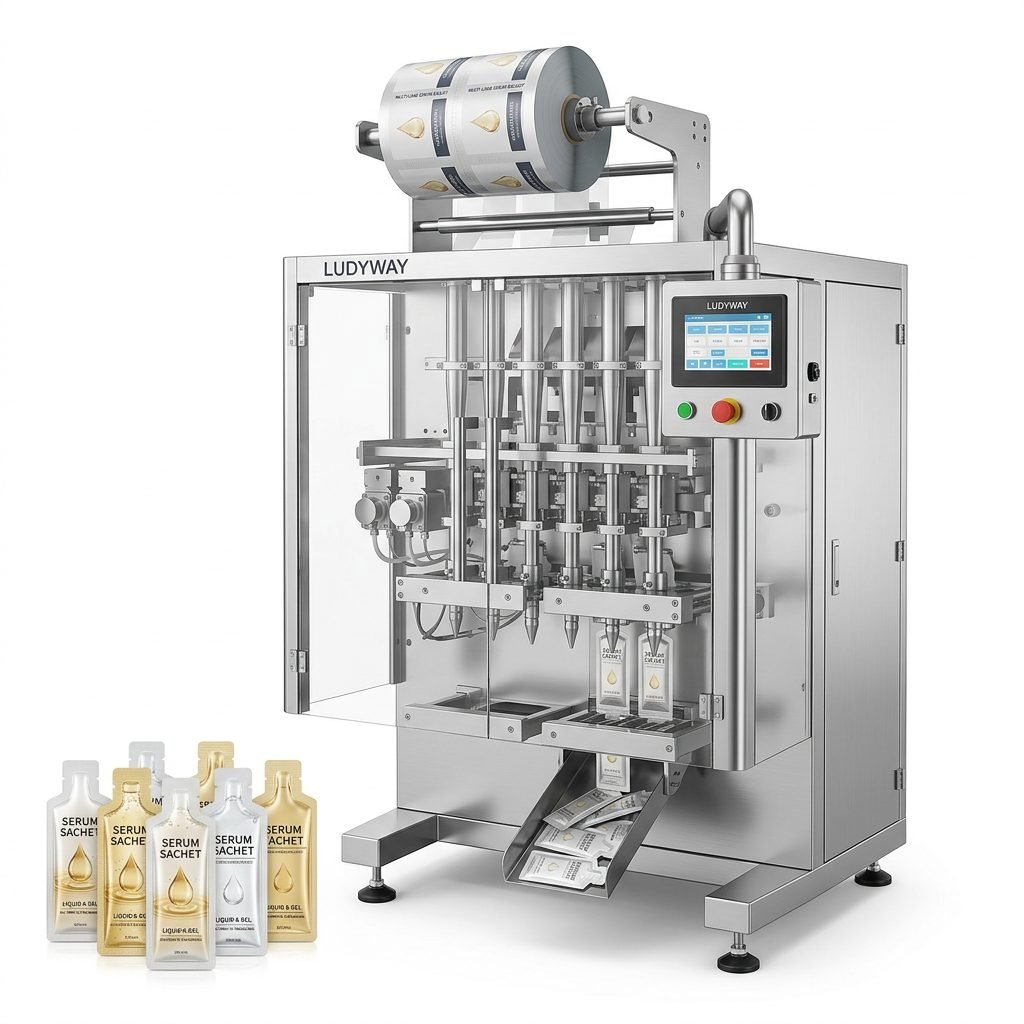
| Sachet/Stick Pack Machine | Single-serve sachets, stick packs | Sample packs, travel sizes, single-use applications | 40-200 packs/min per lane |
| Tube Filling Machine | Plastic or laminate tubes | Consumer grease, specialty lubricants, cartridge refills | 30-120 tubes/min |
| Cartridge Filling Machine | Standard grease cartridges | Industrial lubricants, automotive aftermarket | 20-80 cartridges/min |
| Pouch Filling Machine | Stand-up pouches, flat pouches | Bulk grease portions, food-grade lubricants | 15-60 pouches/min |
| Pail/Container Filling System | Plastic or metal pails, drums | Industrial bulk packaging, commercial distribution | 5-20 containers/min |
Critical Technical Specifications to Evaluate
Filling Accuracy and Dosing Technology
Precision dosing is paramount for grease packaging. Overfilling erodes profit margins, while underfilling creates regulatory and customer satisfaction issues. Modern grease packing machines typically employ one of these dosing methods:
- Volumetric piston fillers – Most common for grease, offering reliable accuracy within ±0.5-1%
- Servo-driven positive displacement pumps – Enhanced accuracy with programmable fill volumes
- Mass flow metering – Gravimetric systems for premium applications requiring ±0.2% accuracy or better
- Net weight filling – Weighs product directly in the package for maximum precision
Ask potential suppliers about filling accuracy guarantees and request documented performance data under production conditions similar to yours.
Material Compatibility and Build Quality
Grease formulations can contain additives that are corrosive or abrasive. Machine components in contact with the product—including hoppers, pumps, valves, and filling nozzles—must be constructed from compatible materials. Look for:
- Stainless steel construction (304 or 316 grade) for product contact parts
- PTFE or specialized elastomer seals rated for grease compatibility
- Hardened surfaces for components subject to abrasive wear
- Food-grade certifications where applicable (for food-grade lubricant packaging)
Automation Level and Control Systems
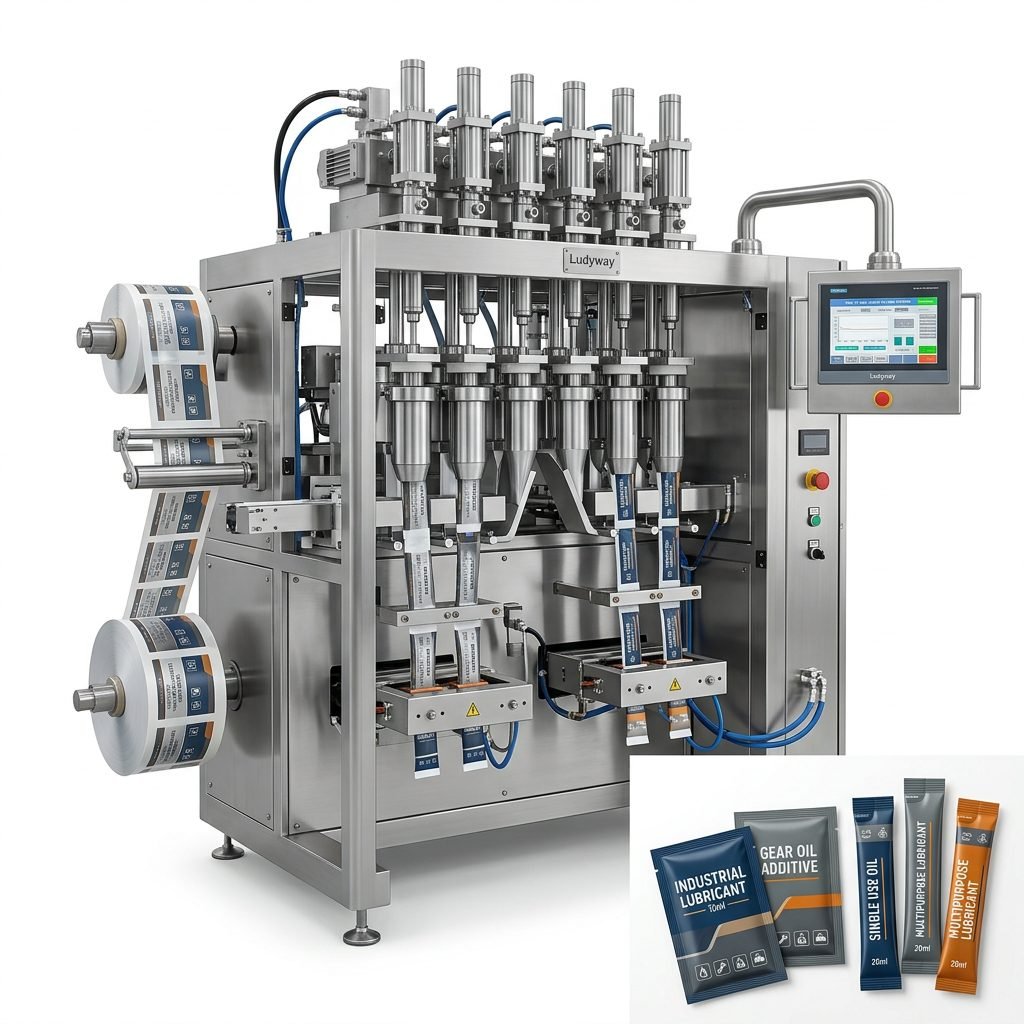
Today’s automatic grease packaging lines range from semi-automatic to fully integrated turnkey systems. Consider which automation features align with your operational requirements:
- PLC-based control with touchscreen HMI for recipe management
- Servo-driven filling for programmable fill parameters
- Automatic product feeding from bulk containers or mixers
- Integrated checkweighing and reject systems
- Data logging and Industry 4.0 connectivity for production monitoring
- Automated cleaning-in-place (CIP) capabilities for product changeovers
Packaging Material Considerations
Your choice of packaging material influences machine configuration and sealing technology. Grease packaging commonly uses multi-layer laminated films for sachets, aluminum or plastic barrier tubes, and high-density polyethylene cartridges. The machine must handle your specific material thickness, heat-seal characteristics, and barrier requirements. Verify that the sealing system can create hermetic seals that prevent leakage during storage and transport—a critical quality requirement for grease products.
Production Environment and Facility Integration
Space Requirements and Layout
Measure available floor space and ceiling height before evaluating machines. Multi-lane sachet machines and complete packaging lines require substantial floor area for the filler, conveyor systems, cartoning equipment, and auxiliary components. Consider also access for maintenance, cleaning, and product changeover activities.
Utility Requirements
Confirm that your facility can support the machine’s power supply (voltage, phase, amperage), compressed air requirements (pressure and volume), and any specialized utilities such as nitrogen flushing systems. Machines built to ISO packaging standards will have clearly documented utility specifications.
Compliance and Certification Requirements
Depending on your market and product classification, your grease packing machine may need to meet specific regulatory standards. Key considerations include:
- CE marking for European market access
- FDA compliance for food-grade lubricant packaging
- GFSI-benchmarked standards where applicable
- ATEX certification for potentially explosive environments
- ISO 9001 quality management system compliance for the manufacturer
Review certification requirements with your supplier early in the selection process. Established manufacturers like Ludyway Machinery offer equipment configurable to meet applicable international standards, with compliance documentation available for relevant markets. For detailed regulatory guidance, consult resources from the FDA on packaging and food contact substances.
Supplier Evaluation Checklist
Selecting the right machine partner is as important as selecting the right machine. A reliable supplier provides ongoing support throughout the equipment lifecycle. Assess potential suppliers on these criteria:
| Evaluation Criteria | What to Look For |
|---|---|
| Industry Experience | Proven track record with grease or high-viscosity product packaging |
| Technical Support | Installation, commissioning, operator training, and remote troubleshooting |
| Spare Parts Availability | Readily available inventory, clear parts catalog, global shipping capability |
| Custom Engineering | Ability to customize filling systems for specific product characteristics |
| After-Sales Service | Warranty terms, service contracts, preventive maintenance programs |
| Factory Acceptance Testing | Willingness to conduct FAT with your product before shipment |
| References | Verifiable customer installations in comparable applications |
Calculating Total Cost of Ownership
The purchase price represents only part of the financial equation. A thorough cost analysis accounts for:
- Capital expenditure – Machine cost, shipping, installation, and commissioning
- Operational costs – Labor requirements, energy consumption, maintenance supplies
- Consumables – Packaging material waste rates, replacement parts frequency
- Downtime costs – Changeover time between products, mean time between failures
- Service costs – Preventive maintenance, emergency repairs, spare parts inventory
A machine with a higher initial price may deliver lower total cost of ownership through superior efficiency, reduced waste, and extended service intervals. Request detailed operating cost projections from potential suppliers and validate them against reference customer experiences.
Changeover Efficiency
If you package multiple grease formulations or package sizes, evaluate changeover complexity. Machines with servo-driven adjustments, quick-release components, and stored recipe parameters significantly reduce downtime between production runs. PMMI packaging industry intelligence consistently identifies rapid changeover capability as a top priority for manufacturers seeking operational flexibility.
Testing and Validation Process
Before finalizing a purchase, insist on product testing with your actual grease formulation. Critical aspects to validate include:
- Filling accuracy across the full range of target fill volumes
- Seal integrity under temperature and pressure conditions simulating real-world handling
- Machine speed performance with your product and packaging materials
- Product changeover time if running multiple formulations
- Drip-free cutoff performance at the filling nozzle
- Cleanup time and procedure effectiveness between batches
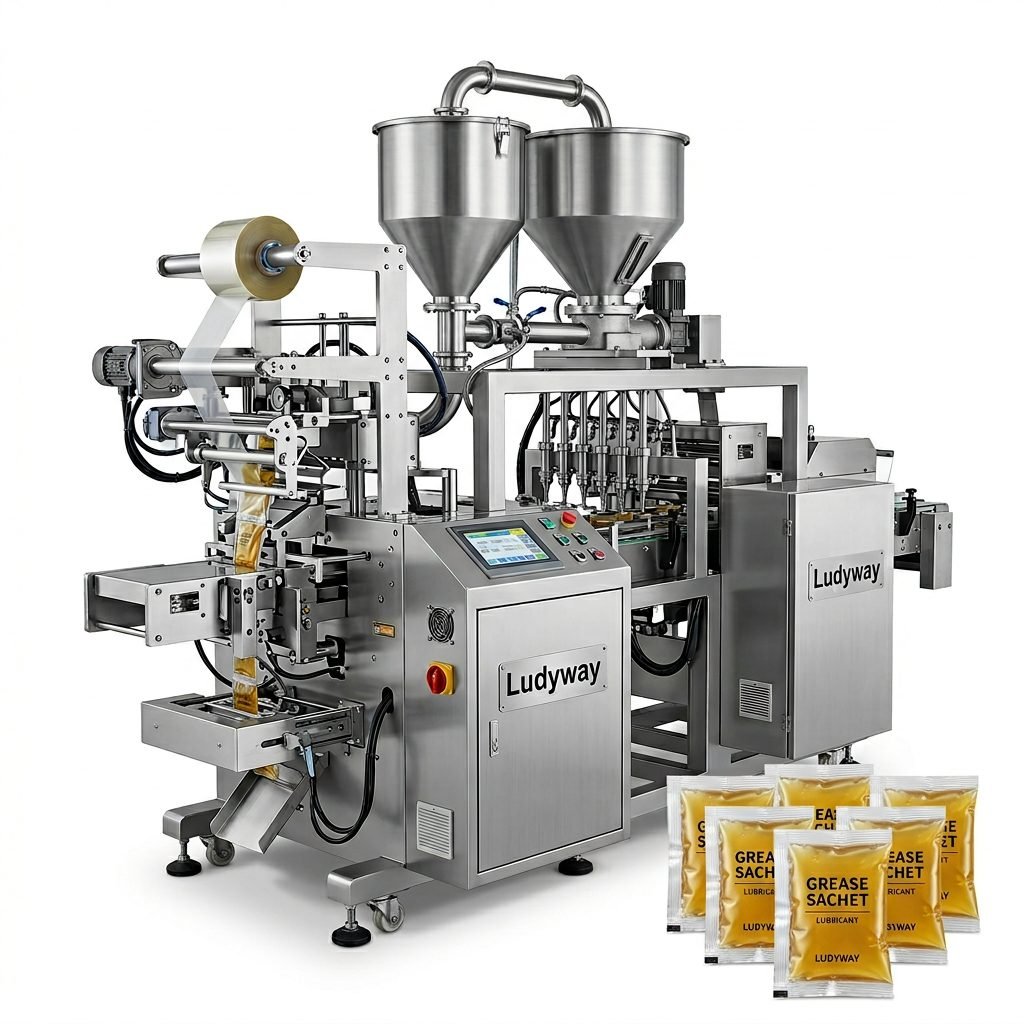
Integration with Auxiliary Equipment
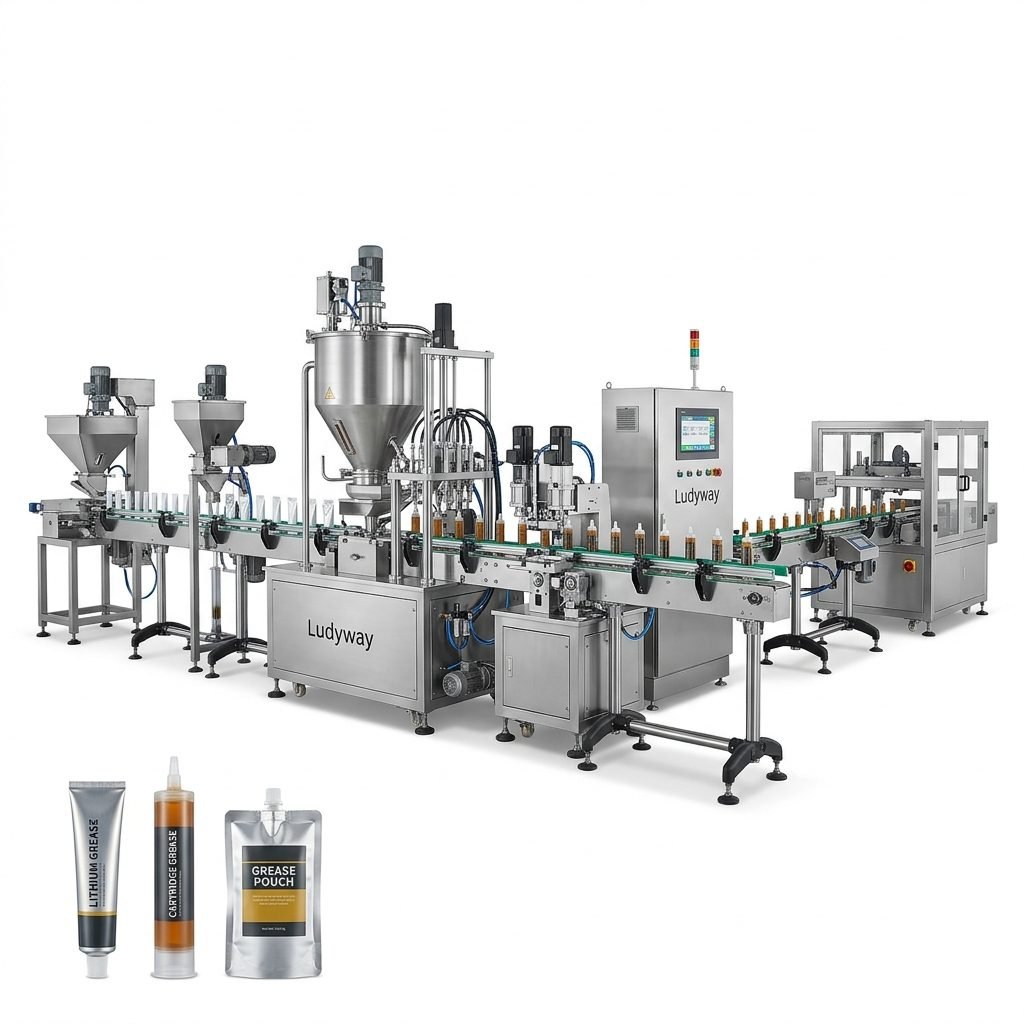
A modern grease packaging operation often extends beyond the filling machine itself. Consider how the primary packaging unit integrates with:
- Product supply systems – Bulk tanks, transfer pumps, inline homogenizers
- Upstream equipment – Product preparation, filtration, temperature conditioning
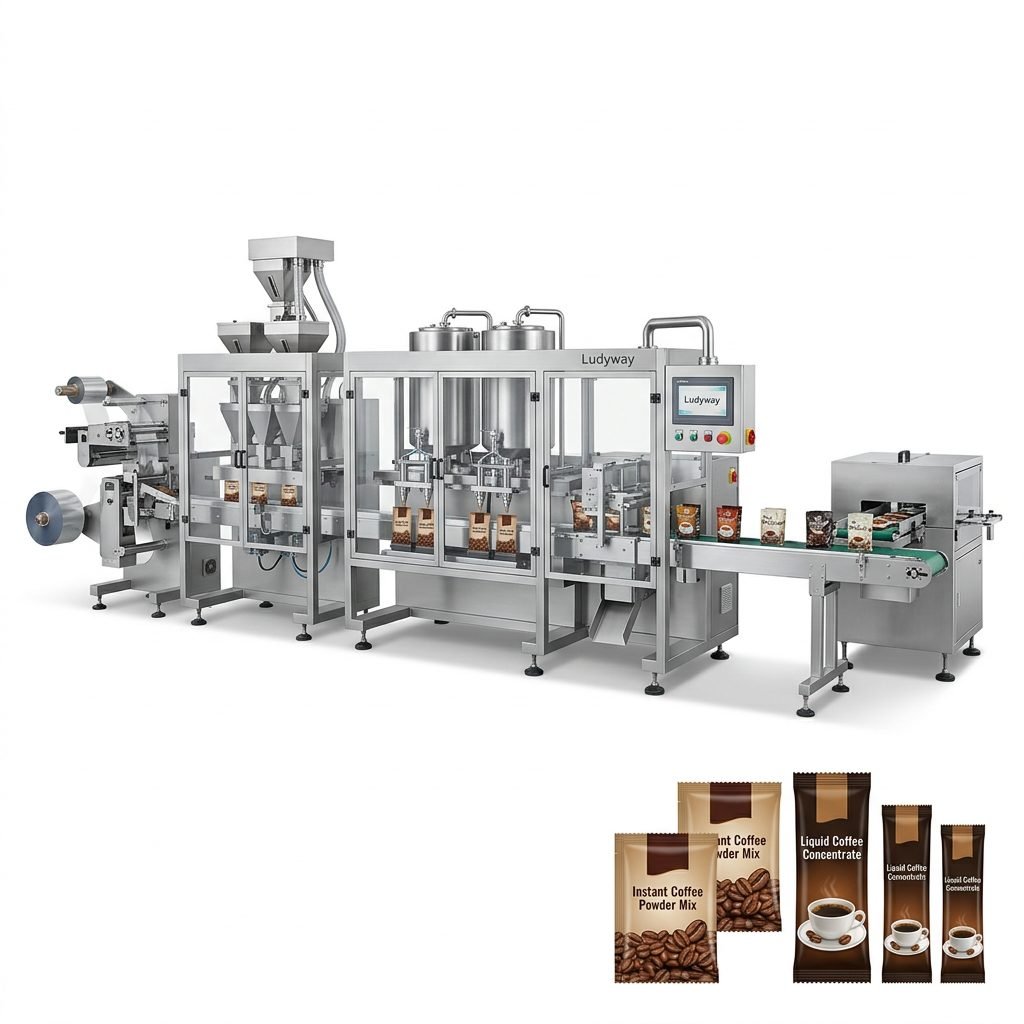
- Downstream equipment – Checkweighers, metal detectors, cartoners, case packers, palletizers
- Coding and labeling systems – Date coders, barcode printers, label applicators
- Quality inspection – Vision systems, leak detection, seal inspection
Selecting a supplier that offers integrated packaging line solutions rather than only standalone machines simplifies system integration and ensures coordinated performance across the entire line. The Flexible Packaging Association provides valuable resources on packaging material and system compatibility considerations.
Key Questions to Ask Potential Suppliers
- What specific experience do you have with grease or high-viscosity product packaging?
- Can you provide documented filling accuracy performance for products similar to mine?
- What material contact components are included, and are they compatible with my grease formulation?
- How is drip control managed at the filling nozzle?
- What is the expected seal integrity performance for my target packaging material?
- Can I visit a reference installation running a comparable application?
- What is included in the warranty, and what are your after-sales support capabilities?
- How do you handle spare parts availability and shipping lead times?
- What training do you provide for operators and maintenance personnel?
- Can you support future production capacity expansion or packaging format changes?
Making Your Final Decision
After completing technical evaluations, product testing, and supplier assessments, weigh your findings against your business priorities. The best grease packing machine is not necessarily the most expensive or the fastest—it is the one that most closely aligns with your product requirements, production goals, quality standards, and budget parameters while providing reliable long-term performance.
Invest time in due diligence, ask detailed questions, and prioritize suppliers that demonstrate deep understanding of grease packaging challenges. A carefully selected machine will deliver consistent, efficient performance for years, supporting your manufacturing operations and business growth.