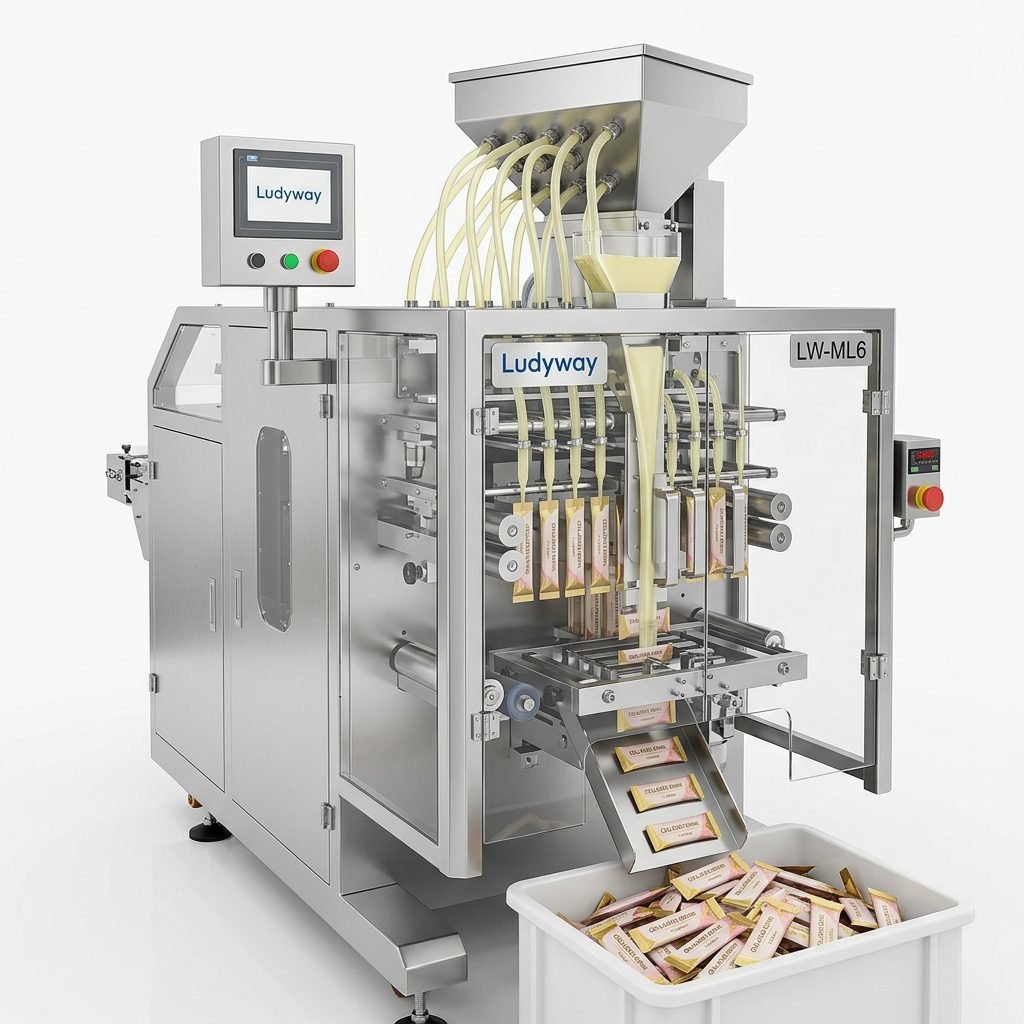
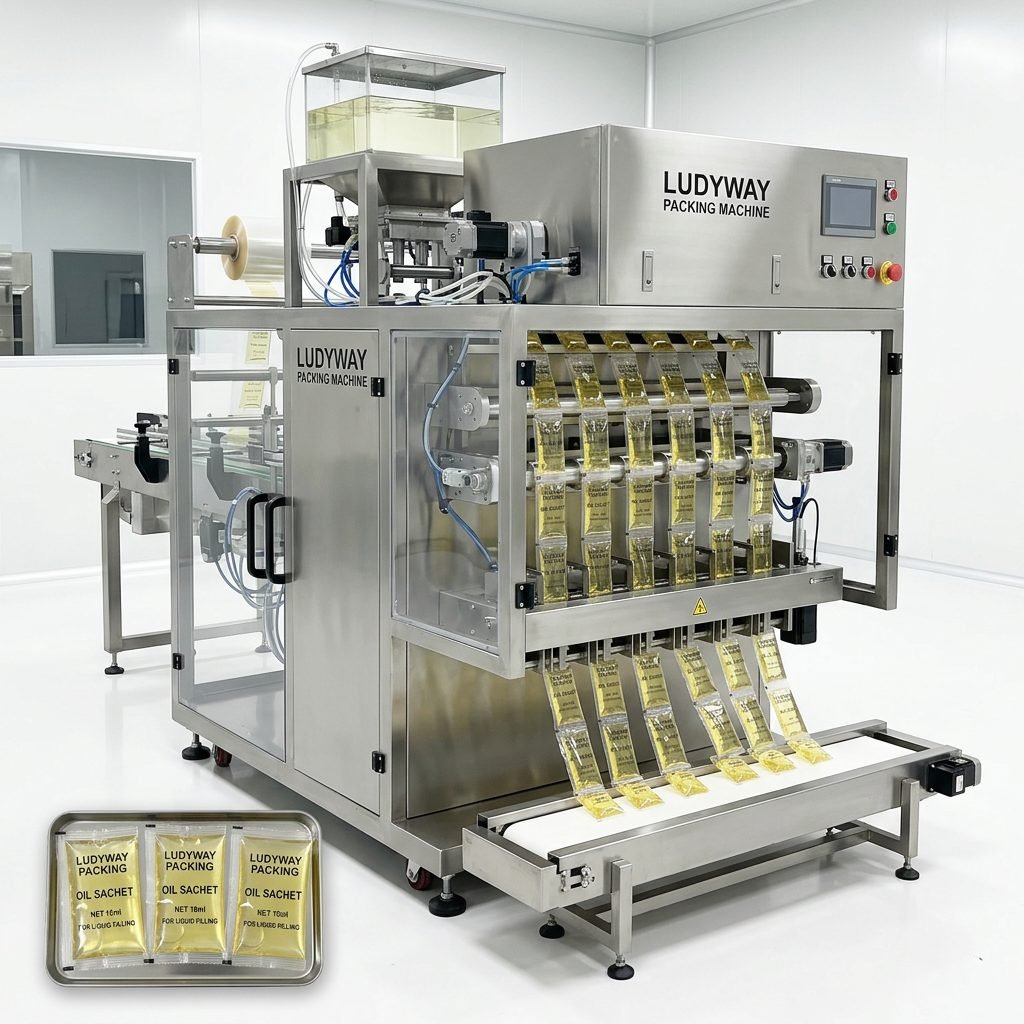
Selecting the right jelly packing machine is a critical decision that directly impacts your production efficiency, product quality, and long-term operational costs. Whether you are packaging food-grade jelly, cosmetic gels, or pharmaceutical gel products, the equipment you choose must align with your specific product characteristics, production goals, and regulatory requirements. This guide walks you through the essential factors to evaluate before making your investment.
Understanding Your Jelly Product Characteristics
Not all jelly products are the same. The physical properties of your product will determine the type of filling system and machine configuration you need. Key characteristics to analyze include:
- Viscosity and flow behavior: Jelly products range from semi-solid gels to thick pastes. High-viscosity products require positive displacement piston fillers or gear pump systems, while lower-viscosity gels may work with gravity or volumetric fillers.
- Particulate content: If your jelly contains fruit pieces, seeds, or other solid inclusions, the filling nozzles and valves must be designed to handle particulates without clogging.
- Temperature sensitivity: Some jelly formulations require heated filling to maintain flowability, while others may need cooling during the packaging process.
- Foaming tendency: Products that foam during filling require special filling head designs to minimize air incorporation.
- pH and chemical properties: Acidic jellies require machines built with corrosion-resistant materials such as 316L stainless steel.
According to PMMI packaging industry resources, understanding product rheology is the foundation of selecting appropriate filling technology for any viscous product.
Packaging Formats and Bag Types
Jelly products can be packaged in various formats depending on your target market, distribution channels, and consumer usage patterns. The most common packaging formats include:
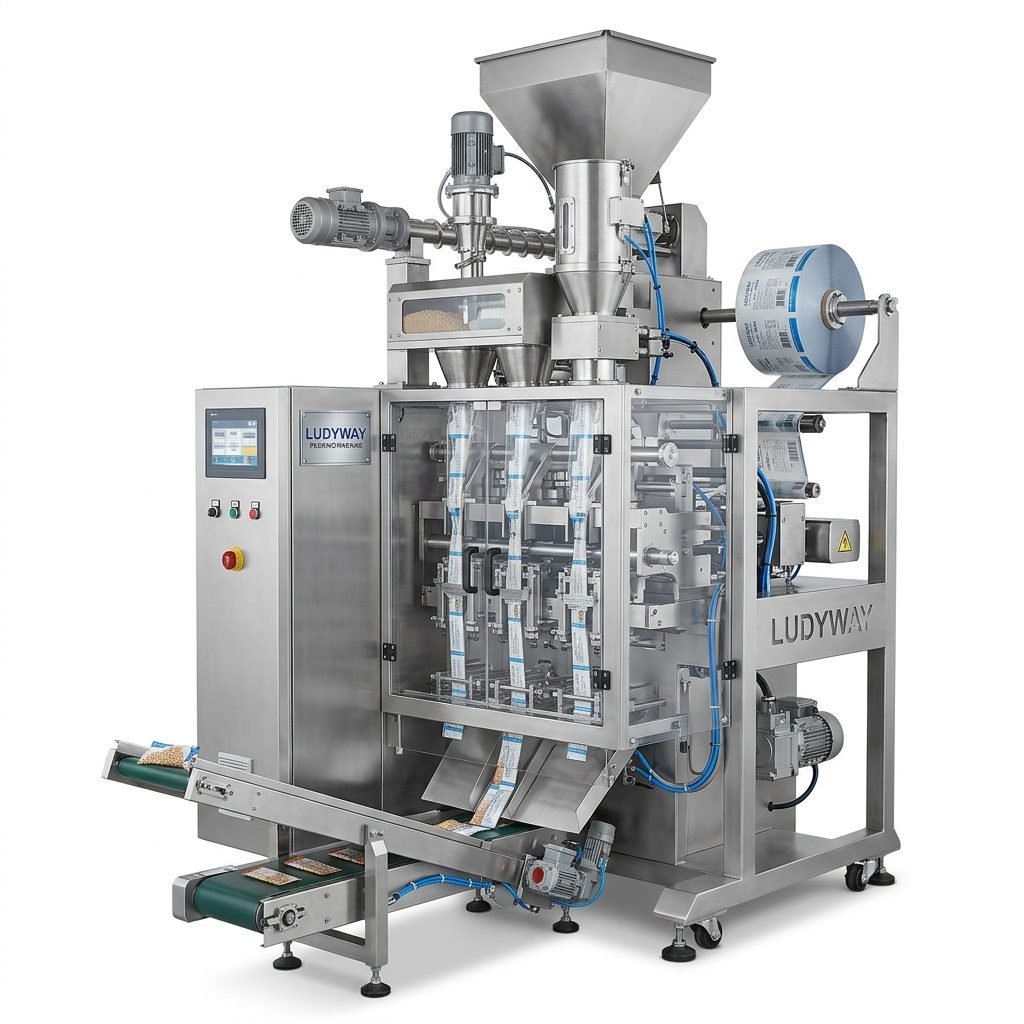
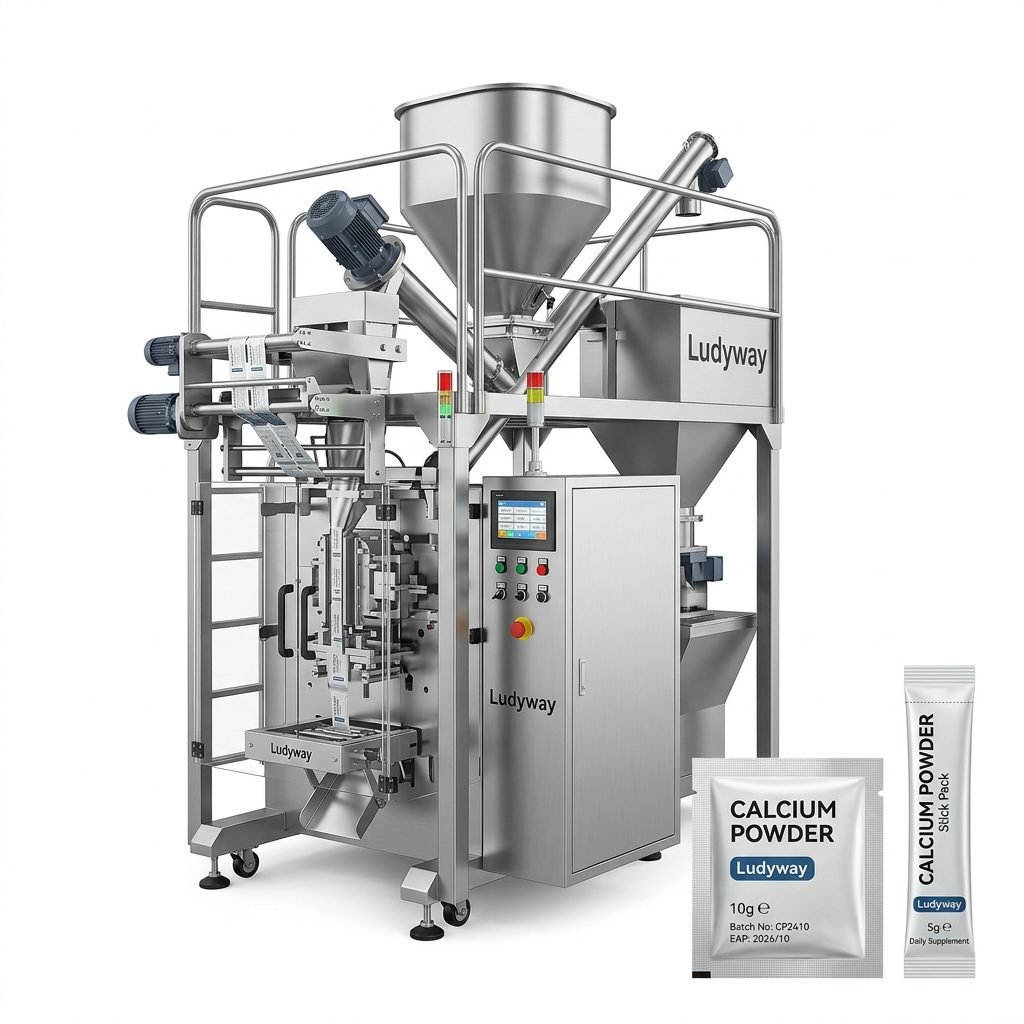
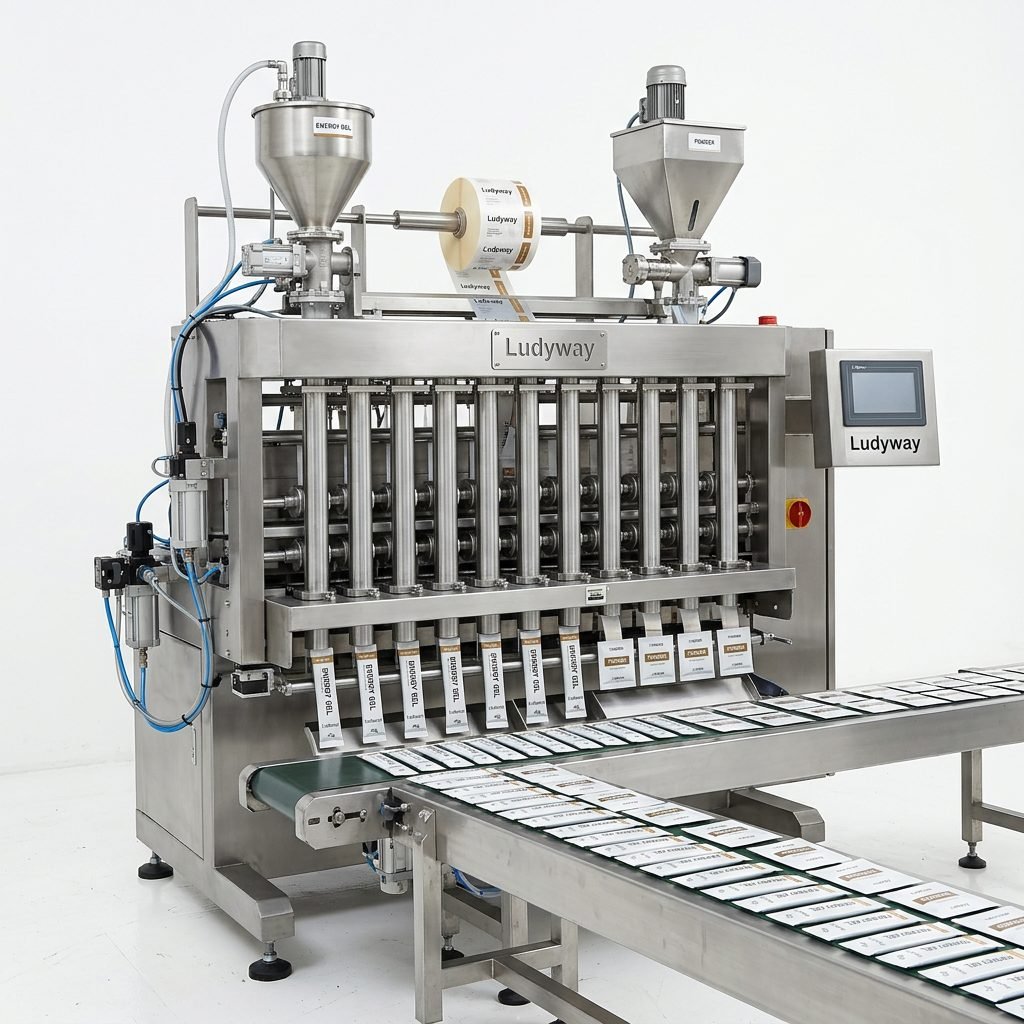
- Stick packs: Slim, single-serve sachets ideal for on-the-go consumption of energy gels, honey jelly, and nutritional gel supplements.
- Sachets: Flat or pillow-style pouches used for single-use cosmetic gel samples, pharmaceutical jelly, and food condiments.
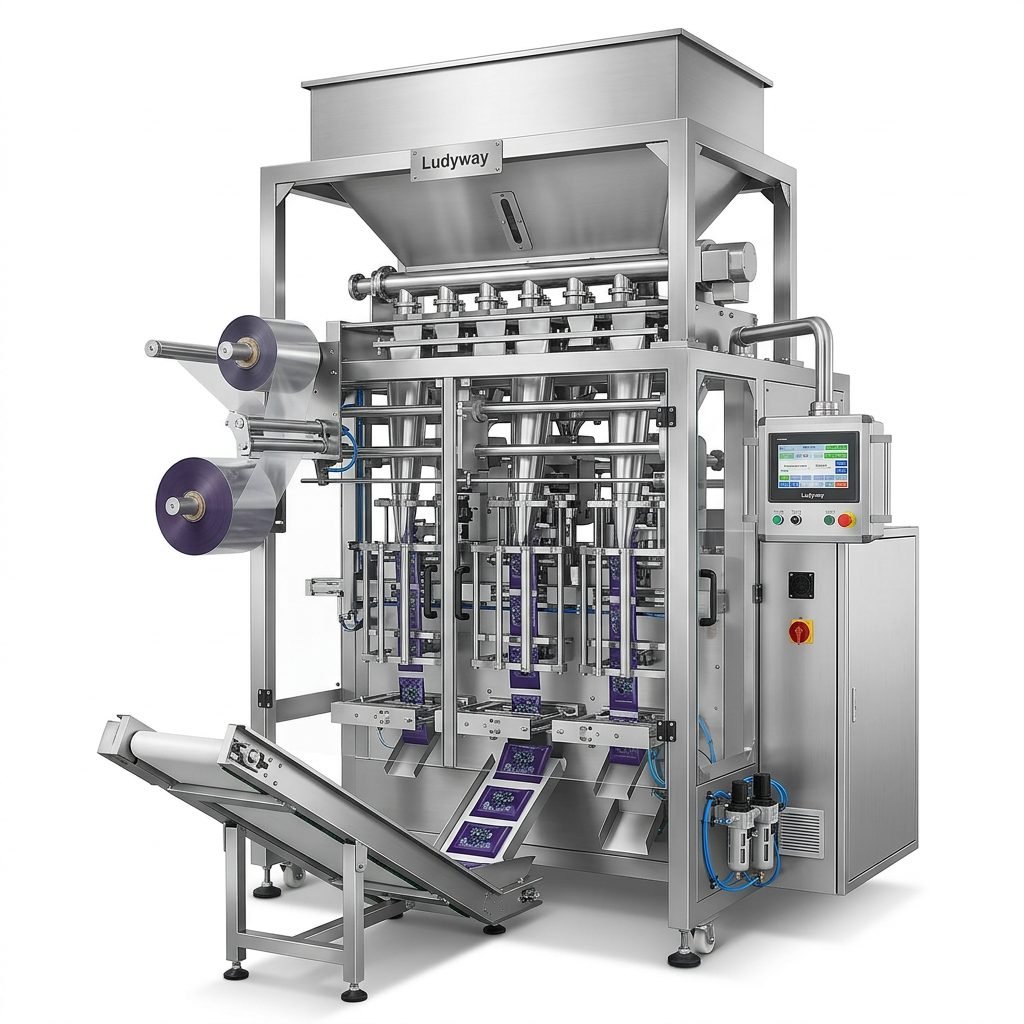
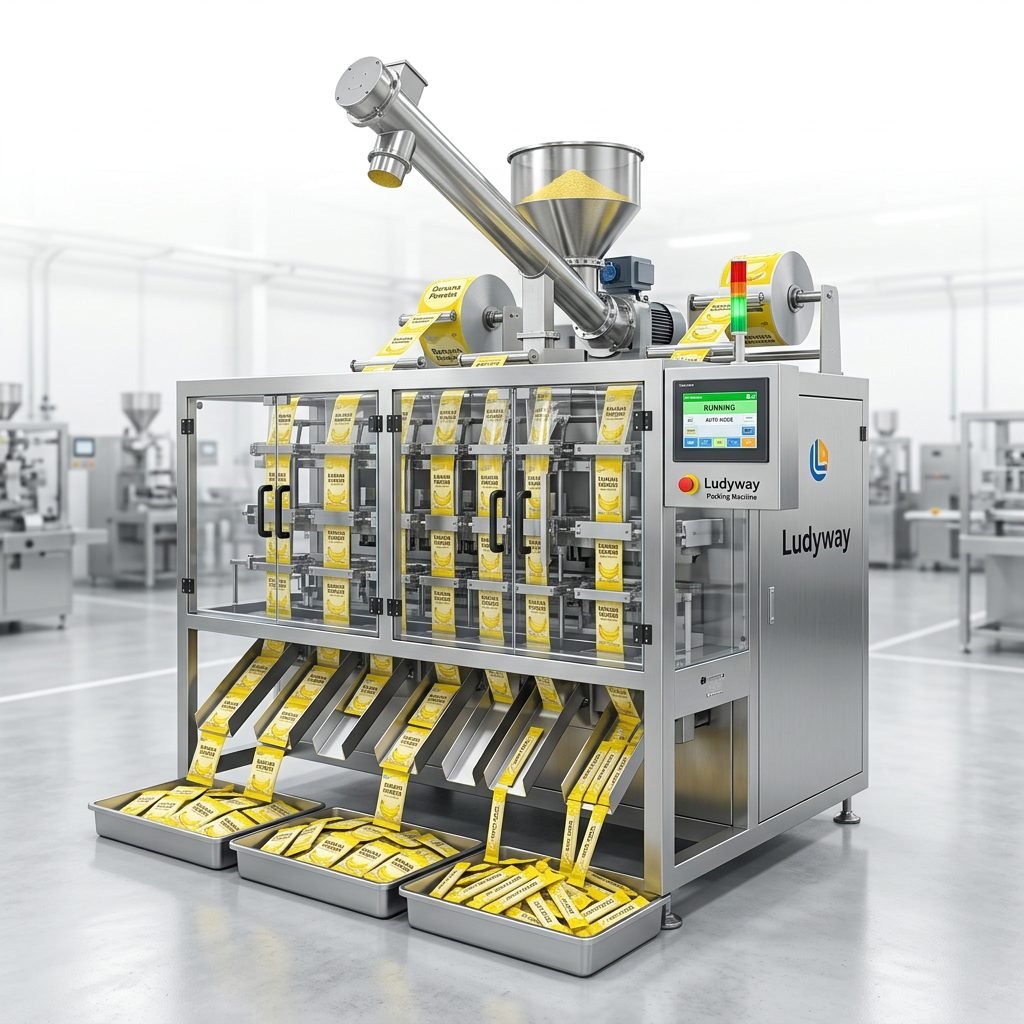
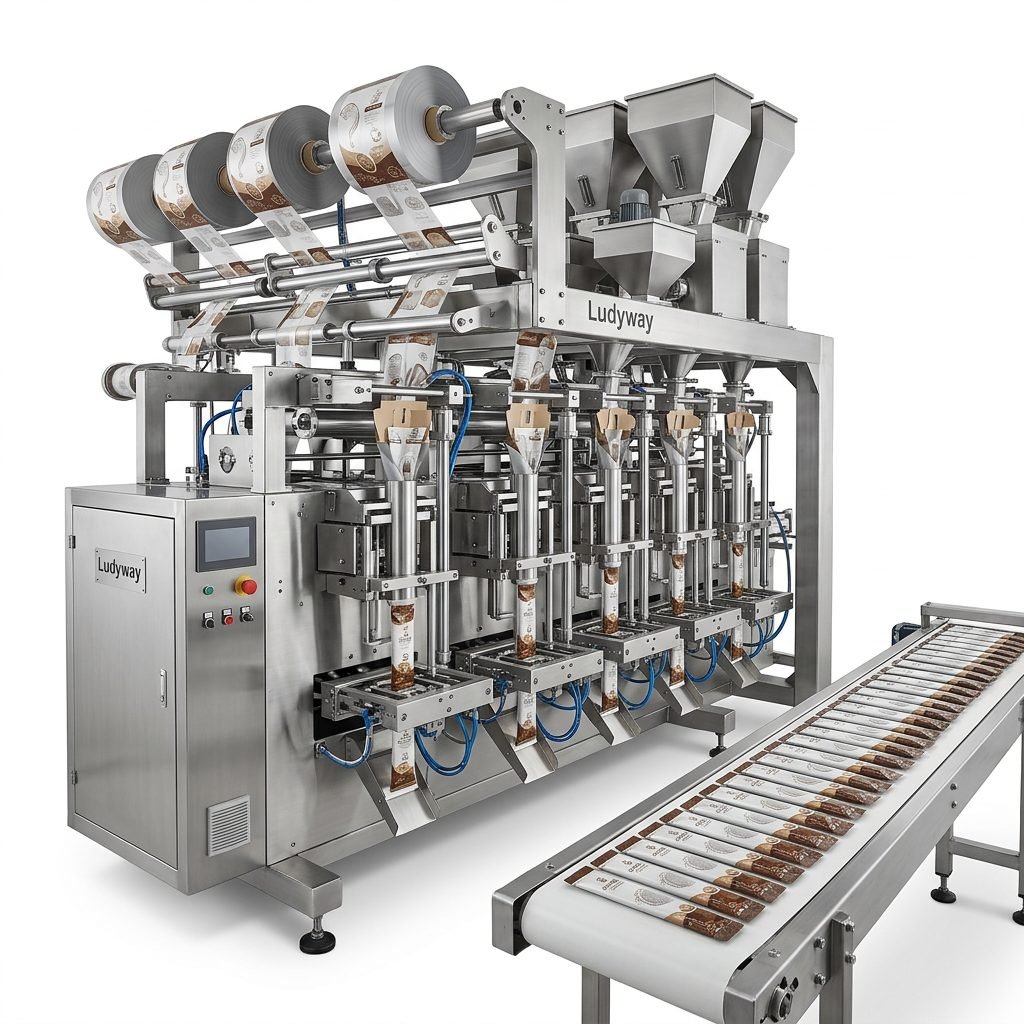
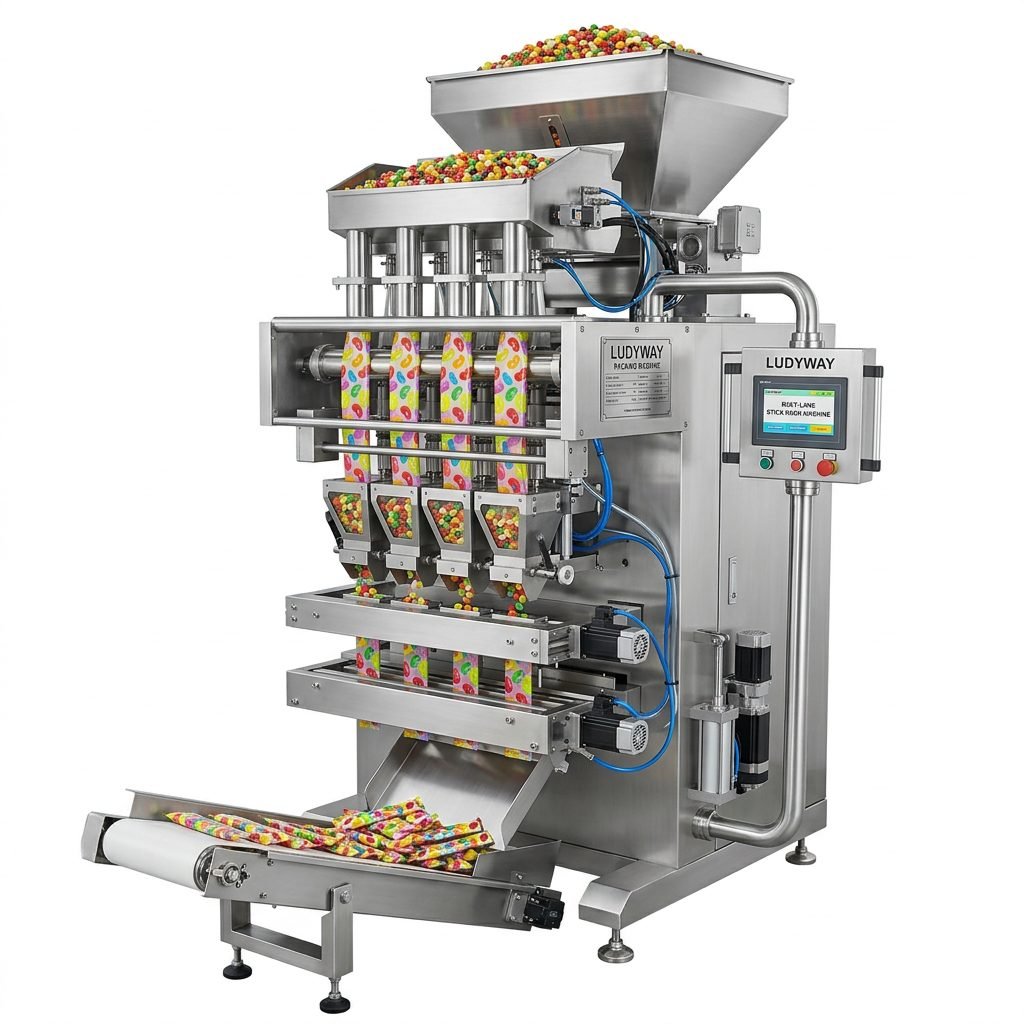
- Multi-lane stick packs: High-speed production format where multiple lanes run simultaneously, significantly increasing throughput for flexible packaging applications.
- Pre-made pouches: Stand-up or flat pouches with spout options for larger-volume jelly products.
Comparing Stick Pack vs. Sachet Formats
| Feature | Stick Pack | Sachet |
|---|---|---|
| Typical Volume | 3-30 ml | 10-100 ml |
| Production Speed | Up to 600+ packs/min (multi-lane) | Up to 300+ packs/min |
| Best For | Portable single-dose gels, travel packs | Sample packets, food service portions |
| Material Usage | Lower material per unit | Higher material per unit |
Production Speed and Capacity Requirements
Your current and projected production volume is a decisive factor in machine selection. Jelly packing machines are available across a wide productivity spectrum:
- Entry-level single-lane machines: 30-80 packs per minute, suitable for small to medium manufacturers or startups.
- Mid-range multi-lane machines: 150-400 packs per minute, ideal for growing brands and contract packagers.
- High-speed multi-lane systems: 400-800+ packs per minute, designed for large-scale production and international brands.
When evaluating speed, consider not just the rated maximum speed but also the sustained operating speed, changeover time between formats, and overall equipment effectiveness (OEE). Reviewing PMMI business intelligence reports can provide benchmarking data on packaging line performance across industries.
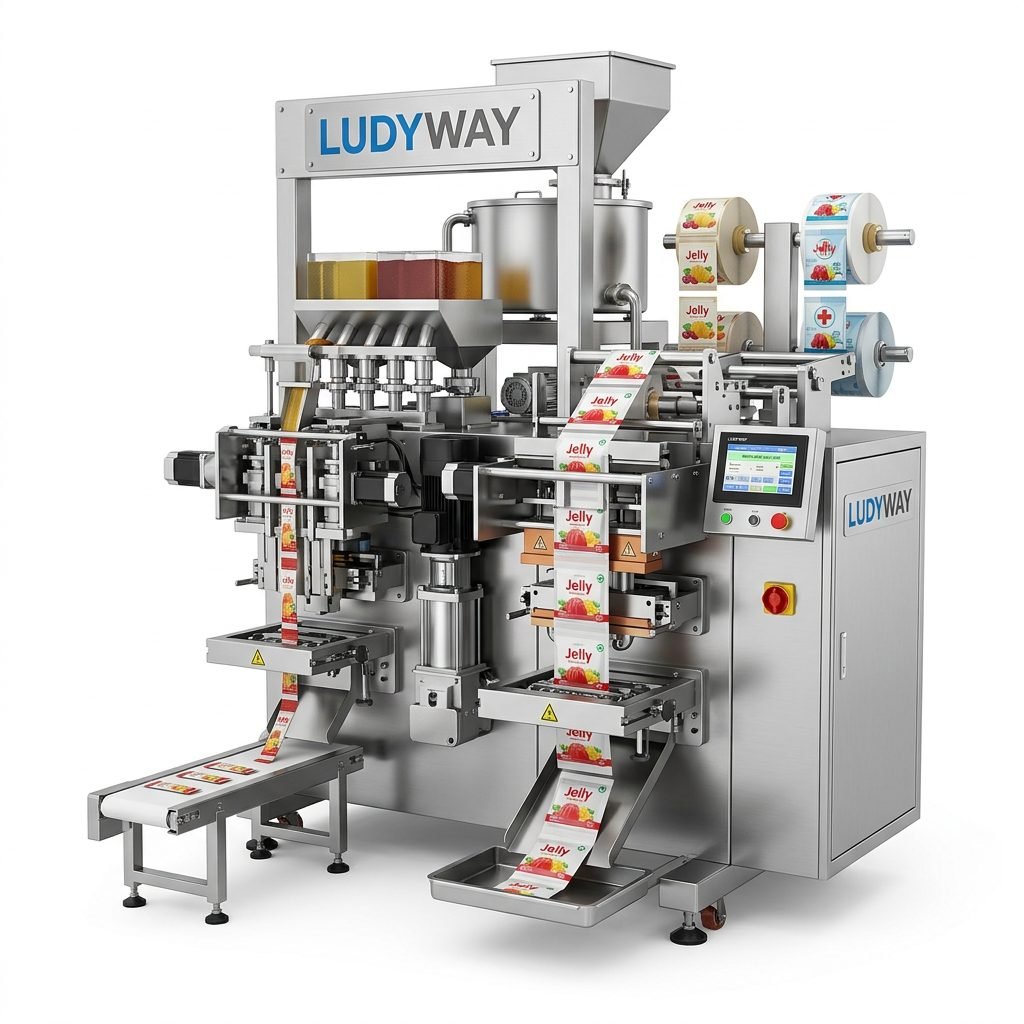
Key Machine Features to Evaluate
Beyond basic filling and sealing functions, several features can significantly impact your operation’s efficiency and product quality. Prioritize these when comparing different jelly packing machine models:
Filling Accuracy and Dosing Technology
Precision in fill volume is critical for regulatory compliance, product consistency, and cost control. For jelly products, servo-driven piston fillers offer the highest accuracy, typically achieving ±0.5% to ±1% deviation. Pneumatic systems are more economical but may have wider tolerance ranges. Always verify the dosing system’s performance with your specific product viscosity.
Sealing Integrity
A reliable seal is non-negotiable, especially for gel products that can leak if seals are compromised. Look for machines with adjustable sealing temperature, pressure, and dwell time controls. Multi-zone sealing systems provide more uniform seal quality across the entire pack width. For pharmaceutical and medical gel applications, seal integrity testing capabilities should be integrated or compatible with downstream inspection equipment.
Material Compatibility and Flexibility
Your machine should handle the range of packaging materials you intend to use, including:
- Aluminum foil laminates for barrier protection
- PET/PE structures for clear visibility
- Paper-based laminates for sustainable positioning
- High-barrier films for extended shelf life
The Flexible Packaging Association provides extensive data on material trends and performance characteristics relevant to gel and jelly packaging applications.
Automation and Control Systems
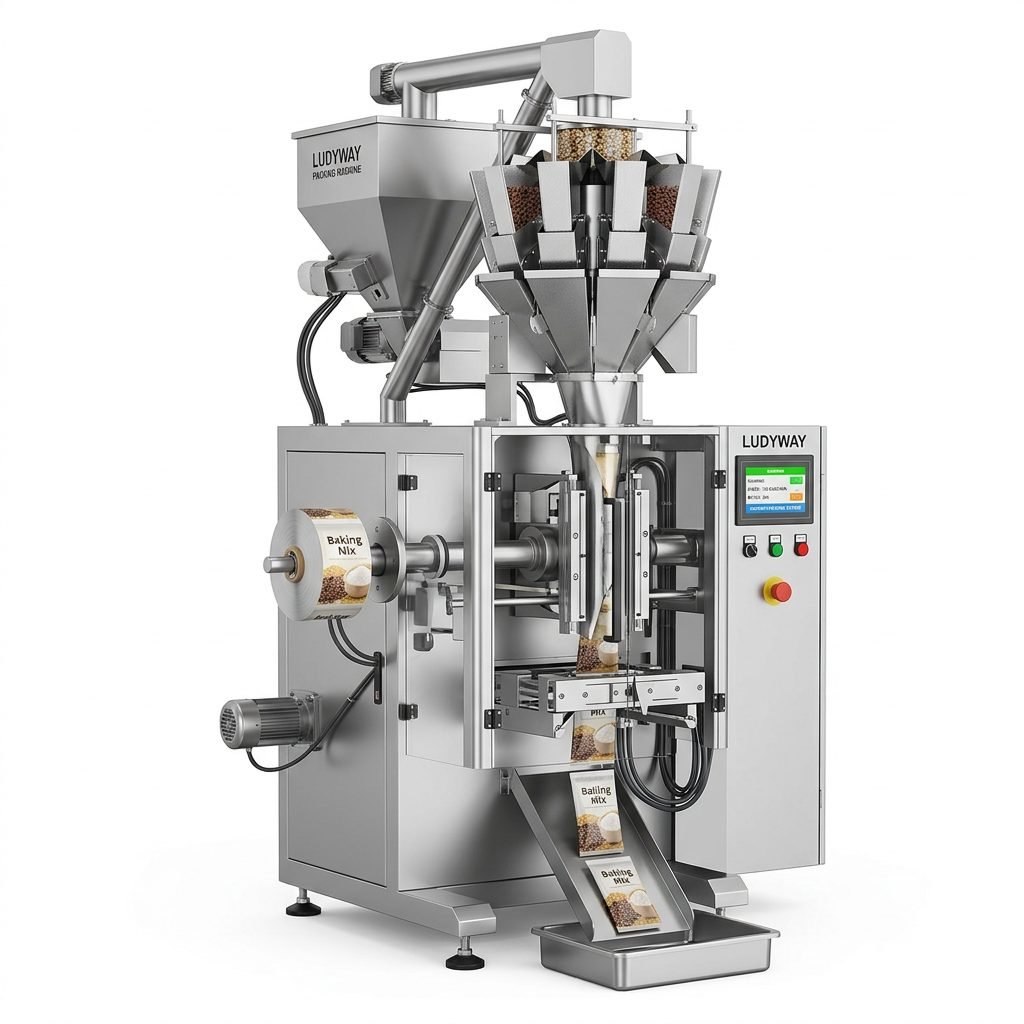
Modern jelly packing machines feature PLC-based controls with touchscreen HMI interfaces. Key automation capabilities to assess include automatic film tension control, servo-driven lane adjustments, recipe storage for quick changeovers, and integration with upstream and downstream equipment. Machines compliant with ISO packaging standards generally offer better documentation and interoperability.
Hygiene and Compliance Standards
For food, cosmetic, and pharmaceutical jelly products, hygiene is paramount. Your machine selection should align with the regulatory framework of your target markets:
- Food-grade jellies: Look for machines meeting FDA food packaging requirements with easy-to-clean designs, sanitary fittings, and food-grade contact materials.
- Pharmaceutical gels: Machines may need to comply with GMP, 21 CFR Part 211, and ISO 11607 standards for validated processes.
- Cosmetic gels: ISO 22716 GMP for cosmetics applies, requiring documented cleaning procedures and contamination control.
Key design features that support hygiene include CIP (Clean-in-Place) compatibility, tool-free disassembly for manual cleaning, sloped surfaces to prevent liquid pooling, and sealed electrical enclosures rated for washdown environments.
Customization and Flexibility for Different Jelly Products
Few manufacturers produce only one type of jelly product throughout their machine’s lifecycle. Selecting equipment that offers flexibility for future product variations protects your investment. Consider:
- Quick-change parts: Filler pistons, nozzles, and forming tubes that can be swapped without specialized tools.
- Adjustable fill volumes: Servo-driven systems that allow digital adjustment across a wide range without mechanical changes.
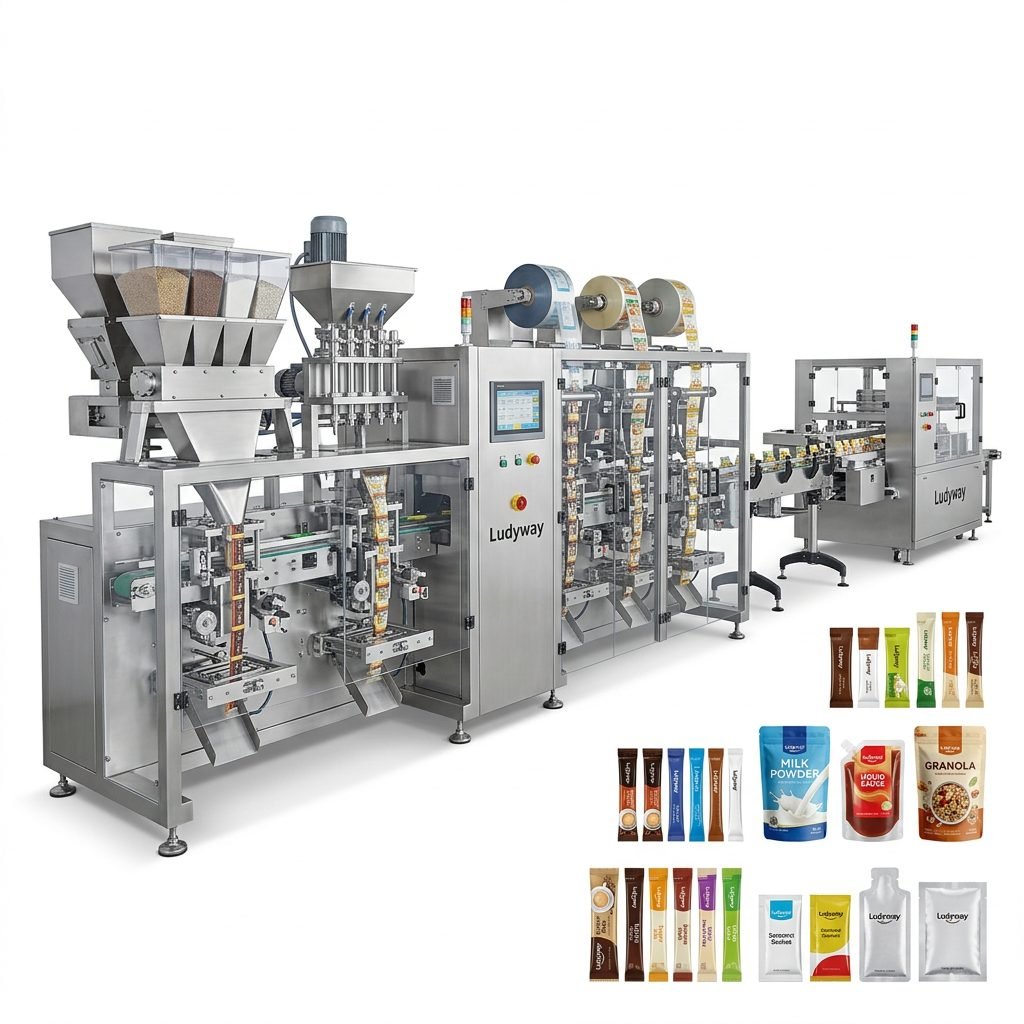
- Multi-format capability: Machines that can produce both stick packs and sachets with minimal conversion time.
- Expandable lane configurations: Some multi-lane systems allow adding lanes later as production demands grow.
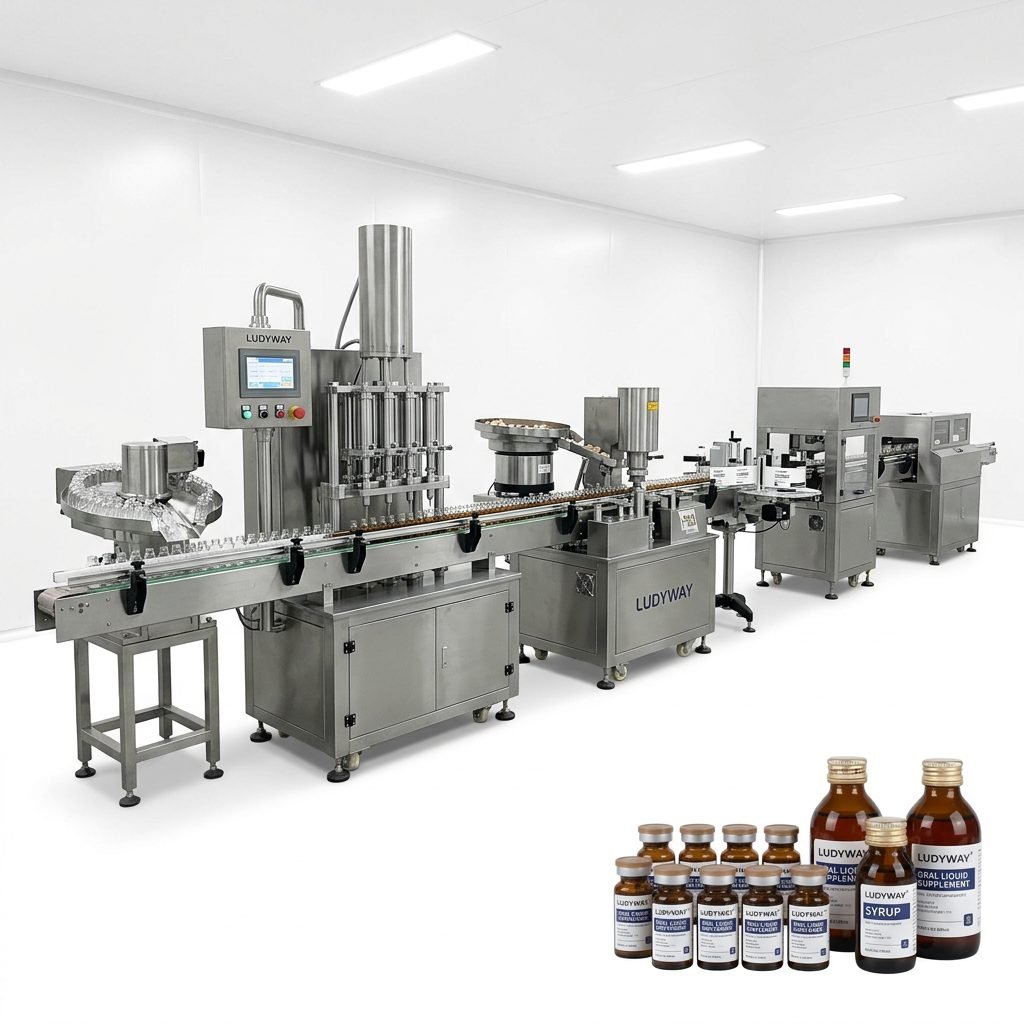
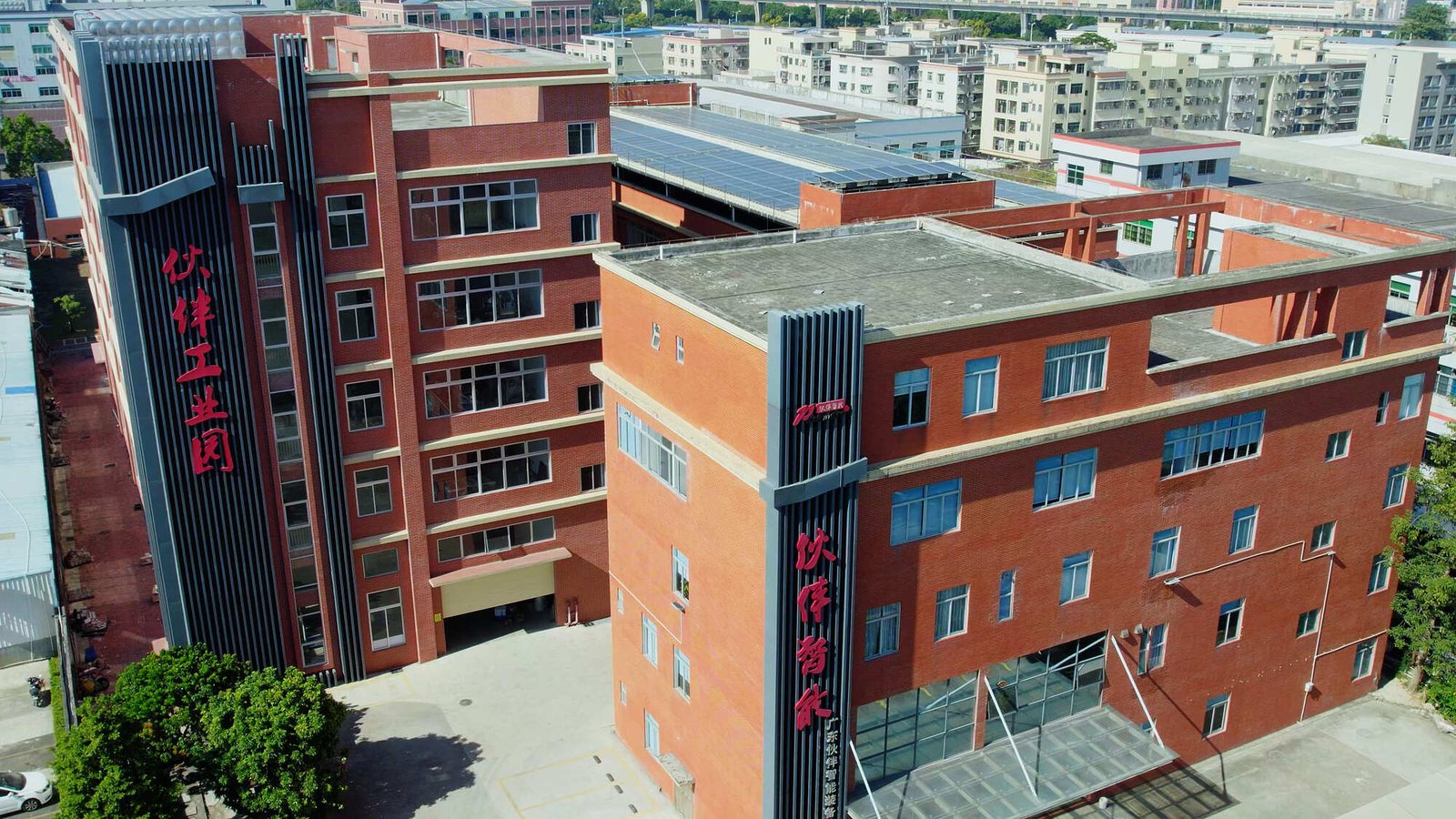
Ludyway Machinery, a China-based packaging machinery manufacturer with global growth momentum, offers customized jelly packaging solutions configured to specific product characteristics and production requirements, with equipment designed for adaptability across multiple gel and liquid applications.
Evaluating Suppliers and After-Sales Support
The jelly packing machine itself is only part of the equation. The supplier’s capability to support installation, training, and ongoing maintenance is equally important. Evaluate potential suppliers on these criteria:
Technical Expertise and Industry Experience
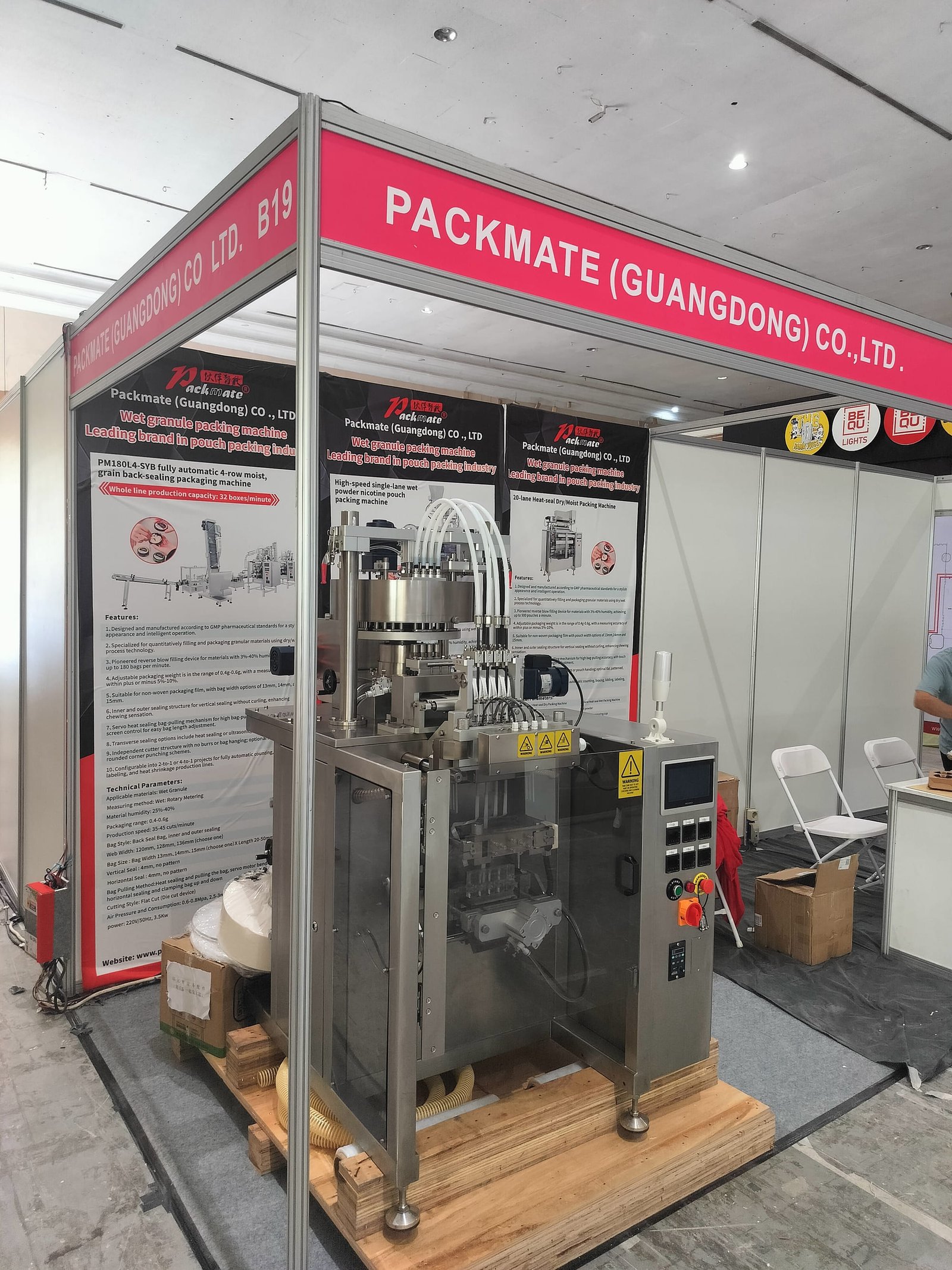
Suppliers with specific experience in gel and viscous product packaging understand the unique challenges these products present. Request case studies or references from manufacturers packaging similar jelly products. Industry events like PACK EXPO International provide opportunities to meet multiple suppliers and see equipment demonstrations firsthand.
Spare Parts Availability and Service Network
Downtime costs can quickly erode the savings from a lower-priced machine. Confirm that the supplier maintains adequate spare parts inventory and can ship critical components quickly to your location. Remote diagnostic capabilities and local service technician availability should be verified before purchase.
Warranty and Commissioning Support
Comprehensive commissioning support, including on-site installation supervision, operator training, and production trial runs, reduces the time to stable production. Standard warranty terms and available extended warranty or service contracts should be clearly documented.
Cost and ROI Considerations
The purchase price of a jelly packing machine is just the starting point. A comprehensive cost analysis should include:
| Cost Category | Considerations |
|---|---|
| Equipment purchase | Base machine plus optional features, tooling, and spare parts kit |
| Installation and commissioning | Site preparation, utilities connection, technician travel, training |
| Packaging materials | Film waste rates, material compatibility, minimum order quantities |
| Maintenance and consumables | Preventive maintenance parts, wear items, lubrication, cleaning supplies |
| Labor | Operators per shift, technical staff requirements, training costs |
| Downtime risk | Cost of lost production during breakdowns or changeovers |
Calculate your total cost of ownership (TCO) over 5-7 years rather than focusing solely on upfront price. A machine with higher initial cost but lower maintenance requirements and faster changeovers often delivers superior long-term ROI. The 2025 State of the Industry report from PMMI provides valuable context on packaging machinery investment trends and operational benchmarks.
Questions to Ask Before Buying
Before finalizing your jelly packing machine selection, work through this checklist with potential suppliers:
- Has the machine been tested with products similar to ours in terms of viscosity, particulates, and temperature?
- What is the guaranteed fill accuracy range for our specific product?
- What are the changeover time and procedure between different pack sizes or formats?
- Which packaging material suppliers do you recommend, and what material specifications are required?
- What is the typical lead time for critical spare parts to our location?
- Can the machine be integrated with our existing upstream and downstream equipment?
- What certifications (CE, UL, GMP-compatible) are available for the equipment?
- Is remote technical support available, and what are the response time commitments?
Making the Final Decision
Choosing the right jelly packing machine requires balancing technical requirements, production goals, budget constraints, and supplier capabilities. Prioritize product quality and production reliability over initial cost savings. The most successful installations result from thorough upfront evaluation, clear communication of requirements, and partnership with an experienced supplier who understands the nuances of gel and jelly product packaging. By systematically working through the factors outlined in this guide, you can select equipment that supports your manufacturing goals today and scales with your business tomorrow.