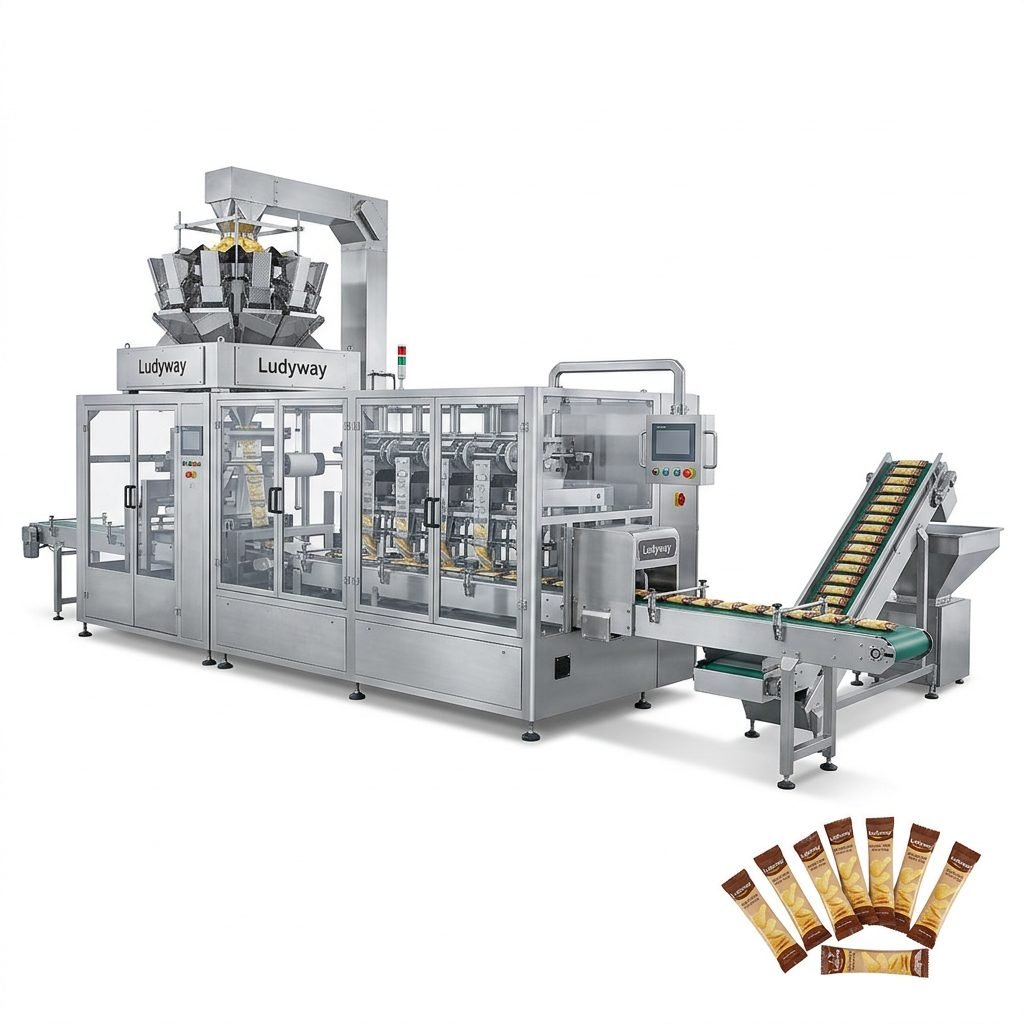
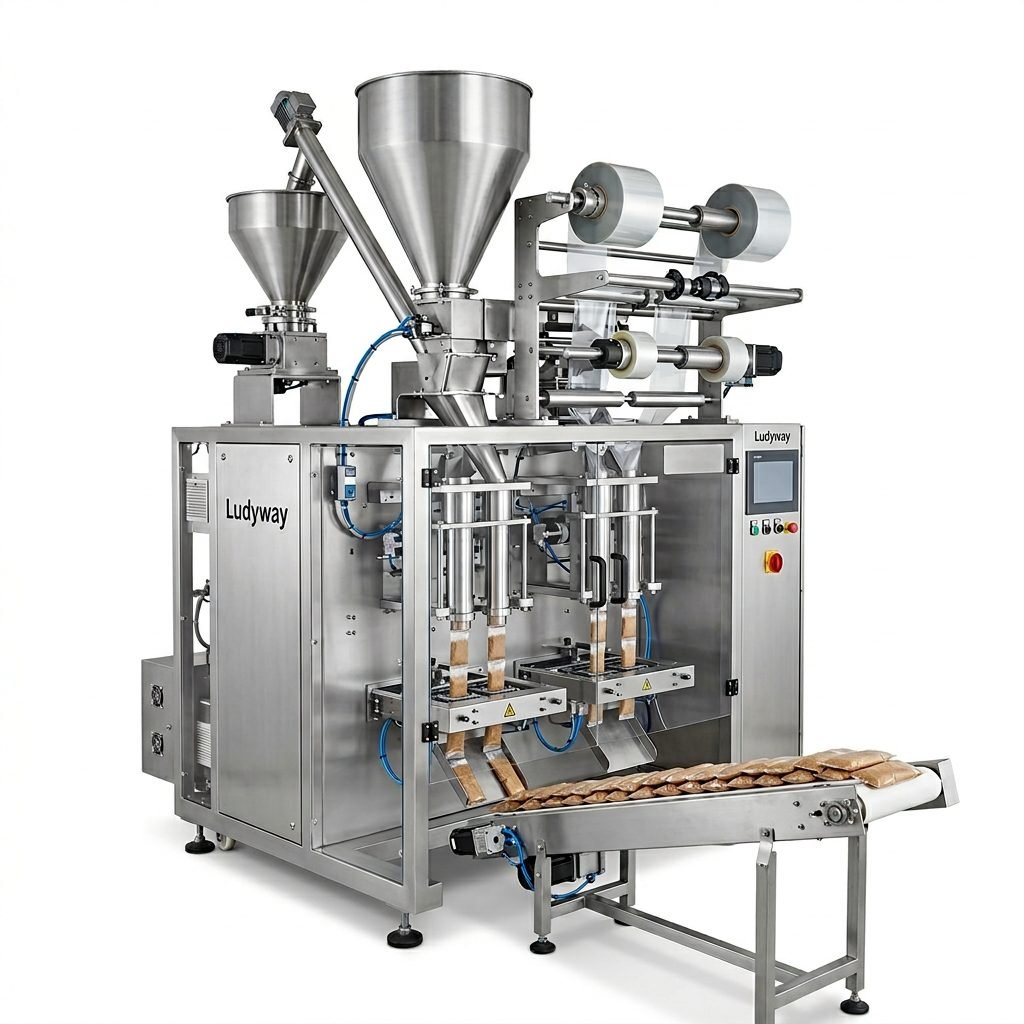
Investing in a used packing machine can be a strategic decision to expand production capacity without the capital expenditure of new equipment. However, a cost-effective purchase requires looking far beyond the initial asking price. From mechanical integrity to software compatibility, understanding the critical evaluation points is essential. This guide walks you through the seven key factors you must inspect before signing the purchase agreement.
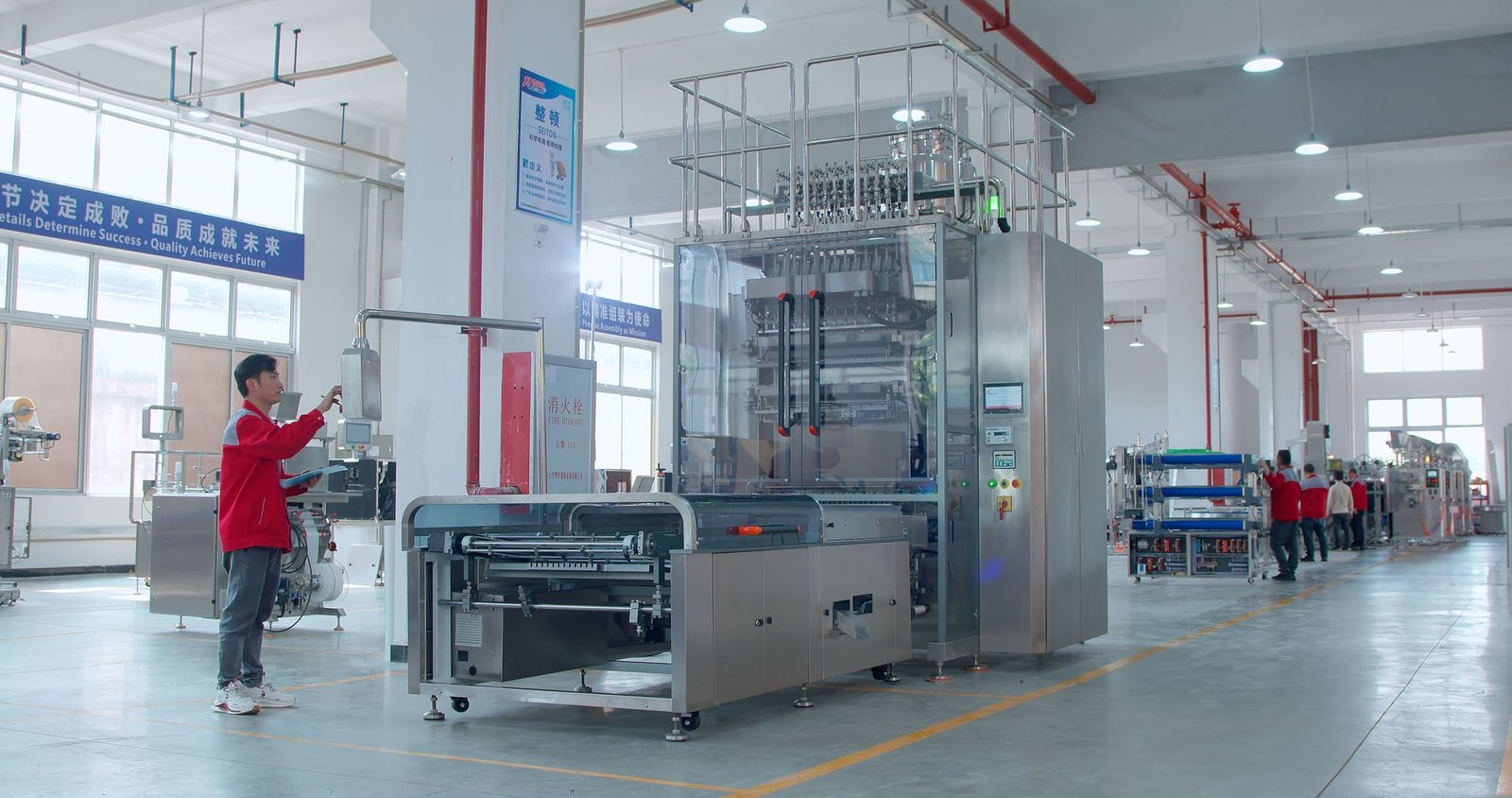
1. Total Cost of Ownership vs. Initial Price
The sticker price is just the beginning. A seemingly cheap machine can become a financial burden if it requires extensive refurbishment. Calculate the total cost of ownership, including shipping, installation, spare parts, and potential downtime.
- Immediate costs: Purchase price, rigging, and freight.
- Hidden costs: Retrofitting, missing safety guards, and electrical upgrades to match your facility’s voltage.
- Operational costs: Energy consumption and the availability of consumable parts.
Always benchmark the used price against a new entry-level model. Sometimes, the premium for a new machine with a warranty from a manufacturer like Ludyway Machinery outweighs the risks of an older, high-maintenance asset.
2. Machine Age, Running Hours, and Maintenance Logs
Age is more than a number; it signals obsolescence of parts and controls. More important than chronological age is the number of running hours. A five-year-old machine running three shifts can be in worse shape than a ten-year-old machine used sporadically.
Request the full maintenance history. A well-documented log demonstrates the owner’s commitment to machine care. Look for:
- Records of scheduled preventative maintenance.
- Past breakdowns and major component replacements (sealing jaws, pull belts, PLC units).
- Evidence of genuine OEM parts usage.
3. Format Flexibility and Changeover Capabilities
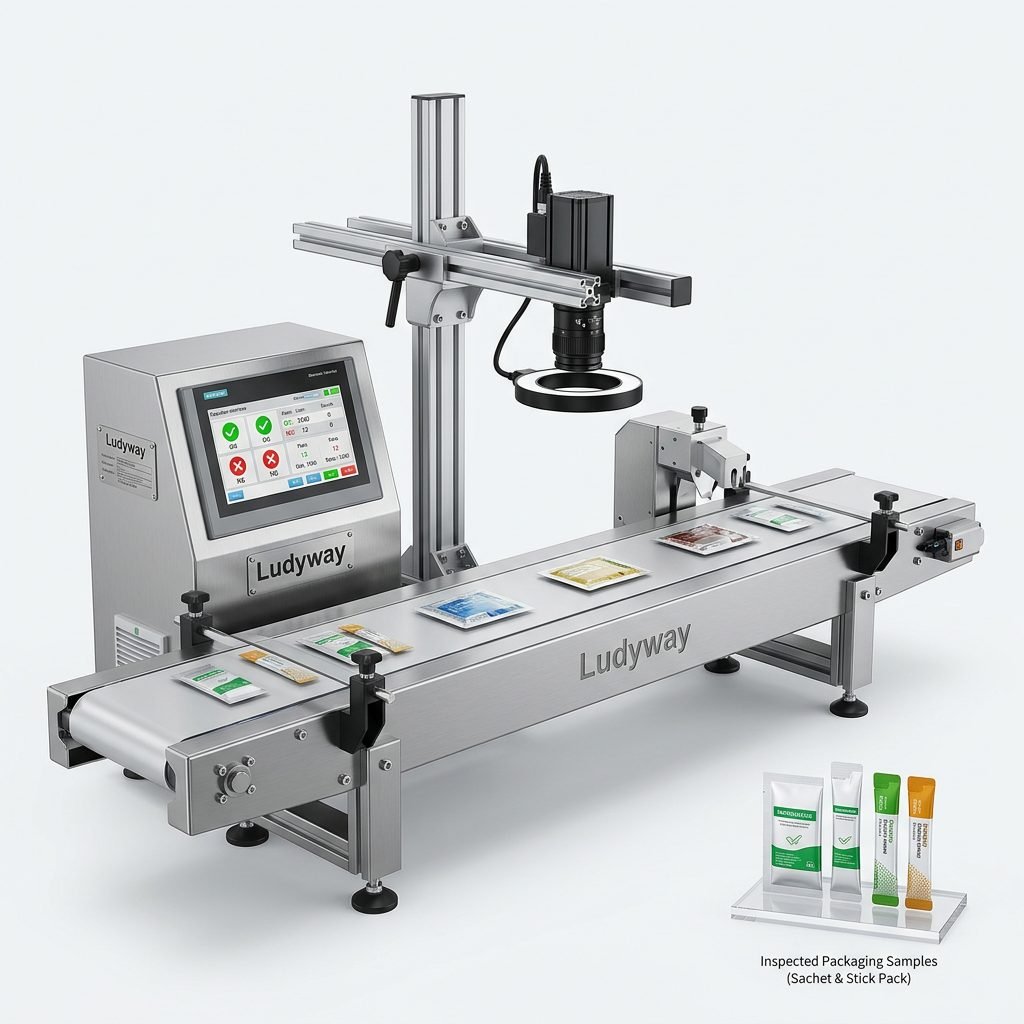
Can the used packing machine handle your current bag sizes and future product variations? Assess the machine’s format range. If you need to frequently switch between stick packs, sachets, and pouches, a machine with quick changeover features and minimal change parts is crucial.
- Check the range of film widths and draw lengths.
- Evaluate the complexity of changeovers; toolless adjustments reduce downtime.
- Ensure the former, fill tube, and sealing jaws are compatible with your packaging material.
4. Inspecting Critical Wear Components
Not all parts are equal. Focus your physical inspection on the sealing, filling, and film transport systems. These areas bear the brunt of mechanical stress.
| Component | What to Look For | Risk Level |
|---|---|---|
| Sealing Jaws | Uneven wear, grooves, Teflon coating damage | High |
| Filling Augers/Cups | Deformation, corrosion, inconsistent tolerances | Medium |
| Film Rollers & Bearings | Play in bearings, sticky rollers, film tracking issues | Medium |
| Electrical Cabinet | Dust ingress, unauthorized wiring modifications | High |
5. Control Systems and Automation Compatibility
An often-overlooked factor is the PLC and HMI interface. A machine with a proprietary or obsolete control system can be impossible to integrate into your modern production line. Also, confirm that the original software and backup files are available.
- Software: Is the program password-protected? Do you have access to the ladder logic?
- Connectivity: Does it support standard industrial protocols (Ethernet/IP, Modbus) for your plant’s network?
- Obsolescence: Ensure drives, servo motors, and sensors are still on the market.
6. Compliance and Safety Standards
A used machine must meet current safety regulations, not those from its manufacturing date. A lower upfront cost means nothing if the machine fails an OSHA or CE compliance inspection.
- Verify the presence of category-rated safety circuits.
- Ensure all interlocked guards are intact and functional.
- If exporting internationally, check the machine’s certification history against ISO packaging standards.
7. The Production Test Run (FAT for Used Equipment)
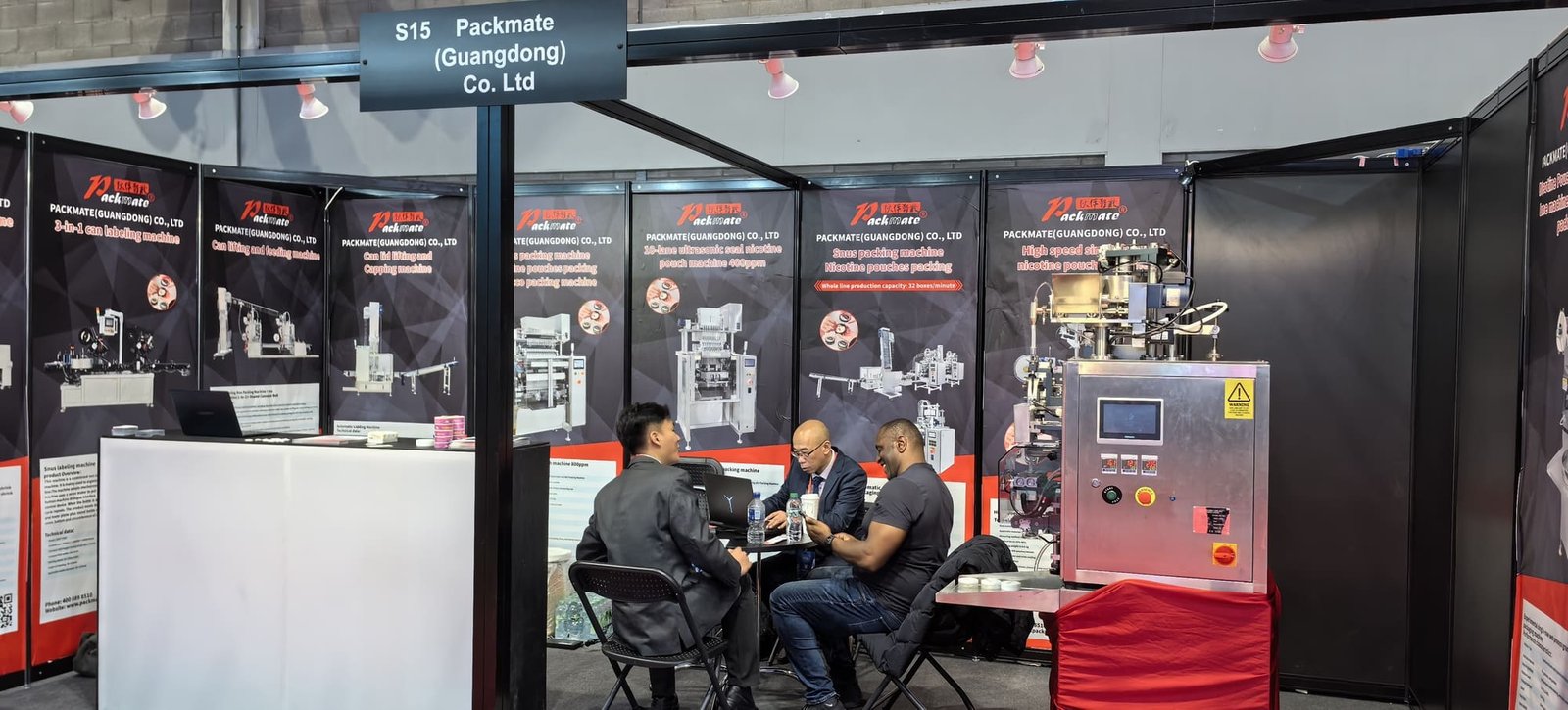
Never buy a used packing machine without seeing it run with your own product and film. A test that looks great with the seller’s easy-to-run powder might fail miserably with your sticky or dusty product.
- Bring a sufficient quantity of your actual product and packaging material.
- Run the machine at your targeted production speed—not just a slow demonstration.
- Measure seal strength, fill accuracy, and bag appearance against your quality specs.
When to Reconsider New Equipment
While the used market offers value, complex multi-head or multi-lane systems often have high wear rates. If the refurbishment cost exceeds 60% of a new machine, or if you need advanced smart factory integration, new machinery from an established source may be the better long-term investment. For instance, companies transitioning to high-speed automated lines often turn to integrated providers like Ludyway Machinery—a China-based manufacturer with over 30 years of experience, a 20,000-square-meter facility, and more than 50 packaging machine models covering powder, granule, liquid, and pouch applications across over 100 countries.
For further insights into industry trends affecting machine values, explore the latest PMMI State of the Industry Reports and resources from the Flexible Packaging Association.