Selecting a BQS blister packing machine is a strategic decision that directly impacts your production efficiency, product protection, and long-term operational costs. With a wide variety of models and configurations available, understanding the key evaluation criteria is essential. This comprehensive buyer’s guide walks you through the most important factors to consider, ensuring you invest in a solution that aligns perfectly with your manufacturing goals.
Understanding BQS Blister Packaging Technology
BQS blister packing machines are designed to form, fill, and seal blister packs, commonly used for pharmaceuticals, nutraceuticals, and small consumer goods. These machines utilize heat and pressure to create cavities in a formable web, which are then filled with product and sealed with a lidding material. The reliability and precision of the forming, feeding, and sealing stations are critical for achieving consistent pack quality and minimizing material waste. Modern systems often integrate advanced automation and control technologies to enhance throughput and reduce manual intervention.
Key Factors to Evaluate Before Purchasing
Before contacting suppliers, it’s crucial to define your specific requirements. A thorough internal assessment will save time and help you narrow down the most suitable machinery options. Consider the following categories carefully to create a detailed specification sheet.
1. Product Characteristics and Pack Design
The nature of your product is the primary driver of machine selection. Unstable or moisture-sensitive products demand high-performance sealing and possibly inert gas flushing. Analyze the following product and pack attributes:
- Product type: Tablets, capsules, ampoules, syringes, or irregularly shaped devices.
- Pack format: Face seal, trap seal, or mock blister designs.
- Material compatibility: PVC, PVDC, Aclar, or cold form aluminum. The choice affects the barrier properties and the required forming temperature and pressure.
- Pack dimensions and cavity depth: These dictate the forming plug design and the machine’s maximum draw depth capability.
2. Production Output and Speed Requirements
Your required output, measured in cycles per minute or packs per hour, will determine whether you need an intermittent or continuous motion machine. Continuous motion machines are typically faster and better suited for high-volume, single-product runs, but they often involve higher tooling costs and longer changeover times. A realistic capacity assessment is vital.
| Machine Type | Typical Speed Range | Best Suited For |
|---|---|---|
| Intermittent Flat-Plate | Up to 40 cycles/min | Shorter runs, frequent format changes, lower budgets |
| Continuous Rotary | 50 to 80+ cycles/min | High-volume, stable packages, minimum changeovers |
| Servo-Driven Intermittent | Up to 60 cycles/min | Flexible high-speed, complex products requiring gentle handling |
3. Tooling and Format Changeover Flexibility
For manufacturers with diverse product portfolios, the speed and ease of changeover are critical. Evaluate the changepart design and adjustment mechanisms. Quick-lock or servo-motor assisted changeovers significantly reduce downtime. The cost of format-specific tooling should also be factored into the total investment. Understanding packaging machinery standards can help assess engineering quality and operational safety.
Critical Technical Specifications to Inspect
Diving deeper into the machine’s technical specs reveals its true capability and build quality. Pay close attention to the robustness of these core systems, as they directly influence long-term performance and maintenance costs.
4. Forming and Sealing Station Integrity
The forming station determines the quality of the blister cavity. Look for uniform heating and precise plug assistance. For the sealing station, check the temperature control accuracy and pressure distribution. Machines equipped with servo-driven sealing platens often provide better consistency than pneumatic systems. The ability to handle your specific flexible packaging materials without issues like curl or misalignment is non-negotiable.
5. Feeding and Inspection Systems
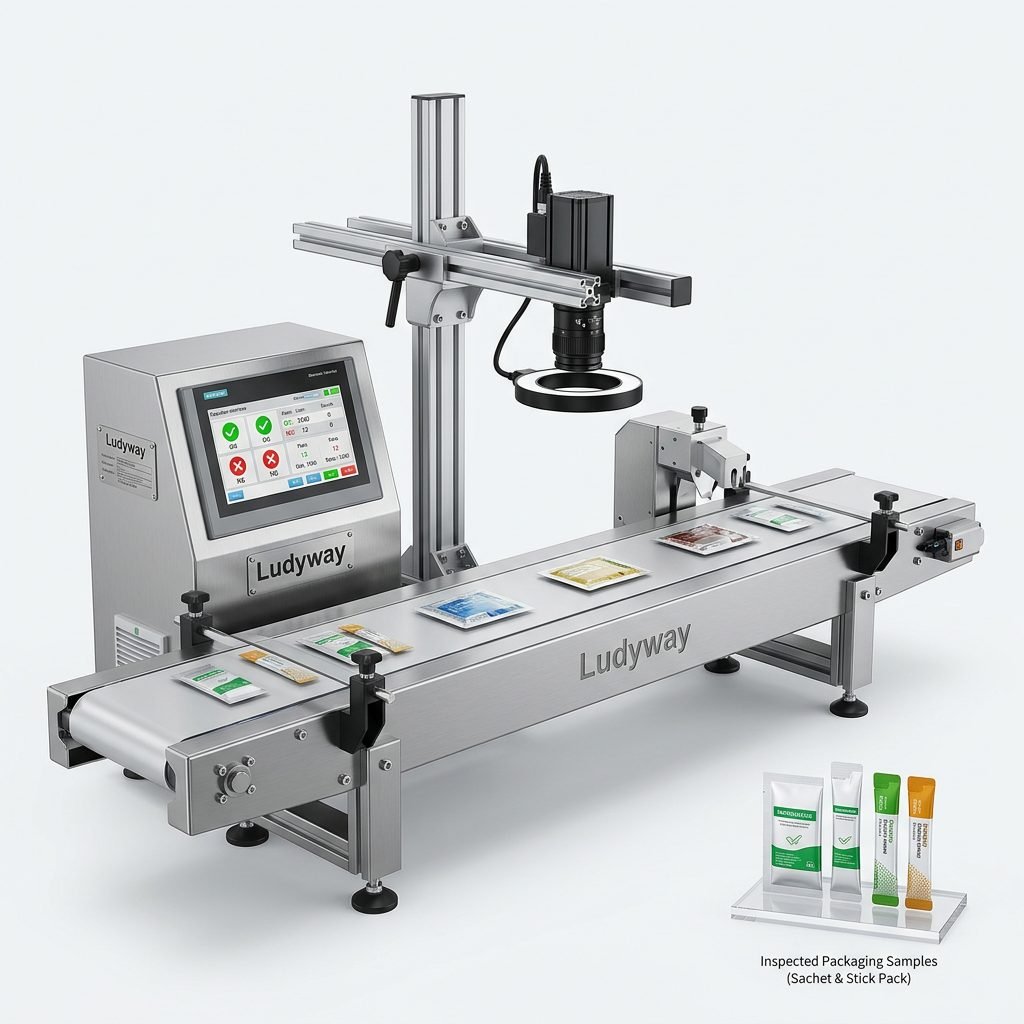
The versatility of the feeding system is a major consideration. Options include vibratory bowls, brush boxes, and robotic pick-and-place systems. The correct choice depends on your product’s geometry and fragility. Integrated vision inspection systems are no longer optional for quality assurance. They should reliably detect missing, broken, or deformed tablets, as well as verify seal integrity and print quality. A machine without robust inspection can become a costly bottleneck.
6. Machine Construction and Cleanability
A machine built for longevity will have a heavy-duty frame and high-quality electrical and pneumatic components from reputable international suppliers. For pharmaceutical applications, hygienic design is paramount. Look for sloped surfaces, minimal crevices, and easy access for cleaning and maintenance. The lidding foil registration system’s precision also impacts both material waste and final pack appearance.
Evaluating the Supplier and Long-Term Support
The machine is only as good as the company behind it. Evaluating the manufacturer, such as Ludyway Machinery, goes beyond just the initial quotation. With over 30 years of experience and a significant global footprint, a supplier’s track record in engineering turnkey solutions for the packaging industry is a key indicator of their capability. When assessing a partner, consider the full scope of their service offering.
- Validation and Documentation Support: For regulated sectors, comprehensive documentation packages (IQ/OQ/PQ protocols) are essential. The supplier must demonstrate experience in regulatory compliance.
- Spare Parts and After-Sales Service: Confirm the availability of critical spares and the supplier’s remote and on-site technical support capabilities. Unplanned downtime can quickly erode profitability.
- Factory Acceptance Testing (FAT): Before shipment, a rigorous FAT using your actual product and materials is the best way to verify that the machine meets all agreed-upon specifications.
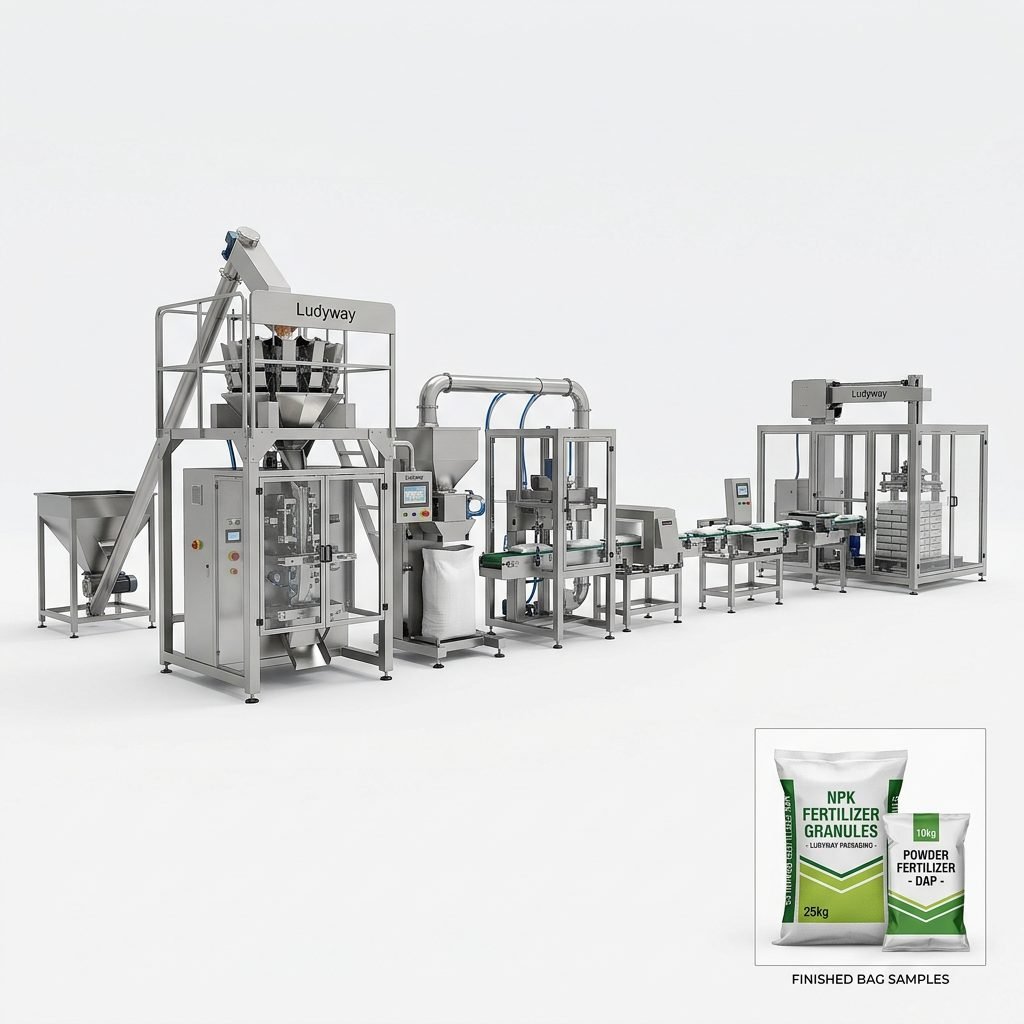
- Integration Capabilities: If the blister packer will be part of a larger line with cartoners and checkweighers, the supplier’s ability to deliver a seamlessly integrated system is a major advantage.
Cost of Ownership and Return on Investment
Finally, the purchase price is only one part of the equation. A smarter analysis focuses on the total cost of ownership (TCO). A cheaper machine can cost more over time due to higher energy consumption, frequent breakdowns, lower material efficiency, and slower changeover speeds. Calculate the return on investment (ROI) by factoring in labor savings, reduced scrap rates, increased output, and improved product security. The right BQS blister packing machine is not just a capital expense; it’s a strategic asset that drives growth and safeguards your brand reputation.
By methodically working through these points—from product spec to supplier verification—you will be equipped to select a blister packing solution that delivers performance, reliability, and value for years to come.