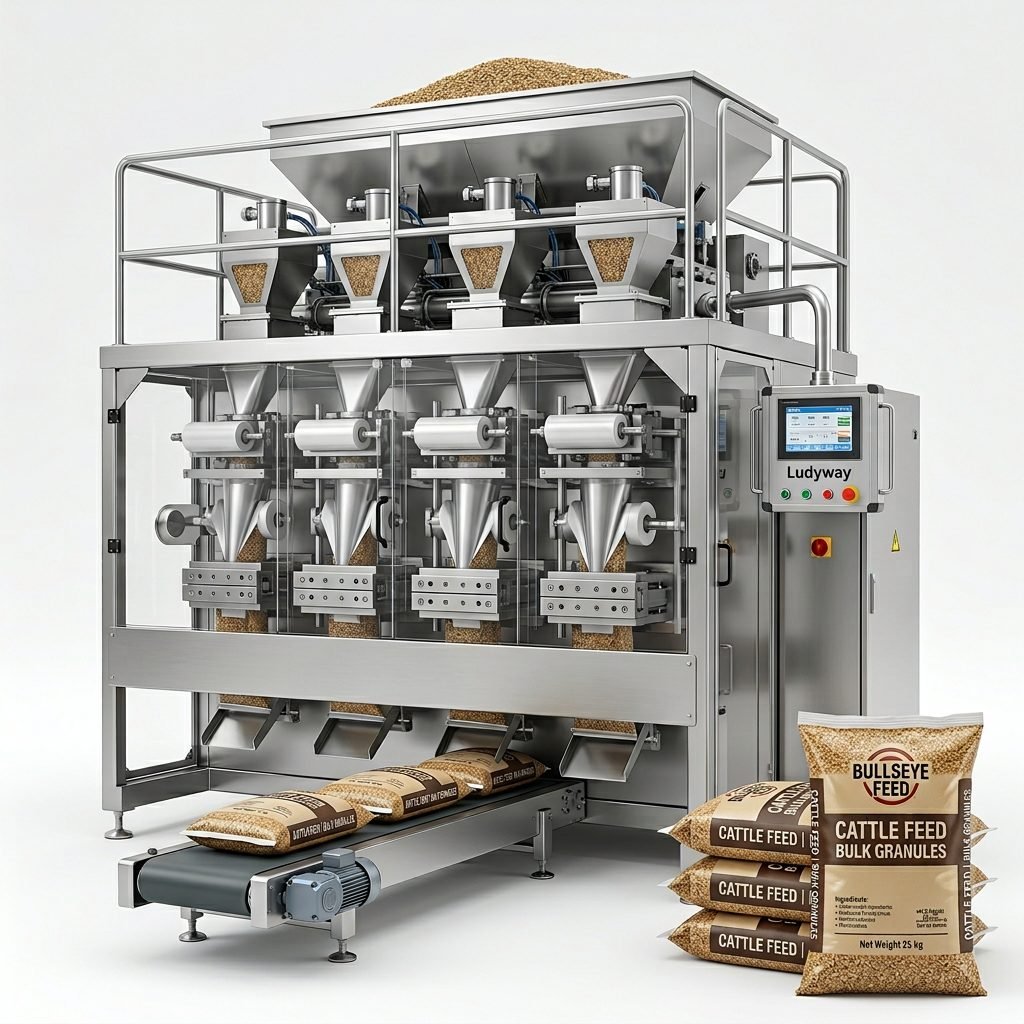
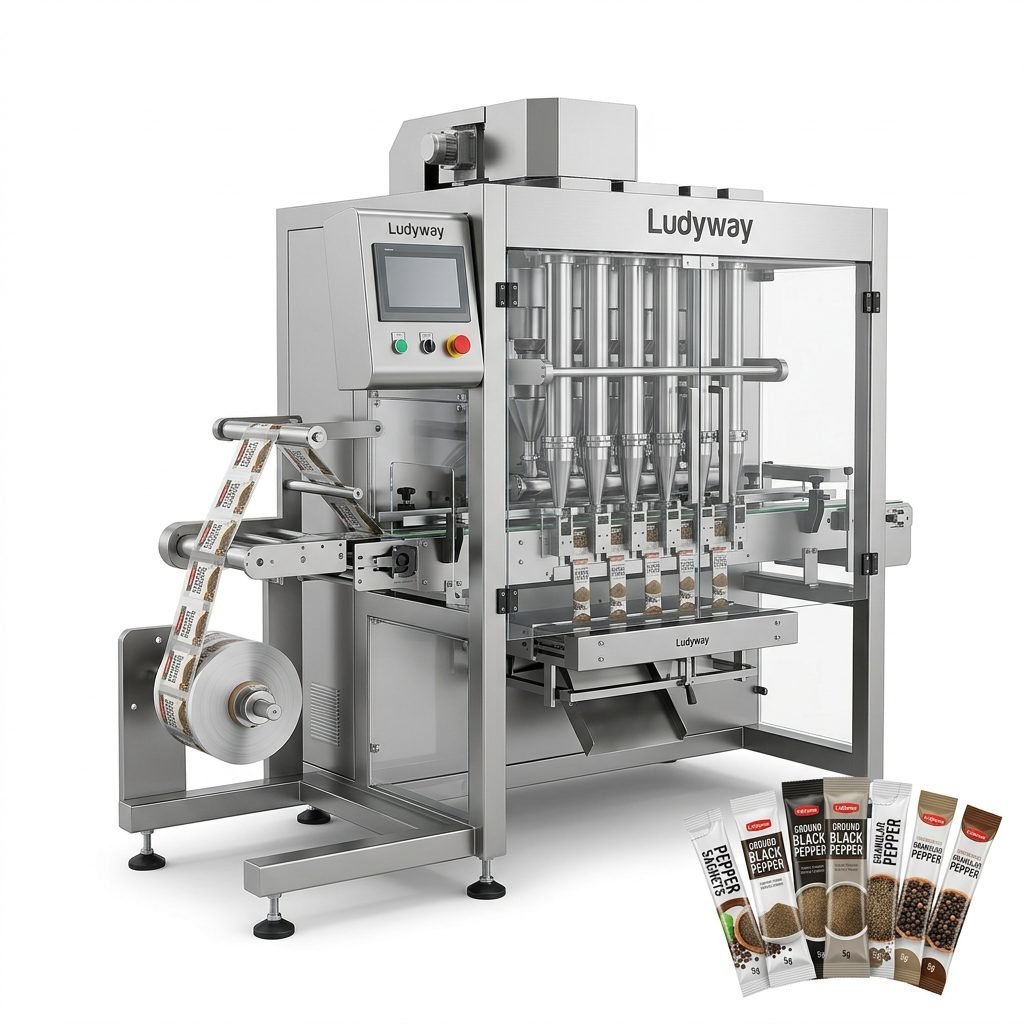
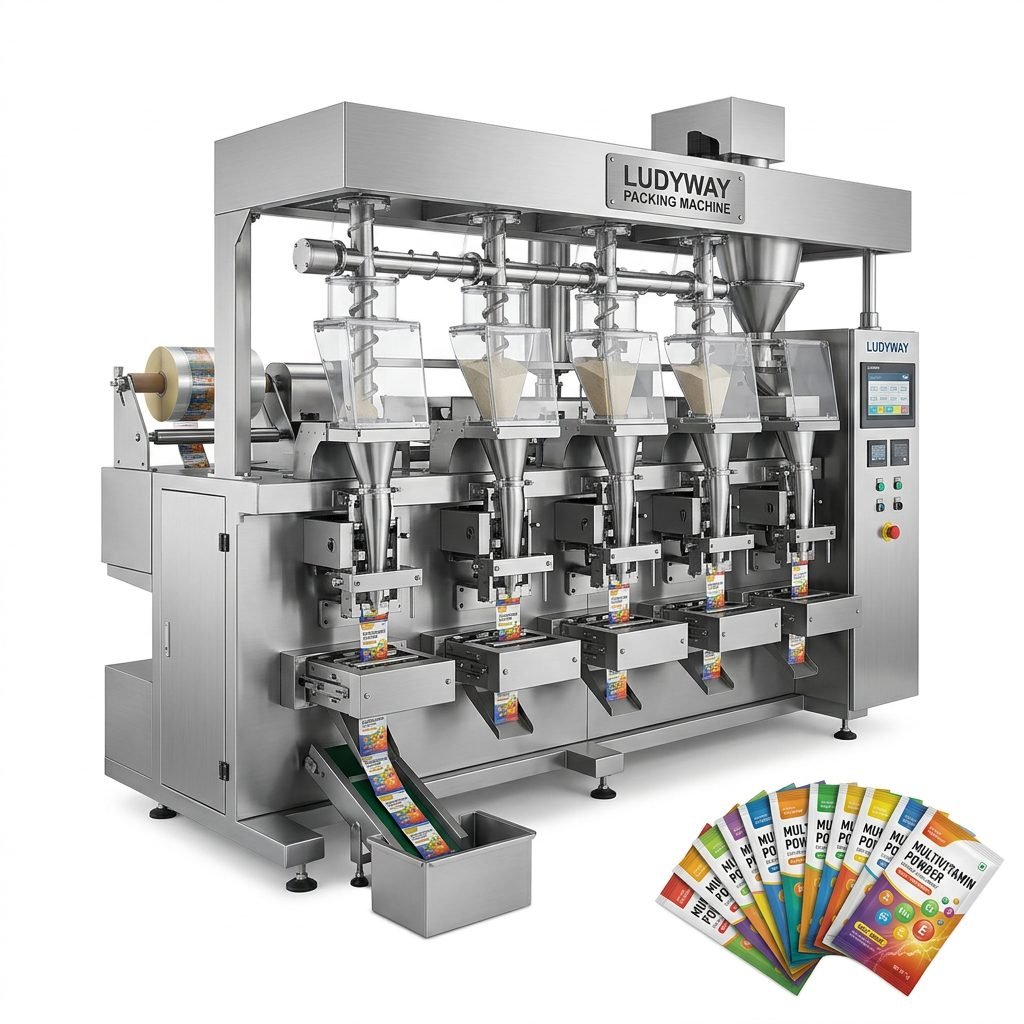
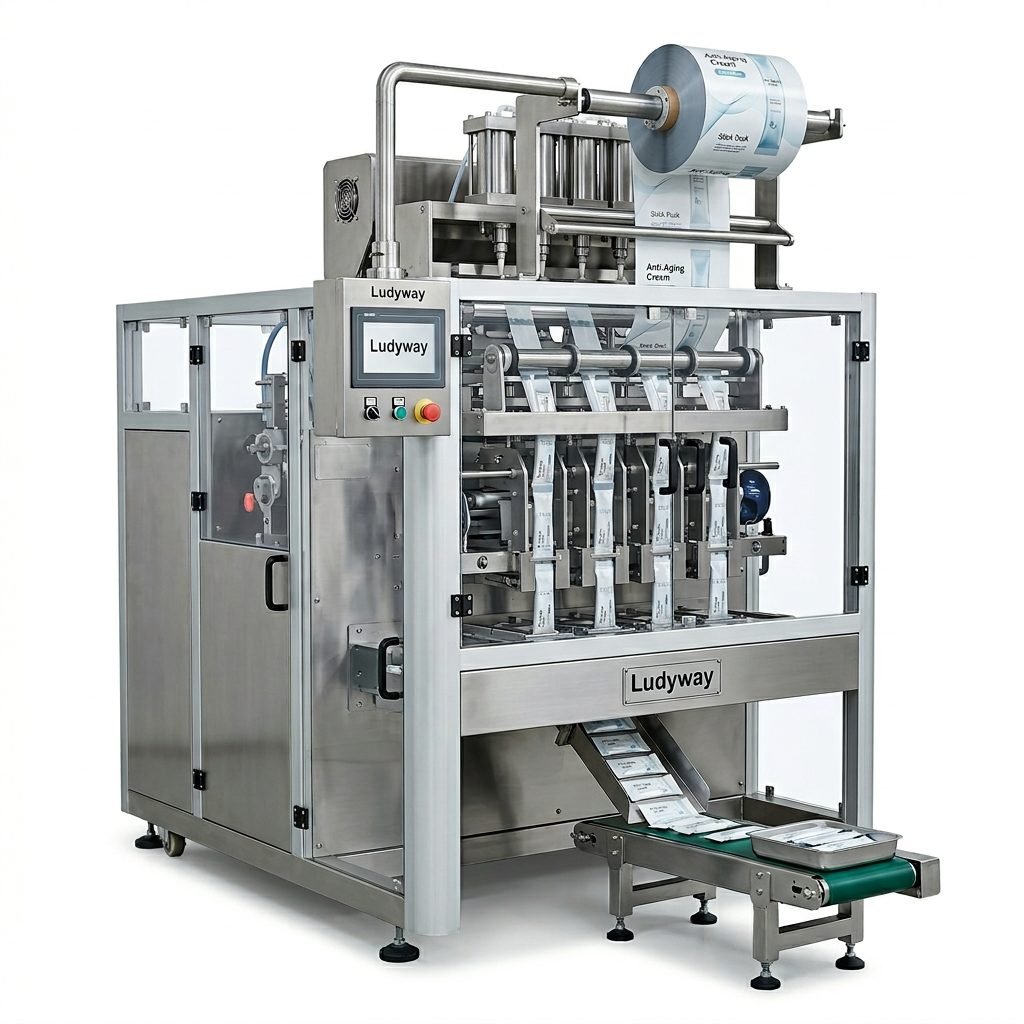
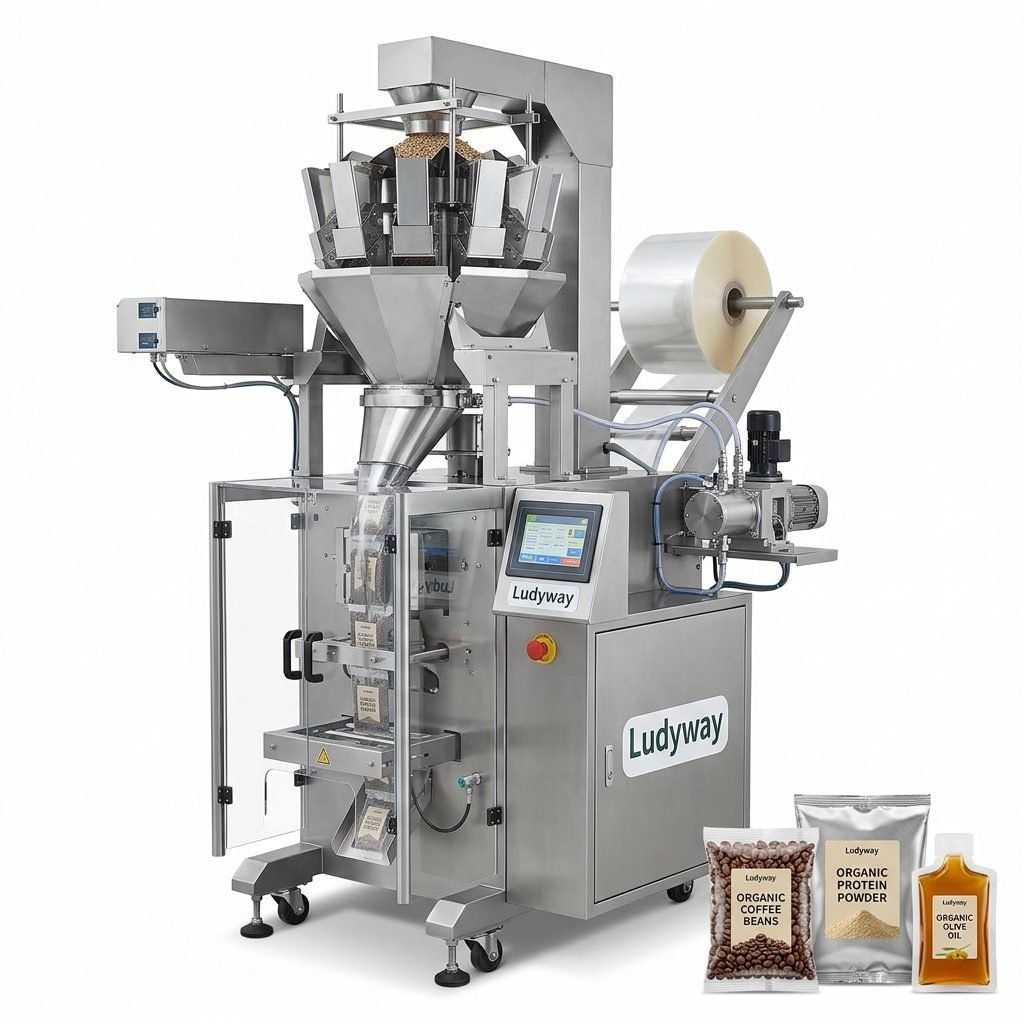
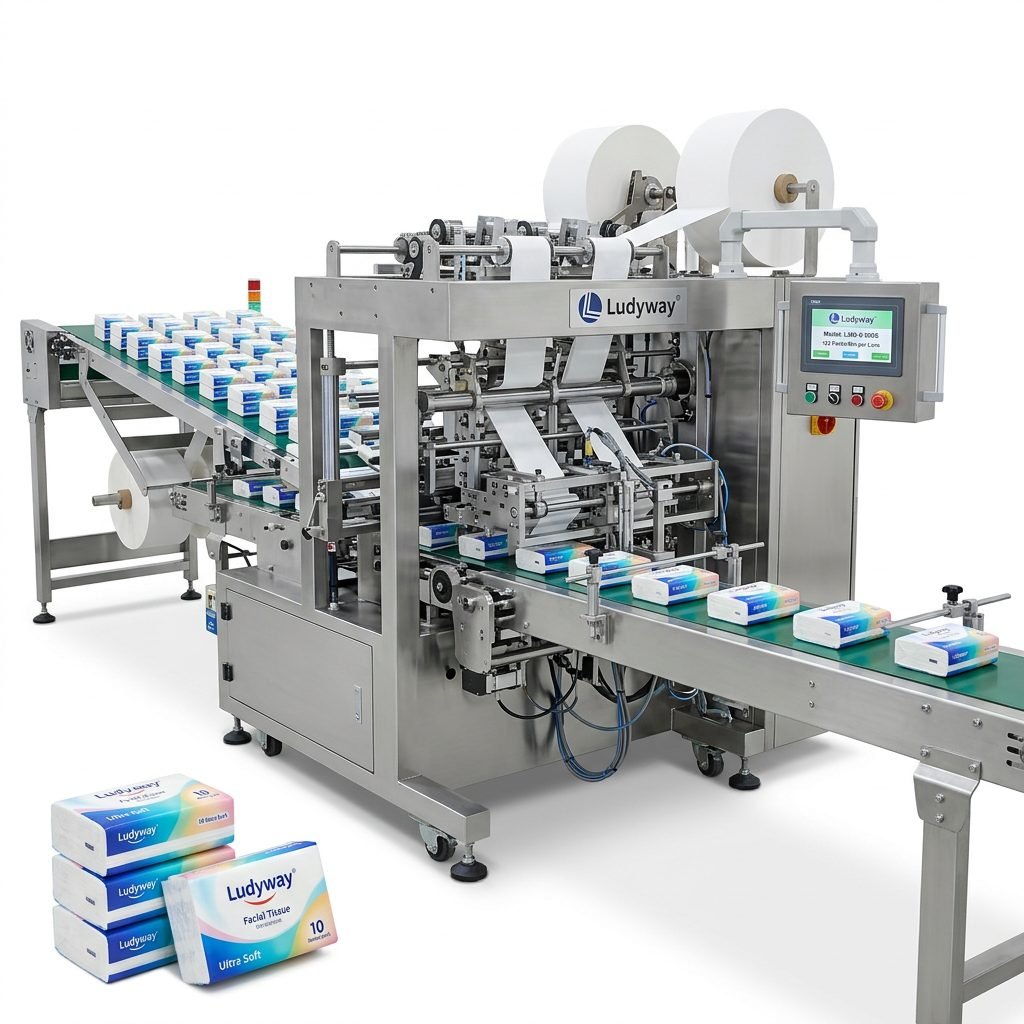
Investing in a vertical vacuum packing machine is a critical decision for manufacturers across food, pharmaceutical, chemical, and industrial sectors. Selecting the right equipment directly impacts product shelf life, packaging efficiency, and operational costs. This comprehensive buyer’s guide walks you through the essential factors to evaluate before making your purchase.
Understanding Vertical Vacuum Packing Machines
A vertical vacuum packing machine removes air from a package before sealing it, creating an oxygen-depleted environment that preserves product freshness, prevents contamination, and extends shelf life. Unlike horizontal models, vertical configurations are particularly suited for powders, granules, liquids, and irregularly shaped products that benefit from gravity-assisted filling and sealing. These machines are widely used in industries where packaging integrity is non-negotiable.

Key Factors to Consider When Choosing a Vertical Vacuum Packing Machine
Every production environment is unique. Before comparing models, clearly define your operational requirements. The following factors will guide your evaluation process and help you narrow down the most suitable equipment for your facility.
Production Volume and Speed Requirements
Your current and projected output should determine the speed capacity you need. Vertical vacuum packing machines range from semi-automatic units producing 5–15 packs per minute to fully automated multi-lane systems capable of over 100 packs per minute. Underestimating throughput requirements can create production bottlenecks, while overinvesting in capacity wastes capital. Consider the industry benchmarks for your sector when setting speed targets.
Product Characteristics
The physical properties of your product heavily influence machine selection. Key characteristics to assess include:
- Form: Is your product a free-flowing powder, sticky granule, liquid, paste, or solid piece? Each form requires specific filling and sealing mechanisms.
- Density and flowability: Dense or cohesive materials may need auger fillers or volumetric dosing systems for accurate portioning.
- Moisture content: High-moisture products demand stronger vacuum pumps and specialized sealing technologies to prevent leakage and contamination.
- Particle size distribution: Products with wide particle size variation may require adjustable vacuum settings to avoid crushing delicate components.
Packaging Material Compatibility
Not all vertical vacuum packing machines handle every film type equally. Verify that your chosen machine supports the packaging materials you intend to use—whether it is aluminum foil laminate, polypropylene, polyethylene, or multi-layer barrier films. Machine parameters such as sealing temperature, pressure dwell time, and jaw configuration must align with your material specifications. For medical and pharmaceutical applications, consult ISO 11607 packaging standards for terminally sterilized devices.
Chamber Size and Configuration
The dimensions of the vacuum chamber determine your maximum package size. Evaluate both single-chamber and double-chamber configurations based on your production workflow. Single-chamber machines suit smaller batches and frequent product changeovers, while double-chamber systems enable near-continuous operation for higher throughput. Chamber depth, width, and seal bar length must accommodate your target bag dimensions with adequate clearance.

Technical Specifications to Evaluate
Beyond the basics, several technical parameters distinguish high-performance vertical vacuum packing machines from entry-level models. Use the comparison table below to benchmark specifications across different machine grades.
| Specification | Entry-Level | Mid-Range | High-End Industrial |
|---|---|---|---|
| Vacuum Pump Type | Oil-lubricated rotary vane | Dry rotary vane / Oil-lubricated with filtration | Oil-free vacuum pumps; dual-stage systems |
| Sealing Bar Length | Up to 400 mm | 400–800 mm | 800–1200+ mm |
| Control System | Basic PLC with push-button interface | Touchscreen PLC with preset recipes | Advanced PLC with IoT connectivity and data logging |
| Vacuum Level Achievable | ~10–50 mbar | ~1–10 mbar | <1 mbar with gas flushing option |
| Cycle Time | 30–60 seconds | 15–30 seconds | 6–15 seconds per cycle |
| Material Construction | Painted steel frame | Stainless steel 304 contact parts | Full stainless steel 316L; IP65 rated |
Industry Applications
Vertical vacuum packing machines serve diverse industries, each with unique regulatory and operational demands. Understanding how your sector influences equipment requirements is essential for making the right choice.
- Food and Beverage: Extended shelf life for meats, cheeses, seafood, coffee, snacks, and ready-to-eat meals. Machines must meet food-grade material standards and facilitate easy cleaning and sanitation.
- Pharmaceuticals: Sterile packaging for powders, tablets, and medical devices. Equipment must comply with FDA packaging regulations and GMP guidelines.
- Chemicals and Industrial Products: Vacuum sealing for powders, granules, and hazardous materials. Corrosion-resistant construction and explosion-proof configurations may be necessary.
- Cosmetics and Personal Care: Sachet and pouch packaging for creams, serums, and powders requiring precise dosing and aesthetic seal quality.
- Pet Food and Animal Nutrition: Bulk and portion-controlled vacuum packaging for dry kibble, freeze-dried treats, and supplement powders.

Key Features to Look For
When comparing vertical vacuum packing machines from different manufacturers, prioritize features that enhance reliability, flexibility, and ease of operation. The following capabilities separate premium equipment from budget alternatives:
Precision Vacuum Control
Look for machines with adjustable vacuum levels and programmable evacuation profiles. Products like delicate baked goods require gentle vacuum cycles to avoid crushing, while dense industrial materials benefit from aggressive air removal. Multi-stage vacuum programs allow you to customize the evacuation curve for optimal results across different product types.
Gas Flushing (Modified Atmosphere Packaging)
Many applications benefit from gas flushing capabilities, where inert gases like nitrogen or carbon dioxide are introduced after vacuum evacuation. This technique, known as Modified Atmosphere Packaging (MAP), further extends shelf life and preserves product color, texture, and nutritional value. Verify that the machine supports gas flushing if your products require it.
Sealing Technology
The sealing system determines package integrity and production consistency. Evaluate seal bar temperature control precision, jaw pressure uniformity, and cooling time adjustability. Advanced machines offer pulse-sealing or constant-heat sealing with independent temperature zones, reducing the risk of weak seals or film burn-through.
Automation and Integration
Consider how the vertical vacuum packing machine will integrate into your broader production line. Features such as automatic product feeding, conveyor synchronization, coding and marking systems, and robotic palletizing interfaces can dramatically improve end-to-end efficiency. Machines with open communication protocols enable Industry 4.0 integration and real-time production monitoring.

Cost Considerations and ROI
The purchase price of a vertical vacuum packing machine is only one component of total cost of ownership. When calculating ROI, factor in the following elements:
- Initial investment: Machine cost, shipping, installation, and facility modifications.
- Operational costs: Energy consumption, vacuum pump oil and maintenance, film and packaging material usage rates.
- Labor requirements: Automated systems reduce manual intervention, but may require specialized operator training.
- Downtime and maintenance: Machines with readily available spare parts and accessible technical support minimize costly production interruptions.
- Product waste reduction: Precision filling and sealing reduce giveaway and rework, directly improving margins.
Choosing a Reliable Manufacturer
Equipment quality, after-sales support, and long-term partnership potential should weigh heavily in your decision. Look for manufacturers with a proven track record, comprehensive service capabilities, and experience across multiple industries. A supplier that offers in-house engineering, customization, and turnkey integration can adapt equipment to your evolving needs.
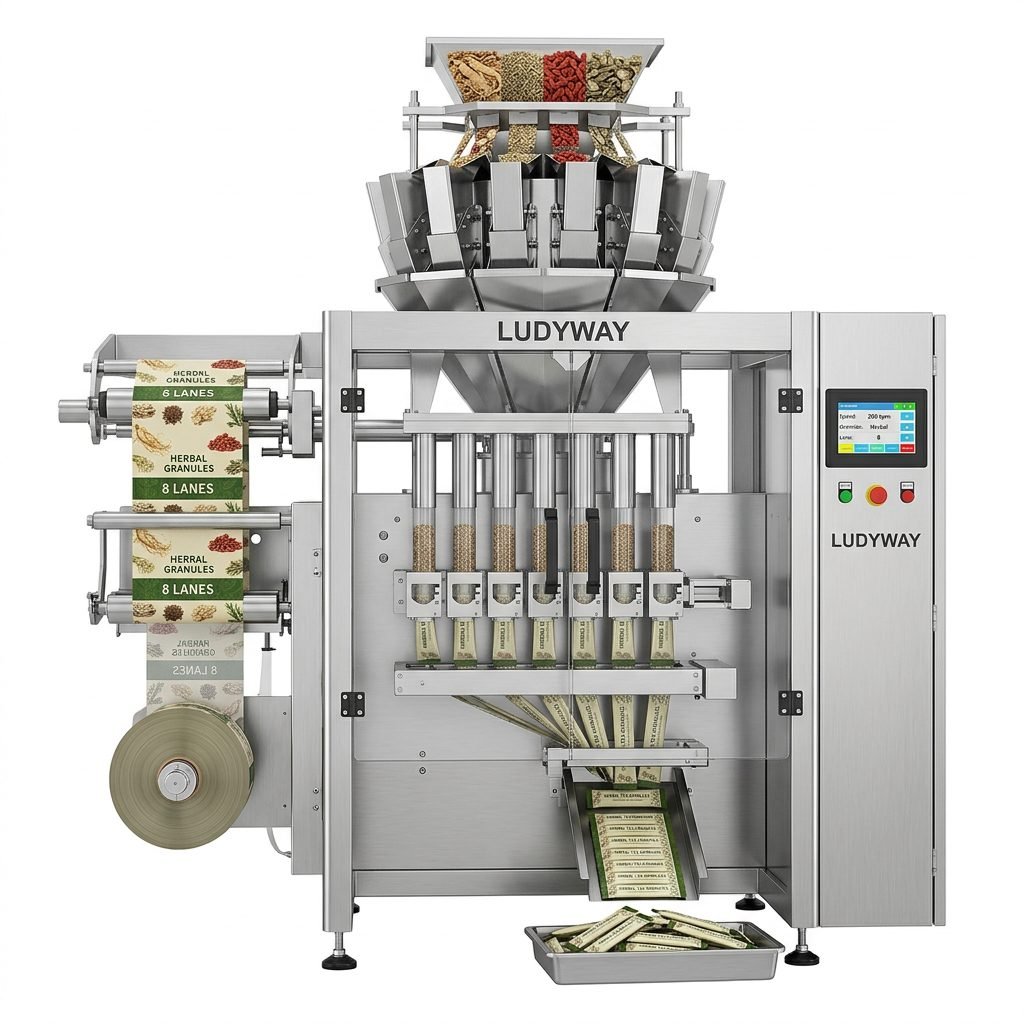
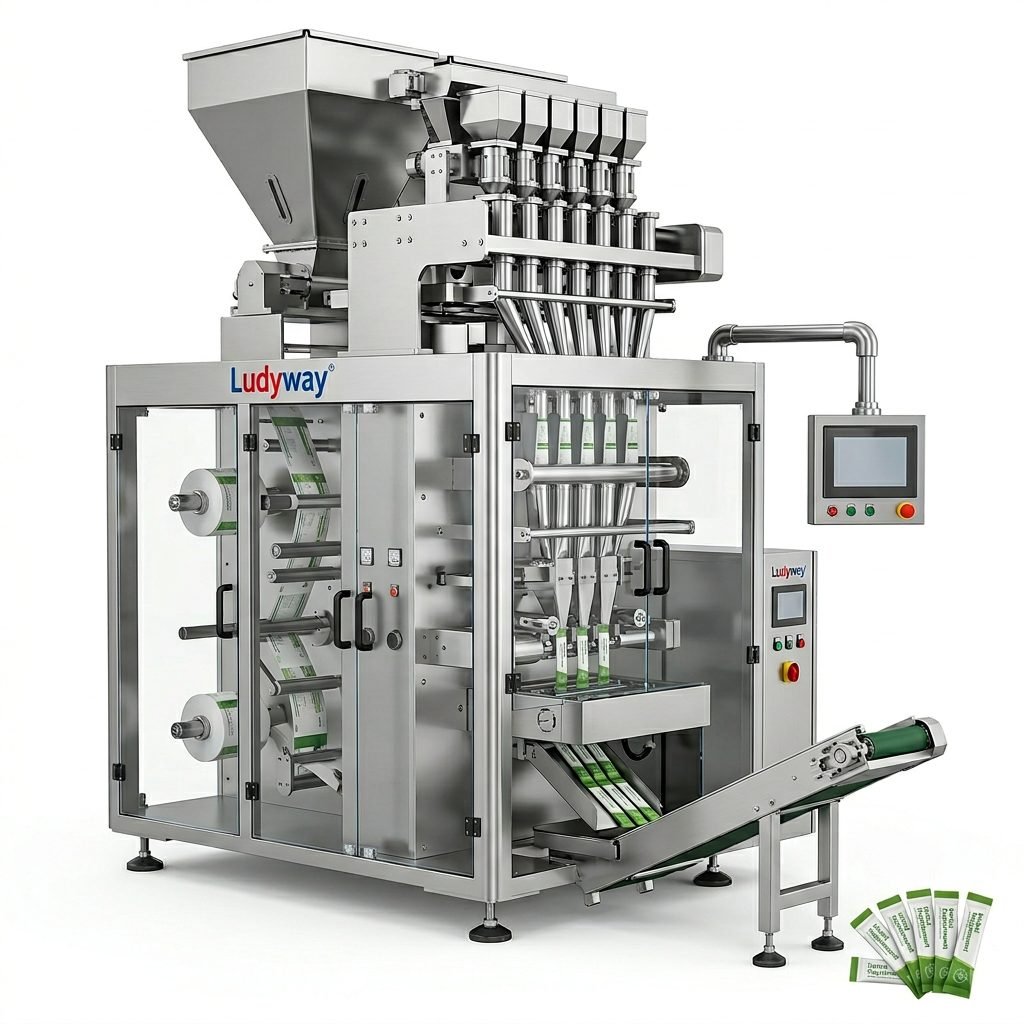
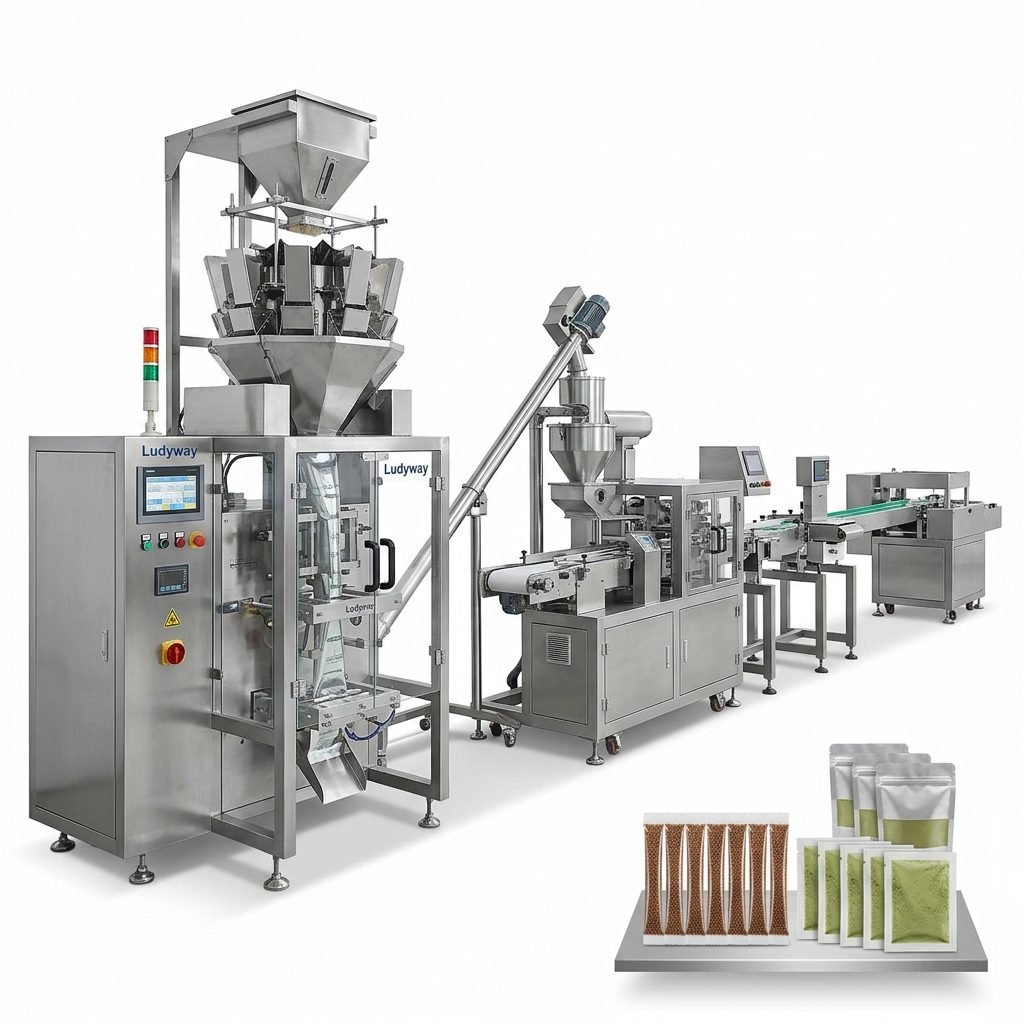
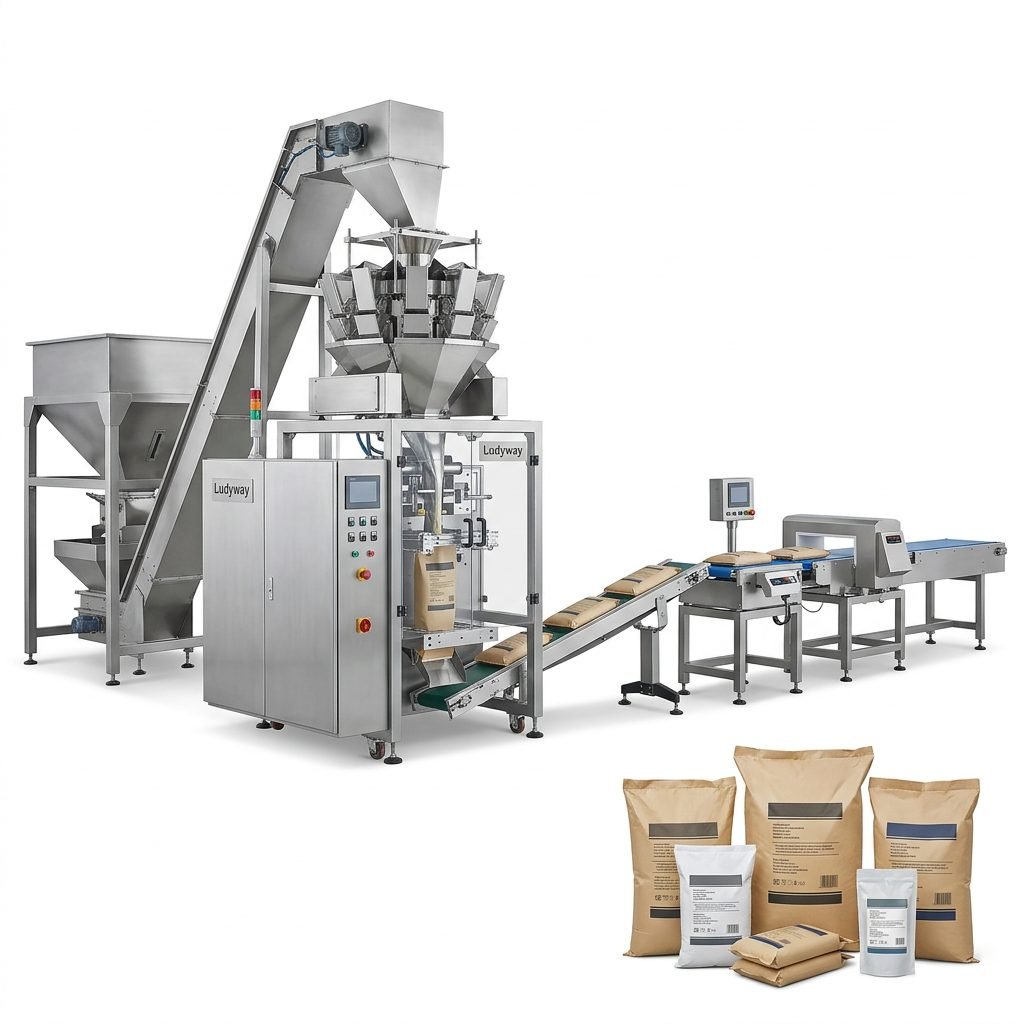
For instance, Ludyway Machinery is a China-based packaging machinery manufacturer with more than 30 years of experience, offering over 50 packaging machine models from a 20,000-square-meter facility and serving customers in more than 100 countries. The company provides customized vertical vacuum packing solutions alongside integrated packaging systems, helping manufacturers improve efficiency, capacity, and consistency across food, pharmaceutical, chemical, and industrial applications.
Installation, Commissioning, and Training
Even the best vertical vacuum packing machine delivers suboptimal results without proper installation and operator training. Confirm that your supplier provides:
- On-site installation and commissioning by qualified technicians.
- Comprehensive operator training covering machine setup, troubleshooting, cleaning, and safety procedures.
- Documentation including operation manuals, maintenance schedules, and electrical schematics.
- Remote technical support for rapid issue resolution without waiting for on-site visits.
- Spare parts availability with guaranteed delivery timelines for critical components.
Regulatory Compliance and Certification
Depending on your industry and target markets, your vertical vacuum packing machine may need to meet specific regulatory requirements. Verify that the manufacturer can provide compliance documentation for applicable standards, including CE marking for European markets, FDA-compliant materials for food and pharmaceutical applications, and ISO certifications. For medical packaging, consult the ISO 11607-2 validation requirements to ensure your packaging process meets sterility standards.

Making the Final Decision
After evaluating technical specifications, features, costs, and supplier capabilities, synthesize your findings into a structured comparison. Prioritize the factors that most directly impact your production goals, product quality requirements, and operational budget. A well-chosen vertical vacuum packing machine should deliver reliable performance, scalability for future growth, and a clear return on investment through improved efficiency and reduced waste.
For additional insights on packaging technology trends and market data, explore resources from PMMI’s State of the Industry reports and the Flexible Packaging Association’s knowledge hub. Investing time in thorough research upfront ensures your equipment purchase supports long-term manufacturing success.