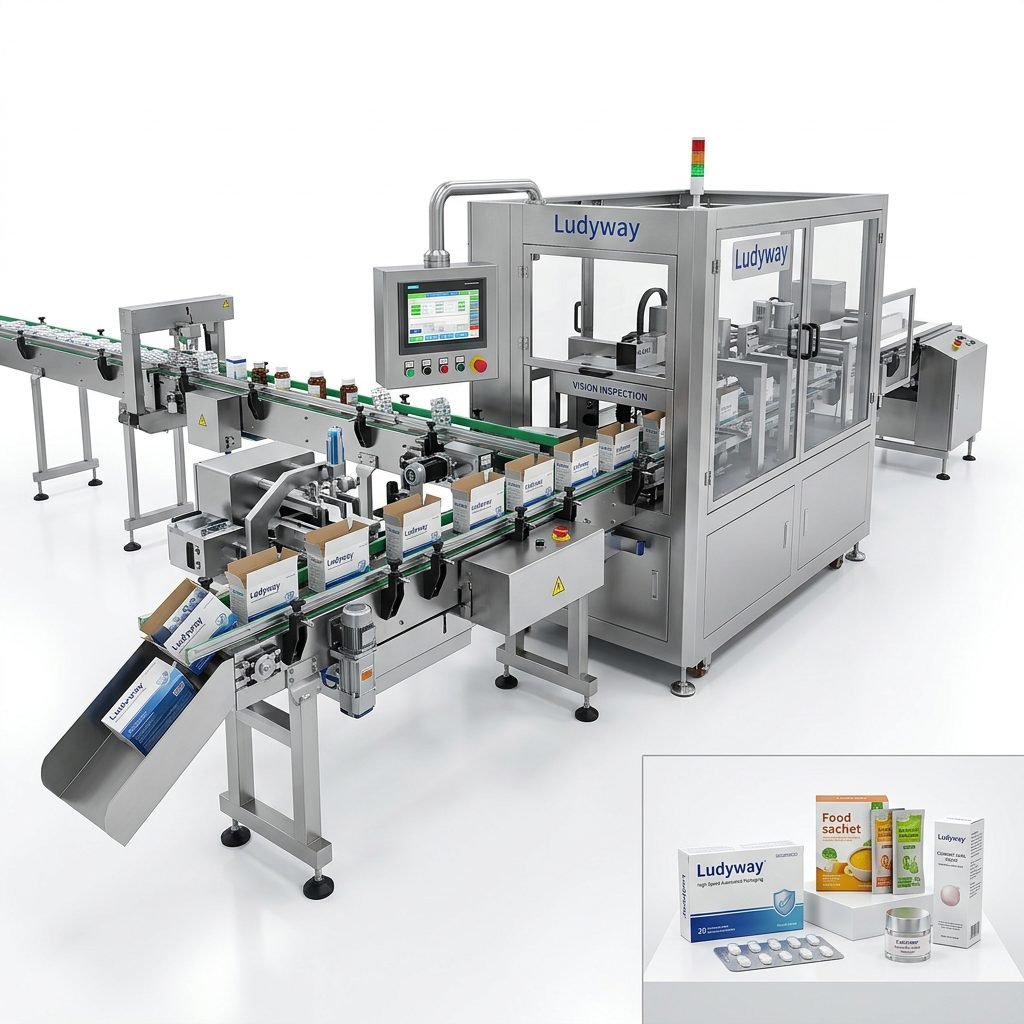
Investing in an external vacuum packaging machine is a strategic decision that directly impacts product shelf life, operational efficiency, and overall packaging quality. Unlike standard sealers, these machines remove oxygen from the package environment before sealing, which is critical for preventing spoilage in food products, protecting sensitive pharmaceutical components, and creating tight, professional packaging for industrial goods. This buyer’s guide walks you through the essential factors you need to evaluate before making a purchase.

Understanding External Vacuum Packaging Machines
An external vacuum packaging machine is designed to vacuum and seal bags from the outside, as opposed to chamber machines where the entire product is placed inside a sealed chamber. These machines are particularly popular for medium-to-high volume operations where speed and flexibility matter. They work by extracting air from the open end of a pre-made bag and then applying a heat seal, creating an airtight barrier that protects contents from oxygen, moisture, dust, and contamination.
Common applications range from food packaging — such as meats, cheeses, seafood, and dry goods — to pharmaceutical products, electronic components, and industrial parts. The right machine can dramatically extend the shelf life of perishable goods and reduce waste across the supply chain.
Key Factors to Consider Before Buying
Choosing the right external vacuum packaging machine requires evaluating several interconnected parameters. Rushing into a purchase without understanding these factors often leads to mismatched equipment and costly inefficiencies. Here are the primary areas to analyze:
Product Characteristics and Packaging Requirements
Your product’s physical properties directly determine which machine configuration will work best. Consider the following:
- Product type: Is your product solid, granular, powdered, liquid, or a combination? Liquid and powder products require special handling to prevent product from being drawn into the vacuum pump.
- Product dimensions and weight: Larger or heavier items may need wider sealing bars and stronger vacuum pumps to achieve the desired vacuum level.
- Packaging material: Different films and bag materials — such as PA/PE, high-barrier laminates, or aluminum foil composites — have varying sealing temperatures and vacuum compatibility.
- Bag size range: Ensure the machine’s sealing bar length and vacuum nozzle design can accommodate your smallest and largest bag formats.
Production Speed and Capacity
Matching machine throughput to your operational demands is essential. An external vacuum packaging machine with insufficient speed creates bottlenecks, while over-investing in capacity you do not need wastes capital. Calculate your required cycles per minute based on current and projected production volumes. Many machines offer adjustable speed settings, but the maximum practical throughput depends on bag size, vacuum time, and operator efficiency. For high-volume operations, consider models with double sealing bars or multi-nozzle configurations that can process multiple bags simultaneously.
Packaging Material Compatibility
Not all external vacuum machines work well with every type of packaging film. The thickness, barrier properties, and heat-seal characteristics of your chosen material must align with the machine’s sealing system. Some critical compatibility points include:
- Film thickness range: Machines have minimum and maximum thickness tolerances for reliable sealing.
- Embossed vs. smooth bags: Certain vacuum packaging bags have an embossed or channeled inner layer that assists with air extraction. Confirm that the machine is optimized for your bag type.
- Barrier requirements: High-barrier films often require higher sealing temperatures and precise temperature control to achieve a consistent seal without burning or weakening the material.

Comparing Types of External Vacuum Packaging Machines
The term “external vacuum packaging machine” covers several distinct machine types, each suited to different applications and production environments. Understanding these differences helps narrow down your options quickly.
| Machine Type | Best For | Key Advantages | Limitations |
|---|---|---|---|
| Single Nozzle External Vacuum Sealer | Small to medium operations, varied bag sizes | Flexible, cost-effective, easy to operate | Lower throughput, manual bag positioning |
| Double Nozzle / Multi-Nozzle Machine | Higher volume production lines | Simultaneous multi-bag processing, increased output | Higher initial investment, more complex operation |
| Belt-Driven Continuous Vacuum Sealer | High-speed automated lines | Continuous operation, consistent seal quality, labor-saving | Larger footprint, higher cost, less flexibility for bag size changes |
| Gas Flush External Vacuum Sealer | Modified atmosphere packaging (MAP) applications | Extends shelf life for delicate products, prevents crushing | Requires gas supply, more complex setup |
Technical Specifications That Matter
Once you have identified the right machine category, dive into the technical details. These specifications determine real-world performance and reliability.
Vacuum Pump Type and Ultimate Vacuum Level
The vacuum pump is the heart of any external vacuum packaging machine. Common pump types include oil-lubricated rotary vane pumps, dry-running pumps, and venturi systems. Oil-lubricated pumps generally achieve deeper vacuum levels and are suitable for demanding food and pharmaceutical applications. Dry pumps require less maintenance and eliminate oil contamination risks. The ultimate vacuum level, typically measured in millibars or percentage of vacuum, must match your product’s sensitivity to residual oxygen. For most food applications, achieving 99% or higher vacuum is sufficient, but oxygen-sensitive products may require even deeper vacuum capabilities.
Sealing Bar Configuration
The sealing bar’s length and configuration directly affect the range of bag sizes you can process. Common sealing bar lengths range from 300mm to over 1000mm for industrial models. Machines with double sealing bars provide stronger, more reliable seals and are recommended for heavy or liquid products. The sealing bar’s temperature control precision also matters — digital PID temperature controllers offer more consistent seal quality than simple analog dials, especially during extended production runs.
Control Systems and Automation Features
Modern external vacuum packaging machines offer varying degrees of automation. Entry-level models may require manual vacuum time and sealing time adjustments per batch, while advanced systems feature programmable recipe storage, automatic parameter adjustment, and sensor-based seal quality monitoring. For operations that package multiple product types, the ability to store and recall settings saves significant changeover time and reduces operator error. Some machines also integrate with upstream and downstream equipment for fully automated packaging lines.

Industry Applications and Regulatory Compliance
Different industries impose specific requirements on packaging equipment, materials, and processes. Understanding these requirements early in the selection process prevents costly compliance issues later.
Food and Beverage Applications
Food-grade external vacuum packaging machines must be constructed from stainless steel and designed for easy cleaning to meet hygiene standards. Equipment that contacts food or food packaging should comply with applicable food contact substance regulations. Vacuum packaging is widely used for fresh meats, processed meats, cheese, fish, ready meals, and dry ingredients such as coffee and spices. For products that are easily crushed — such as baked goods or delicate produce — consider gas flush options that create a protective cushion within the package.
Pharmaceutical and Medical Device Packaging
Pharmaceutical applications demand validated processes and traceable sealing parameters. External vacuum packaging machines used in these environments must often integrate with quality management systems and support compliance with international standards such as ISO 11607 for terminally sterilized medical devices. Consistent seal integrity, cleanroom compatibility, and documentation capabilities are critical selection criteria for pharmaceutical and medical packaging operations.
Industrial and Non-Food Applications
Industrial products — including electronic components, precision parts, chemicals, and industrial powders — also benefit from vacuum packaging. The primary goals are often moisture protection, oxidation prevention, and containment. Equipment for these applications may need to handle heavier bags, abrasive materials, or products with irregular shapes. Industrial-grade machines typically feature more robust frames, heavy-duty vacuum pumps, and reinforced sealing systems designed for continuous duty cycles.
Evaluating Total Cost of Ownership
The purchase price of an external vacuum packaging machine is only one component of the total investment. A thorough cost analysis should account for:
- Initial equipment cost: Including the machine, accessories, and any optional features or customizations.
- Installation and commissioning: Some machines require professional installation, calibration, and operator training.
- Packaging consumables: The type and cost of vacuum bags or films that the machine requires can vary significantly.
- Maintenance and spare parts: Oil-lubricated pumps require regular oil changes, while sealing bars and heating elements are wear items that need periodic replacement.
- Energy consumption: Larger vacuum pumps and continuous-duty machines consume more electricity over their lifespan.
- Labor requirements: More automated machines reduce operator involvement but come at a higher upfront cost.
Calculating the cost per package over the machine’s expected service life often reveals that a higher-quality machine with better efficiency and lower maintenance costs delivers superior long-term value compared to a lower-priced alternative.

Choosing a Reliable Packaging Machinery Partner
Beyond the machine specifications, the manufacturer you choose plays a critical role in the long-term success of your packaging operation. A dependable partner provides more than equipment — they offer engineering support, application expertise, and responsive after-sales service. When evaluating suppliers, consider their industry experience, manufacturing capabilities, and ability to provide customized solutions tailored to your specific product and production requirements.
Manufacturers with decades of experience, such as Ludyway Machinery — a China-based packaging machinery manufacturer with more than 30 years in the industry and a 20,000-square-meter manufacturing facility — bring valuable application knowledge that helps customers avoid common pitfalls in equipment selection and integration. Working with an experienced partner that offers comprehensive technical support, from machine selection and installation to operator training and spare parts supply, significantly reduces project risk and ongoing operational issues.
Additionally, consult resources from established industry organizations to stay informed about packaging standards and best practices. The packaging industry association PMMI provides market research, training, and technical resources that can inform your equipment purchasing decisions. Similarly, the Flexible Packaging Association offers valuable data on packaging materials, sustainability, and industry trends that affect packaging machine requirements.
Key Questions to Ask Before Purchasing
Before finalizing your decision, use the following checklist to verify that the machine you are considering aligns with your operational needs:
- Does the machine’s vacuum pump type and ultimate vacuum level match my product requirements?
- Can the sealing bar accommodate the full range of bag sizes I plan to use?
- Is the machine constructed from materials compatible with my industry’s hygiene and safety standards?
- What is the realistic throughput in cycles per minute for my typical bag size and product weight?
- Does the supplier offer installation support, operator training, and responsive after-sales service?
- Are spare parts readily available, and what are the typical lead times for critical components?
- Can the machine be integrated into a larger automated packaging line if my needs expand?
- What are the maintenance requirements and expected service intervals for the vacuum pump and sealing system?
Making the Right Investment
Choosing the right external vacuum packaging machine is not simply about finding the lowest price or the most feature-rich model. It is about matching the machine’s capabilities to your specific product, production volume, packaging material, and industry requirements. A thorough evaluation of product characteristics, throughput needs, technical specifications, compliance obligations, and total cost of ownership builds a solid foundation for a smart purchasing decision.
Take time to test machines with your actual products and packaging materials whenever possible. A machine that performs well in a demonstration with standard materials may behave differently with your specific bags and products. Partner with a supplier that understands your industry and can provide ongoing support as your packaging needs evolve. The right machine, backed by the right partner, becomes a long-term asset that enhances product quality, extends shelf life, and strengthens your overall packaging operation.