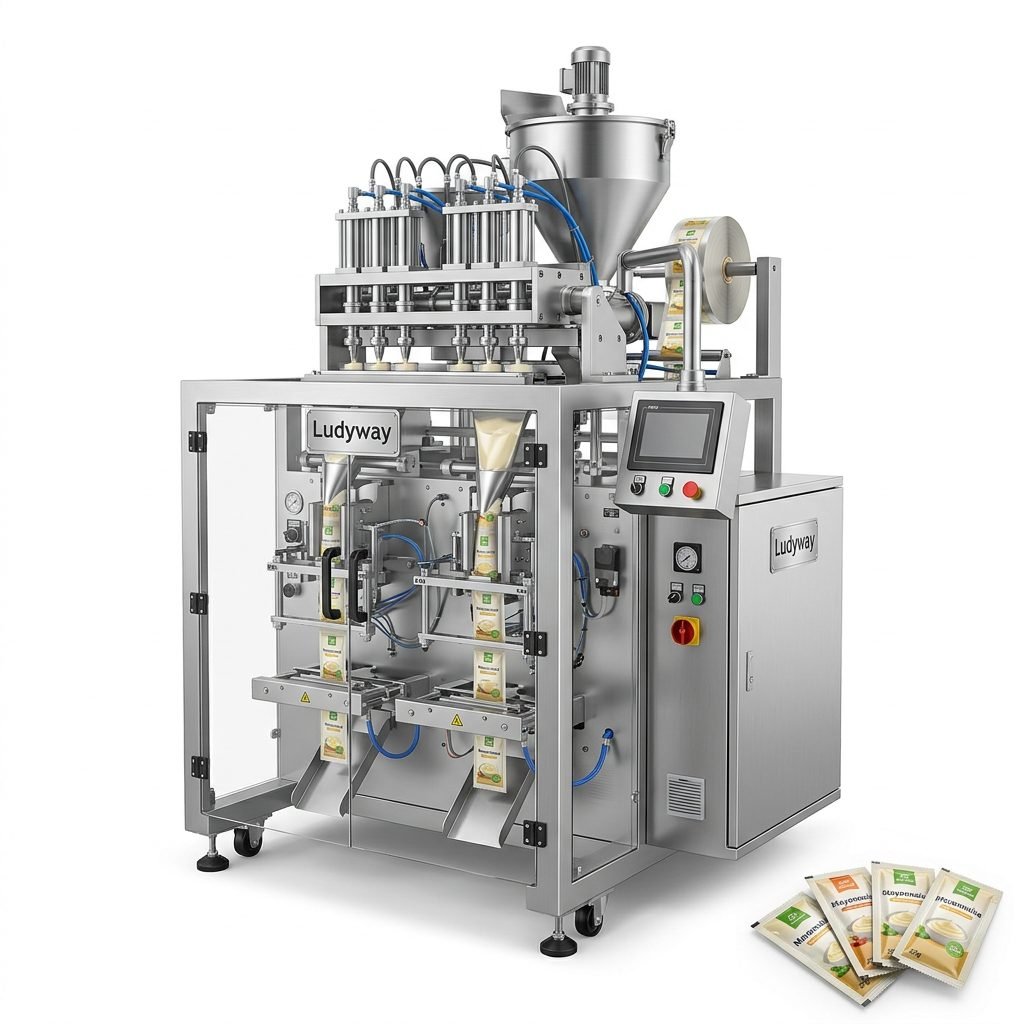
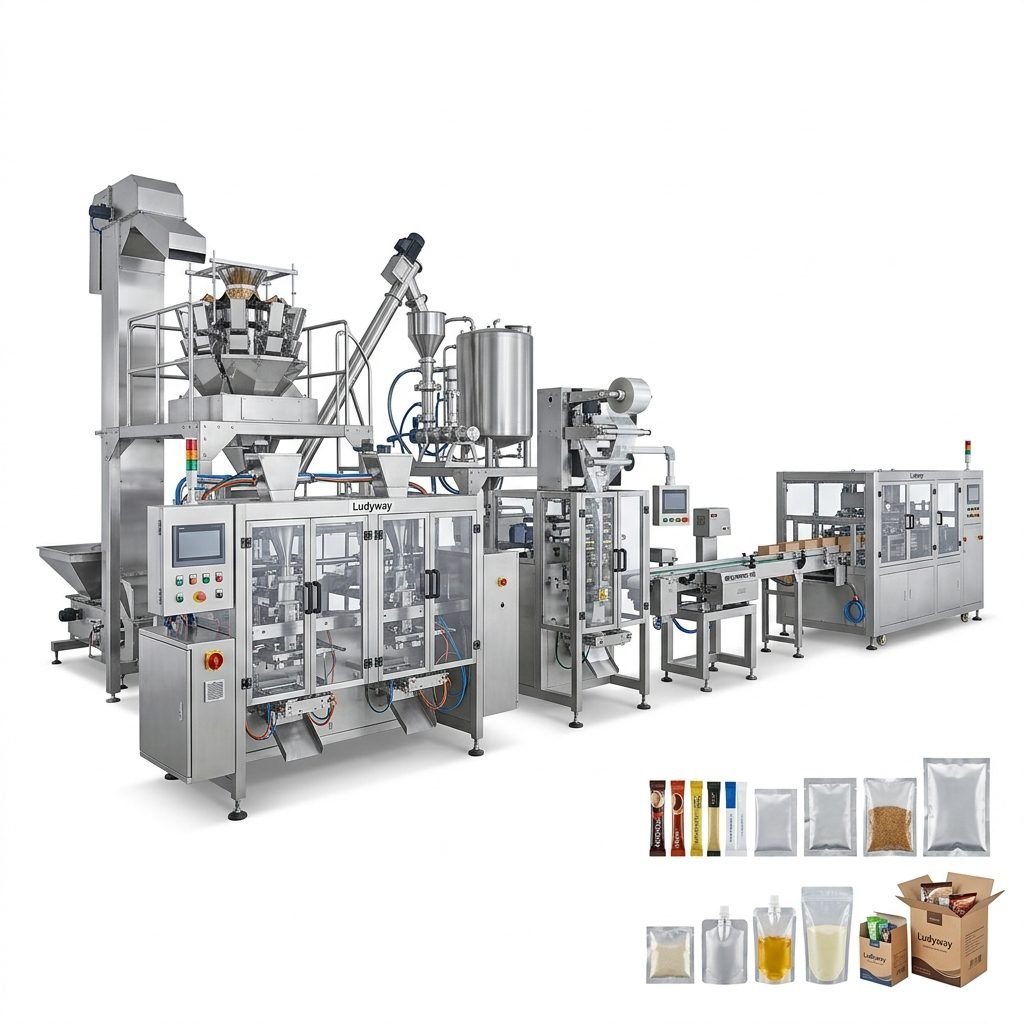
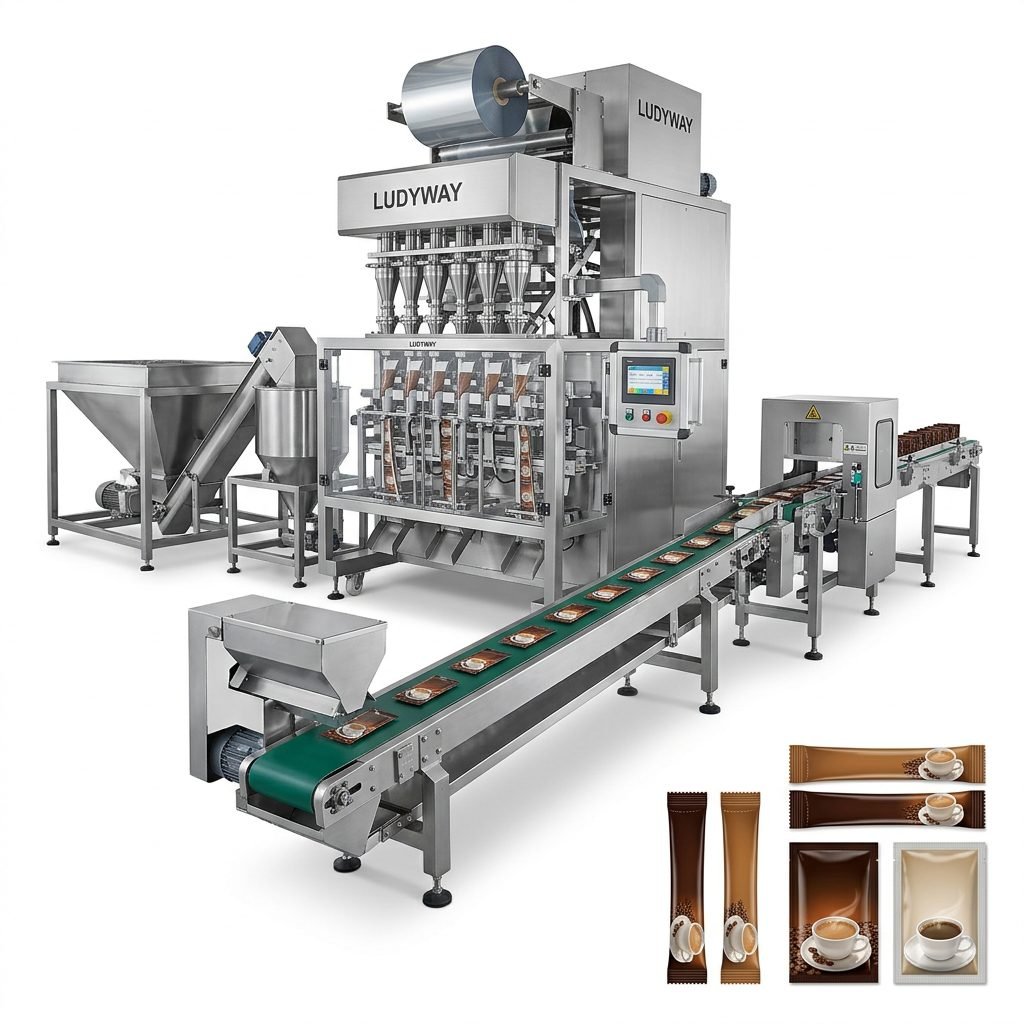
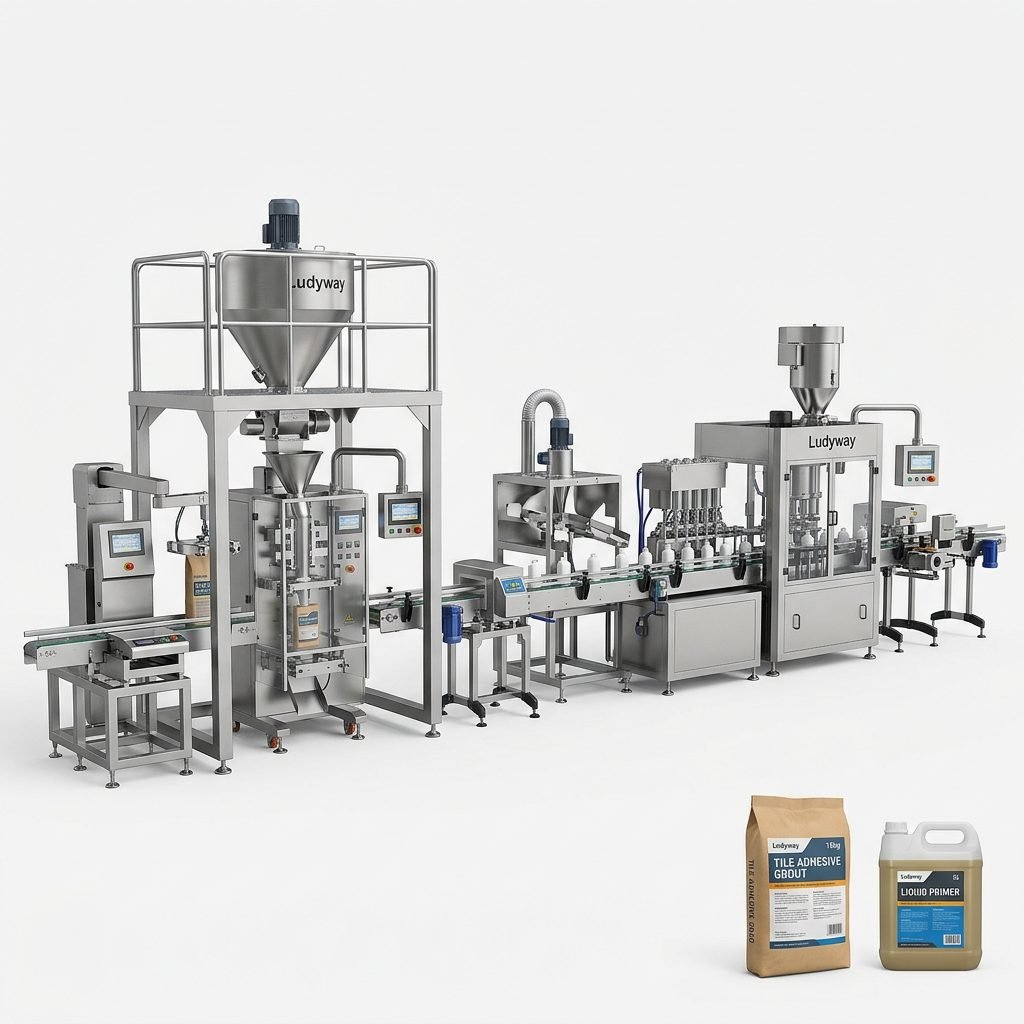
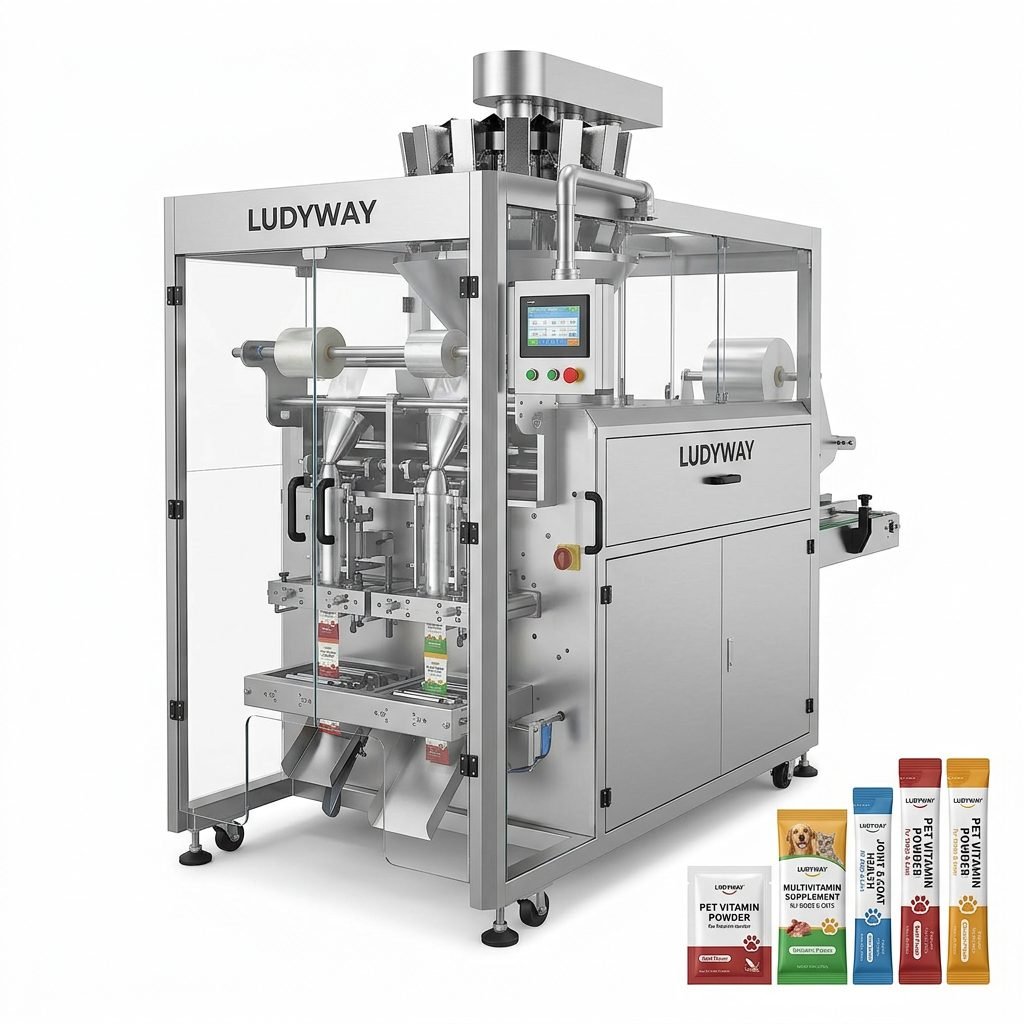
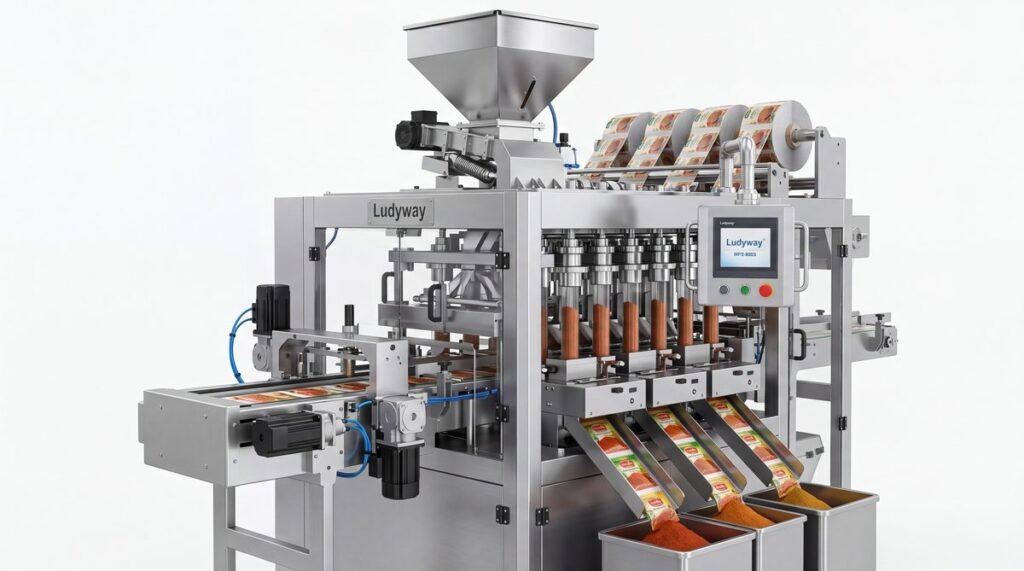
Investing in a spaghetti packaging machine is a strategic decision for any pasta manufacturer. The right equipment can significantly boost production efficiency, ensure product freshness, and reduce long-term operational costs. However, with a wide array of configurations, speeds, and automation levels available, navigating the market can be complex. This guide breaks down the essential factors to consider, from product characteristics to supplier capabilities, helping you choose the perfect spaghetti packaging machine for your production line.

1. Understanding Your Spaghetti Packaging Requirements
Before comparing machine specifications, you must define your production goals. The “best” spaghetti packaging machine is the one that aligns with your specific operational needs. Start by evaluating your current and projected output, as well as the physical nature of your product.
Product Characteristics and Packaging Format
Spaghetti is a fragile, long-dried food product. Unlike powders or granules, it requires gentle handling to prevent breakage. You need to determine the packaging format that suits your market:
- Pillow Bags: Standard for retail, offering excellent presentation.
- Gusseted Bags: Provide a stable base for shelf display.
- Bulk Packaging: Often used for food service or wholesale distribution.
The packaging material, often BOPP or laminate films, must be compatible with the machine’s sealing system to guarantee product freshness and shelf life.
Production Speed and Capacity
How many packs per minute do you need to produce? Machine capabilities range from semi-automatic low-speed models to high-speed automatic packaging lines. Align the machine’s throughput with your manufacturing volume to avoid bottlenecks. A modular design allows for scalability, making it a smart choice if you plan to increase capacity in the future.
2. Key Technical Features to Evaluate
Modern spaghetti packaging machines incorporate advanced technology to maintain the integrity of the product. Paying close attention to the technical specifications ensures you invest in a machine that delivers consistency and efficiency.
Weighing and Filling Accuracy
Precision is critical to minimize product giveaway and maintain profit margins. Consider the type of weighing system best suited for long pasta:
| Weighing Type | Best For | Advantage |
|---|---|---|
| Multi-Head Weigher | High-speed, small to medium packs | Superior speed and accuracy for consistent stick lengths |
| Linear Weigher | Large bulk bags | Cost-effective for high-volume, heavy fills |
For delicate spaghetti, multi-head weighers with specialized cascading chutes help buffer the fall, minimizing breakage during the filling process.
Sealing and Integrity Protection
A reliable seal is critical to protect spaghetti from moisture and pests. Look for machines with precise temperature controls and adjustable pressure settings. For extended shelf life, you might explore systems capable of executing a gas flush (Modified Atmosphere Packaging – MAP), which replaces oxygen with nitrogen inside the bag, preserving the pasta’s texture and preventing oxidation.
3. Automation, Integration, and Industry 4.0
Beyond the standalone machine, consider how the equipment fits into your broader production ecosystem. A spaghetti packaging machine is just one part of the line, and full automation can transform your operational ROI.
Turnkey and End-of-Line Integration
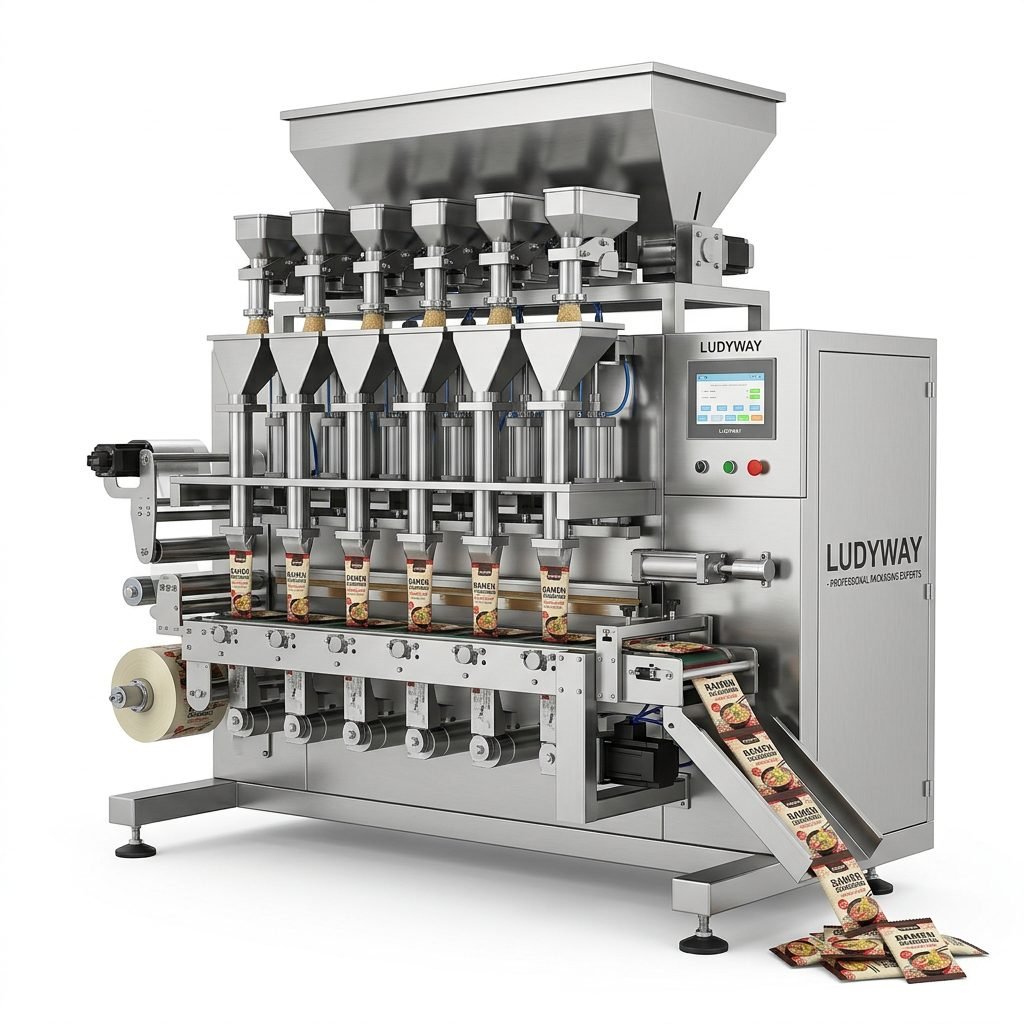
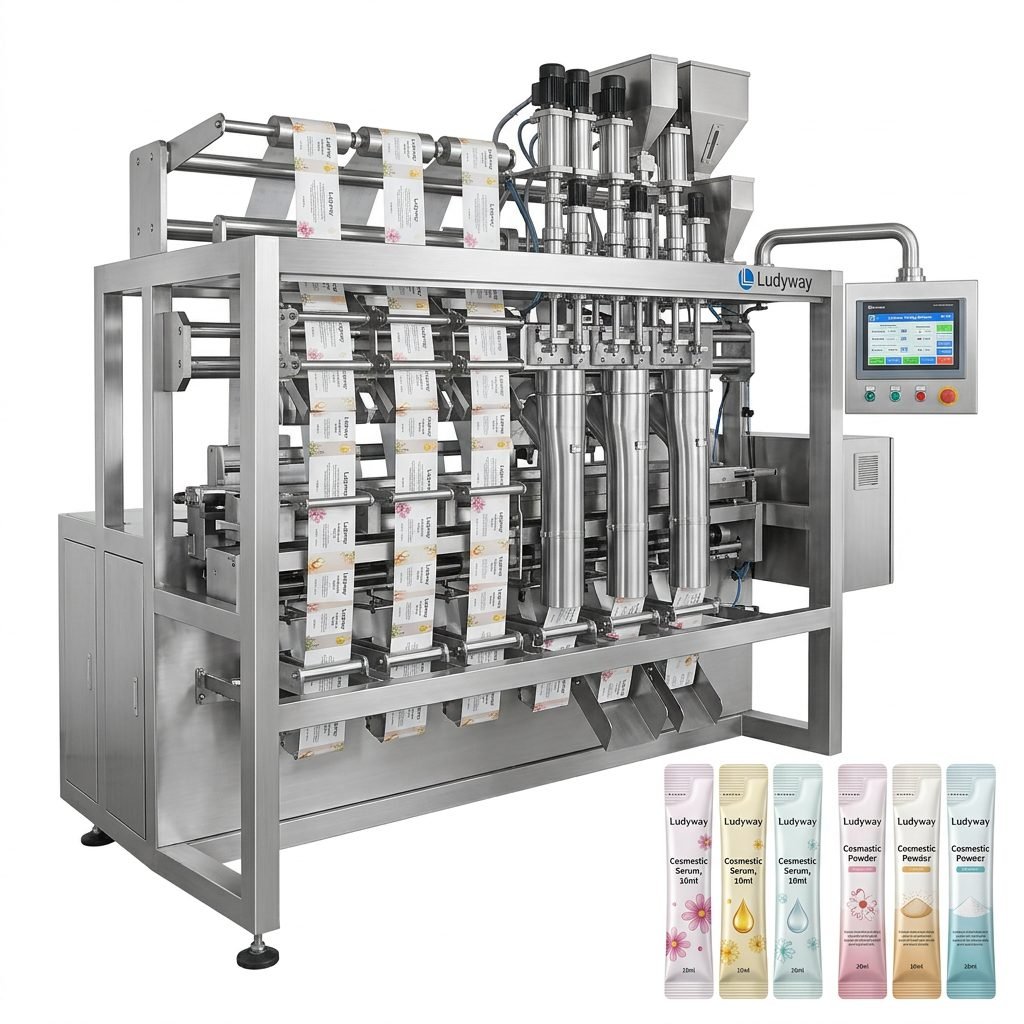
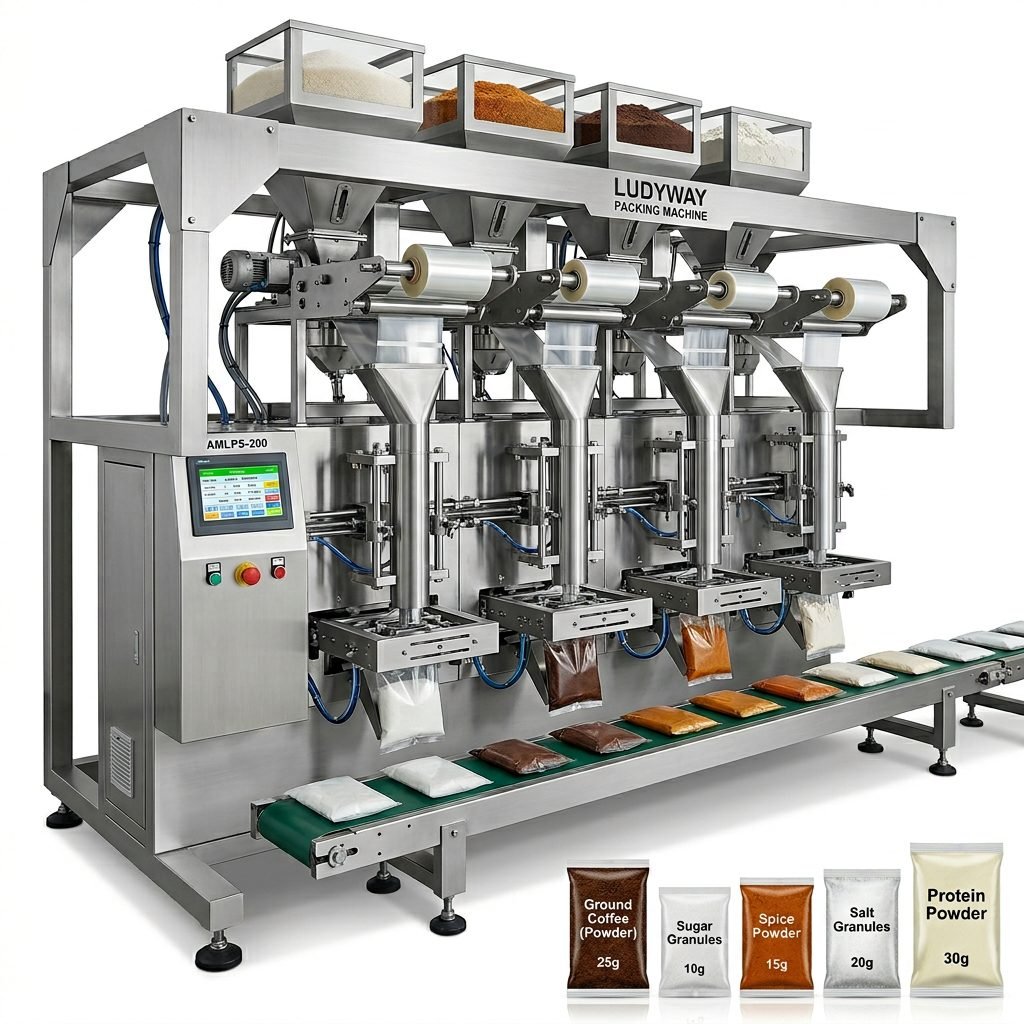
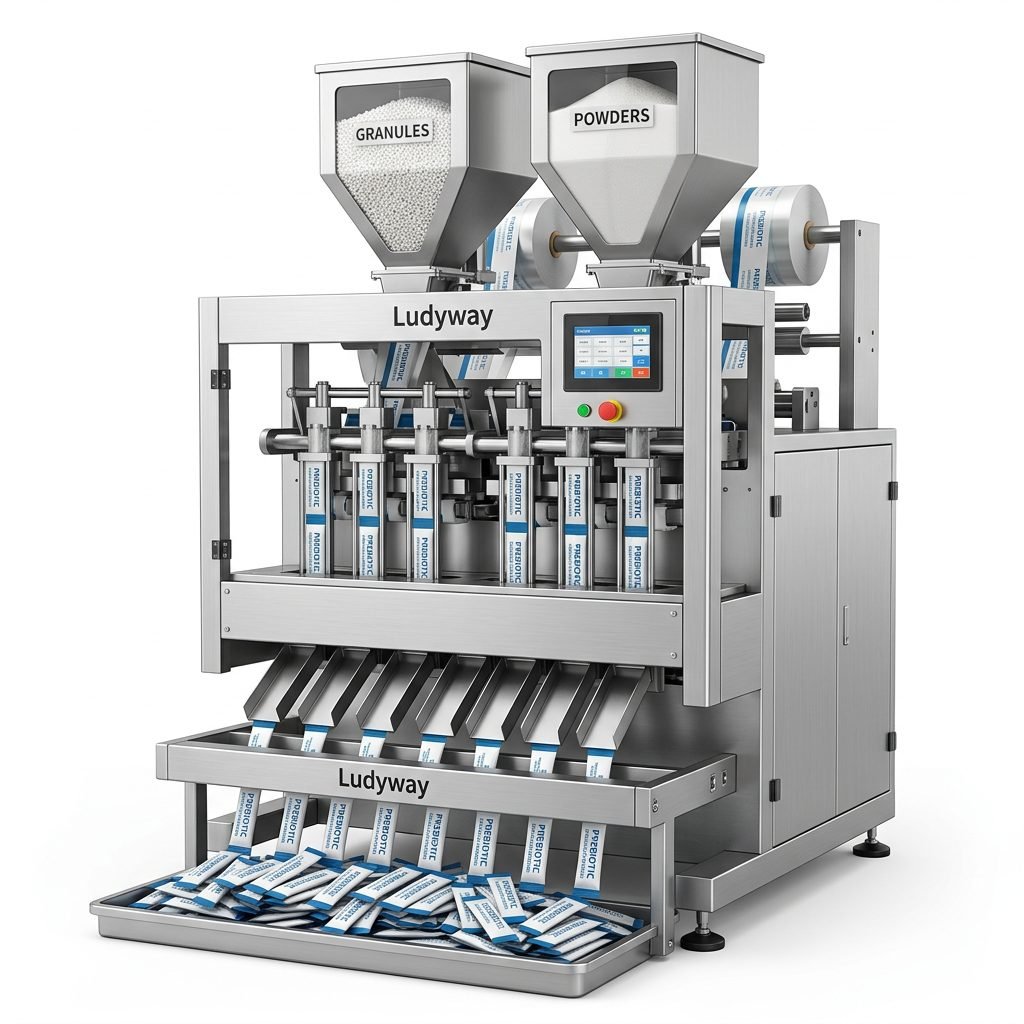
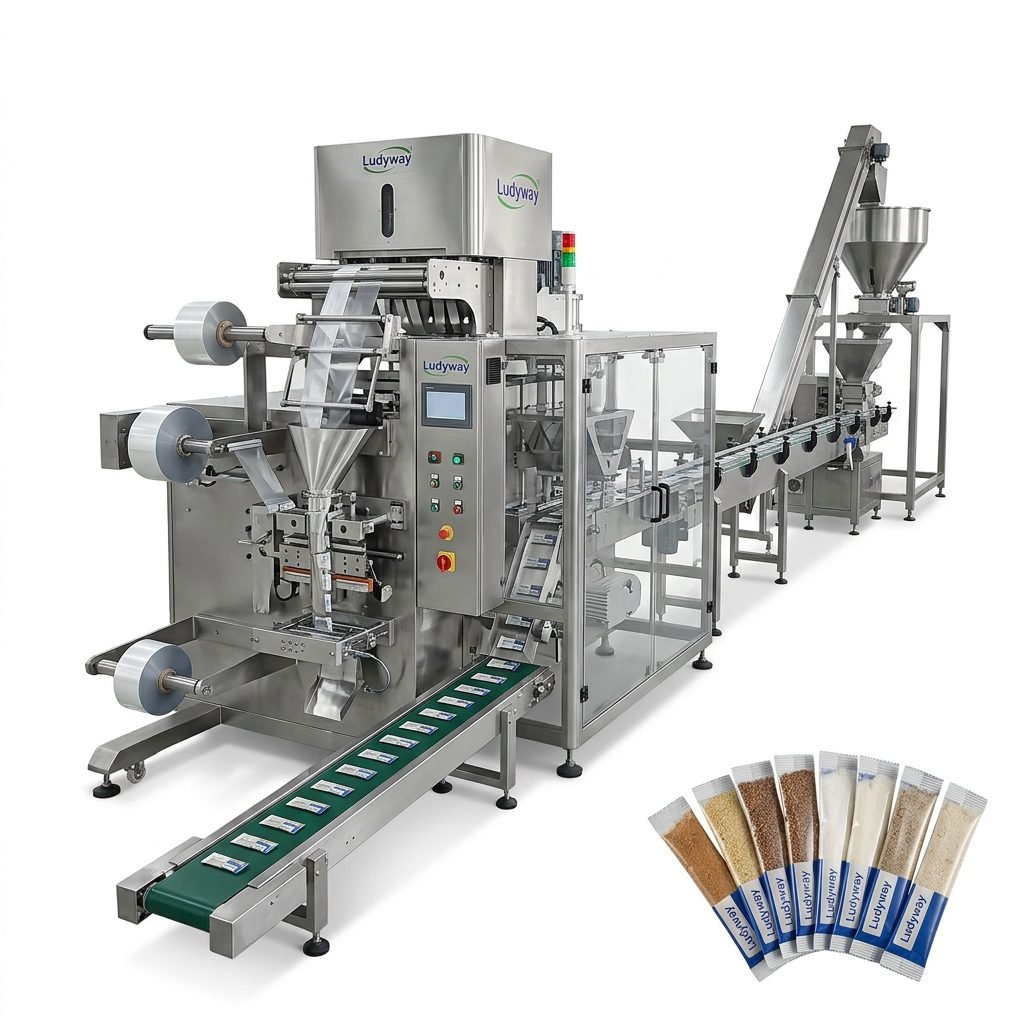
Do you need a single machine, or are you looking for a complete turnkey packaging solution? An experienced provider offers integrated systems that connect feeding, weighing, filling, sealing, coding, inspection, and cartoning. This approach simplifies project management and ensures seamless compatibility between each stage. Companies like Ludyway Machinery specialize in engineering these customized, integrated systems to match specific product requirements and factory layouts.
Smart Controls, IoT, and Data Analytics
Industry 4.0 capabilities are increasingly important. Modern machines offer:
- Remote Monitoring and Troubleshooting: Technicians can diagnose issues without being on-site.
- Production Data Analytics: Track OEE (Overall Equipment Effectiveness), reject rates, and material consumption in real-time.
- Automated Changeovers: Servo-driven systems can recall recipes for different bag sizes at the touch of a button, drastically reducing downtime.
Requesting a machine that is ready for IoT connectivity ensures you can optimize productivity over the entire lifecycle of the packaging machinery.
4. Assessing Build Quality, Standards, and Supplier
The durability of a spaghetti packaging machine directly impacts your total cost of ownership. Beyond the initial price, evaluate the engineering behind the machine.
Construction and Hygiene Standards
For food applications, machines should be constructed primarily from stainless steel (SUS304 or higher). A robust, washable frame prevents corrosion and facilitates sanitation. Check if the machinery can be built to meet relevant international standards, such as CE or UL requirements, which indicates adherence to strict safety and quality protocols.
Supplier Experience and Global Support
Your relationship with the equipment manufacturer matters as much as the machine itself. Investigate the supplier’s track record:
- Industry Experience: How long have they been engineering pasta or similar food packaging solutions?
- Global Service Capabilities: Do they provide installation, commissioning, training, and prompt after-sales support in your region?
- Customization Capability: Can their technical team adapt the equipment to your unique product challenges rather than just offering a standard model?
According to the Flexible Packaging Association, partnering with an engineering-focused manufacturer is critical for navigating complex material and equipment configurations.
5. Critical Questions to Ask Before You Buy
To finalize your choice, consult with potential suppliers using these targeted questions, designed to reveal the true capability behind the specification sheet:
- Can you provide a product sample test? A video or in-factory run with your specific spaghetti is essential to see handling quality firsthand.
- What is the machine’s efficiency rate and expected uptime? Look for guarantees on OEE.
- What are the changeover times between different pack sizes? This critically affects production agility.
- How do your dosing systems minimize product breakage? Ask specifically about chute design and accumulation buffers.
- Is the machine configured for current and future ISO packaging standards? Ensuring compliance now avoids costly retrofits.
- What is the lead time, and how is after-sales support structured? Clarify warranty, spare parts availability, and remote technical assistance.
6. Long-Term Value: Total Cost of Ownership
Purchase price is just the beginning. A comprehensive spaghetti packaging machine evaluation considers the entire lifecycle cost:
- Initial Investment: Machine cost, tooling, and integration fees.
- Operational Costs: Energy consumption, film/material waste rates, and labor requirements.
- Maintenance and Downtime: Preventative maintenance schedules, average repair time, and spare part accessibility.
- Production Value: Higher uptime and speed directly translate to higher output and profitability.
A machine with a slightly higher initial cost but superior build and lower film waste will often deliver the best return on investment over 5-10 years.
Conclusion
Choosing the right spaghetti packaging machine is a multifaceted process that extends far beyond a simple spec comparison. By meticulously defining your packaging format, scrutinizing weighing and sealing technologies, demanding robust construction and smart integration, and thoroughly vetting your supplier’s engineering expertise and global support, you secure a production asset that delivers consistent value. This careful due diligence ensures the machinery you select today remains a profitable and scalable solution for years to come, keeping your perfectly formed spaghetti intact and your brand promise fulfilled from the factory floor to the customer’s table.
When seeking a partner to help navigate these complex decisions, consider working with a manufacturer that provides not just equipment but comprehensive engineering and global service support, a standard approach for any modern producer aiming for international market growth.