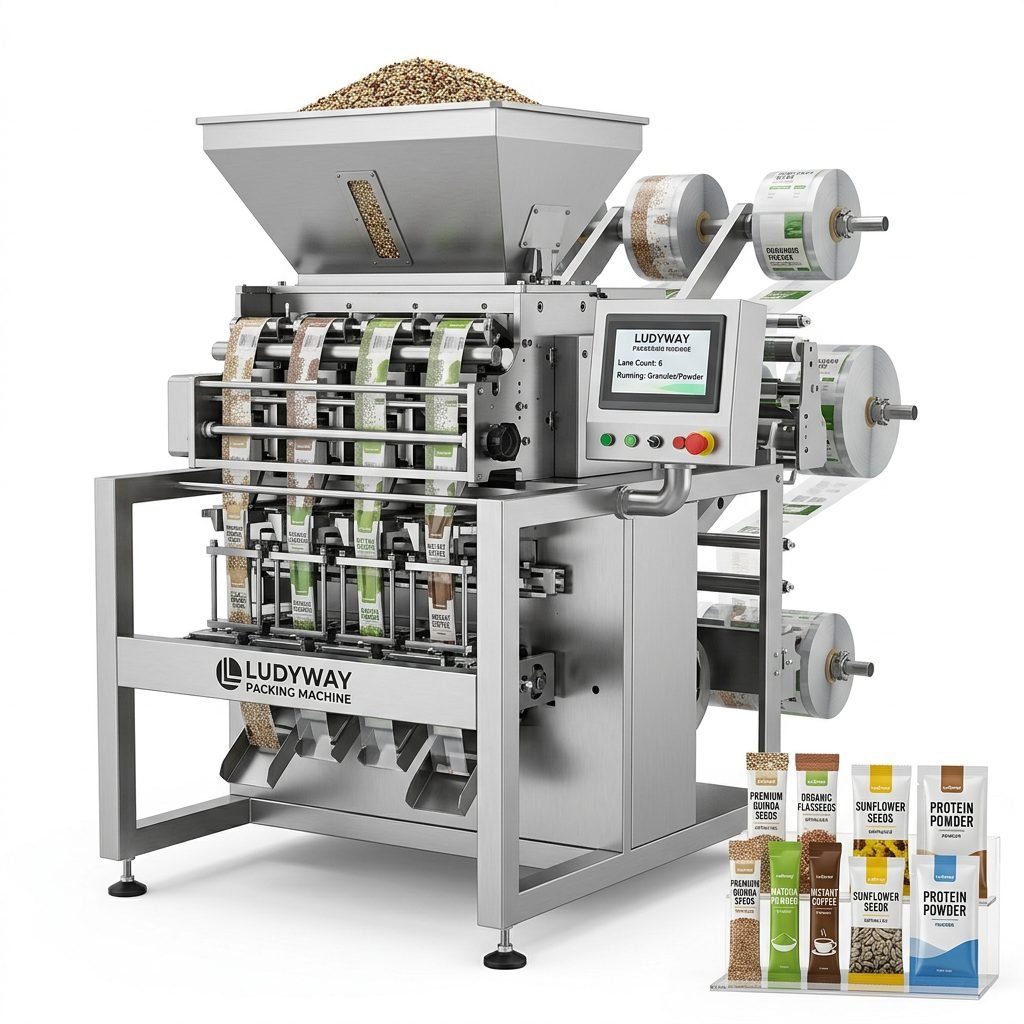
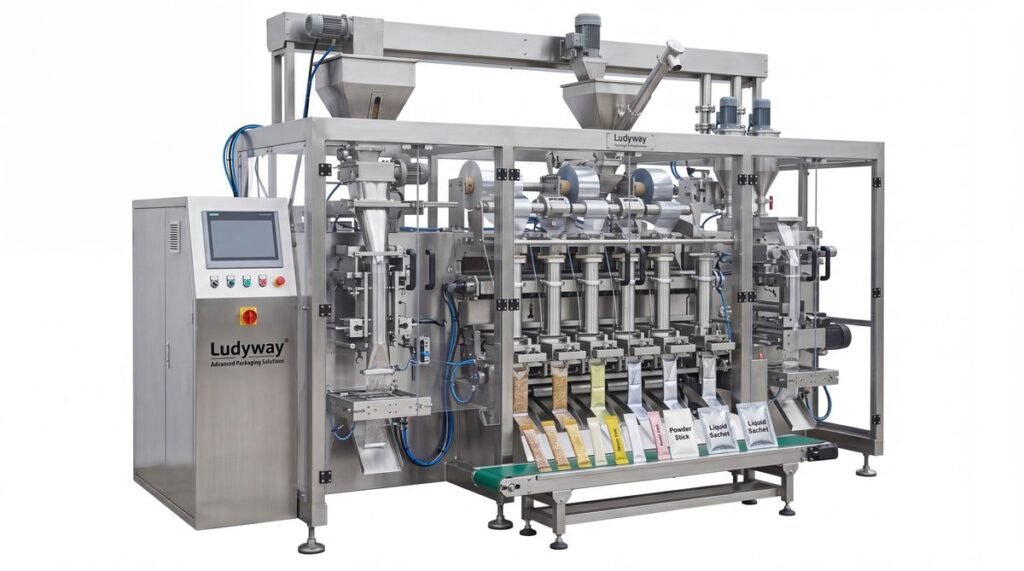
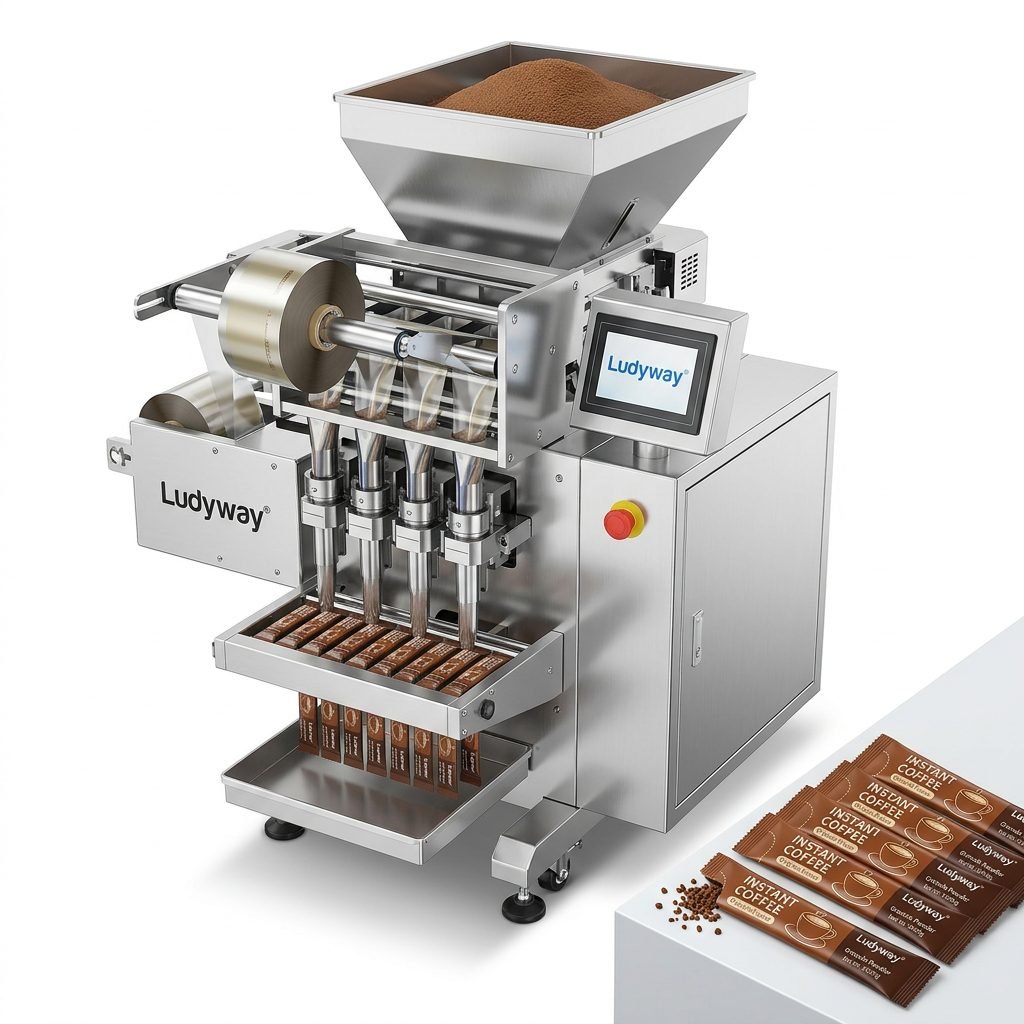
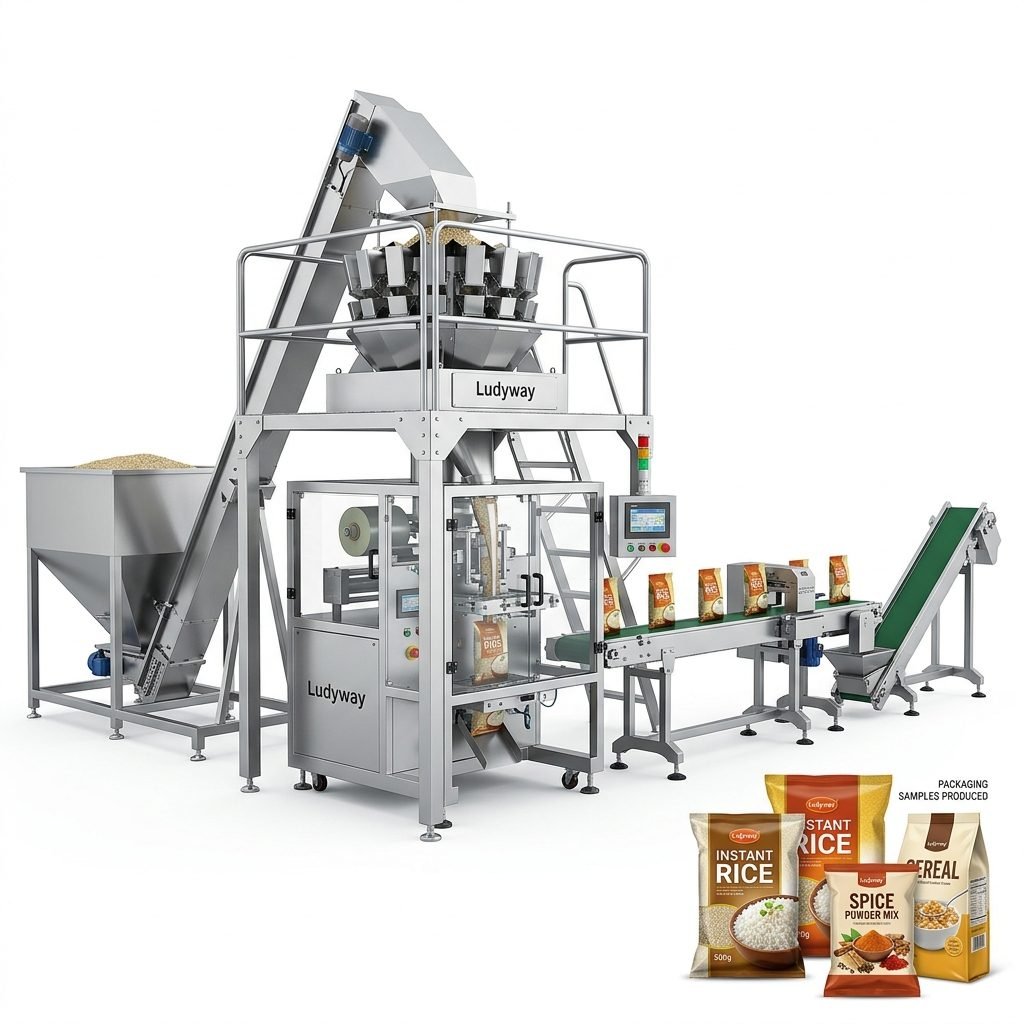
Investing in a stretch packing machine is a significant decision for any manufacturer or distribution center. The right equipment can dramatically reduce film waste, improve load stability, and lower overall packaging costs. However, with so many configurations, automation levels, and brand options available, the selection process can quickly become overwhelming. This comprehensive buyer’s guide walks you through every critical factor you need to evaluate before making a purchase.
Understanding Stretch Packing Machine Fundamentals
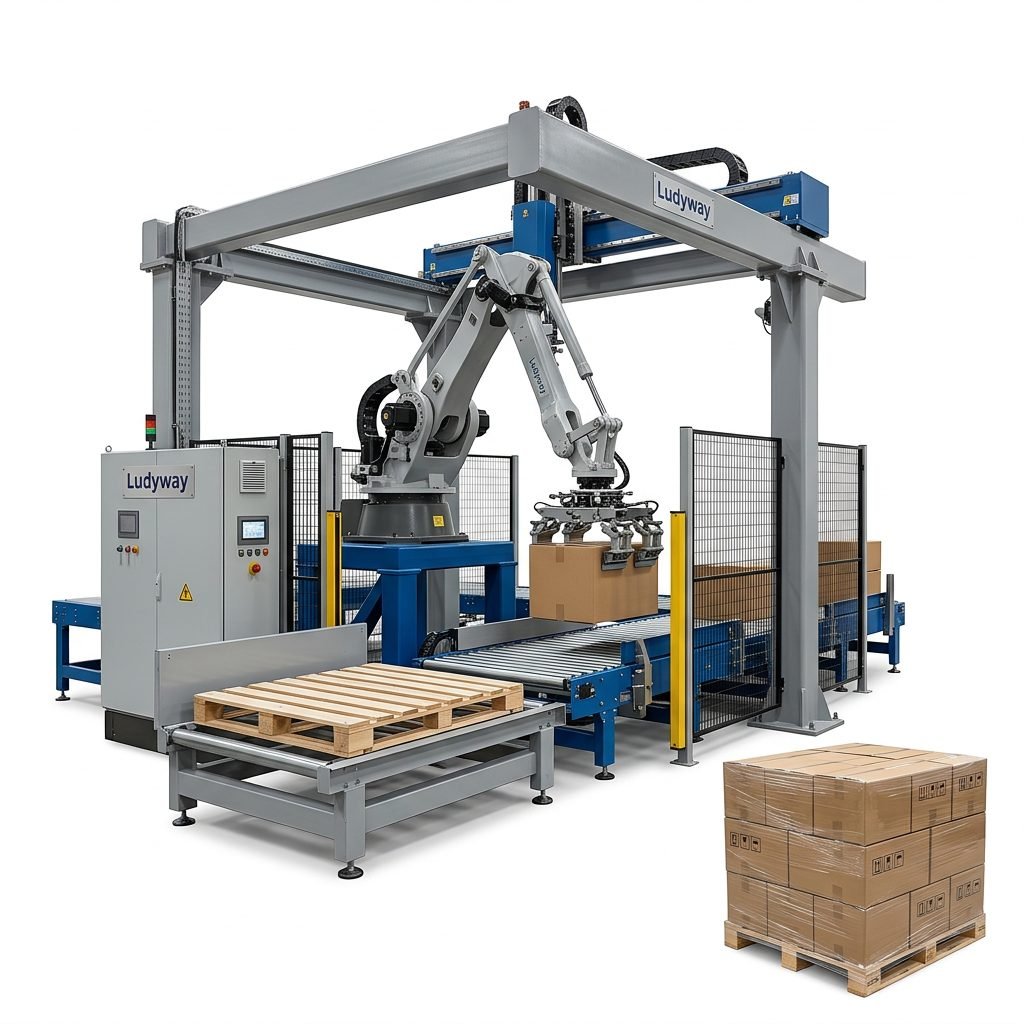
Before diving into specifications, it’s essential to understand what a stretch packing machine does and how it fits into your operation. Also known as a stretch wrapper or pallet wrapping machine, this equipment applies a stretchable plastic film around a loaded pallet to secure products for transport and storage. The film is stretched to maximize its yield while providing consistent containment force.
Modern stretch packing machines range from simple semi-automatic turntable models to fully integrated automatic systems capable of wrapping hundreds of pallets per day. Your choice will depend on throughput requirements, load sizes, available floor space, and budget constraints.
Key Benefits of Automated Stretch Wrapping
- Consistent film tension across every load, reducing product damage during transit
- Film savings of 30-50% compared to manual wrapping methods
- Improved workplace safety by eliminating repetitive manual wrapping motions
- Higher throughput with predictable cycle times for each pallet
- Reduced labor costs and fewer ergonomic injury claims
Types of Stretch Packing Machines: A Detailed Comparison
Not all stretch wrappers are built alike. The table below outlines the most common machine configurations available on the market today, helping you quickly identify which category aligns with your operational needs.
| Machine Type | Best For | Typical Throughput | Automation Level |
|---|---|---|---|
| Semi-Automatic Turntable | Small to medium operations | 15-25 pallets/hour | Operator-attached film |
| Semi-Automatic Rotary Arm | Heavy or unstable loads | 15-30 pallets/hour | Operator-attached film |
| Automatic Turntable | High-volume DCs | 30-60 pallets/hour | Fully automatic |
| Automatic Rotary Ring | High-speed, mixed loads | 60-120+ pallets/hour | Fully automatic |
| Orbital Horizontal Wrapper | Long products, lumber, pipes | Variable by product | Automatic or semi-auto |
Critical Specifications to Evaluate
Once you’ve identified the general machine type, the next step is evaluating the technical specifications that directly impact performance and compatibility with your operation.
Load Size and Weight Capacity
Every stretch packing machine has maximum load dimensions and weight ratings. Measure your largest typical pallet dimensions—including length, width, and height—and ensure the machine’s turntable or wrapping zone can accommodate them with adequate clearance. Exceeding weight limits on the turntable can lead to premature bearing failure and motor burnout.
Film Delivery System (Prestretch)
The prestretch carriage is arguably the most important component of any stretch wrapper. It determines how much the film is stretched before application, directly affecting containment force and film consumption. Powered prestretch systems typically offer ratios between 150% and 300%, with higher ratios translating to greater film savings. Look for carriages with adjustable tension settings and consistent prestretch performance across varying film gauges.
Control System and Programmability
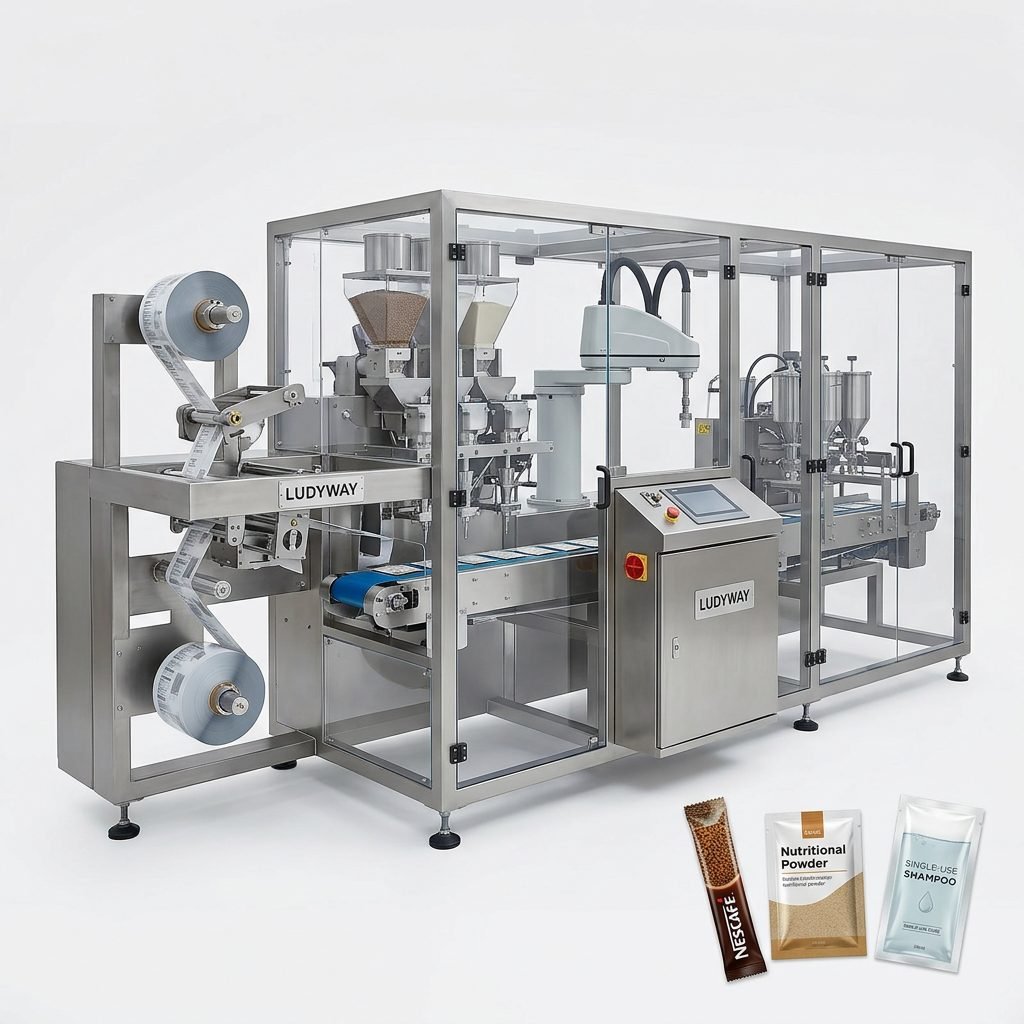
Modern stretch wrappers feature PLC-based controls with touchscreen interfaces. Look for the ability to program multiple wrap patterns for different load profiles. Key programmable parameters include:
- Number of bottom wraps and top wraps
- Film tension for each section of the load
- Wrap speed (rotation and carriage speed)
- Reinforcement banding positions
- Roping and other specialized wrap techniques
Turntable vs. Rotary Arm Considerations
Turntable machines rotate the pallet while the film carriage moves vertically. These are ideal for stable, uniform loads. Rotary arm machines keep the pallet stationary while the arm rotates around it with the film carriage. This configuration is better suited for heavy, unstable, or irregularly shaped loads that might shift during rotation. If your operation handles diverse load types, a rotary arm machine offers greater flexibility.
Automation Level: Matching Throughput to Investment
The level of automation you choose should align with your daily pallet volume and long-term growth projections. Under-specifying leads to bottlenecks; over-specifying wastes capital that could be deployed elsewhere.
Semi-Automatic Solutions
In semi-automatic configurations, an operator places the pallet on the turntable, attaches the film, and initiates the wrap cycle. After wrapping, the operator cuts and secures the film tail. These machines are cost-effective for operations processing fewer than 50 pallets per day and offer a quick return on investment.
Fully Automatic Systems
Automatic stretch wrappers integrate with conveyor systems and can operate without dedicated operator intervention. Features include automatic film cutting and clamping, powered conveyors for pallet infeed and outfeed, and integration with warehouse management systems. These are appropriate for operations exceeding 100 pallets daily. According to packaging machinery market research, automatic systems continue to gain market share as labor availability decreases and throughput demands increase.
Industry-Specific Applications and Standards
Different industries impose unique requirements on stretch packing equipment. Understanding your sector’s specific needs helps narrow the field of suitable machines.
Food and Beverage
Hygiene is paramount. Look for machines with stainless steel construction in washdown areas, sealed electrical enclosures, and food-grade lubricants. Many food facilities require stretch wrappers that can operate in cold storage environments at temperatures as low as -20°F. Compliance with FDA food packaging regulations may also influence equipment and film selection.
Pharmaceuticals and Healthcare
Load containment consistency and documentation are critical. Machines should offer validated wrap parameters and data logging capabilities for quality audits. Integration with serialization and track-and-trace systems may be required. Standards from organizations like the ISO packaging standards body often guide equipment specifications in regulated environments.
Chemicals and Industrial Products
Durability and corrosion resistance are top priorities. Machines handling chemical drums or bags need robust construction and may require special film formulations for product compatibility. Spill containment features and compatibility with hazardous material handling protocols should be verified.
Evaluating Total Cost of Ownership
The purchase price is only one component of the total investment. A comprehensive cost analysis should account for all factors over the expected service life of the equipment—typically 10 to 15 years for well-maintained stretch wrappers.
| Cost Category | Considerations | Estimated Impact |
|---|---|---|
| Initial Equipment Cost | Machine, freight, installation | 45-55% of TCO |
| Film Consumption | Annual film usage at current rates | 25-35% of TCO |
| Maintenance and Parts | Preventive maintenance, wear parts | 8-12% of TCO |
| Energy Consumption | Electricity for motors and controls | 3-5% of TCO |
| Labor | Operator time, training | 5-10% of TCO |
A machine with a higher prestretch ratio may cost more upfront but can reduce annual film expenses by thousands of dollars. Similarly, investing in preventive maintenance contracts can extend equipment life and reduce unplanned downtime costs.
Supplier Evaluation Criteria
Selecting the right equipment partner is as important as selecting the right machine. A reliable manufacturer provides value far beyond the initial sale through technical support, spare parts availability, and application expertise.
Key Questions to Ask Potential Suppliers
- How many years have you been manufacturing stretch packing machines?
- Can you provide references from customers in similar industries?
- What is the standard warranty period and what does it cover?
- Do you maintain spare parts inventory for rapid shipment?
- What technical support options are available—remote, on-site, or both?
- Can your equipment integrate with our existing conveyor and WMS systems?
Service and Support Infrastructure
Downtime on a stretch wrapping line can cascade through your entire shipping operation. Evaluate the supplier’s service network coverage in your region, average response times, and the availability of factory-trained technicians. For international operations, consider whether the manufacturer has multi-language support and documentation. The flexible packaging industry continues to emphasize after-sales service as a key differentiator among equipment suppliers.
Making the Final Decision
After evaluating machine types, technical specifications, automation levels, and suppliers, you should have a short list of suitable options. At this stage, conduct on-site demonstrations using your actual products and pallet configurations whenever possible. A machine that performs well in a showroom may behave differently with your specific loads and film specifications.
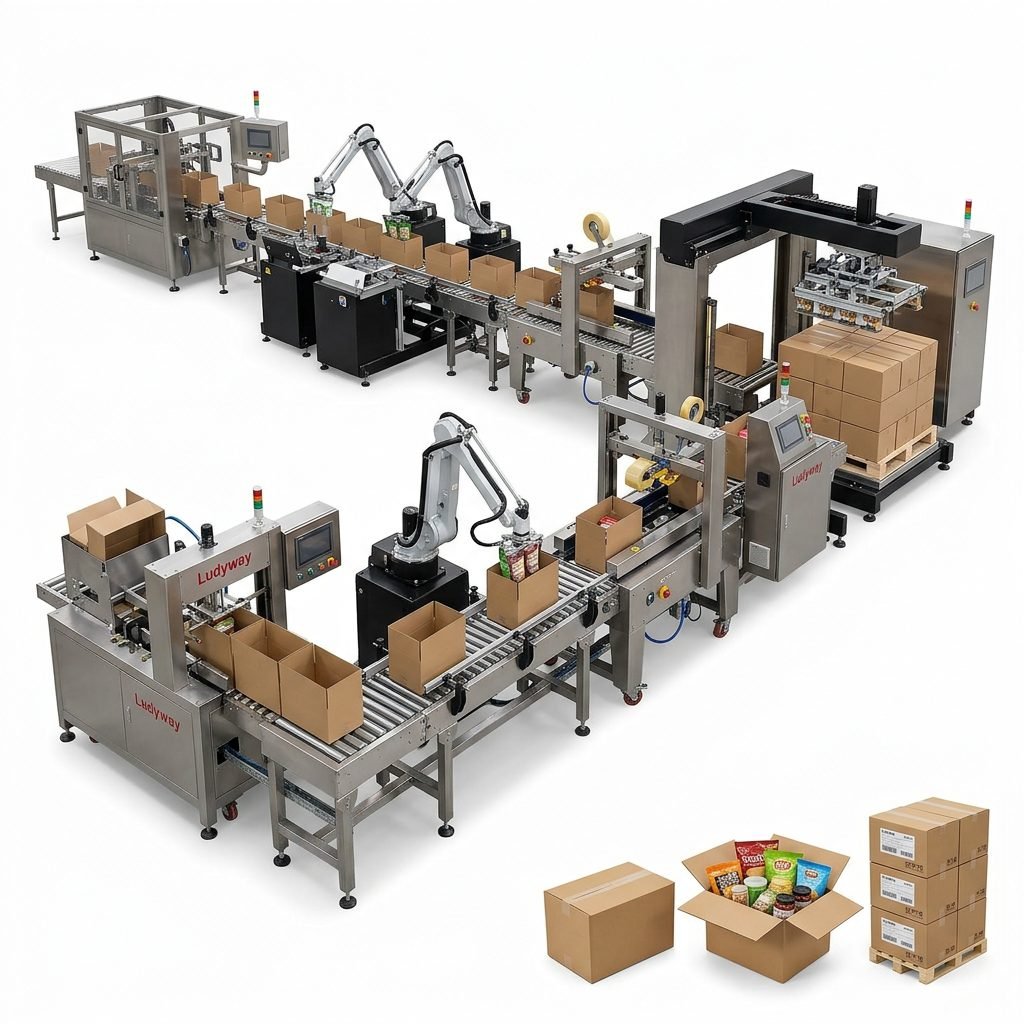
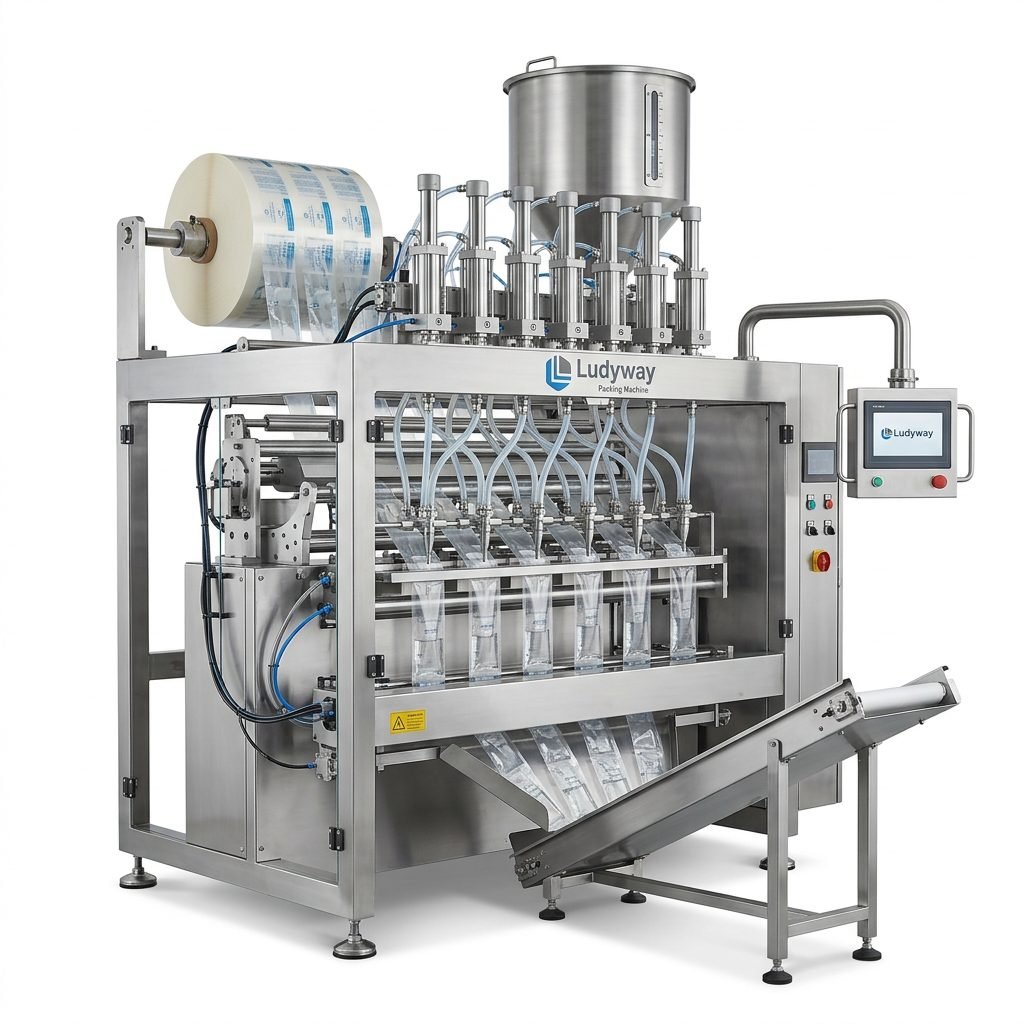
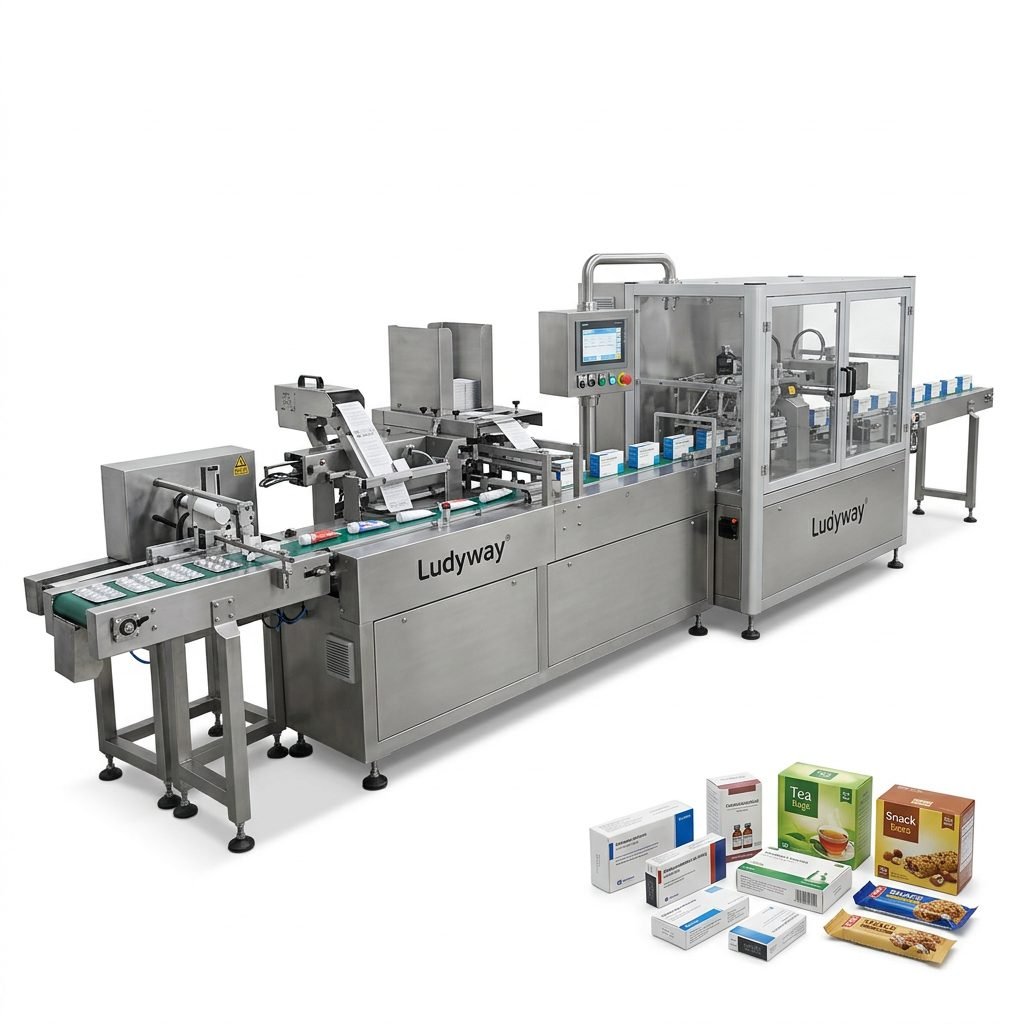
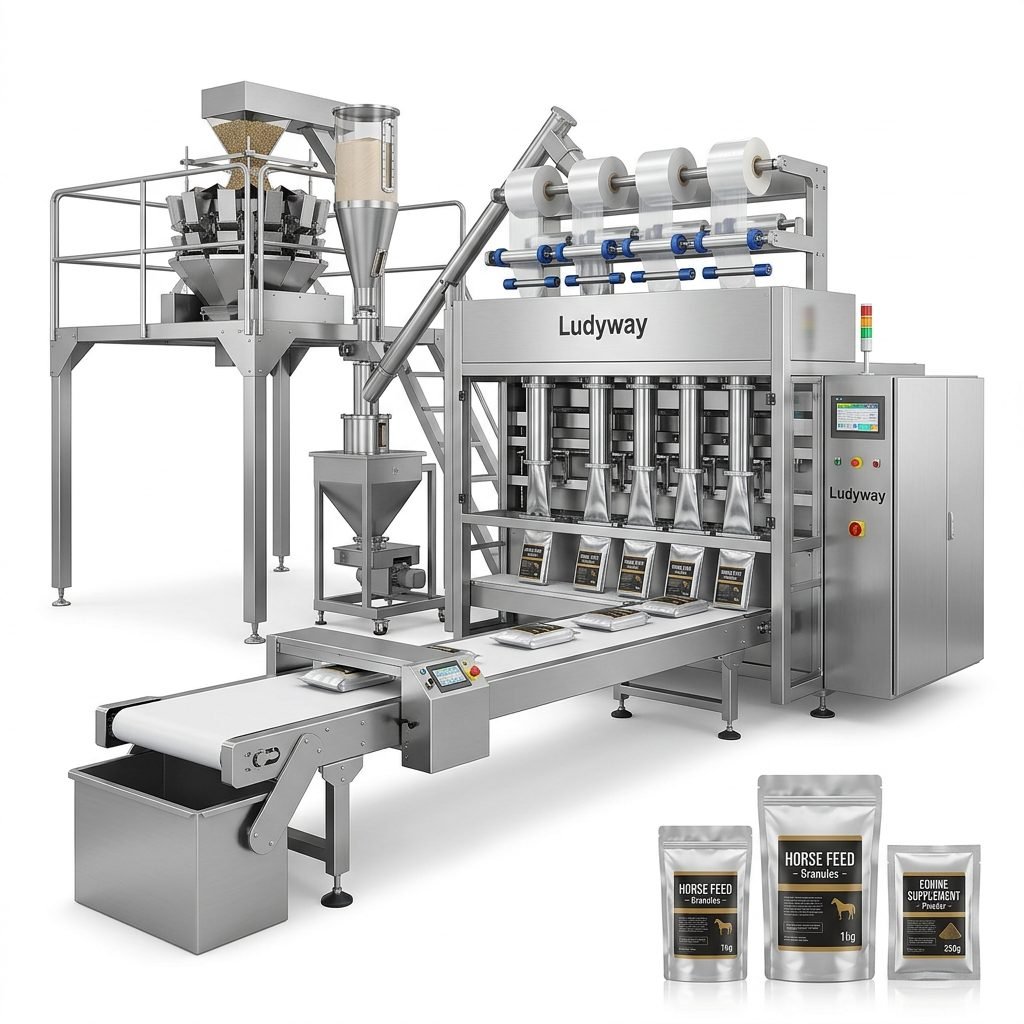
Companies like Ludyway Machinery, with more than 30 years of industry experience and a global footprint spanning over 100 countries, exemplify the type of established packaging machinery partner that can provide both standardized and customized stretch packing solutions. Their approach combines manufacturing expertise with engineering capabilities to deliver equipment configured for specific product and production requirements, from individual machines to complete turnkey packaging lines.
Request detailed proposals from at least three suppliers, and compare not just the equipment price but the complete value proposition—including installation support, training, warranty terms, and long-term service commitments. The right stretch packing machine will deliver reliable performance for years, making the selection process a critical investment in your operation’s future efficiency.