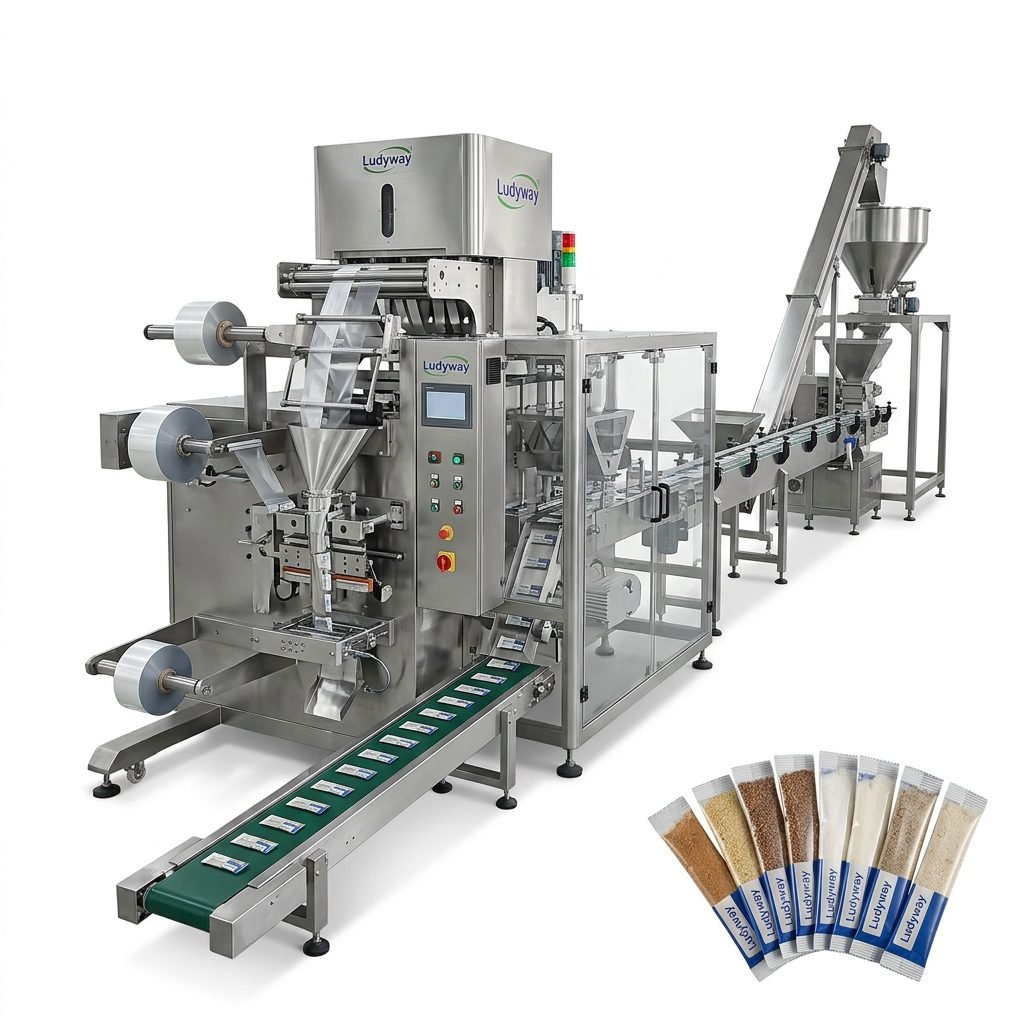
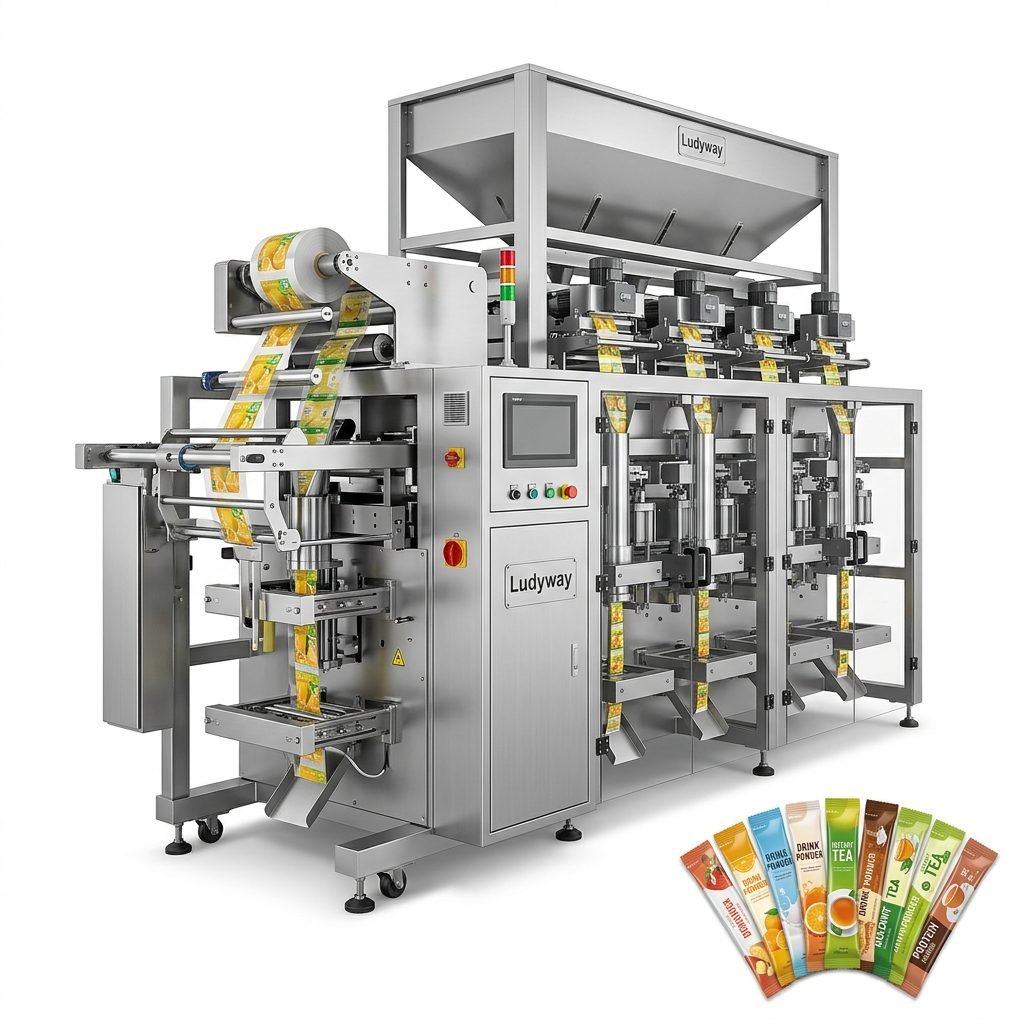
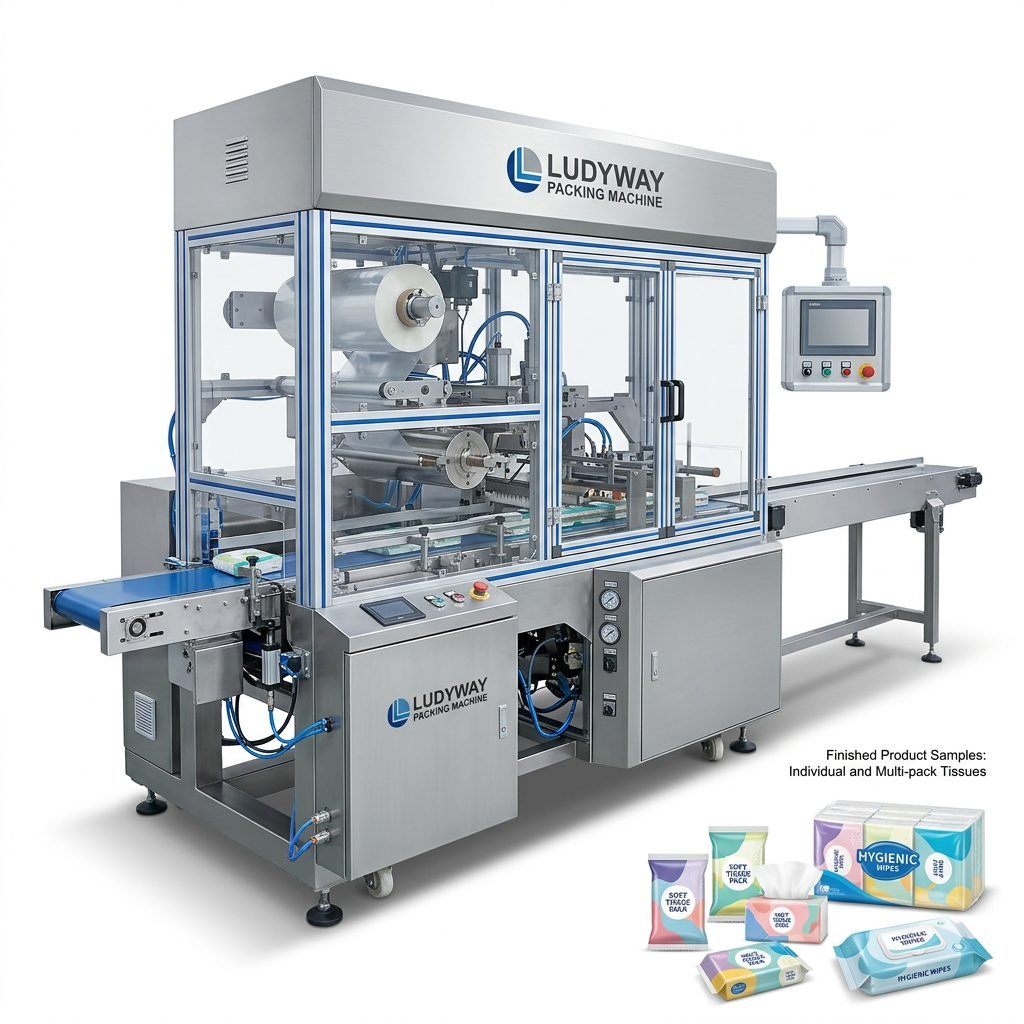
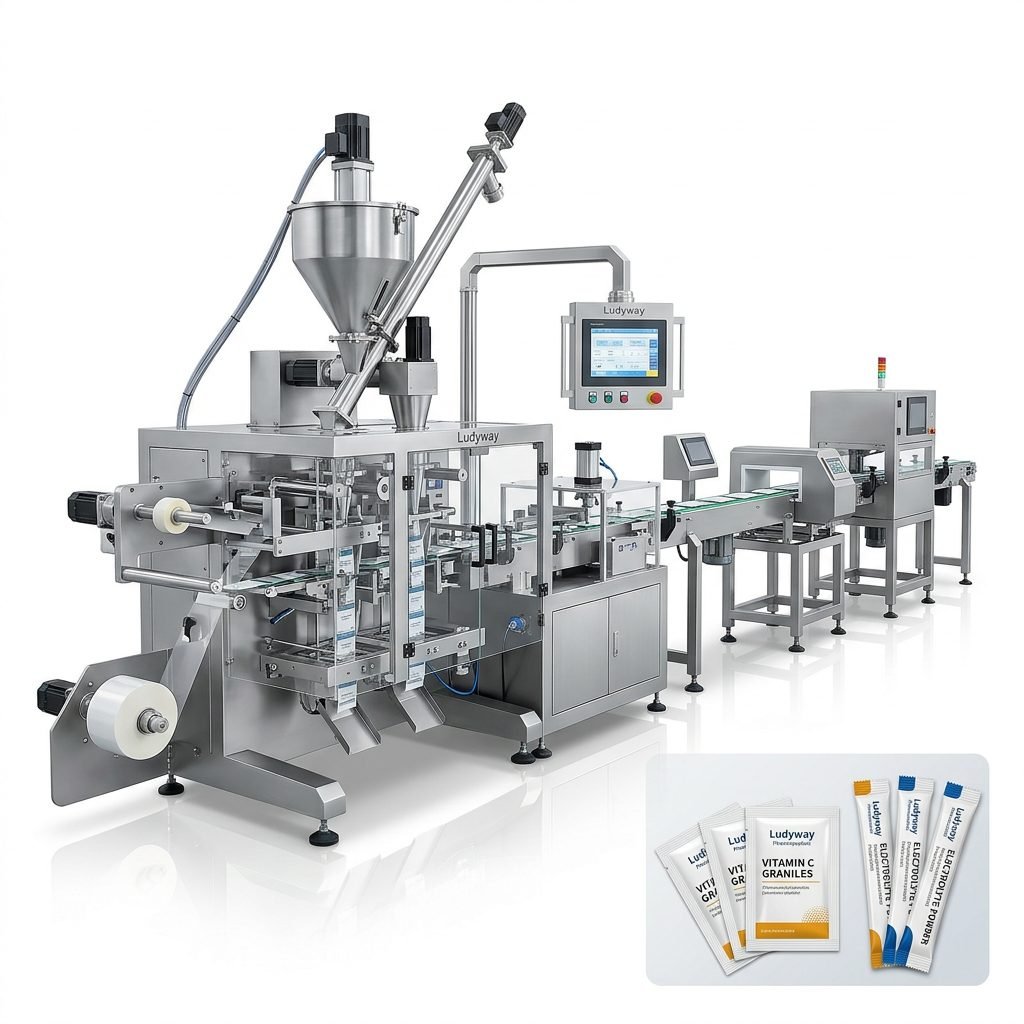
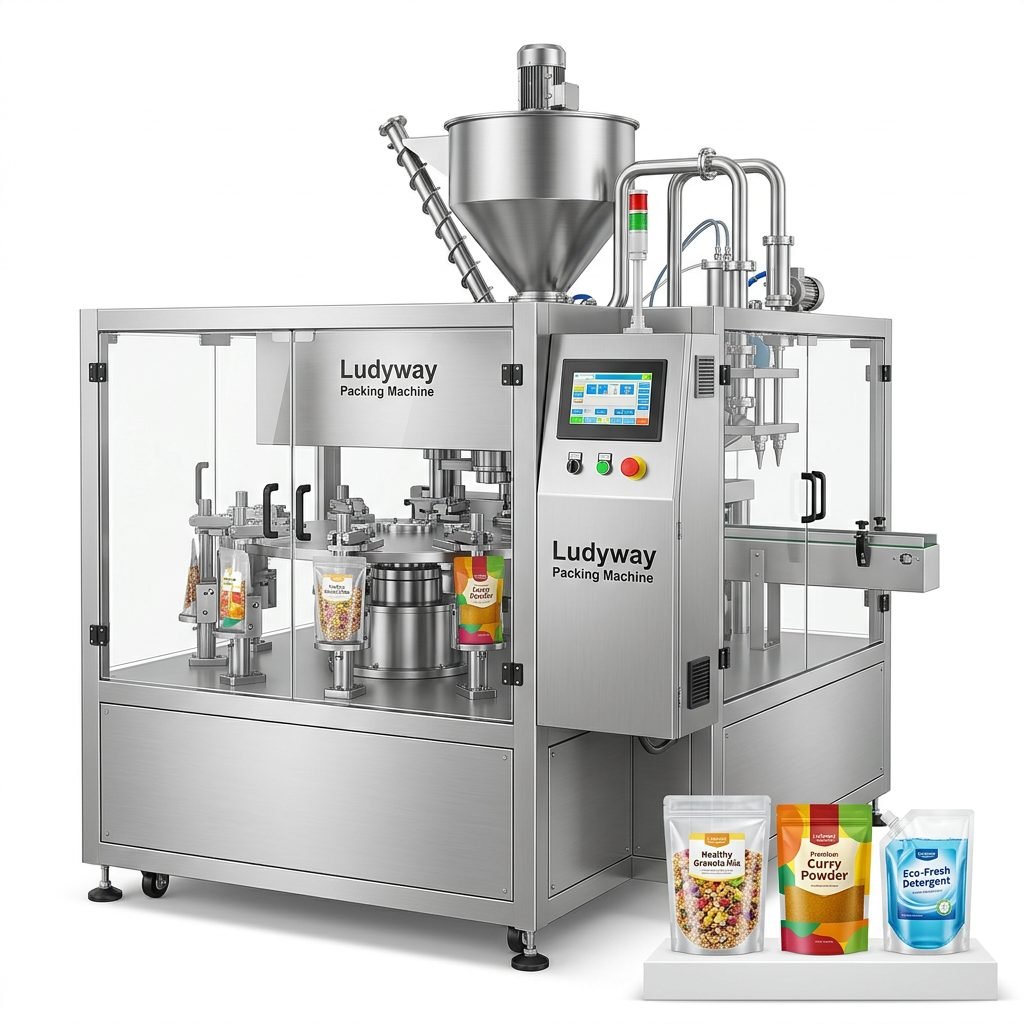
Investing in a plastic pouch packing machine is a significant decision for any manufacturer. The right equipment can streamline your production line, reduce labor costs, and improve packaging consistency. The wrong choice, however, can lead to operational bottlenecks, excessive downtime, and poor package quality that damages your brand reputation. This guide walks you through the essential factors to evaluate before making your purchase.

Understanding Your Product and Packaging Requirements
Before comparing machine specifications, you need a thorough understanding of your product characteristics and packaging goals. Every product presents unique challenges for filling, sealing, and handling. Start by asking these critical questions:
- What is the physical form of your product? Is it a free-flowing powder, a sticky granule, a viscous liquid, or a combination? Different packaging machinery types are designed for different product consistencies.
- What is your target pouch format? Are you filling stick packs, sachets, stand-up pouches, flat pouches, or gusseted bags? Each format requires specific forming, filling, and sealing mechanisms.
- What packaging material will you use? Common options include laminated films, aluminum foil, polyethylene, and biodegradable materials. The machine must be compatible with your chosen substrate.
- What are your fill volume and weight ranges? Machines have minimum and maximum dosing capacities that must align with your product specifications.
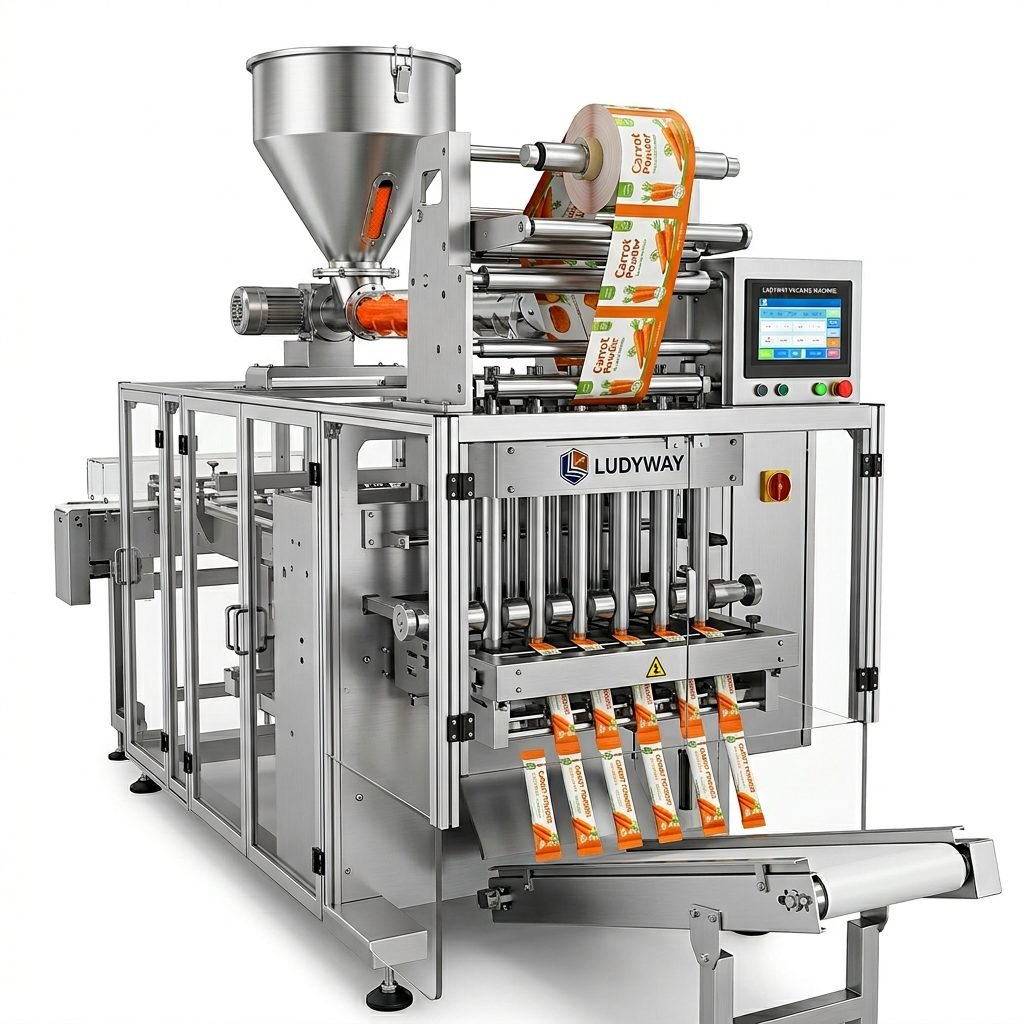
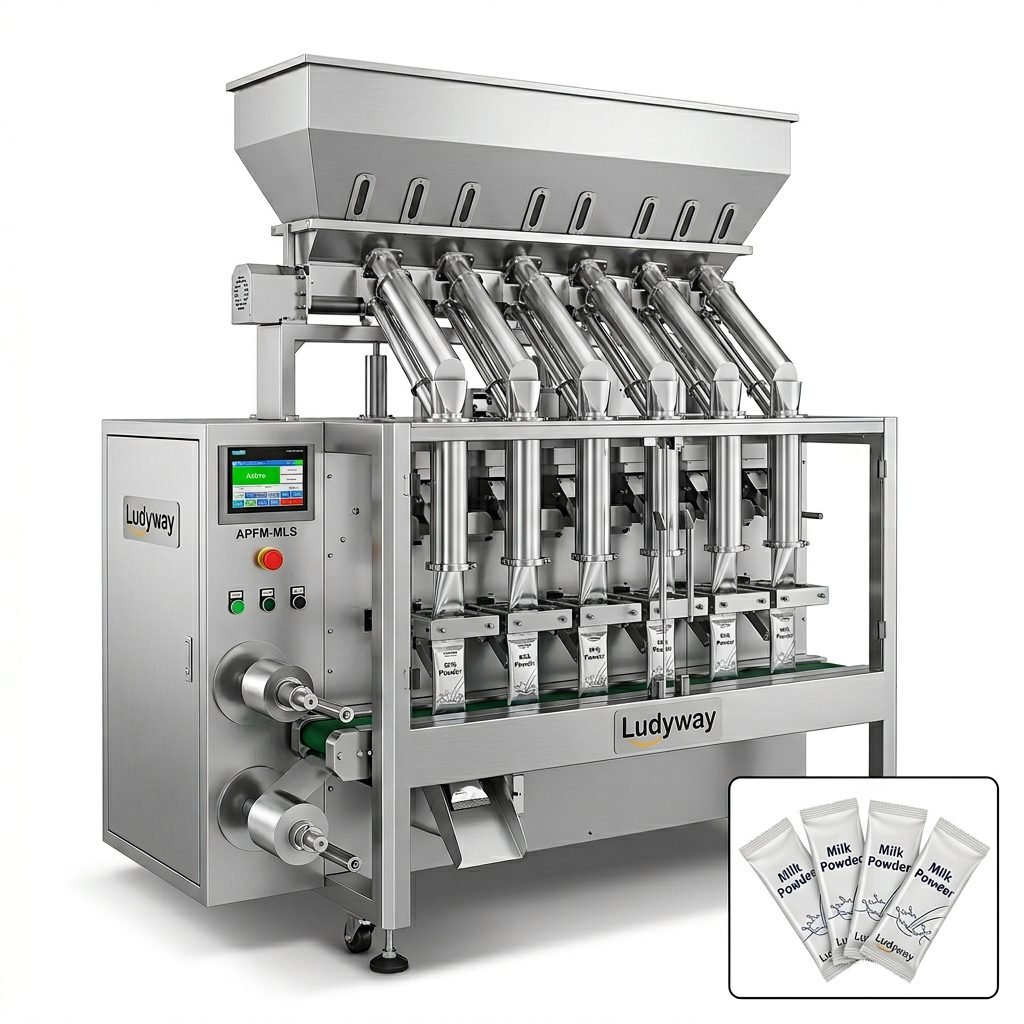
- Do you need multi-lane capability? For high-speed production of small sachets or stick packs, multi-lane machines can significantly boost output.
Types of Plastic Pouch Packing Machines
The flexible packaging industry offers various machine configurations tailored to different applications. Selecting the right type depends on your product, speed requirements, and budget.
| Machine Type | Best For | Key Advantage | Typical Speed Range |
|---|---|---|---|
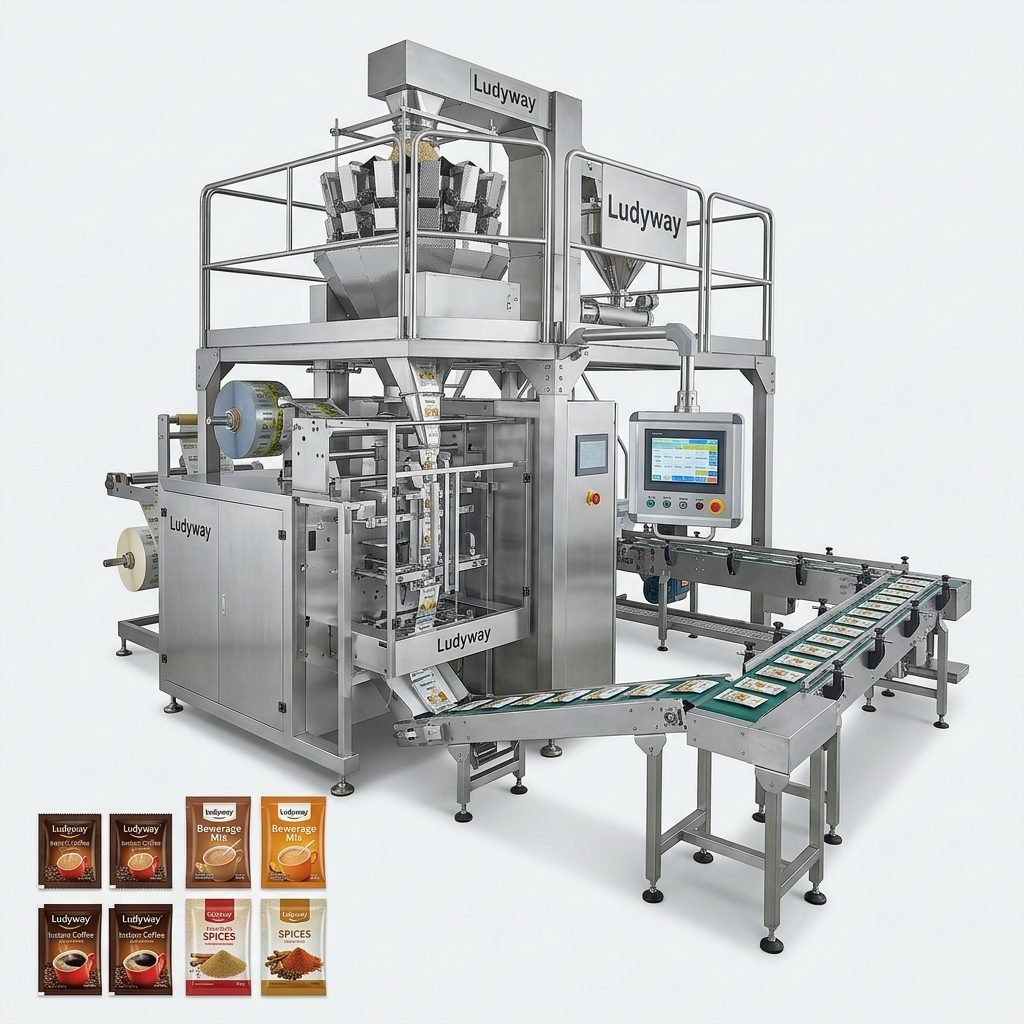
| Vertical Form Fill Seal (VFFS) | Powders, granules, snacks | Versatile and widely adopted | 30–120 pouches/min |
| Horizontal Form Fill Seal (HFFS) | Flat pouches, medical devices | Gentle product handling | 40–150 pouches/min |
| Multi-Lane Stick Pack Machine | Single-serve sachets, stick packs | High throughput with small formats | 200–600+ lanes/min |
| Pre-Made Pouch Filling Machine | Stand-up pouches, spouted pouches | Superior pouch aesthetics | 20–50 pouches/min |
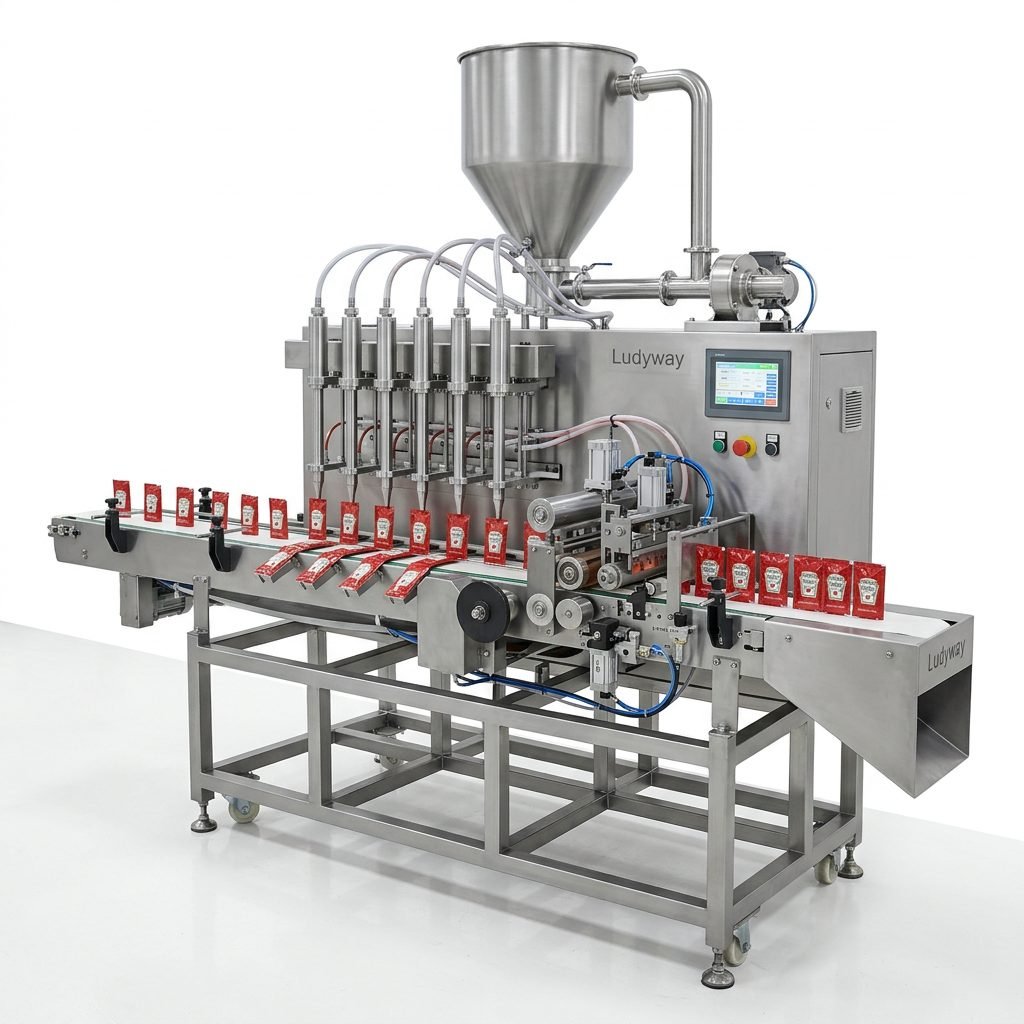
| Liquid Sachet Machine | Shampoo, sauces, oils, sanitizers | Leak-proof sealing for liquids | 40–160 pouches/min |
Critical Factors to Evaluate Before Buying
Once you have a clear picture of your product needs, evaluate each machine against these essential criteria. These factors directly impact your long-term operational efficiency and return on investment.
Filling Accuracy and Dosing Technology
Inconsistent fills lead to product giveaway, regulatory non-compliance, and customer dissatisfaction. Modern machines employ various dosing systems including auger fillers for powders, volumetric cup fillers for granules, piston fillers for liquids, and multi-head weighers for solid products. According to ISO packaging standards, precision dosing is critical for maintaining product quality. Verify the accuracy specifications for your specific product type before committing.
Production Speed and Scalability
Your current production volume is important, but you should also consider future growth. A machine operating at 80% capacity today may become a bottleneck in 18 months. Look for modular designs that allow lane additions or speed upgrades. Multi-lane configurations can multiply output without requiring additional floor space.
Sealing Integrity and Quality
The seal is the most critical component of any pouch. Poor seals cause leaks, contamination, and product spoilage. Evaluate the machine’s sealing technology—heat sealing, ultrasonic sealing, or impulse sealing—and ensure it is compatible with your packaging film. Temperature control precision and dwell time adjustment are indicators of a quality sealing system.
Material Compatibility
Not all machines handle all films equally well. Some machines struggle with thin films, metallized materials, or eco-friendly substrates. If you plan to switch to sustainable packaging materials in the future, confirm that the machine can accommodate those changes without major retrofitting.
Industry-Specific Considerations
Different industries impose unique requirements on plastic pouch packing machines. Understanding these sector-specific needs helps narrow down suitable equipment options.
- Food and Beverage: Hygiene standards such as HACCP compliance, easy-clean designs, and stainless steel construction are essential. Machines should be designed to prevent product buildup and facilitate quick changeovers between flavors or formulations.
- Pharmaceuticals: Strict regulatory oversight from bodies like the FDA requires validated processes, serialization capabilities, and comprehensive documentation. Accuracy and contamination control are paramount.
- Cosmetics and Personal Care: Aesthetic presentation matters. Machines must handle delicate pouch materials and ensure wrinkle-free seals for premium shelf appeal. Multi-product lines may require versatile filling systems.
- Chemicals and Industrial Products: Compatibility with aggressive or corrosive substances requires specialized materials. Explosion-proof configurations may be necessary for volatile products.
Evaluating Machine Build Quality and Reliability
A plastic pouch packing machine is a capital investment that should deliver consistent performance for years. When assessing build quality, pay attention to the frame construction, component sourcing, and the manufacturer’s engineering capabilities. Machines built with branded pneumatic, electrical, and control components from established industrial automation suppliers typically offer better reliability and easier spare parts availability. Experienced manufacturers like Ludyway Machinery combine in-house engineering with proven automation technology to deliver durable, production-ready equipment backed by decades of industry expertise.
Automation and Integration Capabilities
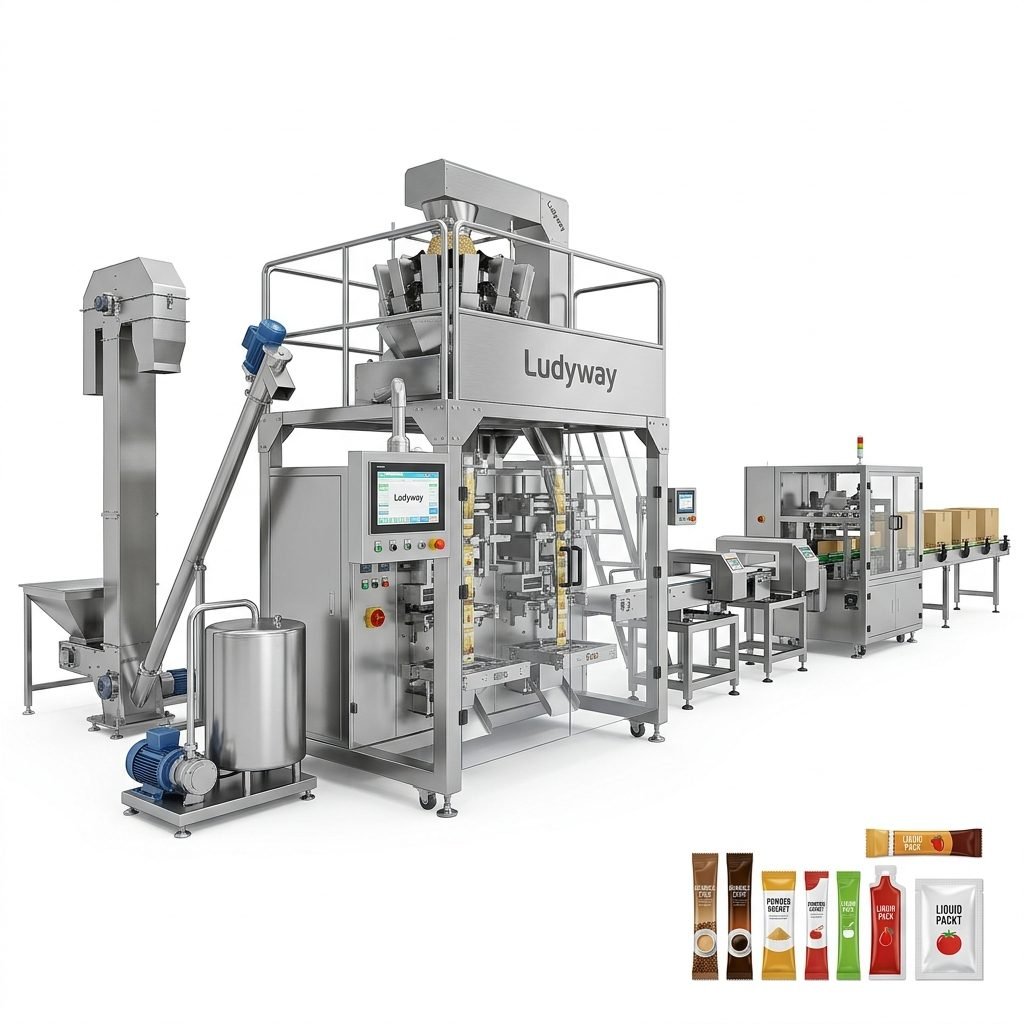
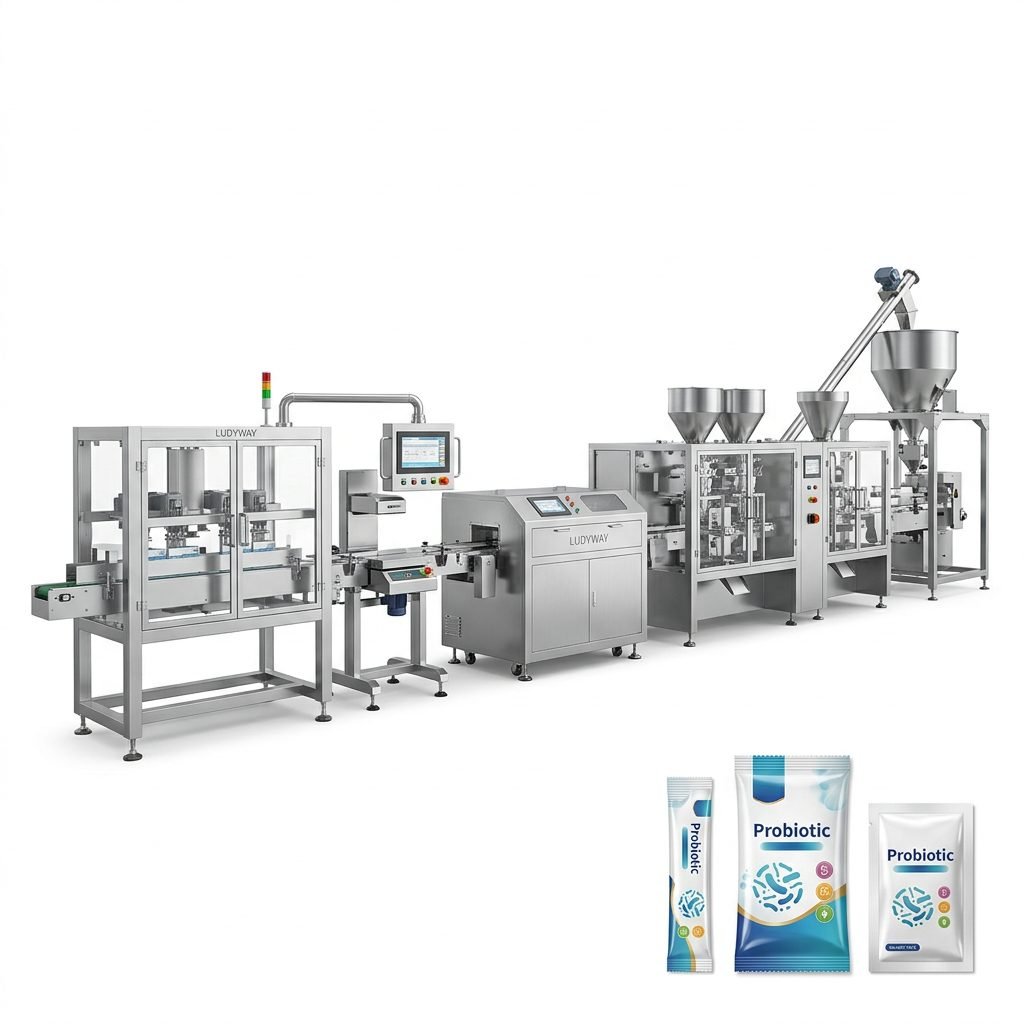
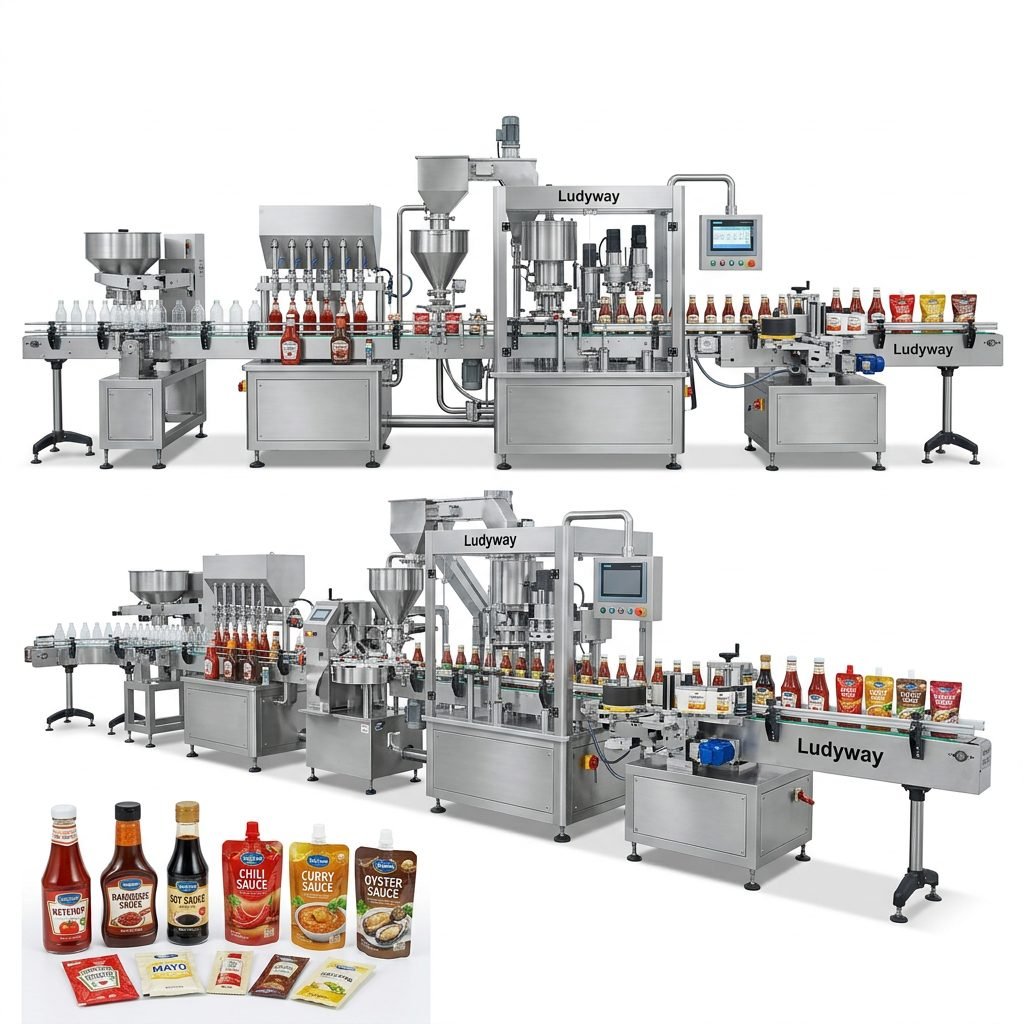
Modern packaging lines extend beyond the filling machine itself. Consider how the pouch packing machine will integrate with upstream and downstream equipment. Automated feeding systems, checkweighers, metal detectors, coding and marking units, cartoning machines, and palletizing systems can all be connected to create a seamless production line. Choosing a machine with open communication protocols and integration-ready controls simplifies future line expansions.
| Automation Level | Description | Ideal For |
|---|---|---|
| Semi-Automatic | Operator-assisted loading and unloading | Small batches, frequent product changes |
| Fully Automatic | Automated film feeding, filling, sealing, cutting | Medium to high production volumes |
| Turnkey Packaging Line | Fully integrated system from feeding to palletizing | High-volume manufacturers seeking single-source solutions |
Service, Support, and Spare Parts Availability
Even the most reliable machinery requires maintenance and occasional troubleshooting. Before purchasing, investigate the manufacturer’s service infrastructure. Key questions to ask include:
- Is there local technical support available in your region?
- What is the typical response time for remote assistance?
- Are critical spare parts stocked and readily available?
- Does the manufacturer offer operator training and installation support?
- What warranty coverage is provided?
The packaging machinery market includes manufacturers with varying levels of after-sales commitment. Prioritize suppliers that demonstrate a long-term partnership approach rather than a transactional sales model.
Total Cost of Ownership Analysis
The purchase price is only one component of the total cost. A comprehensive evaluation should account for the following factors over the machine’s expected lifespan:
- Energy consumption: More efficient machines reduce ongoing operational costs.
- Film waste: Machines with precise film tracking and minimal startup waste save material costs.
- Maintenance requirements: Easy-access designs reduce labor hours for routine servicing.
- Spare parts costs: Proprietary components can be significantly more expensive over time.
- Downtime impact: A slightly more expensive but more reliable machine often delivers better long-term value.
Regulatory Compliance and Certification Requirements
Depending on your industry and target markets, your packaging machine may need to meet specific packaging standards and regulations. Food-grade materials, pharmaceutical validation protocols, CE marking for European markets, and UL certification for North America are common requirements. Confirm that the manufacturer can provide appropriate documentation and that the machine design supports your compliance needs.
Making the Final Decision
Selecting the right plastic pouch packing machine requires balancing technical requirements, budget constraints, and long-term business goals. Take the time to test your actual products on the machine, visit the manufacturer’s facility if possible, and speak with existing customers about their experiences. A well-chosen machine becomes a reliable production asset that supports your business growth for years to come.
Ultimately, the best choice is one that aligns with your product characteristics, meets your production targets, integrates smoothly into your existing operations, and is backed by a committed support network. By thoroughly evaluating each of the factors outlined in this guide, you can approach your investment with confidence and clarity.