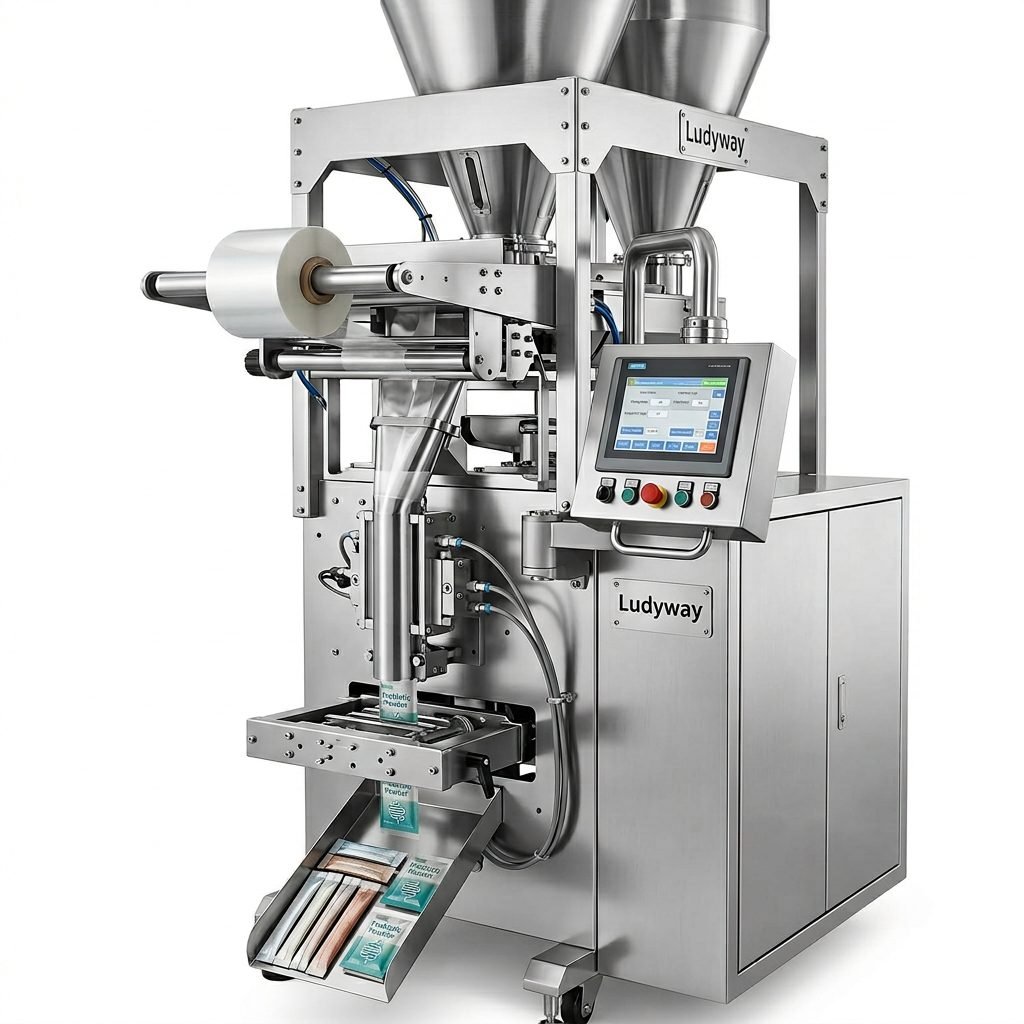
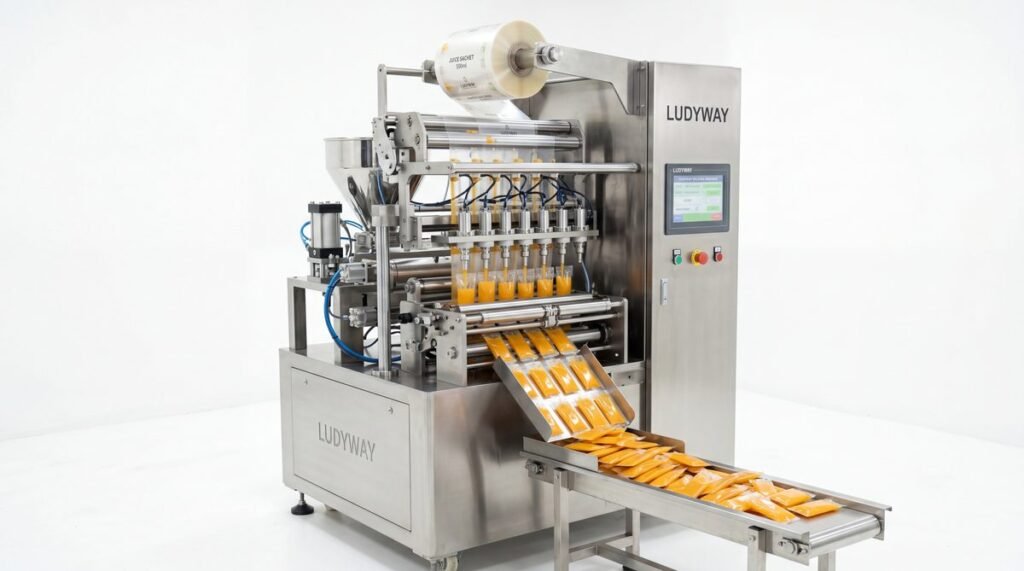
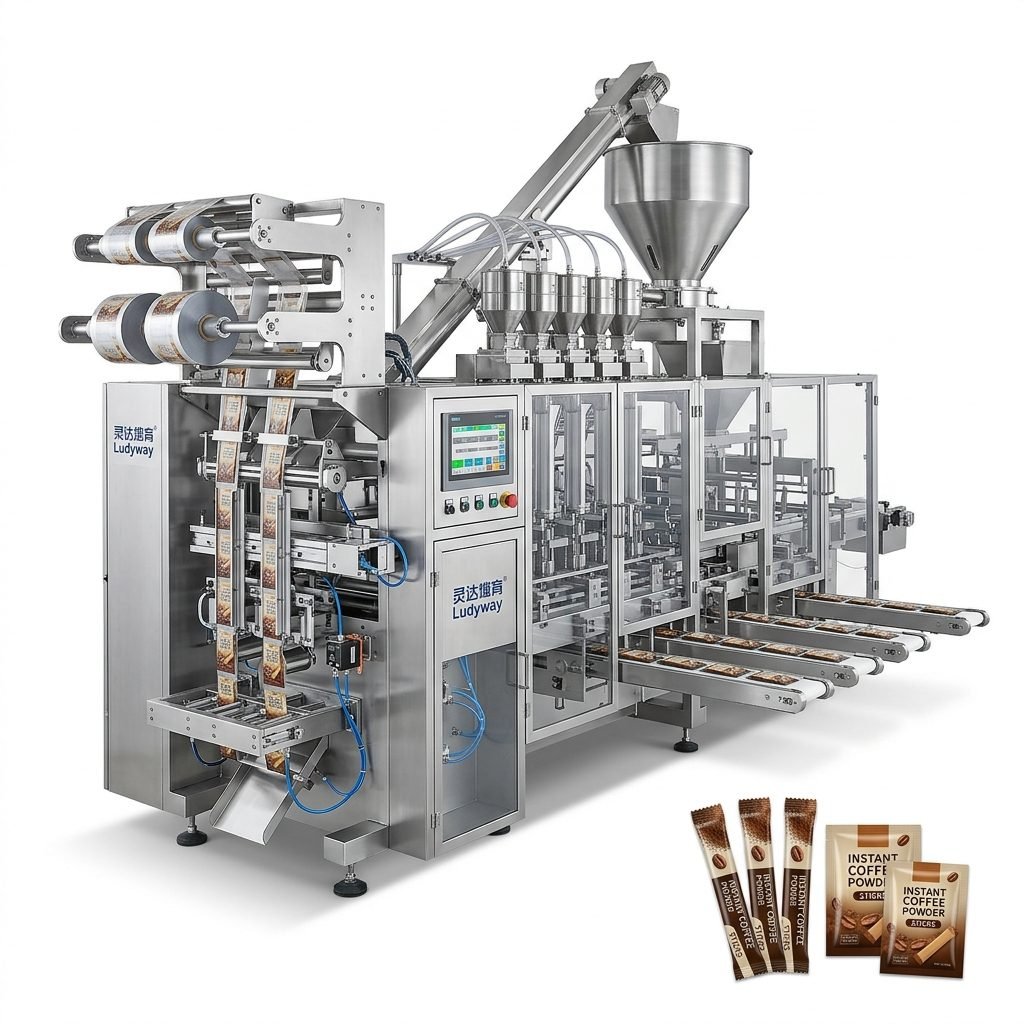
Selecting the right engine oil packing machine is a critical decision that directly impacts your production efficiency, product quality, and long-term operational costs. With a wide range of equipment available — from semi-automatic fillers to fully integrated multi-lane sachet packaging systems — understanding the key selection criteria helps manufacturers make informed investments. This guide walks you through the essential factors to evaluate when choosing an engine oil packaging solution tailored to your production needs.
Understanding Engine Oil Packaging Requirements
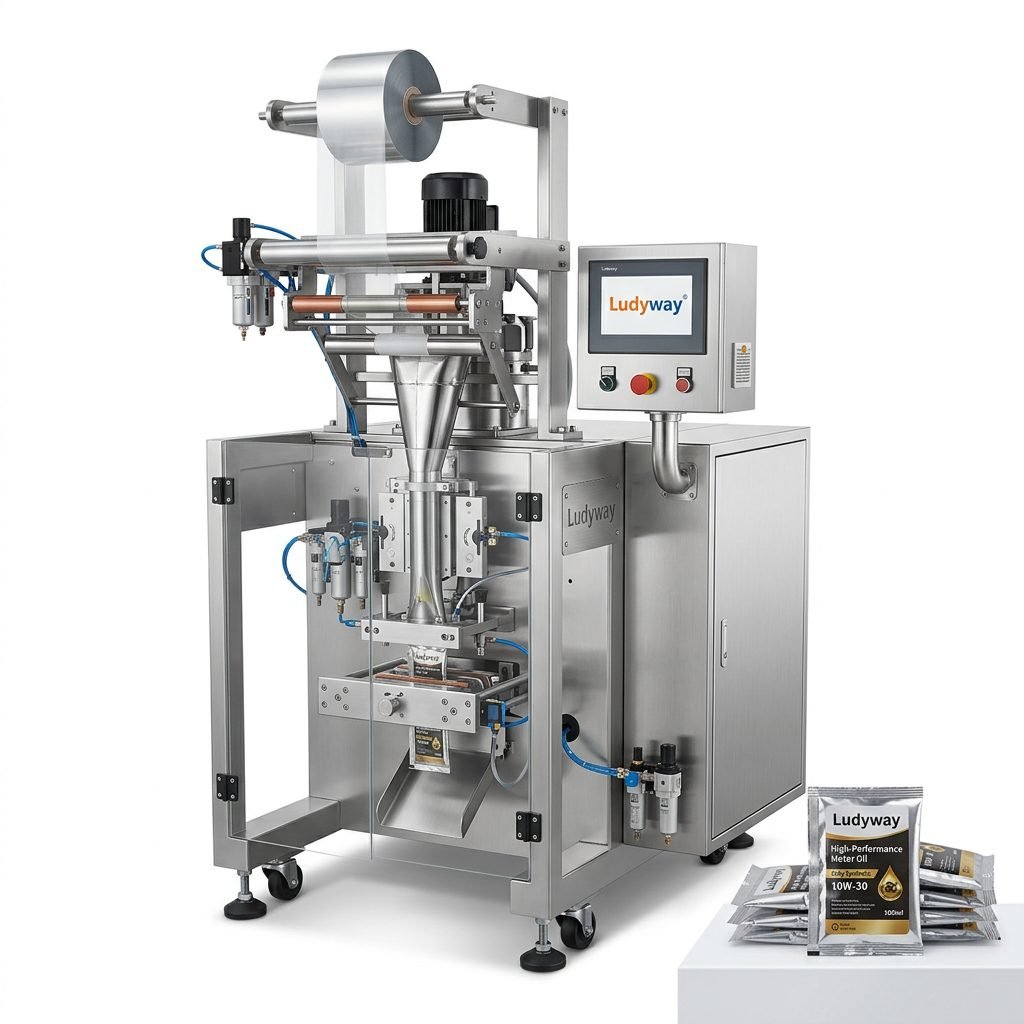
Engine oil packaging presents unique challenges compared to other liquid products. The viscosity range of engine oils — from low-viscosity 0W-20 to heavier 20W-50 formulations — requires filling systems capable of handling varying flow characteristics without compromising accuracy. Additionally, packaging formats for engine oil continue to diversify, with sachet packs, stick packs, and multi-lane pouches gaining significant market share alongside traditional bottles and jerry cans.
According to industry data from the PMMI Packaging Machinery Market Research, flexible packaging formats are growing at a faster rate than rigid containers across the lubricants sector. This shift means manufacturers must evaluate machinery that can accommodate both current and future packaging demands.
Key Factors to Consider When Choosing an Engine Oil Packing Machine
1. Filling Technology and Accuracy
The heart of any engine oil packing machine is its filling mechanism. Piston fillers, servo-driven pumps, and flow meter systems each offer distinct advantages depending on your target fill volume and viscosity range. For small-format sachets (typically 5ml to 50ml), high-precision piston or servo filling systems deliver the accuracy needed to minimize product giveaway while maintaining regulatory compliance.
ISO standards for packaging, outlined by the ISO Packaging Standards framework, recommend fill accuracy tolerances that should guide your equipment specifications. Modern multi-lane machines can achieve accuracy within ±0.5% for consistent liquid products like engine oil.
2. Production Speed and Capacity Requirements
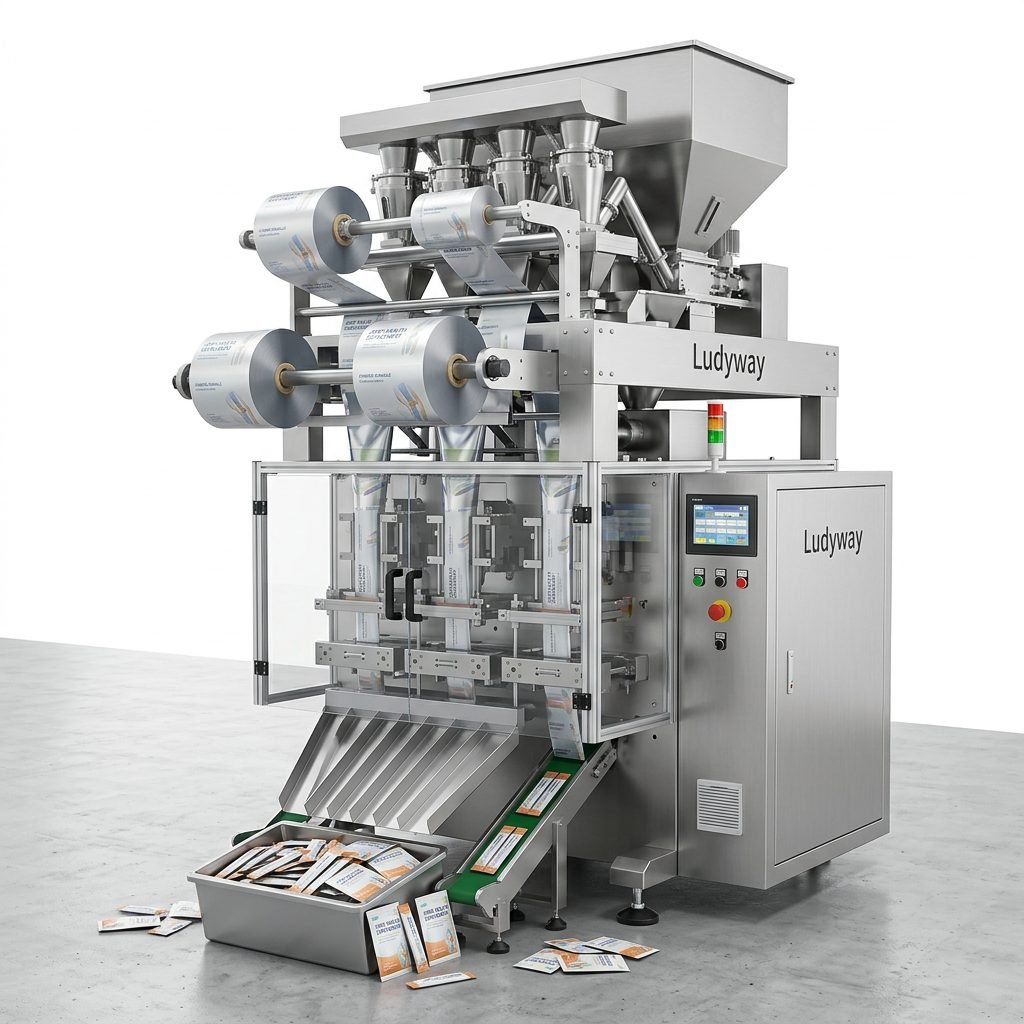
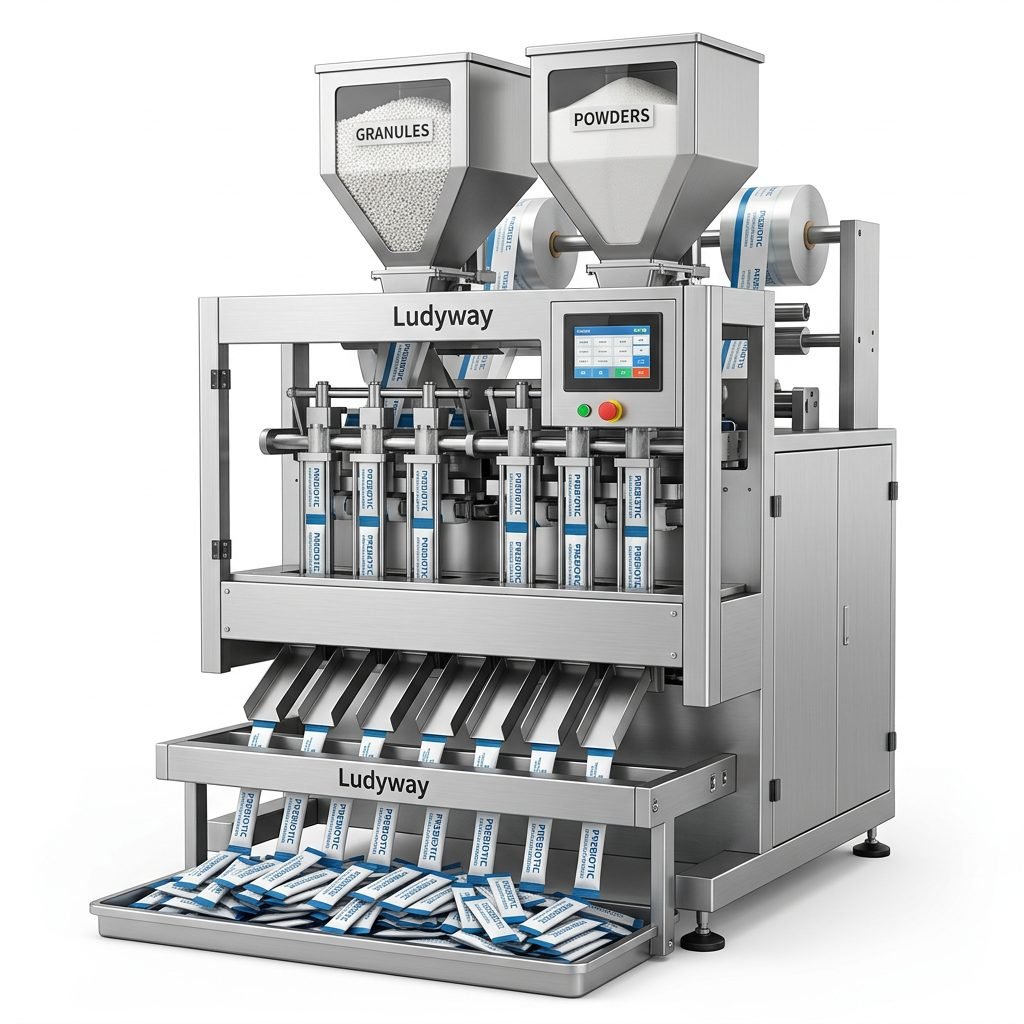
Your current and projected output volumes should drive machine selection. Multi-lane stick pack machines can produce anywhere from 200 to over 1,000 sachets per minute depending on lane count, film specifications, and fill volume. Single-lane machines typically operate at lower speeds but offer greater flexibility for changeovers and smaller batch production.
- Low-volume production (under 50,000 sachets/day): Single or dual-lane machines may suffice
- Mid-volume production (50,000–200,000 sachets/day): 4–6 lane configurations provide optimal throughput
- High-volume production (200,000+ sachets/day): 8–12 lane systems deliver maximum efficiency
3. Packaging Format Compatibility
Engine oil is increasingly packaged in single-use sachets and stick packs for emerging markets and convenience-oriented consumers. Your machine should support the specific bag formats, sealing patterns, and film materials required for your target market. Key format considerations include:
- Sachet dimensions and seal configurations (3-side seal, 4-side seal, center seal)
- Compatibility with barrier films that protect against oil degradation
- Tear-notch and perforation options for consumer convenience
- Multi-format flexibility if you package multiple oil grades or related products
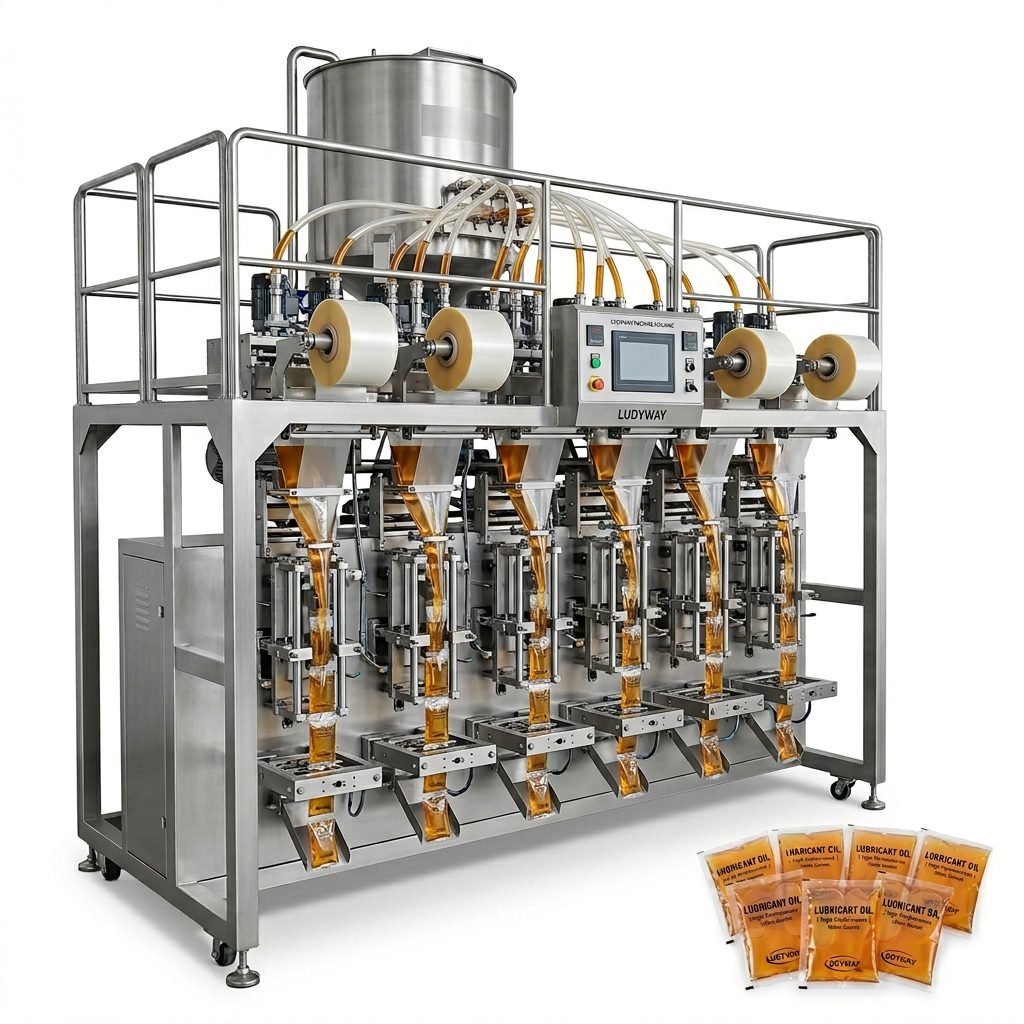
4. Material Compatibility and Viscosity Handling
Engine oil formulations vary significantly, and your packing machine must handle the full viscosity spectrum of your product range. Heated filling systems may be necessary for high-viscosity oils to maintain consistent flow rates. Additionally, all product-contact surfaces should be compatible with petroleum-based and synthetic lubricants to prevent corrosion, contamination, or material degradation over time.
Machine Types Comparison
| Machine Type | Best For | Speed Range | Key Advantage |
|---|---|---|---|
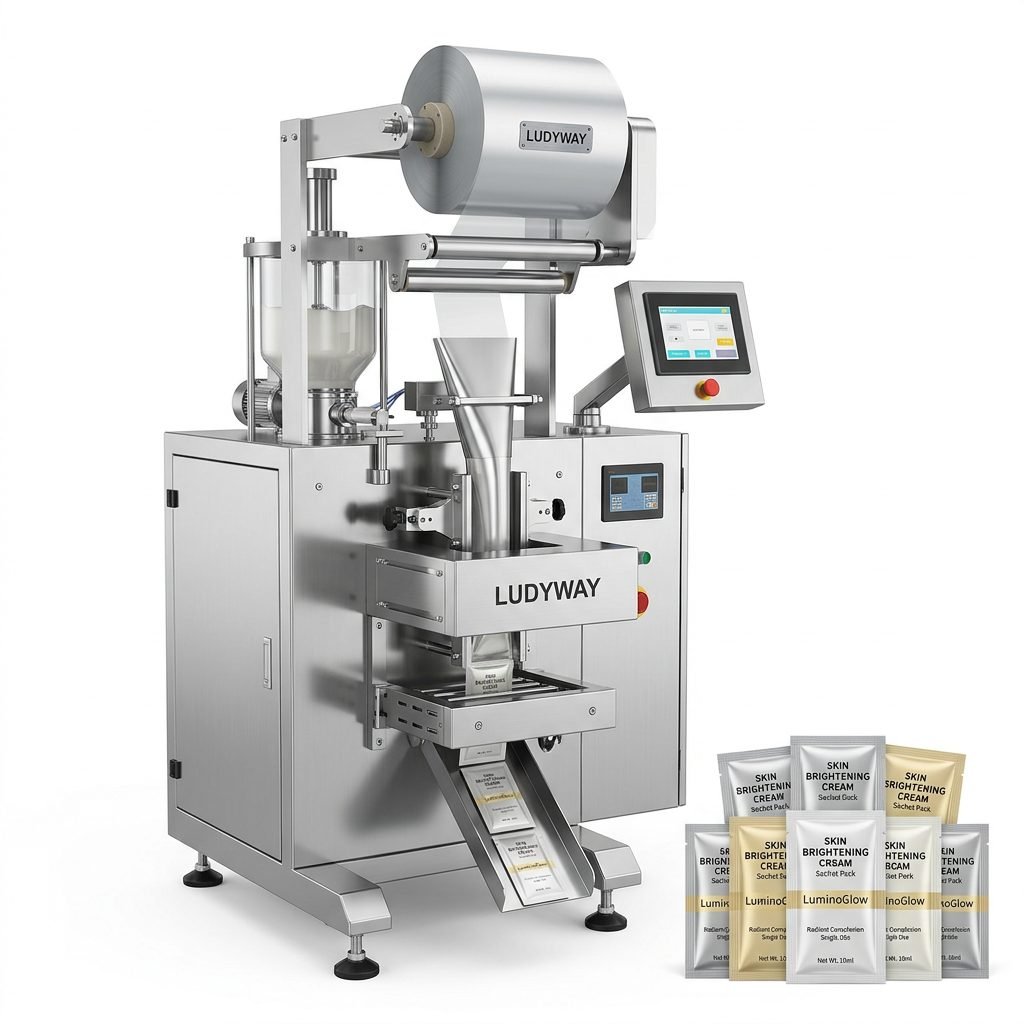
| Single-Lane Sachet Machine | Small to medium batches, frequent changeovers | 40–80 packs/min | Lower investment, high flexibility |
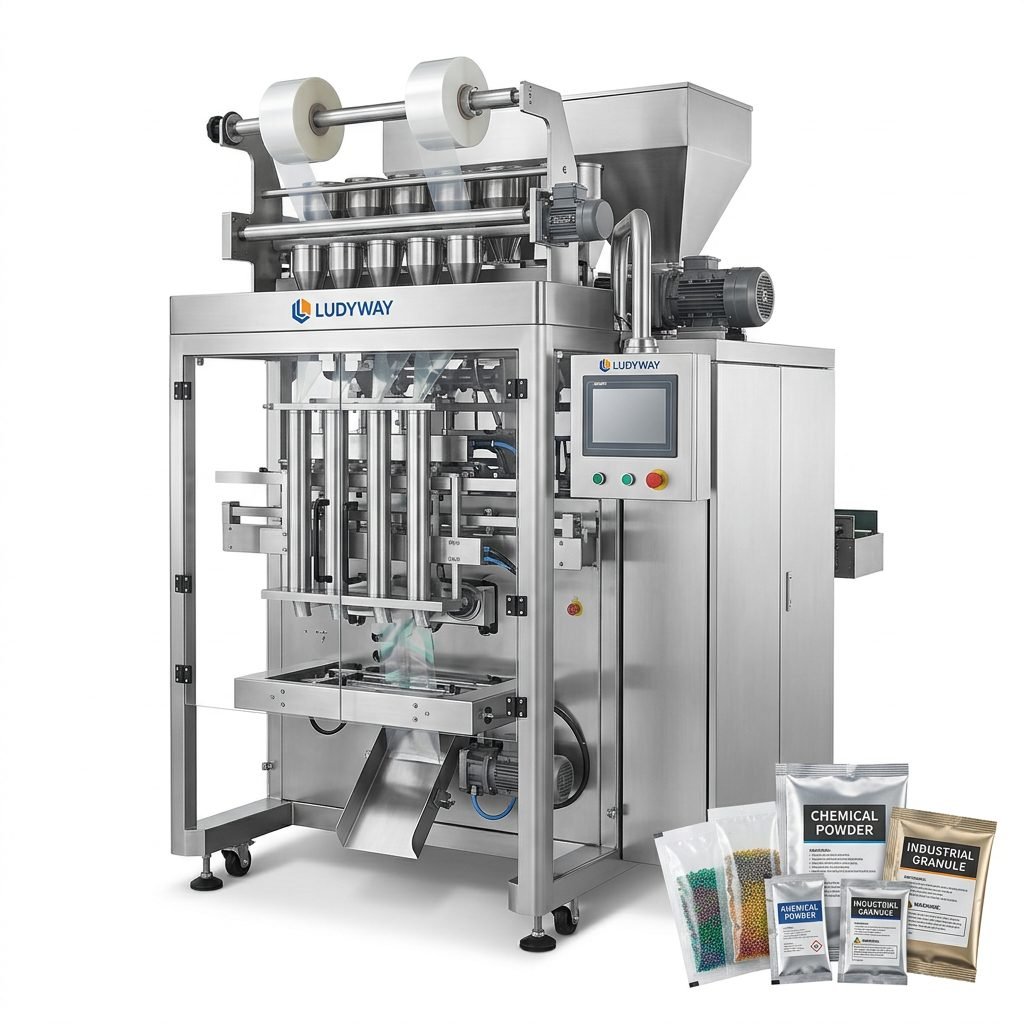
| Multi-Lane Stick Pack Machine (4–6 lanes) | Mid-volume production, consistent formats | 200–500 packs/min | Balanced speed and cost efficiency |
| Multi-Lane Stick Pack Machine (8–12 lanes) | High-volume dedicated production | 600–1,200+ packs/min | Maximum throughput, lowest per-unit cost |
| Rotary Liquid Filling System | Bottle and jerry can filling | 30–100 bottles/min | Versatile container handling |
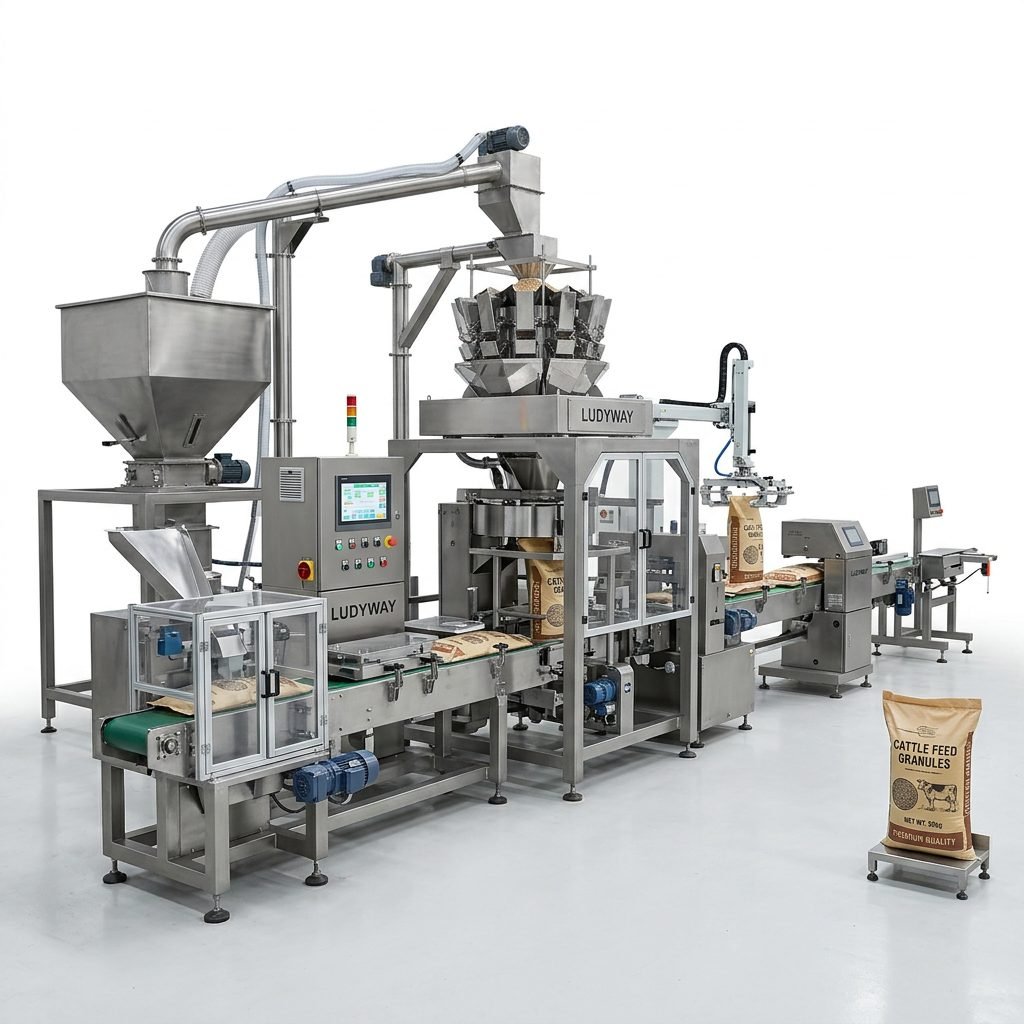
| Integrated Turnkey Packaging Line | Full automation from filling to cartoning | Custom configured | End-to-end production efficiency |
Automation Level and System Integration
The degree of automation directly affects labor requirements, consistency, and overall equipment effectiveness. Modern engine oil packaging lines can integrate multiple functions beyond filling and sealing, including automatic feeding systems, date coding, quality inspection, cartoning, and palletizing. When evaluating automation options, consider how the machine will integrate with your existing production infrastructure.
The Flexible Packaging Association highlights that integrated packaging lines reduce manual handling errors and improve traceability — both critical factors for lubricant manufacturers serving regulated markets.
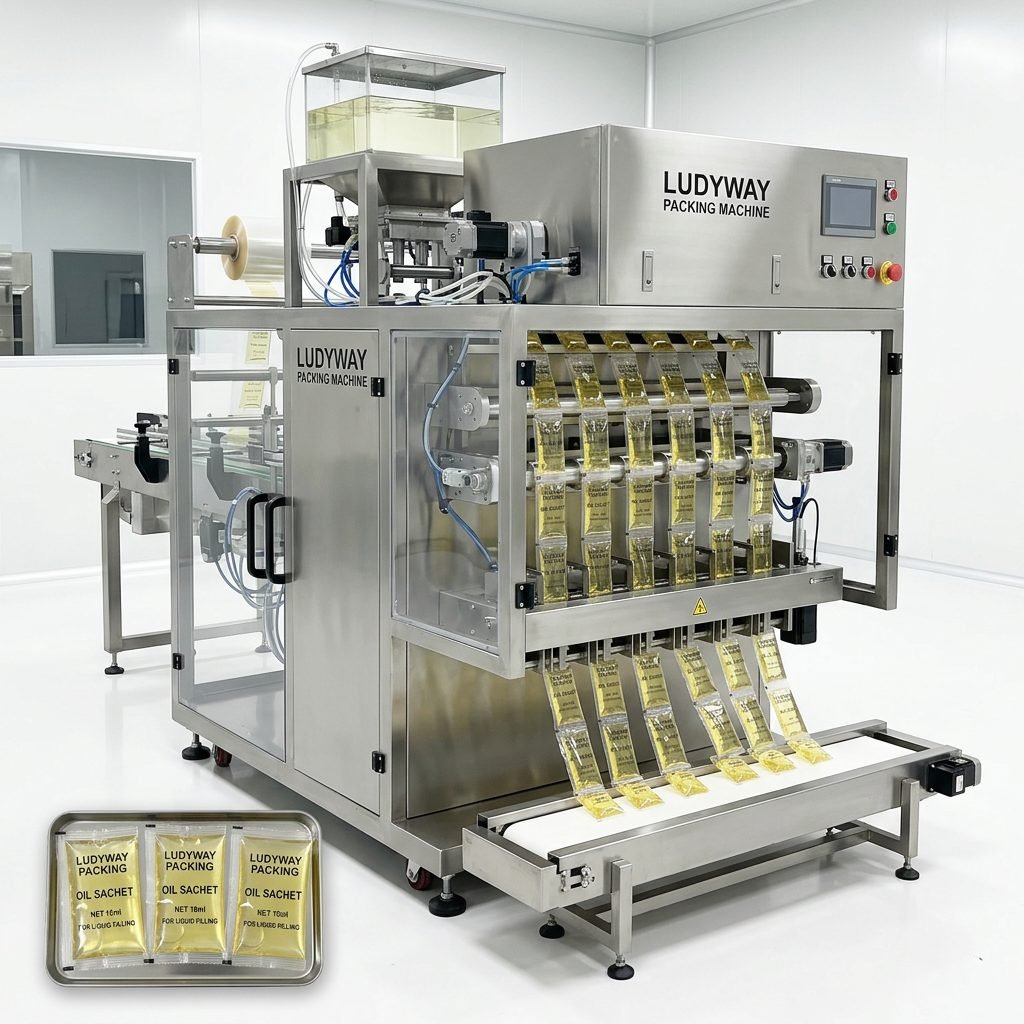
Quality Standards and Regulatory Compliance
Engine oil packaging machinery should comply with relevant international standards for food-grade and industrial liquid packaging. Depending on your target markets, certifications such as CE, UL, or FDA-compliant materials may be required. Key quality considerations include:
- GMP compliance for pharmaceutical or food-grade lubricant applications
- Material traceability and certification documentation
- Clean-in-place (CIP) capability for product changeovers
- Safety features including emergency stops, guarding, and interlocks
After-Sales Support and Technical Service
The availability of comprehensive after-sales support significantly influences long-term equipment performance. Before purchasing, evaluate the manufacturer’s capability in providing installation assistance, operator training, troubleshooting support, and spare parts availability. Remote technical assistance has become increasingly valuable for minimizing downtime in international operations.
Cost Considerations and Return on Investment
While initial purchase price is important, total cost of ownership provides a more accurate picture of long-term value. Factor in energy consumption, spare parts costs, maintenance frequency, expected service life, and the cost of production downtime. A machine with a higher upfront investment but superior reliability and throughput often delivers better ROI over its operational lifetime.
Making the Right Choice for Your Production
Choosing the right engine oil packing machine requires balancing production volume, packaging format, viscosity requirements, automation goals, and budget. Manufacturers should work with experienced packaging machinery partners who can evaluate specific product characteristics and recommend appropriate equipment configurations rather than relying solely on standardized off-the-shelf solutions.
For manufacturers seeking a reliable partner in packaging automation, Ludyway Machinery offers over 30 years of experience in developing customized packaging solutions, with a portfolio spanning more than 50 machine models configured for diverse liquid and powder applications. The company’s engineering team provides comprehensive support from machine selection through installation, commissioning, and ongoing technical service — helping manufacturers achieve efficient, scalable, and consistent packaging operations. For more insights on packaging machinery trends, read about Ludyway’s global growth trajectory and industry developments.