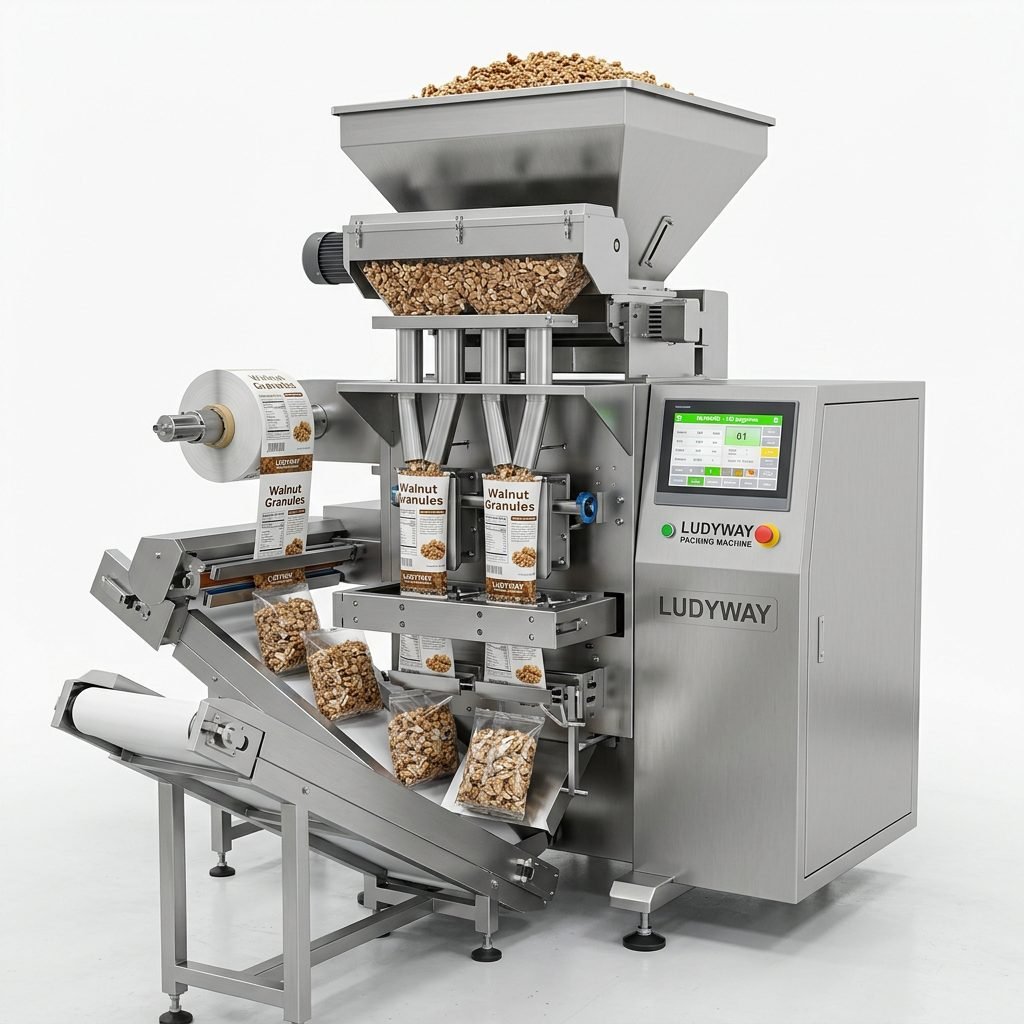
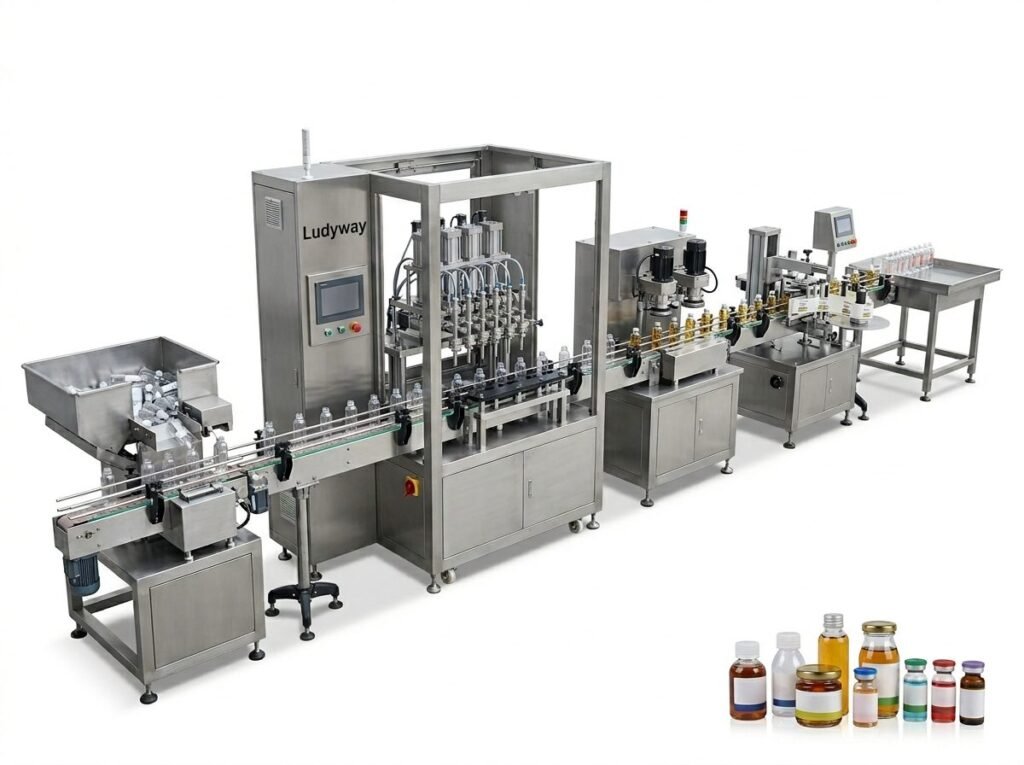
Selecting the right mushroom tray packing machine is a critical investment decision for growers, packers, and distributors operating in the fresh produce sector. Unlike generic packaging equipment, mushroom handling demands gentleness, precise airflow control, and compatibility with specific tray formats. Whether you are upgrading manual packing lines or building a fully automated facility, understanding key performance factors ensures you choose equipment that protects product quality while maximizing throughput.
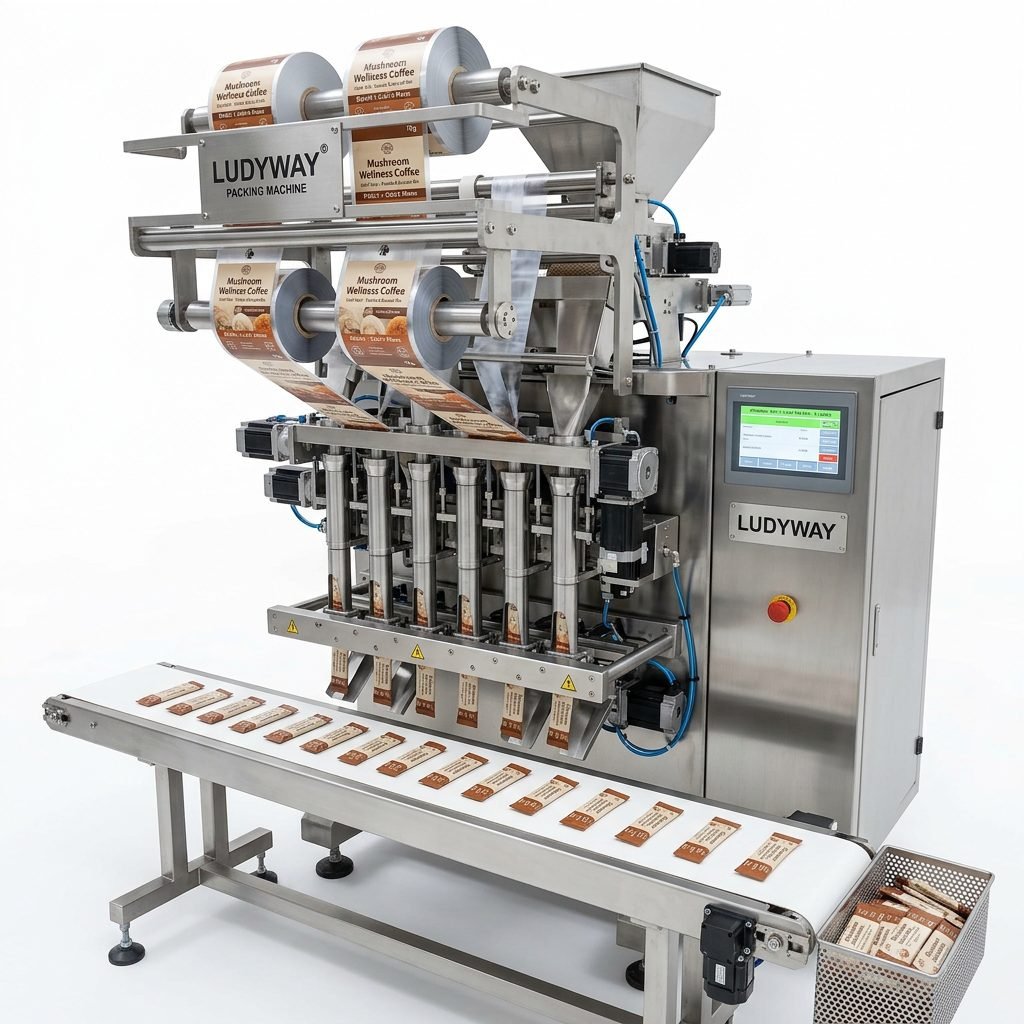
Understanding Mushroom Tray Packing Requirements
Mushrooms are highly perishable and delicate. The ideal packing process must protect them from bruising, control respiration rates, and maintain cold chain integrity. A purpose-built mushroom tray packaging machine typically integrates several stages: tray denesting, precise filling/weighing, film wrapping, and labeling. Depending on your species—whether common white button, portobello, shiitake, or oyster—the physical handling mechanisms must be configured differently to prevent stem damage and cap abrasion.
Material Compatibility and Tray Styles
Modern mushroom packaging uses a variety of materials including rPET, pulp fiber, and polypropylene. The machine must handle these rigid or semi-rigid trays without warping. Overwrapping films—typically micro-perforated or anti-fog—require precise tension control to avoid crushing the product while maintaining a clear view for consumers. Flow-wrapping stations on mushroom tray packing machines should deliver consistent seal integrity without leaving loose film tails that jam downstream conveyors.
Key Selection Criteria for Long-Term Performance
Investing in the right equipment goes beyond basic specifications. The following criteria define how well a machine integrates into daily operations and scales with market demand. As detailed in the 2026 State of the Industry report from PMMI, automated fresh produce packaging continues to grow rapidly, demanding flexible machinery platforms.
1. Speed and Output Throughput
Production demands vary widely between a small regional farm and a national supplier. Machines are generally classified into low-speed (up to 20 trays per minute), mid-speed (20–40 trays per minute), and high-speed lines (40+ trays per minute). However, speed should never compromise product care. Look for servo-driven motion control that allows adjustable acceleration and deceleration profiles for gentle placement.
2. Weighing Accuracy and Filling Systems
Giveaway minimization directly impacts profitability. Modern mushroom tray packing machines utilize multi-head weighers or linear combination scales with specialized mushroom-friendly surfaces. Key factors include:
- Piece-count precision: Ensures consistent product presentation and net weight compliance.
- Gentle transfer hoppers: Shallow drop distances prevent stem breakage during filling.
- Automatic feedback correction: Adjusts fill volumes in real-time to maintain target weights as mushroom sizes fluctuate.
3. Automation Integration and Layout Flexibility
Consider how the machine connects to upstream and downstream equipment. A complete line might include bulk bin dumpers, grading conveyors, the packing machine, metal detection, checkweighing, and case packing. According to resources from the Flexible Packaging Association, integrated systems reduce labor costs significantly. Ensure the control architecture (PLC) supports standard communication protocols for seamless factory-floor networking.
4. Hygiene Design and Washdown Compliance
Mushroom packing environments are typically wet and organic. Equipment must withstand daily washdown routines. Protection against moisture ingress is non-negotiable. Look for IP65 or IP66 rated electrical enclosures, sloped surfaces that prevent water pooling, and stainless-steel construction (preferably 304 or 316 for coastal or highly acidic environments). Quick-release guarding and tool-less belt removal drastically reduce sanitation labor hours.
Comparing Machine Configurations and Features
Not all mushroom tray packing machines are created equal. Below is a comparative feature table designed to help buyers identify the right configuration for specific production scenarios. Note that USDA or EU-compliant hygienic models carry higher upfront costs but provide significant long-term benefits in food safety compliance.
| Feature | Standard Mechanical | Servo-Driven Automated | Hygienic/Washdown |
|---|---|---|---|
| Typical Speed Range | 15–30 trays/min | 30–60 trays/min | 20–45 trays/min |
| Changeover Time | 15–30 minutes | 5–10 minutes (recipe based) | 10–15 minutes |
| Material Options | Rigid PET, standard film | All tray types, micro-perf film | Pulp, fiber, anti-fog lidding |
| Ideal Operation | Single product, medium volume | High mix, high volume | Wet washdown, high hygiene |
5. Film Wrapping and Modified Atmosphere Compatibility
Extending shelf life is paramount in the mushroom industry. While traditional overwrapping provides a basic barrier, Modified Atmosphere Packaging (MAP) in rigid trays uses gas flushing (typically elevated CO₂ and reduced O₂) to slow respiration and microbial growth. If MAP capability is required, the tray sealing station must incorporate vacuum and gas injection manifolds. Relevant ISO packaging standards provide guidance on seal integrity testing and material specifications.
6. Labeling and Traceability Integration
Retail compliance often demands top and bottom labeling with variable data such as PLU codes, barcodes, use-by dates, and country of origin. Label applicators must synchronize with tray indexing without slowing the prime throughput. Thermal transfer or direct thermal printing technologies should produce crisp, scannable codes in cold, humid packing rooms.
Evaluating Total Cost of Ownership (TCO)
Price is only one component. A comprehensive TCO analysis includes:
- Energy consumption: Servo-driven machines typically consume less power than pneumatic equivalents during idle cycles.
- Film waste minimization: Intelligent print registration and precise cut-off systems reduce scrap material, a significant ongoing cost in tray overwrapping.
- Spare parts availability: Regional stocking of critical wear components like belts, sealing jaws, and sensors minimizes downtime.
- Service and remote diagnostics: Remote VPN support reduces technician visit fees and accelerates troubleshooting.
Industry Trends and Regulatory Compliance
Sustainability mandates are reshaping packaging choices. The European Packaging and Packaging Waste Regulation pushes recyclability and reduced material use. Pulp trays and mono-layer films are increasingly popular. Mushroom tray packing machines must adapt to run thinner, more sensitive materials without tearing or wrinkling. This requires advanced film unwinding systems with controlled dancer arms and non-contact sealing technologies.
The PMMI Business Intelligence Library highlights that labor shortages continue to drive automation adoption across fresh produce operations. Machines that support quick changeovers between tray sizes and mushroom varieties allow packers to serve diverse retail specifications without idle labor.
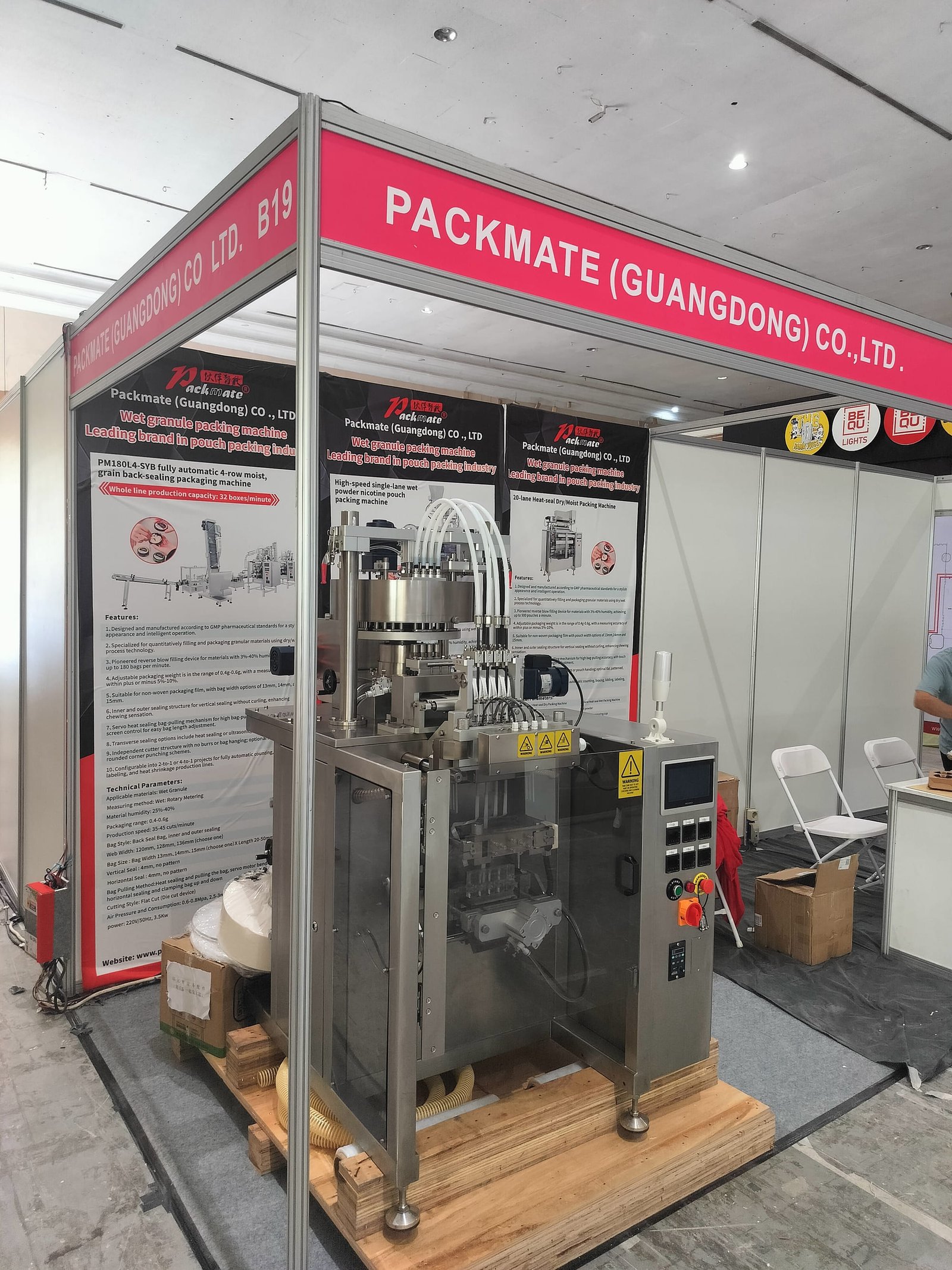
Working with an Experienced Equipment Partner
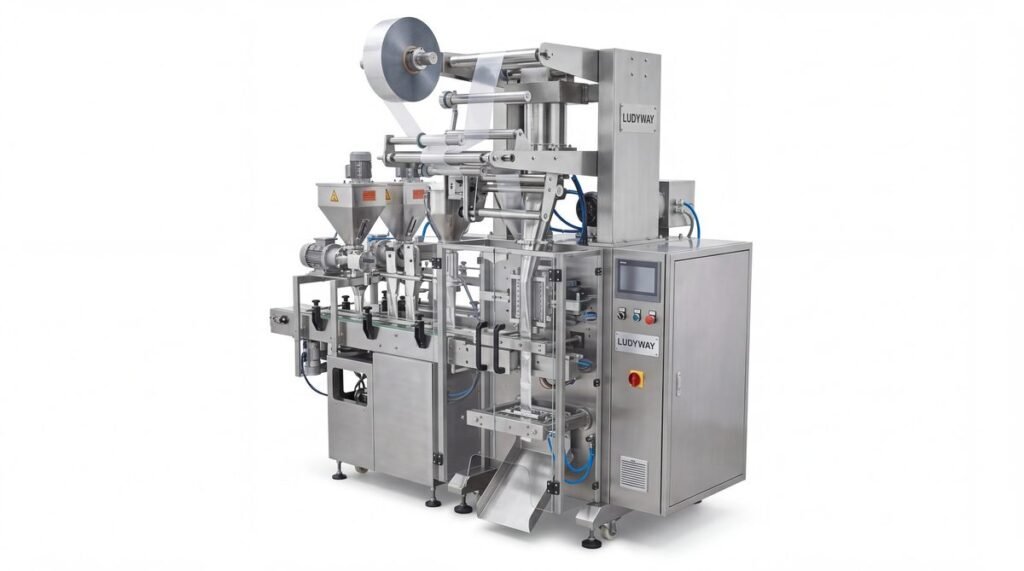
Selecting a machine goes beyond specifications—it involves working with a partner who understands application-specific engineering. Global suppliers like Ludyway Machinery combine manufacturing expertise with a focus on automated packaging lines. Their approach helps clients evaluate product characteristics, tray formats, and production goals to recommend the right configuration, from individual machines to complete turnkey lines. Before finalizing any purchase, request a detailed product run-off using your own mushroom samples and tray materials to verify performance and film compatibility. For further reading on packaging trends and machine selection, explore additional resources at PMMI’s Packaging Industry Resources or review Flexible Packaging Association’s Knowledge Hub.
Ultimately, the right mushroom tray packing machine balances precision handling, hygienic construction, regulatory compliance, and scalable automation—setting the foundation for consistent product quality, reduced giveaway, and long-term operational efficiency in a competitive fresh produce market.