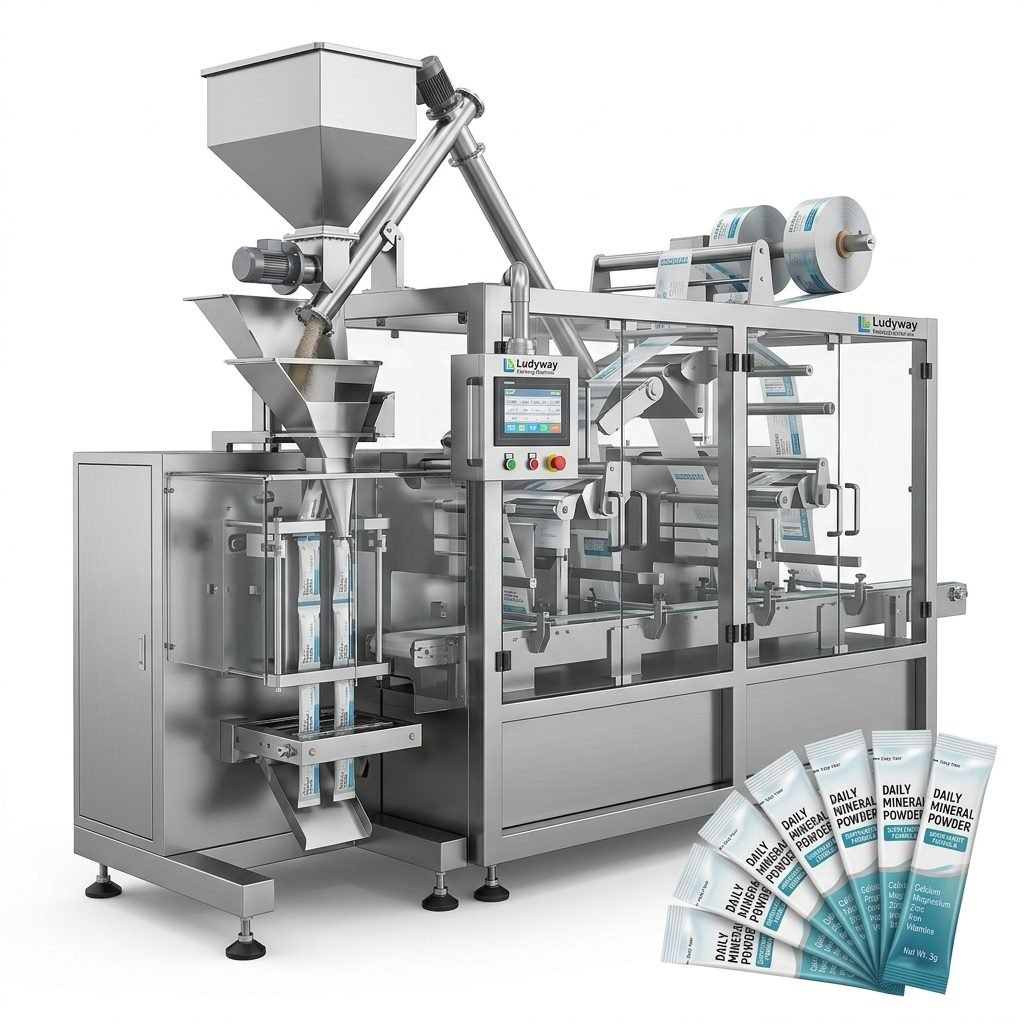
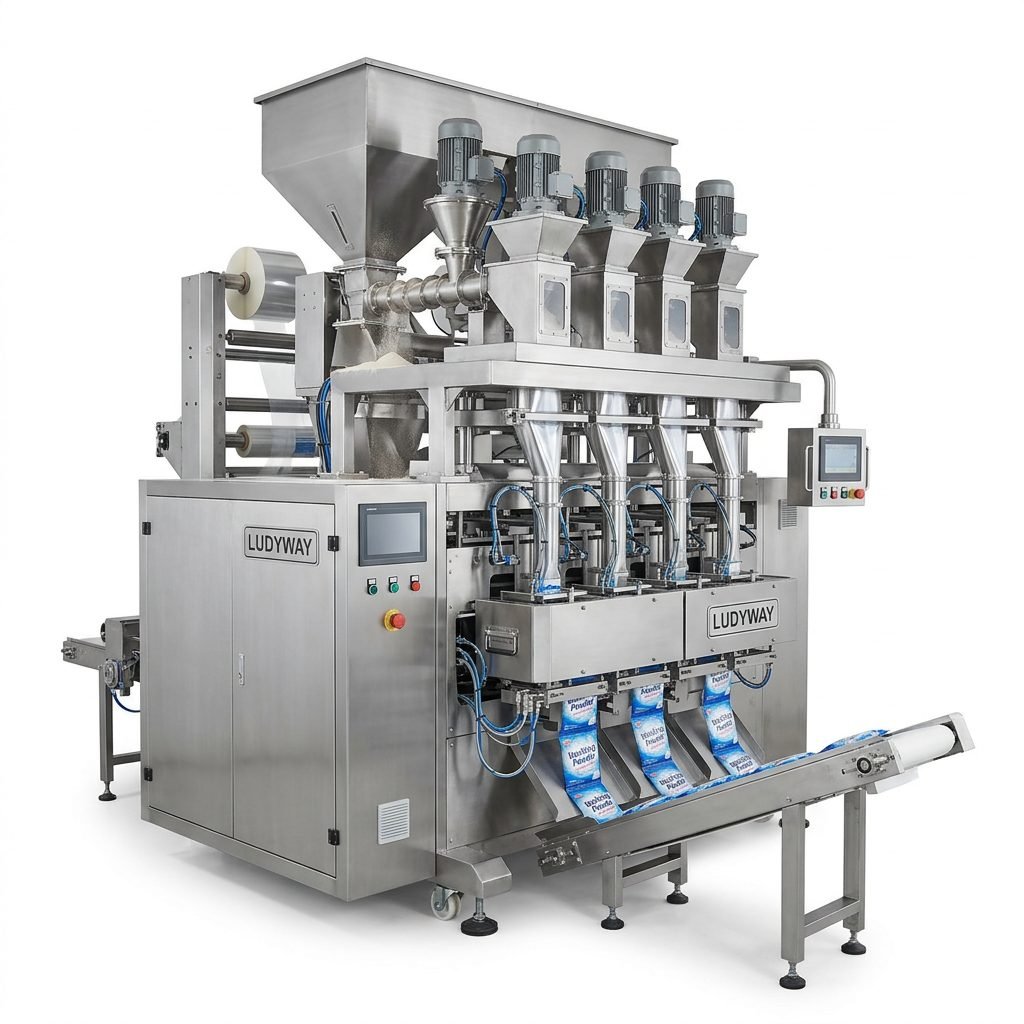
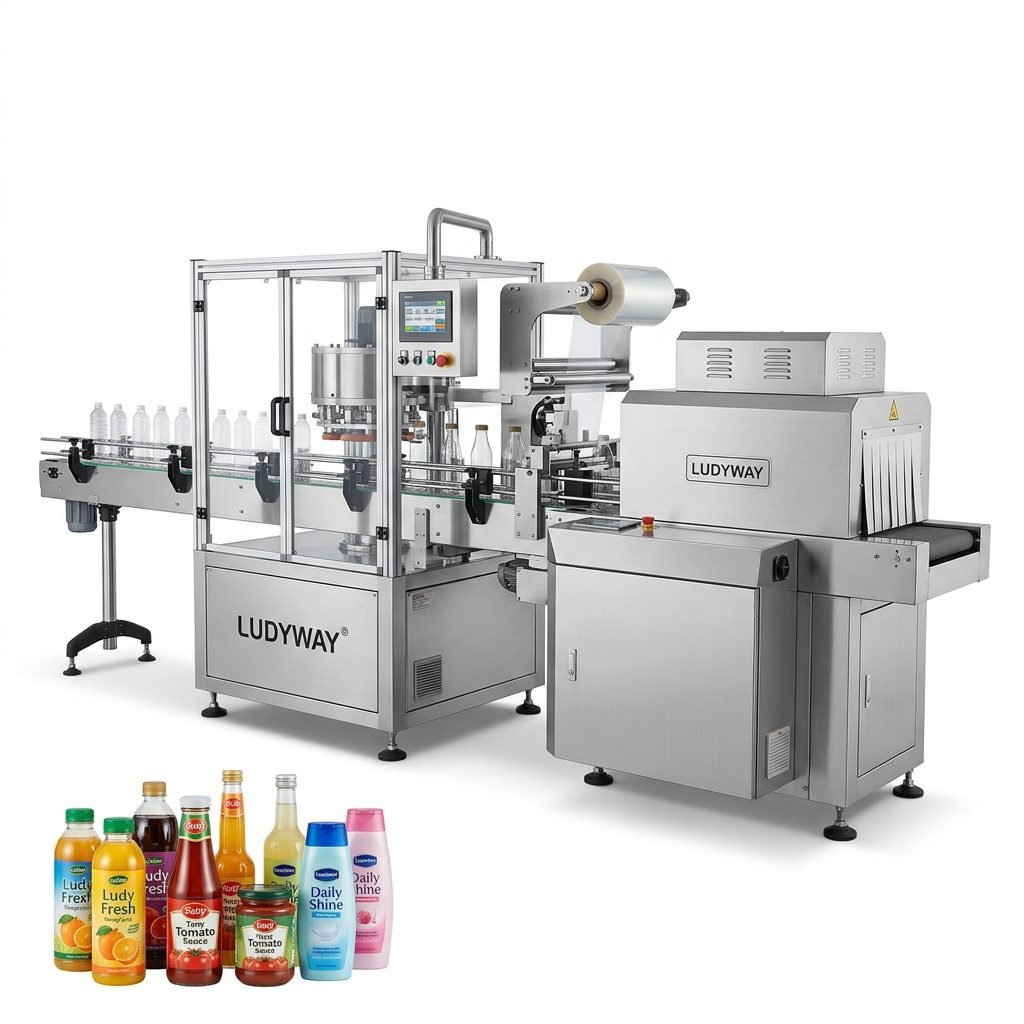
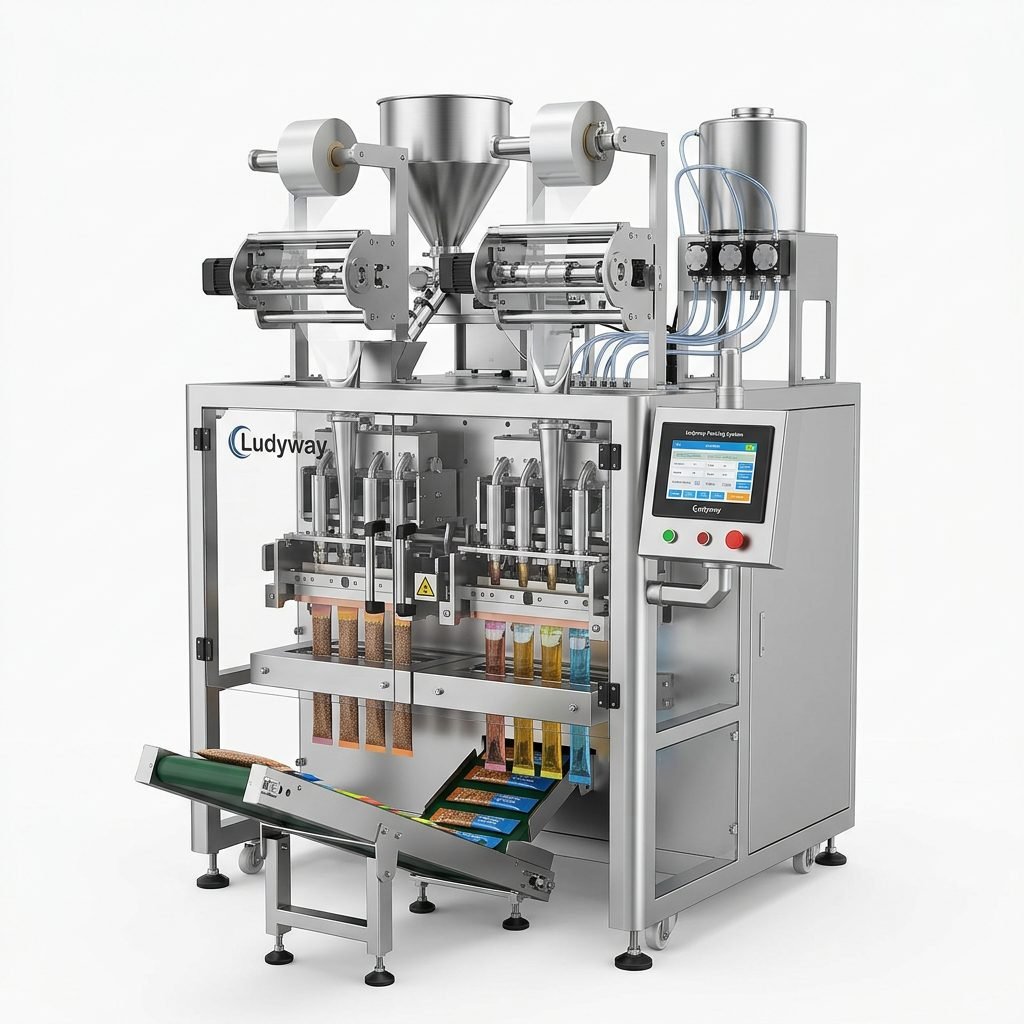
Investing in a cup packaging machine is a strategic decision that directly impacts your production efficiency, product shelf life, and brand presentation. Whether you are sealing yogurt, sauces, instant noodles, or pharmaceutical powders, selecting the wrong equipment can lead to costly downtime and packaging waste. This comprehensive buyer’s guide breaks down the critical technical, operational, and commercial factors you need to evaluate before making a purchase.
1. Understand Your Product Characteristics and Packaging Material
Not all cup filling machines are created equal. The physical properties of your product determine the dosing mechanism and sealing technology you need. A machine designed for free-flowing granules will fail miserably with viscous gels if not appropriately configured. You must also align the machine with your packaging material to prevent sealing failures.
| Product Category | Recommended Filling System | Common Cup Material |
|---|---|---|
| Liquid (Juice, Milk, Sauce) | Piston or Volumetric Pump | PP, PS, PET |
| Viscous (Yogurt, Honey, Gel) | Positive Displacement Pump | PP, Glass, Aluminum |
| Powder/Granules (Coffee, Spices) | Auger Filler or Cup Drop | Pre-formed Plastic Cups |
| Solid Pieces (Kimchi, Nuts) | Multi-head Weigher Comb. | Tray-sealed PP Trays |
2. Machine Configuration and Automation Level
Choosing between a rotary or inline cup packaging system significantly affects your factory floor layout and operational speed. Small startups might prioritize flexibility and a small footprint, while large enterprises require fully automated, high-speed synchronization with upstream and downstream equipment.
Rotary vs. Inline Cup Fillers
- Rotary Machines: Ideal for high-speed production. Cups are loaded onto a rotating turret for filling and sealing, achieving speeds of up to 50-60 cups per minute or more.
- Inline Machines: More cost-effective and flexible. They require less floor space and are easier to integrate with manual loading systems for batch production.
Sealing Technology
- Heat Seal: Uses pre-cut foil/plastic lids. Common for dairy and water cups.
- Film Roll Seal: Uses a continuous film roll. More economical for medium to long runs and reduces material costs.
- Snap-on Lid: Mechanical pressing for rigid lids. Popular for sauces and snacks.
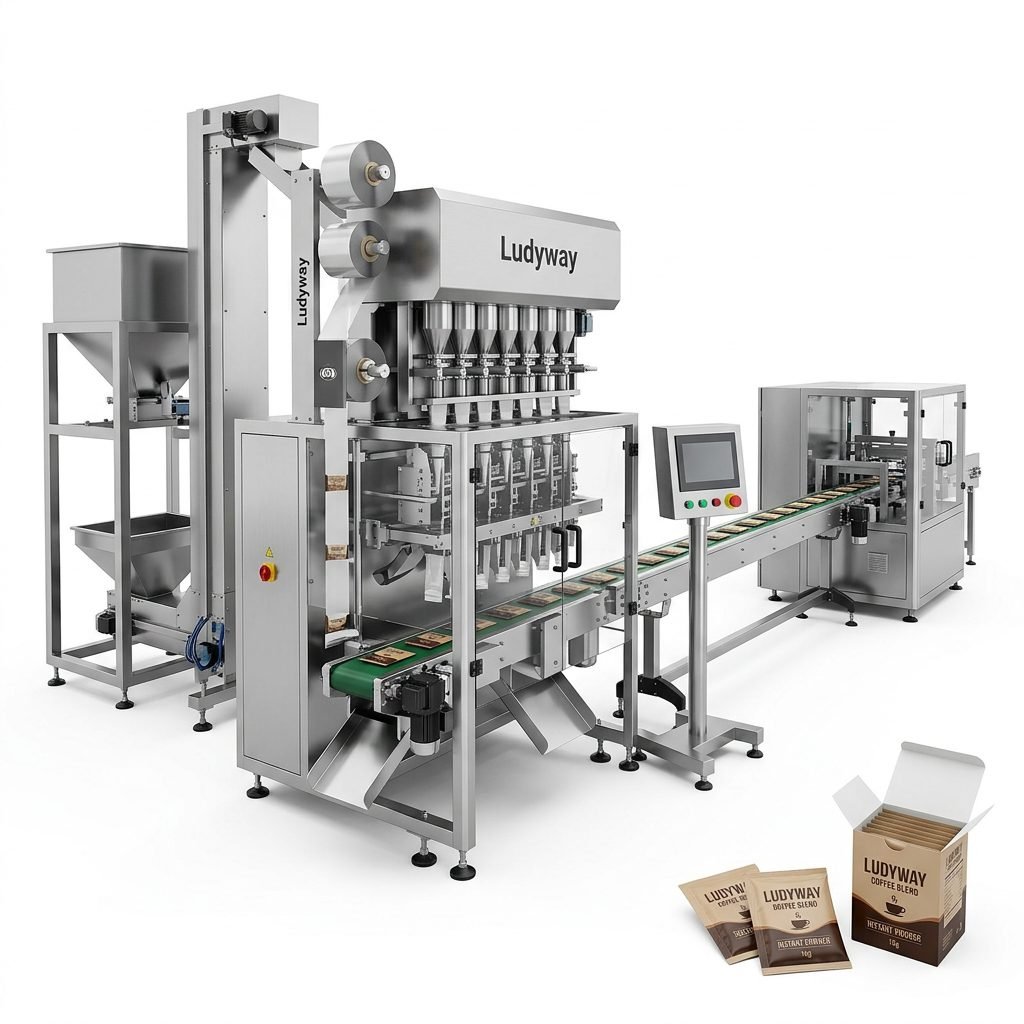
3. Key Performance Indicators: Speed, Accuracy, and Integration
Focusing solely on the sticker price without analyzing performance metrics is a common mistake. A cheaper machine that wastes 5% of your product during filling will cost you more in the long run than a precisely engineered system.
You need to verify the filling accuracy (±1% to ±2% is standard for liquids) and the mean time between failures (MTBF). If you are looking to build a fully connected factory, ensure the machine supports Industry 4.0 standards, remote diagnostics, and easy integration with automated packaging lines and central SCADA systems.
4. Industry Compliance and Hygienic Design
Regulatory compliance cannot be an afterthought. If you serve the food or pharmaceutical sectors, the cup sealing machine must adhere to strict cleanability standards.
Essential Design Features for Sanitation:
- Stainless Steel Construction: AISI 304 or 316L food-grade stainless steel frames and contact parts.
- CIP/SIP Ready: Clean-in-Place systems minimize disassembly time.
- No Hollow Areas: Prevents product accumulation and bacterial growth.
- Compliance: Machines should be capable of meeting ISO packaging standards and FDA requirements for food contact.
5. Evaluating Supplier Capabilities and After-Sales Support
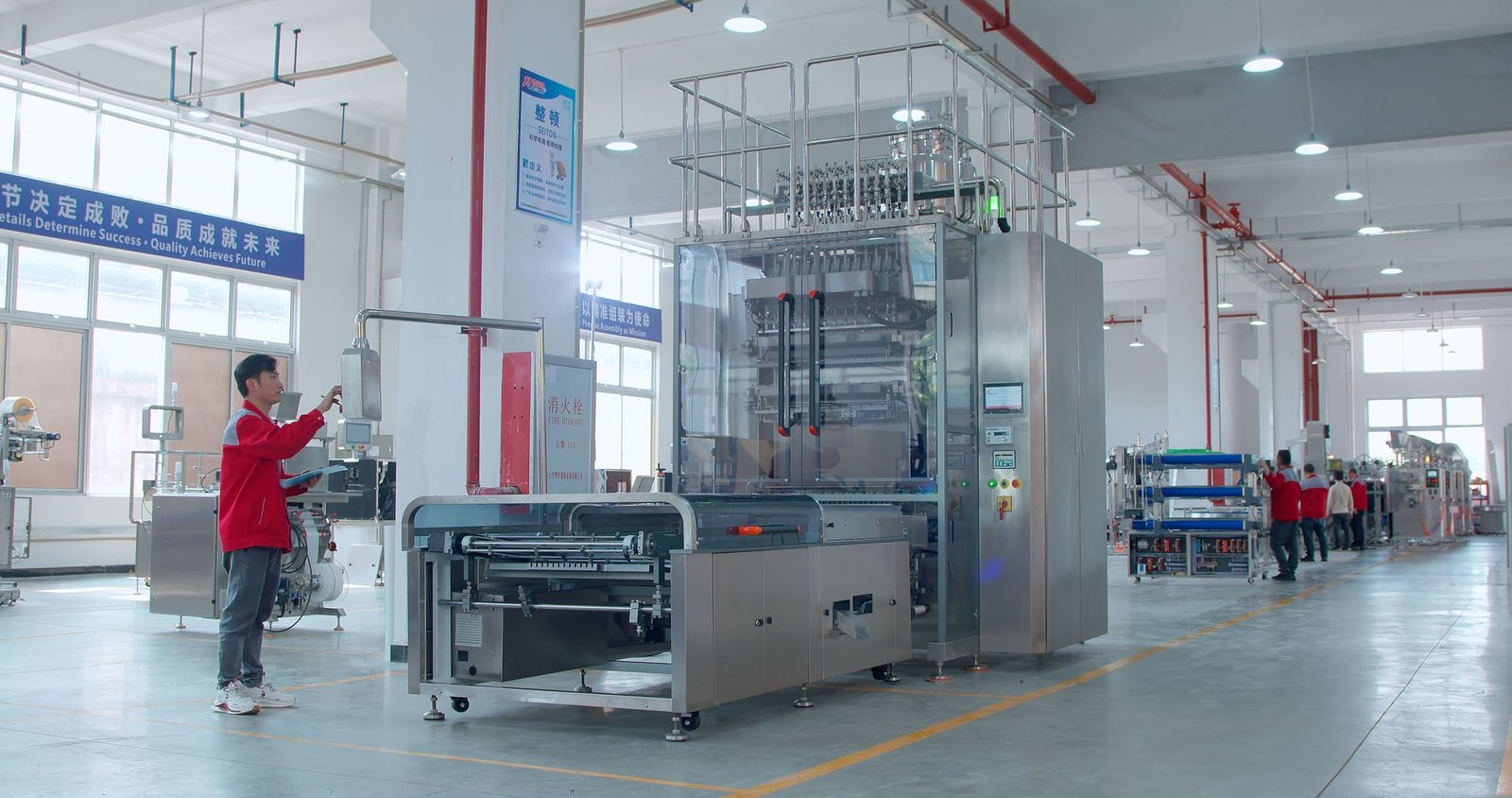
A packaging machinery manufacturer’s technical support is just as important as the hardware they build. An unexpected breakdown can halt your entire supply chain. Before signing a contract, you must audit the supplier’s global service footprint. This is precisely where experienced partners like Ludyway Machinery demonstrate their value. With over 30 years of experience and a 20,000-square-meter manufacturing facility, Ludyway combines robust engineering with global technical service, helping manufacturers in more than 100 countries maintain continuous production with reliable after-sales and remote troubleshooting support.
6. Crucial Questions to Ask Before Buying
To avoid operational bottlenecks, always request a Factory Acceptance Test (FAT) and clarify these points with your supplier:
| Question Category | What to Ask |
|---|---|
| Compatibility | Does this machine handle our specific cup diameter and height range? |
| Changeover Time | How many minutes does it take to switch between cup sizes or filling volumes? |
| Spare Parts | Do you stock critical wear parts locally, and what is the warranty on electronics? |
| Capacity Buffer | If we run at 90% of the rated maximum speed, does accuracy degrade? |
Selecting the right cup packaging machine is a balancing act between current operational budgets and future scalability. By prioritizing robust hygienic design, accurate filling technology, and a supplier with proven engineering capabilities, you secure a production line that grows with your business. Always verify testing data, seek referrals from similar industries, and prioritize a partner that offers comprehensive turnkey solutions rather than just a standalone machine.