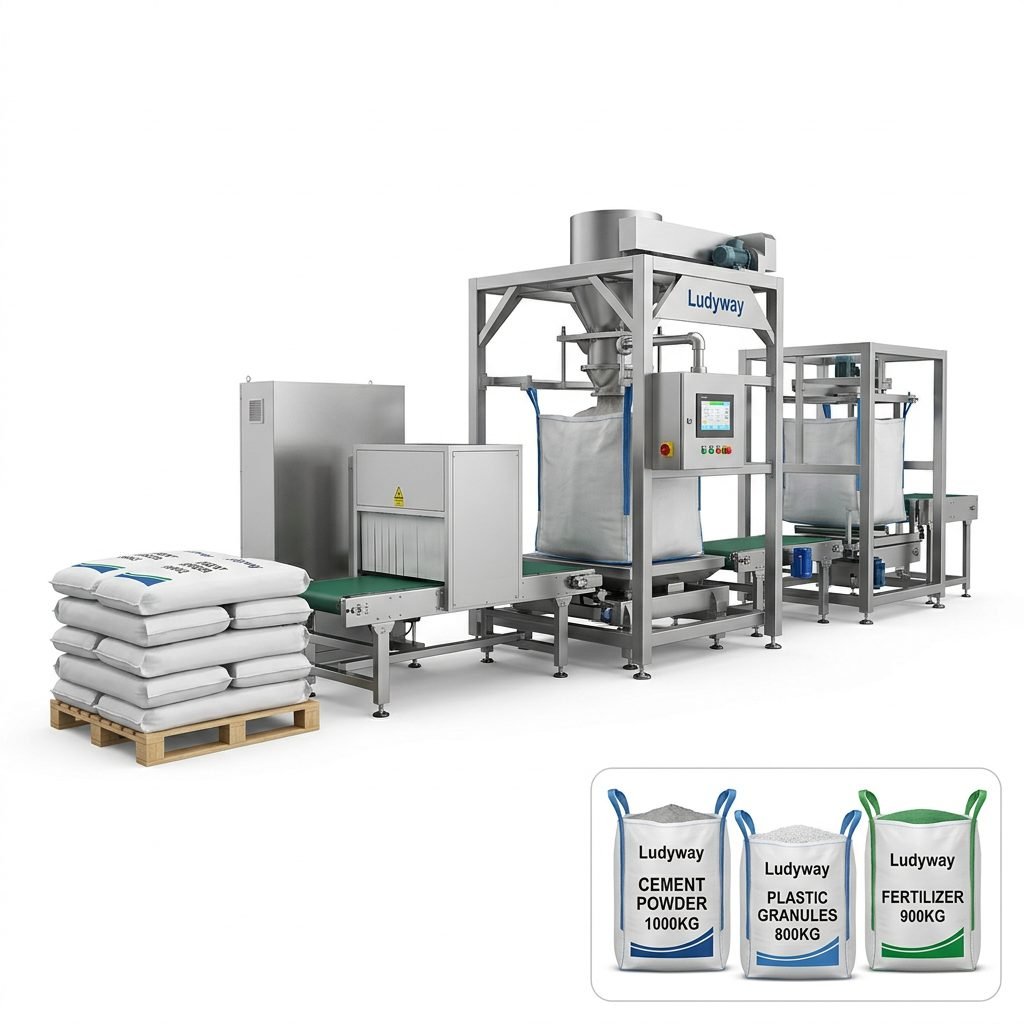
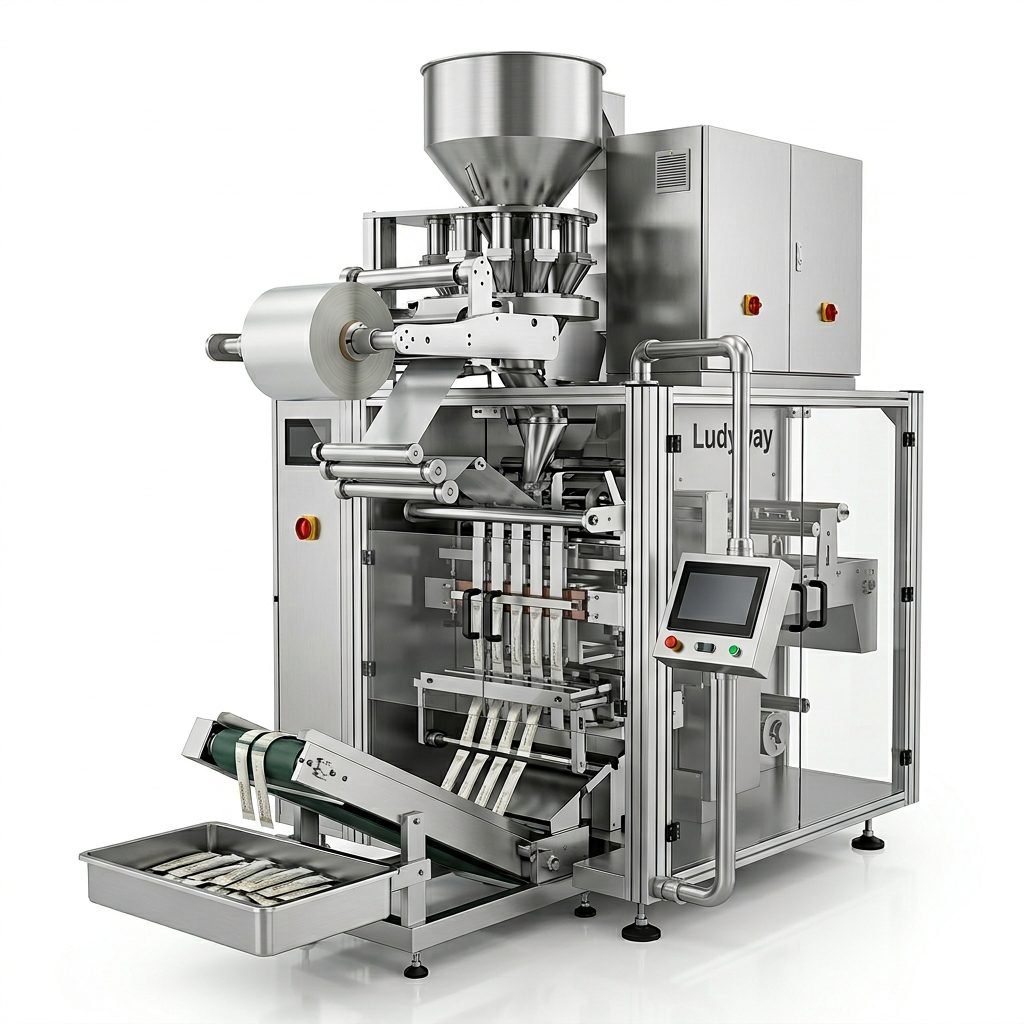
Investing in a honey stick packaging machine is a strategic decision for producers looking to scale operations, improve portion control, and meet growing demand for single-serve natural sweeteners. The right equipment transforms raw honey into precisely filled, sealed, and ready-to-sell stick packs. This guide breaks down the essential factors to evaluate before making your purchase.
Understanding Your Product Characteristics
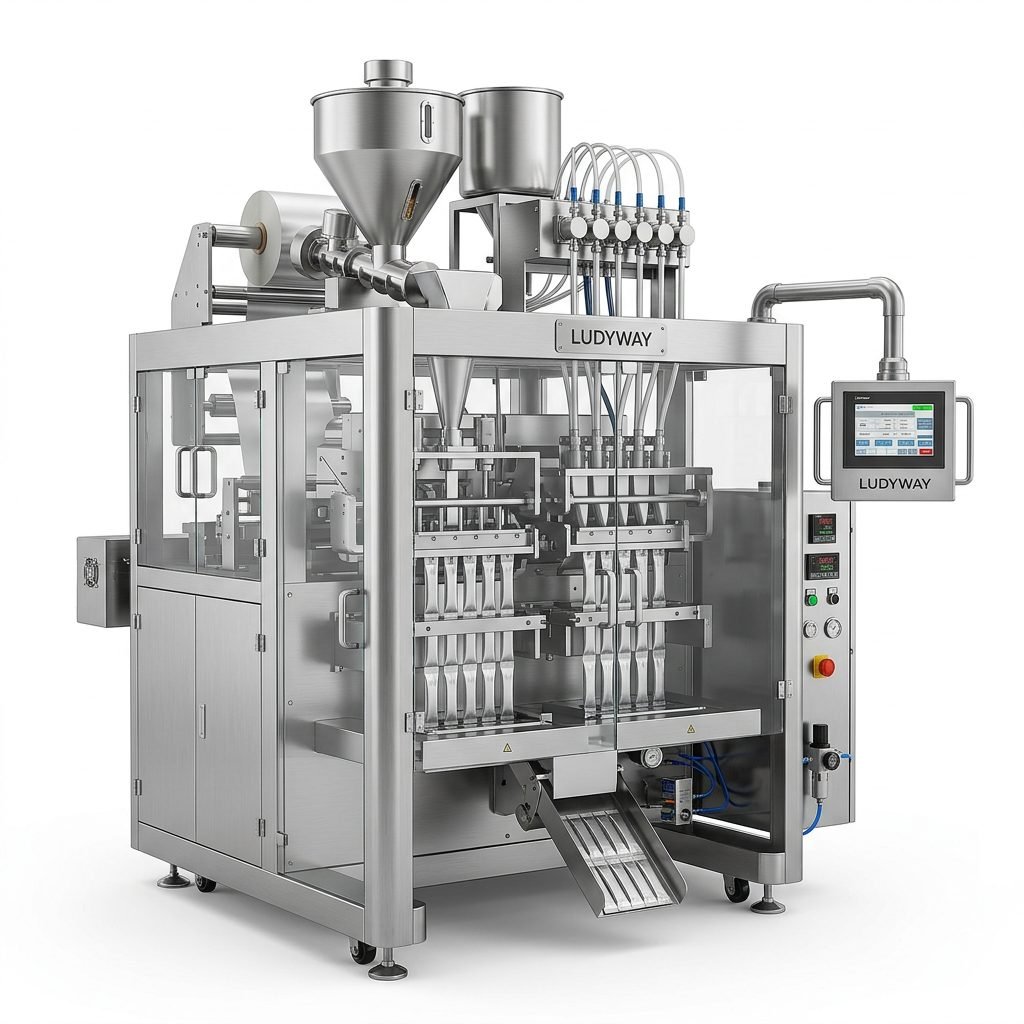
Honey presents unique challenges for packaging machinery due to its viscosity, temperature sensitivity, and tendency to crystallize. Before selecting a machine, you must analyze your product’s specific behavior during filling. The machine’s dosing system must handle these properties without compromising accuracy or speed.
- Viscosity Management: Honey thickness varies with temperature and floral source. Your machine needs a positive displacement pump or piston filler designed for high-viscosity liquids.
- Crystallization Control: Look for machines with heated hoppers or temperature-controlled filling paths to keep honey flowing smoothly.
- Stickiness Factor: Sealing jaws must be designed to prevent product contamination in the seal area, which can cause leaks.
Machine Type and Configuration
Honey stick packaging machines generally fall into two broad categories, each suited for different production scales. Understanding your current and projected output requirements is critical. For most commercial applications, multi-lane configurations offer the best return on investment.
| Machine Type | Best For | Key Advantage | Typical Speed Range |
|---|---|---|---|
| Single-Lane Stick Pack | Startups, small batches | Lower initial cost | 30-60 packs/min |
| Multi-Lane Stick Pack | Medium to large producers | High throughput, efficiency | 200-800+ packs/min |
| Servo-Driven Systems | Precision filling needs | Adjustability, accuracy | Varies by configuration |
Multi-Lane Technology and Production Speed
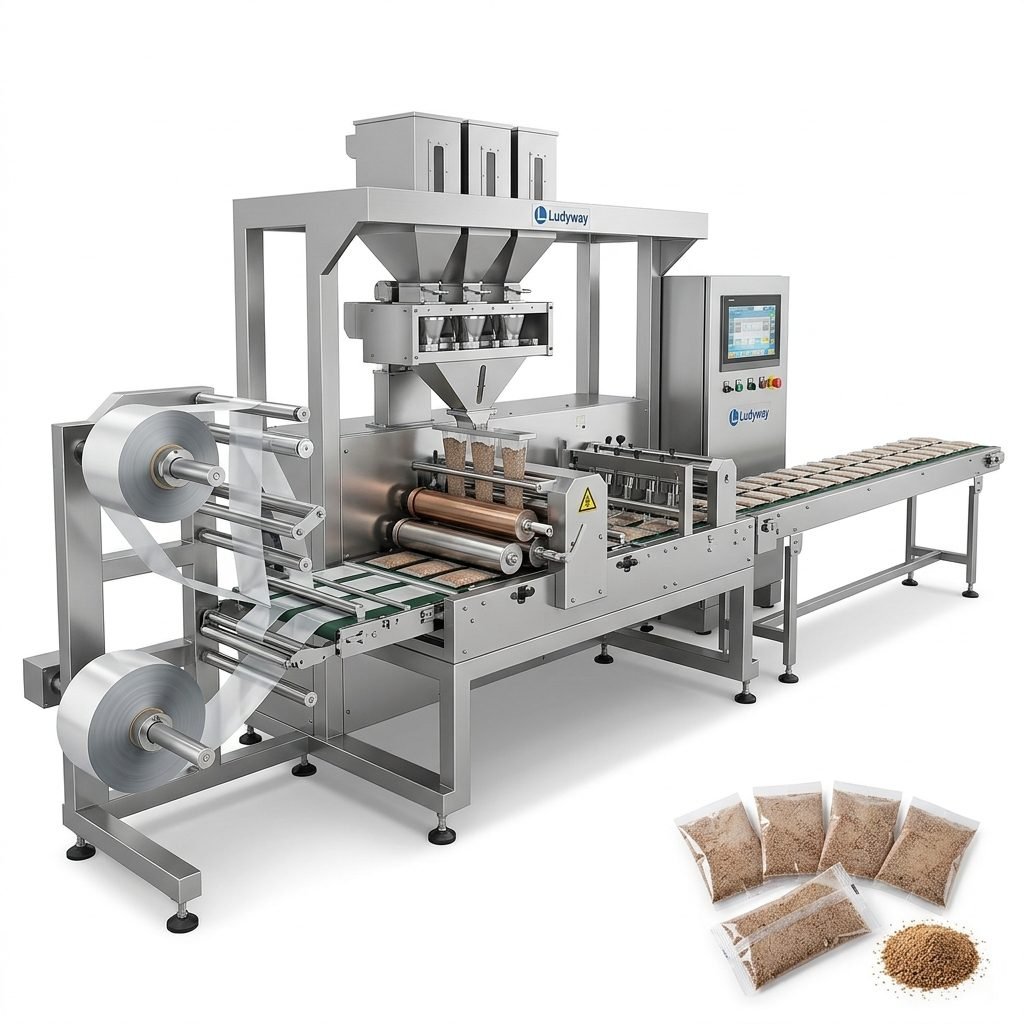
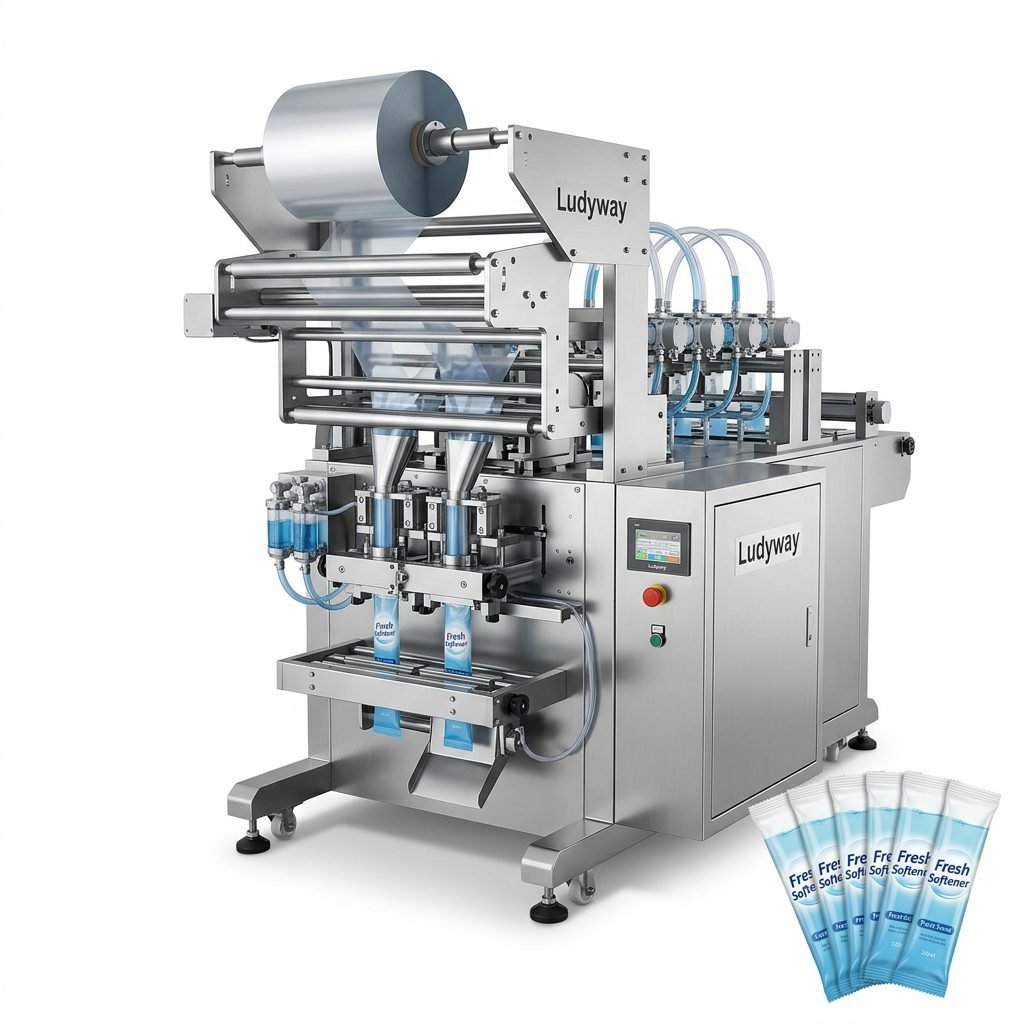
For honey producers aiming to meet high-volume demand, multi-lane stick packaging machines are the industry standard. These systems run multiple lanes simultaneously, multiplying output without requiring proportionally more floor space. When evaluating speed claims from manufacturers, always confirm whether the quoted rate is per lane or total output.
A well-engineered 10-lane machine running at 50 cycles per minute can produce 500 honey sticks per minute. This level of output directly impacts your ability to fulfill large orders and grow your distribution network. Pay attention to the machine’s maximum mechanical speed versus its sustainable production speed.
Filling Accuracy and Portion Control
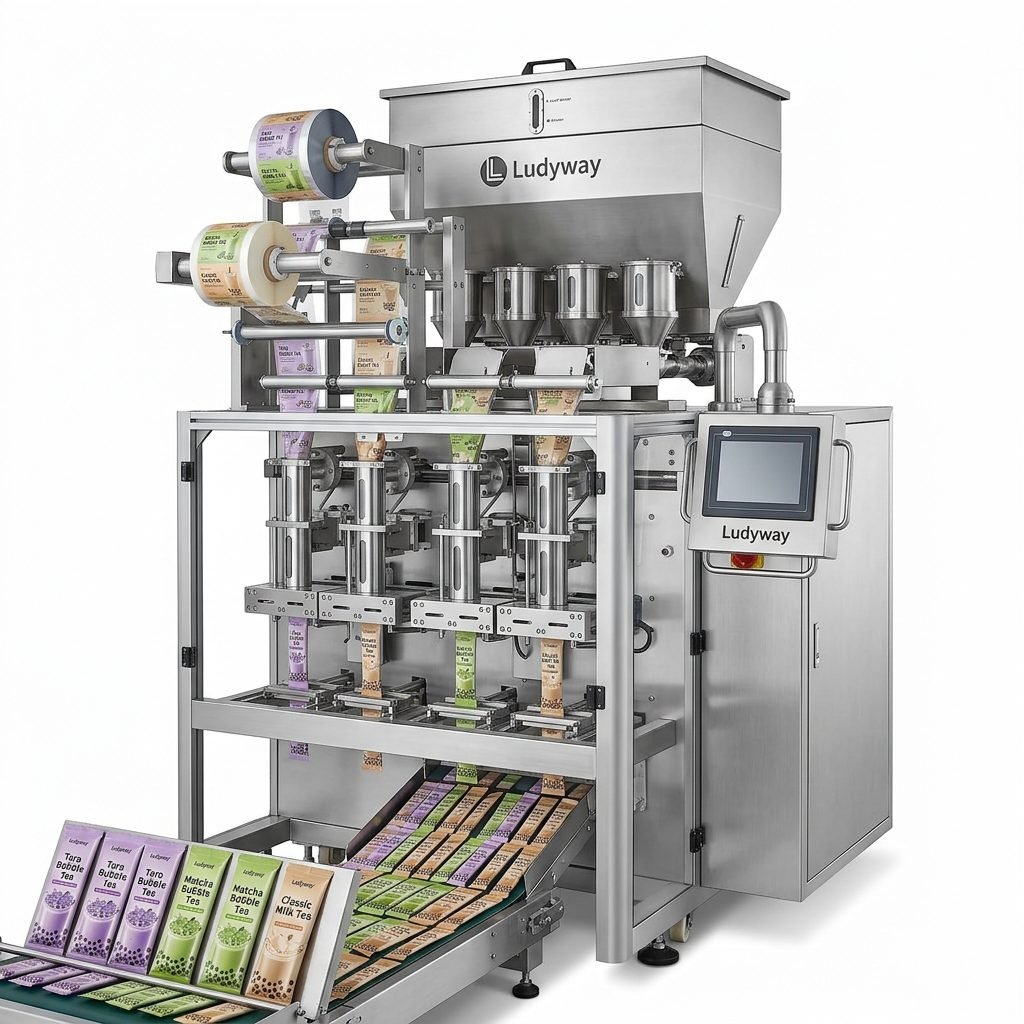
Honey is a valuable product, and every gram counts toward your profitability. Precision filling minimizes giveaway while ensuring customers receive the advertised net weight. Modern honey stick machines use servo-driven filling systems that offer exceptional accuracy across all lanes. Key specifications to verify include:
- Filling accuracy typically within ±0.5% to ±1% of target weight
- Individual lane adjustment capabilities for fine-tuning
- Automatic weight feedback and correction systems
- Drip-free nozzle design to prevent sticky buildup
Packaging Material Compatibility
The flexible packaging materials used for honey sticks must meet stringent food safety standards while providing adequate barrier protection. Your machine must be compatible with the specific film structures required for honey packaging. Common materials include PET/AL/PE laminates that offer excellent moisture and oxygen barriers. Verify that the machine’s sealing temperature range, jaw pressure, and dwell time can be adjusted for your chosen film.
Customized Engineering and Turnkey Solutions
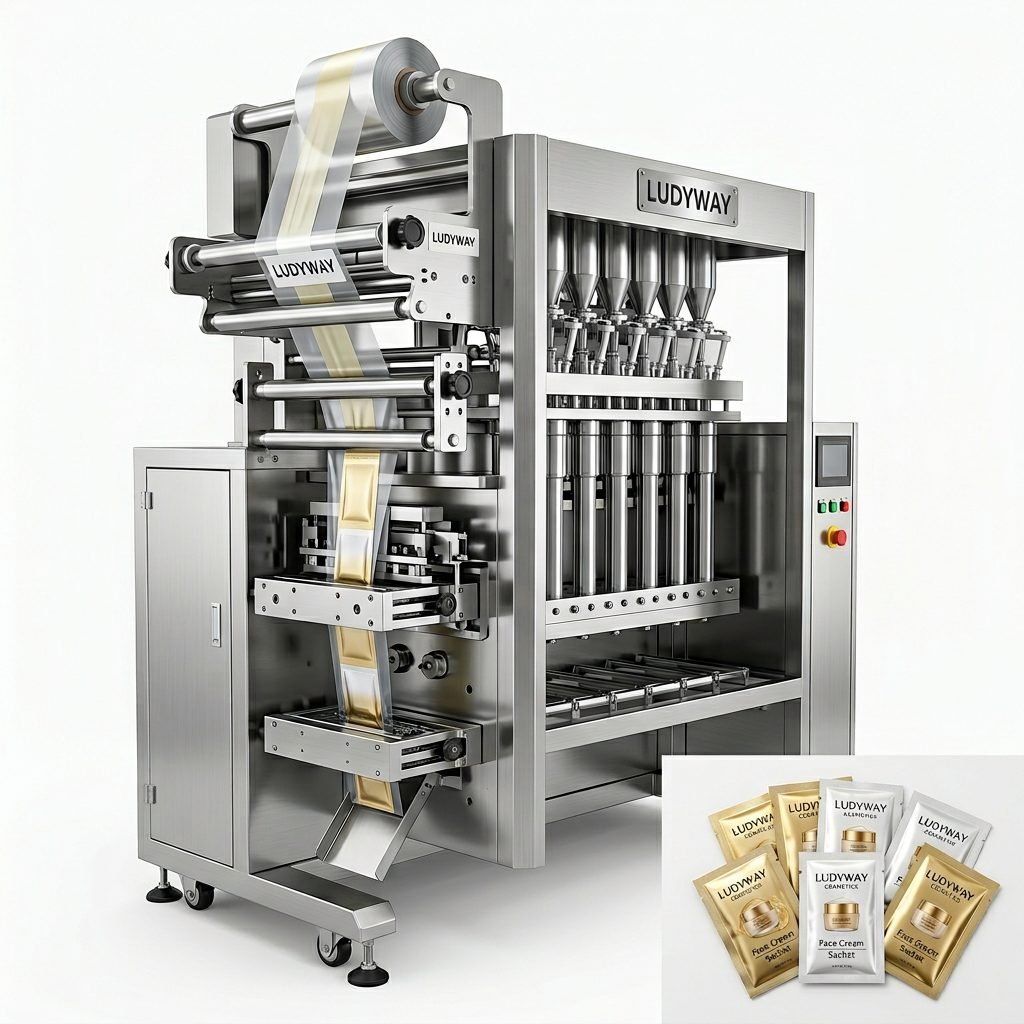
Off-the-shelf machines rarely fit every production scenario perfectly. Leading manufacturers like Ludyway Machinery provide customized packaging machinery and engineering solutions tailored to product characteristics, factory layout, and automation requirements. This customized approach helps manufacturers integrate equipment seamlessly into existing lines. Consider whether you need additional modules beyond the basic filling and sealing functions such as:
- Automated feeding and product handling systems
- Inline date coding or batch printing
- Automatic counting and cartoning systems
- Quality inspection and reject mechanisms
- Complete turnkey packaging line integration
Hygiene, Cleanability, and Compliance
Food-grade manufacturing demands rigorous hygiene standards. The machine’s product contact surfaces should be constructed from 304 or 316 stainless steel and designed for easy cleaning and sanitation. Look for features such as tool-free disassembly of filling components, sloped surfaces that prevent liquid pooling, and sealed electrical enclosures. For international markets, confirm the equipment can be configured to meet FDA food packaging regulations and other applicable standards.
Manufacturing Capability and Support Infrastructure
A honey stick packaging machine represents a significant capital investment, and the manufacturer behind it matters as much as the machine itself. Evaluate the supplier’s manufacturing facility size, engineering team depth, and track record. Companies with in-house manufacturing and automation expertise can provide better customization and faster technical support. Verify the availability of installation, commissioning, operator training, and after-sales service in your region.

Evaluating Total Cost of Ownership
The purchase price is just one component of your long-term investment. A comprehensive cost analysis should account for several factors over the machine’s expected lifespan. While price matters, prioritizing reliability and efficiency often yields lower total costs.
| Cost Factor | Consideration |
|---|---|
| Initial Equipment Cost | Base machine plus necessary options and tooling |
| Installation and Commissioning | On-site setup, calibration, and initial training |
| Consumables | Packaging film, lubricants, and wear components |
| Maintenance and Spare Parts | Availability, cost, and delivery time for critical parts |
| Downtime Risk | Lost production capacity during repairs |
Testing and Validation Before Commitment
Never purchase a honey stick packaging machine without first validating its performance with your actual product and packaging materials. Reputable manufacturers offer factory acceptance testing where you can witness your honey being filled and sealed on the proposed machine configuration. This step confirms filling accuracy, seal integrity, speed capability, and overall equipment effectiveness before shipment.
Selecting the right honey stick packaging machine requires balancing current needs with future growth plans, and technical specifications with practical support considerations. By thoroughly evaluating product compatibility, machine configuration, manufacturer capability, and total cost, you position your operation for efficient, reliable, and scalable honey stick production.