Investing in a cigarette packaging machine is a significant decision that directly impacts your production efficiency, product quality, and bottom line. Whether you are running a small-scale tobacco operation or managing a high-volume manufacturing facility, selecting the right equipment requires a thorough understanding of your operational needs, technical specifications, and long-term business goals. This comprehensive guide walks you through every critical factor to help you make an informed purchasing decision.
Understanding Cigarette Packaging Machine Types
Before diving into specifications, it is essential to understand the different categories of cigarette packaging machinery available on the market. Each type serves distinct production environments and output requirements.
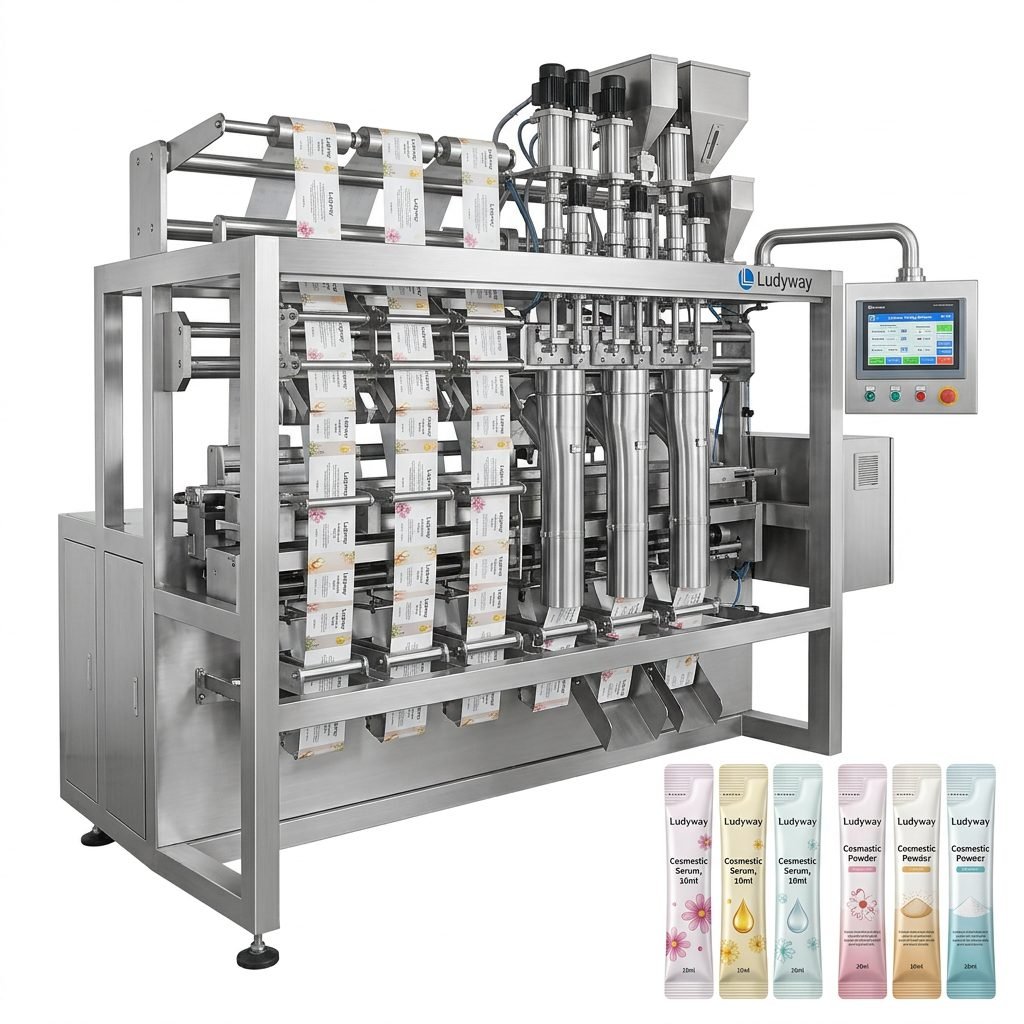
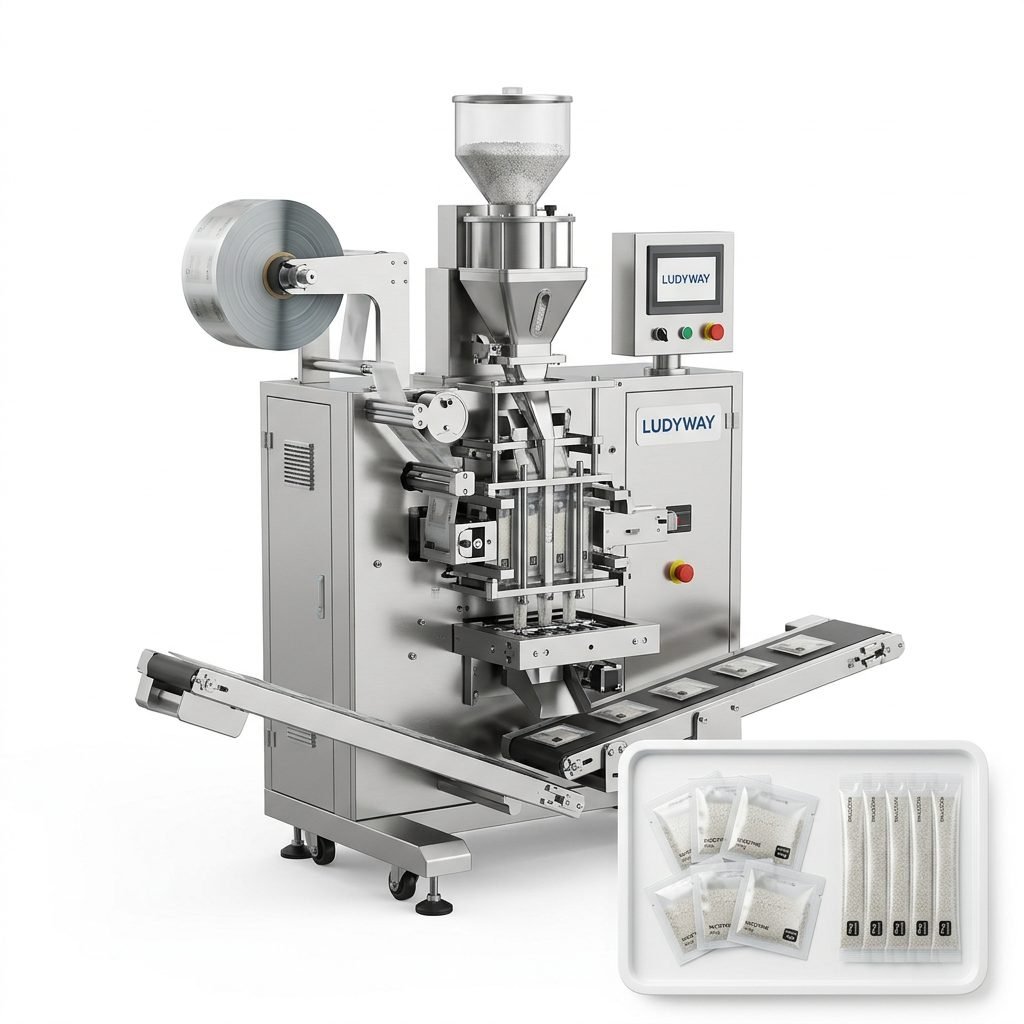
Stick Pack and Sachet Packaging Machines
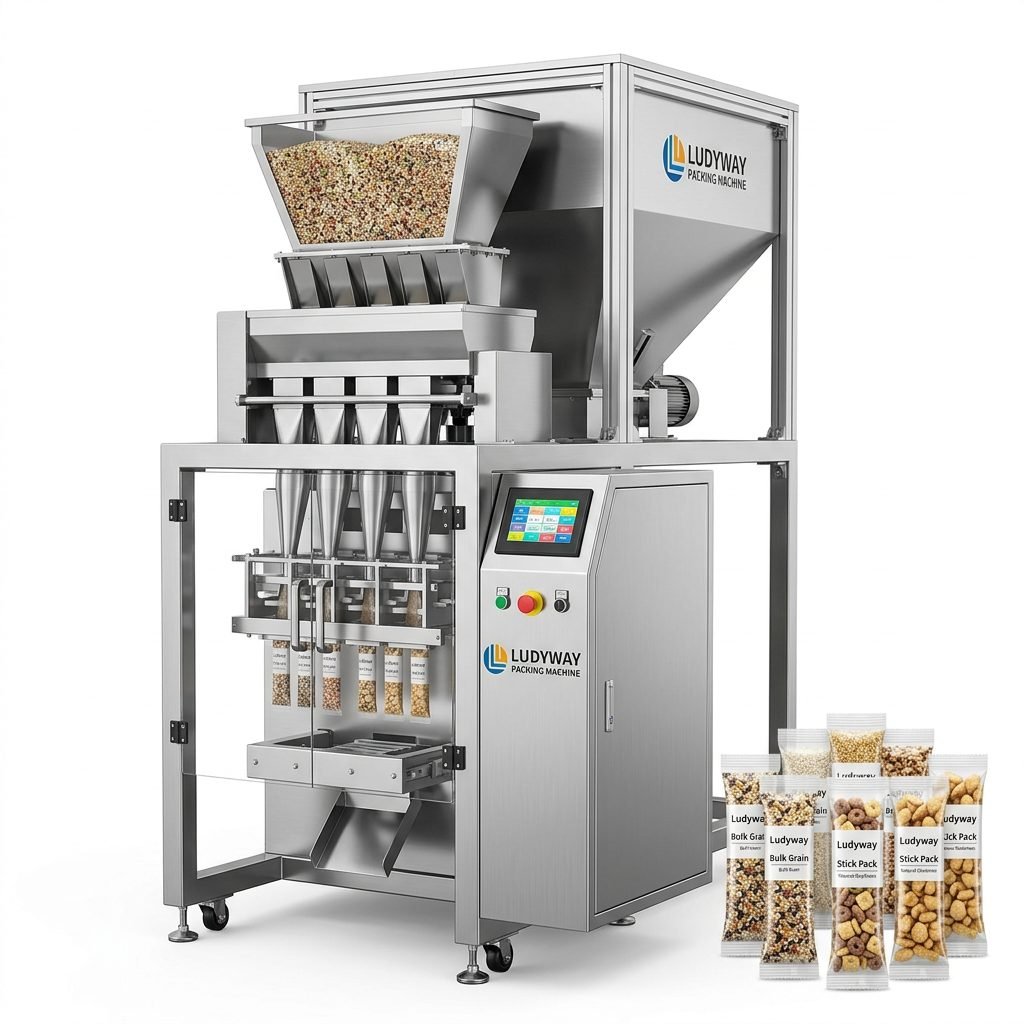
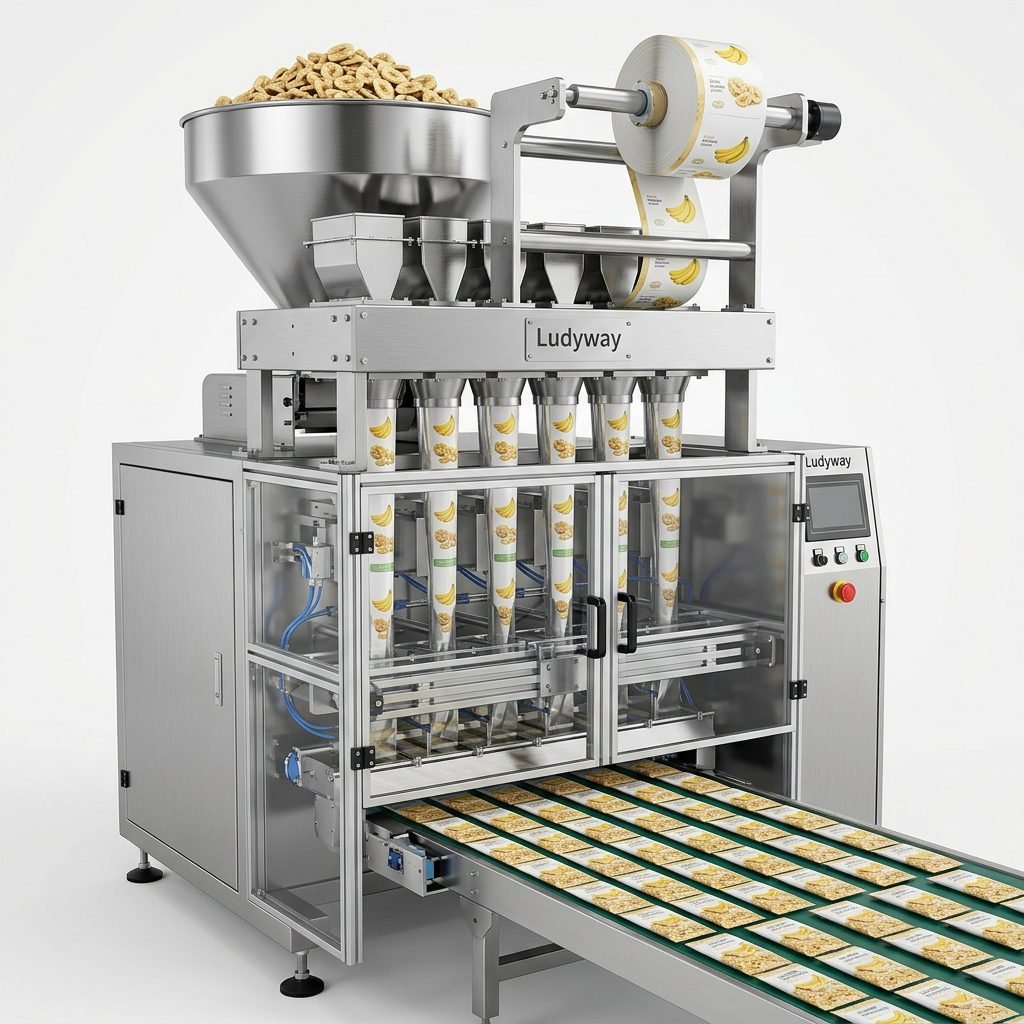
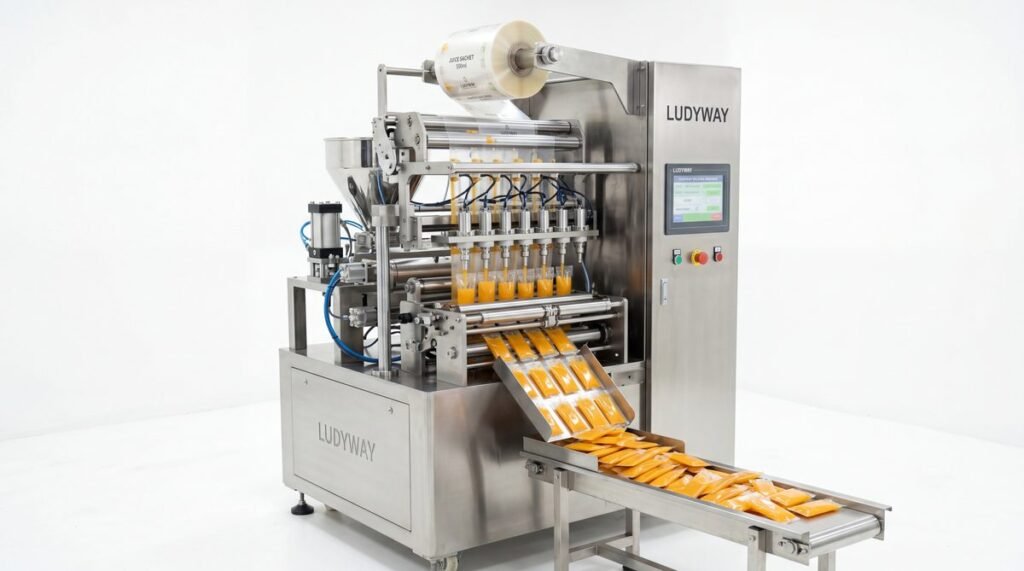
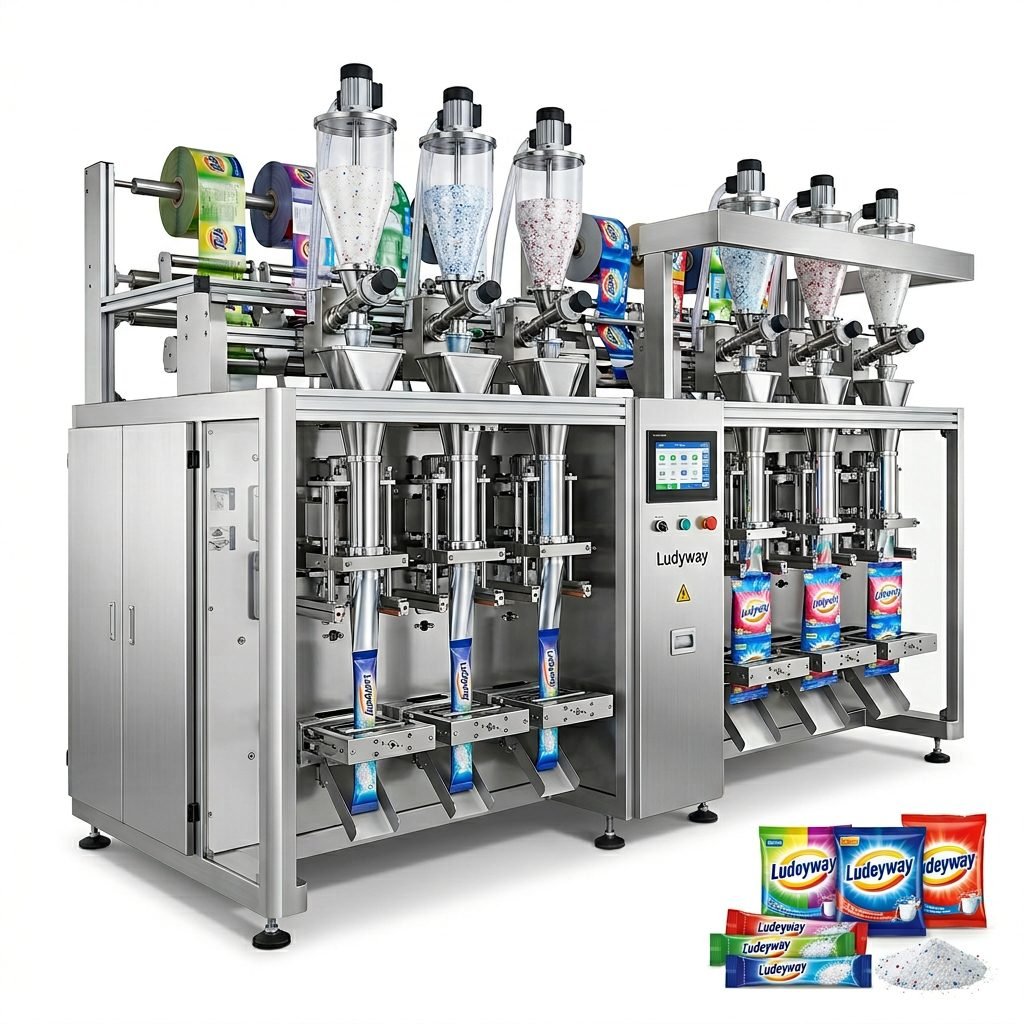
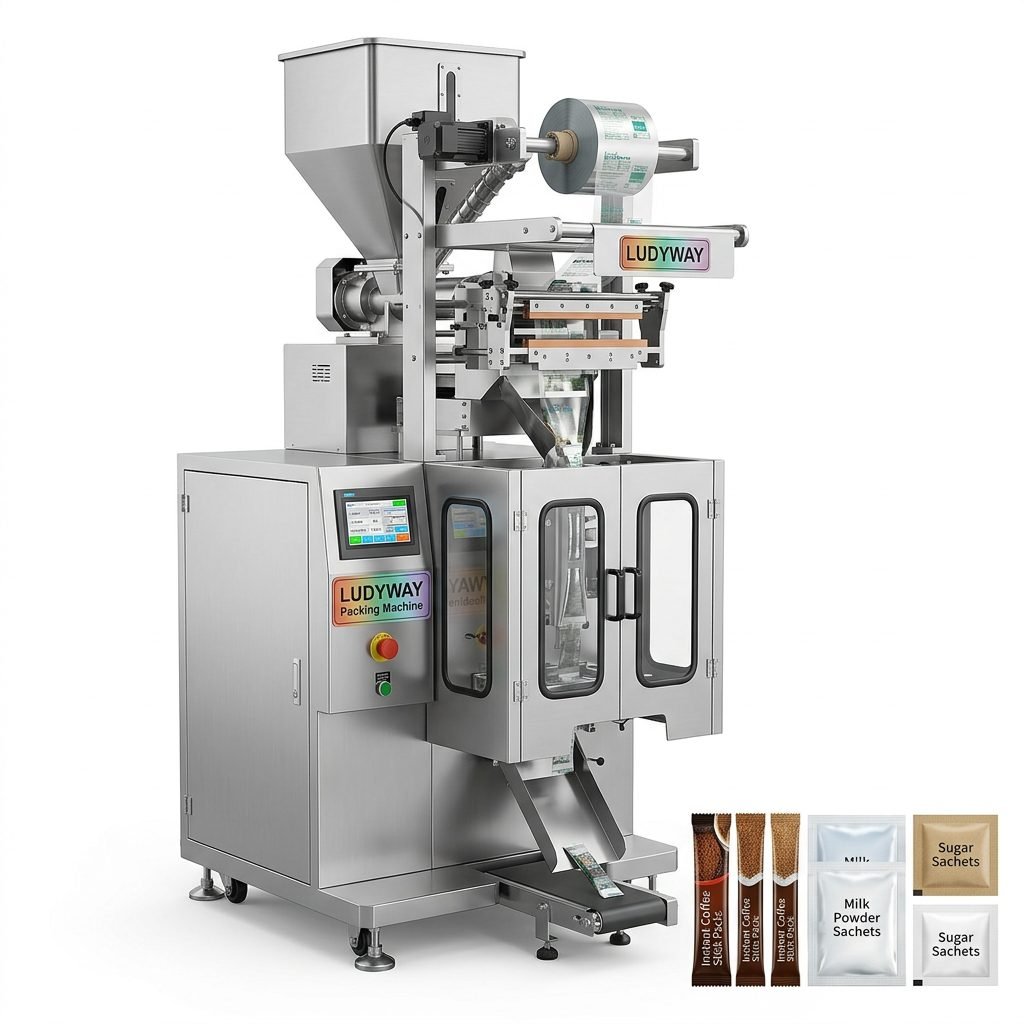
These machines are designed for packaging loose tobacco, nicotine powders, or oral nicotine products into individual stick packs or sachets. They are widely used for products like nicotine pouches, smokeless tobacco portions, and RYO (roll-your-own) tobacco. Multi-lane configurations can significantly increase output by running several packaging lanes simultaneously, making them ideal for medium to large-scale production environments.
Cigarette Box and Carton Packaging Systems
For traditional cigarette production, box and carton packaging machines handle the wrapping of cigarette packs into cartons and master cases. These systems typically integrate with packaging machinery standards to ensure consistent output quality. Features often include automated film wrapping, tear tape application, and case packing capabilities.
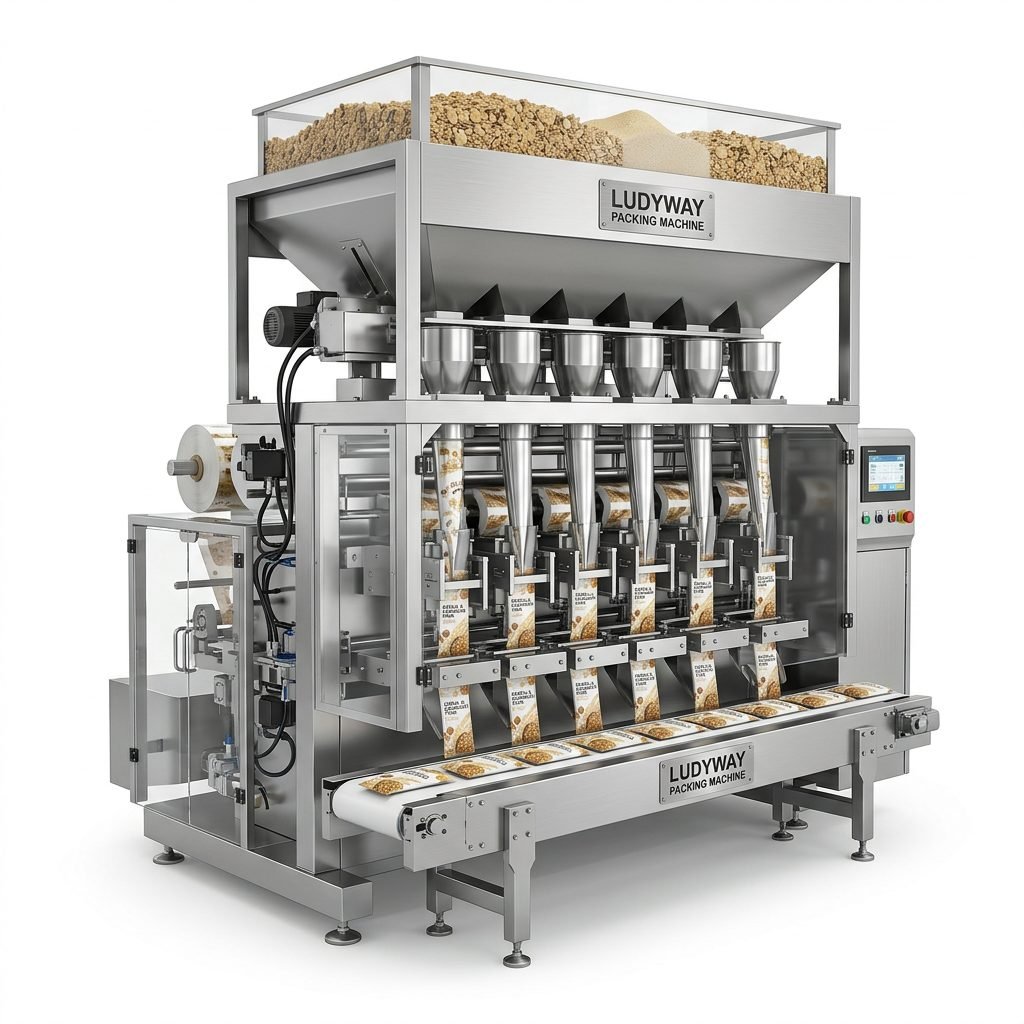
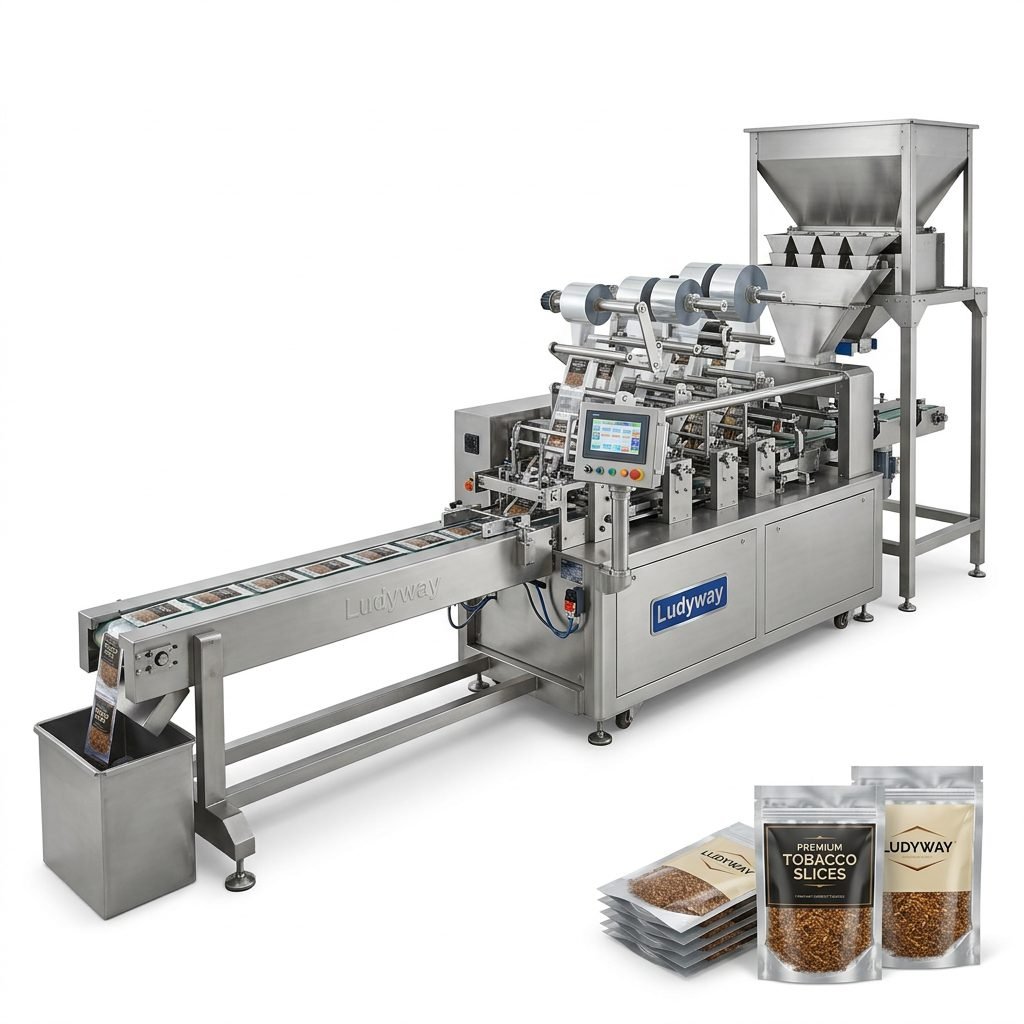
Pouch Packaging Lines for Tobacco Products
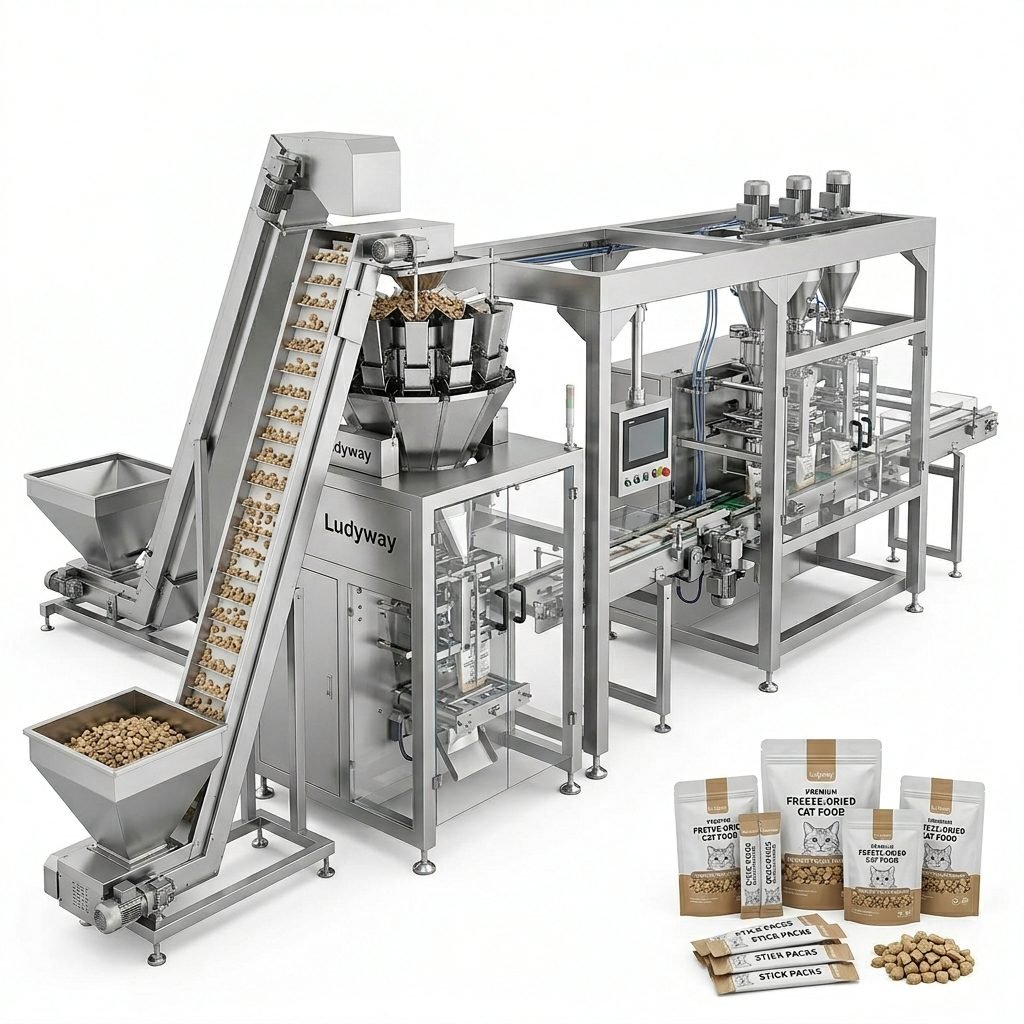
Pouch packaging equipment handles larger-format flexible packaging for tobacco products, including resealable pouches and flat pouches. These machines are particularly relevant for the growing market of loose-leaf tobacco and alternative nicotine products. They can be configured for various pouch styles, including stand-up pouches with zipper closures.
Key Factors to Consider When Selecting a Machine
Choosing the right cigarette packaging machine involves evaluating several interconnected factors. Overlooking any single element can lead to operational bottlenecks, compliance issues, or unexpected costs down the line. Below are the most critical considerations.
1. Production Speed and Capacity Requirements
Your target output volume is perhaps the single most important factor. Machines range from semi-automatic models producing 30-60 packs per minute to fully automated high-speed lines capable of 500+ units per minute. When evaluating speed specifications, consider:
- Current daily production volume and peak demand periods
- Projected growth over the next 3-5 years
- Shift patterns and actual machine uptime expectations
- Changeover time between different product formats or sizes
2. Packaging Format and Material Compatibility
Different tobacco products require different packaging formats. Your machine must be compatible with your chosen packaging materials and desired package dimensions. Common considerations include:
- Film types: BOPP, cellophane, metallized films, and biodegradable options
- Pack sizes: Standard 20-pack, 10-pack, or custom configurations
- Sealing methods: Heat sealing, cold sealing, or ultrasonic sealing technologies
- Compatibility with flexible packaging requirements and industry standards
3. Filling Accuracy and Dosing Technology
For loose tobacco, nicotine powder, or granule-based products, dosing accuracy directly affects product consistency and regulatory compliance. Precision dosing systems minimize product give-away while ensuring each package meets labeled weight requirements. Look for machines with:
- Servo-driven auger fillers for powder products with ±1% accuracy
- Volumetric cup fillers for consistent granule dosing
- Multi-head weighers for high-speed applications
- Integrated check-weighing and rejection systems
4. Automation Level and Integration Capabilities
The degree of automation you choose impacts labor requirements, operational consistency, and overall equipment effectiveness. Options range from standalone machines requiring manual feeding to fully integrated packaging lines with automated feeding, filling, sealing, coding, inspection, and palletizing. When assessing automation needs, evaluate how the equipment will integrate with your existing production infrastructure and whether the supplier can provide packaging machinery market research insights to benchmark your automation strategy.
Technical Specifications That Matter
Comparing technical specifications across different manufacturers can be challenging. The table below highlights key specification areas you should evaluate when shortlisting cigarette packaging machines:
| Specification Category | What to Look For | Why It Matters |
|---|---|---|
| Production Speed | Packs per minute (PPM), lane count for multi-lane systems | Determines throughput and line efficiency |
| Filling Accuracy | Weight deviation tolerance, dosing repeatability | Impacts product consistency and regulatory compliance |
| Material Compatibility | Film types, thickness range, sealing temperature range | Affects packaging quality and material waste rates |
| Changeover Time | Tool-less changeover features, recipe management | Influences operational flexibility and downtime |
| Control System | PLC brand, HMI touchscreen, data export capabilities | Affects ease of operation and maintenance |
| Power Consumption | Installed power (kW), compressed air requirements | Impacts operational costs over the machine lifecycle |
| Machine Footprint | Length × Width × Height dimensions | Determines factory floor space requirements |
Compliance and Quality Standards
Tobacco and nicotine product packaging is subject to stringent regulatory requirements across different markets. Your packaging machinery must support compliance with applicable regulations and quality standards. Key areas to address include:
Regulatory Compliance
- FDA requirements for food packaging and food contact substances where applicable
- EU directives on packaging and packaging waste for products sold in European markets
- Country-specific labeling and packaging regulations for tobacco products
- Child-resistant packaging requirements where mandated
International Standards
Look for equipment designed to meet ISO packaging standards and other relevant international benchmarks. Machines should be configurable to meet GMP (Good Manufacturing Practice) requirements, particularly for facilities producing pharmaceutical-grade nicotine products. Key certifications to verify include CE marking for European markets, UL compliance for North America, and ISO 9001 quality management systems.
Evaluating Suppliers and Manufacturers
The quality and reliability of your packaging machinery depend heavily on the manufacturer you choose. A thorough supplier evaluation should encompass manufacturing capabilities, engineering expertise, after-sales support, and industry track record. Companies like Ludyway Machinery, with more than 30 years of packaging industry experience and a 20,000-square-meter manufacturing facility, demonstrate the kind of established manufacturing presence that supports reliable equipment delivery and ongoing technical support.

Key Supplier Assessment Criteria
- Industry experience: Years of operation and specific experience in tobacco packaging
- Manufacturing facilities: In-house production capabilities versus outsourced manufacturing
- Technical support: Availability of remote assistance, on-site service, and spare parts
- Customization capabilities: Ability to configure machines for specific product requirements
- Reference installations: Existing customer installations and case studies in similar applications
- Certifications: Relevant quality and safety certifications for target markets
Customization vs. Standardization
While standardized machines offer faster delivery and proven reliability, customized packaging solutions can be essential when your product characteristics, packaging materials, or production environment differ from typical applications. A manufacturer with strong engineering capabilities can tailor dosing systems, sealing mechanisms, and automation features to your specific needs, potentially delivering better long-term value than an off-the-shelf alternative.
Cost Considerations and ROI Analysis
The total cost of ownership for a cigarette packaging machine extends far beyond the initial purchase price. A comprehensive ROI analysis should account for all direct and indirect costs over the expected machine lifecycle of 8-15 years. Key cost components include:
| Cost Category | Description | Typical Share of TCO |
|---|---|---|
| Initial Capital Expenditure | Machine purchase price, shipping, import duties, installation | 40-50% |
| Operating Costs | Energy, compressed air, consumables, packaging materials | 25-35% |
| Maintenance and Spare Parts | Preventive maintenance, wear parts, unexpected repairs | 10-15% |
| Labor | Operator and technician costs for machine operation and maintenance | 5-10% |
| Downtime and Productivity Loss | Production losses during unplanned stoppages and changeovers | Variable |
When calculating ROI, factor in the value of increased production capacity, reduced labor requirements, lower material waste, and improved product consistency. A higher-quality machine with better reliability and efficiency often delivers superior long-term returns despite a higher upfront investment.
Frequently Asked Questions
What is the typical delivery time for a cigarette packaging machine?
Delivery timelines vary based on machine complexity and customization requirements. Standard configurations typically ship within 60-90 days, while customized or high-capacity lines may require 120-180 days. Always confirm lead times with the manufacturer and factor in shipping, customs clearance, and installation time when planning your project timeline.
How do I determine the right lane count for a multi-lane machine?
The optimal lane count depends on your target output volume, available floor space, and budget. A 4-6 lane machine suits small to medium operations, while 8-12 lane systems are common for high-volume production. Consult with equipment manufacturers to model throughput scenarios based on your specific product characteristics and packaging format.
What maintenance is required for tobacco packaging equipment?
Regular preventive maintenance is essential for consistent performance. This includes daily cleaning of product contact surfaces, weekly inspection of sealing components, monthly lubrication of mechanical parts, and quarterly comprehensive servicing. Many manufacturers offer maintenance contracts and remote diagnostic support to help minimize unplanned downtime.
Can one machine handle multiple packaging formats?
Yes, many modern machines are designed for quick format changeovers between different pack sizes, pouch styles, and film types. Look for features like servo-driven adjustments, recipe-based control systems, and tool-less changeover mechanisms. However, verify the specific changeover time and complexity with the manufacturer, as these can vary significantly between models.
Making the Final Decision
Selecting the right cigarette packaging machine is a strategic decision that affects your production capability for years to come. After evaluating technical specifications, compliance requirements, supplier credentials, and total cost of ownership, the final choice should align with both your immediate operational needs and your long-term business objectives. For further guidance, industry resources such as PMMI State of the Industry reports and Flexible Packaging Association resources provide valuable market insights that can inform your investment decision. Taking the time to conduct thorough due diligence, request machine demonstrations where possible, and engage in detailed technical discussions with potential suppliers will pay dividends in operational reliability, product quality, and long-term profitability.