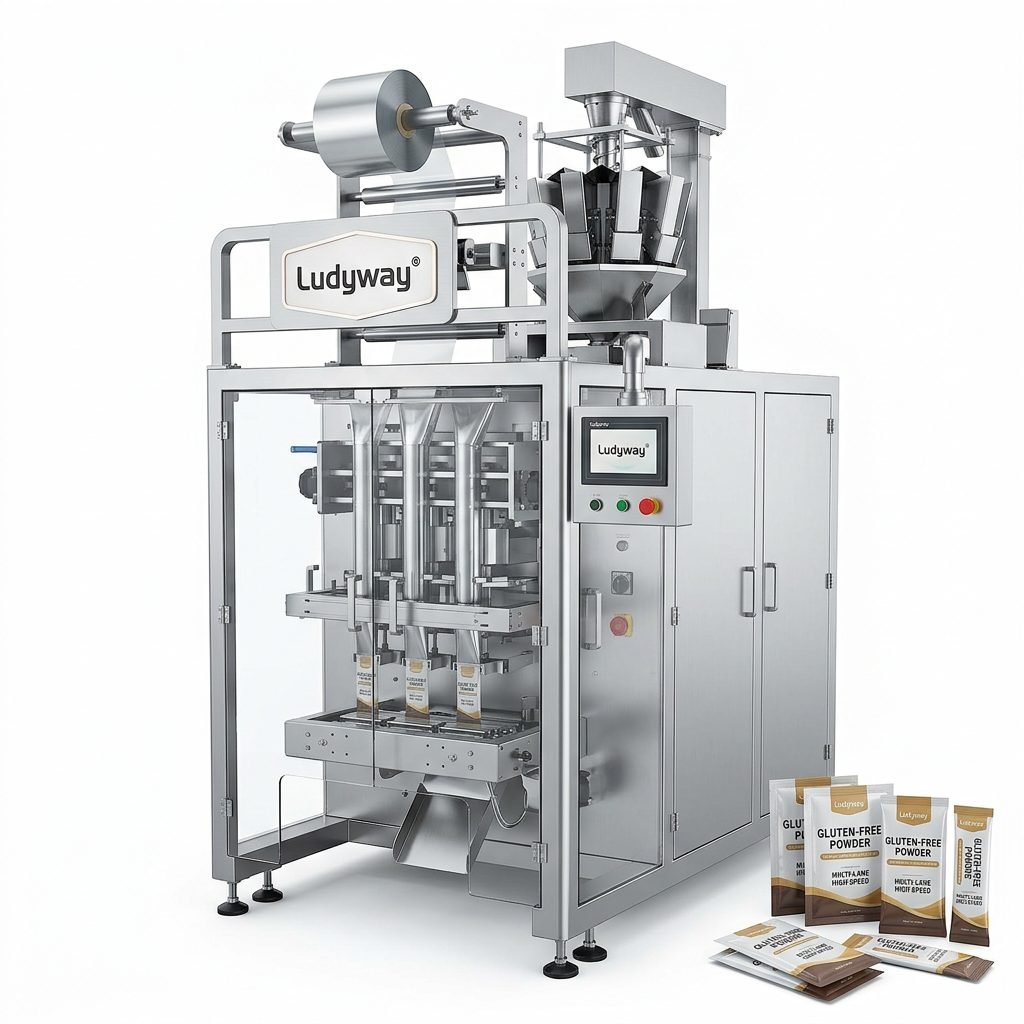
Selecting a zipper packing machine is one of the most critical capital decisions for manufacturers in the food, pharmaceutical, and chemical sectors. A wrong choice can lead to production bottlenecks, seal failures, and costly rework. This guide walks you through every essential factor — from material compatibility to total cost of ownership — so you can invest with confidence.
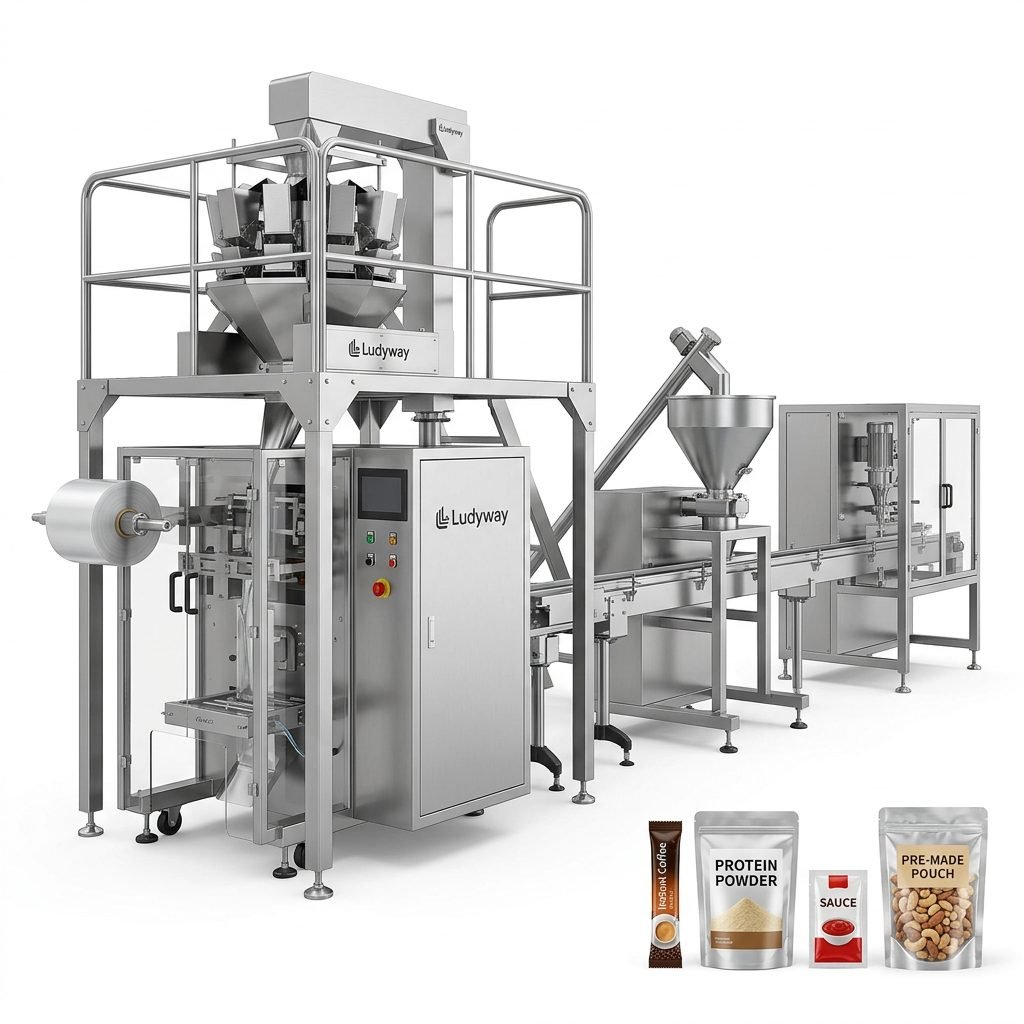
Understanding the Role of Zipper Packaging Machines
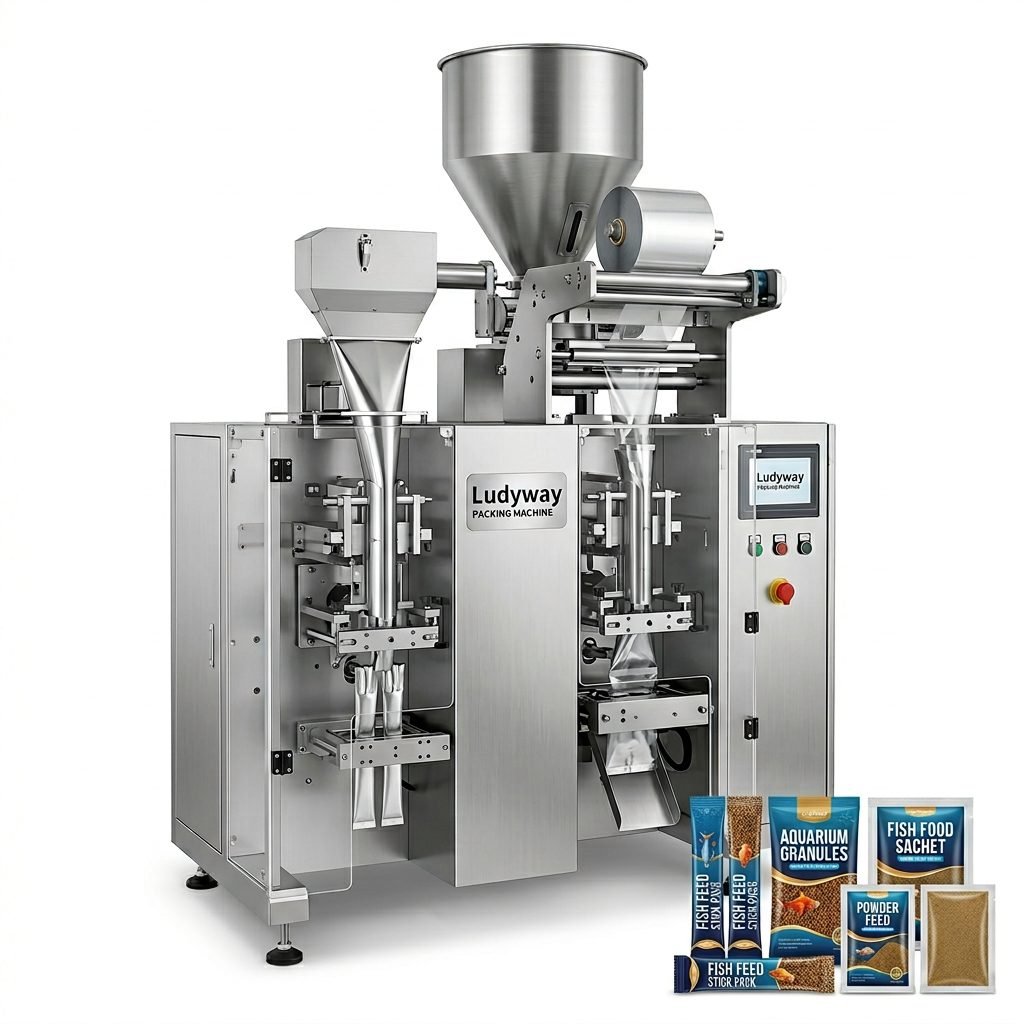
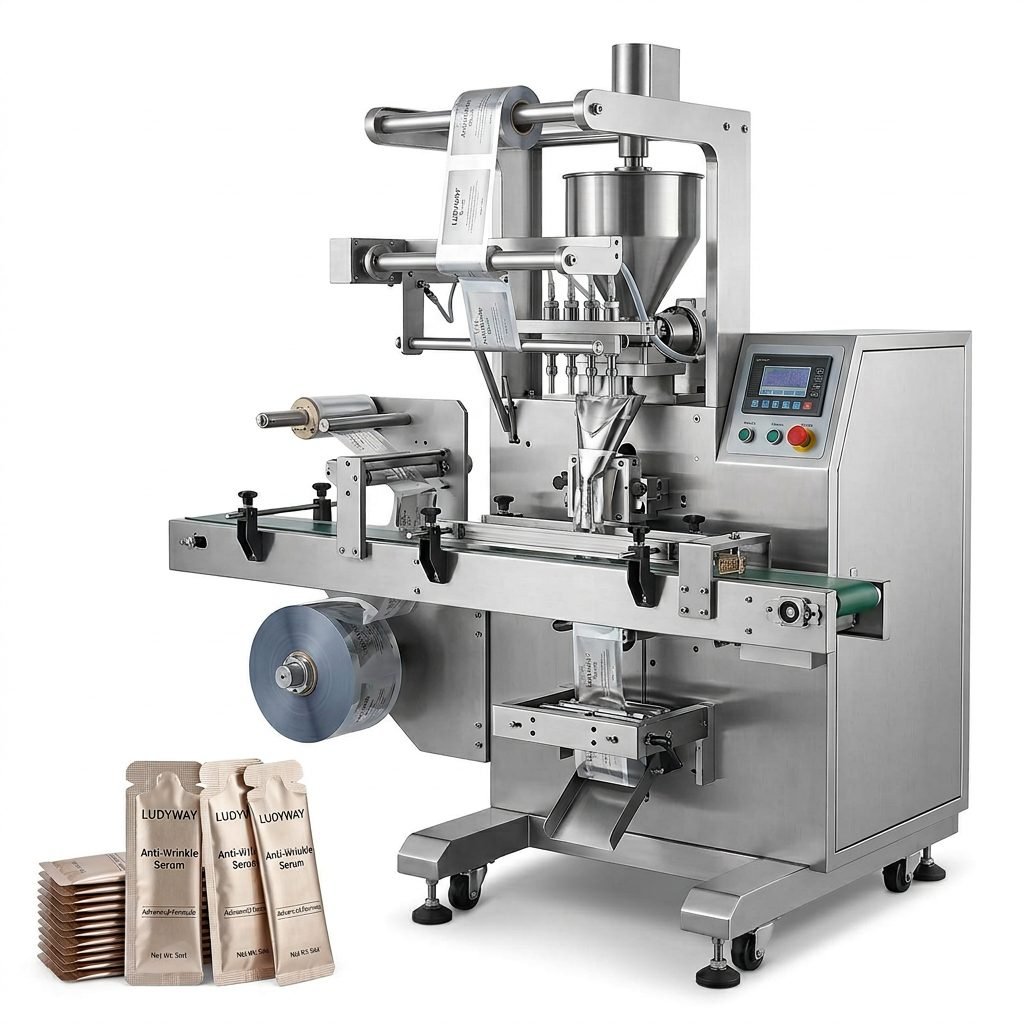
A zipper packing machine does more than fill bags. It forms, fills, seals, and often applies a resealable zipper closure in a single automated sequence. These machines handle flexible packaging formats — including stand-up pouches, gusseted bags, and flat pouches — while maintaining consistent seal integrity and precise fill weights. Industries ranging from frozen foods to pet treats rely on this technology to deliver shelf-ready products efficiently.
Step 1: Analyze Your Product Characteristics and Material
Not all zipper packing machines handle every product equally. Your first evaluation should focus on what you are packaging.
- Product type: Granules, powders, liquids, pastes, or solid items each require specific feeding and dosing systems.
- Flow characteristics: Free-flowing products like sugar behave differently than sticky or dusty powders like protein supplements.
- Film compatibility: The machine must support your chosen packaging material — polyethylene, polypropylene, laminates, or eco-friendly films — and seal them reliably with a zipper profile.
- Bag dimensions: Width, length, and gusset depth directly determine the compatible machine model range.
Step 2: Determine Production Speed and Automation Level
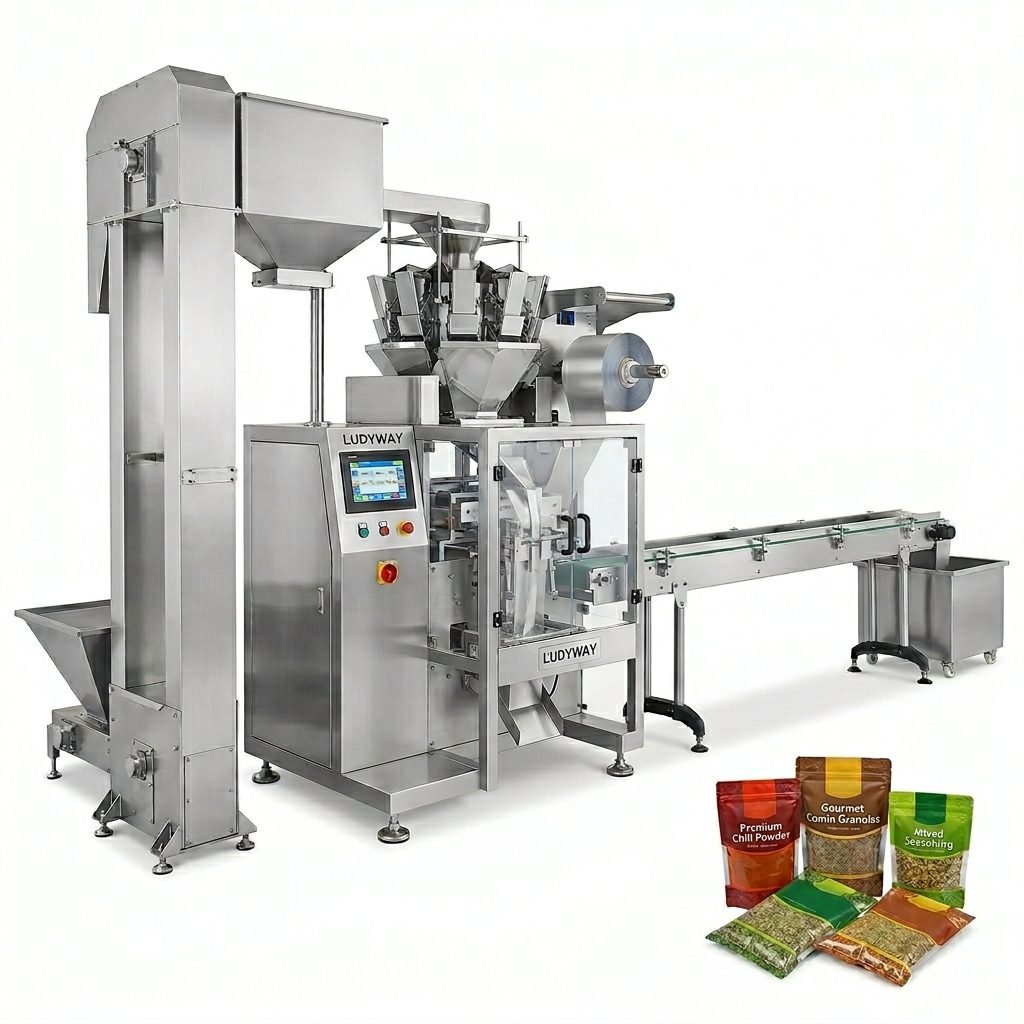
Your throughput requirements dictate the machine category. A semi-automatic machine might produce 15-25 bags per minute, while a high-speed multi-lane system can exceed 200 bags per minute. Align your selection with both current demand and projected growth.
- Semi-automatic: Suitable for startups or short-run specialty products. Lower upfront cost but higher labor dependency.
- Fully automatic: Ideal for medium to large-scale production, often integrating with automatic packaging machines and downstream cartoning equipment.
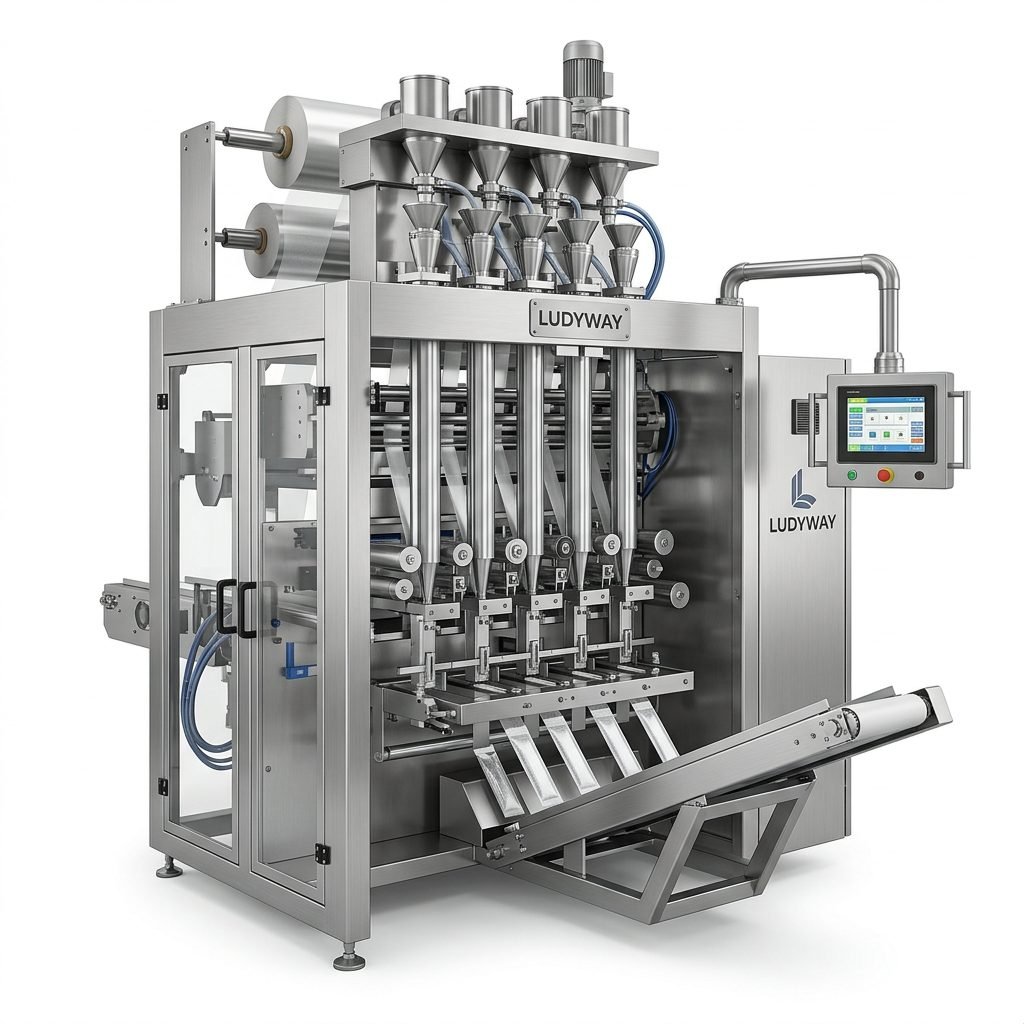
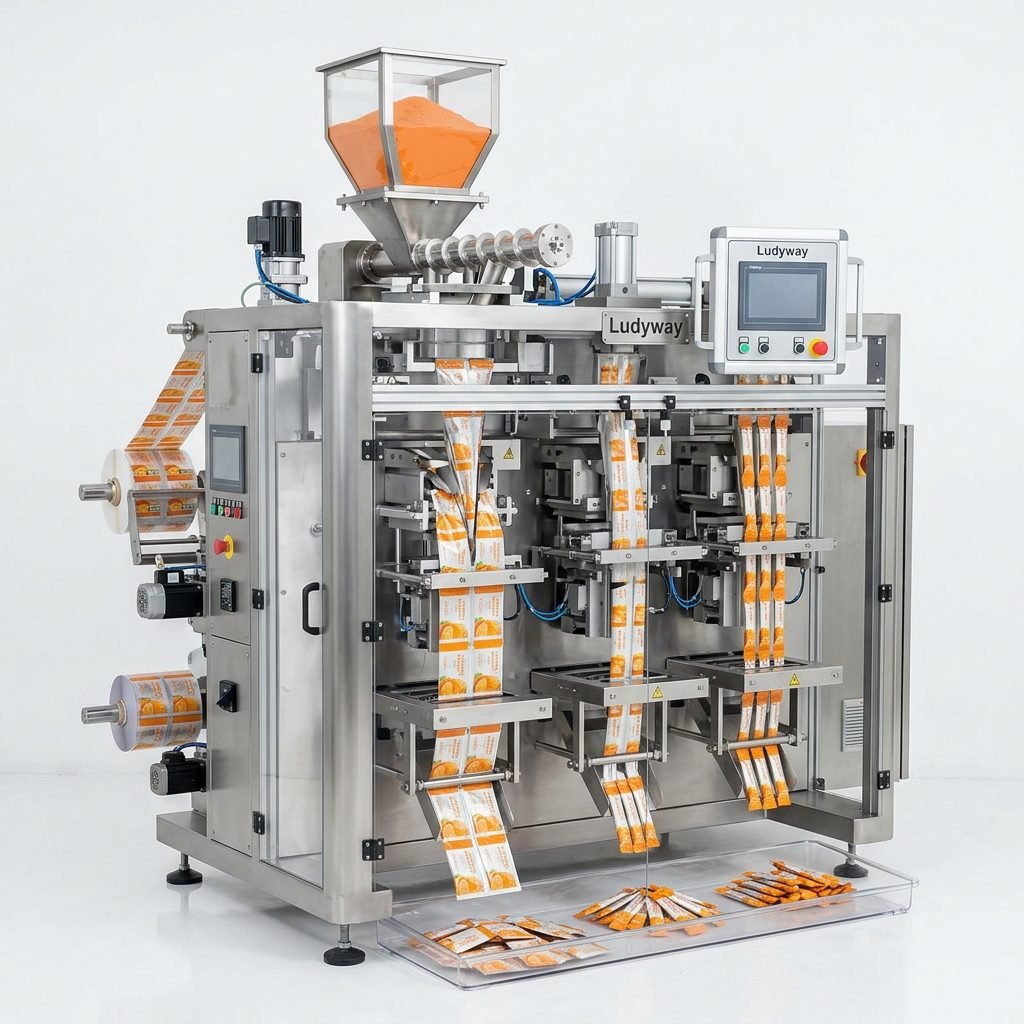
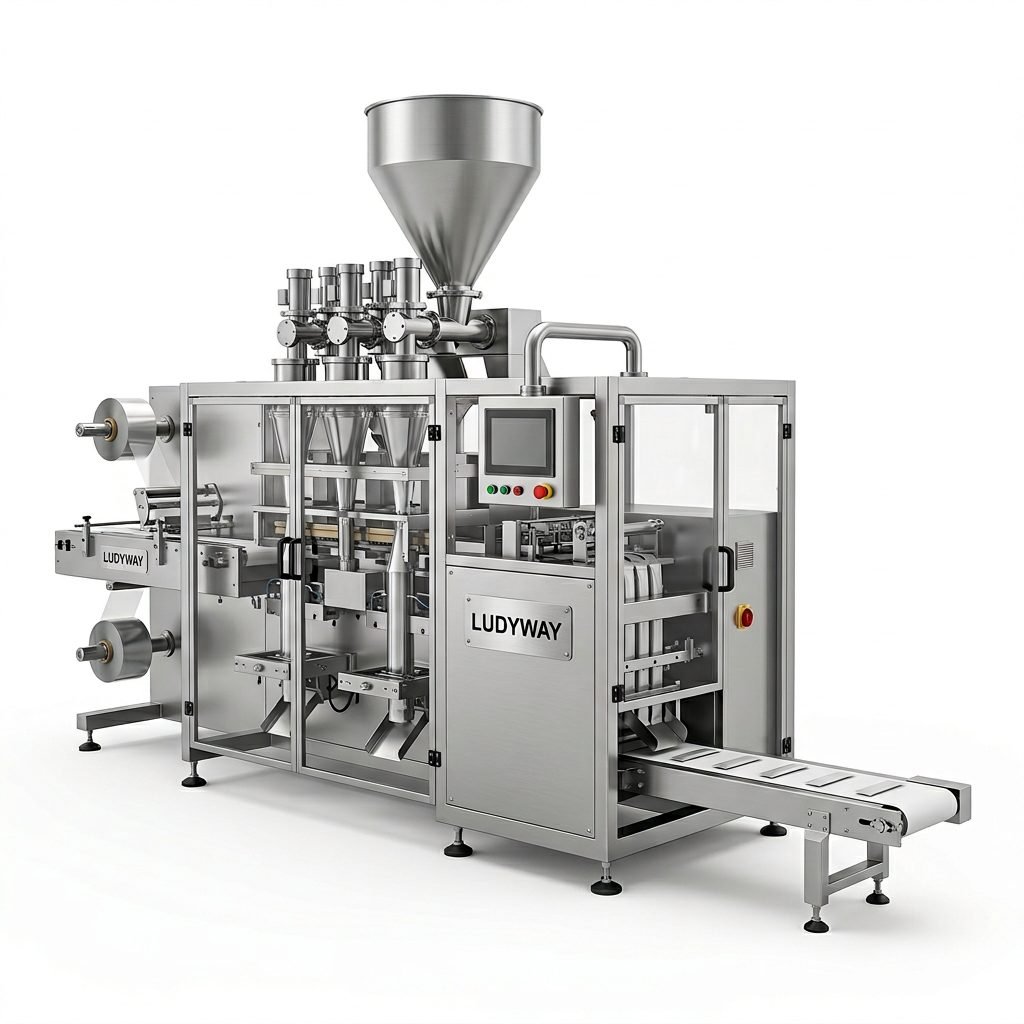
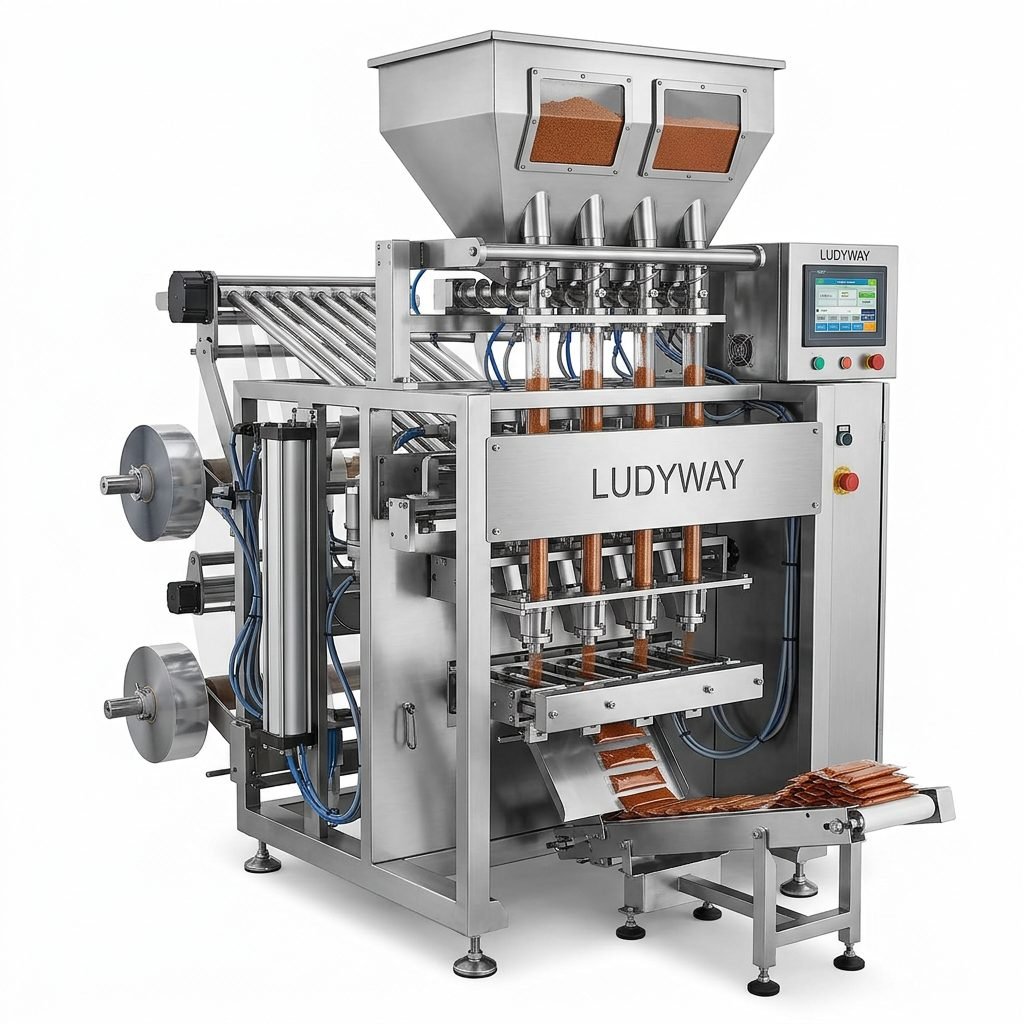
- Multi-lane systems: For very high-volume operations, multi-lane powder packaging machines or granule lines multiply throughput without multiplying floor space proportionally.
Selecting the Right Speed Tier
| Production Volume | Recommended Machine Type | Typical Speed Range |
|---|---|---|
| Low / Startup | Single-lane intermittent motion | 15–30 bags/min |
| Medium / Growing | Continuous motion rotary or vertical form fill seal | 40–80 bags/min |
| High / Industrial Scale | Multi-lane zipper packing machine | 100–250+ bags/min |
Step 3: Evaluate Bag Styles and Zipper Configurations
Zipper packing machines can produce diverse bag formats. The machine must be configured — or reconfigured — for the specific style you need. Changing bag formats later may require significant tooling changes.
- Stand-up pouch with zipper: Popular for snacks, coffee, and pet treats. Requires a machine capable of gusset formation and zipper insertion.
- Flat pouch with press-to-close zipper: Common in pharmaceutical and supplement applications.
- Slider zipper bags: Offer enhanced consumer convenience but demand specialized applicator heads and higher precision film tracking.
- Chain zipper profiles: Simpler to apply but less premium in user experience compared to slider formats.
Zipper Type Comparison
| Zipper Type | Consumer Experience | Machine Complexity |
|---|---|---|
| Press-to-close (profile) | Good | Moderate |
| Slider zipper | Excellent | High |
| Double zipper | Very High (food safety focus) | High |
Step 4: Assess Machine Compatibility and Material Flexibility
Packaging material costs represent a significant ongoing expense. The zipper packing machine you choose should accommodate the widest practical range of films to give you sourcing flexibility. Verify that the machine can handle the thickness, coefficient of friction, and heat-seal characteristics of your preferred laminates. Machines with servo-driven sealing jaws typically offer better control over dwell time and temperature, critical for consistent zipper adhesion across different film structures.
Step 5: Evaluate Machine Accuracy and Dosing Technology
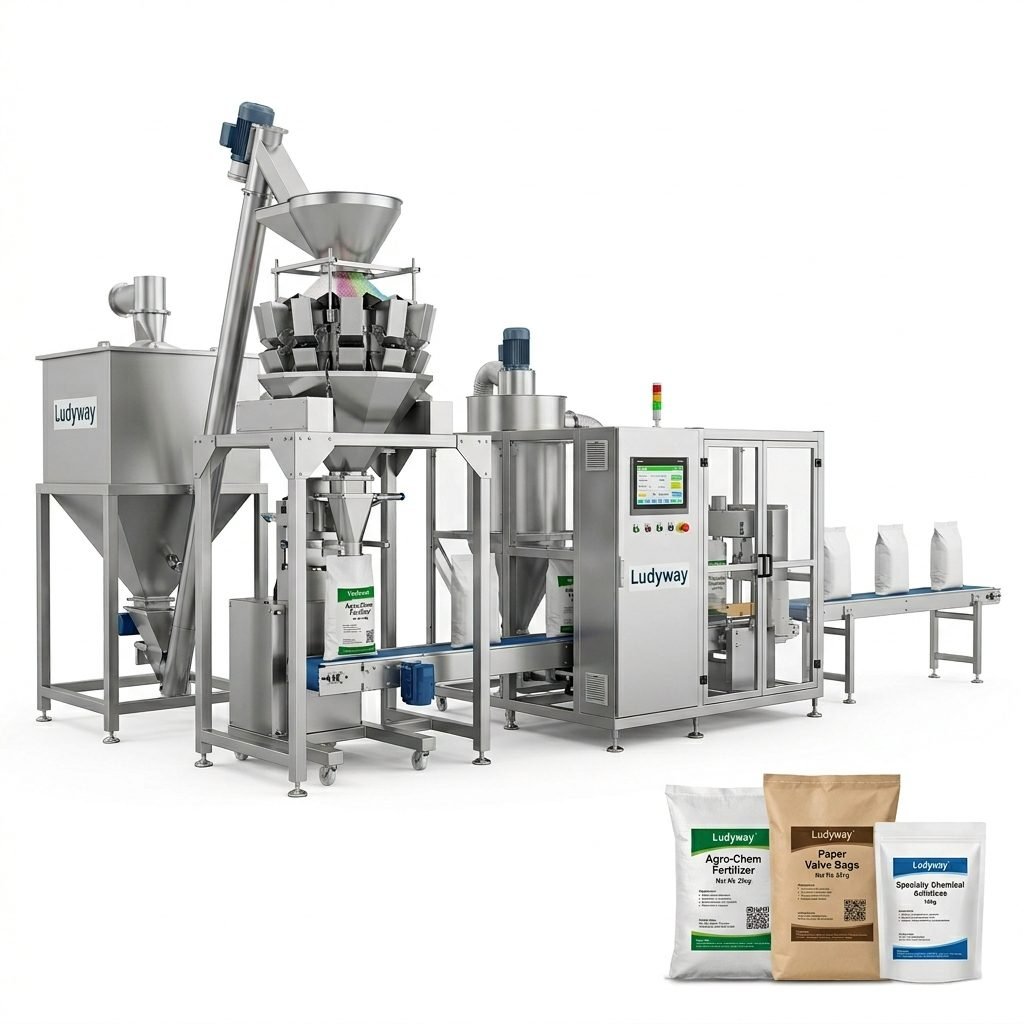
Fill accuracy directly impacts profitability. Overfilling gives away product; underfilling risks regulatory non-compliance and customer dissatisfaction. The dosing mechanism must be matched precisely to your product’s physical properties.
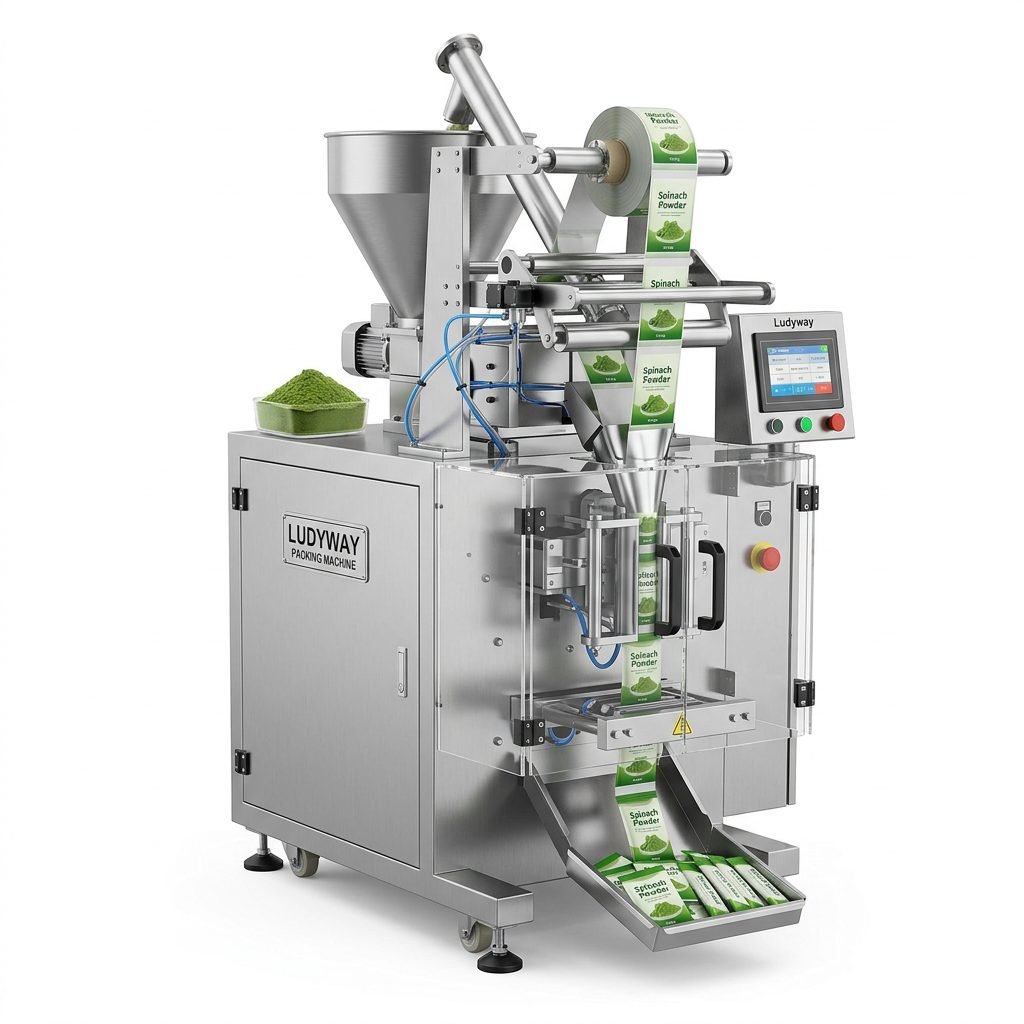
- Auger fillers: Best for fine powders, from pharmaceutical actives to protein supplements.
- Multi-head weighers: Ideal for granules, snacks, nuts, and irregular solid pieces. Offer high speed and excellent accuracy.
- Volumetric cup fillers: Cost-effective for free-flowing granules where slight weight variation is acceptable.
- Piston and pump fillers: Designed for liquids, pastes, and viscous products in zipper pouch formats.
Step 6: Consider Cleanability and Hygiene Requirements
Food and pharmaceutical packaging demands strict sanitary design. Look for tool-free disassembly, sloped surfaces that prevent product accumulation, and stainless steel construction. If you produce multiple products on the same line, rapid changeover capability — ideally under 30 minutes — becomes essential to maintaining overall equipment effectiveness (OEE).
Step 7: Evaluate Manufacturing Quality and Standards
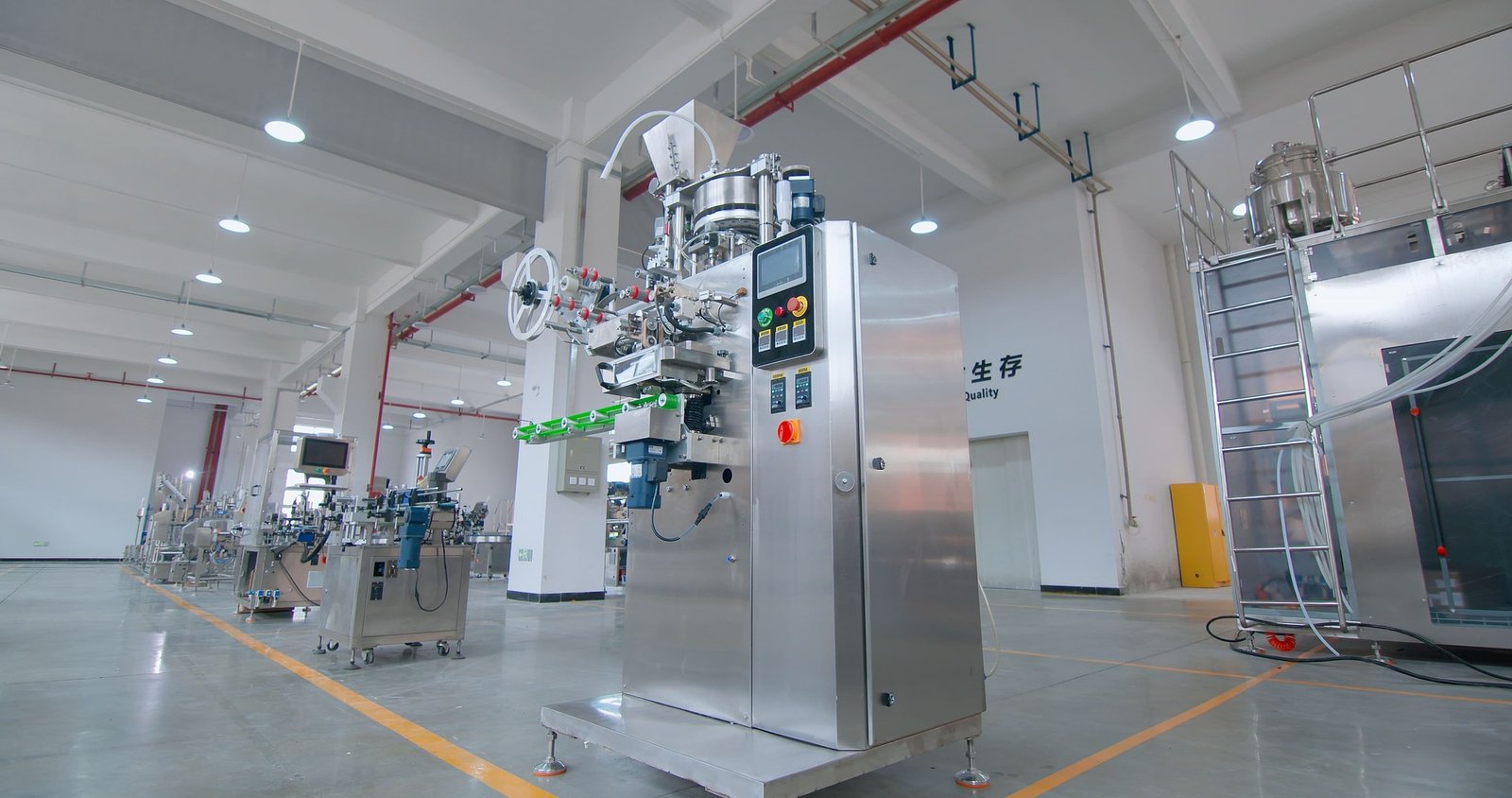
A zipper packing machine is a long-term capital asset. Machine frame rigidity, component quality, and control system architecture determine reliability over a 10-15 year lifecycle. Inspect the machine’s core structural and automation elements carefully, and request documentation on international standards compliance relevant to your market.
Step 8: Compare Total Cost of Ownership
Purchase price alone is misleading. A lower upfront cost can translate to higher expenses over the machine’s life through maintenance, downtime, and film waste. Evaluate the complete cost picture before committing.
| Cost Factor | What to Evaluate |
|---|---|
| Initial capital | Machine price including tooling for your first bag format |
| Installation and training | On-site commissioning, operator training, and production ramp-up support |
| Maintenance and spares | Availability of critical spare parts, recommended maintenance intervals, and service contract options |
| Film waste rate | Startup and splice waste percentages directly erode profit margins |
| Energy consumption | Compressed air and electrical usage, especially significant in multi-shift operations |
Step 9: After-Sales Support and Long-Term Partnership
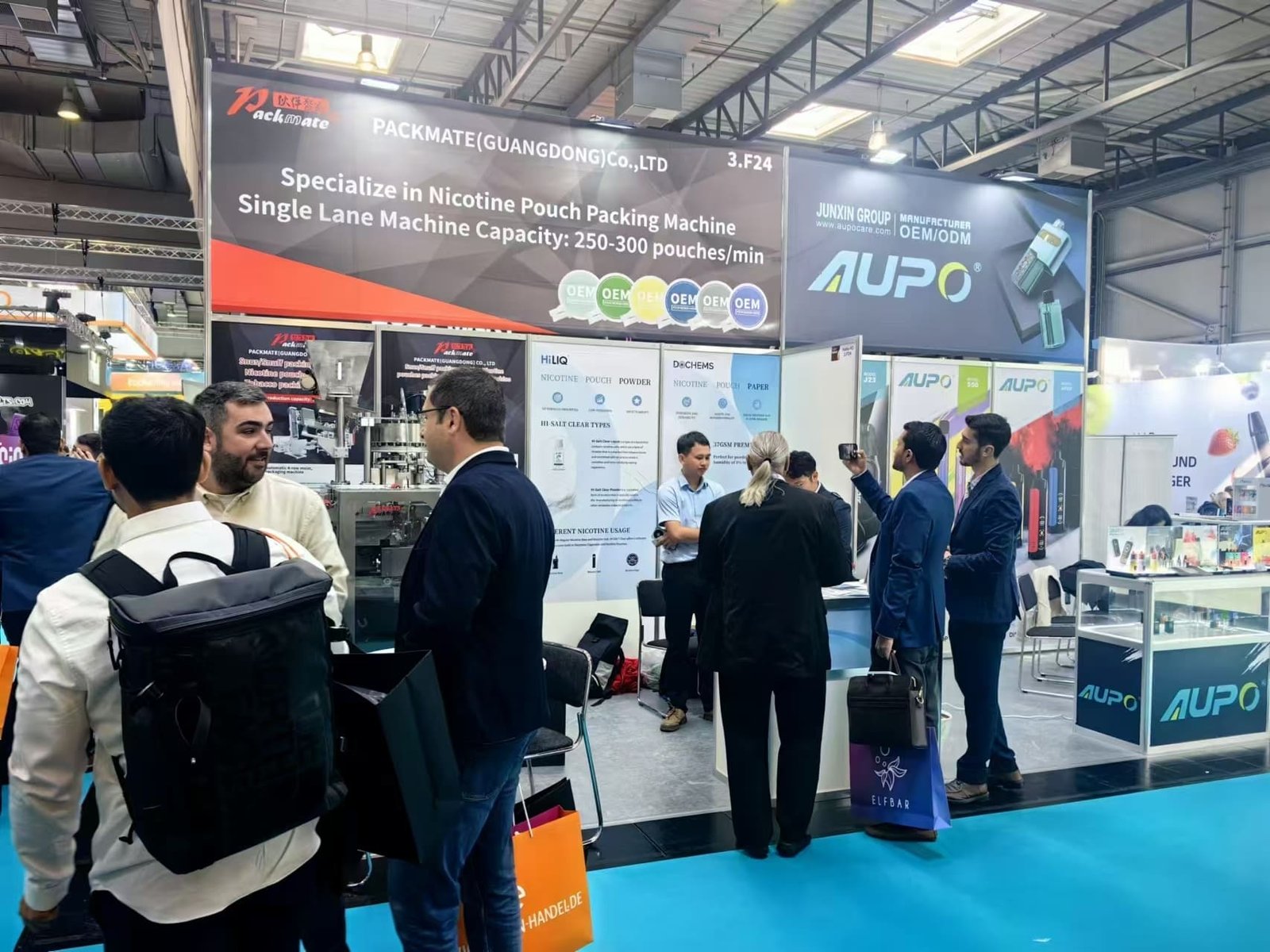
A packaging line is only as strong as the support behind it. Before purchasing, confirm that the manufacturer offers remote diagnostics, readily available spare parts, and responsive technical assistance. With over 30 years of experience in the industry, Ludyway Machinery has built a global service network that supports more than 100 countries with machine selection, installation, commissioning, operator training, troubleshooting, and after-sales service — helping manufacturers maintain consistent production and address operational issues efficiently. This level of partnership is particularly valuable when scaling production or entering new markets where downtime translates directly to lost revenue.
Decision Checklist: 10 Questions to Ask Before Buying
- What are the physical characteristics of my product — free-flowing, sticky, dusty, or fragile?
- What is my current and projected production volume in bags per minute?
- Which bag style and zipper format best serve my brand and consumer needs?
- Is the machine compatible with my preferred film laminates and thicknesses?
- What dosing technology delivers the fill accuracy my product and regulations require?
- How fast can the machine be changed over between different products or bag sizes?
- Does the machine’s sanitary design meet my industry’s hygiene standards?
- What is the realistic total cost of ownership over a 10-year period?
- What certifications and compliance documentation are available for my target markets?
- What level of after-sales support, training, and spare parts availability does the manufacturer provide?
Making the Final Decision
Choosing the right zipper packing machine requires balancing technical specifications, operational requirements, and long-term business goals. The machine must handle your product efficiently, integrate with existing packaging lines, and scale with your growth. Take time to visit manufacturer facilities, run product trials with your actual materials, and speak with existing customers about their real-world experience. A methodical evaluation process leads to a packaging investment that delivers consistent quality, operational efficiency, and strong returns for years to come.