Investing in a milk bag packing machine is a critical decision for dairy producers, powder manufacturers, and co-packers looking to scale production, improve product consistency, and reduce labor costs. With a wide range of machine types, automation levels, and technical specifications available, selecting the right equipment requires a structured evaluation of your product characteristics, production goals, and operational environment. This guide walks you through the essential factors to consider before making a purchase.
Understanding Milk Bag Packaging Formats
Before evaluating machinery, it is essential to define your target packaging format. Milk and dairy powder products are typically packed in several configurations, each requiring specific machine capabilities:
- Pillow bags – Common for bulk milk powder, featuring three-side or back seals.
- Gusseted bags – Provide a stable base and higher volume capacity, ideal for family-size milk powder packs.
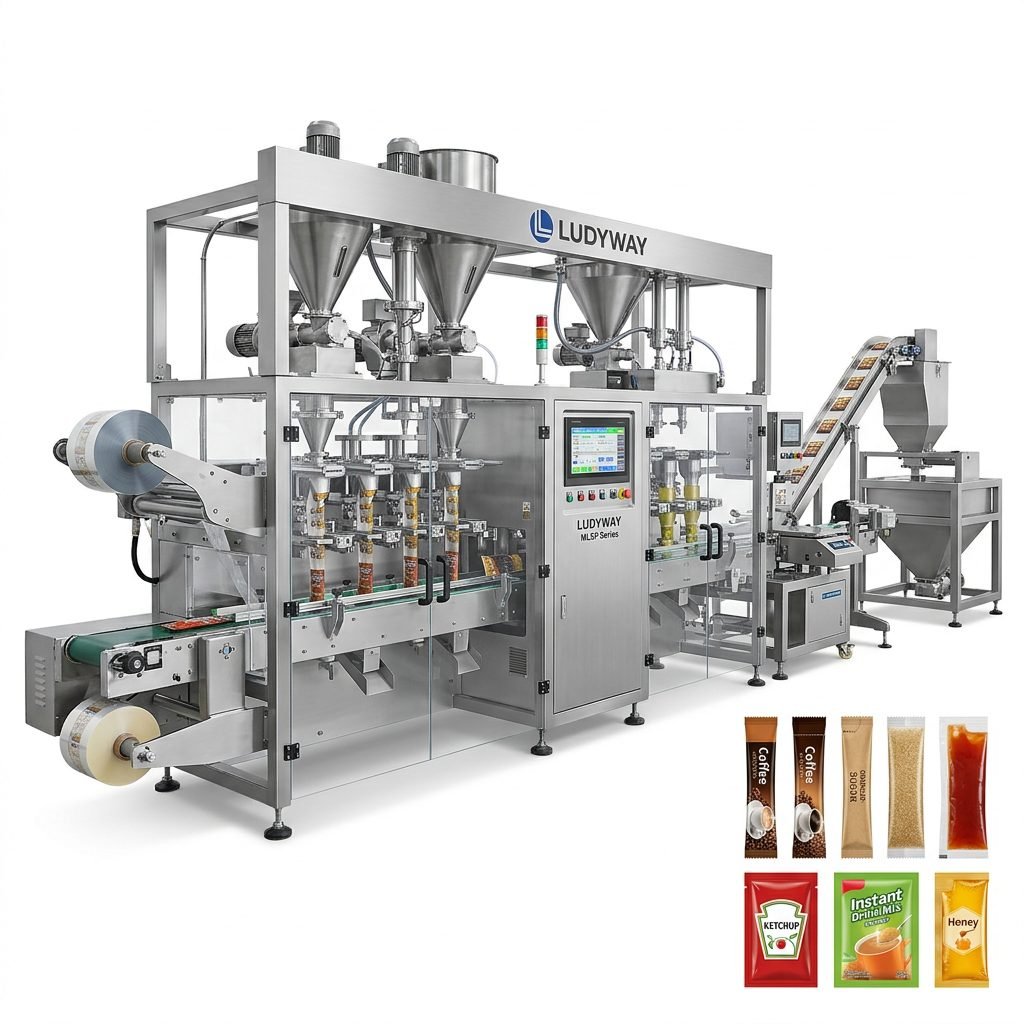
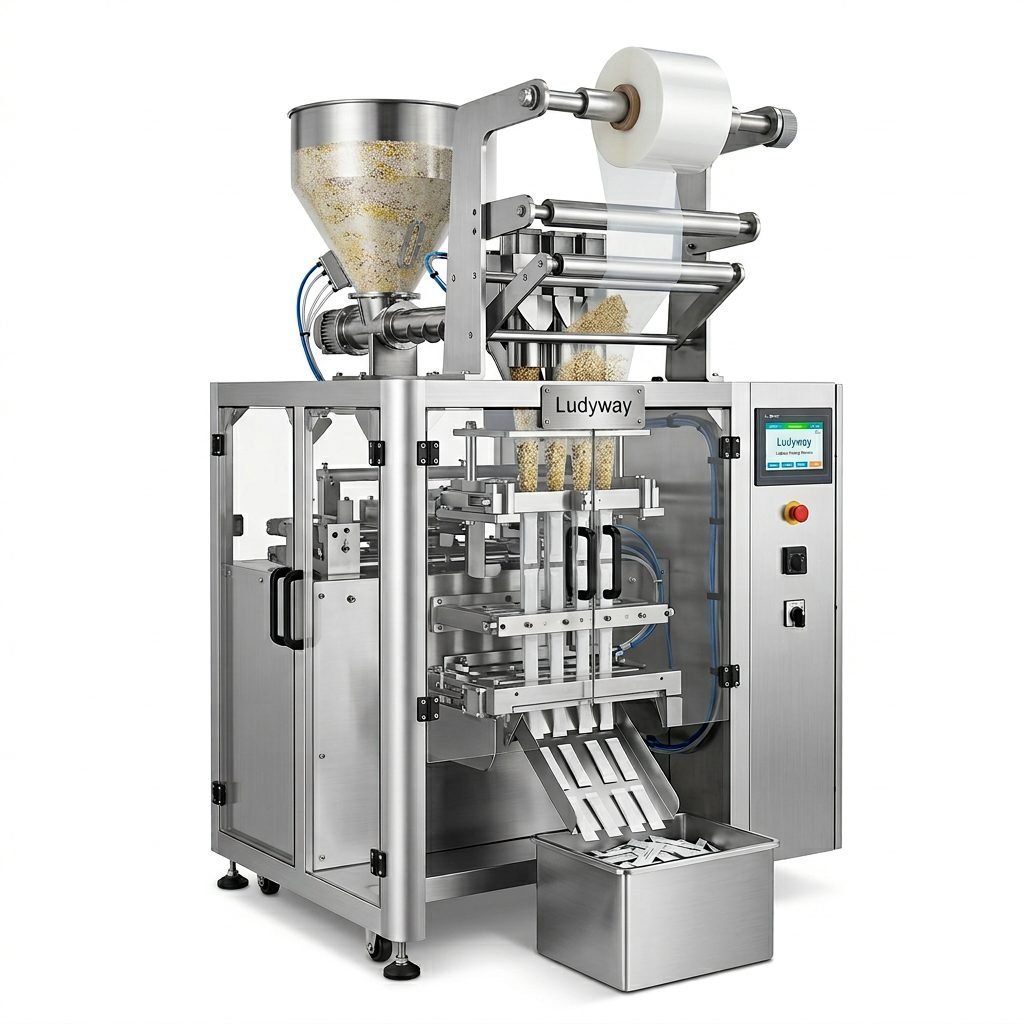
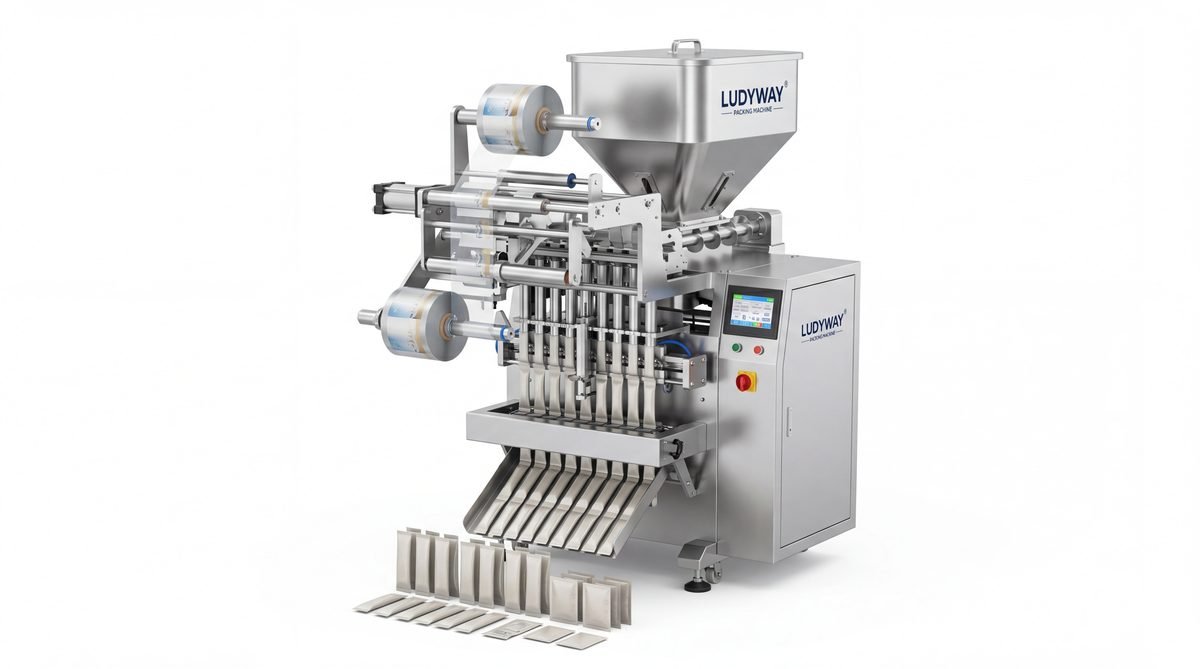
- Stick packs and sachets – Increasingly popular for single-serve milk powder, protein supplements, and creamer portions.
- Stand-up pouches with zippers – Premium packaging offering resealability and extended product freshness.
- Bag-in-box formats – Used for liquid milk products in food service and institutional settings.
Your chosen format directly influences the type of filling system, sealing technology, and bag material compatibility required from your machine.
Key Factors to Evaluate When Choosing a Milk Bag Packing Machine
1. Product Characteristics and Flowability
Milk powder, whey protein, creamer, and other dairy-based powders exhibit different flow behaviors, bulk densities, and moisture sensitivities. A machine that works well for free-flowing granular powder may struggle with cohesive or hygroscopic milk powder. Look for features such as:
- Auger fillers for precise volumetric dosing of fine powders with inconsistent density.
- Multi-head weighers for high-speed, high-accuracy applications requiring consistent portion control.
- Dust extraction systems to prevent powder buildup on sealing areas and maintain seal integrity.
- Agitation or bridge-breaking devices in hoppers to ensure uniform product flow.
2. Production Speed and Capacity Requirements
Matching machine speed to your current and projected output is essential. A machine rated for 30 bags per minute may be insufficient if you plan to double production within two years. Consider:
| Production Tier | Typical Speed Range | Recommended Machine Type |
|---|---|---|
| Small-scale / Startup | 15–30 bags/min | Single-lane vertical form fill seal (VFFS) |
| Mid-size Production | 30–80 bags/min | Multi-lane stick pack or dual-lane VFFS |
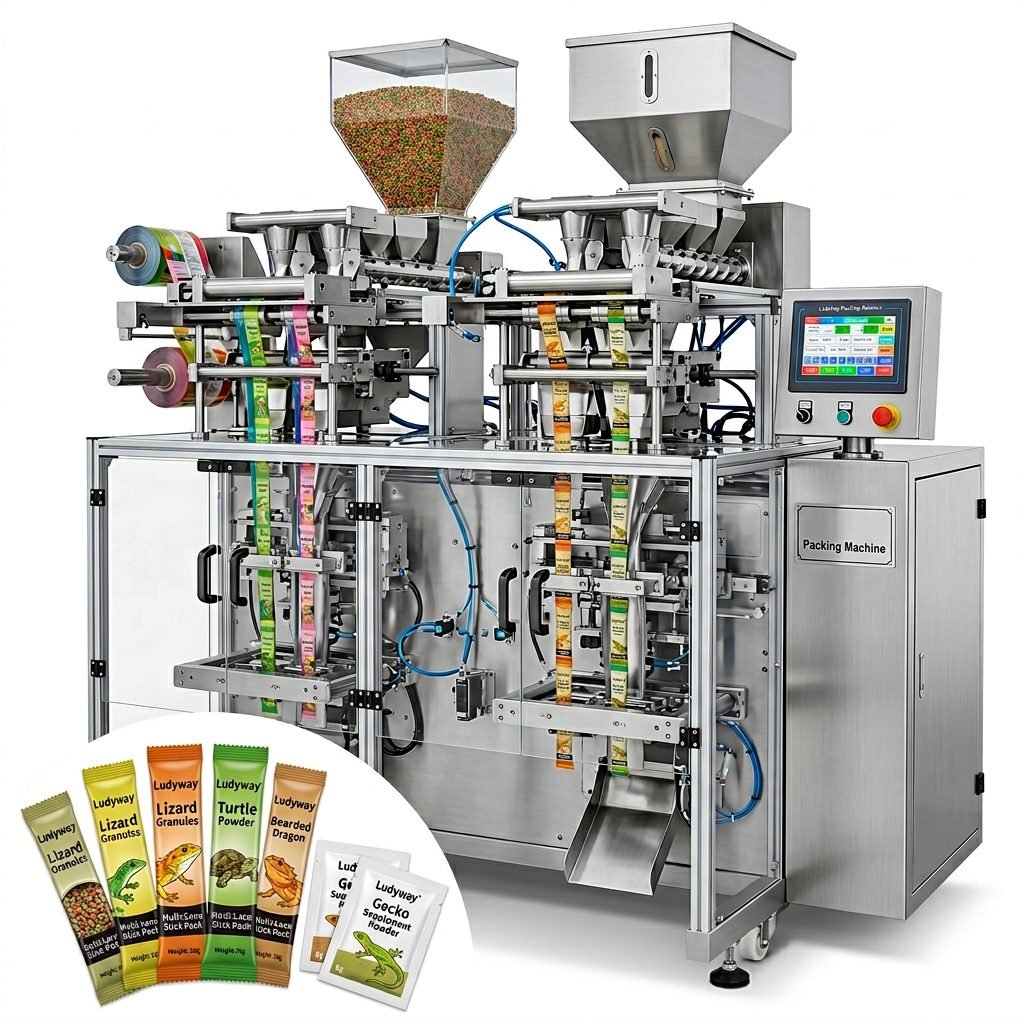
| High-volume Industrial | 80–200+ bags/min | High-speed multi-lane systems with automated feeding |
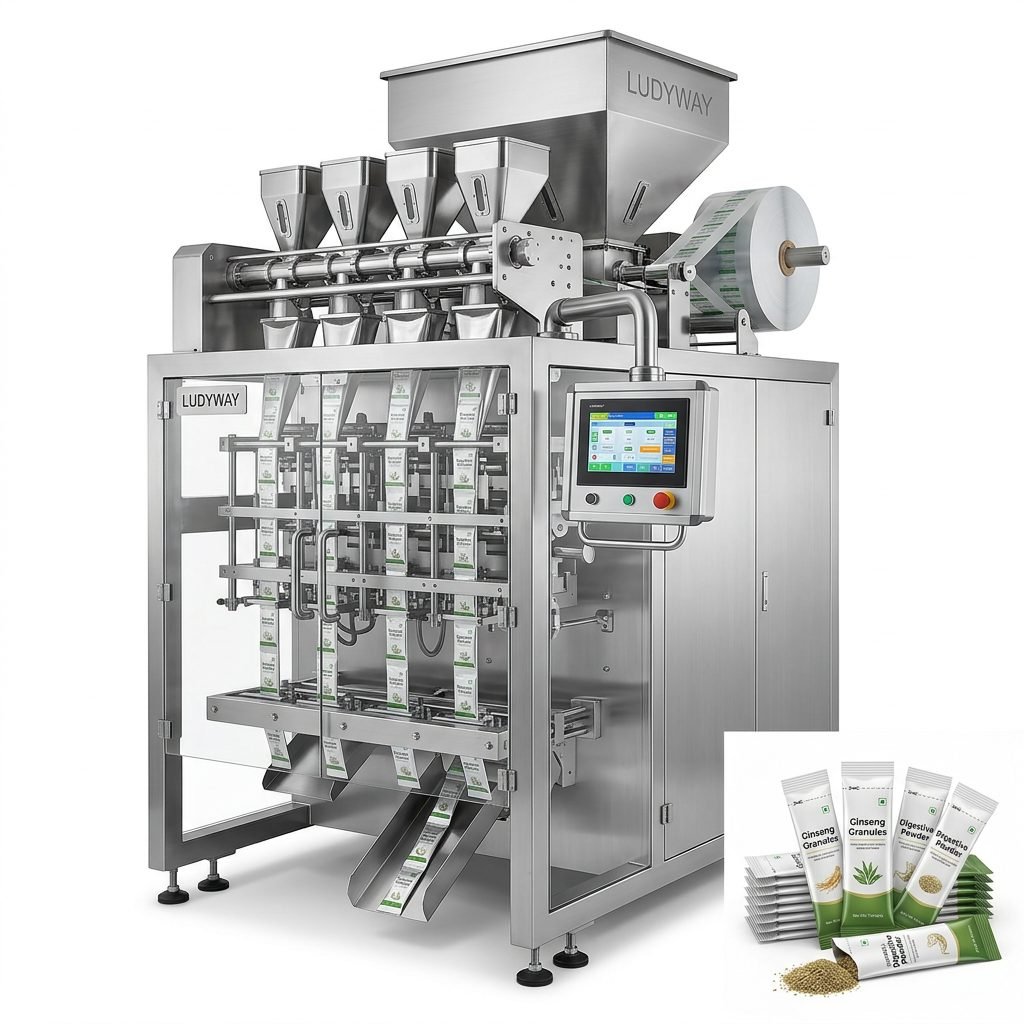
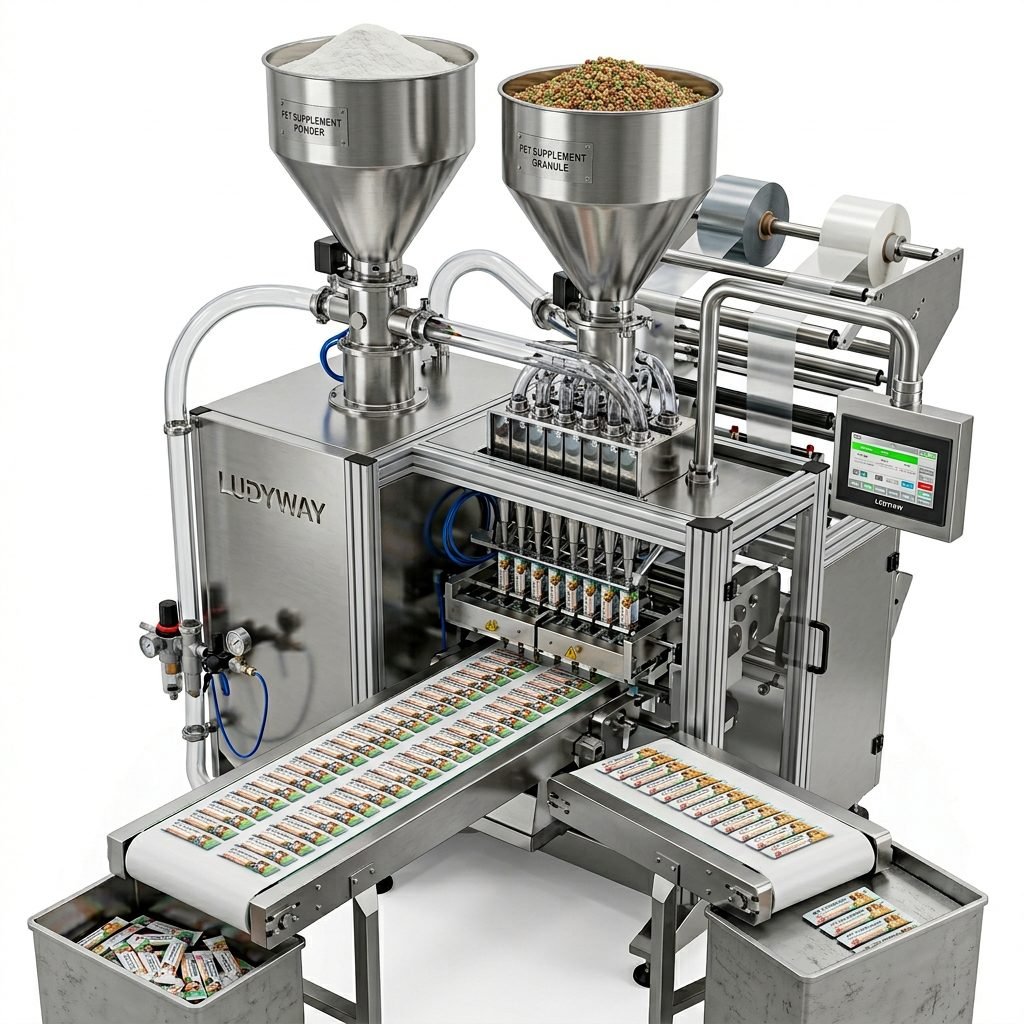
High-speed multi-lane stick pack machines can significantly increase throughput while maintaining dosing accuracy for single-serve milk powder portions.
3. Bag Size Range and Changeover Flexibility
Modern milk packaging lines often handle multiple SKUs, from small 10g creamer sachets to 2.5kg bulk family packs. Evaluate the machine’s adjustable bag width and length range and the time required for changeovers. Machines with servo-driven adjustments and recipe storage reduce downtime when switching between formats.
4. Sealing Technology and Material Compatibility
The barrier properties of your packaging material directly impact product shelf life. Milk powders require excellent moisture and oxygen barriers, commonly achieved with multi-layer laminates such as PET/Alu/PE or BOPP/CPP structures. Confirm that the machine supports:
- Heat sealing with precise temperature control across the full seal width.
- Ultrasonic sealing options for materials sensitive to heat or for applications requiring cold-seal capability.
- Gas flushing or vacuum systems to extend product shelf life and protect nutritional content.
- Easy-to-clean sealing jaws to prevent cross-contamination between batches.
5. Hygiene, Cleanability, and Compliance
Dairy packaging is subject to strict food safety standards, including FDA, EU, and local regulatory requirements. Look for machines designed with hygienic principles that support GMP and HACCP compliance:
- Stainless steel construction (304 or 316L) for all product contact parts.
- Tool-free disassembly of filling and sealing modules for rapid cleaning and sanitization.
- Sloped surfaces and sealed electrical enclosures to facilitate washdown procedures.
- Validated cleaning protocols and documentation for regulatory audits.
The FDA packaging and food contact substances regulations provide essential guidance for dairy packaging compliance.
6. Automation Level and Integration Capabilities
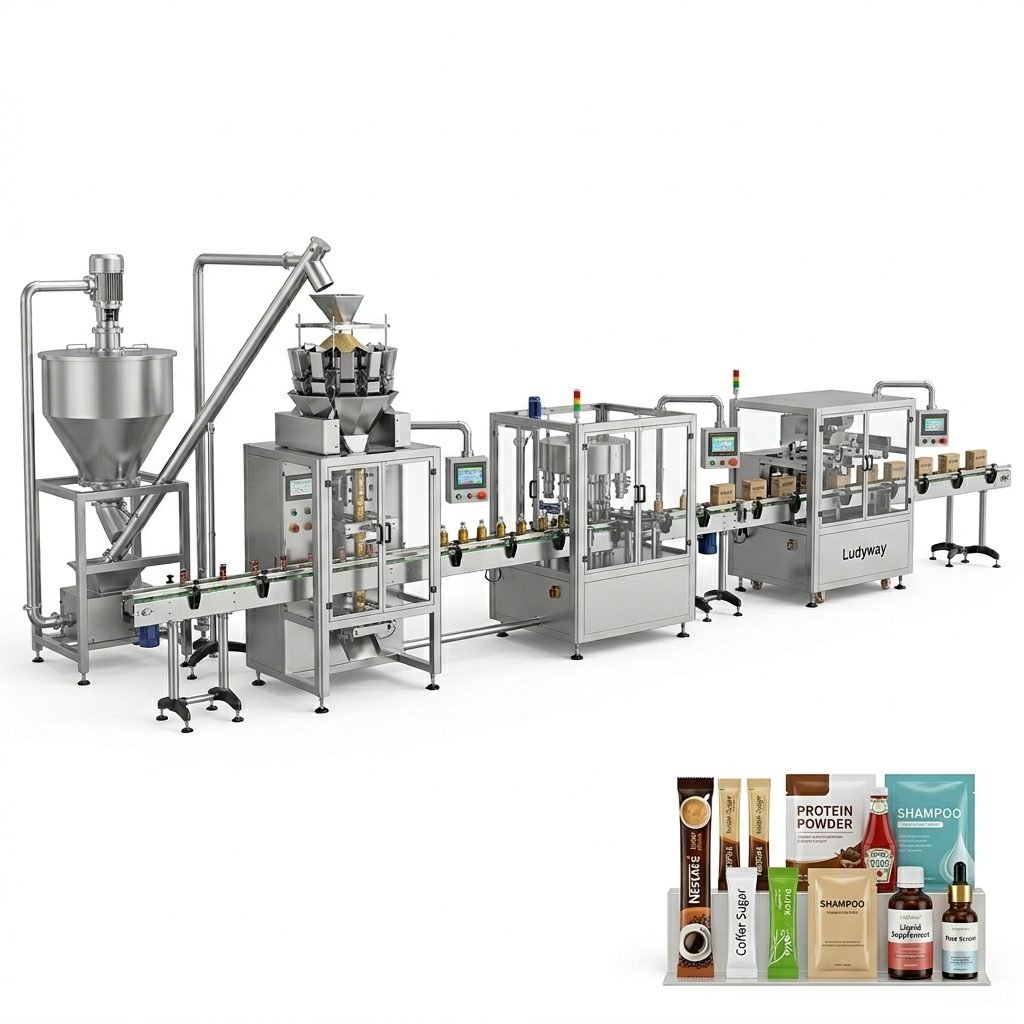
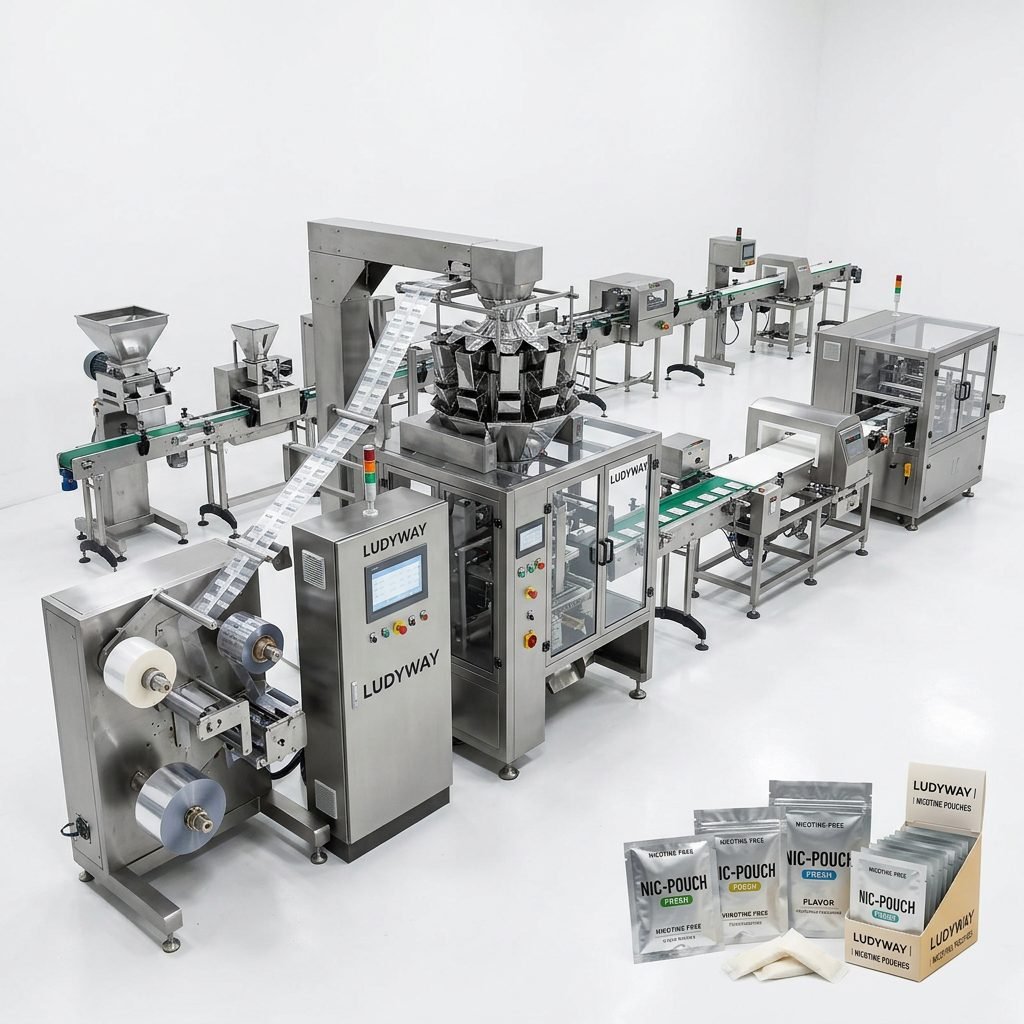
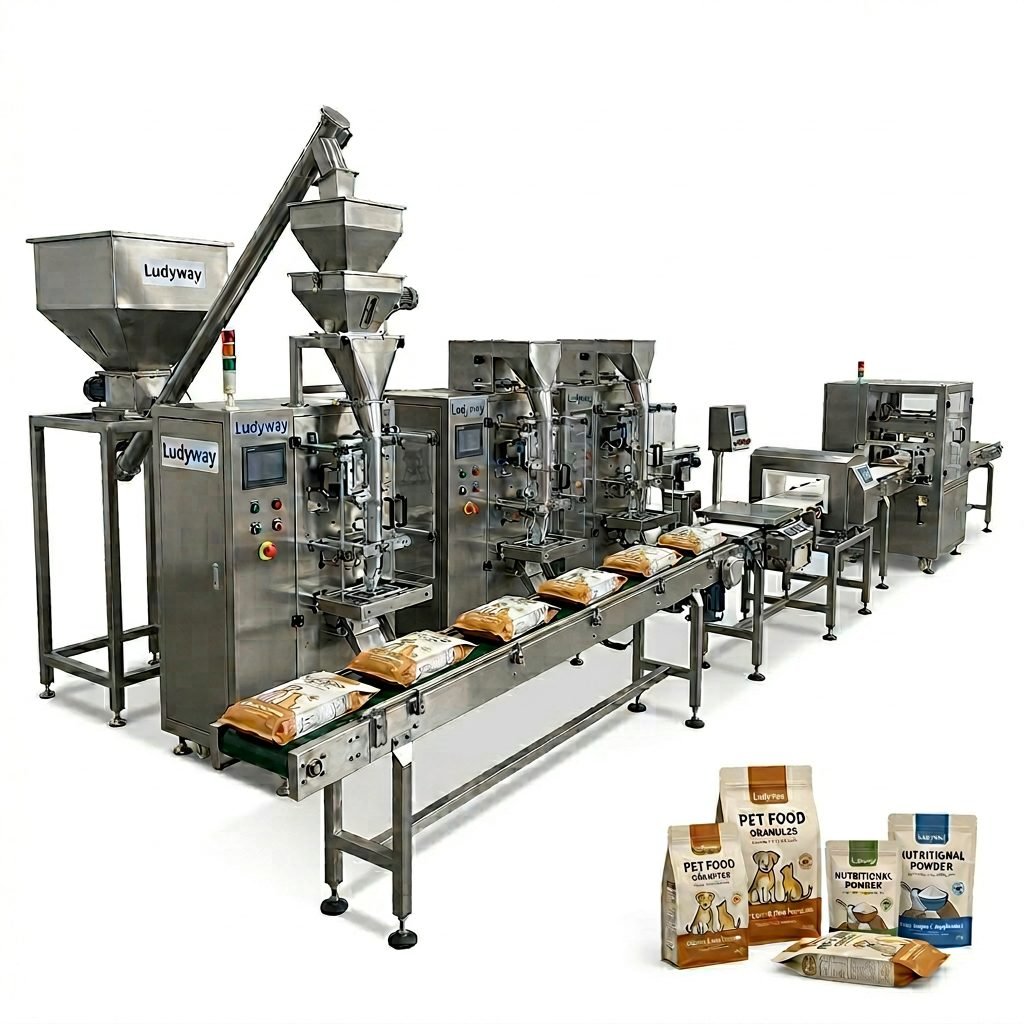
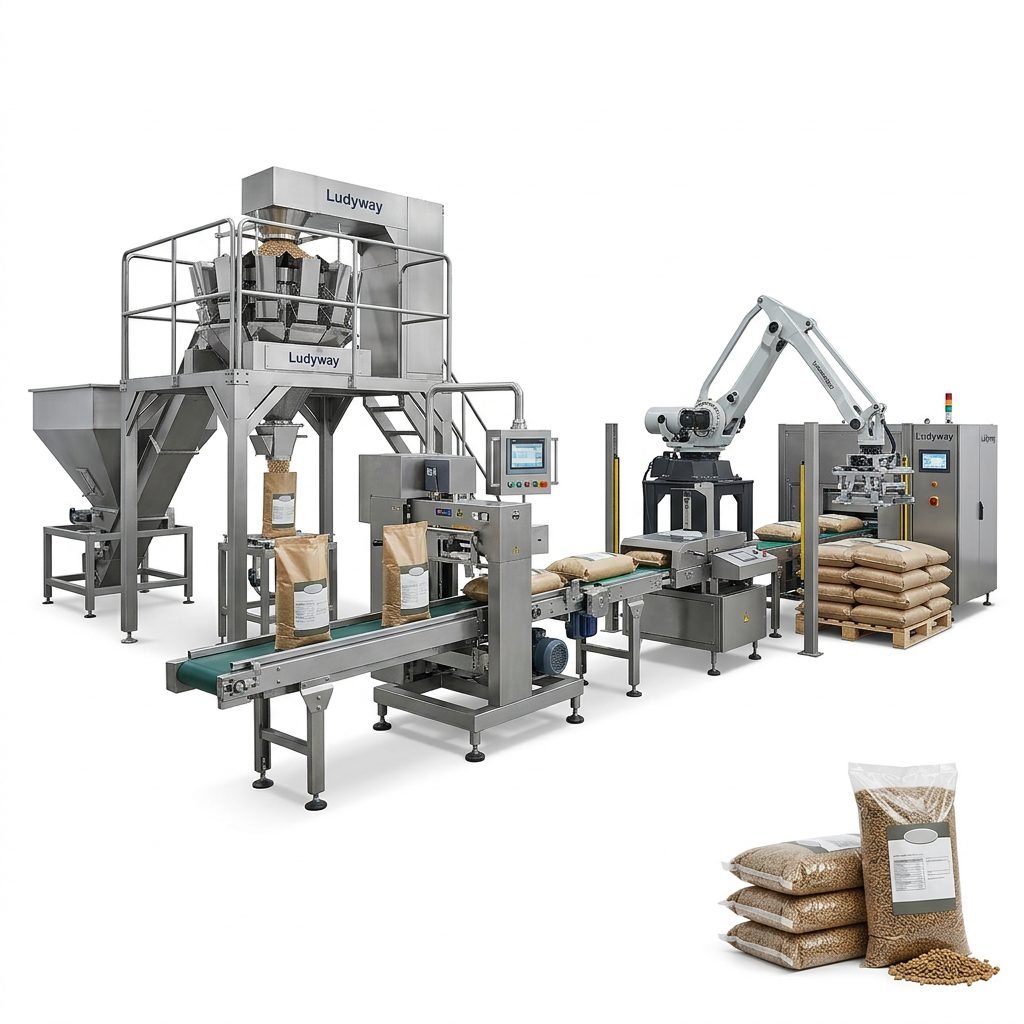
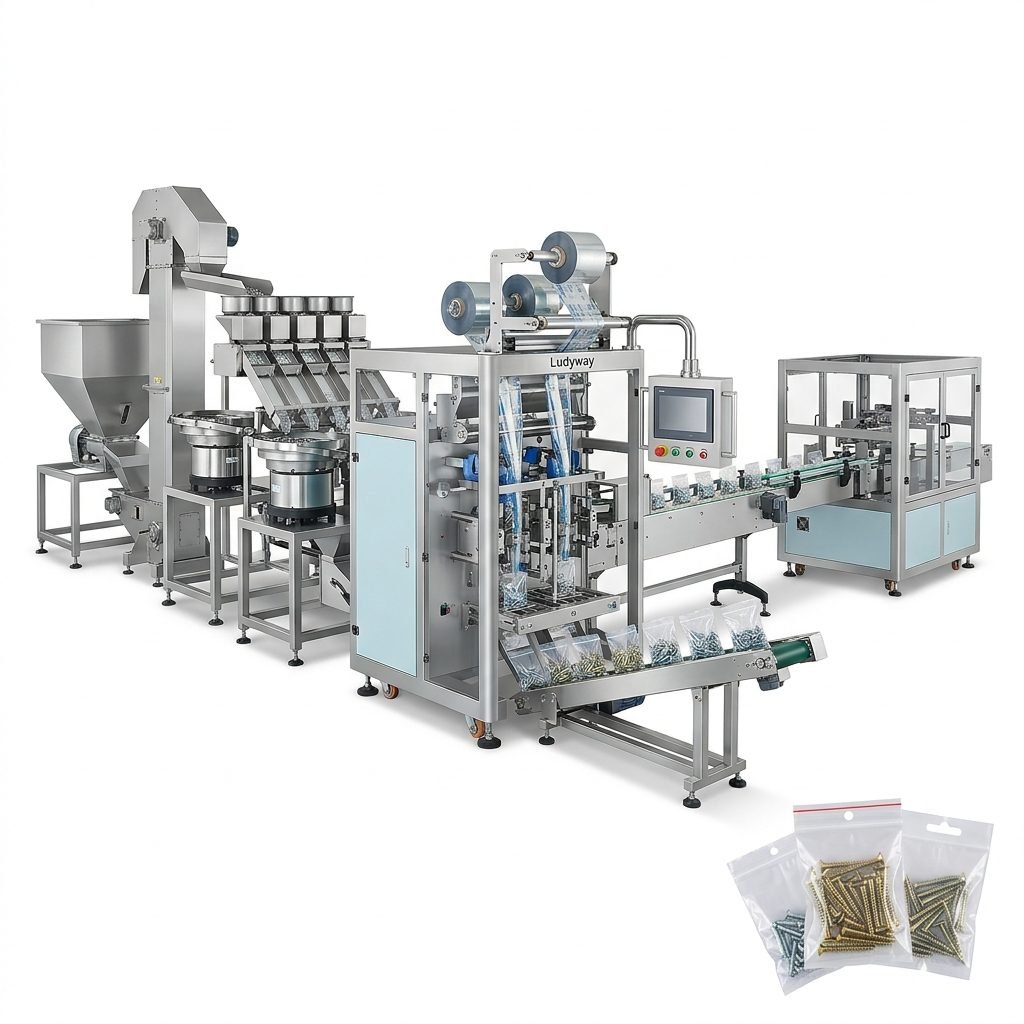
Your machine should integrate seamlessly with upstream and downstream equipment. Modern turnkey solutions include:
- Automated feeding systems – Screw conveyors, vacuum feeders, or bucket elevators for continuous product supply.
- Inline quality control – Checkweighers, metal detectors, and vision inspection for seal integrity verification.
- Secondary packaging integration – Cartoning, case packing, and palletizing systems for end-of-line automation.
- Smart controls – PLC-based systems with touchscreen HMI, remote diagnostics, and production data logging.
According to industry data from the PMMI business intelligence library, integrated packaging lines can improve overall equipment effectiveness by 15–25% compared to standalone machines.
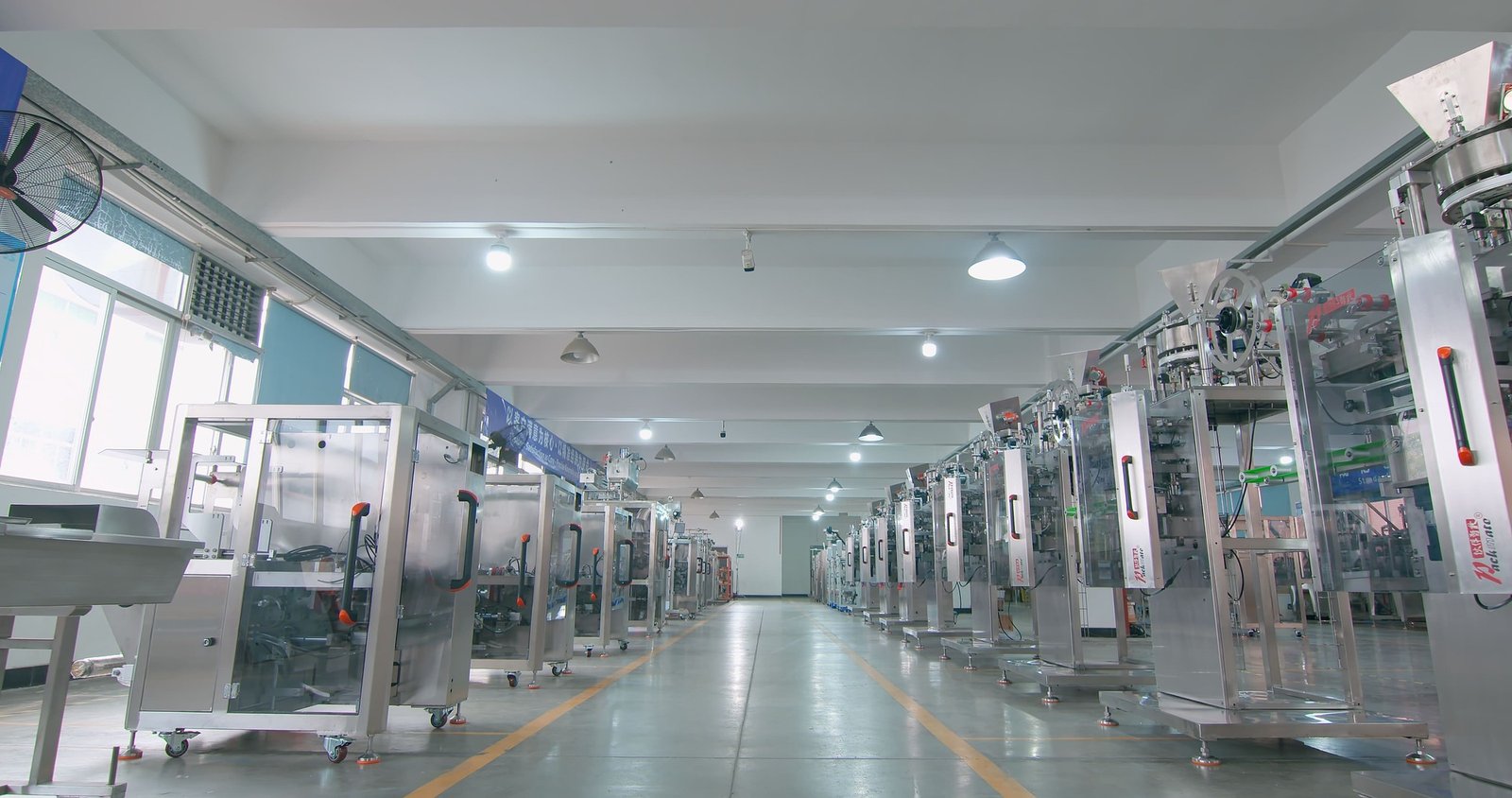
Comparing Machine Types for Milk Bag Packaging
Different machine configurations are suited to different production environments. The table below summarizes the most common options:
| Machine Type | Best For | Key Advantage |
|---|---|---|
| Vertical Form Fill Seal (VFFS) | Bulk milk powder bags up to 2.5kg | Proven reliability, wide bag size range |
| Multi-Lane Stick Pack Machine | Single-serve milk powder and creamer sachets | Ultra-high output (up to 200+ packs/min per lane set) |
| Pre-made Pouch Filler-Sealer | Stand-up pouches with zippers or spouts | Premium packaging flexibility and shelf appeal |
| Rotary Filling and Sealing System | Very high-volume bulk powder operations | Continuous motion for maximum throughput |
Questions to Ask Before Purchasing
Engaging with potential suppliers requires a clear understanding of your needs and their capabilities. Consider these questions during evaluation:
- Does the supplier offer on-site testing with your actual product and packaging material before delivery?
- What is the typical lead time for machine manufacturing, delivery, and commissioning?
- Is operator training and technical documentation provided in your preferred language?
- What spare parts inventory is recommended for the first year of operation?
- Does the supplier provide remote technical support, onsite service, and preventive maintenance programs?
- Can the machine be upgraded or reconfigured later for new packaging formats or higher speeds?
- What warranty terms apply, and what is covered under standard warranty?
Total Cost of Ownership vs. Initial Purchase Price
A lower upfront machine cost can be misleading if it results in higher maintenance, downtime, or material waste over the equipment’s lifespan. When calculating total cost of ownership, factor in:
- Film material waste rates – A machine with poor tension control or inconsistent sealing can generate 3–5% higher film waste.
- Energy consumption – Servo-driven machines often provide 30–40% energy savings compared to pneumatic systems.
- Spare parts availability and cost – Confirm lead times and pricing for high-wear components such as sealing jaws, belts, and sensors.
- Operator training and labor requirements – A highly automated machine may reduce staffing needs while improving output consistency.
For a comprehensive understanding of packaging machinery standards and performance benchmarks, resources from the Association for Packaging and Processing Technologies (PMMI) provide valuable industry reference data.
Why Choose a Specialized Manufacturer
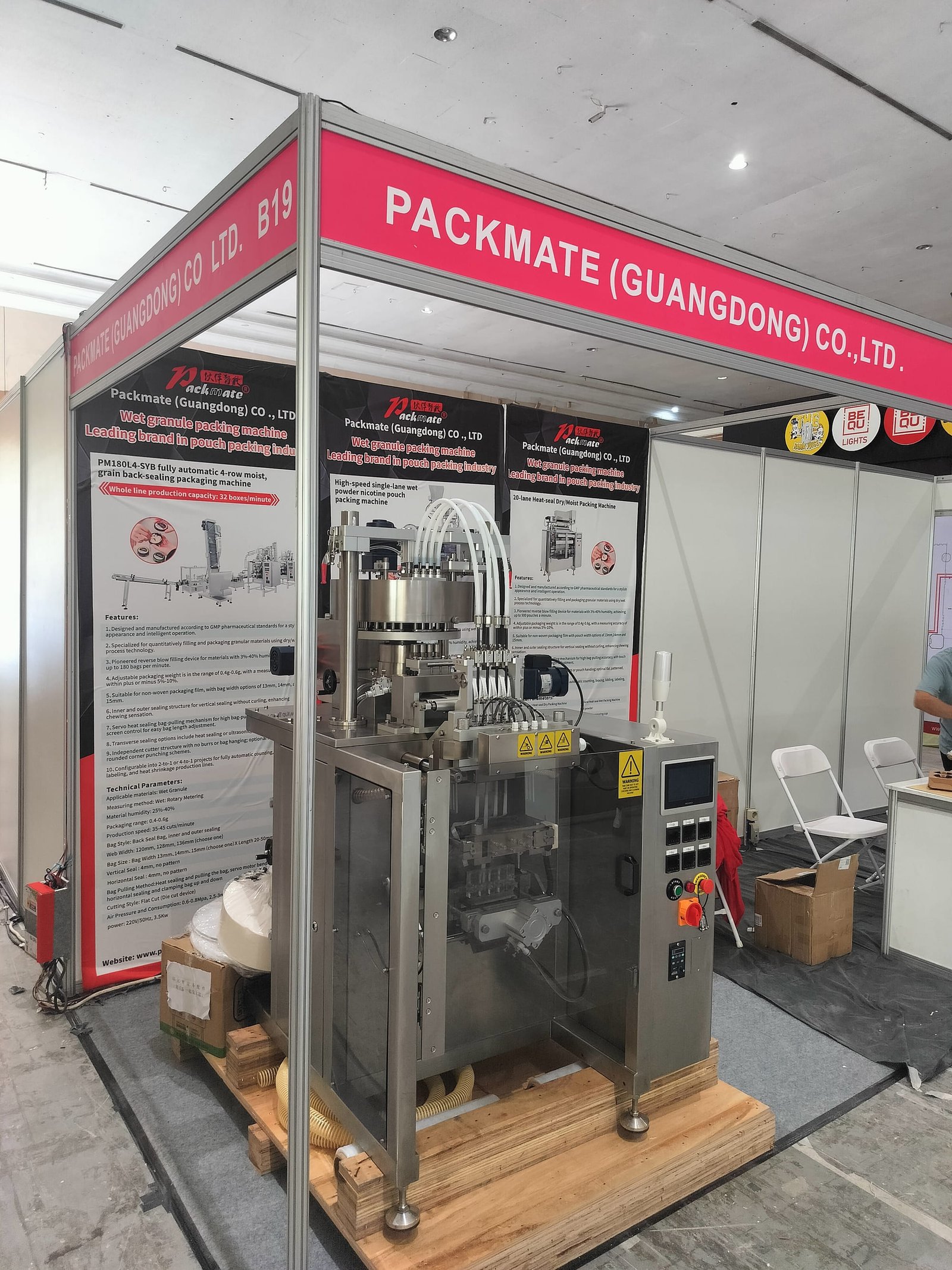
Working with an experienced packaging machinery manufacturer provides advantages beyond the equipment itself. Ludyway Machinery, a China-based packaging machinery manufacturer with more than 30 years of industry experience, combines in-house manufacturing, engineering expertise, and application knowledge to deliver customized packaging solutions for dairy, food, pharmaceutical, and chemical industries. With a 20,000-square-meter manufacturing facility, over 130 professionals, and more than 50 packaging machine models, Ludyway provides integrated equipment and turnkey packaging lines configured for different production speeds, bag formats, and automation levels. The company serves customers in more than 100 countries and regions, providing technical support throughout the project lifecycle including machine selection, installation, commissioning, training, and after-sales service. According to a recent industry growth report, Ludyway is expected to achieve export revenue of more than RMB 500 million (approximately US$69 million) in 2025.
Future-Proofing Your Investment
The dairy packaging industry continues to evolve with trends toward sustainable packaging materials, smart factory integration, and flexible production lines capable of rapid changeover. When selecting a milk bag packing machine, consider whether the equipment can accommodate:
- Recyclable mono-material films – These require precise temperature and tension control to run efficiently.
- Digital connectivity – Industry 4.0 features such as OPC UA communication, remote monitoring, and predictive maintenance alerts.
- Modular design – The ability to add lanes, upgrade filling systems, or integrate new modules as your product portfolio expands.
Insights on flexible packaging trends are available from the Flexible Packaging Association, which offers industry data and regulatory resources relevant to dairy packagers.
Making the Final Decision
Selecting the right milk bag packing machine involves balancing technical specifications, production requirements, budget constraints, and long-term operational goals. Key takeaways for your evaluation process include:
- Define your packaging format, bag size range, and target output before approaching suppliers.
- Prioritize product testing with your actual materials to verify dosing accuracy and seal quality.
- Evaluate total cost of ownership rather than focusing solely on the initial purchase price.
- Consider the supplier’s track record, technical support infrastructure, and global service capabilities.
- Plan for future scalability and packaging format flexibility to protect your investment.
A well-chosen machine from an experienced partner can provide reliable performance, consistent product quality, and strong production efficiency for years of operation.