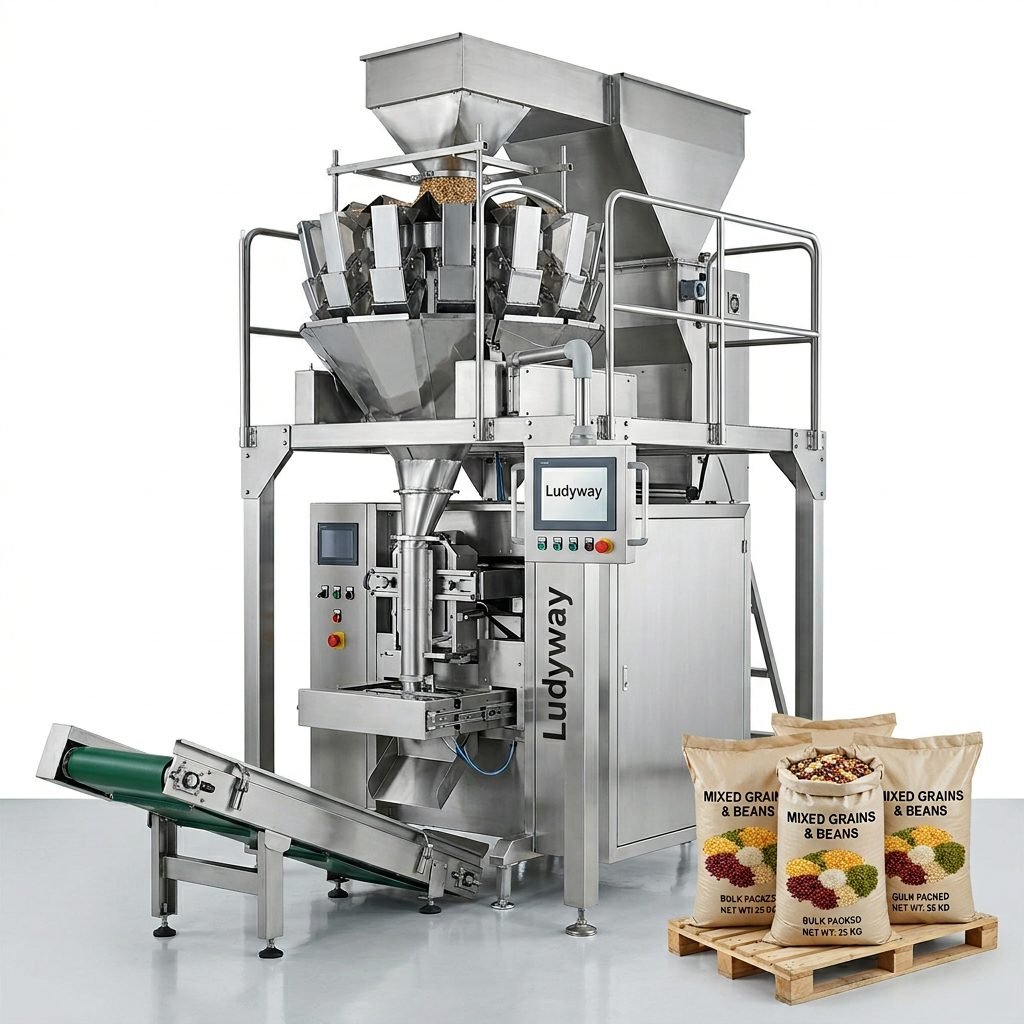
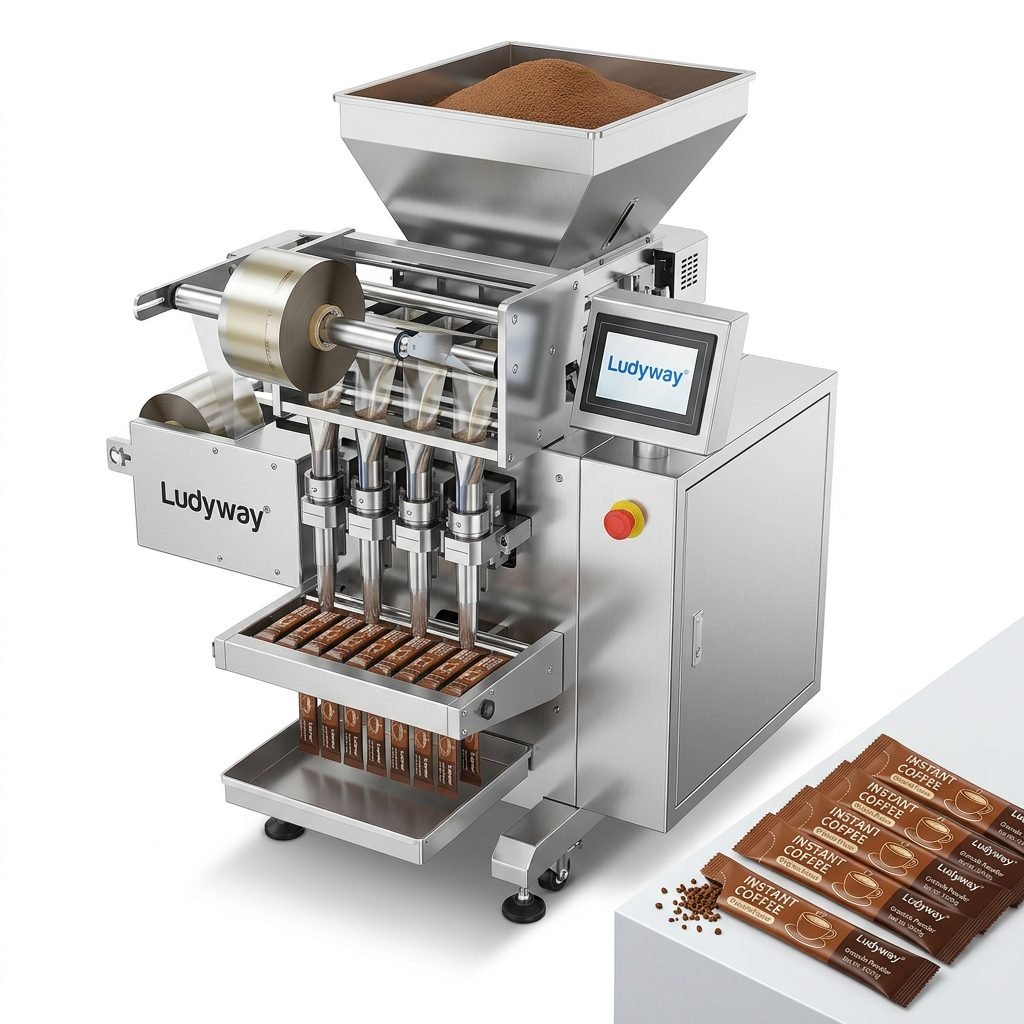
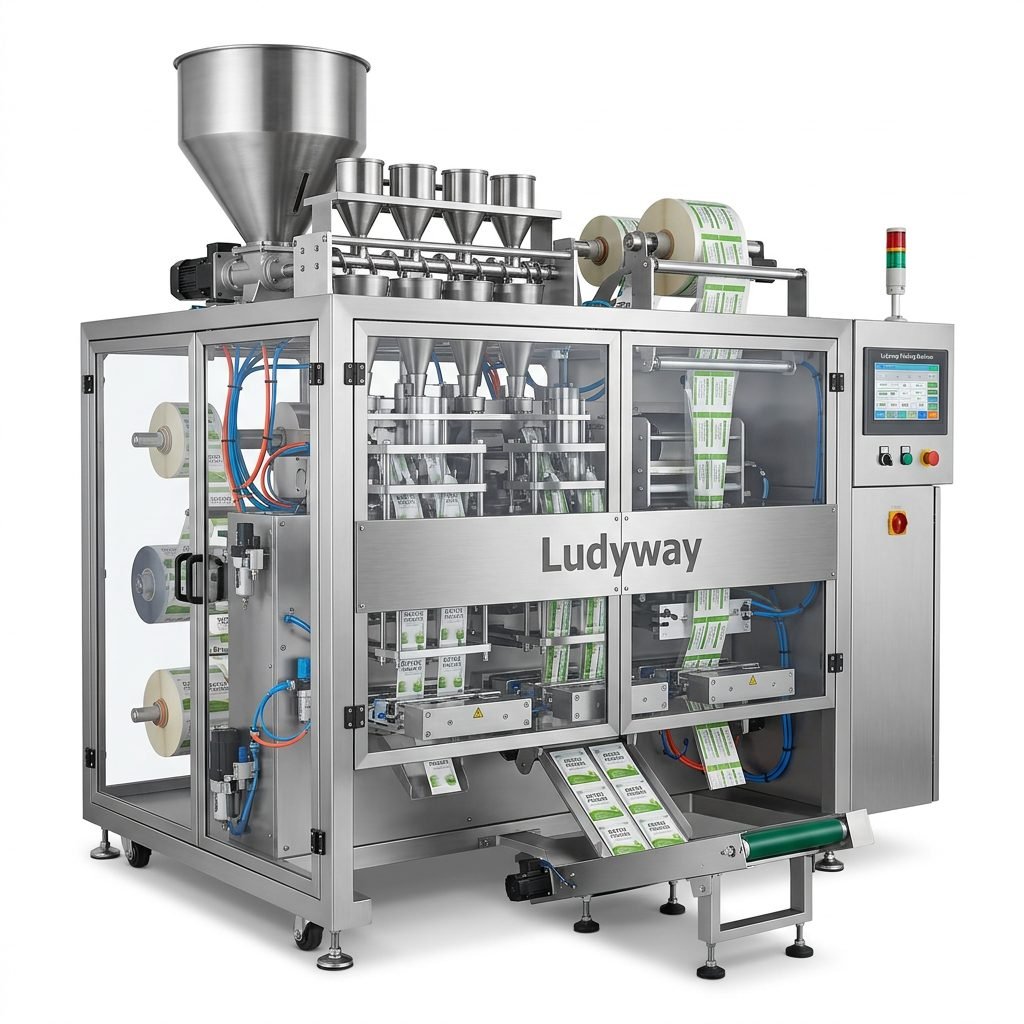
Investing in a continuous packing machine is a strategic decision that directly impacts your production efficiency, product quality, and long-term profitability. Unlike intermittent systems, continuous motion packaging machines maintain uninterrupted product flow — a critical advantage for high-volume manufacturers in food, pharmaceutical, chemical, and consumer goods sectors. However, selecting the right model requires evaluating far more than just speed specifications.
Understanding Continuous Packing Machine Technology
A continuous packing machine operates on a fundamentally different principle than indexed systems. Instead of starting and stopping at each station, the film, product, and sealing mechanisms move in synchronized, uninterrupted motion. This design eliminates the acceleration and deceleration phases that limit throughput in conventional equipment, making continuous systems the preferred choice for manufacturers requiring sustained high-speed production with consistent seal quality.
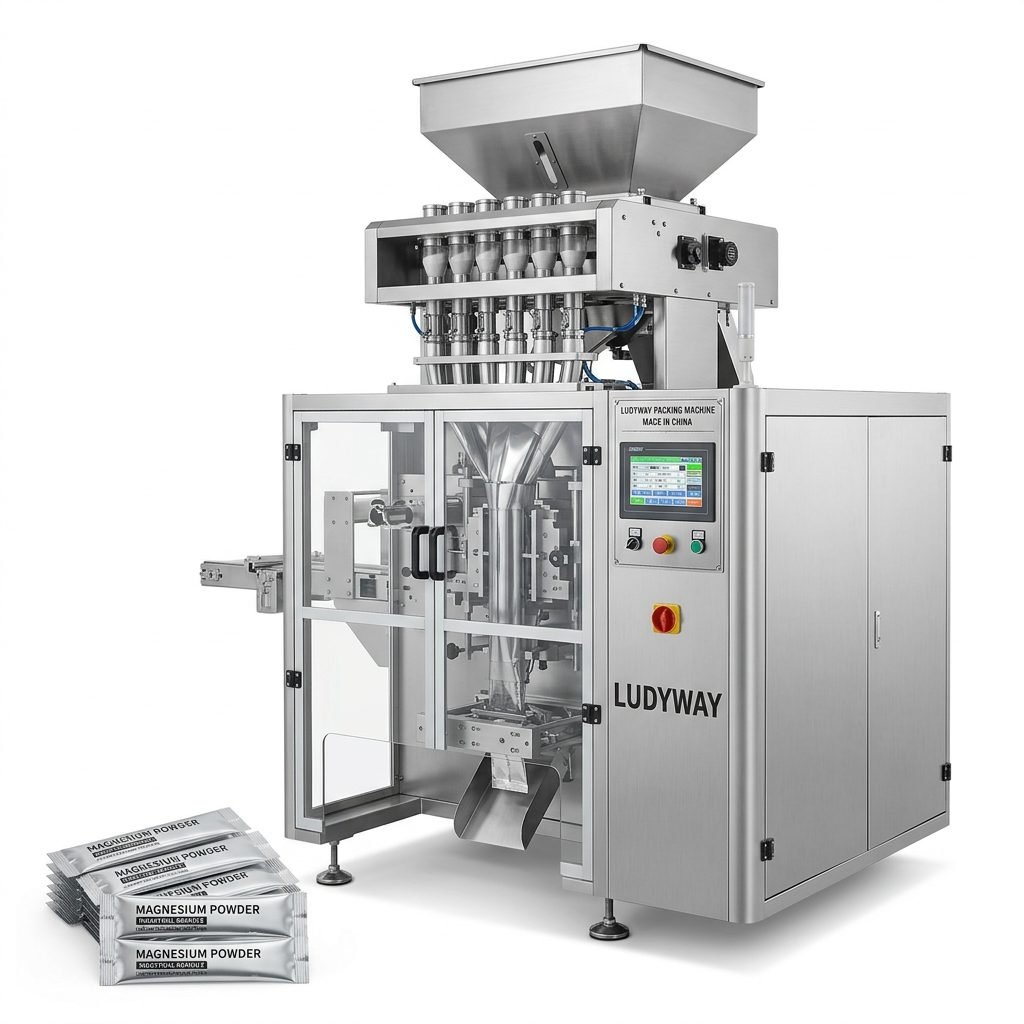
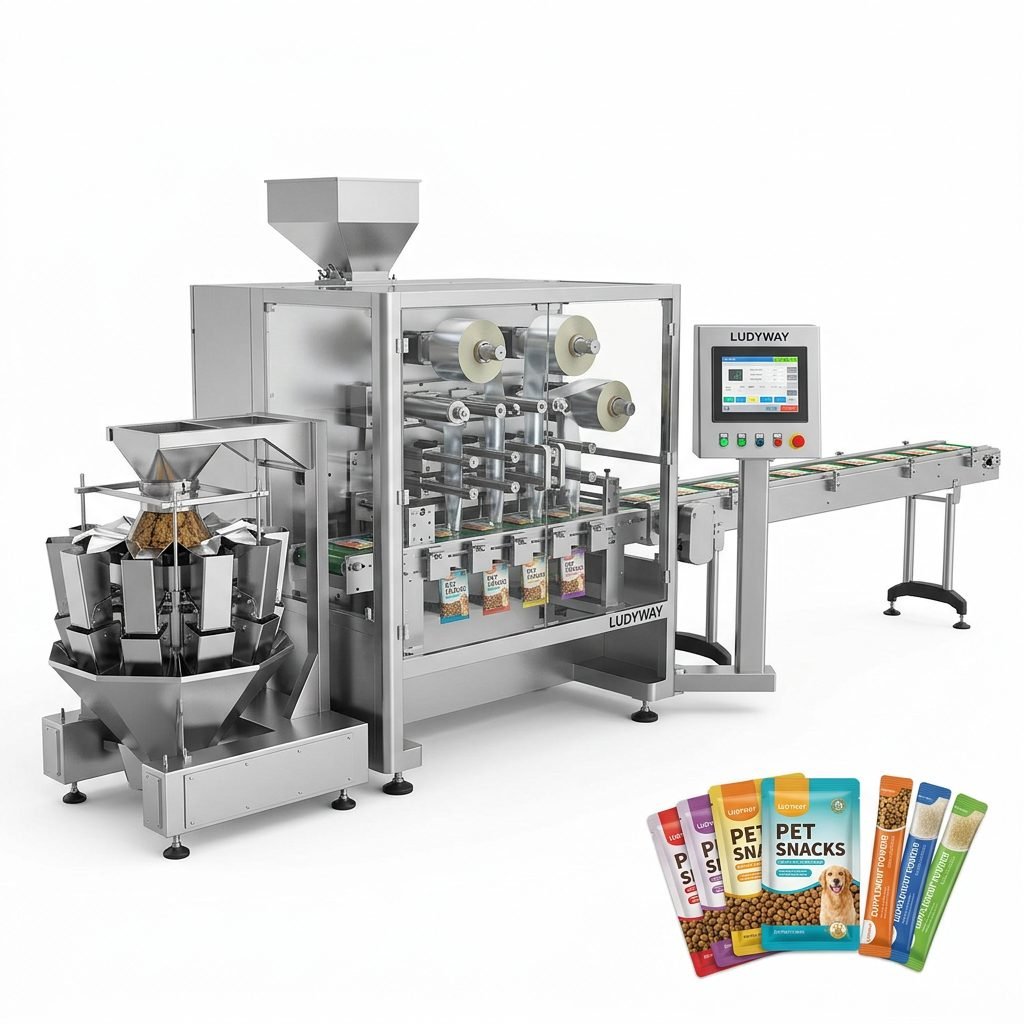
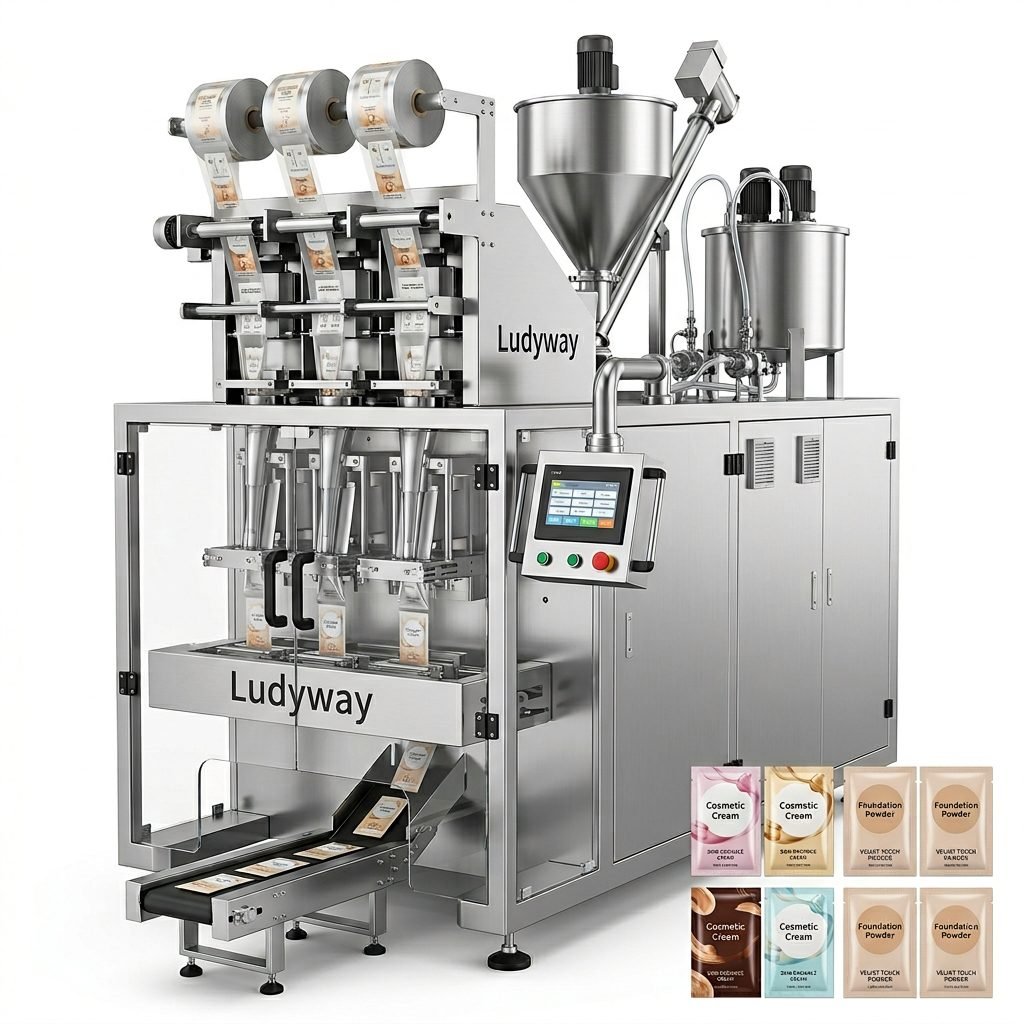
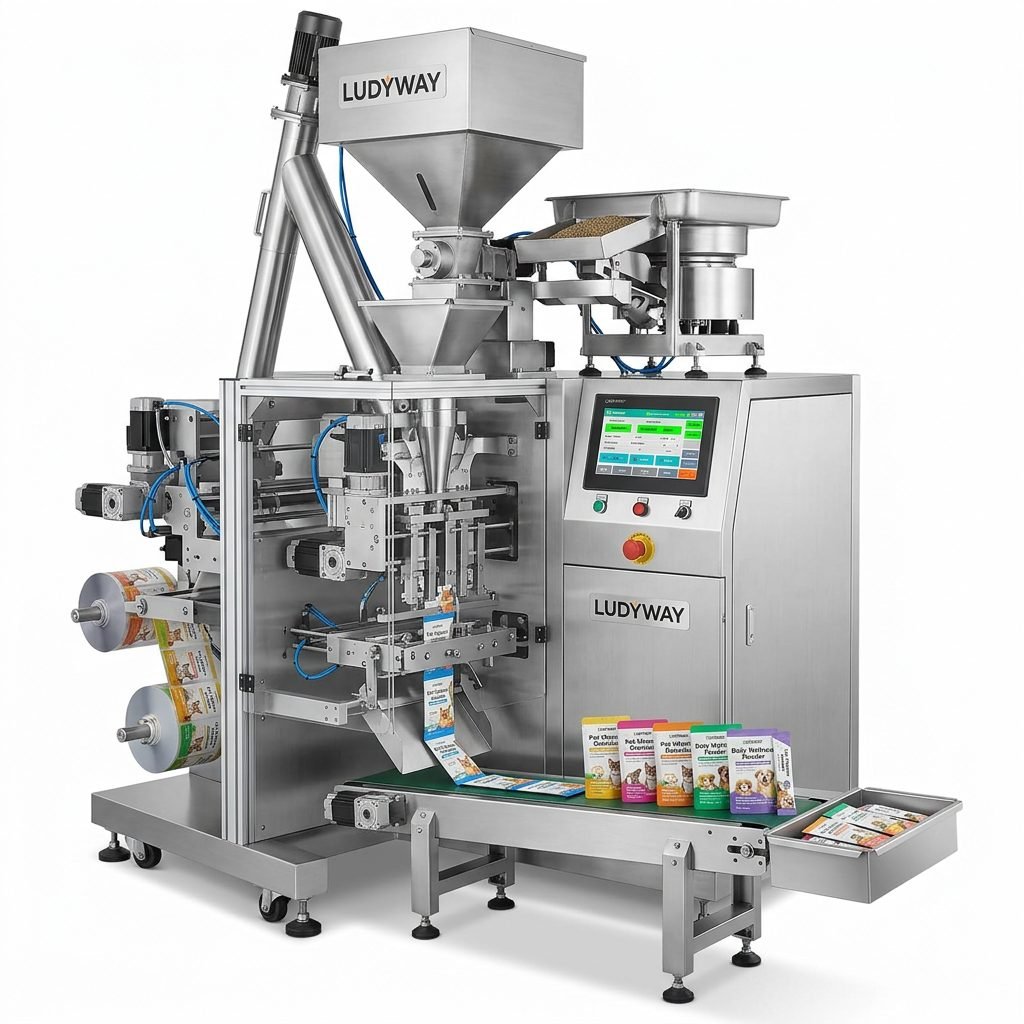
Modern continuous motion packaging machines typically integrate multiple sub-systems: automatic film unwinding and tension control, servo-driven forming and sealing, precision dosing units, and synchronized discharge conveyors. The packaging machinery industry has seen significant evolution in these technologies over the past decade.
Key Factors to Evaluate Before Purchasing
Product Characteristics and Material Compatibility
The physical properties of your product — whether free-flowing granules, cohesive powders, viscous liquids, or fragile solids — determine which dosing technology and machine configuration will work reliably. Key product variables to assess include:
- Bulk density and flowability — affects volumetric versus gravimetric dosing selection
- Particle size distribution — influences feed mechanism and seal integrity
- Hygroscopicity and sensitivity — determines whether humidity-controlled environments or nitrogen flushing are needed
- Chemical reactivity — dictates compatible machine materials and cleaning protocols
- Temperature sensitivity — impacts sealing parameters and throughput limits
For example, a pharmaceutical powder requiring precision dosing under GMP conditions demands significantly different machine specifications than a snack food granule packaged for retail. Understanding these nuances early prevents costly misconfigurations. Refer to the FDA food packaging regulations for compliance requirements in regulated industries.
Packaging Format and Bag Style Requirements
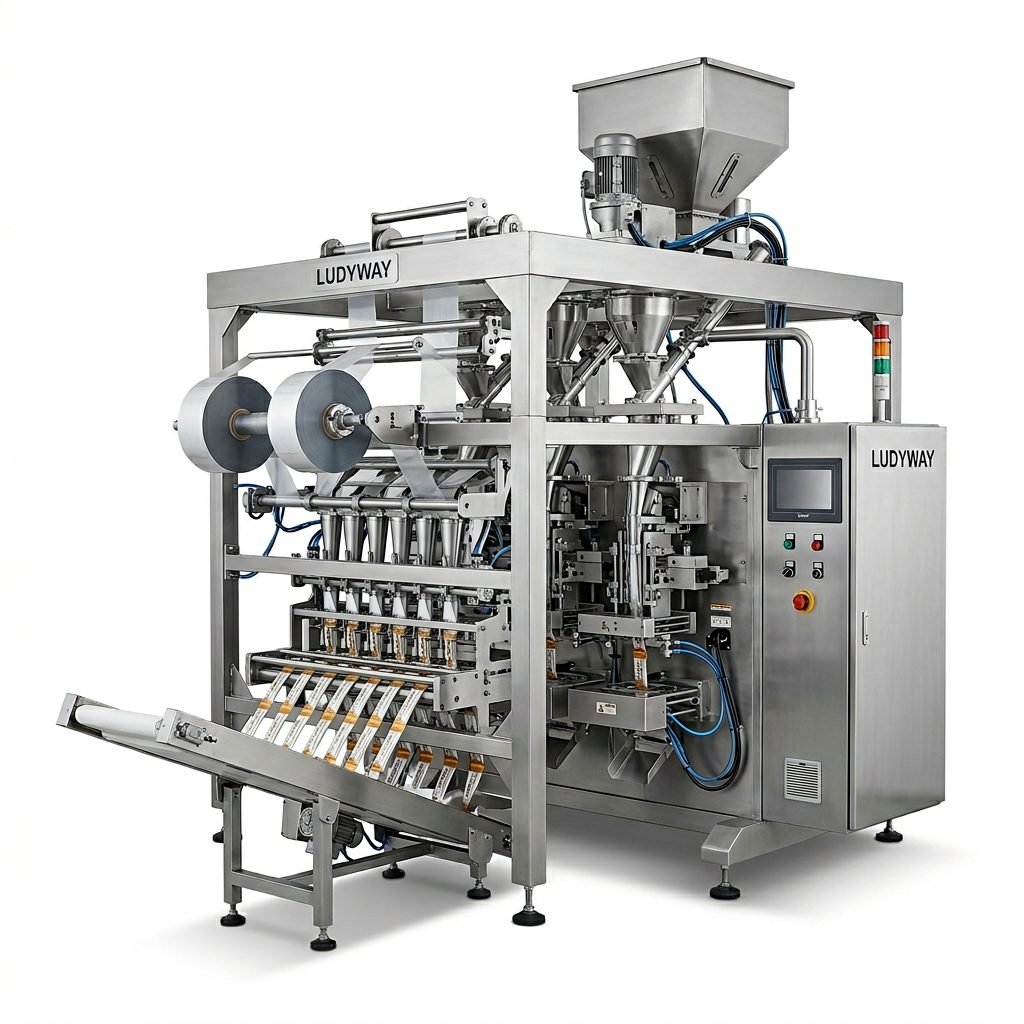
Continuous packing machines can produce various packaging formats, each suited to different market requirements and product types. Your choice should align with both current needs and future market expansion plans:
- Stick packs — ideal for single-serve powders, supplements, and convenience products
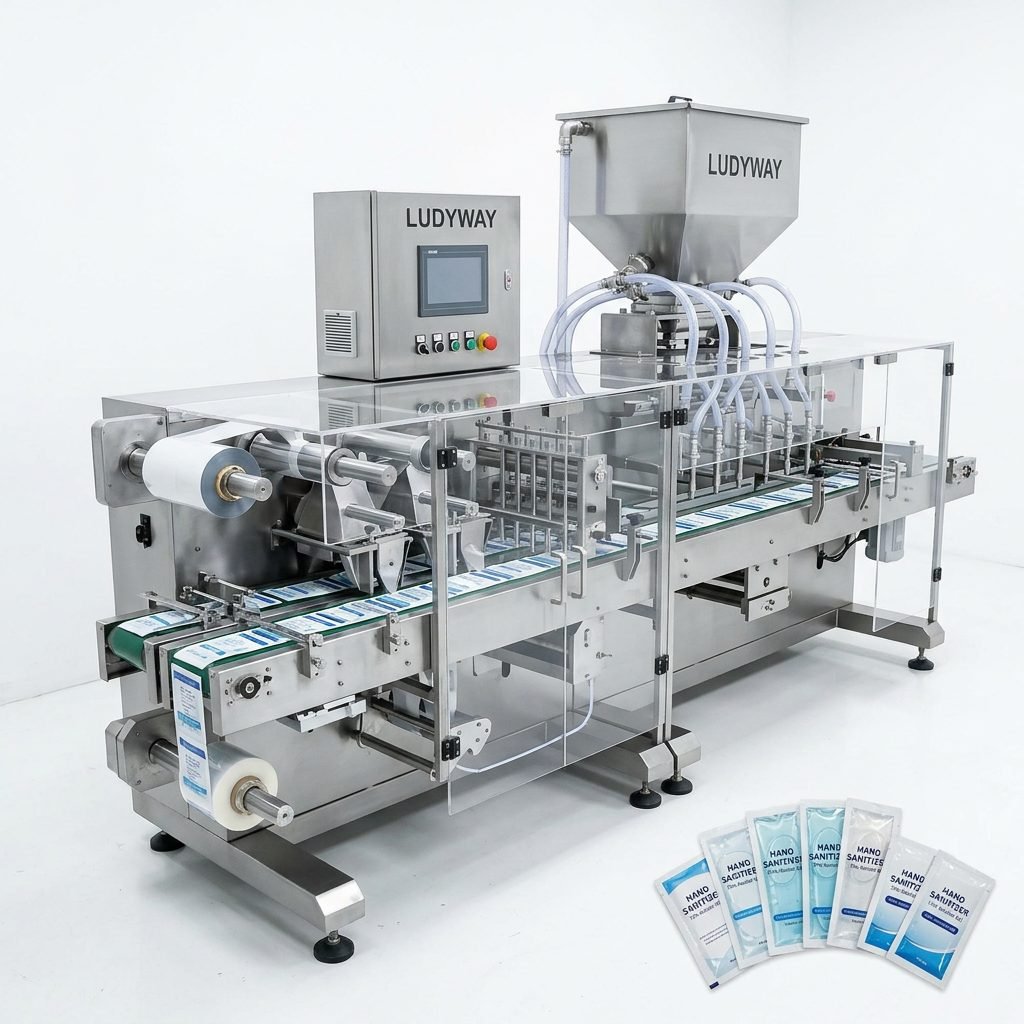
- Sachets and flat pouches — cost-effective for samples, condiments, and personal care items
- Gusseted and stand-up pouches — premium shelf presence for retail products
- Four-side seal and three-side seal — standard formats with excellent barrier properties
- Chain-linked or perforated packs — efficient for high-count distribution applications
Production Speed and Throughput Analysis
Speed requirements should be evaluated realistically. A machine rated at 300 packs per minute may achieve that speed only under optimal conditions with specific products and films. When assessing throughput, consider:
- Rated speed versus sustainable operating speed during extended production runs
- Changeover time between different products or pack sizes
- Buffer requirements for upstream and downstream processes
- Overall Equipment Effectiveness (OEE) expectations across different shifts
- Film splice downtime impact on effective throughput
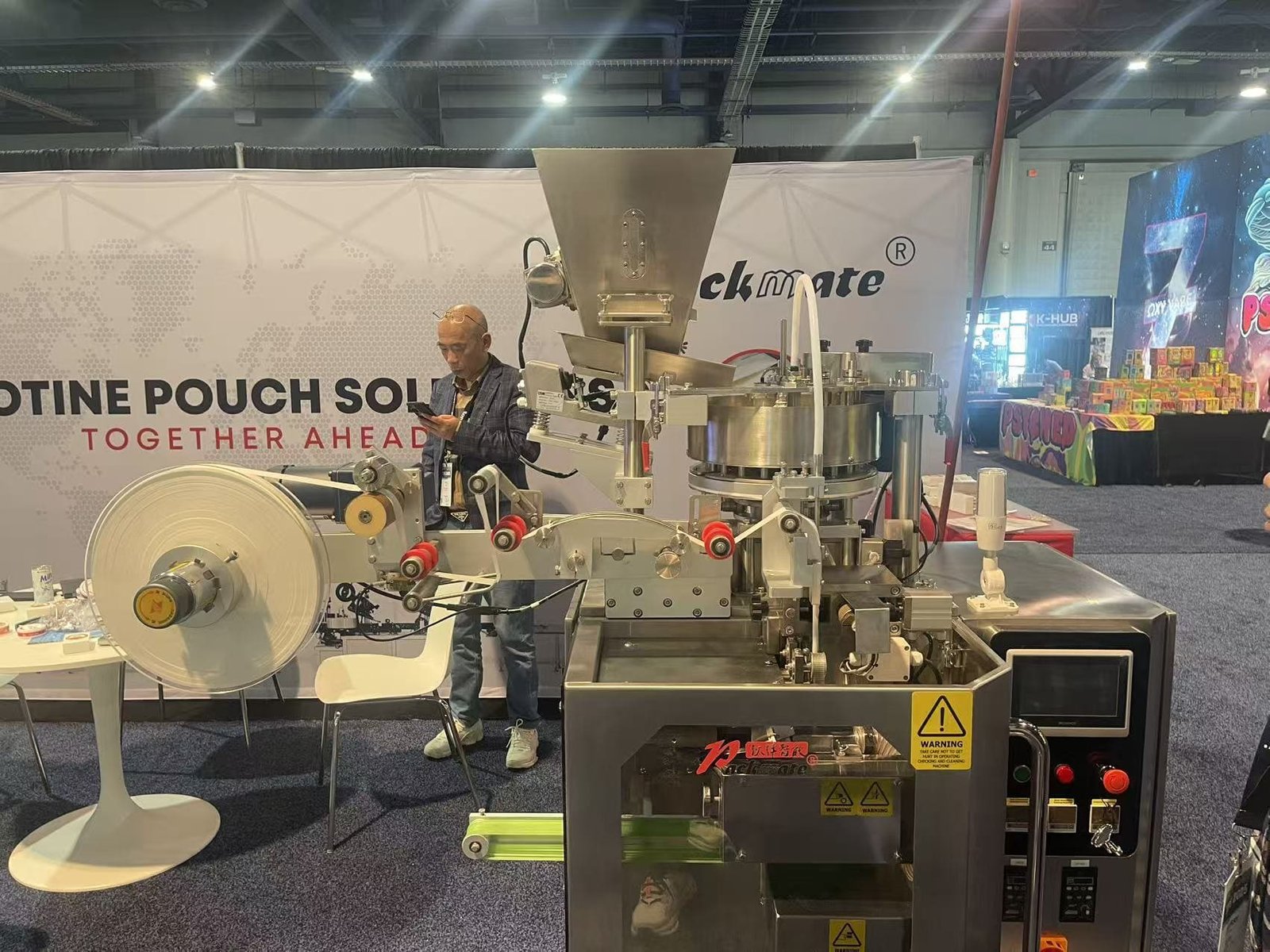
Many manufacturers find that a multi-lane continuous packing machine running at moderate speed per lane provides better total output and reliability than a single-lane machine pushed to its mechanical limits.
Comparing Continuous Packing Machine Types
| Machine Type | Best Suited For | Typical Speed Range | Key Advantage |
|---|---|---|---|
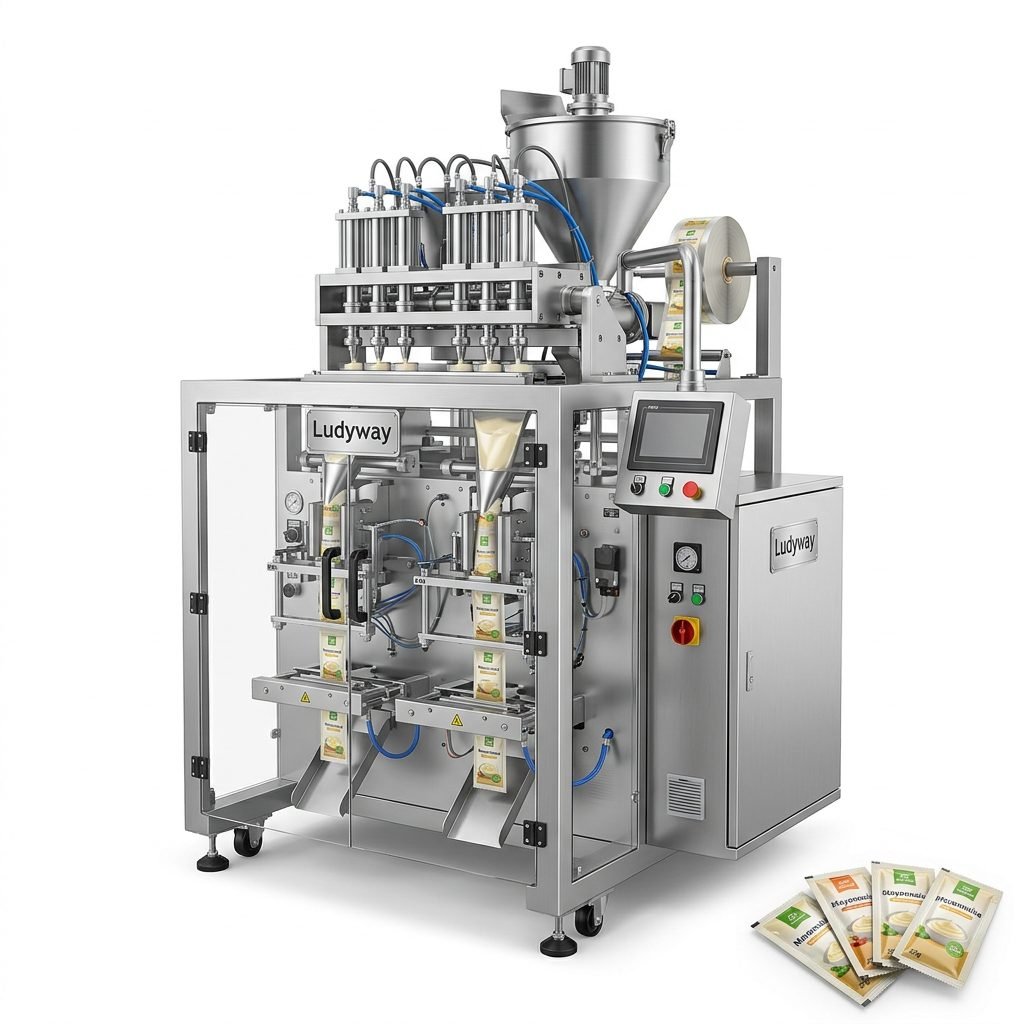
| Vertical Form-Fill-Seal (VFFS) | Granules, powders, snacks | 60-200 ppm | Versatile, compact footprint |
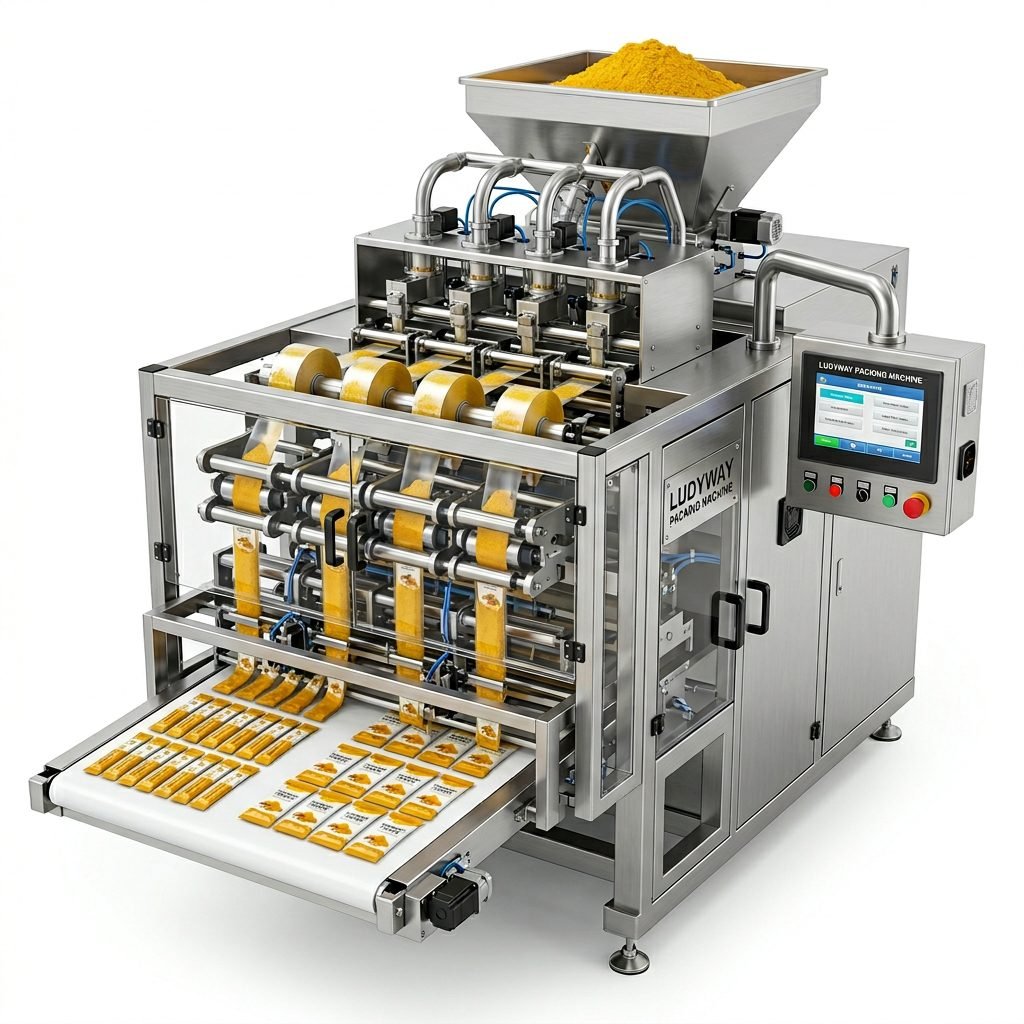
| Multi-Lane Stick Pack | Single-serve powders, liquids | 400-1200+ ppm | Extremely high throughput |
| Horizontal Form-Fill-Seal | Solid items, medical devices | 30-150 ppm | Gentle product handling |
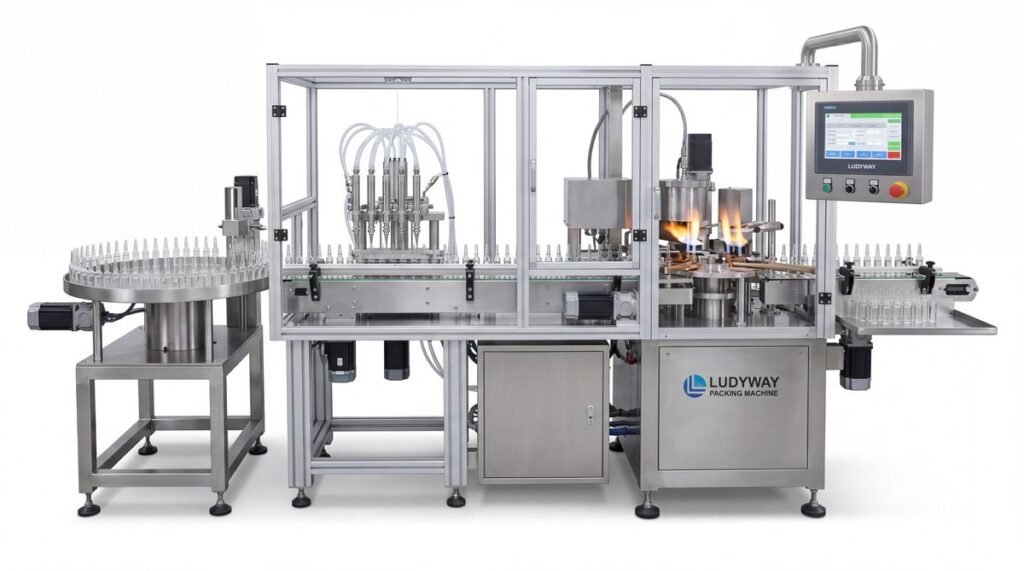
| Pre-Made Pouch Rotary | Premium pouches, liquids | 40-120 ppm | Superior seal quality |
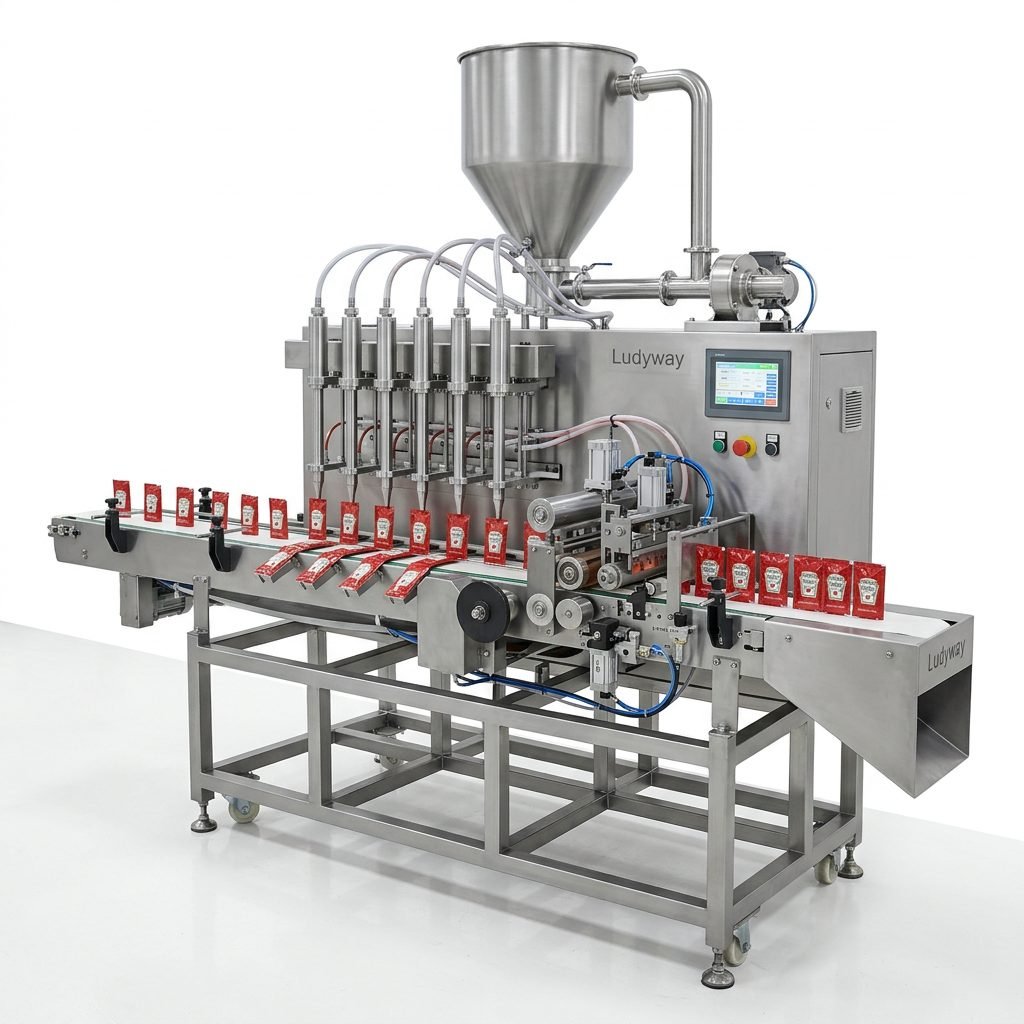
| Sachet Multi-Lane System | Condiments, samples, cosmetics | 300-800+ ppm | Excellent cost-per-pack ratio |
Automation Level and Integration Capabilities
Today’s continuous packing machines range from standalone units with basic controls to fully integrated systems with smart factory capabilities. The appropriate automation level depends on your labor strategy, existing infrastructure, and quality requirements:
- Manual loading with auto-packaging — suitable for moderate production with lower capital investment
- Semi-automated with automatic feeding — reduces operator dependency while maintaining flexibility
- Fully automated with upstream and downstream integration — maximizes throughput with minimal labor
- Smart packaging lines with IoT connectivity — enables real-time OEE monitoring, predictive maintenance, and remote diagnostics
Integration with existing equipment — conveyors, checkweighers, metal detectors, cartoners, and palletizers — should be evaluated during the specification phase to avoid costly retrofits later. The packaging machinery market research indicates growing demand for integrated line solutions over standalone units.
Evaluating Total Cost of Ownership
Purchase price represents only a fraction of the total investment in a continuous packing machine. A comprehensive cost analysis should account for the full equipment lifecycle:
- Capital expenditure — machine, tooling, installation, and facility modifications
- Operational costs — film consumption, energy usage, compressed air, and consumable parts
- Labor requirements — operators per shift, skill level, and training investment
- Maintenance and spare parts — preventive maintenance schedules and critical spare inventory
- Changeover efficiency — time and material waste during format transitions
- Quality and waste — reject rates, film waste at startup, and long-term consistency
A machine with a lower purchase price but higher operating costs can become significantly more expensive over a 5-10 year lifecycle than a premium system with optimized running costs.
Supplier Evaluation Criteria
Selecting the right equipment partner is as important as selecting the right machine. Key evaluation criteria for continuous packing machine suppliers include:
- Proven application experience — documented installations in your specific industry and product category
- Manufacturing capabilities — in-house engineering, fabrication, and assembly versus outsourced production
- After-sales support infrastructure — availability of technical support, spare parts, and field service in your region
- Customization engineering — ability to modify standard platforms for unique requirements
- Certifications and compliance — adherence to applicable international standards and regulatory requirements
- Customer references and site visits — verified performance data from operating installations
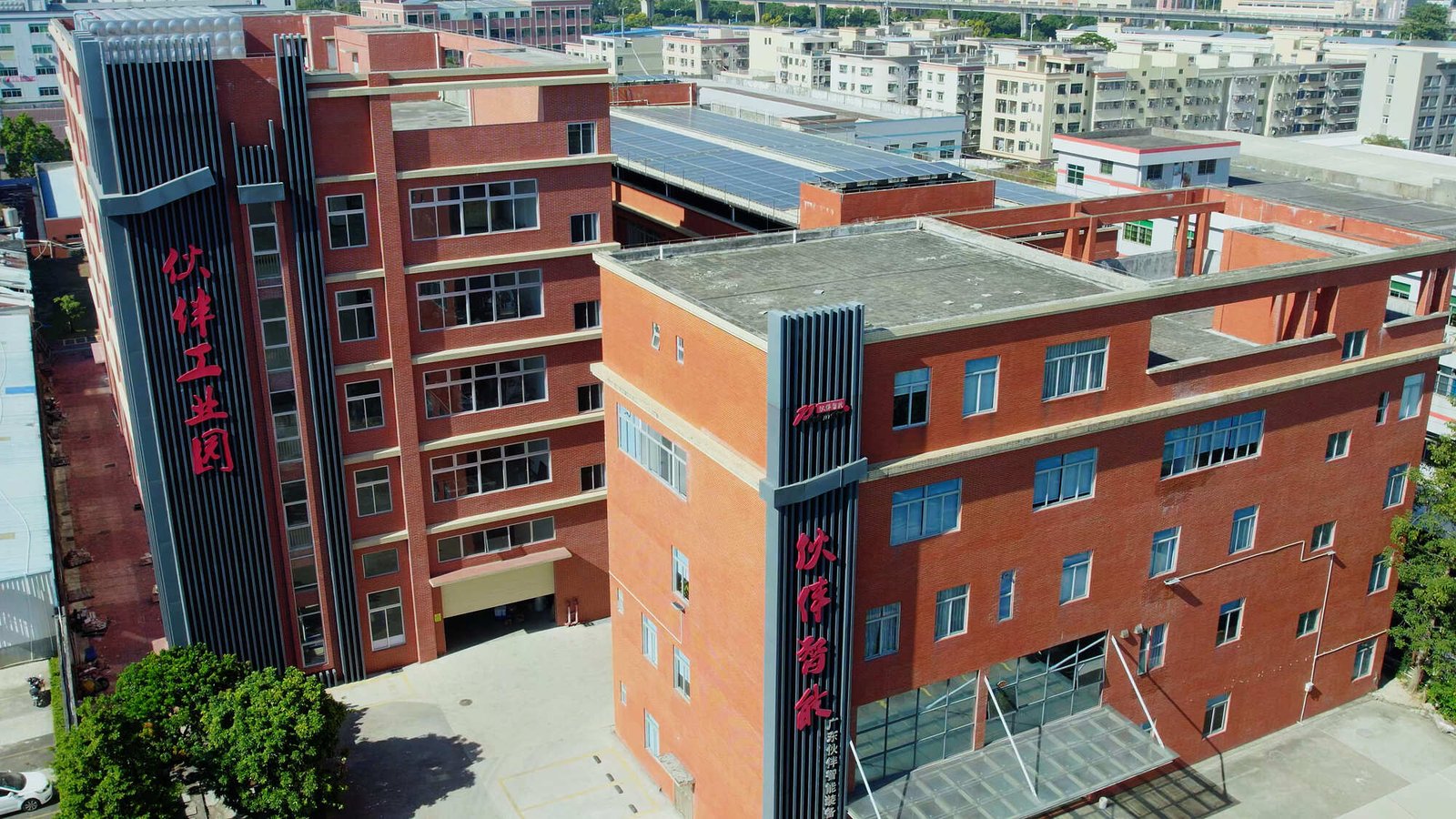
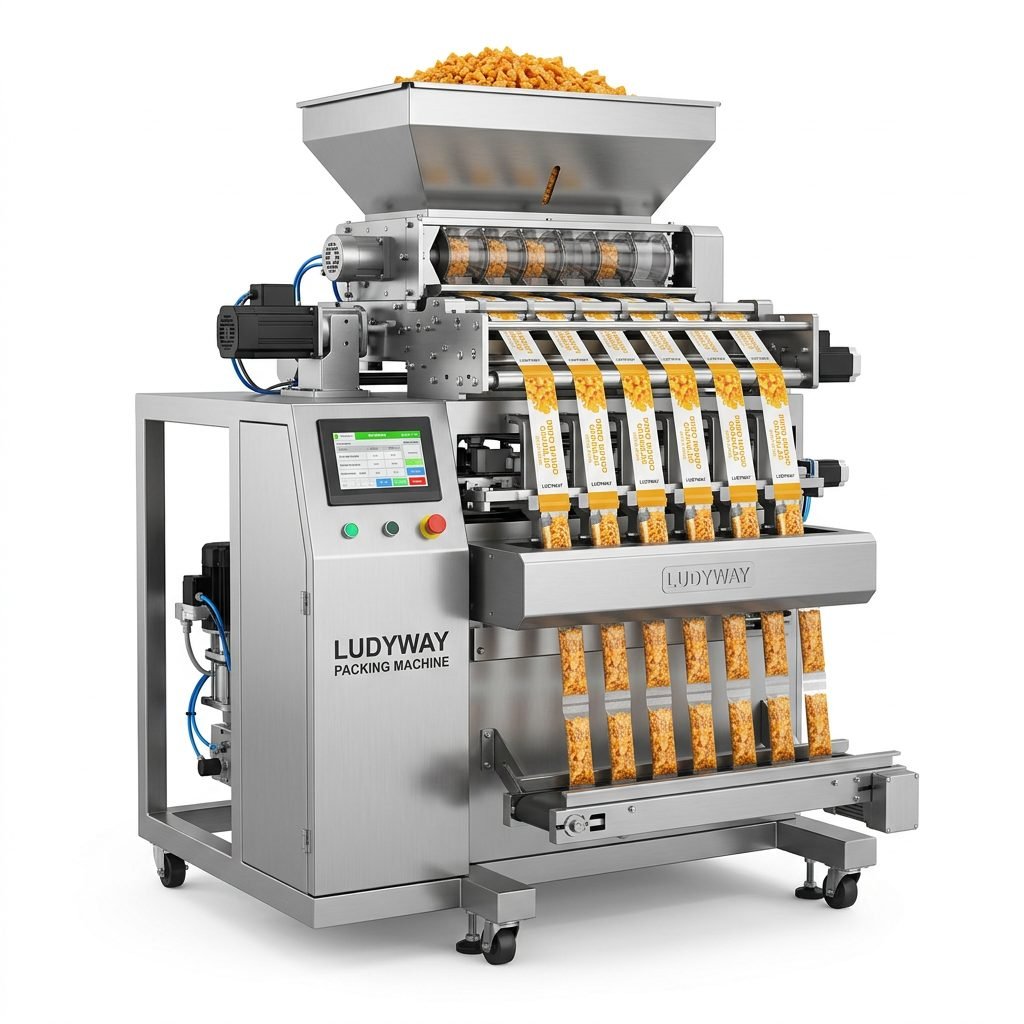
Established manufacturers like Ludyway Machinery, with over 30 years of experience, a 20,000-square-meter facility, and more than 50 packaging machine models, provide integrated solutions from individual machines to complete turnkey packaging lines for manufacturers across food, pharmaceutical, cosmetic, chemical, and other industries.
Common Selection Mistakes to Avoid
Many purchasing decisions go wrong due to avoidable errors in the specification and evaluation process:
- Over-specifying speed — buying a machine rated for speeds you will never sustainably achieve in production
- Underestimating changeover complexity — frequent product changes may negate the speed advantages of a dedicated high-speed line
- Ignoring film and material compatibility — not all machines handle sustainable films, laminates, or recyclable materials equally well
- Neglecting facility requirements — compressed air capacity, power supply, floor space, and cleanroom classifications must be verified
- Focusing solely on capital cost — the cheapest machine often becomes the most expensive over its operating life
- Skipping factory acceptance testing — thorough FAT with your actual products and films prevents surprises during commissioning
Industry resources like the Flexible Packaging Association and PMMI packaging standards provide valuable guidance on material and machinery compatibility.
Future-Proofing Your Investment
A continuous packing machine should serve your production needs not just today but for years ahead. Consider these future-proofing strategies:
- Modular machine architecture — allows adding lanes, upgrading controls, or incorporating new technologies without replacing the entire system
- Film format flexibility — evaluate whether the machine can handle emerging sustainable packaging materials
- Digital connectivity readiness — OPC-UA, Ethernet/IP, and MQTT protocols for Industry 4.0 integration
- Scalable platform design — ability to increase output by adding modules rather than purchasing additional machines
- Global service support — particularly important for manufacturers with multiple production sites across regions
Selecting the right continuous packing machine requires balancing technical specifications, commercial considerations, and long-term strategic alignment. By thoroughly evaluating product requirements, production goals, total cost of ownership, and supplier capabilities, manufacturers can make informed decisions that support efficient, scalable, and profitable packaging operations for years to come.