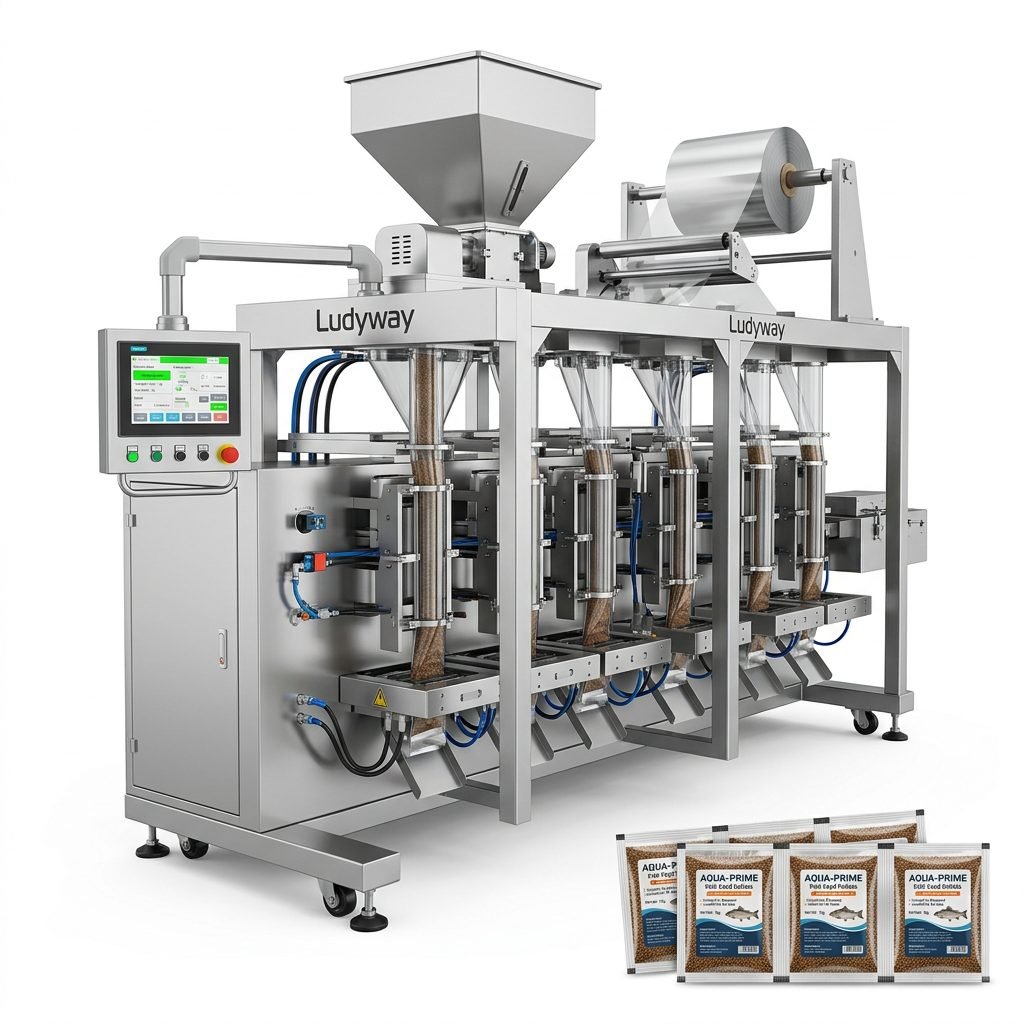
Investing in a net packing machine is a critical decision for manufacturers in the food, pharmaceutical, chemical, and agricultural sectors. The right equipment directly impacts your production efficiency, packaging accuracy, and long-term operational costs. However, with a wide range of machine types, configurations, and technical specifications available, identifying the best fit requires a structured evaluation of your product, production goals, and facility requirements. This guide walks you through the essential factors to consider before making a purchase.
Understanding Net Packing Machine Types
Net packing machines are not one-size-fits-all solutions. They are typically categorized by the form of the product they handle, the packaging format, and the level of automation. Before evaluating technical specifications, clarify which machine category aligns with your production line.
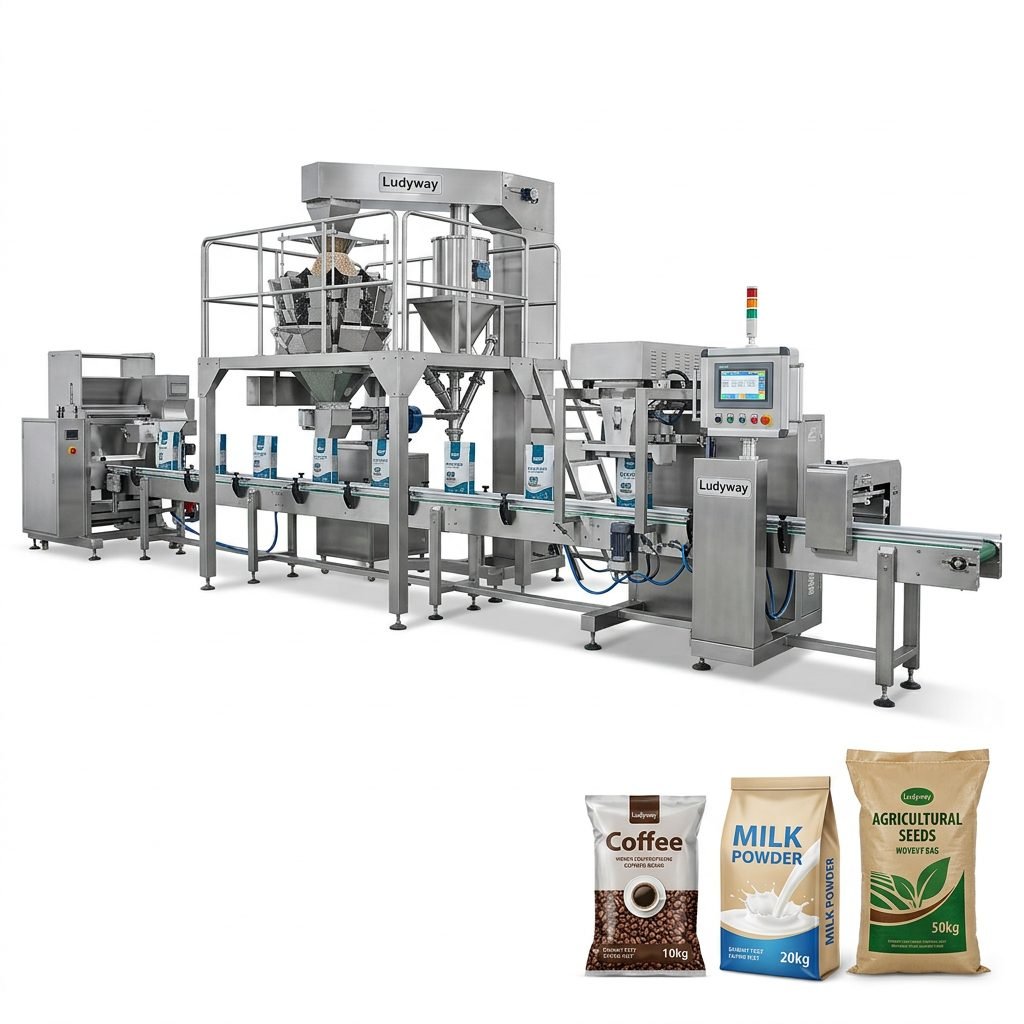
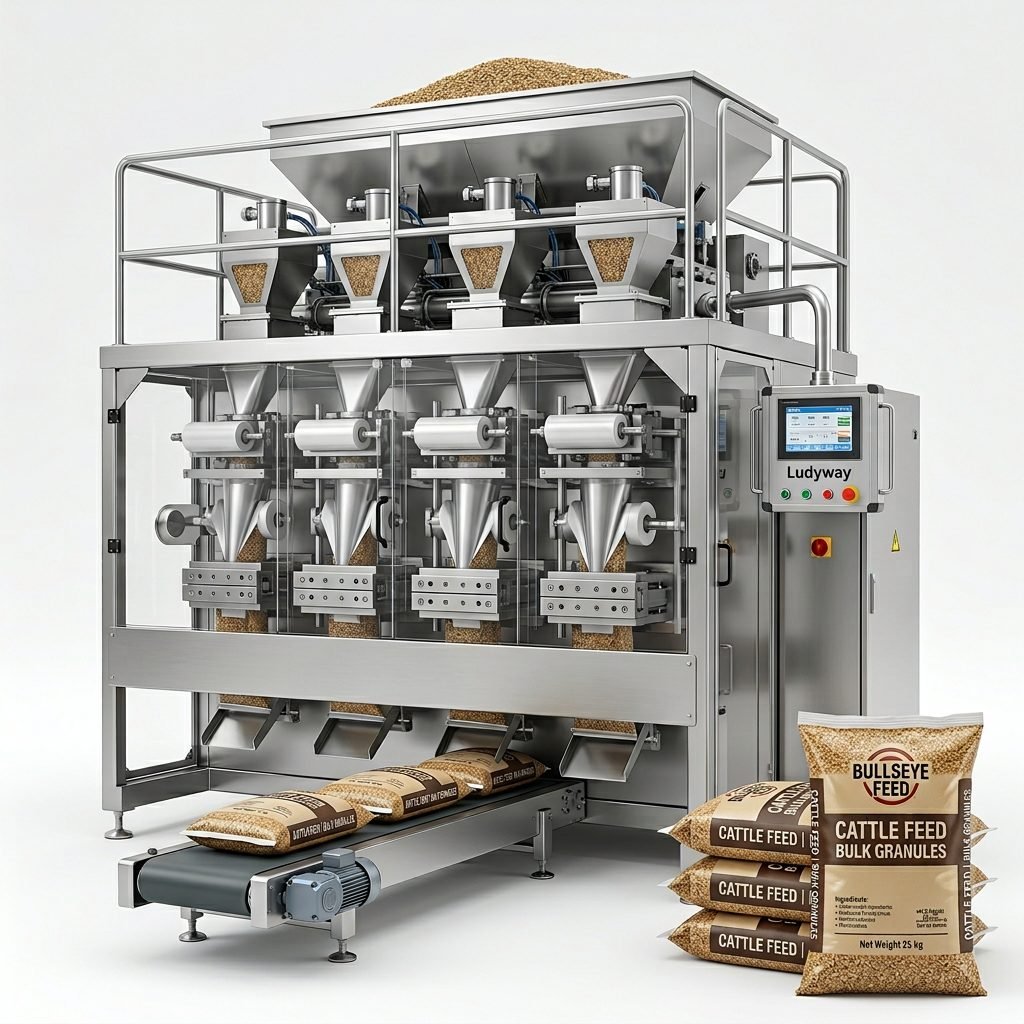
- Granule packing machines: Designed for free-flowing solid materials such as seeds, grains, fertilizers, and plastic pellets.
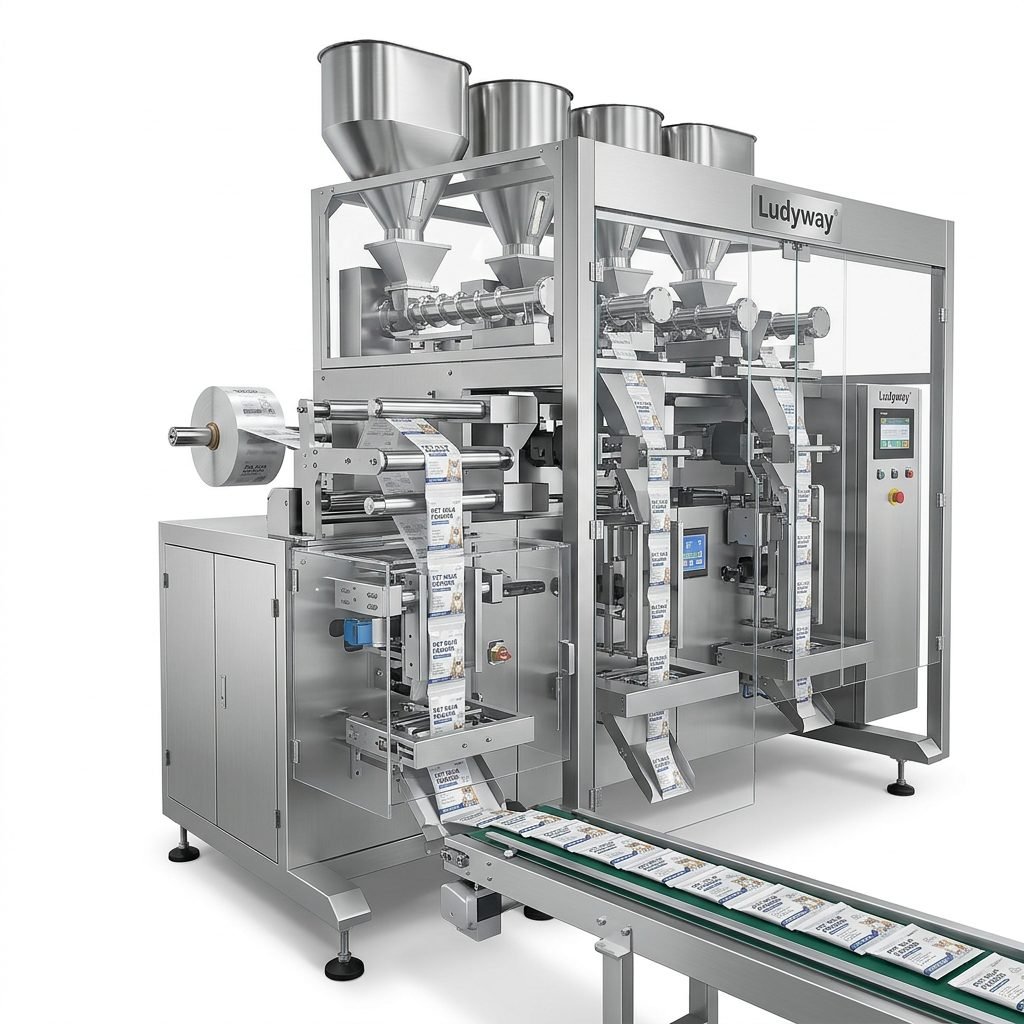
- Powder packing machines: Engineered for fine or dusty products like flour, milk powder, spices, and chemical powders, often requiring specialized dust control and precision dosing systems.
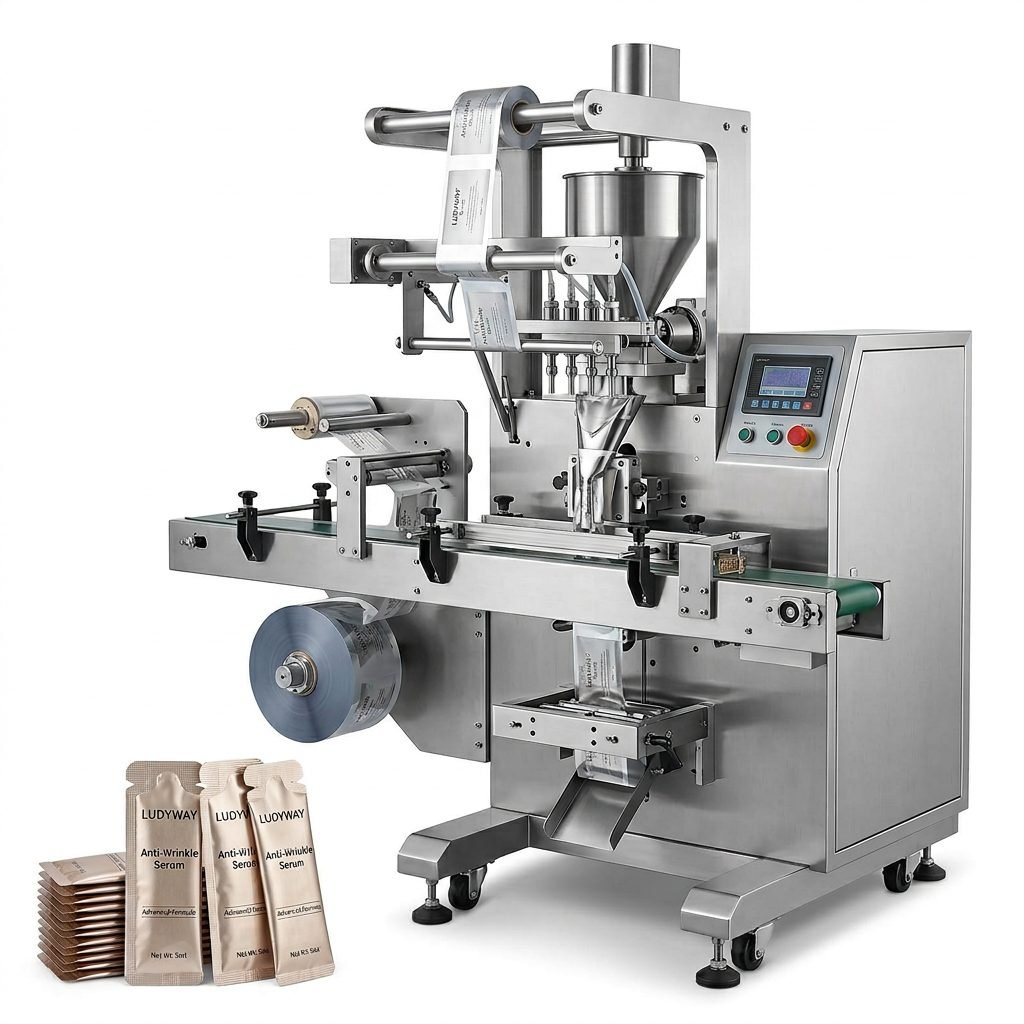
- Liquid packing machines: Configured for beverages, oils, sauces, detergents, and pharmaceutical liquids, with specific pump and filling technologies.
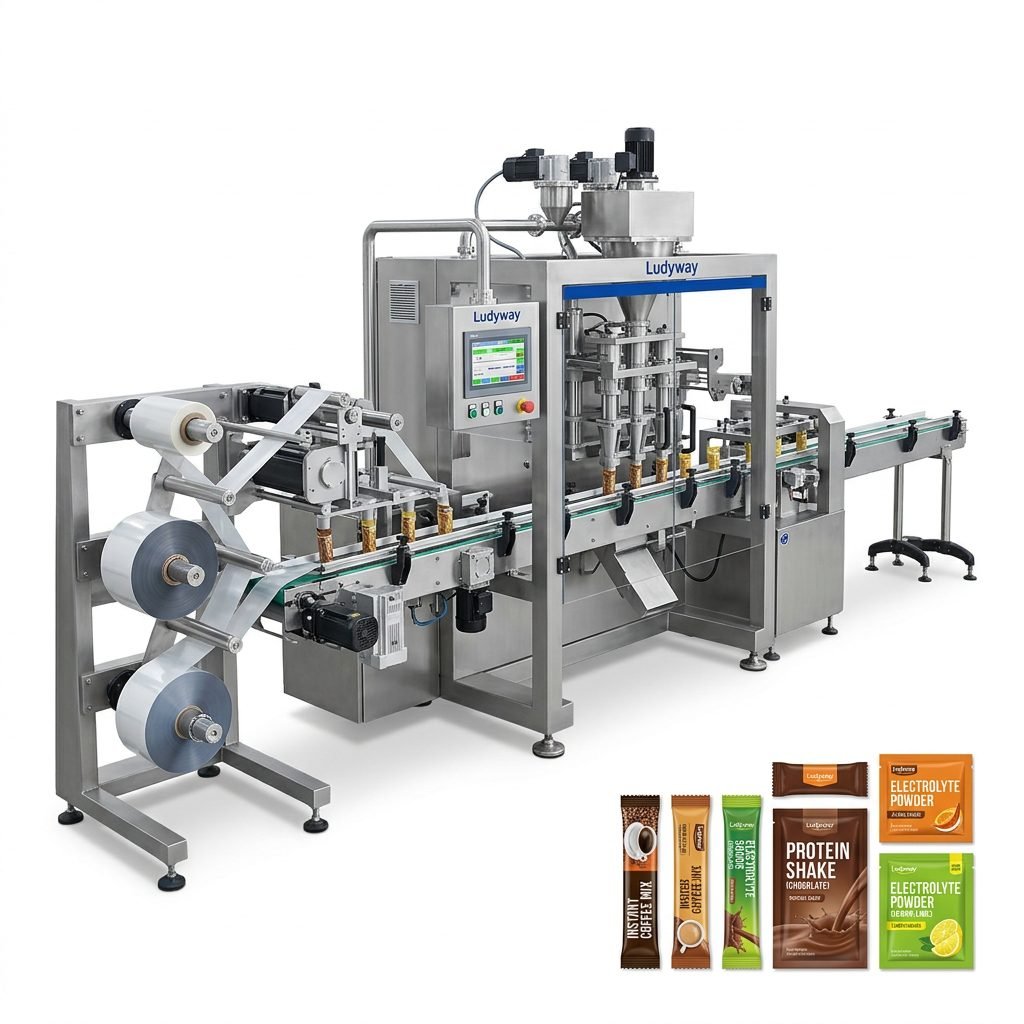
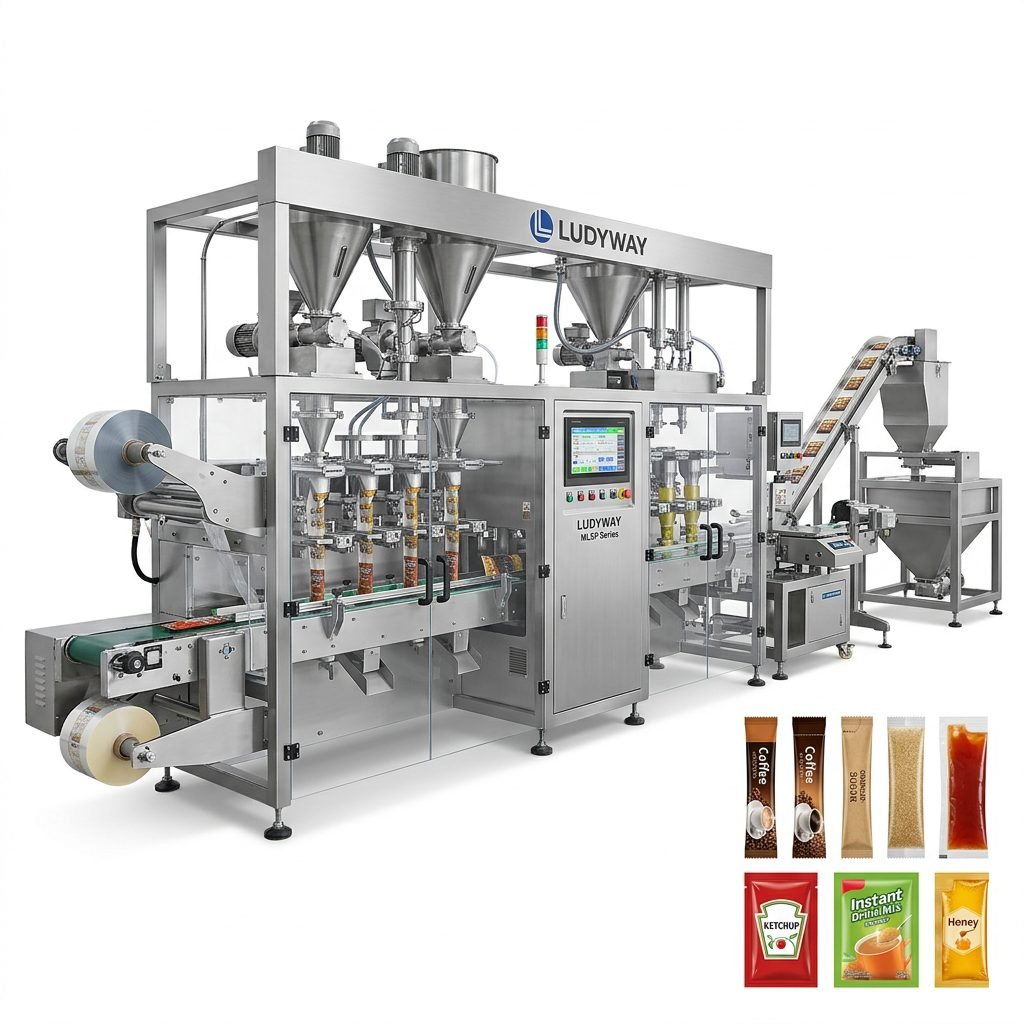
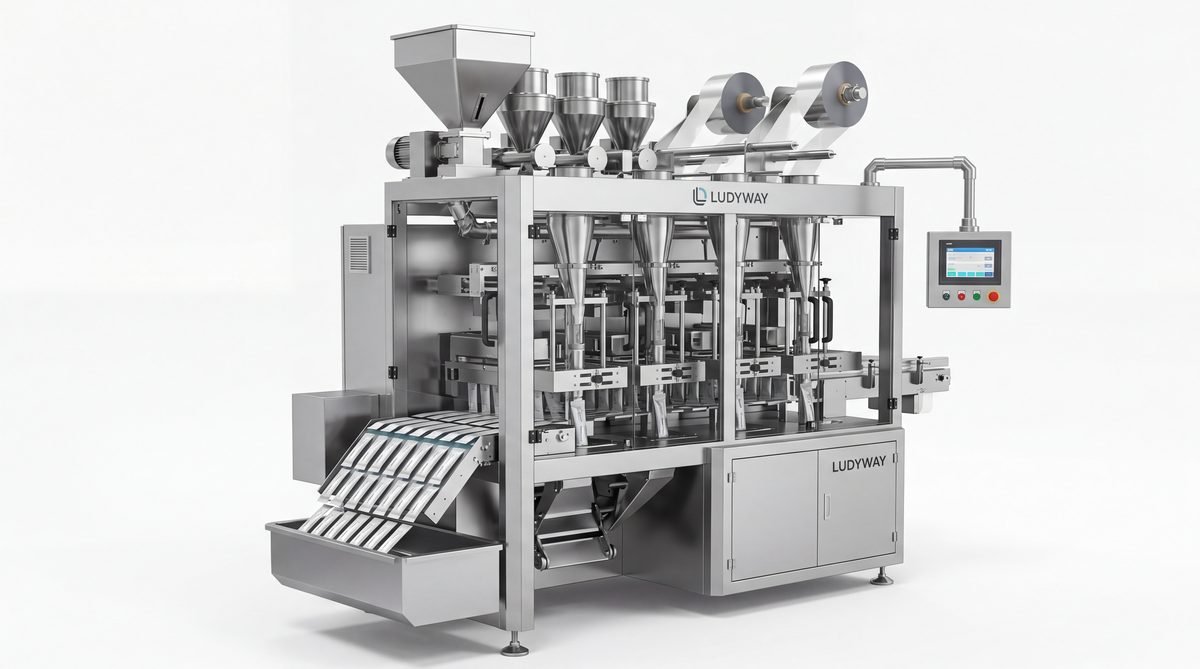
- Multi-lane stick pack and sachet machines: Ideal for high-speed production of single-serve portions, common in food, nutraceutical, and cosmetic industries.
Key Factors for Evaluating a Net Packing Machine
Selecting the right machine goes beyond matching machine type to product. The following operational and technical criteria will help you narrow down your options and ensure long-term reliability. For further industry data on packaging equipment standards and market trends, resources such as the PMMI packaging industry resources can provide valuable context.
1. Product Characteristics and Material Compatibility
The physical and chemical properties of your product are the most fundamental selection criteria. Granule size, powder flowability, moisture sensitivity, and chemical reactivity all influence machine configuration. For example, hygroscopic powders require sealed dosing systems to prevent clumping, while abrasive granules demand durable contact parts. Always confirm that machine materials (such as stainless steel grades) are compatible with your product and meet industry-specific hygiene standards, like those outlined in FDA food packaging guidelines or ISO packaging standards.
2. Packaging Format and Bag Specifications
Define the exact packaging format you require. Net packing machines can typically be adjusted for different bag sizes, styles, and materials, but each machine has its operating range. Key considerations include:
- Bag width and length (minimum to maximum range)
- Packaging material type (laminated films, polyethylene, paper-based laminates, or biodegradable materials)
- Sealing type (heat seal, impulse seal, or ultrasonic seal)
- Bag style (pillow bags, gusseted bags, stick packs, sachets, or pre-made pouches)
If you plan to run multiple packaging formats on the same line, discuss quick-changeover features with the manufacturer. The Flexible Packaging Association offers additional insights into material trends and packaging innovation that may affect your decisions.
3. Production Speed and Capacity Requirements
Match machine throughput to your current and projected production volumes. Production speed is typically measured in bags per minute (BPM) and depends on factors including dosing method, bag size, and product flow characteristics. A machine that operates at the upper end of its speed range continuously may experience more wear and require more frequent maintenance. Consider a machine rated approximately 20% above your target output to provide operational buffer without running at maximum capacity constantly. For a broader perspective on how production demands are shaping the industry, the PMMI State of the Industry report analyzes current production trends across packaging segments.
4. Dosing and Filling Accuracy
Precision in dosing directly affects product consistency, regulatory compliance, and material costs. Weight-based filling systems generally offer higher accuracy than volumetric fillers, especially for high-value products or applications where overfilling cuts into margins. For pharmaceutical or nutraceutical production, accuracy tolerances are often specified by industry regulations. Evaluate the dosing mechanism (auger filler, multi-head weigher, piston filler, or flow meter) against your product’s physical characteristics and target fill weight range.
5. Automation and Integration Capabilities
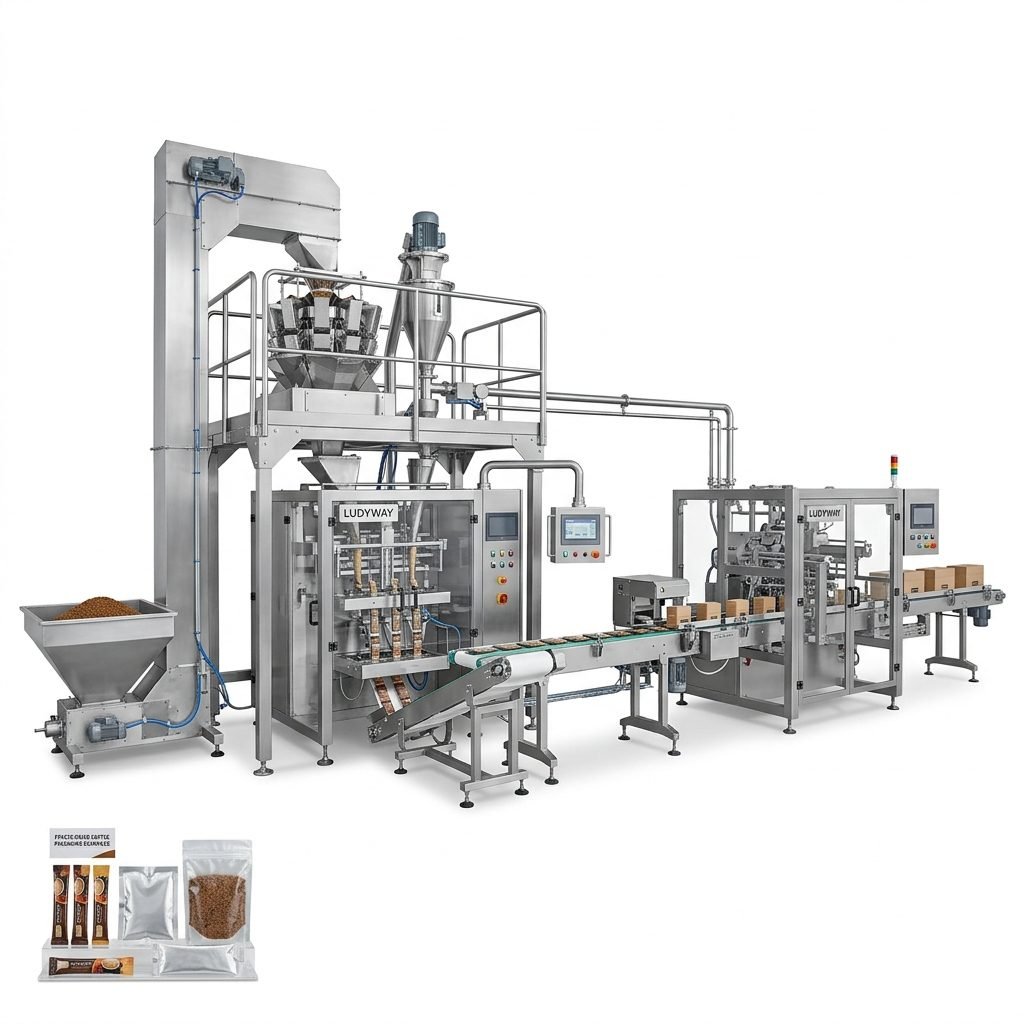
Modern packaging lines increasingly demand seamless integration between equipment modules. Consider whether you need a standalone machine or a fully integrated system that includes automatic feeding, checkweighing, metal detection, coding, cartoning, and palletizing. A machine with standardized communication protocols simplifies integration with upstream and downstream equipment. Additionally, evaluate the level of operator intervention required — a more automated net packing machine reduces labor dependency and improves packaging consistency but represents a higher initial investment.
Comparing Net Packing Machine Configurations
The following table summarizes typical configurations and their suitability for different applications. Use this as a starting point for discussions with equipment suppliers.
| Application | Recommended Machine Type | Typical Speed Range | Key Feature |
|---|---|---|---|
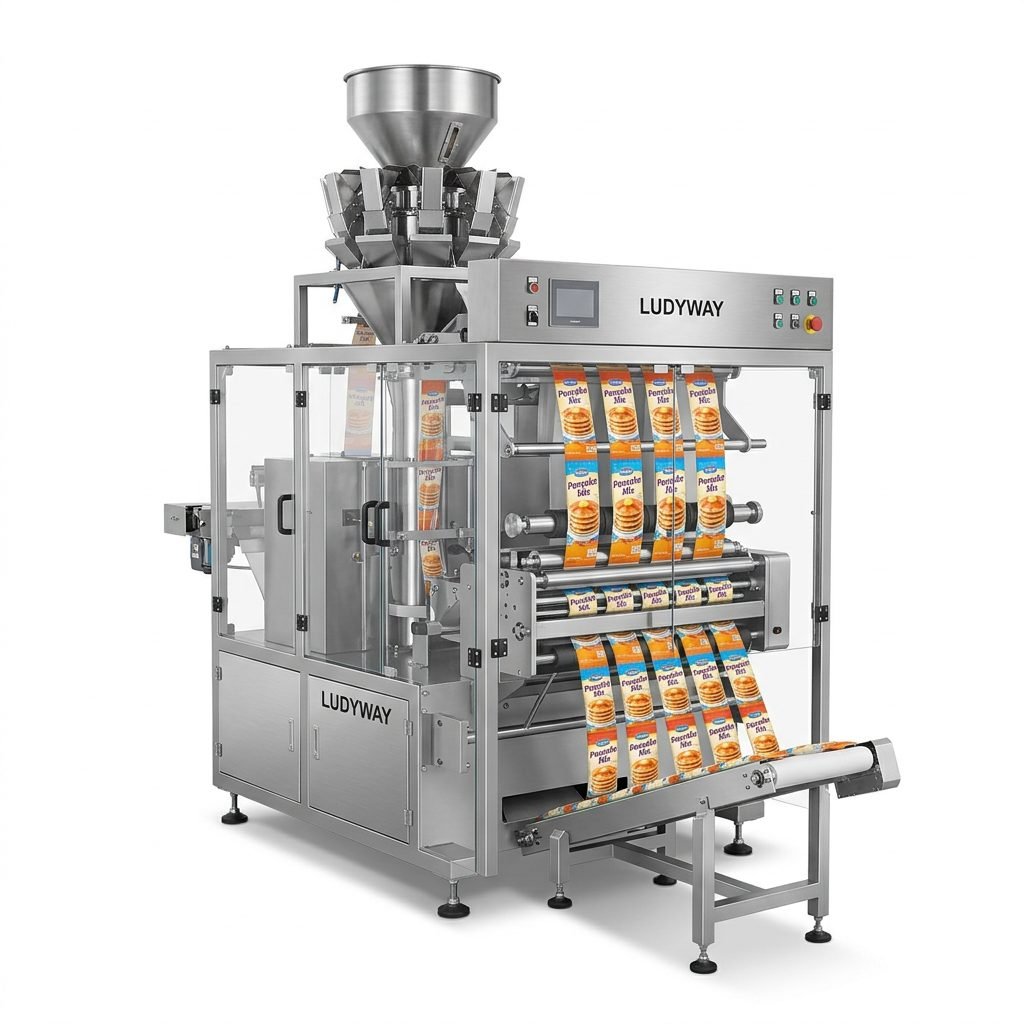
| Free-flowing granules (seeds, grains) | Multi-head weigher with VFFS | 40-120 BPM | High accuracy weighing |
| Fine powders (flour, milk powder) | Auger filler with dust control | 30-80 BPM | Enclosed dosing system |
| Single-serve stick packs | Multi-lane stick pack machine | 200-600+ BPM | High output per lane |
| Liquid sachets (sauces, shampoos) | Piston pump or flow meter filler | 40-100 BPM | Precise volume control |
Manufacturing Quality and After-Sales Support
The construction quality of a net packing machine determines its lifespan, maintenance frequency, and reliability over years of continuous operation. Pay attention to the frame rigidity, electrical component brands, and welding or assembly standards. A machine built with a robust frame and internationally recognized automation components will generally offer better long-term value than a lower-cost alternative with unknown parts sourcing. Equally important is the availability of technical support, spare parts, and installation assistance. Before committing, clarify warranty terms, remote support capabilities, and typical response times for service requests.
Total Cost of Ownership Considerations
Price should be evaluated as part of total cost of ownership (TCO), not just the initial purchase price. Include the following in your cost analysis:
- Initial equipment cost and any customization charges
- Installation, commissioning, and operator training expenses
- Expected spare parts consumption and maintenance costs over 3-5 years
- Energy consumption per unit produced
- Labor requirements for operation and changeover
- Potential production downtime costs during installation or repairs
Machines that appear more expensive initially may offer lower TCO through higher efficiency, reduced waste, and longer service intervals.
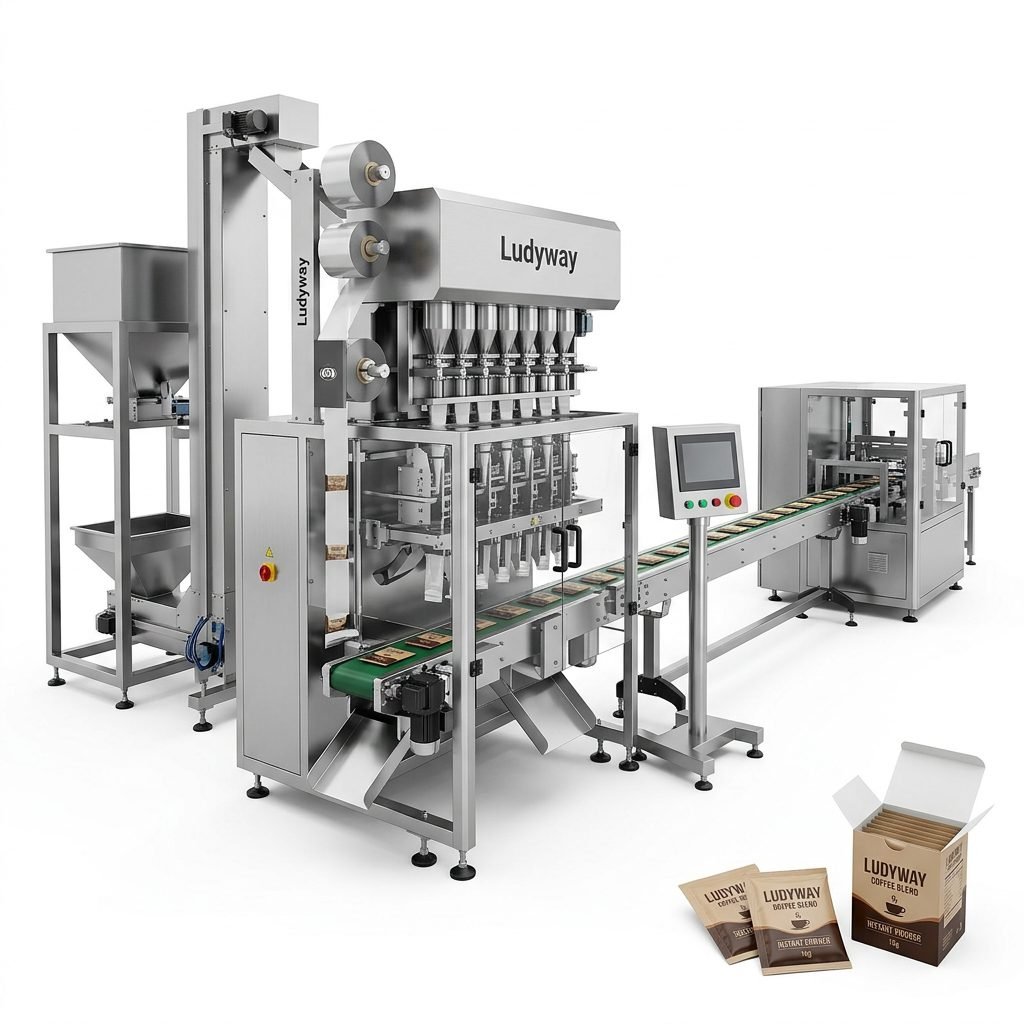
Partnering with an Experienced Manufacturer
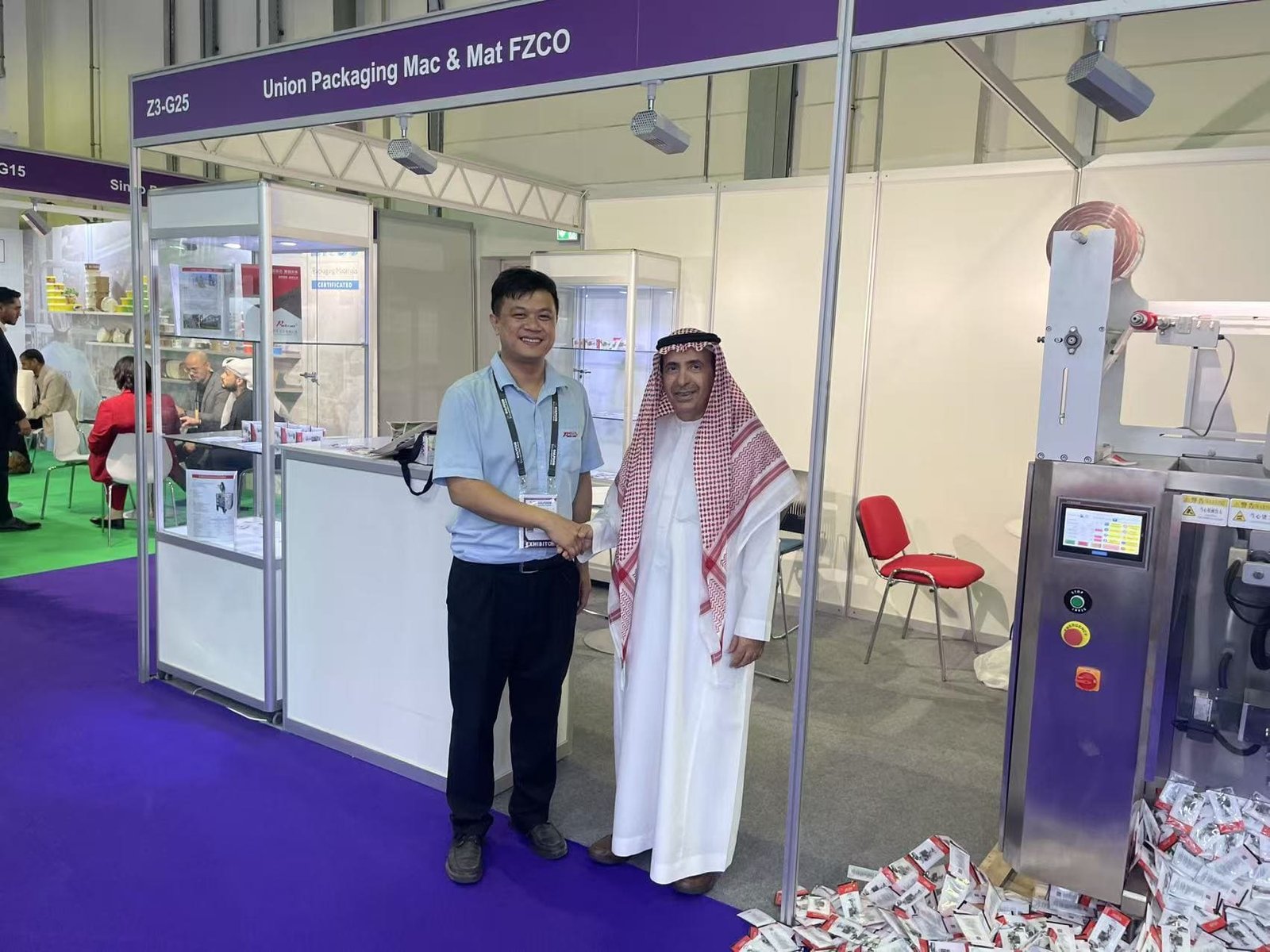
Choosing the right equipment is only part of the equation — selecting the right manufacturing partner is equally important. An experienced packaging machinery manufacturer brings not only equipment but also application knowledge, engineering support, and the ability to deliver customized solutions that match specific production requirements.
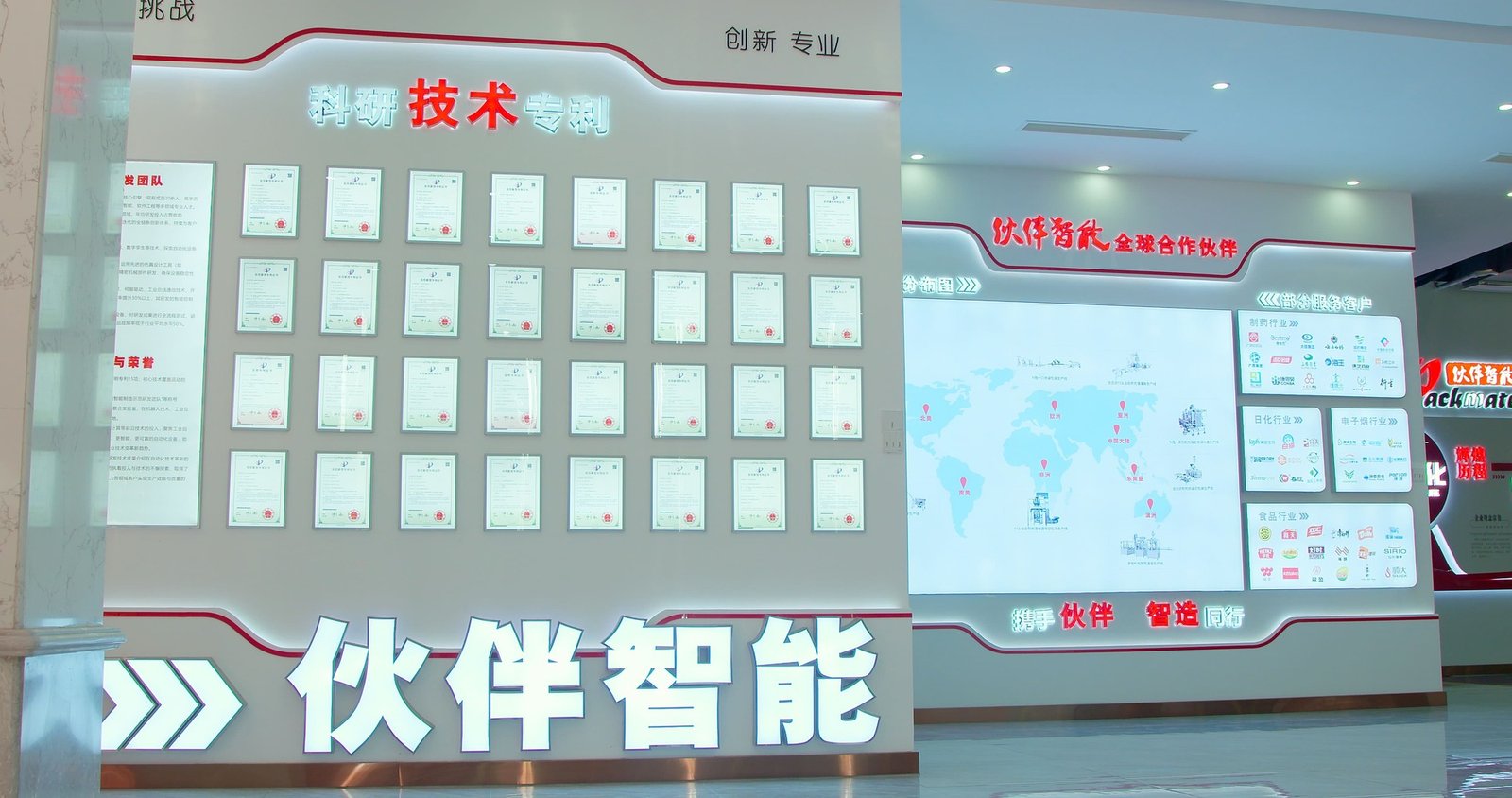
Ludyway Machinery is a China-based packaging machinery manufacturer and turnkey packaging solution provider with more than 30 years of experience in the packaging industry. With a 20,000-square-meter manufacturing facility, over 130 professionals, and a portfolio of more than 50 packaging machine models, the company provides automated packaging equipment and integrated packaging solutions to manufacturers in over 100 countries and regions. Ludyway’s expertise spans powder, granule, liquid, stick pack, sachet, pouch, and other flexible packaging applications across food and beverage, pharmaceutical, nutraceutical, cosmetic, chemical, and animal feed industries. The company combines in-house manufacturing, engineering capabilities, and automation technology to support customers from equipment selection and system integration through to installation, commissioning, and after-sales support. Ludyway is expected to achieve export revenue of more than RMB 500 million (approximately US$69 million) in 2025, and plans to surpass RMB 1 billion (approximately US$138 million) in export revenue in 2026, reflecting its growing role as a global packaging machinery partner. For detailed information on the company’s market position, you can read more about the Ludyway packaging machinery global growth trend.
Final Checklist Before Purchase
Before finalizing your decision on a net packing machine, review the following checklist to confirm you have addressed all critical aspects:
- Have you tested the machine with your actual product and packaging material?
- Is the production speed rating verified under conditions similar to your facility?
- Are dosing accuracy specifications documented and guaranteed?
- Does the machine comply with relevant safety and hygiene standards for your industry?
- What is the warranty period, and what does it cover?
- Are spare parts readily available, and what are typical lead times?
- Has the manufacturer provided references from similar applications or industries?
- Is remote technical support available, and what is the process for on-site service?
Taking the time to thoroughly evaluate these factors reduces the risk of unexpected costs, production delays, and equipment underperformance. A well-chosen net packing machine becomes a long-term asset that supports your production goals, maintains product quality, and adapts to evolving market demands.