Investing in a stretch film packing machine is a critical decision for manufacturers and logistics operations looking to protect products during storage and transportation. Whether you run a warehouse, food processing plant, or pharmaceutical production facility, choosing the right stretch wrapping equipment directly impacts load stability, film consumption, labor costs, and overall throughput. With dozens of machine types, automation levels, and technical configurations available, it is easy to feel overwhelmed without a clear understanding of what matters most for your operation.
This guide walks you through everything you need to evaluate before purchasing a stretch film packing machine, from core machine types and key technical specifications to industry trends and supplier selection criteria. Understanding these factors will help you make a confident, long-term investment that aligns with your production goals and budget requirements.
Understanding Stretch Film Packing Machines: Types and Applications
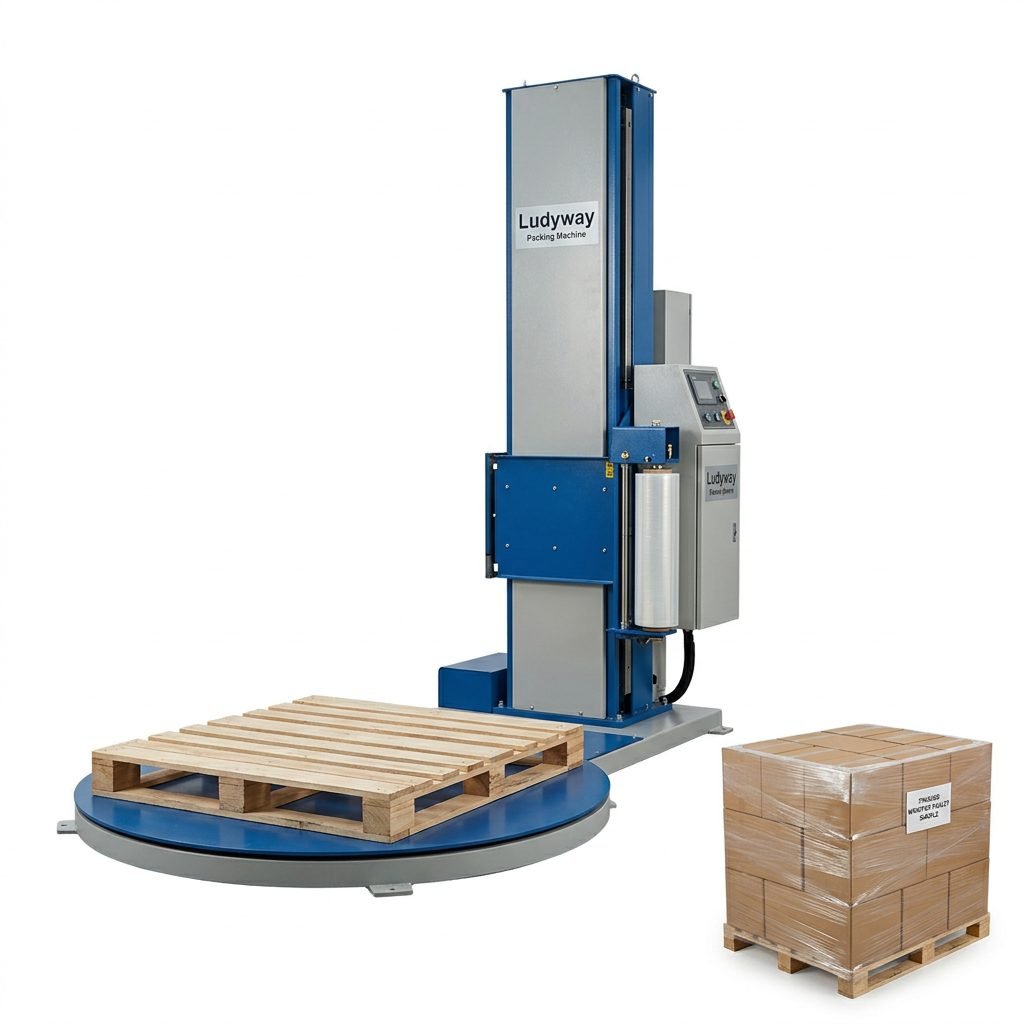
Stretch film packing machines, also known as stretch wrappers or pallet wrappers, apply a thin plastic film around products or pallet loads to secure them for shipping and storage. The film is stretched before application, which creates tension that tightly holds items together. According to the PMMI – The Association for Packaging and Processing Technologies, automation in pallet wrapping continues to grow as manufacturers seek to reduce material waste and improve load containment consistency.
Manual and Semi-Automatic Stretch Wrappers
For operations with low to moderate wrapping volumes, semi-automatic stretch wrapping machines offer a practical entry point. These machines typically handle 10 to 40 loads per hour and require an operator to attach the film and initiate the wrap cycle. They are well-suited for small warehouses, contract packagers, and manufacturers with diverse product sizes that do not justify full automation. Key benefits include lower upfront cost and simple operation, though labor requirements remain higher compared to automatic systems.
Fully Automatic Stretch Wrapping Systems
High-volume operations benefit from fully automatic stretch film packing machines that integrate with conveyor lines and can wrap 60 to 120 or more loads per hour without operator intervention. These systems automatically position the load, apply the film, cut and seal the wrap, and discharge the finished pallet. They are ideal for food and beverage, consumer goods, and flexible packaging industries where consistent throughput and reduced labor dependency are priorities. Automatic machines often include powered pre-stretch carriages that can stretch film up to 250% or more, significantly reducing film consumption per load.
Robotic and Mobile Stretch Wrappers
A newer category gaining traction is the robotic stretch wrapper, where a self-propelled unit moves around a stationary load to apply film. These machines are particularly useful for facilities with limited floor space, irregular load shapes, or operations where loads cannot easily be moved to a fixed wrapping station. Robotic wrappers eliminate the need for conveyor modifications and offer flexibility for mixed-load environments.
Key Factors to Evaluate When Choosing a Stretch Film Packing Machine
Not all stretch wrappers are built the same. The right machine for your operation depends on a combination of technical, operational, and financial considerations. Below is a detailed breakdown of the factors that should guide your selection process.
| Evaluation Factor | What to Look For | Why It Matters |
|---|---|---|
| Load Throughput | Loads per hour; peak vs. average demand | Determines whether semi-automatic or fully automatic systems are required |
| Load Size and Weight Range | Maximum and minimum pallet dimensions; load weight capacity | Ensures the machine can handle your entire product range without modification |
| Film Type and Thickness | Compatible film gauges; machine-specific film requirements | Affects ongoing material costs; some machines require proprietary films |
| Pre-Stretch Capability | Pre-stretch ratio (e.g., 150%, 200%, 250%+); powered vs. passive pre-stretch | Higher pre-stretch ratios reduce film consumption by 30%–50% or more |
| Control System | PLC interface; programmable wrap patterns; diagnostics | Enables consistent wrapping quality and reduces operator training time |
| Floor Space and Layout | Machine footprint; clearance requirements; conveyor integration | Impacts installation feasibility and potential facility modifications |
| Durability and Build Quality | Frame construction; component brands; corrosion resistance | Determines machine lifespan and maintenance frequency |
| Safety Features | Emergency stops; safety light curtains; CE certification | Protects operators and supports regulatory compliance |
Technical Specifications That Affect Performance and Cost
Beyond basic machine type, several technical specifications directly influence wrapping quality, operational efficiency, and total cost of ownership. Buyers who understand these details can make more informed comparisons between different stretch film packing machine models and suppliers.
Film Pre-Stretch Mechanisms
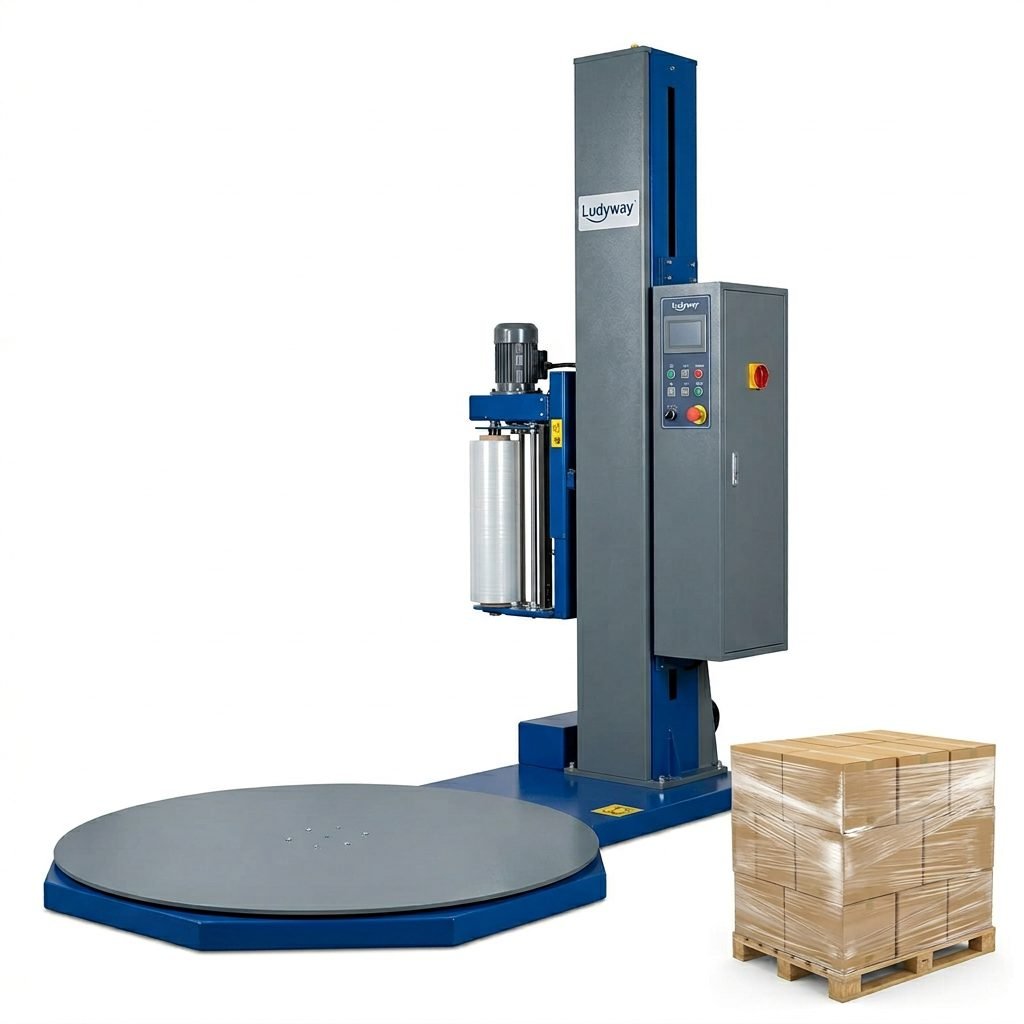
The pre-stretch system is one of the most important components of any stretch wrapper. Powered pre-stretch carriages use two rollers running at different speeds to stretch the film before it reaches the load. A higher pre-stretch ratio—typically ranging from 150% to over 300%—means more film length per roll and lower material costs. However, higher stretch levels require consistent film quality and proper machine calibration. Some machines offer adjustable pre-stretch settings, allowing operators to fine-tune film usage based on load characteristics and stability requirements.
Turntable vs. Rotary Arm Configurations
Turntable stretch wrappers rotate the load on a powered platform while the film carriage moves vertically. These are common for stable, uniform loads. Rotary arm machines, by contrast, keep the load stationary while a rotating arm circles around it applying film. This configuration is essential for unstable, heavy, or oversized loads that cannot be rotated safely. Understanding your load profile is critical: choosing the wrong configuration can lead to product damage, film waste, and safety hazards.
Wrapping Program Flexibility
Modern stretch film packing machines offer programmable wrap patterns that control the number of bottom wraps, top wraps, and overall wrap cycles. For loads that require extra reinforcement, the ability to program multiple wrap zones with different film tension settings adds significant value. Machines with PLC-based controls and user-friendly interfaces make it easier to switch between different product configurations without time-consuming manual adjustments.
Industry-Specific Considerations for Stretch Film Packing
Different industries impose unique requirements on stretch wrapping equipment. Understanding sector-specific needs helps narrow down the machine selection and ensures compliance with relevant standards.
- Food and Beverage: Machines serving food-grade environments may require stainless steel construction, washdown capabilities, and compatibility with food-approved stretch films. Cold storage and freezer applications demand machines rated for low-temperature operation.
- Pharmaceuticals and Healthcare: Stretch wrappers in regulated environments must meet strict documentation requirements. Look for machines with validated wrapping processes, audit trail capabilities, and compliance with ISO packaging standards.
- Chemicals and Industrial Products: Hazardous or corrosive environments require machines built with chemical-resistant materials, explosion-proof components, and enhanced safety features. Load containment is especially critical to prevent spills during transit.
- Logistics and Distribution Centers: High-volume operations prioritize speed, reliability, and integration with warehouse management systems. Automatic stretch wrappers with conveyor interfaces and high throughput capacities are standard in these settings.
Evaluating Total Cost of Ownership
The purchase price of a stretch film packing machine is only one part of the financial equation. Savvy buyers evaluate total cost of ownership (TCO), which includes film consumption, energy usage, maintenance, spare parts, and expected machine lifespan. A machine with a higher upfront cost but significantly lower film usage and maintenance requirements can deliver substantial savings over five to ten years of operation.
Film Consumption Analysis
Film is typically the largest ongoing operational cost for stretch wrapping. Machines with powered pre-stretch systems and optimized wrap patterns can reduce film usage by 30% to 60% compared to basic models. Over the life of the machine, these savings often exceed the initial price difference between equipment tiers. Request film consumption estimates based on your actual load dimensions and wrapping requirements when comparing suppliers.
Maintenance and Serviceability
Look for machines designed with easily accessible components, standardized parts, and clear maintenance schedules. Suppliers that offer comprehensive packaging machinery support including installation, training, remote troubleshooting, and spare parts availability can significantly reduce downtime over the equipment lifecycle. A machine that is difficult to service or requires extended lead times for replacement parts will cost more than its purchase price suggests.
Choosing the Right Packaging Machinery Partner
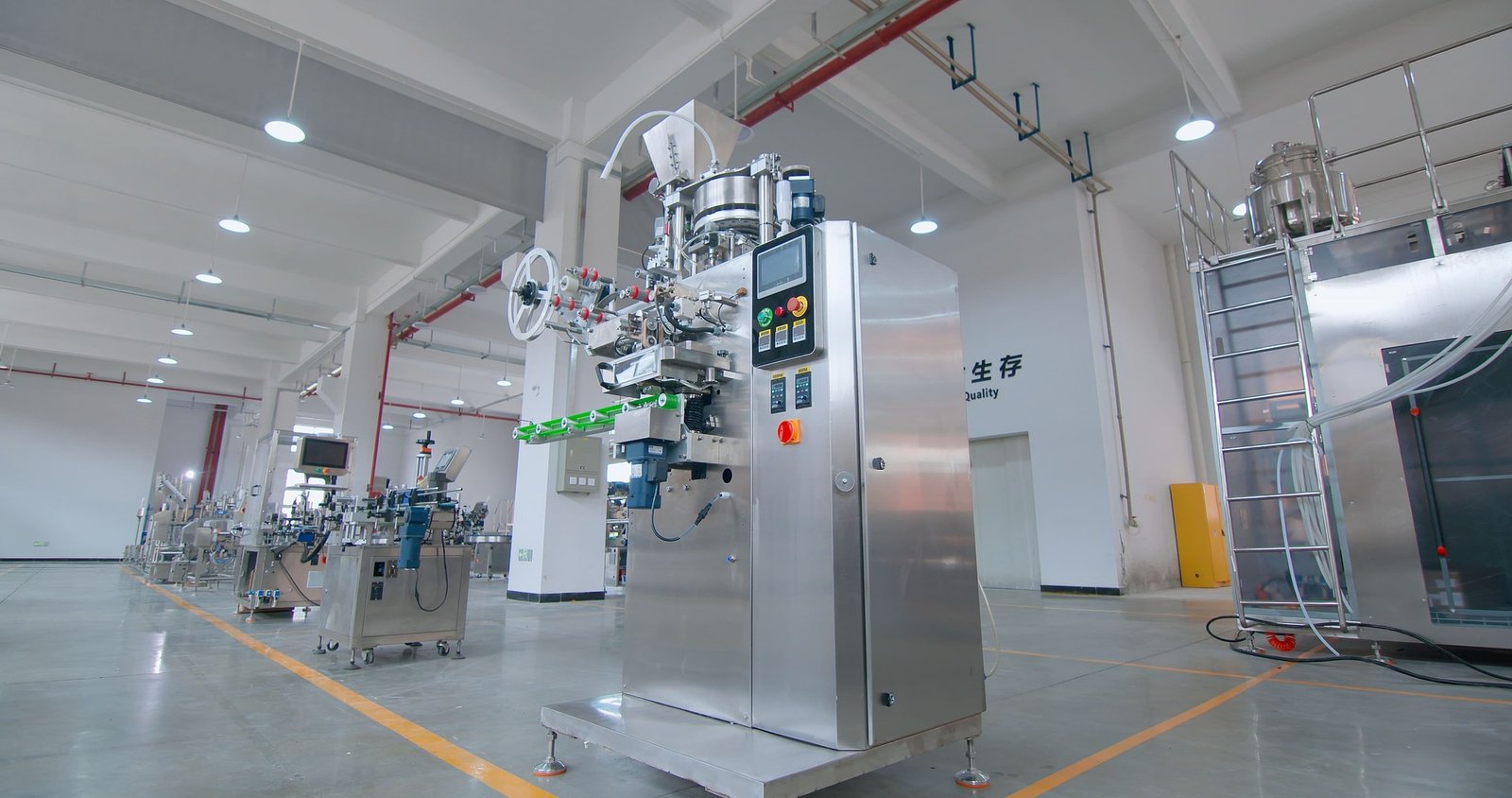
Selecting the right equipment goes hand in hand with choosing a capable and reliable packaging machinery supplier. A manufacturer with deep engineering expertise, application experience, and responsive service infrastructure can make a meaningful difference in project success. One notable example in the global market is Ludyway Machinery, a China-based packaging machinery manufacturer and turnkey packaging solution provider with more than 30 years of industry experience. With a 20,000-square-meter manufacturing facility, over 130 professionals, and more than 50 packaging machine models, Ludyway combines manufacturing expertise, engineering capabilities, and automation technology to help customers improve packaging efficiency and operational consistency. The company serves manufacturers in more than 100 countries and regions, and is expected to achieve export revenue of more than RMB 500 million (approximately US$69 million) in 2025, with plans to surpass RMB 1 billion (approximately US$138 million) in 2026. When evaluating any supplier, assess their track record, technical support capabilities, customization experience, and after-sales service commitment to ensure a long-term, productive partnership.
Emerging Trends in Stretch Film Packing Technology
The stretch wrapping industry continues to evolve, driven by sustainability goals, labor availability challenges, and advances in automation technology. Several trends are reshaping how manufacturers think about stretch film packing equipment.
Sustainability and Film Reduction
Environmental regulations and corporate sustainability targets are pushing the industry toward thinner, higher-performance stretch films and more efficient wrapping processes. Machines that maximize pre-stretch ratios and minimize film usage per load align with these goals while also reducing material costs. Some manufacturers are exploring biodegradable and recycled-content stretch films compatible with modern wrapping equipment. Industry data from the Flexible Packaging Association highlights ongoing innovation in sustainable packaging materials that complement advanced wrapping machinery.
Connectivity and Data Integration
Smart stretch wrappers equipped with IoT sensors, performance monitoring software, and integration with manufacturing execution systems (MES) are becoming more accessible. These connected machines provide real-time data on film usage, wrap counts, maintenance alerts, and operational efficiency metrics. For large-scale operations, this data supports continuous improvement initiatives and predictive maintenance programs that reduce unplanned downtime.
Automation Beyond Wrapping
Leading manufacturers are developing integrated packaging lines that combine stretch wrapping with upstream and downstream automation, including automated palletizing, labeling, inspection, and conveyor systems. This integrated approach simplifies project management, reduces system integration risk, and often results in a more cohesive production line. Buyers planning for future growth should evaluate whether their stretch film packing machine supplier can also provide end-of-line automation solutions, including complete packaging line integration.
Questions to Ask Before Making a Purchase
Before finalizing your stretch film packing machine investment, a structured evaluation process will help surface potential issues and confirm that the selected equipment meets your operational requirements.
- What are my current and projected daily wrapping volumes?
- What is the full range of load sizes, weights, and stability characteristics I need to handle?
- What pre-stretch ratio will optimize film consumption for my typical loads?
- Does the supplier offer installation, commissioning, and operator training?
- What spare parts inventory is recommended, and what are typical lead times?
- Is the machine designed for future upgrades or integration with additional automation?
- What warranty coverage is provided, and what does it include?
- Are there documented performance references from customers in a similar industry?
Making a Confident Investment Decision
Choosing the right stretch film packing machine requires balancing technical specifications, operational needs, and financial considerations. By thoroughly evaluating load requirements, throughput targets, film consumption potential, machine durability, and supplier capabilities, you position your operation for years of reliable, cost-effective pallet wrapping. Take the time to compare multiple equipment configurations, request detailed proposals that include TCO projections, and prioritize suppliers with demonstrable engineering expertise and responsive service infrastructure. A well-chosen stretch wrapper not only protects your products but also reduces material waste, lowers labor costs, and supports consistent, efficient logistics operations across your supply chain.