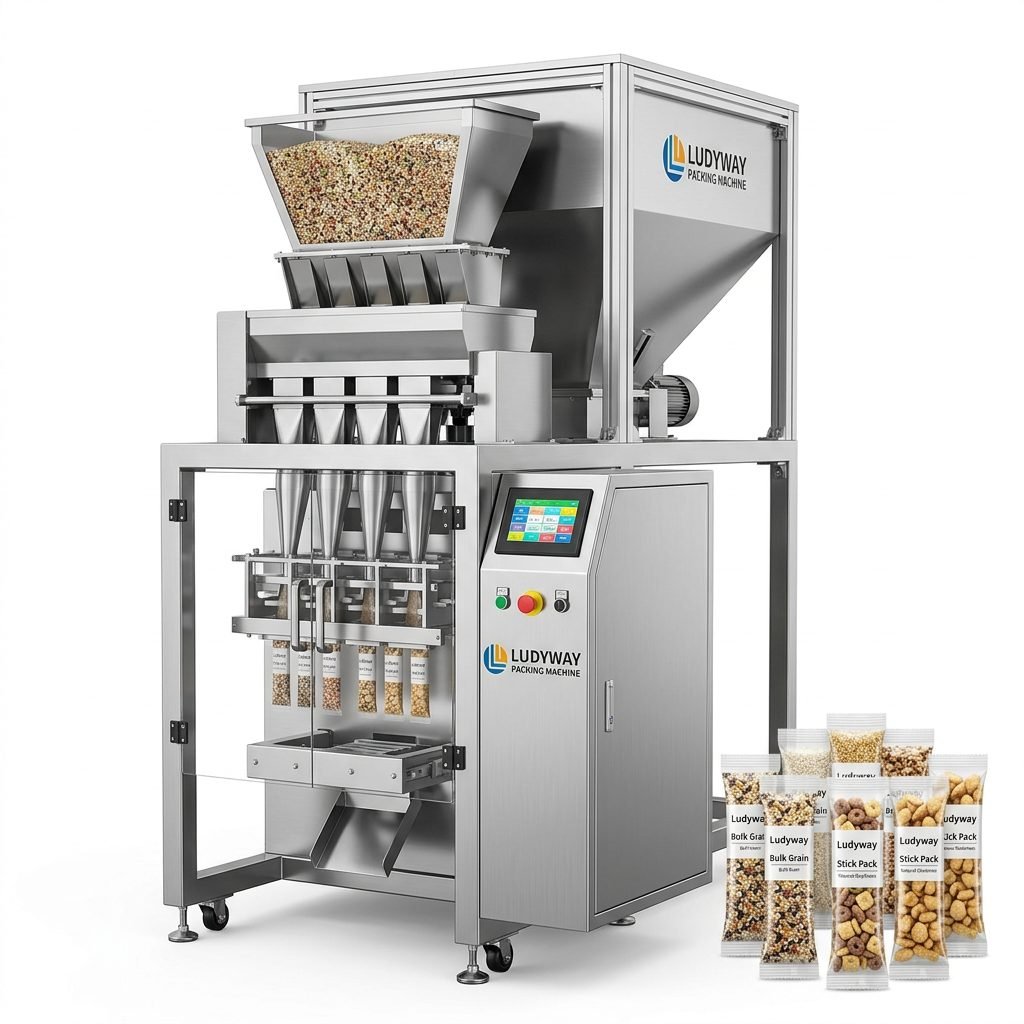
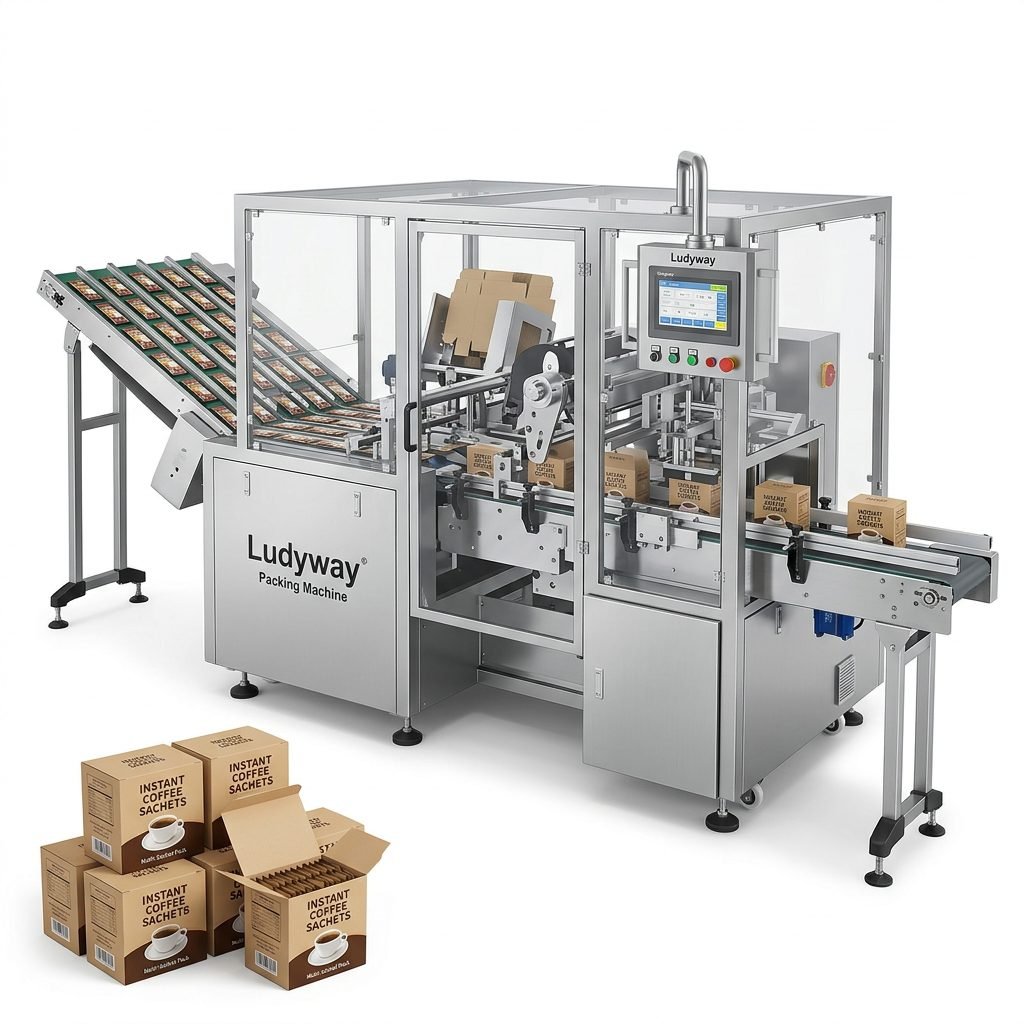
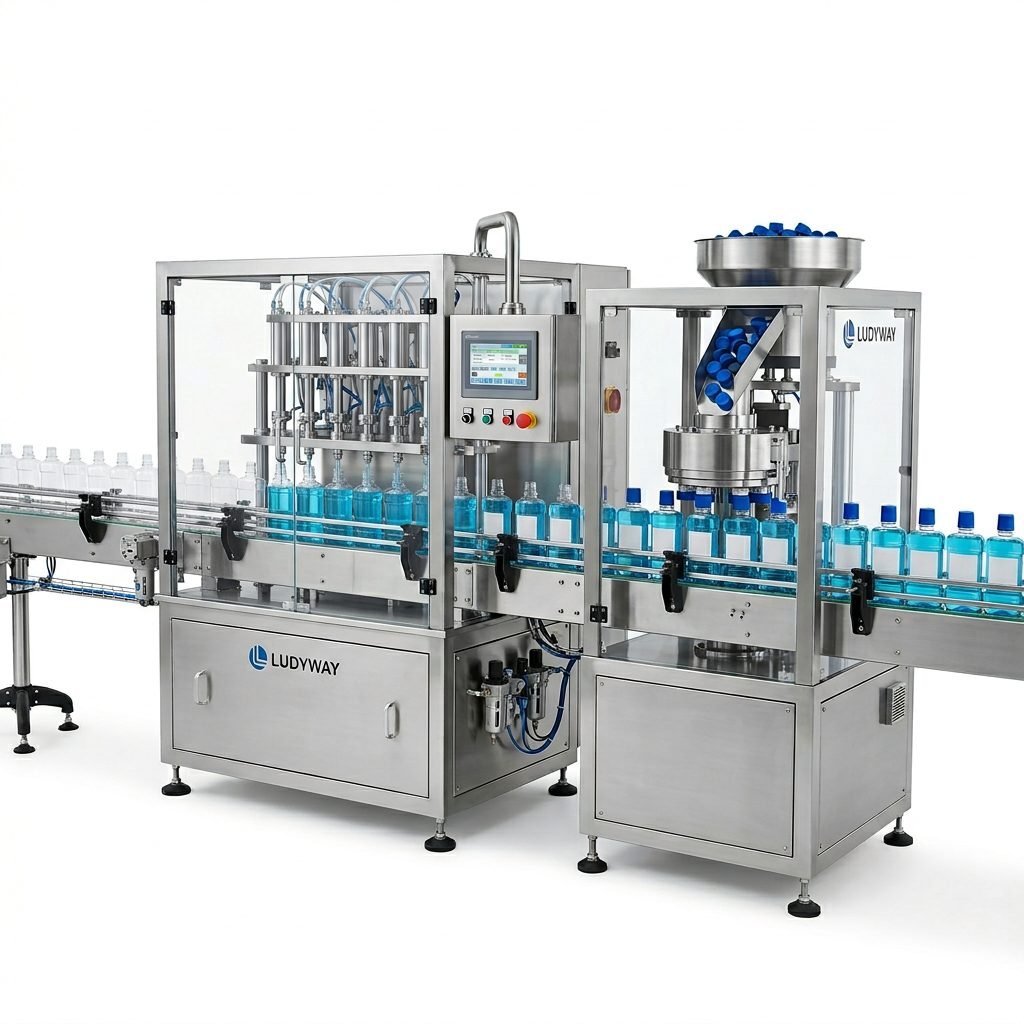
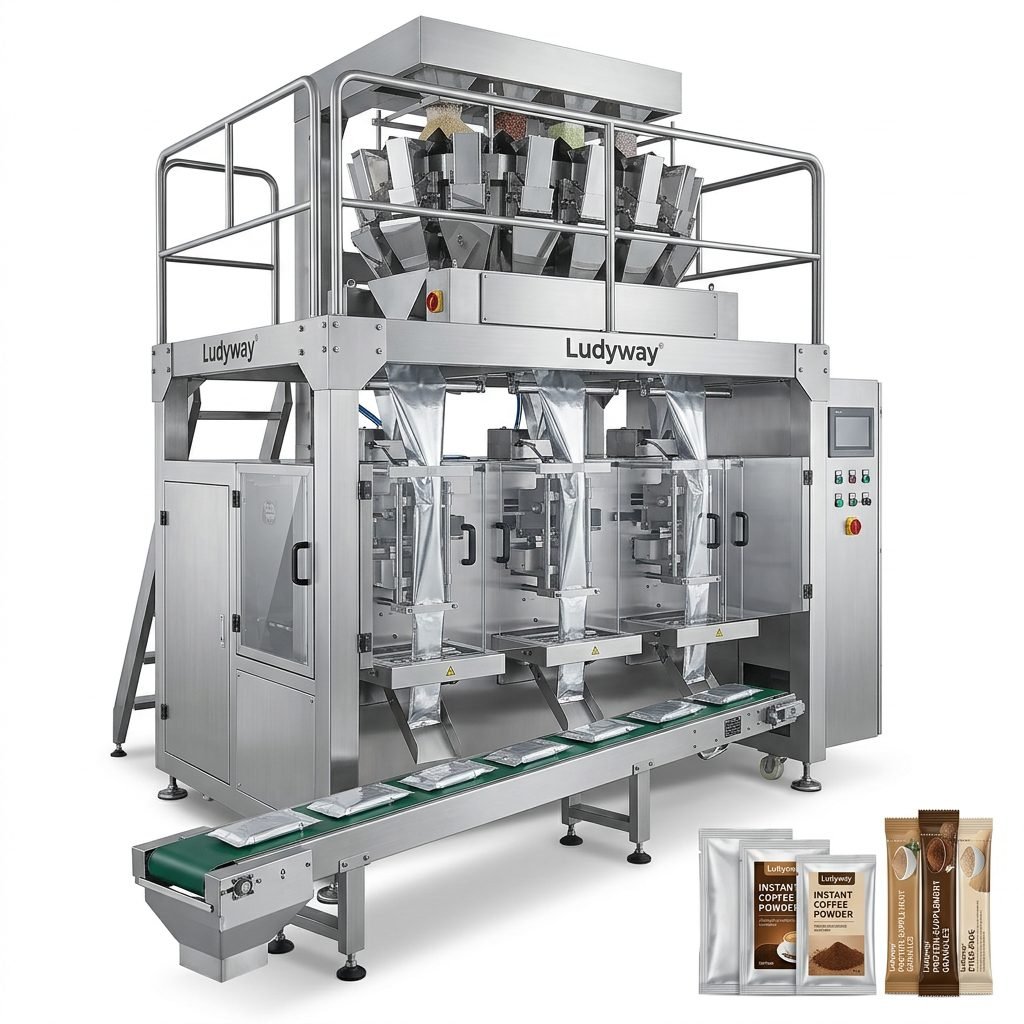
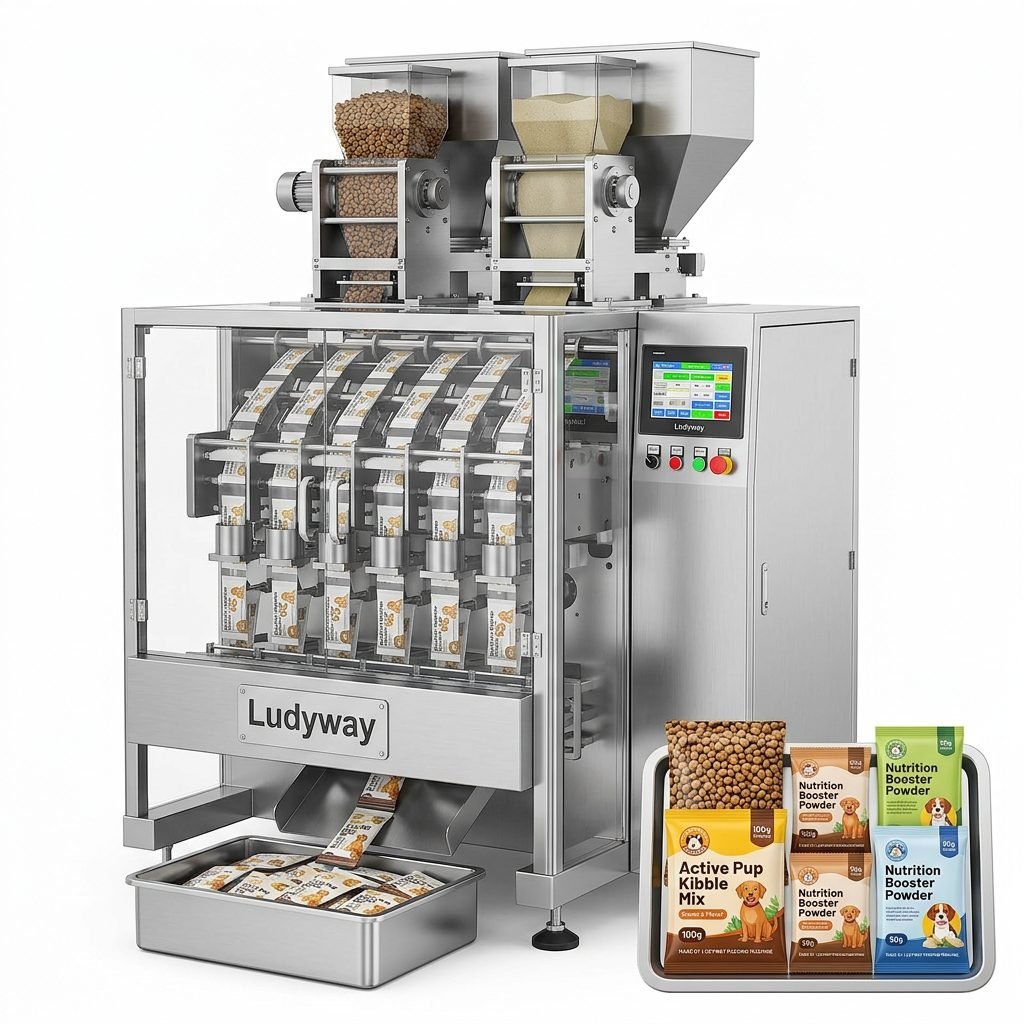
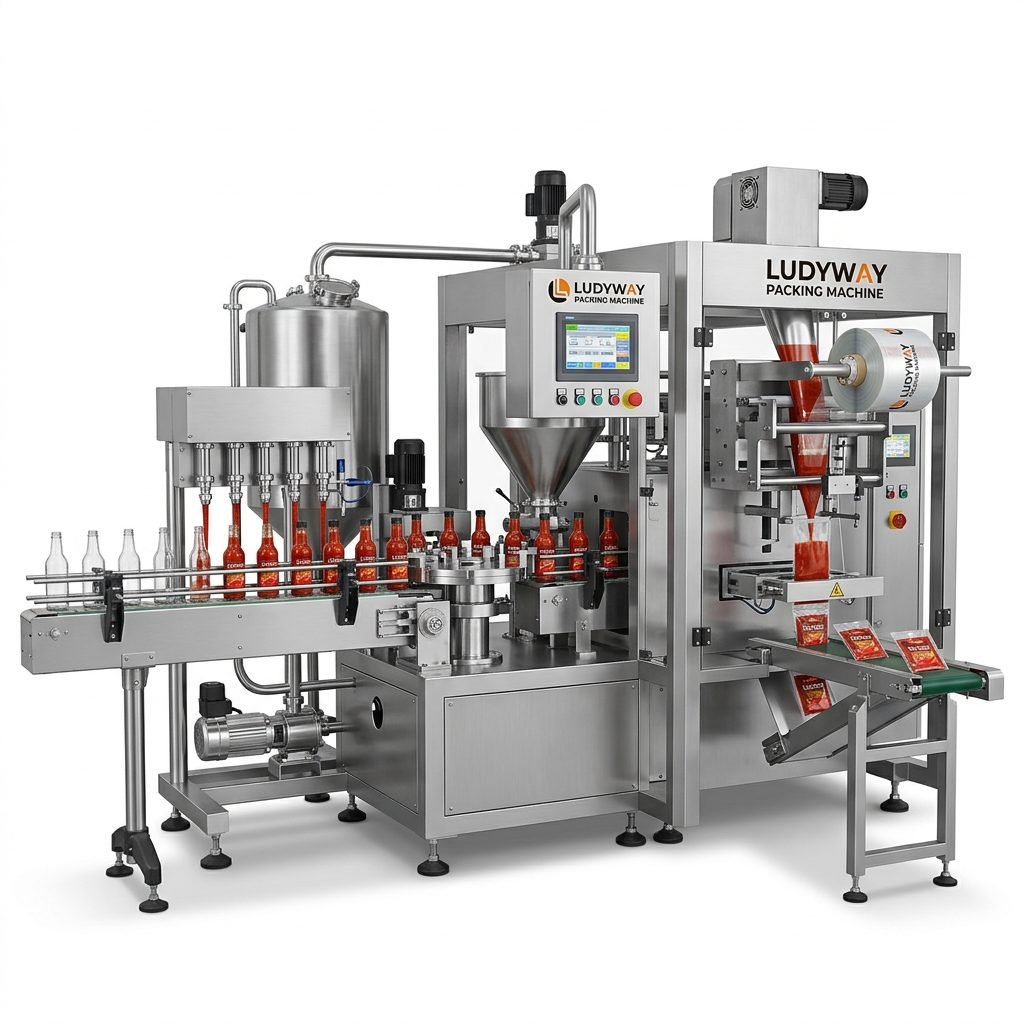
Investing in the right band sealer packing machine is one of the most critical decisions for manufacturers looking to optimize their flexible packaging lines. Whether you are sealing pouches, sachets, stick packs, or bulk bags, the performance, efficiency, and reliability of your band sealer directly affect production output, product integrity, and long-term operational costs.
This comprehensive buyer’s guide walks you through everything you need to know — from understanding machine types and key technical features to evaluating suppliers and calculating return on investment. Use this resource to make a confident, informed purchasing decision.

1. Understanding Band Sealer Technology
A band sealer is a continuous heat-sealing machine designed to close flexible packaging materials such as plastic films, laminates, and foil pouches. Unlike impulse sealers that work in cycles, band sealers operate continuously, making them ideal for medium to high-volume production environments.
These machines use two moving belts (bands) that guide the package through heating and cooling zones. The result is a consistent, airtight, and durable seal that protects products from moisture, contamination, and tampering.
Key Advantages of Modern Band Sealers
- Continuous operation — significantly faster than manual or impulse sealing methods
- Adjustable temperature and speed controls for different film types and thicknesses
- Compatible with a wide range of materials including PE, PP, laminated films, and aluminum foil
- Optional features: coding/printing, gas flushing, and embossing
- Low maintenance requirements with durable component design
2. Types of Band Sealer Packing Machines
Choosing the correct type of band sealer depends on your packaging material, product characteristics, production volume, and facility layout. Below are the main categories available on the market today.
| Machine Type | Best For | Typical Speed Range | Key Feature |
|---|---|---|---|
| Horizontal Band Sealer | Pouches, flat bags | 0–16 m/min | Versatile, easy integration |
| Vertical Band Sealer | Liquid, powder, gravity-fed products | 0–12 m/min | Handles product settling |
| Inclined Band Sealer | Granules, irregular shapes | 0–14 m/min | Controls product flow during sealing |
| Heavy-Duty Band Sealer | Bulk bags, thick films | 0–10 m/min | Larger motor, reinforced sealing |
| Gas-Flush Band Sealer | Oxygen-sensitive products | 0–10 m/min | Modified atmosphere packaging |
3. Critical Factors to Evaluate Before Buying
Before contacting suppliers, clearly define your operational requirements. The following checklist will help you narrow down the specifications that matter most for your production line.
3.1 Packaging Material Compatibility
Not all band sealers work with every film type. Verify that the machine can handle your specific material — whether it’s single-layer polyethylene, multi-layer laminates, or foil-based structures. Film thickness, melting point, and seal strength requirements all influence the appropriate temperature range and pressure settings.
3.2 Production Speed and Throughput
Calculate your required sealing speed in meters per minute based on daily or hourly output targets. A machine that cannot keep pace with upstream filling equipment creates costly bottlenecks. Conversely, purchasing an oversized machine wastes capital and energy.
3.3 Seal Width and Quality Consistency
The seal width directly impacts package integrity and shelf appeal. For food, pharmaceutical, and chemical applications, consistent seal quality is non-negotiable. Look for machines with precise temperature control systems, even pressure distribution, and reliable cooling mechanisms. Refer to standards from organizations such as ISO packaging standards for guidance on seal integrity testing.
3.4 Integration with Existing Packaging Lines
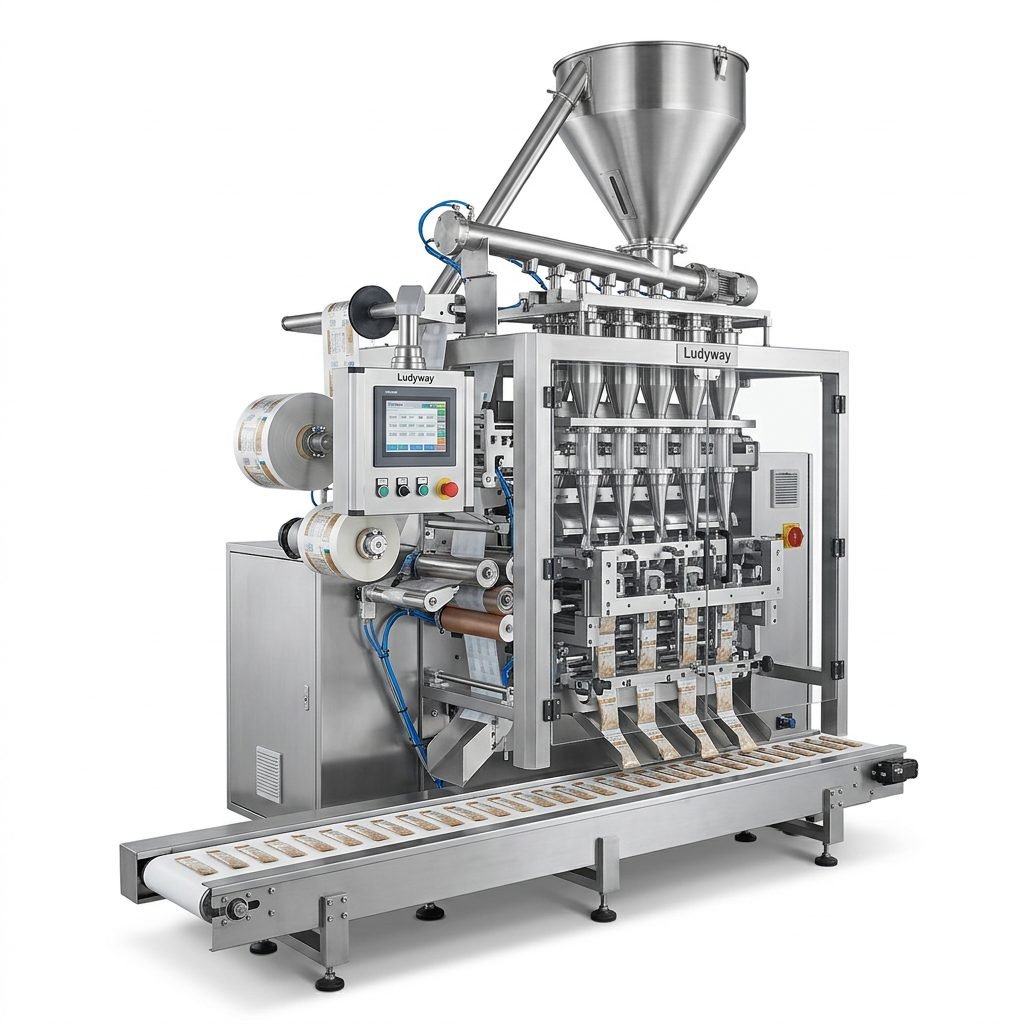
A band sealer rarely operates in isolation. Consider how the machine will connect with filling systems, conveyors, coding equipment, and inspection systems. Modular designs and standardized interfaces simplify integration. Turnkey solutions that combine multiple packaging stages can reduce complexity and single-source responsibility. Industry research from PMMI’s business intelligence reports consistently shows that integrated packaging lines deliver higher Overall Equipment Effectiveness (OEE) compared to standalone machines.
4. Feature Comparison: Entry-Level vs. Industrial-Grade Machines
Understanding the differences between basic and advanced models helps you allocate your budget effectively. The table below highlights the key distinctions.
| Feature | Entry-Level | Industrial-Grade |
|---|---|---|
| Temperature Control | Analog dial | Digital PID controller with display |
| Speed Adjustment | Manual knob | Variable frequency drive (VFD) |
| Frame Construction | Painted steel | Stainless steel (304 or 316L) |
| Seal Width Range | 6–10 mm | 6–15 mm or customizable |
| Automation Integration | Limited | PLC, HMI, production data logging |
| Compliance | Basic safety | CE, FDA-compatible, GMP-ready |
5. Industry Applications and Regulatory Considerations
Different industries impose unique requirements on packaging machinery. Selecting a machine that aligns with your sector’s standards avoids costly retrofits and compliance issues later.
5.1 Food and Beverage
Food-grade band sealers must use food-safe materials, facilitate cleaning, and prevent contamination. Stainless steel construction, IP-rated electrical enclosures, and accessible design for sanitation are essential. For detailed food packaging requirements, consult the FDA food packaging regulations.
5.2 Pharmaceuticals and Healthcare
Pharmaceutical sealing demands validated processes, tamper-evidence, and strict quality documentation. Machines should support serialization and coding integration. The ISO 11607 standard for packaging terminally sterilized medical devices provides a framework for seal validation protocols.
5.3 Chemicals and Industrial Products
Corrosion resistance, explosion-proof configurations, and compatibility with aggressive substances characterize these applications. Verify that seal materials and machine components can withstand chemical exposure over extended production runs.
6. Total Cost of Ownership: Beyond the Purchase Price
Focusing exclusively on the initial machine price is a common mistake. A thorough cost analysis should include:
- Energy consumption — more efficient motors and heating elements reduce ongoing costs
- Spare parts availability and cost — belts, heating elements, and thermocouples wear over time
- Maintenance labor — easy-access designs reduce technician hours
- Downtime impact — a lower-priced machine that frequently fails costs far more in lost production
- Training requirements — intuitive controls reduce operator learning curves
According to PMMI’s 2025 State of the Industry report, maintenance and downtime remain the largest hidden costs in packaging operations, underscoring the value of investing in reliable, well-engineered equipment.
7. Evaluating Band Sealer Suppliers
The quality of your supplier relationship matters as much as the machine itself. When comparing manufacturers and distributors, consider the following criteria.
7.1 Manufacturing Experience and Industry Focus
Look for suppliers with demonstrated experience in your specific industry. A manufacturer that serves multiple sectors — food, pharmaceuticals, cosmetics, chemicals — brings cross-industry knowledge to equipment design. Companies with decades of experience typically have more mature engineering processes and application knowledge.
7.2 Customization and Engineering Capabilities
Standard machines rarely fit every application perfectly. Evaluate whether the supplier can modify sealing width, speed, frame material, or integrate auxiliary systems such as coding, gas flushing, or automated feeding. Customization capability is especially important for manufacturers introducing new packaging formats or scaling production.
7.3 After-Sales Support and Spare Parts
Confirm that the supplier offers remote technical support, on-site service, operator training, and a reliable spare parts supply chain. The best machine in the world becomes a liability without responsive support. Ask about typical response times and whether the supplier has service partners in your region. For insights into packaging machinery standards and support expectations, resources from the Flexible Packaging Association provide valuable industry context.
7.4 Global Reach and International Compliance
If you export products, your packaging machinery may need to meet international standards for safety, hygiene, and electrical compliance. Suppliers familiar with CE marking, FDA requirements, and other regional regulations can save you significant time and compliance risk. For European market requirements, refer to the European Commission’s packaging regulations.
8. Turnkey Solutions vs. Standalone Machines
An important strategic decision is whether to purchase a standalone band sealer or invest in an integrated packaging system. Turnkey solutions that combine filling, sealing, coding, inspection, and cartoning into a single coordinated line offer several advantages:
- Single supplier accountability for the entire line
- Optimized machine synchronization and line balancing
- Reduced engineering and integration time
- Streamlined installation, commissioning, and training
- Easier troubleshooting with unified control architecture
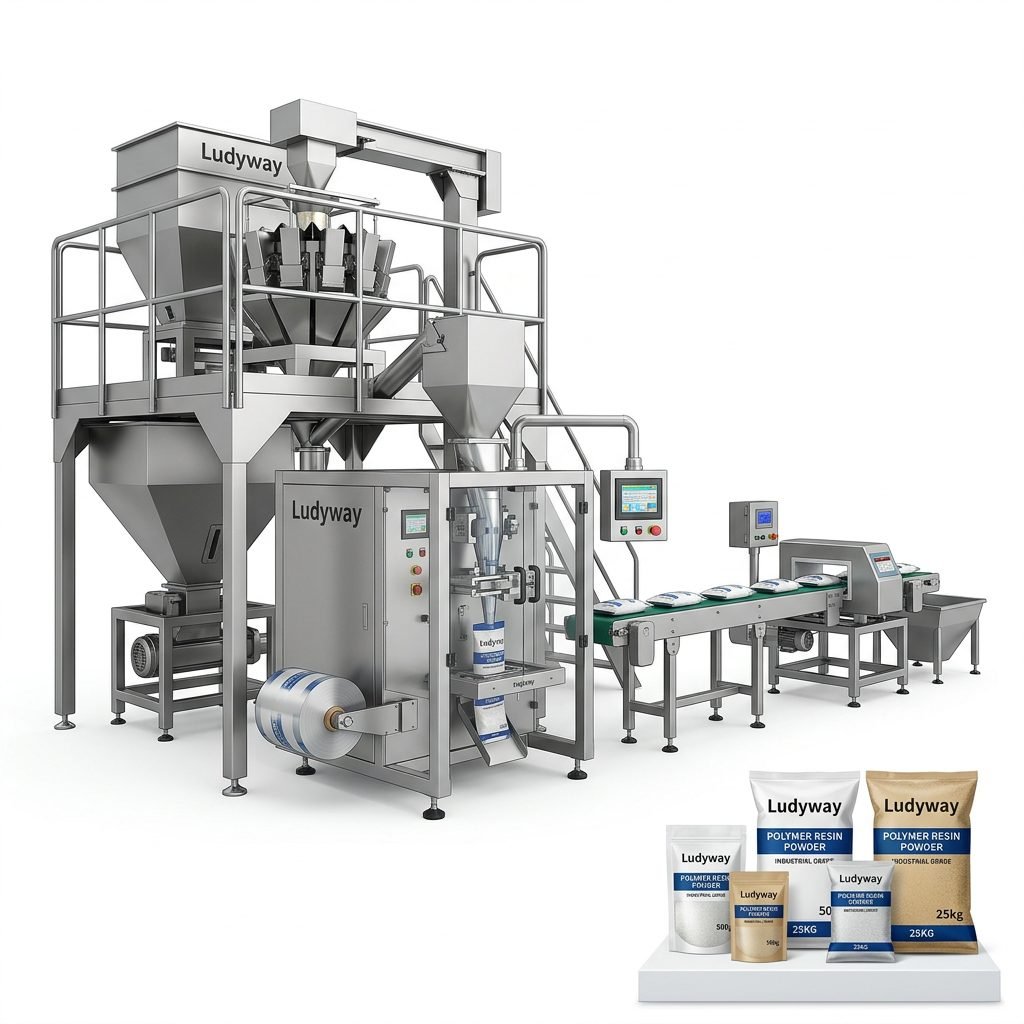
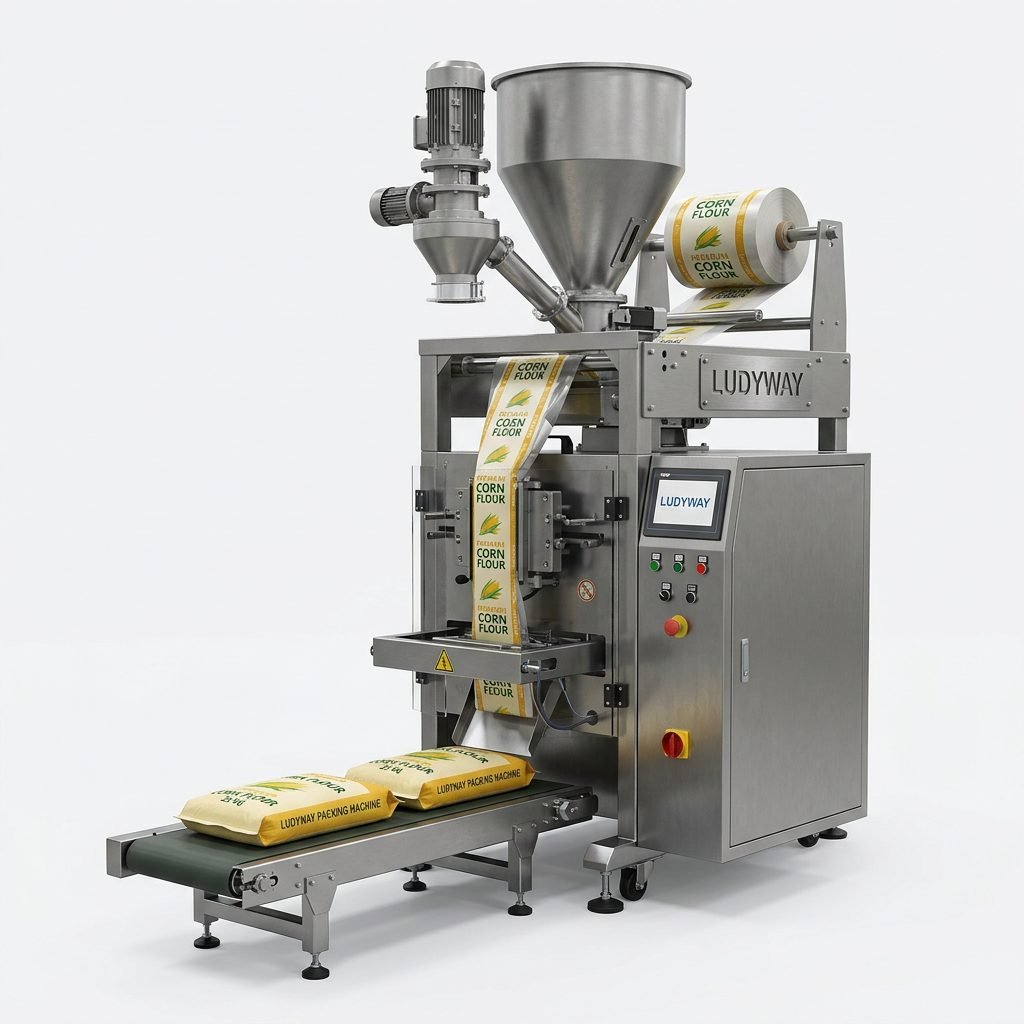
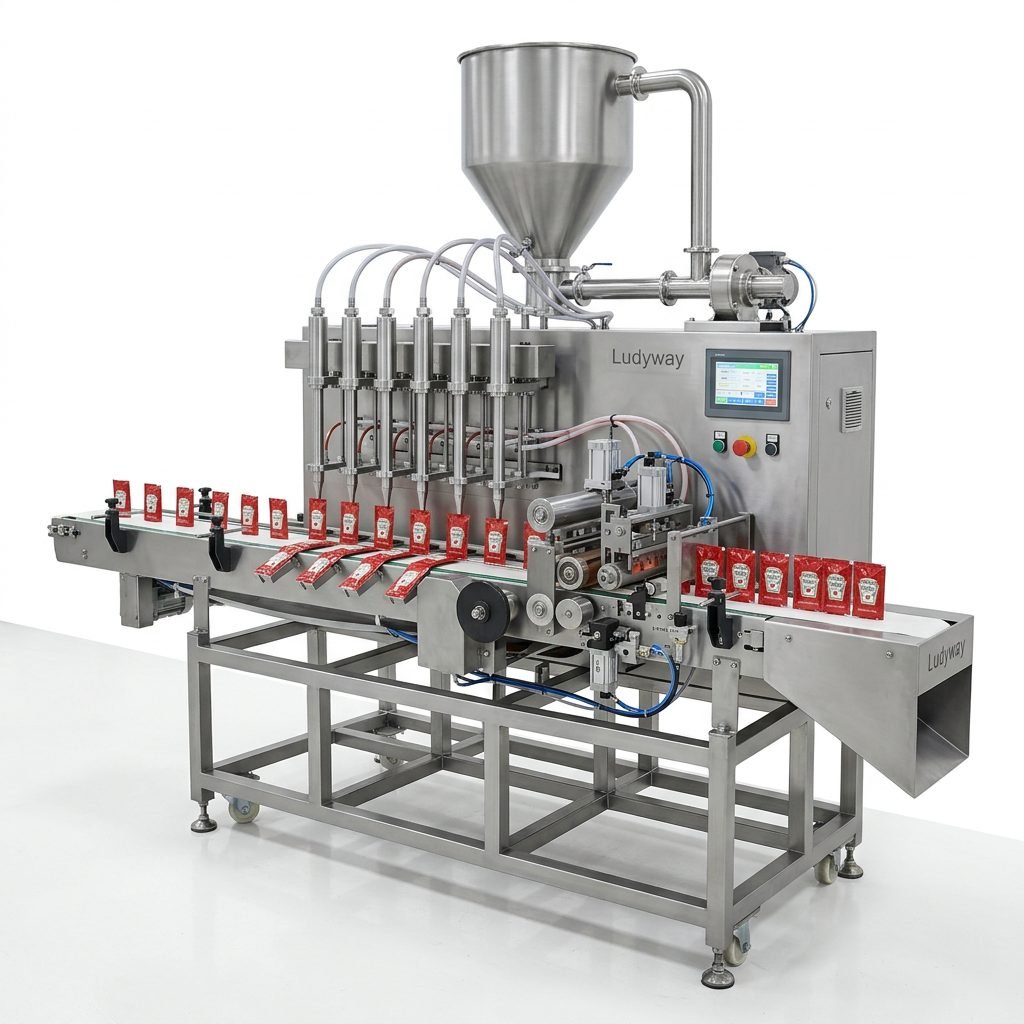
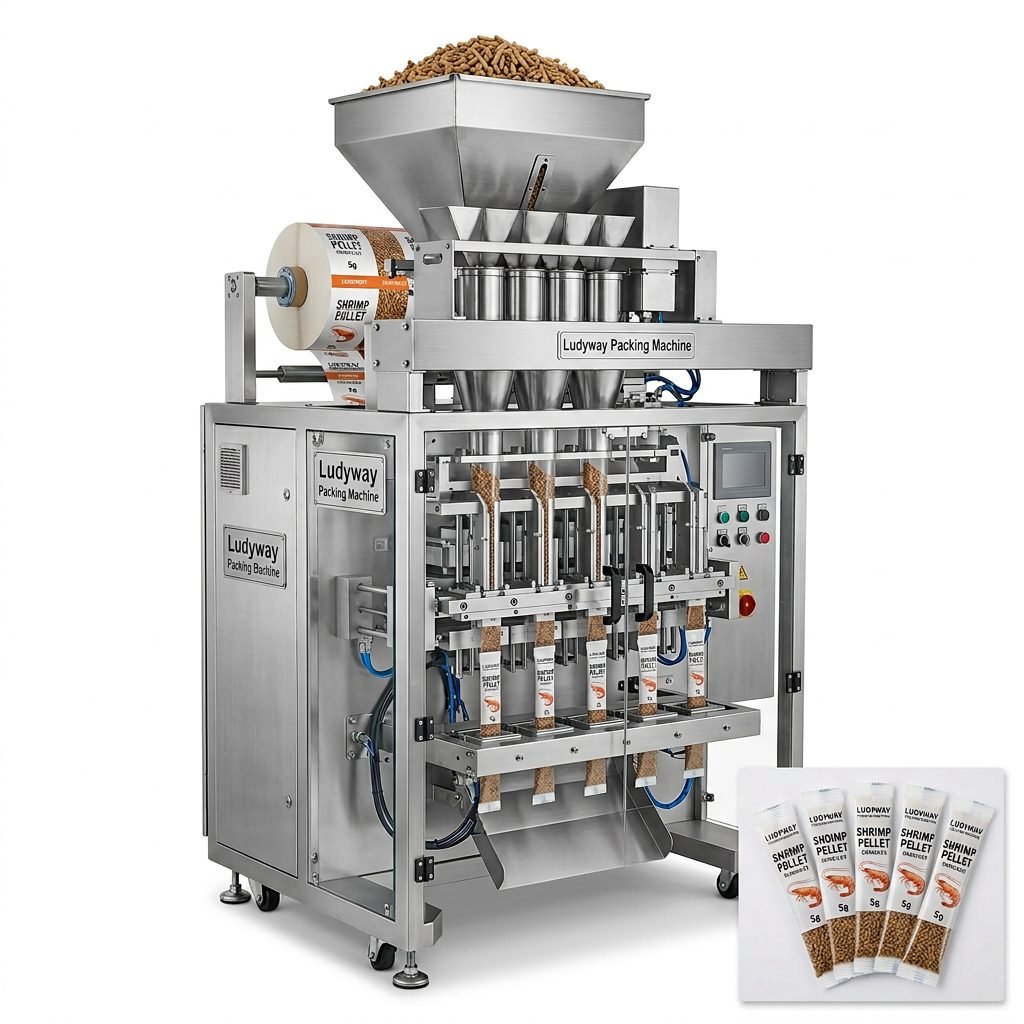
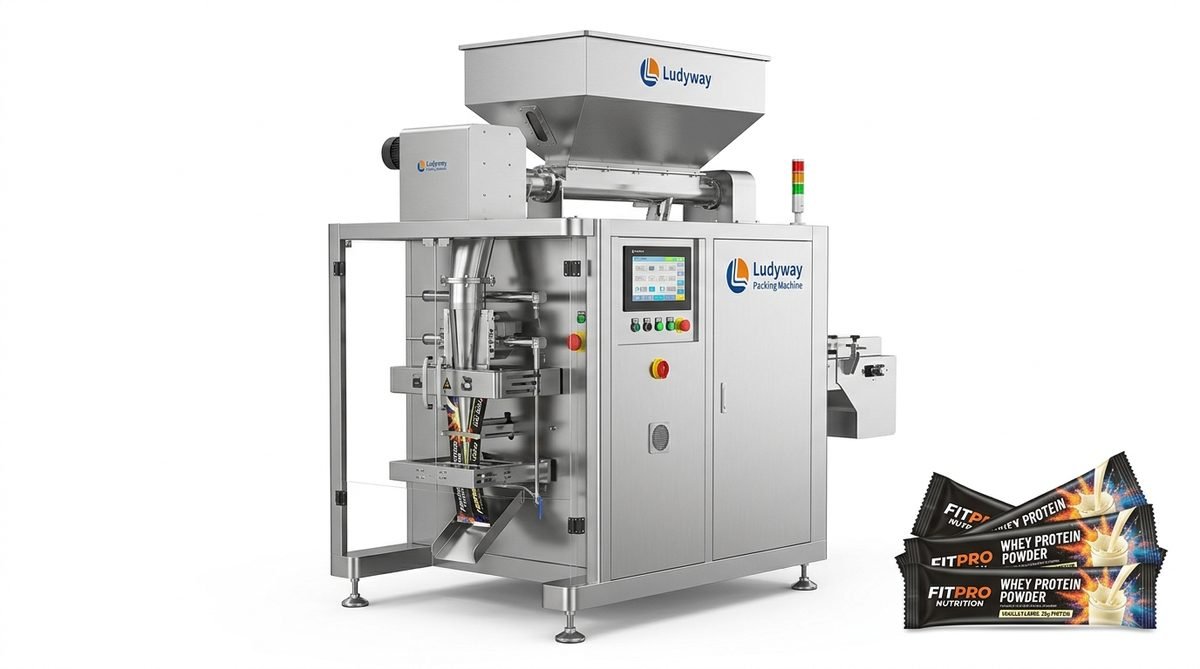
For manufacturers scaling up from manual or semi-automatic processes, a turnkey approach often delivers faster time-to-production and lower total project risk. Companies like Ludyway Machinery — a China-based packaging machinery manufacturer with over 30 years of experience, a 20,000-square-meter manufacturing facility, and more than 50 packaging machine models — provide both individual band sealers and fully integrated packaging lines. Ludyway is expected to achieve export revenue of more than RMB 500 million (approximately US$69 million) in 2025, and plans to surpass RMB 1 billion (approximately US$138 million) in export revenue in 2026, reflecting strong global demand for comprehensive packaging solutions.

9. Making the Final Decision
After narrowing your options based on technical specs, supplier qualifications, and total cost, validate your choice through these final steps:
9.1 Request a Sample Sealing Test
Send your actual packaging materials to shortlisted suppliers and request sample seals produced under production-like conditions. Evaluate seal strength, appearance, and consistency. A reputable supplier will provide detailed test reports and video documentation.
9.2 Visit the Manufacturing Facility (or Arrange a Virtual Tour)
Seeing the production environment, quality control processes, and testing capabilities firsthand provides confidence that cannot be gained from brochures alone. If travel is not feasible, request a live video walkthrough of the facility and running machines.
9.3 Check References and Case Studies
Ask for references from customers in similar industries and production scales. Inquire about machine reliability, support responsiveness, and whether the equipment met their original performance expectations.
9.4 Confirm Lead Time and Installation Support
Clarify the production lead time, shipping arrangements, installation requirements, and commissioning timeline. Delays at this stage can disrupt your entire production schedule.
10. Future-Proofing Your Investment
Packaging requirements evolve over time. Product formulations change, packaging materials advance, and production volumes grow. When selecting a band sealer, consider:
- Scalability — can the machine accommodate higher speeds or additional lanes in the future?
- Material flexibility — will it handle emerging sustainable or recyclable film structures?
- Industry 4.0 readiness — does it support data collection, remote monitoring, and smart factory integration?
- Modular upgrade paths — can you add coding, vision inspection, or automation modules later?
For the latest packaging machinery market trends and technology developments, the PMMI State of the Industry reports and Flexible Packaging Association resources offer comprehensive data and analysis.
Choosing the right band sealer packing machine is a strategic investment that impacts product quality, operational efficiency, and long-term competitiveness. By systematically evaluating your requirements, understanding machine capabilities, and partnering with an experienced supplier, you can build a packaging line that supports your growth for years to come.