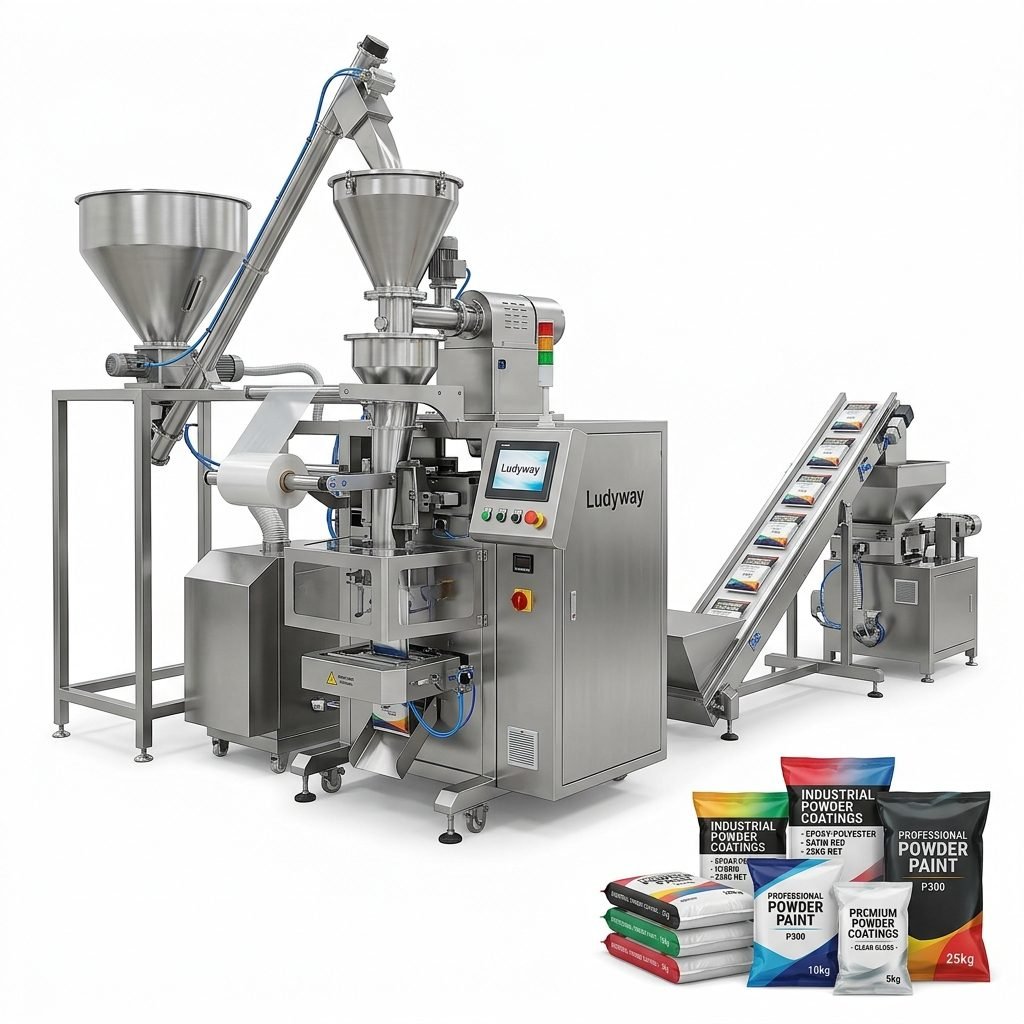
Investing in a cartoon strip packing machine is a significant decision for any manufacturer in the food, pharmaceutical, or consumer goods sectors. Whether you’re looking to pack powders, granules, or liquids into single-dose strips or sachets, choosing the right equipment can determine your production efficiency, product consistency, and long-term profitability. This comprehensive buyer’s guide will walk you through every essential factor to consider before making your purchase.
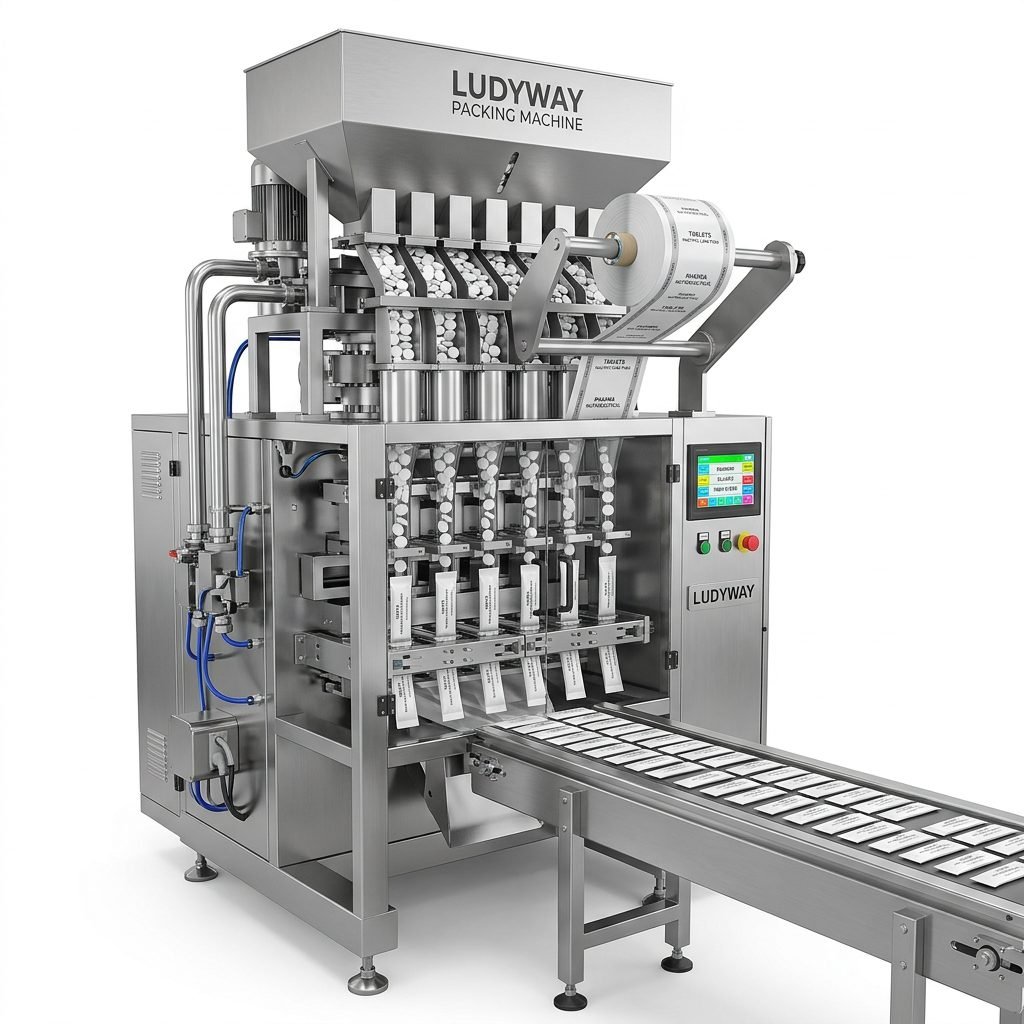
What Is a Cartoon Strip Packing Machine?
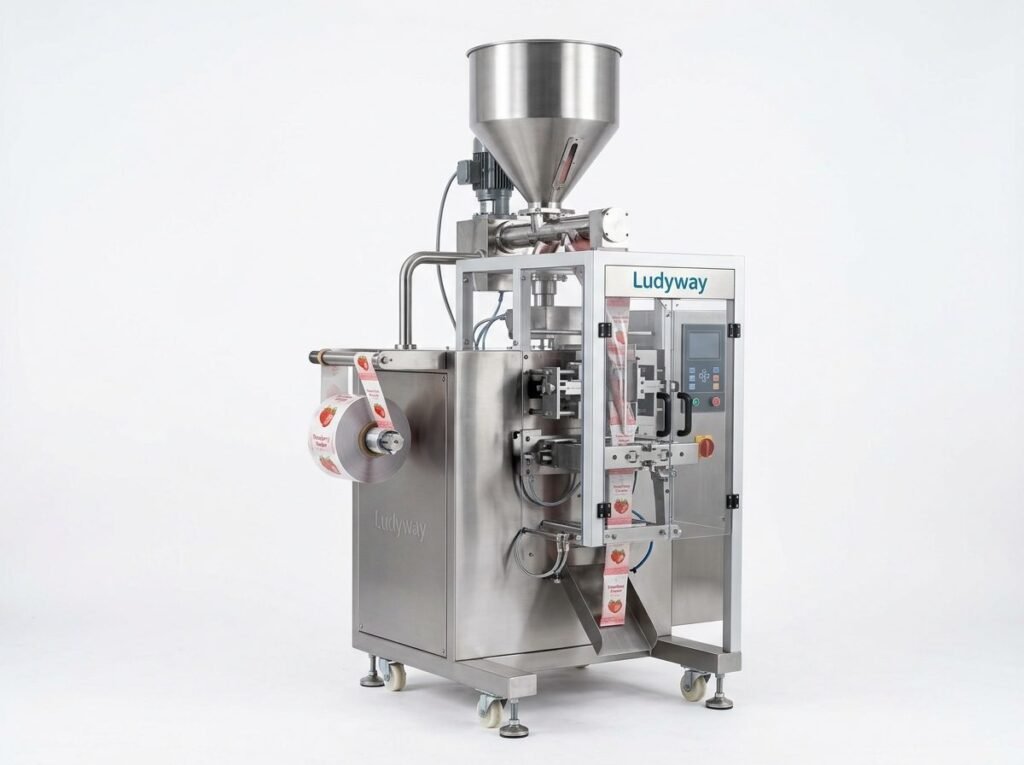
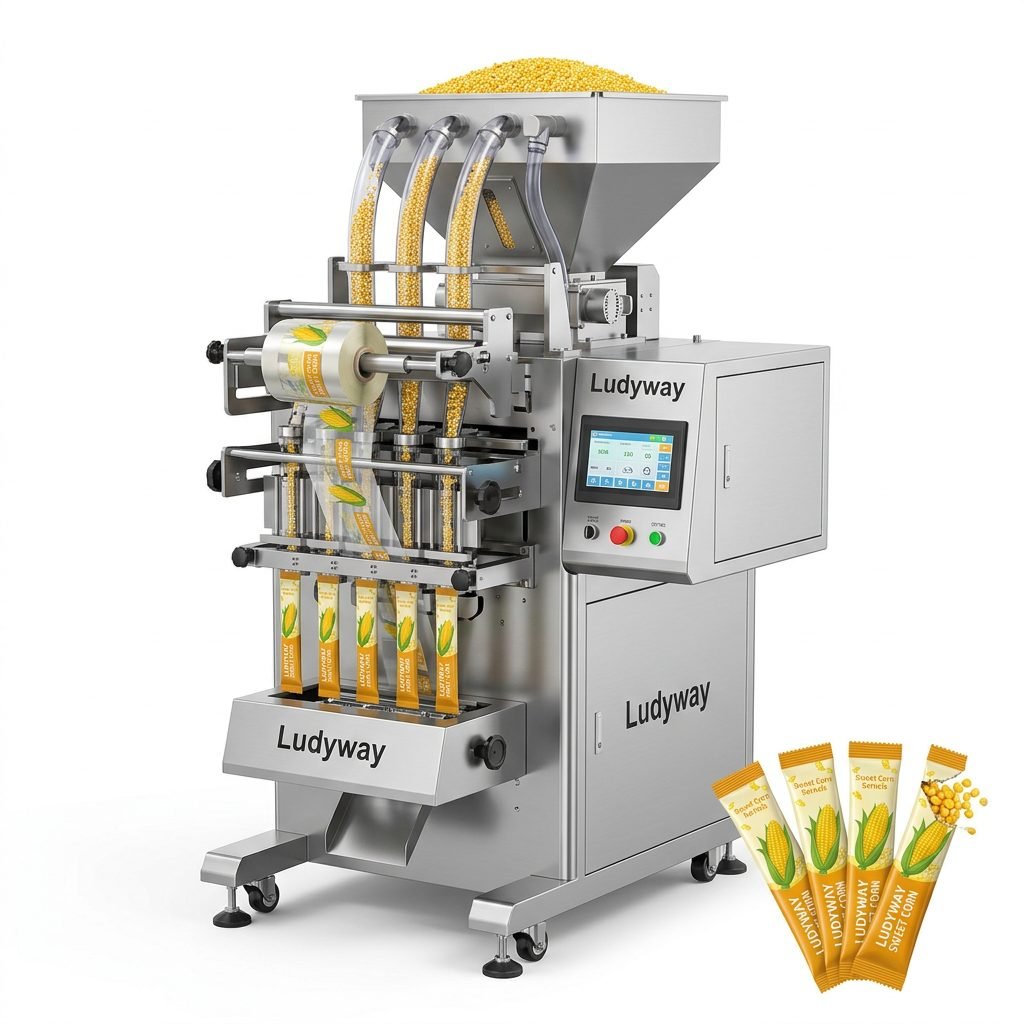
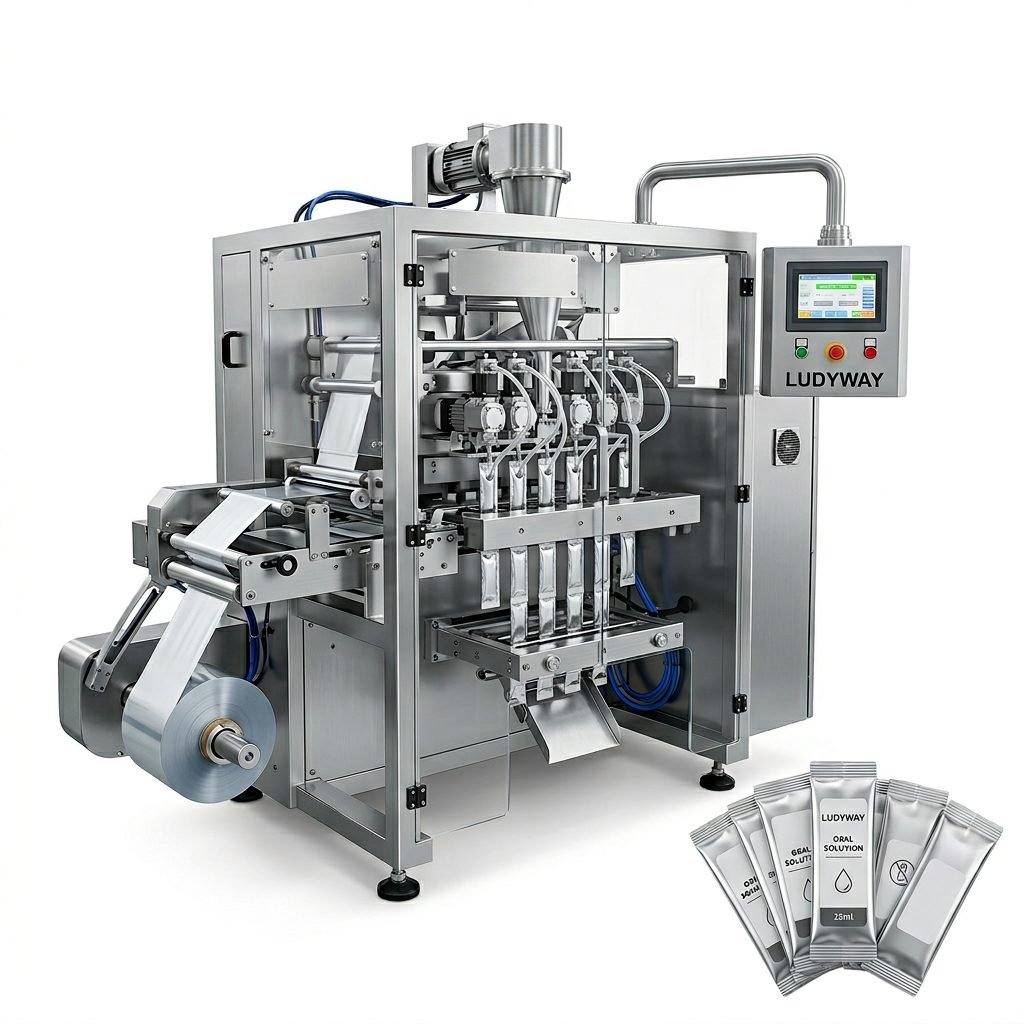
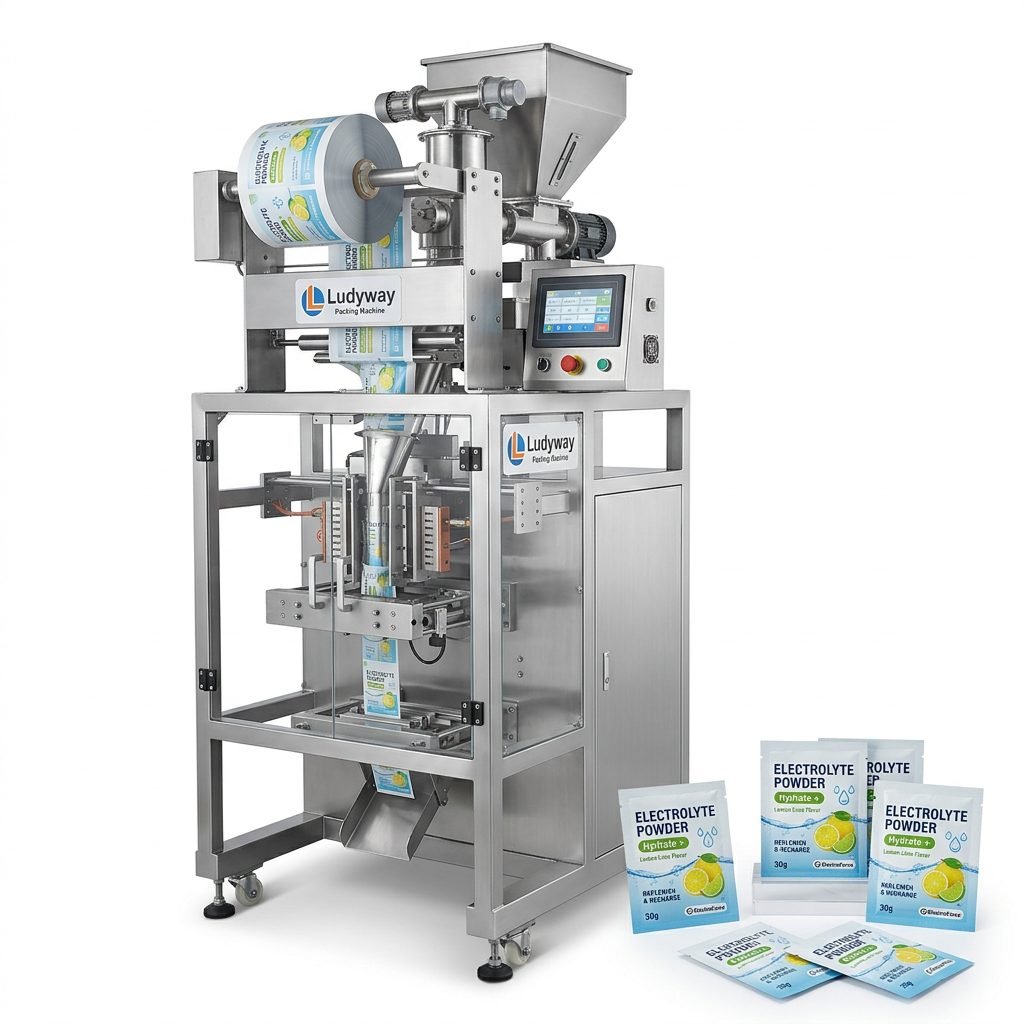
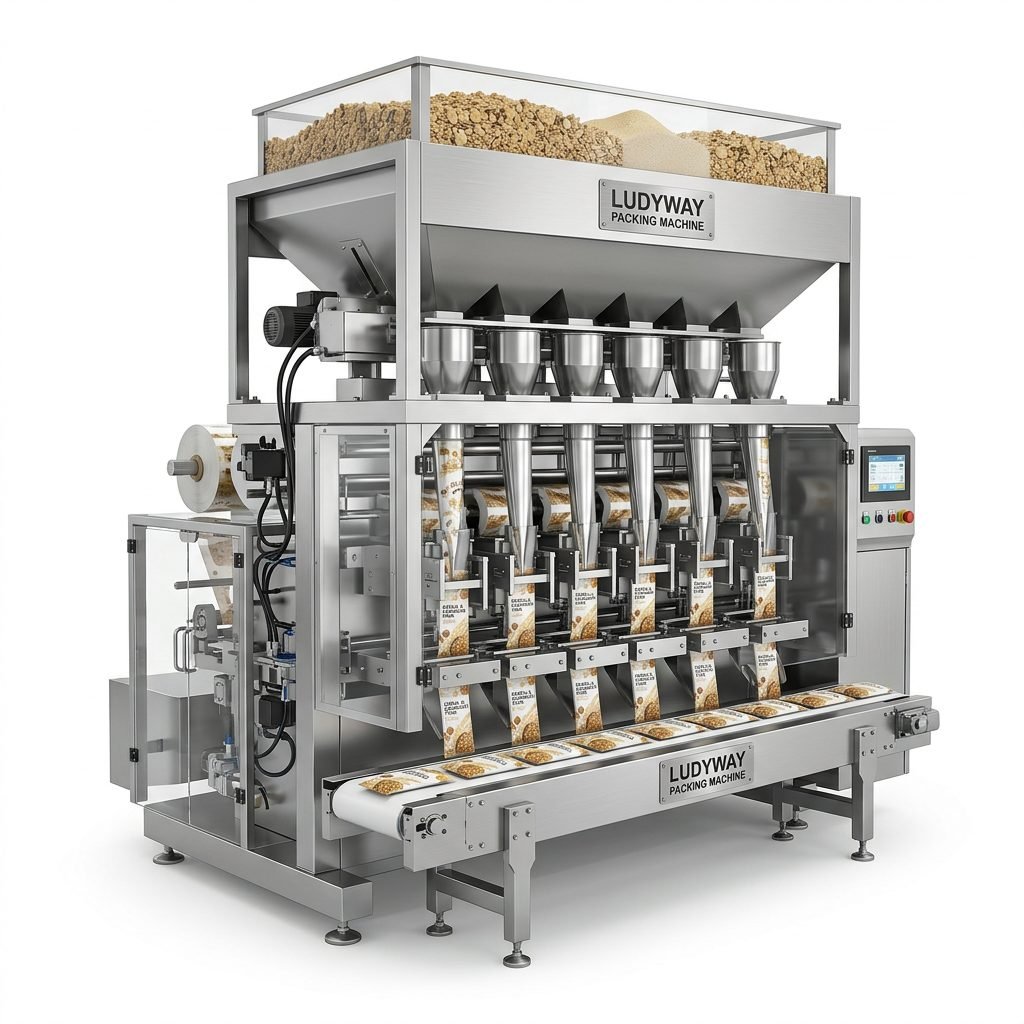
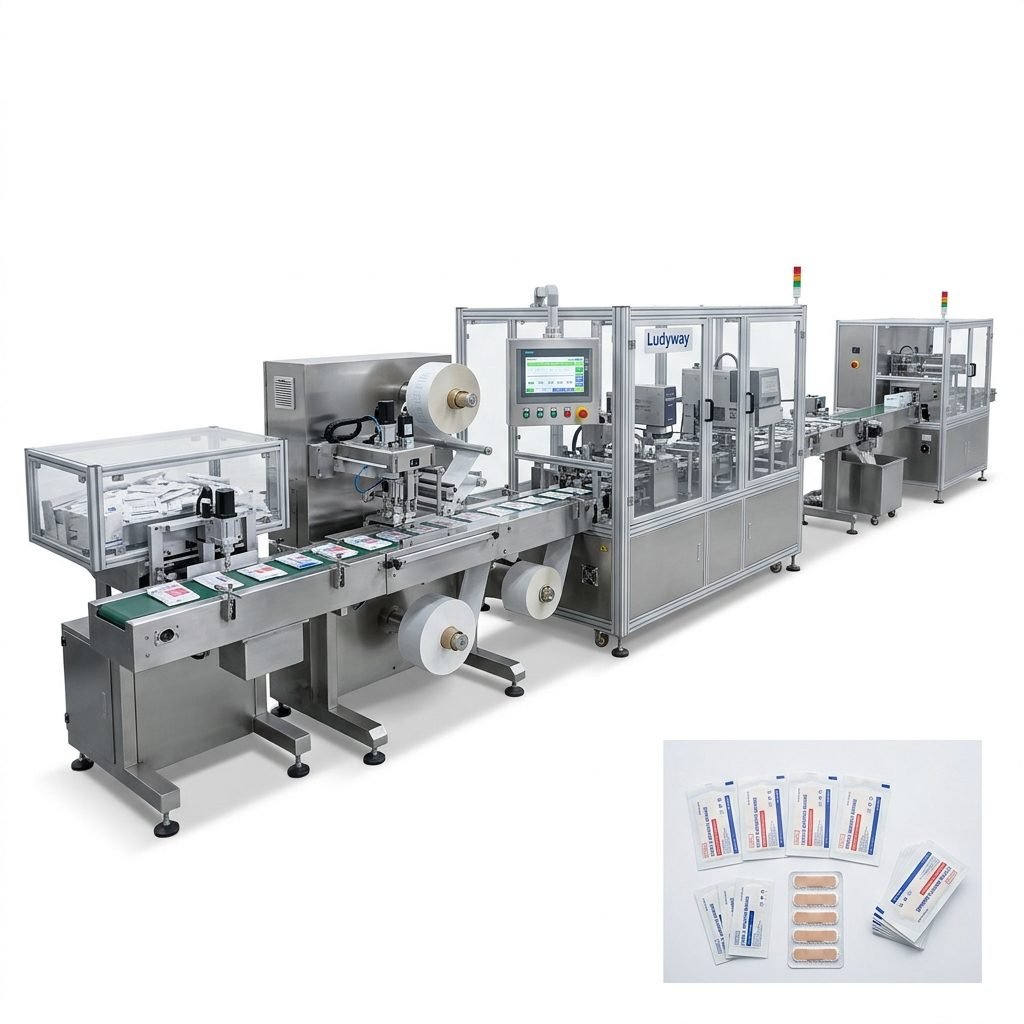
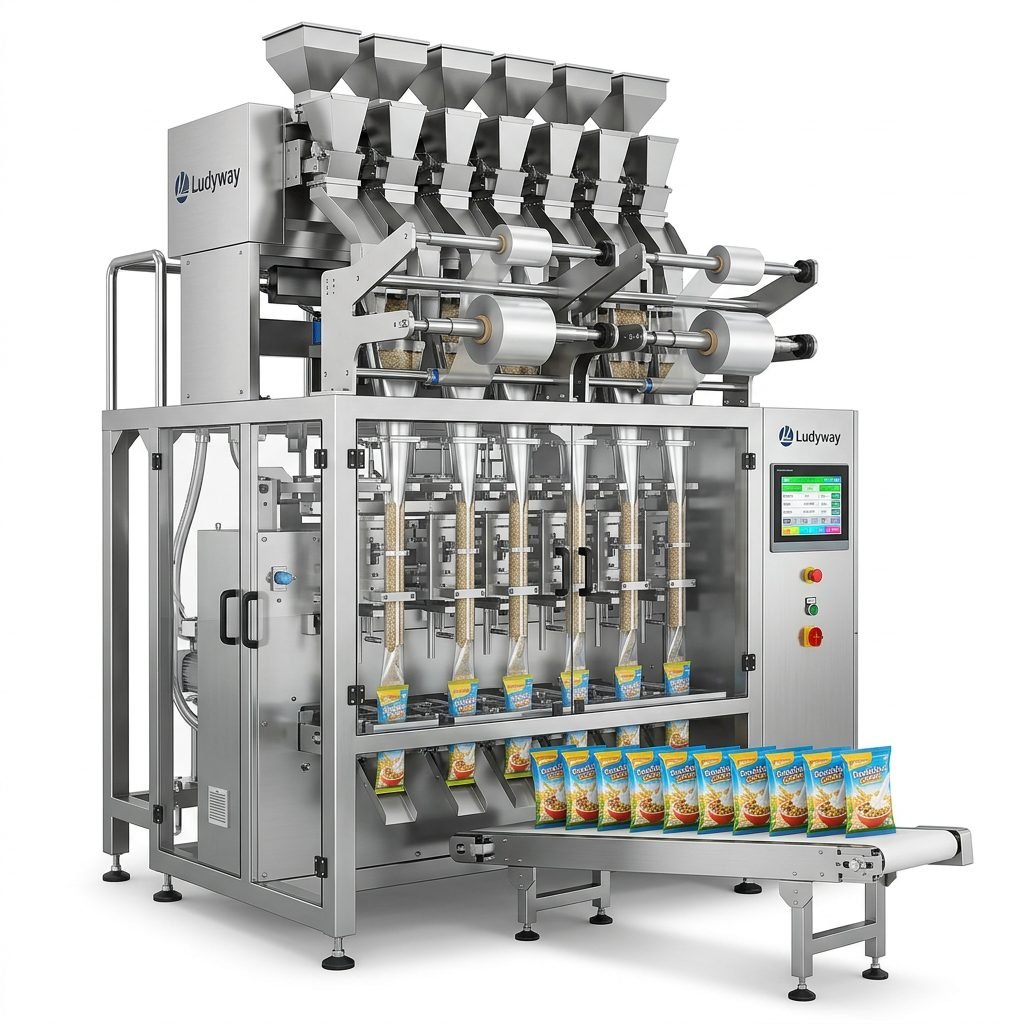
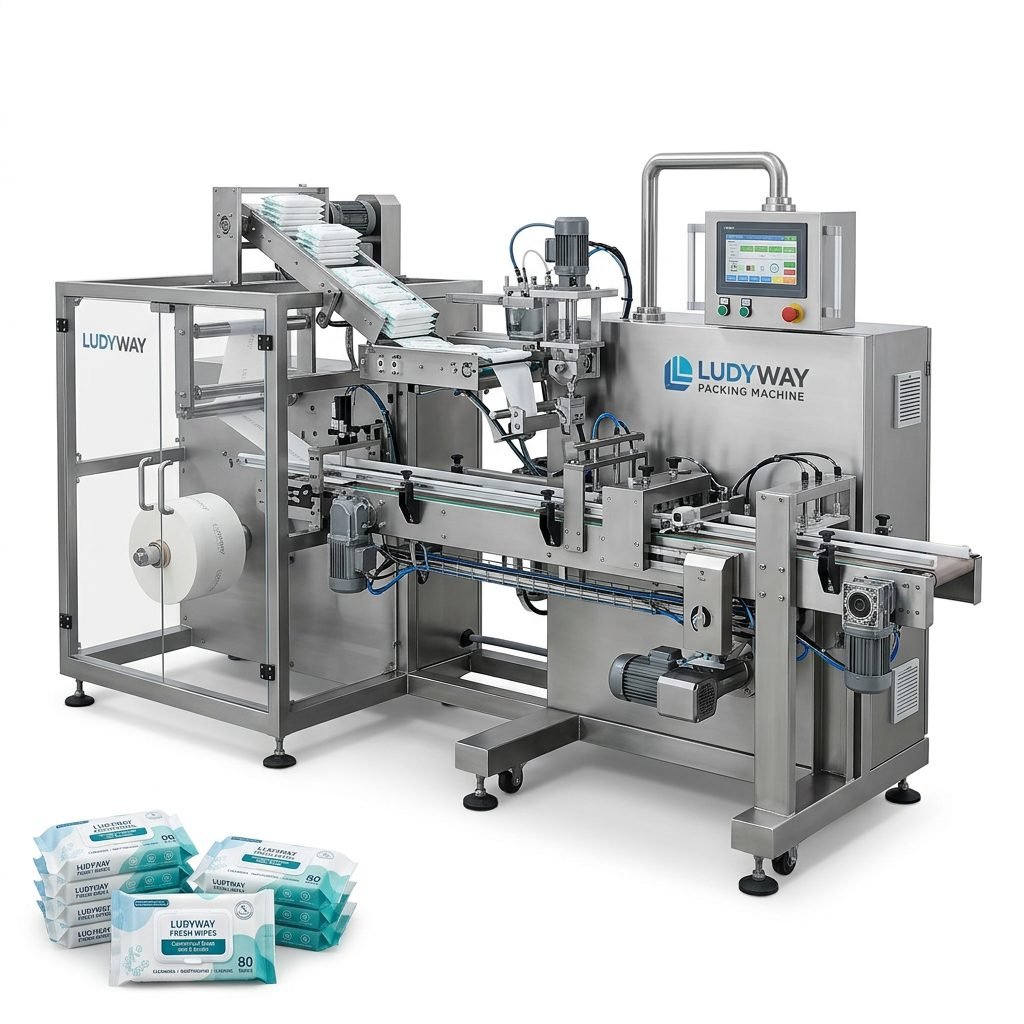
A cartoon strip packing machine is a specialized packaging system designed to form, fill, and seal products into continuous strips of individual sachets or stick packs. These machines are widely used for portion-controlled packaging of products ranging from instant coffee and sugar to pharmaceutical powders and cosmetic samples. The “strip” format refers to the connected series of sealed pouches that can be easily torn apart by the end user, providing convenience, portability, and precise dosing.
Modern strip packing machines can handle a diverse range of materials and are available in configurations from single-lane units for small-scale production to high-speed multi-lane systems capable of producing thousands of sachets per hour. Understanding your specific needs is the first step toward selecting the right model.
Understanding Your Production Requirements
Before evaluating specific machines, you need to clearly define your production parameters. This preliminary assessment will narrow down your options significantly and help you avoid costly mismatches.
Product Characteristics
The physical properties of your product directly influence which type of strip packing machine is suitable. Consider the following:
- Product form: Is it a free-flowing powder, cohesive granule, liquid, paste, or solid tablet? Each form requires different dosing and filling mechanisms.
- Particle size and density: Fine powders may require auger fillers, while larger granules might work better with volumetric cup fillers or multi-head weighers.
- Flow characteristics: Products that bridge, clump, or stick require specialized hopper designs and agitation systems to ensure consistent filling.
- Hygroscopic or sensitive products: Materials that absorb moisture or are sensitive to heat and air may need nitrogen flushing or vacuum-sealing capabilities.
Target Output and Speed
Your daily or hourly production targets will determine whether you need a single-lane, dual-lane, or multi-lane strip packing machine. While a single-lane machine might produce 30-60 packs per minute, a 12-lane or 16-lane system can easily achieve 500-1,000 packs per minute or more. It’s essential to balance current needs with future growth projections to avoid outgrowing your equipment too quickly.
Key Factors to Evaluate When Choosing a Strip Packing Machine
| Selection Factor | Why It Matters | Key Questions to Ask |
|---|---|---|
| Filling System | Determines dosing accuracy and product versatility | Auger, volumetric, piston, or multi-head weigher? |
| Number of Lanes | Directly impacts production capacity | What is your current and projected output? |
| Packaging Material | Affects seal integrity, shelf life, and cost | Foil laminate, plastic film, or paper-based? |
| Sealing Technology | Critical for product protection and tamper evidence | Heat seal, ultrasonic, or impulse sealing? |
| Automation Level | Influences labor requirements and consistency | Manual, semi-automatic, or fully automatic? |
| Changeover Flexibility | Important for multi-product lines | How quickly can you switch between formats? |
Filling Accuracy and Consistency
For industries like pharmaceuticals and regulated food products, filling accuracy is non-negotiable. A deviation of even a few milligrams can lead to compliance issues, product waste, and customer dissatisfaction. Look for machines that offer precision dosing systems with tolerances appropriate for your product. Servo-driven auger fillers and electronic weighers typically provide the highest accuracy for powder and granule applications.
Packaging Format Flexibility
Modern strip packing machines can produce various formats including stick packs, sachets, and four-side-seal or three-side-seal strips. If you plan to package multiple product types or sizes, choose a machine with quick-change forming tubes and adjustable sealing parameters. This flexibility allows you to respond to market demands without investing in multiple dedicated machines.

Technical Specifications That Impact Performance
When comparing different models of cartoon strip packing machines, pay close attention to these technical parameters that directly affect reliability and output quality.
Sealing Temperature Control
Precise temperature regulation is essential for creating consistent, leak-proof seals without damaging the packaging film or the product inside. Advanced machines feature PID temperature controllers with independent zone control for longitudinal and transverse sealing stations. This is particularly important when running multi-layer laminate films that have narrow sealing windows.
Machine Frame and Construction
The build quality of your strip packing machine determines its longevity and stability at high speeds. Look for machines constructed with stainless steel frames and food-grade contact parts, especially if you operate in sanitary environments. Heavy-duty construction reduces vibration at high speeds, which translates to better seal quality and fewer rejects.
Control System and User Interface
An intuitive HMI touchscreen interface with recipe management capabilities can significantly reduce operator training time and minimize setup errors. Modern control systems, often based on PLC technology with servo motor drives, allow for precise parameter adjustments, production data logging, and remote diagnostics, all of which contribute to higher overall equipment effectiveness.
Material Compatibility and Packaging Film Selection
The choice of packaging film is intrinsically linked to your machine selection. Not all strip packing machines can handle every type of film, and the wrong combination can lead to poor seals, excessive waste, and machine downtime. Common packaging materials include:
- Aluminum foil laminates: Excellent barrier properties for moisture-sensitive and oxygen-sensitive products, widely used in pharmaceutical packaging applications.
- Metallized PET/PE: Good barrier at a lower cost than foil, suitable for dry food products with moderate shelf-life requirements.
- Paper/PE/foil combinations: Popular for sugar, salt, and seasoning sachets where a combination of printability and barrier is needed.
- Pure plastic films: Cost-effective for non-sensitive products but offer limited protection against moisture and oxygen.
Verify that your chosen machine’s sealing system is compatible with the film structure you intend to use. Some films require specific jaw patterns, dwell times, or cooling systems to achieve optimal seal integrity.
Industry-Specific Considerations
Different industries impose unique requirements on strip packing equipment. Understanding these nuances helps ensure regulatory compliance and product safety.
Pharmaceutical and Nutraceutical Applications
For pharmaceutical products, ISO 11607 standards for packaging and stringent GMP requirements apply. Machines must support validated cleaning processes, often featuring tool-free disassembly, sanitary conveyors, and documentation capabilities for batch records. Serialization and track-and-trace integration may also be necessary depending on your market.
Food and Beverage Packaging
Food-grade strip packing machines should comply with relevant flexible packaging industry standards for food contact materials. Consider features like nitrogen gas flushing for extended shelf life, easy-clean designs to prevent cross-contamination between flavors, and compatibility with various product consistencies from dry powders to liquid concentrates.
Cosmetics and Personal Care
Sample-sized cosmetic products require machines capable of handling creams, serums, and gels with precise fill volumes. The ability to produce visually appealing, print-registered sachets is often a priority for brand presentation in this sector.

Budget, ROI, and Total Cost of Ownership
The purchase price is just one component of the total investment. A comprehensive cost analysis should include:
- Initial equipment cost: Includes the base machine plus any optional modules, conveyors, and auxiliary equipment.
- Installation and commissioning: Shipping, setup, calibration, and initial training expenses.
- Operating costs: Film waste rates, energy consumption, labor requirements, and routine consumables.
- Maintenance and spare parts: Estimated annual costs for preventative maintenance and replacement of wear components.
- Downtime risk: The cost of lost production if the machine requires frequent repairs or has long lead times for parts.
A higher-quality strip packing machine with a strong reliability track record often delivers a lower total cost of ownership over its service life, even if the upfront investment is greater.
Evaluating Suppliers and Manufacturers
Choosing the right equipment partner is as important as choosing the right machine. A reliable manufacturer provides more than just hardware; they offer engineering expertise, application support, and long-term service. When evaluating suppliers, consider their experience in your specific industry, their installed base worldwide, and their ability to provide customized packaging solutions tailored to your product characteristics.
For example, Ludyway Machinery, a China-based packaging machinery manufacturer with more than 30 years of industry experience, offers a comprehensive portfolio of automatic packaging equipment including strip pack, sachet, and pouch machines. With a 20,000-square-meter manufacturing facility and over 130 professionals, Ludyway provides turnkey packaging solutions for manufacturers worldwide. The company is expected to achieve export revenue of more than RMB 500 million (approximately US$69 million) in 2025, and plans to surpass RMB 1 billion (approximately US$138 million) in export revenue in 2026, reflecting strong global demand for their packaging machinery.

After-Sales Support and Service Network
Packaging machinery is a long-term investment, and responsive after-sales support is critical. Key support elements to investigate include:
- Availability of remote technical assistance and on-site service engineers in your region.
- Spare parts inventory and typical delivery lead times for critical components.
- Operator training programs, both initial and ongoing.
- Warranty terms and extended service contract options.
- Access to packaging machinery standards and technical resources through industry associations.
Making the Final Decision
After evaluating all the factors above, create a shortlist of machines and suppliers that meet your technical, operational, and financial criteria. Whenever possible, arrange for factory acceptance testing or trial runs using your actual product and packaging materials. This hands-on validation is invaluable for confirming that the machine performs as expected under real production conditions.
Additionally, speaking with existing customers about their experiences can provide practical insights into machine reliability, supplier responsiveness, and any operational challenges they’ve encountered. A supplier with a long track record and a diverse installed base across multiple industries and countries is generally a safer choice.
Remember that the right cartoon strip packing machine is not merely a purchase; it’s a strategic investment in your production capability. Taking the time to thoroughly evaluate your options will pay dividends in efficiency, product quality, and business growth for years to come.