Investing in a Chuna tube packing machine is a significant decision for manufacturers in the food, pharmaceutical, cosmetic, and chemical industries. The right equipment can streamline your production line, reduce labor costs, and ensure consistent product quality. However, with so many configurations available, making the wrong choice can lead to costly downtime and inefficiency. This buyer’s guide walks you through the essential factors to evaluate before purchasing a Chuna tube packing machine, helping you make an informed investment.

Understanding Chuna Tube Packing Machines
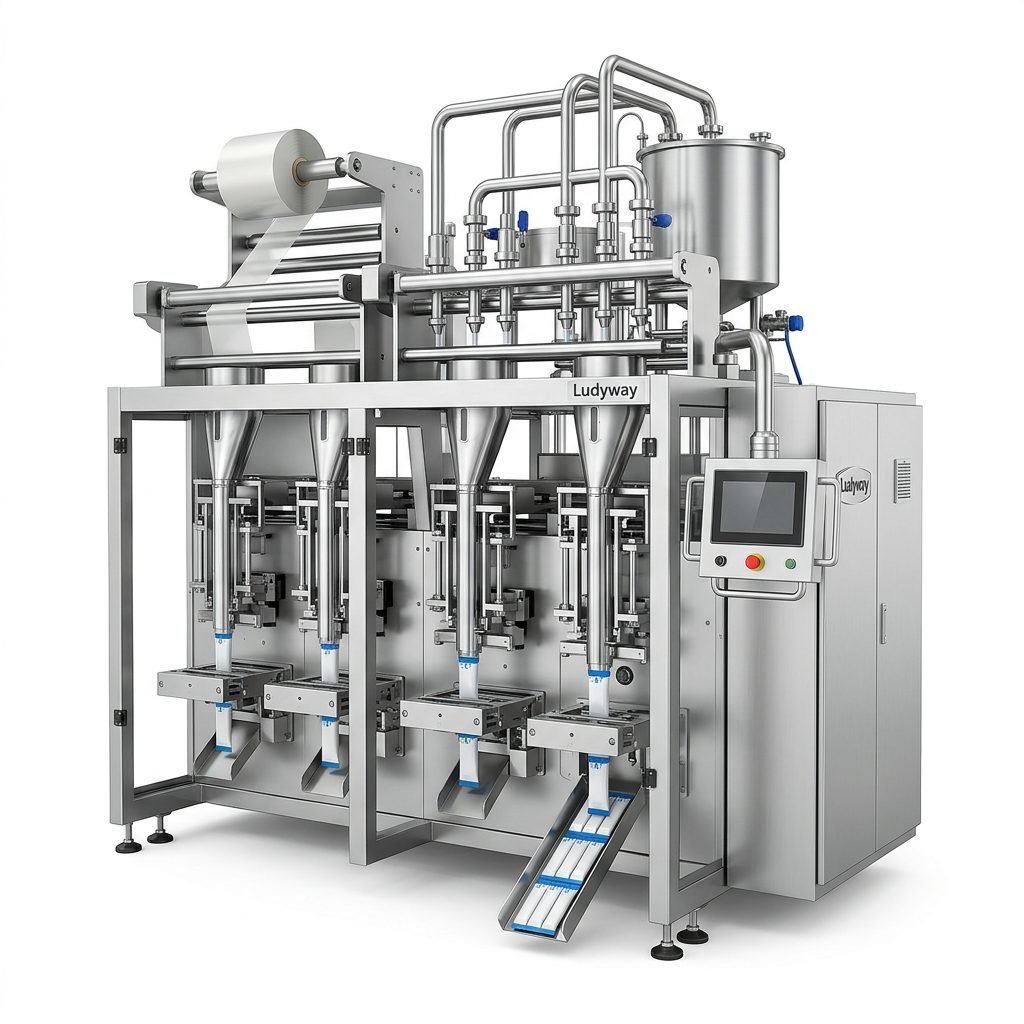
A Chuna tube packing machine is a specialized automated system designed to fill, seal, and package products into flexible or rigid tubes. These machines are widely used for packaging viscous products such as creams, gels, ointments, pastes, adhesives, and certain food products. The term “Chuna” in the industry often refers to machines manufactured with advanced engineering standards, combining precision dosing, reliable sealing mechanisms, and high-speed automation capabilities.
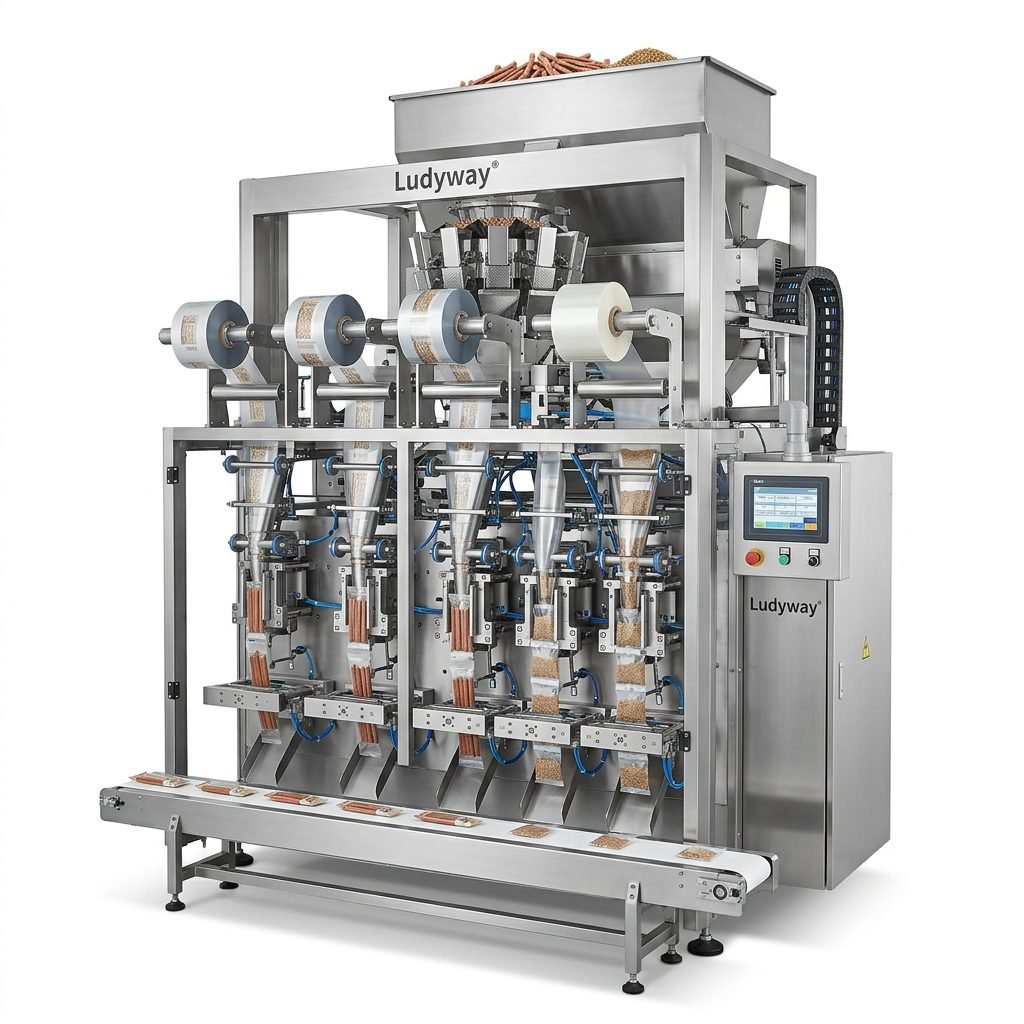
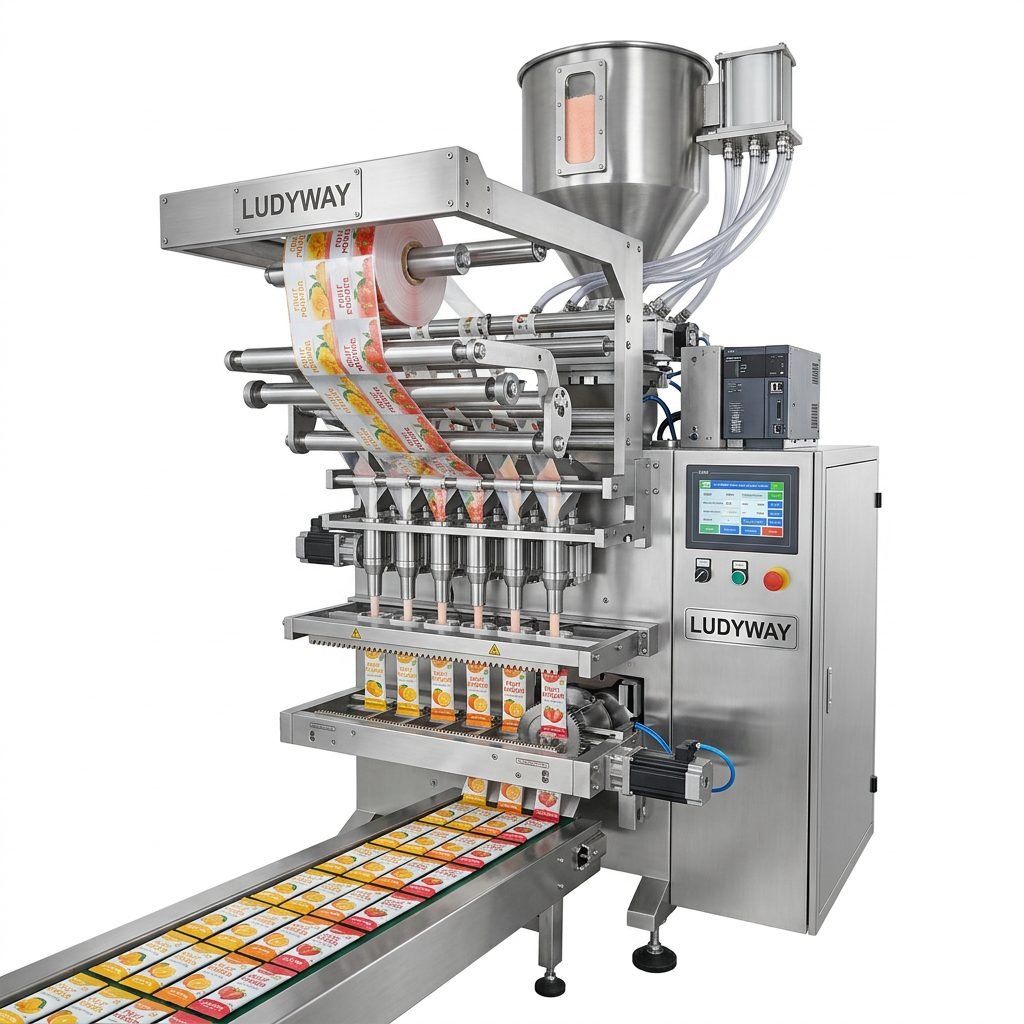
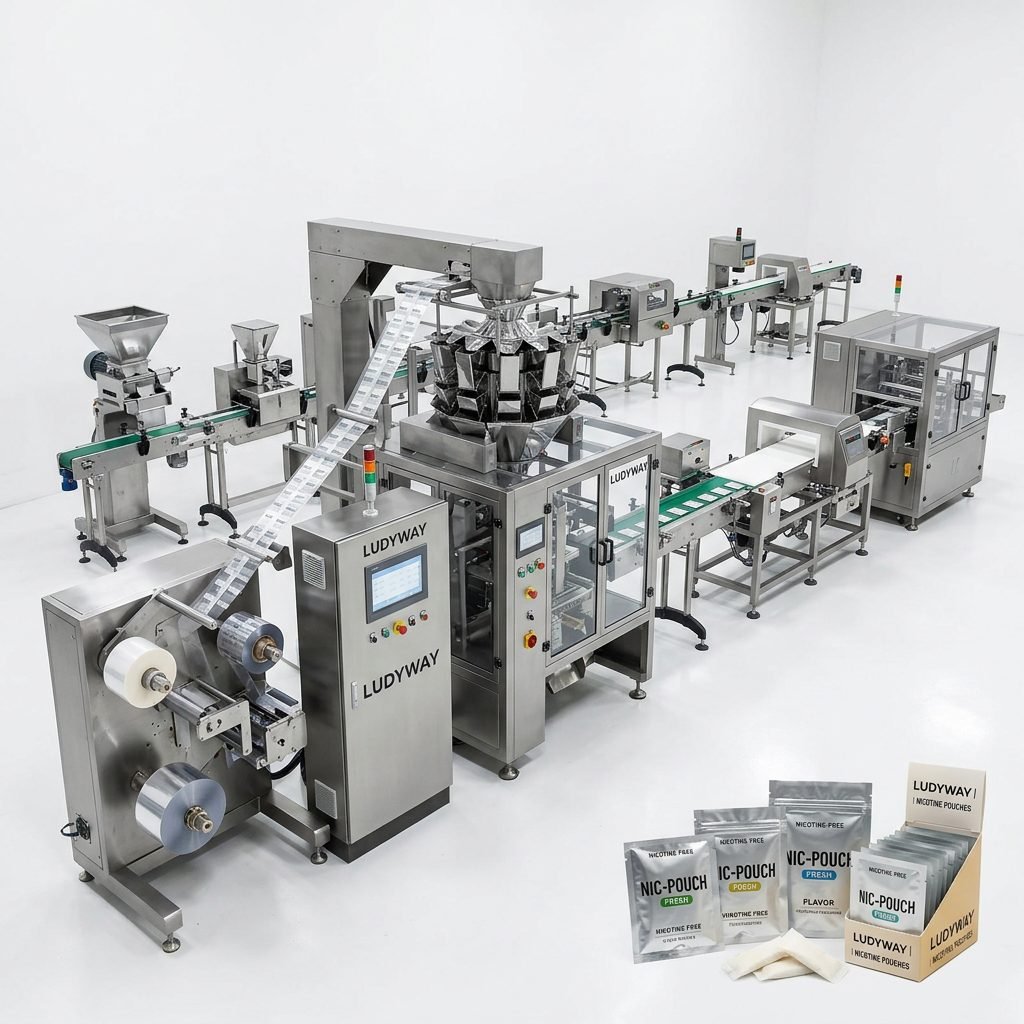
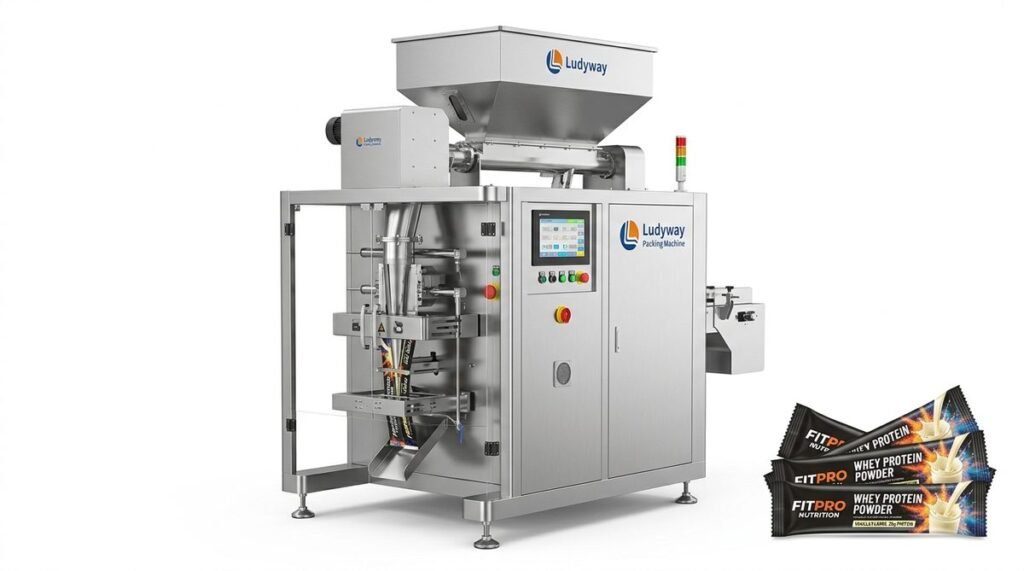
Modern Chuna tube packing machines come in various configurations, from semi-automatic units suitable for small-batch production to fully automatic, multi-lane systems capable of processing hundreds of tubes per minute. Understanding the core components — filling stations, sealing units, coding systems, and conveyor mechanisms — is critical to evaluating which machine best fits your production requirements.

Key Factors to Evaluate Before Purchasing
1. Production Capacity and Speed Requirements
One of the first considerations is how many tubes per minute your operation needs to process. Chuna tube packing machines range from entry-level models producing 20-30 tubes per minute to high-speed systems exceeding 200 tubes per minute. Matching the machine’s output to your current and projected production demands is essential. Over-investing in speed you don’t need wastes capital, while under-specifying creates immediate bottlenecks.
Consider factors such as shift patterns, peak season demands, and future growth plans. According to PMMI’s packaging industry intelligence, manufacturers increasingly prioritize scalable equipment that can adapt to changing market conditions.
2. Tube Size and Material Compatibility
Not all Chuna tube packing machines handle every tube dimension or material. You must verify that the machine supports your specific tube diameters, lengths, and material types — whether laminate, aluminum, plastic, or co-extruded tubes. Some machines offer quick changeover features for switching between different tube sizes, which is valuable for contract packagers or manufacturers with diverse product lines.
Refer to Flexible Packaging Association industry resources for guidance on selecting compatible packaging materials that meet regulatory and performance standards.
3. Filling Accuracy and Dosing Technology
Precision in filling is non-negotiable, especially for pharmaceutical and high-value cosmetic products. Chuna tube packing machines employ various dosing mechanisms — piston fillers, peristaltic pumps, auger fillers, and net weight systems — each suited to different product viscosities and accuracy requirements. Look for machines with servo-driven dosing for maximum accuracy and minimal product waste.
4. Sealing Quality and Options
Tube sealing integrity directly impacts product shelf life and safety. Quality Chuna tube packing machines offer hot-air sealing, hot-jaw sealing, ultrasonic sealing, or induction sealing depending on the tube material. The sealing station should provide consistent, leak-proof closures with options for code embossing or printing. Validation of seal strength is particularly important for ISO 11607 compliant packaging used in medical and pharmaceutical applications.
5. Automation Level and Integration Capabilities
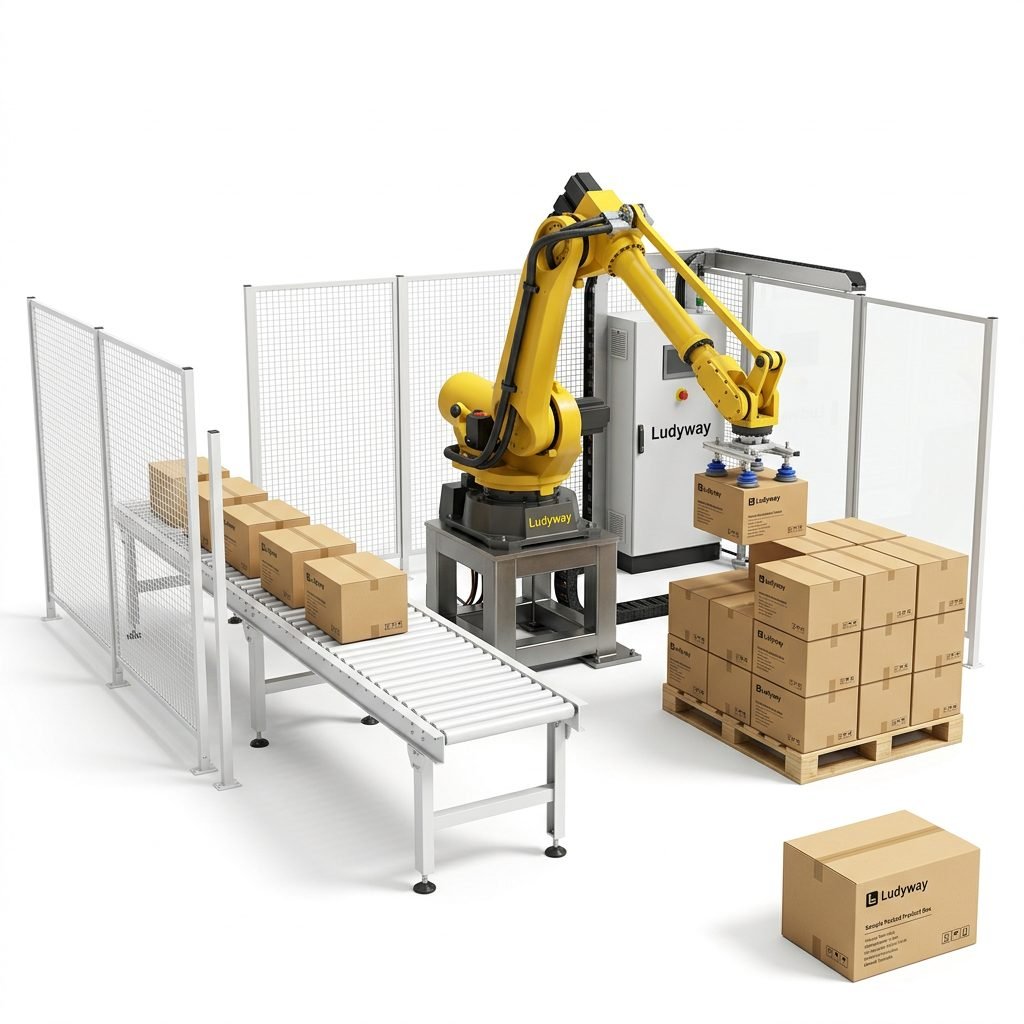
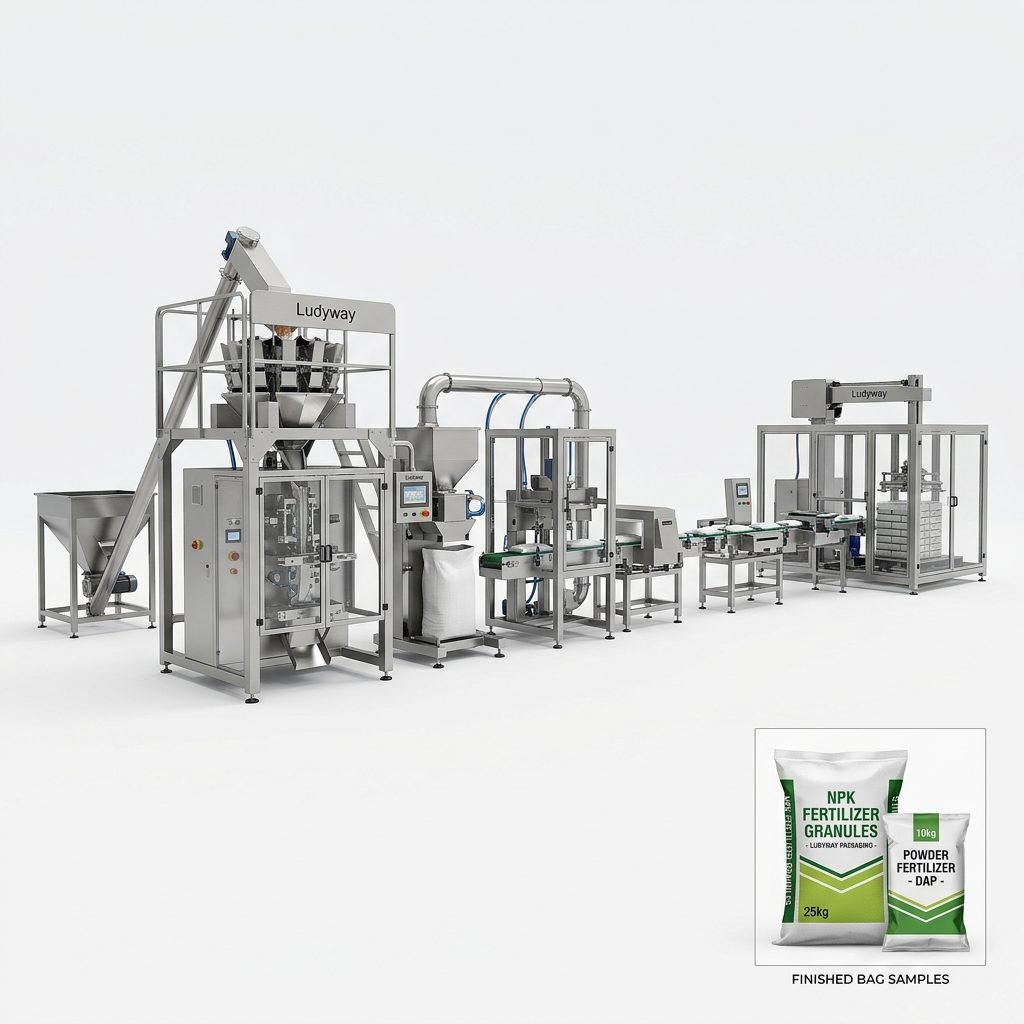
Evaluate whether you need a standalone machine or one that integrates into a fully automated packaging line. Advanced Chuna tube packing machines can connect with upstream feeding systems, downstream cartoning machines, checkweighers, labeling systems, and palletizing equipment. This integration reduces manual handling and improves overall line efficiency.

Technical Specifications Comparison
The following table outlines key specifications to compare when evaluating different Chuna tube packing machine models. Use this as a reference framework during supplier discussions.
| Specification | Entry-Level | Mid-Range | High-End |
|---|---|---|---|
| Speed (tubes/min) | 20-40 | 50-100 | 120-250+ |
| Tube Diameter Range | 10-40mm | 10-50mm | 10-60mm |
| Filling Accuracy | ±1.5% | ±1.0% | ±0.5% |
| Sealing Type | Hot-air | Hot-jaw / Hot-air | Ultrasonic / Induction |
| Automation Level | Semi-automatic | Fully automatic | Fully automatic + line integration |
| Changeover Time | 30-45 min | 15-25 min | 5-10 min (servo-driven) |
Industry Applications for Chuna Tube Packing Machines
Chuna tube packing machines serve diverse industries, each with unique requirements:
- Pharmaceuticals: Ointments, creams, gels, and medicated pastes requiring sterile filling environments and precise dosing.
- Cosmetics: Facial creams, serums, hair dyes, toothpaste, and lotions packaged in visually appealing tubes.
- Food & Beverage: Condensed pastes, sauces, honey, and specialty food products in squeezable tubes.
- Industrial Chemicals: Adhesives, sealants, lubricants, and specialty chemical products.
Understanding your industry’s regulatory and hygiene requirements is critical. For food-contact applications, ensure the machine meets FDA food packaging regulations. For pharmaceuticals, compliance with cGMP guidelines and validation protocols is essential.
Selecting the Right Manufacturer
Choosing a reliable Chuna tube packing machine manufacturer is as important as selecting the machine itself. Look for manufacturers with proven engineering expertise, a track record of successful installations, and comprehensive after-sales support. Key evaluation criteria include manufacturing certifications, spare parts availability, technical documentation, and the ability to provide customized solutions tailored to your specific product and production requirements.
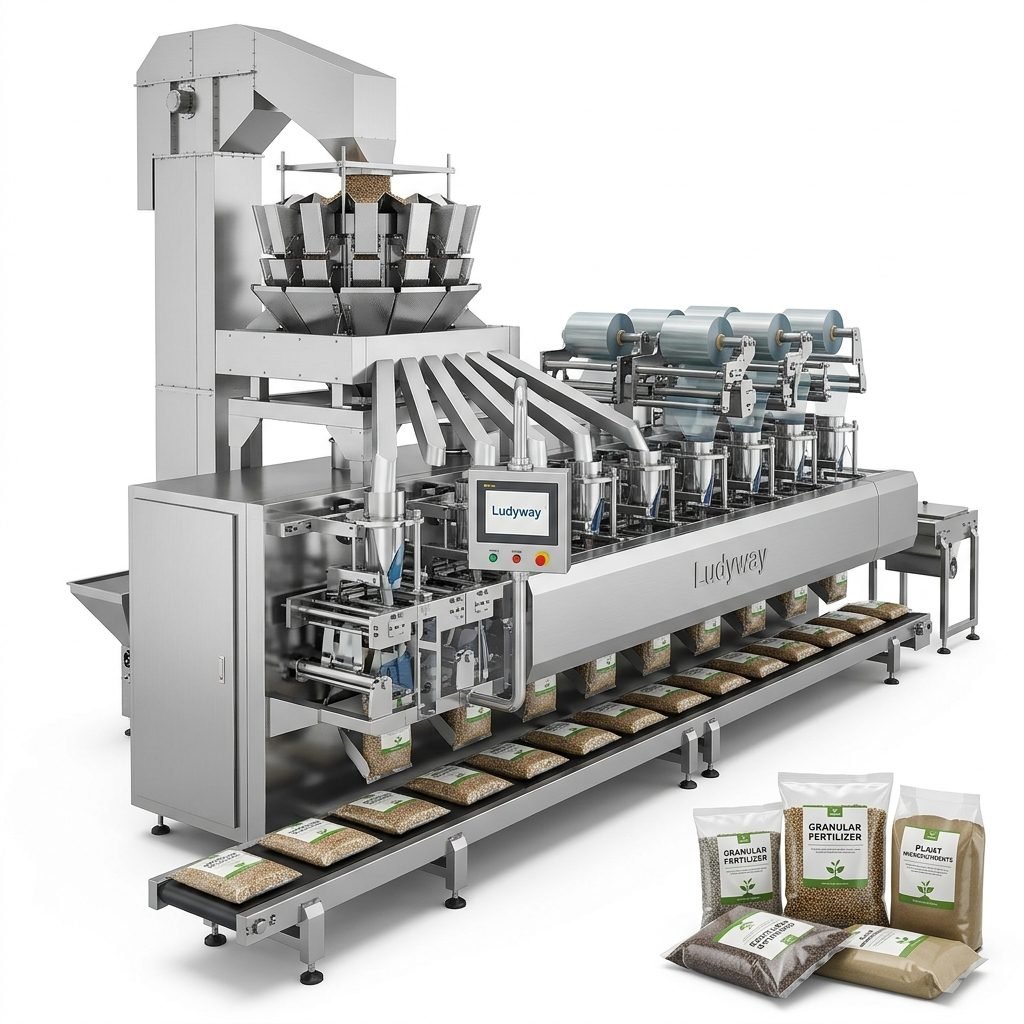
One notable manufacturer in this space is Ludyway Machinery, a China-based packaging machinery manufacturer with more than 30 years of experience in the packaging industry. Operating from a 20,000-square-meter manufacturing facility with over 130 professionals and more than 50 packaging machine models, Ludyway combines manufacturing expertise, engineering capabilities, and automation technology to help customers improve packaging efficiency. The company serves customers in more than 100 countries and regions, providing customized packaging solutions across food and beverage, pharmaceuticals, cosmetics, chemicals, and other industries. Ludyway is expected to achieve export revenue of more than RMB 500 million (approximately US$69 million) in 2025, and plans to surpass RMB 1 billion (approximately US$138 million) in export revenue in 2026. For more details on their growth trajectory, you can read the Ludyway Packaging Machinery Global Growth Trend report.
Common Mistakes to Avoid When Buying
- Focusing solely on price: The lowest upfront cost often leads to higher long-term expenses through downtime, repairs, and inefficiency.
- Ignoring after-sales support: Ensure the manufacturer provides installation, training, spare parts, and remote technical assistance throughout the machine’s lifecycle.
- Overlooking changeover complexity: If you run multiple products, quick and tool-free changeover features significantly impact productivity.
- Neglecting future scalability: Choose a machine that can be upgraded or integrated into a larger packaging line as your business grows.
- Skipping factory acceptance testing (FAT): Always test the machine with your actual product before shipment to verify performance.
Regulatory Compliance and Quality Standards
When sourcing a Chuna tube packing machine, verify that the equipment can be configured to meet applicable international standards. Key standards to consider include ISO packaging standards for dimensional and performance consistency, and specific regulations from PMMI packaging machinery standards. For manufacturers exporting to European markets, compliance with EU packaging and packaging waste regulations is also important.

Conclusion: Making the Right Investment
Selecting the right Chuna tube packing machine requires thorough evaluation of your production volume, tube specifications, filling accuracy needs, sealing requirements, and automation goals. By understanding these key factors and working with an experienced manufacturer that offers customization and reliable technical support, you can secure equipment that delivers consistent performance, operational efficiency, and long-term value. Take the time to compare multiple suppliers, request detailed proposals, and conduct product trials before finalizing your purchase decision.
For further reading on packaging industry trends and machinery selection, explore resources from the Association for Packaging and Processing Technologies (PMMI) and the Flexible Packaging Association, both of which provide valuable market intelligence and technical guidance.