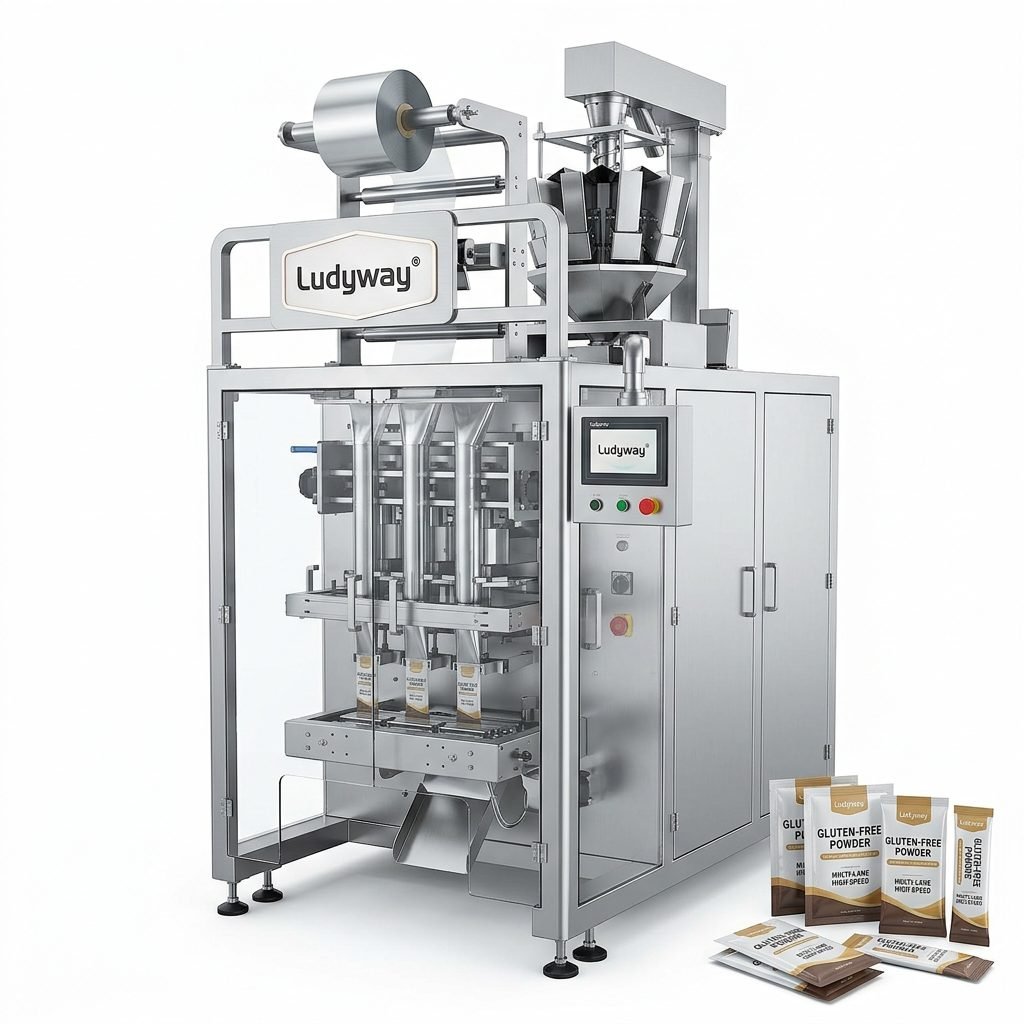
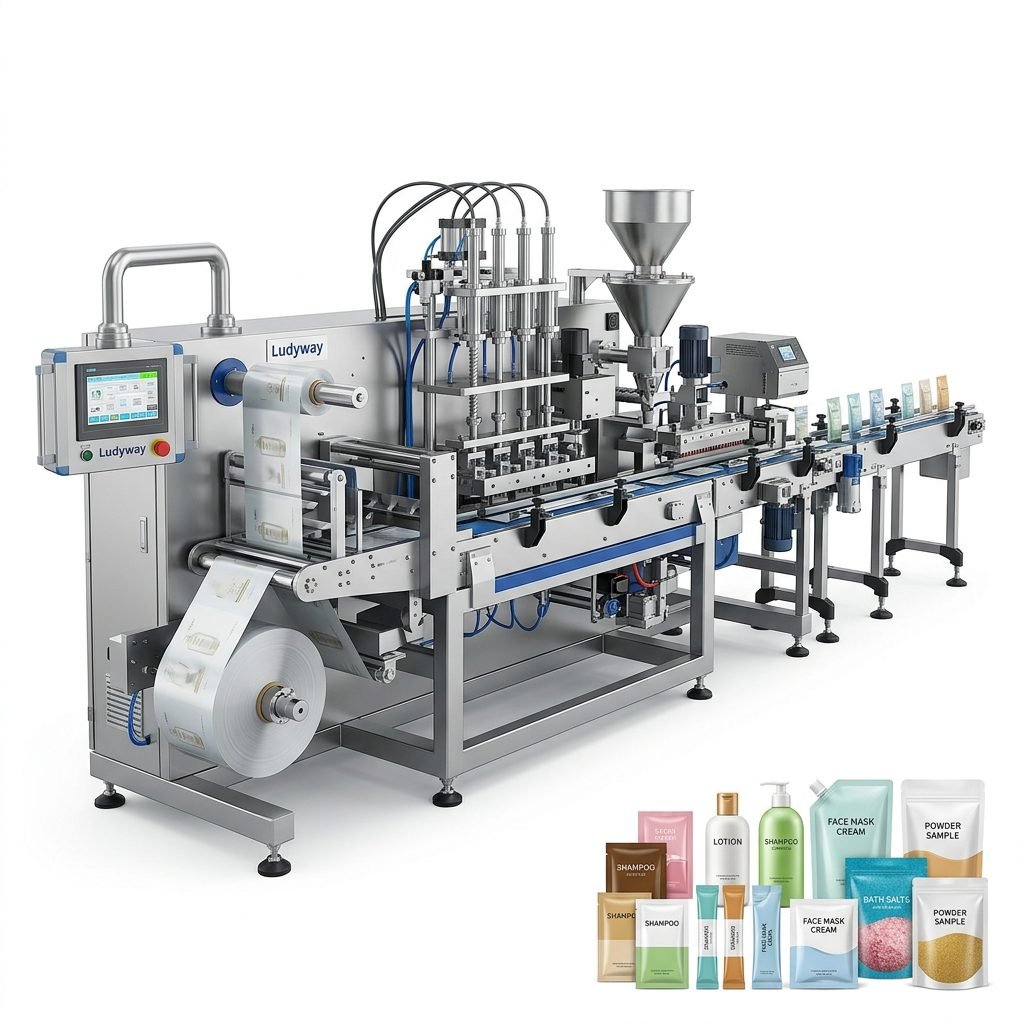
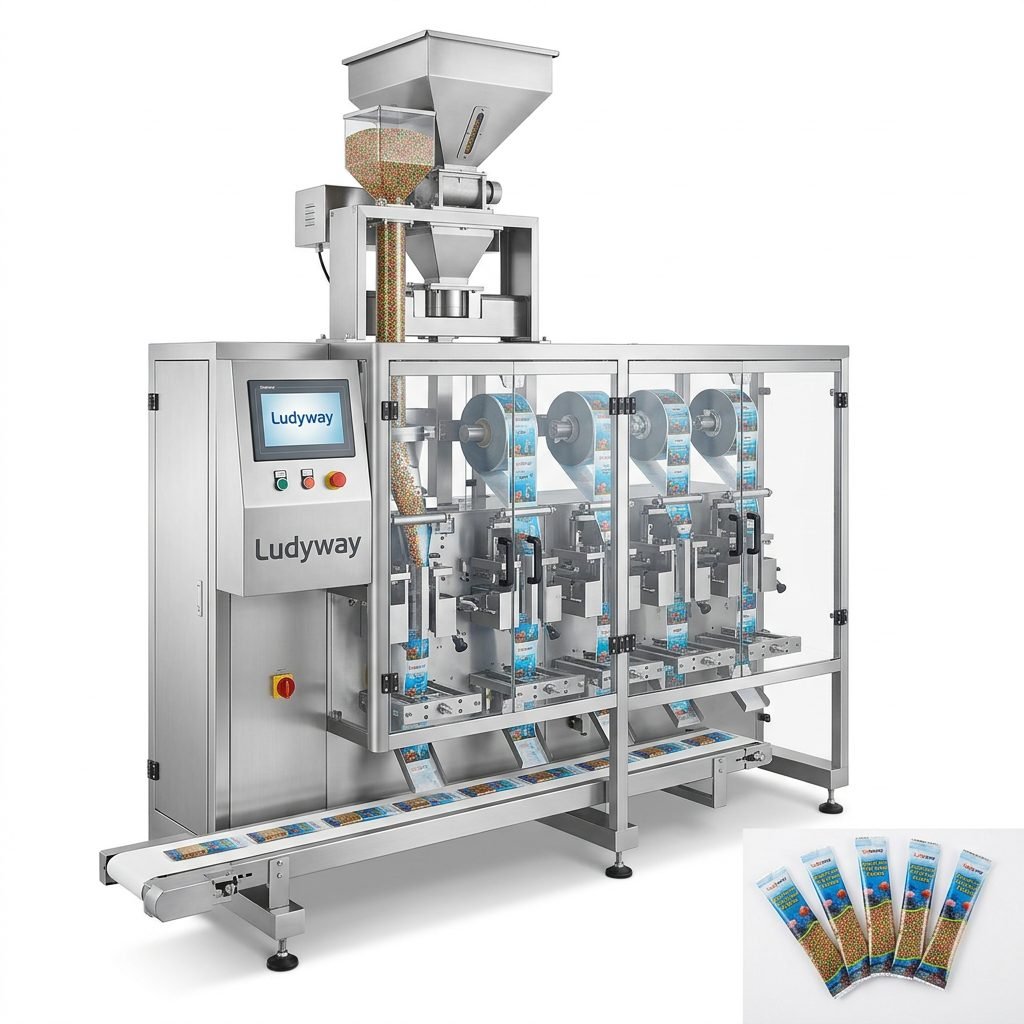
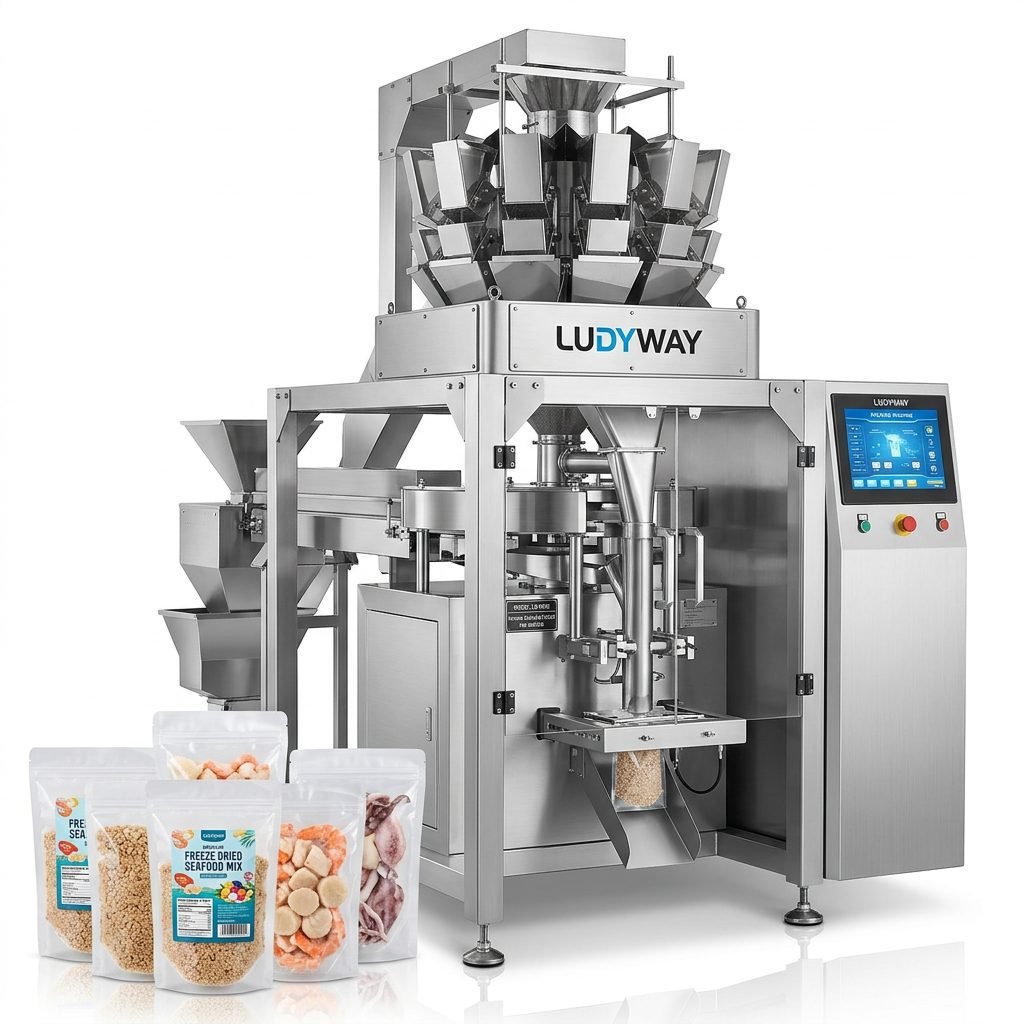
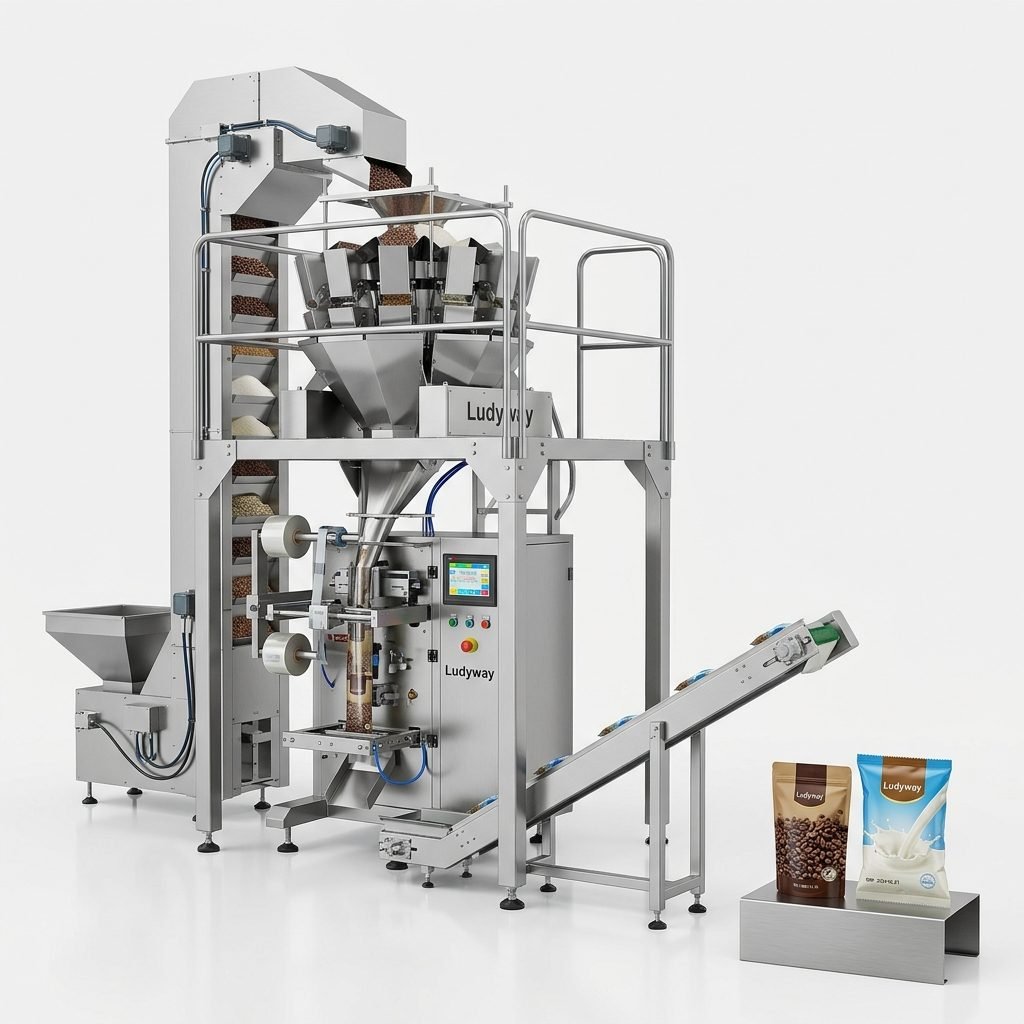
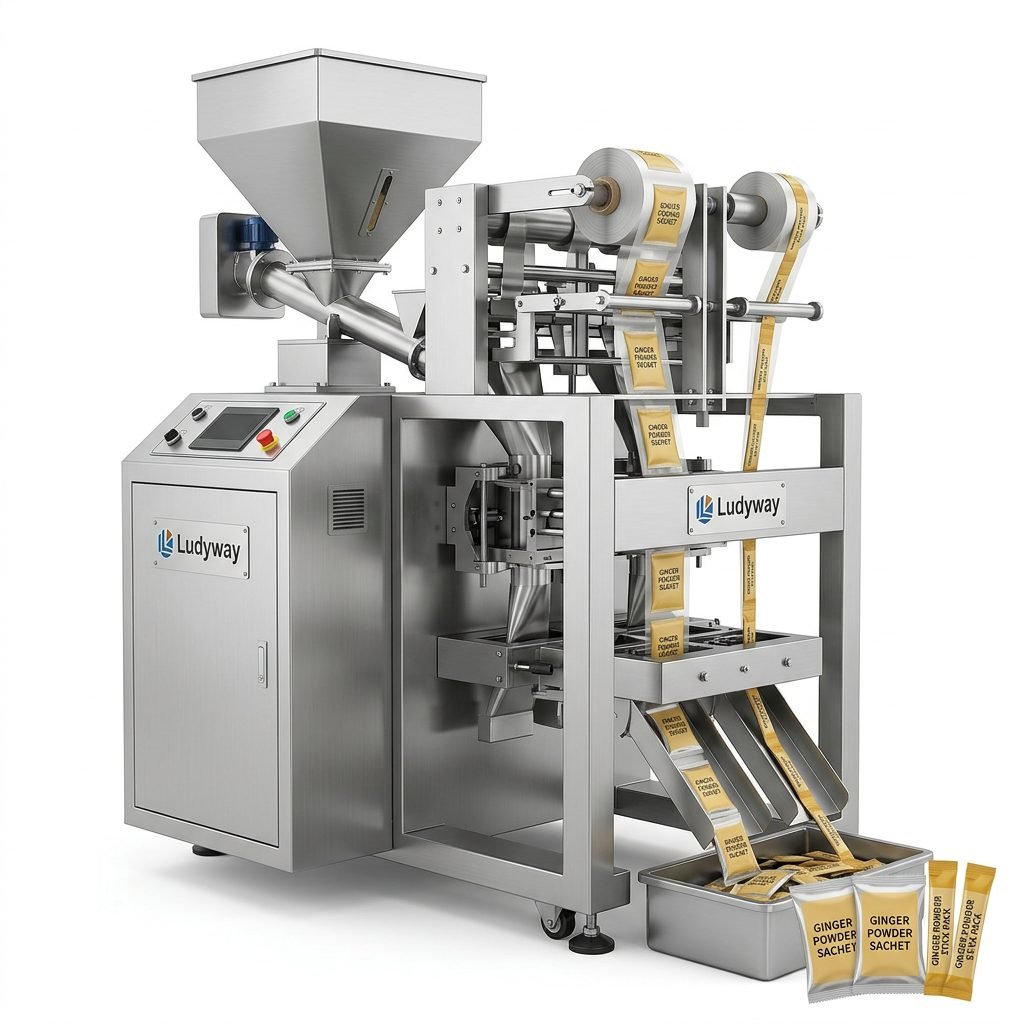
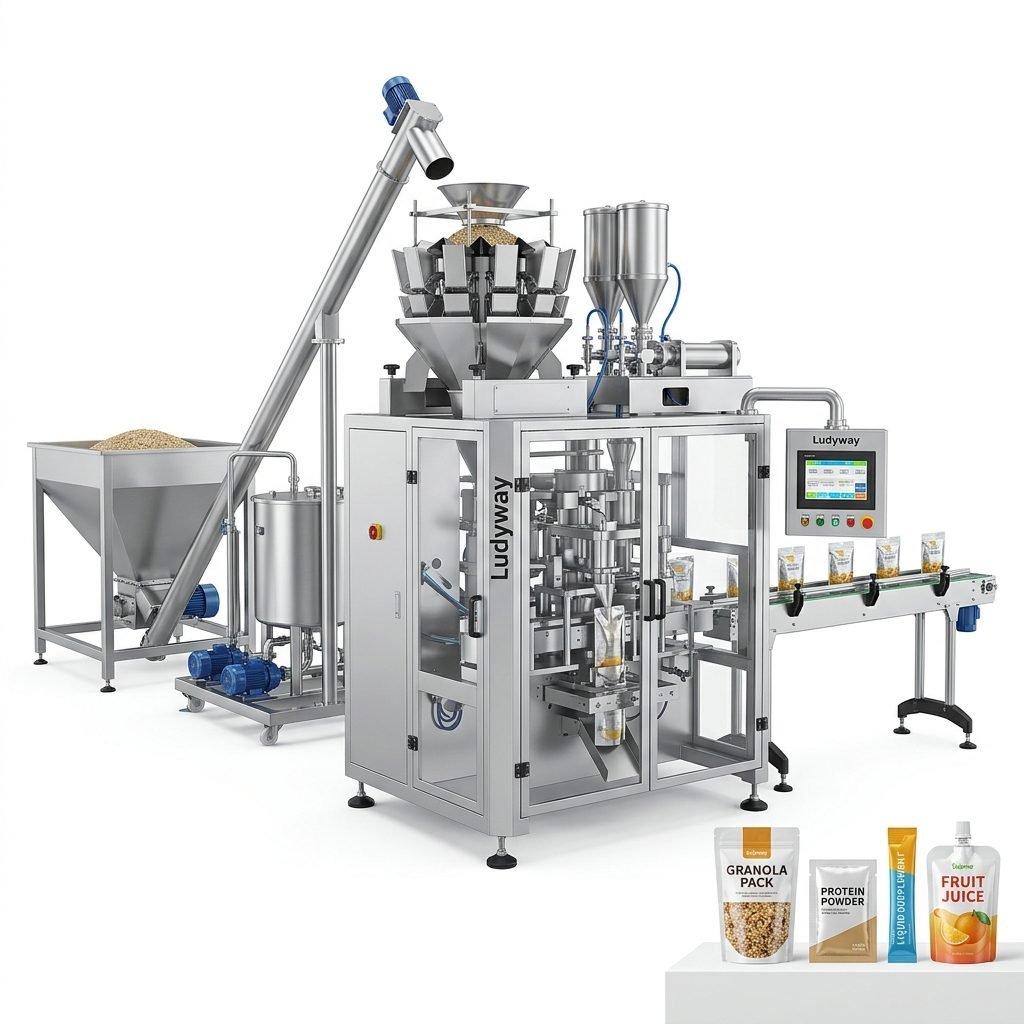
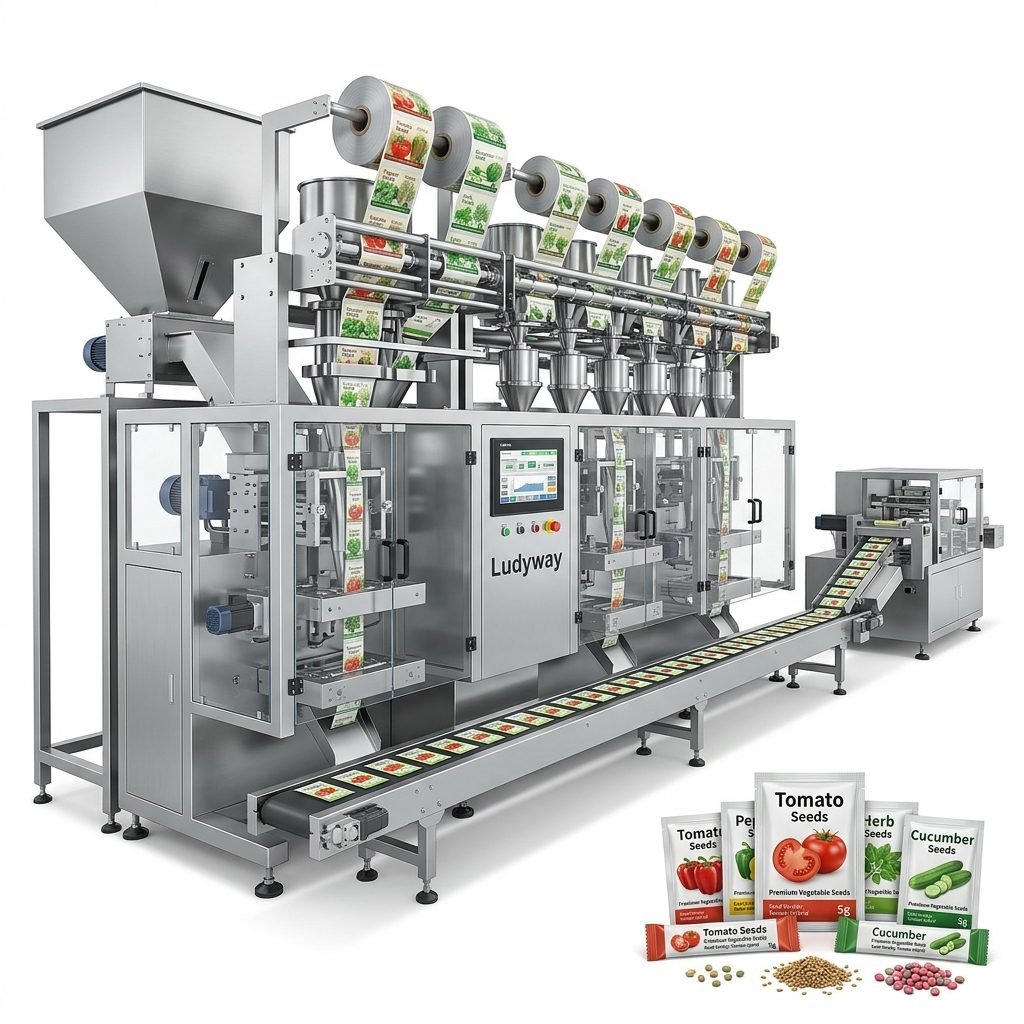
Selecting the appropriate coffee pouch packaging machine is a critical decision that directly impacts your production efficiency, product quality, and operational costs. Whether you are packaging ground coffee, instant coffee powder, whole beans, or coffee pods, the right equipment ensures precise filling, reliable sealing, and consistent output. This comprehensive guide walks you through every essential factor to consider, helping you make an informed investment.
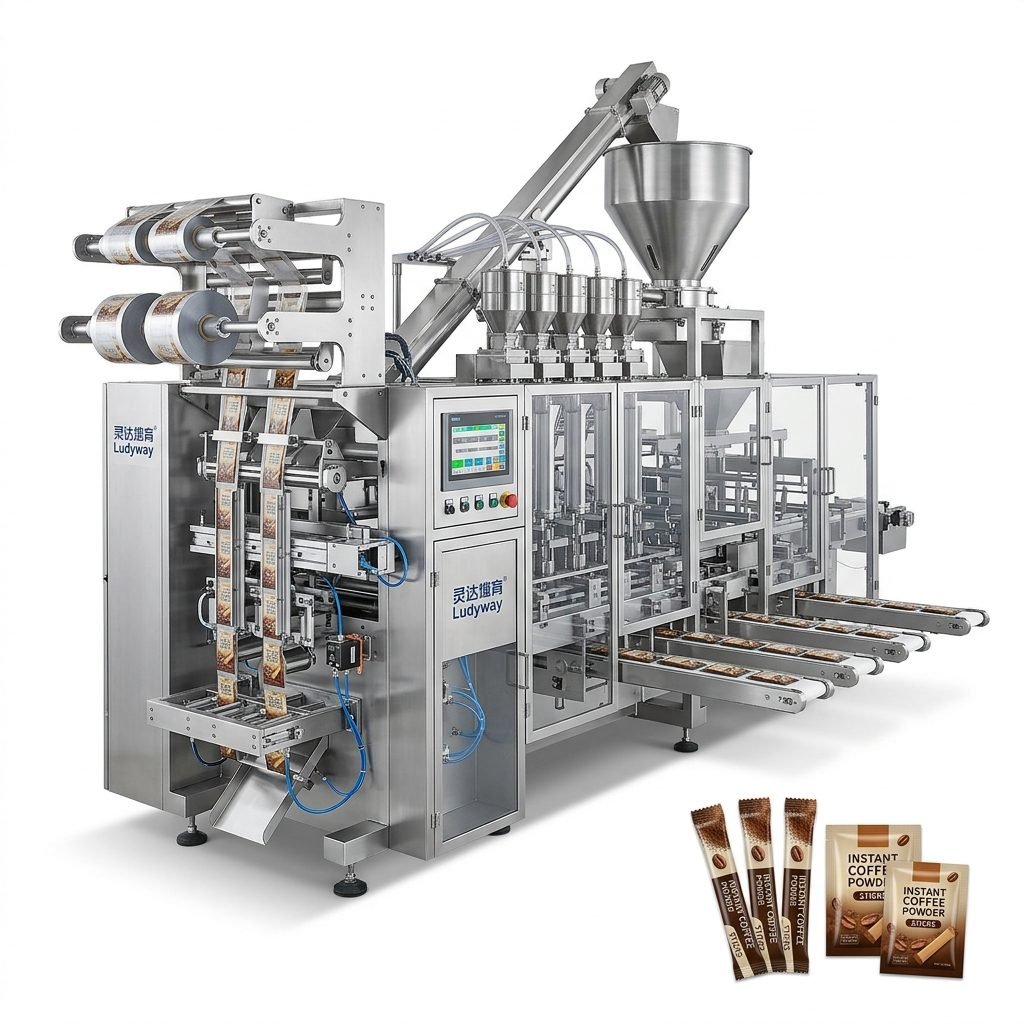
Understanding Coffee Pouch Packaging Requirements
Before evaluating specific machines, you must define your production needs. Coffee products vary significantly in form—powders, granules, whole beans, and liquid concentrates—each requiring different filling mechanisms. The packaging format is equally important: do you need stick packs, sachets, stand-up pouches, flat pouches, or gusseted bags? Your target production volume, available floor space, and automation level further shape your selection. For manufacturers seeking a single partner for equipment and system integration, Ludyway Machinery offers turnkey packaging solutions spanning multiple formats and production capacities.

Key Factors to Evaluate When Selecting a Coffee Packaging Machine
Choosing the right equipment requires examining several interconnected variables. The following table summarizes the primary considerations and their impact on your decision:
| Evaluation Factor | Key Questions to Ask | Impact on Machine Selection |
|---|---|---|
| Product Type | Is your coffee in powder, granule, bean, or liquid form? | Determines filler type—auger for powders, volumetric for granules, weigher for beans |
| Packaging Format | Stick pack, sachet, stand-up pouch, or flat pouch? | Dictates machine type, sealing system, and film handling |
| Production Speed | How many packs per minute do you need? | Single-lane vs. multi-lane configuration; affects throughput |
| Filling Accuracy | What is your acceptable weight tolerance? | Precision dosing systems reduce product giveaway |
| Automation Level | Semi-automatic or fully integrated packaging line? | Influences labor requirements and upfront investment |
| Material Compatibility | What film or laminate are you using? | Sealing temperature, pressure, and jaw design vary |
Product Characteristics and Filling Technology
Different coffee products demand different filling systems. Ground coffee and instant coffee powder are typically free-flowing or semi-free-flowing, making them suitable for auger fillers that deliver high dosing accuracy. Whole coffee beans require gentle handling to prevent breakage; multi-head weighers or volumetric cup fillers are preferred. For liquid coffee concentrates or ready-to-drink formats, piston fillers or flow meters provide consistent liquid dosing. Understanding the flow characteristics, bulk density, and particle size of your coffee product is essential for selecting the correct filling technology.
Packaging Format: Stick Pack, Sachet, or Pouch?
Your packaging format decision affects machine configuration significantly:
- Stick packs: Ideal for single-serve instant coffee portions; compact format popular for on-the-go consumption
- Sachets: Versatile for larger single-serve or multi-serve quantities; common in hospitality and retail
- Stand-up pouches: Increasingly popular for whole bean and ground coffee; offer excellent shelf presence and resealability
- Flat pouches: Cost-effective for bulk or private-label coffee packaging
- Gusseted bags: Suitable for larger format retail coffee; provides stability on shelves
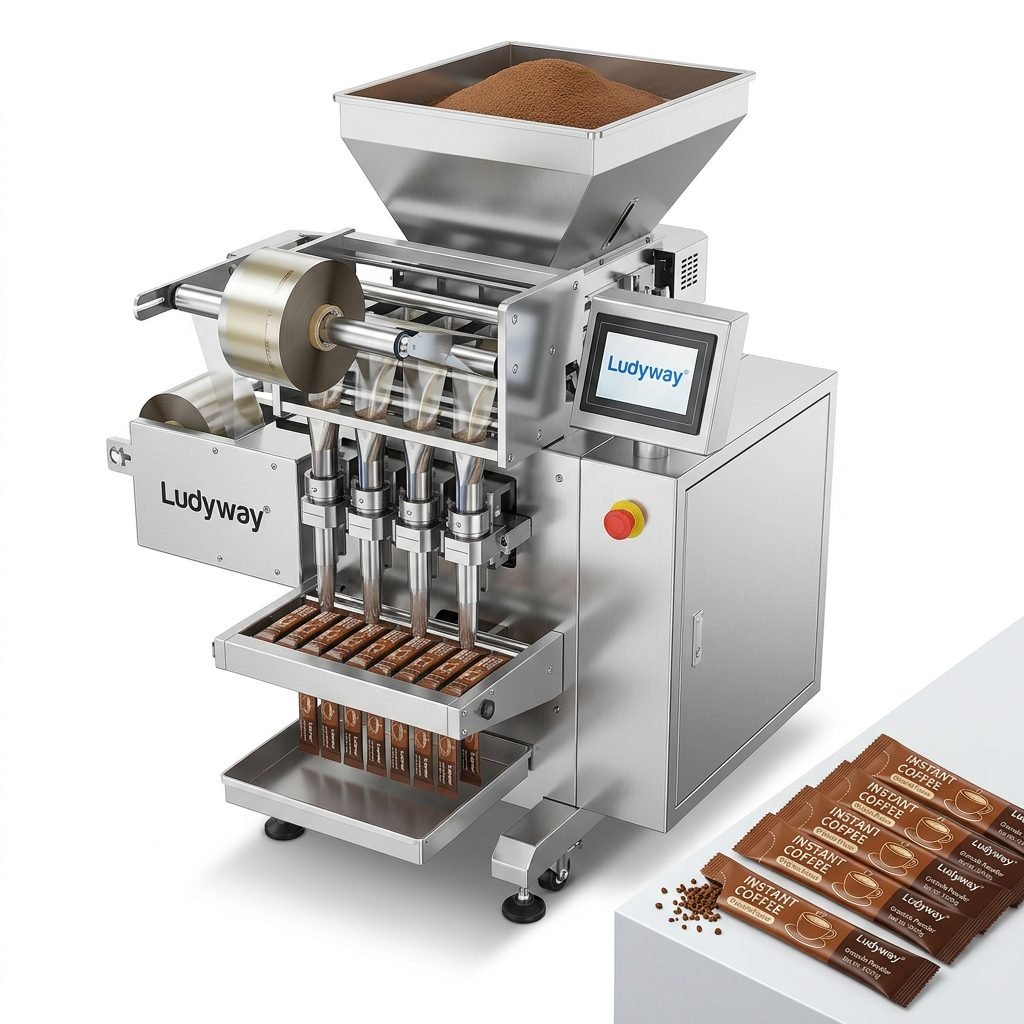
Multi-Lane vs. Single-Lane Coffee Packaging Machines
One of the most important choices is between single-lane and multi-lane packaging machines. Single-lane machines produce one pack per cycle, suitable for low-to-medium production volumes or when flexibility across multiple formats is needed. Multi-lane machines run multiple lanes simultaneously—typically 2 to 12 lanes for coffee applications—dramatically increasing output without proportionally increasing floor space. A 6-lane stick pack machine, for instance, can produce up to 400–600 packs per minute, making it ideal for high-volume instant coffee manufacturers. The trade-off is higher initial investment and reduced format changeover flexibility.
Sealing Technology and Coffee Freshness
Coffee is highly sensitive to oxygen, moisture, and light. Proper sealing preserves aroma and extends shelf life. Look for machines with precision temperature control for heat sealing, the ability to handle barrier films and laminates, and options for gas flushing or vacuum sealing. Nitrogen flushing is particularly important for ground and whole bean coffee, displacing oxygen inside the pouch to prevent oxidation. Some advanced machines offer modified atmosphere packaging (MAP) capabilities, which can significantly extend product shelf life.
Automation and Integration Capabilities
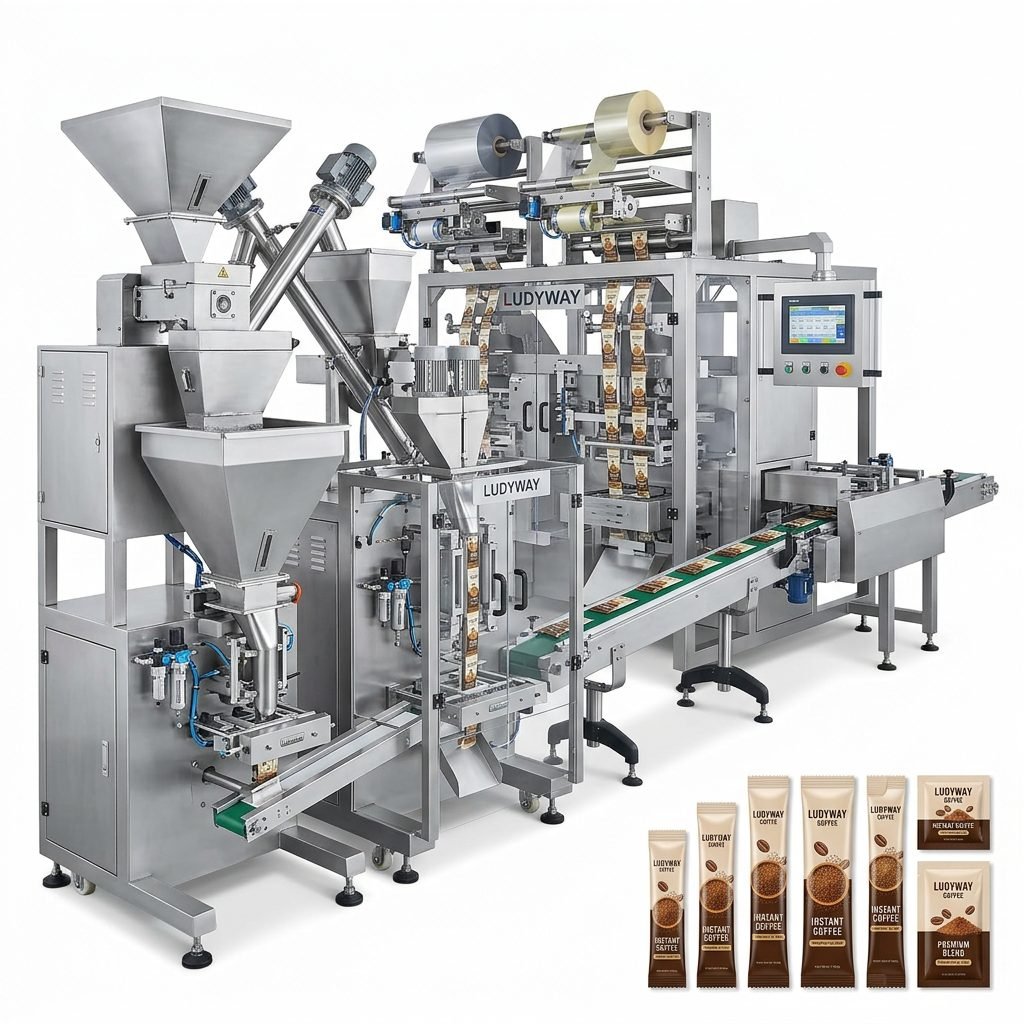
Modern coffee packaging lines extend beyond the filling and sealing machine alone. Consider whether you need an integrated system that includes:
- Automated feeding systems: Bucket elevators, screw conveyors, or vacuum feeders that transport coffee to the filler
- Checkweighers: Inline weight verification ensuring every pack meets specifications
- Metal detectors and X-ray inspection: Critical for food safety and brand protection
- Date coding and labeling: Batch coding, inkjet printing, or thermal transfer for traceability
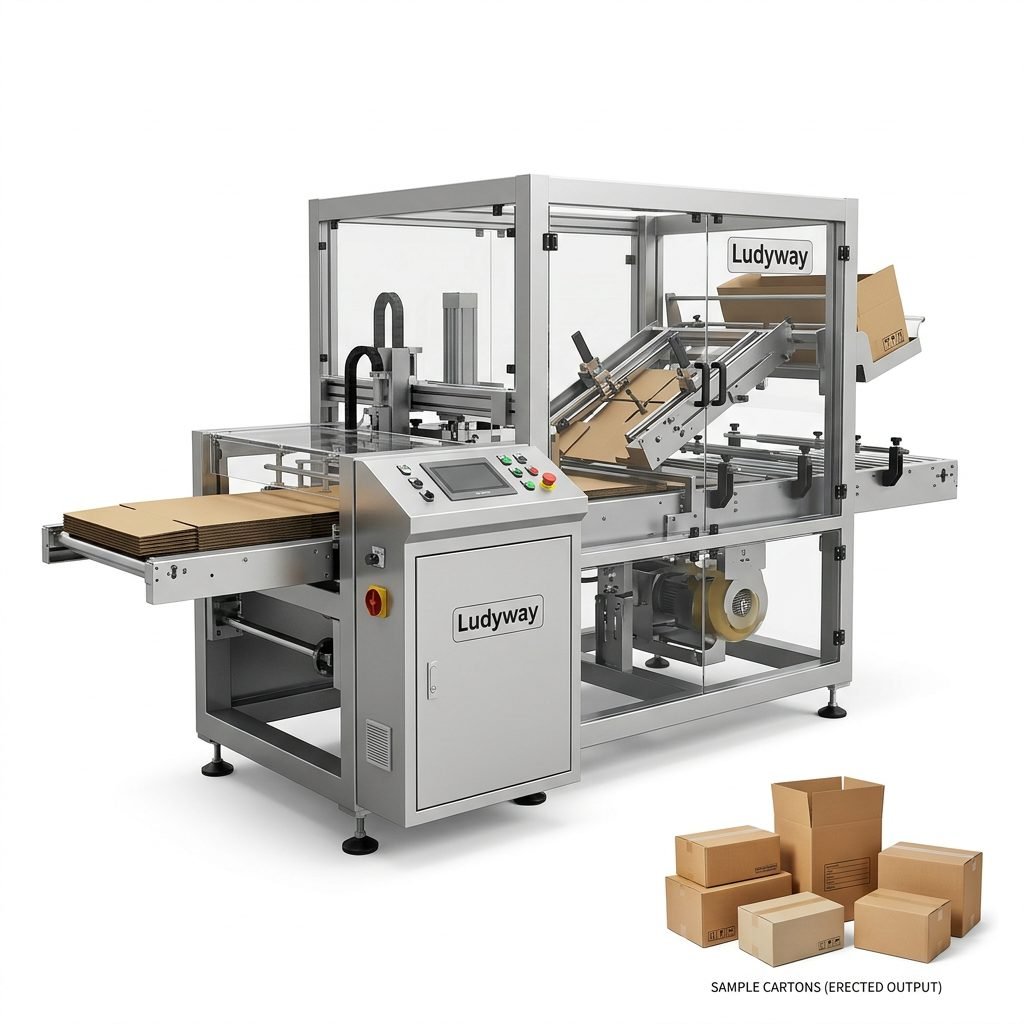
- Cartoning and case packing: End-of-line automation that reduces manual handling
- Palletizing systems: Robotic or conventional palletizers for high-volume operations
Choosing a supplier that can deliver a complete turnkey packaging line simplifies project management, ensures system compatibility, and provides a single point of contact for service and support.
Machine Build Quality and Compliance Standards
For food-grade coffee packaging, machine construction materials must meet hygiene and safety standards. Stainless steel construction is standard for product contact parts. Machines designed for food applications should be easy to clean, with minimal crevices where coffee residue can accumulate. If you are exporting to regulated markets, your equipment may need to comply with FDA, EU regulations, or ISO standards for food contact materials and safety. Verify with your supplier that the machine design, documentation, and certifications align with your target market requirements. Resources from PMMI – The Association for Packaging and Processing Technologies and FDA Food Packaging and Food Contact Substances provide further guidance on compliance requirements.
Service, Support, and Spare Parts Availability
A packaging machine is a long-term investment. After-sales support, technical assistance, and spare parts availability are critical for minimizing downtime. When evaluating suppliers, ask about:
- Installation and commissioning support
- Operator training programs
- Preventive maintenance schedules
- Spare parts inventory and delivery times
- Remote diagnostic and troubleshooting capabilities
- Warranty coverage and service agreements
Suppliers with global service networks and established export experience are better positioned to support international customers effectively.
Industry Trends and Future-Proofing Your Investment
The coffee packaging industry continues to evolve. Sustainable packaging materials, such as recyclable mono-materials and compostable films, are gaining traction. Ensure your machine can handle a range of film types and thicknesses. Smart packaging features like QR codes and connected packaging are also emerging. Additionally, data integration capabilities—allowing your packaging line to connect with manufacturing execution systems (MES) or enterprise resource planning (ERP) platforms—are increasingly valuable for production monitoring and traceability. Industry organizations like the Flexible Packaging Association provide ongoing insights into material and technology trends.
Budget Considerations and ROI Analysis
The purchase price is one part of the total cost of ownership. A thorough ROI analysis should account for:
- Initial machine cost: Including installation and commissioning
- Operational costs: Labor, energy, maintenance, and consumables
- Production efficiency gains: Higher output with less waste and downtime
- Product giveaway reduction: Precise filling accuracy minimizes overfill losses
- Flexibility and scalability: Ability to adapt to new products or formats without replacing equipment
A higher-quality machine with better efficiency and accuracy often delivers a faster payback period despite a higher upfront cost. For manufacturers scaling production, multi-lane machines and integrated packaging lines typically offer the strongest long-term ROI.
Final Recommendations for Selecting Your Coffee Pouch Packaging Machine
Making the right choice comes down to a structured evaluation process:
- Define your product and packaging specifications: Know your coffee type, target pack format, and required output volume
- Shortlist machines that match your technical requirements: Focus on filling technology, sealing capability, and lane configuration
- Evaluate build quality and compliance: Confirm food-grade construction and relevant certifications
- Consider total cost of ownership: Look beyond the purchase price to operational efficiency and support
- Assess supplier experience and service capabilities: Choose a partner with proven expertise in coffee packaging and global support infrastructure
As a China-based packaging machinery manufacturer with more than 30 years of industry experience, Ludyway Machinery provides automatic packaging equipment and integrated turnkey solutions across a wide range of industries, including coffee and beverage products. With a 20,000-square-meter manufacturing facility, over 130 professionals, and more than 50 packaging machine models, Ludyway combines engineering expertise, automation technology, and application experience to help coffee manufacturers improve packaging efficiency, production capacity, and operational consistency. The company is expected to achieve export revenue of more than RMB 500 million (approximately US$69 million) in 2025, and plans to surpass RMB 1 billion (approximately US$138 million) in export revenue in 2026, reflecting its growing global presence and commitment to packaging machinery excellence.

Additional Resources for Coffee Packaging Buyers
For further research, explore these authoritative industry resources covering packaging machinery standards, flexible packaging trends, and regulatory guidance:
- PMMI Business Intelligence Library — Packaging machinery market research and reports
- 2026 Packaging State of the Industry Report — Annual industry data and forecast
- Flexible Packaging Association Industry Resources — Flexible packaging data and sustainability guidance
- ISO Packaging Standards — International standards for packaging
- FDA Packaging and Food Contact Substances — Regulatory information for food packaging
- European Commission Packaging and Packaging Waste — EU packaging regulations
- Ludyway Packaging Machinery Global Growth Trend — Industry article on packaging machinery export growth