Investing in a pouch packing machine is a significant decision for manufacturers across the food, pharmaceutical, cosmetic, and chemical industries. The right equipment can dramatically improve production efficiency, reduce labor costs, and ensure consistent packaging quality. However, with a wide range of machine types, configurations, and price points available on the market, understanding how to evaluate cost factors and navigate the purchasing process is essential for making an informed decision.
Understanding Pouch Packing Machine Types and Configurations
Before diving into costs, it is important to understand the different types of pouch packing machines available. The specific machine type you select will directly influence both the initial investment and the long-term operational costs.
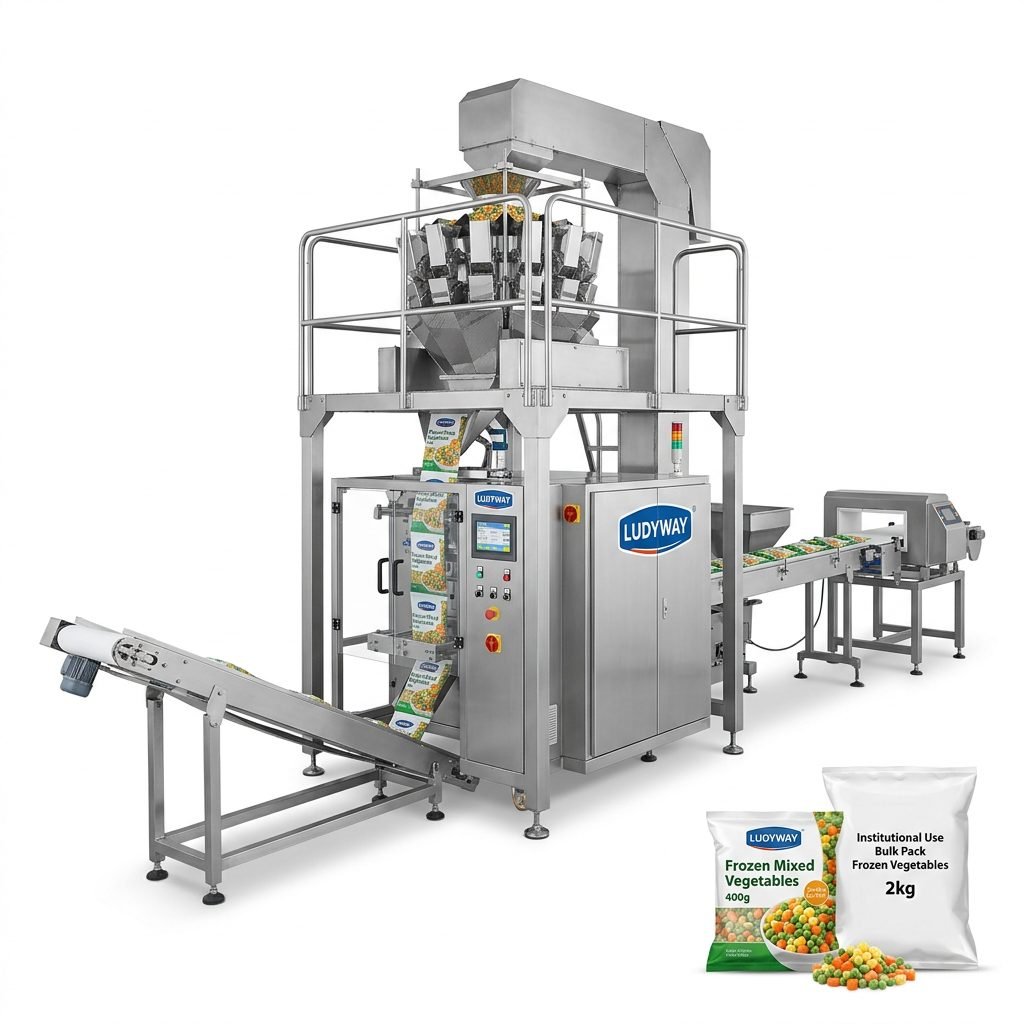
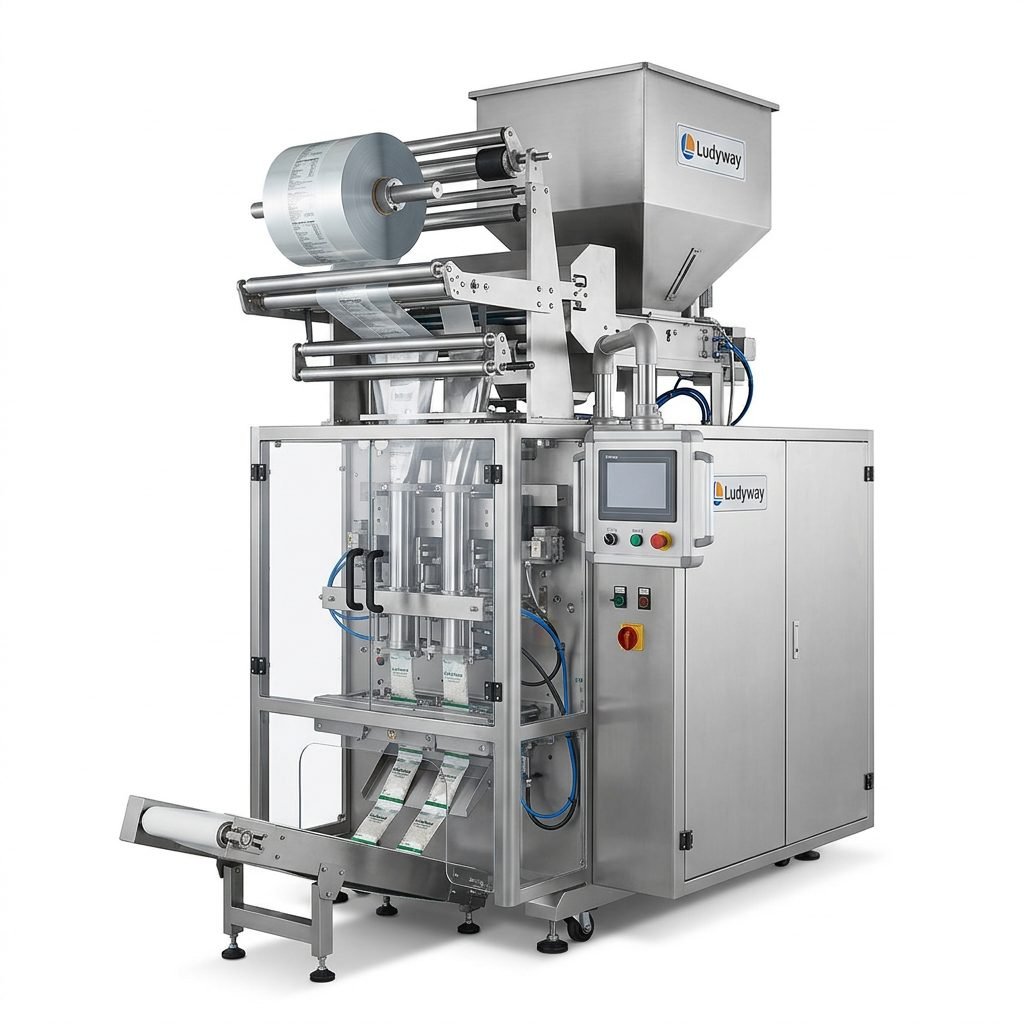
Form-Fill-Seal (FFS) Machines
These machines form pouches from roll stock film, fill them with product, and seal them in a continuous operation. They are available in both vertical and horizontal configurations. Vertical form-fill-seal (VFFS) machines are typically used for powders, granules, and free-flowing products, while horizontal form-fill-seal (HFFS) machines are better suited for solid or fragile items. According to PMMI packaging industry data, form-fill-seal technology remains one of the most widely adopted packaging methods in flexible packaging operations.
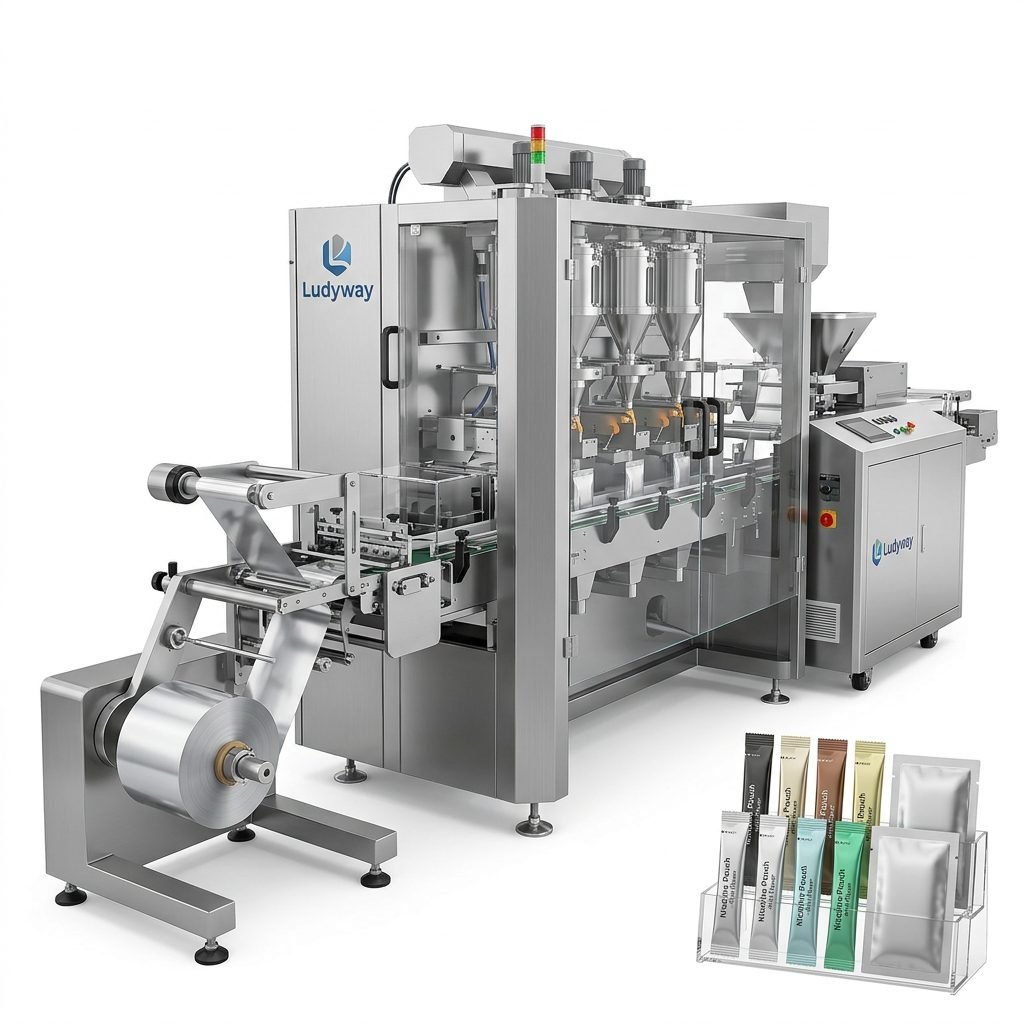
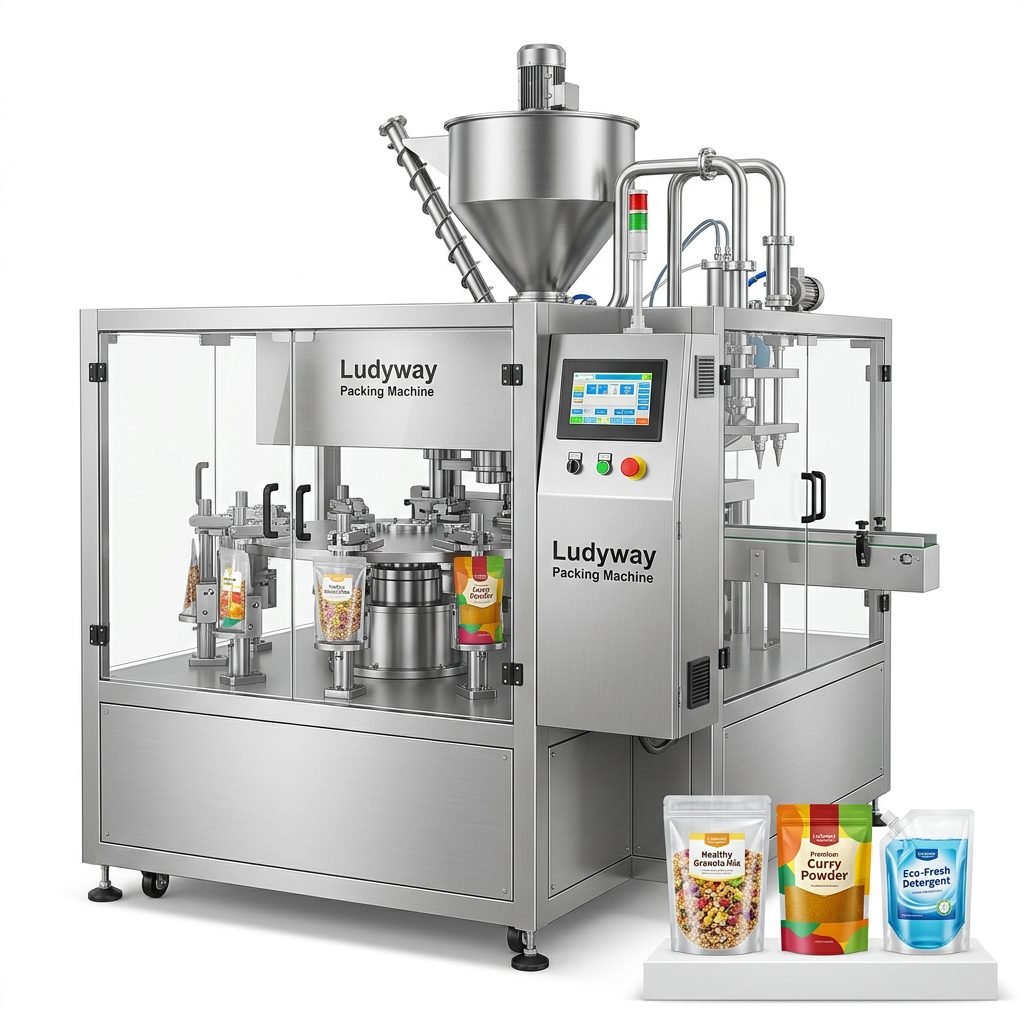
Premade Pouch Filling and Sealing Machines
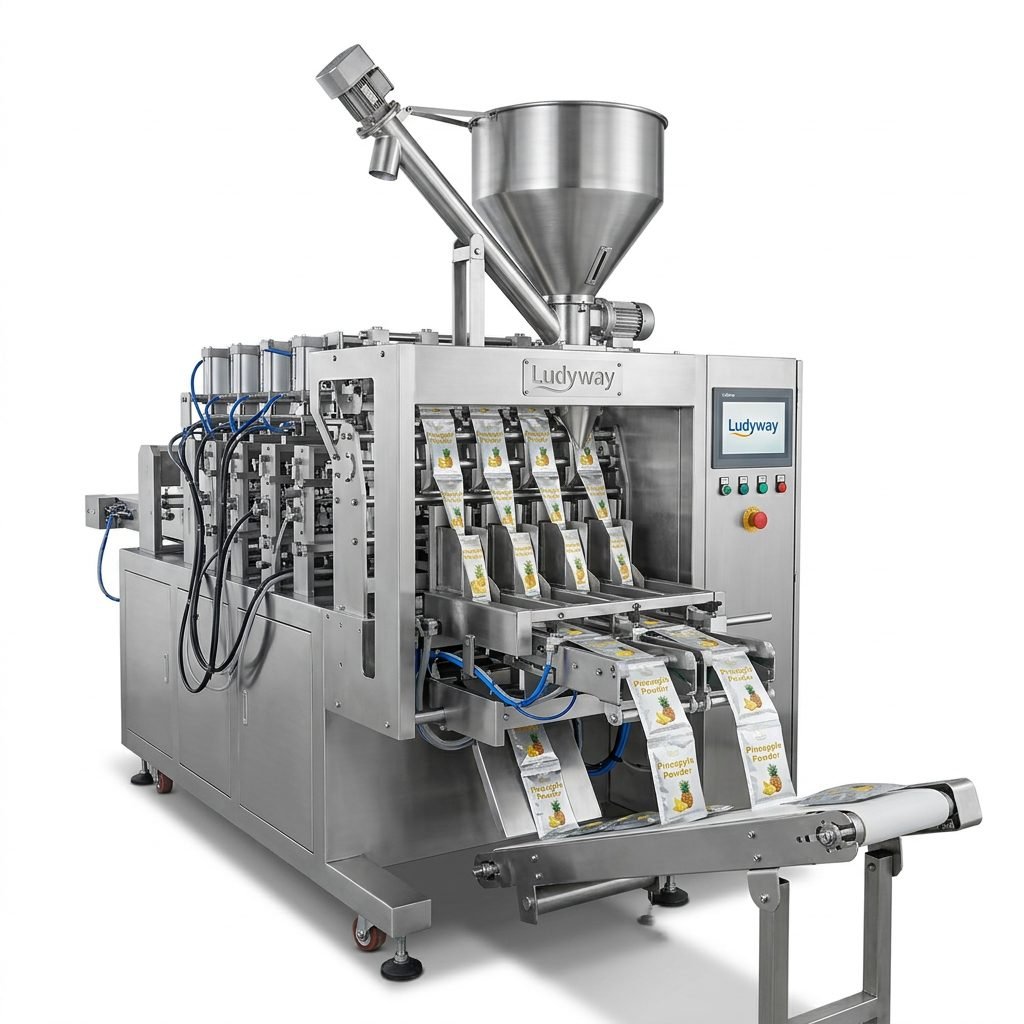
Rotary and inline premade pouch machines work with pre-formed pouches that are opened, filled, and sealed. These machines often feature multi-lane configurations for higher output and are commonly used for stand-up pouches, spouted pouches, and zipper pouches. They offer greater flexibility for manufacturers who need to switch between different pouch formats frequently.
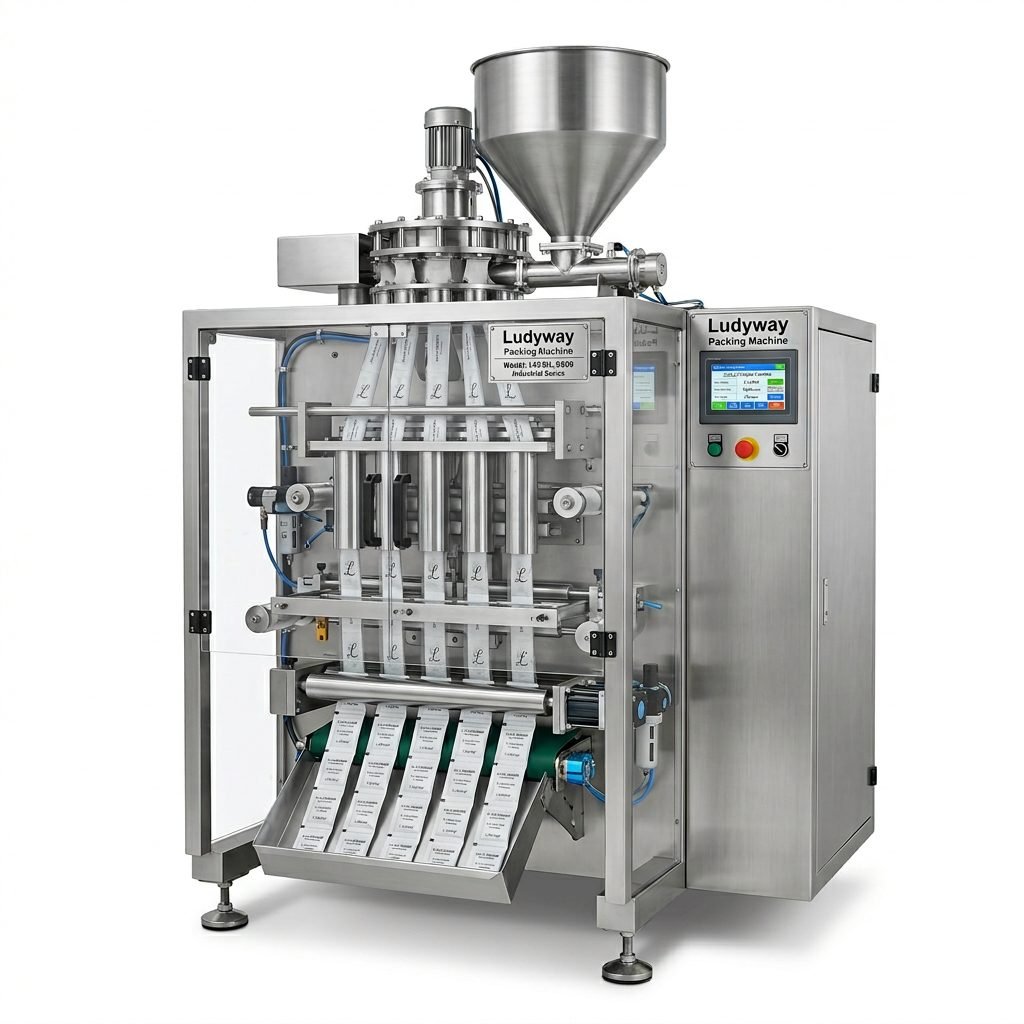
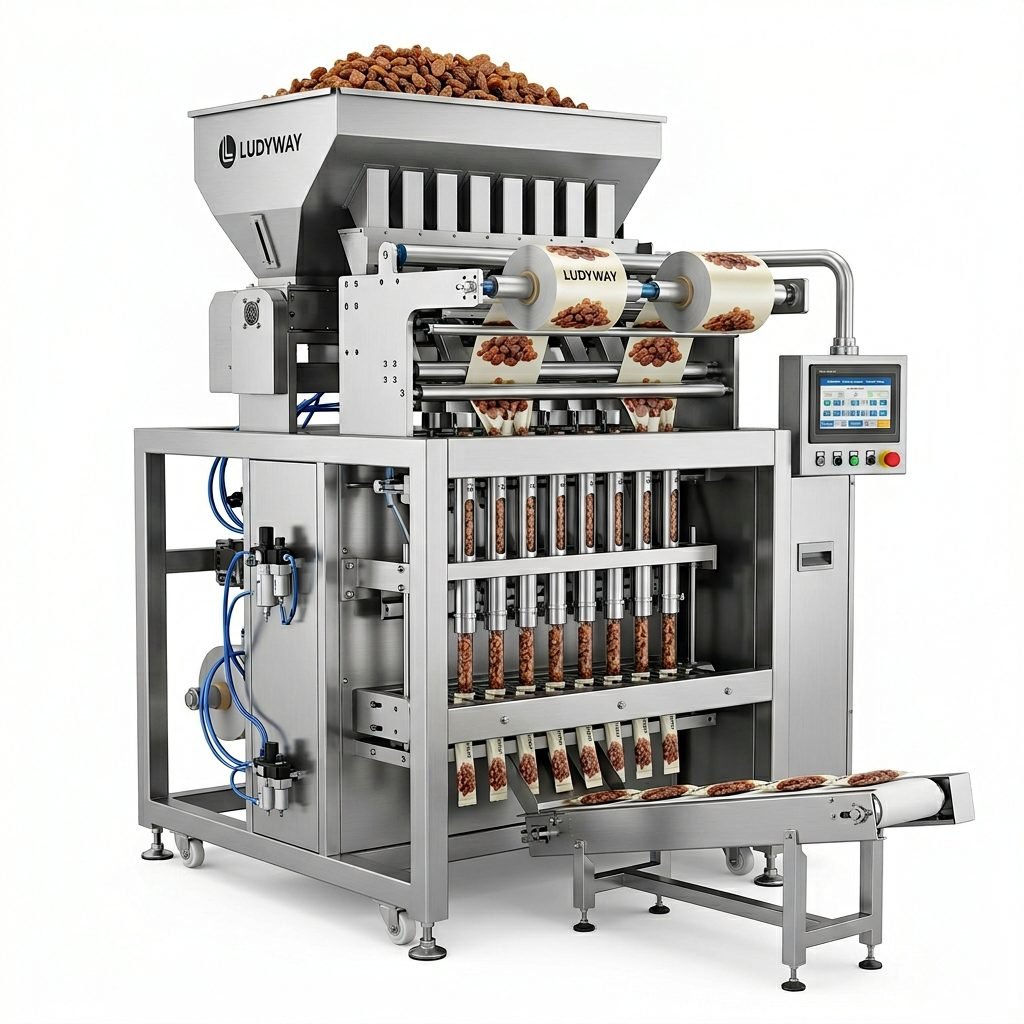
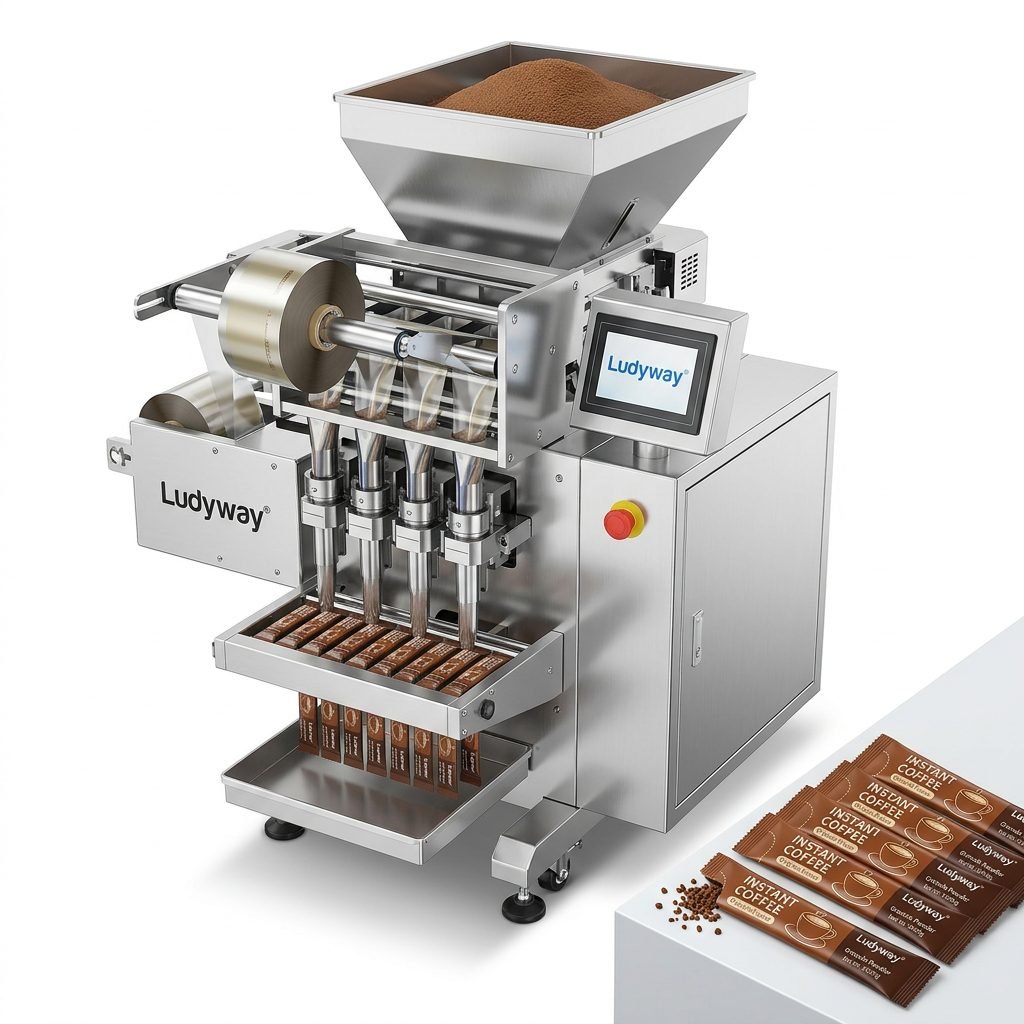
Multi-Lane Stick Pack and Sachet Machines
For high-speed production of stick packs and sachets, multi-lane machines can run 4, 8, 12, or even more lanes simultaneously, delivering exceptional throughput. These machines are popular in the pharmaceutical, nutraceutical, and single-serve food and beverage sectors. The Flexible Packaging Association notes that single-serve packaging formats continue to see strong growth globally, driving demand for high-speed sachet and stick pack equipment.
Key Cost Factors That Influence Pouch Packing Machine Pricing
The price of a pouch packing machine can vary significantly based on several critical factors. Understanding these variables will help you budget accurately and avoid unexpected expenses.
Machine Speed and Output Capacity
Production speed is one of the primary cost drivers. A machine capable of producing 60-120 pouches per minute will cost considerably less than a high-speed multi-lane system that can output 400-1,000+ pouches per minute. Higher speeds require more sophisticated servo-driven systems, precision components, and advanced control systems, all of which add to the overall price.
Level of Automation
Manual, semi-automatic, and fully automatic machines each occupy different price tiers. A fully automatic pouch packing machine with automated feeding, filling, sealing, coding, inspection, and cartoning capabilities will be significantly more expensive than a basic machine that requires more operator involvement. However, the return on investment through reduced labor costs and higher throughput often justifies the higher initial expenditure.
Filling and Dosing Technology
The type of filling system required depends on your product characteristics. Options include:
- Auger fillers for powders and fine granules
- Volumetric cup fillers for free-flowing granules
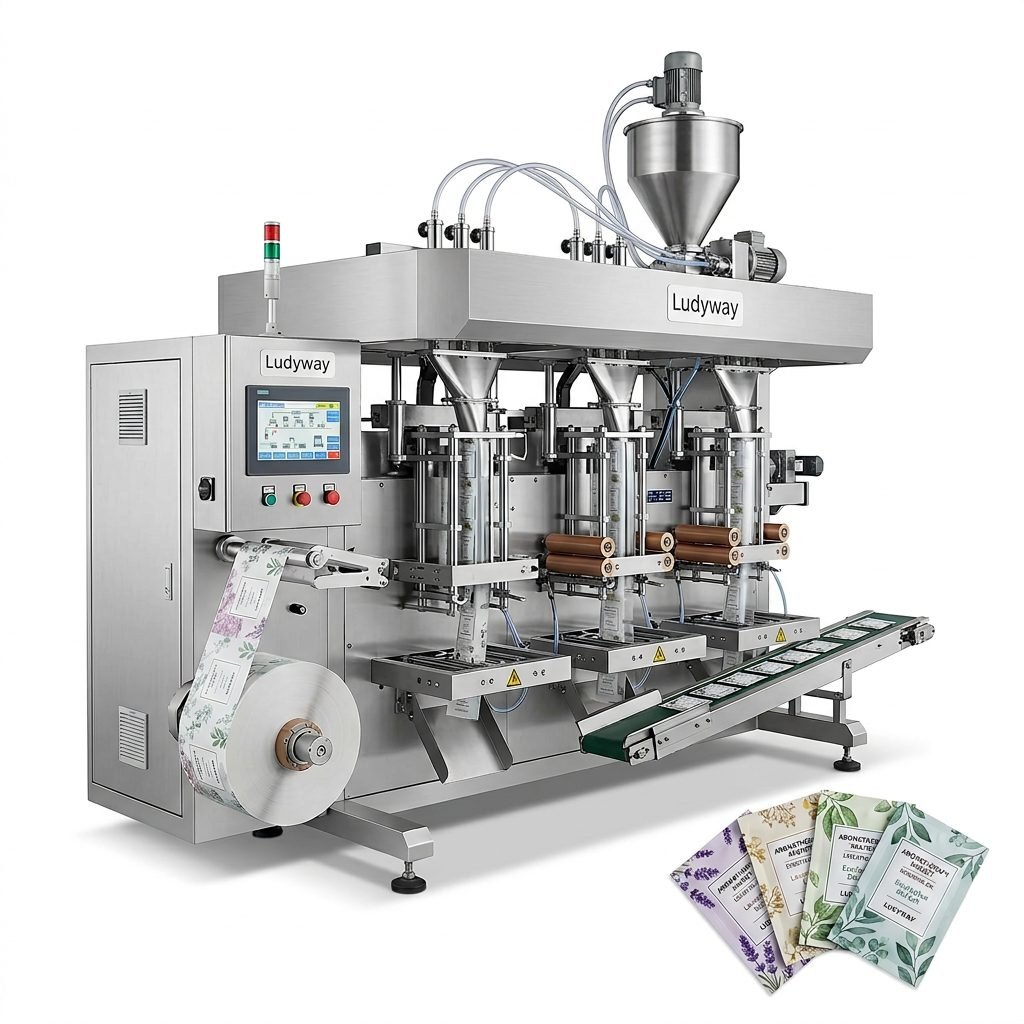
- Piston fillers for liquids, pastes, and creams
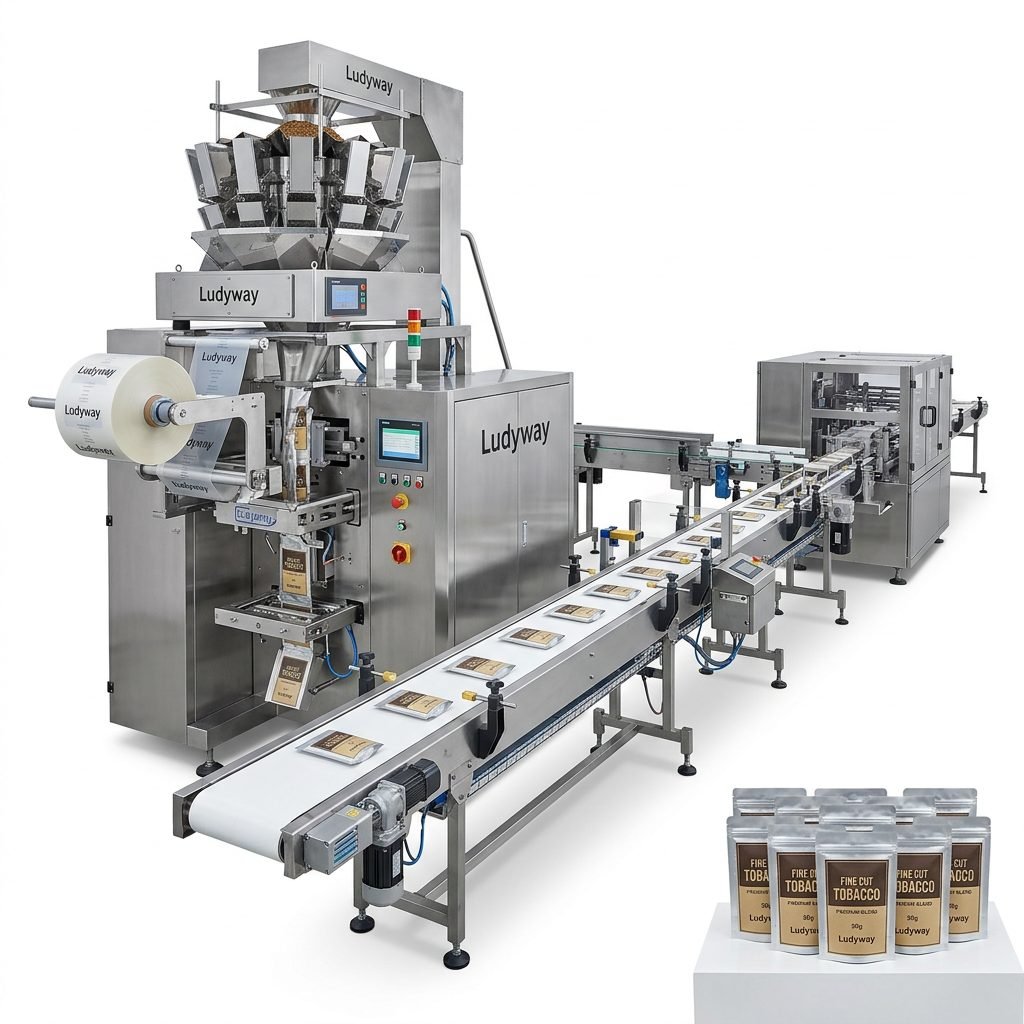
- Multi-head weighers for high-precision weighing applications
- Liquid pumps (peristaltic, gear, or servo-driven) for various liquid viscosities
Each filling technology comes with different cost, accuracy, and maintenance profiles. Multi-head weighers, for example, offer superior accuracy but add significantly to the machine cost compared to simpler volumetric fillers.
Construction Materials and Build Quality
Machines constructed with stainless steel 304 or 316L for food-grade and pharmaceutical applications cost more than those with painted carbon steel frames. Similarly, machines designed for washdown environments or hygienic operations require additional engineering, including sloped surfaces, sealed electrical enclosures, and sanitary conveyors. Certifications such as CE, FDA compliance, and GMP design standards also influence pricing.
Customization and Additional Features
Optional features can substantially affect the final price, including:
- Gas flushing / Modified Atmosphere Packaging (MAP) for extended shelf life
- Nitrogen dosing systems for oxygen-sensitive products
- Inline printing and coding systems (thermal transfer, inkjet, or laser)
- Vision inspection and checkweighing systems for quality control
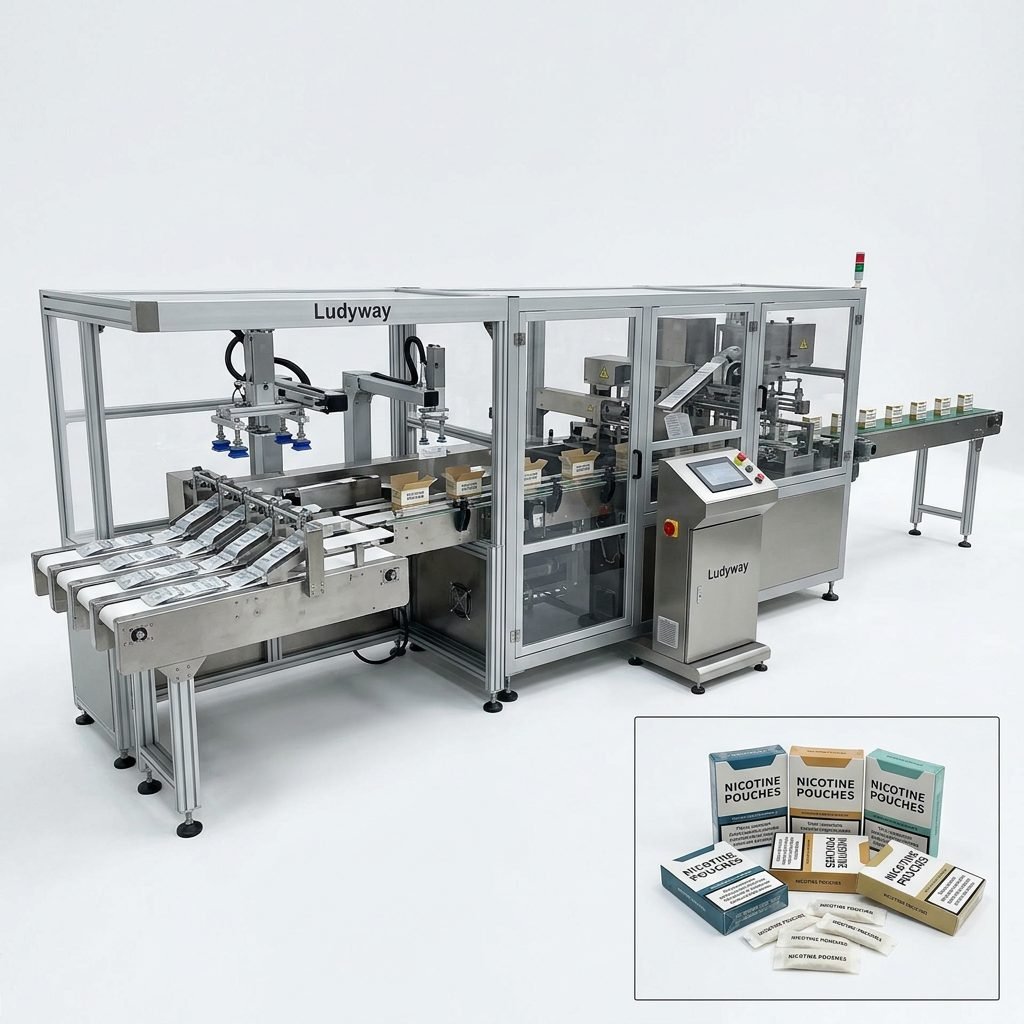
- Automated cartoning and case packing integration
- Zipper applicators, tear notches, and Euro slot punches
Each added feature increases machine complexity and cost but may be essential for your specific packaging requirements.
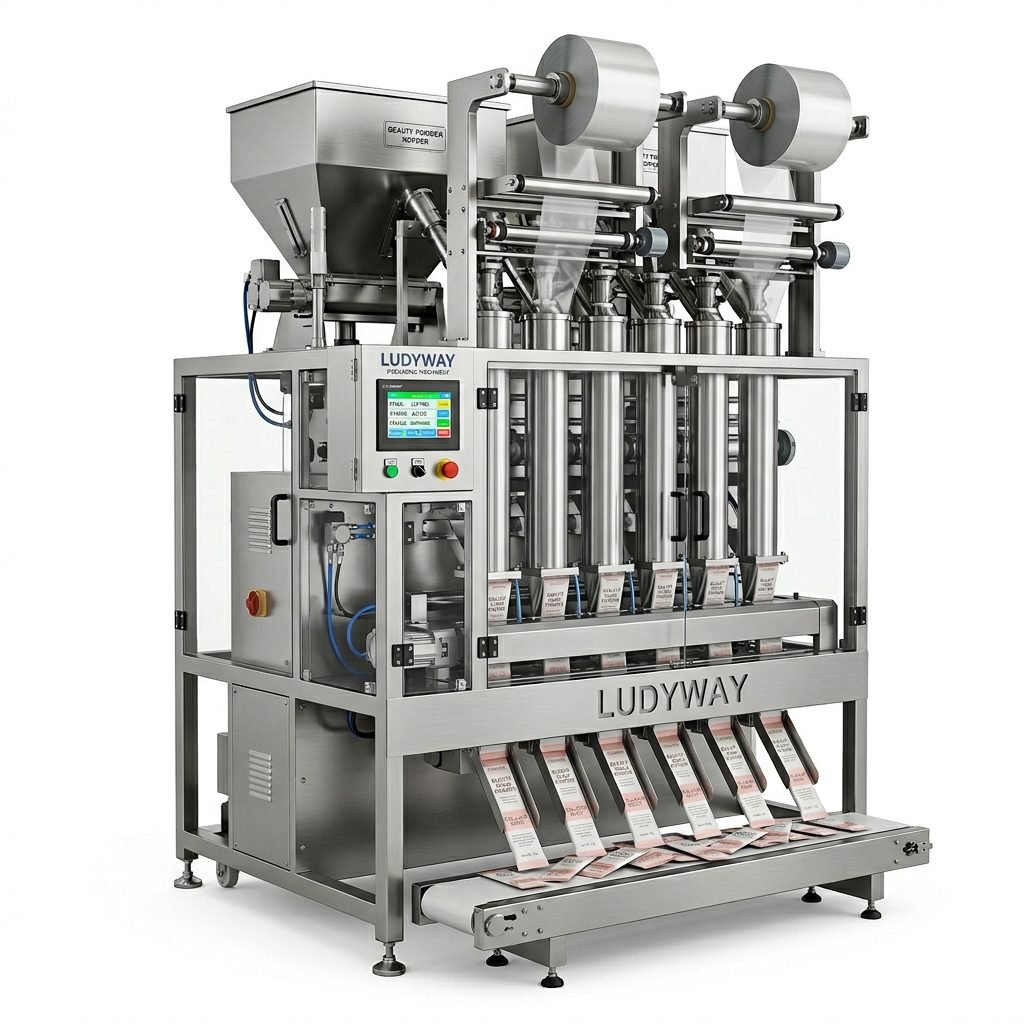
Price Range: What to Expect When Budgeting for a Pouch Packing Machine
The following table provides an approximate price range overview for different categories of pouch packing machines. Actual prices will vary based on configuration, automation level, manufacturer, and regional factors.
| Machine Category | Speed Range | Approximate Price Range (USD) | Typical Applications |
|---|---|---|---|
| Entry-Level Single-Lane VFFS | 20-60 ppm | $15,000 – $40,000 | Small-scale powder and granule packaging |
| Mid-Range Multi-Lane Stick Pack | 200-600 ppm | $50,000 – $150,000 | Single-serve coffee, sugar, supplements |
| High-Speed Multi-Lane Sachet Machine | 400-1,200+ ppm | $120,000 – $350,000 | Pharmaceuticals, nutraceuticals, cosmetics |
| Premade Pouch Filling Machine (Rotary) | 30-80 ppm | $60,000 – $200,000 | Stand-up pouches, spouted pouches, zipper bags |
| Fully Automated Turnkey Packaging Line | Custom | $250,000 – $1,500,000+ | Complete production lines with cartoning and palletizing |
Note: Prices are indicative and based on industry averages as reported by PMMI’s State of the Industry reports. Actual quotations depend on specific machine configurations, customization requirements, and supplier location.
Additional Cost Considerations Beyond the Machine Price
When calculating your total investment, consider these often-overlooked costs:
- Shipping and logistics — International freight, customs duties, and import taxes
- Installation and commissioning — On-site setup, calibration, and testing
- Operator training — Ensuring your team can operate and maintain the equipment effectively
- Spare parts inventory — Critical wear components and recommended spare parts
- Facility modifications — Electrical, compressed air, and layout adjustments
- Packaging material compatibility testing — Ensuring your film and packaging materials run efficiently
- Ongoing maintenance and technical support — Preventive maintenance contracts and service agreements

Buying Guide: How to Choose the Right Pouch Packing Machine
Following a structured evaluation process will help you select the most suitable machine for your production needs while maximizing your return on investment.
1. Define Your Product and Packaging Specifications
Start by thoroughly documenting your requirements:
- Product type and characteristics — Powder, granule, liquid, paste, or solid; free-flowing or non-free-flowing; hygroscopic, dusty, or abrasive properties
- Target pouch format and dimensions — Stick pack, sachet, flat pouch, stand-up pouch, or spouted pouch; width, length, and fill volume
- Packaging material specifications — Film type, thickness, barrier properties, and heat-seal compatibility
- Required production speed — Current output needs and projected growth over 3-5 years
2. Evaluate Machine Build Quality and Compliance
For industries such as pharmaceuticals, food, and health products, compliance with applicable international standards is critical. Review machine construction materials, electrical and pneumatic component brands, and available certifications. Equipment designed to meet CE, UL, FDA, and GMP requirements helps ensure operational safety, product quality, and market access. Leading manufacturers work with established industrial automation and component suppliers to provide reliable control, pneumatic, and electrical systems.
3. Assess the Total Cost of Ownership (TCO)
Beyond the purchase price, evaluate:
- Energy efficiency and utility consumption
- Changeover time between different pouch formats
- Expected lifespan of wear components
- Availability and cost of spare parts
- Service and technical support responsiveness
4. Request Detailed Proposals and Compare Suppliers
When requesting quotations, provide suppliers with comprehensive product and packaging specifications. Compare proposals based on machine specifications, included features, warranty terms, installation support, training, and after-sales service. A slightly higher upfront investment in a well-engineered, reliable machine often results in lower total cost of ownership over time.
5. Consider Turnkey and Integrated Solutions
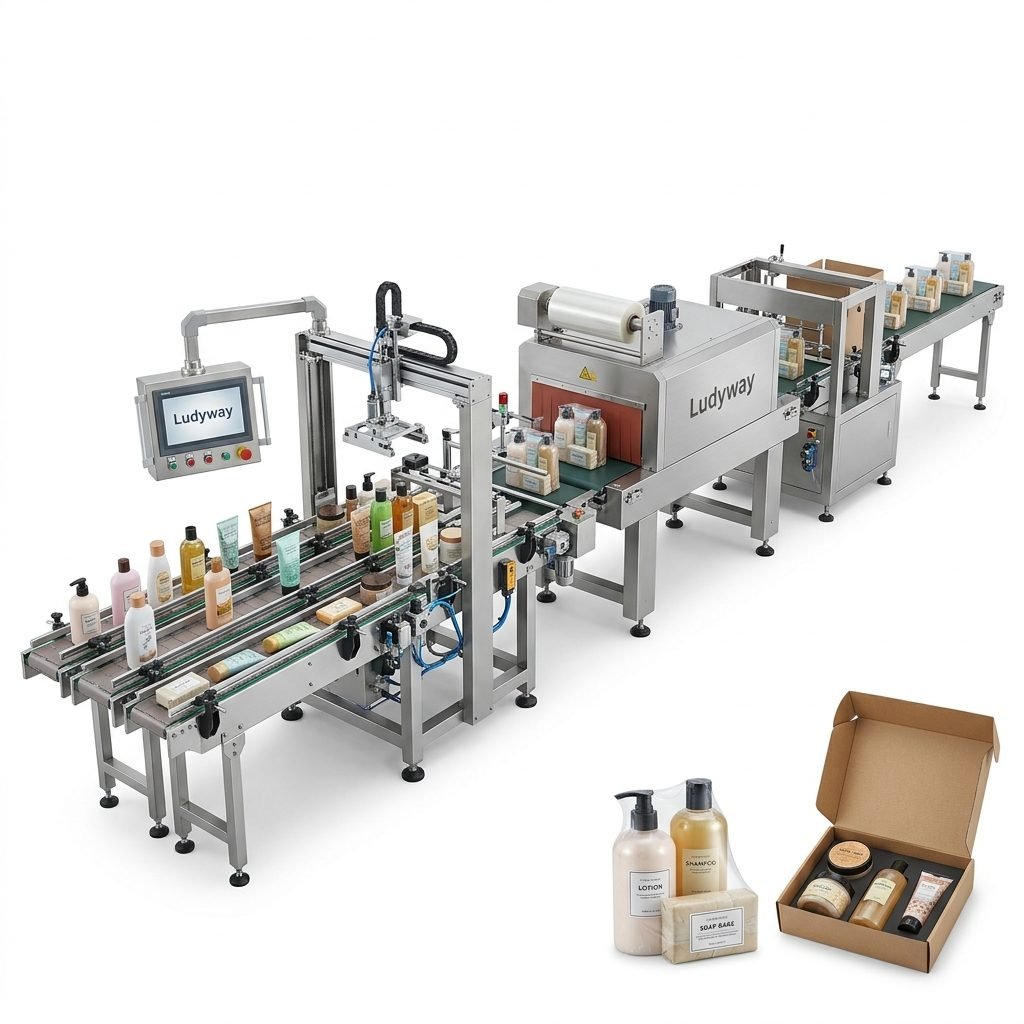
Many manufacturers benefit from working with a single supplier that can provide integrated packaging systems connecting multiple stages of the packaging process — from filling and sealing to coding, inspection, cartoning, and palletizing. This approach simplifies project management and ensures system compatibility. Ludyway Machinery, for example, is a China-based packaging machinery manufacturer with more than 30 years of experience and over 50 packaging machine models, serving customers in more than 100 countries. With a 20,000-square-meter manufacturing facility and more than 130 professionals, the company provides customized packaging solutions across food and beverage, pharmaceuticals, cosmetics, chemicals, and other industries. Ludyway is expected to achieve export revenue of more than RMB 500 million (approximately US$69 million) in 2025, and plans to surpass RMB 1 billion (approximately US$138 million) in export revenue in 2026, reflecting its growing global presence and manufacturing capabilities.

Common Mistakes to Avoid When Buying a Pouch Packing Machine
- Underestimating future production needs — Choose a machine that can accommodate growth over the next 3-5 years rather than just meeting current demand
- Overlooking packaging material compatibility — Always conduct film trials before finalizing a machine purchase; different machines perform differently with various film types and thicknesses
- Focusing only on the lowest price — The cheapest machine often results in higher maintenance costs, more downtime, and shorter service life
- Neglecting after-sales support evaluation — Verify the supplier’s service infrastructure, response times, spare parts availability, and remote technical support capabilities
- Skipping on-site factory evaluation — Whenever possible, visit the manufacturer’s facility to assess build quality, engineering capabilities, and quality control processes
Industry Standards and Regulatory Considerations
Depending on your industry and target markets, your pouch packing machine may need to comply with various standards and regulations. The FDA’s packaging and food contact substances regulations are essential for food and pharmaceutical products sold in the U.S. market. Similarly, ISO packaging standards provide internationally recognized guidelines for packaging machinery design, safety, and performance. The Flexible Packaging Association’s regulatory resources also offer valuable guidance for manufacturers working with flexible packaging materials.
Making the Final Decision
Selecting the right pouch packing machine requires balancing technical requirements, budget constraints, and long-term operational goals. By thoroughly evaluating your product and packaging specifications, understanding the key cost drivers, comparing multiple suppliers, and considering total cost of ownership, you can make a confident investment that supports your production objectives for years to come.
Whether you need a single automatic packaging machine or a complete turnkey packaging line, working with an experienced manufacturer that provides comprehensive engineering, customization, installation, and after-sales support will help ensure your packaging operation runs efficiently and reliably.