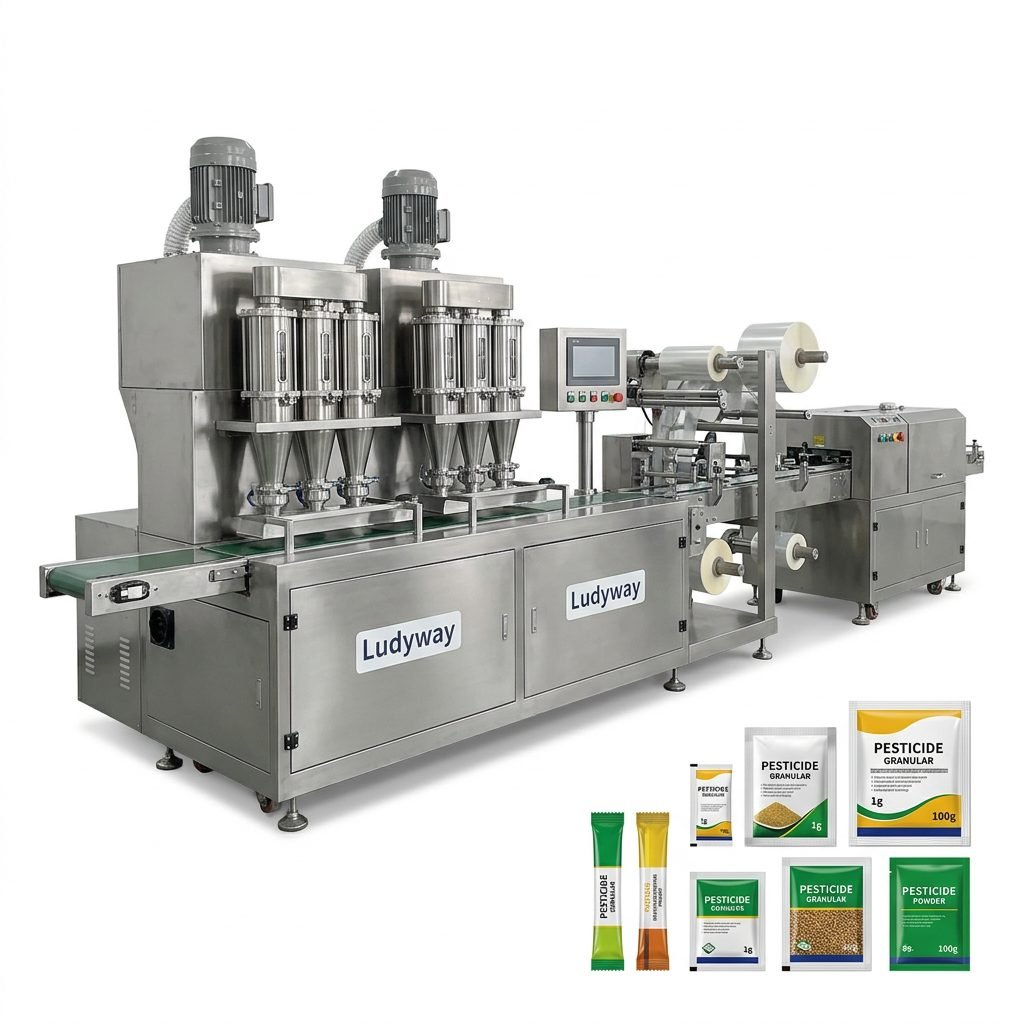
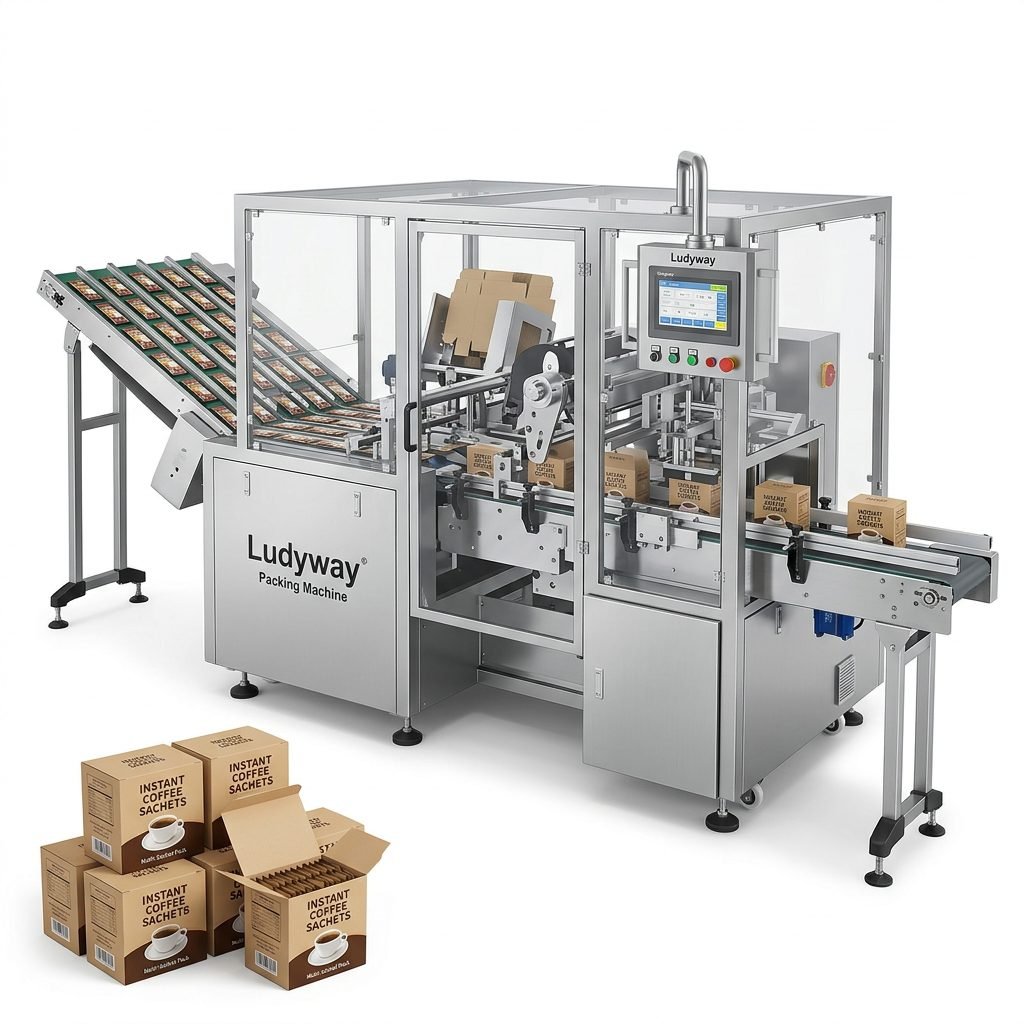
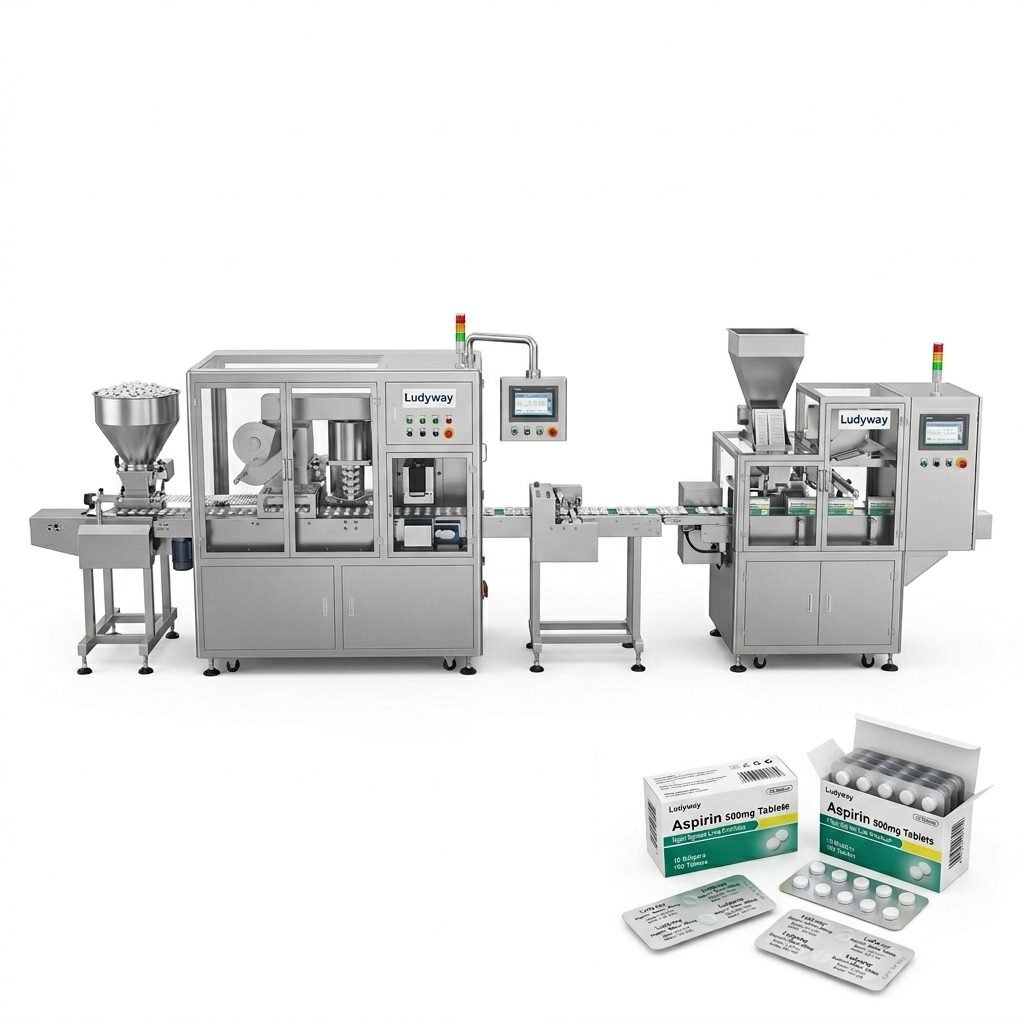
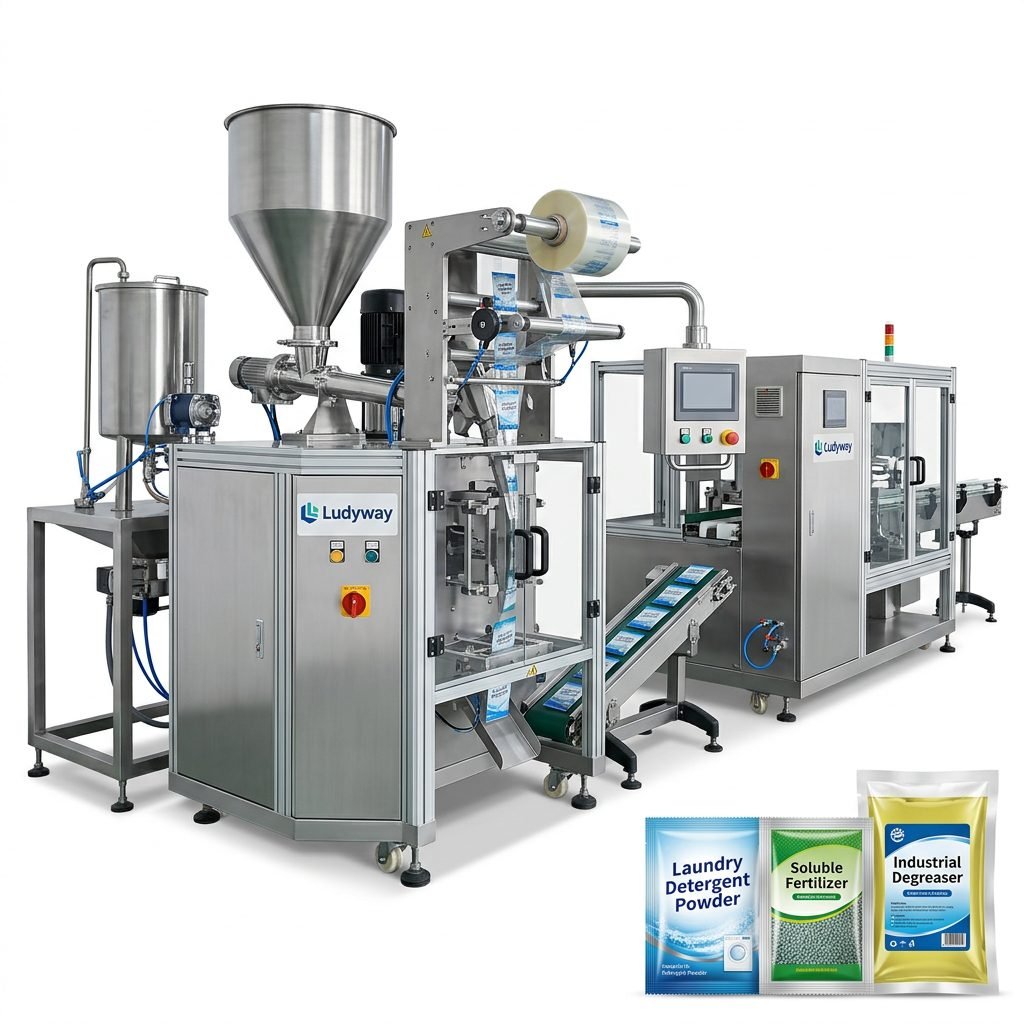
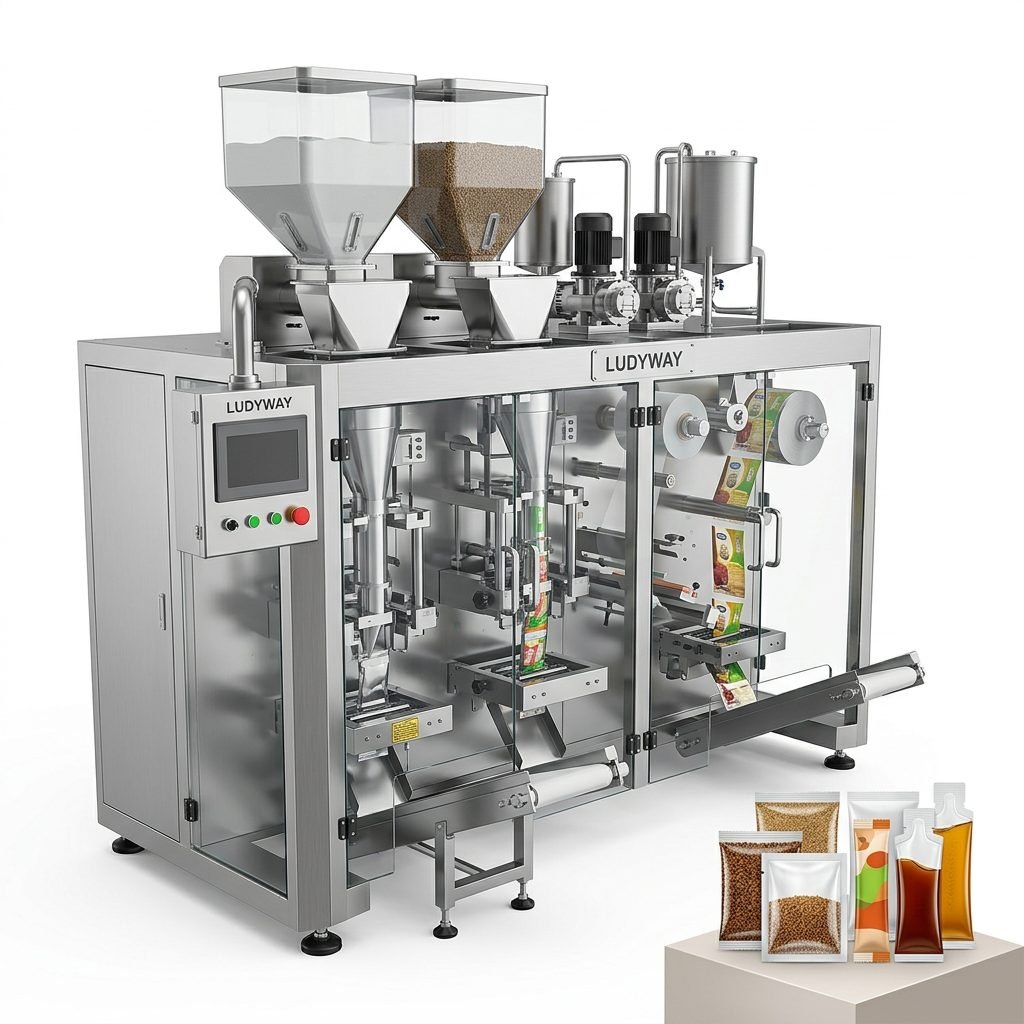
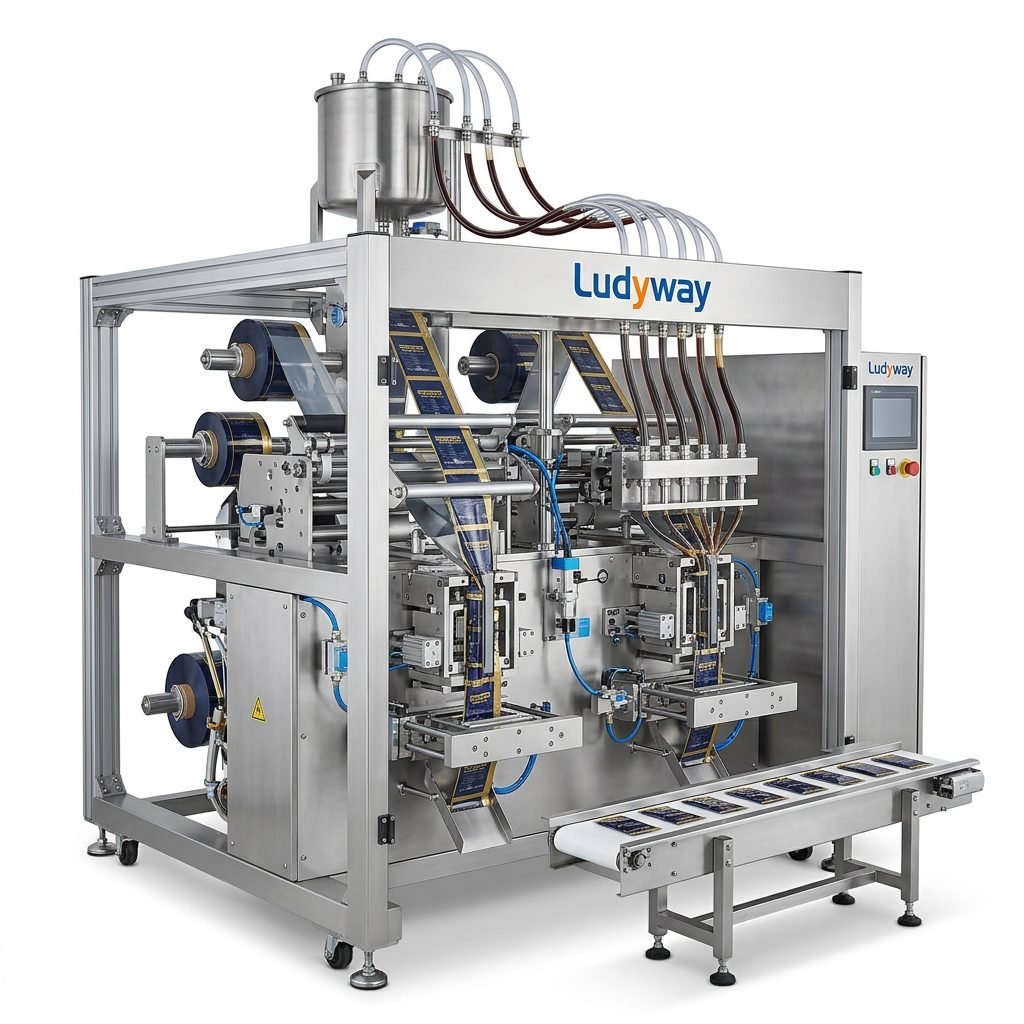
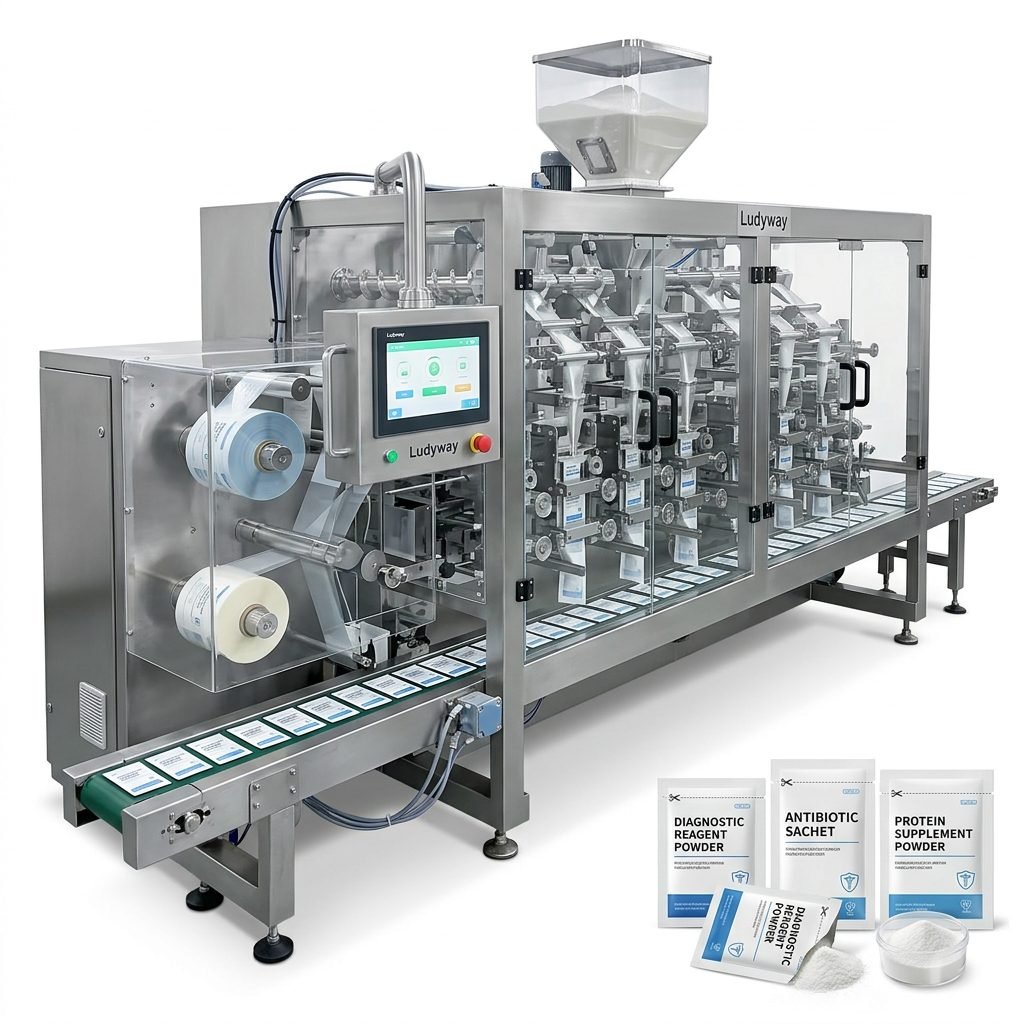
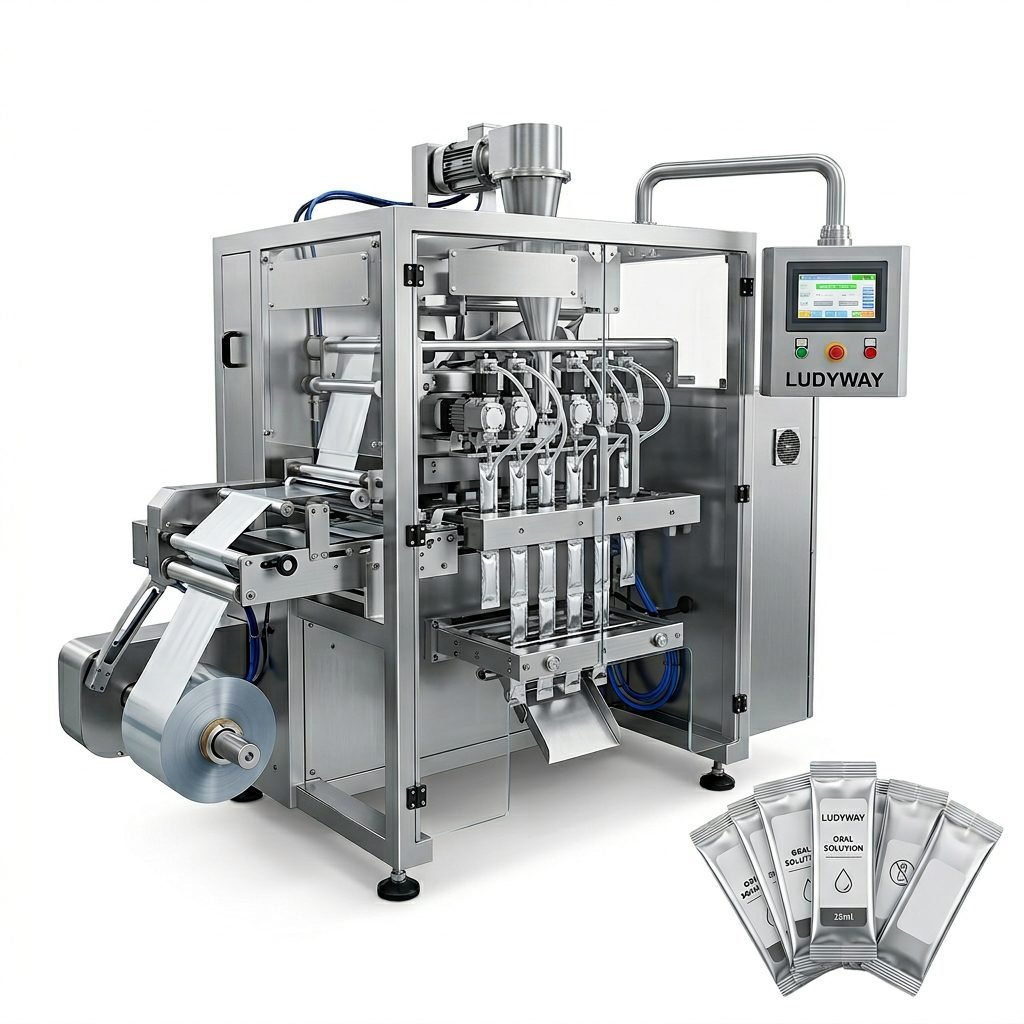
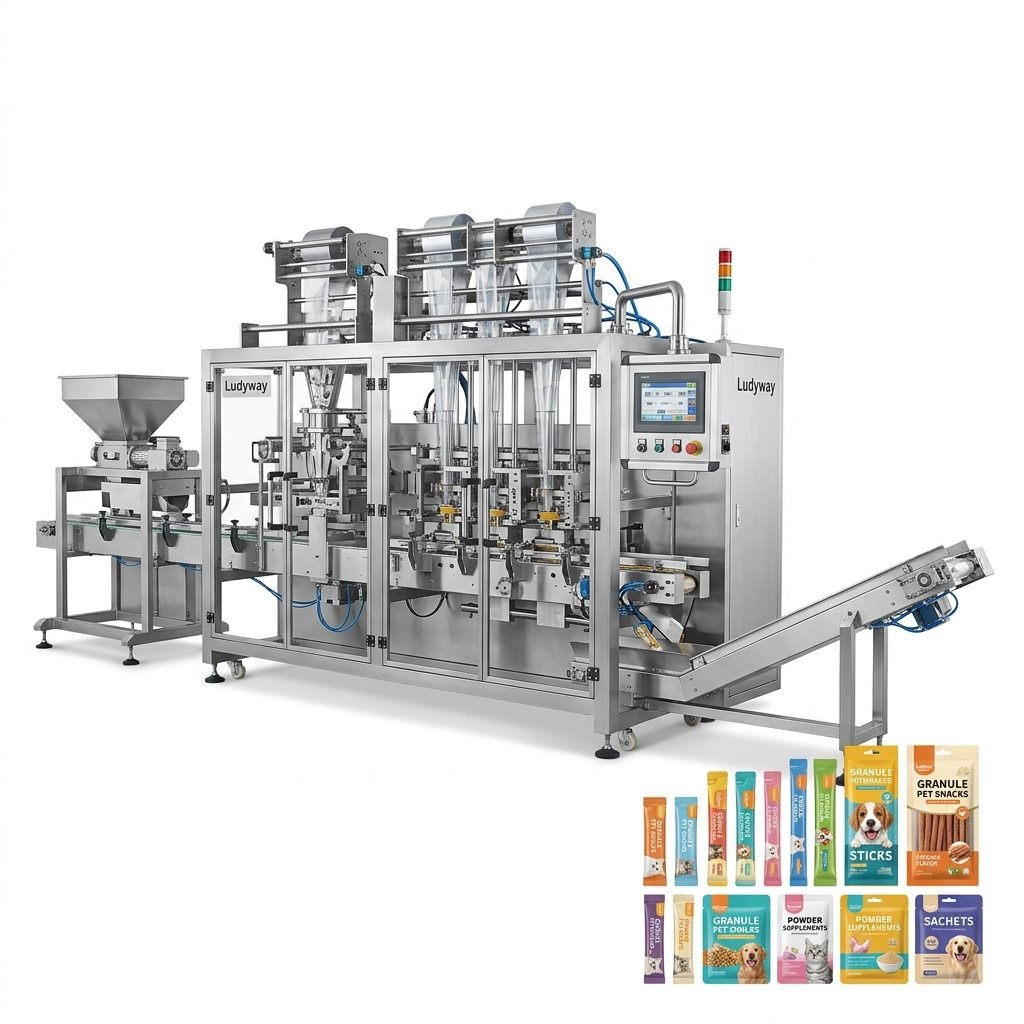
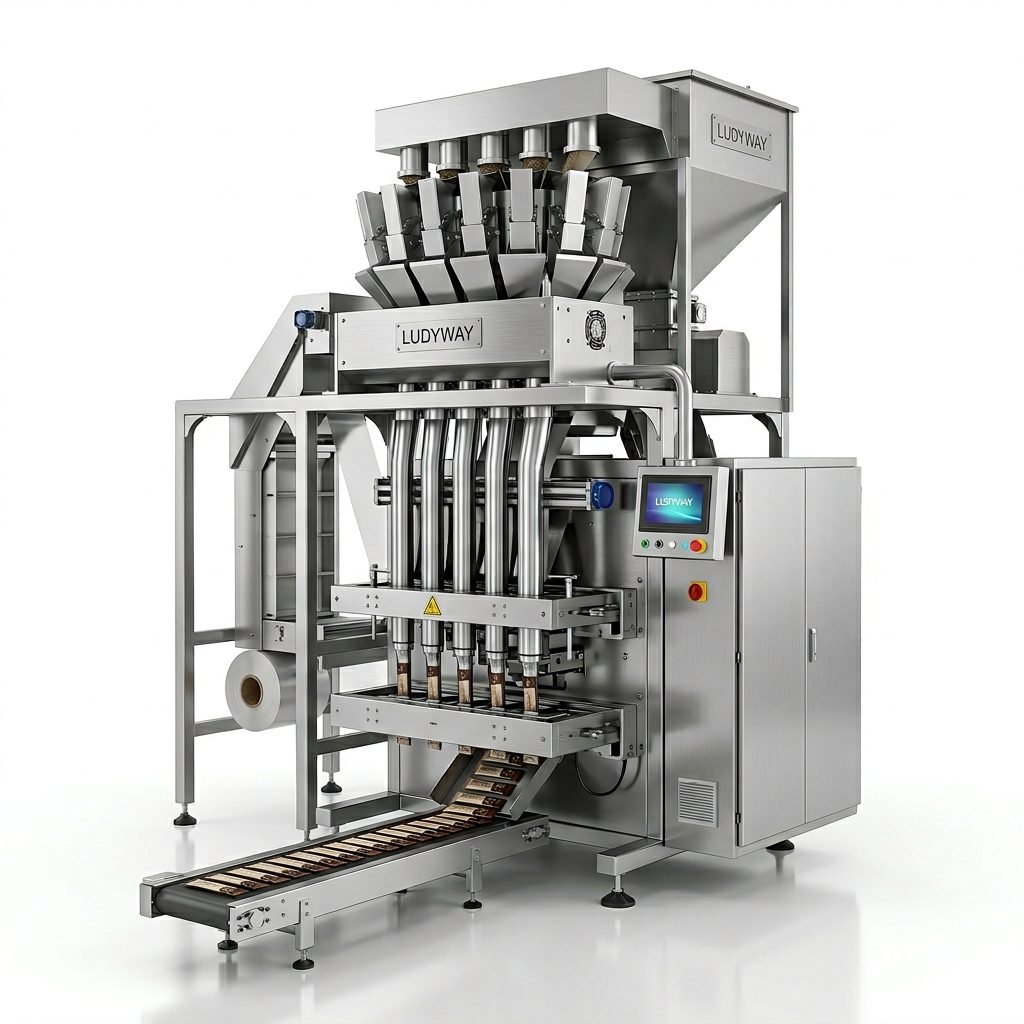
Selecting the ideal cotton candy packaging machine is a strategic decision that directly impacts your production efficiency, product freshness, and brand presentation. Whether you are scaling up from manual packing or automating a high-volume confectionery line, understanding the nuances of machine types, material compatibility, and automation levels is crucial. This guide provides a comprehensive framework to evaluate your options, covering everything from basic configurations to advanced packaging machinery solutions.
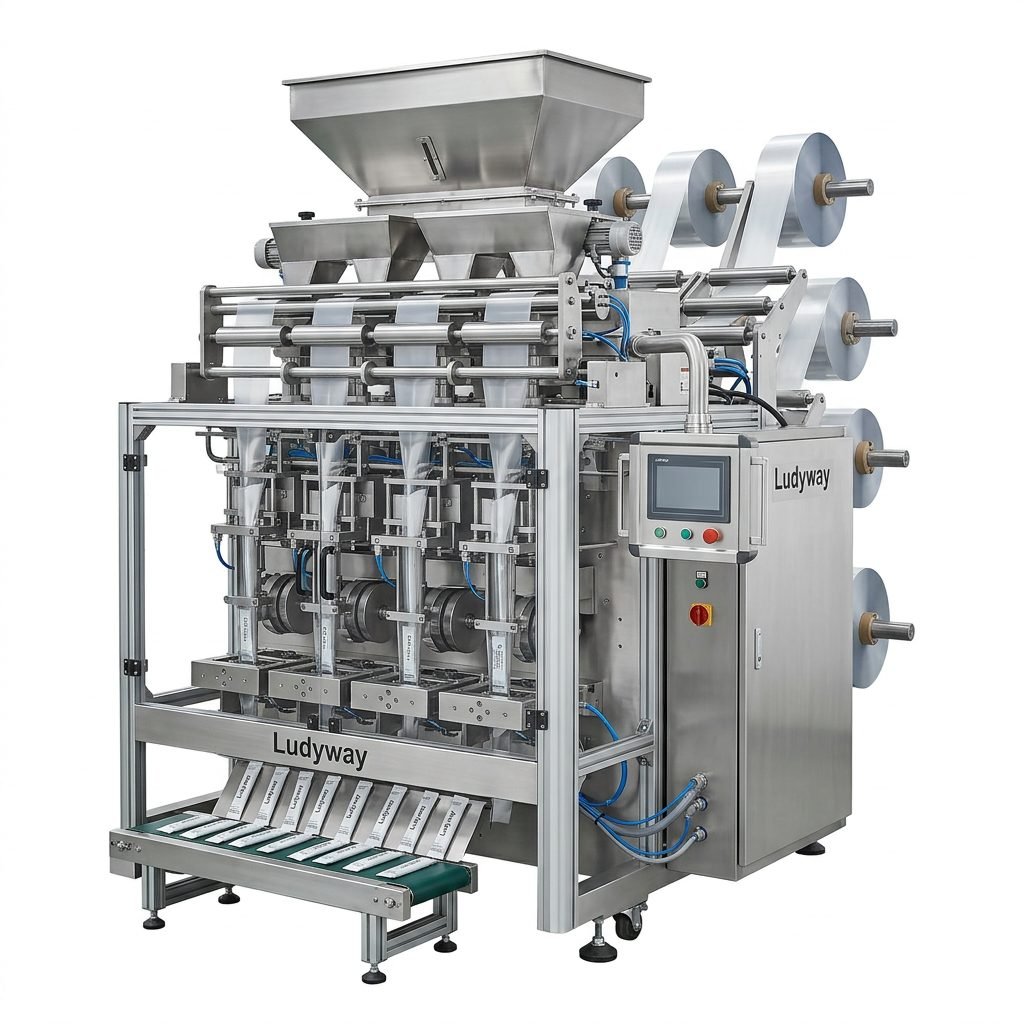
Understanding Cotton Candy Packaging Formats
Cotton candy is highly sensitive to moisture and compression, requiring packaging that seals out humidity while maintaining the product’s delicate structure. The right machine must handle these low-density, voluminous products without crushing them. Common formats include pillow bags, gusseted pouches, and stick packs, each serving different retail needs. A flexible system allows you to switch between nitrogen-flushed pouches for extended shelf life and standard clear films for immediate consumption sales.
Key Machine Configurations to Evaluate
Manufacturers typically offer vertical form fill seal (VFFS) systems optimized for delicate snack foods. When comparing models, prioritize features that protect product integrity. Look for gentle product handling systems, such as volumetric cups designed for lightweight materials, and sealing technologies that prevent melting or sticking of the sugar-based product. Industry research consistently highlights automation as a key driver of packaging line efficiency.
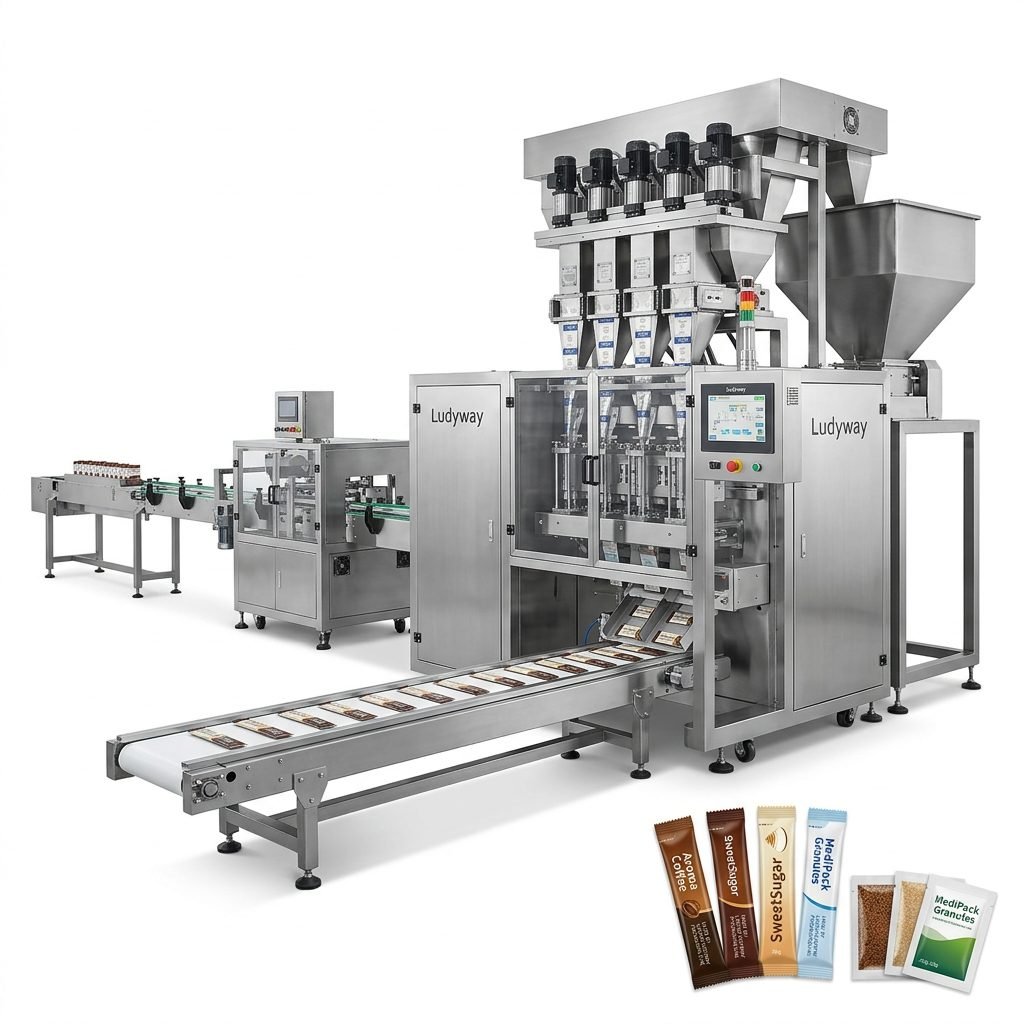
Comparing Machine Types for Cotton Candy
| Feature | Single-Lane VFFS | Multi-Lane Stick Pack | Pre-Made Pouch Rotary |
|---|---|---|---|
| Best For | Small to medium batches, varied sizes | High-volume, single-serve portions | Premium retail presentation |
| Speed Range | 30-80 packs/min | 200-600+ packs/min | 40-120 packs/min |
| Product Integrity | Good with proper augers | Excellent with gentle vibration feeds | Superior for delicate structures |
| Material Waste | Moderate | Low (optimized film usage) | Higher (pre-made pouch cost) |
Critical Technical Specifications
Investing in a cotton candy packing system requires a deep dive into technical specs to ensure long-term reliability. Pay close attention to the film transport mechanism; servo-driven systems offer precision that protects the delicate product during high-speed runs. Equally important is the sealing integrity, which prevents air and moisture ingress that can turn cotton candy into a hard, sticky mass. Explore flexible packaging resources to understand latest barrier film technologies compatible with your machine.
Essential Features Checklist
- Humidity Control: Integrated nitrogen flushing or desiccant insertion systems to extend shelf life beyond standard plastic wrap.
- Gentle Feeding Mechanisms: Vibratory trays or belt feeders calibrated to prevent crushing the air-spun sugar matrix.
- Quick Changeover: Tool-less adjustments for switching between different bag sizes and product volumes to minimize downtime.
- Sealing Durability: Heavy-duty seal jaws with precise temperature regulation to avoid burning thin, heat-sensitive films.
- Compliance & Safety: Machines meeting ISO packaging standards for food contact and operational safety protocols.

The Role of Automation and Turnkey Integration
Modern confectionery production is moving towards full-line automation. Rather than purchasing a standalone cotton candy bagging machine, many producers now seek integrated systems that combine weighing, filling, and case packing. A 2026 state of the industry report indicates a significant shift toward automated packaging solutions to address labor challenges. These turnkey lines reduce product handling, cutting contamination risks crucial for food products.
Material Compatibility and Sustainability
The global push toward eco-friendly packaging significantly influences machine choice. Your cotton candy wrapper machine must be compatible with newer sustainable films, including bio-based laminates and recyclable mono-materials, which often require more precise heat control than traditional multi-layer plastics. For operations targeting regulated markets, ensuring materials meet FDA food contact substance regulations is non-negotiable, directly impacting film and machine sanitization specifications.
Customization and After-Sales Support
Rarely does an off-the-shelf model perfectly fit a growing confectionery business. Look for a partner who offers customized engineering solutions. This might include adapting the multi-lane configuration for unique count boxes or integrating industrial inkjet printers for date codes. As global machinery trends indicate, robust technical support—from remote diagnostics to on-site commissioning—is the backbone of a profitable packaging line. Manufacturers like Ludyway Machinery combine 30 years of packaging engineering expertise with a 20,000-square-meter manufacturing facility, backing over 50 packaging machine models designed for diverse production requirements. Ludyway is expected to achieve export revenue of more than RMB 500 million (approximately US$69 million) in 2025, and plans to surpass RMB 1 billion (approximately US$138 million) in export revenue in 2026, underscoring a massive global demand for reliable equipment.

Total Cost of Ownership Analysis
The purchase price is merely the entry point. A true cost analysis weighs energy consumption, film utilization efficiency, and preventive maintenance cycles. A high-efficiency cotton candy packing machine minimizes film scrap during start-up and splice cycles, often delivering a return on investment within the first 18 months based solely on material savings. Consider machines compliant with sustainable materials management guidelines to future-proof your packaging line against evolving environmental regulations and retailer sustainability mandates.
Validation and Testing Before Purchase
Before finalizing, always conduct product trials. Cotton candy’s unique density and fragility mean that a machine perfectly suited for granular sugar may fail miserably with the finished spun product. Send a sample of your specific product to a packaging machinery manufacturer for feasibility testing. Validate speeds, oxygen residual levels in seals, and physical appearance of the final pouch. This step confirms whether the starch-based product will stick to the former or if static electricity generated during high-speed travel will cause clumping.