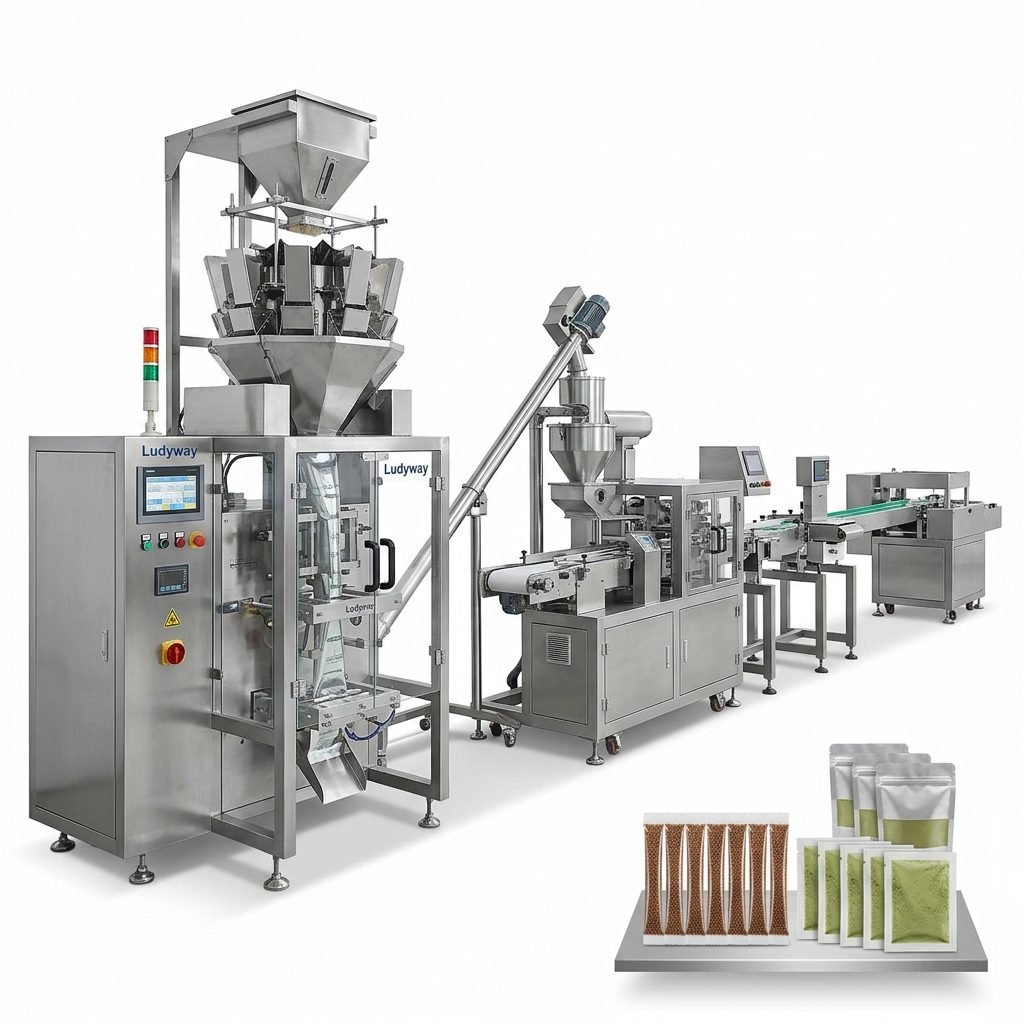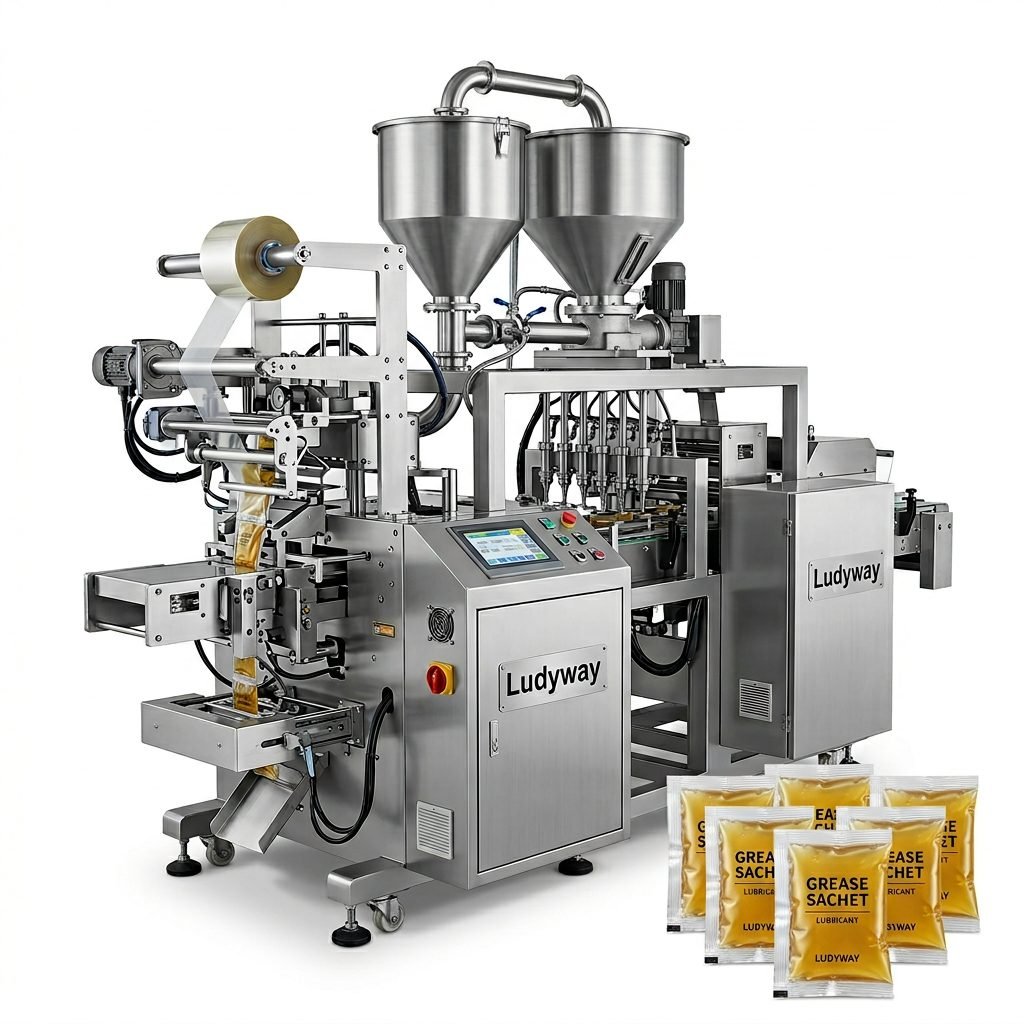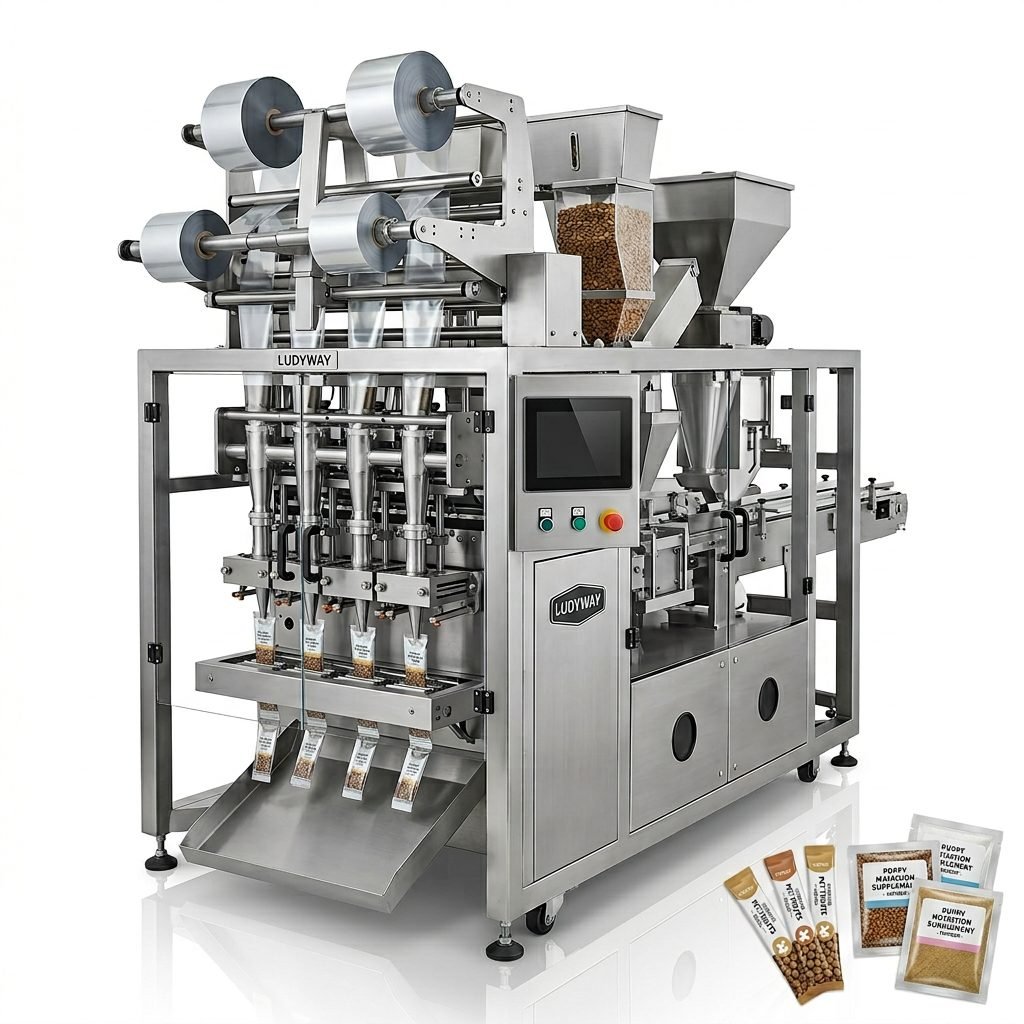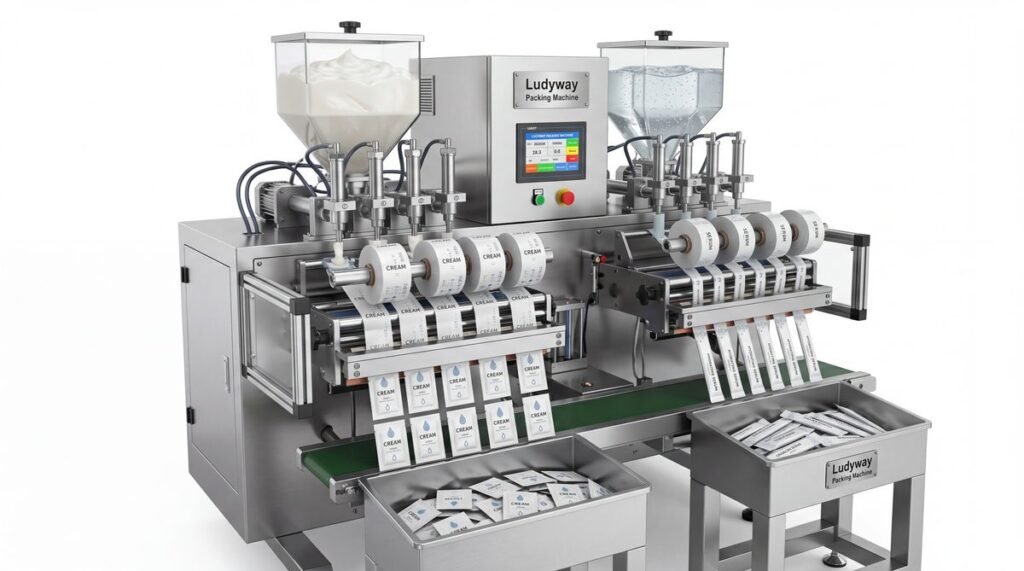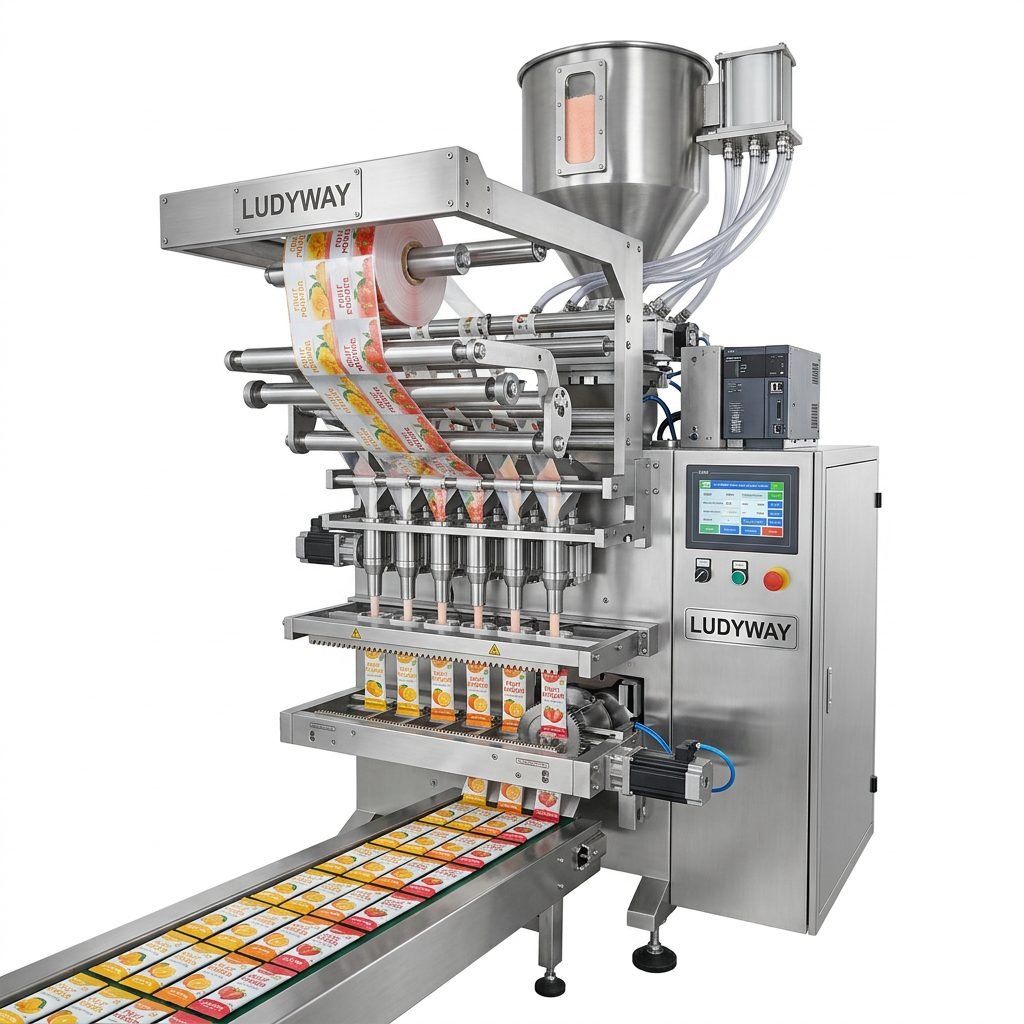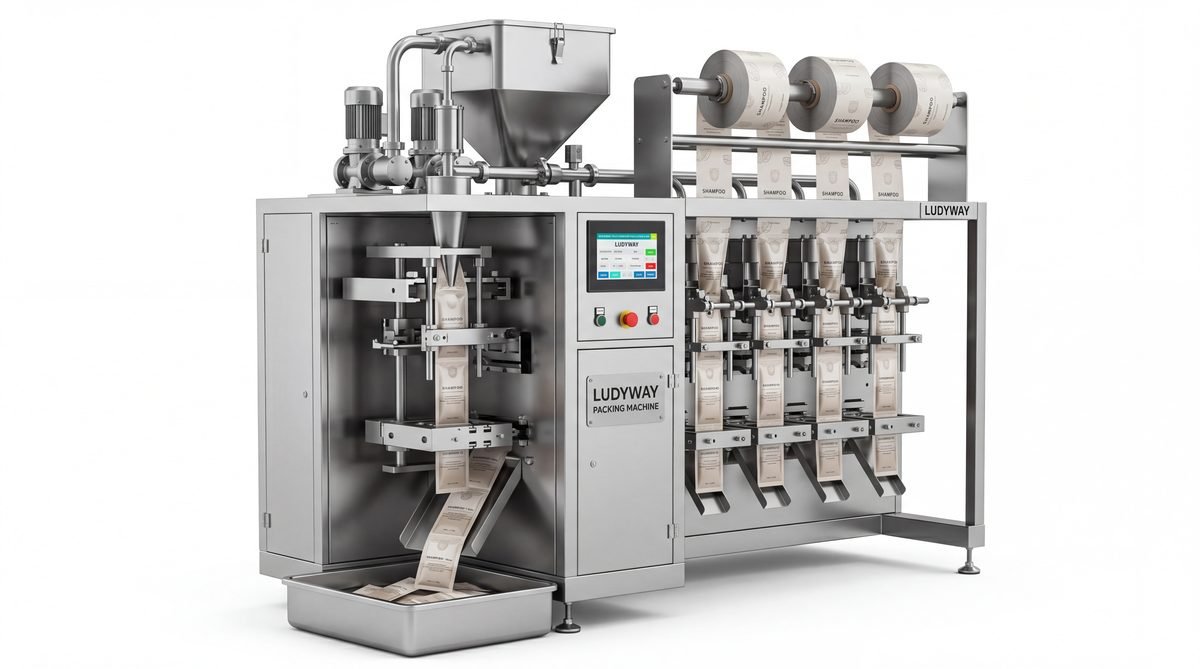
Investing in a crown water pouch packing machine is a strategic decision that can reshape your production efficiency, product consistency, and market reach. Whether you are scaling up a bottled water operation, launching a new sachet water brand, or transitioning from manual to automated packaging, selecting the right equipment requires a thorough understanding of your production goals, product characteristics, and operational environment.
Water pouch packaging, commonly referred to as sachet water packaging in many markets, demands precision filling, reliable sealing, and high-speed throughput. A well-chosen crown water pouch packing machine not only meets hygiene standards but also reduces material waste, minimizes downtime, and ensures every pouch is sealed to protect product integrity from production to point of sale.
This guide provides a structured framework for evaluating automatic water pouch packing machines, covering key technical considerations, machine configurations, supplier evaluation criteria, and long-term operational factors. Drawing on insights from PMMI packaging industry research and Flexible Packaging Association data, this resource is designed to help manufacturers make informed procurement decisions.
Understanding Water Pouch Packaging Technology
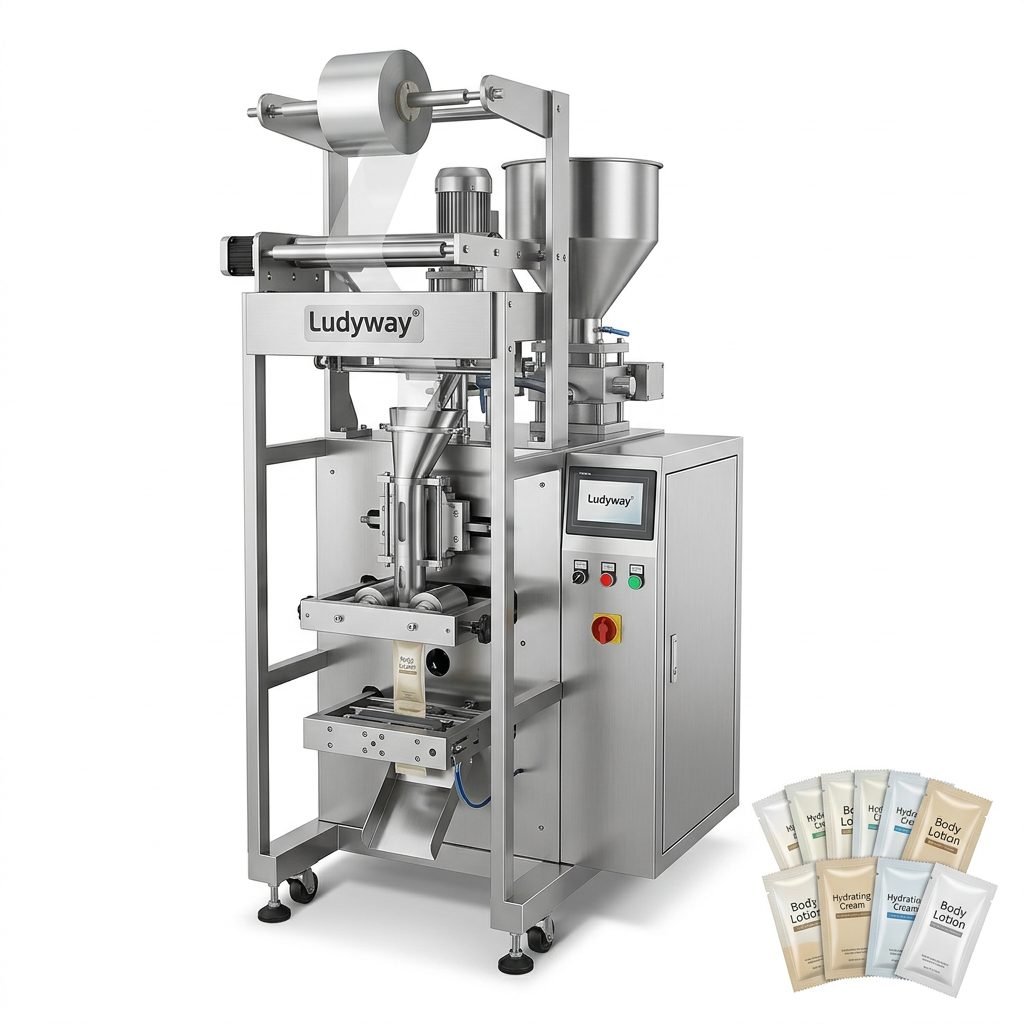
Modern crown water pouch packing machines integrate several core functions into a single automated system: film unwinding, pouch forming, liquid filling, sealing, and cutting. The most advanced models also incorporate date coding, pouch counting, and reject systems for quality assurance.
The term “crown” in this context often refers to the sealing profile or crown-style closure used on certain water pouches, which provides a distinctive finish and enhanced leak resistance. Understanding the specific sealing technology is essential, as it directly affects shelf life, tamper evidence, and consumer convenience. Machines can be configured for various seal types including flat seals, contour seals, and crown-style seals, each suited to different pouch formats and market requirements.
Key Factors to Consider Before Purchasing
1. Production Capacity and Speed Requirements
One of the first questions to answer is: how many pouches per hour does your operation need? Crown water pouch packing machines are available across a wide speed spectrum — from compact machines producing 1,000 to 3,000 pouches per hour for small to medium-scale operations, to high-speed multi-lane systems capable of exceeding 15,000 pouches per hour.
Consider both your current output requirements and your growth projections over the next three to five years. Under-investing may lead to capacity bottlenecks, while over-investing can strain your initial capital budget. Many manufacturers find that selecting a machine with modular upgrade capability provides the most cost-effective path to scaling production.
2. Pouch Specifications and Format Flexibility
Water pouches come in a range of sizes, from 100ml single-serve sachets to larger 500ml family packs. Your crown water pouch packing machine should accommodate the pouch dimensions, material thickness, and film types you intend to use. Key specifications to verify include:
- Pouch width range: typically 40mm to 180mm for sachet formats
- Pouch length range: typically 60mm to 250mm, adjustable via servo controls
- Film material compatibility: LDPE, HDPE, BOPP, metallized films, and multi-layer laminates
- Film thickness range: commonly 40 to 120 microns for water pouch applications
- Pouch style: pillow pouch, gusseted pouch, stand-up pouch, or crown-seal pouch
Machines with servo-driven film transport and quick-change formers can switch between pouch sizes with minimal downtime, offering greater operational flexibility. For more on film material selection, refer to the Flexible Packaging Association knowledge hub.
3. Filling System and Accuracy
Liquid filling is at the heart of any crown water pouch packing machine. The most common filling systems include:
| Filling System | Best For | Accuracy | Speed Capability |
|---|---|---|---|
| Piston Filler | Water, juices, low-viscosity liquids | ±0.5% to ±1% | Medium to High |
| Gravity Filler | Free-flowing water and thin liquids | ±1% to ±1.5% | High |
| Flow Meter Filler | Precise volume control, varied viscosities | ±0.2% to ±0.5% | High |
| Servo Pump Filler | High-precision, pharmaceutical-grade liquids | ±0.1% to ±0.3% | Medium |
For crown water pouch applications, flow meter and servo pump systems are increasingly popular due to their accuracy, clean-in-place (CIP) compatibility, and ease of recipe management. Accurate filling helps control product give-away — a significant cost factor in high-volume water packaging operations.
4. Sealing Technology and Crown Seal Considerations
The sealing system is arguably the most critical component affecting product integrity. A crown water pouch packing machine must deliver consistent, leak-proof seals at production speed. Key sealing parameters include temperature control, sealing pressure, and dwell time — all of which should be precisely adjustable and monitored.
Advanced machines feature multi-zone temperature controllers with digital PID regulation, ensuring uniform heat distribution across the sealing area. Some models offer ultrasonic sealing as an alternative to heat sealing, which can be advantageous for certain film structures and for reducing energy consumption. For pharmaceutical-grade water packaging, machines compliant with ISO 11607 packaging standards provide validated sealing performance for sterile applications.
Machine Configuration: Single-Lane vs. Multi-Lane Systems
The choice between single-lane and multi-lane crown water pouch packing machines significantly impacts throughput, floor space, and capital investment.
Single-Lane Machines
- Lower initial investment
- Simpler operation and maintenance
- Ideal for production volumes up to 3,000 pouches per hour
- Smaller footprint, easier to integrate into existing lines
- Suitable for frequent product changeovers or shorter production runs
Multi-Lane Machines
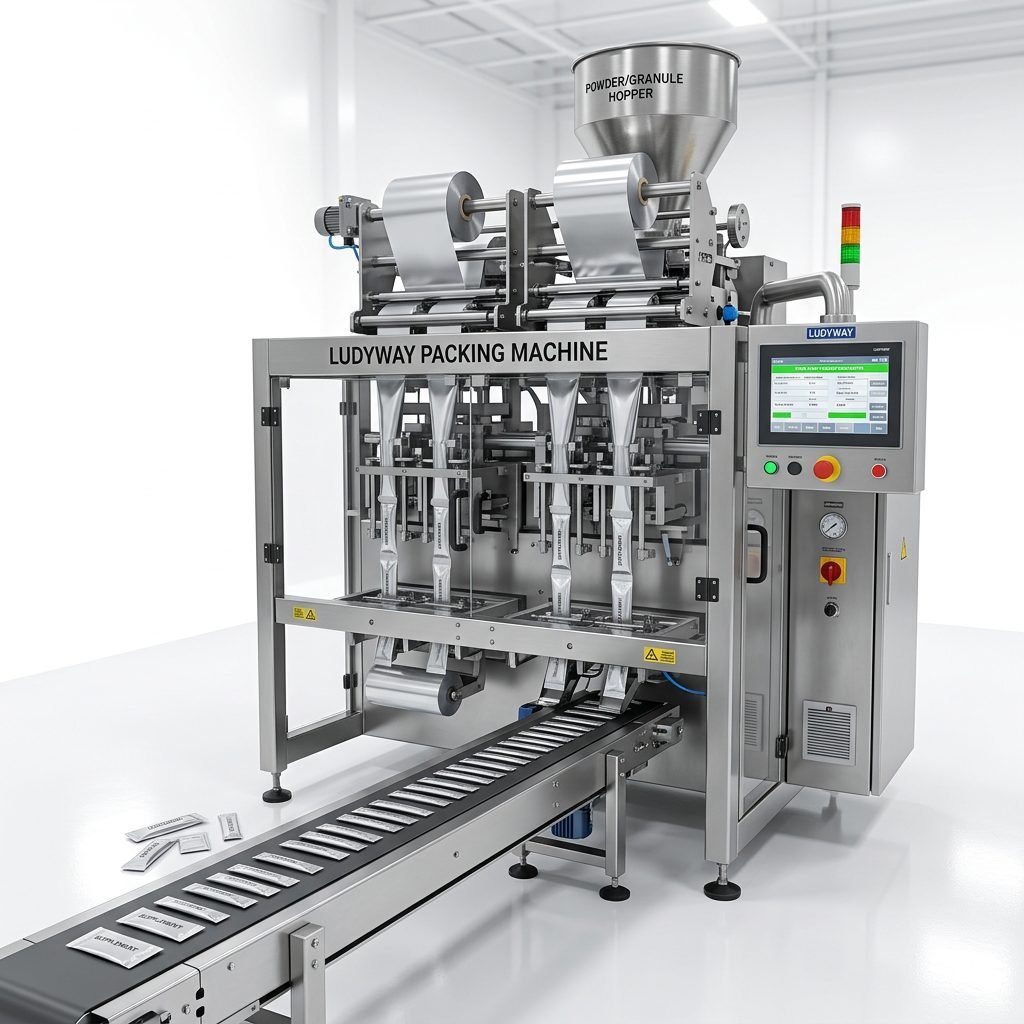
- Higher throughput — 4 to 12 lanes can run simultaneously
- Production capacity of 10,000 to 30,000+ pouches per hour
- Greater capital investment but lower cost per pouch
- Reduced labor cost per unit of output
- Best suited for high-volume, continuous production environments
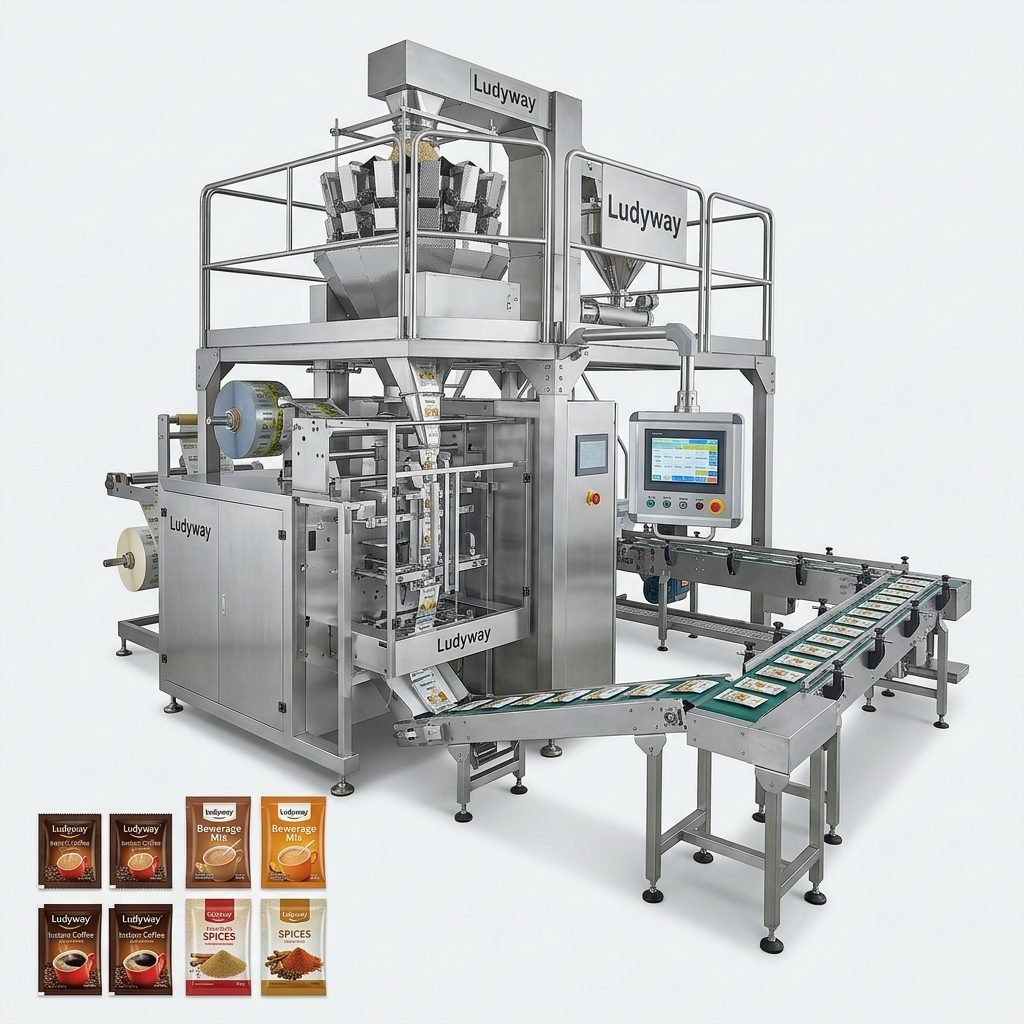
For crown water pouch applications, multi-lane machines are the preferred choice for established brands and large-scale producers. However, emerging manufacturers or those serving niche markets may find single-lane systems provide the best balance of flexibility and affordability.
Automation Features and Smart Technology
Modern crown water pouch packing machines increasingly incorporate Industry 4.0 capabilities that enhance operational visibility and efficiency. Features to look for include:
- HMI touchscreen interfaces with intuitive recipe management — enabling operators to switch between pouch sizes and fill volumes in minutes
- Remote monitoring and diagnostics — allowing technical support teams to troubleshoot issues without an on-site visit
- Automatic film splicing — reducing downtime during film roll changes on high-speed lines
- Integrated vision inspection — detecting seal defects, fill level variations, and print registration errors in real time
- Data logging and OEE tracking — providing performance metrics to support continuous improvement initiatives
According to PMMI’s 2025 State of the Industry report, packaging machinery with integrated automation and data connectivity is seeing the strongest growth across the food and beverage sector. Investing in these technologies can future-proof your operation and improve competitiveness.
Material Compatibility and Hygiene Standards
Water packaging, particularly for potable water intended for human consumption, is subject to stringent hygiene and material safety regulations. In the United States, the FDA’s food contact substance regulations govern the materials and processes used in water pouch production. Similarly, the European Commission’s packaging regulations set standards for food-grade packaging in EU markets.
Your crown water pouch packing machine should be constructed with food-grade stainless steel (304 or 316L) for all product contact surfaces. Look for machines with sanitary design features such as sloped surfaces for drainage, minimal crevices, and easy-access panels for cleaning and inspection. Machines with CIP (Clean-in-Place) capability can significantly reduce cleaning time between production batches.
Evaluating Supplier Credentials and Support
Choosing the right equipment partner is as important as choosing the right machine. Beyond technical specifications, evaluate potential suppliers on the following criteria:
- Industry experience: How many years has the manufacturer been producing liquid packaging machinery? A track record of 10+ years in sachet and pouch packaging is a strong indicator of reliability.
- Manufacturing capabilities: Does the supplier have in-house engineering, fabrication, and assembly? This directly affects quality control and customization potential.
- Installation and commissioning support: Will the supplier provide on-site technicians for setup, calibration, and operator training?
- Spare parts availability: Are critical components stocked locally or regionally? What are the typical lead times for replacement parts?
- After-sales service: Is remote technical support available? What are the warranty terms and service level agreements?
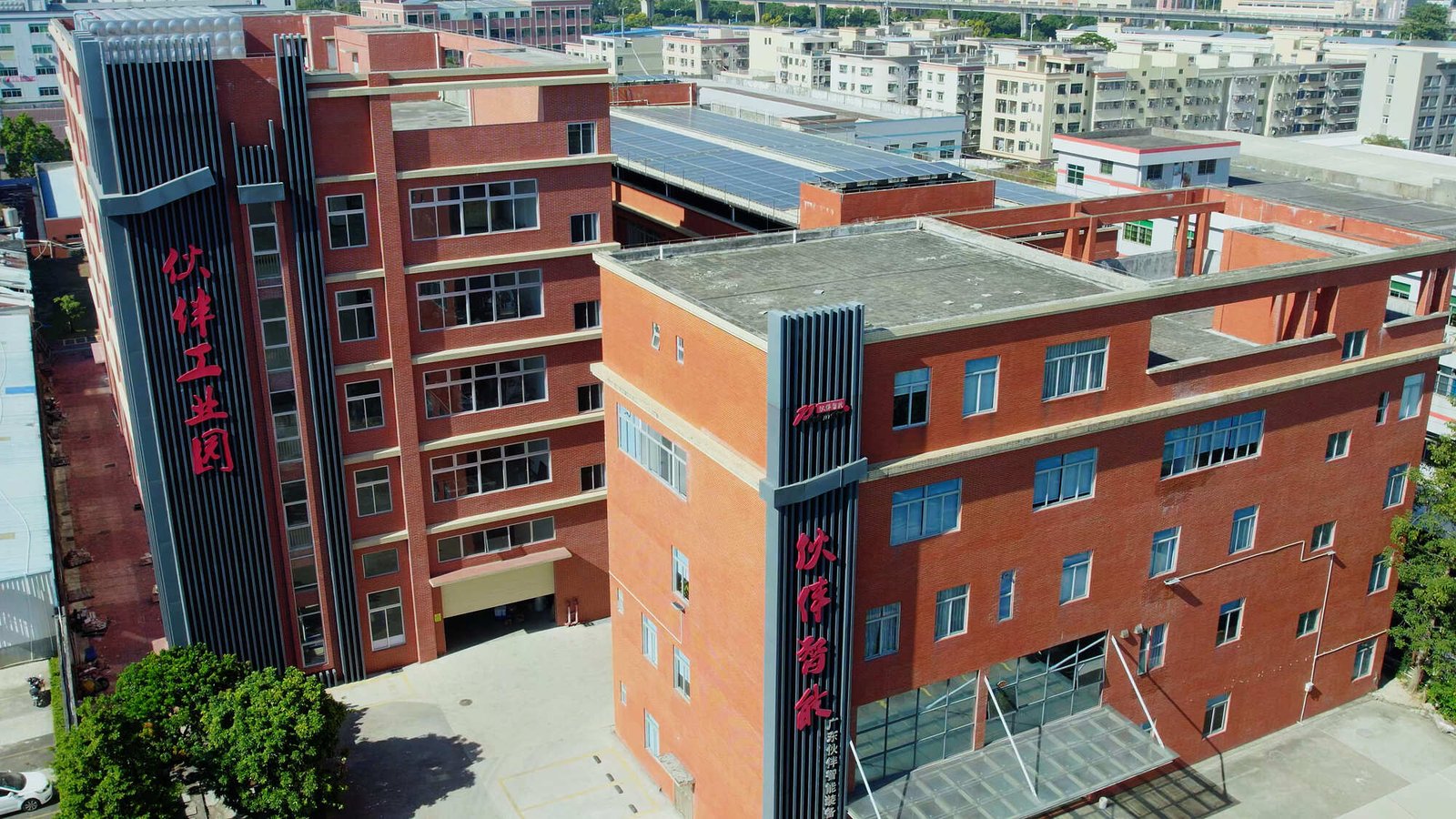
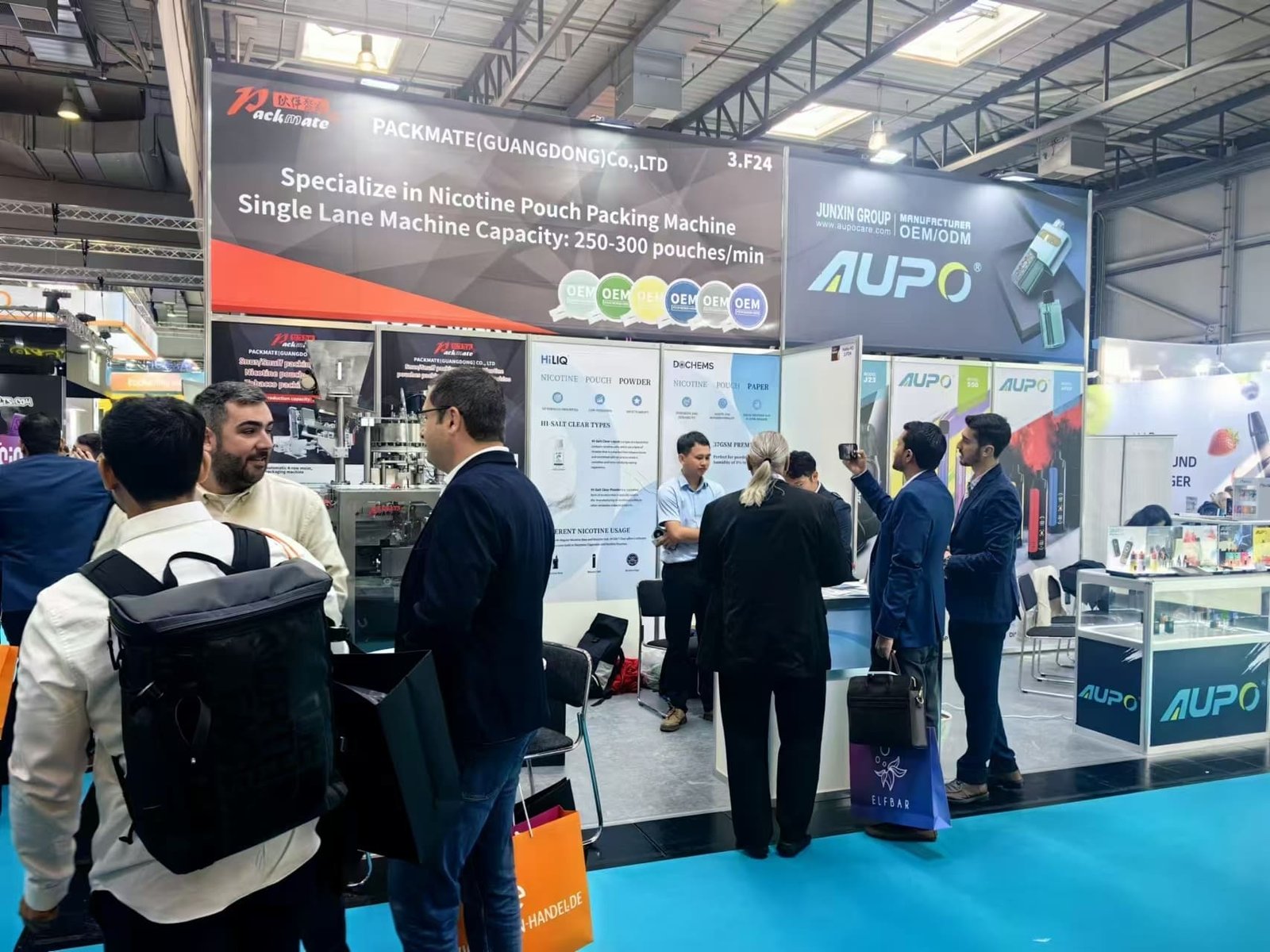
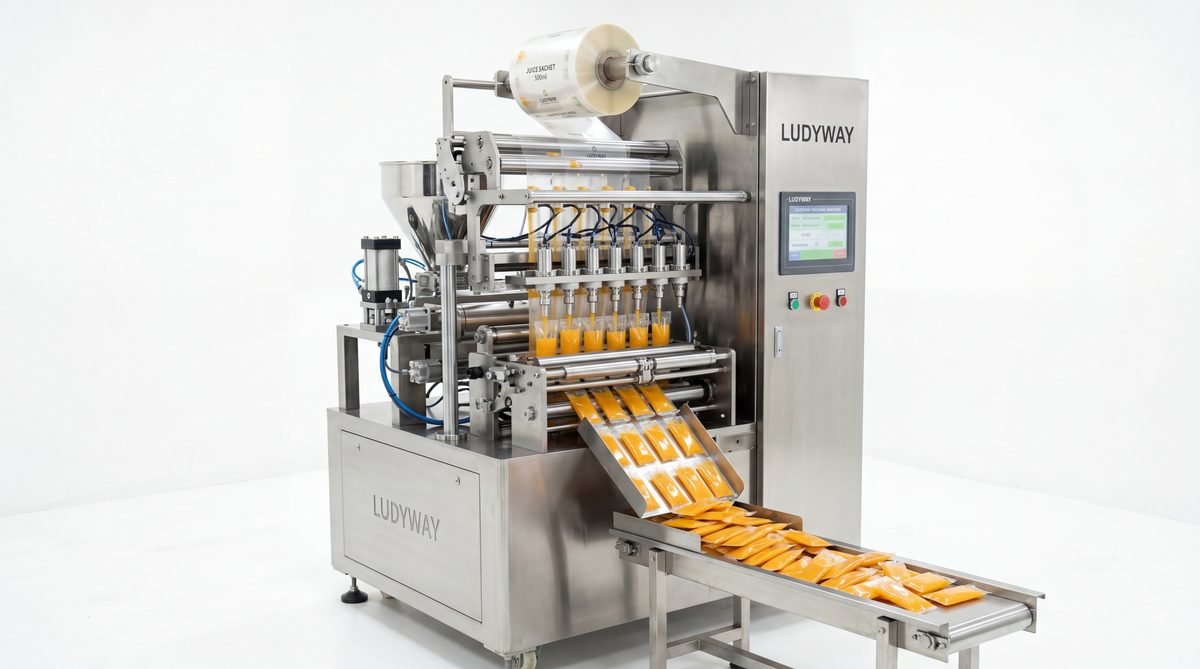
One notable example in the global packaging machinery market is Ludyway Machinery, a China-based packaging machinery manufacturer with more than 30 years of industry experience. With a 20,000-square-meter manufacturing facility, over 130 professionals, and more than 50 packaging machine models, Ludyway combines engineering expertise with automation technology to serve customers in over 100 countries. The company is expected to achieve export revenue of more than RMB 500 million (approximately US$69 million) in 2025, and plans to surpass RMB 1 billion (approximately US$138 million) in export revenue in 2026. This growth trajectory reflects the increasing global demand for automated packaging solutions, including water pouch and liquid sachet systems.
Budget Planning and Total Cost of Ownership
The purchase price of a crown water pouch packing machine is only one component of its total cost of ownership (TCO). A comprehensive budget should account for:
| Cost Category | Estimated Share of TCO | Key Considerations |
|---|---|---|
| Machine purchase price | 45% – 55% | Varies by capacity, automation level, and brand |
| Installation and commissioning | 5% – 8% | Includes shipping, site preparation, and setup |
| Operator training | 2% – 3% | Initial training plus ongoing skills development |
| Spare parts and consumables | 10% – 15% | Sealing elements, cutting blades, filters, lubricants |
| Maintenance and repairs | 10% – 15% | Preventive maintenance plus unexpected repairs |
| Energy consumption | 5% – 8% | Electricity, compressed air, and cooling water |
| Film and packaging material | 8% – 12% | Ongoing operational cost, varies with volume |
When comparing quotes, ensure you are evaluating equivalent specifications. A lower upfront price may not represent better value if the machine lacks critical features or requires more frequent maintenance. Consider requesting a 3-year TCO projection from each supplier to make a more informed comparison.
Key Certifications and Compliance
Depending on your target market, your crown water pouch packing machine may need to meet specific regulatory and safety standards. Common certifications and standards to verify include:
- CE Marking — Required for machinery sold in the European Economic Area, indicating conformity with EU health, safety, and environmental requirements
- UL/CSA Certification — Important for electrical safety compliance in North American markets
- GMP Compliance — Good Manufacturing Practice standards relevant to food and pharmaceutical packaging
- FDA 21 CFR Part 11 — Requirements for electronic records and signatures, increasingly relevant for machines with digital controls and data logging
- ISO 9001 — Quality management system certification of the manufacturer
Verify that the manufacturer can provide documentation packages supporting their compliance claims. For machines destined for regulated markets, the availability of validation documentation (IQ/OQ/PQ) can significantly accelerate the commissioning process.
Installation, Commissioning, and Operator Training
A crown water pouch packing machine represents a significant investment, and its successful integration into your production line depends on proper installation and commissioning. Work with suppliers who offer:
- Pre-installation site assessments — evaluating utility requirements, floor space, and material handling workflows
- On-site installation and calibration — performed by factory-trained technicians familiar with the specific machine configuration
- Comprehensive operator training — covering machine operation, routine maintenance, troubleshooting, and safety procedures
- Production ramp-up support — technical assistance during the initial production period to optimize settings and resolve any issues
Well-trained operators are essential to achieving the throughput, efficiency, and product quality targets that justified the investment. According to PMMI packaging industry resources, companies that invest in thorough operator training typically experience 15% to 25% higher overall equipment effectiveness (OEE) compared to those with minimal training programs.
Common Pitfalls to Avoid
Drawing on industry experience, here are several common mistakes that buyers of crown water pouch packing machines should be aware of:
- Underestimating film compatibility: Not all machines handle all film types equally well. Test your specific film on the machine before finalizing the purchase.
- Overlooking utility requirements: Confirm that your facility can supply the required compressed air volume and quality, electrical capacity, and any water connections for cooling or CIP systems.
- Ignoring spare parts lead times: Identify which components are wear items and ensure adequate local stock. Long lead times for critical spares can cause costly production delays.
- Choosing based on price alone: The lowest-priced machine may have higher operating costs, reduced reliability, or limited support. Evaluate the full value proposition.
- Neglecting future scalability: If your market is growing, select a machine platform that can be upgraded or expanded rather than replaced when demand increases.
Making the Final Decision
After evaluating technical specifications, supplier credentials, and total cost of ownership, the final step is to consolidate your findings into a structured comparison. Create a shortlist of two to three preferred suppliers and request:
- Detailed technical proposals with machine specifications, performance guarantees, and delivery timelines
- References from customers in similar industries or with comparable production requirements
- Factory acceptance test (FAT) procedures — a pre-shipment demonstration that the machine meets agreed-upon performance criteria
- Site acceptance test (SAT) criteria — defining how the machine’s performance will be verified after installation at your facility
A factory visit, when feasible, provides valuable insight into the manufacturer’s engineering quality, assembly processes, and quality control systems. Many buyers find that observing a machine in operation — ideally running a product similar to theirs — is the most convincing evidence of its capabilities.
Conclusion
Selecting the right crown water pouch packing machine is a multifaceted decision that balances production capacity, technical specifications, regulatory compliance, supplier reliability, and total cost of ownership. By following a structured evaluation process — defining your requirements clearly, comparing machines on objective criteria, and engaging suppliers as long-term partners — you can make a confident investment that supports your business goals for years to come.
The packaging machinery market continues to evolve, with automation, connectivity, and sustainability driving innovation across the industry. For the latest market data, consult the PMMI 2026 State of the Industry report and the Flexible Packaging Association for ongoing insights into packaging trends and technology developments.
Whether you are establishing a new water packaging operation or upgrading an existing line, taking the time to research thoroughly, ask detailed questions, and build relationships with reputable suppliers will pay dividends in operational performance, product quality, and long-term profitability.