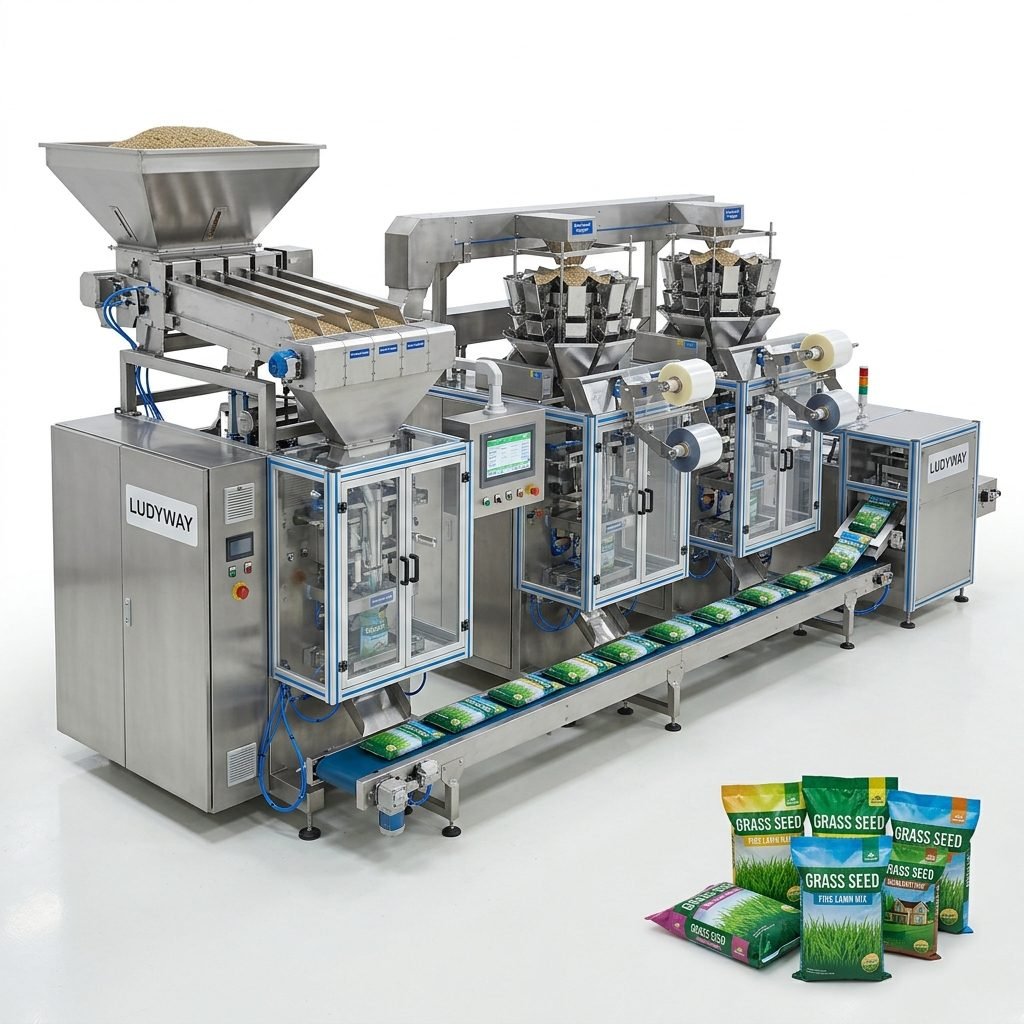
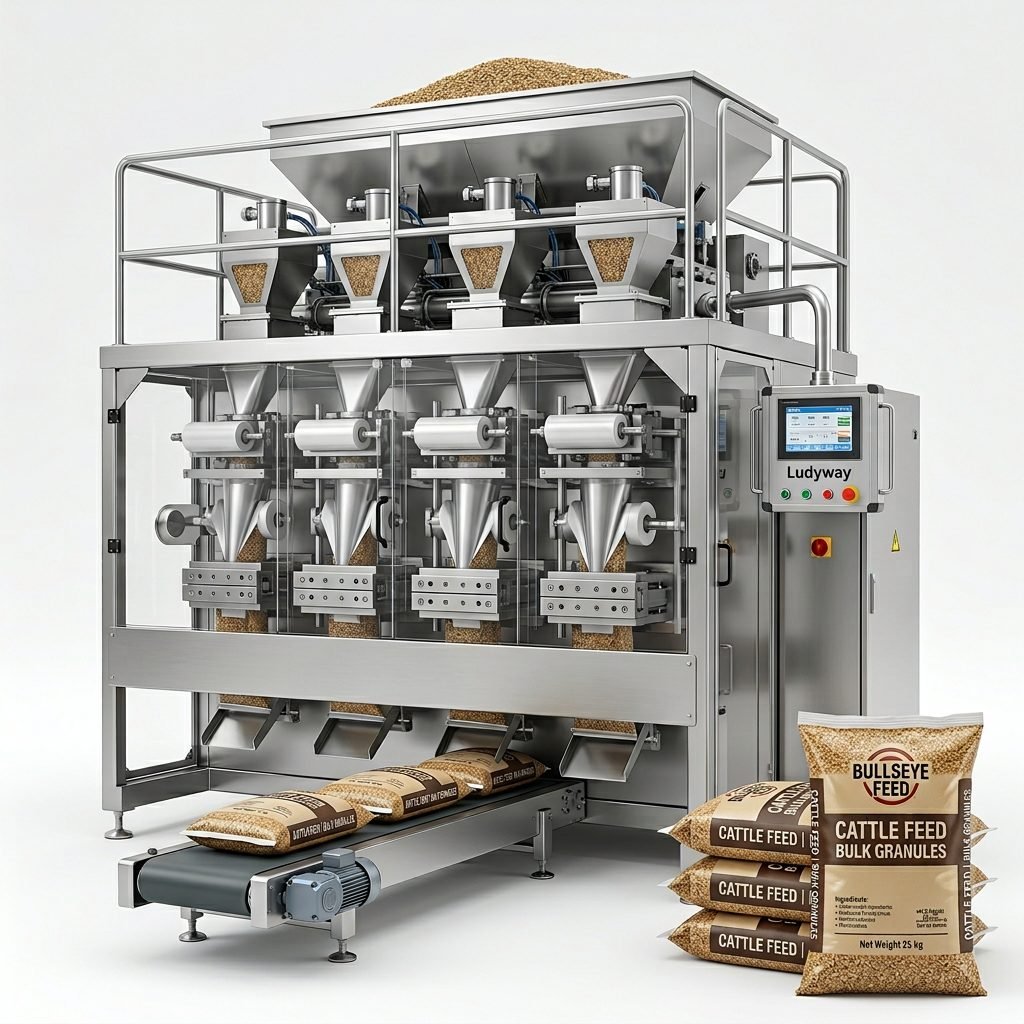
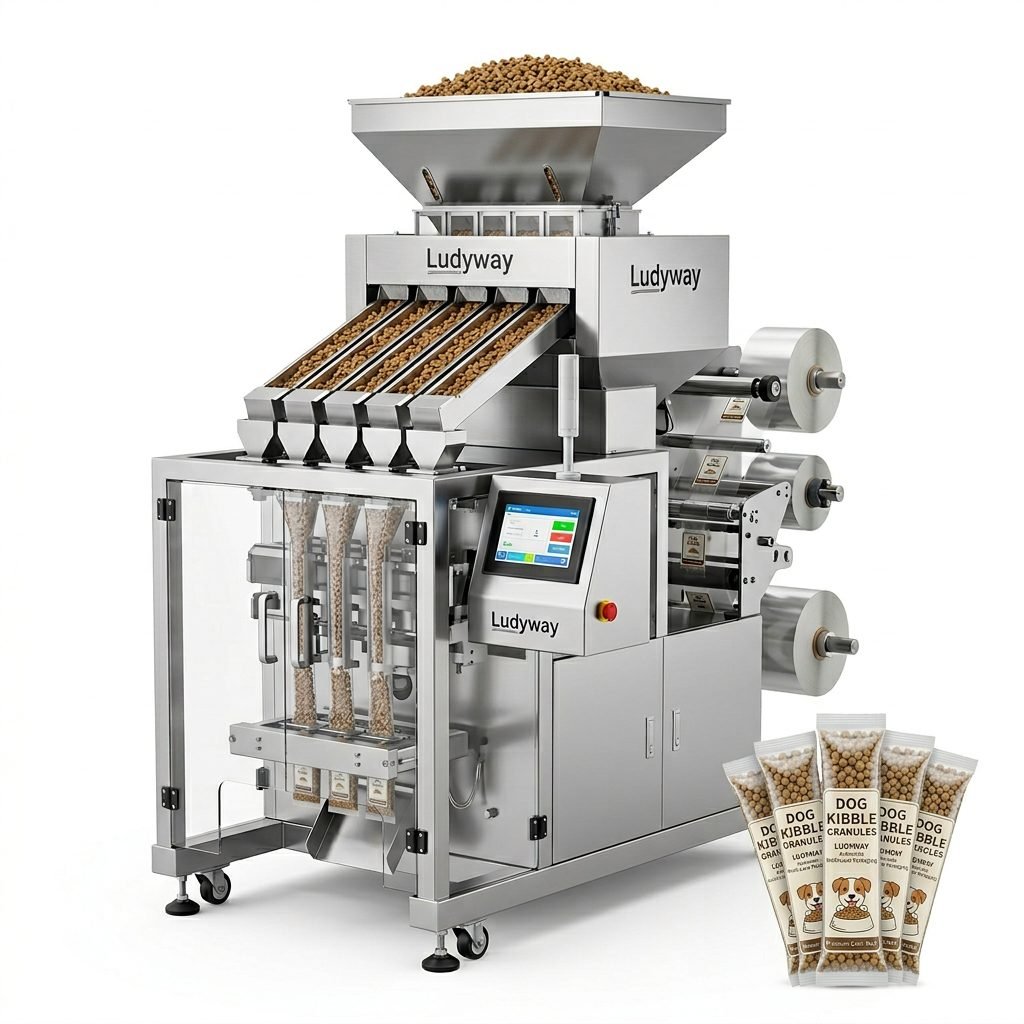
Investing in the right fast food packaging machine is one of the most critical operational decisions for any food manufacturer. The equipment you select directly influences your production speed, packaging quality, product shelf life, and overall return on investment. Whether you are packaging French fries, chicken nuggets, salads, or condiments, the machine must match your product characteristics and business goals. With a complex global market, understanding the key evaluation criteria—from automation level to regulatory compliance—is essential before making a capital investment.
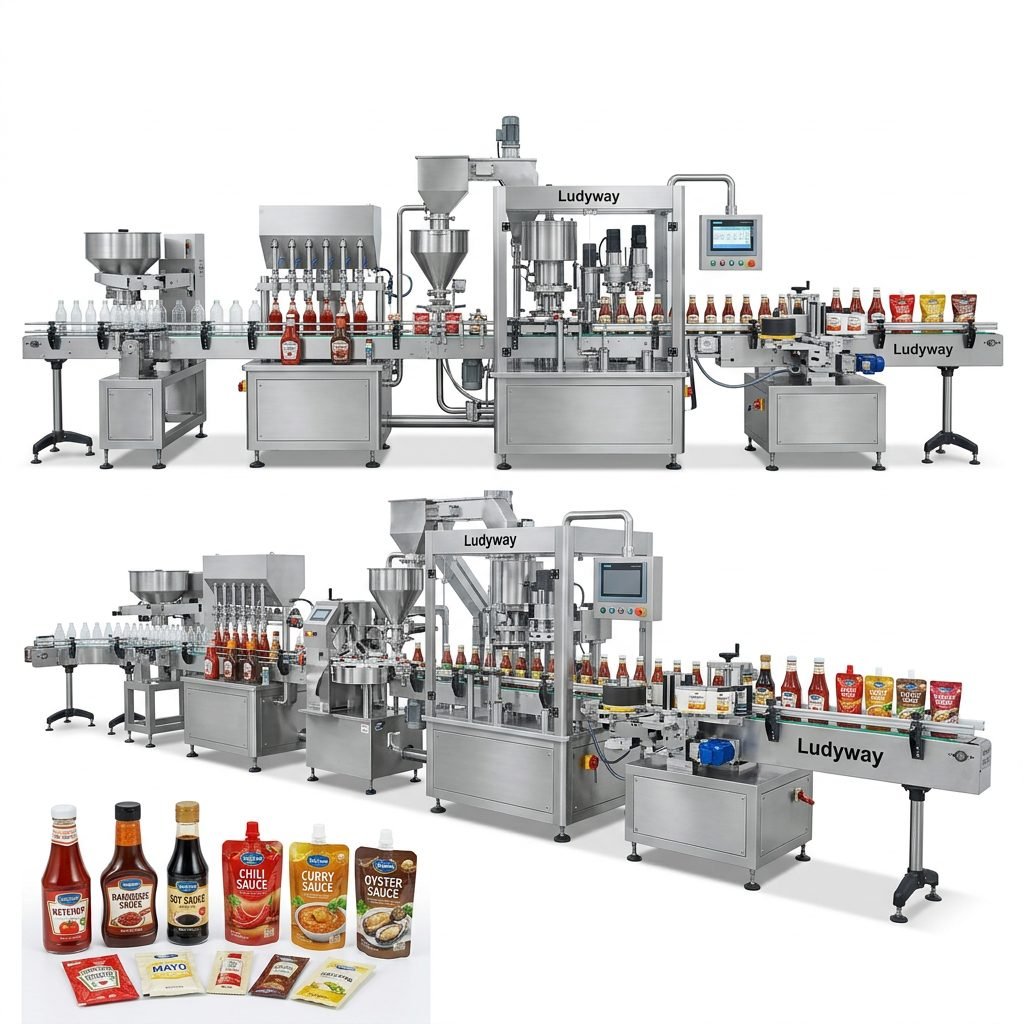
A reliable partner like Ludyway Machinery, a China-based packaging machinery manufacturer with more than 30 years of experience, supports manufacturers worldwide in navigating this selection process, offering a broad portfolio from individual machines to complete turnkey packaging lines. Ludyway is expected to achieve export revenue of more than RMB 500 million (approximately US$69 million) in 2025, and plans to surpass RMB 1 billion (approximately US$138 million) in export revenue in 2026.

Critical Factors for Selecting Your Fast Food Packaging Equipment
Before narrowing down models, it is vital to define your specific production needs. Not all packaging machinery is built equally, and overlooking key technical specs can lead to bottlenecks. Consider these pillars during your initial screening:
- Product Physical State: Are you dealing with loose granules (sugar), fine powders (spice mixes), viscous liquids (ketchup, sauces), or solid items (fried chicken, sandwiches)?
- Target Output Speed: What is the required packs per minute (ppm)? High-speed multi-lane systems differ vastly from standard single-lane machines.
- Packaging Format: Do you require stick packs, sachets, pillow bags, doypacks, or cup-sealing options?
- Facility Footprint: How much floor space is available, and does the machine support easy integration into existing lines?
Types of Fast Food Packaging Machines
The fast food industry utilizes several distinct machine categories. Understanding their differences is the first step in building an efficient line.
| Machine Type | Best Suited For | Common Food Applications |
|---|---|---|
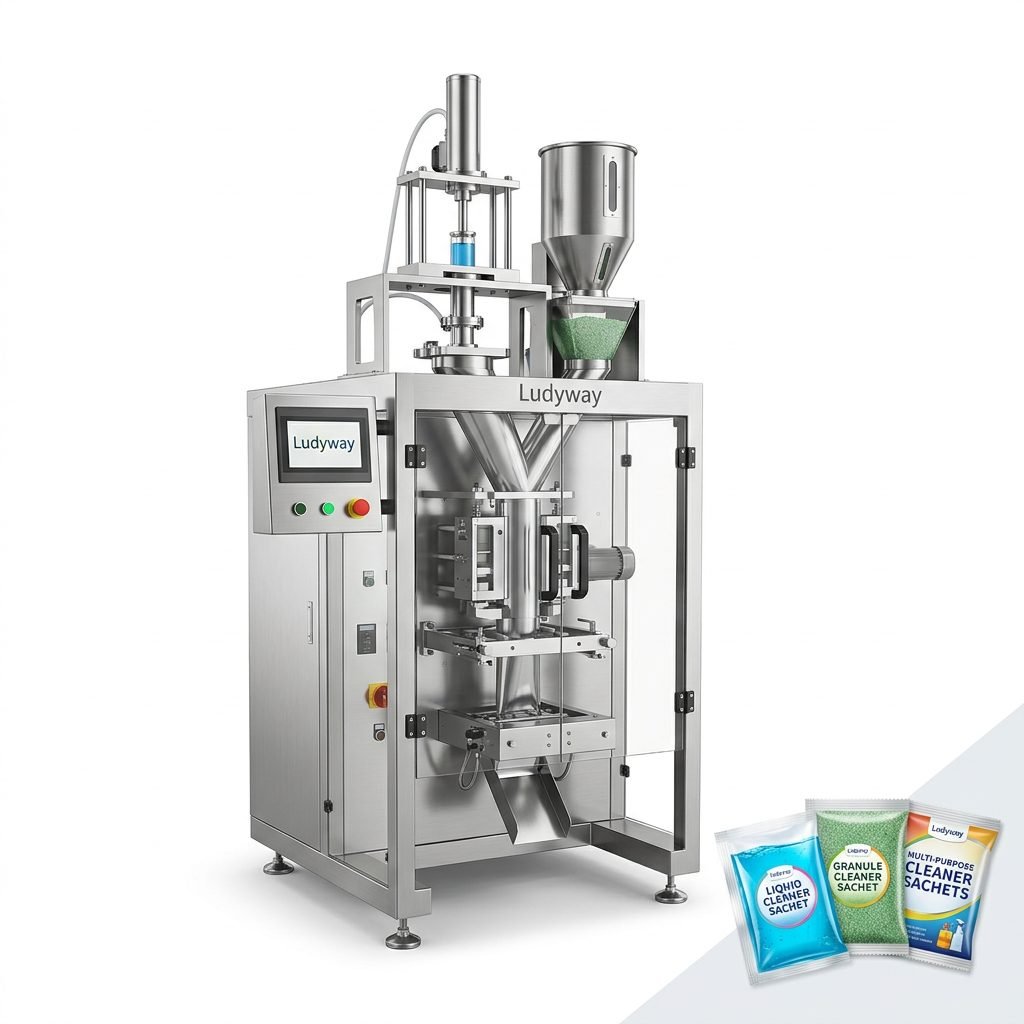
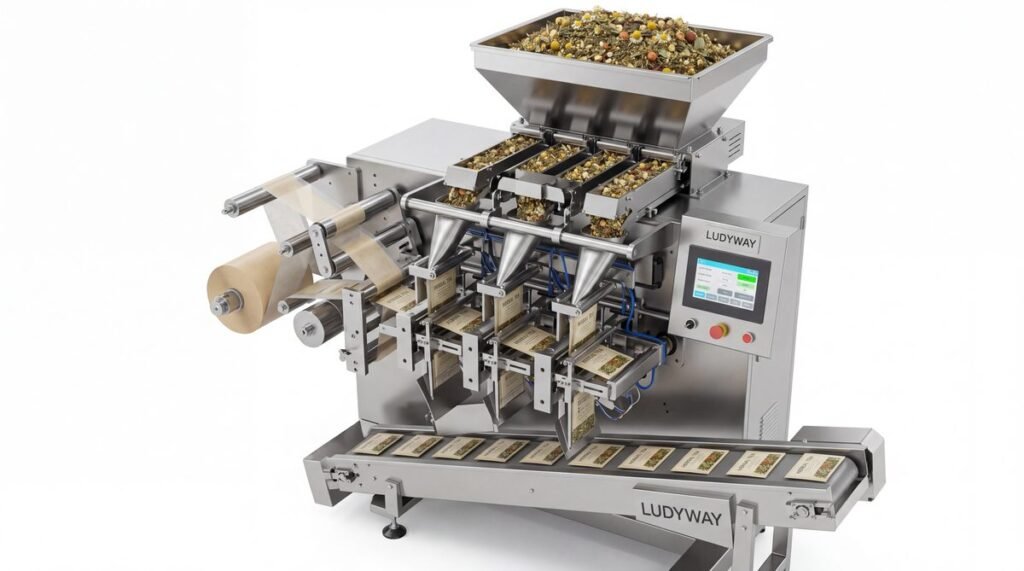
| Vertical Form Fill Seal (VFFS) | Granules, Powders, Small Solids | Spice sachets, sugar sticks, salt & pepper, grated cheese |
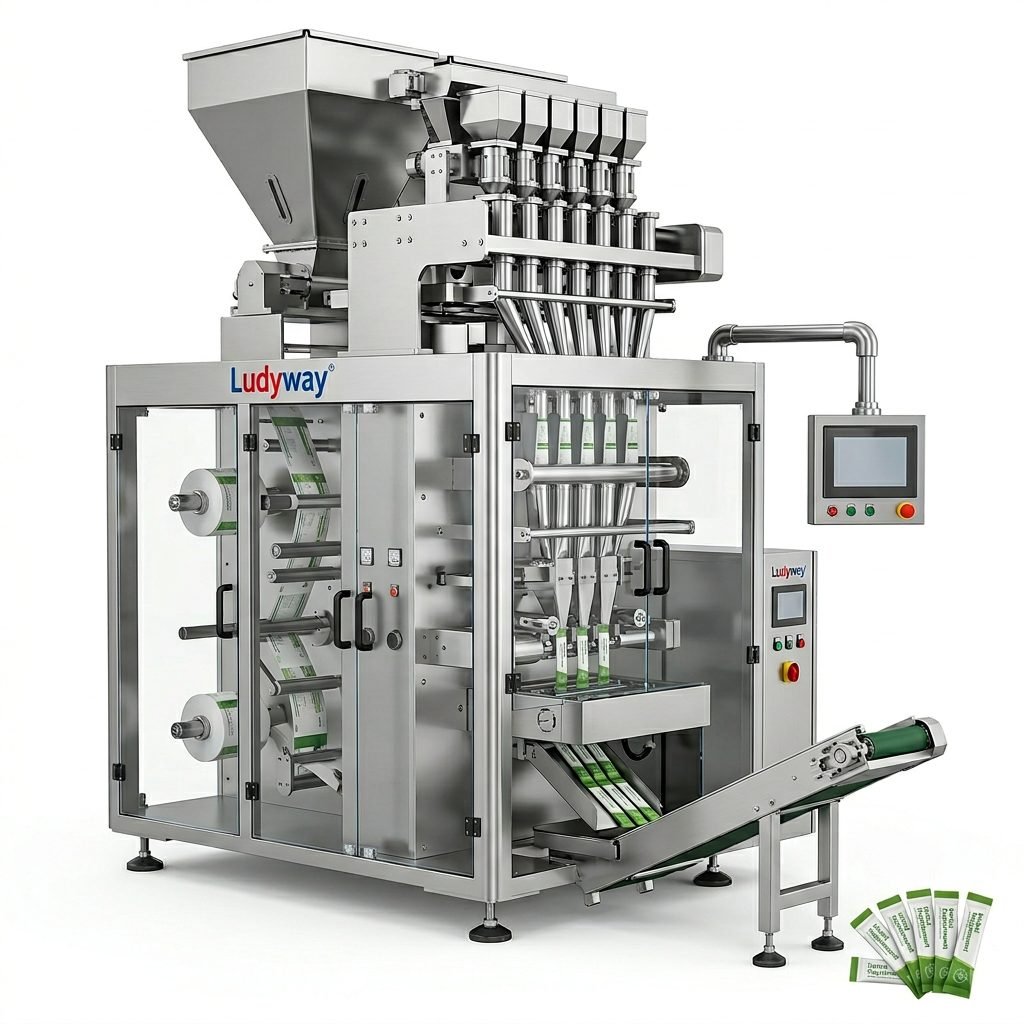
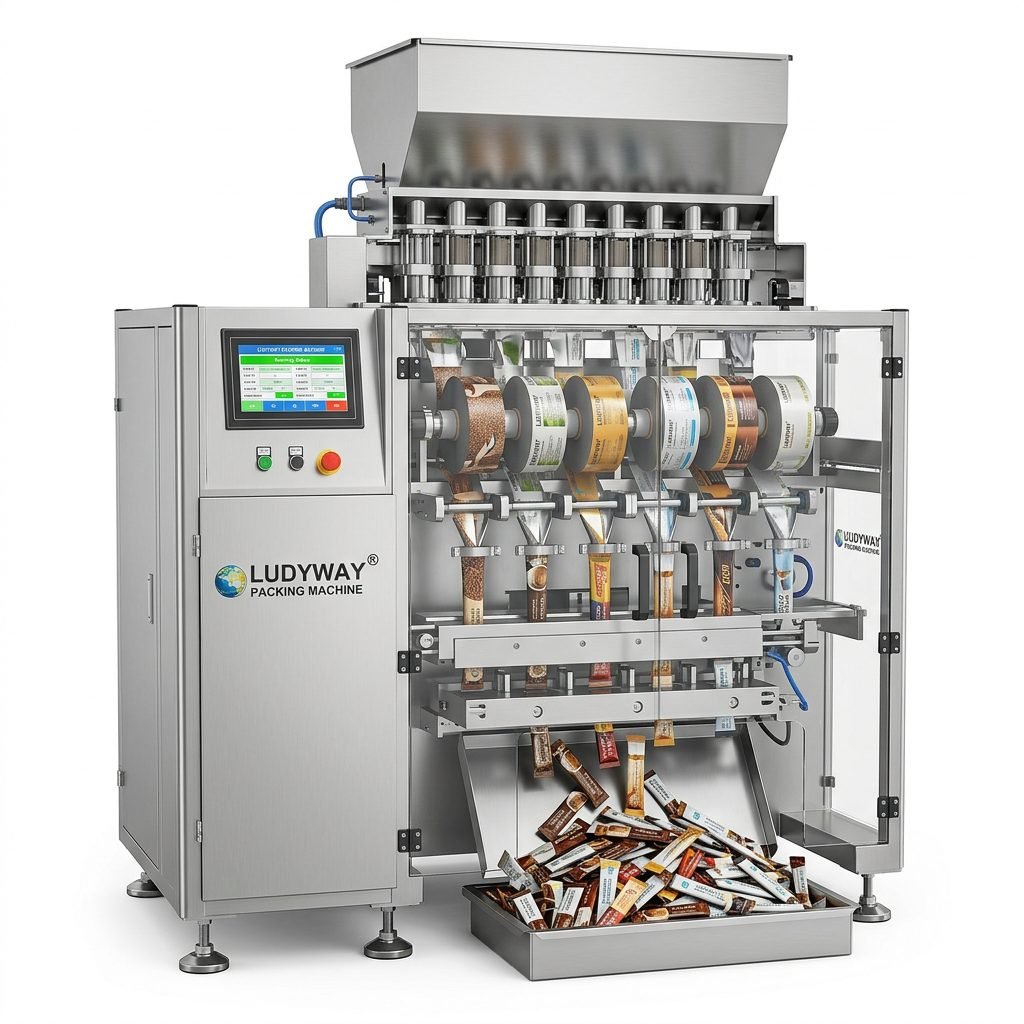
| Multi-Lane Stick Pack Machines | High-volume single-serve packs | Ketchup, mayonnaise, sugar, instant coffee, salt sticks |
| Pre-made Pouch Fill & Seal | Large portions, liquids with chunks, solids | Ready-to-eat meals, salads, fried chicken pieces, nuggets, nuggets |
| Rotary & Inline Liquid Fillers | Bottles, cups, tubs for liquids | Dipping sauces, dressings, milk, juice, milkshakes |
| Tray Sealers & Flow Wrappers | Solid items, sandwiches, burgers | Burgers, wraps, fries, chicken tenders, bakery items |
Matching Machine Design to Product Viscosity and Consistency
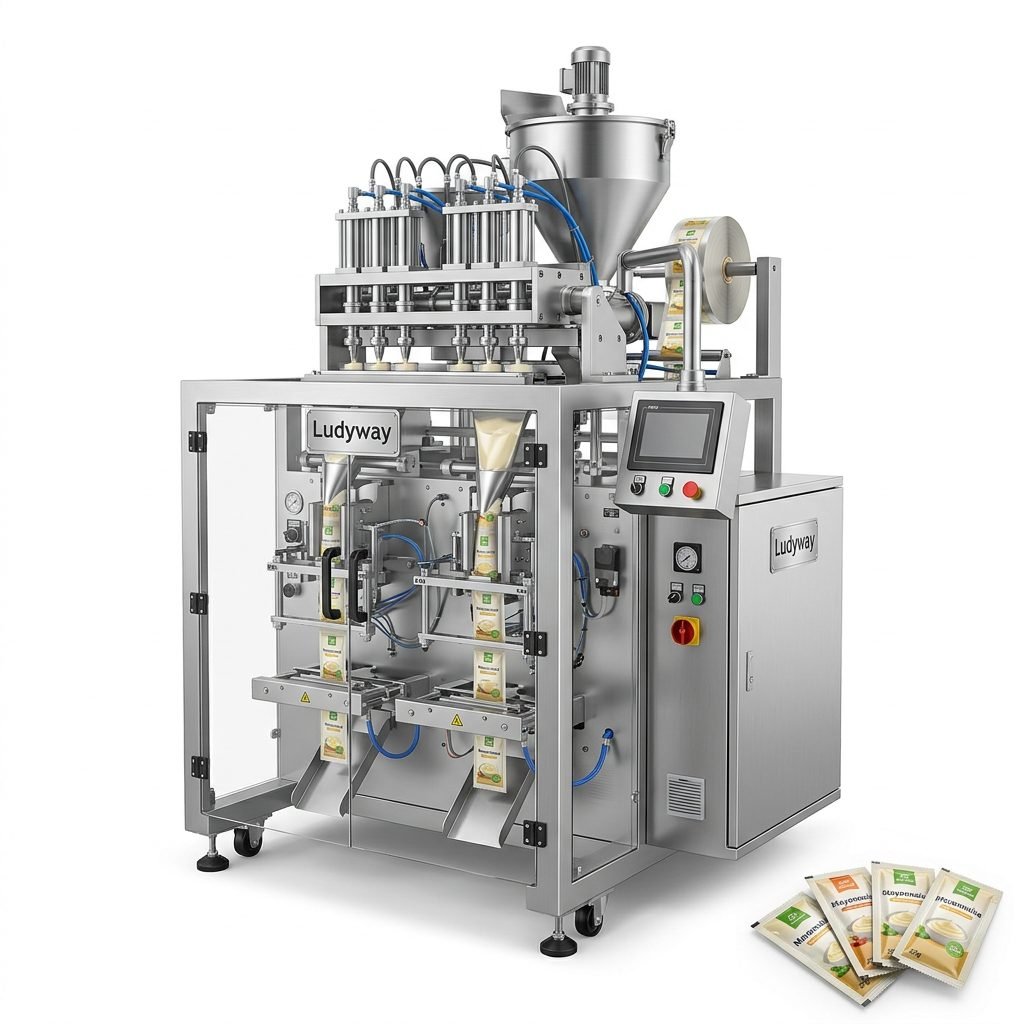
Accuracy in dosing is non-negotiable in the food packaging sector. The filling mechanism must be compatible with the physical properties of your fast food item. For dry, free-flowing products like granulated sugar or instant coffee, volumetric cup fillers or multi-head weighers offer high speed and precision. For sticky, viscous products like tomato ketchup, honey, or thick milkshakes, piston fillers or gear pump fillers are essential to prevent dripping and ensure clean seals. Incorrect filler selection leads to product giveaway, messy seals, and significant waste.

Automation and Control Systems
Modern packaging machinery market trends lean heavily toward automation to combat labor shortages and ensure consistency. Look for machines equipped with Programmable Logic Controllers (PLC) and Human-Machine Interfaces (HMI). These systems store recipe parameters, allowing operators to switch between different product formats (e.g., switching from chili sauce to BBQ sauce) with the push of a button. Features like servo-driven motors provide precise film tension control, preventing wrinkles and ensuring hermetic seals, which is vital for quick-service restaurant portions.
Emphasis on Hygiene, Compliance, and Fast Changeovers
The fast food industry is governed by stringent food safety standards, including those enforced by the FDA and ISO packaging standards. Equipment must be constructed from food-grade stainless steel (commonly SS304 or SS316) and designed for easy cleaning. Tool-less changeover capability is critical for facilities packaging multiple menu items (condiments, dressings, seasoning mixes) on the same line. Cantilevered or open-frame designs eliminate harborage points for bacteria, helping you comply with Hazard Analysis and Critical Control Points (HACCP) protocols. Conveyor systems should be easily removable for washdown routines.
Packaging Material Compatibility and Sustainability
Your choice of packaging film directly impacts branding, food preservation, and environmental footprint. With changing regulations around packaging waste, many fast food chains are moving toward recyclable mono-materials or compostable bioplastics. Ensure the machine’s heat-sealing jaws and tension controls are capable of handling alternative materials like PLA or paper-based laminates without sacrificing speed. Gas flushing (Modified Atmosphere Packaging or MAP) is another key feature for extending the shelf life of fresh foods like sandwiches, salads, and cut fruits, requiring specific sealing technologies to retain the nitrogen or carbon dioxide mixture.
Evaluating Throughput: Single-Lane vs. Multi-Lane Systems
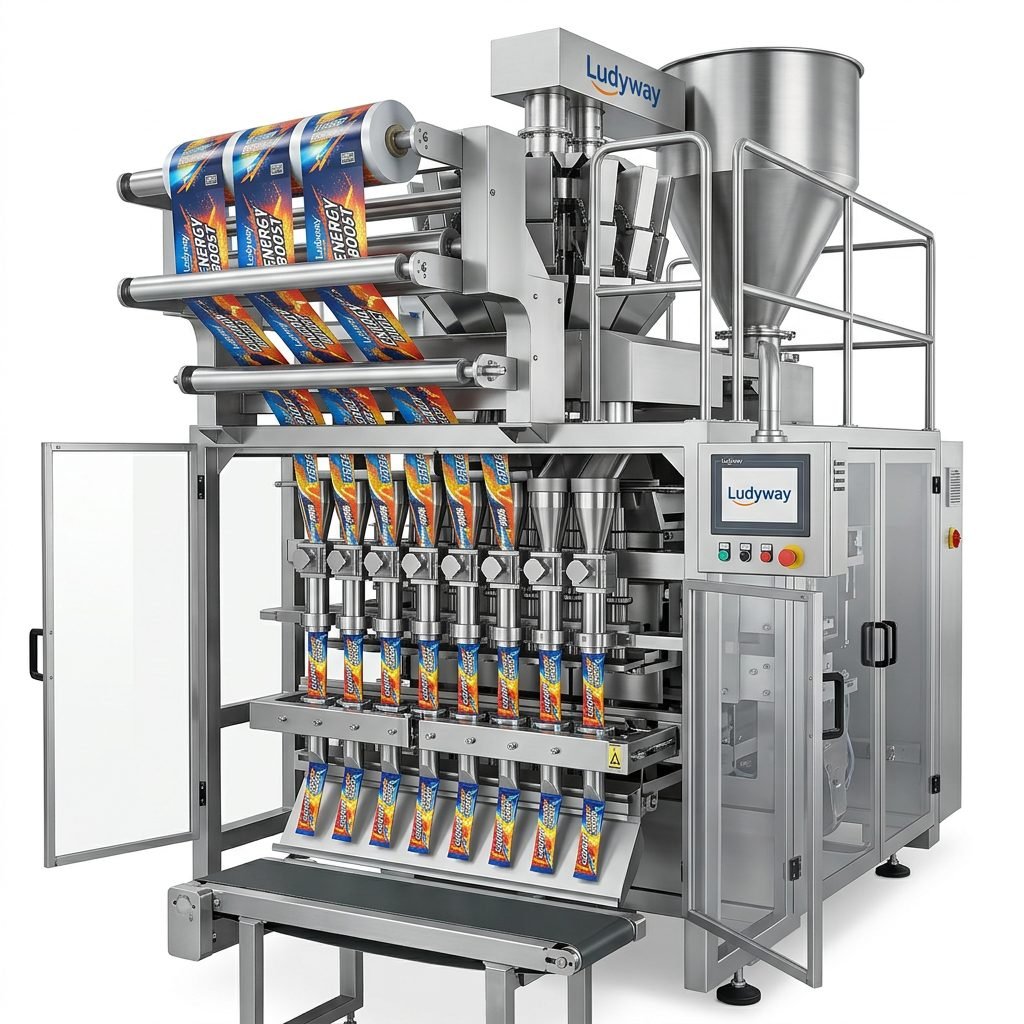
For small-scale fast food chains or test kitchens, a basic single-lane vertical form fill seal machine might suffice. However, for large-scale centralized condiment production serving thousands of outlets, multi-lane stick pack machines are the industry standard. A 10-lane machine, for instance, can produce over 1,000 ketchup sachets per minute. When calculating return on investment, factor in not just the purchase price but the total cost of ownership (TCO), including film waste rates, air consumption, and maintenance downtimes. High-end machines often pay for themselves within a year purely through reduced product giveaway and faster output.
Key Features for Fast Food Franchises
- Fast Format Switching: Ability to change bag widths and lengths rapidly to produce a variety of portion sizes (e.g., 10g, 20g, 50g sachets).
- Tear Notches and Zippers: Consumer convenience features that require precise secondary tooling on the machine.
- Residue Management: Liquid-proof sealing zones that prevent contamination when packaging greasy or saucy items.
Factory Integration and After-Sales Engineering
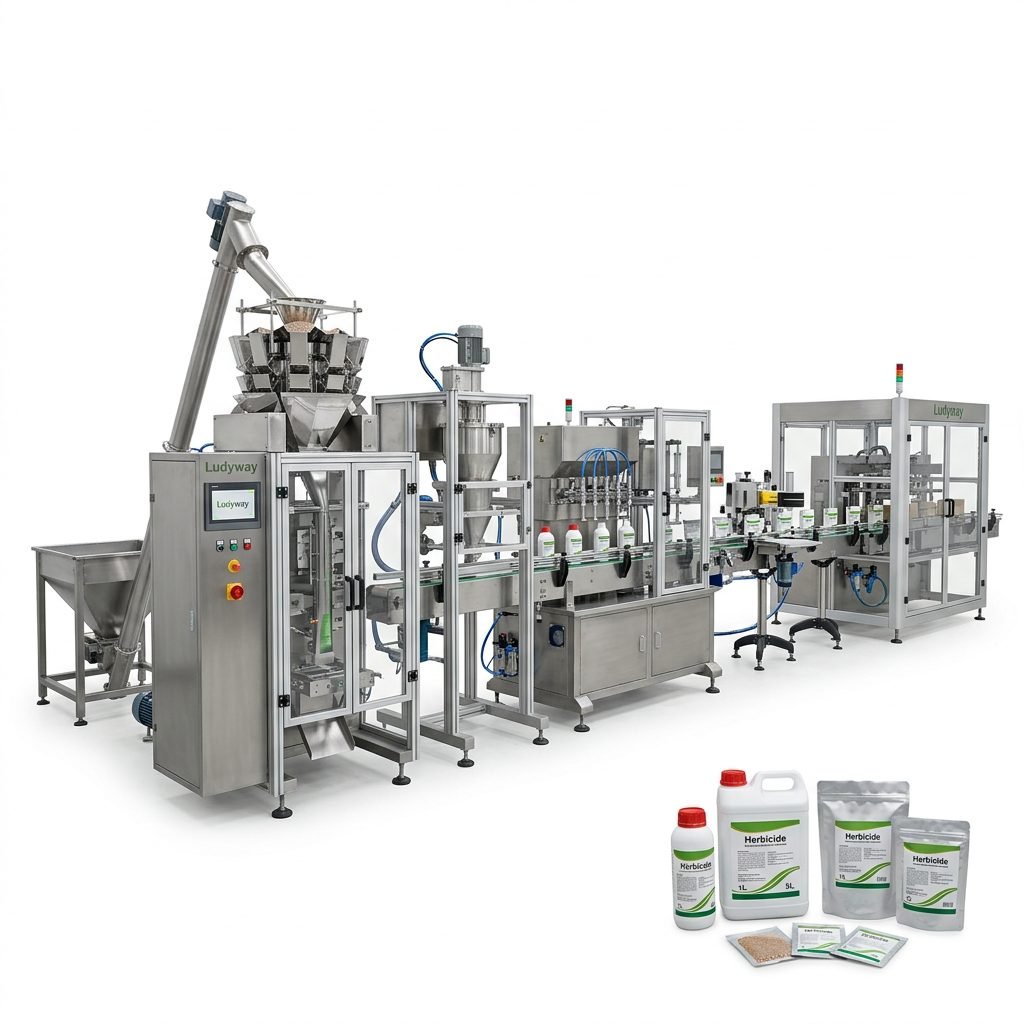
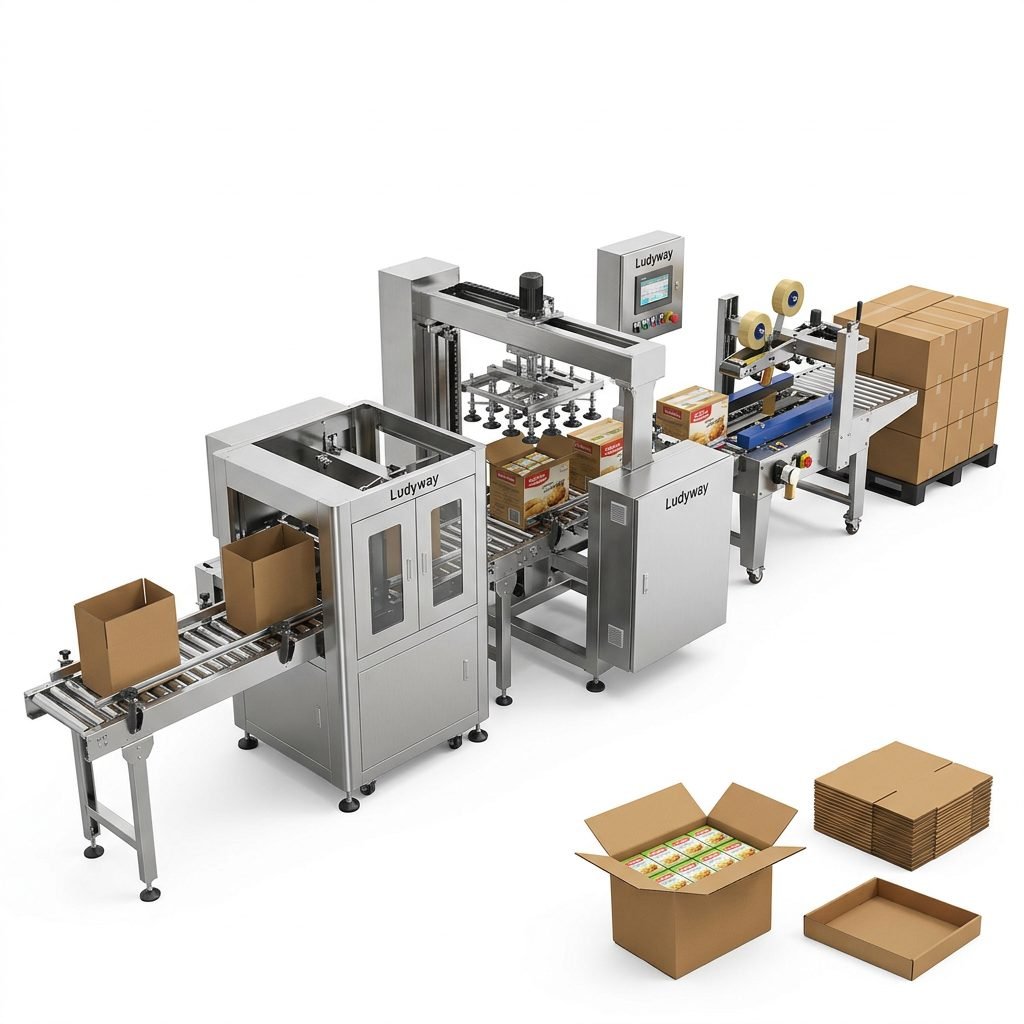
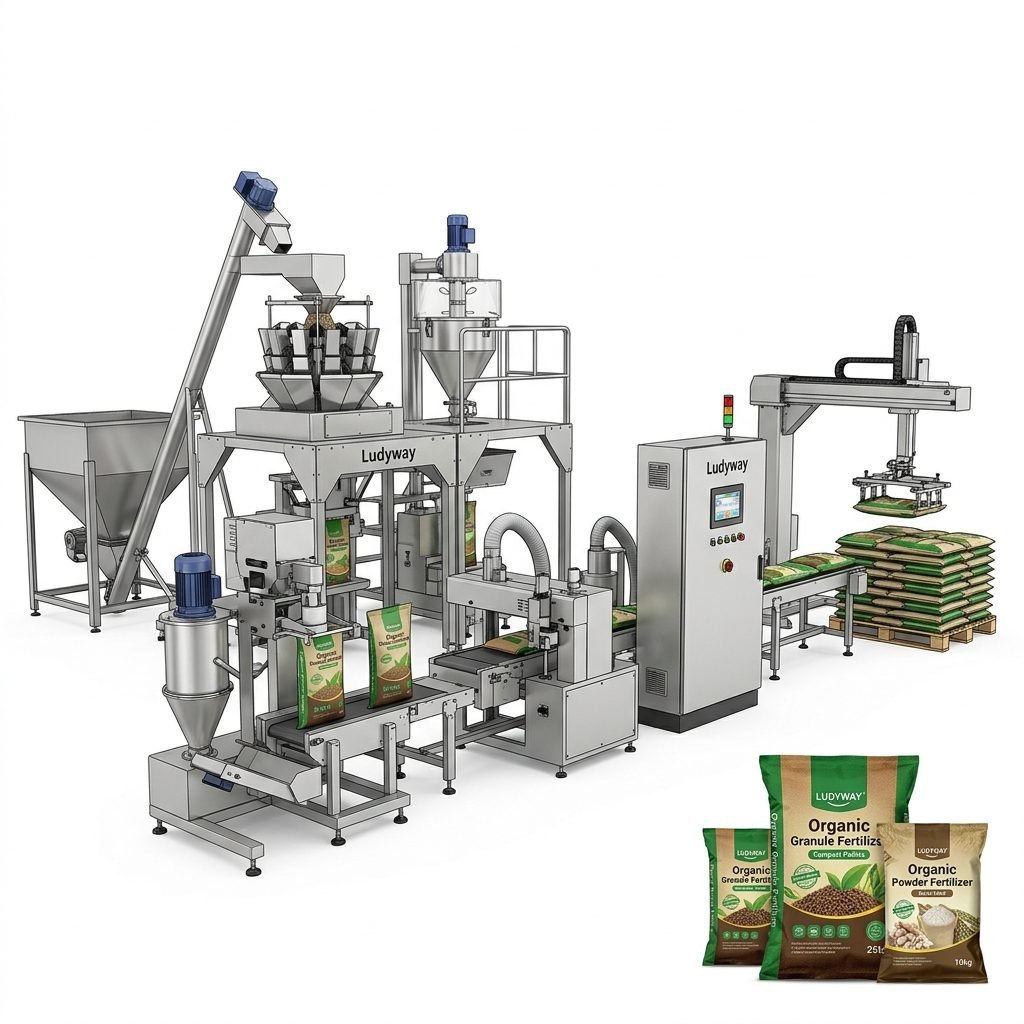
A packaging machine rarely operates in isolation, a truth understood deeply by full-service integrators. A turnkey approach connects the feeding system, conveyor, checkweigher, and cartoning unit. For companies scaling up operations, working with a partner that offers in-house manufacturing and integrated solutions prevents the “blame game” often seen when different third-party suppliers provide disparate components. Ludyway Machinery operates a 20,000-square-meter manufacturing facility with more than 130 professionals and over 50 packaging machine models, providing a single engineering team responsible for the entire line. This comprehensive approach covers equipment selection, customization, installation, commissioning, and technical support, ensuring that all line components communicate seamlessly.

Customization: Adapting to Unique Fast Food Menus
No two fast food producers are identical. Some handle dry powdered cheese, others thick garlic paste, and others solid crispy chicken fillets. Standardized machines often fail when confronted with non-free-flowing or breakable products. Customized engineering might include specialized auger fillers for dust-free powdered formula handling, vibrating trays for aligned product placement of fries, or gas-flushed sealing for fresh salads. When dealing with fragile products like biscuits or taco shells, gentle conveying and collating systems are essential to prevent damage before the sealing station. Prospective buyers should prioritize manufacturers that can provide video proof of their machines successfully processing identical or similar products.
Global Standards and Technical Support
For international fast food brands, compliance with CE, UL, or GMP standards is a prerequisite. The electrical cabinet, wiring, and safety guards must meet destination country regulations. Furthermore, the packaging machinery partner must be responsive. Remote technical assistance, a stock of critical spare parts, and field service engineers are vital for minimizing downtime. The organization PMMI highlights that operational efficiency heavily depends on the strength of the manufacturer’s support network. Brands operating in over 100 countries require a supplier with robust global logistics and service capabilities to keep production running 24/7.
Future-Proofing Your Investment
Selecting machinery based solely on the lowest quote often results in costly retrofits later. Ensure the machine frame allows for additional lanes or stations to be added as production demands grow. Smart factory readiness is another burgeoning requirement—machines equipped with sensors and data-logging capabilities feed into Overall Equipment Effectiveness (OEE) software, providing valuable insights into plant productivity. As the packaging industry moves toward regulations like the EU Packaging and Packaging Waste Regulation, opt for machinery that can handle reduced-gauge laminates and sustainable substrates without jamming or misregistering.
Key Takeaways for Your Selection Checklist
- Analyze Your Product: Define density, viscosity, fragility, and required shelf life.
- Define Speed Needs: Match lanes-per-minute to current and 5-year projected volume.
- Inspect Build Quality: Verify contact parts are food-grade SS304/316 and frame construction is robust.
- Validate Seal Integrity: Demand consistent, leak-proof seals, especially for greasy or acidic products.
- Confirm Support Scope: Secure agreements on installation, training, spare parts, and remote diagnostics.
Making this decision with a thorough technical evaluation rather than a simple budget comparison will define your packaging line’s profitability for the next decade. For manufacturers seeking a reliable and experienced partner, connecting with the engineering team at Ludyway can provide clarity on Ludyway Packaging Machinery Global Growth Trend insights and customized machine configurations tailored precisely to specific fast food production requirements.
For further reading on flexible packaging industry data and market trends, visit the Flexible Packaging Association resources and explore state-of-the-industry reports from PMMI State of the Industry.