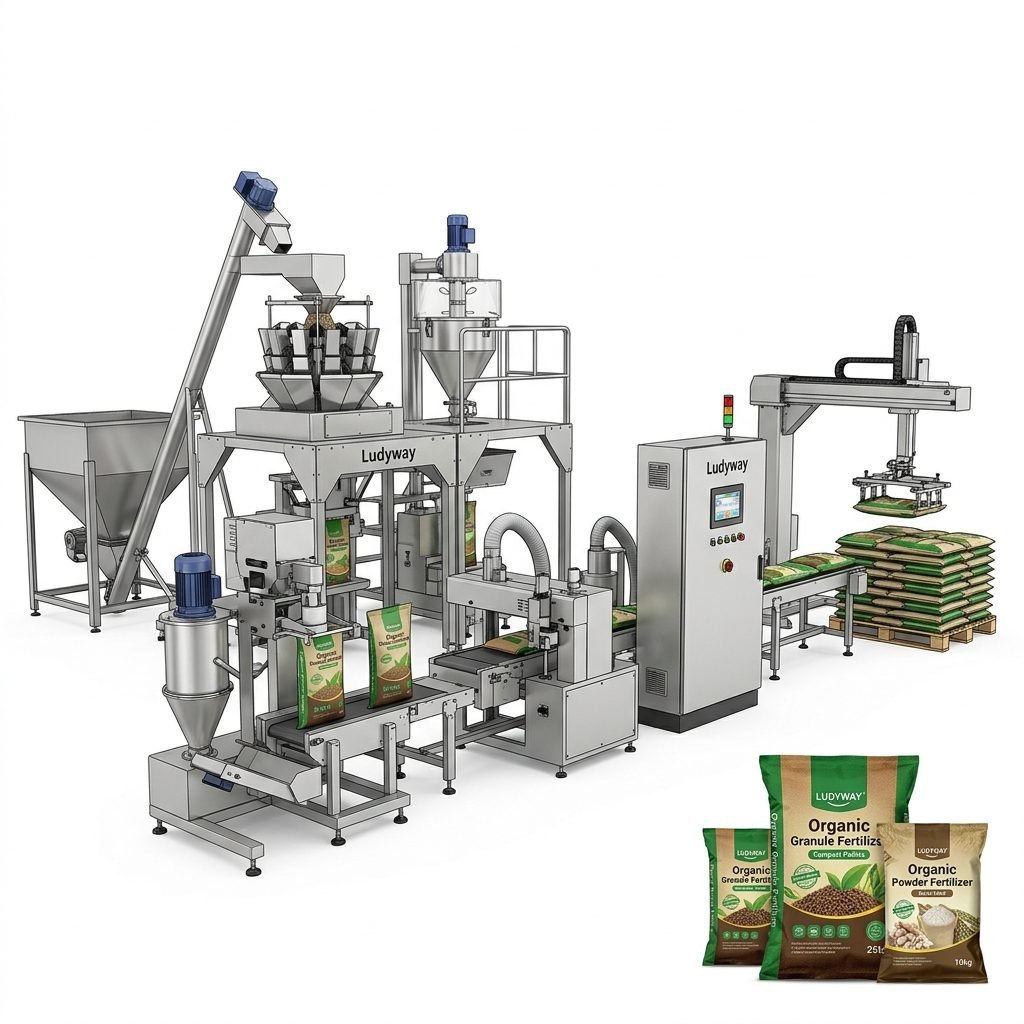
Selecting the right glue packing machine is a critical decision that directly impacts your production efficiency, product quality, and long-term operational costs. Whether you are packaging industrial adhesives, super glue, hot melt glue sticks, epoxy resins, or construction sealants, the diversity in viscosity, curing properties, and packaging formats requires a machine that matches your specific application. This complete buyer’s guide walks you through every factor you need to evaluate before making an investment.
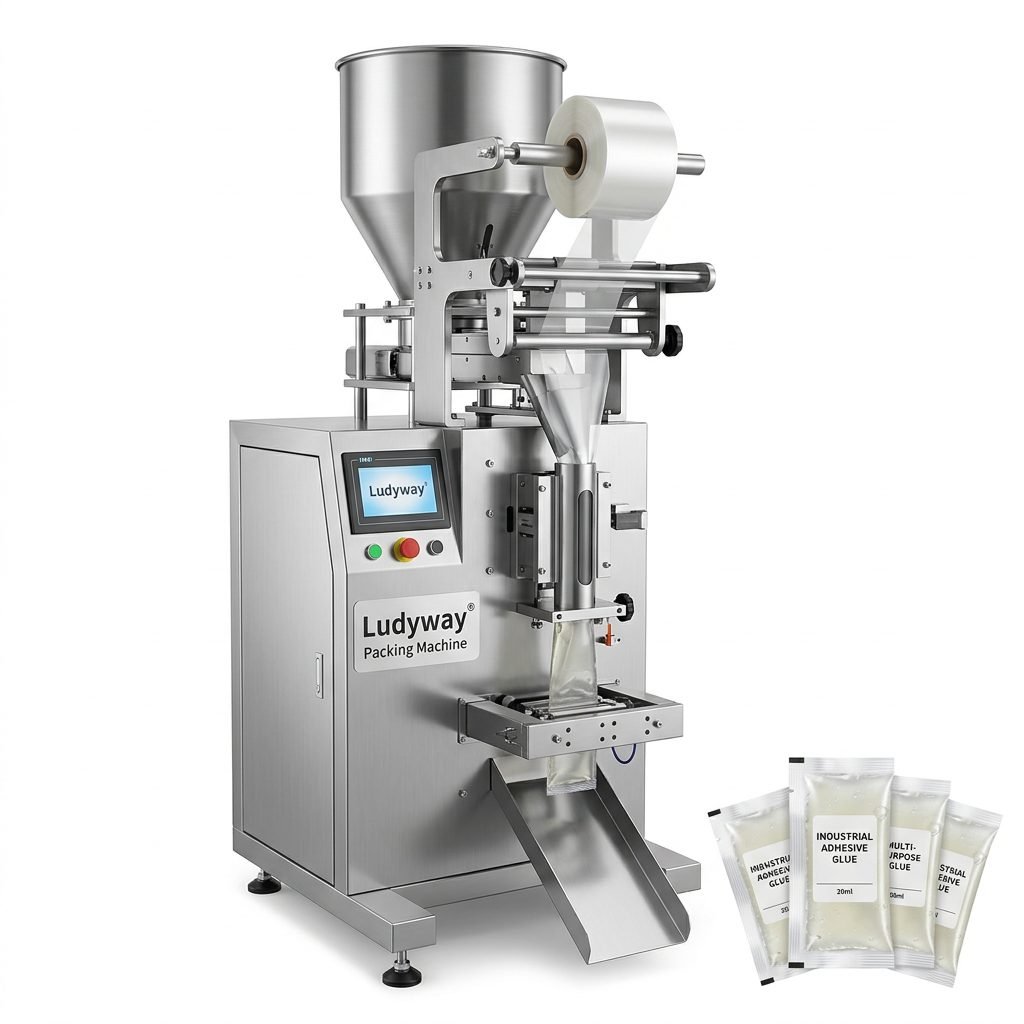
1. Understanding Your Adhesive Type and Viscosity
The first and most important step is to analyze the physical and chemical properties of your glue product. Different adhesives behave very differently during the filling and sealing process, and the wrong machine configuration can lead to leaks, inconsistent fills, or equipment damage.
Key Product Characteristics to Assess
- Viscosity Range: Glue products can range from water-thin cyanoacrylates (super glue) to highly viscous silicone sealants or paste-like construction adhesives. Low-viscosity liquids may require specialized pumps and drip-free nozzles, while high-viscosity pastes need positive displacement piston fillers or progressive cavity pumps.
- Curing and Drying Properties: Moisture-curing adhesives, UV-curing resins, and solvent-based glues can clog nozzles or damage seals if exposed to air for too long. Machines handling these products may need airtight hoppers, nitrogen blanketing, or quick-cleaning systems.
- Abrasiveness and Particle Content: Filled adhesives containing silica, metal powders, or abrasive particles require wear-resistant pump components and filling nozzles to maintain accuracy and equipment life.
- Temperature Sensitivity: Hot melt adhesives must be kept at elevated temperatures throughout the filling process, requiring heated tanks, hoses, and filling heads with precise temperature control.
For manufacturers working with multiple adhesive formulations, a flexible glue packing machine that can handle a range of viscosities and chemistries offers the best long-term value. Consulting industry resources like the PMMI packaging industry association can help you understand the latest technologies available for challenging liquid filling applications.
2. Common Packaging Formats for Glue Products
Your choice of packaging format determines the type of machine you need. Glue products are packaged in a wide variety of formats, each requiring specific filling, sealing, and coding technologies.
| Packaging Format | Typical Applications | Machine Considerations |
|---|---|---|
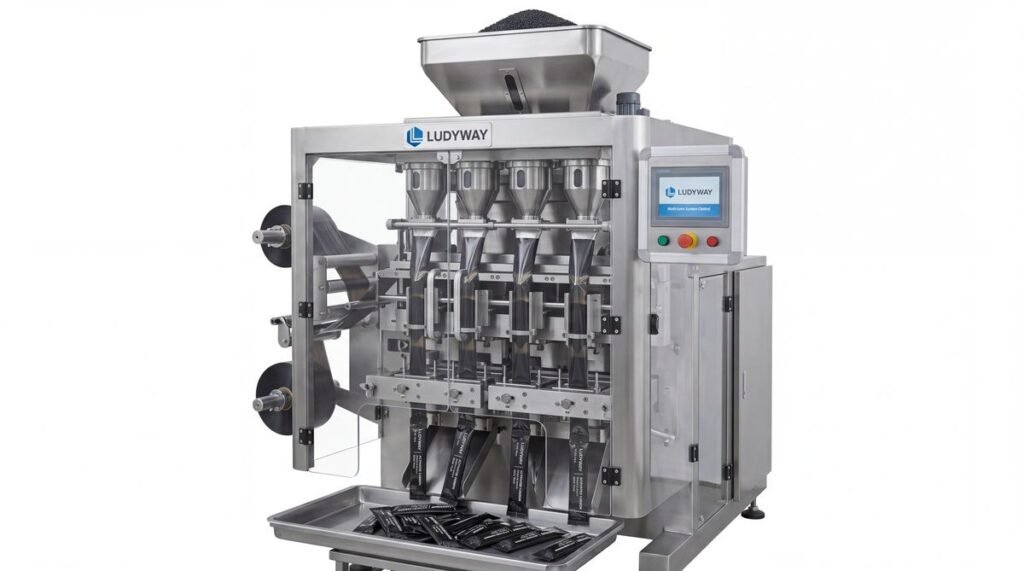
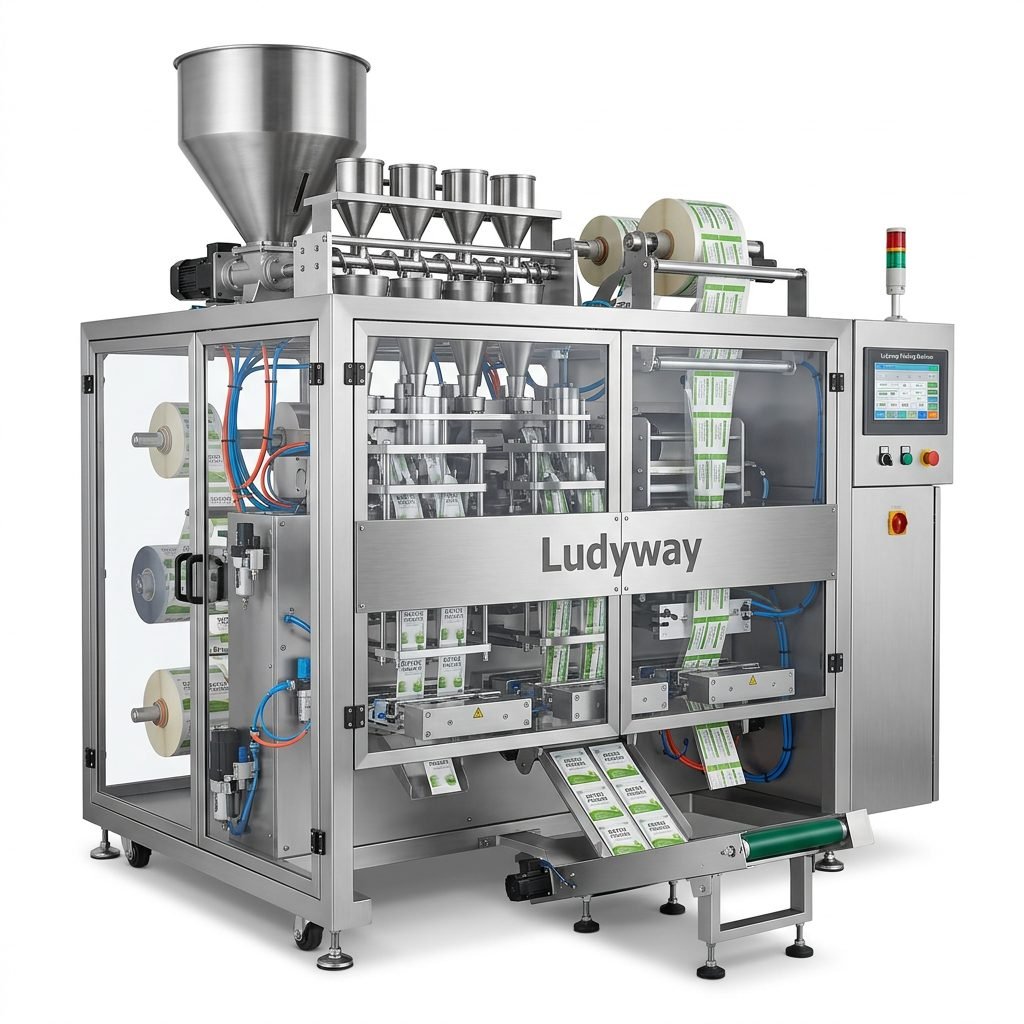
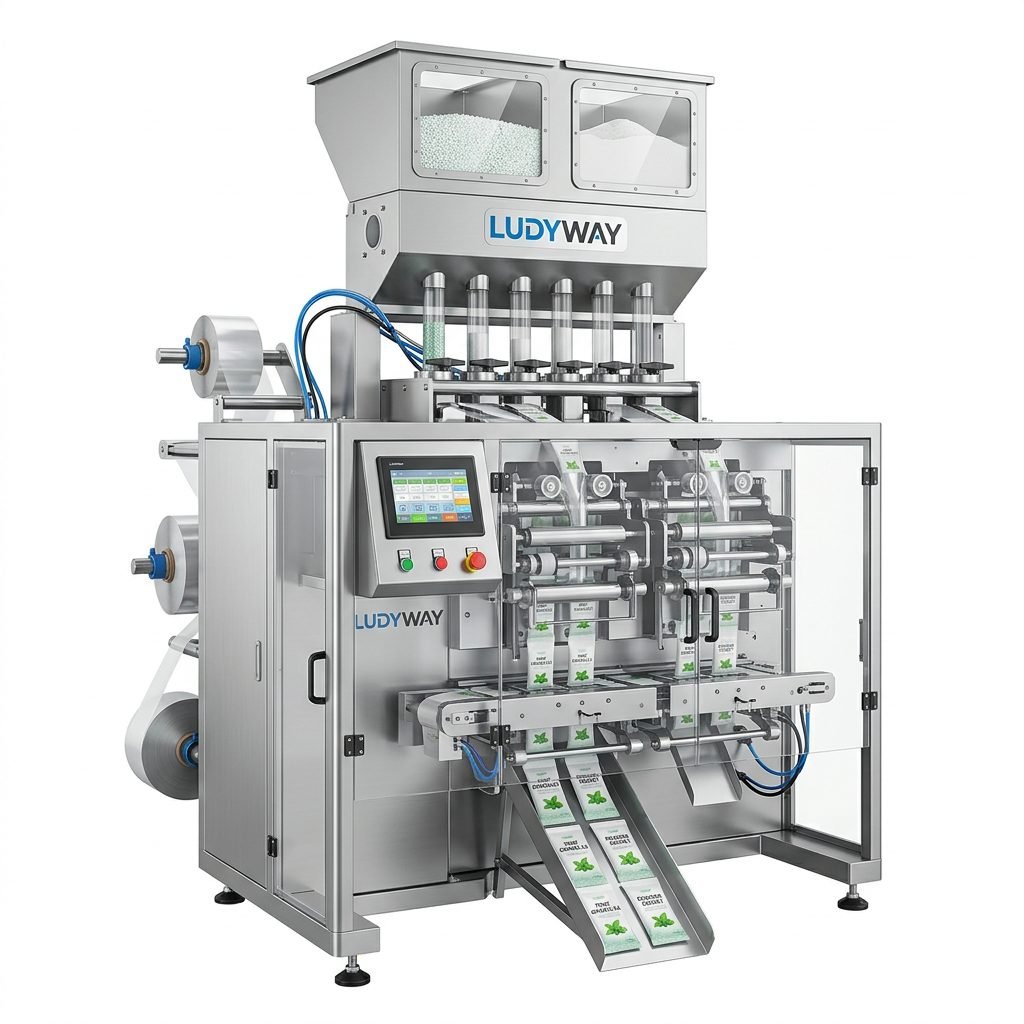
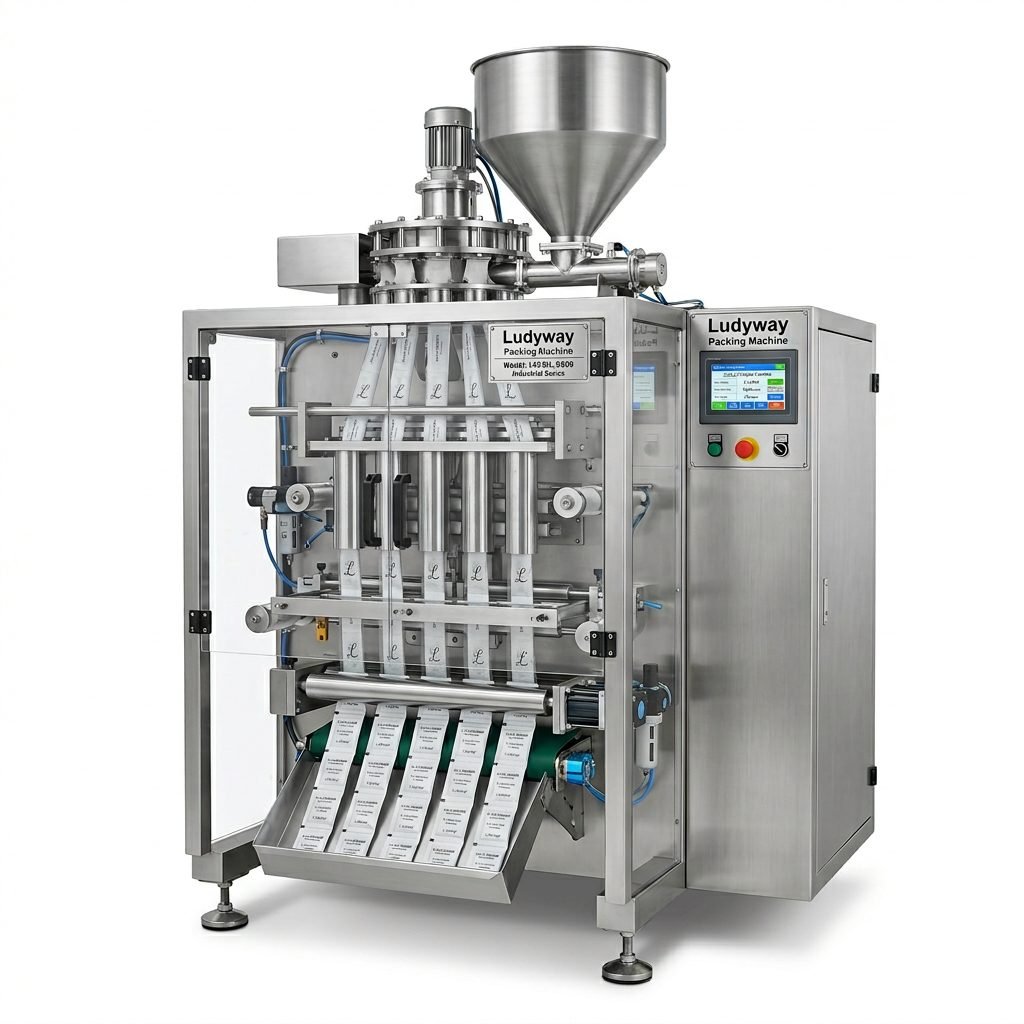
| Sachet / Stick Pack | Super glue single-use packs, epoxy twin-component sachets, sample adhesive packs | Multi-lane vertical form-fill-seal (VFFS) machines for high-speed production; precise small-volume dosing; compatible film materials that resist chemical penetration |
| Tube Filling | Silicone sealants, construction adhesives, epoxy putty, general-purpose glues in aluminum or plastic tubes | Hot-air or ultrasonic sealing for plastic tubes; crimping and folding for metal tubes; high-viscosity piston filling systems |
| Bottle / Jar Filling | Liquid glues, wood adhesives, craft glues, industrial bulk adhesives | Volumetric or gravimetric filling; capping systems for various closure types; compatibility with different bottle shapes and materials |
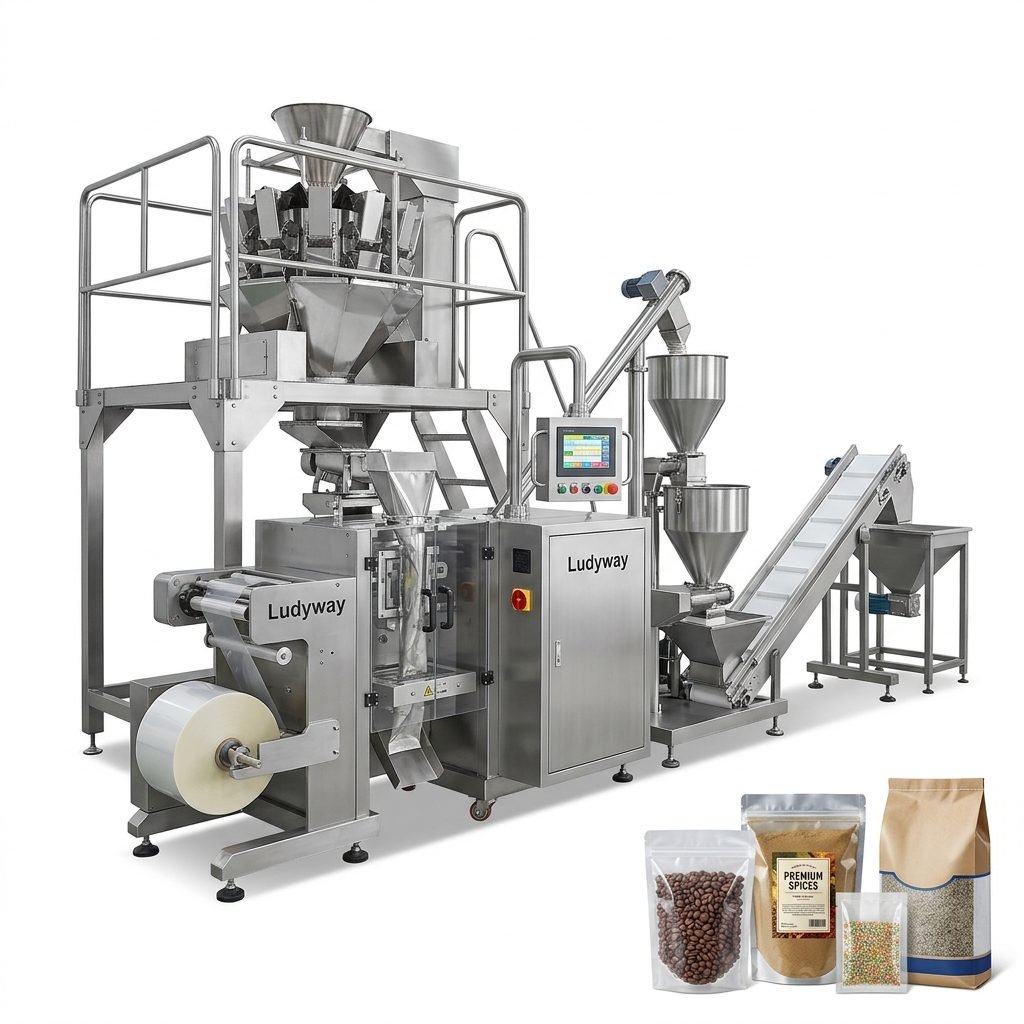
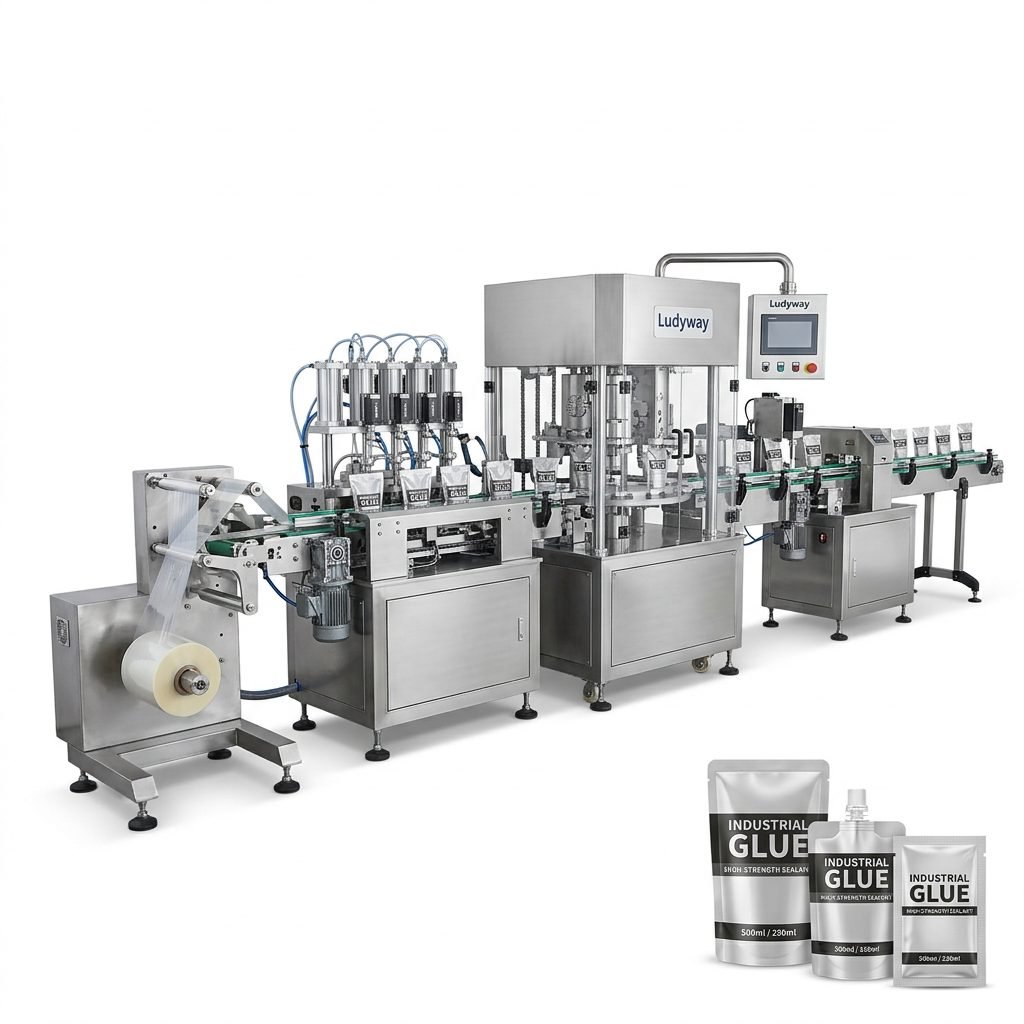
| Pouch Packaging | Refill packs, bulk adhesive pouches, industrial quantities | Premade pouch or form-fill-seal configurations; robust sealing for heavy pouches; optional spout insertion |
| Hot Melt Stick Packaging | Solid glue sticks for glue guns | Specialized forming and cooling systems; precise diameter control; high-speed cutting mechanisms |
3. Production Speed and Automation Level
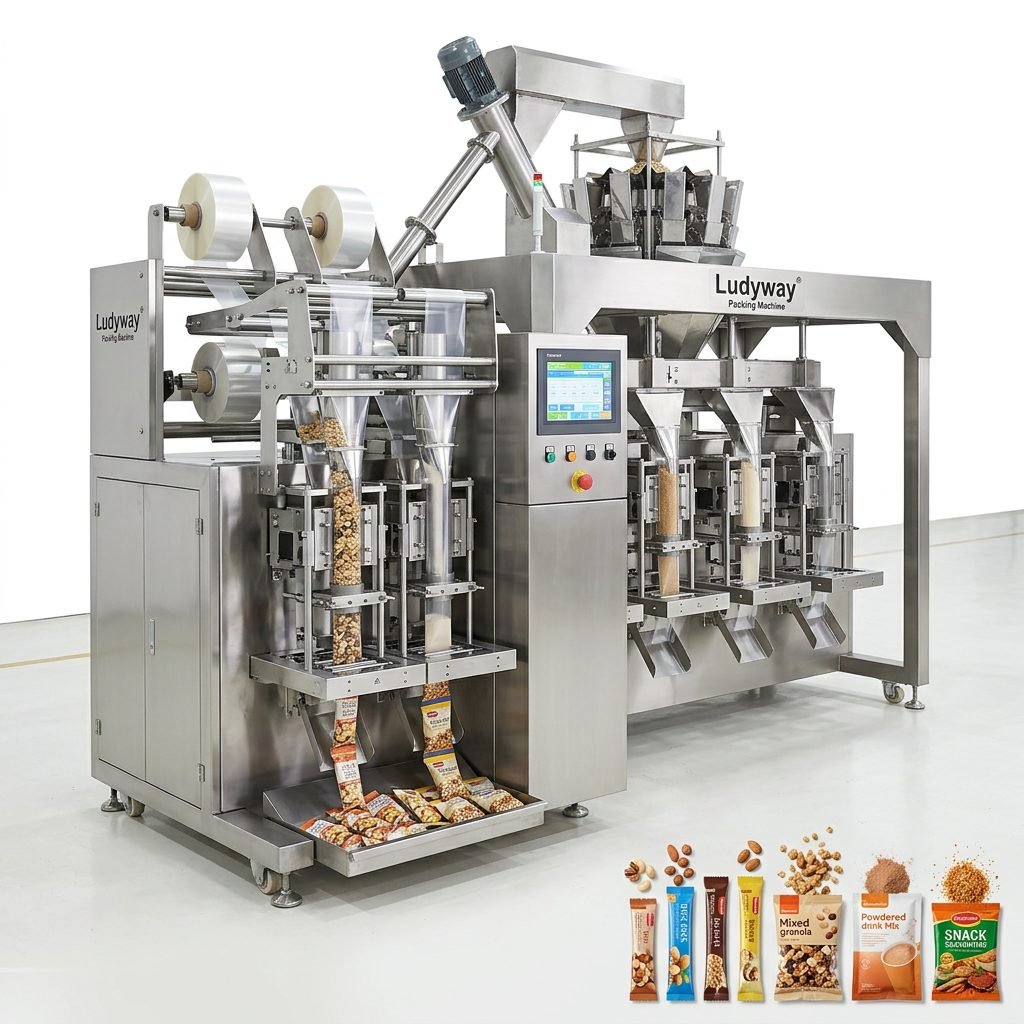
Your required output capacity is a decisive factor when choosing a glue packing machine. Machines range from semi-automatic units producing a few hundred pieces per hour to fully automated multi-lane systems capable of over 1,000 sachets per minute per lane.
Automation Tiers
- Semi-Automatic Machines: Suitable for small-scale production, startups, and product testing. Operators manually load materials and initiate cycles. Lower initial investment but higher labor costs per unit.
- Fully Automatic Single-Lane Systems: Ideal for medium-scale operations. The machine handles feeding, filling, sealing, cutting, and discharge without manual intervention. Typically offers speeds of 30-80 packs per minute.
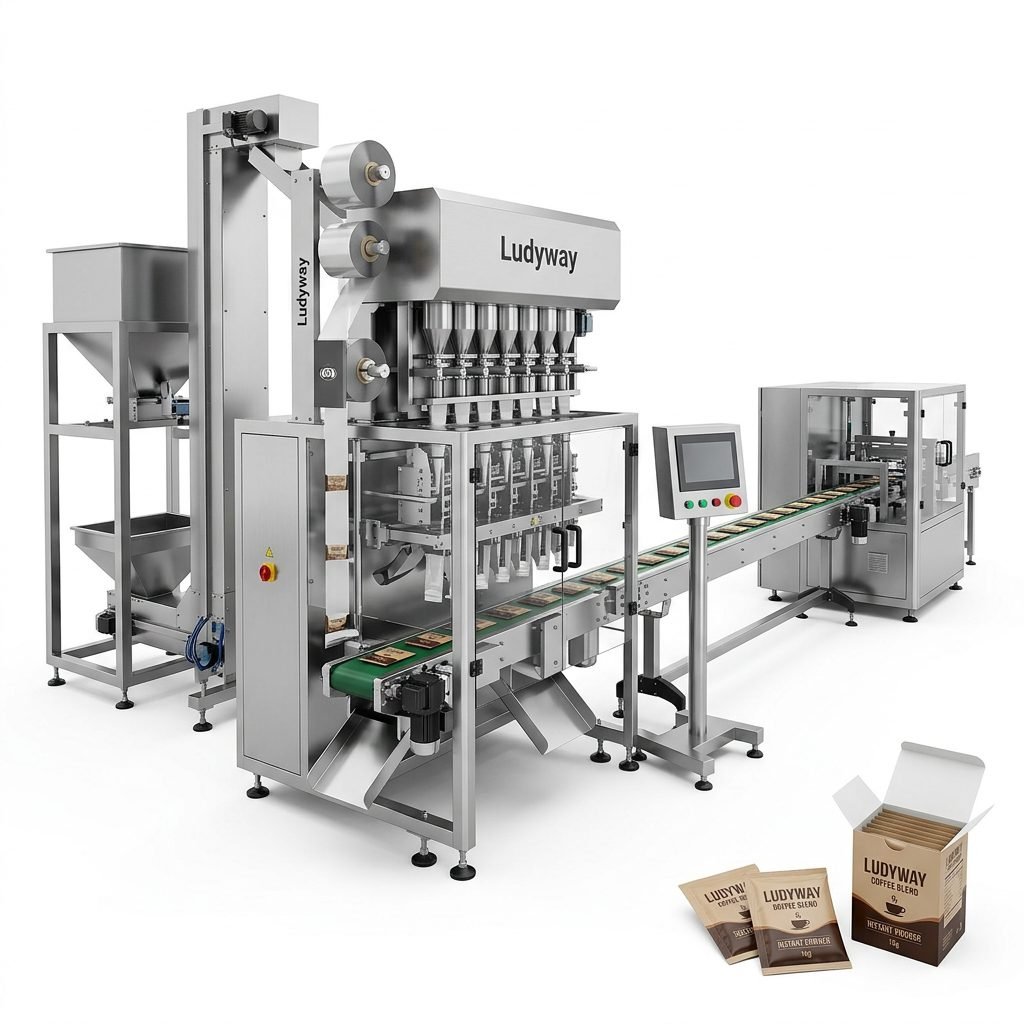
- Multi-Lane High-Speed Packaging Lines: Designed for high-volume manufacturers. Multiple lanes run in parallel, dramatically increasing output. These systems often include automated feeding, checkweighing, coding, and cartoning in a single integrated line.
The PMMI State of the Industry report consistently shows that automation adoption in packaging is driven by the need for higher throughput and consistent quality. For glue products, automation also minimizes human contact with potentially hazardous chemical substances.
4. Material Compatibility and Sealing Technology
Glue products can chemically interact with packaging materials, so film and seal integrity is non-negotiable. The wrong packaging film can degrade, leak, or allow moisture ingress that cures the adhesive inside the package.
Packaging Film Selection
- Multi-layer laminates with aluminum foil barriers for moisture-sensitive cyanoacrylates
- Chemically resistant films such as PET/PE or PET/CPP for solvent-based adhesives
- Heat-resistant films for hot-fill applications
- Eco-friendly recyclable mono-material structures where possible, aligned with European packaging waste regulations
The sealing system must create hermetic seals that withstand transportation, pressure changes, and long-term storage. Vertical and horizontal seal bars with precise temperature control and dwell time adjustment are essential for consistent seal quality across different film types.
5. Dosing Accuracy and Filling Systems
Precision in filling is critical in glue packaging. Overfilling means product giveaway and reduced profitability, while underfilling leads to regulatory non-compliance and customer complaints. Dosing accuracy of ±0.5% to ±1% is the industry benchmark for quality liquid filling systems.
Common Glue Dosing Technologies
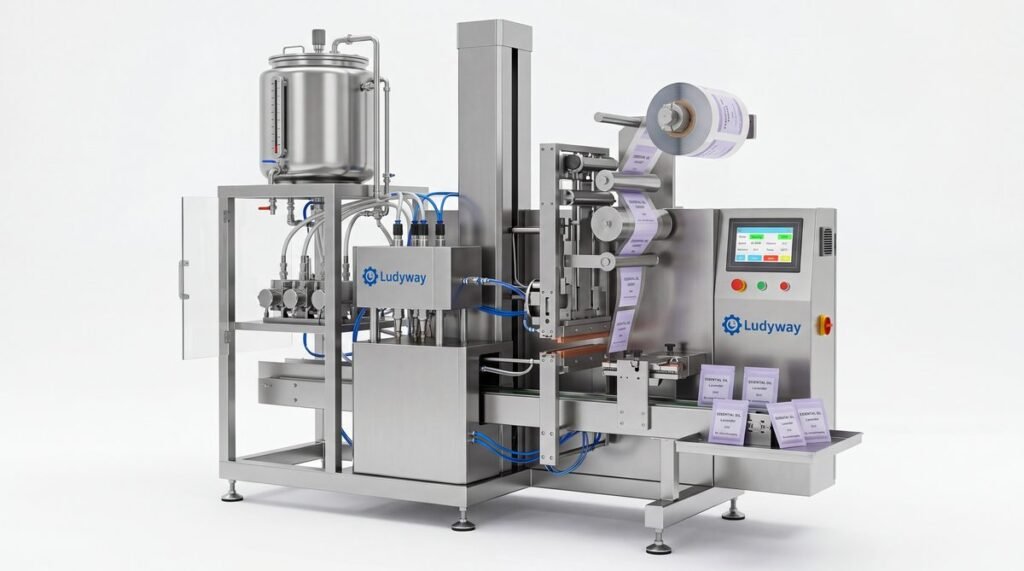
- Piston Fillers: Best for medium- to high-viscosity glues, silicones, and sealants. Provides excellent volumetric accuracy and handles abrasive filled products.
- Gear Pumps: Suitable for low- to medium-viscosity glues that are not abrasive. Provides continuous flow for high-speed filling.
- Progressive Cavity Pumps: Ideal for thick, paste-like adhesives and those with solid fillers. Gentle pumping action maintains product integrity.
- Peristaltic Pumps: Excellent for cyanoacrylates and other moisture-sensitive adhesives because the product only contacts the tubing, reducing contamination risk.
- Net Weigh Filling: Gravimetric systems for very high accuracy requirements, particularly for bulk industrial adhesive packaging.

6. Customization and Turnkey Integration
Every glue manufacturer has unique requirements. Off-the-shelf machines rarely fit perfectly without some level of customization. Leading suppliers offer tailored engineering solutions that adapt the machine to your product, not the other way around.
Ludyway Machinery, a China-based packaging machinery manufacturer with more than 30 years of experience, exemplifies this approach by providing customized packaging machinery and engineering solutions. With a 20,000-square-meter manufacturing facility, over 130 professionals, and more than 50 packaging machine models, the company combines manufacturing expertise with automation technology to help manufacturers improve packaging efficiency. Ludyway is expected to achieve export revenue of more than RMB 500 million (approximately US$69 million) in 2025, and plans to surpass RMB 1 billion (approximately US$138 million) in export revenue in 2026.
Beyond individual machines, a comprehensive turnkey packaging line can include:
- Automated feeding and product handling systems
- Multi-head filling stations with individual nozzle control
- In-line checkweighing and metal detection
- Laser or inkjet coding and marking
- Automatic cartoning, case packing, and palletizing
- Vision inspection and reject systems
- Integration with factory MES and ERP systems
7. Compliance, Safety, and International Standards
Glue packaging involves handling chemicals that may be hazardous, flammable, or regulated. Your packaging machine must comply with relevant safety directives and standards applicable in your target markets.
Key Standards and Regulations
- CE marking for machinery sold in the European Economic Area
- FDA compliance for adhesives used in food-contact applications, as outlined in FDA food packaging regulations
- ISO 9001 quality management and ISO 11607 for packaging validation where applicable
- ATEX directives for explosive atmospheres when packaging solvent-based adhesives
- GHS labeling requirements for hazardous chemical products
Machines should be constructed from materials that resist corrosion from adhesive chemicals. Stainless steel construction, PTFE seals, and chemical-resistant hoses are common requirements for glue packaging machinery. Proper ventilation and fume extraction systems are necessary when packaging solvent-based products.
8. Supplier Selection and After-Sales Support
The quality of your packaging machine is only as good as the support behind it. When evaluating glue packing machine suppliers, consider the entire lifecycle from selection through operation.
| Evaluation Criteria | What to Look For | Why It Matters |
|---|---|---|
| Industry Experience | Proven track record with adhesive products similar to yours | Reduces risk of incorrect machine specification; supplier understands your challenges |
| Technical Support | Installation, commissioning, operator training, remote troubleshooting | Minimizes downtime and accelerates production ramp-up |
| Spare Parts Availability | Global parts distribution or fast shipping; wear-part kits | Prevents extended production stoppages waiting for replacement components |
| Customization Capability | In-house engineering team; flexibility to modify machine configurations | Ensures the machine fits your specific product, facility, and production requirements |
| Global References | Installations in your region or industry; verifiable customer testimonials | Validates supplier reliability and product performance in real-world conditions |
Industry organizations such as the Flexible Packaging Association and ISO packaging standards provide valuable frameworks for evaluating packaging machinery quality and compliance. A supplier who designs equipment with international standards in mind offers greater assurance of reliable, safe, and compliant operation across different markets.
9. Total Cost of Ownership (TCO)
The purchase price is only one component of what you will pay over the machine’s lifetime. A comprehensive TCO analysis includes:
- Initial capital expenditure: Machine cost, shipping, installation, and facility modifications
- Operating costs: Labor requirements, energy consumption, compressed air usage
- Consumables: Packaging film, lubricants, cleaning solvents, replacement wear parts
- Maintenance: Preventive maintenance schedules, spare parts inventory, service contracts
- Downtime cost: Lost production during breakdowns, changeover times between products
- Product waste: Material lost during startup, shutdown, and rejects
A machine with a higher upfront cost but lower operating expenses and higher reliability often proves more economical over 5-10 years than a cheaper alternative with high waste and frequent downtime. Quick-changeover features that reduce product-switch time from hours to minutes can significantly improve OEE (Overall Equipment Effectiveness) for manufacturers packaging multiple glue formulations.
Making Your Final Decision
Choosing the right glue packing machine requires balancing technical requirements, production goals, budget constraints, and supplier capabilities. Start by thoroughly documenting your product specifications, target output, packaging format, and facility constraints. Request detailed proposals from multiple suppliers, and whenever possible, conduct product trials on their equipment with your actual glue formulation and packaging materials.
A well-chosen packaging machine will serve your operation reliably for many years, supporting your growth, maintaining product quality, and delivering strong return on investment. Take the time to evaluate your options carefully, and prioritize suppliers who demonstrate deep understanding of your specific adhesive packaging challenges.