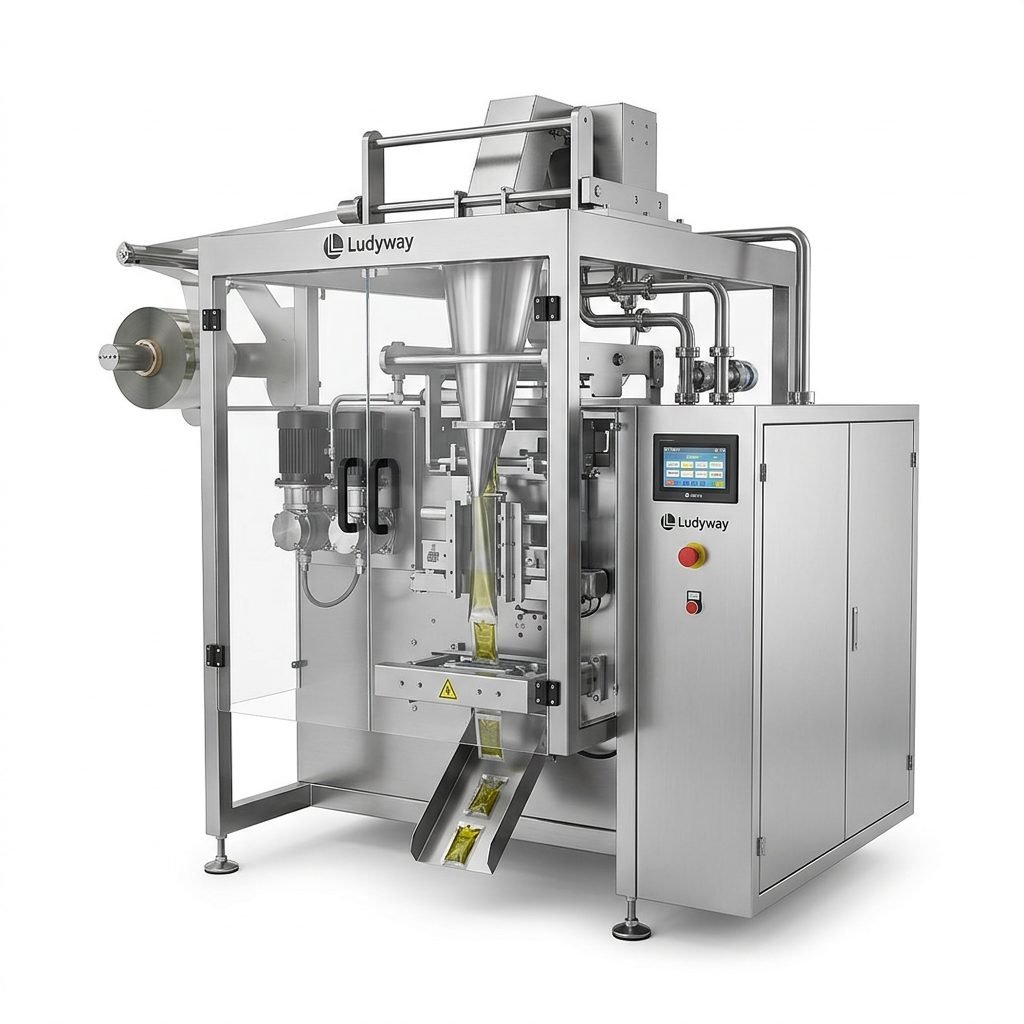
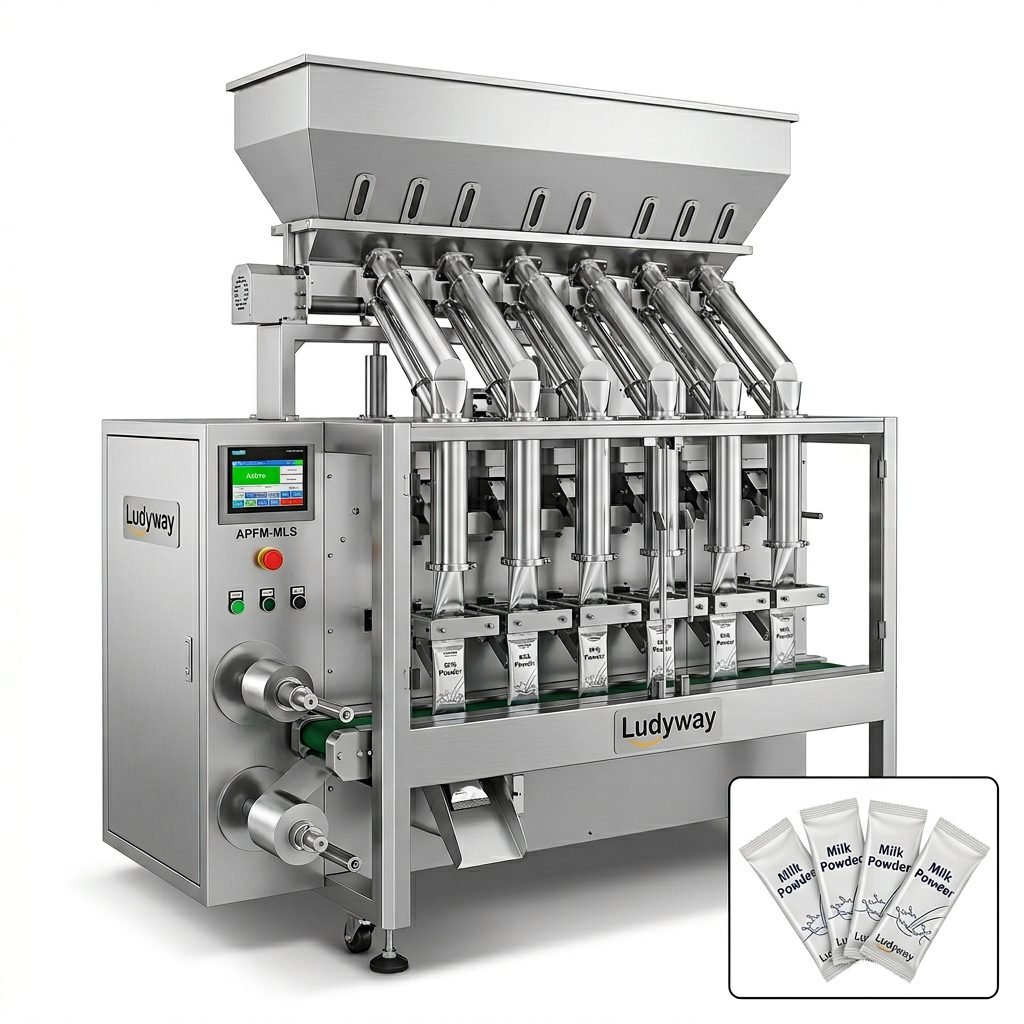
Investing in a metal strip packing machine is a significant decision for any manufacturer handling components, fasteners, connectors, or small hardware parts. The right machine can dramatically boost packaging speed, reduce labor costs, and ensure consistent product presentation. However, with so many configurations available—from counting and weighing systems to different sealing technologies—the selection process often becomes overwhelming. This buyer’s guide walks you through every critical factor you need to evaluate before choosing a metal strip packing machine that matches your production goals.

Understanding Metal Strip Packaging Requirements
Metal strips, terminals, clips, pins, and similar components present unique handling challenges that not all packaging machines can manage. Unlike powders or granules, metal parts are rigid, often irregular in shape, and can cause jamming if the feeding system is not designed correctly. Before contacting suppliers, document your product’s dimensional range, sharpness, surface finish, and whether magnetic interference could affect the counting mechanism. A dedicated counting and packaging system specifically configured for hardware components will always outperform a general-purpose machine adapted from food or pharmaceutical applications.
Key product parameters to measure in advance include the minimum and maximum part length, cross-sectional shape, weight per piece, and whether parts are loose or joined in reel form. Understanding these variables helps equipment manufacturers recommend the most appropriate feeding, counting, and sealing technology for your exact application, avoiding costly mismatches between machine capability and product specification.
Product Dimensions and Variability
Most metal strip packing machines are engineered to handle a specific product size range. Measuring your longest, shortest, thinnest, and thickest strips ensures the machine’s feed channels, counting tracks, and sealing dies can accommodate your complete product family without mechanical interference. Quick-change tooling should also be evaluated if you regularly switch between different parts on the same production line.
Surface Sensitivity and Protection
Plated, coated, or polished metal surfaces may require gentle handling and anti-marring contact points throughout the packaging process. Machines handling such sensitive components often incorporate non-metallic guide rails, cushioned drop zones, and controlled vibration to prevent cosmetic damage. Confirming surface protection capabilities early in the selection process prevents quality issues and customer returns for scratched or marked products.
Counting and Dosing Technology Selection
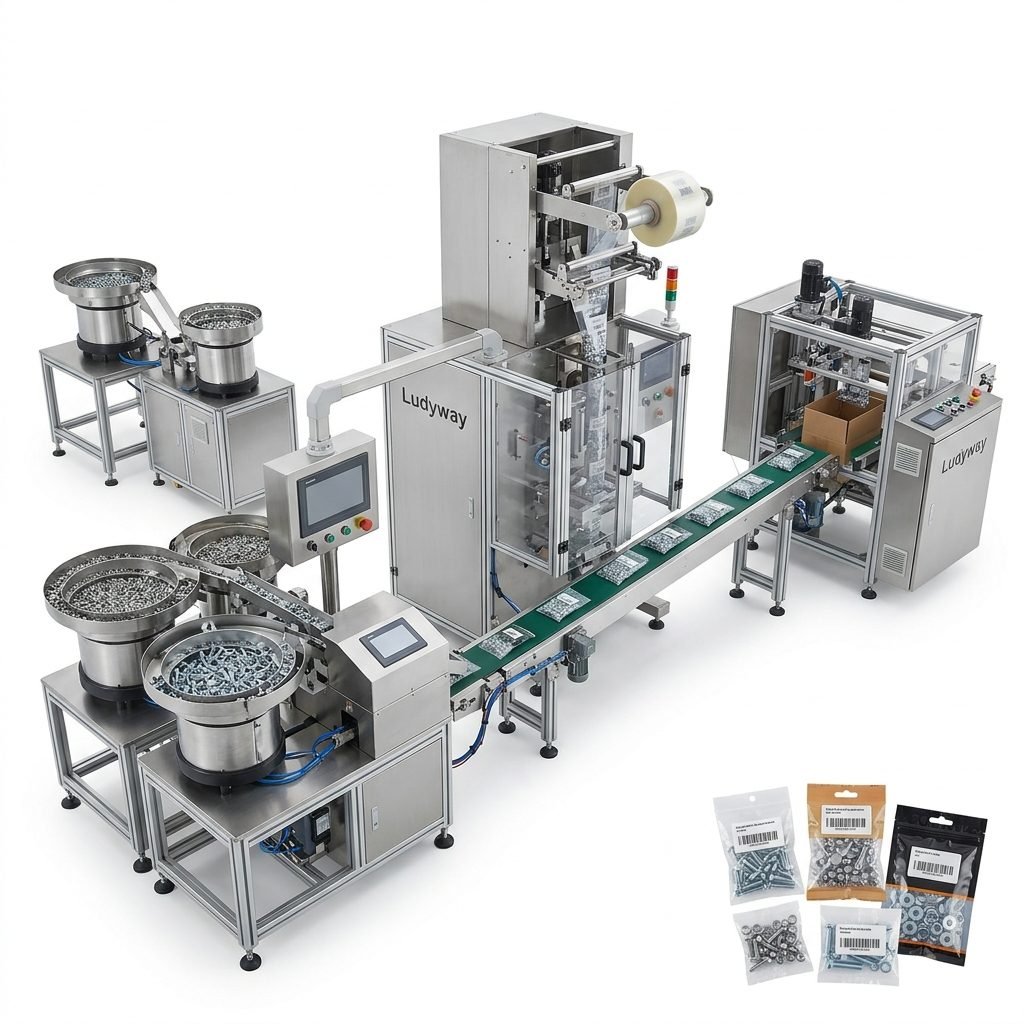
The method used to count and dispense individual metal strips directly affects packaging accuracy, speed, and waste. Several counting technologies exist, each suited to different product characteristics and production demands. Making the right choice here is often the single most important factor in overall machine performance and return on investment.
| Counting Technology | Best For | Key Advantage | Typical Speed |
|---|---|---|---|
| Vibratory Bowl Feeder | Small uniform screws, pins, clips | High counting precision for consistent parts | Up to 200 pieces/min per lane |
| Multi-channel Counting Tracks | Medium to large strips, connectors | Handles irregular shapes, gentle part transfer | 50-120 pieces/min per channel |
| Weighing-based Counting | Mixed kits, heavy individual items | No jamming risk, handles wide product range | Depends on target weight and accuracy |
| Optical Counting Sensors | Flat strips, washers, terminals | Contactless detection, minimal product damage | Up to 300 pieces/min |
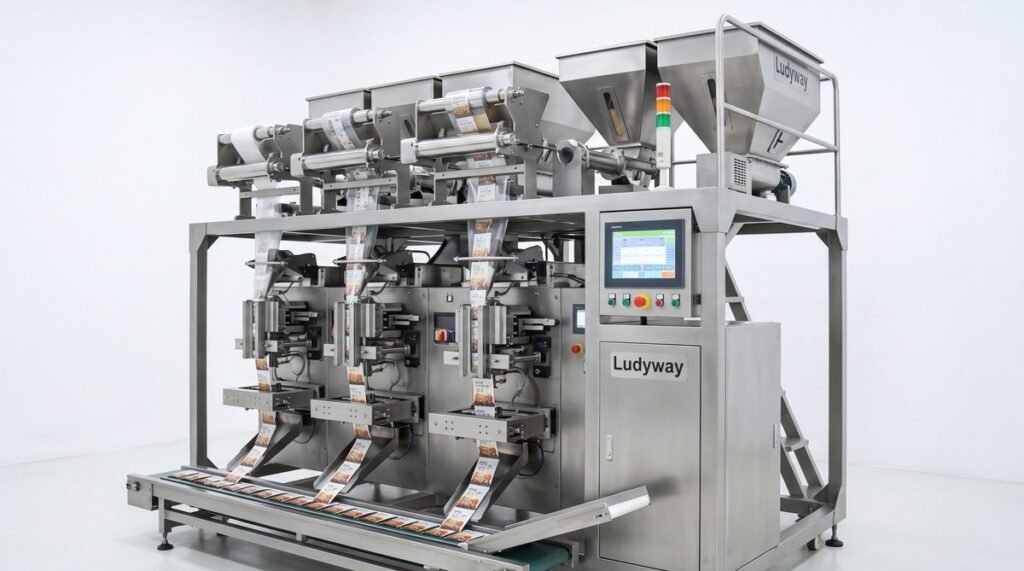
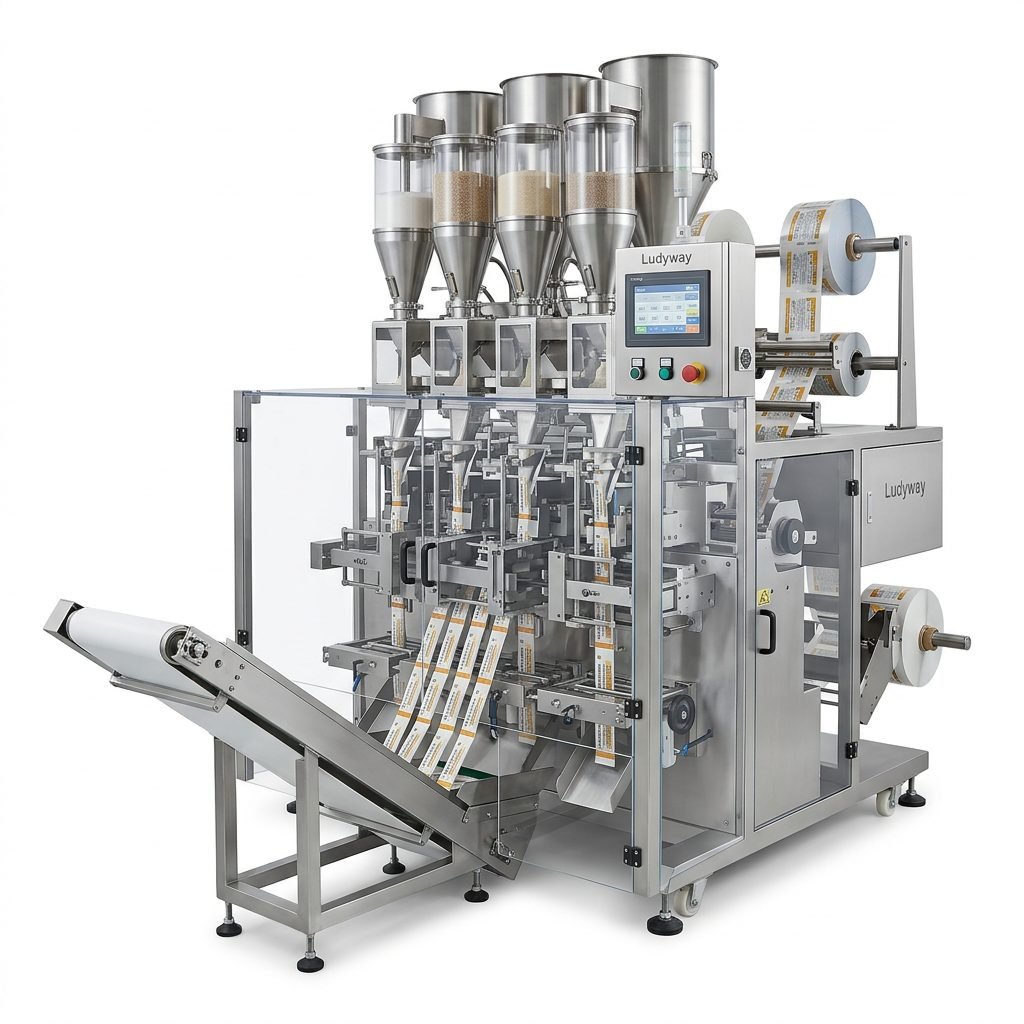
For precision hardware and packaging industry requirements, multi-lane counting systems with photoelectric verification offer the best balance of speed and accuracy. These systems feed parts through individual tracks, breaking the product stream into pre-counted groups using sensor arrays. When multiple lanes operate simultaneously, throughput multiplies without compromising count integrity, making this configuration popular among fastener and automotive connector manufacturers.
Packaging Format and Bag Configuration
Metal strip packaging machines can produce several bag styles, each offering different advantages for product protection, shelf presentation, and end-user convenience. The correct format depends on how your customers receive, handle, and store the packaged metal components.
- Pillow bags: Traditional three-side or four-side seal bags for standard hardware retail packaging.
- Gusseted bags: Stand-up capability for improved shelf visibility in retail environments.
- Chain bags: Continuous perforated strips ideal for easy tear-off and piece-by-piece dispensing.
- Stick packs: Narrow compact packaging for sample kits and small-quantity hardware sets.
- Pouch-style packaging: Premade pouches with zipper closures for reusable convenience.
Bag Dimensions and Material Compatibility
Your packaging film must be compatible with metal strip characteristics including weight and sharp edges. Multi-layer laminates with a durable outer surface and strong heat-seal layer prevent punctures and ensure reliable sealing even with angular parts. Film thickness, heat-seal temperature range, and the ability to run various material types including polyethylene, polypropylene, and laminated foils should be confirmed with your machine supplier before finalizing specifications.
Production Speed and Automation Levels
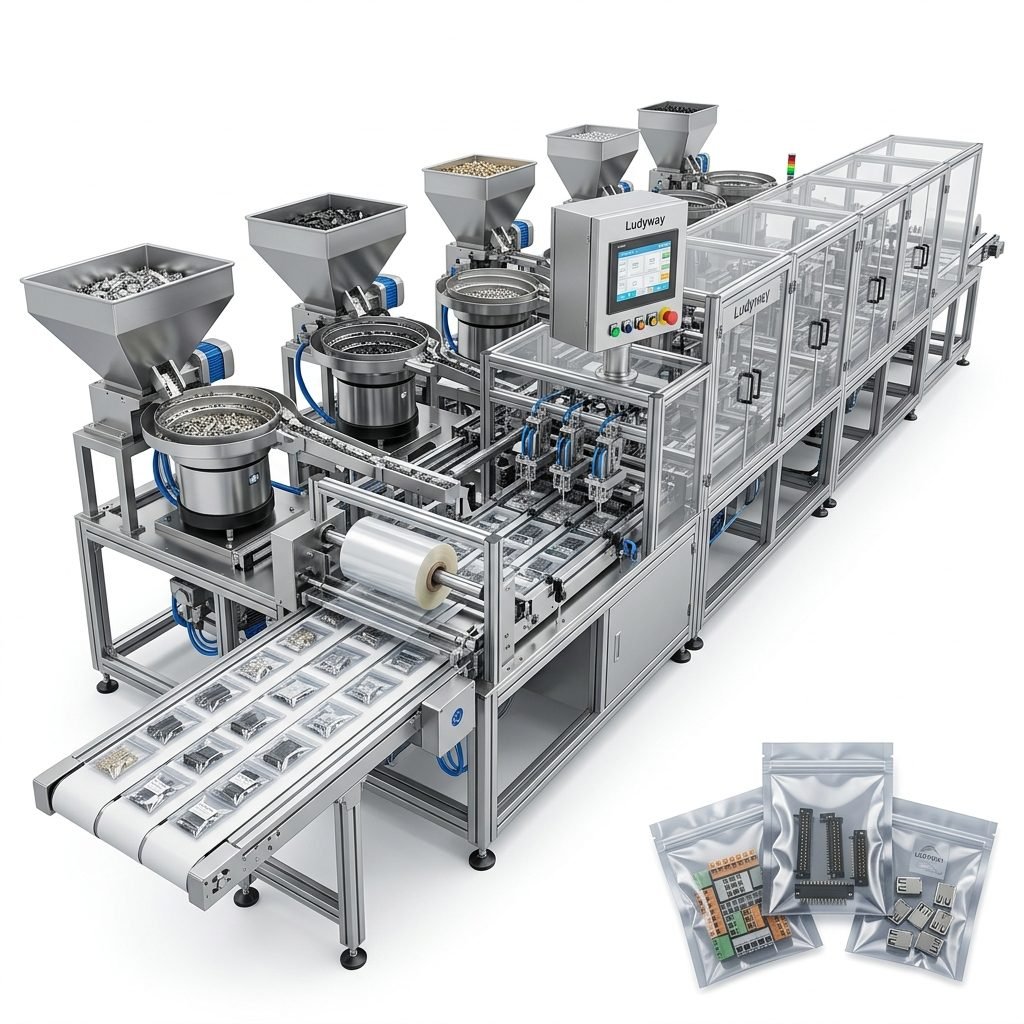
Throughput requirements drive much of the machine specification process. However, speed alone is not the only metric—you must consider the complete work cycle including bag forming, product feeding, counting verification, sealing, cooling, and discharge. A machine rated at high theoretical speed but suffering frequent stoppages for mis-feeds or seal failures will underperform a more robustly engineered system running at moderate consistent speeds.
Semi-Automatic vs. Fully Automatic Systems
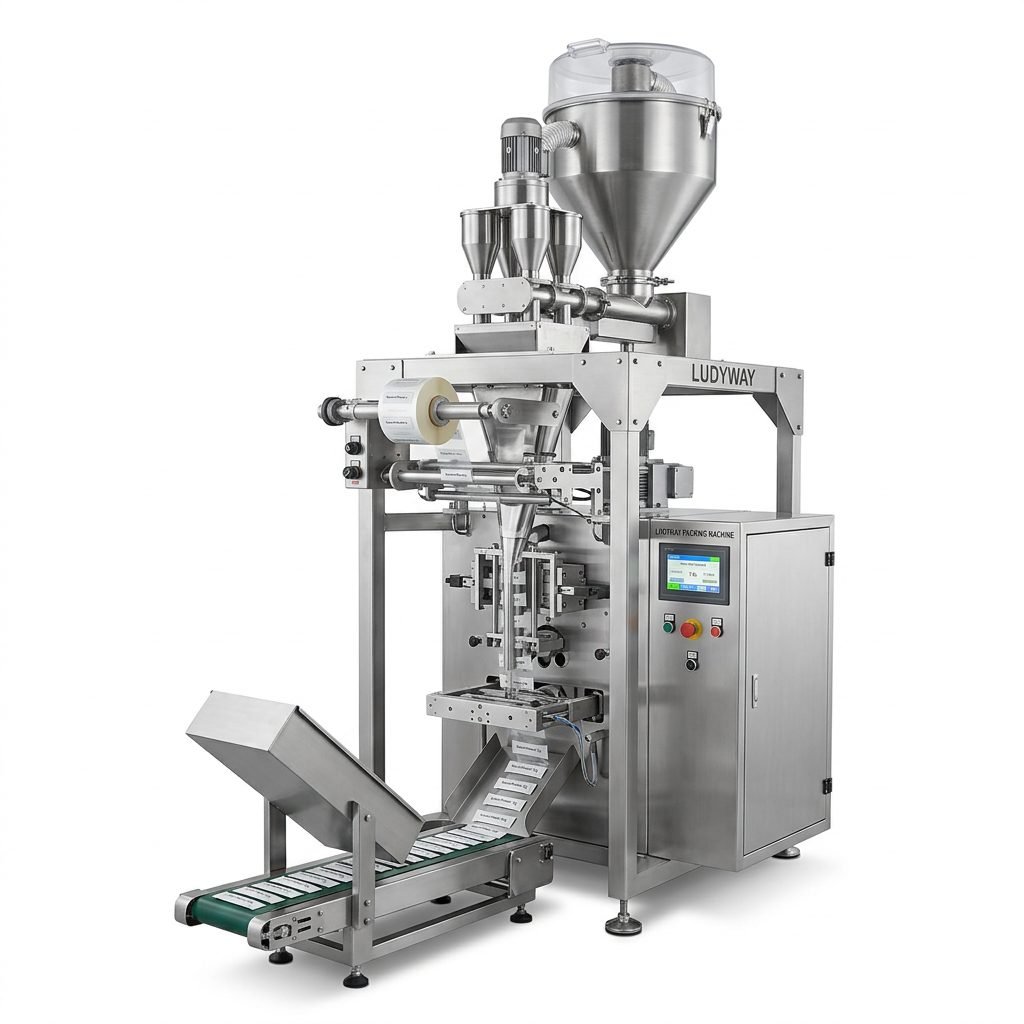
Semi-automatic machines require operator involvement for bag loading or product feeding, making them suitable for lower volume production or frequent changeovers. Fully automatic metal strip packing machines integrate automatic feeding, counting, bag forming, filling, sealing, and optional downstream functions like printing, labeling, and cartoning into one continuous process. The investment difference is substantial, but fully automatic lines typically deliver 3-5 times higher output with fewer labor hours and lower per-unit packaging cost when volume justifies the capital expenditure.
| Automation Level | Typical Output Range | Operator Requirement | Best Application |
|---|---|---|---|
| Semi-Automatic | 15-40 bags/min | 1-2 operators | Small batch production, job-shop environments |
| Fully Automatic Single Lane | 40-100 bags/min | 1 operator (supervision) | Medium-volume dedicated production runs |
| Multi-Lane Automatic | 100-300+ bags/min | Minimal supervision | High-volume continuous production |
Industry-Specific Requirements and Standards
Different industries impose specific packaging standards that influence machine design, materials, and documentation. The PMMI packaging standards and regulations provide comprehensive guidance on what manufacturers should consider. Automotive and aerospace hardware often require traceable lot coding, batch tracking, and tamper-evident sealing. Electronic components demand static-protective packaging and dessicant insertion. Medical device hardware must comply with ISO 11607 packaging for terminally sterilized medical devices requirements.
Every industry affects dosing, filling, sealing, speed, hygiene, material compatibility, and packaging formats differently. Working with a supplier experienced in your specific sector ensures the machine configuration meets both regulatory requirements and practical production demands. Flexible packaging industry resources from the Flexible Packaging Association provide additional insights into material selection and package performance testing.
Certification and Compliance Documentation
For manufacturers exporting packaged products internationally, the packaging machine itself may need to carry certifications such as CE marking for the European market or meet specific electrical and safety standards. The packaging machinery manufacturer’s experience with international certifications can streamline your own compliance efforts and speed time-to-market for new packaged product lines. Requesting compliance documentation during the vendor evaluation phase prevents costly surprises later.

Machine Durability and Maintenance Considerations
The long-term cost of operating a metal strip packing machine is heavily influenced by build quality and maintainability. Machines constructed with robust frame materials, industrial-grade bearings, and proven sealing systems typically deliver lower total cost of ownership over a 5-10 year operating life. Key indicators of durability include the use of hardened steel components in high-wear areas, easy-access panels for routine maintenance, and modular design that allows component replacement without major disassembly.
- Sealing system accessibility: Easy cleaning and replacement reduces downtime during product changeovers.
- Drive system reliability: Direct-drive or servo-motor setups generally require less maintenance than pneumatic-heavy designs.
- Control system diagnostics: On-screen fault identification and troubleshooting guidance speeds problem resolution.
- Spare parts availability: Global parts stock and responsive support ensure minimal production disruption.
Supplier Capabilities and Long-Term Partnership
Selecting the right equipment partner extends far beyond comparing machine specifications. A packaging machinery manufacturer with comprehensive engineering capabilities can provide customized solutions that off-the-shelf equipment cannot match. Evaluating a potential supplier’s track record in metal hardware packaging, their installed base across similar applications, and their engineering depth reveals whether they can support your growth over the coming decade.
Ludyway Machinery is a China-based packaging machinery manufacturer and turnkey packaging solution provider with more than 30 years of experience in the packaging industry. With a 20,000-square-meter manufacturing facility, more than 130 professionals, and over 50 packaging machine models, the company serves customers in more than 100 countries and regions. Ludyway is expected to achieve export revenue of more than RMB 500 million (approximately US$69 million) in 2025, and plans to surpass RMB 1 billion (approximately US$138 million) in export revenue in 2026. Its engineering team works on mechanical design, dosing systems, automation, control architecture, and customized machine configurations for hardware, fastener, connector, and metal component packaging applications.
Customization and Engineering Support
For manufacturers with non-standard metal strip products or unique packaging requirements, working with a partner offering in-house engineering and customization delivers significant advantages. Custom feeding systems for unusually shaped parts, integrated quality inspection at packaging speeds, and connection to upstream manufacturing processes all require engineering expertise that extends beyond standard machine configurations. Industry reports from PMMI consistently show that manufacturers who partner with full-service equipment suppliers achieve faster ramp-up times and higher long-term equipment utilization.
Evaluating Total Cost of Ownership
Purchase price is a poor indicator of true machine cost. A comprehensive total cost of ownership (TCO) analysis should account for installation and commissioning, operator training, expected maintenance parts consumption, packaging material waste rates, energy consumption, and anticipated throughput. A machine with 20% higher upfront cost but 40% lower material waste and 30% less unplanned downtime may deliver substantially better financial performance over its operating life.
| TCO Component | Typical Annual Impact | Optimization Strategy |
|---|---|---|
| Packaging Film Waste | 3-8% of material cost | Precise film registration, servo-driven sealing |
| Unplanned Downtime | 5-15% of available production hours | Robust build, proactive maintenance plan |
| Spare Parts Consumption | 1-3% of machine value annually | Quality original components, operator training |
| Energy Usage | Variable by machine size | Energy-efficient motors, optimized cycle timing |
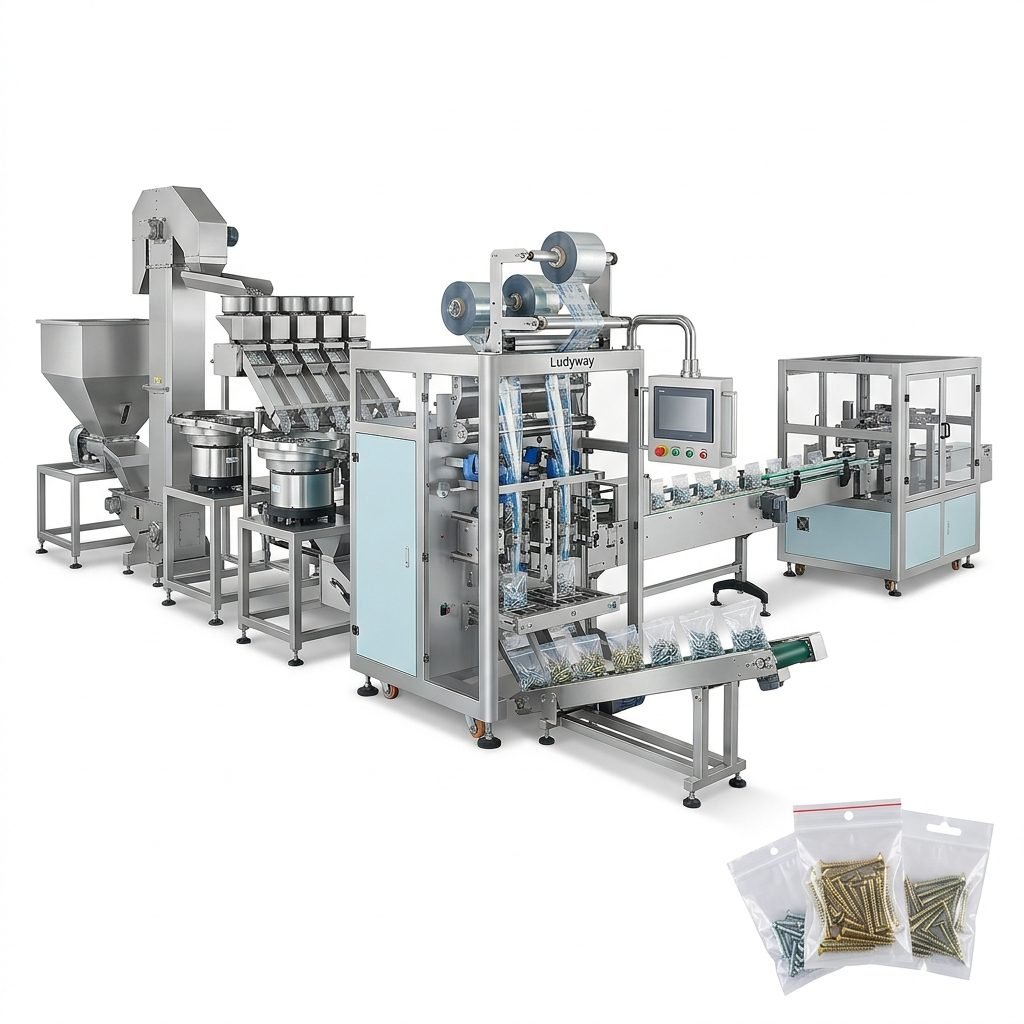
Integration With Existing Production Lines
A metal strip packing machine rarely operates in isolation. It must receive product from upstream manufacturing cells, conveyors, or bulk storage systems, and discharge finished bags to checkweighers, metal detectors, case packers, or palletizers. Evaluating how the proposed packaging machine connects to your existing factory layout and automation infrastructure reveals integration costs and potential bottlenecks. Systems that support standardized communication protocols and offer flexible infeed/outfeed configurations simplify integration and reduce implementation time.
Upstream and Downstream Connectivity
- Product infeed: Bulk hoppers, stepped conveyors, or direct connection to part feeders from manufacturing cells.
- Reject systems: Automatic rejection of miscounted or improperly sealed bags before downstream accumulation.
- Printing and labeling: Inline thermal transfer, inkjet coding, or labeling for batch traceability.
- Checkweighing: Dynamic weight verification ensuring every bag meets count accuracy specifications.
- Metal detection: Final product inspection for ferrous, non-ferrous, and stainless steel contaminants.
- Case packing: Automatic collation and packing of finished bags into shipping cartons.
After-Sales Service and Global Support
The quality and responsiveness of technical support after machine installation significantly impacts long-term productivity. Before finalizing a purchase, clarify warranty terms, response times for remote and on-site support, availability of spare parts in your region, and whether the supplier offers preventative maintenance programs. Manufacturers shipping globally should ensure their chosen partner provides service coverage in target markets and maintains documentation support in applicable languages. FDA food packaging and food contact substances guidance and similar international resources help validate that packaging material and process selections meet destination market requirements.
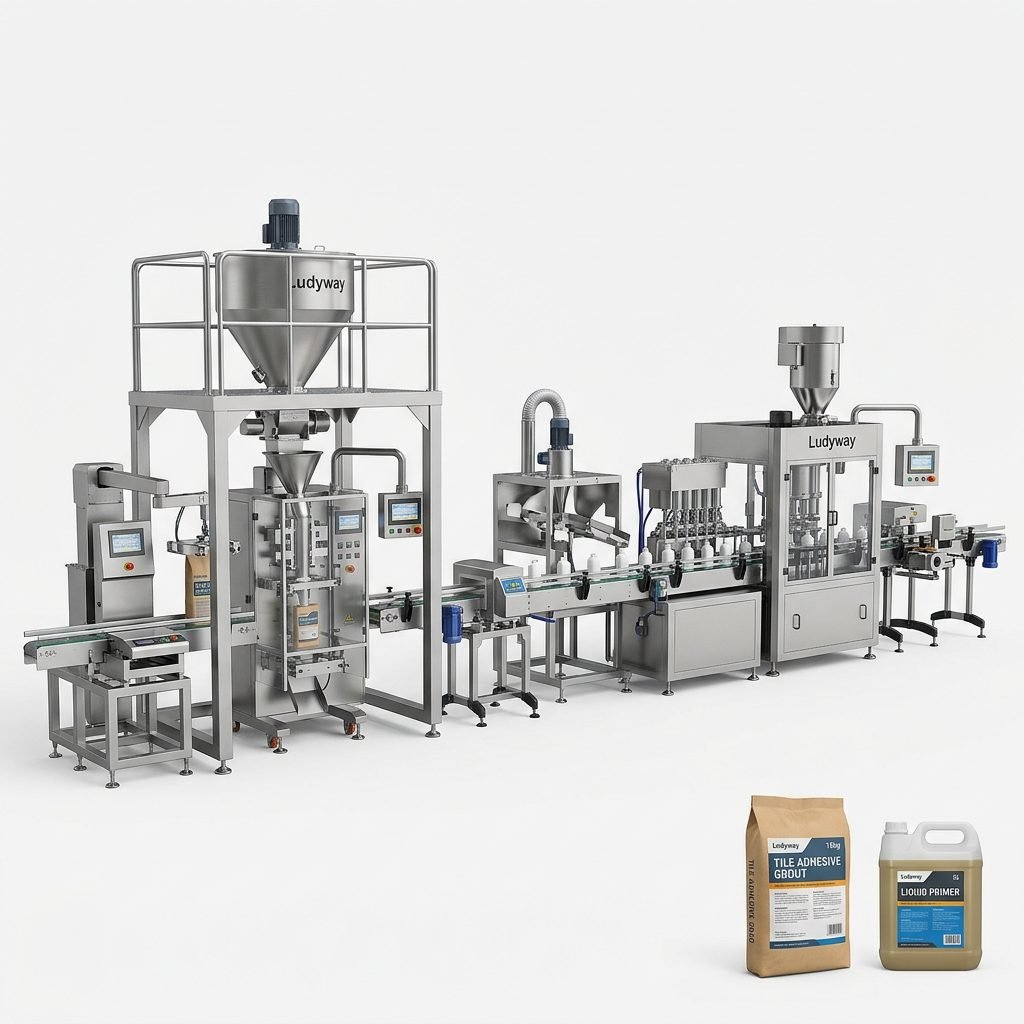
From a single automatic packaging machine to a complete turnkey packaging line, selecting the right metal strip packing machine requires careful evaluation of product characteristics, throughput needs, bag formats, industry standards, and long-term supplier capabilities. Manufacturers who invest time in thorough specification and partner with experienced equipment suppliers position themselves for efficient, reliable, and scalable packaging operations that support business growth for years to come.