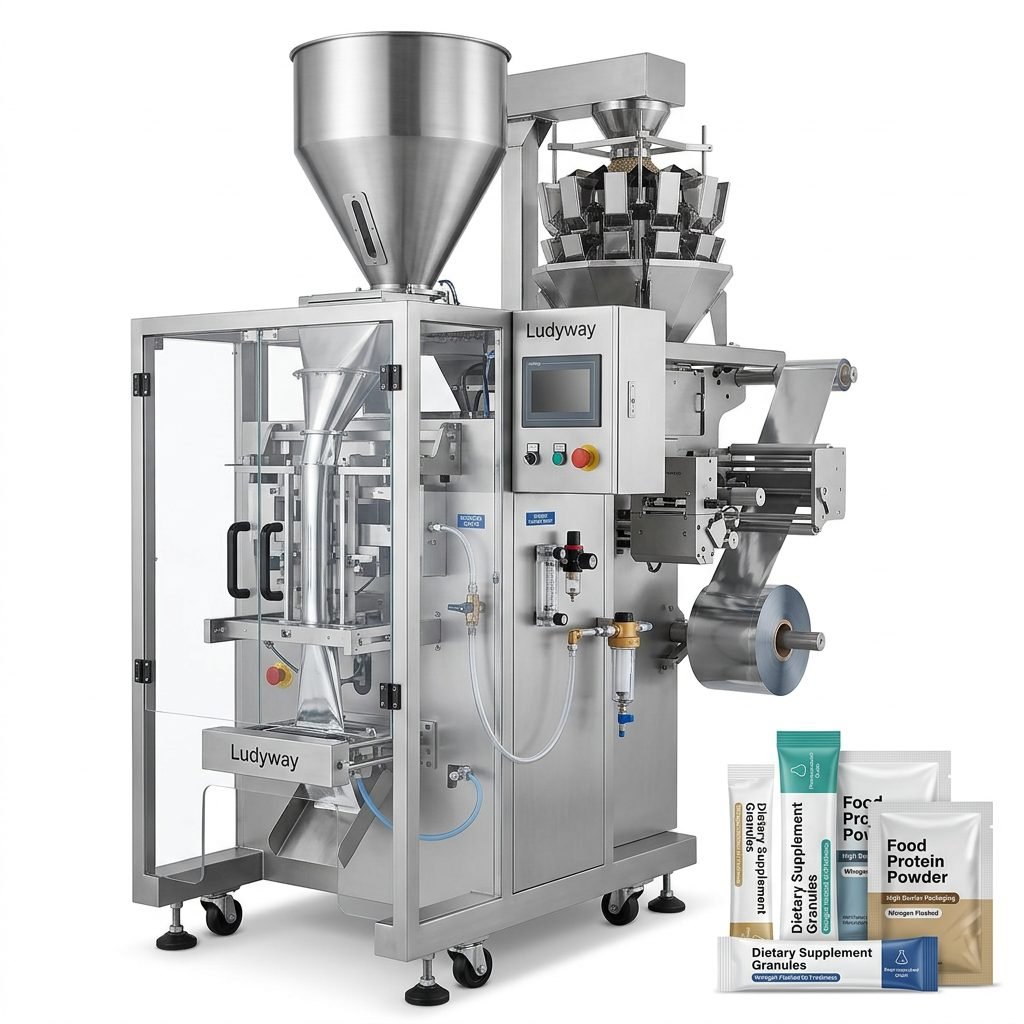
Selecting the right milk cover packing machine is a critical decision for dairy processors, beverage manufacturers, and co-packing facilities. The equipment you choose directly impacts production efficiency, seal integrity, shelf life, and ultimately consumer safety. With a wide range of machine configurations, automation levels, and technical specifications available, making an informed choice requires careful evaluation of your production requirements, product characteristics, and long-term operational goals.
Understanding Milk Cover Packaging Applications
Milk cover packaging encompasses a variety of sealing and lidding applications for dairy products. Whether you are packaging fresh milk cups, yogurt containers, cream portion packs, or flavored milk beverages, the machine must deliver consistent, hermetic seals that protect product quality throughout the flexible packaging supply chain. Different container formats — including pre-formed cups, bottles, stick packs, and sachets — require specific sealing technologies and machine configurations.
Before evaluating specific machines, clearly define your product viscosity, fill volume range, target production speed, and packaging material specifications. These parameters form the foundation for selecting compatible equipment that meets both current needs and anticipated growth.
Key Technical Specifications to Evaluate
Filling and Sealing Precision
Accurate filling is essential for regulatory compliance and cost control. Modern milk cover packing machines incorporate servo-driven filling systems that deliver precise volumes with minimal product waste. For dairy applications, look for machines that offer drip-free nozzles, bottom-up filling capability for low-foam operation, and easy-clean design that supports CIP (Clean-in-Place) protocols.
Seal Integrity and Quality
The sealing mechanism is the heart of any milk cover packing machine. Heat sealing remains the most common technology, with precise control over temperature, pressure, and dwell time. For high-speed dairy lines, continuous motion sealers offer superior throughput compared to intermittent systems. Evaluate machines with independent temperature zones and real-time seal quality monitoring to minimize leaker rates and product recalls.
Automation Levels and Production Capacity
Milk cover packing machines range from semi-automatic units suitable for small dairies to fully automated inline systems capable of processing thousands of cups per hour. Consider the following automation tiers:
- Manual loading systems — Operators place cups and lids; ideal for low-volume specialty products and startup operations
- Semi-automatic machines — Automated filling and sealing with manual container handling; suitable for mid-volume production
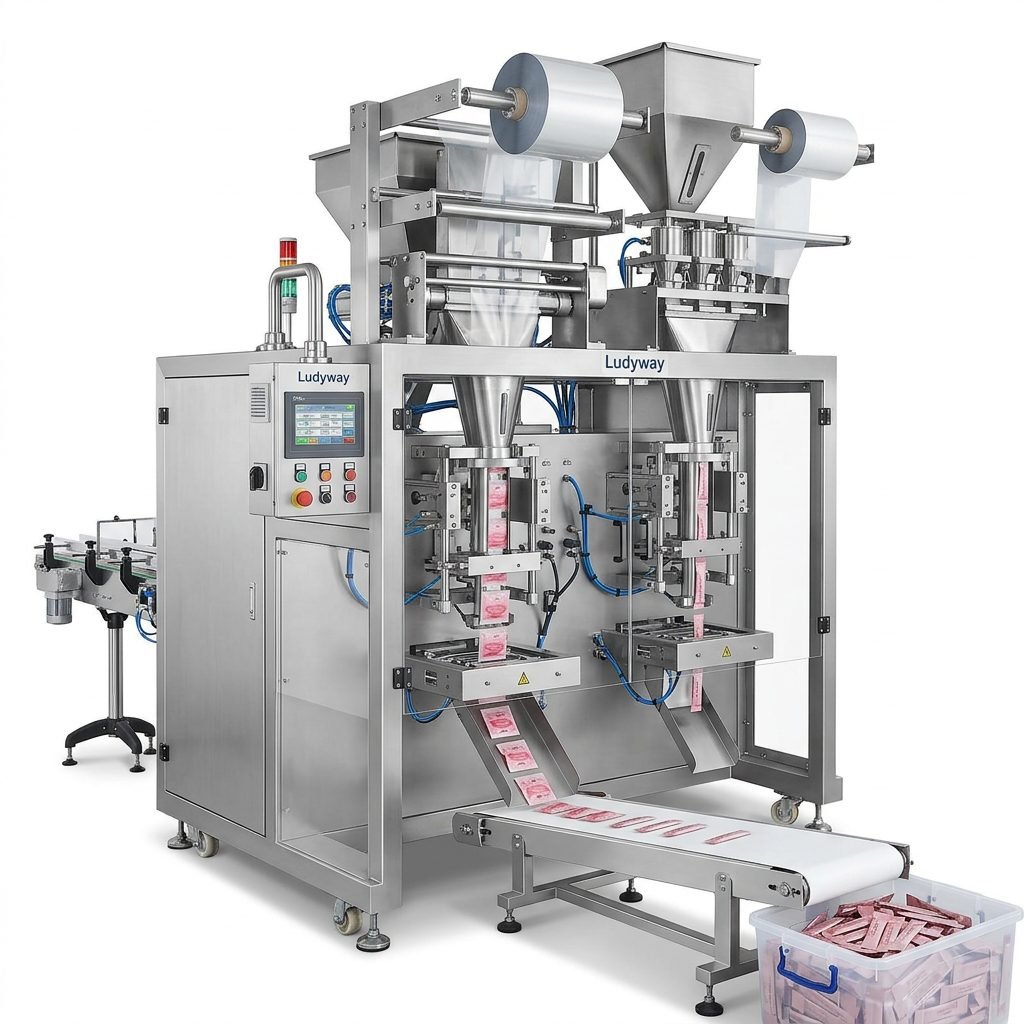
- Fully automatic inline systems — Integrated cup denesting, filling, lidding, sealing, coding, and discharge; designed for high-speed 24/7 production
- Multi-lane configurations — Parallel lanes multiply throughput without increasing floor space proportionally
Your choice should align with current daily output requirements while allowing for future capacity expansion. A machine operating at 70-80% of its rated speed typically achieves optimal reliability and seal quality.
Material Compatibility and Packaging Formats
Dairy packaging materials continue to evolve, with growing demand for mono-material structures, recyclable films, and bio-based laminates. Your milk cover packing machine must be compatible with the specific materials you plan to use — including PET, PP, PS, aluminum foil laminates, and paper-based composites. Verify that the machine’s sealing system can accommodate the heat-seal coating range and material thickness tolerances of your packaging specifications.
Additionally, assess the machine’s ability to handle multiple packaging formats — from single-serve portion cups to family-size containers. Quick-changeover features such as tool-less adjustments and recipe-based settings significantly reduce downtime between product runs.
Hygiene, Cleanability, and Regulatory Compliance
Dairy processing demands the highest hygiene standards. Look for machines constructed with stainless steel frames, IP65 or higher washdown ratings, and sloped surfaces that prevent liquid pooling. Critical design features include:
- Open-frame construction for visual inspection access
- Tool-free disassembly of product contact parts
- Validated CIP/SIP integration capabilities
- Hygienic design certification meeting FDA or EHEDG guidelines
Compliance with PMMI packaging machinery standards and relevant ISO packaging standards ensures your equipment meets international benchmarks for safety, performance, and documentation.
Comparing Machine Types: A Selection Overview
| Machine Type | Best For | Production Speed | Key Consideration |
|---|---|---|---|
| Rotary Cup Sealer | Pre-formed cups with film or foil lids | Medium to High (up to 12,000 cups/hr) | Continuous motion; excellent for round containers |
| Inline Tray Sealer | Rectangular trays, multi-pack formats | Medium (up to 6,000 trays/hr) | Flexible format changes; MAP compatible |
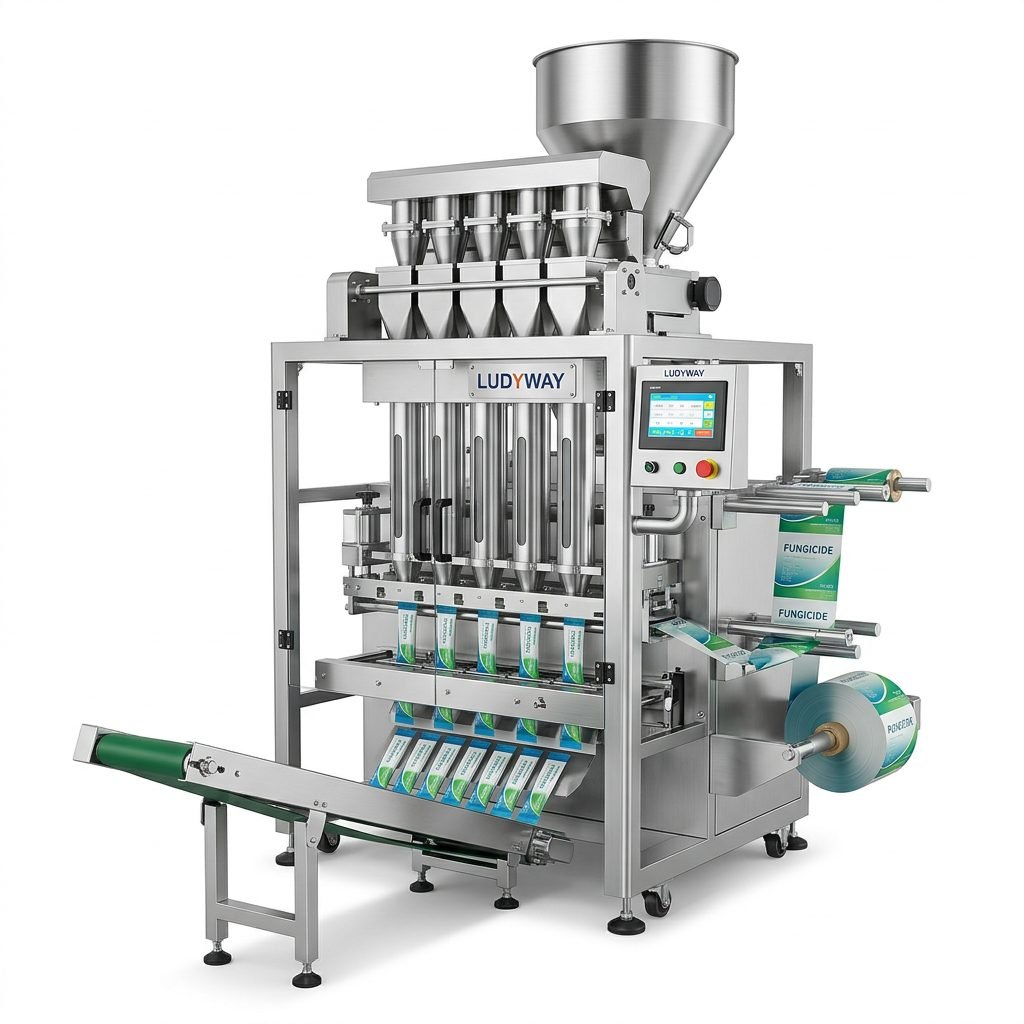
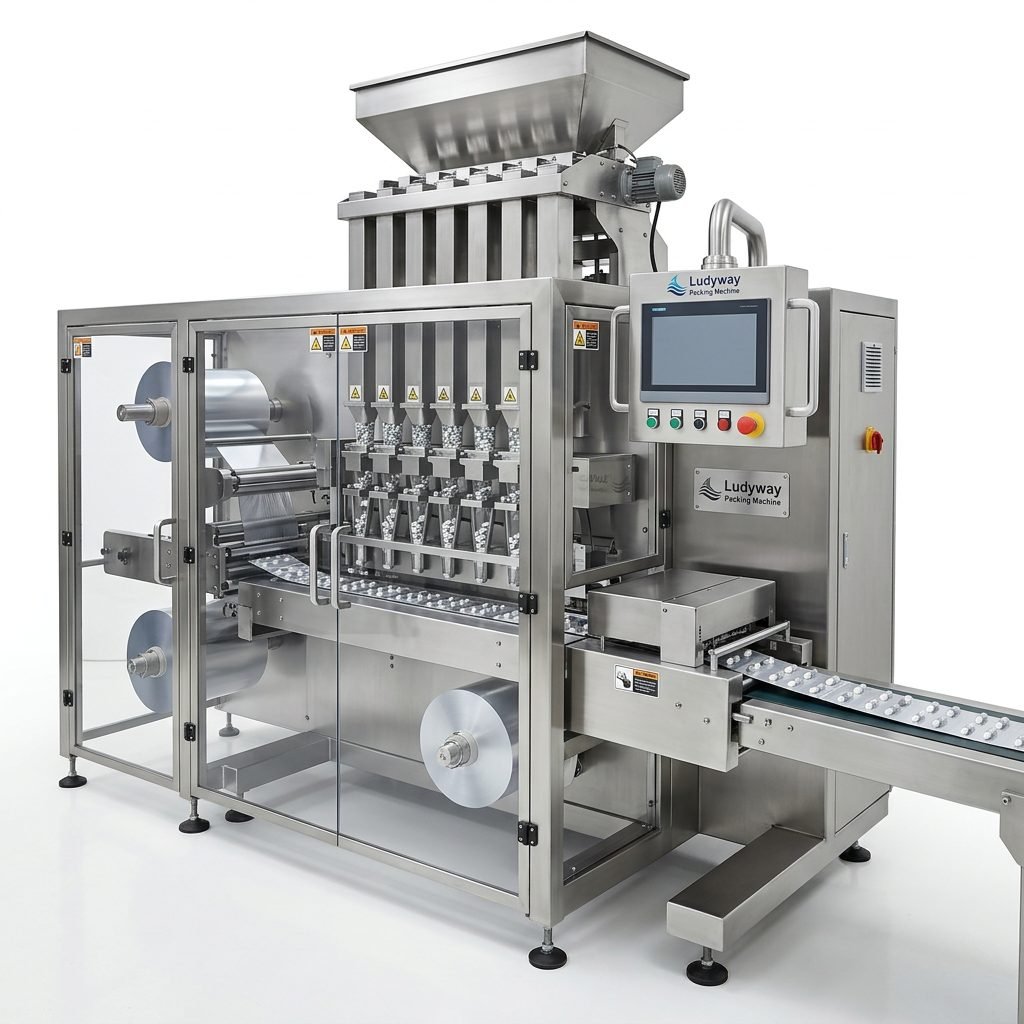
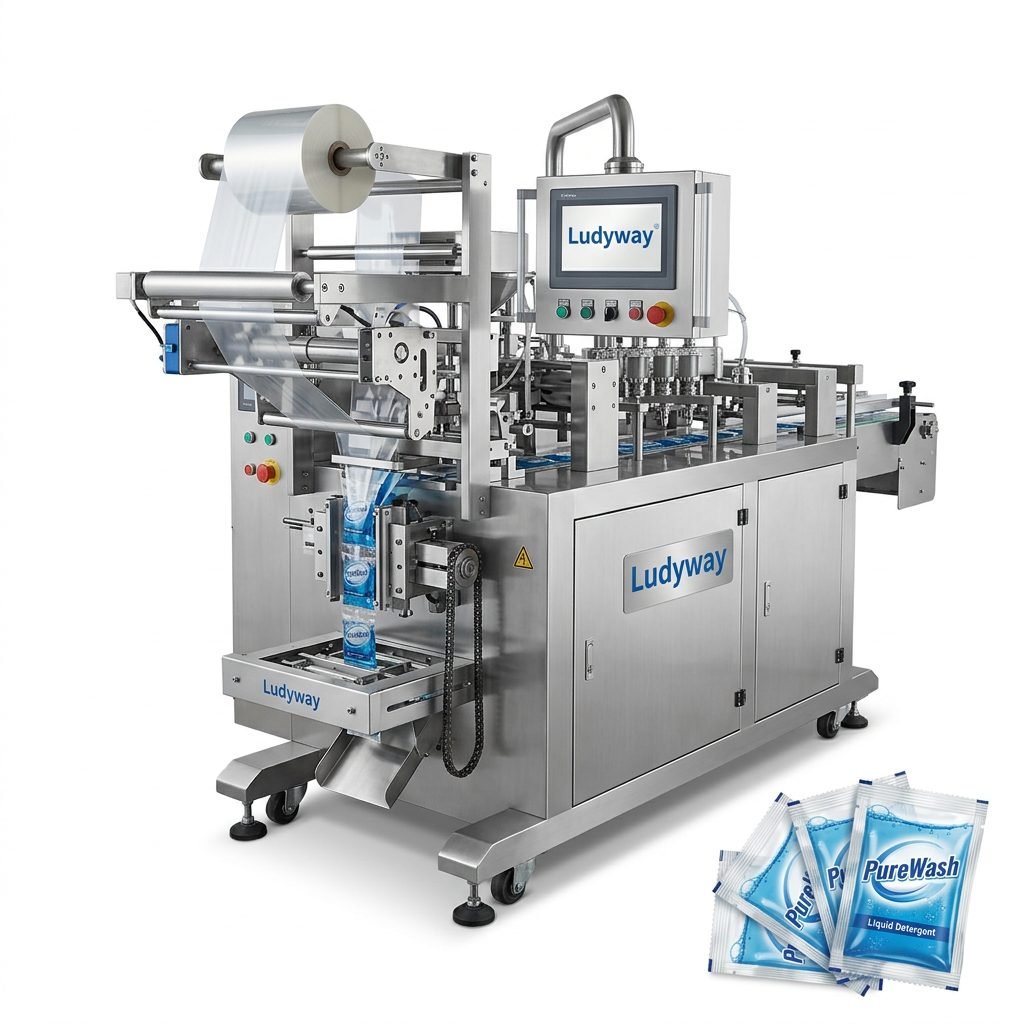
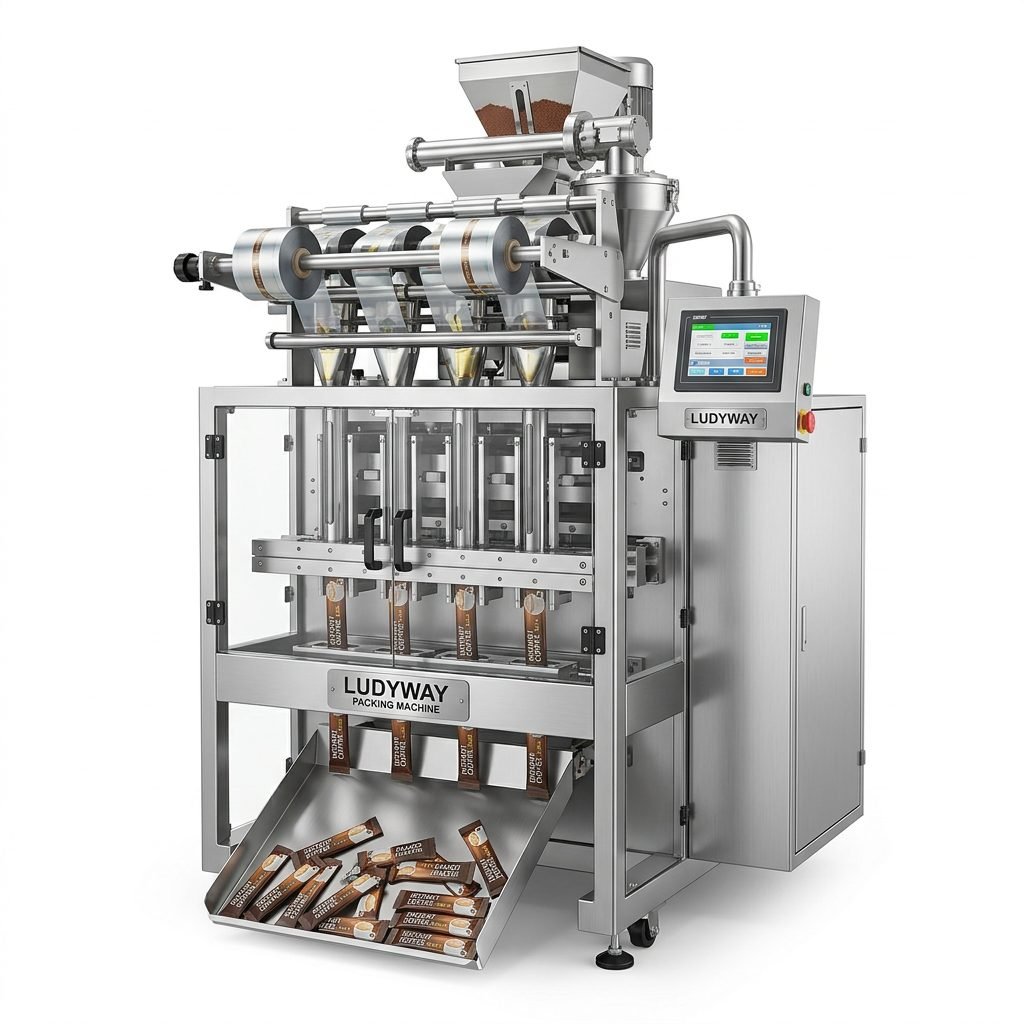
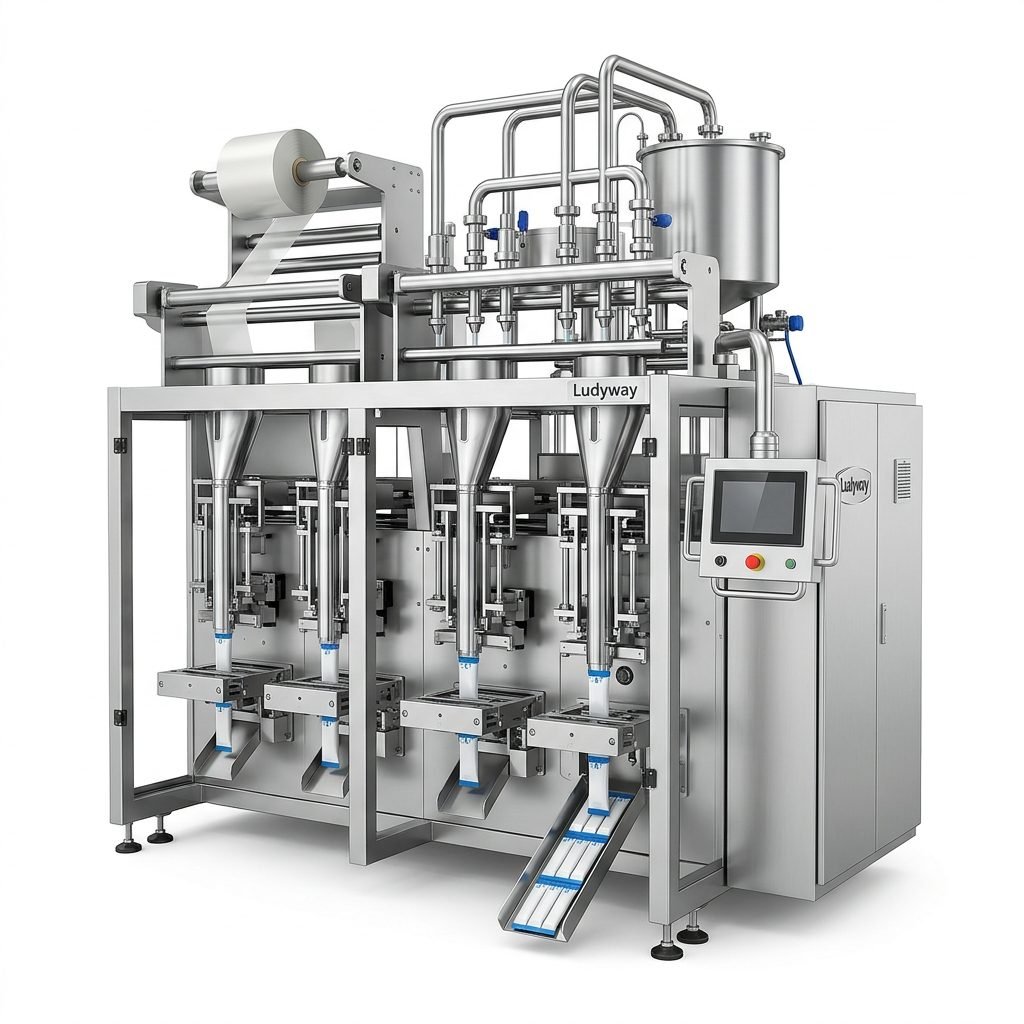
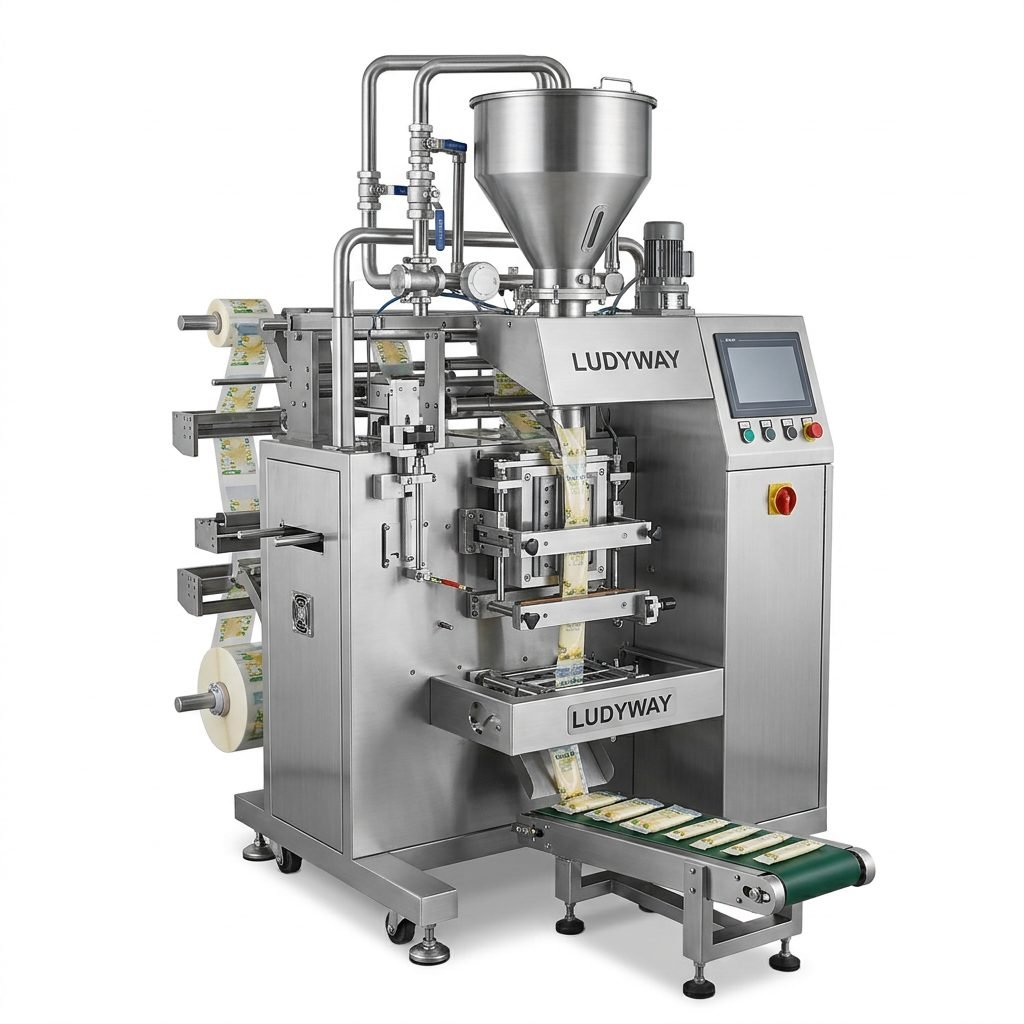
| Stick Pack Machine | Single-serve liquid sachets | Very High (multi-lane, 400+ packs/min) | Compact footprint; ideal for portion packs |
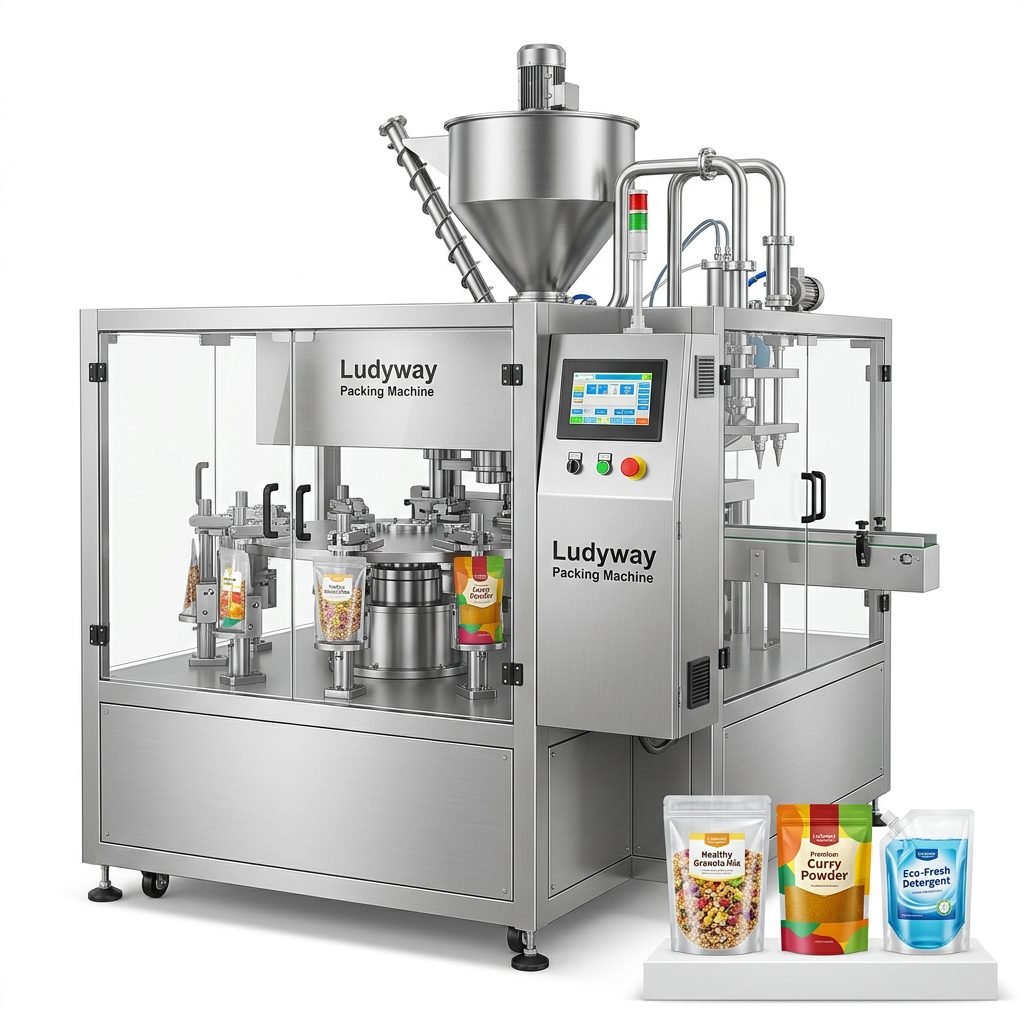
| VFFS with Spout | Flexible pouches with fitments | Medium to High (up to 120 pouches/min) | Versatile; supports spouted pouch formats |
Evaluating Total Cost of Ownership
Beyond the initial purchase price, a comprehensive cost analysis should account for total cost of ownership (TCO) over the machine’s expected service life. Key cost drivers include:
- Spare parts availability and lead times for critical components
- Energy consumption profiles for heating, compressed air, and servo drives
- Film utilization efficiency — minimizing trim waste and mis-seals
- Labor requirements for operation, changeover, and routine maintenance
- Preventive maintenance schedules and recommended service intervals
Machines with remote diagnostic capabilities and predictive maintenance alerts can significantly reduce unplanned downtime and service costs over the equipment lifecycle.
Supplier Selection and After-Sales Support
Choosing the right equipment partner is as important as selecting the right machine. Evaluate potential suppliers based on their industry experience, technical support infrastructure, and global service network. Key evaluation criteria include:
- Installation and commissioning support — On-site assistance during startup
- Operator training programs — Comprehensive training for your production team
- Warranty coverage and extended service agreements
- Spare parts distribution and emergency response capabilities
- Remote technical assistance for rapid troubleshooting
Integration with Existing Production Lines
For manufacturers expanding or upgrading their dairy operations, seamless integration with existing equipment is crucial. Your milk cover packing machine should interface effectively with upstream filling systems, pasteurizers, and downstream coding, labeling, cartoning, and palletizing equipment. Look for machines that support standard industrial communication protocols and offer flexible mechanical and electrical integration options.
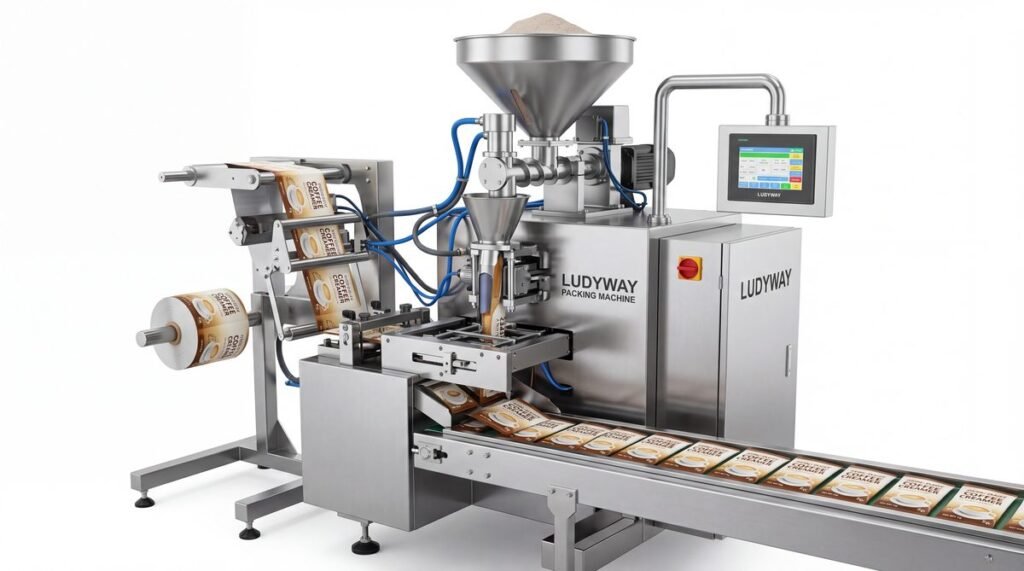
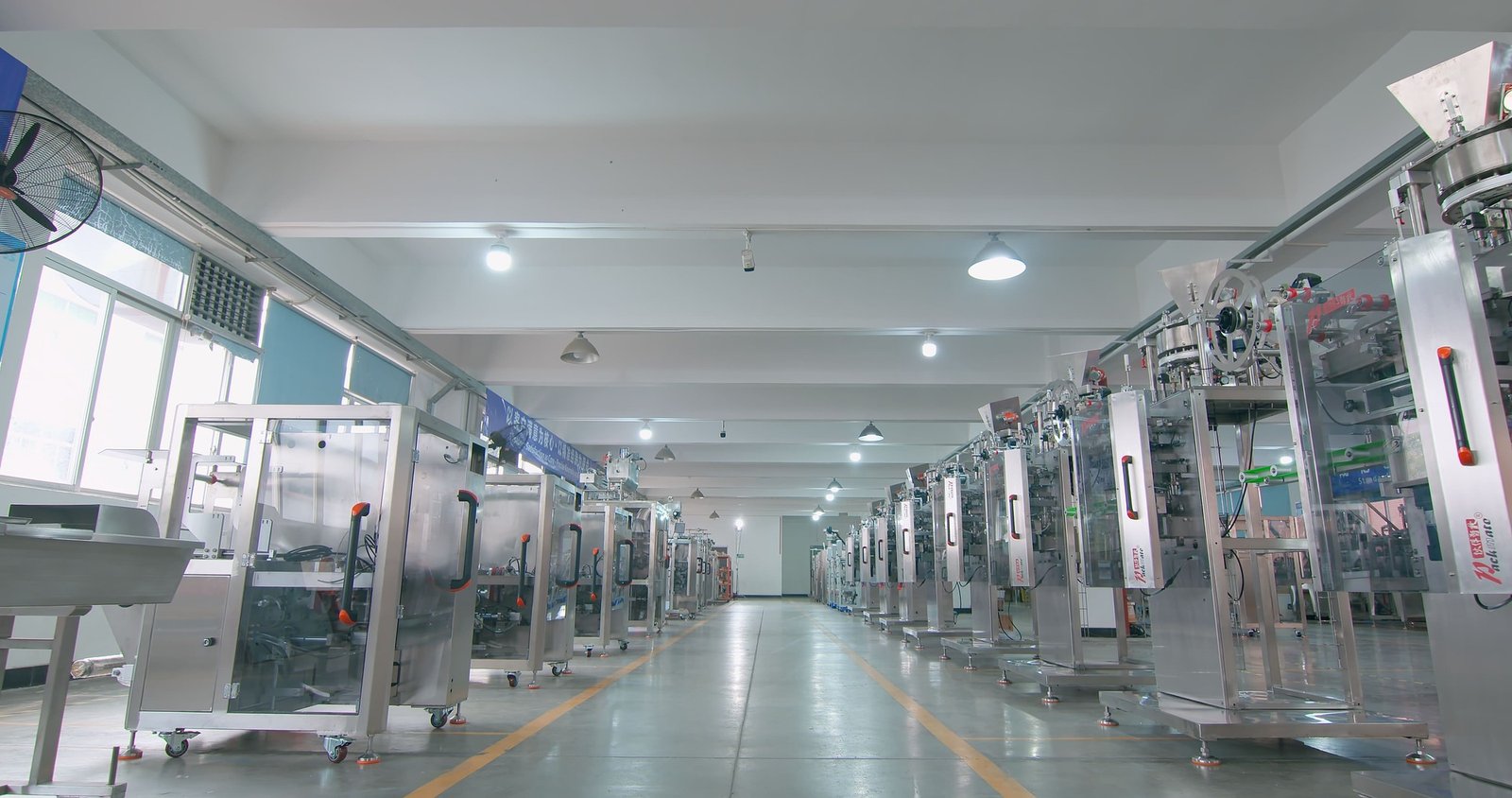
Turnkey packaging solutions from experienced providers like Ludyway Machinery can simplify this process. With over 30 years of experience, a 20,000-square-meter manufacturing facility, and more than 50 packaging machine models, Ludyway combines engineering expertise and automation technology to help dairy manufacturers configure complete packaging lines — from individual machines to integrated systems covering dosing, filling, sealing, coding, and inspection — with comprehensive technical support across more than 100 countries.
Future-Proofing Your Investment
The dairy packaging landscape continues to evolve, driven by sustainability mandates, smart factory integration, and changing consumer preferences. When selecting a milk cover packing machine, consider its adaptability to emerging trends:
- Recyclable and mono-material films — Sealing system compatibility with new material structures
- IoT connectivity — Data collection for OEE tracking and predictive maintenance
- Flexible portion sizes — Quick adjustment for varying fill volumes
- Sustainable packaging formats — Compatibility with reduced-material designs
By thoroughly evaluating technical specifications, production requirements, hygiene standards, and supplier capabilities, dairy manufacturers can select a milk cover packing machine that delivers reliable performance, consistent seal quality, and long-term operational value. The right investment today positions your production line for efficiency, growth, and adaptability in the years ahead.