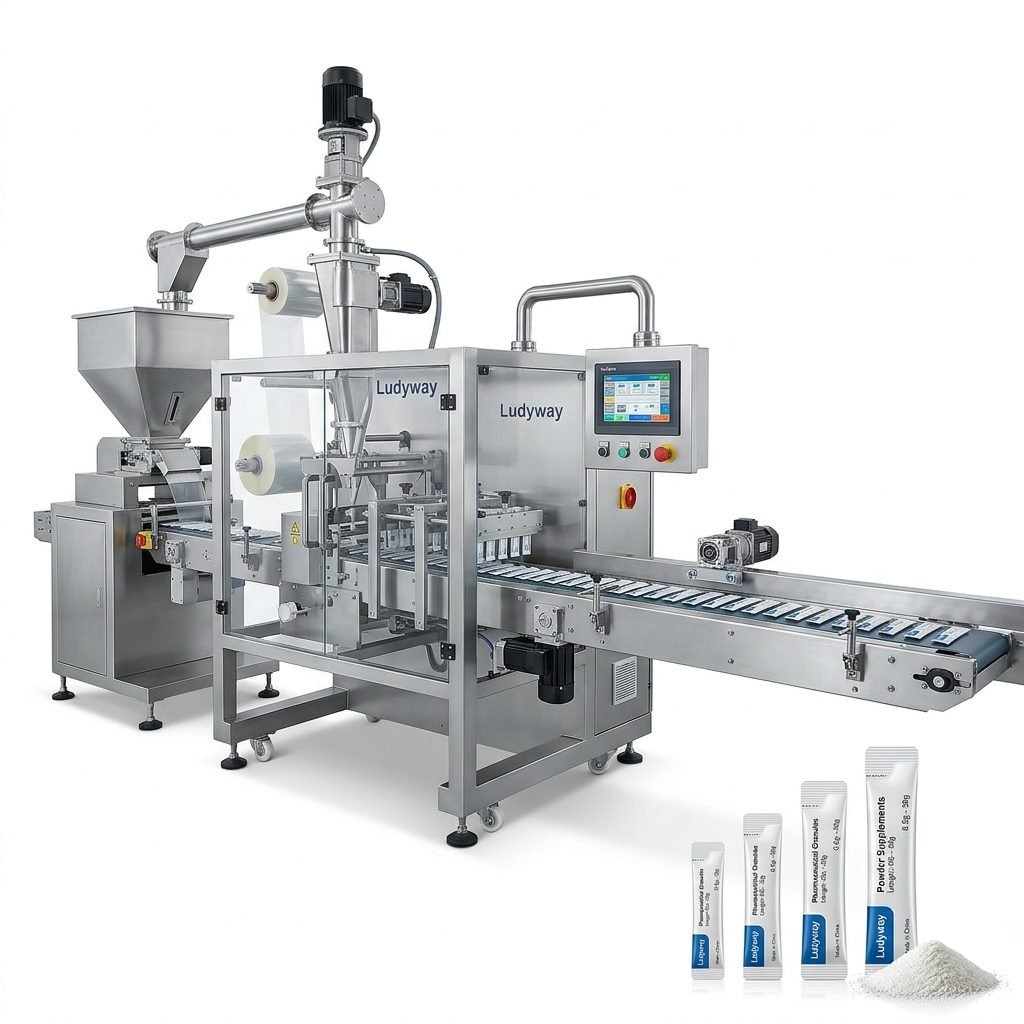
Investing in a mirchi powder packing machine is a significant decision for any spice manufacturer. Whether you are scaling up from manual processes or upgrading an existing packaging line, choosing the wrong equipment can lead to costly downtime, inaccurate fills, and compromised product freshness. This complete buyer’s guide breaks down the essential factors to evaluate, helping you select the right automated packaging system for your specific production needs.
1. Understanding Mirchi Powder Characteristics
Before comparing machinery specifications, you must analyze your product. Mirchi powder is not a single uniform substance; its properties change based on the chili variety, oil content, and grinding process.
Key Product Variables
- Flowability: Pure chili powder can be sticky due to natural oils. Some blends include free-flow agents, and others do not. This directly impacts the choice between an auger filler and a volumetric cup filler.
- Dust Control: Fine spice dust is a serious operational hazard. A high-quality mirchi powder packing machine must have sealed dosing areas and dust extraction ports.
- Bulk Density: This changes depending on whether you are packing pure powder or a coarse chili flake mix. The machine’s dosing head must handle this variance without requiring constant recalibration.
2. Defining Your Packaging Format
The required package format will largely dictate the machine type. Are you targeting retail consumers, food service providers, or wholesale bulk buyers?
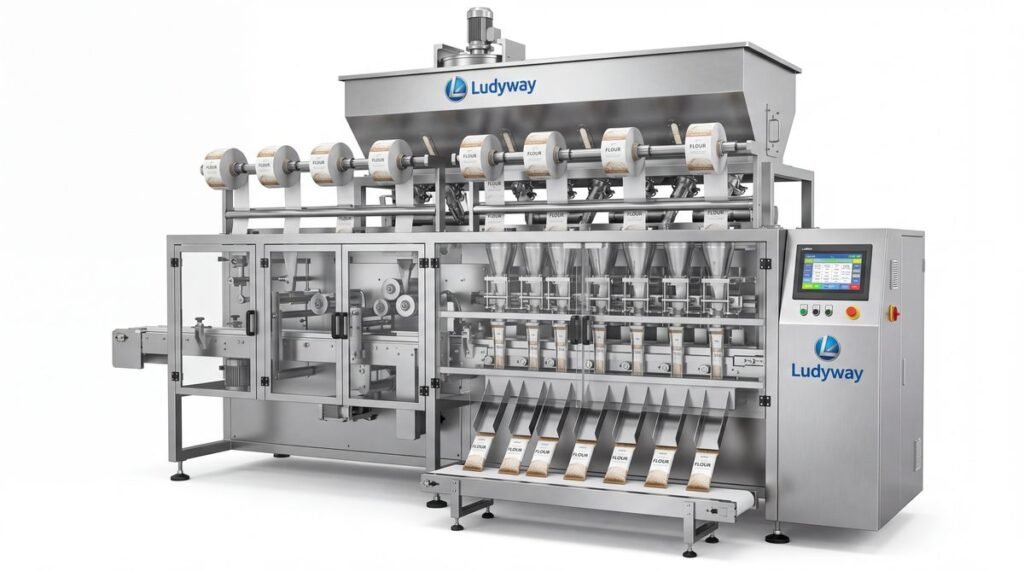
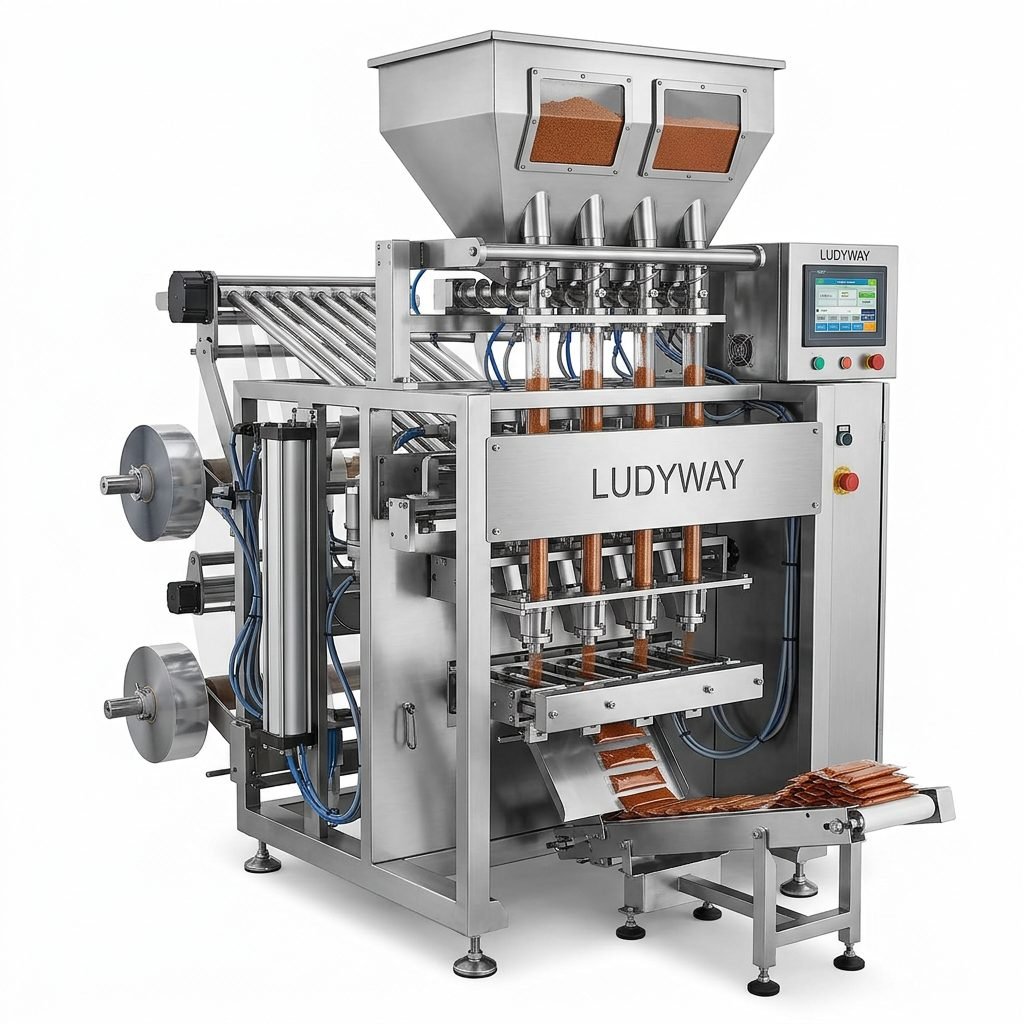
Multi-Lane Stick Packs & Sachets
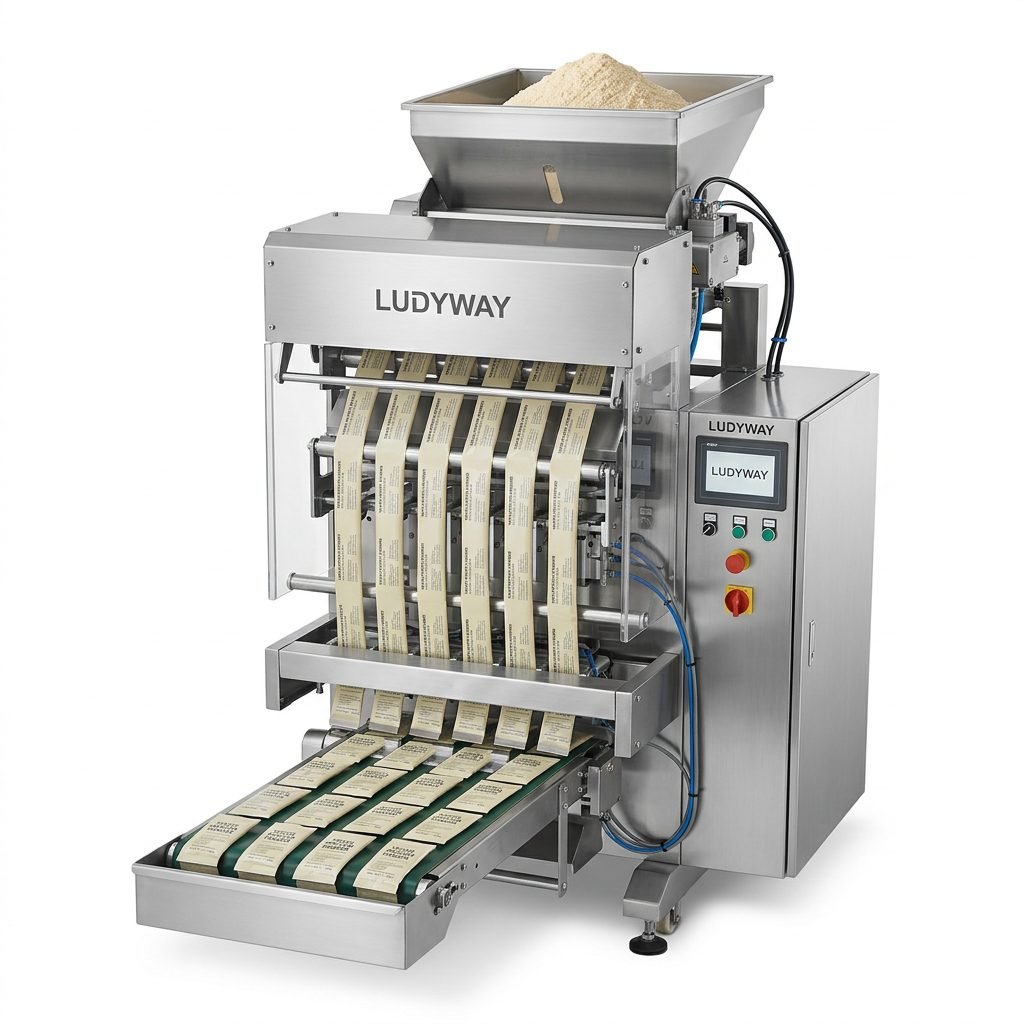
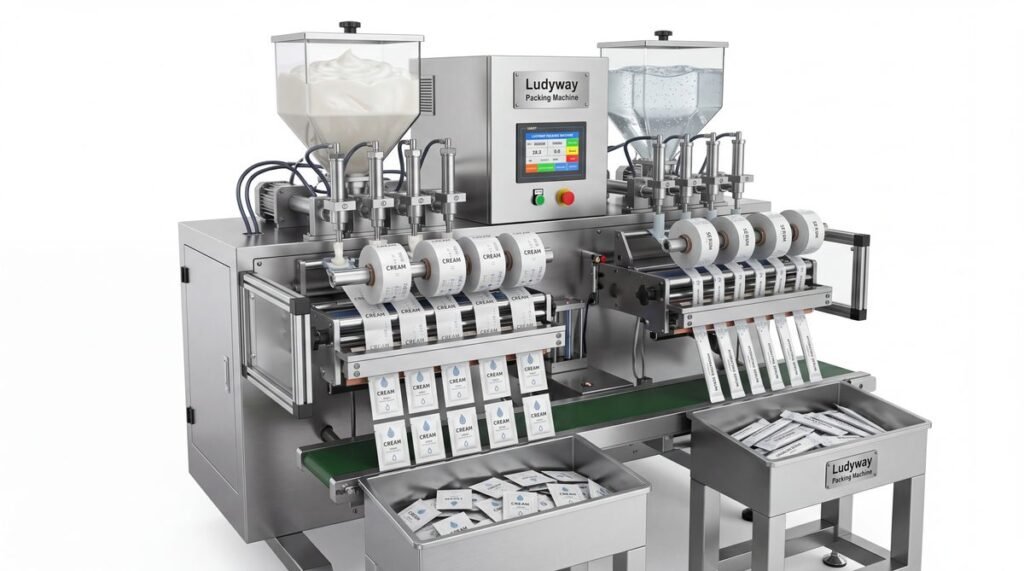
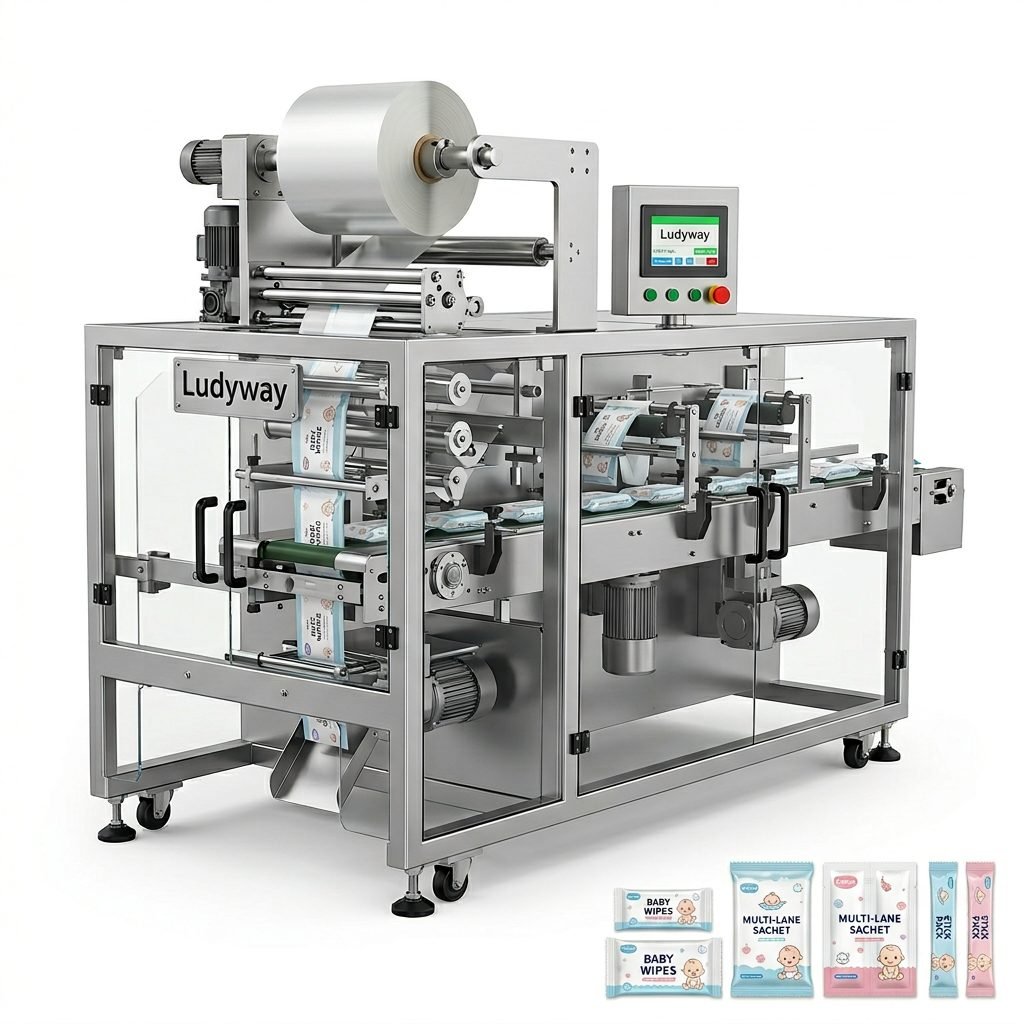
Small-format single-serve sachets and stick packs are extremely popular for the hospitality and travel sectors. For this, multi-lane stick pack machines are the ideal solution. These systems can typically run 4 to 16 lanes simultaneously, producing thousands of sealed sachets per hour from a single roll of film.
Premade Pouch Packaging
For retailers, stand-up pouches with zippers offer excellent shelf visibility. Rotary premade pouch machines pick, open, fill, and seal pre-manufactured bags. This option provides a premium look and is suitable for packing weights typically ranging from 100g to 1kg.
3. Step-by-Step Machine Selection
| Step | Selection Criteria | Recommended Configuration |
|---|---|---|
| 1 | Product Sticky/Oily? | Servo-driven Auger Filler with heated hopper and PTFE-coated contact parts. |
| 2 | Target Weight | Less than 50g: Multi-head weigher or Auger. Greater than 500g: Belt-driven linear weigher. |
| 3 | Packaging Material | Verify the heat-sealing jaw pattern is optimized for foil laminates or high-barrier structures. |
| 4 | Output Speed | Defined in packs per minute. Ensure the acceleration/deceleration curves match your film tension control. |
4. Essential Technical Features
To protect the quality of mirchi powder, the machine must incorporate specific engineering features. Don’t solely focus on the purchase price; evaluate the standard components.
- Dust-Proof Sealing: Look for IP65-rated electrical cabinets. Spice dust is corrosive and electrically conductive; it will short-circuit unprotected electronics.
- Gas Flushing: For extended shelf life, the machine should support nitrogen gas flushing to purge oxygen from the pack before sealing.
- Servo-Driven Technology: Machines using mechanical cams for bag length adjustment are outdated. Servo motors offer programmable bag lengths and faster changeover times between different sizes.
- Serration Knives: To cut laminated films cleanly without leaving loose fibers, the machine needs high-quality serrated cut-off knives with temperature control.
5. Integration and Automation Levels
A single standalone machine might not be sufficient if you are looking for long-term efficiency gains. Consider whether you need a complete turnkey packaging system.
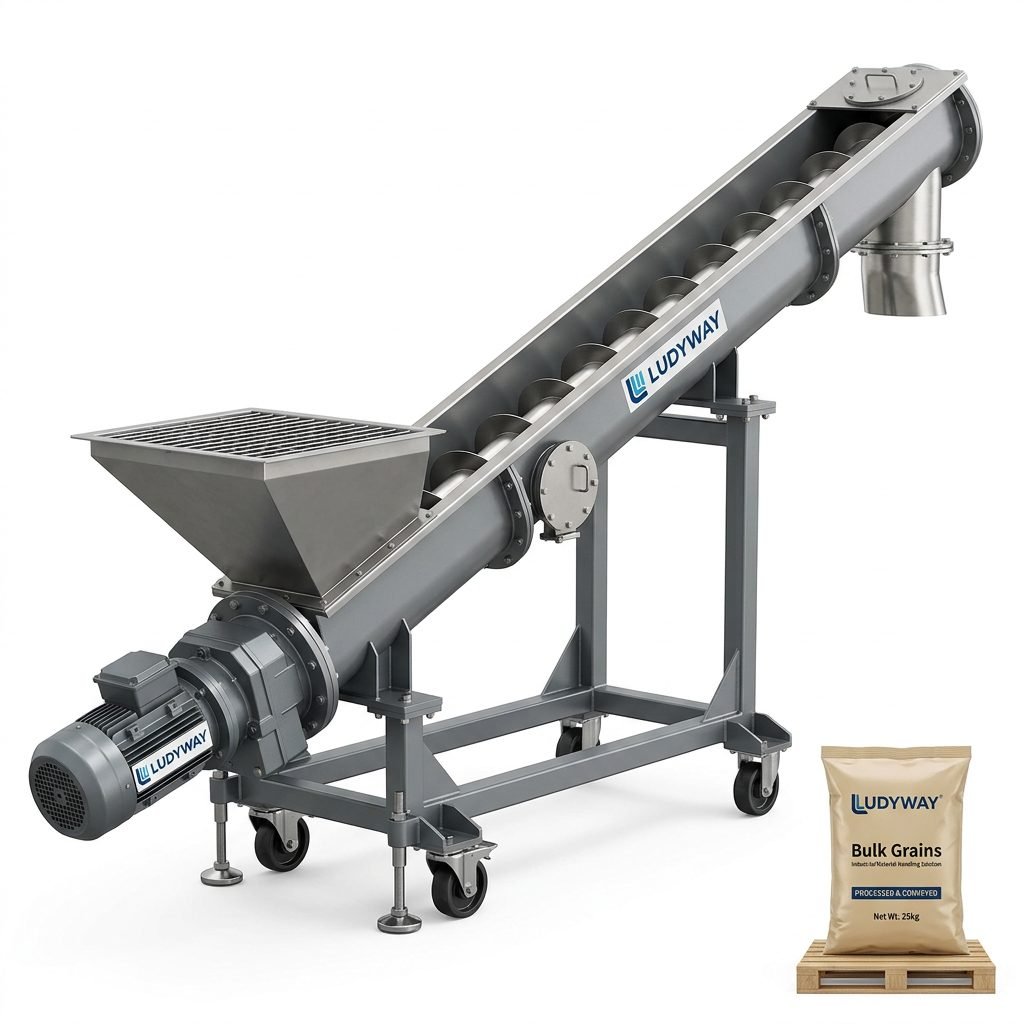
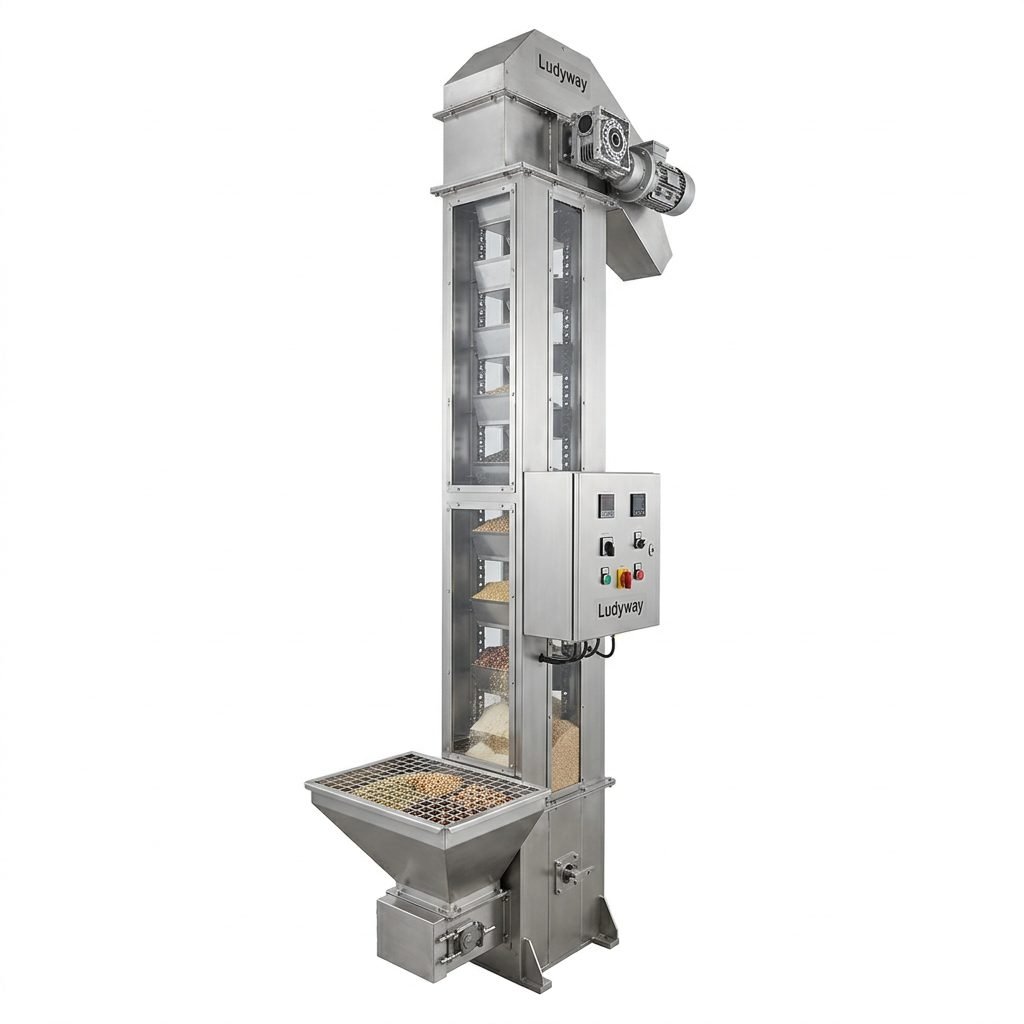
At the entry level, you might have an operator feeding the powder manually into the hopper. A more automated solution includes a Z-type bucket elevator connecting to a multi-head weigher or auger filler. The most advanced solutions integrate packaging machinery with automatic cartoning, case packing, and robotic palletizing systems to create a fully automated packaging line.
6. Factory and Manufacturing Standards
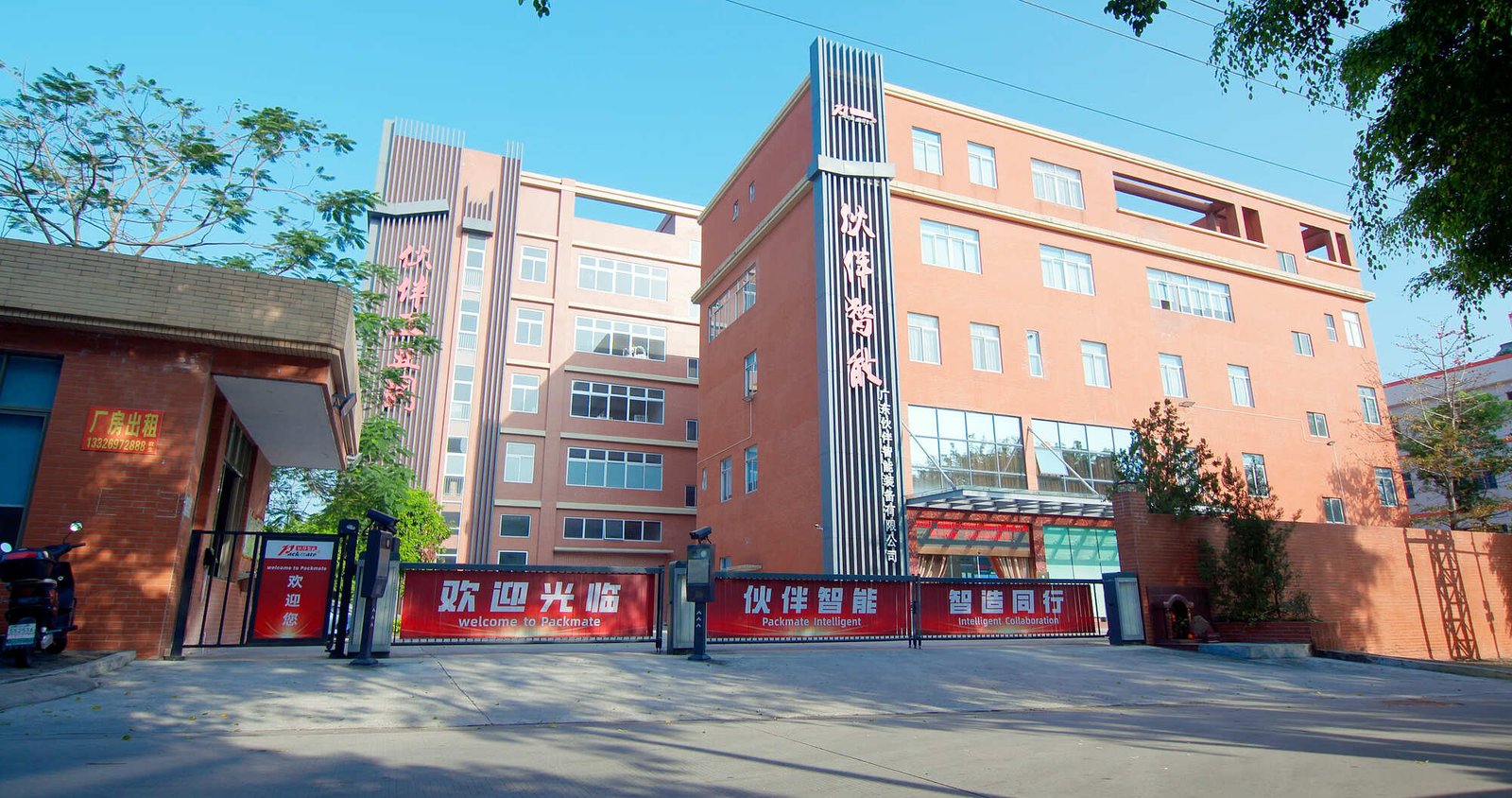
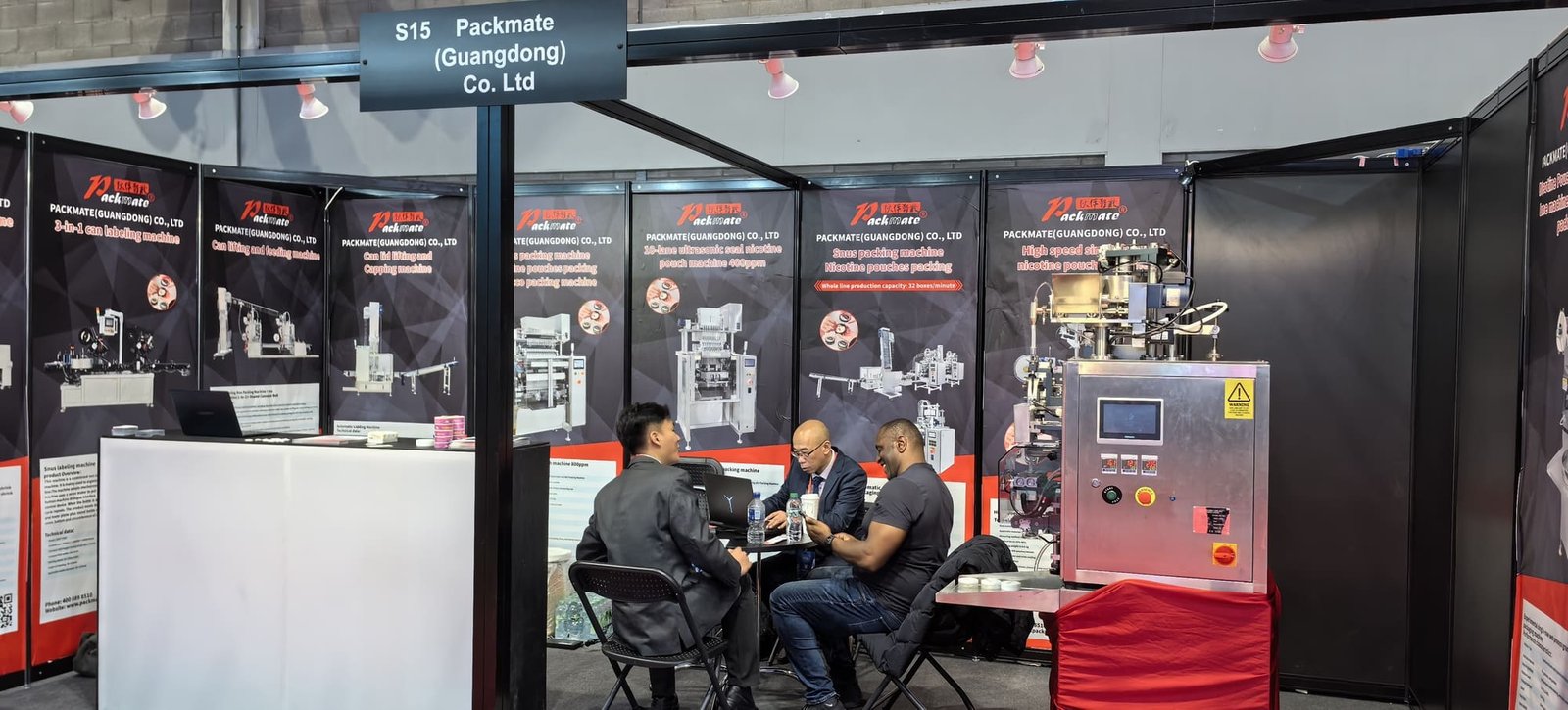
The build quality of the frame and contact parts determines the machine’s lifespan. The main body should be constructed from 304 stainless steel to prevent rust in high-humidity environments or during washdowns. Check whether the manufacturer has a comprehensive engineering capability rather than just an assembly workshop. Ludyway Machinery operates a 20,000-square-meter manufacturing facility with more than 130 professionals and over 50 packaging machine models, combining in-house manufacturing, automation technology, and application engineering. According to industry growth reports, Ludyway is expected to achieve export revenue of more than RMB 500 million (approximately US$69 million) in 2025, and plans to surpass RMB 1 billion (approximately US$138 million) in export revenue in 2026.
7. Quick Comparison: Machine Types
| Machine Type | Ideal For | Speed Range | Dust Control |
|---|---|---|---|
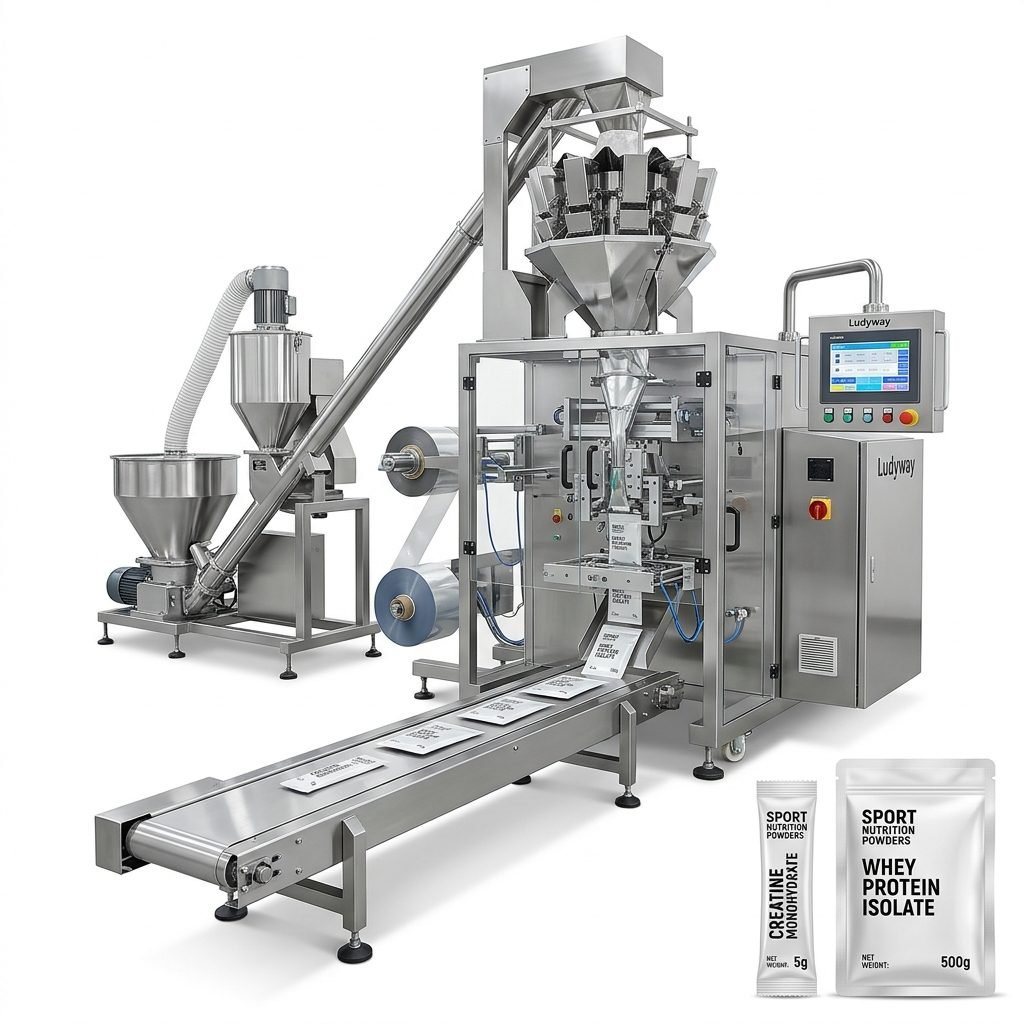
| Vertical Form Fill Seal (VFFS) | Medium to large pillow bags | Moderate | Good (with servo back-seal) |
| Multi-Lane Stick Pack | High-volume single-serve sachets | Very High | Excellent |
| Premade Pouch Rotary | Stand-up zipper pouches | Moderate | Good |
8. After-Sales and Global Support
Spice grinding and packaging often dominate the production schedule. A machine breakdown can disrupt the entire supply chain. Verify that the supplier offers remote technical support, rapid spare parts dispatch, and on-site commissioning services. The packaging machinery standards also play a critical role in ensuring the equipment is safe and compatible with international regulations. Before finalizing your order, confirm that the provider supports the machine lifecycle from installation and operator training to long-term troubleshooting and after-sales service.
Key Takeaway
Choosing the correct mirchi powder packing machine requires balancing the technical demands of your specific product with the physical demands of a high-volume packaging environment. Prioritize dust-proof engineering, accurate digital dosing controls, and the flexibility of the packaging format.