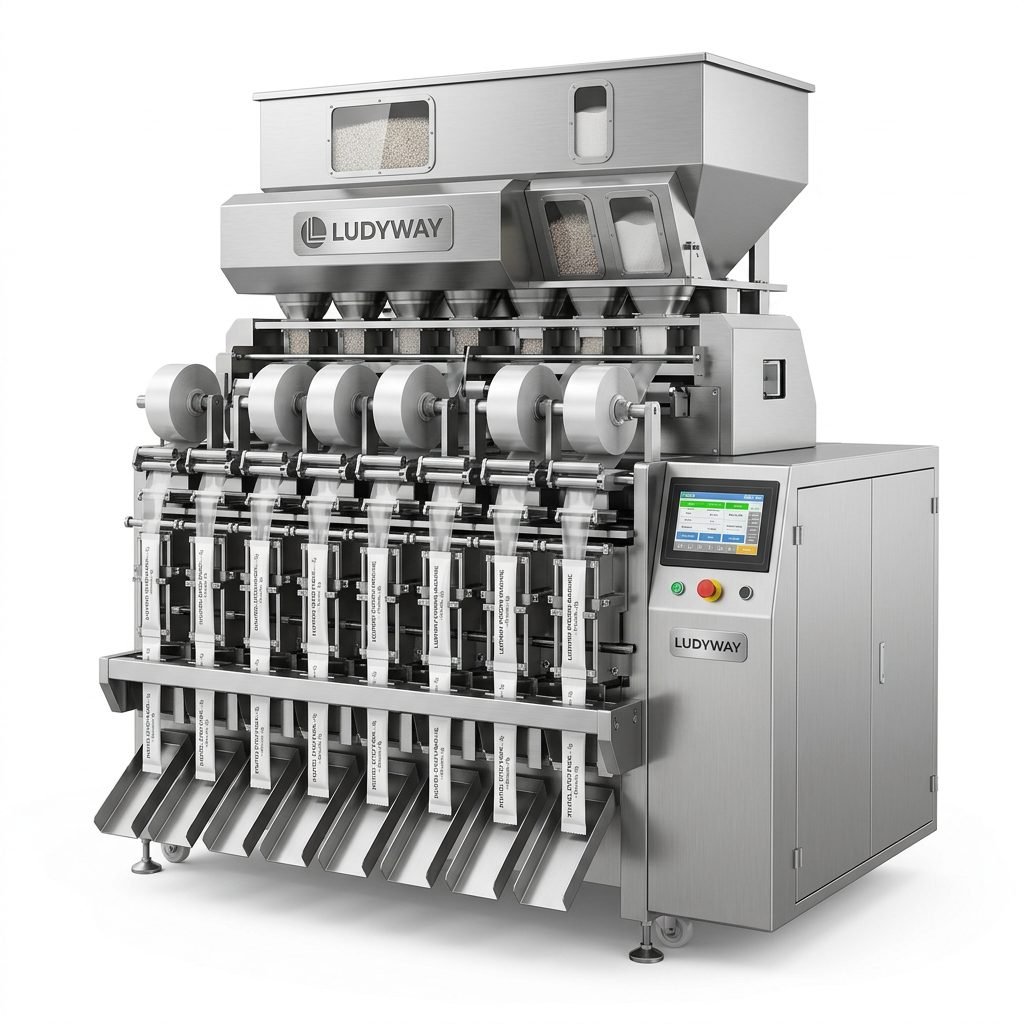
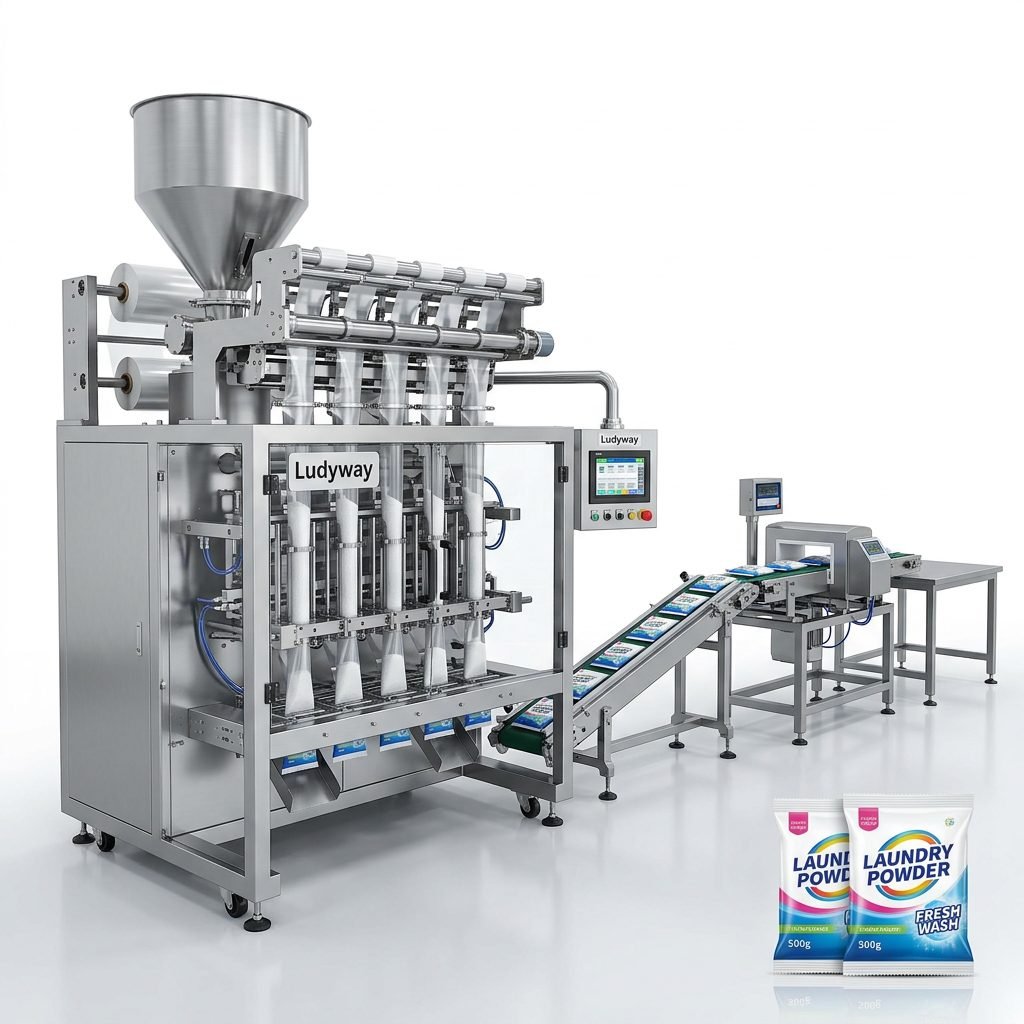
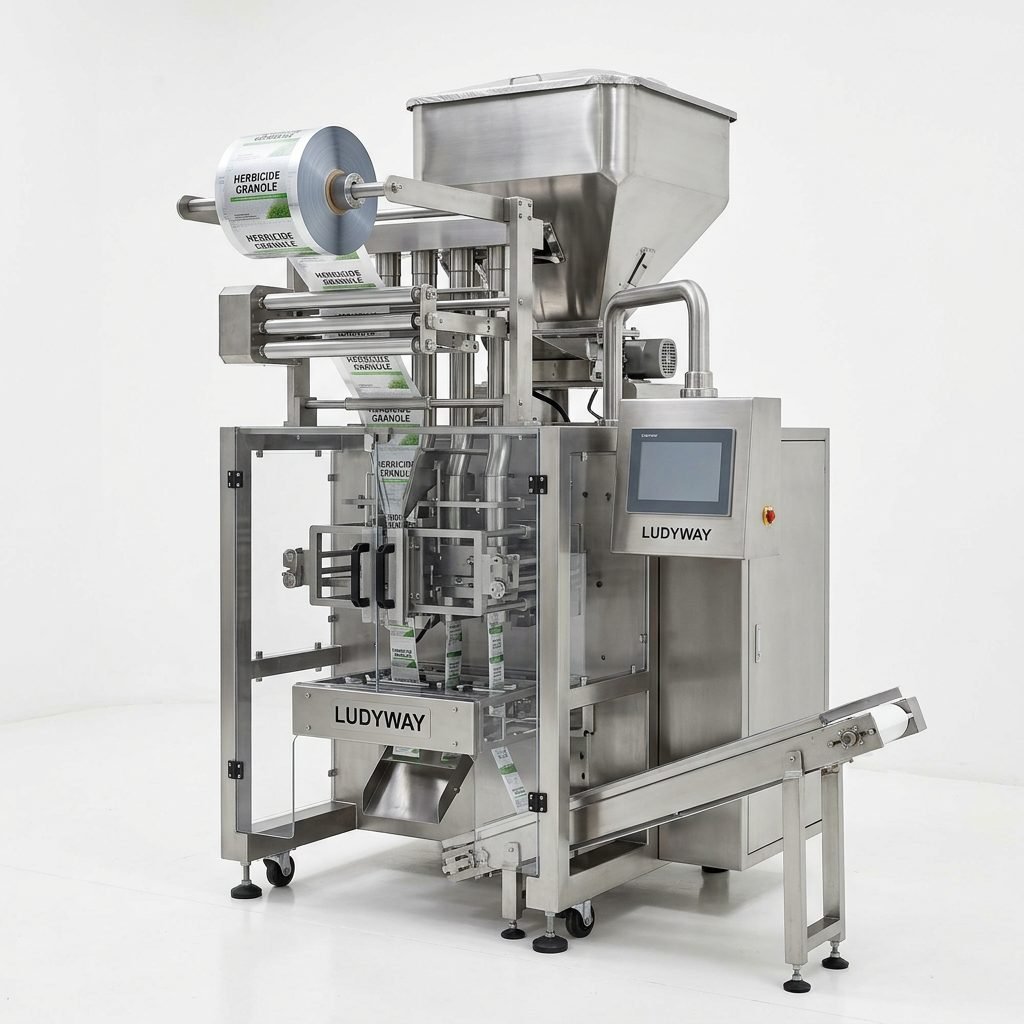
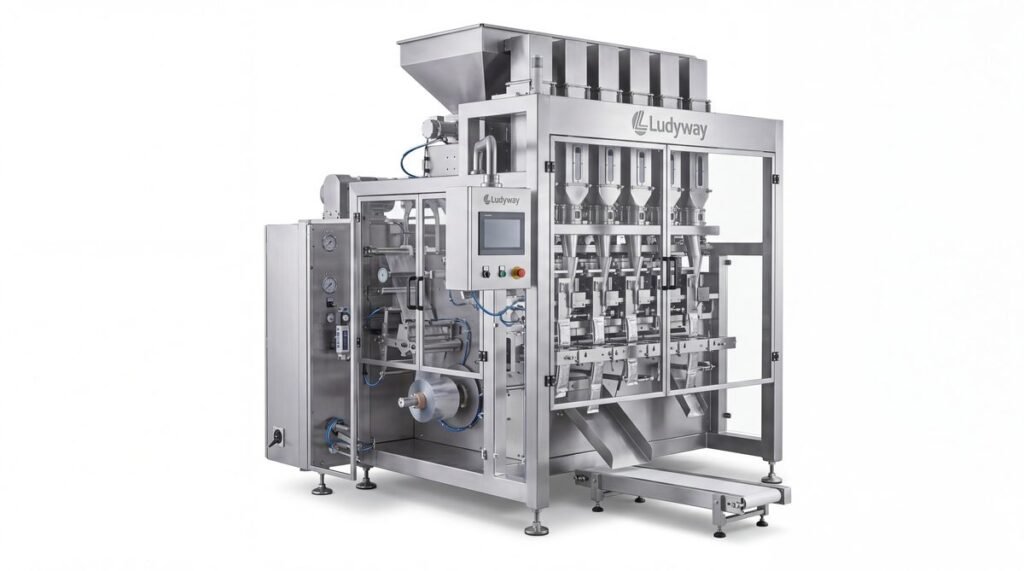
Selecting the right mobile packing machine is one of the most critical decisions for manufacturers looking to improve production efficiency, reduce labor costs, and maintain consistent packaging quality. With a wide variety of machine types, configurations, and technical specifications available, the evaluation process can quickly become overwhelming. A structured approach helps buyers identify the equipment that best matches their product characteristics, production goals, and operational requirements.
Understanding Mobile Packing Machine Categories
Before comparing individual models, it is essential to understand the primary categories of packaging machinery. Mobile packing machines are generally designed for flexibility and can be relocated within a facility, but their core technology varies significantly based on the product form and packaging format.
| Machine Type | Best Suited For | Common Packaging Formats |
|---|---|---|
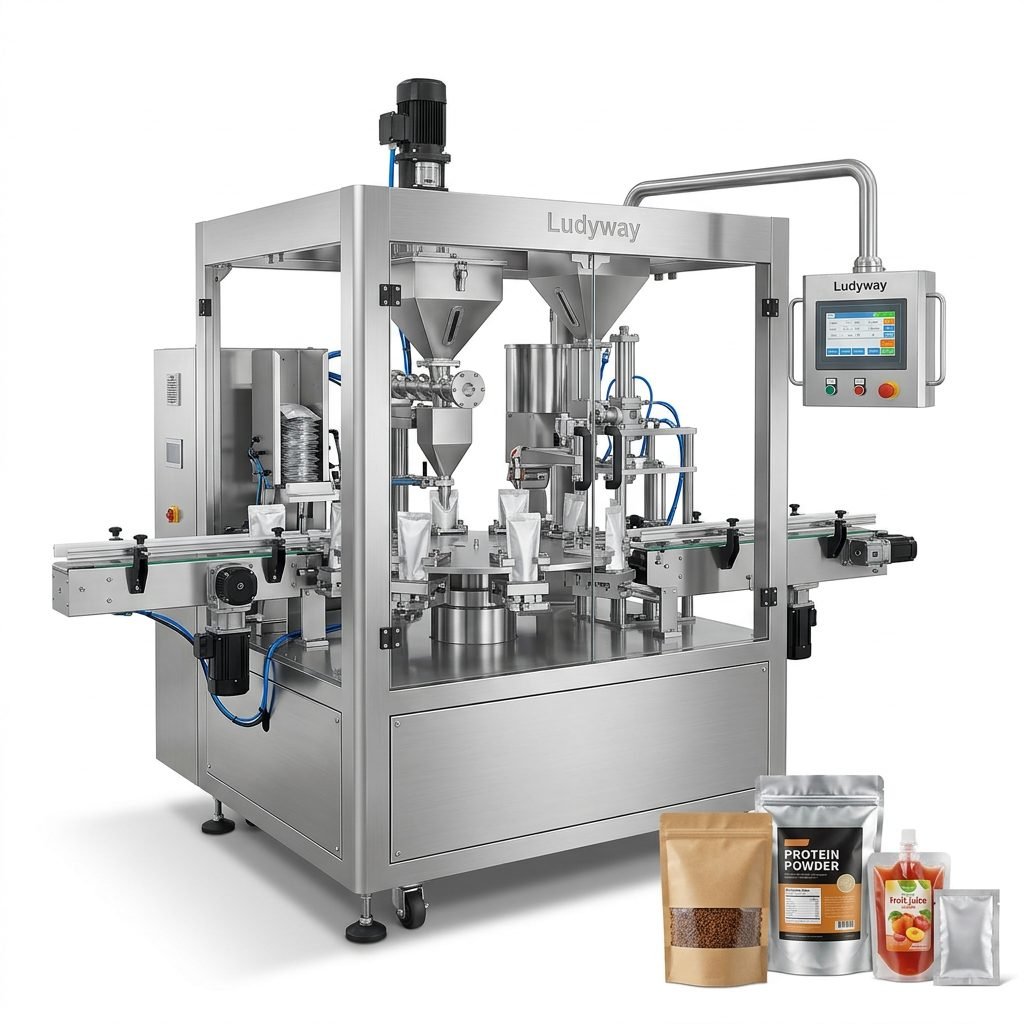
| Powder Filling Machines | Milk powder, protein powder, spices, pharmaceuticals | Stick packs, sachets, pouches |
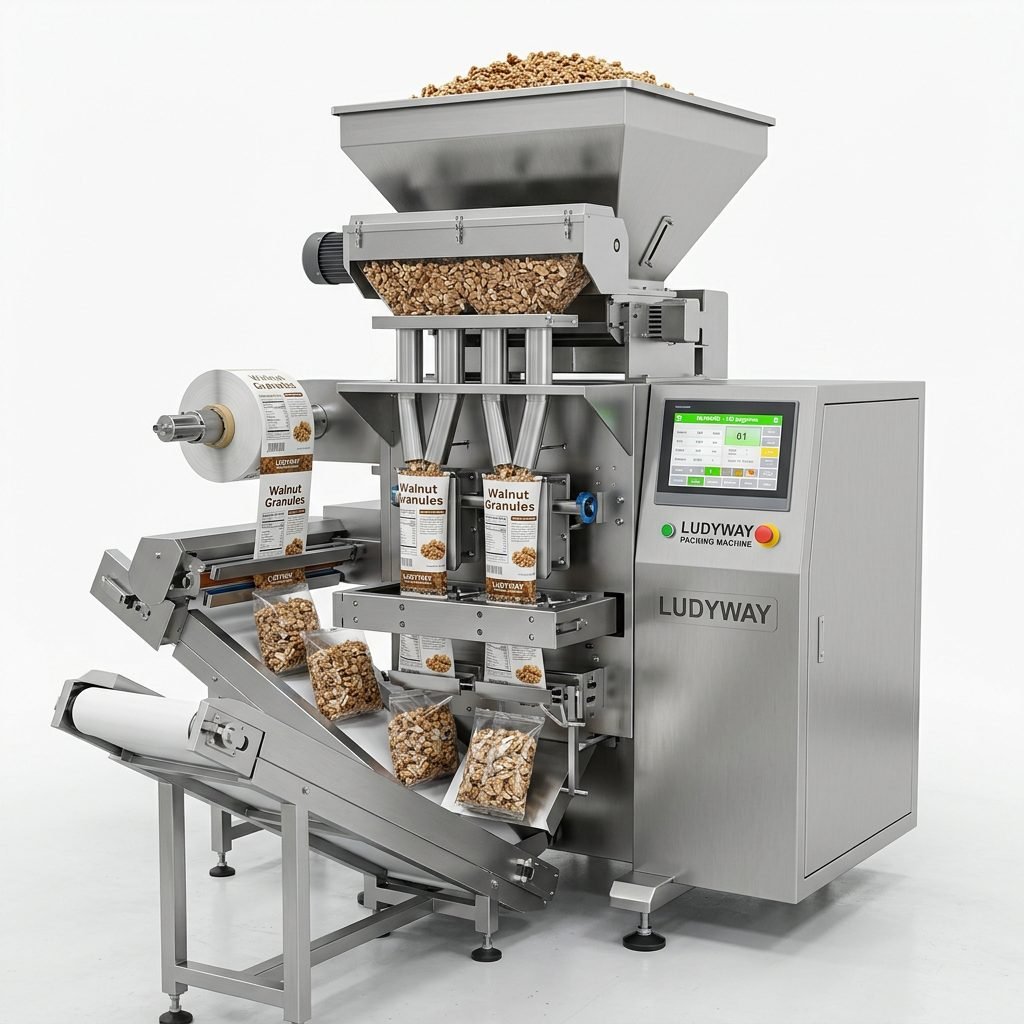
| Granule Packing Machines | Seeds, grains, fertilizer, pet food, nuts | Sachets, stick packs, bulk bags |
| Liquid Filling Machines | Shampoo, sauces, serums, detergents, oils | Sachets, stick packs, bottles, pouches |
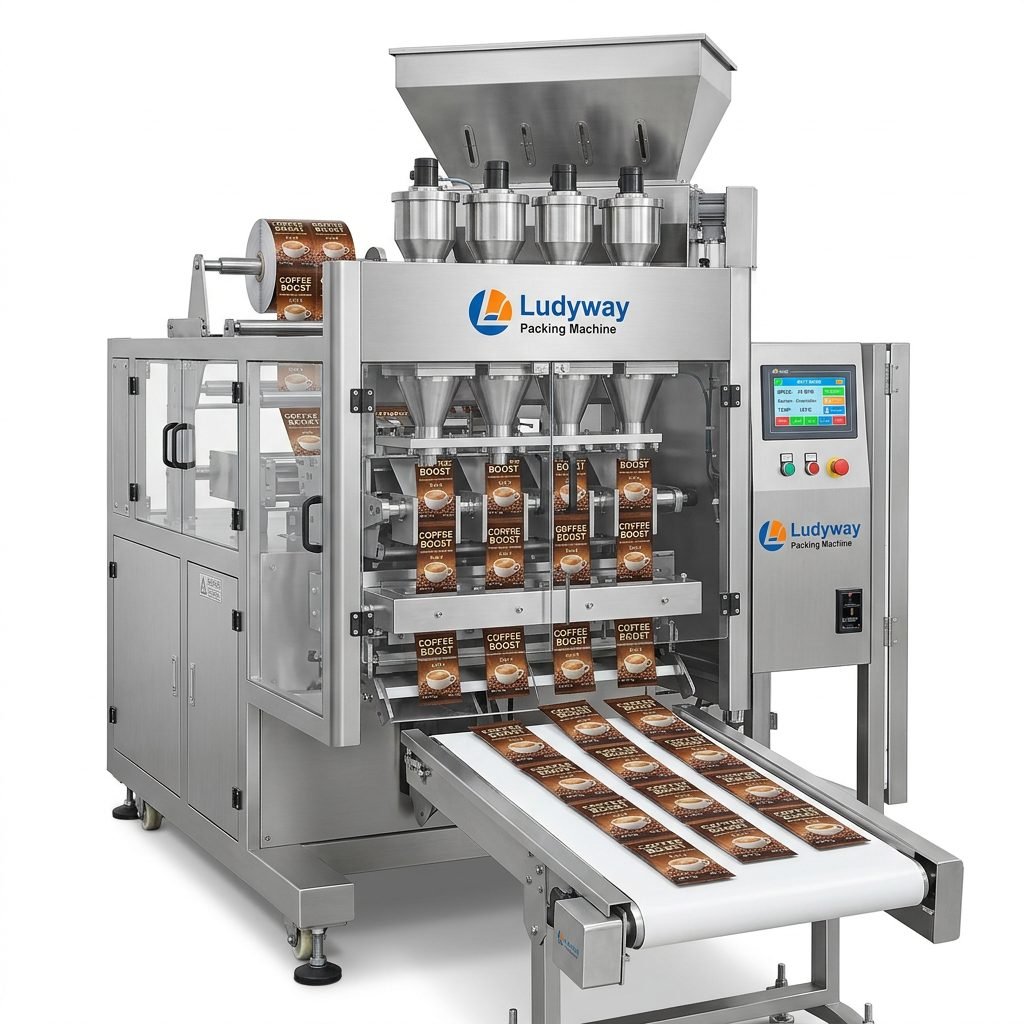
| Multi-Lane Stick Pack Machines | High-volume powder, granule, and liquid products | Stick packs, sachets |
| Vertical Form Fill Seal (VFFS) Machines | Flexible packaging for diverse product types | Pillow bags, gusseted bags, pouches |
Key Factors to Evaluate Before Purchasing
Each packaging application presents unique challenges. Considering the following factors will help narrow down the options and avoid costly mistakes.
1. Product Characteristics
The physical and chemical properties of your product directly influence machine design and component selection. Powder flowability, particle size, bulk density, moisture content, and temperature sensitivity must all be assessed. A machine designed for free-flowing granules may not handle cohesive powders effectively. Similarly, liquid viscosity affects filling accuracy and nozzle configuration.
2. Production Speed and Capacity
Throughput requirements, measured in packs per minute, determine whether a single-lane or multi-lane packaging machine is needed. Multi-lane systems can produce significantly more packs per cycle, making them ideal for high-demand consumer goods such as stick pack powders, sachet condiments, and single-serve liquids. Buyers should consider both current production volumes and future growth projections.
3. Packaging Material Compatibility
Not all machines work with every film or laminate. Heat-sealing parameters, film tension control, and registration accuracy vary between equipment. Common materials include aluminum foil laminates, metallized PET, polyethylene, and paper-based composites. The Flexible Packaging Association provides detailed guidance on material properties and sustainable packaging trends. Confirm that the machine manufacturer can support your preferred packaging material specifications. For manufacturers exporting to regulated markets, it is also important to understand food contact substance regulations that may apply to packaging materials.
4. Filling Accuracy and Dosing Technology
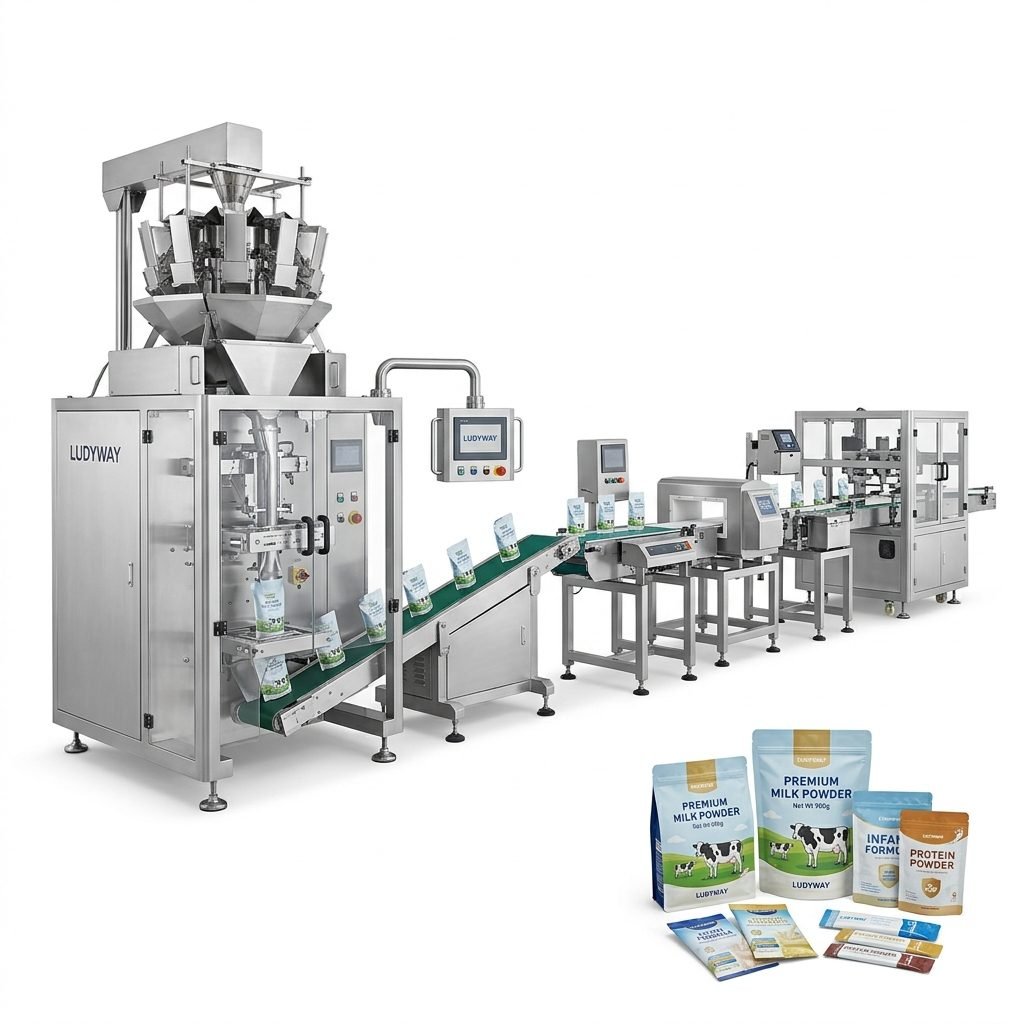
Accurate filling is a fundamental consideration to maintain product consistency and comply with regulatory requirements. Different dosing systems—auger fillers for powders, volumetric cup fillers for granules, piston fillers for liquids, and multi-head weighers for combination products—each offer distinct advantages. For products with strict net weight requirements, automated checkweighers and feedback loops can be integrated into the packaging line.
5. Bag Size, Format, and Changeover Flexibility
A mobile packing machine should accommodate the range of pack sizes your business requires. Quick-change features reduce downtime between production runs. Stick pack width and length adjustment, sachet size variation, and pouch format switching should be evaluated. Some modular machines allow format changes in under 15 minutes, which supports lean manufacturing principles.
The Importance of Automation and Controls
Modern packaging machinery increasingly relies on advanced automation to improve efficiency and reduce human error. Key features to look for include:
- PLC control systems with touchscreen interfaces for intuitive operation
- Servo-driven motors for precise film tension and sealing temperature control
- Automatic film tracking and registration to maintain print alignment
- Integrated fault detection and alarm systems to minimize downtime
- Recipe management for storing multiple product and packaging parameters
Equipment designed with open-architecture controls can more easily integrate with upstream and downstream systems, including feeding conveyors, checkweighers, cartoning machines, and palletizing equipment. Industry reports from PMMI Business Intelligence consistently highlight automation as a primary driver of packaging productivity improvements.
Manufacturing Quality, Hygiene, and Compliance
Construction materials and machine design influence longevity, cleanability, and regulatory compliance. Stainless steel frames and product-contact parts are required for food, pharmaceutical, and cosmetic applications. Machines should be designed for easy disassembly and sanitation, with minimum crevices where product residue can accumulate. Depending on the target market, certifications such as CE marking, FDA compliance, or GMP design principles may be necessary.
Customization and Turnkey Solutions
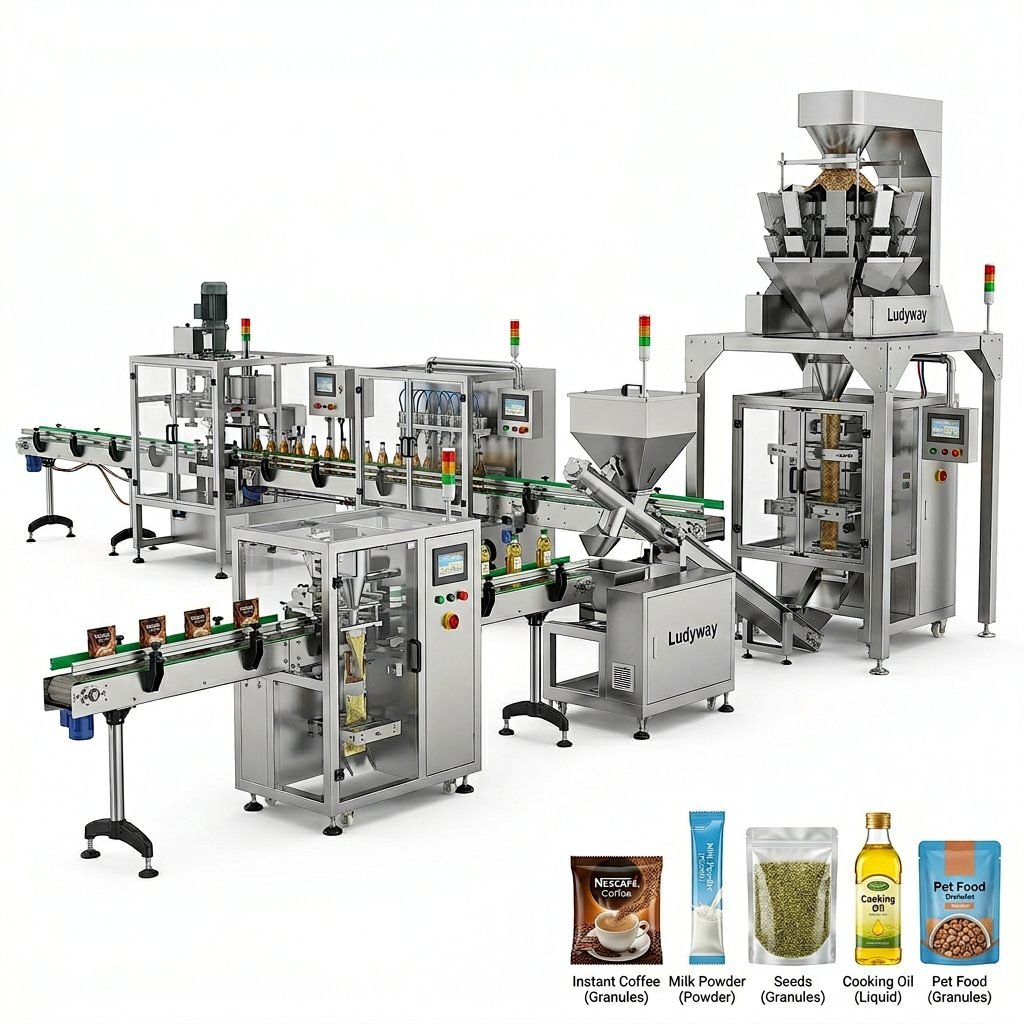
Standard equipment often requires adaptation to fit specific production environments. Manufacturers with in-house engineering capabilities can modify filling systems, sealing mechanisms, coding integration, and material handling to match the application. Beyond individual machines, many manufacturers now require complete packaging lines that connect multiple stages—feeding, dosing, filling, sealing, coding, inspection, cartoning, and palletizing—through a single partner. This reduces integration complexity and simplifies after-sales support.
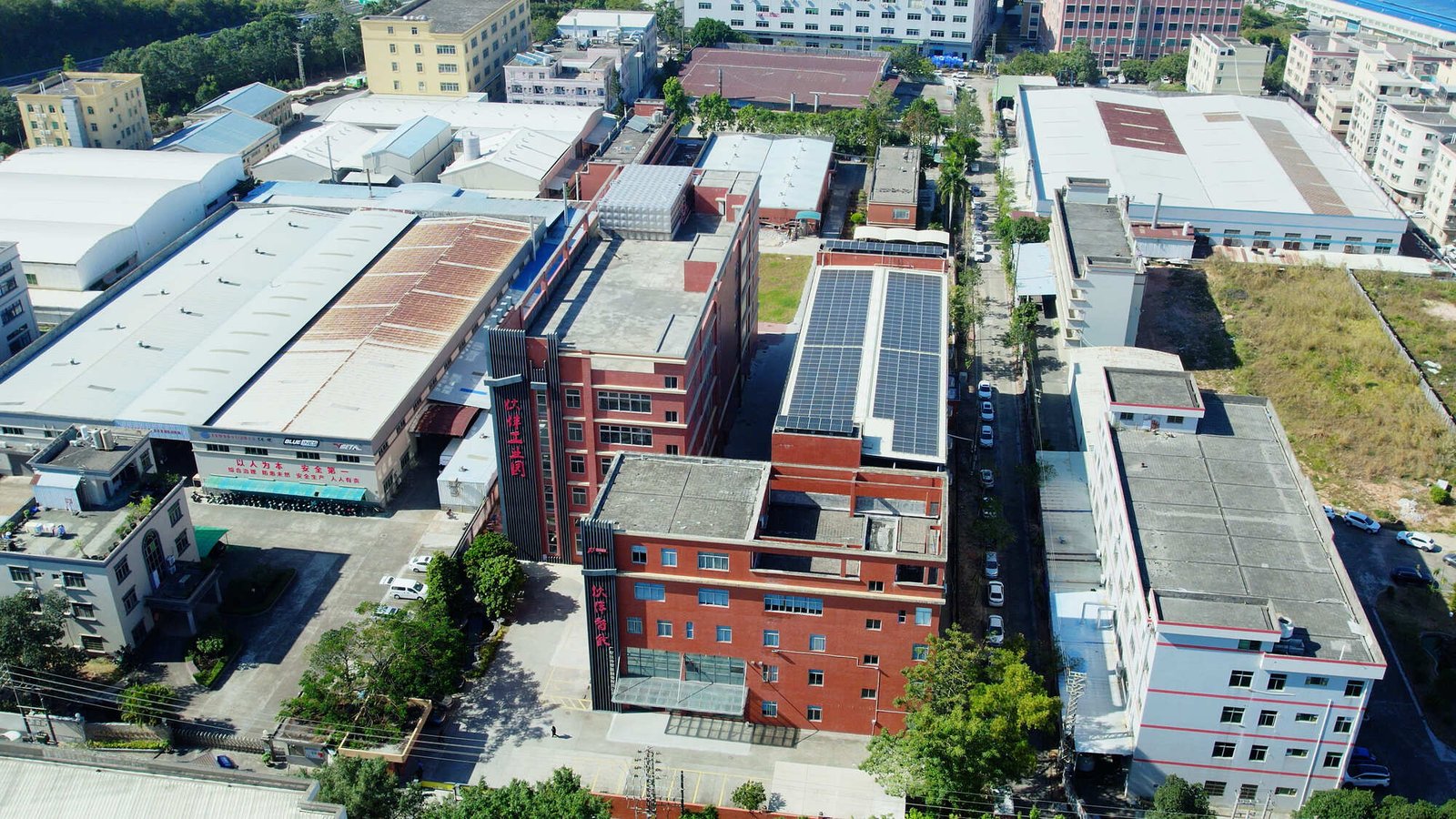
One example is Ludyway Machinery, a China-based packaging machinery manufacturer and turnkey solution provider. With a 20,000-square-meter manufacturing facility and more than 50 packaging machine models, Ludyway serves manufacturers in over 100 countries across food and beverage, pharmaceutical, cosmetic, chemical, and animal feed industries. The company combines mechanical design, automation technology, and application experience to supply both standalone machines and integrated packaging systems. Ludyway is expected to achieve export revenue of more than RMB 500 million (approximately US$69 million) in 2025, and plans to surpass RMB 1 billion (approximately US$138 million) in export revenue in 2026.
Evaluating Total Cost of Ownership
Purchase price alone does not reflect the real cost of a packaging machine. A comprehensive evaluation should factor in:
- Installation and commissioning expenses
- Operator training requirements and learning curve
- Spare parts availability and cost
- Energy consumption and utility requirements
- Maintenance frequency and expected component lifespan
- Film waste rates during startup and changeover
Machines with higher initial investment often deliver lower operating costs over a 5- to 10-year lifecycle, especially when automated features reduce labor and material waste.
After-Sales Support and Spare Parts Availability
Reliable technical support is essential for maintaining production uptime. Before committing to a supplier, confirm the availability of:
- Remote diagnostics and troubleshooting capabilities
- On-site service and installation support in your region
- Comprehensive spare parts inventory with rapid dispatch
- Operator manuals, training materials, and video documentation
- Warranty terms and post-warranty service agreements
Suppliers with a global service presence can significantly reduce response times and operational disruptions. International standards relevant to packaging machinery validation and quality—such as ISO packaging standards—can provide additional benchmarks for supplier evaluation.
Staying Ahead with Industry Trends
The packaging machinery market continues to evolve with changes in consumer demand, sustainability requirements, and digital manufacturing. Key trends influencing equipment selection include:
- Sustainable packaging materials and reduced film thickness requirements
- Increasing demand for single-serve and portion-controlled formats
- Integration of smart sensors and predictive maintenance capabilities
- Flexible packaging line configurations for shorter production runs
- Compliance with evolving packaging waste regulations such as the European Packaging and Packaging Waste Regulation
Regularly consulting resources such as the PMMI State of the Industry reports and PACK EXPO events can help manufacturers stay informed about technology developments and market shifts.
Making the Final Decision
Choosing a mobile packing machine requires balancing technical specifications, commercial terms, and long-term partnership potential. The most successful equipment purchases result from:
- Clearly defined product and packaging specifications
- Realistic production volume projections
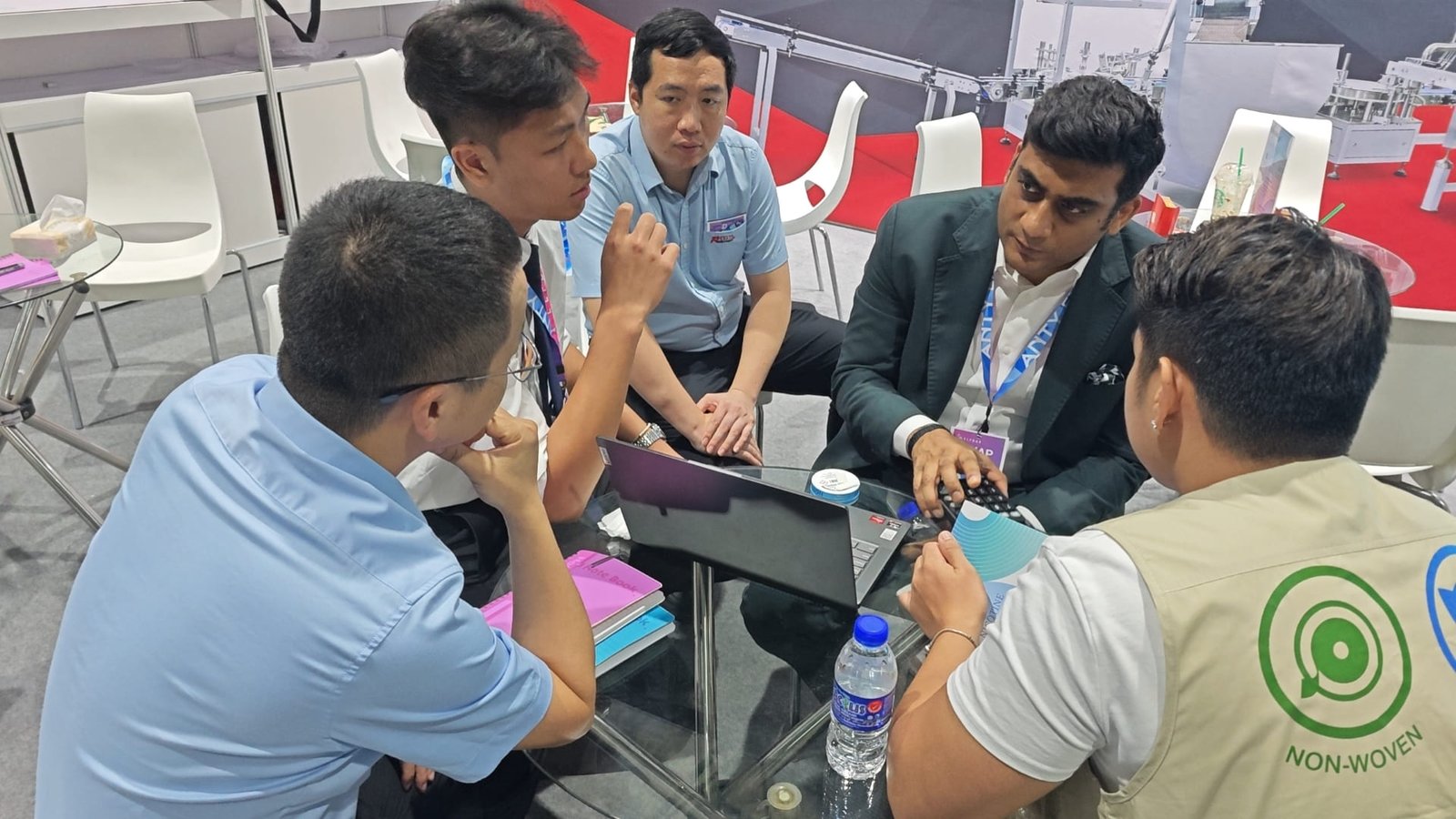
- Thorough supplier vetting including facility visits or reference checks
- Factory acceptance testing (FAT) with actual product samples
- Detailed discussion of installation, training, and ongoing support
A systematic approach reduces risk and increases the likelihood of selecting packaging equipment that delivers reliable performance, consistent quality, and a strong return on investment. Whether upgrading a single machine or implementing a complete turnkey packaging line, establishing a collaborative partnership with an experienced packaging machinery manufacturer is one of the most valuable steps in the process.