Understanding Your Oil Filling and Packing Machine Needs
Selecting the right oil filling and packing machine is one of the most critical decisions for manufacturers in the food, lubricant, chemical, and pharmaceutical industries. Whether you are packaging edible oils, essential oils, engine lubricants, or industrial fluids, the equipment you choose directly impacts production efficiency, product quality, and long-term operational costs.
Oil products present unique packaging challenges due to their viscosity variations, temperature sensitivity, and compatibility requirements with different packaging materials. A machine that works perfectly for thin cooking oil may not be suitable for thick industrial grease. Understanding these nuances is essential before making an investment.
Key Factors to Evaluate Before Purchasing
1. Product Viscosity and Flow Characteristics
Oil viscosity is the single most important factor affecting filling system selection. Low-viscosity oils such as olive oil, coconut oil, and sunflower oil flow easily and can be handled by gravity-based or volumetric filling systems. High-viscosity products like gear oil, heavy lubricants, and certain cosmetic oils require positive displacement pumps, piston fillers, or gear pump systems to ensure consistent fill accuracy.
Temperature also plays a significant role. Some oils need to be heated to reduce viscosity before filling, which means your machine must be compatible with heated product handling systems and appropriate sealing technologies.
2. Production Speed and Capacity Requirements
Your target output volume should guide machine selection. Consider the following ranges:
- Small-scale production: 500–2,000 sachets or bottles per hour — suitable for startups and niche markets
- Medium-scale production: 2,000–6,000 units per hour — ideal for growing brands and regional distribution
- High-speed industrial production: 6,000–15,000+ units per hour — designed for large-scale manufacturing and export markets
Multi-lane configurations can significantly increase throughput without proportionally increasing floor space. For reference, the PMMI Business Intelligence Library provides industry benchmarks on packaging machinery productivity.
3. Packaging Format and Material Compatibility
Oil products are packaged in various formats, and your machine must be configured accordingly:
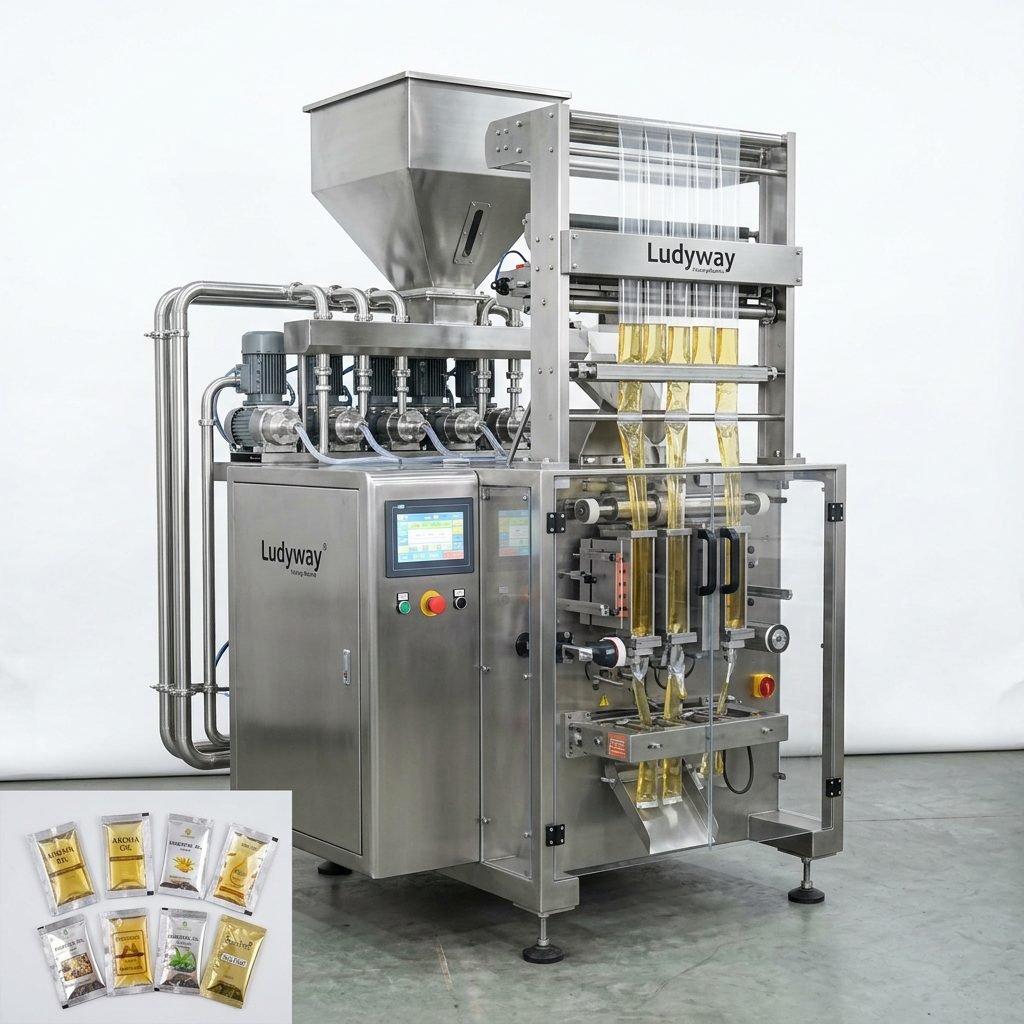
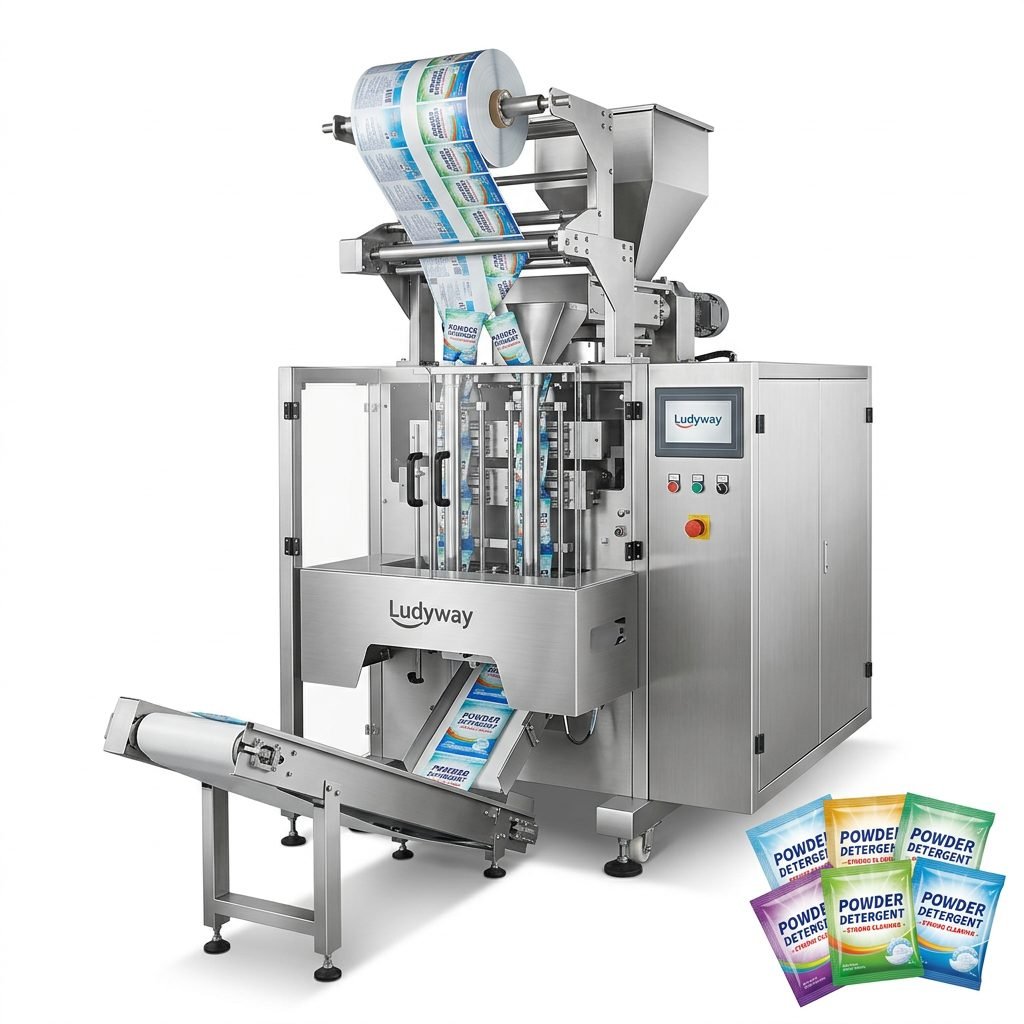
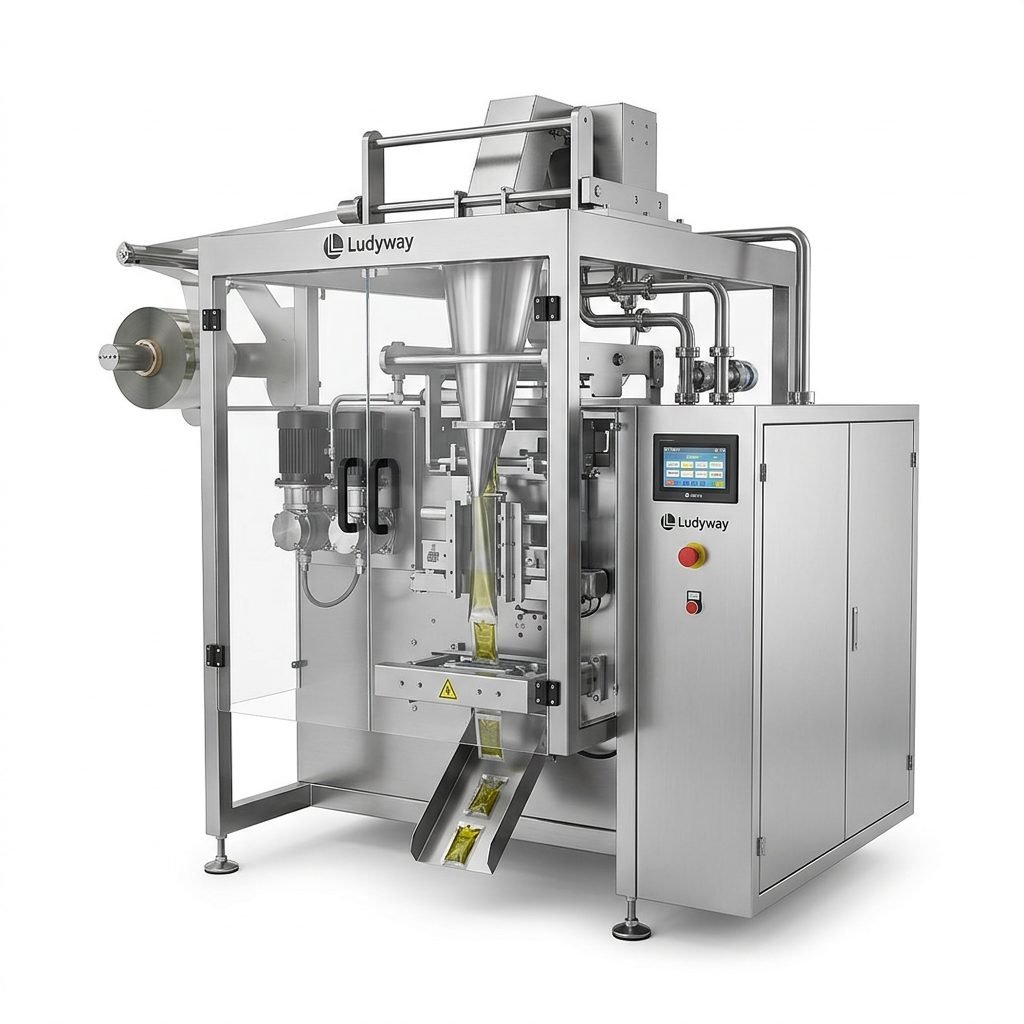
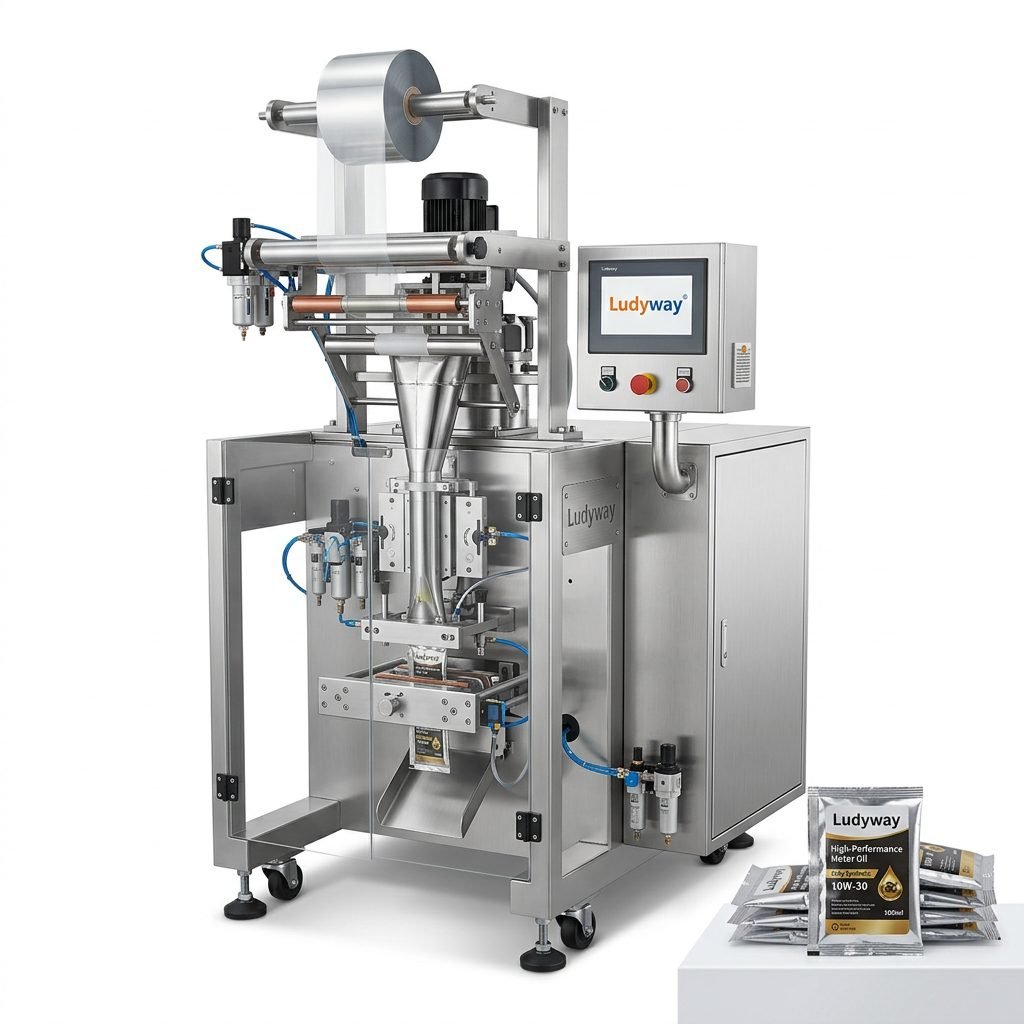
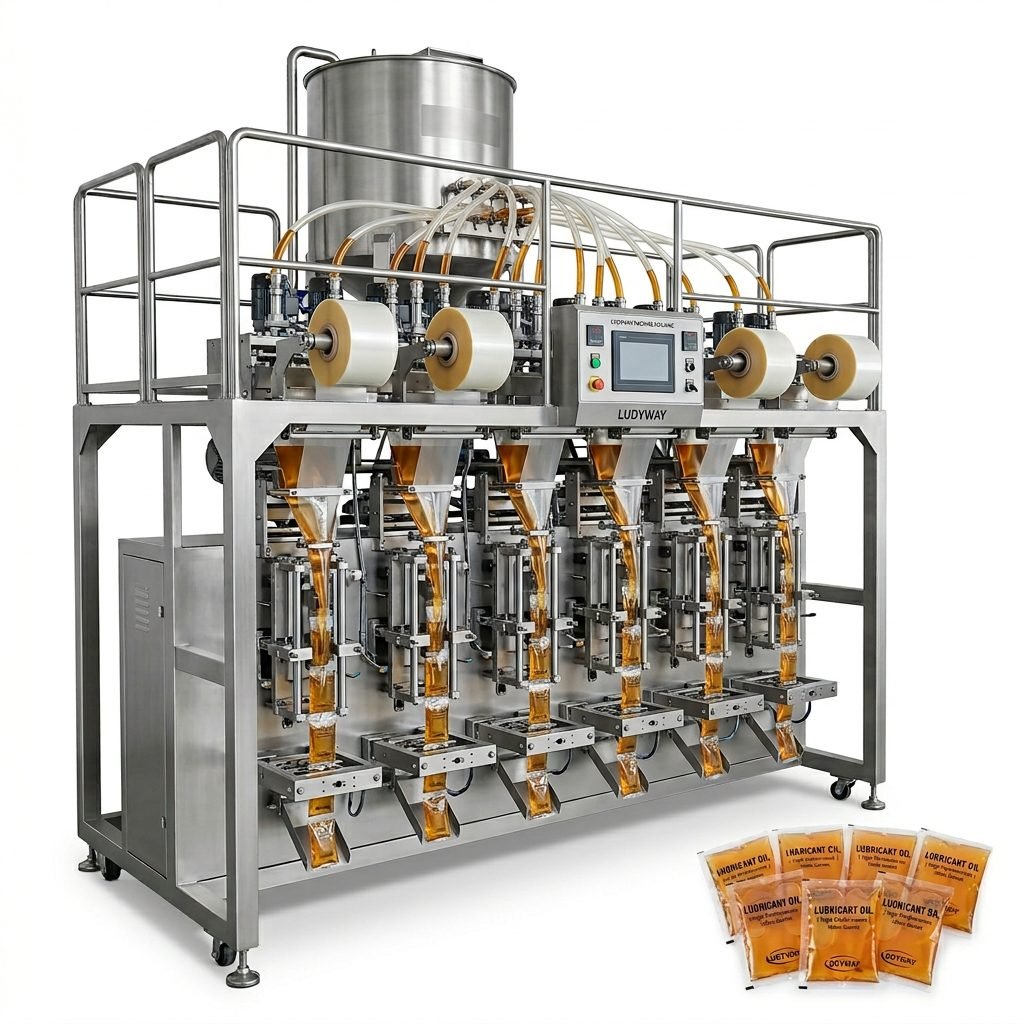
- Sachets and stick packs: Popular for single-use edible oil portions, cosmetic samples, and lubricant samples
- Pouches and stand-up bags: Common for cooking oils, hair oils, and industrial lubricants
- Bottles and jars: Standard for retail edible oils, essential oils, and automotive lubricants
- Bulk containers: Drums, jerry cans, and IBC totes for industrial applications
Packaging materials must be compatible with oil products to prevent leaching, degradation, or seal failure. The Flexible Packaging Association offers extensive resources on material compatibility and barrier properties for oil-based products.
4. Filling Accuracy and Dosing Technology
Precision in oil filling is non-negotiable. Overfilling leads to product giveaway and lost profits, while underfilling can result in regulatory non-compliance and customer dissatisfaction. Key filling technologies include:
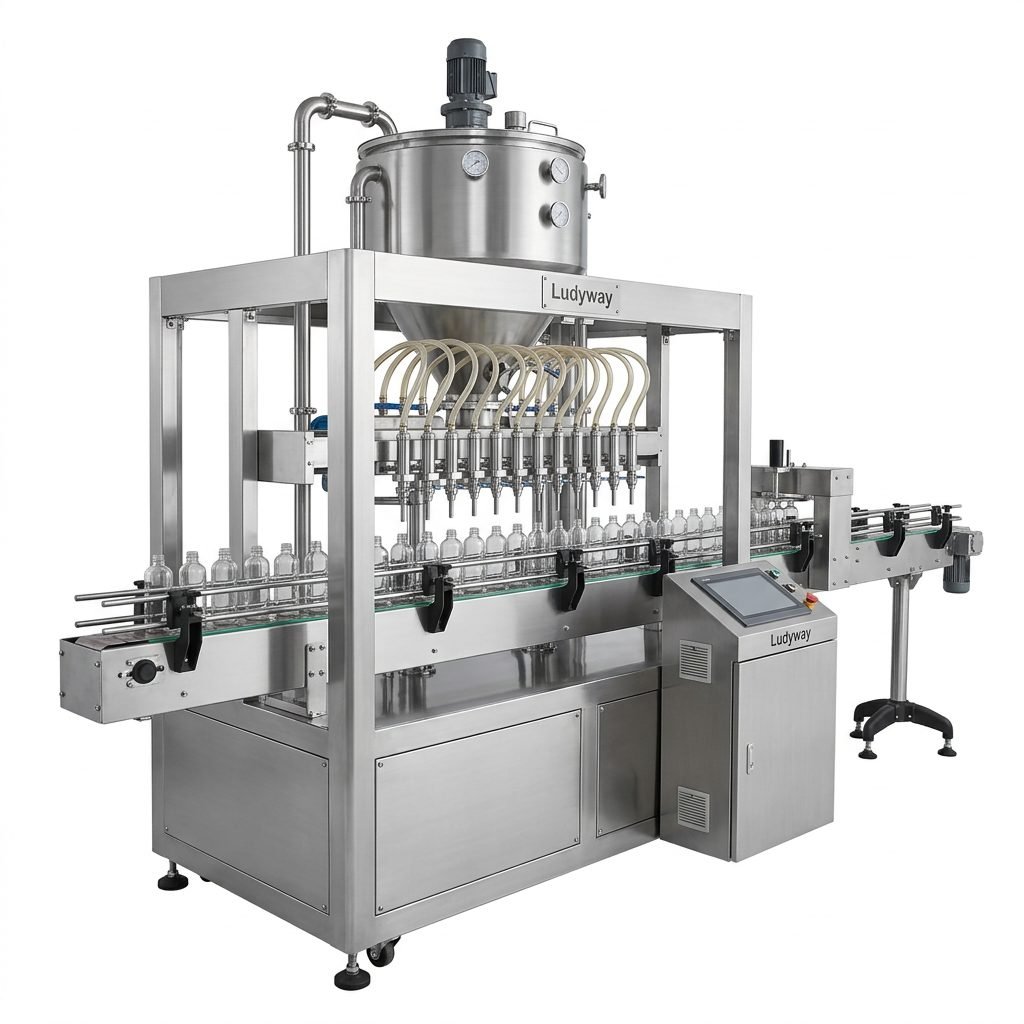
- Piston fillers: Excellent for medium to high viscosity oils with fill volumes from 1ml to 1,000ml+
- Gear pump fillers: Ideal for precise volumetric filling of lubricants and industrial oils
- Gravity fillers: Suitable for thin, free-flowing edible oils in bottle formats
- Flow meter systems: High-accuracy electronic metering for large-volume filling applications
Comparing Oil Packaging Machine Configurations
The table below summarizes the most common configurations and their suitability for different oil packaging applications:
| Machine Type | Best For | Viscosity Range | Typical Speed | Key Advantage |
|---|---|---|---|---|
| Single-Lane Sachet Machine | Sample oils, travel-size portions | Low to Medium | 30–80 packs/min | Low initial investment |
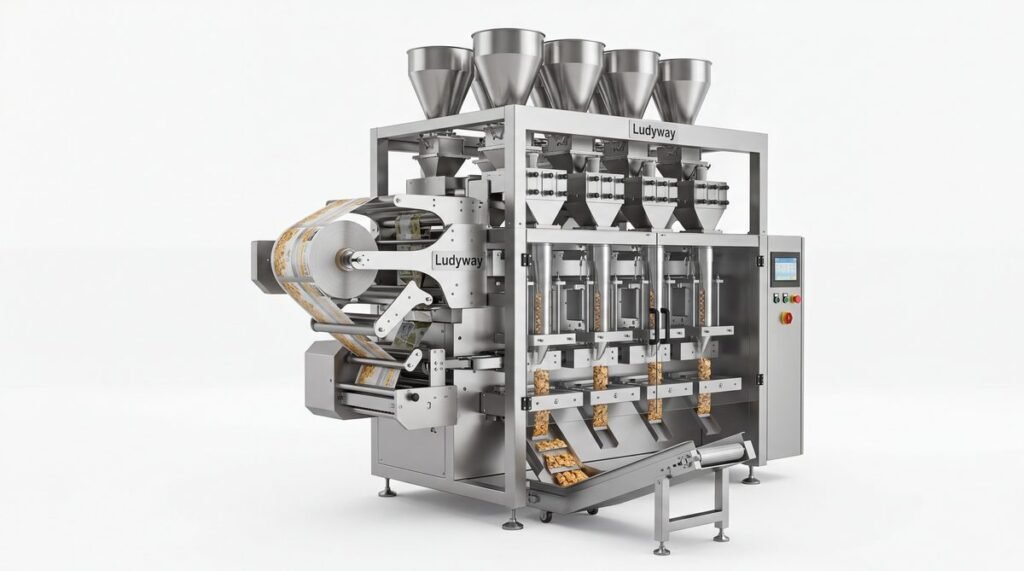
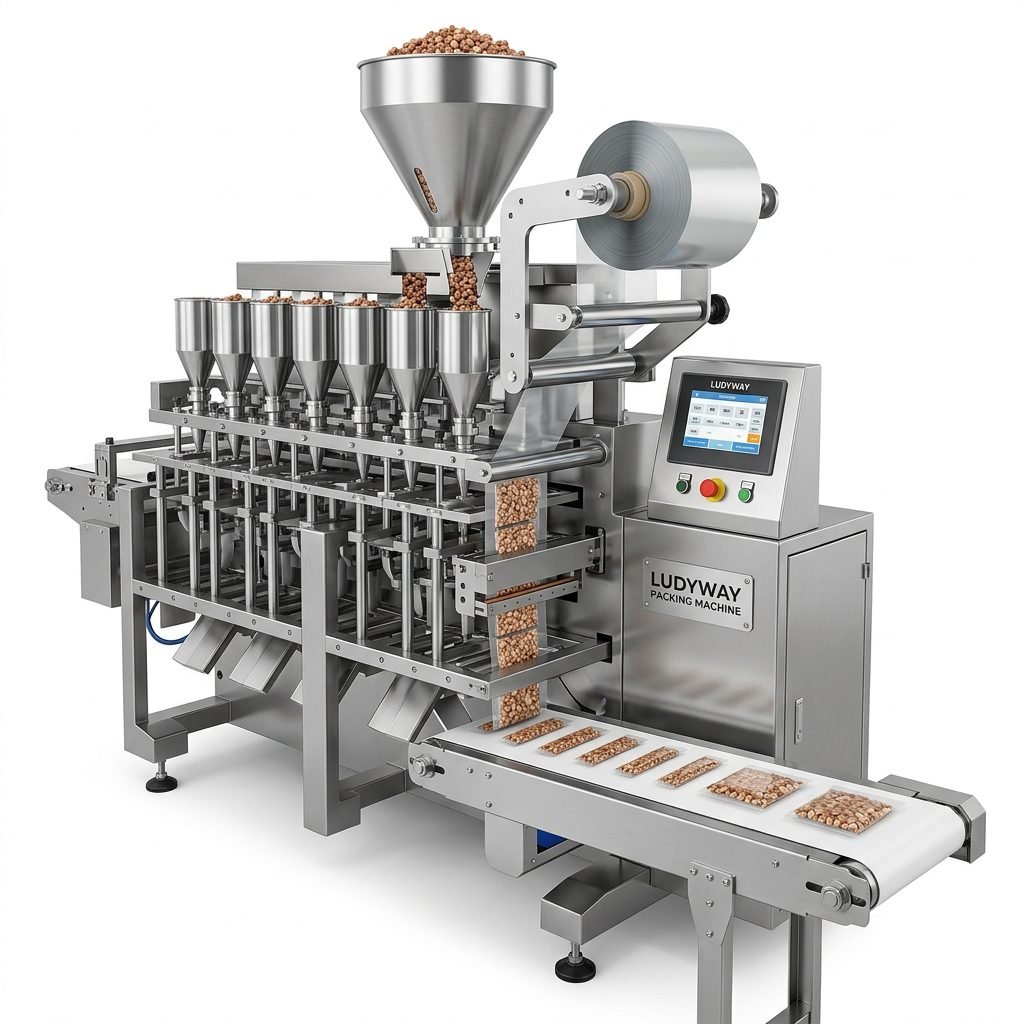
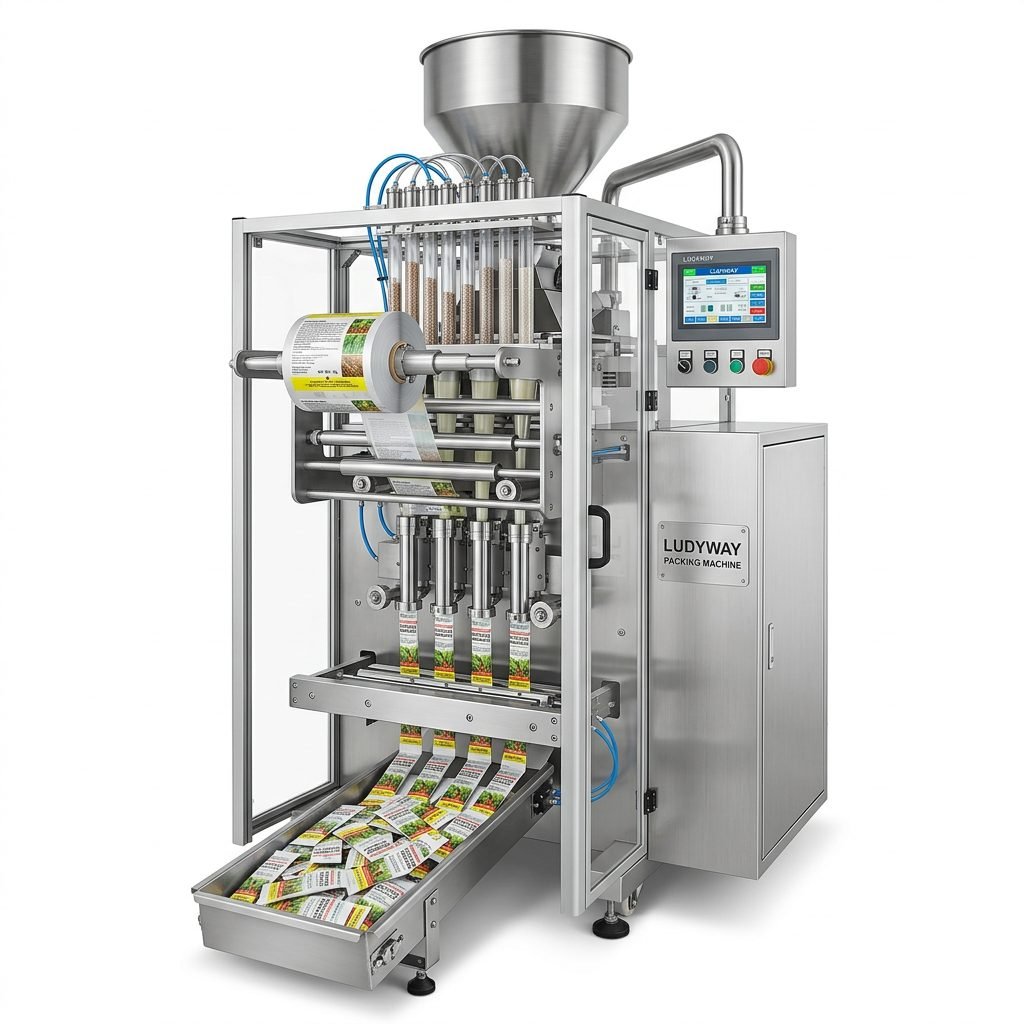
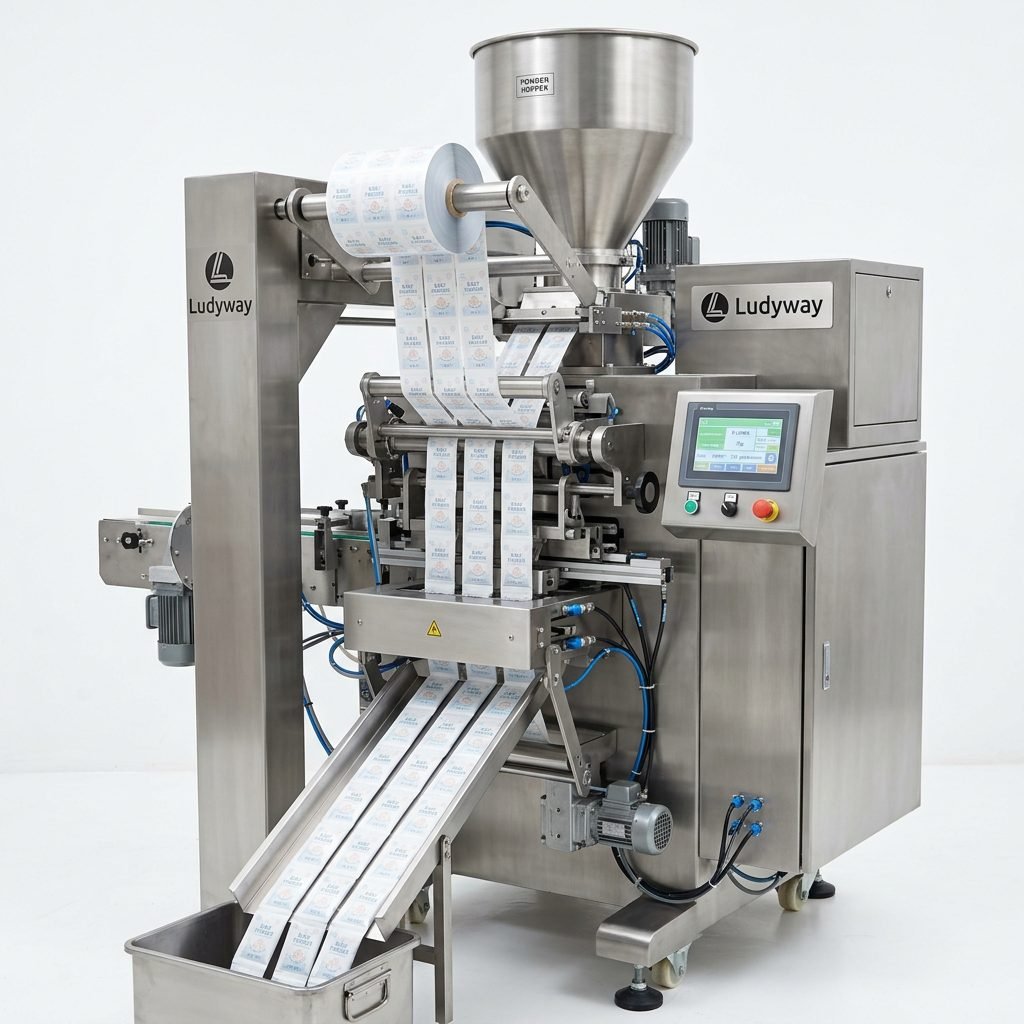
| Multi-Lane Stick Pack Machine | Edible oil portions, cosmetic oils | Low to High | 200–600 packs/min | High throughput, compact footprint |
| Piston Filling Bottle Line | Retail cooking oils, essential oils | Medium to High | 20–120 bottles/min | High accuracy ±0.5% |
| Gear Pump Filling System | Lubricants, industrial oils | Medium to Very High | 15–60 containers/min | Handles extreme viscosity |
| Flow Meter Bulk Filling | Drums, IBC totes, bulk tanks | Low to Medium | 5–30 drums/hour | Large volume capability |
Industry Standards and Regulatory Compliance
Oil packaging equipment must meet stringent regulatory requirements depending on your target market and application. Food-grade oils require compliance with FDA food packaging regulations in the United States or equivalent standards in other markets. The ISO packaging standards provide internationally recognized guidelines for packaging machinery safety and performance.
Key certifications and standards to verify include:
- CE marking for machinery sold in the European Economic Area
- FDA compliance for food-contact surfaces and materials
- GMP compatibility for pharmaceutical and nutraceutical oil products
- ISO 9001 quality management system certification for the manufacturer
- UL or equivalent electrical safety certification for control systems
The European Commission’s Packaging and Packaging Waste Regulation also influences packaging material choices, particularly for single-use oil sachets and pouches sold in EU markets.
Automation Level and Integration Capabilities
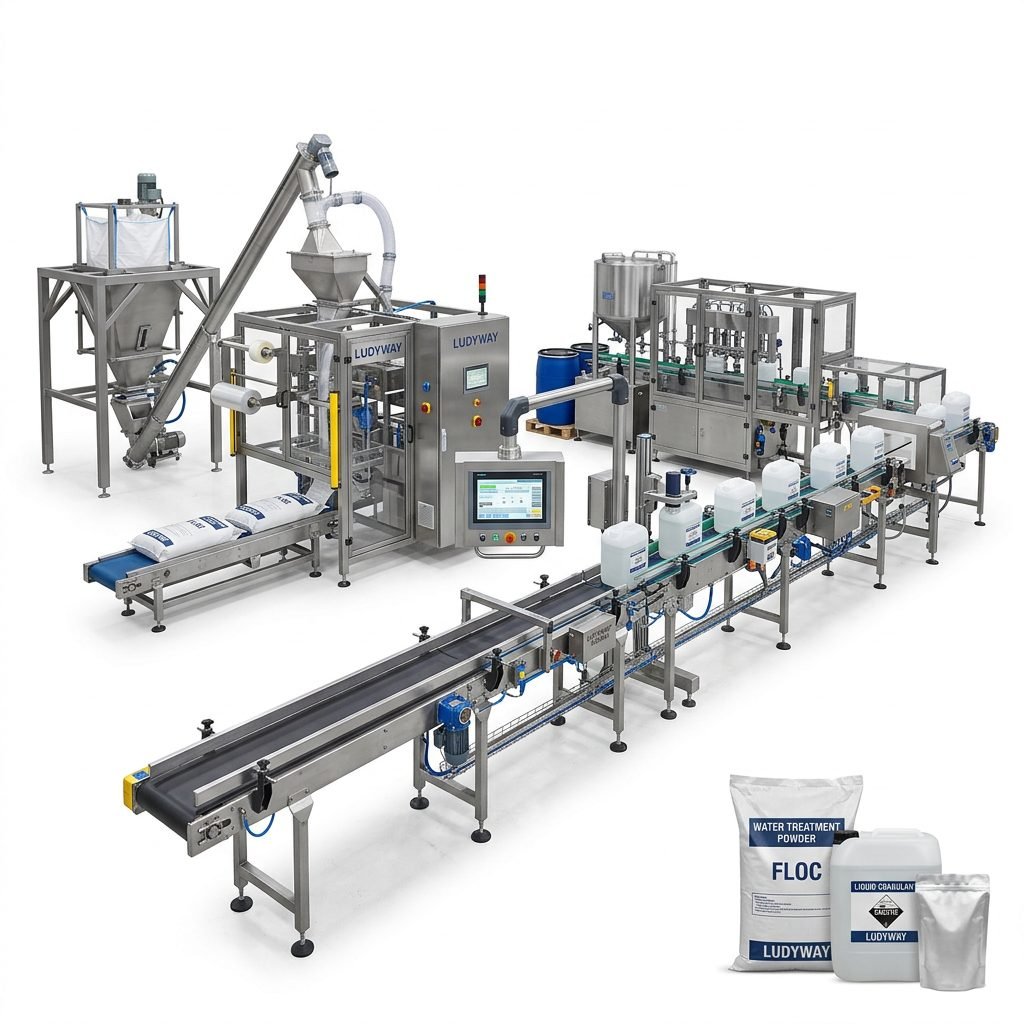
Modern oil packaging lines can range from semi-automatic standalone machines to fully integrated turnkey production lines. When evaluating automation options, consider:
- Current staffing levels — automated lines reduce labor dependency and improve consistency
- Future scalability — choose a platform that can be expanded with additional modules
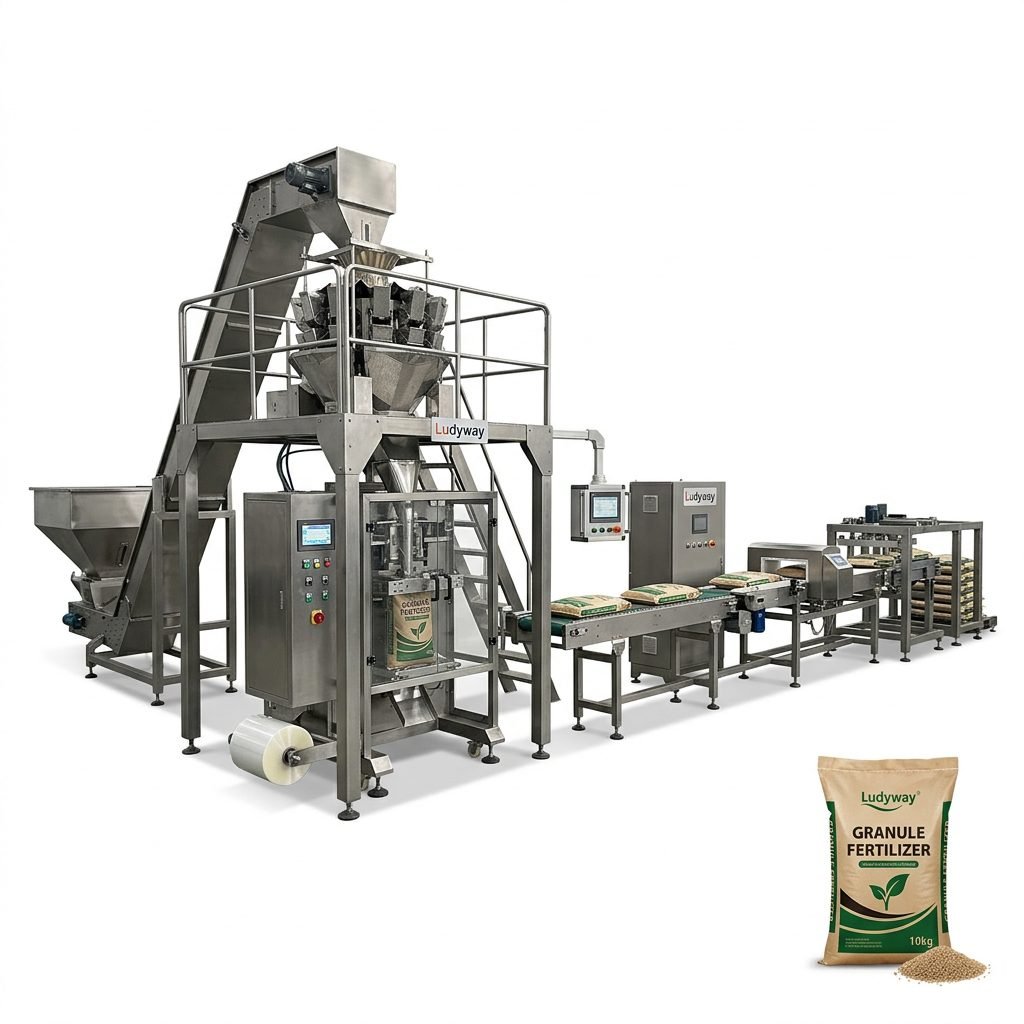
- Integration with upstream/downstream processes — bottle unscramblers, cappers, labelers, cartoners, and palletizers
- Industry 4.0 readiness — remote monitoring, data collection, and predictive maintenance capabilities

Total Cost of Ownership Considerations
The purchase price of an oil filling machine is only one component of its total cost. A comprehensive TCO (Total Cost of Ownership) analysis should include:
- Initial capital expenditure: Machine cost, shipping, installation, and commissioning
- Operational costs: Energy consumption, consumables, and labor requirements
- Maintenance and spare parts: Availability, cost, and lead time for replacement components
- Downtime risk: Reliability track record and technical support response times
- Changeover efficiency: Time and labor required to switch between different oil products or packaging formats
According to the PMMI 2026 State of the Industry Report, packaging machinery buyers increasingly prioritize energy efficiency and reduced material waste as key decision factors alongside purchase price.
Choosing a Reliable Packaging Machinery Partner
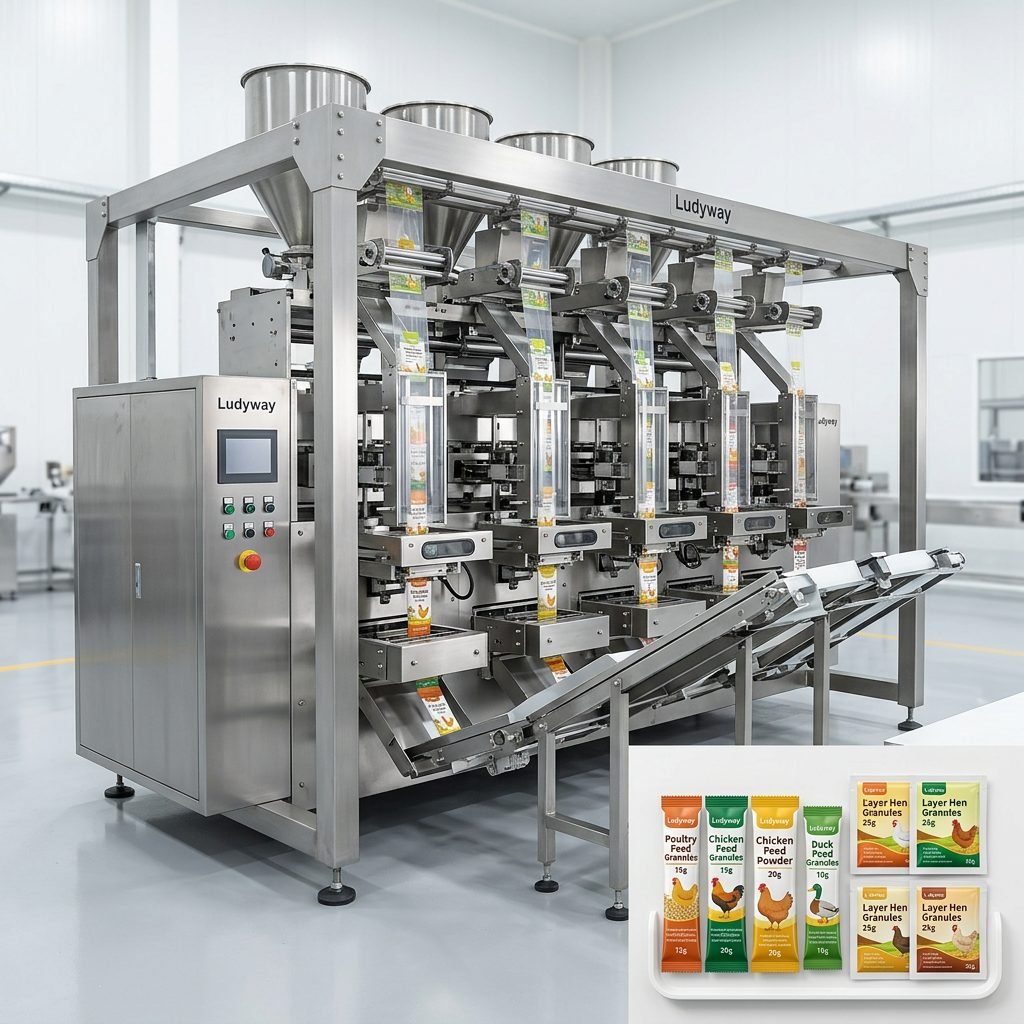
Selecting the right equipment supplier is as important as selecting the right machine. Ludyway Machinery, a China-based packaging machinery manufacturer with more than 30 years of industry experience, provides automated packaging equipment and turnkey solutions across a wide range of industries including food and beverage, pharmaceuticals, cosmetics, chemicals, and lubricants. With a 20,000-square-meter manufacturing facility, over 130 packaging professionals, and more than 50 machine models, Ludyway supports manufacturers in more than 100 countries. The company is expected to achieve export revenue of more than RMB 500 million (approximately US$69 million) in 2025, and plans to surpass RMB 1 billion (approximately US$138 million) in export revenue in 2026 — a strong indicator of its growing global presence and manufacturing capabilities.
When evaluating any supplier, consider these factors:
- Industry experience: How many similar oil packaging projects have they completed?
- Technical support: Do they offer remote assistance, on-site service, and spare parts availability?
- Customization capability: Can they engineer machines for your specific oil product and packaging requirements?
- Quality certifications: Are their machines built to recognized international standards?
- References and track record: Can they provide case studies or customer references in your industry?
Pre-Purchase Due Diligence Checklist
Before finalizing your purchase decision, work through this checklist to ensure you have covered all critical bases:
- Define your product specifications — viscosity range, fill volume, temperature requirements, and any particulate content
- Confirm packaging format — sachet, stick pack, pouch, bottle, or bulk container
- Determine required throughput — current needs plus projected growth over 3–5 years
- Verify material compatibility — ensure all product-contact surfaces are suitable for your oil type
- Review regulatory requirements — identify applicable standards for your target markets
- Request a factory acceptance test (FAT) — test the machine with your actual product before shipment
- Evaluate after-sales support — clarify warranty terms, spare parts availability, and technical support response times
- Plan for installation and training — ensure your team receives proper operational and maintenance training
Emerging Trends in Oil Packaging Technology
The oil packaging machinery market continues to evolve, driven by sustainability concerns, automation advances, and changing consumer preferences. Key trends to watch include:
- Sustainable packaging materials: Growing demand for recyclable mono-material films and reduced plastic usage
- Smart filling systems: Integration of IoT sensors, real-time quality monitoring, and predictive maintenance
- Flexible changeover designs: Quick-change tooling that enables rapid switching between different oil types and formats
- Energy-efficient operation: Machines designed for lower power consumption and reduced compressed air requirements
For deeper insights into packaging machinery market trends, the PMMI State of the Industry Reports and the Flexible Packaging Association Industry Data are excellent reference resources.

Making the Final Decision
Investing in an oil filling and packing machine is a strategic decision that affects your production capability for years to come. The right machine will deliver consistent fill accuracy, reliable operation, minimal downtime, and flexibility to adapt as your product portfolio evolves. Take the time to thoroughly evaluate your options, request detailed proposals from multiple suppliers, and whenever possible, visit manufacturing facilities or conduct factory acceptance tests with your actual products.
For additional guidance on packaging machinery standards and best practices, consult the PMMI Packaging Industry Resources or the FDA Packaging and Food Contact Substances guidelines relevant to your market.
Quick Reference: Oil Viscosity vs. Recommended Filling Technology
| Oil Type | Typical Viscosity | Recommended Filler | Common Packaging |
|---|---|---|---|
| Edible oils (olive, sunflower, coconut) | 40–100 cP | Gravity, Flow Meter, Piston | Bottles, Pouches, Sachets |
| Essential oils | 1–20 cP | Peristaltic, Piston (micro-dose) | Small bottles, Droppers |
| Engine oil (SAE 10W-40) | 100–400 cP at 40°C | Gear Pump, Piston | Bottles, Drums, Sachets |
| Heavy gear oil (SAE 80W-90) | 1,000–10,000+ cP | Positive Displacement Pump | Drums, Bulk containers |
| Industrial lubricants | Varies widely | Gear Pump, Piston, Flow Meter | Drums, Pails, IBCs |
Frequently Asked Questions
Q: Can one oil filling machine handle multiple oil types?
Yes, many modern machines are designed with quick-changeover features that allow switching between different oil products. However, thorough cleaning protocols must be followed to prevent cross-contamination, especially when switching between food-grade and industrial oils. Machines with CIP (Clean-in-Place) systems simplify this process significantly.
Q: What is the typical lifespan of an oil packaging machine?
A well-maintained commercial-grade oil filling machine typically lasts 10–20 years or more. The actual lifespan depends on factors including build quality, operating conditions, maintenance practices, and the corrosiveness of the oil products being processed. Stainless steel construction is recommended for longevity, particularly with food-grade oils.
Q: How do I determine the right number of filling heads?
The ideal number of filling heads depends on your target throughput, fill volume, and product viscosity. Higher viscosities require slower filling speeds per head, so more heads may be needed to achieve the same throughput compared to a low-viscosity oil line. Work with your equipment supplier to calculate the optimal configuration based on your production targets.
Q: Are there special safety considerations for oil filling operations?
Yes. Depending on the oil type, you may need explosion-proof electrical systems (for volatile solvents), spill containment, proper ventilation, and fire suppression systems. Food-grade oil facilities must also maintain hygienic design standards to prevent microbial contamination. Always consult local safety regulations and work with an experienced equipment provider.
For further reading on packaging machinery selection and industry best practices, visit the PACK EXPO International website or explore resources from the Flexible Packaging Association.