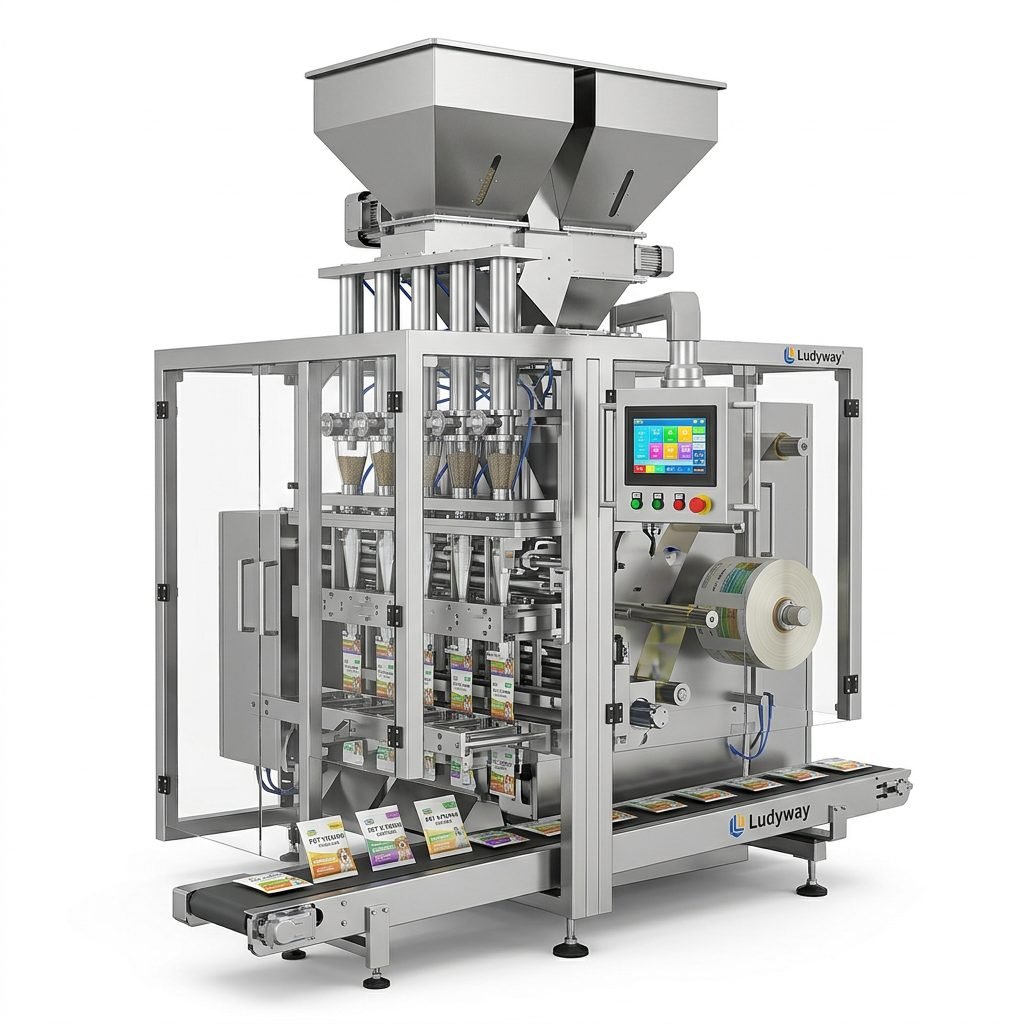
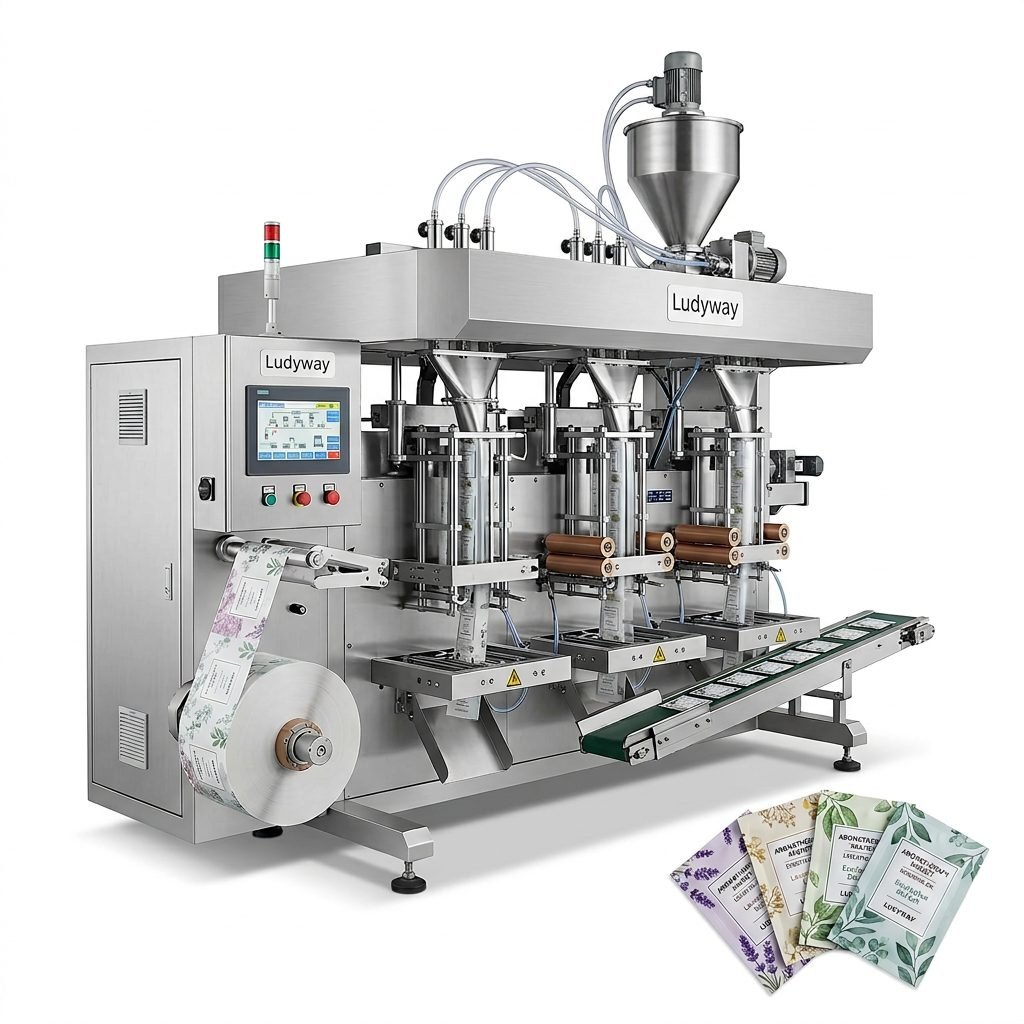
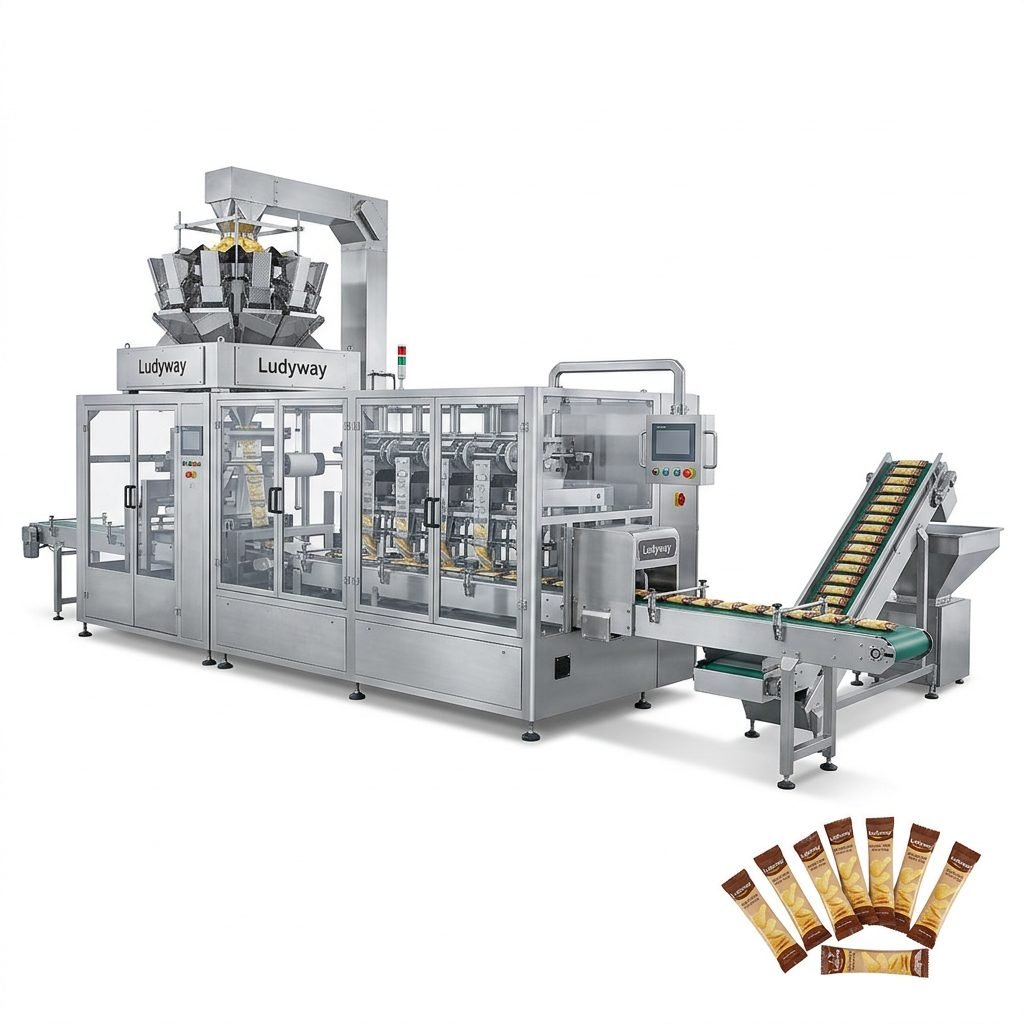
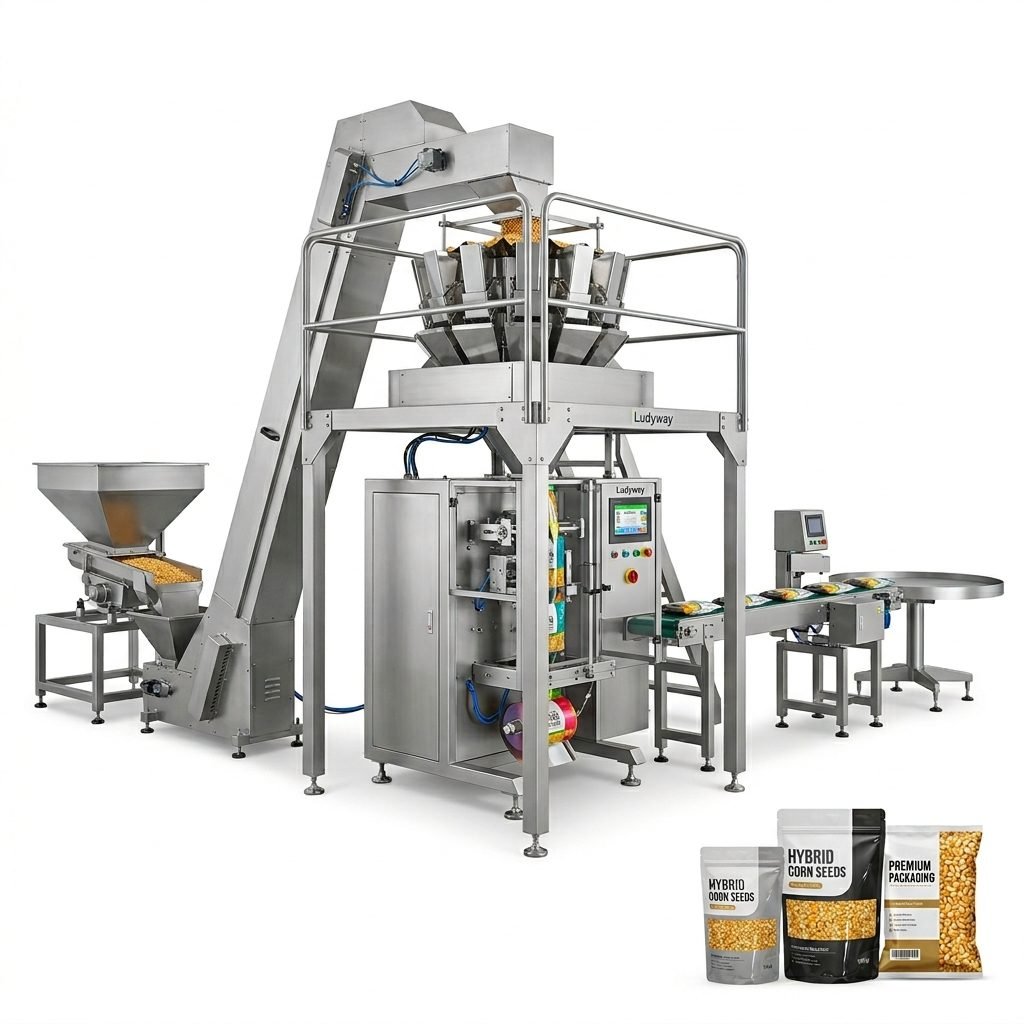
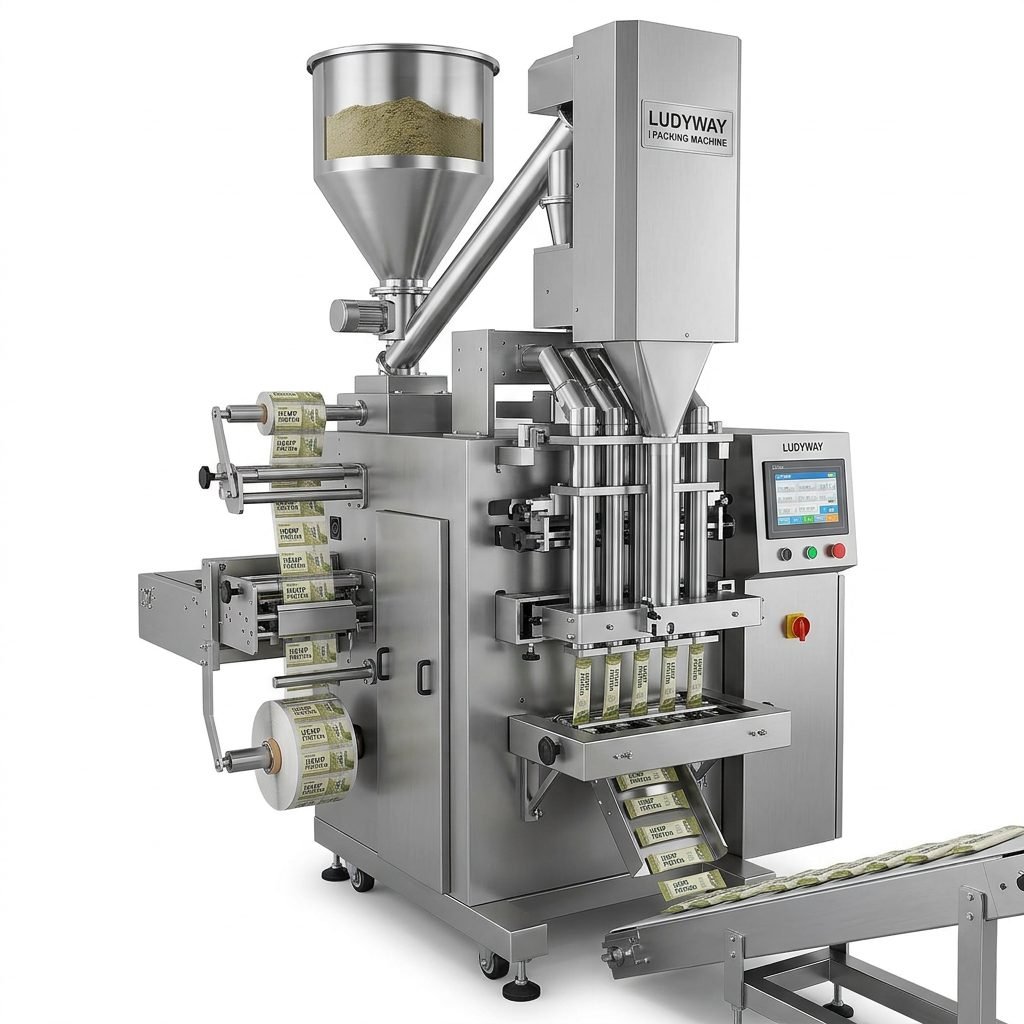
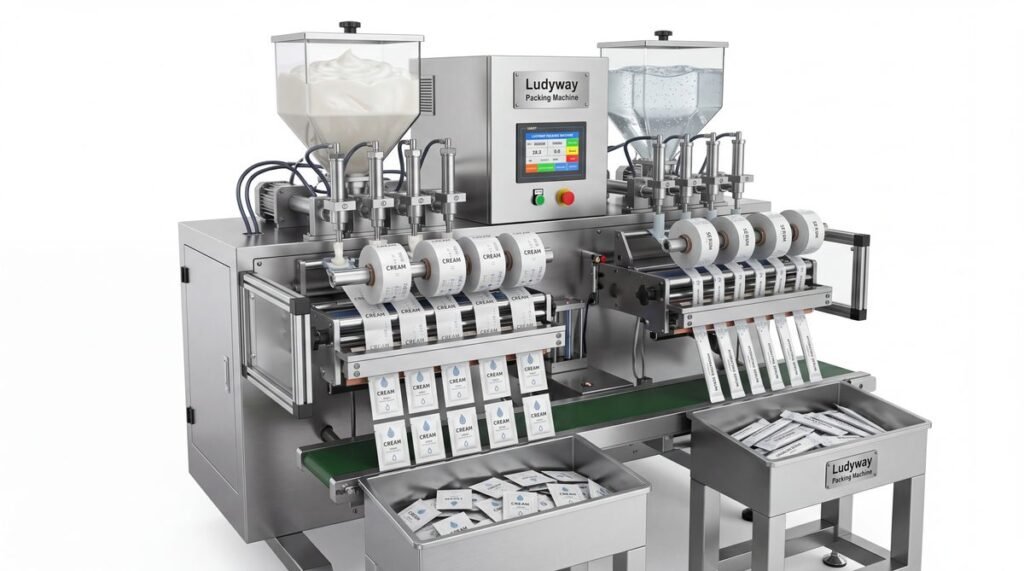
Selecting the right packing conveyor machine is one of the most critical decisions in configuring an efficient packaging line. The conveyor system does more than transport products between stations — it affects line speed, product integrity, layout flexibility, and overall equipment effectiveness (OEE). A poorly matched conveyor can become a persistent bottleneck, regardless of how advanced the upstream filling or sealing equipment may be.
This guide covers the key factors you need to evaluate, from application requirements and material characteristics to integration capabilities and long-term serviceability, helping you make an informed purchasing decision.
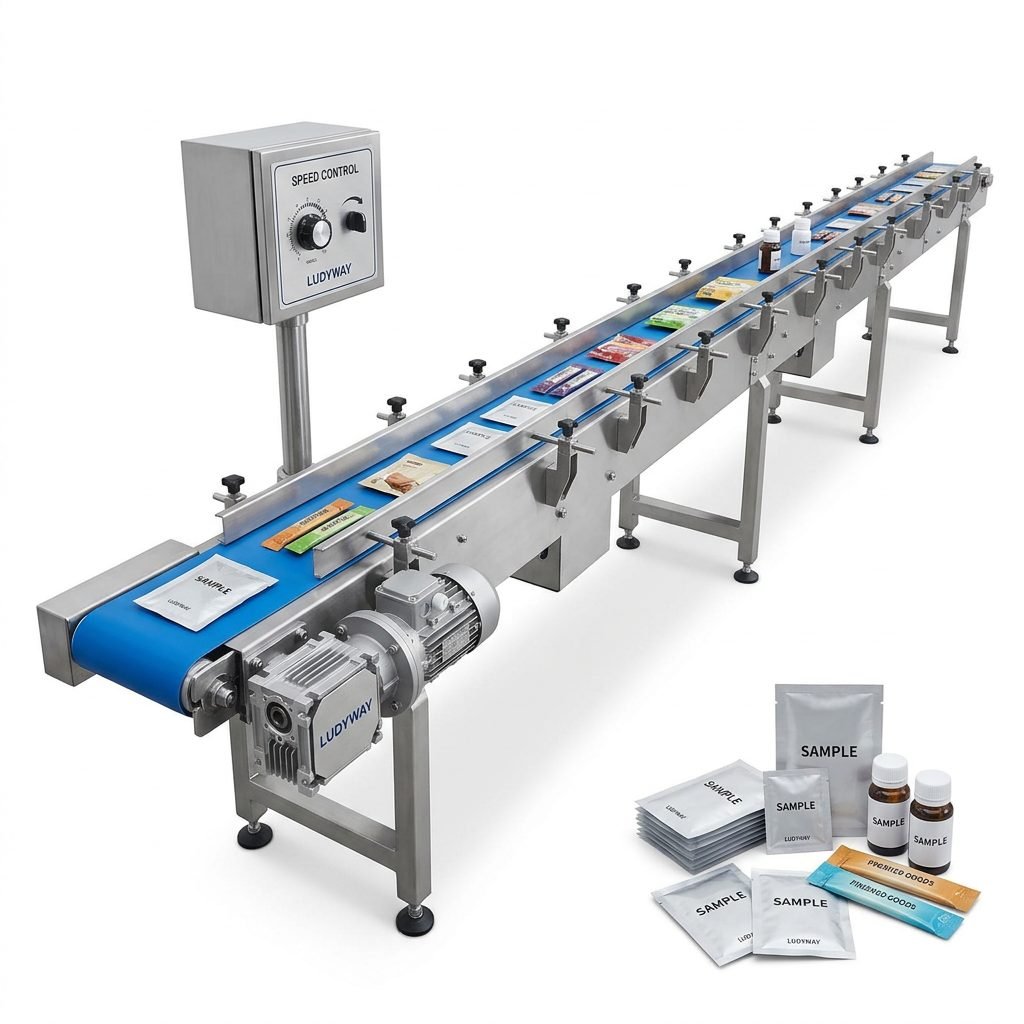
Understanding Your Application and Material Characteristics
Before comparing conveyor types or configurations, you must define what the system will handle. The physical properties of your product directly determine the appropriate conveyor design.
- Product type: Are you conveying individual packages, bulk granules, powders, sachets, pouches, bottles, or cartons? Each format requires different belt surfaces, side guides, and transfer mechanisms.
- Weight and dimensions: Heavier loads demand reinforced frames and higher-torque drives, while lightweight sachets may need vacuum or cleated belts to maintain position.
- Surface characteristics: Sticky, abrasive, or delicate products influence belt material selection. Food-grade applications require materials compliant with FDA food contact standards.
- Temperature and environment: Conveyors operating near ovens, freezers, or in washdown environments need appropriate materials, seals, and bearings rated for those conditions.
Key Performance Specifications to Compare
When evaluating different conveyor models, focus on measurable performance parameters that impact your production goals. The following table highlights critical specifications to review with potential suppliers.
| Specification | Why It Matters | Key Questions to Ask |
|---|---|---|
| Conveying Speed | Determines line throughput and must match upstream/downstream equipment pace | Is speed adjustable? What is the maximum meters per minute rating? |
| Belt Width and Type | Affects product stability and the range of package sizes handled | What belt materials are available? Is quick-change tool-less removal supported? |
| Load Capacity | Prevents premature wear, motor overload, and frame deflection | What is the maximum distributed load per meter? What safety factor is applied? |
| Frame Construction | Impacts durability, cleanability, and compatibility with hygienic requirements | Is the frame stainless steel or aluminum? Are there crevice-free welds for sanitary use? |
| Motor and Drive System | Affects energy efficiency, speed consistency, and maintenance intervals | Is the motor variable frequency drive compatible? What IP rating does it carry? |
Types of Packing Conveyors and Their Applications
Different conveyor designs serve distinct purposes within a packaging line. Understanding these categories helps you specify the right equipment for each section of your production flow.
Belt Conveyors
The most common type for general packaging transport. Suitable for cartons, pouches, and individual packages. Available in flat, inclined, and cleated configurations. Ideal for connecting multiple packaging machines in a linear or L-shaped layout.
Roller Conveyors
Powered or gravity-driven, these handle rigid-bottom packages efficiently. Accumulation roller conveyors allow products to queue without back-pressure, which is particularly useful before case packing or palletizing stations.
Inclined and Elevating Conveyors
When floor space is limited or products must move between different elevations, inclined belt conveyors, bucket elevators, or Z-type conveyors provide vertical transport. View an example of high-capacity inclined conveyor design.
Specialized Conveyors
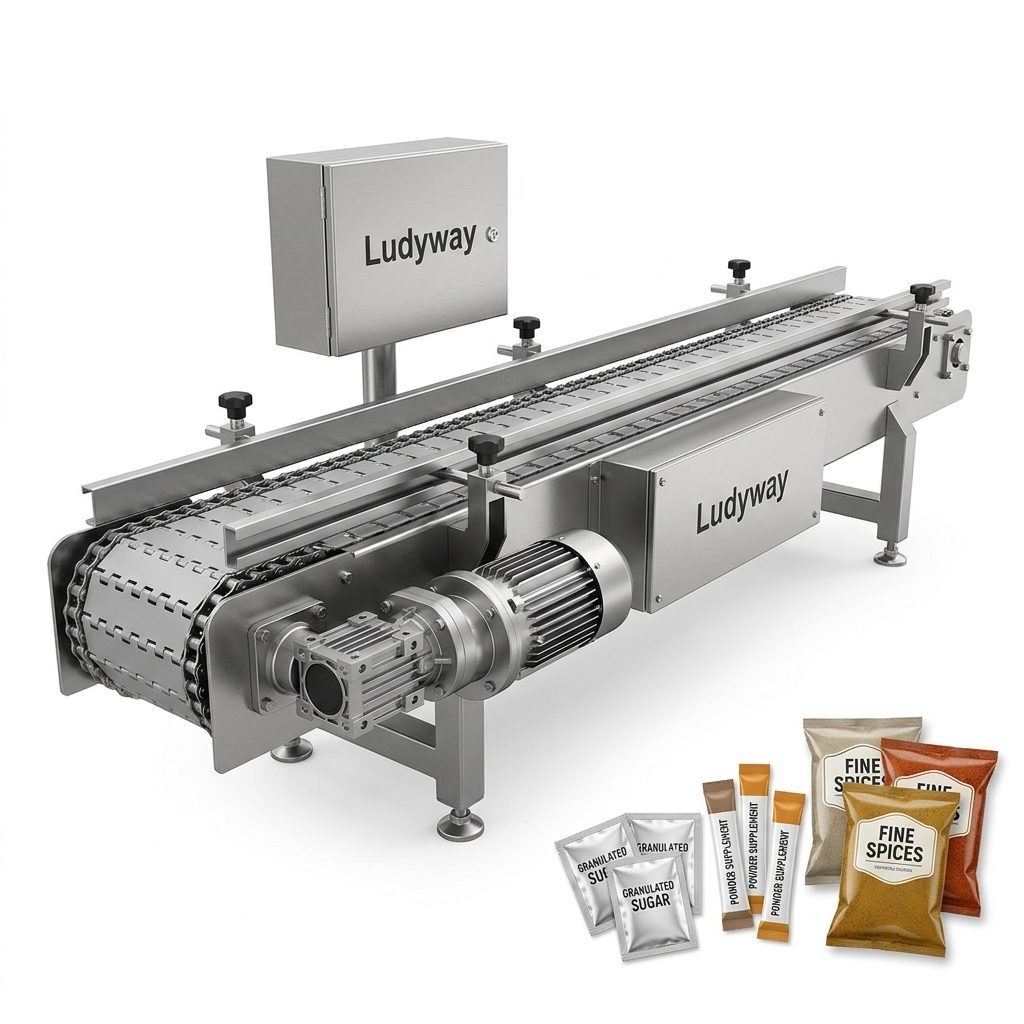
Applications involving granules, powders, or small components often require enclosed tubular drag conveyors, vacuum conveyors, or vibratory feeders integrated with the packing machine. These minimize dust, protect product integrity, and ensure precise dosing synchronization.
Integration with Packaging Machinery and Line Layout
A conveyor should not be selected in isolation. Its design must align with the packaging machines, upstream feeding systems, and downstream quality control and cartoning equipment. Key integration considerations include:
- Transfer height compatibility: Mismatched heights between the conveyor and adjacent machines create product tipping and jams. Confirm the infeed and discharge heights before ordering.
- Control system communication: Modern conveyors should integrate with the packaging line’s PLC and sensors for start/stop synchronization, speed matching, and fault detection.
- Accumulation and buffering zones: Strategic accumulation areas prevent minor downstream stoppages from forcing the entire line to halt.
- Future expandability: Modular conveyor designs with standard profiles and quick-connect sections allow you to reconfigure or extend the line as production needs change.
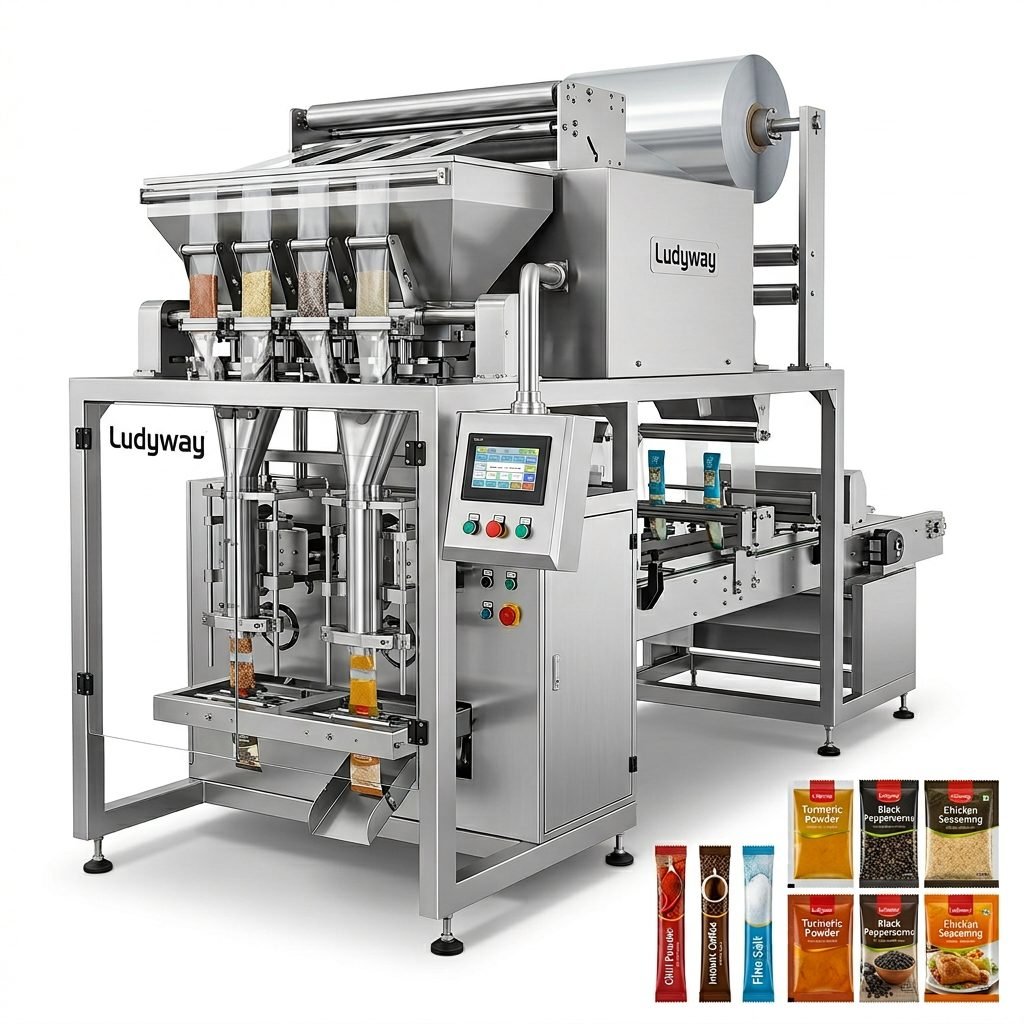
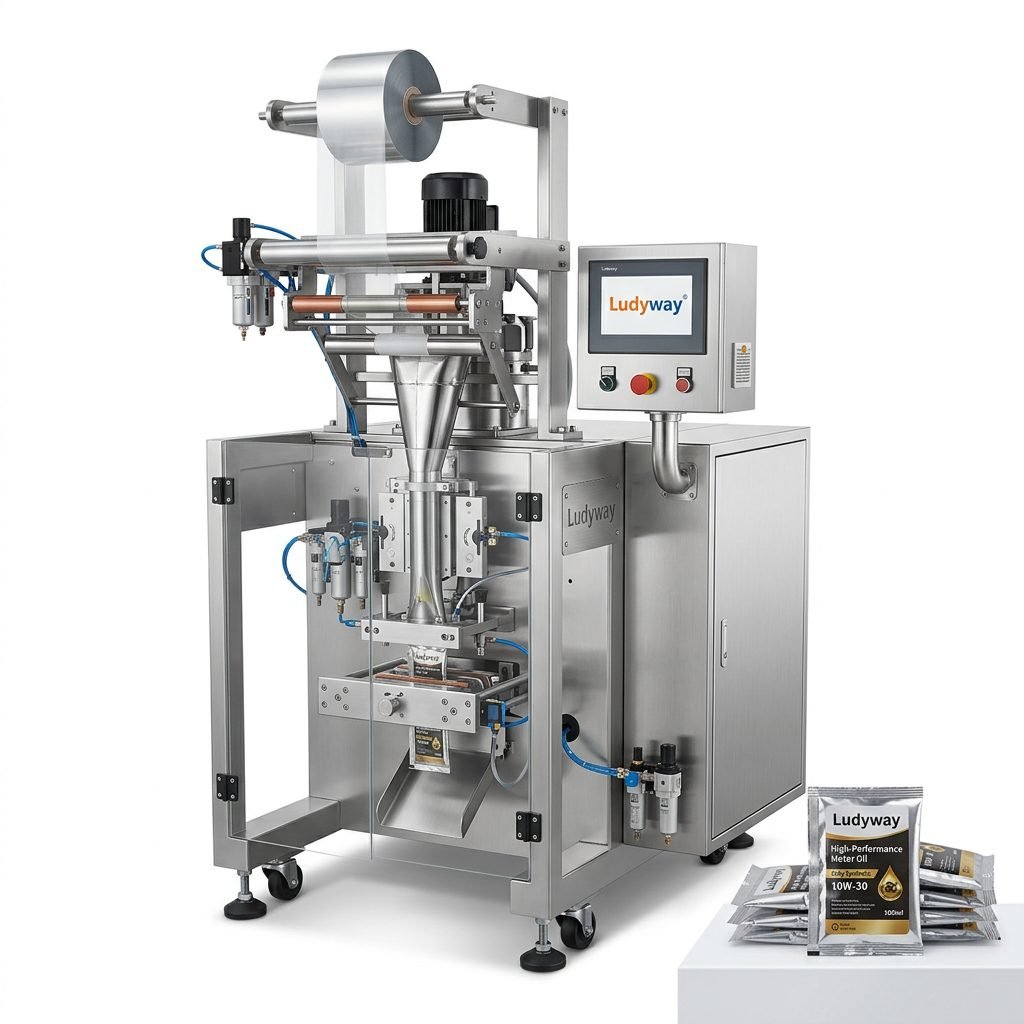
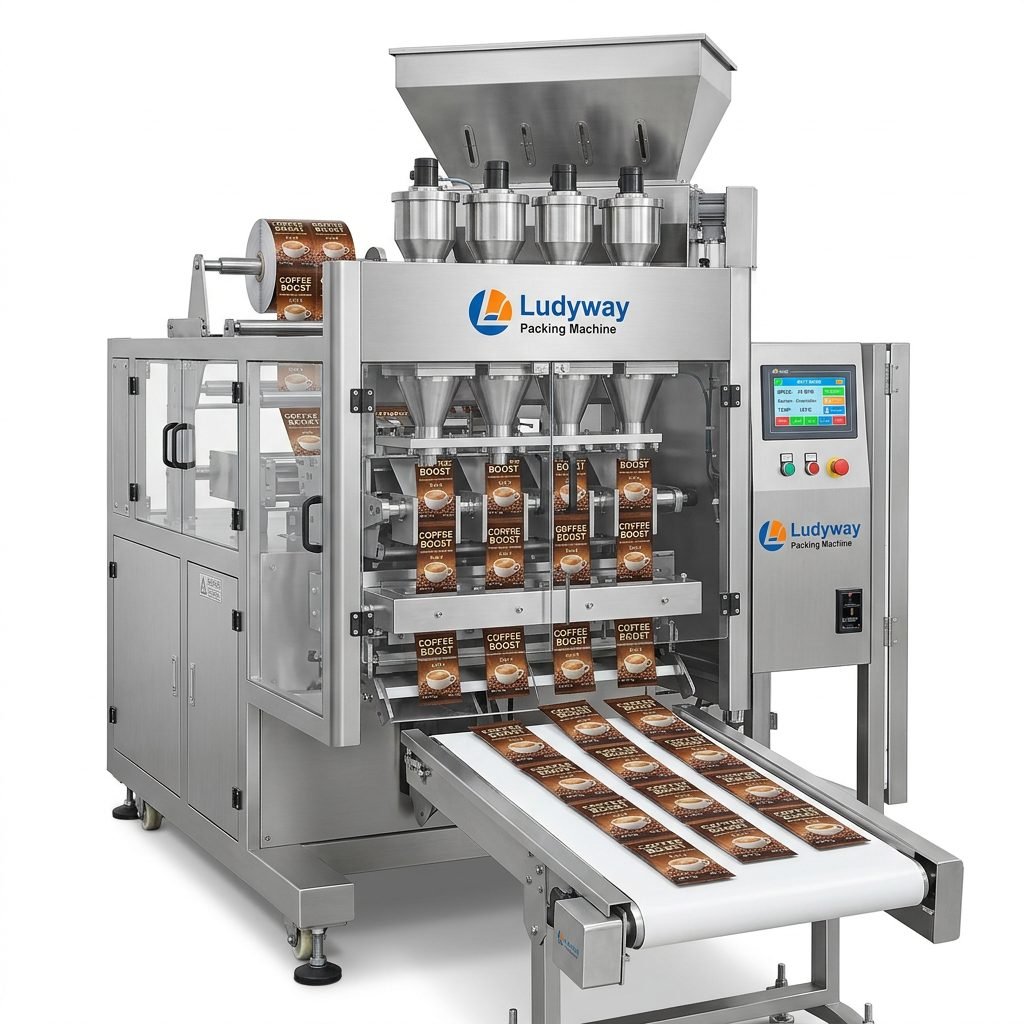
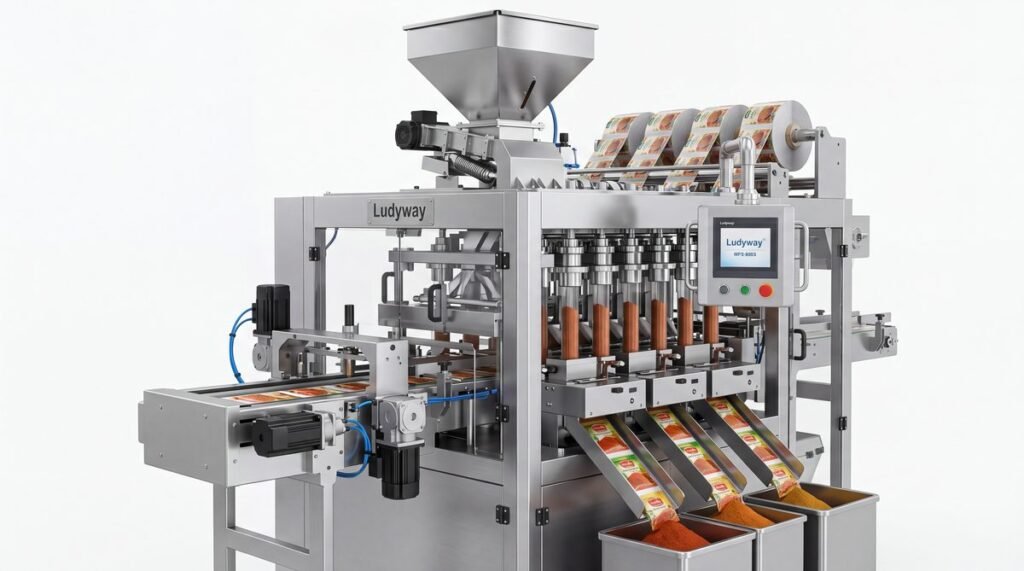
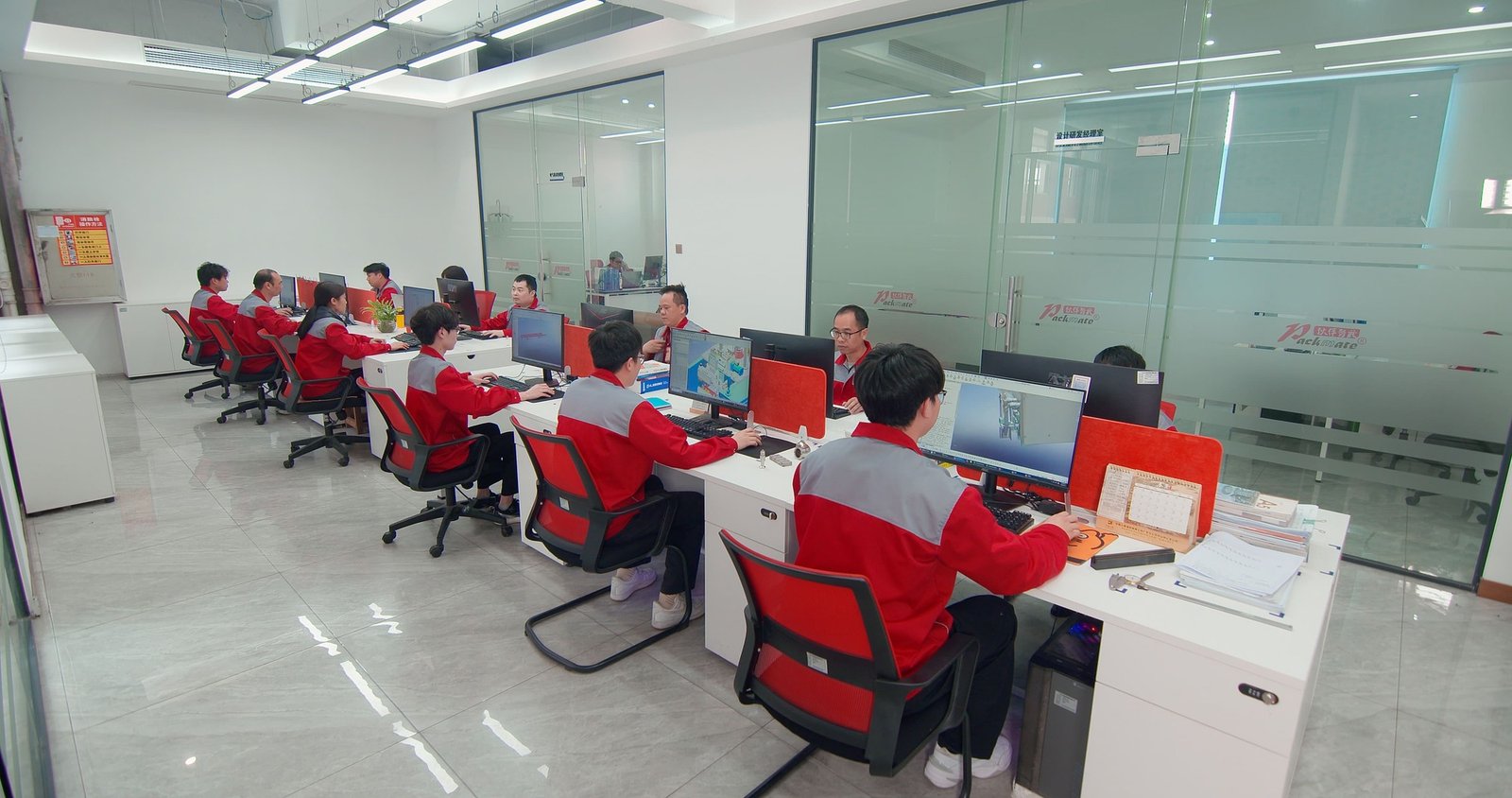
For manufacturers seeking a single partner for both packaging machines and integrated conveying systems, Ludyway Machinery provides combined engineering expertise. With a 20,000-square-meter manufacturing facility and over 30 years of experience, the company supports equipment selection, system integration, and customized packaging line configurations — including conveyor solutions matched to specific products and throughput. Ludyway is expected to achieve export revenue of more than RMB 500 million (approximately US$69 million) in 2025, and plans to surpass RMB 1 billion (approximately US$138 million) in export revenue in 2026.
Step-by-Step Selection Process
Following a structured approach reduces the risk of choosing an underperforming conveyor. Use this sequence to guide your evaluation process.
- Define throughput requirements: Calculate the maximum products or packages per minute your line must handle, including a 15-20% buffer for peak demand periods.
- Document product specifications: Record dimensions, weight, material, shape, surface texture, and any special handling requirements for every product variant that will run on the line.
- Map the physical layout: Create a scaled floor plan showing equipment positions, operator access points, column obstructions, and vertical clearance limits.
- Identify environmental constraints: Note washdown zones, temperature extremes, dust generation, or explosive atmosphere requirements that mandate specific construction materials or certifications.
- Evaluate integration points: Specify electrical control protocols, mechanical interface dimensions, and safety interlock requirements with adjacent packaging equipment.
- Request detailed proposals: Provide the above information to qualified suppliers and compare conveyor specifications, warranty terms, lead times, and total cost of ownership — not just initial purchase price.
Maintenance and Long-Term Service Considerations
The total cost of ownership extends far beyond the initial purchase. Conveyors with accessible wear components, standardized replacement parts, and clear maintenance documentation reduce downtime and operating costs over the equipment’s lifetime. Key factors to evaluate include:
- Spare parts availability: Confirm that critical components like belts, bearings, motors, and sensors are available from the supplier’s inventory and not dependent on discontinued third-party parts.
- Accessibility for cleaning and inspection: Conveyors with tool-less guard removal, quick-release belt tensioners, and open frame designs allow faster sanitation and preventive maintenance.
- Remote technical support: Suppliers offering remote diagnostics, troubleshooting guidance, and online spare parts ordering can significantly reduce response times for international operations.
- Operator training documentation: Comprehensive manuals, video resources, and on-site training reduce the risk of operator error and improper maintenance procedures.
Industry resources such as the PMMI Business Intelligence Library and Flexible Packaging Association Industry Resources provide additional guidance on packaging machinery standards, benchmarking, and technology trends that can support your conveyor selection process.
Making the Final Decision
Selecting a packing conveyor machine is a technical decision with operational and financial consequences. The right system aligns product handling requirements, production speed targets, integration needs, and long-term serviceability into a single engineered solution. By applying the structured evaluation approach described in this guide, and working with experienced packaging machinery manufacturers who understand conveying system design, you can build a reliable packaging line that performs consistently throughout its service life.
Related Resources: