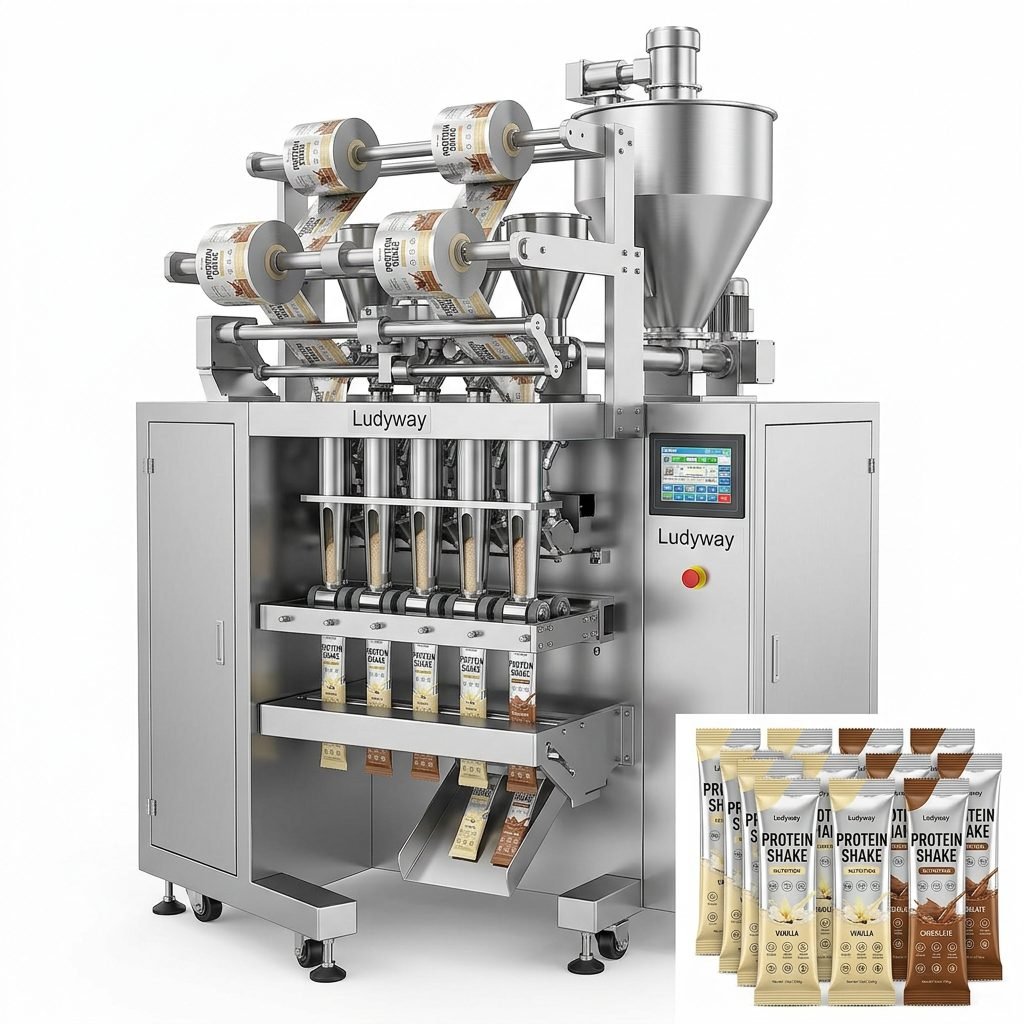
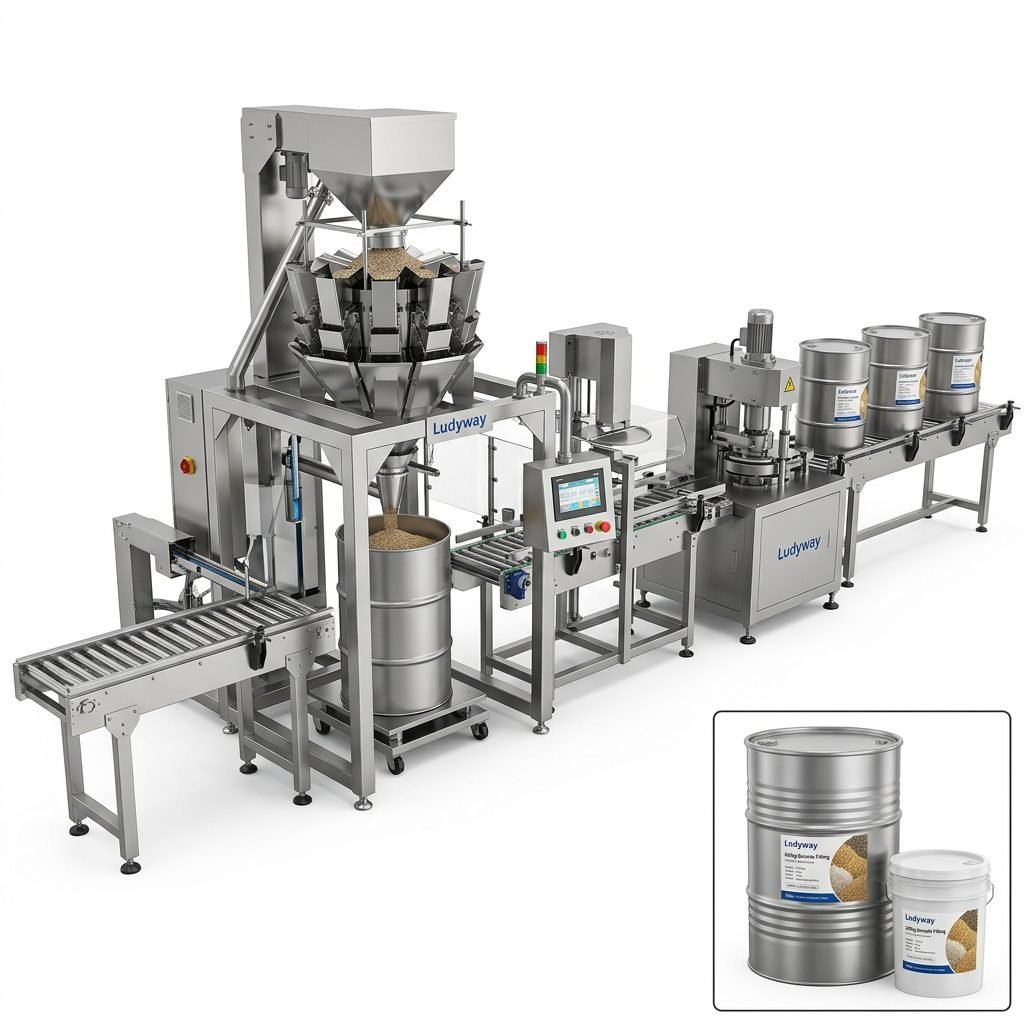
Selecting the right Pan Masala packing machine is a critical decision that directly impacts your product quality, production efficiency, and profitability. Pan Masala is a complex, multi-component product often consisting of betel nuts, catechu, lime, and aromatic spices, which requires specialized handling. A standard vertical form fill seal machine might not be enough to maintain the unique texture and intense flavor profile. This guide walks you through the essential factors to consider before investing in automated packaging equipment.
1. Understanding Your Production Requirements
Before comparing machine specifications, you must clearly define your operational goals. Evaluate your current and projected production capacity. Are you a small artisan producer looking to scale up, or a large manufacturer needing multi-lane high-speed systems? It is also crucial to assess your packaging format—whether you require sachets, stick packs, or larger pouches. According to the latest State of the Industry report, flexible packaging continues to dominate the market due to its convenience and cost-effectiveness, making it the preferred choice for Pan Masala products.
2. Key Machine Features for Pan Masala Packaging
Not all packaging machines are created equal when it comes to handling granular and powdery mixes. Pan Masala’s unique characteristics demand specific engineering features to ensure product consistency and freshness.
Precision Dosing and Filling Systems
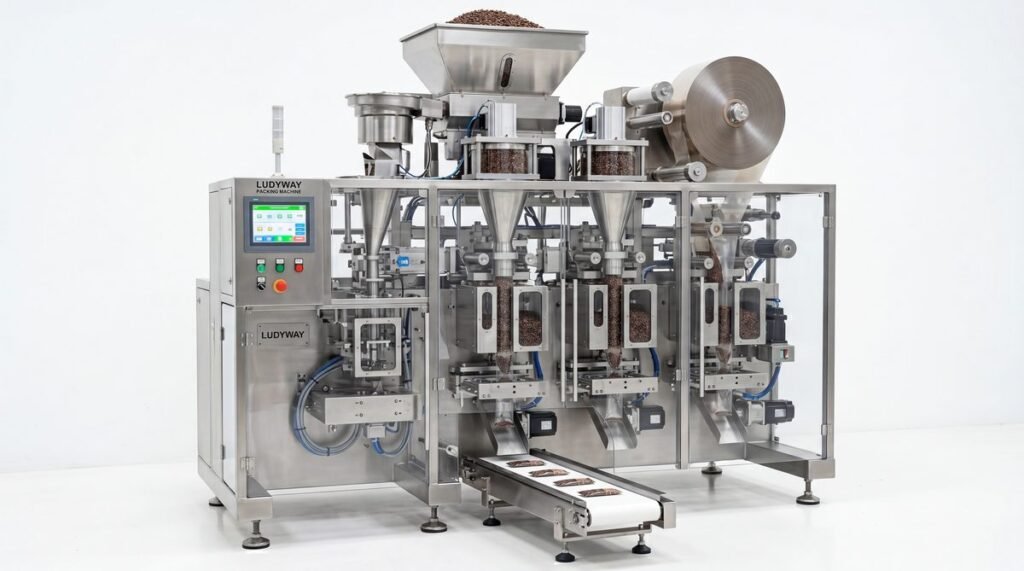
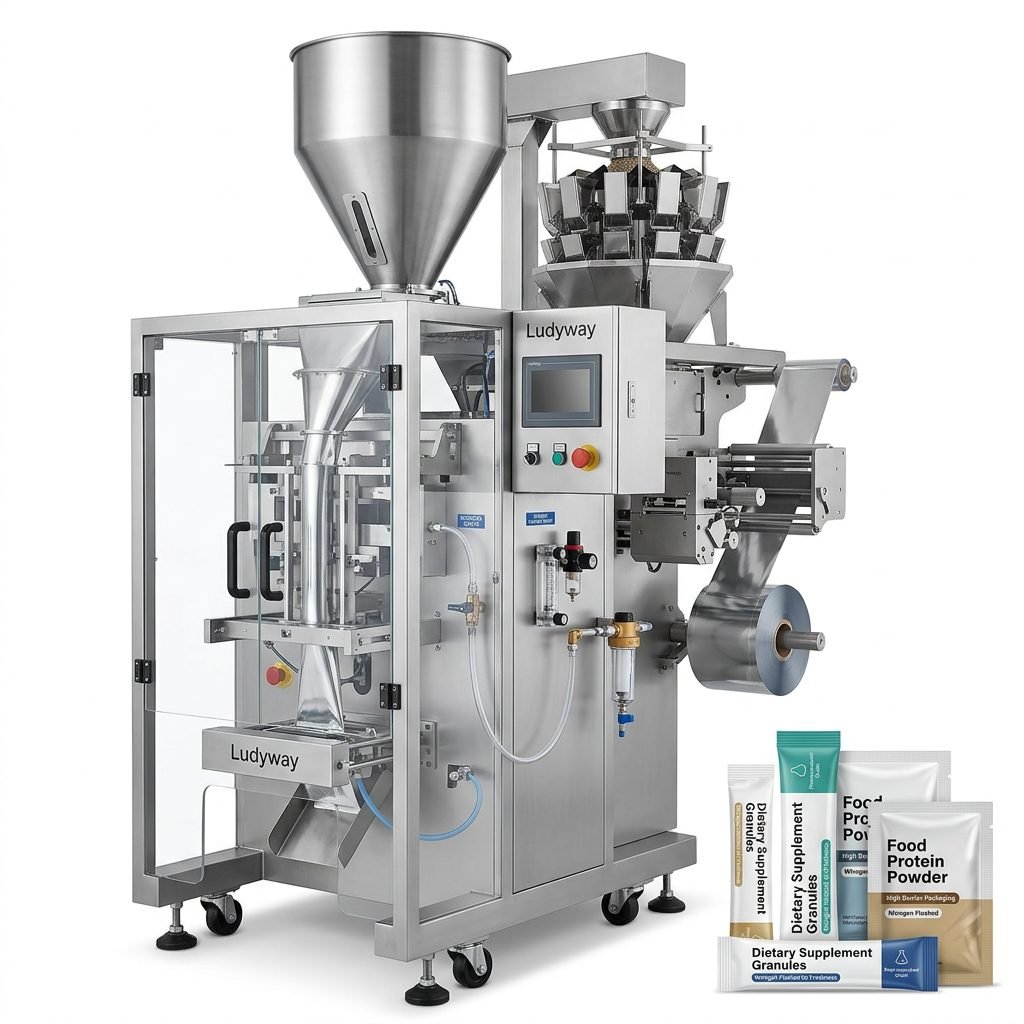
The biggest challenge with Pan Masala is multi-component dosing. A multi-head weigher is often recommended because it can gently and accurately weigh each mix component without crushing the delicate betel nut shavings. Volumetric cup fillers might be cheaper but can lead to inconsistent bag weights and flavor imbalances. Ensure the machine offers high-precision load cells and can handle the free-flowing and semi-free-flowing nature of the ingredients. For configurations requiring extreme accuracy, servo-driven auger fillers are an excellent alternative.
Sealing Integrity and Nitrogen Flushing
Pan Masala is highly hygroscopic and sensitive to oxidation. If the packaging does not provide a hermetic seal, the lime and catechu can quickly absorb moisture, resulting in a dull, sticky product. Look for machines equipped with gas flushing (nitrogen injection) capabilities. This technology displaces oxygen inside the sachet, preserving the potent aroma and significantly extending the shelf life. The temperature and pressure of the sealing jaws must be precisely controllable to prevent leaks without burning the film.
Dust Extraction and Hygienic Design
Fine lime powder and catechu dust can quickly build up on machine sensors and moving parts, causing mechanical failures. A high-quality Pan Masala packing machine should feature a robust dust extraction system. Also, prioritize easy-teardown designs with tool-less removal of contact parts. This reduces downtime during changeovers and cleaning, ensuring that cross-contamination between different spice blends is completely eliminated.
3. Comparing Machine Types: Which One Fits Your Scale?
Your output target determines the machine configuration. Here is a comparison of common types available for Pan Masala packaging:
| Machine Type | Best For | Capacity Range | Key Advantage |
|---|---|---|---|
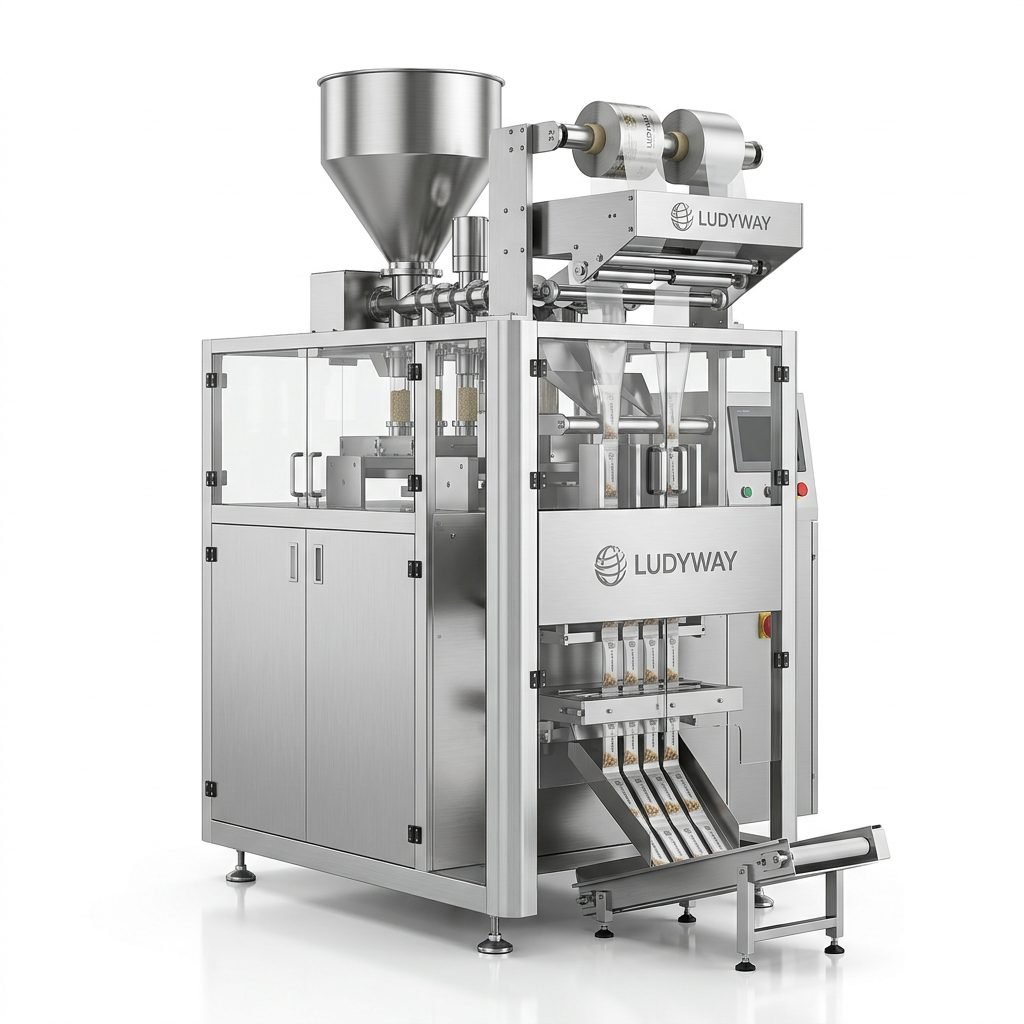
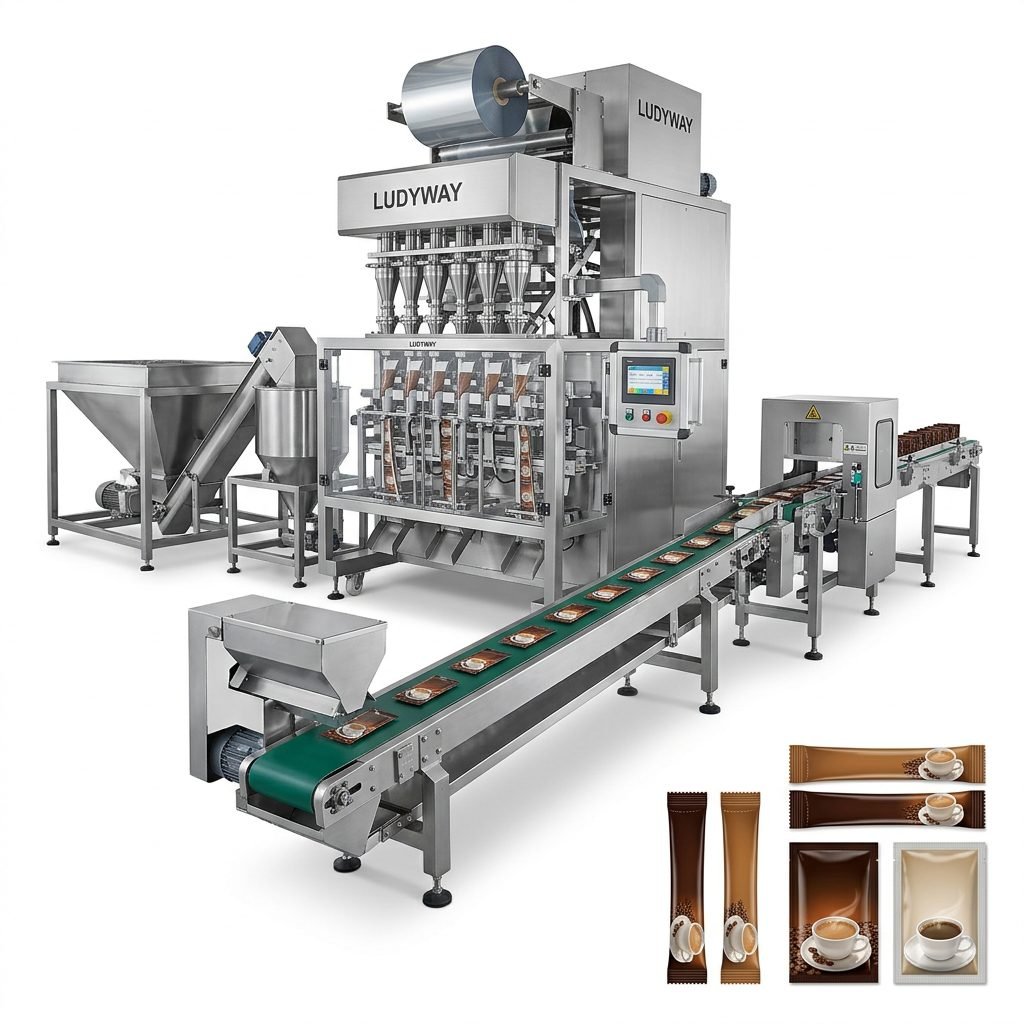
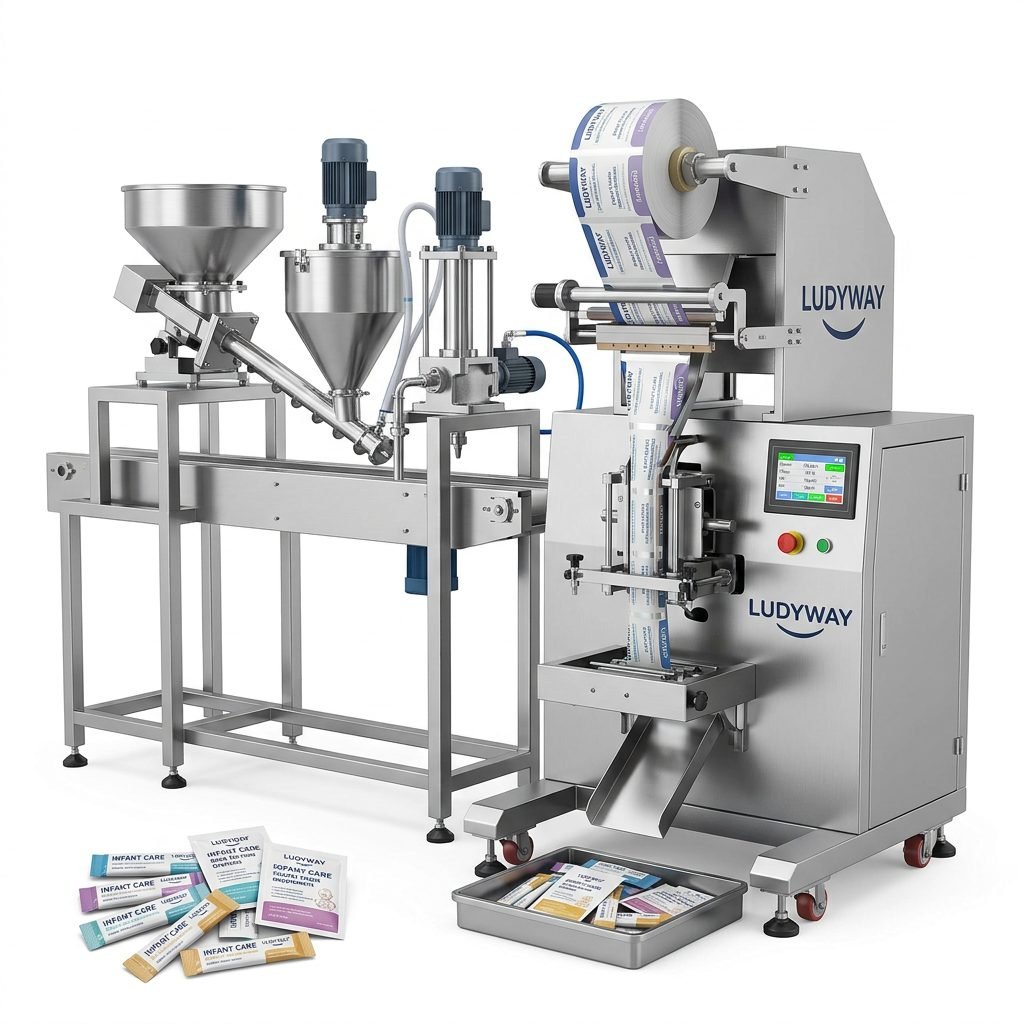
| Vertical Form Fill Seal (VFFS) | Small to Medium Enterprises | 30 – 80 bags/min | Cost-effective, versatile for multiple sachet sizes |
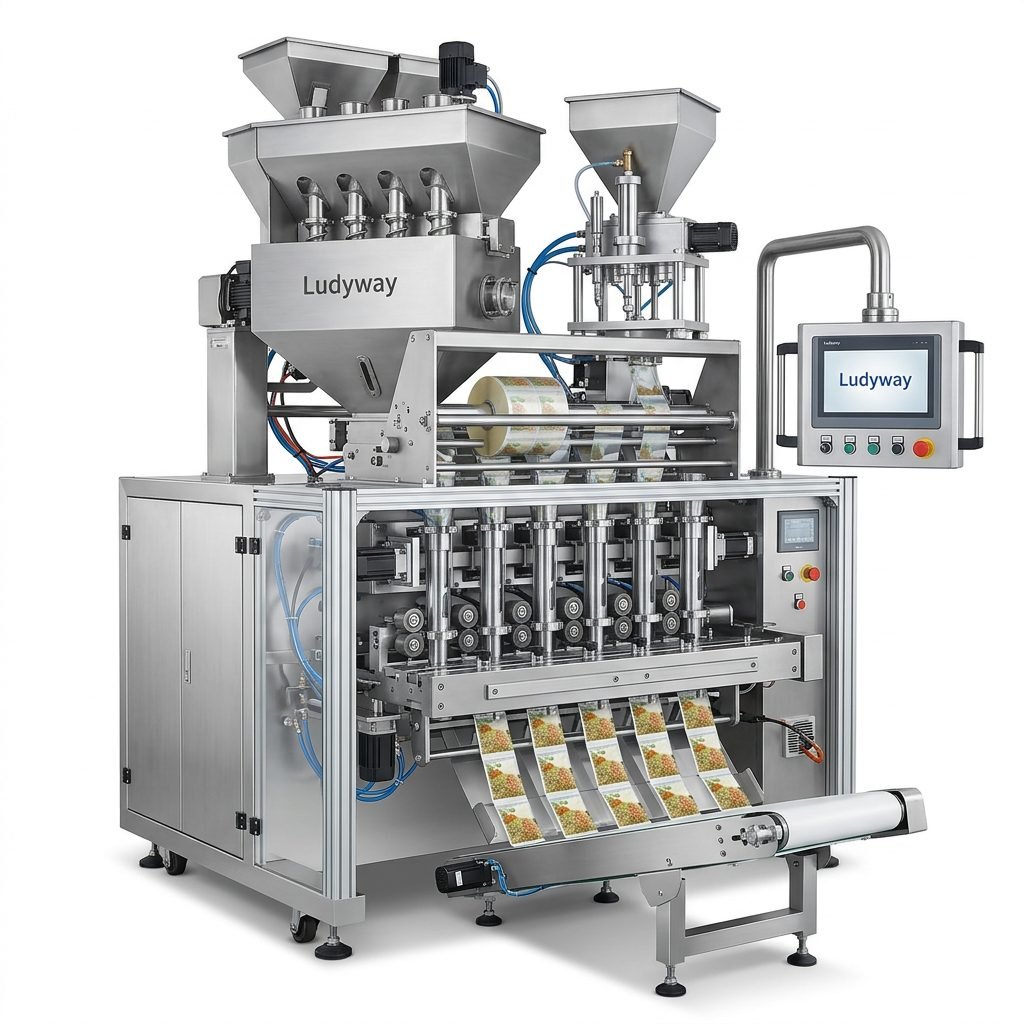
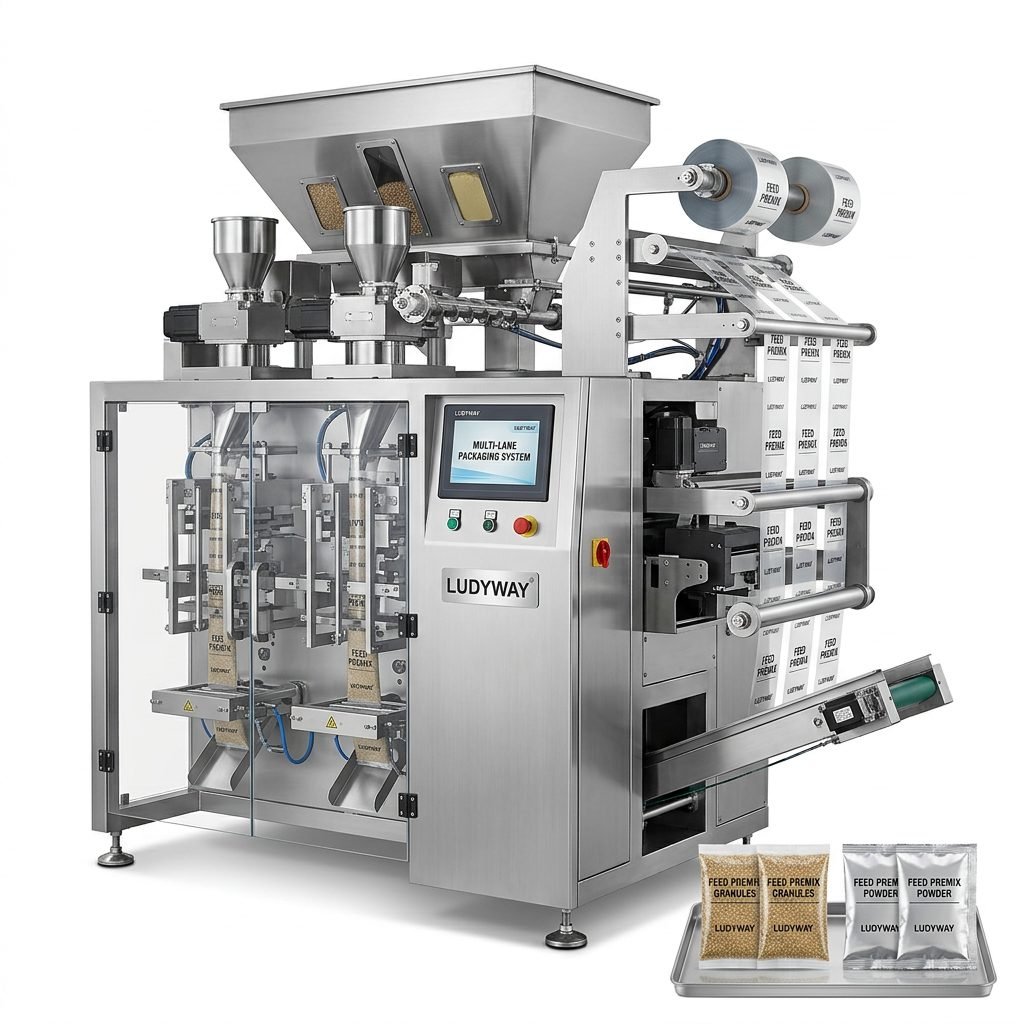
| Multi-Lane Stick Pack Machine | High-Volume Mass Production | 400 – 1000+ bags/min | Extremely high output, ideal for single-serve portions |
| Pre-Made Pouch Rotary Machine | Premium Branding / Zipper Bags | 30 – 60 bags/min | Superior seal quality, works with zippered/stand-up pouches |
| Auger Filler Integration | Non-Free Flowing Powders | Configurable | Best filling accuracy for sticky or ultra-fine lime powder |
4. The Importance of Customization and Smart Technology
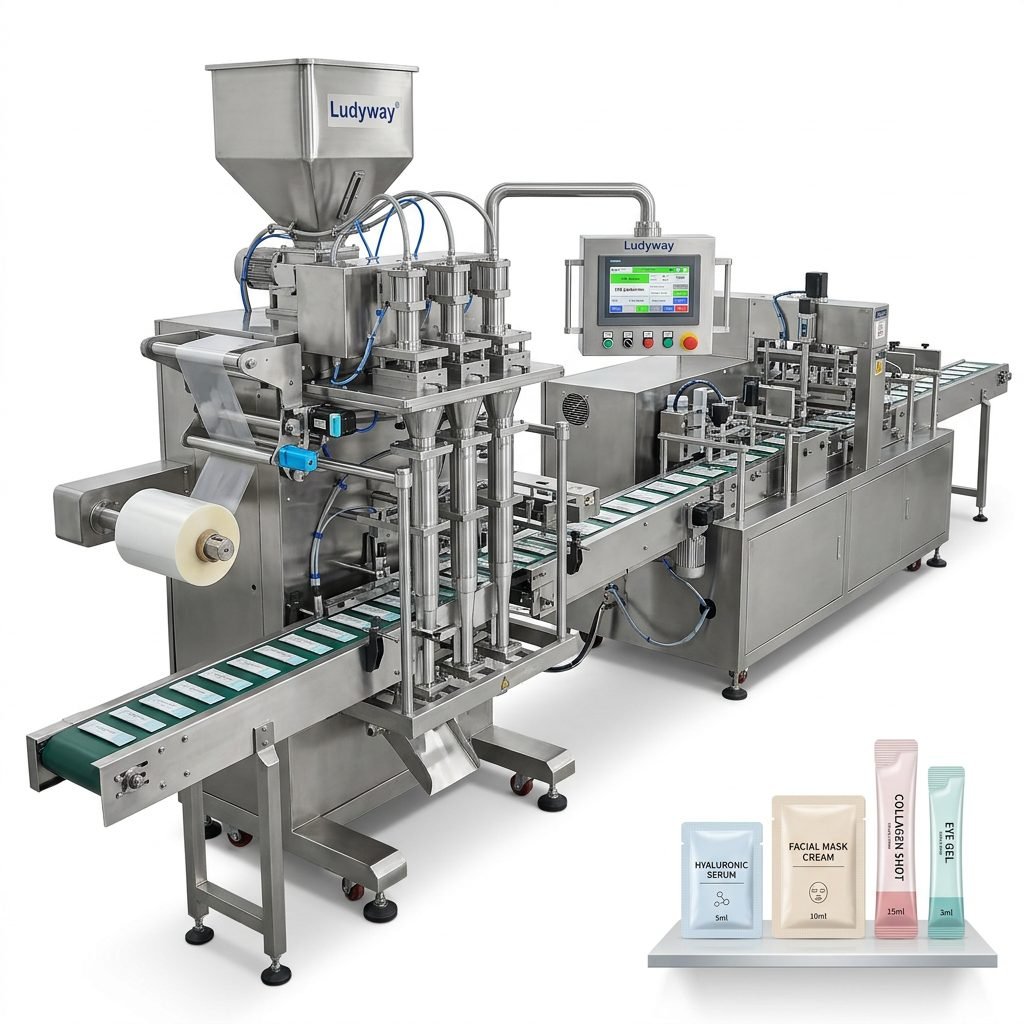
Off-the-shelf solutions rarely fit every Pan Masala recipe perfectly. You might need to combine two different filling mechanisms on the same line to handle sharp betel nut shards and fine lime powder separately. This is where working with an experienced OEM partner becomes vital. For instance, Ludyway Machinery, a China-based packaging machinery manufacturer with over 30 years of experience, specializes in integrating customized dosing, filling, and sealing systems. With a 20,000-square-meter manufacturing facility and more than 130 professionals, Ludyway has developed over 50 packaging machine models, combining automation technology and application experience to help manufacturers improve operational consistency. Notably, the company is expected to achieve export revenue of more than RMB 500 million (approximately US$69 million) in 2025, with plans to surpass RMB 1 billion (approximately US$138 million) in 2026, reflecting its capability to handle complex international packaging demands.
Modern machinery should also incorporate Industry 4.0 features, such as real-time performance dashboards and remote troubleshooting capabilities to minimize downtime.
5. Compliance, Standards, and Certifications
If you are exporting Pan Masala, your packaging line must comply with stringent international regulations. The machine must use food-grade construction materials (typically SS304 or SS316 stainless steel) that do not react with the alkaline lime content. It is essential to verify that the machine can accommodate films that comply with FDA Food Contact Substance regulations. Furthermore, you should look for manufacturers who adhere to ISO Packaging Standards to guarantee mechanical safety and consistency. Industry associations like the Flexible Packaging Association also provide excellent resources on the latest material and sustainability requirements for flexible packaging lines.
6. Evaluating the Supplier and After-Sales Support
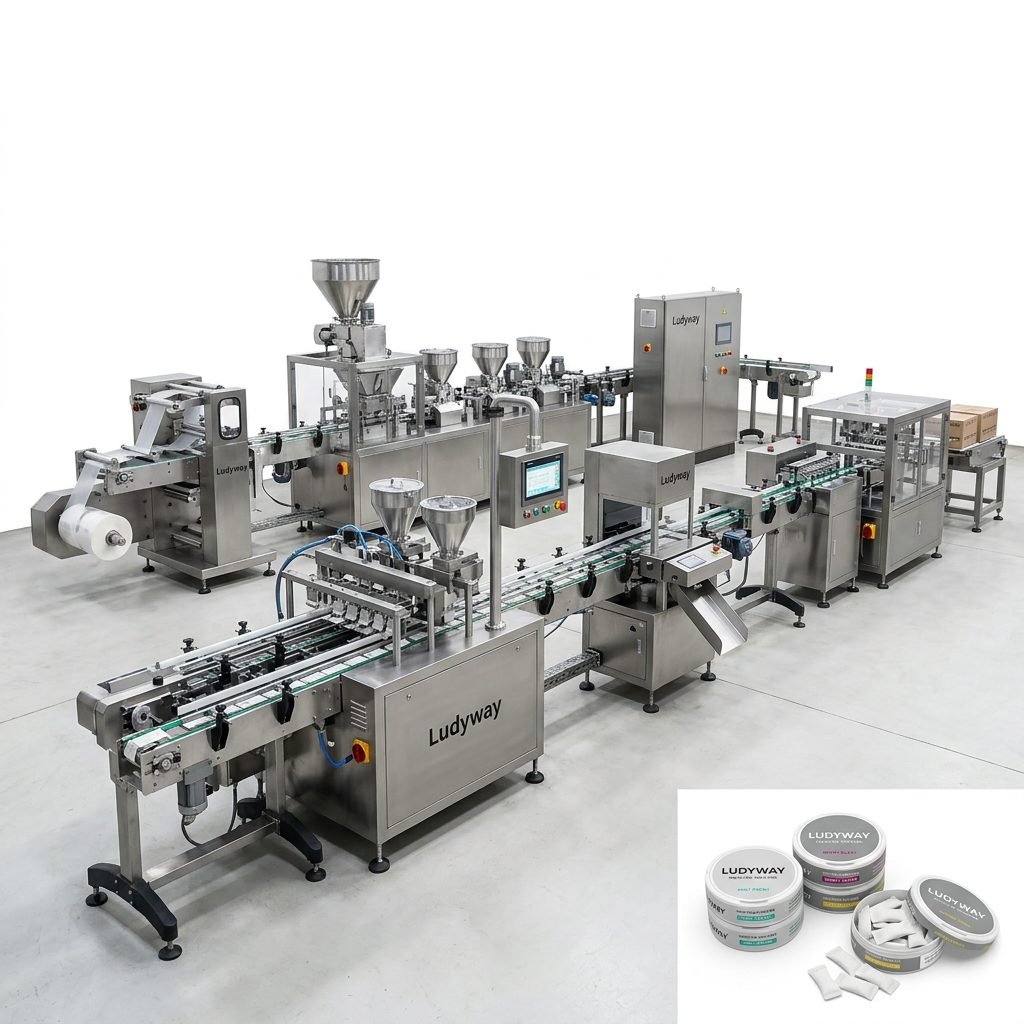
A packing machine is a significant capital investment, and your relationship with the manufacturer does not end at delivery. Before signing a contract, inspect the vendor’s spare parts availability and technical support structure. The best suppliers offer comprehensive installation, commissioning, and operator training. Ask specific questions about their typical response time for remote technical assistance. With Pan Masala production often running on tight margins, any unexpected downtime can be disastrous. A manufacturer who also provides turnkey packaging solutions is often a safer bet, as they understand how the machine integrates into the broader factory layout, including conveyors, checkweighers, and cartoning machines.
7. Calculating ROI and Total Cost of Ownership (TCO)
While the initial purchase price is important, the Total Cost of Ownership (TCO) is what truly matters. A cheaper machine often consumes more film, wastes more product during spill-offs, and requires frequent maintenance. When calculating ROI, factor in:
- Film utilization: Servo-driven film advance mechanisms can drastically reduce wasted packaging material.
- Energy efficiency: High-efficiency motors and pneumatic systems lower utility bills over the machine’s lifetime.
- Labor savings: Fully automated lines remove the need for manual scaling and sealing, paying for themselves quickly in high-wage regions.
In conclusion, choosing the right Pan Masala packing machine requires a deep dive into the product’s physical characteristics and your business growth trajectory. By focusing on precision dosing, hermetic sealing with nitrogen flushing, and supplier reliability, you secure not just a machine, but a long-term strategic asset for your manufacturing line.