Investing in a seal pack packaging machine is a critical decision that directly impacts your production efficiency, product quality, and bottom line. With a wide variety of technologies, configurations, and suppliers available, navigating the selection process can feel overwhelming. This comprehensive buyer’s guide breaks down the essential factors you need to evaluate — from understanding your product’s unique requirements to assessing long-term total cost of ownership — so you can make a confident, well-informed investment.

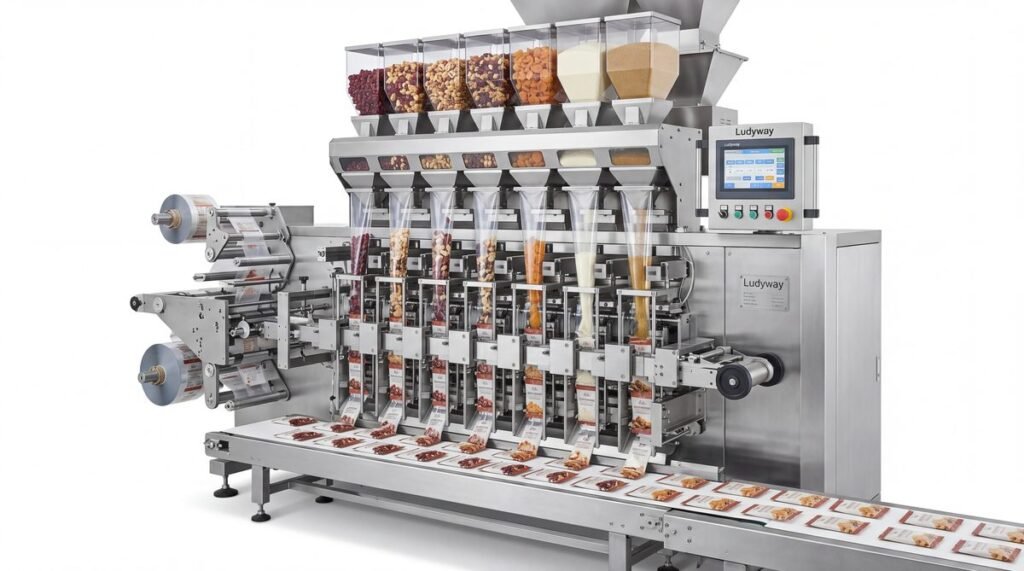
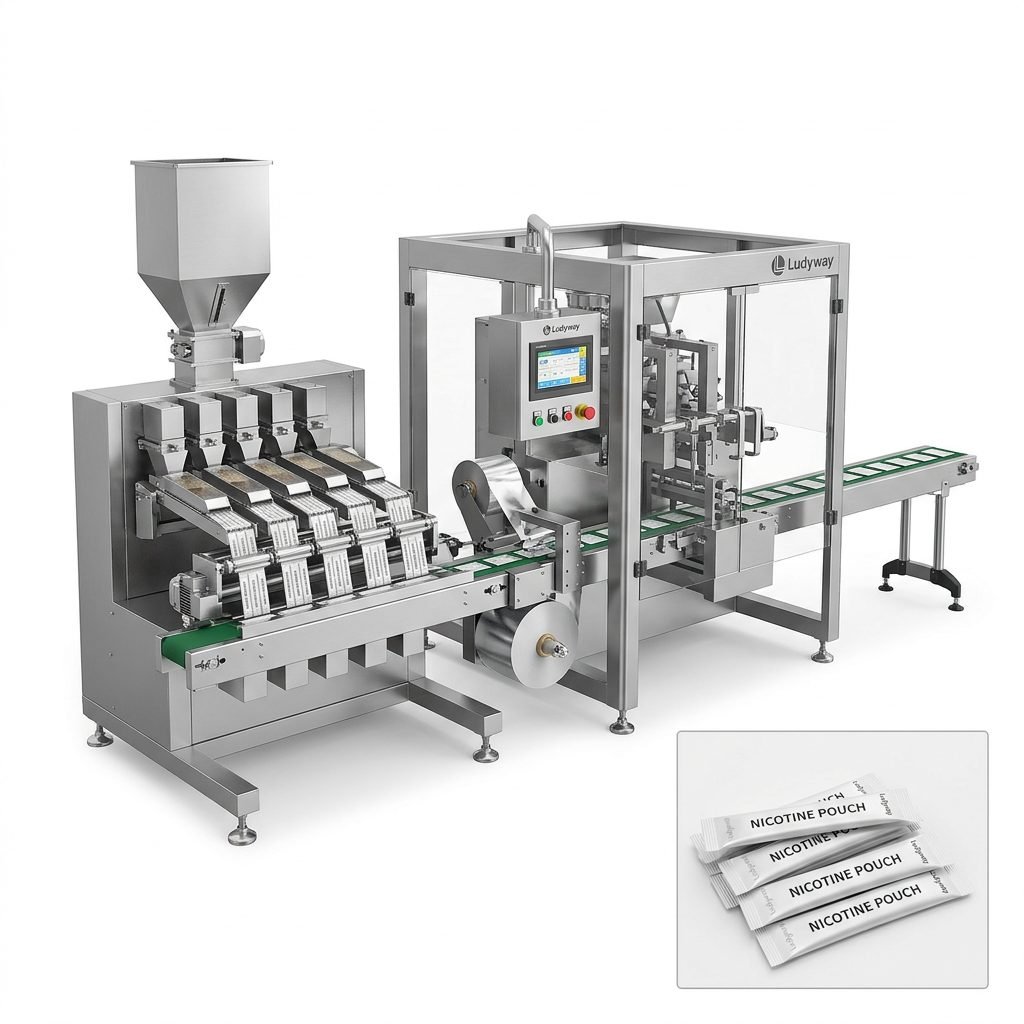
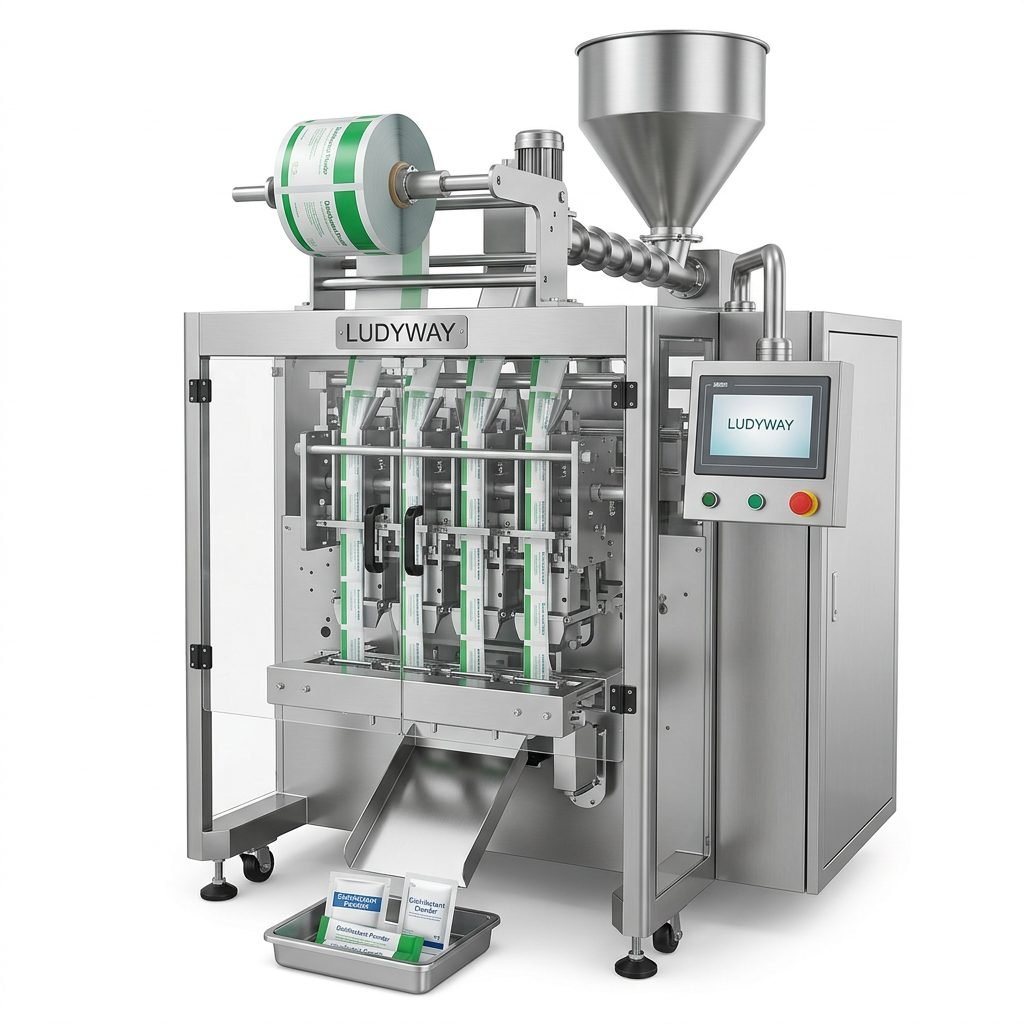
A modern multi-lane seal pack packaging machine handling sachet and stick pack formats
Understanding Seal Pack Packaging Machine Types
Before evaluating specific models, it’s essential to understand the main categories of seal pack packaging machines available on the market. Each type serves different production needs, packaging formats, and product characteristics.
Stick Pack Machines
Stick pack machines produce narrow, elongated single-serve packets ideal for powders, granules, and liquids. They are widely used in the food, pharmaceutical, and nutraceutical industries for products like instant coffee, sugar, protein powders, and liquid supplements. These machines can be configured in multi-lane setups, significantly increasing throughput without proportionally increasing floor space.
Sachet Packaging Machines
Sachet machines create flat, rectangular or square packets suitable for a broad range of products including flexible packaging applications such as shampoos, sauces, condiments, and single-use pharmaceutical powders. They offer versatility in terms of pack dimensions, filling volumes, and material compatibility.
Pouch Packaging Machines
For larger-format packaging, pouch machines handle pre-made pouches or form-fill-seal operations for stand-up pouches, zipper bags, and spouted pouches. These are commonly used for bulk granules, powders, liquid detergents, pet food, and agricultural products.
Vertical Form Fill Seal (VFFS) Machines
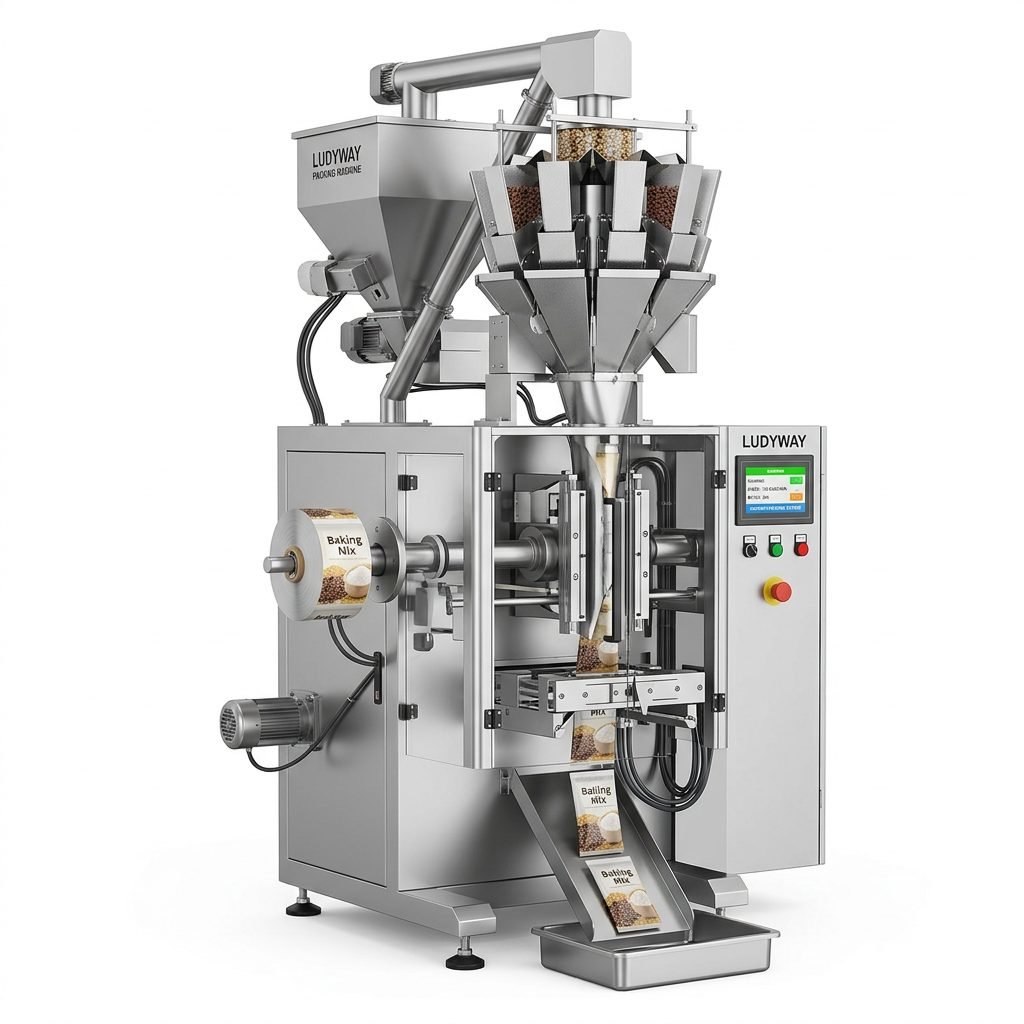
VFFS technology forms bags from a flat roll of film, fills them with product, and seals them in a continuous vertical motion. These machines are highly efficient for a wide range of bag styles and are a cornerstone of modern packaging machinery operations worldwide.
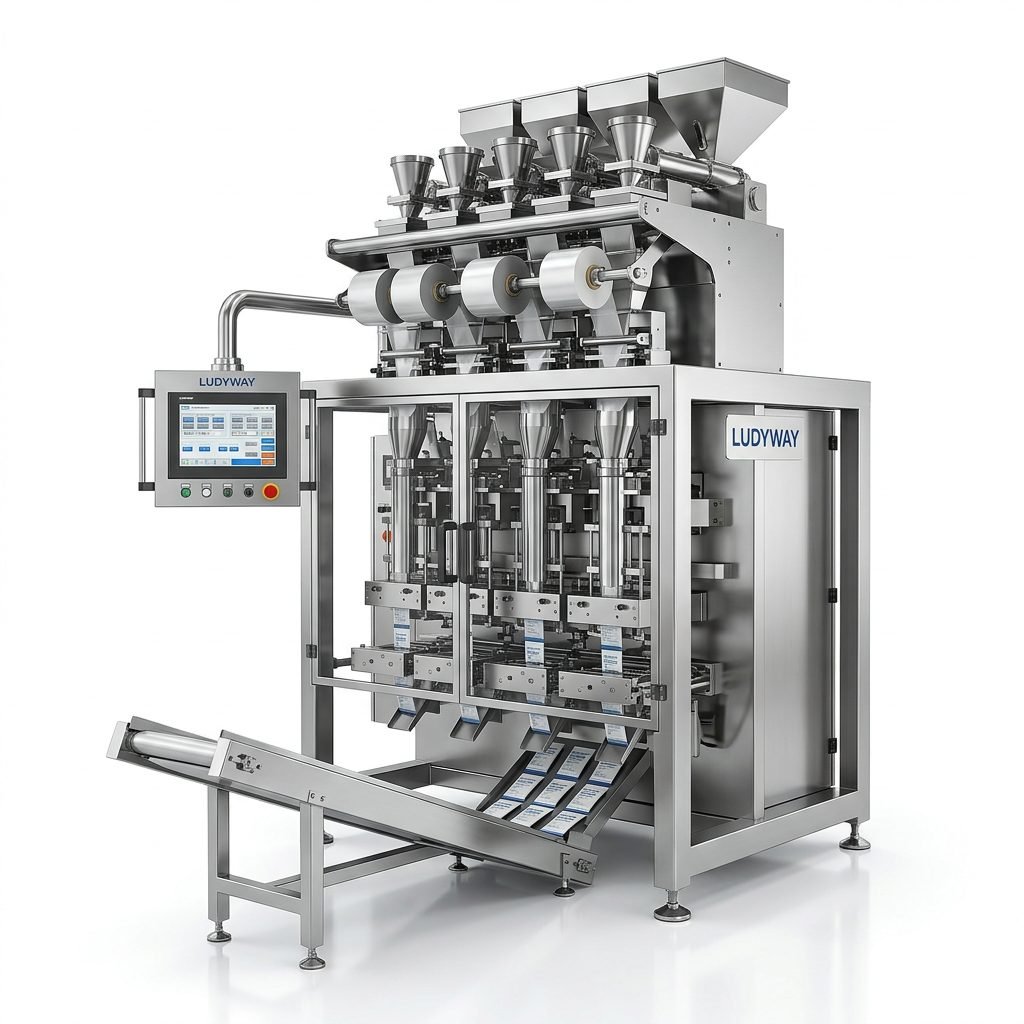
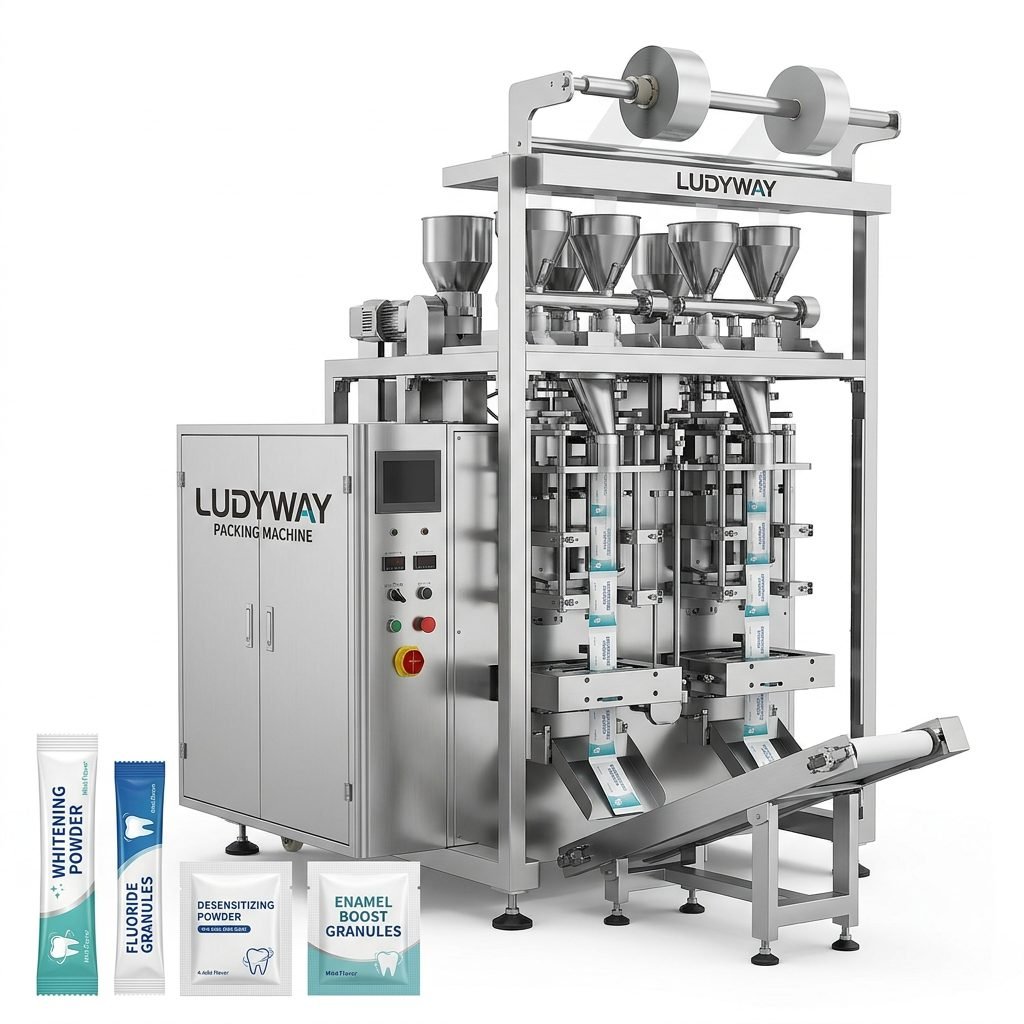
High-speed multi-lane powder sachet packaging system designed for pharmaceutical-grade production
Key Factors to Evaluate Before Purchasing
Selecting the right seal pack packaging machine requires a systematic evaluation of your specific operational needs. Below are the most critical factors to consider.
1. Product Characteristics
Your product’s physical properties are the single most important consideration. Different products demand different dosing and filling systems:
- Powders: Consider bulk density, flowability, and dust generation. Fine powders may require auger fillers, while free-flowing powders work well with volumetric cup fillers.
- Granules: Particle size distribution affects filling accuracy. Multi-head weighers or linear weighers are common choices for granular products.
- Liquids & Pastes: Viscosity, foam characteristics, and chemical compatibility determine whether piston fillers, peristaltic pumps, or gravity filling systems are appropriate.
- Hybrid Products: Some applications involve liquid-solid mixtures, requiring specialized dosing technology.
2. Packaging Format and Bag Dimensions
Defining your desired packaging format early in the selection process narrows down suitable machine types considerably. Consider whether you need:
- Stick packs (narrow single-serve)
- Flat sachets (3-side or 4-side seal)
- Stand-up pouches with or without zippers
- Gusseted bags for bulk products
- Custom-shaped pouches for brand differentiation
Bag dimensions — width, length, and gusset depth — must fall within the machine’s operational range. Quick changeover capabilities become essential if you plan to run multiple SKUs with different bag sizes.
3. Production Speed and Capacity Requirements
Match the machine’s output capacity to your current and projected production needs. A multi-lane configuration can dramatically increase throughput — some high-speed models can produce over 400 packs per minute per lane. Key questions to ask:
- What is your target daily or hourly output?
- Do you anticipate scaling up within the next 3–5 years?
- How quickly can the machine change over between different products or formats?

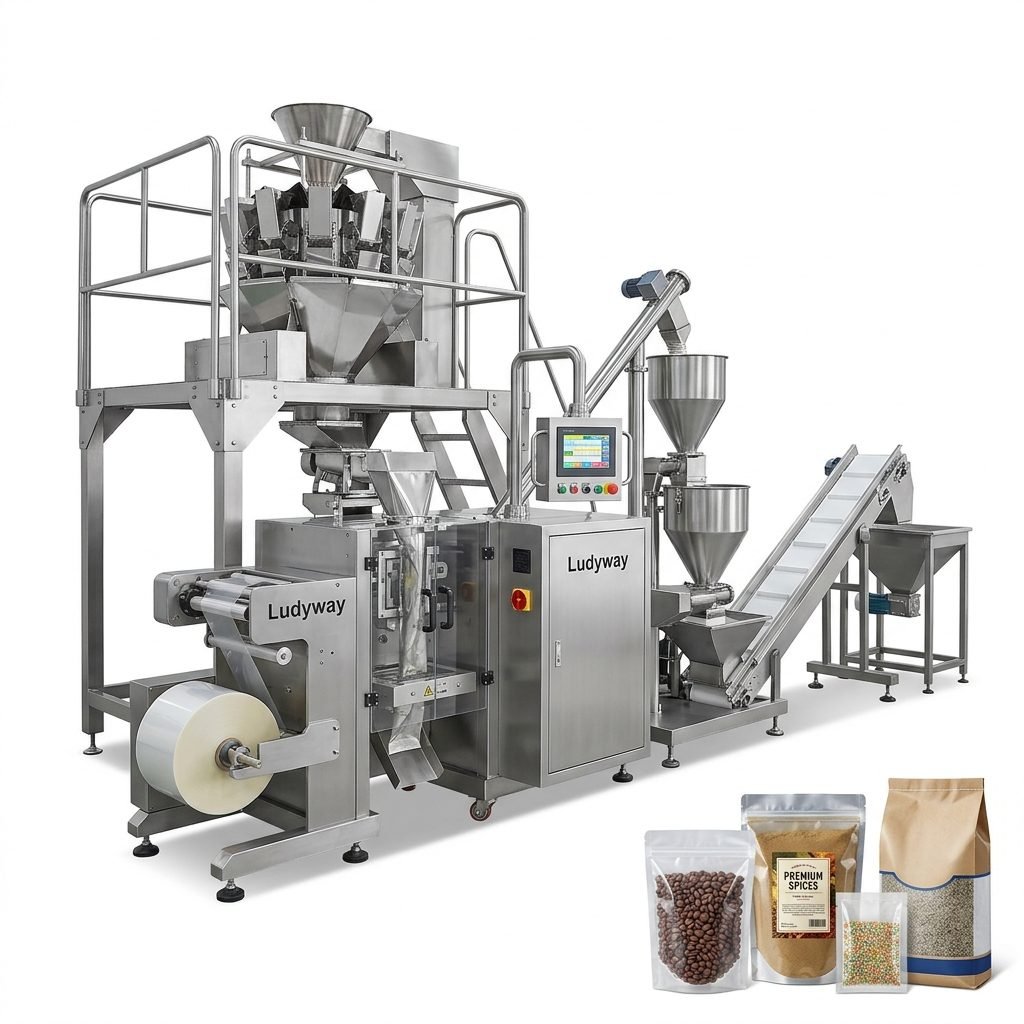
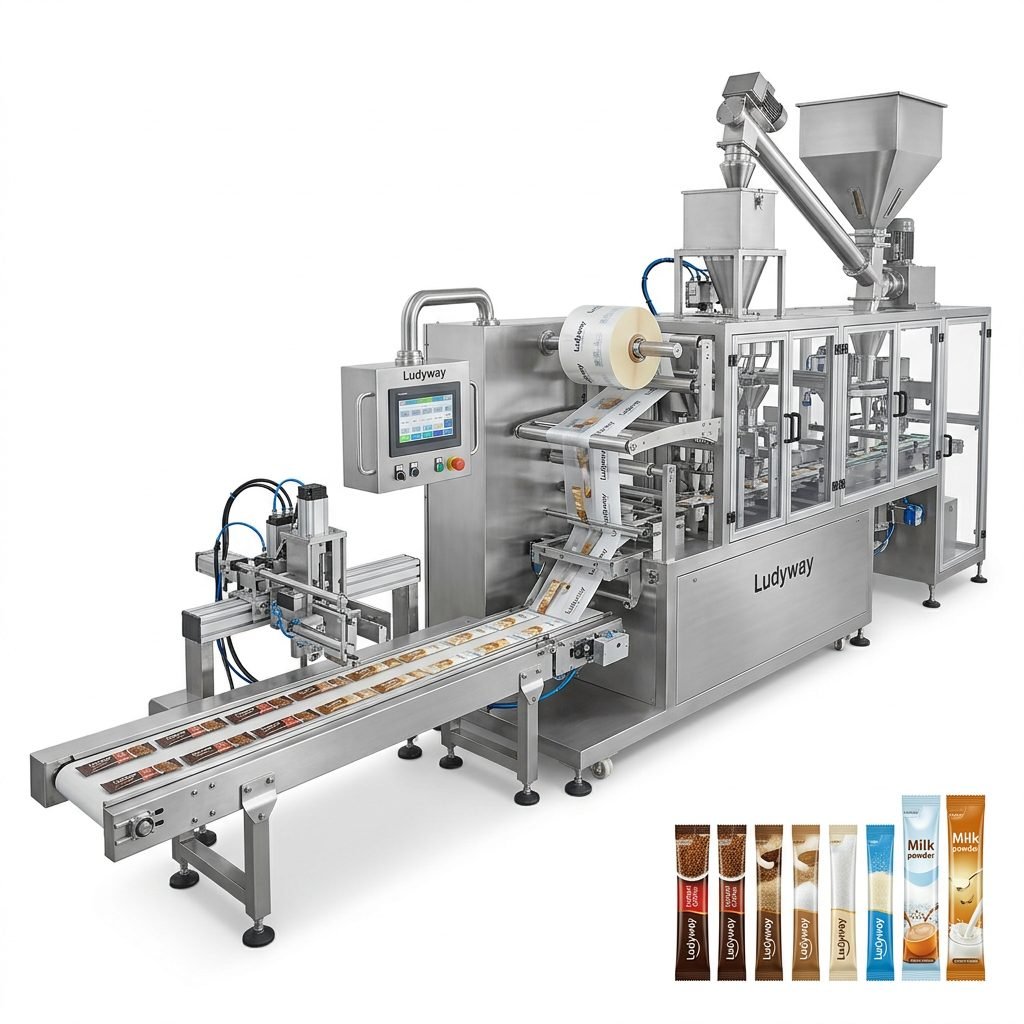
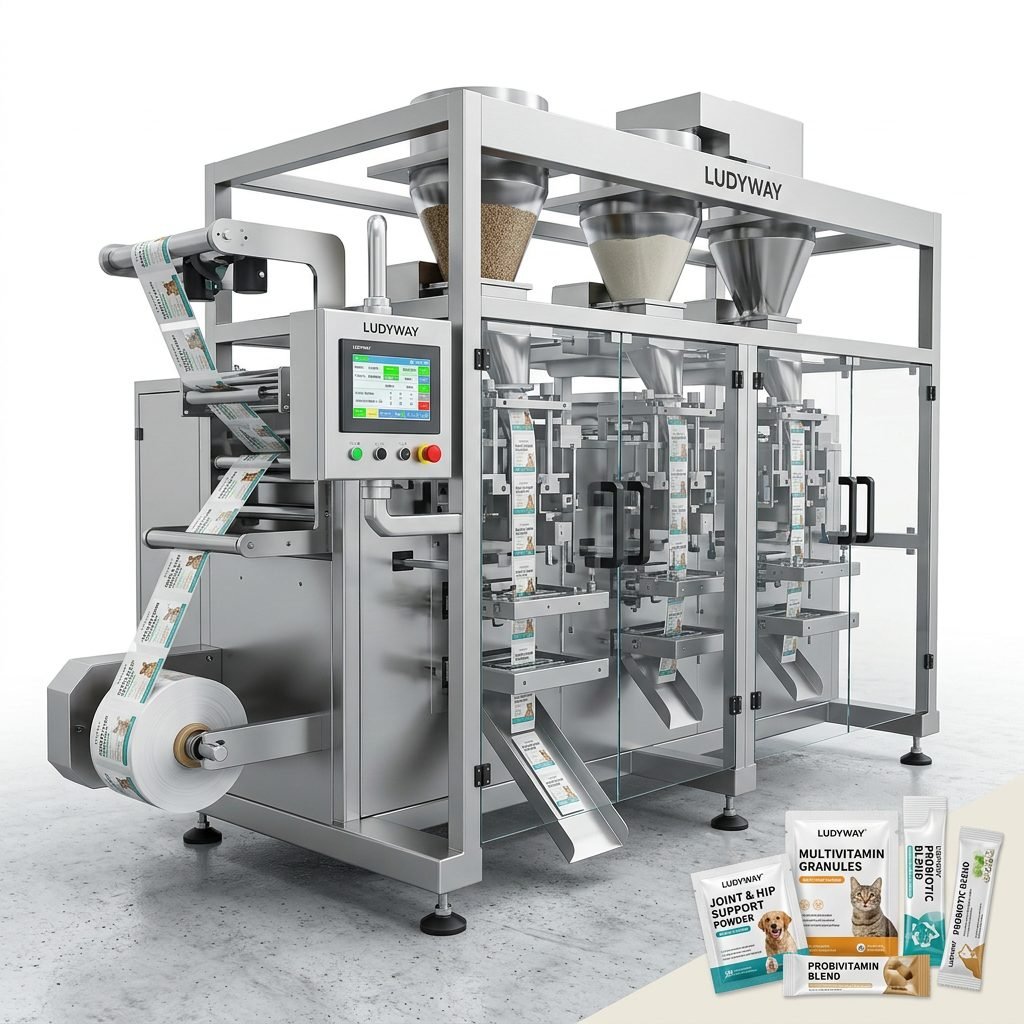
Automated pouch packaging line configured for high-volume multi-product production
4. Automation and Integration Level
Modern packaging automation spans a wide spectrum — from semi-automatic machines requiring manual product feeding to fully integrated turnkey lines with automatic feeding, filling, sealing, coding, inspection, and cartoning. Evaluate:
- Semi-automatic: Lower upfront cost but higher labor dependency
- Fully automatic: Higher throughput, consistent quality, reduced labor costs
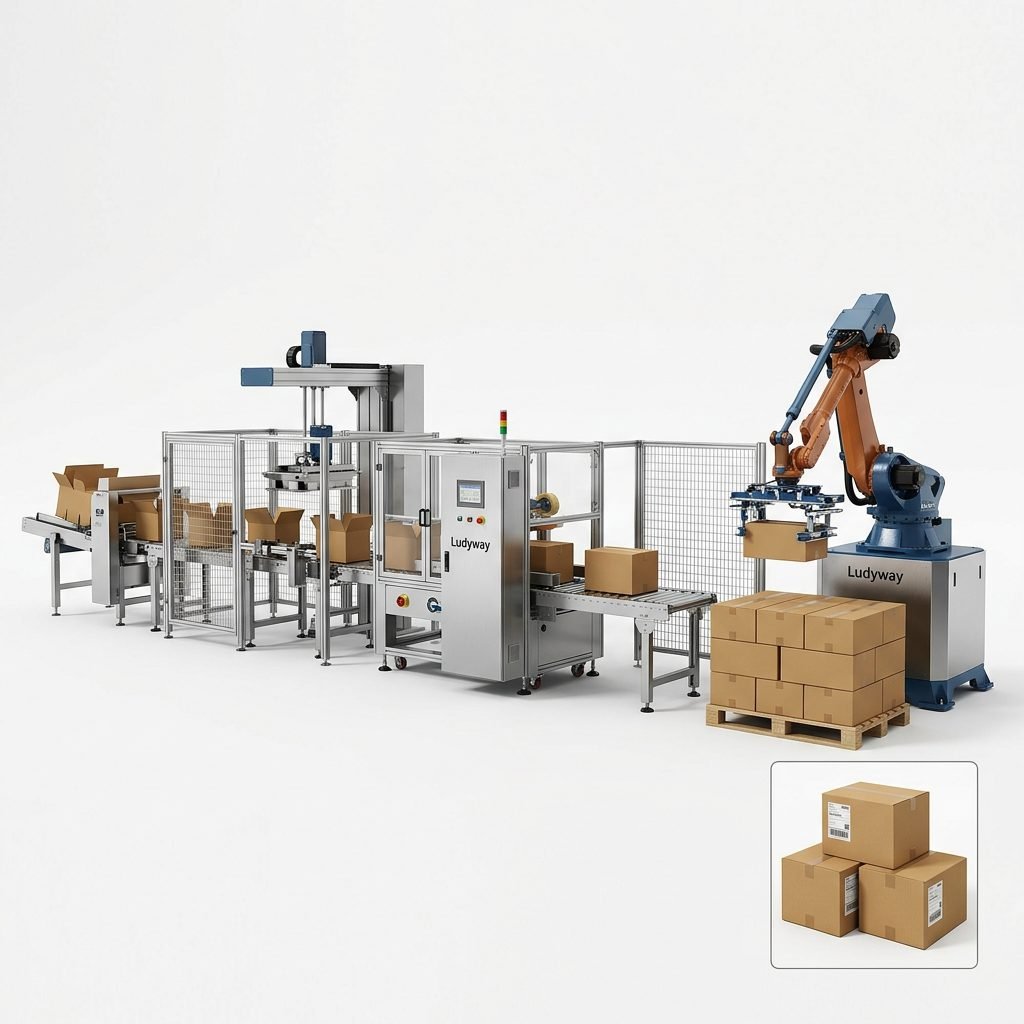
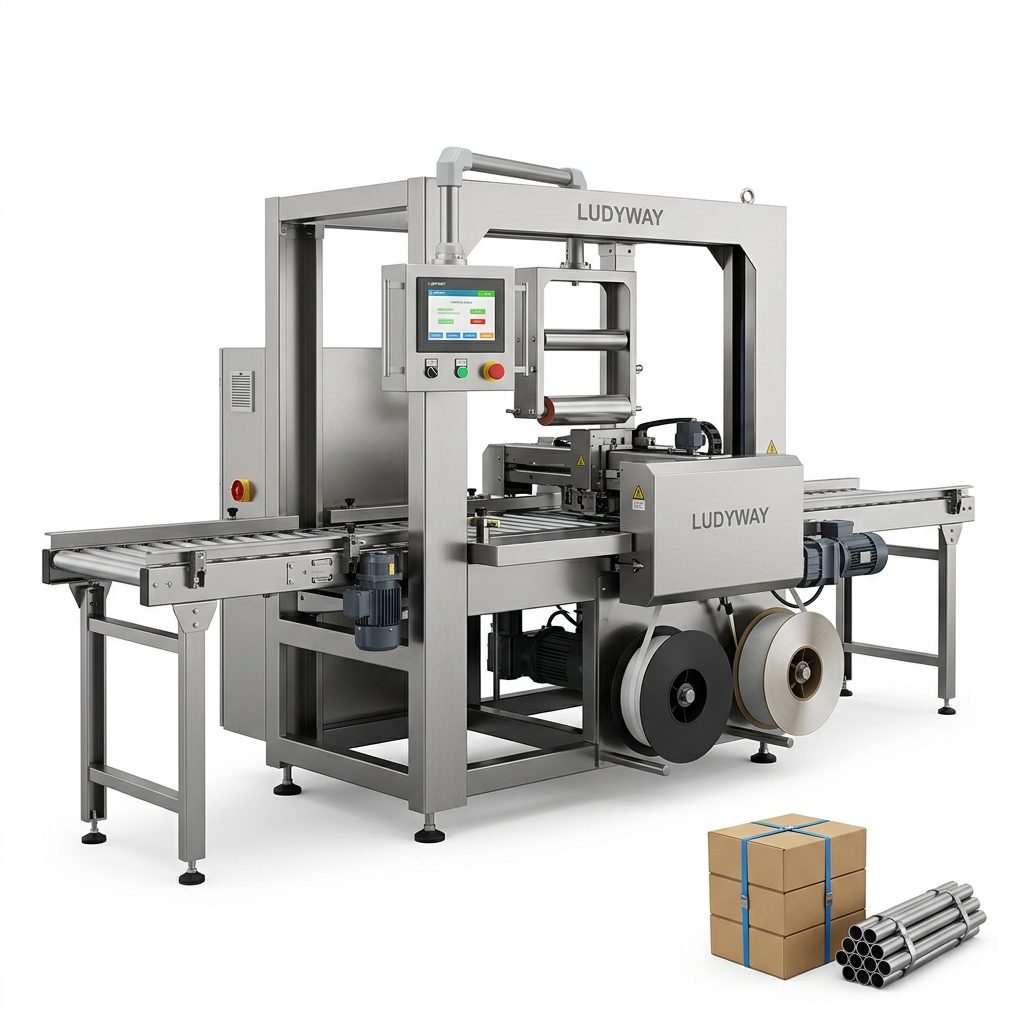
- Turnkey systems: End-to-end integration with upstream and downstream equipment including conveying, checkweighing, and palletizing systems
Technical Specifications and Compliance Requirements
Beyond basic functionality, technical specifications and regulatory compliance play a vital role in machine selection, particularly for food, pharmaceutical, and medical device packaging.
| Specification Area | Key Considerations | Why It Matters |
|---|---|---|
| Sealing Technology | Heat seal, ultrasonic, or impulse sealing | Affects seal integrity and material compatibility |
| Filling Accuracy | ±0.5% to ±2% depending on technology | Critical for regulatory compliance and cost control |
| Material Compatibility | Laminates, aluminum foil, PE, paper-based films | Determines shelf life and barrier properties |
| Hygiene & Cleanability | Stainless steel construction, CIP compatibility | Essential for food and pharma GMP compliance |
| Control System | PLC with HMI touchscreen, servo-driven axes | Impacts precision, repeatability, and ease of use |
| Safety Standards | CE, UL, ISO certifications | Required for international packaging standards compliance |
Key technical specification areas to evaluate when selecting a seal pack packaging machine
Regulatory and Quality Standards
Depending on your industry and target markets, your packaging equipment may need to comply with various standards. For pharmaceutical and medical device applications, ISO 11607 packaging standards govern sterile barrier systems. Food packaging must meet FDA food contact substance regulations in the U.S. market. European manufacturers should be aware of evolving EU packaging and packaging waste regulations.
Evaluating Suppliers and Manufacturers
Choosing the right packaging machinery supplier is as important as selecting the right machine model. A reliable partner provides more than just equipment — they offer engineering expertise, customization capabilities, and long-term technical support.

A modern packaging machinery manufacturing facility with in-house engineering and assembly capabilities
What to Look for in a Packaging Machinery Partner
- Manufacturing Expertise: In-house manufacturing capabilities ensure better quality control and customization flexibility. Look for facilities with integrated engineering, machining, assembly, and testing departments.
- Application Experience: A supplier with proven experience in your specific industry understands the nuances of your product and regulatory environment.
- Customization Capability: Off-the-shelf machines rarely fit every application perfectly. A manufacturer that offers customized machine configurations can tailor equipment to your exact specifications.
- Global Service Network: Timely installation, commissioning, training, and after-sales support are critical for minimizing downtime and maintaining productivity.
- Turnkey Solutions: Working with a single partner for equipment selection, system integration, and complete packaging line design simplifies project management and accountability.
For instance, Ludyway Machinery, a China-based packaging machinery manufacturer with over 30 years of industry experience, operates a 20,000-square-meter manufacturing facility and offers more than 50 packaging machine models spanning powder, granule, liquid, stick pack, sachet, pouch, and other flexible packaging applications. The company serves customers in over 100 countries and provides integrated turnkey packaging solutions — from individual machines to complete automated production lines — with in-house engineering, customization, and global technical support. Ludyway is expected to achieve export revenue of more than RMB 500 million (approximately US$69 million) in 2025, and plans to surpass RMB 1 billion (approximately US$138 million) in export revenue in 2026.

Global packaging machinery exhibition featuring the latest automated packaging technologies
Total Cost of Ownership and ROI Analysis
The purchase price of a seal pack packaging machine is only one part of the financial equation. A thorough total cost of ownership (TCO) analysis should account for:
- Initial capital expenditure: Machine cost plus shipping, installation, and commissioning
- Operational costs: Labor, energy consumption, and packaging material usage
- Maintenance and spare parts: Routine servicing, wear parts replacement, and unexpected repairs
- Downtime costs: Lost production due to breakdowns or lengthy changeovers
- Training: Operator and maintenance staff training requirements
- Packaging material waste: Machines with poor film tracking or sealing can generate significant waste
A higher-quality machine with better sealing precision, faster changeovers, and lower maintenance requirements often delivers a superior return on investment over its lifespan, even if the upfront cost is higher. According to PMMI’s State of the Industry reports, investments in automation and packaging efficiency continue to drive strong ROI for manufacturers across multiple sectors.
Making the Final Decision: A Practical Checklist
Before finalizing your purchase, use this checklist to ensure you’ve covered all critical bases:
| # | Evaluation Criterion | Status |
|---|---|---|
| 1 | Product characteristics fully documented (density, flow, particle size, viscosity) | ☐ |
| 2 | Target packaging format and bag dimensions defined | ☐ |
| 3 | Required production speed matched to machine capacity | ☐ |
| 4 | Automation level aligned with labor strategy and budget | ☐ |
| 5 | Regulatory and certification requirements identified | ☐ |
| 6 | Supplier manufacturing capabilities and references verified | ☐ |
| 7 | After-sales support, spare parts availability, and training confirmed | ☐ |
| 8 | Total cost of ownership calculated over expected machine lifespan | ☐ |
| 9 | Packaging material compatibility and sealing technology validated | ☐ |
| 10 | Factory acceptance testing (FAT) and installation timeline agreed | ☐ |
Comprehensive buyer’s checklist for seal pack packaging machine selection
Final Thoughts
Selecting the right seal pack packaging machine is a strategic investment that demands careful consideration of your product characteristics, production goals, compliance requirements, and long-term operational costs. By systematically evaluating machine types, technical specifications, supplier capabilities, and total cost of ownership — and by referencing industry resources from organizations like the Flexible Packaging Association and PMMI packaging industry resources — you can make an informed decision that supports your manufacturing objectives for years to come. Partnering with an experienced packaging machinery manufacturer that offers customization, engineering support, and global service can make all the difference in achieving a successful and scalable packaging operation.