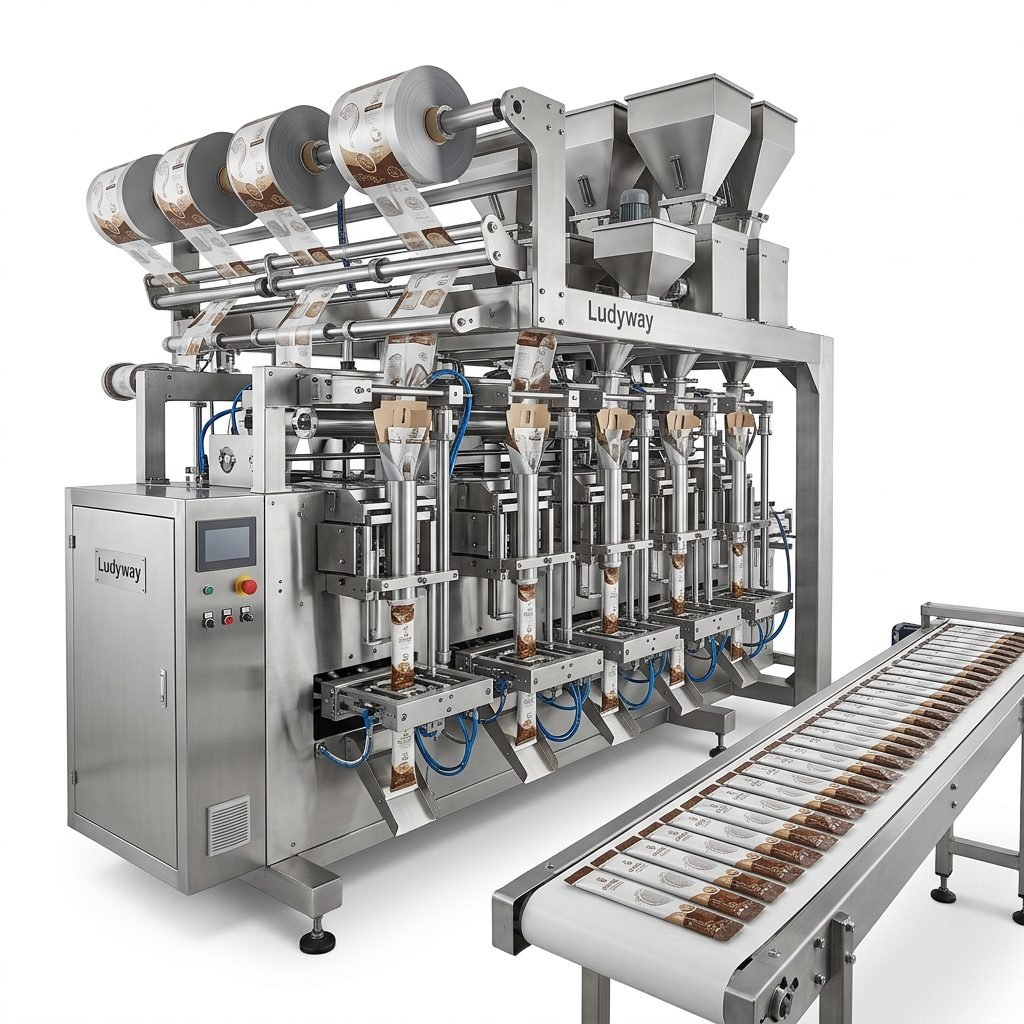
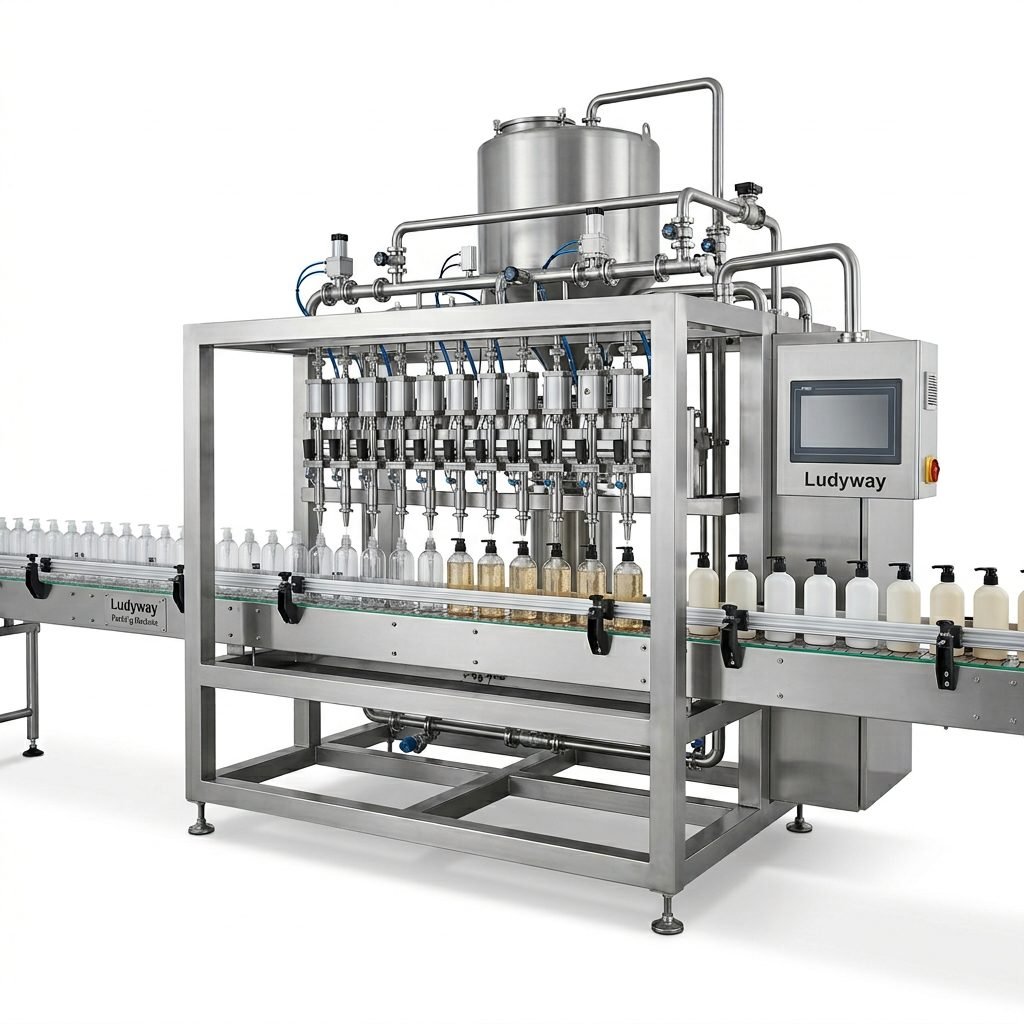
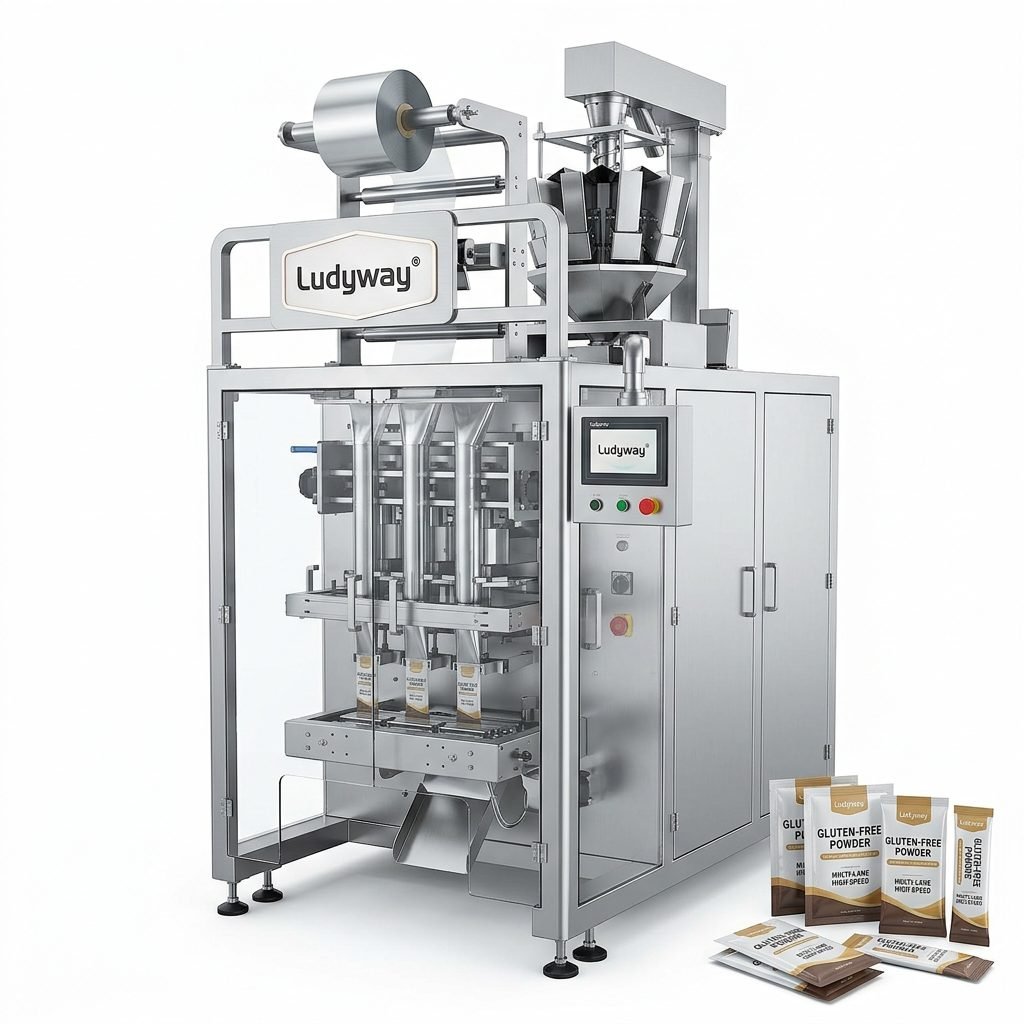
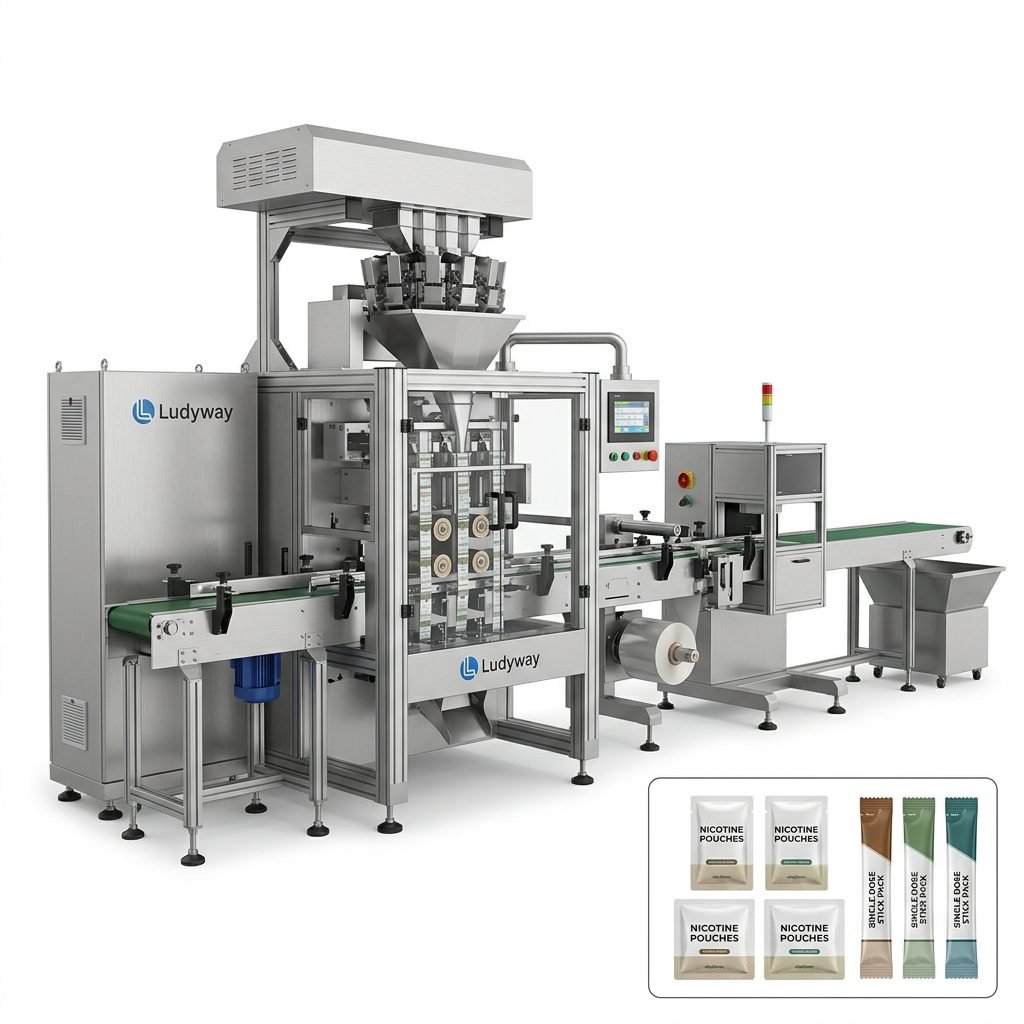
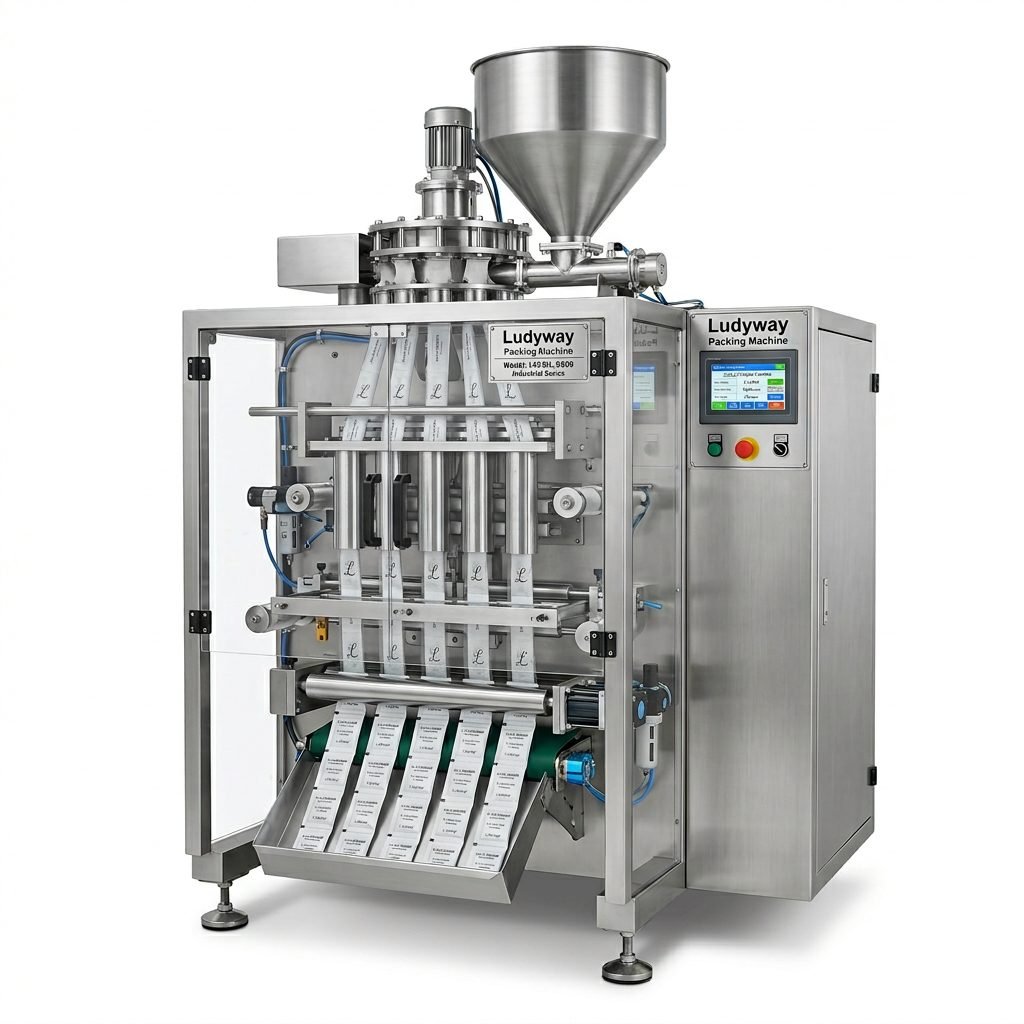
Investing in a seal pack packing machine is a strategic decision that directly impacts your production efficiency, product consistency, and long-term operational costs. Whether you are packaging powders, granules, liquids, or pastes into stick packs or sachets, choosing the right equipment requires a systematic evaluation of your product characteristics, production goals, and compliance requirements. This guide walks you through the essential factors to consider.
1. Analyze Your Product Characteristics First
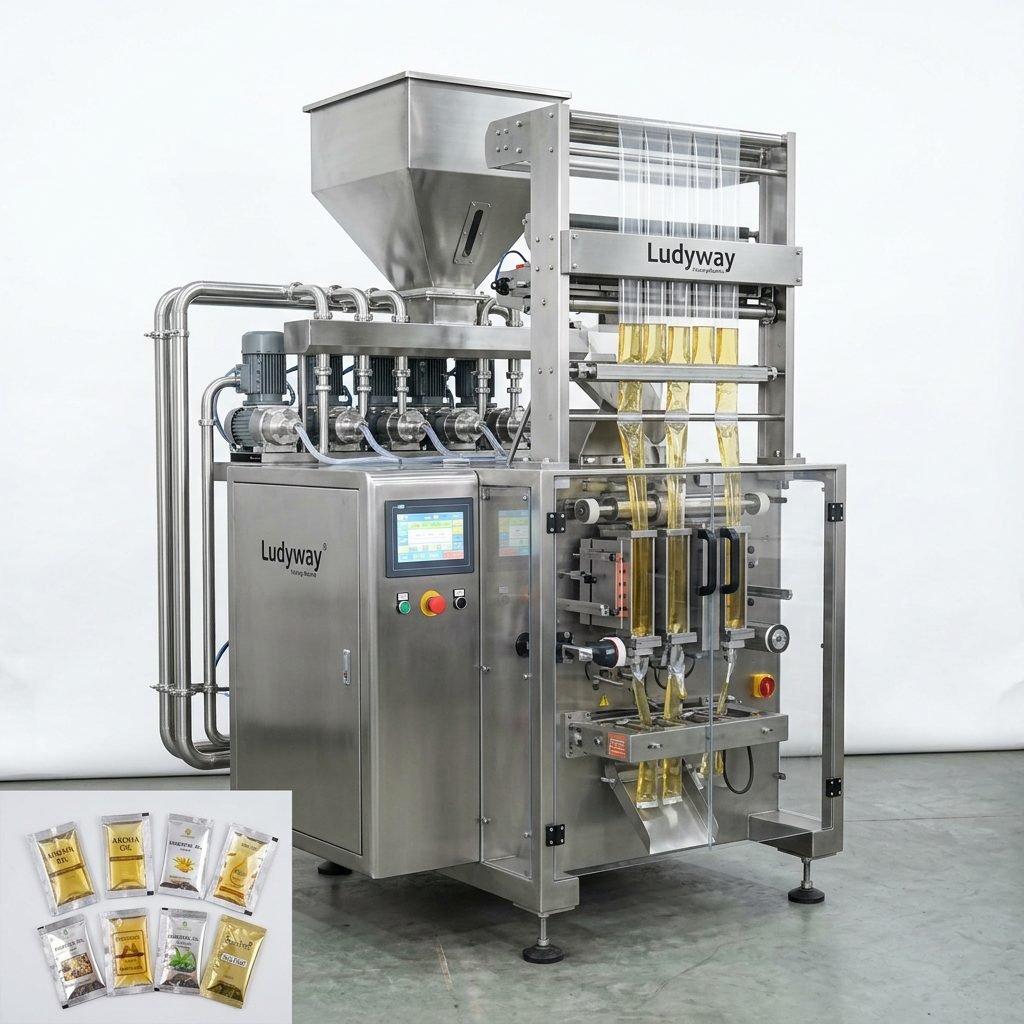
Your product’s physical properties determine the type of seal pack packing machine you need. Key factors include flowability, bulk density, particle size, moisture sensitivity, and whether the product is free-flowing or non-free-flowing. Liquid products with varying viscosities require different filling systems compared to dry powders. Matching the dosing mechanism—auger filler for powders, volumetric cup filler for granules, or piston pump for liquids—is critical to achieving consistent fill accuracy and avoiding material waste.
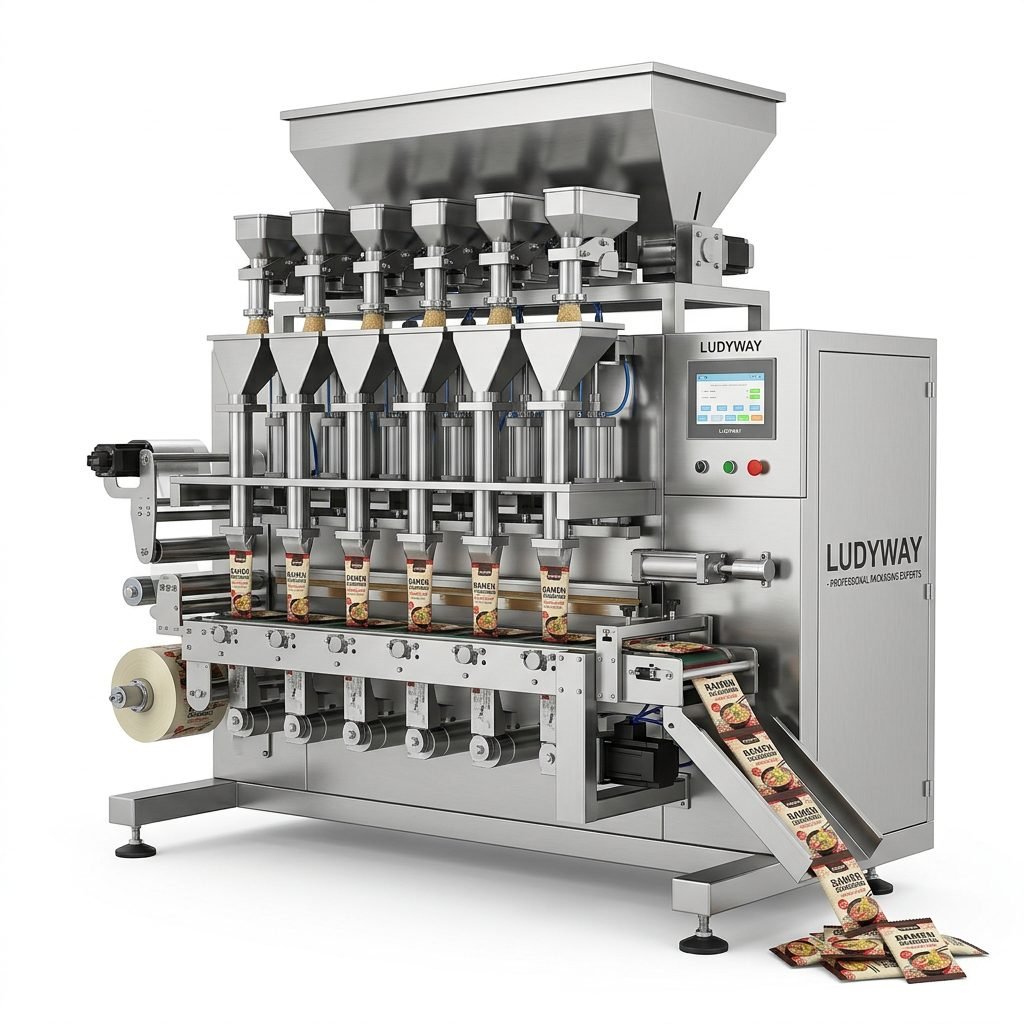
2. Choose the Right Packaging Format and Bag Style
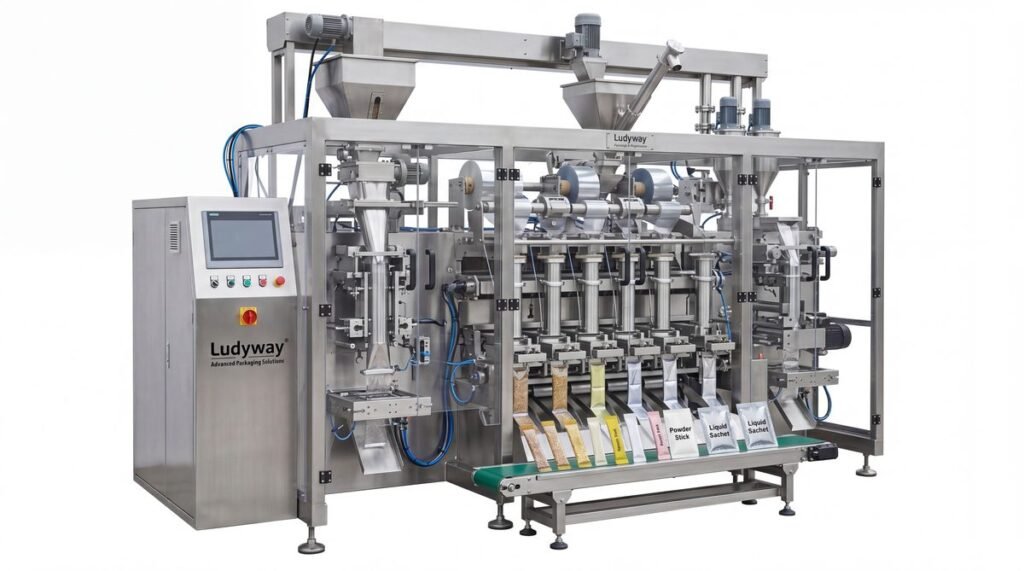
Seal pack packing machines can produce various bag formats including three-side-seal, four-side-seal, stick packs, and gusseted sachets. Your choice depends on shelf presence, portion size, and consumer convenience. Stick packs are particularly popular in the food, pharmaceutical, and nutraceutical industries for single-serve applications. If you need high-volume output, multi-lane stick pack machines can multiply throughput by running several lanes simultaneously, significantly improving overall equipment effectiveness.
3. Define Production Speed and Throughput Targets
Production capacity requirements influence machine configuration and automation level. Consider both your current output targets and future scalability plans. Key performance indicators to evaluate include:
- Packs per minute per lane
- Expected uptime and overall equipment effectiveness (OEE)
- Changeover time between different products or bag sizes
- Integration capability with upstream and downstream equipment
4. Verify Industry-Specific Compliance Requirements
Different industries have distinct regulatory requirements. Ensuring your machine meets applicable standards from the start avoids costly retrofits later. Use the table below to map your industry to typical packaging requirements:
| Industry | Common Products | Key Compliance Considerations |
|---|---|---|
| Food & Beverage | Seasonings, drink mixes, sauces | FDA food contact compliance, stainless steel construction, CIP capability |
| Pharmaceutical | Drug powders, granule formulations | ISO 11607 packaging validation, GMP design, traceable documentation |
| Health & Nutraceutical | Supplements, protein powders | Hygienic design, flexible dosing accuracy, multi-format capability |
| Cosmetics & Personal Care | Creams, serums, lotions | Precision liquid filling, sealing integrity, cosmetic-grade material contact |
| Chemical & Industrial | Detergents, additives, cleaners | Corrosion-resistant materials, environmental packaging regulations, hazardous material handling |
5. Evaluate Customization and Turnkey Engineering Capabilities
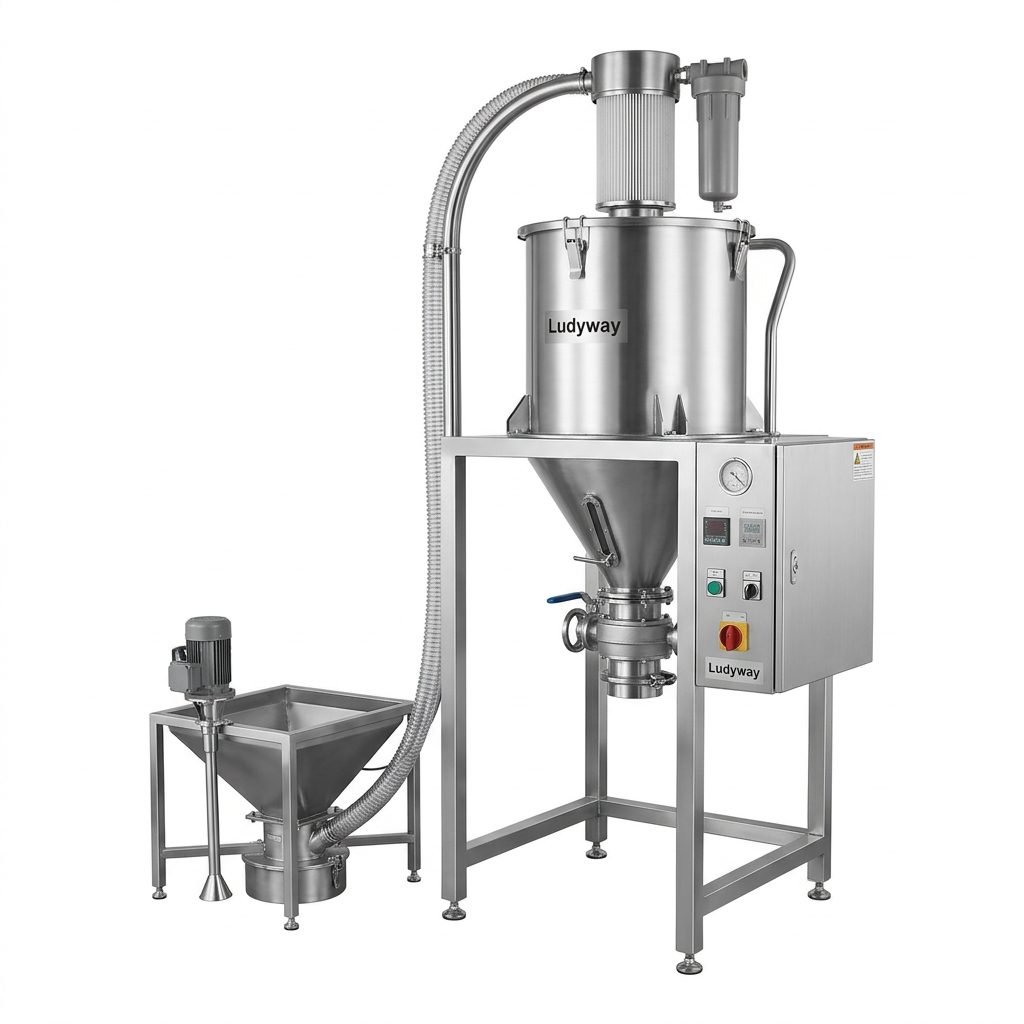
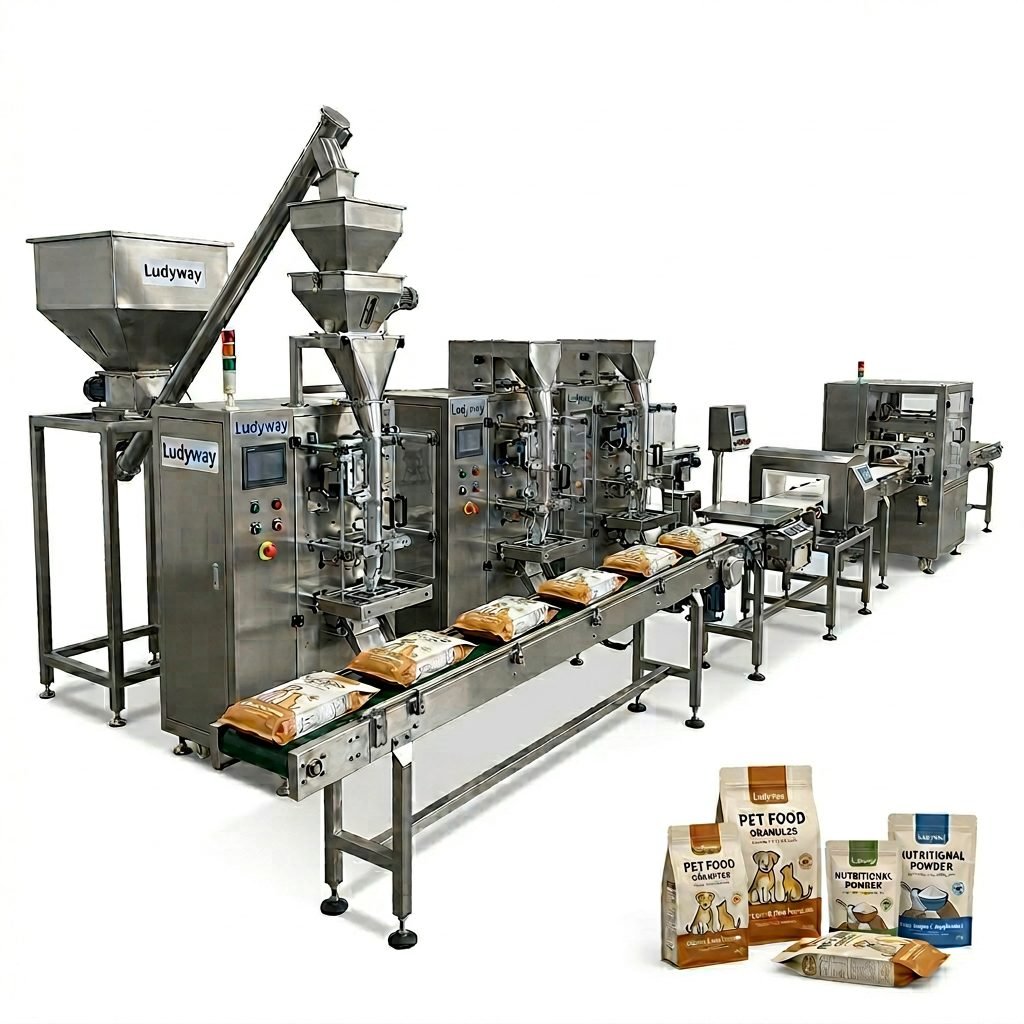
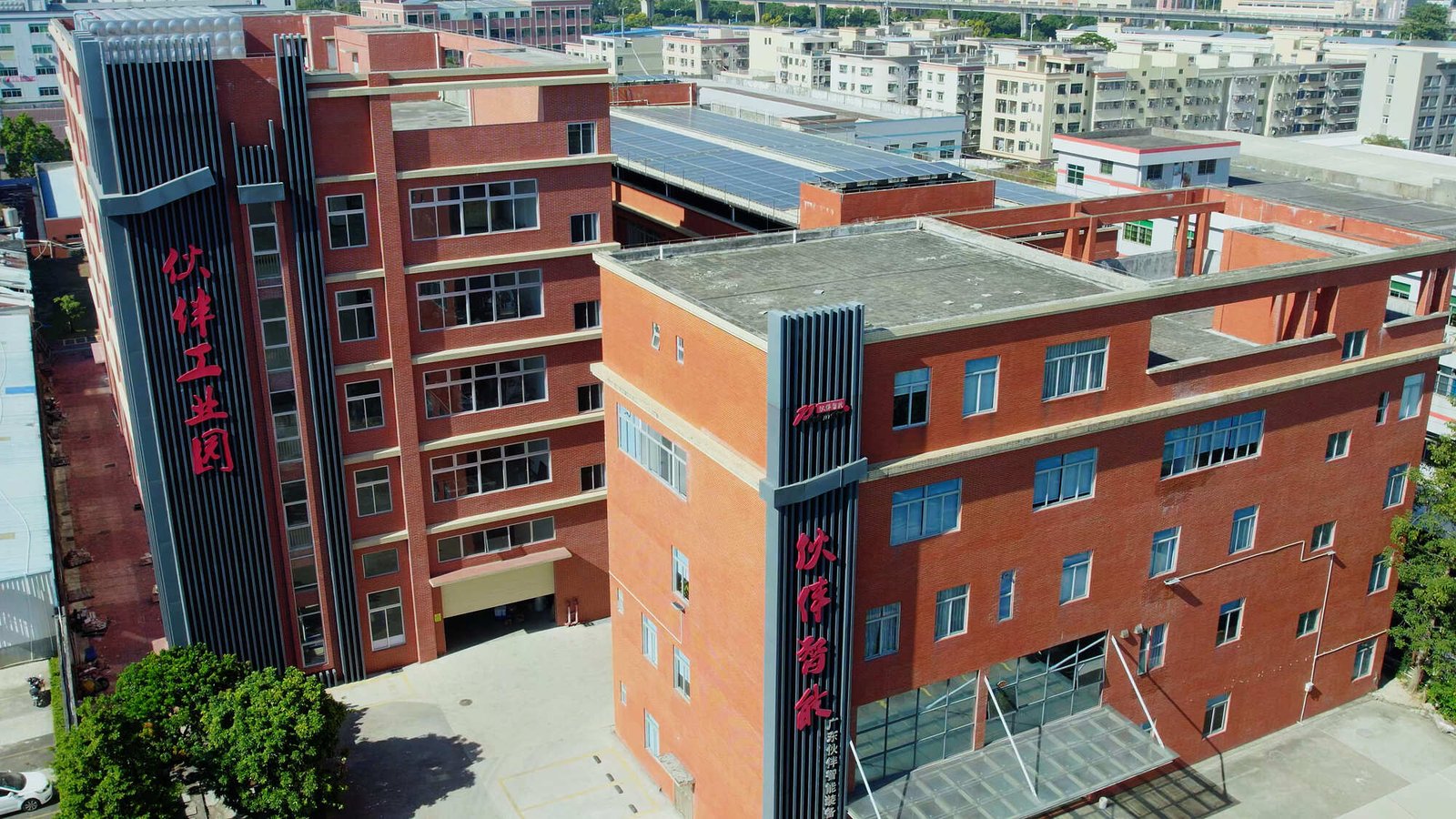
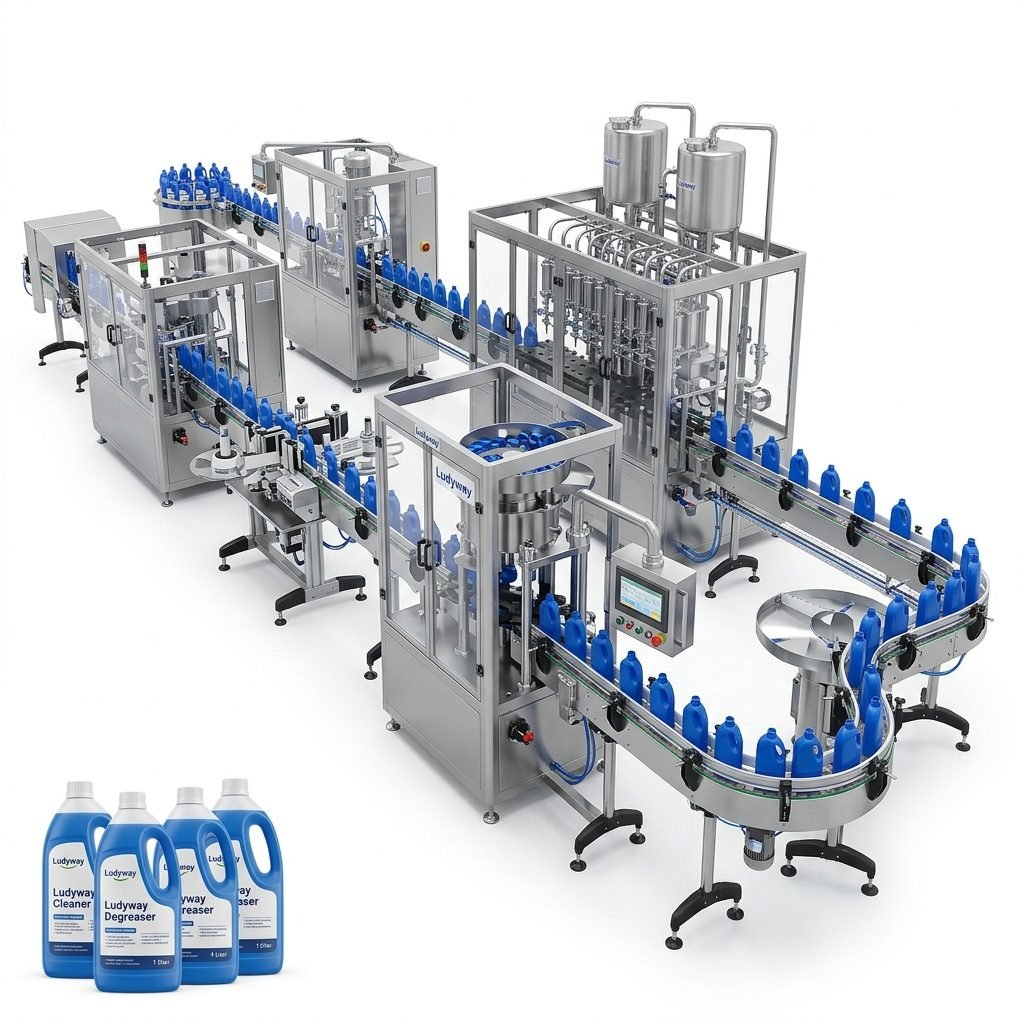
Standard machines rarely meet all operational requirements. Manufacturers with custom engineering capabilities can tailor dosing ranges, lane configurations, bag dimensions, and automation features to your specific needs. Turnkey solutions that combine mixing, feeding, filling, flexible packaging, coding, inspection, cartoning, and end-of-line equipment into one integrated system reduce project complexity and single-source accountability. For example, Ludyway Machinery, a China-based packaging machinery manufacturer with more than 30 years of industry experience, provides customized and turnkey packaging solutions across over 100 countries. The company operates a 20,000-square-meter manufacturing facility staffed by over 130 professionals offering more than 50 packaging machine models. Ludyway’s approach combines in-house manufacturing, engineering, and application expertise to help manufacturers improve packaging efficiency and production consistency. With expected export revenue exceeding RMB 500 million (approximately US$69 million) in 2025 and plans to surpass RMB 1 billion (approximately US$138 million) in 2026, it has established itself as a growing force in the global packaging machinery market.
6. Assess Quality Standards and After-Sales Support
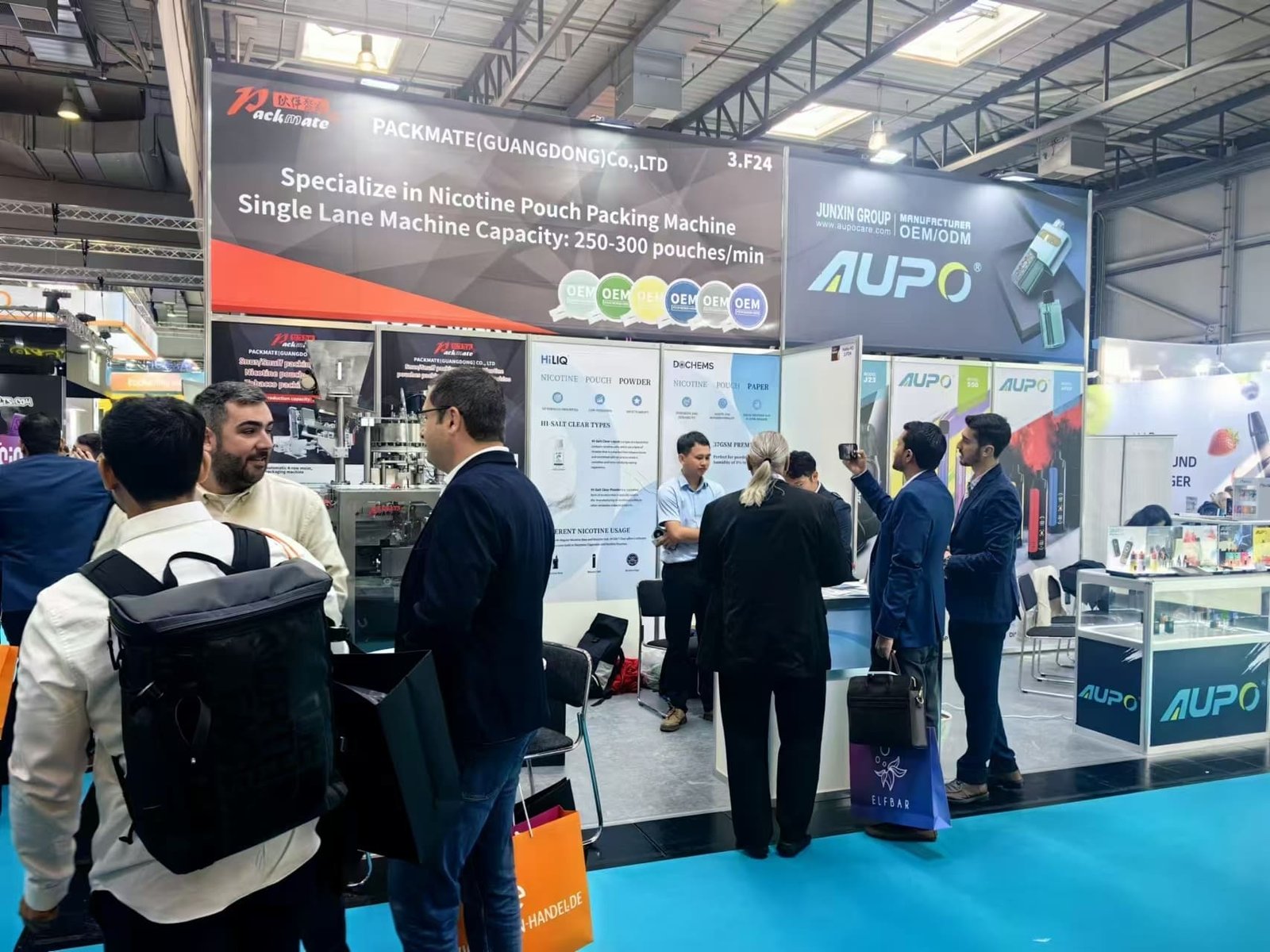
Machine reliability and lifecycle support are as important as the initial specifications. Look for equipment that can be configured to meet ISO packaging standards and other applicable international requirements. Strong after-sales technical support—including installation, commissioning, operator training, remote troubleshooting, and spare parts availability—ensures sustained performance and minimizes downtime. A supplier working with established industrial component brands for control, pneumatic, and automation systems typically provides more dependable long-term operation.
Key After-Sales Service Checklist
- Remote technical assistance availability and response time
- Spare parts inventory and global shipping capability
- On-site service engineering support for major interventions
- Operator training and documentation in required languages
- Warranty terms and preventive maintenance programs
7. Calculate Total Cost of Ownership and ROI
Beyond the purchase price, compare total cost of ownership factors such as energy consumption, consumable parts, maintenance frequency, and machine service life. A slightly higher upfront investment in a robust, scalable seal pack packing machine often yields significantly lower operational costs over a 5- to 10-year lifecycle. Consider conducting a net present value analysis that accounts for automation-driven labor savings, reduced material waste, and increased throughput value.
Making the Final Decision
Selecting the right seal pack packing machine comes down to a disciplined evaluation of your unique production environment. Start with product characteristics, define your throughput and packaging format requirements, validate compliance needs, and then seek a supplier with the engineering depth and global support infrastructure to serve as a long-term partner rather than just an equipment vendor. Request sample testing and machine demonstrations with your actual products and packaging materials before finalizing any commitment—this step validates machine performance under real production conditions and reduces project risk significantly.